Awogbemila Temitope

Italy, a major European military power and founding member of NATO, is deepening defence ties with Russia-backed Libya as military leaders from both countries meet in Tripoli to expand cooperation in operational capacity and professional training.
Libya’s Chief of General Staff, Lt Gen Salah al-Din al-Namroush, received his Italian counterpart, Lt Gen Luciano Portolano to explore avenues for closer military collaboration, specifically regarding training and professional development.
Italy and Libya enhance military cooperation as Russia advocates for political settlement
As reported by Libya Observer, the General Staff confirmed that both officials evaluated ongoing projects while “discussing training, capacity-building and the exchange of expertise“.
Both leaders reviewed recent progress and emphasised “the importance of building on those results and expanding areas of partnership“.
In addition, the two military commanders met with Defence Ministry Undersecretary Lt Gen Abdulsalam al-Zoubi to address broader issues of mutual interest.
These security talks coincide with broader regional developments involving Russia and internal Libyan dialogues.
These dialogues come at a critical time for Libya, where recent crises have raised concerns about a possible escalation in the country’s already fragile security situation.
Following an alleged Ukrainian drone attack on a key Libyan refinery that reportedly forced a temporary shutdown, Business Insider Africa has also reported that the United States issued a stern travel warning to its citizens, advising them to avoid travelling to or remaining in Libya because of security risks including kidnapping, terrorism and sudden clashes between rival factions.
Despite these security challenges, Libya has maintained close ties with Russia.
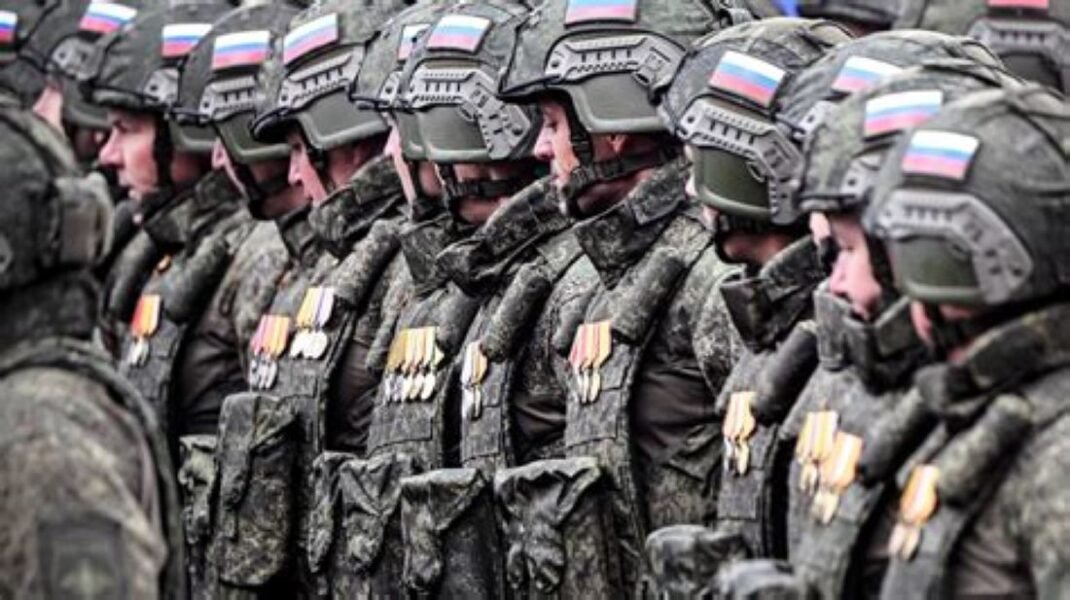
A few weeks ago, Business Insider Africa reported that Moscow had expanded its military presence across six Libyan bases, where it was reportedly deploying drones and fighter jets.
The expansion will give Russia a stronger position closer to its Sahel allies in the Alliance of Sahel States (AES), comprising Mali, Burkina Faso and Niger.
Some analysis published by AP has also claimed that Russia’s close relationship with countries like Libya is mainly to undermine western interest and portray the west as an undependable security partner.
Nonetheless, Russia continues to expand its military and diplomatic presence across Africa.
In recent diplomatic statements published by Libya Observer the Russian Foreign Ministry announced that “Moscow is committed to resolving the Libyan crisis based on a national consensus among the country’s political forces“.
________________