Interviewed by Aya Burweila

In scenes that have become all too familiar, endless queues at petrol stations across Libya during Eid al Adha underscored an uncomfortable reality: the energy security of one of Africa’s leading oil producers is anything but secure. A nation rich in oil has become a nation waiting in line for fuel.
More concerning still, analysts at Dispatch Risk Analysis warn that fuel supply disruptions are likely to persist for the foreseeable future. As Libya grapples with recurring shortages despite strong oil production and export revenues, the country’s long term energy future is increasingly becoming part of the national conversation.
Advocates of renewable energy argue that crisis highlights the risks of relying on a single energy model and presents an opportunity to diversify. Among those voices is Los Angeles-based engineer Dr. Hassan Sassi, co-founder of the Libya Green Building Council and founder of the National Council on US-Libya Relations.
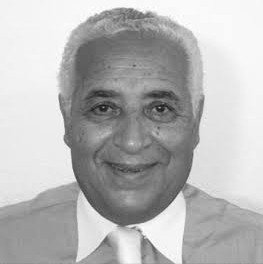
Dr. Sassi believes Libya’s abundant solar resources and high purity silica deposits could position the country as a regional leader in clean-energy manufacturing and exports. Rather than viewing renewable energy as an alternative to Libya’s oil wealth, he argues that it should be seen as a strategy for protecting it; reducing domestic energy vulnerabilities while creating new industries and export opportunities.
In the following interview, Dr. Sassi discusses the structural causes of Libya’s fuel crisis, the economic potential of the country’s vast solar and silica resources, and why he believes today’s energy challenges could become the foundation of a more secure and sustainable future.
Aya Burweila: Dr. Sassi, thank you for joining the Libya Economic Review for an interview
Hassan Sassi: Thank you so much Aya for taking the time to speak with me today about the subject matter.
Aya Burweila: Let me start with the obvious. Libya is currently facing fuel supply disruptions despite its vast hydrocarbon resources. What does this crisis reveal about the country’s energy system, and how can renewable energy help address these vulnerabilities?
Hassan Sassi: The fuel crisis exposes a striking paradox: Libya holds Africa’s largest proven oil reserves, yet it struggles to guarantee fuel supplies for its own citizens. This reflects deeper structural weaknesses in the country’s energy system.
First, Libya produces crude oil but lacks sufficient refining capacity, forcing it to import large quantities of gasoline and diesel.
Second, fuel distribution networks remain vulnerable to logistical disruptions and infrastructure bottlenecks.
Third, heavy fuel subsidies encourage excessive consumption and fuel smuggling, placing additional strain on domestic supplies. Renewable energy offers a way to reduce these risks. By generating more electricity from solar and other renewable sources, Libya can decrease its dependence on imported fuels, diversify its energy mix, and strengthen long-term energy security.
Aya Burweila: You have described Libya as a potential “Silicon Frontier.” How significant are Libya’s silica deposits, and what role could they play in building a domestic solar manufacturing industry?
Hassan Sassi: Libya’s high-purity silica deposits could become one of the country’s most valuable strategic resources in the clean-energy era. Rather than exporting raw materials, Libya has the opportunity to build an integrated solar manufacturing industry. High-quality silica is the foundation of solar-grade silicon, which is used to manufacture photovoltaic cells.
Libya’s deposits are exceptionally pure, reducing the cost and complexity of processing them into higher-value products. In addition, solar panels require ultra-clear, low-iron glass to maximize sunlight transmission. Libya’s silica is well suited for producing this specialized glass.
Combined with abundant solar resources and access to relatively low-cost energy, Libya could develop a domestic value chain that stretches from raw materials to solar components, creating jobs and industrial growth.
Aya Burweila: How can Libya capitalize on growing changes in global solar supply chains?
Hassan Sassi: The timing is particularly favorable. International regulations are reshaping global solar supply chains, creating demand for transparent, reliable, and sustainable sources of solar materials.
With its high-purity quartz reserves and geographic proximity to Europe, Libya has an opportunity to position itself as a competitive supplier of solar-grade silicon and related products. Instead of remaining a raw-material exporter, the country could become part of a higher-value manufacturing ecosystem that serves regional and international markets.
Aya Burweila: The Zallaf Pilot Solar Plant is expected to become operational this year. Do you see it as a turning point for Libya’s renewable energy sector?
Hassan Sassi: Absolutely. The importance of the Zallaf project is that it moves renewable energy from theory to practice. For years, Libya’s solar potential has been discussed in policy papers and conferences. Now we are beginning to see real implementation. However, the project should not remain an isolated success. Libya must use this momentum to establish a broader renewable-energy strategy that includes grid modernization, regulatory reforms, private-sector participation, and additional solar projects. The next phase must focus on scaling and implementation.
Aya Burweila: Why do you think the safety and environmental benefits of solar energy are still underappreciated in Libya?
Hassan Sassi: One reason is that the true cost of fossil fuels is largely invisible to consumers. Fuel and electricity are heavily subsidized, making hydrocarbons appear inexpensive at the point of use. Yet globally, solar power is among the safest forms of energy generation, with significantly lower health and environmental impacts than fossil fuels.
Unlike oil and gas, solar power produces no air pollution during operation and avoids many of the public-health costs associated with fossil fuel consumption. Because these hidden costs are rarely reflected in energy prices, many people still view solar energy as an expensive alternative rather than a long-term investment in public health, economic resilience, and environmental sustainability.
Aya Burweila: Some argue Libya should maximize oil and gas revenues before pursuing a major green transition. How do you respond?
Hassan Sassi: I understand that argument. Oil and gas remain Libya’s primary source of income, and those revenues are essential for funding public services and development. However, treating renewable energy as a distant future goal overlooks Libya’s current challenges.
Investing in clean energy is not a diversion of oil wealth, it is a way to protect and maximize it! By reducing domestic reliance on oil-fired power generation and fuel imports, Libya can preserve more of its hydrocarbon resources for export while improving energy efficiency at home. The green transition should therefore be seen as an economic strategy, not simply an environmental one.
Aya Burweila: Could Libya become a producer of green hydrogen and synthetic e-fuels?
Hassan Sassi: Libya has strong potential to become a future producer of green hydrogen and synthetic e-fuels, thanks to its exceptional solar resources and strategic location on the Mediterranean. Producing green hydrogen requires large amounts of renewable electricity and water.
One possible solution would be the development of desalination facilities along Libya’s coastline, powered by renewable energy. The country also benefits from existing energy infrastructure connecting North Africa and Europe. However, realizing this opportunity will require significant investment, modern regulations, transparency, and long-term partnerships—particularly with European markets seeking clean energy imports.
Aya Burweila: Looking ahead, where do you see technologies such as nuclear fusion fitting into the global energy landscape, and how should Libya prepare?
Hassan Sassi: Nuclear fusion remains one of the most promising long-term energy technologies because it has the potential to deliver vast amounts of low-carbon energy with minimal waste. However, it is still in the experimental stage and will likely take decades before it becomes commercially widespread.
For Libya, the priority should be preparing for a future in which advanced energy technologies reshape global markets. The country cannot afford to wait until those changes arrive. It should use today’s resources to invest in renewable energy, industrial development, and technological capacity.
Personally, I believe renewable energy offers a more practical and immediate path for developing countries such as Libya. While fusion may eventually play an important role globally, solar energy represents Libya’s clearest and most realistic opportunity today.
Aya Burweila: Dr. Sassi, thank you so much for your time and insights. This has been very educational and directional.
Hassan Sassi: I look forward to staying in touch. Have a great rest of your week!
_______________