Matt Herbert
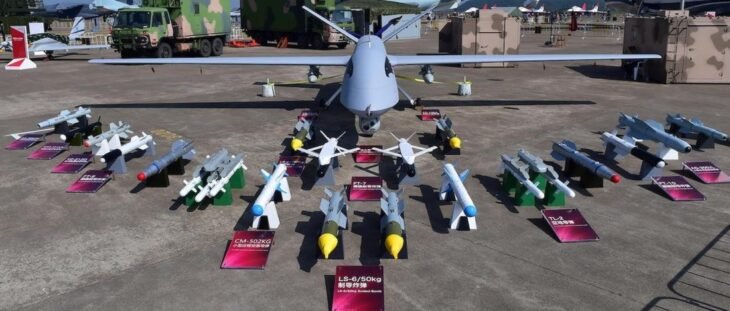
 Foreign intervention has brought drones, cyber-attacks and social media propaganda that foreshadow the future of armed conflict. Read More
Matt Herbert
Foreign intervention has brought drones, cyber-attacks and social media propaganda that foreshadow the future of armed conflict. Read More
Aaron Stein
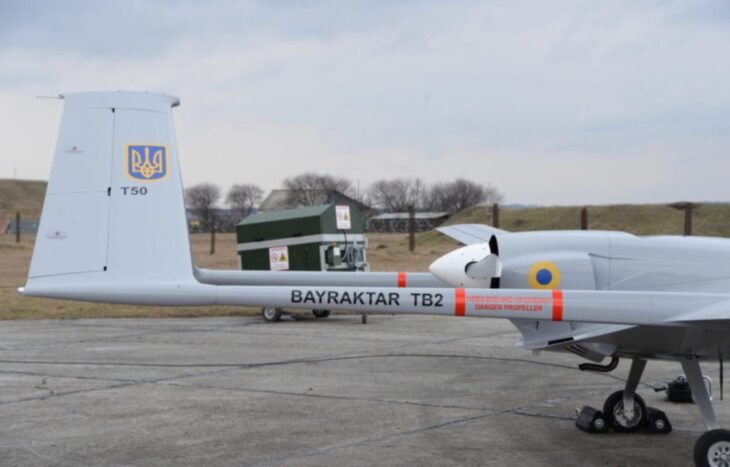
 Turkey’s recent sale of armed drones to Poland and Ukraine, and interest from other Eastern European countries, has led a cadre of analysts to suggest that Ankara is using arms sales to contain Russia. Read More

Frederic Wehrey
 In Libya, religious endowments and their associated wealth have become a magnet for intense and often violent competition among Libya’s many political and religious currents.
Alex Kassidiaris
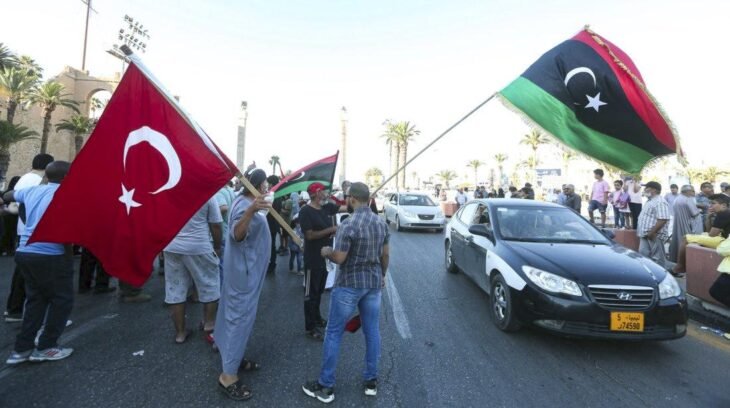
 With the ultimate goal of consolidating its influence in Libya and securing a key role in the region, Turkey has been applying a multilateral strategy, including partnerships in the defense sectors, the systemic build-up of commercial ties, and strategic diplomatic moves. Still, there may be factors that pose a challenge to Ankara’s growing ambitions in Libya. Read More

Emadeddin Badi
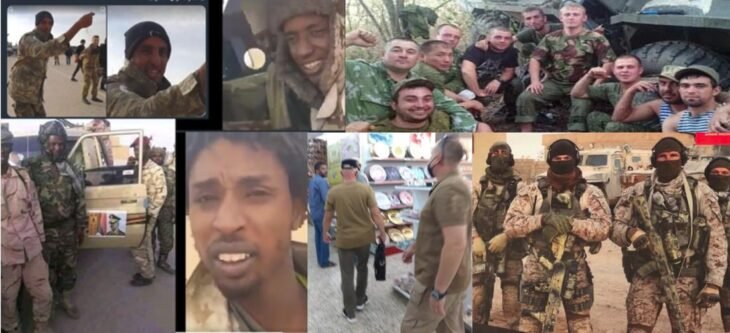
 ‘Wasn’t the situation better with Gadaffi?’ It is a question that strangers have forced me to ponder countless times in the last ten years. Read More
Tim Eaton
 This paper examines these challenges through a socio-institutional analysis that views the Libyan Arab Armed Forces (LAAF), and the state structures it engages with, as networks.
Frederic Wehrey
 In Libya, religious endowments and their associated wealth have become a magnet for intense and often violent competition among Libya’s many political and religious currents.
Frederic Wehrey
In Libya, religious endowments and their associated wealth have become a magnet for intense and often violent competition among Libya’s many political and religious currents.

Wolfgang Pusztai
 On April 16, the United Nations Security Council unanimously adopted Resolution 2570, approving arrangements for a ceasefire monitoring mechanism and the deployment of United Nations monitors. Read More
Shlomo Jesner
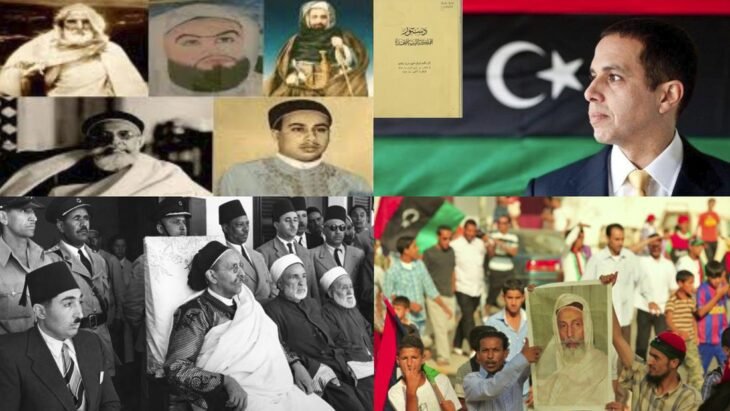
 Sometimes one must look to the past for the right way forward. The The 1951 Libyan constitution offered expansive political and social freedoms to its people and sections of it wouldn’t have been out of place in Western Europe. Read More
Tim Eaton
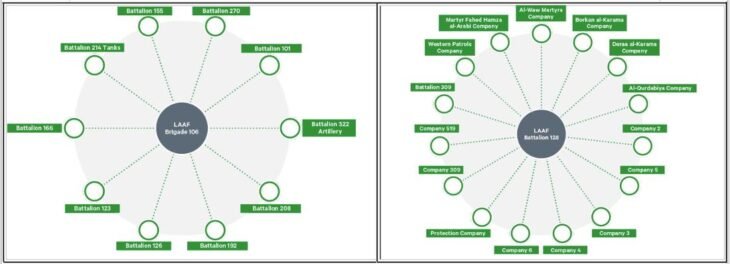
This paper examines these challenges through a socio-institutional analysis that views the Libyan Arab Armed Forces (LAAF), and the state structures it engages with, as networks.
Hakki Öcal
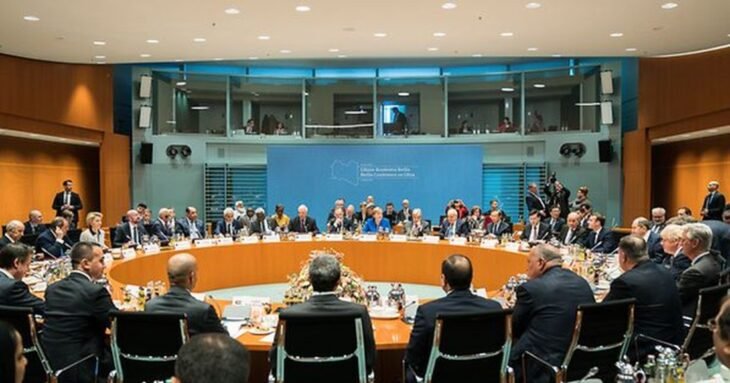
 June is going to be a busy month internationally. First, Turkish President Recep Tayyip Erdoğan is going to meet with U.S. President Joe Biden on June 14. Read More
Maria Cramer
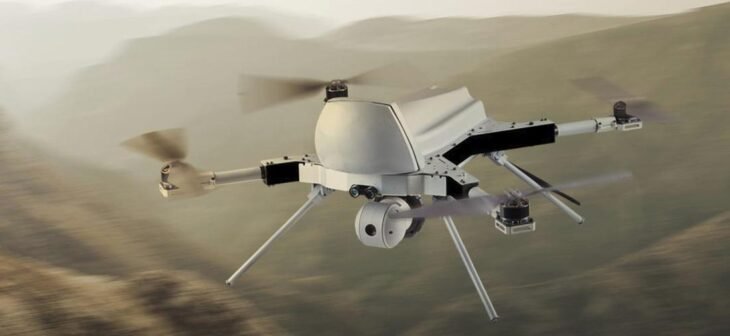
 A United Nations report suggested that a drone, used against militia fighters in Libya’s civil war, may have selected a target autonomously. Read More
Ufuk Necat Tasci
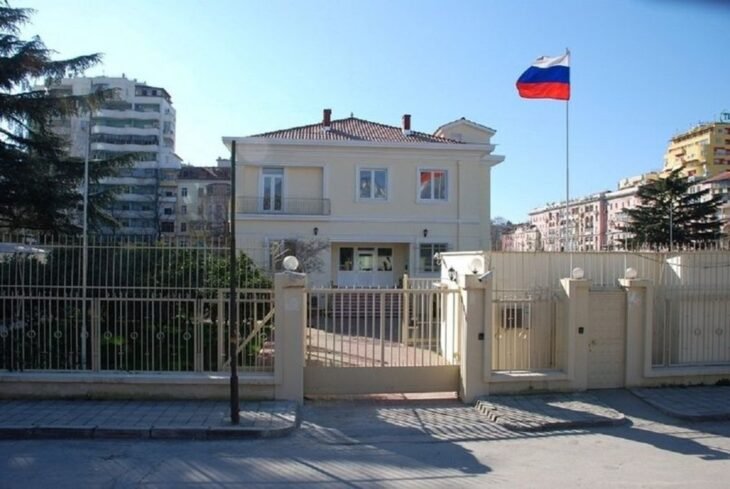
 Russia’s plan to open up consular services in Benghazi is another sign that Moscow is not ready to give up on warlord Khalifa Haftar. Read More
Tim Eaton
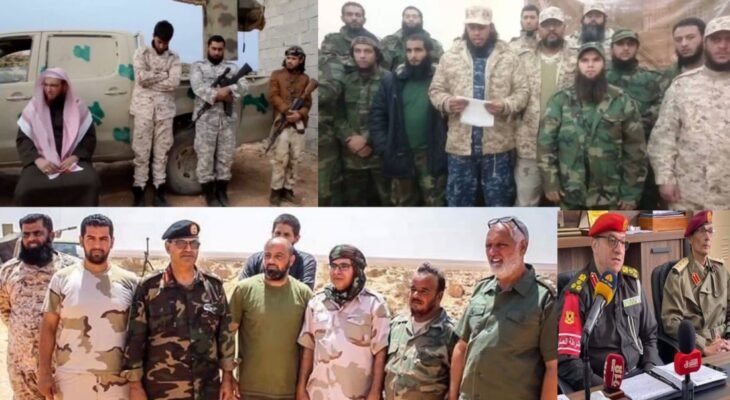
This paper examines these challenges through a socio-institutional analysis that views the Libyan Arab Armed Forces (LAAF), and the state structures it engages with, as networks.
Analysis of Dabaiba’s visit to Rome
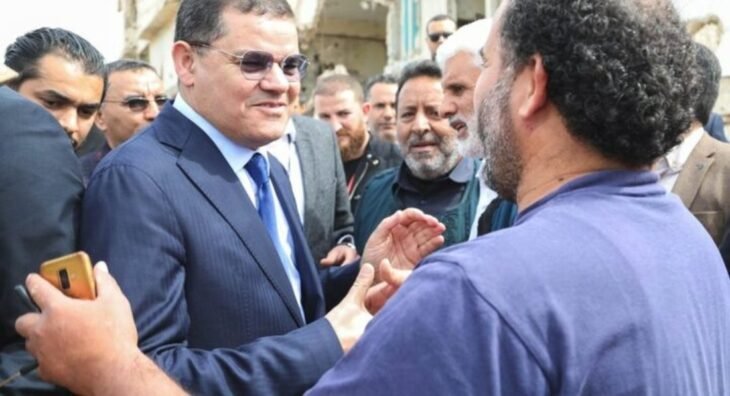
Emanuele Rossi
 The Libyan prime minister in Rome will have to consolidate the Italian side and use it as an anchor for the political, economic and security challenges that his country will have to face in the near future. The comment of Saini Fasanotti, Mezran and Varvelli. Read More
Andrea Cellino & Roberta Maggi

 Key findings:
Infringes on Basic Freedoms as Elections Loom

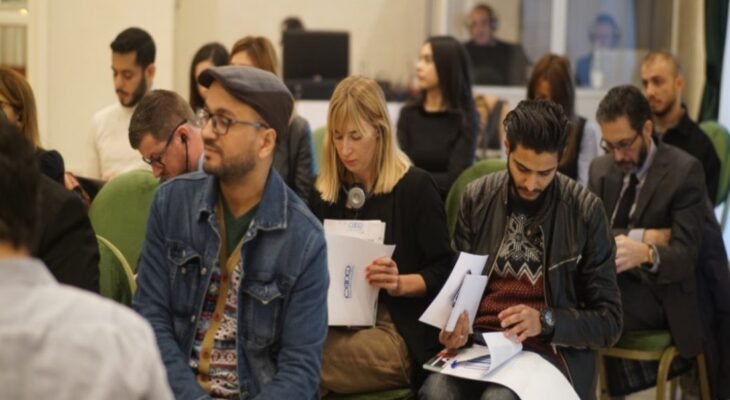
National elections scheduled for December 2021 make it imperative for Libya’s Government of National Unity to revise or revoke sweeping restrictions on nongovernmental organizations, Human Rights Watch said today. The Presidential Council decree violates Libya’s international obligations to protect basic freedoms. Read More
Tim Eaton
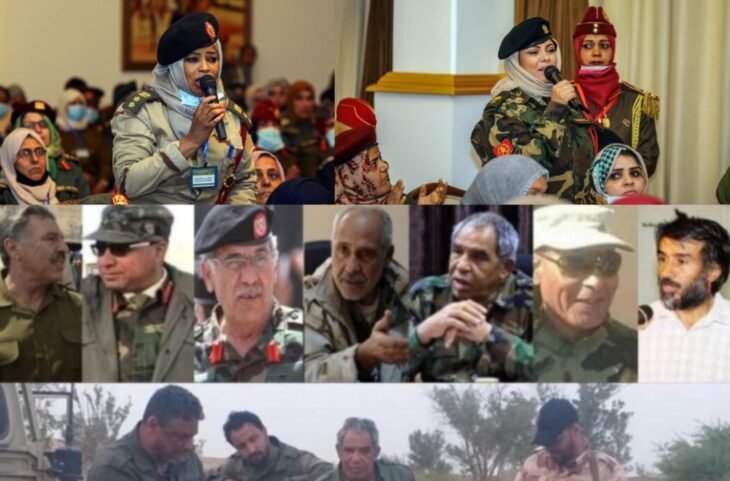
This paper examines these challenges through a socio-institutional analysis that views the Libyan Arab Armed Forces (LAAF), and the state structures it engages with, as networks.
Tim Eaton
This paper examines these challenges through a socio-institutional analysis that views the Libyan Arab Armed Forces (LAAF), and the state structures it engages with, as networks.
Daniele Molteni
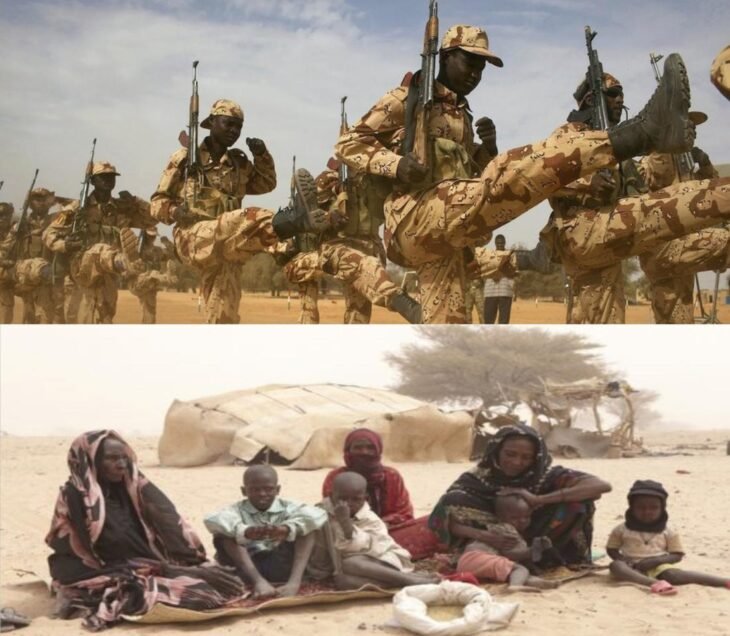
 Clashes continue between the government and demonstrators in Chad, with the population demanding respect for the Constitution and a true democracy. Read More
Servet Günerigök

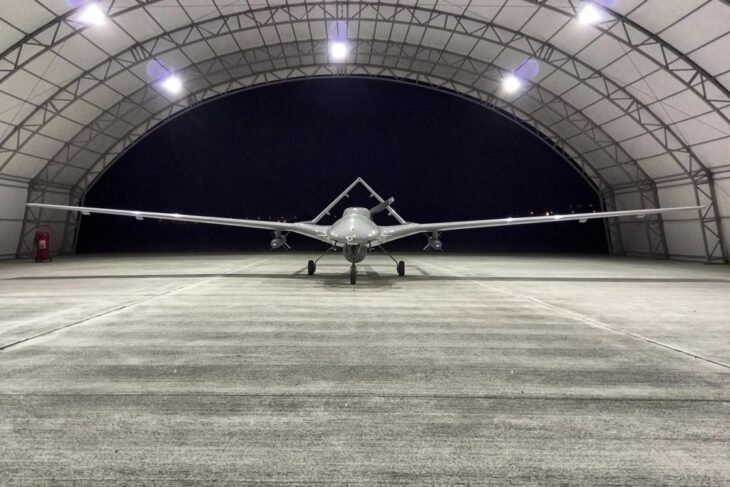
Bayraktar TB2 is ‘utilitarian and reliable—qualities reminiscent’ of AK-47 rifle that changed warfare in 20th century: WSJ
Armed low-cost drones made by Turkey are reshaping battlefields and geopolitics, The Wall Street Journal reported Thursday. Read More

Alison Pargeter
 After ten chaotic, violence-filled years following the fall of the Qadhafi regime, there is a rare ray of hope on Libya’s horizon.
Alison Pargeter
After ten chaotic, violence-filled years following the fall of the Qadhafi regime, there is a rare ray of hope on Libya’s horizon.
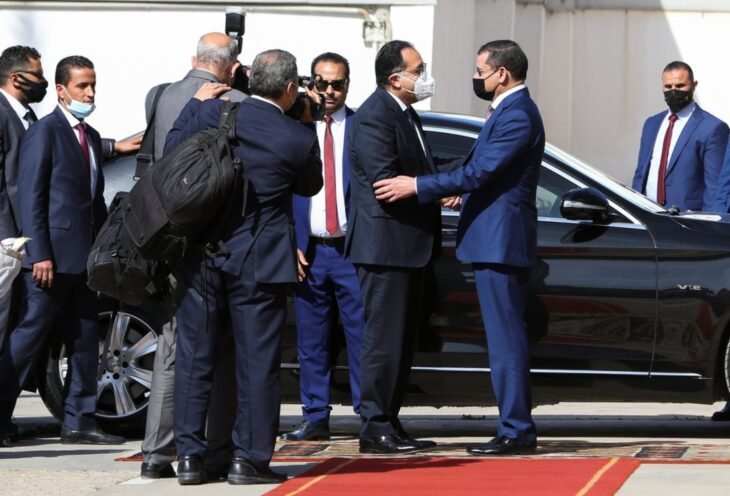
Alessia Melcangi
 Although the restarting of the political peace process in Libya refocused attention on domestic actors, it is still necessary to look at the external players’ moves to assess the possibility of real appeasement among rival Libyan factions. Cairo is one of the main capitals to pay attention to. Read More
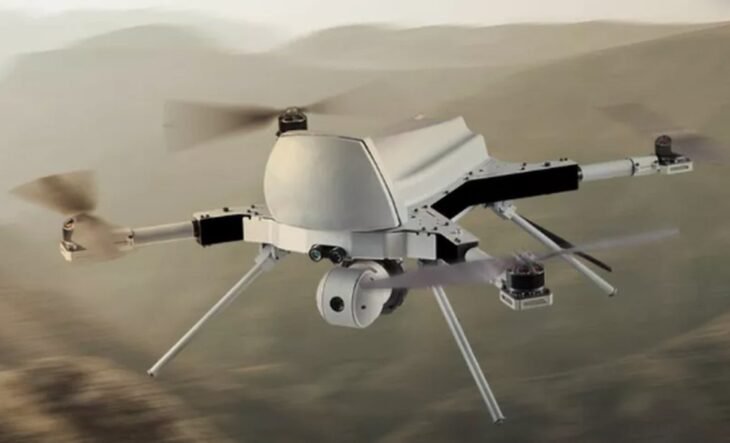
Daniel Van Boom
 Libyan forces were “hunted down and remotely engaged” by an autonomous drone, a UN report reads. Read More

 Libyan politicians have moved with salutary speed in 2021 to reunify their divided country. With UN help, the new government should hasten to clear two last hurdles: establishing a legal framework for elections and clarity about who holds supreme command of the armed forces. Read More
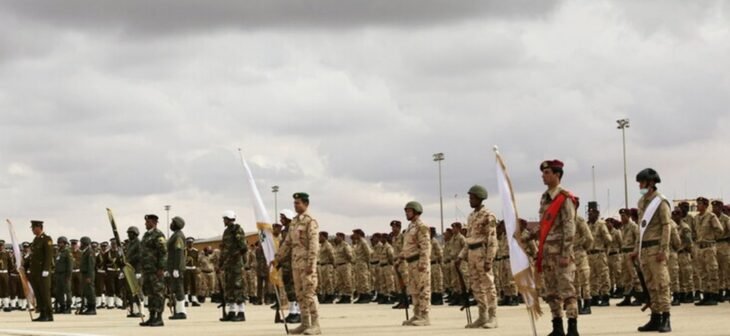
Ufuk Necat Tasci
Libyan warlord Khalifa Haftar, the self-styled commander of the so-called Libyan National Army (LNA), recently invited the members of the Government of National Unity, including Prime Minister Abdul-Hamid Dbeibah, to attend a military parade to commemorate the “Operation Dignity’s” seventh anniversary at Benina Airbase in Benghazi on May 29. Read More
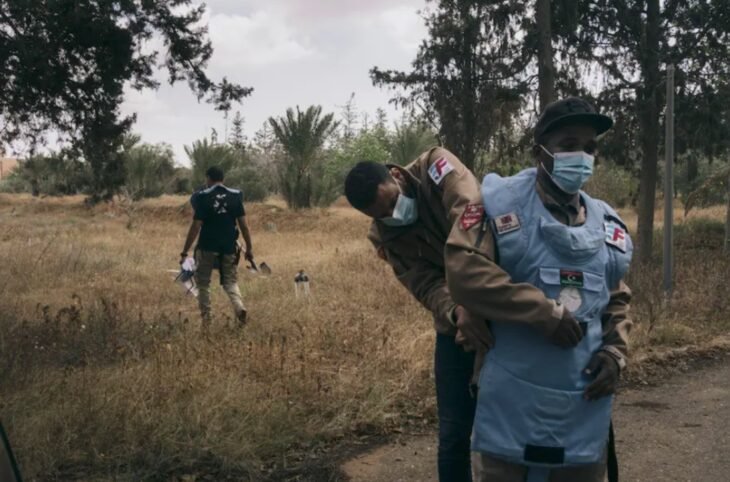
Sudarsan Raghavan
 As Russian mercenaries fled the Libyan capital last summer, they left behind booby-trapped houses and yards. Read More
Libyan politicians have moved with salutary speed in 2021 to reunify their divided country. With UN help, the new government should hasten to clear two last hurdles: establishing a legal framework for elections and clarity about who holds supreme command of the armed forces. Read More
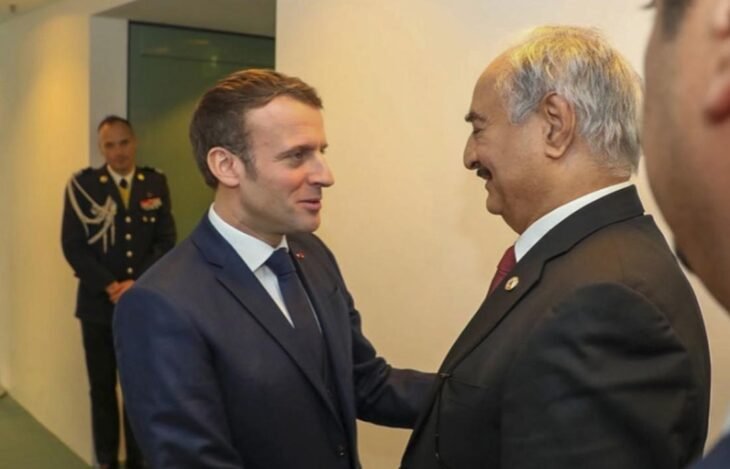
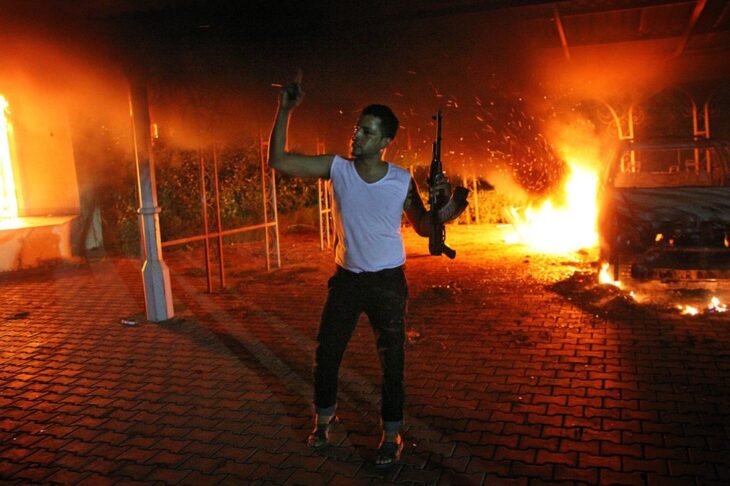
Dan De Luce
 The Biden administration is looking at reopening the U.S. Embassy in Tripoli, which has been closed since 2014, two years after the Benghazi attack. Read More
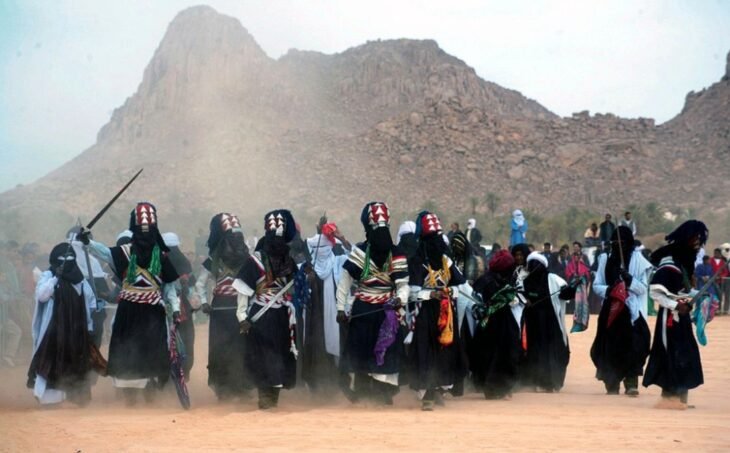
Abigail Corey & Ali Alansari
 A dialogue process aims to help persons with disabilities and other disenfranchised groups with undetermined legal status. Read More
Libyan politicians have moved with salutary speed in 2021 to reunify their divided country. With UN help, the new government should hasten to clear two last hurdles: establishing a legal framework for elections and clarity about who holds supreme command of the armed forces. Read More
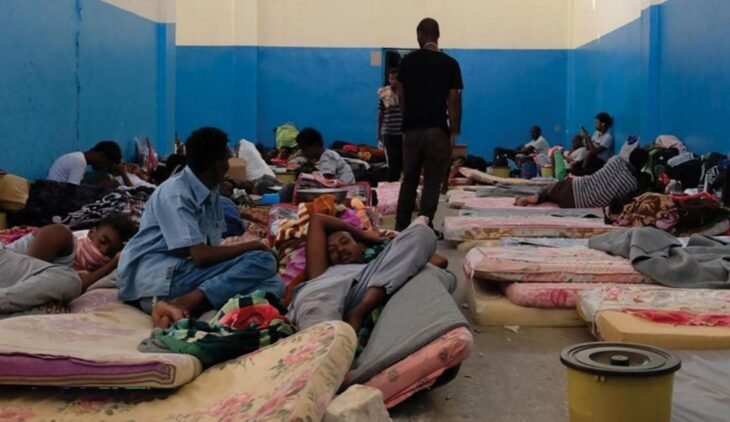
Sarah Carabott
 War and the pandemic did not trigger a mass exodus of people. Here’s why. Read More
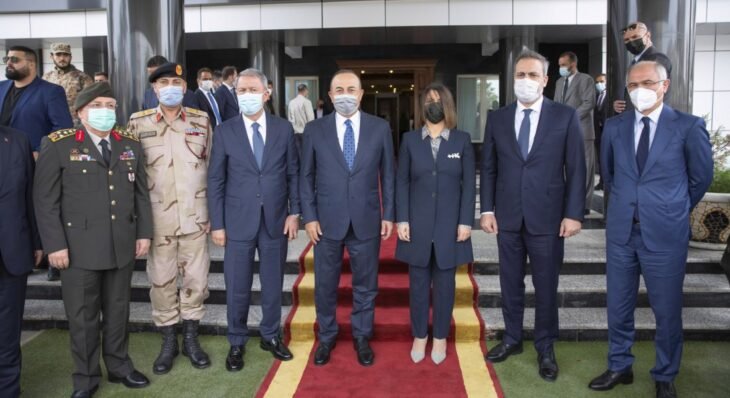
Dorian Jone
 International pressure is growing on Turkey over its military presence in Libya. Turkey deployed hundreds of soldiers and thousands of Syrian fighters in support of the Libyan Government of National Accord in its battle against forces of Libya’s General Khalifa Hafta, who is backed by Russian and Sudanese mercenaries. Read More