By Mary Fitzgerald
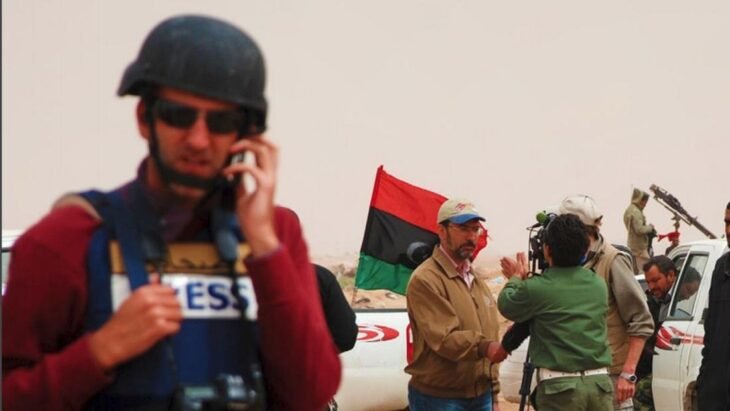
 This research paper shows that Libyan media outlets – particularly television channels, by far the most popular and influential medium – have played a significant role in the civil conflict since 2014.
By Mary Fitzgerald
This research paper shows that Libyan media outlets – particularly television channels, by far the most popular and influential medium – have played a significant role in the civil conflict since 2014.
By Jalel Harchaoui
 Russia has been doing well in Libya — and it likes the fact that few seem to notice it.
By Mary Fitzgerald
This research paper shows that Libyan media outlets – particularly television channels, by far the most popular and influential medium – have played a significant role in the civil conflict since 2014.
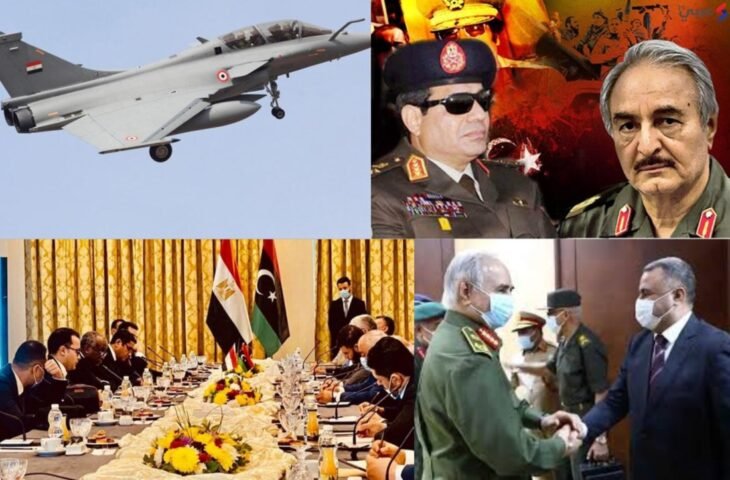
 In the first step of its kind since mid-2014, an official Egyptian delegation arrived in the Libyan capital, Tripoli, on Sunday 27 December 2020. Read More
By Jalel Harchaoui
Russia has been doing well in Libya — and it likes the fact that few seem to notice it.
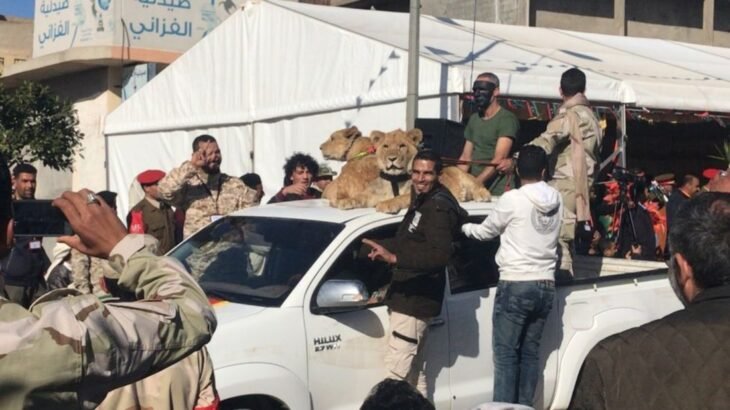
By Tim Whewell
 They were the family from hell. For years, until last summer, the Kani brothers held a small Libyan town in their murderous grip, massacring men, women and children to maintain their authority. Now their crimes are slowly being uncovered. Read More
By Jalel Harchaoui
Russia has been doing well in Libya — and it likes the fact that few seem to notice it.
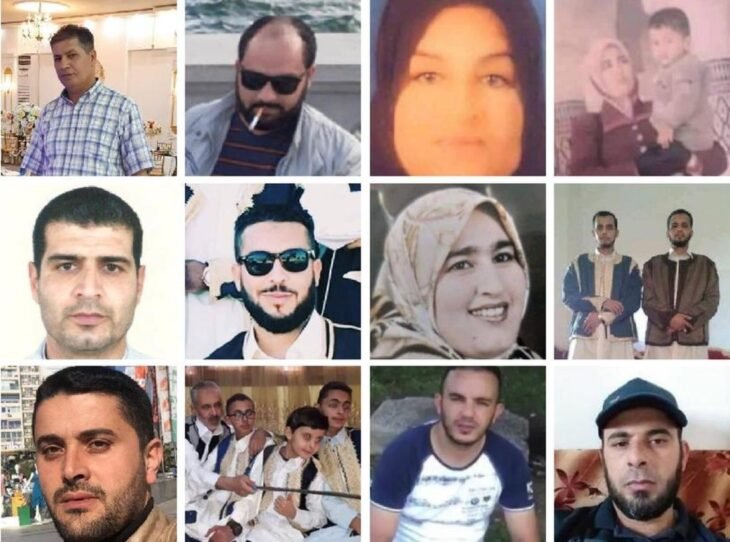
Hundreds in Tarhouna Reported Missing From 2014 to 2020
 Hundreds of residents of the Libyan town Tarhouna were abducted or reported missing between 2014 and 2020, Human Rights Watch said today. Read More
(This article was first published on February 20, 2018. We decided to republish it for its importance and relavence today)
By Deborah K. Jones

Libyans must decide whether they will make the necessary compromises that will enable them to form that government and exercise sovereignty over their state.
By Mary Fitzgerald
This research paper shows that Libyan media outlets – particularly television channels, by far the most popular and influential medium – have played a significant role in the civil conflict since 2014.
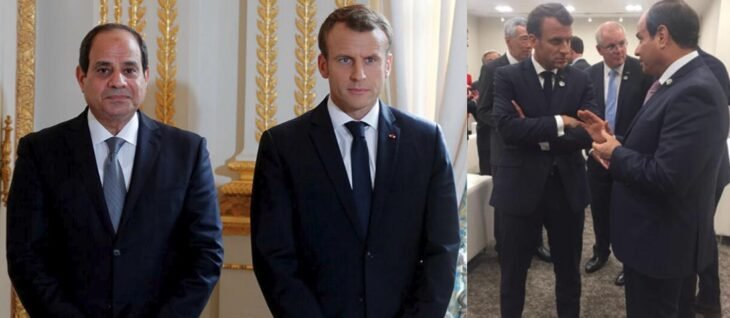
By Abdulkader Assad

The all-independent and boss of many an armed group in Libya – in Misurata and Tripoli to name a few – Fathi Bashagha: the Interior Minister of the Government of National Accord (GNA) is probably the man who is drifting France and Egypt’s support from Khalifa Haftar toward himself. Read More
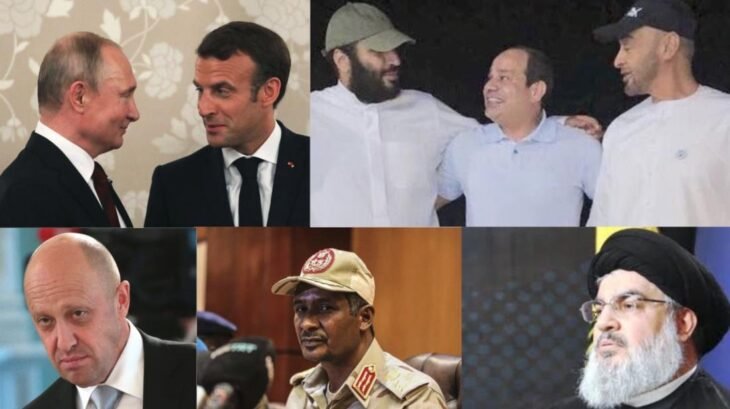
 From the very beginning, foreign powers, whether regional or international, interacted with domestic forces and played a major role in determining the fate of Arab uprisings. Read More
(This article was first published on February 20, 2018. We decided to republish it for its importance and relevance today)
By Deborah K. Jones
Libyans must decide whether they will make the necessary compromises that will enable them to form that government and exercise sovereignty over their state.
By Mary Fitzgerald
This research paper shows that Libyan media outlets – particularly television channels, by far the most popular and influential medium – have played a significant role in the civil conflict since 2014.
By Mary Fitzgerald
This research paper shows that Libyan media outlets – particularly television channels, by far the most popular and influential medium – have played a significant role in the civil conflict since 2014.
By Patrick Wintour
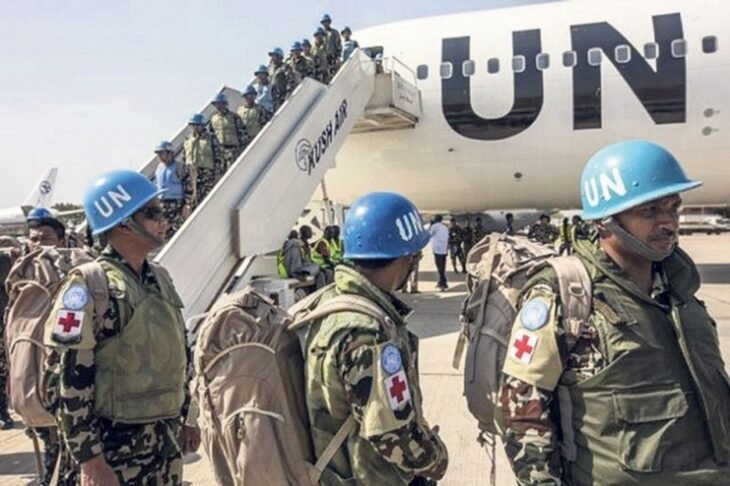
 Move part of diplomatic reboot of efforts to cajole opposing sides into forming national unity government. Read More
By Ibrahim Moiz
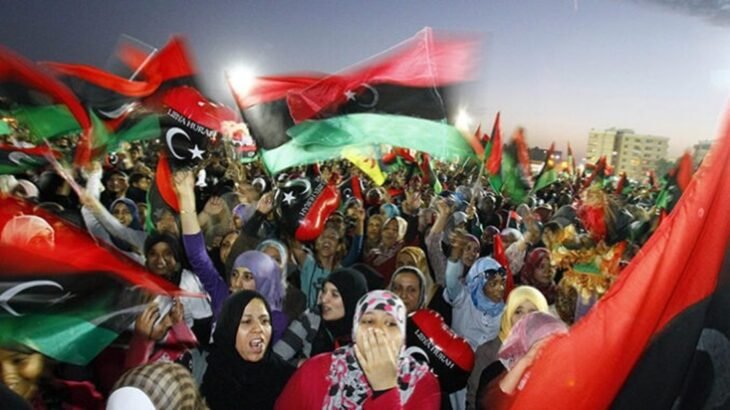
 The Middle Eastern uprisings of the 2010s promised great hope and change in state-society relations. But the interference of foreign powers, insufficient organization within the uprisings, and an unhelpful international climate have enabled many states to reassert their power over society. Read More
Preliminary Theoretical and Empirical Deliberation
By Philipp O. Amour
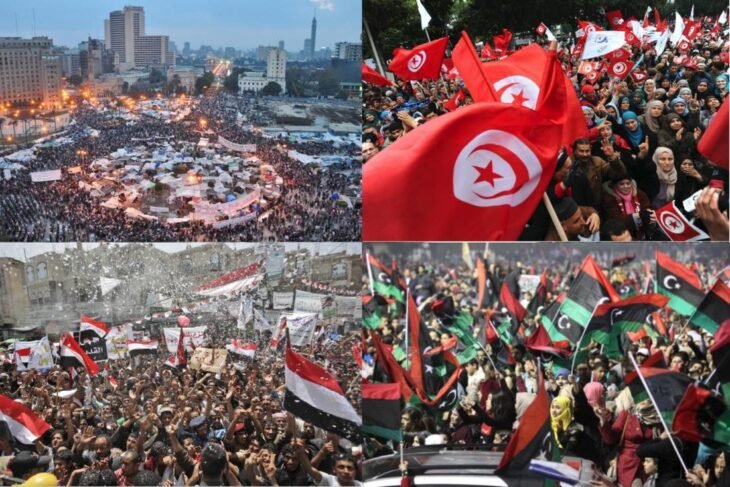
 The purpose of this section is to sum up the concept of revolution and to distinguish a revolution from different forms of social disturbances.
.
By Mary Fitzgerald
This research paper shows that Libyan media outlets – particularly television channels, by far the most popular and influential medium – have played a significant role in the civil conflict since 2014. Read More
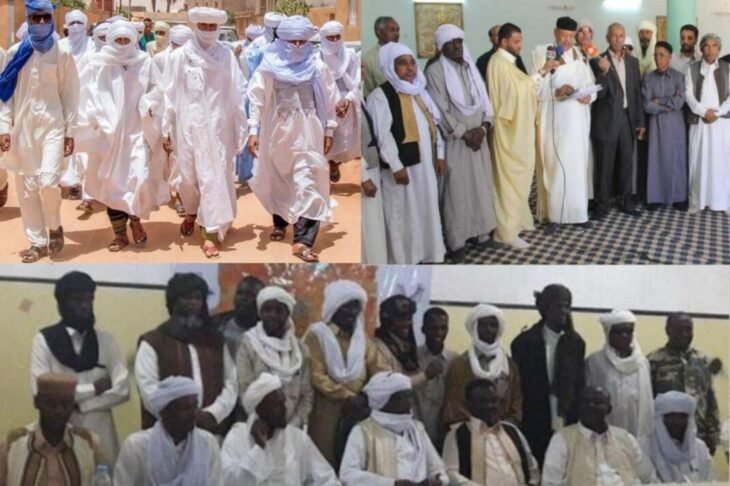
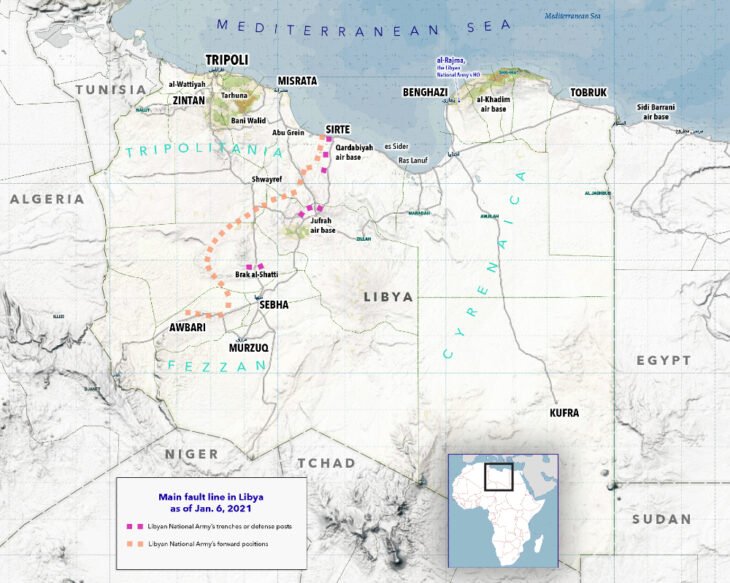
 Fezzan is a highly strategic region in Libya because of its petroleum resources. Read More
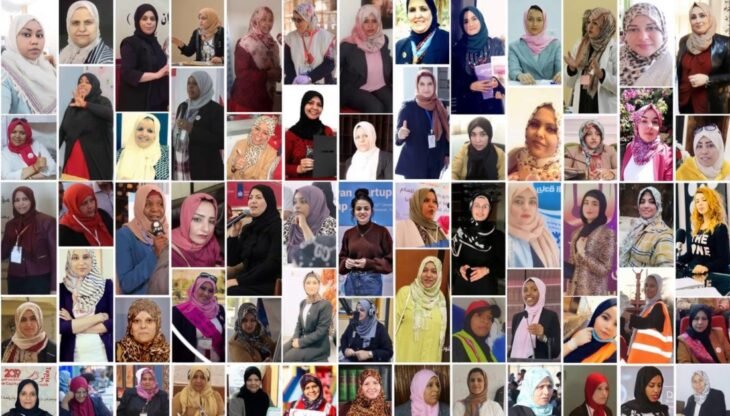
By Andrea Backhaus
 Libya is disintegrating into chaos and lawlessness. Women who stand up to those in charge of the country end up fearing for their lives, even though it is these very women who could bring stability to the country.
*** Read More
Preliminary Theoretical and Empirical Deliberation
By Philipp O. Amour
The purpose of this section is to sum up the concept of revolution and to distinguish a revolution from different forms of social disturbances.
Preliminary Theoretical and Empirical Deliberation
By Philipp O. Amour
The purpose of this section is to sum up the concept of revolution and to distinguish a revolution from different forms of social disturbances.
.
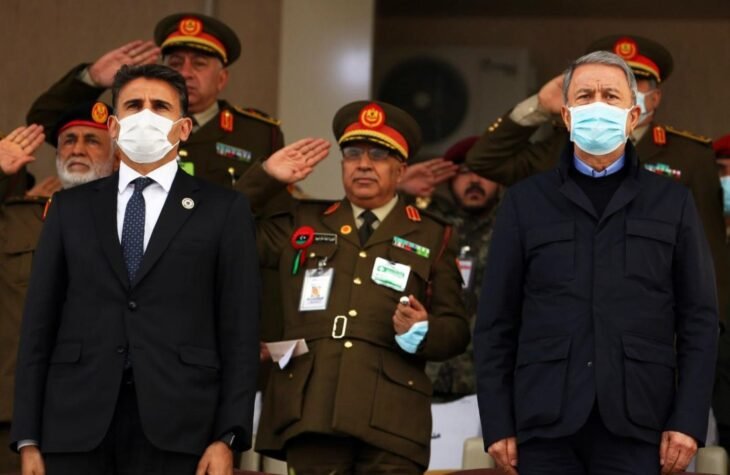
 Defence minister says renegade general’s forces will be ‘legitimate targets’ in such an event during visit to Tripoli. Read More
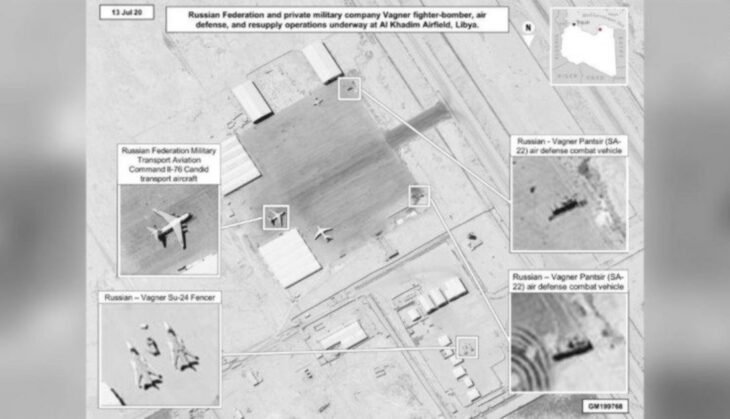
 A tenuous ceasefire continues to hold in Libya between forces allied to the Tripoli-based government and their rivals in the east. Yet there is reason to worry that the five-month hiatus in the conflict could end abruptly. Read More
War and War by Other Means
By Jarrett Blanc & Frances Z. Brown

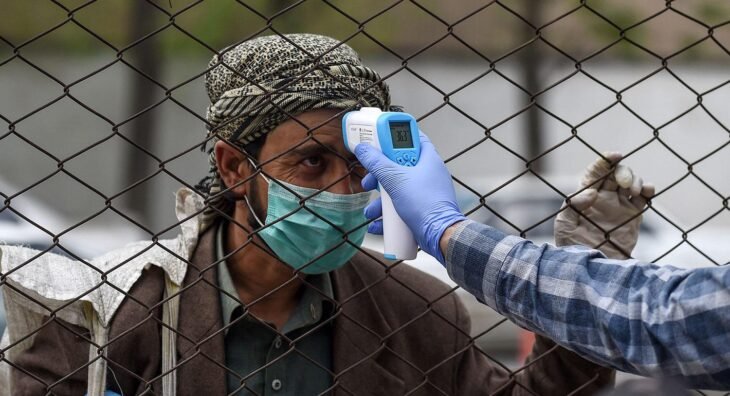
 The coronavirus has devastated fragile and conflict-affected states, exacerbating suffering and, in some cases, shifting power dynamics in ways that are likely to influence politics or the conflicts even when the pandemic subsides. Read More

Music is an upheld tradition in Libya and is the centre of both personal and public celebrations.
Even in national celebrations such as the anniversary of the February 17 revolution, the traditional musical band called a noba took centre stage and beckoned ripples of spectators to surround the makeshift dance floor.
Folk music comes in different styles; some overshadow others in the modern scene. The noba can be thought of as a mobile musical band, usually comprising of three or more young men with a special skill in playing the drums, flute, or cymbals. The noba is a band called on whenever a celebration is in order.
At the sound of the traditional beat, neighbors and passerby gather to join the clapping and dancing. The happiest or bravest of the crowd assume a position in the middle, and whirl their hips the Libyan way – in harmony to the drum beats that pound harder in response to the crowd’s excitement.
The noba is a type of music that has to be witnessed. It is more about experiencing the harmonic moment, rather than hearing the melody.
Zimzamat is another form of live band. Its most obvious distinction from the noba is that it is comprised of female musicians instead.
This traditional band is a group of women, not necessarily older in age, who make appearances at events for females; singing rhyming lines that richly and often candidly convey Libyan culture.
For someone unaccustomed to the hype that comes along with the female band, it takes some focus to hear the words being sung.
The rhymes often describe the young dancers, or praise the bride and groom and their families. Like the noba, the female band livens up the party and entices guests to provide the main source of entertainment on the dance floor.
The instruments used by zimzamat bands are goblet and frame drums. The vocals are meant to be high-pitched; as if in competition with the drum reverberations that conclude each rhyming verse.
Back in the day, Libyan women catered to their own events; made their own music, entertained themselves, and served their own guests. Now special occasions are not as often hosted in the home.
Even the skill of memorizing traditional song lyrics is a talent absent in the younger generations. Women now need paid-help to do the things that family and friends used to do themselves.
Nowadays, hiring a band of zimzamat ensures that a party will be upbeat, entertaining, and up to the standards of tradition and societal expectations when it comes to music.
Interestingly, zimzamat are not only found at events hosted at home, but can also been found in Tripoli’s most decadent event halls. Often, wedding halls have a stage for the bride and groom, as well as one for the live band.
When present at the same time, it is stiff competition. The band often attracts more attention than the bride who is, traditionally, expected to remain collected and more reserved than brides in western cultures.
The contrast of having an electronic stereo system used by a live band, seated on cushions upholstered in tribal patterns is one of the ways Libyan tradition has used modern technology to its benefit.
In Libya, the expectations of tradition are not simply met, they are valued. Tradition has managed to withstand a position of esteem in the Libyan culture, and it is what makes following it as appealing as it is.
_____________
Previously published in ‘Tripoli Post’ on 22 September 2012