 The second international conference on Libya which concluded on Wednesday failed to produce the tangible results needed to establish peace in the North African country, expert have said. Read More
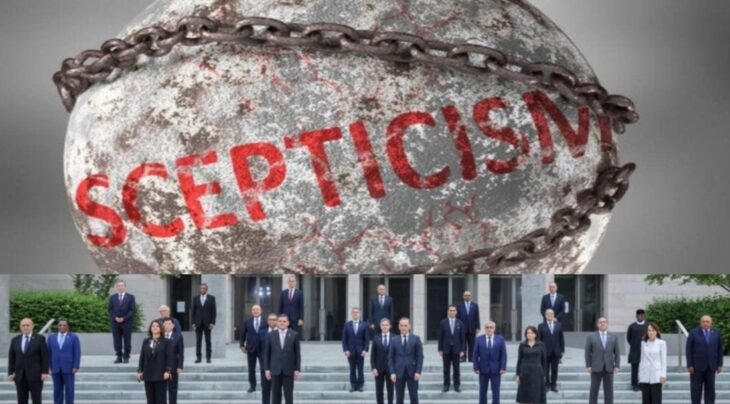
The second international conference on Libya which concluded on Wednesday failed to produce the tangible results needed to establish peace in the North African country, expert have said. Read More
Agnese Boffano

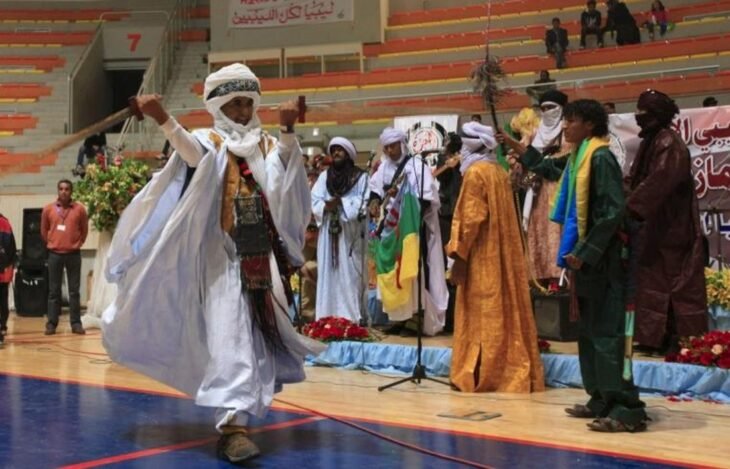
With six months to go until the Libyan elections, the country’s ethnic minorities risk being overlooked in the electoral process. Read More
Inga Kristina Trauthig
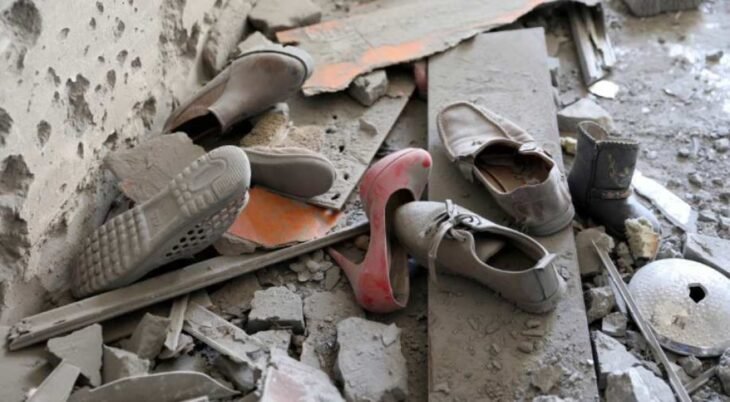
 The complexities of Libya’s revolution in 2011 and subsequent civil wars have been challenging policy makers and scholars alike, as they get to grips with a decade of transformations and unrest. Read More
Sami Zaptia
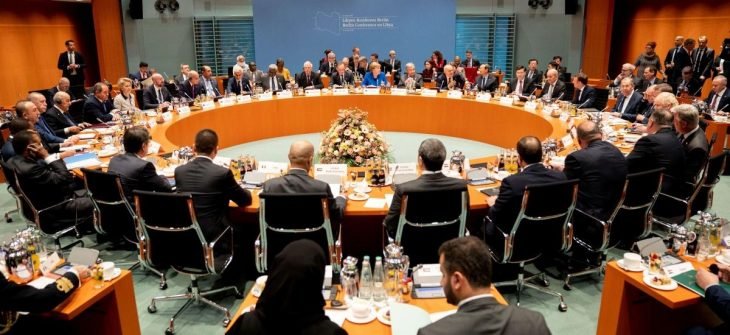
 Ahead of the Second Berlin Conference on Libya on the 23rd of June, human rights NGO Lawyers for Justice in Libya (LFJL), called on all participants to prioritise human rights, accountability and the rule of law and to establish a clear timeline and benchmarks to monitor the progress made by the Libyan authorities.
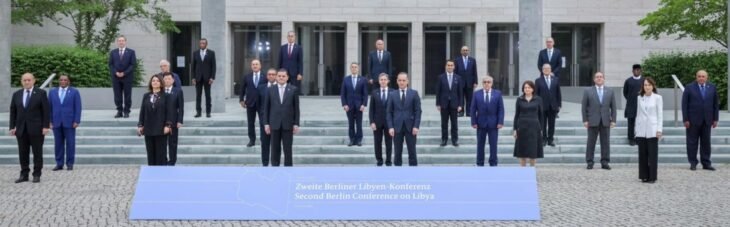
In its statement published today, LFJL said the conference, jointly hosted by German Foreign Minister Heiko Maas, UN Secretary-General António Guterres and the UN Support Mission in Libya, will review progress since the first meeting in January 2020 and discuss next steps towards sustainable peace.
It maintained that any political process aiming to establish sustainable peace must be founded in human rights, accountability and the rule of law.
This requires these matters not to be examined in isolation by the Working Group on Human Rights and International Humanitarian Law, but rather, that they are mainstreamed throughout all tracks of the Berlin process.
Progress has been made on several fronts since the first Berlin Conference. Most notably, hostilities have significantly reduced and a ceasefire has been in place since 23 October 2020.
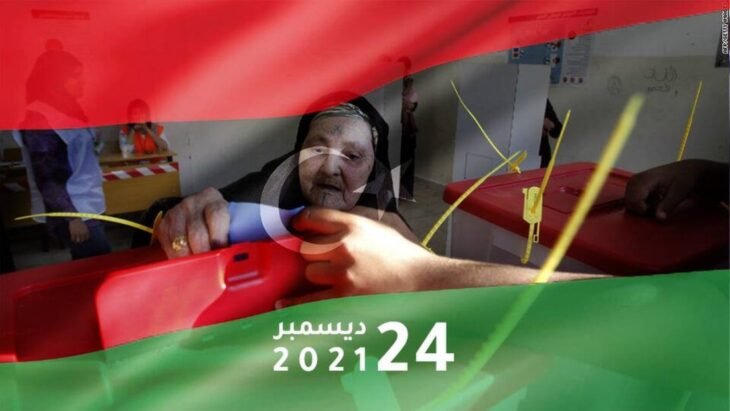
Further, in accordance with the Roadmap “For the Preparatory Phase of a Comprehensive Solution” (the LPDF Roadmap), an interim Government of National Unity (GNU), together with a newly appointed Presidency Council, have been mandated to lead the country towards peaceful elections on 24 December 2021. However, LFJL said they were concerned that this progress may be short-lived.
Gross human rights violations and serious international crimes such as torture, enforced disappearances, arbitrary detention, the targeting of civilians and civilian infrastructures and trafficking and smuggling of migrants, continue to be committed throughout the country.
Perpetrators continue to benefit from complete impunity, with the lack of accountability feeding a cycle of violence and contributing to a climate of lawlessness.
In fact, the NGO continued, the targeting of civilians and civilian infrastructure has been facilitated by arms provided in breach of the arms embargo established by the UN Security Council in 2011, including by a number of states participating in the first Berlin Conference.
This occurs despite the pledge made by these states to respect international humanitarian law and the arms embargo and to commit to a non-military solution in Libya.
The sanctions regime established by the UN Security Council to ensure compliance with the arms embargo is therefore being violated with impunity, as documented by the Panel of Experts in its most recent report, in which it described the arms embargo as “totally ineffective.”
The NGO said it was also concerned that a lot remains to be done for the elections to take place successfully.
For the elections to take place freely, fairly and safely, the interim executive authority, embodied in the GNU and the Presidency Council, must tackle seven key priorities in the next seven months, including protecting the rights of freedom of expression, assembly and association.
The recent abduction of Mansour Atti Al-Maghrbi, head of the Libyan Red Crescent Society in Ajdabia and civil society activist, is a reminder as to the price paid for the culture of impunity for serious human rights violations and international crimes. It took place amid an ongoing widespread pattern of arbitrary detention, torture and enforced disappearances.
Non-state armed groups and militias frequently threaten, attack and kill activists, journalists and human rights defenders to silence dissenting voices. Women in particular face widespread discrimination and are frequently targeted online and offline with smear campaigns and violence for their political opinions or human rights work.
The murder of lawyer and political activist Hanan Al-Barassi in November 2020 followed a disturbing pattern of violent attacks against prominent women who are critical of the authorities and affiliated militias.
The NGO said first Berlin Conference failed to address the issue of the crackdown on civil society in Libya despite increasing restrictions on its work.
In 2019, the Government of National Accord (GNA) issued draconian restrictions on civil society organisations (CSOs), requiring them to obtain prior permission to register, conduct research, raise funds, participate in events or engage with foreign embassies or international organisations.
The GNA also imposed a blanket prohibition on CSOs engaging in “political activity” without defining what this term means. Failure to comply can lead to legal liability, suspension of activities and, ultimately, closure.
Far from moving away from these restrictions, the GNU continues to uphold them while taking additional measures further closing civic space.
Such restrictions compound the impact of ongoing human rights violations, risking a chilling effect on the rights to freedom of expression, assembly and association and undermining participation in the democratic process.
As the work of civil society is a fundamental component of democracy and sustainable peace, the Second Berlin Conference must expressly address this issue, the NGO said.
Participants in the Berlin Conference on the 23rd of June must identify the concrete steps that they will take to address these issues and to implement previous commitments to uphold human rights, accountability, and the rule of law.
In light of this, LFJL called on the participants to the second Berlin Conference to:
___________

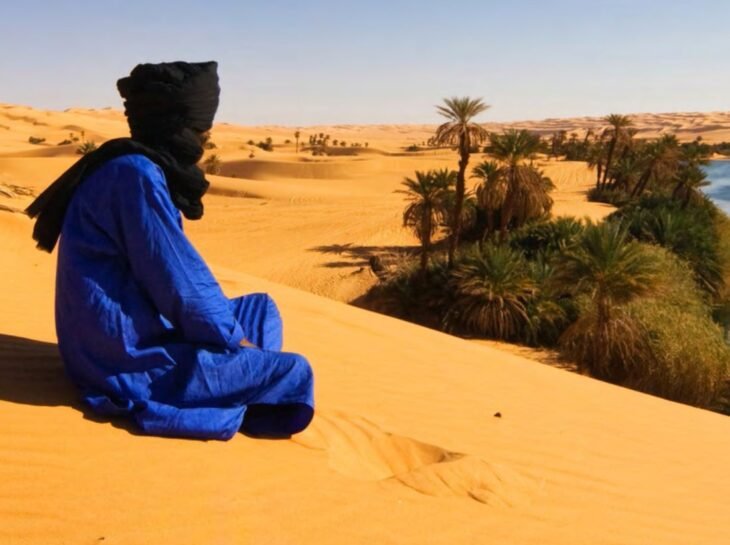
 In this part, we will examine the economic effects of peace in Libya on the rest of the world. In our study we examined the effects of peace on Libya’s main trading partners at both the international and regional levels. Read More
Ufuk Necat Tasci
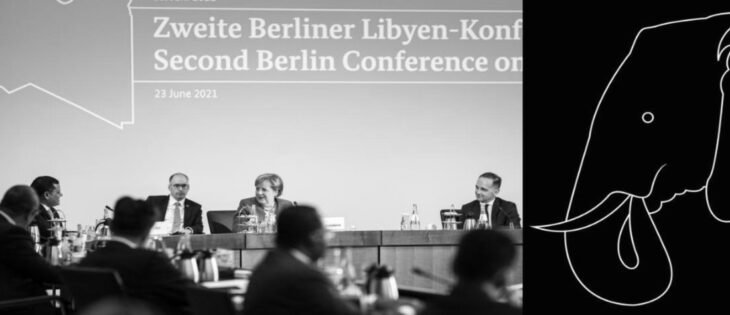
 Regional experts say the conference turned a blind eye to the UAE and Russia’s divisive role as the two countries reneged on the promises they made in Berlin Conference I. Read More
Patrick Wintour
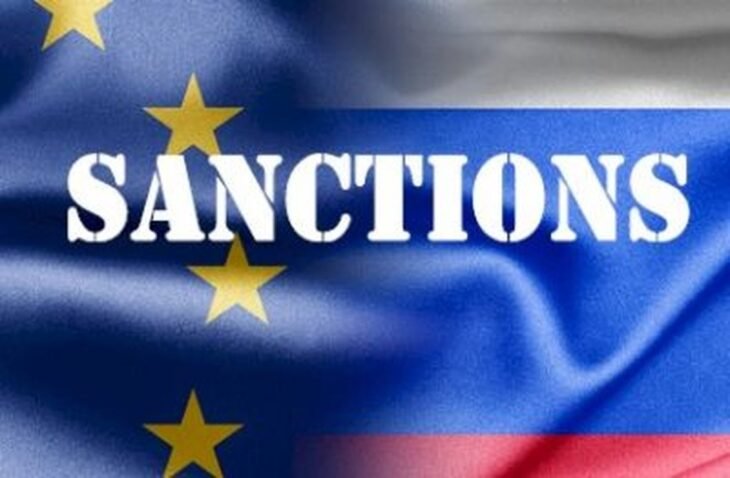
 Message comes ahead of major UN meeting of foreign ministers in Berlin on Wednesday. Read More
Frederic Wehrey
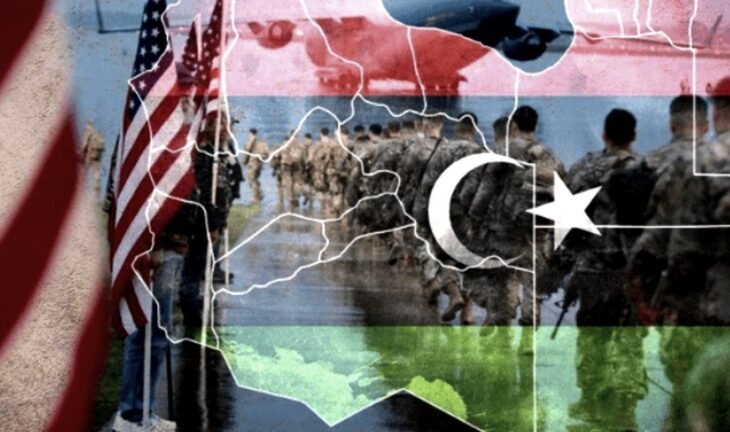
 Recent diplomatic progress offers Libya an uncertain but real chance at better days ahead. Modest U.S. support could improve the chances that this opening succeeds. Read More
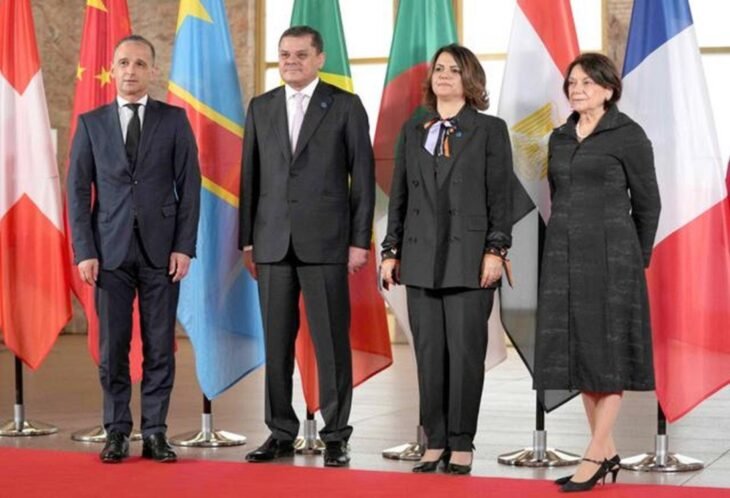
 Germany and the United Nations are bringing together representatives of Libya with powers that have interests in the country at a conference Wednesday which aims for progress toward securing election. Read More
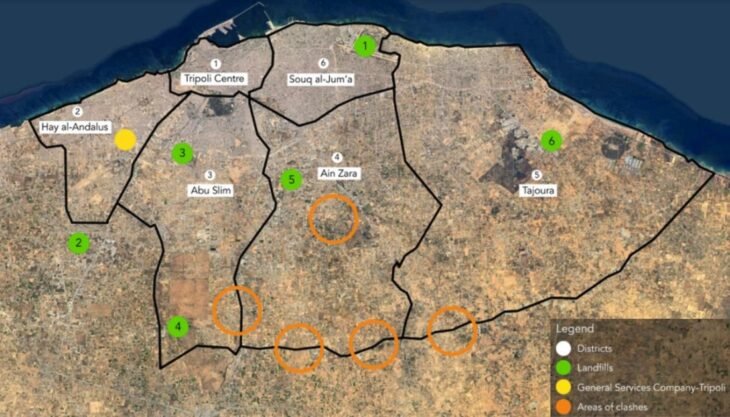
Rima Ibrahim
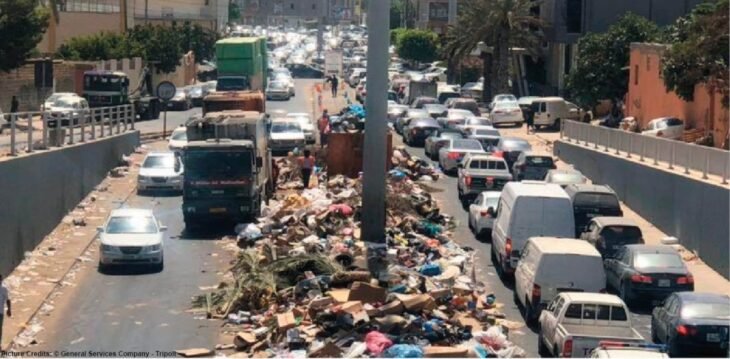
 This policy brief analyses the role of state authorities and municipalities in service provision in Libya; asks how it has developed since 2011; and how it changed during the 2019-2020 waste management crisis.

This study is part of the Libya Socio-Economic Dialogue (Libya SED) project carried out by ESCWA.

Patrik Kurath

The country needs a unifying figure. Ahead of elections this year, it’s worth considering a constitutional monarchy. Read More
Jennifer Holleis
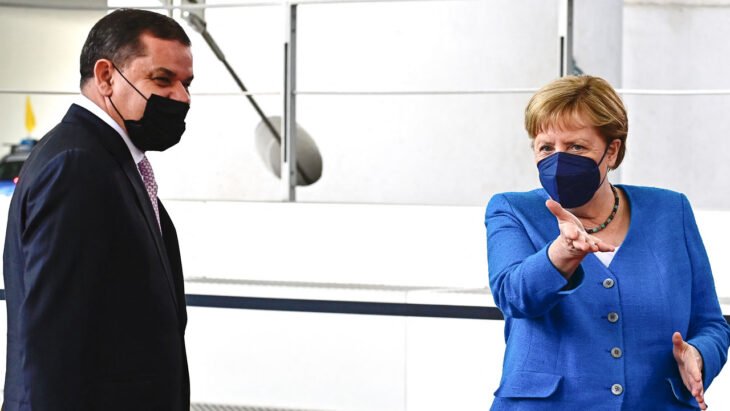
 Germany and the United Nations are set to host another round of Libya peace talks. New Prime Minister Abdul Hamid Dbeibah is set to attend, but there are questions about how much of a say Libyans will have in decisions. Read More
This study is part of the Libya Socio-Economic Dialogue (Libya SED) project carried out by ESCWA.
Rima Ibrahim
This policy brief analyses the role of state authorities and municipalities in service provision in Libya; asks how it has developed since 2011; and how it changed during the 2019-2020 waste management crisis.
Ben Fishman and Anas El Gomati

 To break the political deadlock, begin the withdrawal of disruptive foreign forces, and deploy ceasefire monitors, U.S. officials will need to hold some hard conversations with the UN envoy and all of the international and local actors on the ground. Read More
Hanan Salah
 Libya is making good progress: ceasefire, unity government, elections soon. The stabilization process is now to be continued in Berlin. It’s going to be difficult. Read More

Floris van Straaten
 A conference in Berlin should help the Libyans to rein in militias and to consolidate the fragile peace with elections. Read More
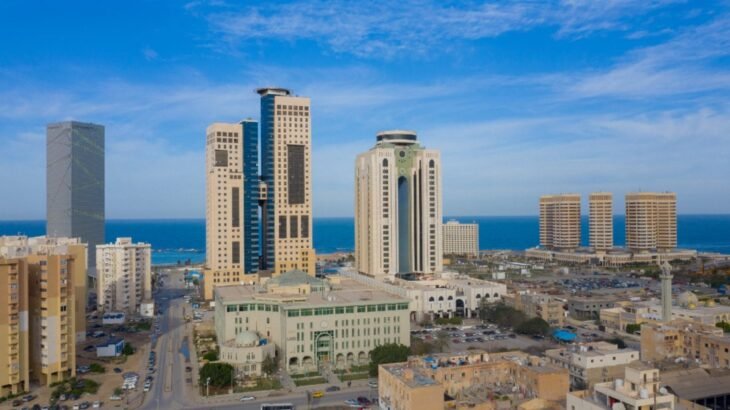
Peace in Libya, if maintained, will yield huge economic gains, not only for Libya but also for its neighbouring countries, which are expected to reap up to $162 billion by 2025. This is one of the main results of a new study issued today by the United Nations Economic and Social Commission for Western Asia (ESCWA), entitled: “Benefits of eace in Libya: Neighbouring Countries and Beyond.” Read More
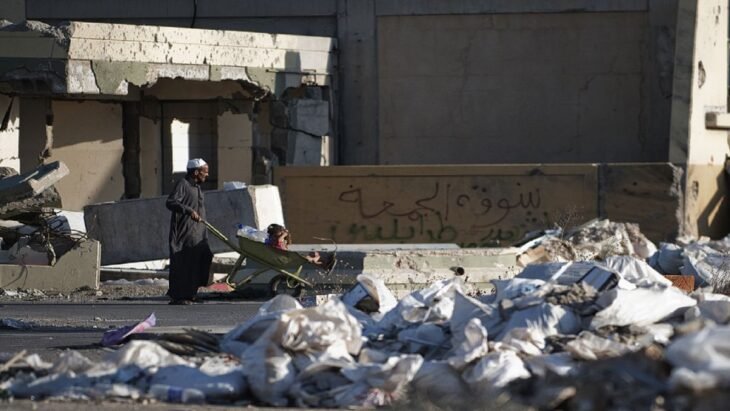
 The compound from which former Libyan dictator Muammar Gaddafi ruled his country for four decades is now filled with squatters unable to afford housing in Tripoli. Read More
Rima Ibrahim
This policy brief analyses the role of state authorities and municipalities in service provision in Libya; asks how it has developed since 2011; and how it changed during the 2019-2020 waste management crisis.
Laura Esslinger
 The Libya Conference will take place in Berlin on June 23. The meeting is intended to stabilize the situation in the country torn by civil war. But who are the actors, which strategies are being discussed, how successful have previous measures been? An overview. Read More
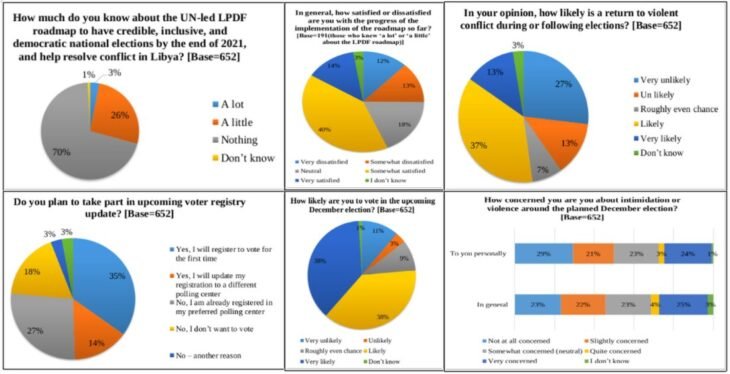
 Nine years after the fall of Muammar Qaddafi, Libya is struggling to end its political division and violent conflict which in turn has contributed to an array of socioeconomic challenges and fraying the social cohesion.
Dominic Dudley
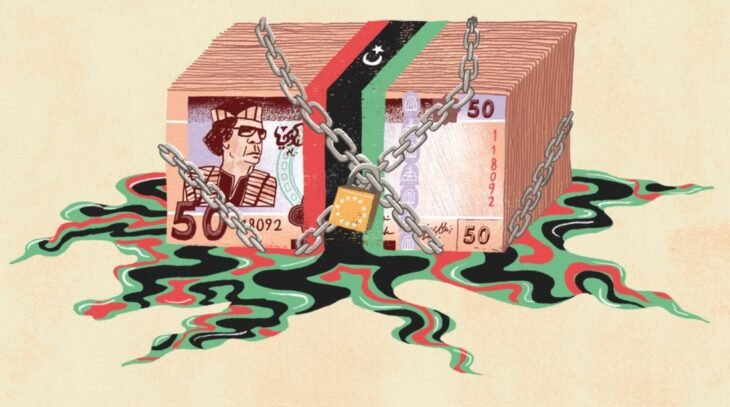
 The Libyan Investment Authority (LIA) is making a renewed attempt to secure some easing of international sanctions on its assets, so it can launch a new wave of domestic investments. Read More
Musa Tehu
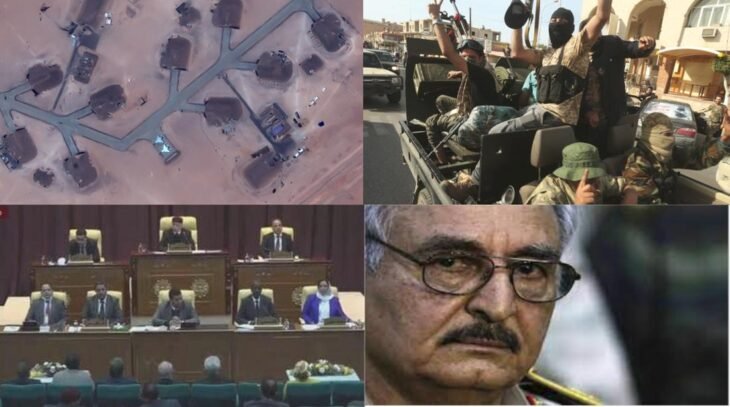
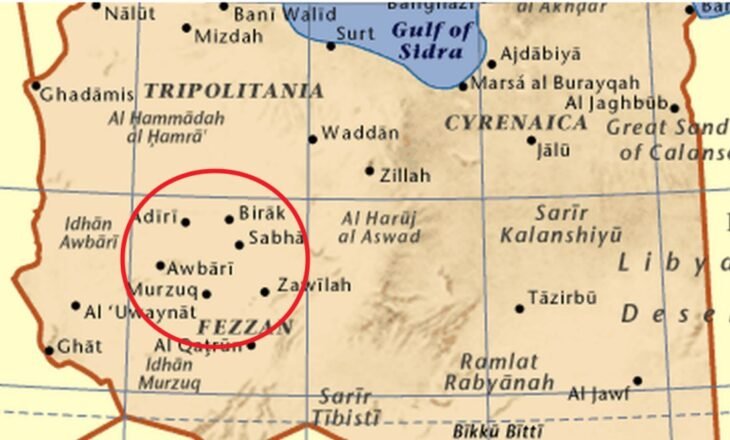
 General Khalifa Haftar , commander of the self-proclaimed Libyan National Army (LNA), has launched a military operation in southwestern Libya with the aim of wiping out his opponents before the December 24 elections. Read More
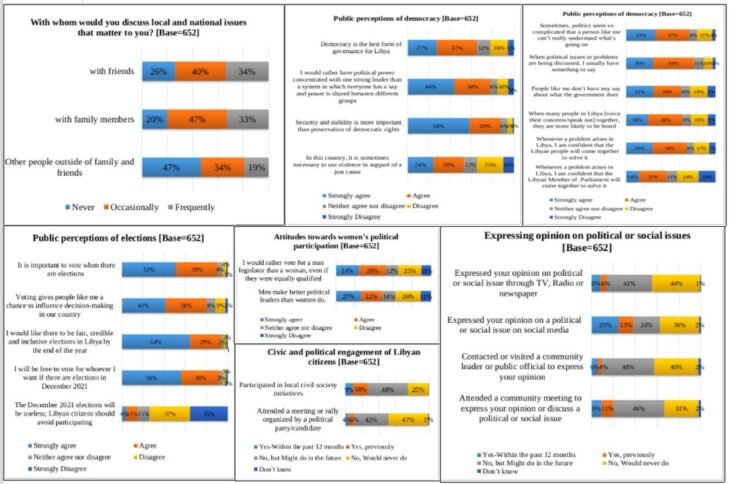
Nine years after the fall of Muammar Qaddafi, Libya is struggling to end its political division and violent conflict which in turn has contributed to an array of socioeconomic challenges and fraying the social cohesion.
Frederic Wehrey
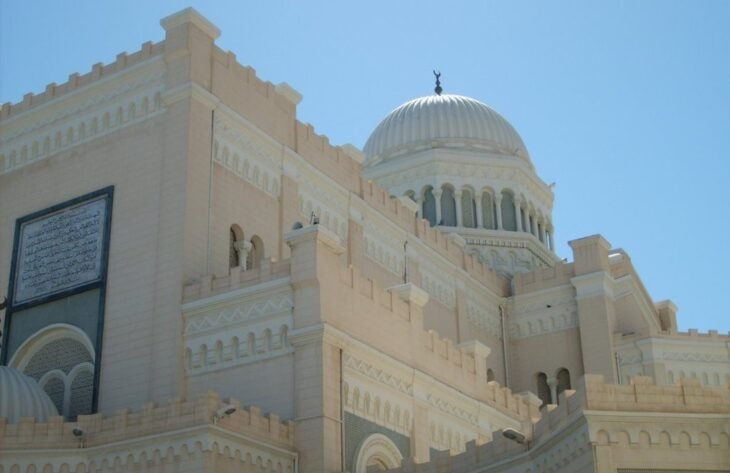
In Libya, religious endowments and their associated wealth have become a magnet for intense and often violent competition among Libya’s many political and religious currents.
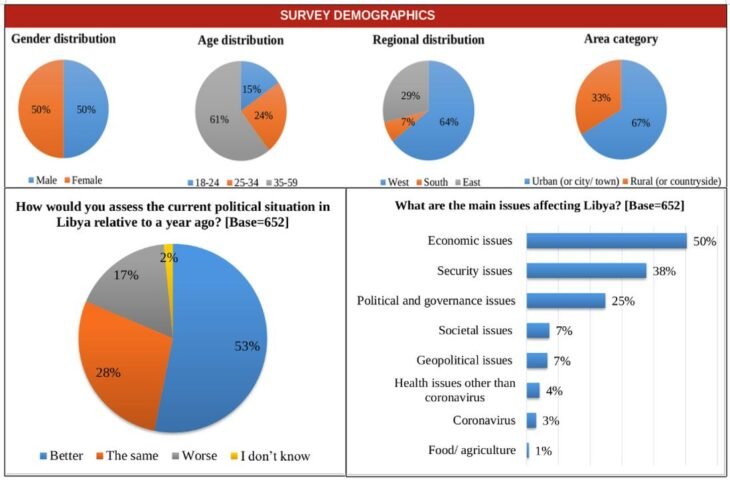
Nine years after the fall of Qaddafi, Libya is struggling to end its political division and violent conflict which in turn has contributed to an array of socioeconomic challenges and fraying the social cohesion.
RYM MOMTAZ
 Libya reached a civil war cease-fire last October, but foreign fighters still remain in the country. Read More

Julie MacArthur
 Muammar Gaddafi occupies a contested space in the histories of postcolonial Africa. What about his Libyan opponents? Read More
Frederic Wehrey
In Libya, religious endowments and their associated wealth have become a magnet for intense and often violent competition among Libya’s many political and religious currents.

 The appointment of an interim government brought hope to the Libyan people, yet political tensions remain high. There are numerous challenges that could impact the elections scheduled in December, further threatening the chance of a peaceful future for Libya. Read More
Massimiliano Boccolini
 Basghagha’s only real competitor among those already on the field is the former vice president of the Libyan presidential council, Ahmed Maitiq. Read More
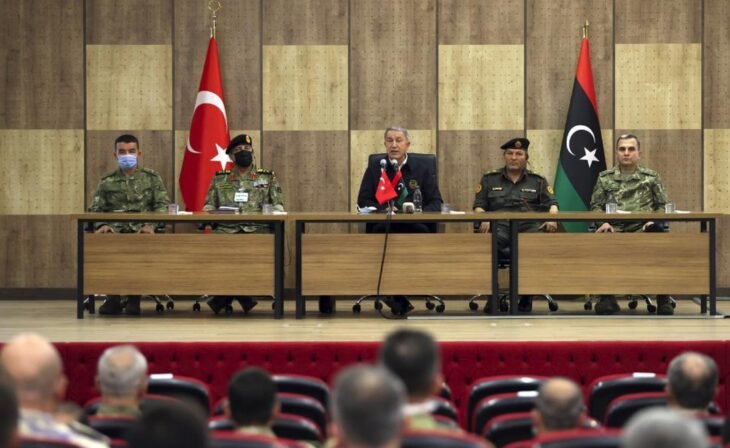

The international community must not forget the mass graves and atrocities caused by the illegitimate forces loyal to putschist Gen. Khalifa Haftar during Libya’s civil war, Turkey’s Defense Minister Hulusi Akar said Saturday, as he once again reiterated Ankara’s support to Libyans in their rightful struggle. Read More
Frederic Wehrey
In Libya, religious endowments and their associated wealth have become a magnet for intense and often violent competition among Libya’s many political and religious currents.
Cathrin Schaer
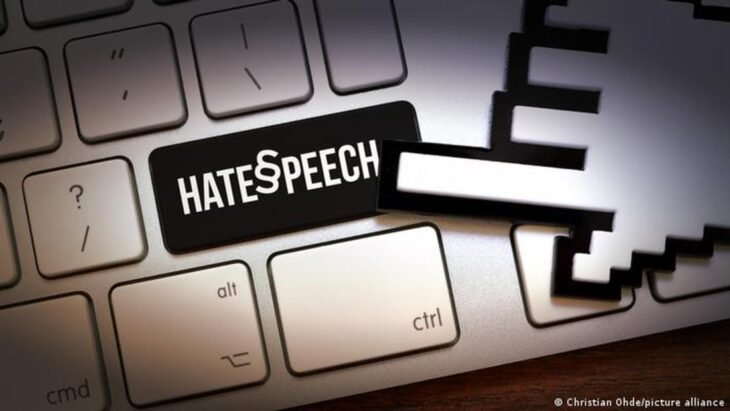
They’re behind online hate campaigns to intimidate activists, journalists or dissidents. There is no doubt that in some cases, those campaigns have led to murder. Read More