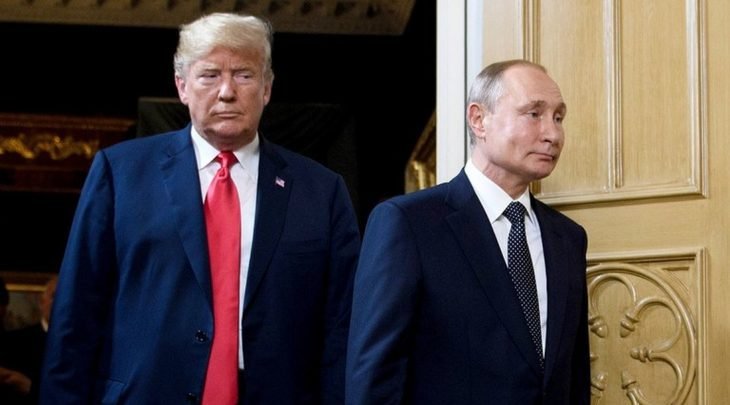
 The White House disclosed, in a statement on Friday, that the US President, Donald Trump, made a phone call with the commander of the Dignity Operation, General Khalifa Haftar, on Monday. Read More
The White House disclosed, in a statement on Friday, that the US President, Donald Trump, made a phone call with the commander of the Dignity Operation, General Khalifa Haftar, on Monday. Read More
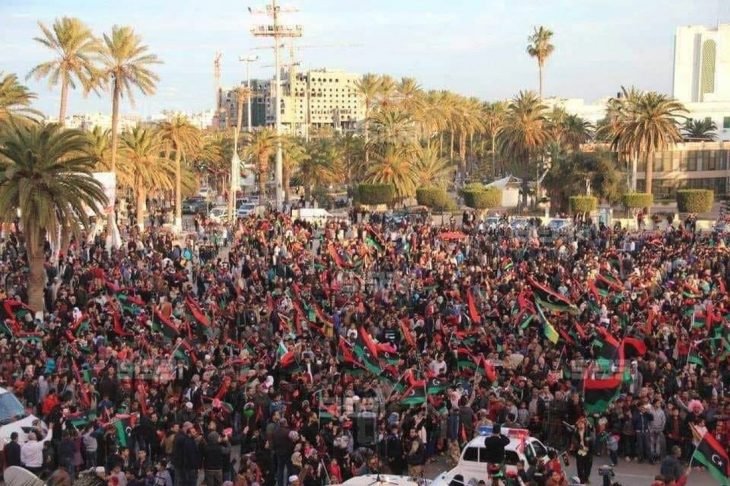
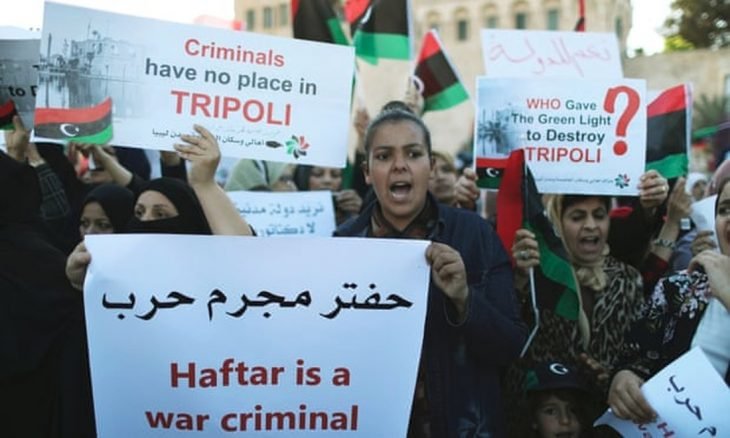
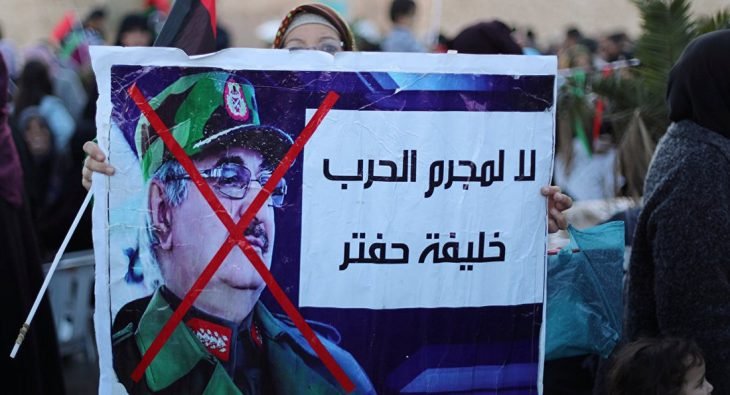
 For the second Friday running, thousands took part in demonstrations in Tripoli and Misrata against Khalifa Hafter and his Libyan National Army (LNA) for their attack on Tripoli. Read More
By David A. Andelman
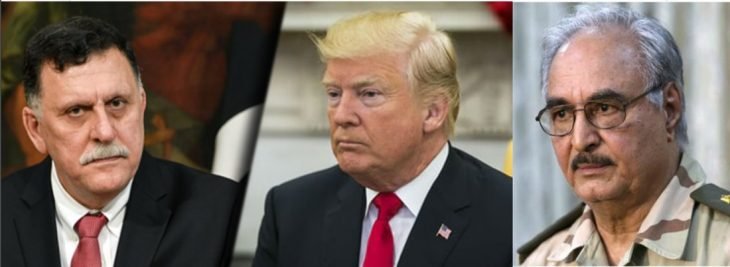
 In Libya, a frightening and intricate political corner of North Africa, the Trump administration risks putting itself in an untenable situation of backing two horses in the same race — the recognized government of Libya and the rebels knocking at the door of the capital. Read More
By Grigory Lukyanov
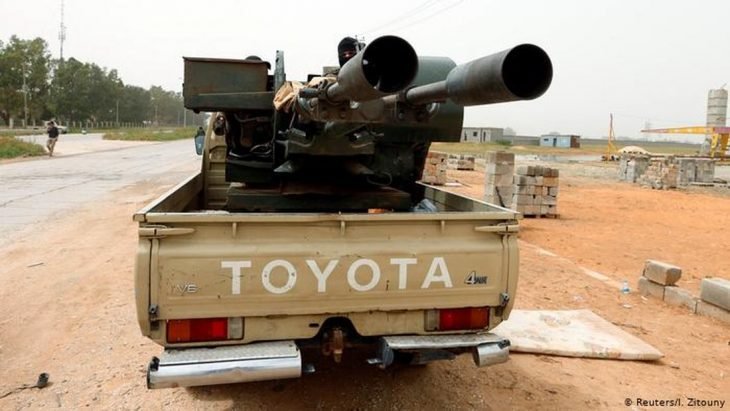
 Since the beginning of the crisis field marshal Khalifa Haftar visited a number of countries to secure support from his traditional allies. Read More
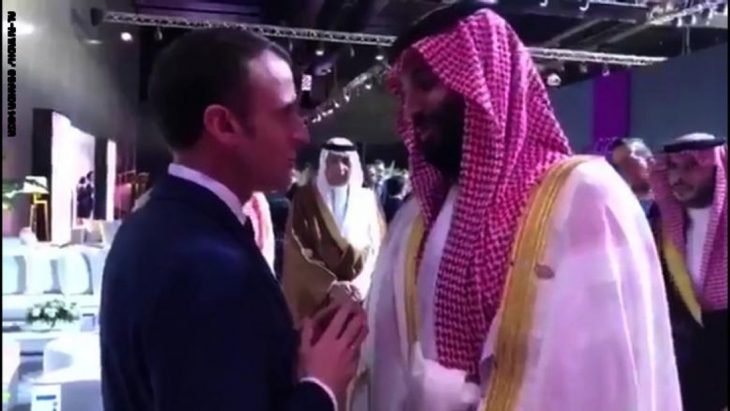
By Tarek Megerisi
 The UK, Germany, and Italy are forming a common position following the latest Libya offensive. This should form the core of Europeans exerting greater collective influence over events there. Read More
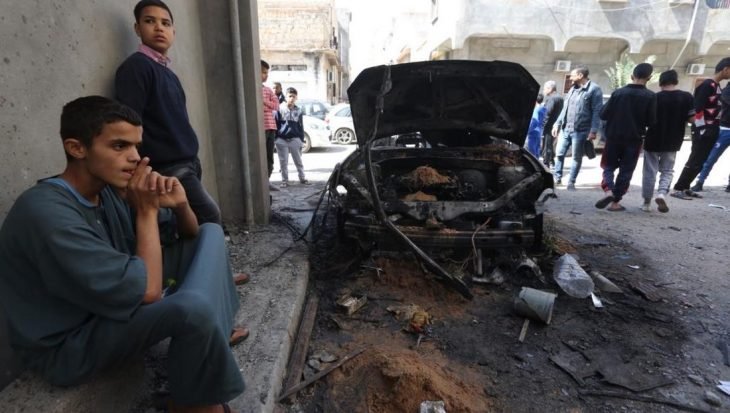
By Nadine Dahan & Ahmed Gatnash

 It’s not too late to avert all-out war in Libya, though it creeps closer every day Haftar’s offensive continues. Nadine Dahan and Ahmed Gatnash lay out steps for the international community. Read More
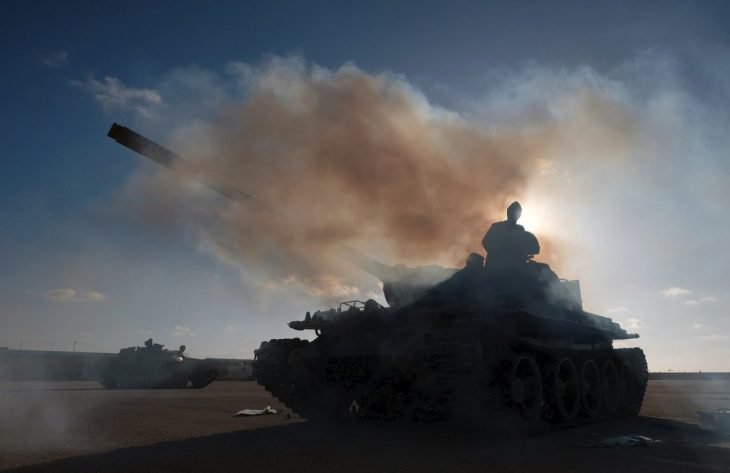
By Jeffrey Feltman
 In a late-night statement on April 7, Secretary of State Pompeo, discussing the escalation of fighting around Tripoli, said: “We have made clear we oppose the military offensive by Khalifa Haftar’s forces and urge the immediate halt to these military operations against the Libyan capital.” Read More
By Ben Fishman

April was supposed to be a notable month in Libya’s post-Gadhafi transition. Read More
By Alia Brahimi
 Khalifa Haftar is using the narrative of the global war on terror to consolidate power. But taking Tripoli will not bring peace. Read More
By Kirill Semyonov
 After nearly two weeks of fierce fighting near Tripoli, it has become clear that the plan of Khalifa Haftar, commander of the so-called Libyan National Army (LNA), who wanted to dictate his own terms of reconciliation, has failed. Read More
By Sasha Toperich
 Late last month, former Virginia resident and now Libyan strongman Khalifa Haftar, along with Fayez al-Sarraj, Libya’s prime minister and chairman of the Presidential Council, held talks in Abu Dhabi to avert a civil war and find a solution to government stability. Read More
By David A. Wemer
 European Commissioner for Migration, Home Affairs, and Citizenship Dimitris Avramopoulos speaks at the Atlantic Council on April 8, 2019. Read More
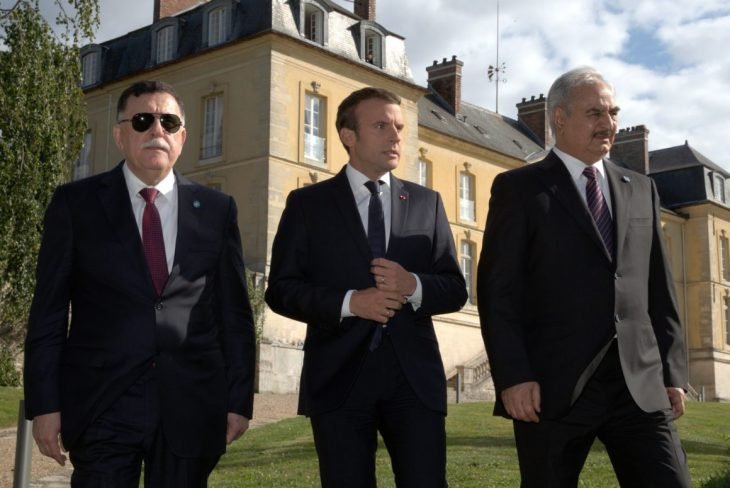
In backing a warlord, Paris may be dealing itself a losing hand.
By Paul Taylor
 Like the police captain in “Casablanca” feigning outrage at gambling in Rick’s Café before being handed his winnings, France was “shocked, shocked” to find that the Libyan generalissimo whose forces it has covertly helped arm and train was marching on Tripoli. Read More
By Borzou Daragahi
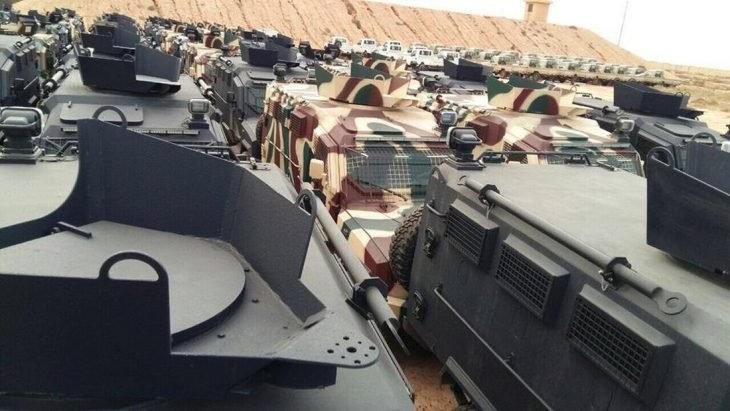
 The United Nations is probing allegations that the United Arab Emirates shipped weapons to support a Libyan warlord’s factions, in violation of an international arms embargo, a key official told The Independent. Read More
By Tim Eaton & Mohamed Eljarh

 Protracted fighting could damage the economy of eastern Libya and undermine the funding model of his Libyan Arab Armed Forces. Read More
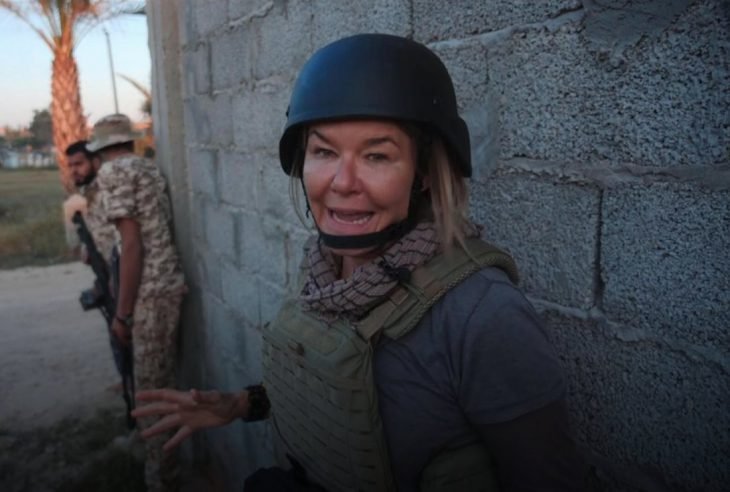
 Sky’s Alex Crawford joins the disparate group of fighters defending Tripoli from Khalifa Haftar and the Libyan National Army. Read More
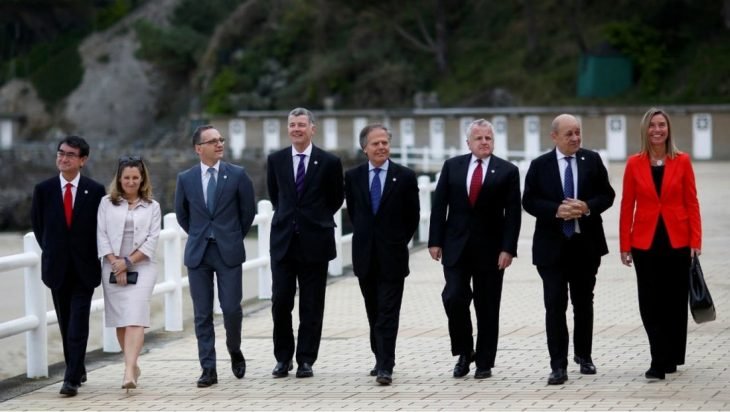
By Tarek Megerisi
Haftar, Libya’s latest and putatively greatest strongman, is on the move again in Libya. Read More
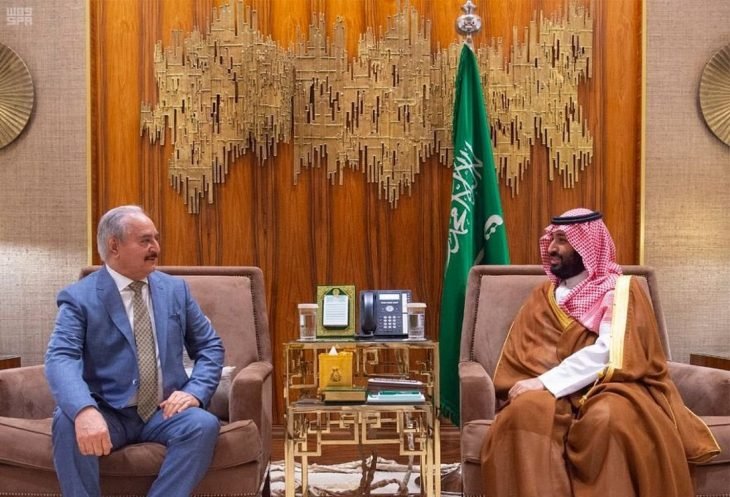
 AFTER YEARS of turmoil in Libya, United Nations envoys believed they were on the verge of striking a deal this month that would have brought the country’s factions together at a conference to agree on a unified government and a plan for elections. Read More
By Wang Jin
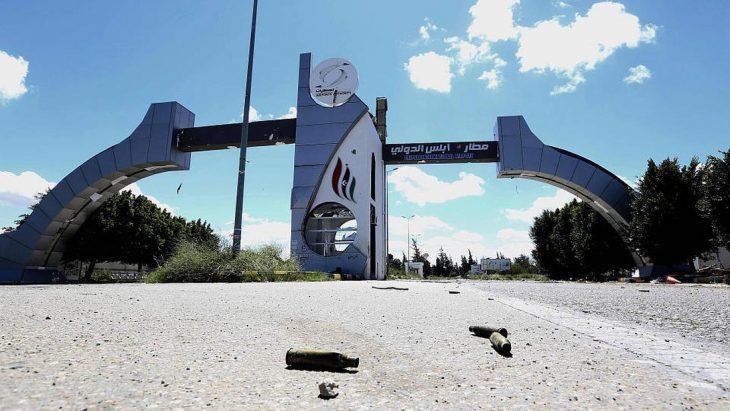
 On April 8, as the Libya’s major strongman, retired general Khalifa Haftar, organized a major military offensive against the Libya’s capital Tripoli with his Libyan National Army (LNA), the likelihood of new beginning emerged in the country that has been witnessing years of divisions, bloodshed and instability. Read More
By Ahmad Ghaddar & Aidan Lewis

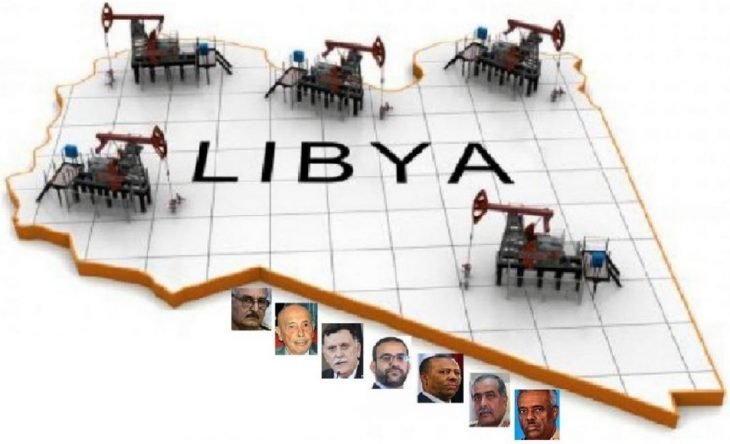
 Eastern-based Libyan forces commanded by Khalifa Haftar launched an offensive last week to take control of Tripoli, the capital, plunging the OPEC country into a new round of armed conflict. Read More
By Yousuf Eltagouri
 Of the hundreds of militias and armed groups scattered across the country, the Libyan National Army (LNA) has long been perceived as Libya’s only unified military organization. Read More
By Giorgio Cafiero & Theodore Karasik

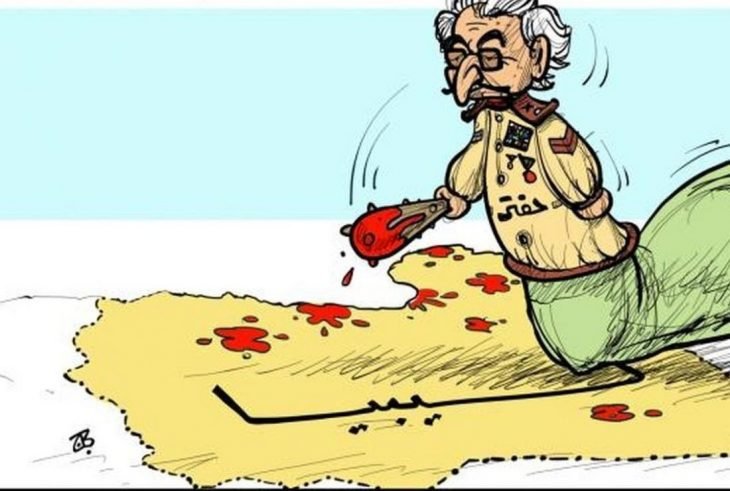
 In a move that has long been expected, General Khalifa Hifter’s Libyan National Army (LNA) launched an offensive to crush Islamist militias in Tripoli earlier this month, moving on the capital in what is a major escalation of the Libyan civil war. Read More
By Maxim A. Suchkov
 Hifter, the strongman who controls two-thirds of the Libyan territory, ordered his forces April 4 to make a “victorious march” on Tripoli, the capital of the UN-backed government of Fayez al-Sarraj, supported among other groups by powerful Misrata militias. Read More
By David D. Kirkpatrick & Suliman Ali Zway


The United Nations-backed government of Libya sought on Saturday to reassure its Western supporters by distancing itself from terrorists and extremists. Read More
By Jason Pack & Matthew Sinkez
 The Libyan general was poised to rise to power. Now his unnecessary assault on the capital is alienating key international backers and potential local allies. Read More
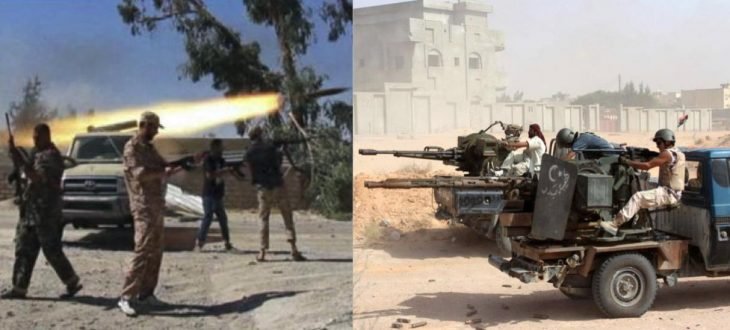
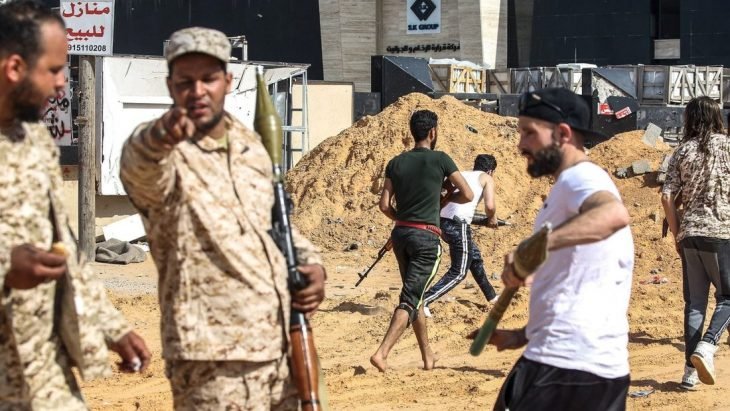
 Fighting between forces loyal to Field Marshal Khalifa Haftar and allies of the UN-backed government in Tripoli threatens a bloodbath and a regional proxy war. Read More
By Wolfram Lacher
 Why Khalifa Hifter (and Western governments) misjudged the reaction Hifter’s grab at Tripoli would provoke in western Libya. Read More
 Highlights
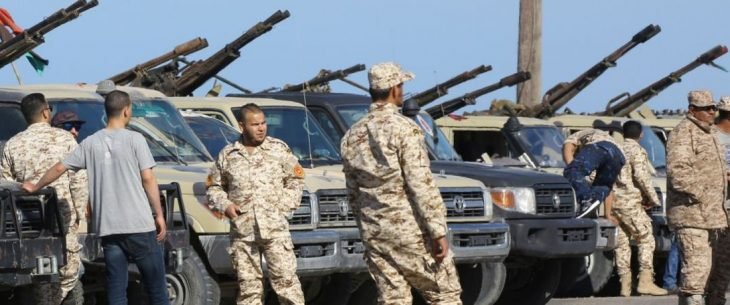
An offensive against Tripoli by the Libyan National Army (LNA) has bogged down in the capital’s outskirts, increasing the risk that the conflict will become protracted. Read More
By Tarek Megerisi
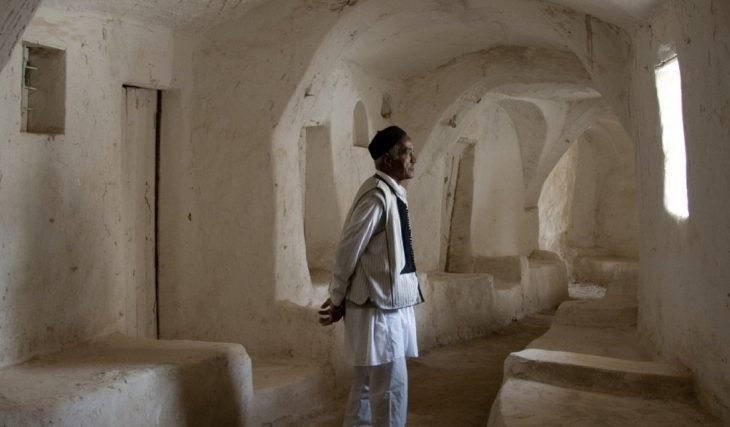
On April 14th the ‘National Conference’, a much-vaunted event in Libya’s political calendar and arguably over three years in the making, was due to begin. Read More
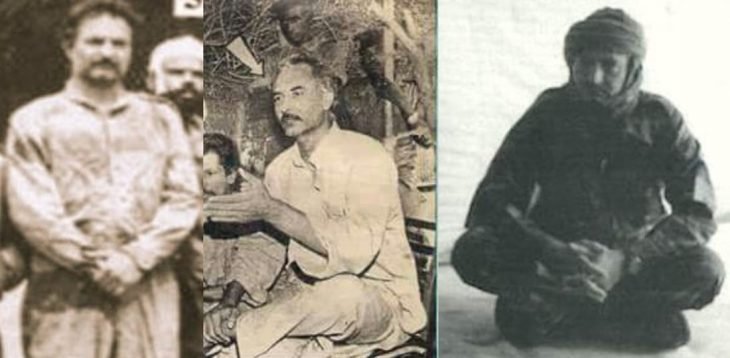
 Khalifa Haftar, a former leader in Gaddafi’s military who took control of much of eastern Libya with the support of Russia, Egypt and the UAE in the country’s ongoing civil war, has launched a fresh offensive on Tripoli, Libya’s internationally recognised capital. Read More

By Yacqub Ismail
 As Field General Khalifa Haftar ordered the Libyan National Army to take over the capital city of Libya, Tripoli. Read More
By Karim Mezran & Mohamed Eljarh
 The French intellectual Jean Baudrillard once said, “It is always the same: once you are liberated, you are forced to ask who you are.” Read More
By Karim Mezran & Mohamed Eljarh
The French intellectual Jean Baudrillard once said, “It is always the same: once you are liberated, you are forced to ask who you are.” Read More
By Ethan Chorin
Four years after the fragile Libyan democratization process collapsed, the conflict has come to a predictable head. Read More
By Farhat Polat
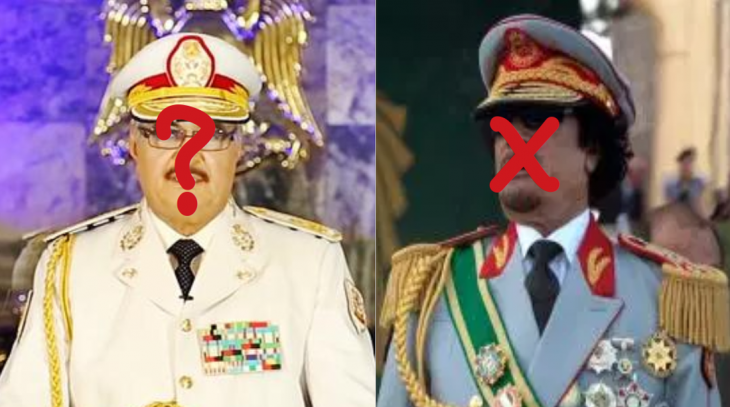
 Warlord Khalifa Haftar, a military strongman in Libya who controls much of the east and commands the self-styled Libyan National Army (LNA), has been provoking an all-out military conflict in Libya. Read More

By Youssef Cherif
 Recent territorial gains and the upheaval in Algeria allowed Khalifa Haftar to advance on western Libya. Read More