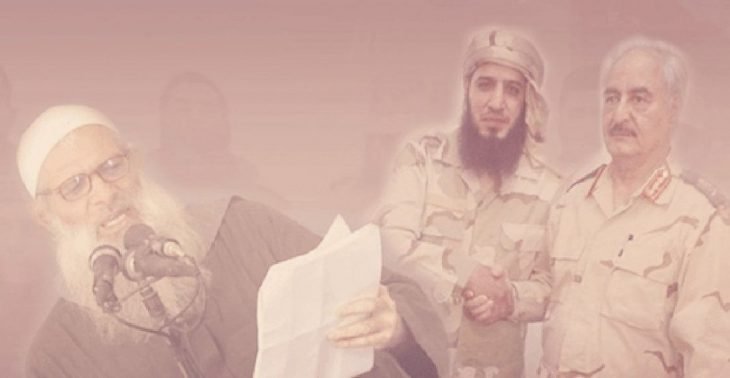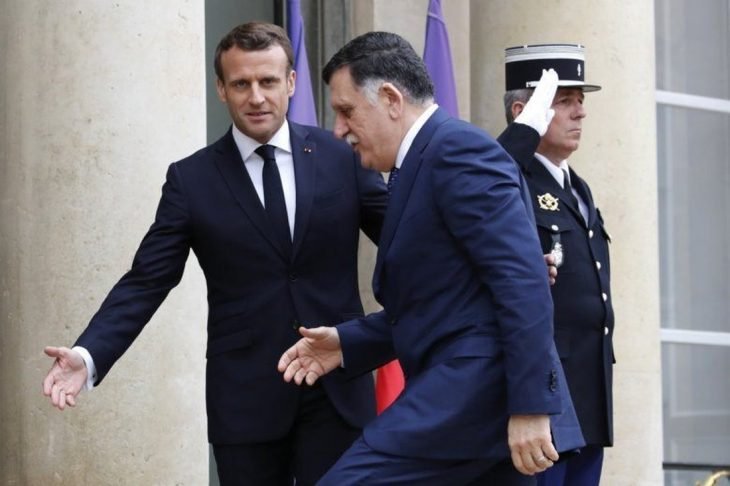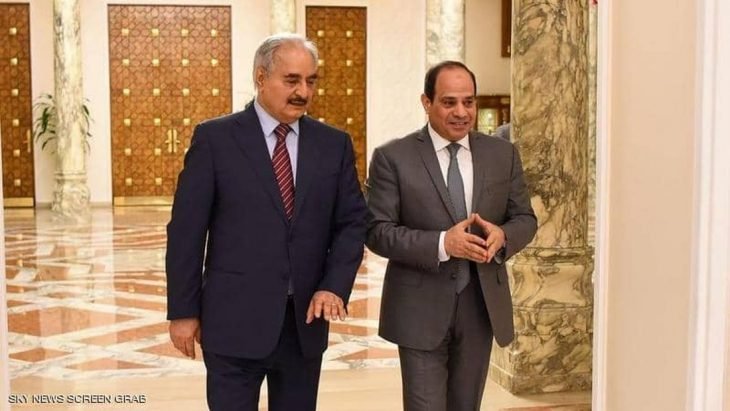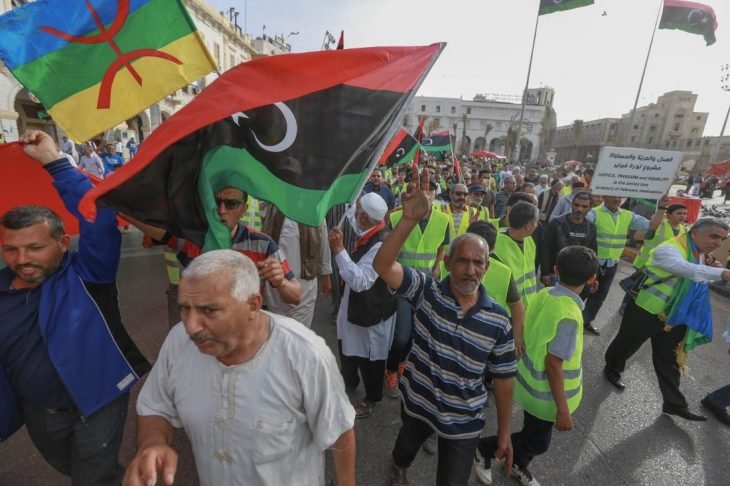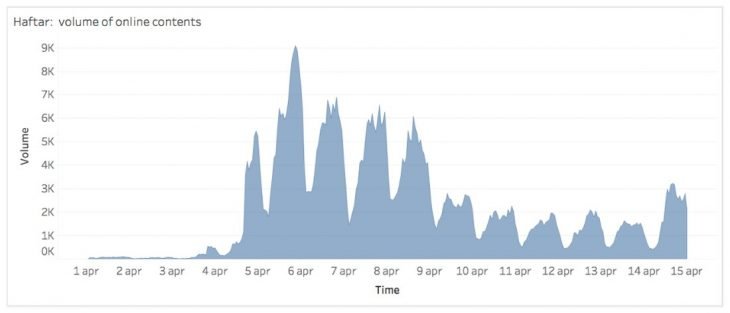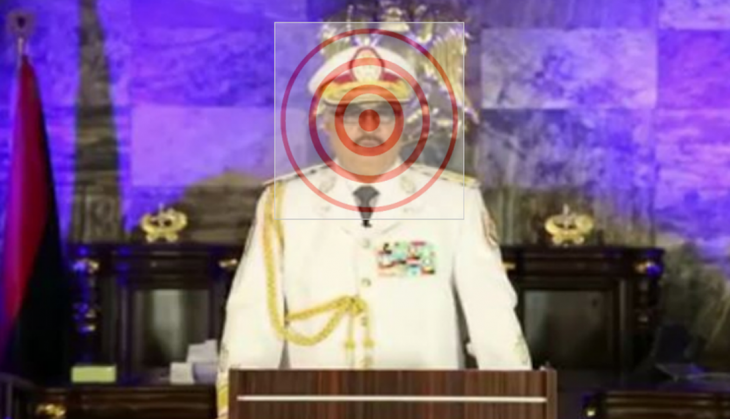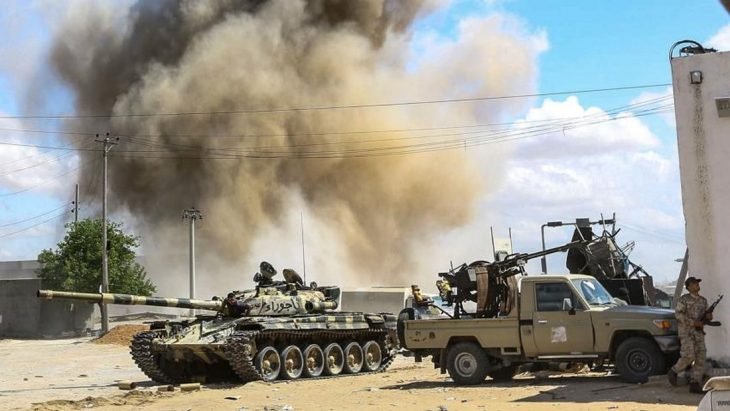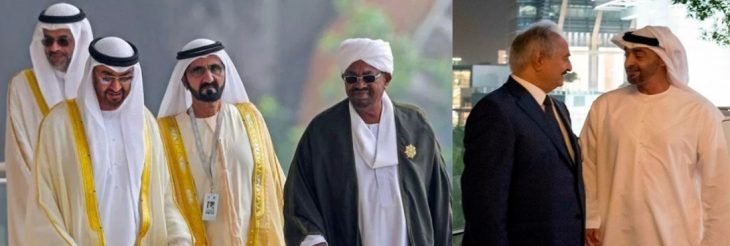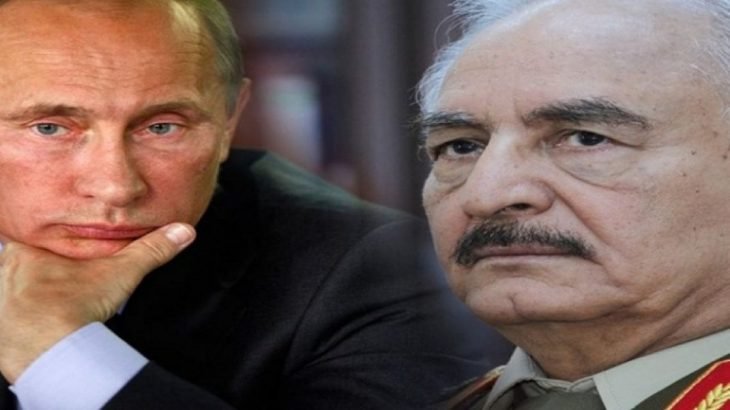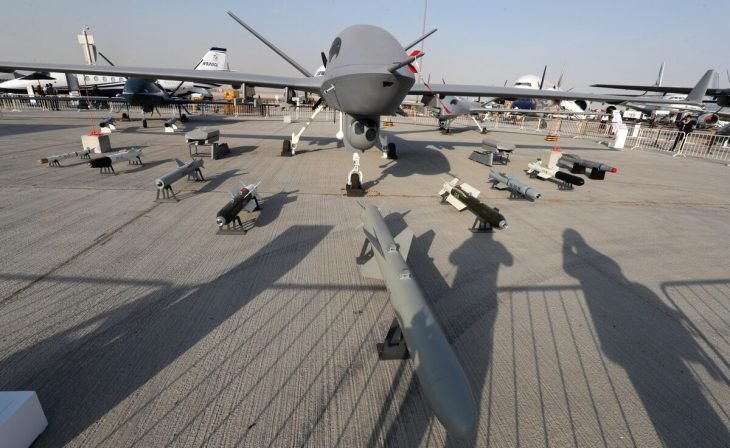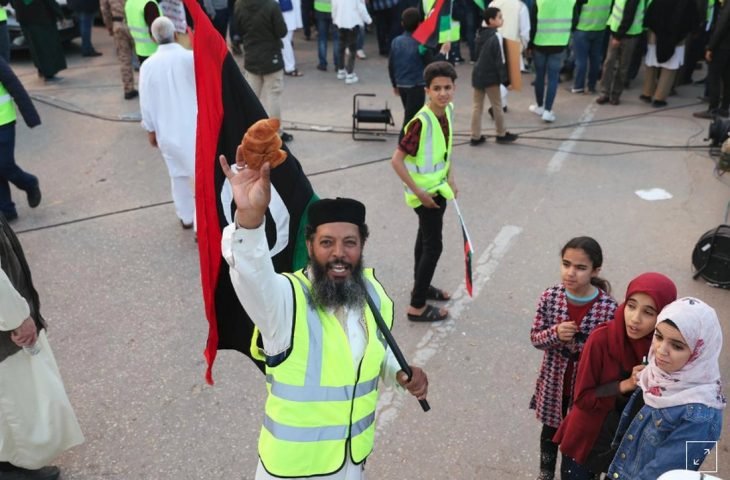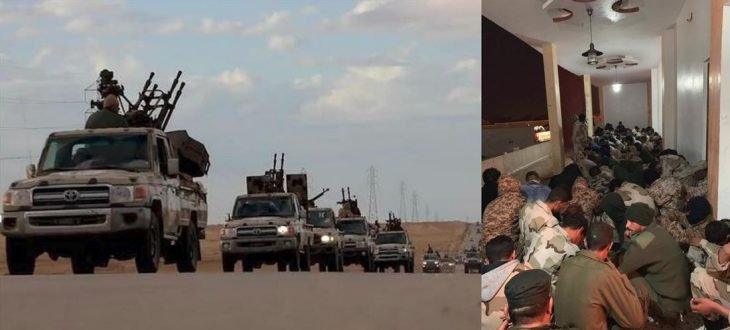

Khalifa Haftar, a former leader in Gaddafi’s military who took control of much of eastern Libya with the support of Russia, Egypt and the UAE in the country’s ongoing civil war, has launched a fresh offensive on Tripoli, Libya’s internationally recognised capital. Read More
Author - ab_mnbr
By Yacqub Ismail
As Field General Khalifa Haftar ordered the Libyan National Army to take over the capital city of Libya, Tripoli. Read More

By Karim Mezran & Mohamed Eljarh

The French intellectual Jean Baudrillard once said, “It is always the same: once you are liberated, you are forced to ask who you are.” Read More
By Karim Mezran & Mohamed Eljarh


The French intellectual Jean Baudrillard once said, “It is always the same: once you are liberated, you are forced to ask who you are.” Read More
By Ethan Chorin

Four years after the fragile Libyan democratization process collapsed, the conflict has come to a predictable head. Read More
By Farhat Polat
Warlord Khalifa Haftar, a military strongman in Libya who controls much of the east and commands the self-styled Libyan National Army (LNA), has been provoking an all-out military conflict in Libya. Read More
By Youssef Cherif
Recent territorial gains and the upheaval in Algeria allowed Khalifa Haftar to advance on western Libya. Read More
By Frederic Wehrey & Jeffrey Feltman

The Trump administration must act fast to stop the escalating conflict in Libya, which will subvert ongoing efforts for a peaceful settlement and strengthen the Islamic State. Read More
By Jason Pack
All Arab civil wars are not created equal. Libya has been in a state of civil war for five years now, yet it hasn’t been a civil war full of massacres or famines like the sectarian wars in Yemen and Syria. Read More
By Ashish Kumar Sen
Libya, once again, is on the boil. Khalifa Haftar, who leads the self-styled Libyan National Army (LNA) in the eastern part of the country, set off alarm bells this week when he ordered his troops to march on Tripoli where an internationally recognized government is seated. Read More
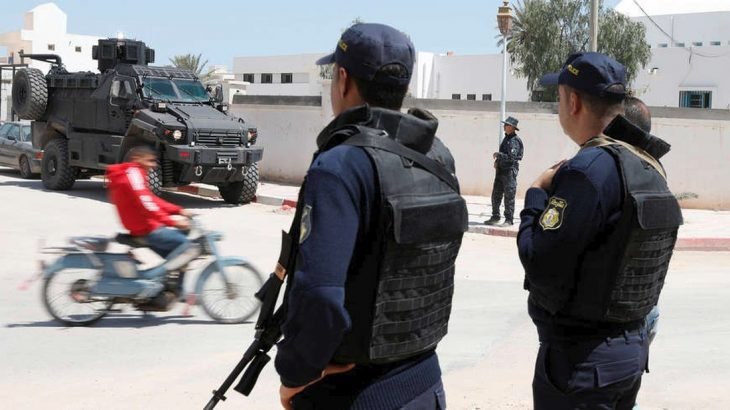
Libya has been holding its breath since 4 April in fear of a new war which could engulf Tripoli and which could scupper prospects of a peace agreement that was supposed to be formalized at an upcoming National Conference only ten days from now. Read More
Scores of eastern commander’s troops reportedly captured after ‘short exchange of fire’ at checkpoint 30 km from Tripoli. Forces loyal to the eastern Libyan commander Khalifa Haftar were pushed back on Friday from a key checkpoint less than 30km from Tripoli, checking their lightning advance on the capital, a security and military sources have said. Read More
By David D. Kirkpatrick
A military leader who has vowed for years that he would seize controlof Libya ordered his troops on Thursday to march on the capital, Tripoli. Read More
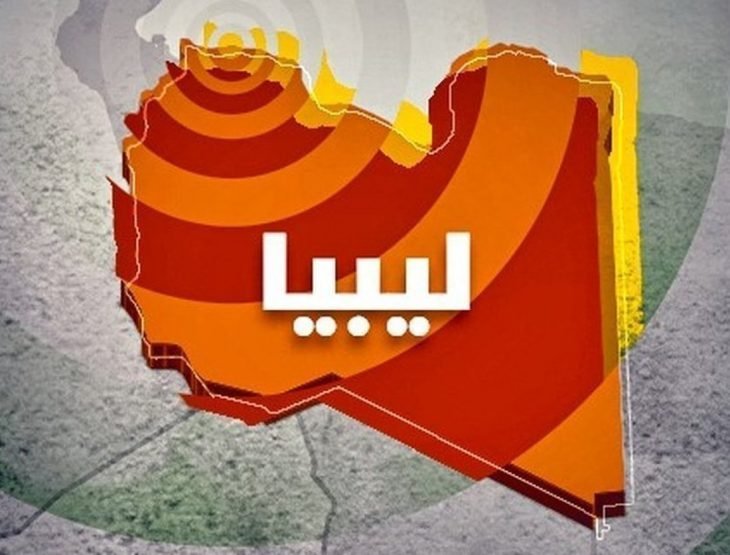
By Omer Karasapan
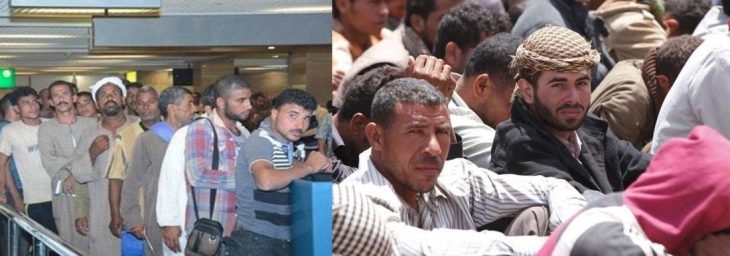
Since 2017—when CNN released a groundbreaking report on migrant slave auctions in Libya, and Italy and Libya’s Government of National Accord reached a migration deal (one of two in the country)—migrants’ misery continues and may have intensified. Read More
By Luigi Narbone
A common assumption among policy-makers and pundits is that stabilisation and reconstruction will come after conflicts in the Middle East and North Africa region have been settled. Read More
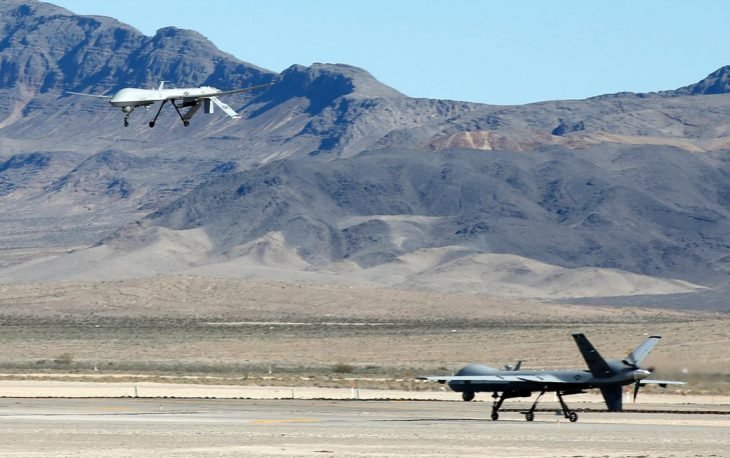
By Tarek Megrisi
In Libya since the fall of Qaddafi, years often pass without much change as political deadlock continues and the economy decays. Then a moment of opportunism triggers a chain reaction. Read More

By Luigi Narbone
A common assumption among policy-makers and pundits is that stabilisation and reconstruction will come after conflicts in the Middle East and North Africa region have been settled. Read More
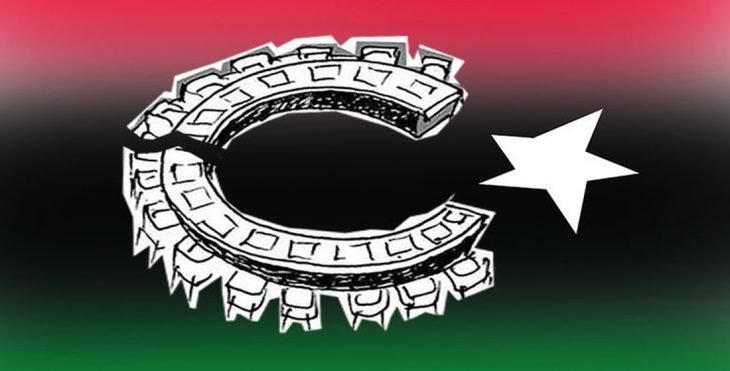
By Simon Speakman Cordall
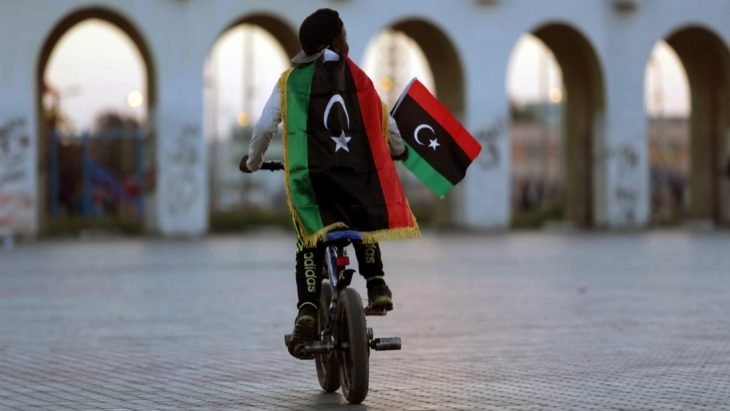
Libya’s youth came of age in an era quite unlike that of their parents, experiencing first the euphoria of revolution, then the descent into bloodshed and anarchy. Read More

By Jalel Harchaoui
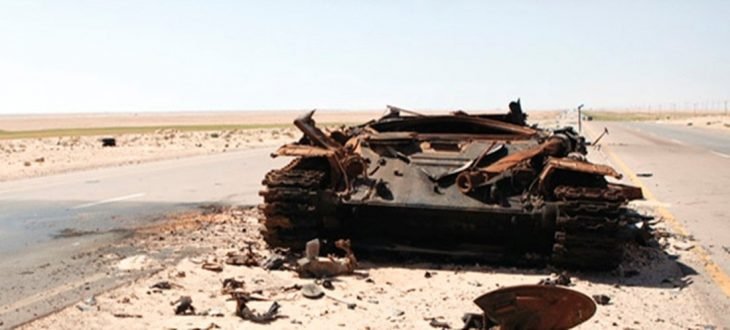
Earlier this year, the armed coalition led by eastern-Libyan-based commander Khalifa Haftar took most of his country’s southwest, an oil-rich desert expanse three times as large as Syria called the Fezzan. Read More
By Jalel Harchaoui
Earlier this year, the armed coalition led by eastern-Libyan-based commander Khalifa Haftar took most of his country’s southwest, an oil-rich desert expanse three times as large as Syria called the Fezzan. Read More
By Tom Westcott
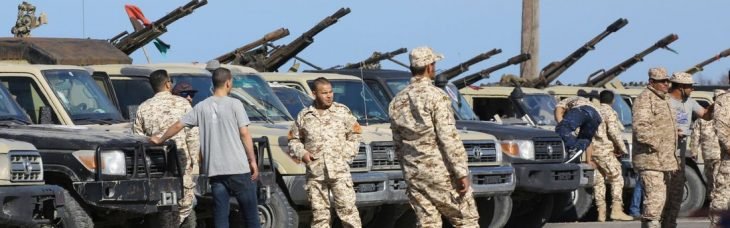
The movement of forces loyal to rival governments across western Libya throws Tripoli back under the spotlight as the potential focus of the country’s next civil conflict. Read More
By Jonathan M. Winer

In the 42 years preceding the 2011 uprising, Gaddafi controlled all power in Libya. Since the uprising, Libyans, fragmented by geography, tribe, ideology, and history, have resisted having anyone, foreigner or Libyan, telling them what to do. Read More

By Grzegorz Gil
This paper identifies three possibilities of the future development of this country (gradual stabilisation, Jihadisation and fragmentation) and considers the likelihood of each in characteristics and the international context. Read More
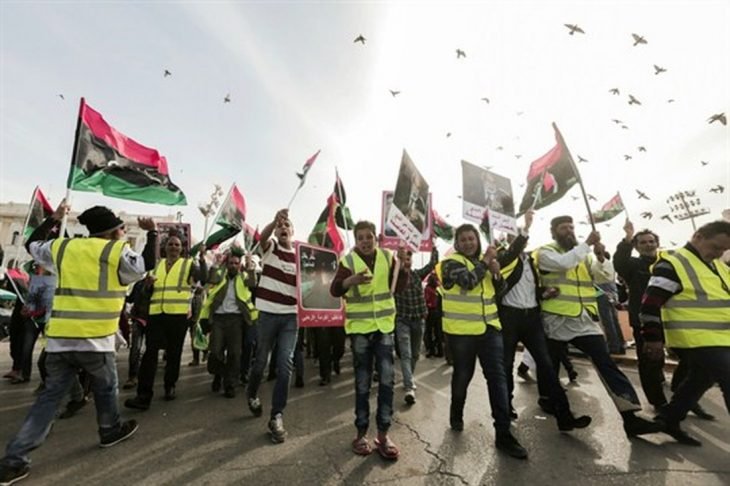
In almost every single project proposal written by local and international organization on Libyan civil society, the first thing you’ll read is “Libya’s civil society was born after 2011, it is still a new sector” or some variation on this line. Hell, I’ve written this countless times when seeking funding for projects. The problem is, it’s not entirely true. Read More
By Adam Ghallab
Libya should be a prosperous country. It’s a major exporter of oil and natural gas and is blessed with a strategic location and a small homogeneous populace. Read More
By Jonathan M. Winer

In the 42 years preceding the 2011 uprising, Gaddafi controlled all power in Libya. Since the uprising, Libyans, fragmented by geography, tribe, ideology, and history, have resisted having anyone, foreigner or Libyan, telling them what to do. Read More
By Ferhat Polat
Haftar’s forces have given a strong indication that they might march on Tripoli. The international community must take diplomatic action to prevent armed conflict. Read More
This is the story of Tamzin, a Libyan community that maintained its neutrality and peace in times of conflict. Read More
By Kirill Semenov
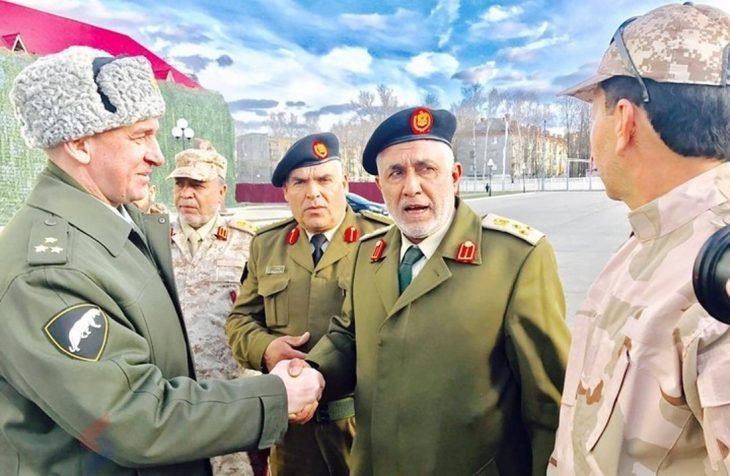
On March 17, Khaled al-Mishri, president of Libya’s High Council of State (HCS), arrived in Moscow at the invitation of the Federal Council, Russia’s upper house of parliament, to discuss bilateral relations and ways to tackle Libya’s ongoing political crisis. Read More
Forces from eastern Libya who have swept through the south and taken control of remaining oilfields in recent weeks have now reinforced a base in the centre of the country and signalled to the capital Tripoli that it may be next. Read More
By Emadeddin Badi
In January 2019, the Libyan National Army (LNA) loyal to General Khalifa Hifterlaunched a military operation to capture the Fezzan region in Libya’s southwest. Read More
By Grzegorz Gil
This paper identifies three possibilities of the future development of this country (gradual stabilisation, Jihadisation and fragmentation) and considers the likelihood of each in characteristics and the international context. Read More
By Jonathan M. Winer
In the 42 years preceding the 2011 uprising, Gaddafi controlled all power in Libya. Since the uprising, Libyans, fragmented by geography, tribe, ideology, and history, have resisted having anyone, foreigner or Libyan, telling them what to do. Read More
By Neil Macdonald
Background: In February 2015, the RCMP charged SNC-Lavalin and two of its subsidiaries with corruption and fraud in connection to years of dealings by the company in Libya. Read More

Libya’s parallel government in the east has sold bonds worth more than $23 billion to fund its wage bill, bypassing the central bank in Tripoli and creating a potential financial black hole if the country reunifies, bankers and diplomats said. Read More
By Grzegorz Gil
This paper identifies three possibilities of the future development of this country (gradual stabilisation, Jihadisation and fragmentation) and considers the likelihood of each in characteristics and the international context. Read More