By Kareem Chehayeb
 A new report suggests that Arab youth continue to be neglected – and that demographic shifts are incubating another political crisis. Read More

By Kareem Chehayeb
A new report suggests that Arab youth continue to be neglected – and that demographic shifts are incubating another political crisis. Read More
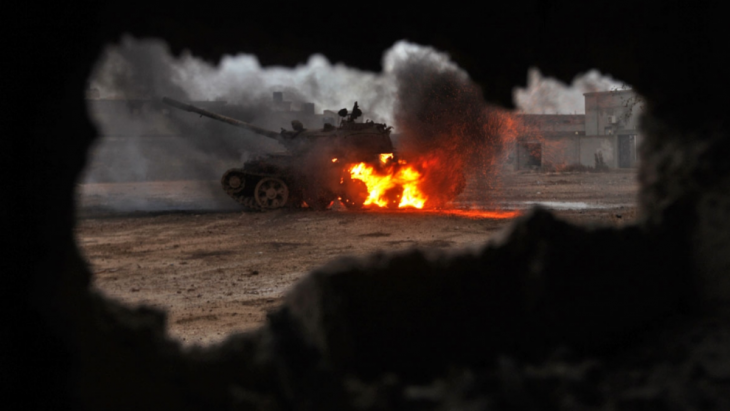
By Imed Lamloum
 Two governments, dozens of militias controlling their own patch, and rumors abounding on Facebook. AFP’s Tripoli bureau chief Imed Lamloum explains the intricacies and challenges of covering today’s Libya. Read More
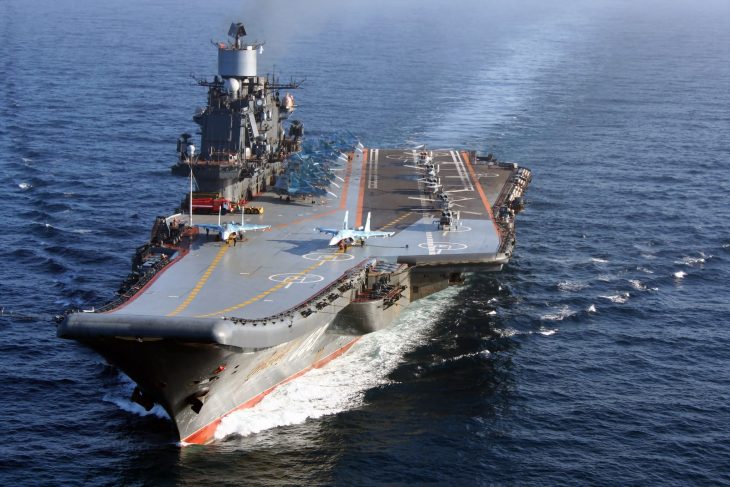
By MEE and Agencies
 Libyan strongman welcomed aboard the Admiral Kuznetsov in Mediterranean, speaks via video link with Russian defence minister. Read More

 Dictator Moamar Kaddafi was overthrown and killed in 2011 but Libya has still not been able to form a unified government, despite the efforts of neighbors (especially Egypt and Algeria) and the UN. Read More

By Dr. Ahmad Issa Faraj

On July 14, 2106, during the World Heritage Committee meetings held in Istanbul, Turkey, Libyans received the news of placing five World Heritage sites in Libya on the List of World Heritage in Danger. Read More
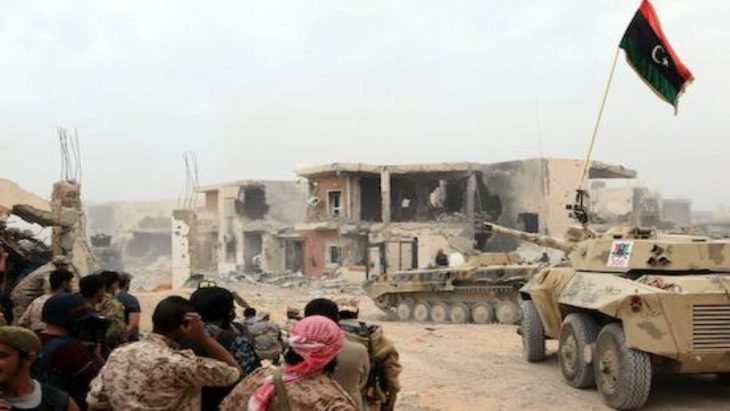
By Azza K. Maghur
 If the LPA is not quickly and substantially amended to allow a new executable agreement to be reached, its end will have been written from within its own chapters. Read More
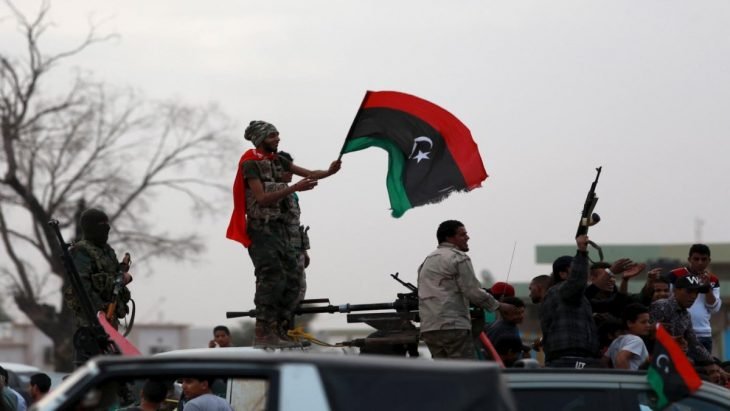
By Jason Pack and Nate Mason

 Surprising as it may be stateside, U.S. President-elect Donald Trump is wildly popular in Libya. Since 2014, the civil war in Libya has been in a stalemate as rival factions, including the UN-backed Government of National Accord (GNA) in Tripoli and the House of Representatives in Tobruk, each backed by an assortment of militias, fight for control. Read More

 Despite continued unrest, Italy has said it will reopen its embassy in Libya in a move that shows “confidence in the process of stabilizing” the country. The two states will also cooperate to stem the flow of migrants. Read More

By Ethan Chorin and Monem Alyaser

 Just as oil and gas wealth were the pillars of Col. Muammar Gaddafi’s brutal rentier state, they are at the heart of the civil conflict raging in Libya – demonstrated recently by an escalating battle over storage depots and lifting ports in the country’s oil-rich East, and rumors of an imminent siege of Libya’s former capital city of Tripoli, which threatens full-blown civil war. Read More

By: Asma Al-Hadi

Libya is a country located in the center of North Africa, overlooking the Mediterranean Sea and is bordered by six states, with an area of almost 1.8 million square kilometers, the fourth-largest Arab country and sixteenth internationally. Read More

 Africa’s two largest economies Nigeria and South Africa are currently experiencing economic difficulties. Nigeria is battling with a deepening recession and Africa’s most advanced economy is dealing with slow growth. Read More

By Josephus Moses Gra
 Why Africa, a continent blessed abundantly with natural resources and excessive value of human capital is yet to find its rightful place in world politics? Read More
Prensa Latina
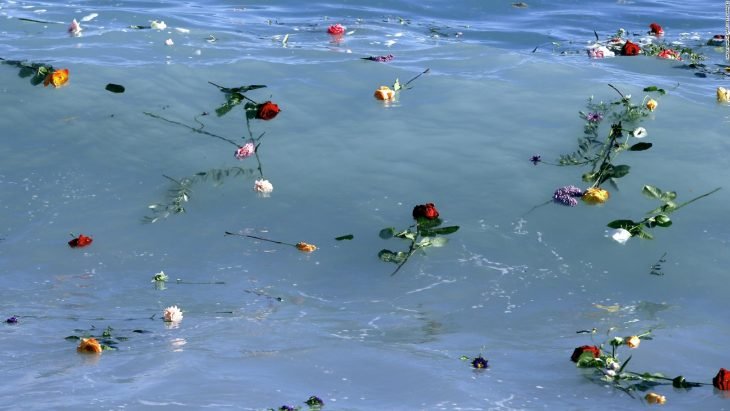
 United Nations, Jan 6 (Prensa Latina) At least 18,500 migrants lost their life during the last three years, 7,496 of them in 2016, according to preliminary data by the International Organization for Migrations (IOM). Read More

By Mohammed Abdullah Younis
 Analyses, philosophical views, and applied interpretations during the year of 2016 have not been able to transcend the state of turmoil, fluidity, and uncertainty imposed by shifts in the international arena throughout the year. Read More
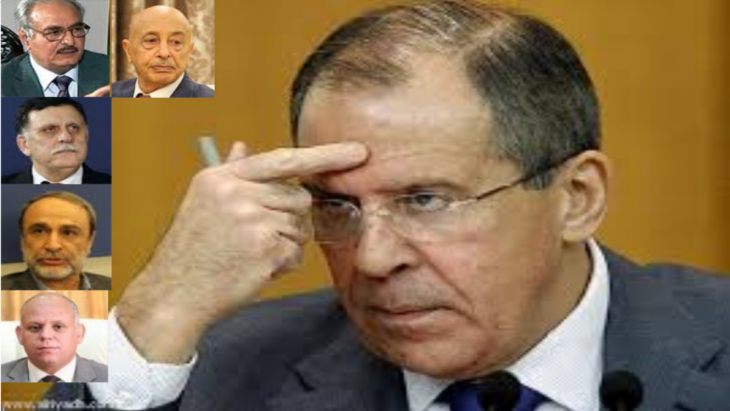
 The member of the UN-backed Government of National Accord and Deputy Head of its Presidential Council, Ahmed Mitig, said Libya welcomes Russian initiatives to establish grounds for a dialogue among the conflicting political parties. Read More

 Who is the enemy in American counterterrorism? Is it the Islamic State, the broader jihadist movement, or a set of ideas about the role of religious and politics, often labeled “radical Islam?” Read More
By Hayder al-Khoei & Ellie Geranmayeh & Mattia Toaldo


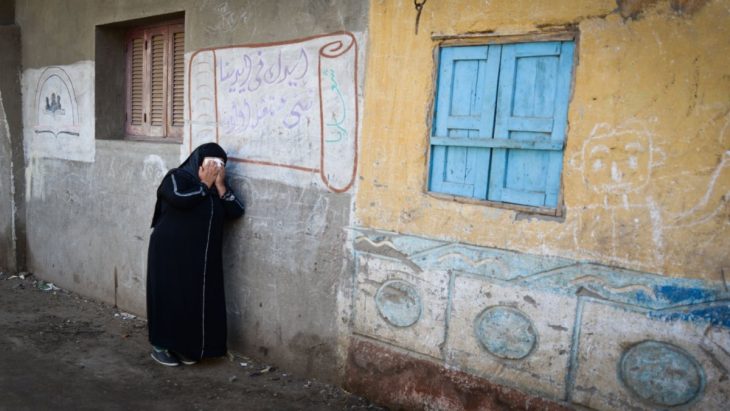
 This analysis was titled ‘After ISIS: How to Win the Peace in Iraq and Libya‘. However, we decided to only publish the sections related to the situation in Libya in two parts. Read More
By Hayder al-Khoei & Ellie Geranmayeh & Mattia Toaldo
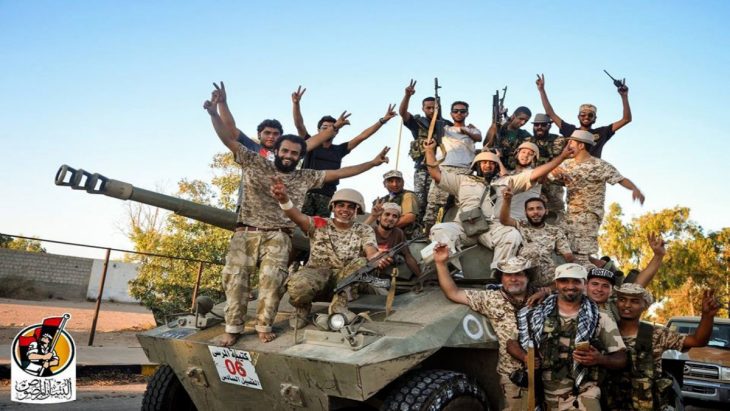
This analysis was titled ‘After ISIS: How to Win the Peace in Iraq and Libya’. However, we decided to only publish the sections related to the situation in Libya in two parts. Read More
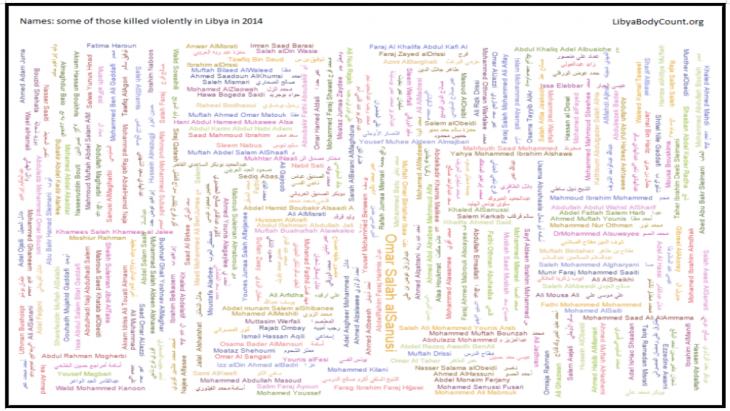
By Mel Frykberg
 A total of 1523 people died in violent incidents, including bombings and shootings in Libya during 2016, the NGO Libya Body Count has reported (www.libyabodycount.org). Read More
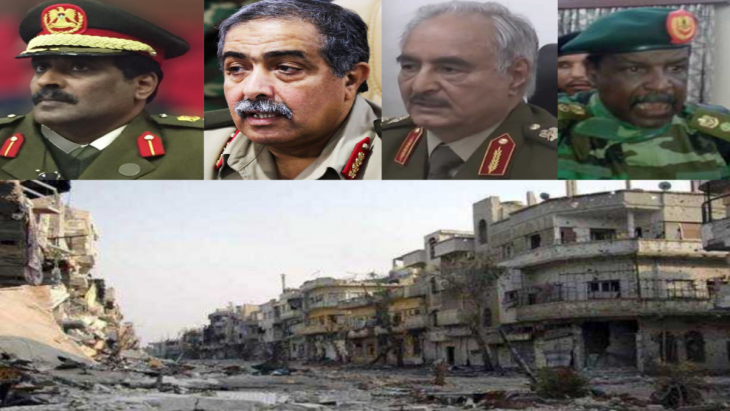
 The Misrata municipal council has called for the mobilisation of troops against Field Marshall Khalifa Haftar in Libya. Read More
By Curt Weldon
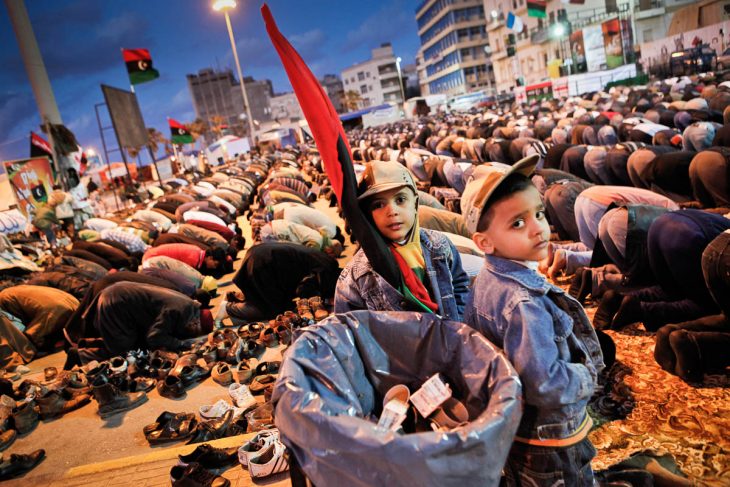
 Libya is a strategically important country, and in 2002 Moammar Qadaffi was angling to secure his role as leader of the African Union by portraying himself as the pivotal leader between Africa, the Middle East, and the West. Read More
By Joseph V. Micallef
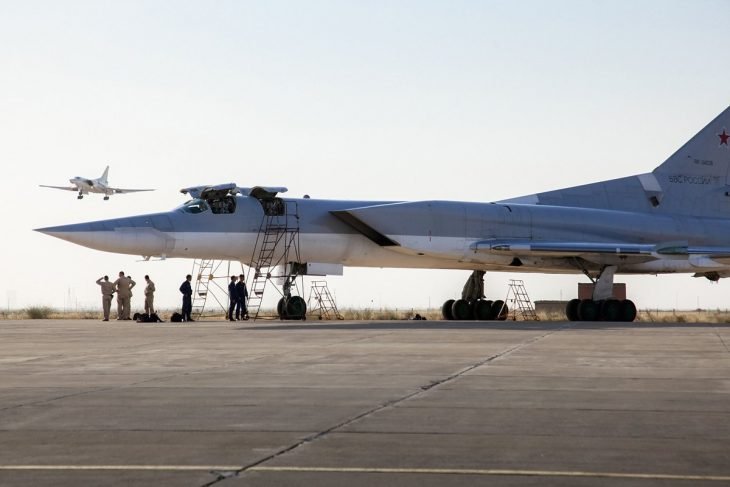
 With the future of the Assad regime now well in hand, the Kremlin has turned its attention to another former Soviet client in the Middle East – Libya. Read More
By Ryan Borchers
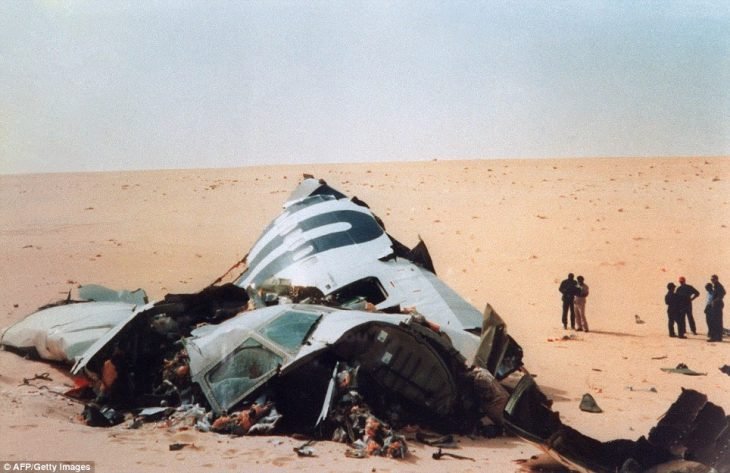
 The family of a man who died in the Libyan-backed bombing of a commercial airliner in 1989 will get no more than the $10 million they’ve received because despite a $1.3 billion judgment in Federal Court, they had no “realistic expectation” of collecting that much, the Court of Federal Claims ruled. Read More
By Mary Fitzgerald
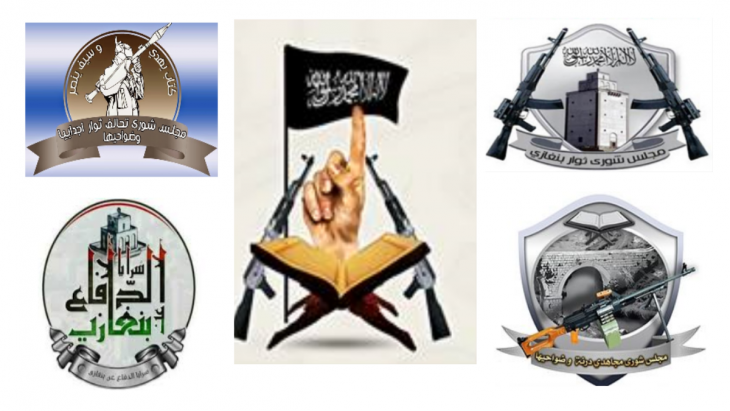
 In Libya there are very few truly national actors. The vast majority are local players, some of whom are relevant at the national level while representing the interests of their region, or in most cases, their city. Many important actors, particularly outside of the largest cities, also have tribal allegiances. Read More
By Mattia Toaldo
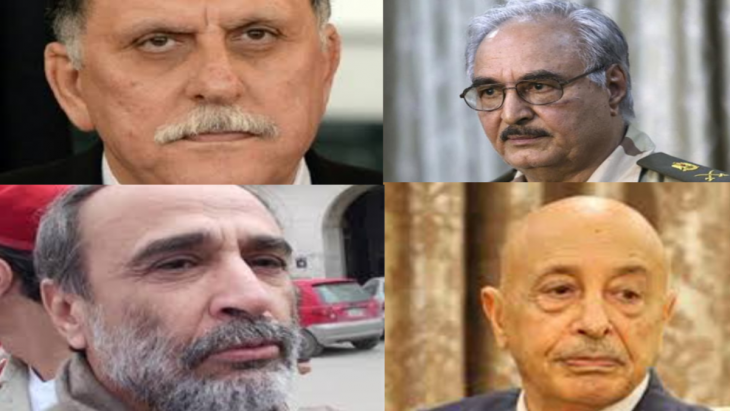
 In Libya there are very few truly national actors. The vast majority are local players, some of whom are relevant at the national level while representing the interests of their region, or in most cases, their city. Many important actors, particularly outside of the largest cities, also have tribal allegiances. Read More
By Mary Fitzgerald
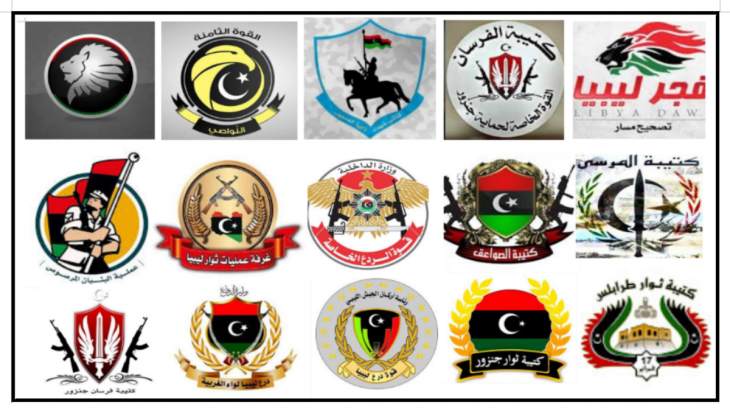
In Libya there are very few truly national actors. The vast majority are local players, some of whom are relevant at the national level while representing the interests of their region, or in most cases, their city. Many important actors, particularly outside of the largest cities, also have tribal allegiances. Read More
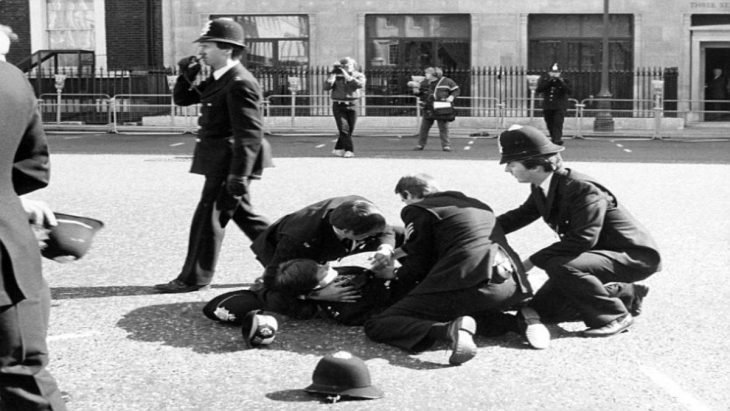
By Ian Drury
Key suspect in the 1984 murder of PC Yvonne Fletcher is put in charge of tackling illegal immigration in Libya by the country’s UN-backed government. Read More
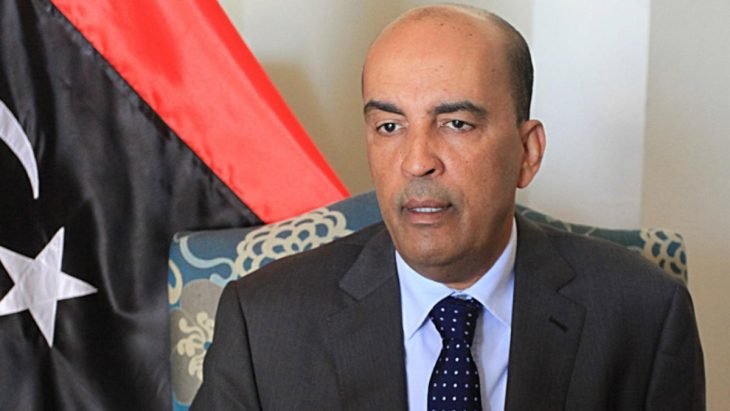
 In yet another surprising move, deputy leader of Libya’s Government of National Accord (GNA) Musa al-Koni announced his resignation, after two ministers also resigned from the government headed by Fayiz al-Sarraj. Read More
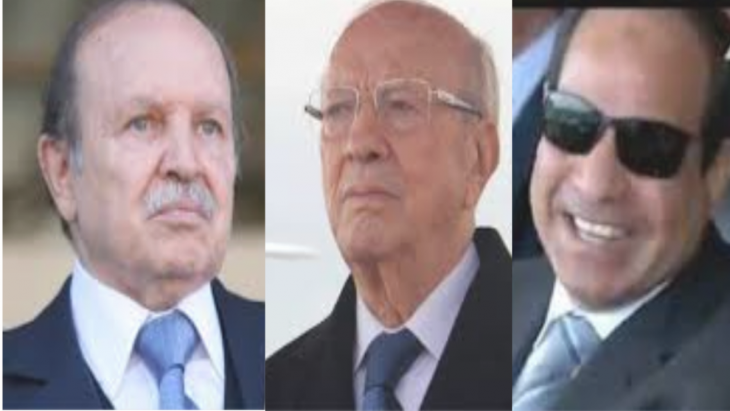
By Khalid Mahmoud

Tunisian President Beji Caid Essebsi revealed preparing for a tristate summit that includes Algeria, Egypt and Tunisia to resolve the Libyan crisis – meanwhile al-Wefaq government appointed a member of the parliament as the head of intelligence body in Tripoli. Read More
By UNSMIL
 From 1 December to 31 December 2016, the United Nations Support Mission in Libya (UNSMIL) documented 10 civilian casualties, including 3 deaths and 7 injured, during the conduct of hostilities across Libya. Read More
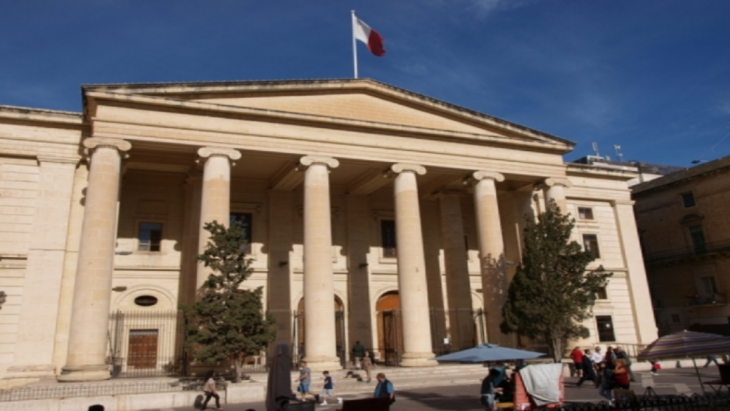
By Matthew Agius
 The parents of a Libyan youth have filed proceedings against the Attorney General and the Commissioner of Police, claiming that officers at the St Julian’s Police Station kicked the 17-year-old, while holding his head down with a boot. Read More
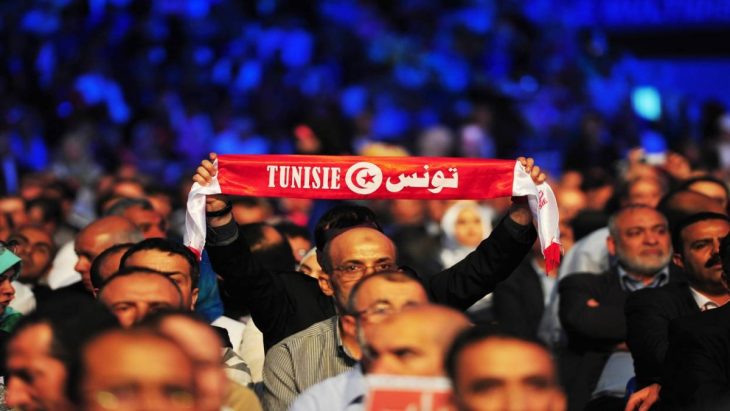
 The denial of democratic opportunities, the rise of successful violent movements, and the shifting regional and Islamist contexts make it likely that the coming period of Islamist politics will be dominated by non–Muslim Brotherhood organizations. Read More
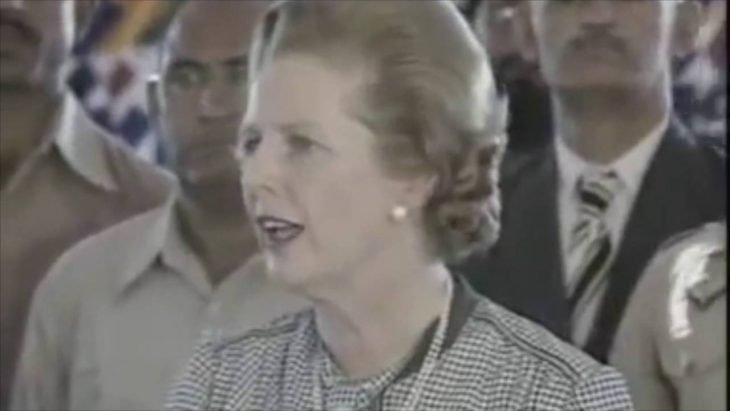
Source: RTÉ.ie
State Papers 1986 Reveals Gaddafi’s Funding IRA to kill Margaret Thatcher and her family. Political writers trawled through the confidential State Papers, which have been kept under lock and key for 30 years until today. Read More
By Abdullah Gul
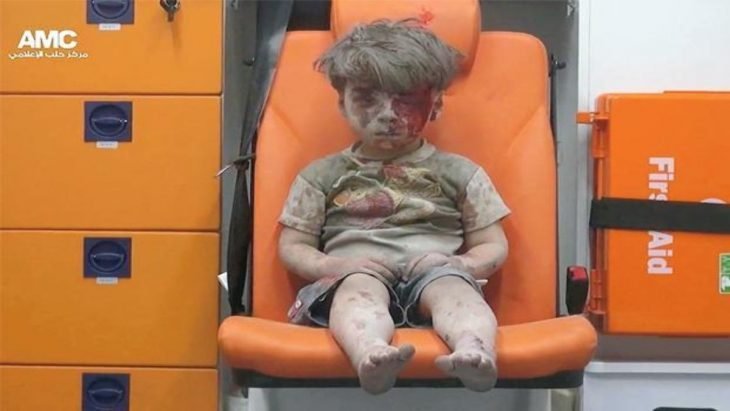
 Middle East conflicts are affecting the world by exporting terrorism and refugees—products that are contributing to populism and authoritarianism in the West. Read More
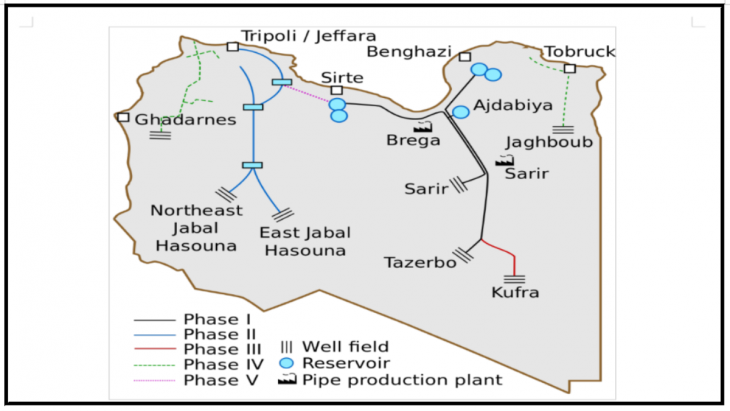
By Kieran Cooke
 Admin: This piece is extracted from a longer article by Mr. Kieran Cooke titled: “Trouble ahead for Gaddafi’s Great Man-Made River”. Read More
 One of the most alarming developments in U.S. foreign policy in 2016 was the ratcheting up of the new iteration of the Cold War. Read More