 Guards and officials at major ports in Libya’s eastern Oil Crescent say they’re hoping foreign workers will soon return as they struggle to build on output gains with meagre resources. Read More
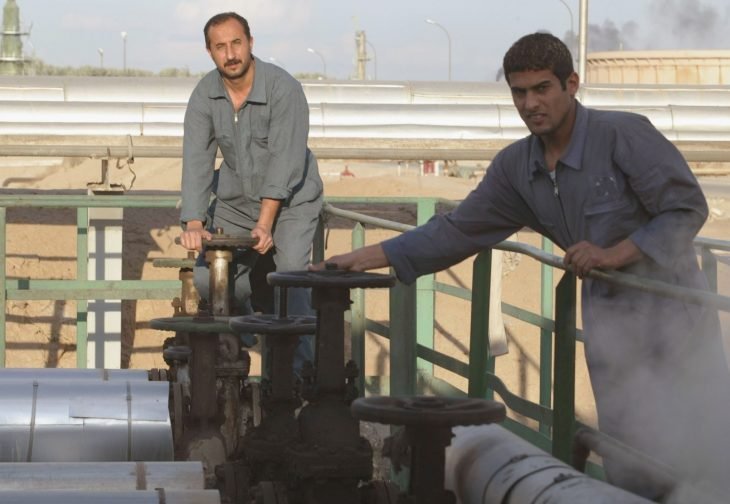
Guards and officials at major ports in Libya’s eastern Oil Crescent say they’re hoping foreign workers will soon return as they struggle to build on output gains with meagre resources. Read More
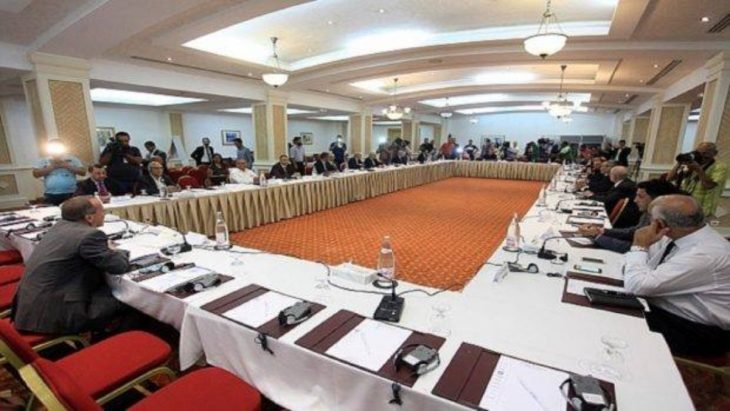
 The Libyan dialogue committee agreed Tuesday, in Tunisia, to decrease the number of the Presidential Council’s members from nine to three, whom it said will be tasked with working according to the Libyan Political Agreement (LPA). Read More
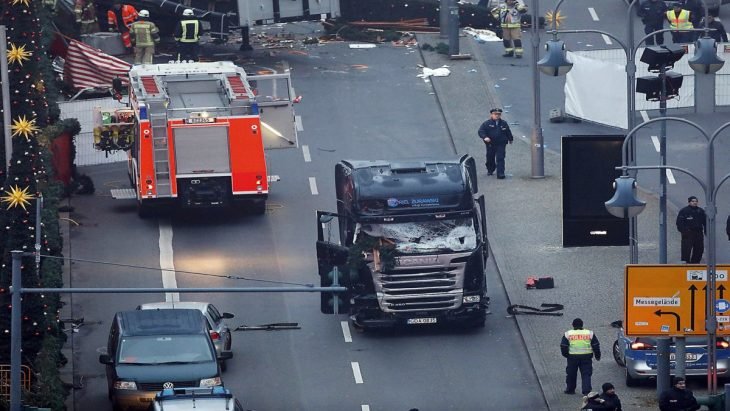
 The decision to bomb terrorist training camps in Libya last week was made after U.S. intelligence officials determined that they were connected to the bloody Berlin truck attack last month, officials said. Read More
By Gregory Aftandilian

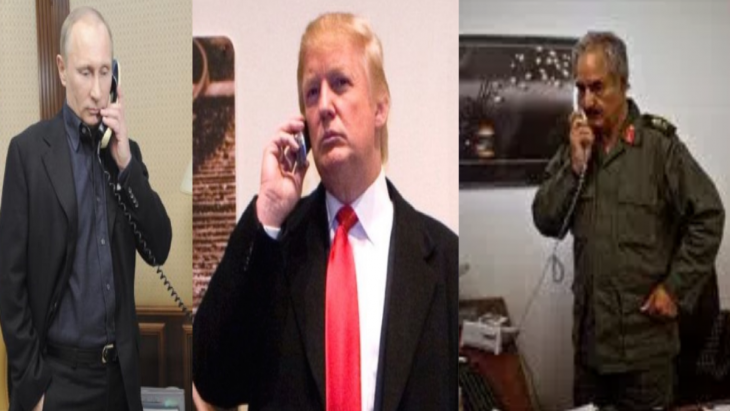
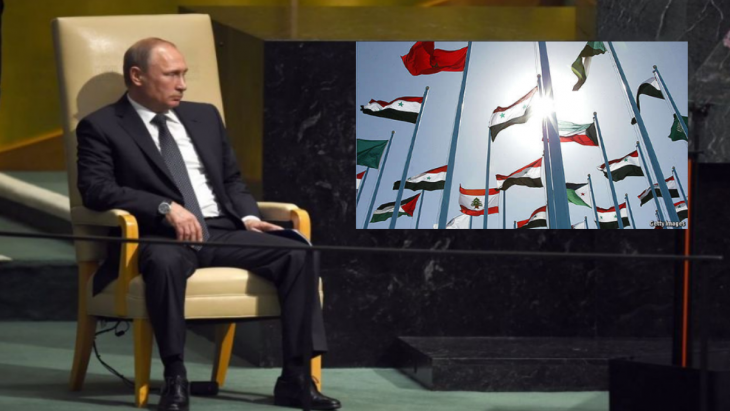
Having pro-Russian strongman in charge of Libya is undoubtedly tempting for President Vladimir Putin. Read More
By Francis Ghilès
 Although Russia says it remains committed to UN arms embargo on Libya, show of support for Haftar comes when his enemies are weakening. Read More

By M.G. Oprea
 Russia’s increased involvement in Libya is another sign that President Vladimir Putin seeks a resurgent Russia that holds sway with allies throughout the Middle East. Read More
John C.K. Daly
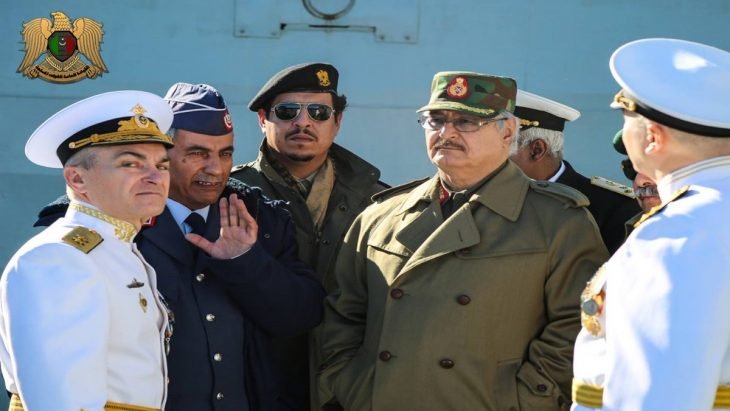
 Fresh from its successes in Syria, Russia is turning its attention to another country riven by the “Arab spring” — Libya. Read More
By Sawsan Abu-Husain
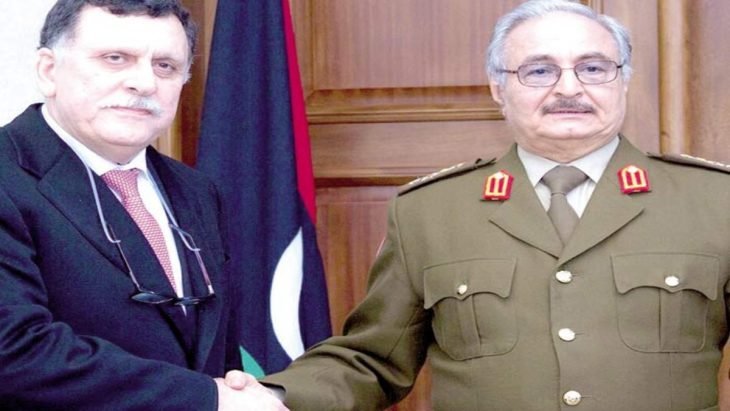
 Libyan Foreign Minister Mohamed Taha Siala considers the upcoming meeting between Field Marshall Khalifa Haftar and Prime Minister Fayez Sarraj a positive action following the political block. Read More

By Emily Estelle
 U.S.-backed Libyan partners are prioritizing the protection of their interests in Libya’s ongoing civil war over the fight against Salafi-jihadi groups. Read More
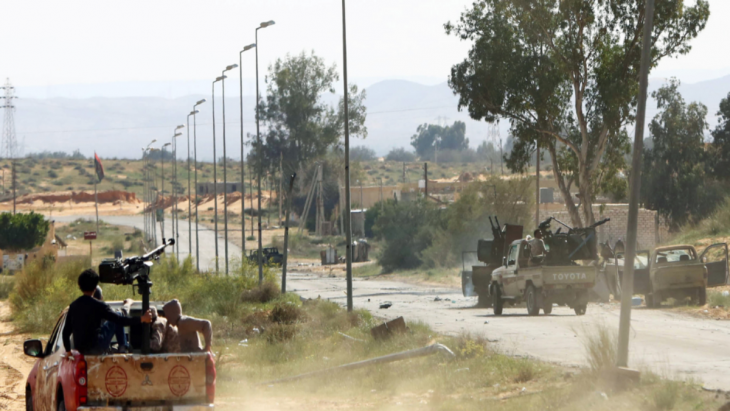
 Armed groups, some affiliated with rival governments vying for legitimacy and territorial control, detained, tortured, “disappeared,” and unlawfully killed people with impunity in Libya during 2016, Human Rights Watch said today in its World Report 2017. Read More
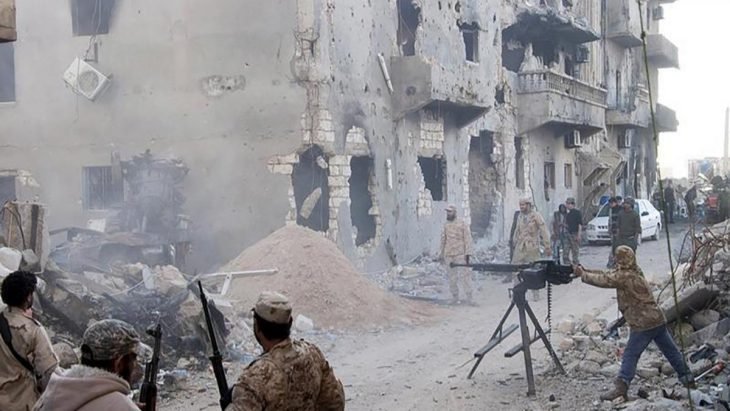
The United Nations-backed, internationally recognized Government of National Accord (GNA) struggled in 2016 to assert itself in the capital Tripoli, as two authorities—one also based in Tripoli and another in eastern Libya—continued to compete for legitimacy and control over resources and infrastructure. Read More

MEE contributor
 The GNA has struggled to unite country and overcome economic crisis but Ahmed Maiteeq tells MEE progress is being made Read More
By Idrees Ali and Phil Stewart
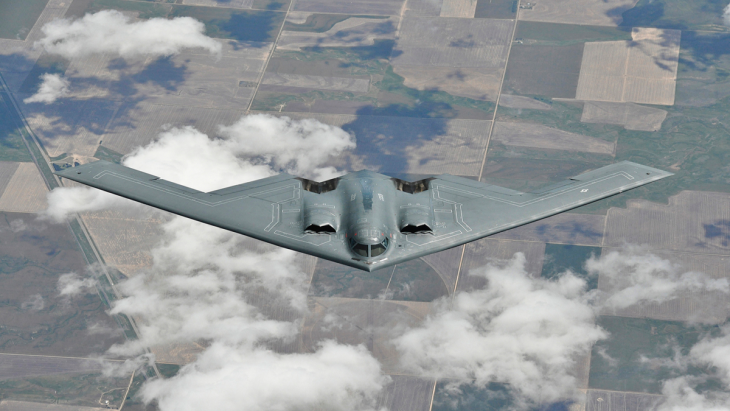
 More than 80 Islamic State militants, some of whom were believed to be plotting attacks in Europe, died in U.S. air strikes on camps outside the group’s former North African stronghold of Sirte in Libya, the United States said on Thursday. Read More
By William Gallo
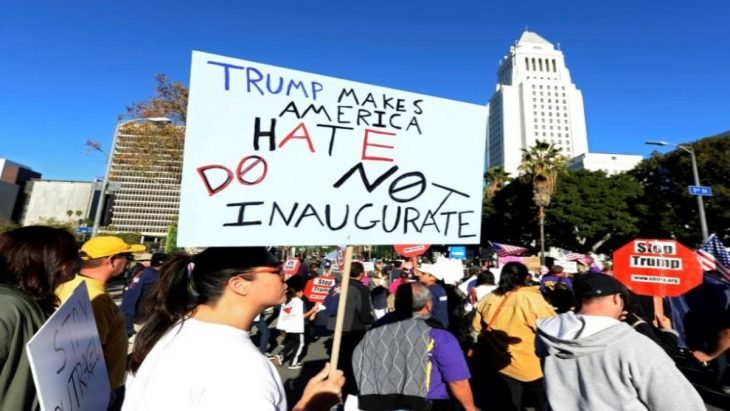
 It was April 2011, just weeks after the start of a U.S.-led bombing campaign in Libya. Donald Trump, then a reality television star, was speaking to The Wall Street Journal about whether he supported the NATO military intervention, Read More
By Marco Salustro
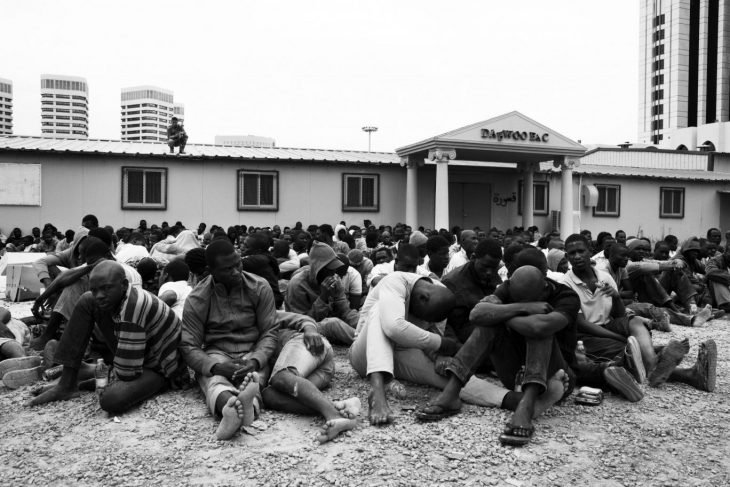
 A piece by award-winning filmmaker Marco Salustro, published in Index on Censorship’s latest issue, describes the journalistic challenges of covering the plight of the thousands of migrants who have fled sub-Saharan Africa and are now being held in Libya Read More
By John Edens
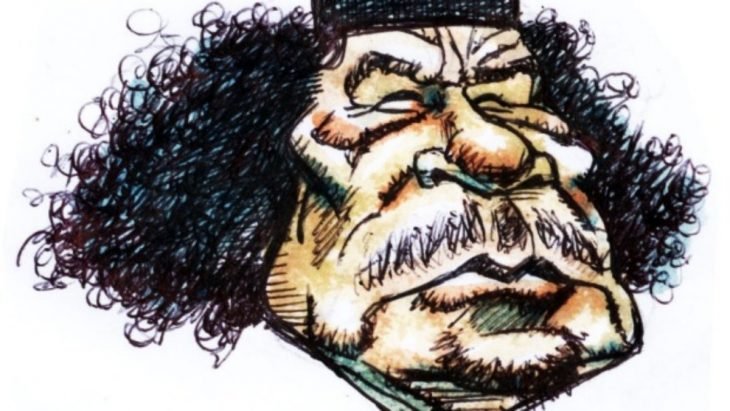
 North Africa is a long way from New Zealand. But back in the 1980s, Gaddafi was making overtures in the South Pacific and the Central Intelligence Agency believed the dictator was trying to build a network. Read More

Federica Saini Fasanotti
 Last week, the Italian government reopened the embassy in Tripoli, the first do so after the majority of Libya’s embassies closed in 2015. Read More

By Moazzam Begg
 British government is yet to come clean about role in abductions and torture during ‘War on Terror’ but ruling is a step in the right direction. Read More

By Ibrahim Fraihat

The biggest threat to the Arab Spring six years after its inception remains authoritarianism. The fall of Aleppo on the sixth anniversary of the start of the Arab Spring reminds us how tyranny has triumphed over the hope of 2011. Read More

By Barbara Bibbo

Haftar met with Russian officials in an effort to secure military support that would prepare for his control of Libya. Rival factions wrestling for control in a divided Libya are plunging the country into further chaos, as a UN-brokered government struggles to bring stability to its people. Read More

By Emadeddin Zahri Muntasser
 As a businessman, it is really no surprise that President-elect Trump wants to do the international relations equivalent of letting the market right itself in preferring stable governments in lieu of struggling democracies. Read More
By Bel Trew
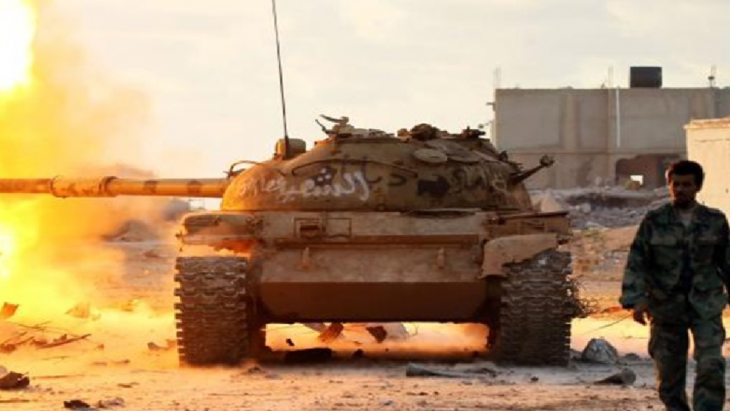
 Russia is planning to arm a Libyan general who has been fighting the western-backed government in Tripoli, according to aides of the strongman. Read More
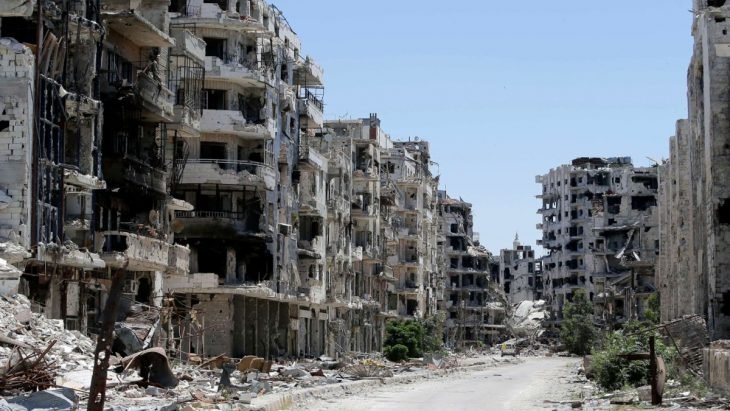

It appears that 2017, like the previous year, will be saturated with economic challenges for the nations of the Middle East. These challenges arise in a context of the expected regression of vital sectors of the economy, the most significant being oil and tourism. Read More

By Jamie Prentis

The International Criminal Court (ICC) has been sharply criticised by Human Rights Watch (HRW) for not launching new investigations into war crimes in Libya. Read More

By Arnaud Delalande
 Intelligence Online — a professional journal covering the world’s intelligence services — revealed that the pilots of Air Tractor attack planes flying from Al Khadim air base in Libya are private contractors working for Erik Prince, the founder of the company formerly known as Blackwater. Read More

By Jason Pack
 Summary: No matter which party is victorious in southwest Libya, if Misratan forces and Field Marshal Khalifa Hifter begin a full-scale battle for control, there is little doubt that the whole southern region will be destabilized as Russia’s increasing public support for Hifter and his anti-Islamist “strongman” credentials fuel the fire. Read More
By Karlos Zurutuza
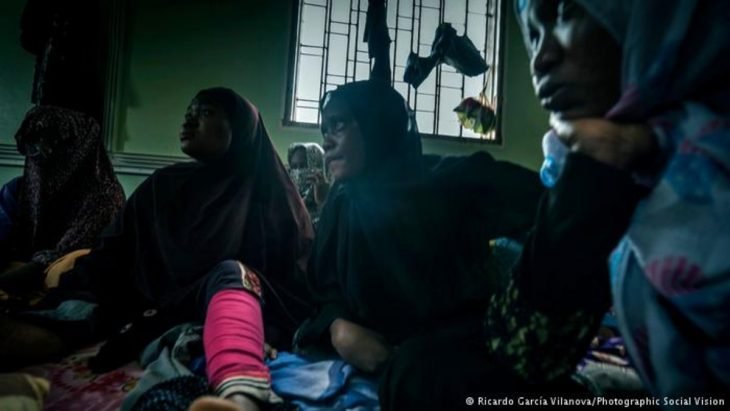
 Libya’s third-largest city offers opportunities to foreigners and migrants eager to work, but it’s also a dead end for those trying to get to Europe. Read More
By Wolfgang Pusztai
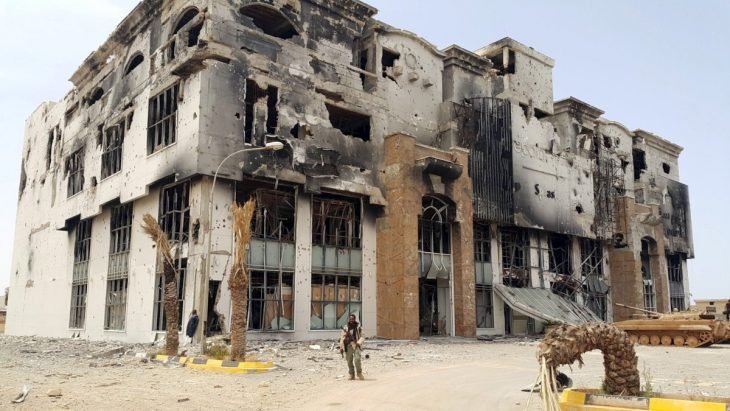
 In the evening of February 15, 2011, the Libyan Revolution began with the first protests in Al-Beida, a city in the eastern region of Libya, the Cyrenaica. Read More
Review by: Mohammed Basyoni Abdulhaleem
 The circumstances that Muslim majority countries, in the Middle East, in particular, have revealed a sort of “Islamic exceptionalism” as the experience of Islam is different from that of Christianity in Western societies. Read More
By Kavitha Surana
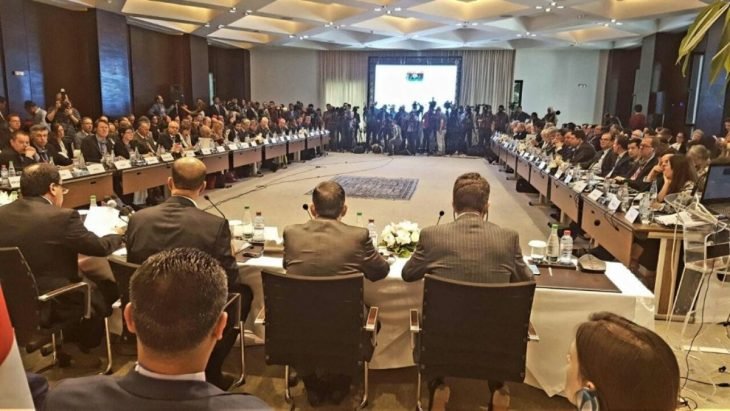
 Rome is trying to shape the future of its onetime colony, but may get elbowed aside by local strongmen and their foreign partners. Read More
By Mohamed Basyouni
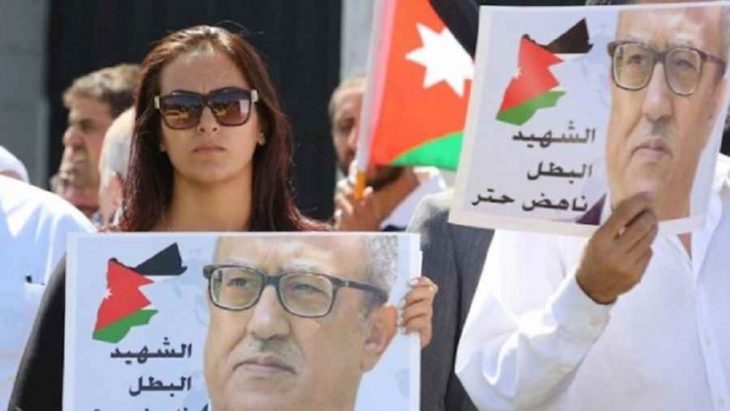
 The assassination of Jordanian writer Nahed Hattar on September 25, 2016, was no exceptional event in the history of the Arab region, which has reeled under profound decades-long crises that had an equally significant impact on societies and their way of managing their affairs. Read More
B y Shadi Hamid, William McCants, and Rashid Dar


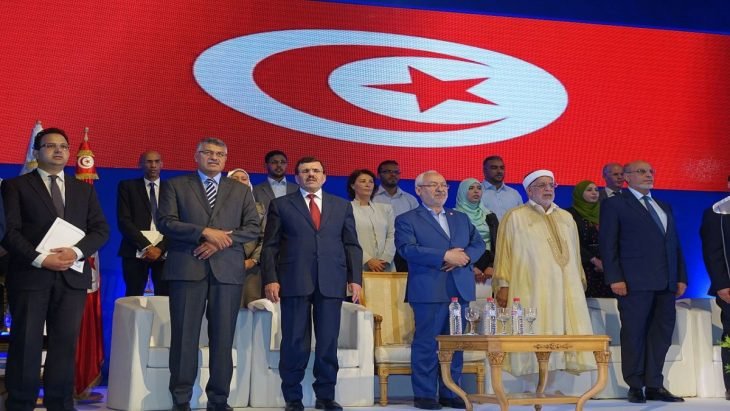
 Five years after the start of the Arab uprisings, mainstream Islamist groups find themselves between what has been termed the “twin shocks” of the Arab Spring: the Egyptian coup of 2013 and the rise of ISIS. Read More
By Andrew Engel
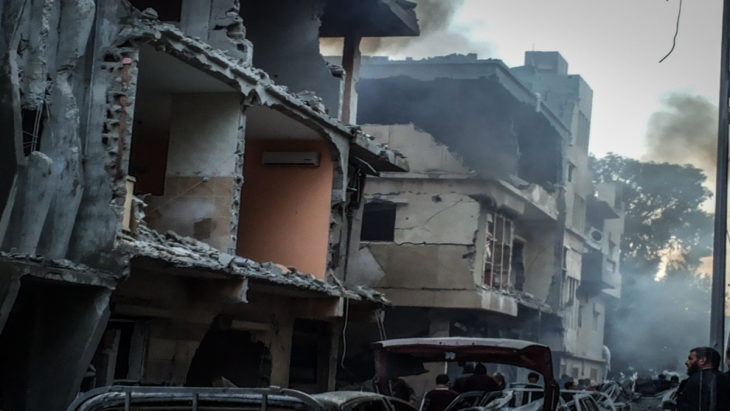
 The battle against the Islamic State in Sirte distracted many observers from Libya’s ongoing political dysfunction, failed reconciliation process, and growing potential for renewed inter-militia warfare. Read More
By Mohamed Eljarh
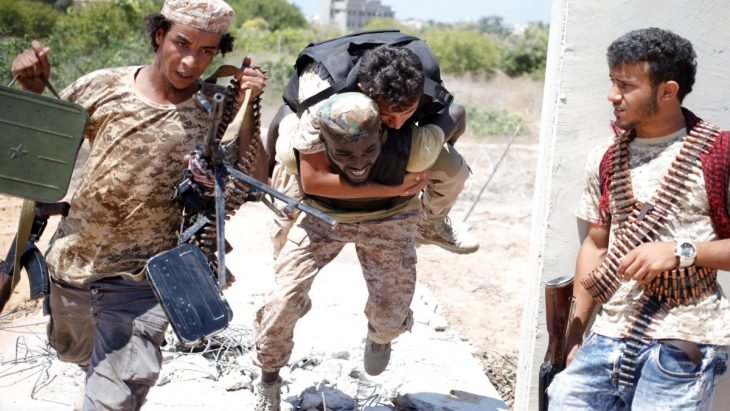
 In this essay, eleventh in a ‘Beyond Islamists and Autocrats Essay Series’ exploring non-Islamist reform actors post-Arab Spring, analyst Mohamed Eljarh explores the prospects for governance in a deeply fragmented, polarized Libya. He emphasizes that while a political culture conducive to democracy may be decades away, Libyan activists can lay the groundwork for such a future by promoting the principles of human security, dignity, and social justice today.

***
LIBYA’S ongoing civil strife has made it easy to forget that for a brief period after the 2011 fall of longtime dictator Muammar Qadhafi, signs pointed to a successful transition away from authoritarianism for this oil-rich country on the Mediterranean. A nascent civil society, a negotiated process aimed at creating stable political institutions, and a national election indi-cating broad support for a political leadership that was neither Islamist nor autocratic fueled cautious optimism about Libya’s future. However, by 2012 serious ob-stacles to democratization had emerged. Arguably the two most formidable such impediments have been the lack of a political and civic culture, following forty-two years of dictatorship, and the proliferation of weapons and militias undermining the state’s monopoly on the use of force. As a result of these conditions, militarized groups have assumed key responsibilities for governance and service provision, and tribes have emerged as the leading civil society actors. This paper explores these developments and considers their implications for Libya’s democratic prospects in the post–Arab Spring environment.
VOTING FOR CHANGE
The uprising against the Qadhafi regime in 2011 started with calls for reform, justice, and accountability by families of the victims of the infamous Abu Salim massacre of June 29, 1996, in which more than 1,100 inmates were killed by security services. When the Qadhafi regime responded brutally to the peaceful protestors, the situation escalated into calls for the regime’s downfall. Led by the bar association, intellectuals, and students, the protestors outside Benghazi’s courthouse in 2011 demanded freedom, justice, accountability, and democracy.
The first phase of the political transition concluded in August 2012, almost a year after Qadhafi’s death, with the peaceful transfer of power from the National Transitional Council (NTC), a body that had led the armed uprising against Qadhafi, to the General National Congress (GNC), the country’s first democratically elected legislative body in more than four decades. The election of the GNC was widely seen as rushed, but Libya’s transitional leaders, no less than the countries that had intervened militarily to help topple the Qadhafi regime, were eager to register a success and frame the intervention in Libya as a successful model.
The results of the 2012 GNC elections, which saw 62 percent voter turnout, offer insight into Libyans’ choice for their country’s political future. The election results showed the nationalists, represented by the National Forces Alliance (NFA) of former wartime prime minis-ter Mahmoud Jibril, dominating party-list races, securing around 50 percent of the popular vote and winning thirty-nine out of the eighty seats designated for party lists. However, in the race for the individual seats, the NFA only won 21 percent, with these individual seats comprising 40 percent of the NFA’s total seats.
The Justice and Construction Party (JCP), the Muslim Brotherhood’s political arm in Libya, won the second highest number of party seats with 21 percent of the popular vote. However, the JCP doubled its representation in the GNC through the individual candidate races, winning seventeen seats, or 14 percent of the total. Salafi parties performed poorly in the party-seat races, winning only four seats. But through the individual candidate races, the Salafists outperformed the JCP and did nearly as well as the NFA. Thus, they were able to boost their GNC representation, winning twenty-three seats, or around 20 percent of the total. The Salafists’ individual candidates accounted for roughly 85 percent of the Salafist GNC seats and went on to form what was known as the Martyrs Bloc within the GNC. This discrepancy in the vote between party lists and individual candidates likely owed to the voters’ lack of familiarity with the individual candidates’ political affiliations and backgrounds. When given a choice between political parties, by contrast, it was relatively easier for voters to distinguish between those parties and cast a more well-informed vote.
The electoral majority for the NFA within the GNC and its dominant share of the national vote demonstrated that Libyans wanted to move beyond the “Islamists or autocrats” choice. They had picked a relatively progressive coalition in the first democratic elections in more than four decades. The NFA was made up of figures of nationalist persuasion and former regime technocrats with strong support among tribes.
Indeed, many Libyans describe 2012 as the best year of the transition because thousands of people engaged with civil society organizations or participated in political activities, joining political parties, taking part in training courses and voter-awareness campaigns about electoral processes, running for election, and casting their vote.
It was a truly positive, fulfilling experience for a large number of Libyans. Meanwhile, encouraged by Islamist gains in neighboring Egypt and Tunisia, Libya’s Islamists insisted on a system of proportional representation based on alternating lists between male and female candidates, in which parties would win seats based on their share of the vote.
(Alternating lists guarantee an equal number of male and female candidates for party lists.) By contrast, some nationalists and liberal-leaning members in the former NTC insisted on a majoritarian electoral system, in which seats would be won by individual candidates who earned the highest number of votes. In addition to this political feud, the unfolding power struggle had a regional element. Federalists in eastern Libya, backed by key tribal figures, protested what they deemed unfair representation for the eastern Libyan region of Cyrenaica (known as Barqa in Arabic). The 200 seats of the GNC were divided among the western region of Tripolitania with 106 seats, the eastern region of Cyrenaica with 60 seats, and the southern region of Fezzan with 34 seats. Armed federalists in the eastern city of Benghazi attempted to violently disrupt the elections but did not succeed. (1)
The struggle between Islamist and non-Islamist groups within parliament debilitated the performance of Libya’s highest political authority, and Libyans soon grew disillusioned with political parties. Toward the end of the GNC’s term, nationwide protests erupted, with protestors demanding the elimination of political party lists in favor of individual lists. Indeed, the February 17 committee that was tasked by the parliament to draft the new electoral law heeded the protestors’ demand and scrapped the party lists for the ensuing legislative election. But in an unintended way, the move represented a setback for democracy in post-Qadhafi Libya. Political parties are one of the pillars of a functioning democracy, and eliminating them gave rise to personality-driven politics that many feared would eventually pave the way for a new autocratic regime in Libya.
EMERGING THREATS TO DEMOCRATIZATION
The euphoria of 2011 and 2012 notwithstanding, signs of impending failure soon emerged. An initial indication of looming trouble came with the September 2012 attack on the U.S. consulate in Benghazi that killed Ambassador Christopher Stevens, just over a month after the GNC took office. In the ensuing months, Libya’s political leaders and groups chose to strengthen armed militias that aligned with their interests and political agenda, using them as a political weapon to influence and dominate politics in post-Qadhafi Libya, with catastrophic consequences in the immediate term and huge implications for long-term stability and democracy.
When, for example, following the murder of Ambassador Stevens, civil society activists mobilized thousands of people to protest against militias in Benghazi and called for a regular army and police, the GNC president Muhammad Yousuf al-Magariaf and then prime minister–designate Mustafa Abushagur appeared in a press conference in Benghazi beside the leaders of the same militias against which thousands had been protesting. Civil society activists and Libyans more generally deemed this display of a burgeoning alliance to be a legitimization of militias and a betrayal of nonviolent activists’ call to disband militias.
Ultimately, Libya’s transitional leaders underestimated or ignored the threat posed by scattered weapons and armed militias. Instead of coming up with a unified vision and strategy for disarmament, demobilization, and reintegration, political blocs within the GNC embarked on a bitter struggle to defend and legitimize militias loyal to them and integrate them into the state security and military structures. It did not take long before militias and their leaders gained the real power, overwhelming politicians and political groups. Libya’s leaders, along with the foreign governments that had helped overthrow Qadhafi, ignored the warning signs and failed to anticipate or stop Libya’s downward spiral into chaos and lawlessness, creating fertile ground for jihadist groups.
By 2014, the Islamic State had set up a province in Libya’s eastern city of Darnah.
Another setback for democracy has been the militarization of eastern Libya, a trend that could expand to the western and southern regions. (2)
The militarization started on June 19, 2016, when the head of the Libyan parliament in Tobruk, Aguila Saleh, declared a state of emergency and appointed the Libyan National Army’s chief of staff, Gen. Abdul Razzaq al-Nadori, as a military governor for the eastern region. Nadori’s appointment happened without a clear legislative mandate encompassing the work of a military governor or specifying his powers and competencies in a state of emergency. Soon after his appointment, Nadori began replacing democratically elected local municipal councils with military governors. By the time of this writing, seven democratically elected municipal councils had been replaced with military governors.
The appointments seem to have the support of local communities in most of the eastern Libyan municipalities targeted with the militarization exercise, reflecting the inability of democratically elected local authorities to deliver the most basic services to their voters. Indeed, no public opposition to these moves has arisen from civil society or even the democratically elected authorities, and neither the international community nor the United Nations–backed Presidential Council has condemned the moves. Furthermore, some democratically elected mayors have requested that a military governor replace them, citing their inability to tackle crimes and reduce lawlessness in their municipalities. This gives the impression that democracy and democratic practices have lost their legitimacy in today’s Libya. Given the choice between security and stability on one hand and democracy on the other, the majority of Libyans—at least, in the eastern region of Cyrenaica—have evidently made their selection.
TRIBES AND THE LIMITATIONS OF CIVIL SOCIETY
Throughout its modern history, Libya lacked a political culture in the form of political parties, an organized civil society, or labor unions. During and after the 2011 uprising, civil society flourished, with thousands of new local and nationally registered civil society organizations (CSOs) cropping up alongside an increase in print media and private radio and television stations. Prominent examples of CSOs that emerged during this period included the “Benghazi Rescue Friday” movement, born out of protests against the killing of Ambassador Stevens. The movement, which grew into an antimilitia and antiextremism campaign, went on for many weeks and attracted thousands of supporters.
However, on June 8, 2013, around 40 people were killed and more than 150 injured when an Islamist armed group known as the Libya Shield opened fire on protestors outside its barracks. Following the deadly attack, fewer people attended the protests, believing that their demonstrations would be futile against the power of militias and guns. Additionally, key activists who had organized the protests were either assassinated or intimidated into silence. Less than a year later, activists and civilians in Benghazi found themselves supporting a military campaign led by Gen. Khalifa Haftar against the same Islamist militias in what has been dubbed Operation Dignity, or Karama in Arabic.
Civil society and pro-democracy activists were forced by the reality on the ground to choose between two extremes, supporting either a military campaign that would later turn into a full militarization exercise or chaos in which extremist Islamist militias dominated.
Another example of a nationwide civil society initiative was the so called November 9 movement, also known as the “no extension movement,” formed in response to an announcement by the Islamist dominated GNC that it would extend its mandate one year beyond the February 7, 2014, deadline set by the temporary constitutional declaration, the country’s political transition road map.
After several weeks of protests, the GNC yielded to pressure and agreed to hold new parliamentary elections in June 2014. Such examples notwithstanding, many civil society organizations that emerged post-2011 were silenced by militias’ guns, assassinations, kidnapping, intimidation, or self-imposed exile.
If civil society organizations lacked a historical foundation in Qadhafi’s Libya, non-organized civil society, including broader societal movements and non-state actors such as tribes, had always played an important role in Libya’s political scene and governing structures. Tribes, in particular, had well-established, if informal, structures and traditions that positioned them to emerge as a leading civil society actor in the post-Qadhafi period.
During Qadhafi’s reign, tribes were exploited as tools to secure his rule, with the dictator granting tribes the space to exercise, implement their traditions and rules, and incorporate themselves into his model of “direct democracy” as explained in his Green Book. Tribal associations, or fayliat shabiyah, played an important role in maintaining social peace, resolving disputes, and advising on governance issues in their respective municipalities.
The conventional wisdom on tribes and tribal structures in Libya has been that they wield less influence in big urban centers such as Tripoli and Benghazi, where most of Libya’s population resides. But in Libya’s violent uprising and the instability that followed, people sought security and protection in their most basic enclaves of tribes, ethnic groups, and clans. Most notably, after 2011, when it became dangerous for judges to function, following a series of assassinations and assassination attempts, the tribes stepped in to provide security, protection, and social justice to those who subscribed to the tribal structures or sought their help. The tribes’ well-established societal structures are grounded in their own traditions and even have penal codes to settle disputes and resolve criminal cases outside the court system.
Increasingly, tribes are becoming the dominant non-state actors, collectively constituting a nonviolent player in Libya’s political scene, especially in the eastern and southern regions of Cyrenaica and Fezzan, respectively. Political parties and successive governments have sought tribal support or assistance in resolving localized conflicts involving various groups, cities, or tribes. Additionally, tribal help was sought in the resolution of national disputes such as the oil terminal crisis in 2013, in which tribes did not sufficiently trust the central authority to help reopen the oil terminals that had been shut down by the Petroleum Facilities Guards, an armed group led by Ibrahim Jadhran. Or consider September 2016, when the head of the Magharba tribe—which resides in the oil-producing areas where Libya’s four main oil terminals are located—facilitated and supported the capture of the oil terminals by forces loyal to the government in eastern Libya led by General Haftar. Tribal support proved crucial in delivering a quick and relatively peaceful victory for Haftar’s Libyan National Army, as tribal leaders managed to convince many of Jadhran’s men to lay down their weapons and join the LNA instead. (3)
Additionally, tribes have played a key role in local reconciliation and peace-building efforts, particularly in the western and southern regions. However, when tribes were invited to take part in the UN-led political dialogue process, their ensuing engagement was not successful. The UN Support Mission in Libya invited tribal leaders to participate in a tribal-dialogue track of the broader political-dialogue process but mismanaged the process, thus failing to bring tribes together to meet under the UN banner. Furthermore, some leading tribal figures have always expressed skepticism about the UN role in Libya.
PROSPECTS FOR DEMOCRACY
Today, more than five years since the overthrow of the Qadhafi regime, Libya is a deeply polarized and divided country, with three different governments claiming legitimacy and engaged in a zero-sum struggle to control the country’s resources and key institutions. This political and institutional fragmentation has disrupted the country’s oil production for more than two years and led to the erosion of the country’s finances, with the World Bank warning in its latest economic outlook report that Libya’s economy is near collapse. (4)
The lack of a political and civic culture after forty two years of dictatorship has weighed heavily on Libya’s prospects for democratic consolidation. After an initial burst of promising political activity and civil society activism, CSOs and the media became deeply politicized
through their links to political groups and figures. Thus, CSOs became parties to the conflict rather than tools of democracy, peace, and nation building. Since 2012, democracy activists, politicians, and human rights groups that espoused principles of justice, human rights, rule of law, and democracy have been silenced by assassinations and kidnappings or sidelined by the ongoing conflict. Beyond the threat of violence, these groups have been silenced by their own communities, many of which increasingly see those with guns—and not the democratically elected officials—as providers of security and stability. Many within Libyan society, especially in the eastern region of Cyrenaica, believe that only those who lead the war can achieve security, stability, and peace.
It will take years and possibly decades for Libya’s civic political culture to take root and produce an environment conducive to democracy, in which citizens face a viable choice between autocrats and Islamists. However, worrying about democracy alone in Libya today seems like a luxury for many who are struggling to provide for their own families. Yet human dignity and security, justice and universal human rights cannot wait decades. Against this backdrop, a national civic push similar to the November 9 movement could have a huge and positive impact by underlining these fundamental principles as a path toward sustainable peace and stability. For that to happen, Libya’s intellectuals, political and human rights activists, and social groups, including tribes, will need to make their case for such a governance framework and work at the grassroots level to raise awareness. Undoubtedly, substantial progress will require a level of stability and security hard to imagine in Libya today.
NOTES
1. Alexander Kjaerum et al.,“Libyan Parliamentary Elections Study,” Voluntas Advisory, no date, http://voluntasadvi-sory.com/wp-content/uploads /2015/12/ Libyan_Parliamentary_election_study.pdf .
2. Mohamed Eljarh, “Are Libyans Abandoning Democracy in Search of Stability?” Al-Monitor, October 10, 2016, http://washin.st/2i1aqOb .
3. Ayman al-Warfalli, “Eastern Libyan Commander’s Forces Seize Key Oil Ports,” Reuters, September 11, 2016, http://www.reuters.com/article/us-libya-security-idUSKCN11H094 .
4. World Bank, “Libya’s Economic Outlook–October 2016,” http://www.worldbank.org/en/country/libya/publication/economic-outlook-fall-2016 .
***
Mohamed Eljarh is a nonresident fellow at the Rafik Hariri Center for the Middle East, where he is a political analyst on Libyan issues. His research serves to provide crucial information and insight on Libyan politics and security. Eljarh currently lives in Libya.
_________________

By Ahmed Elumami
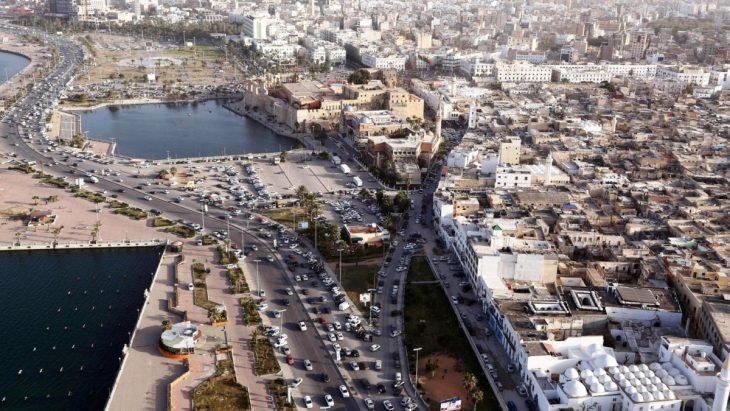
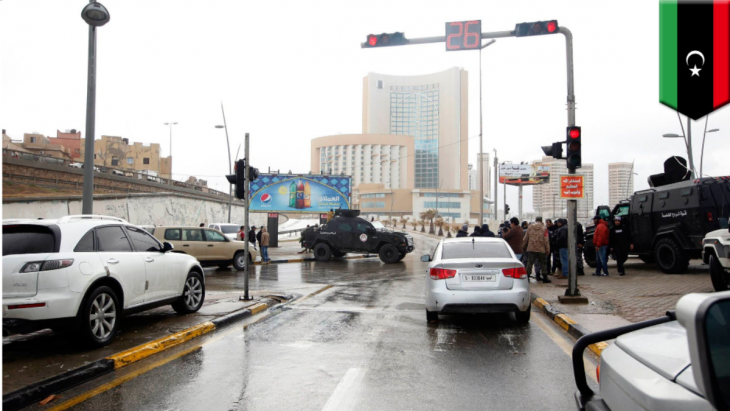
 A self-declared prime minister sidelined by Libya’s U.N.-backed government tried to seize the defense ministry and other state offices on Thursday, but a government spokesman said the attempt to capture the buildings by force had failed. Read More
By Rami Musa
 A self-declared prime minister said Thursday that his forces have seized at least three ministries in Libya’s capital, declaring what appeared to be a miniature coup after what he described as a yearlong failure of the current U.N.-backed premier. Read More