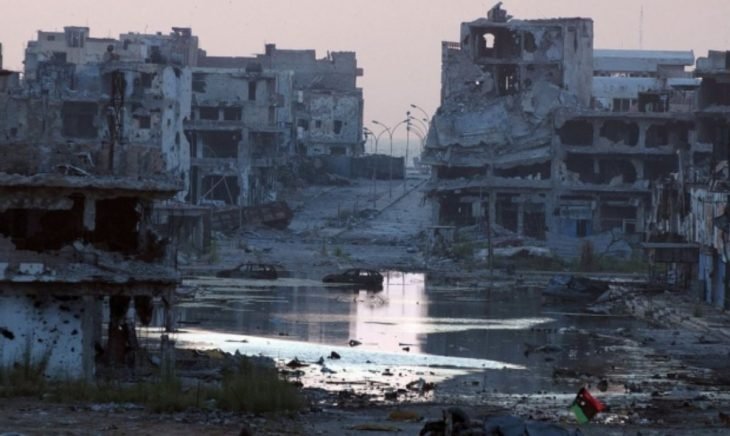
 Libya’s transition has been bogged down by insecurity and chaos, leaving the country looking like a “failed state” six years after the NATO-backed uprising that ended Muamar Gaddafi’s rule. Read More
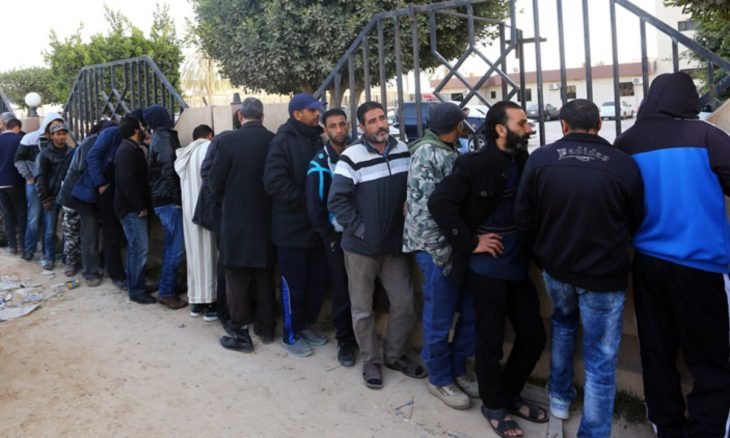
Libya’s transition has been bogged down by insecurity and chaos, leaving the country looking like a “failed state” six years after the NATO-backed uprising that ended Muamar Gaddafi’s rule. Read More
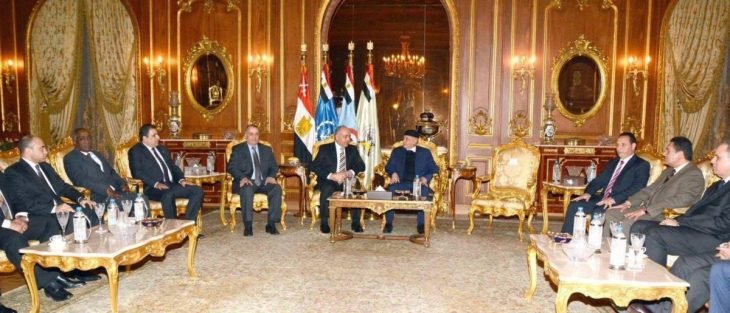
By Lin Noueihed and Ahmed Mohammed Hassan
 Libyan factions have tentatively agreed on an Egyptian-brokered roadmap to heal divisions, Egypt said, though the failure to engineer a meeting between two key figures has cast a shadow on the diplomatic push. Read More
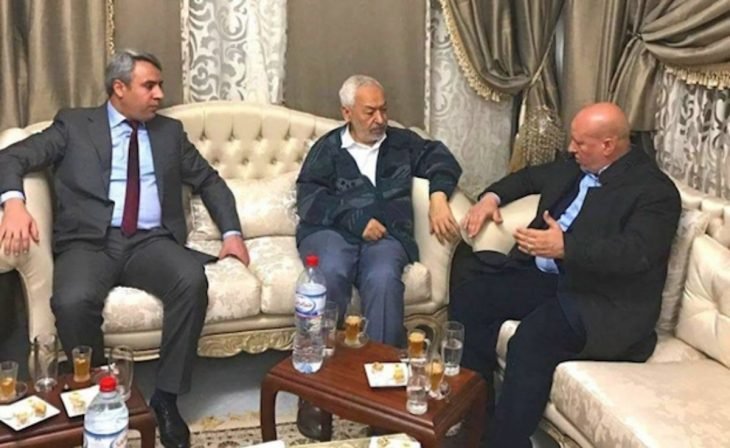
By Heba Mahmoud
 The questions differed regarding the Islamic political currents, and the Washington role in forming and using the Islamic political movements following the inauguration of the president of the United States, Donald Trump, especially inside the countries that suffering political and security vacuum, like Libya. Read More

By Giorgio Cafiero and Daniel Wagner


As a result of Russia’s decisive military intervention in the Syrian crisis, the Kremlin is now pursuing an increasingly influential role across the Arab world. It is now eyeing Libya as well. Read More
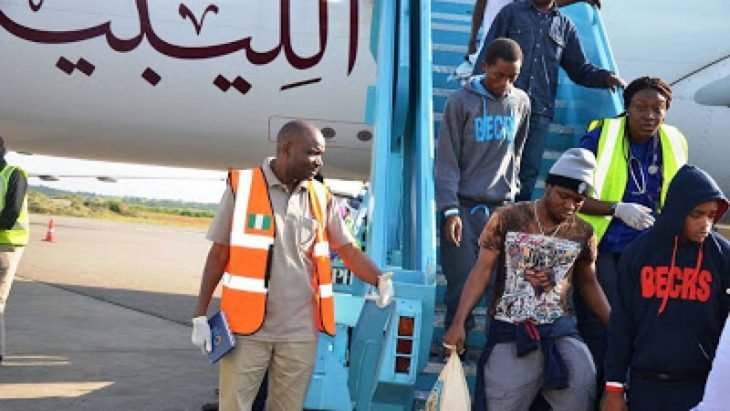
 Some Nigerian returnees from Libya have narrated their experiences in the hands of Libyan officials. Scores of Nigerians travel to Libya daily with the hope of landing in Europe by boat through the Mediterranean. Read More
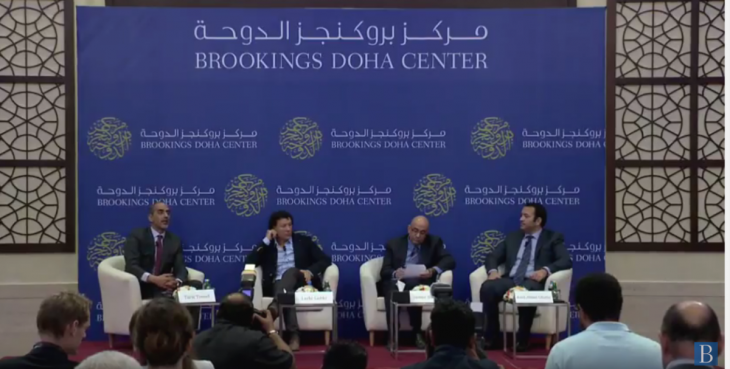
Moderator: Tarik Yousef
 The Brookings Doha Center (BDC) hosted a panel discussion on January 16, 2017, reflecting on the political situation in North Africa six years after the Arab uprisings. Read More


By Habibulah Mohamed Lamin

Analysis: Russia is gambling that the new US administration will fail to notice its growing influence in North Africa. Read More

By Ismail Rashad
 I pointed out in the two previous articles to the roots of the conflict in Libya.The first article focused on the role played by the religion and social groups in the struggle for power in Libya, while the second article addressed the impacts of geography and demography on the current conflict. Read More

By Mustafa Salheen el-Huni
 Libya is facing a number of intractable problems that make the idea of a workable state nearly irrelevant. Among them, two essential problems directly affecting the lives of Libyans and the future of the country: Chronic insecurity and the abysmal state of the economy. Read More

By Basheer Nafi
 Revolutions do not stop at single moments, but move along a flowing current towards values of freedom and human dignity. Read More
By Arnaud Delalande
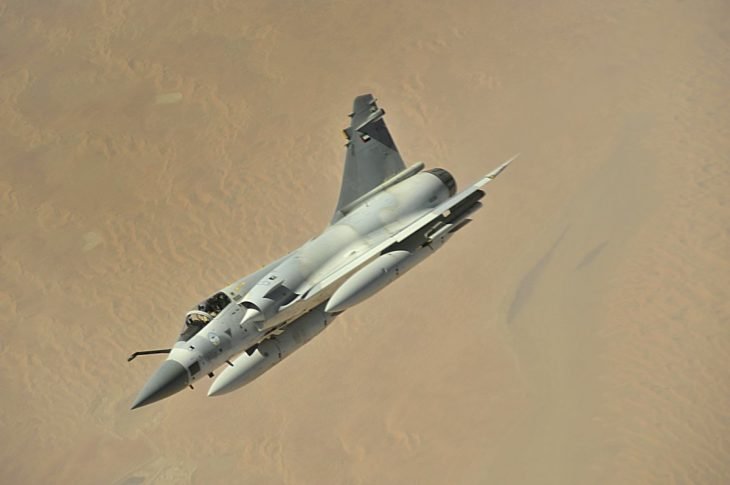
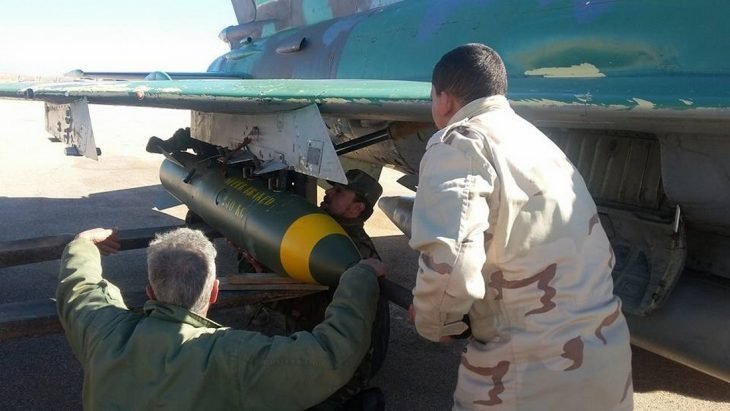
 New satellite photos of Al Khadim air base taken in December 2016 clearly indicate that the United Arab Emirates is on the verge of deploying fighter jets to Libya. Read More
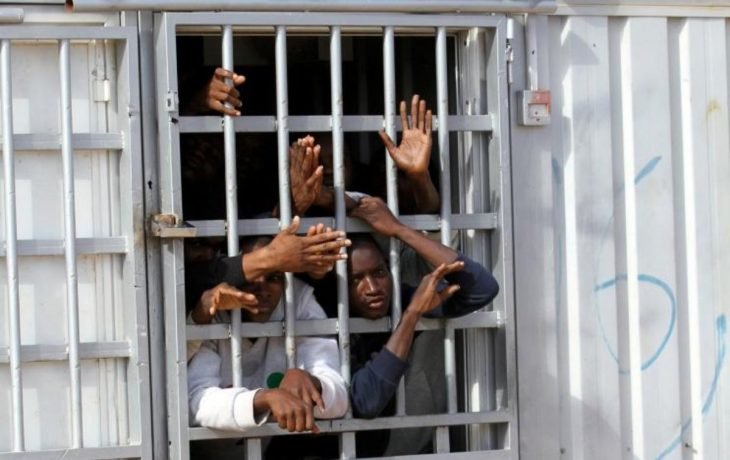
 Mayors from Libya’s desert south to its northern shores fear a deal between Tripoli and Rome to fund migrant holding centers in this north African country will simply shift Europe’s migration crisis onto Libyan soil. Read More

By Karim Mezran
 As the Trump administration assumes office, it faces a major challenge in Libya, where the country’s situation continues to deteriorate as an ongoing conflict worsens. Read More

 The Return to Constitutional Legitimacy is a fundamental right for the Libyan People and an Initiative to Save the Country. Read More
By Virginie Collombier

After the fall of Muammar Qaddafi in 2011, many different actors – political and military; Islamist and not; tribal, local, domestic, foreign and transnational – are competing with one another for power and hegemony in Libya. Are they ready for a New Compromise in Libya?
***
By Wolfgang Pusztai and Arnaud Delalande
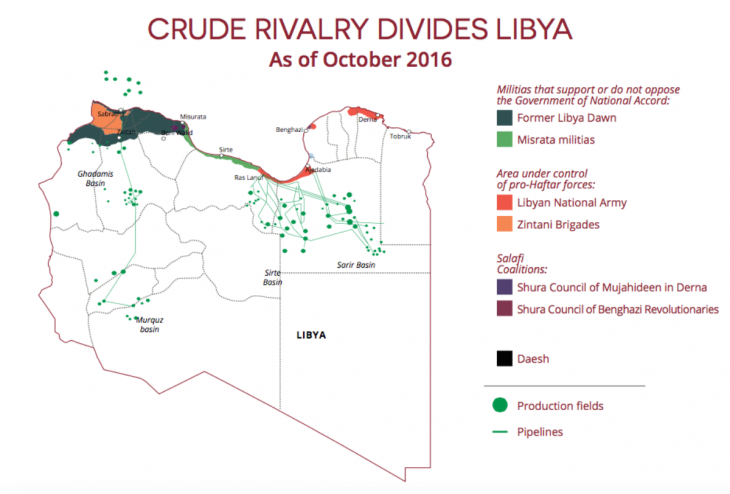
 Beginning in December 2016, the Saraya Defend Benghazi — also known as Benghazi Defense Brigade — an Islamist militia group that formed in June 2016 to oppose Gen. Khalifa Haftar’s Tobruk-based Libyan National Army, was involved in the attack on facilities in Libya’s Oil Crescent. Read More

Based on the reasons in listed above (section A), the Return to Constitutional Legitimacy (RCL) aims to achieve the following goals on all levels. Read More
By Arturo Varvelli
 This article will discuss the pros and cons of a “strongman” solution and the importance of the intervention of the most influential international and regional actors. Read More
By Patrick Wintour
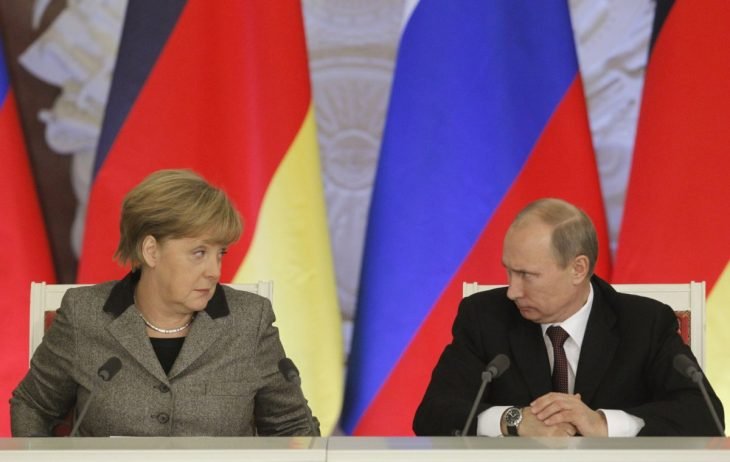
 Diplomats hope for reconciliation between the UN-backed government of national accord and the military commander of Libya’s eastern government. Read More
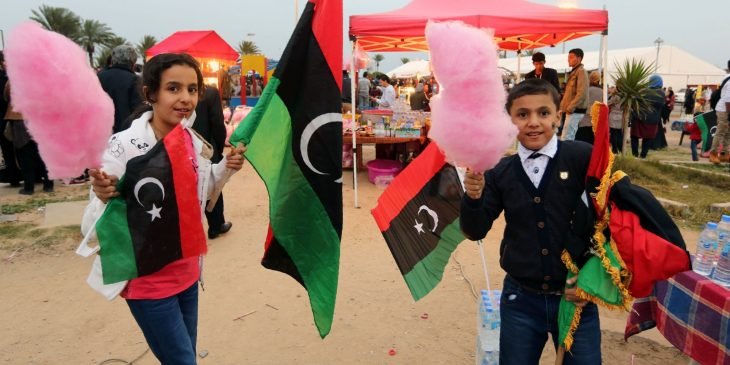
The Return to Constitutional Legitimacy (RCL) presents a solution to resolve the crisis in Libya and move towards a democratic transition, under which the State of Libya can restore stability and security and become a democratic state in which the rights of all its citizens are guaranteed and no one is excluded or marginalized. Read More
By Mediterraneo & Medio Oriente
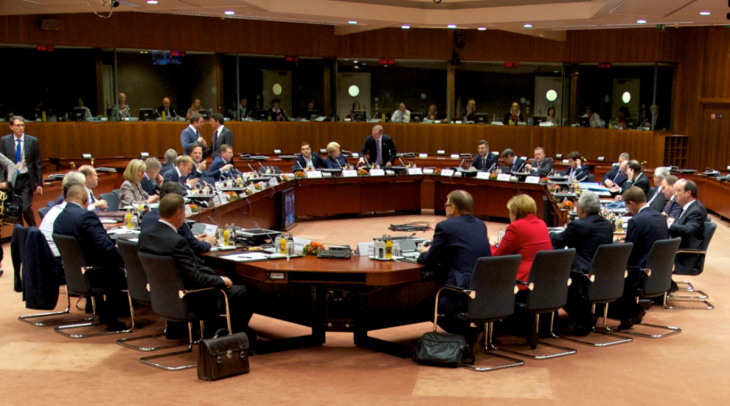
 The EU heads of state and government met in Malta to discuss the “external dimension of migration“.The spotlight was put on the Central Mediterranean route and, particularly, on Libya. Read More

By Nicola Missaglia
 After the fall of Muammar Qaddafi in 2011, many different actors – political and military; Islamist and not; tribal, local, domestic, foreign and transnational – are competing with one another for power and hegemony in Libya. Read More
By Tom Kington and Bel Trew

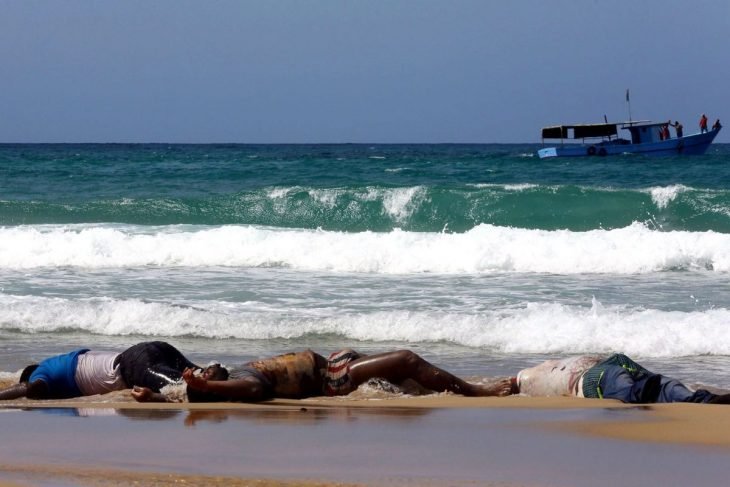
 Russia is being urged to play a key role in stabilising Libya, a high-risk move that could give Moscow a new foothold in north Africa and control of a migrant flow that Europe is seeking to halt. Read More

Despite all national, regional and international efforts to resolve the Libyan crisis, the political, economic and security situation is still far away from achieving a minimum level of stability. Read More
By Jacopo Barigazzi and David M. Herszenhorn

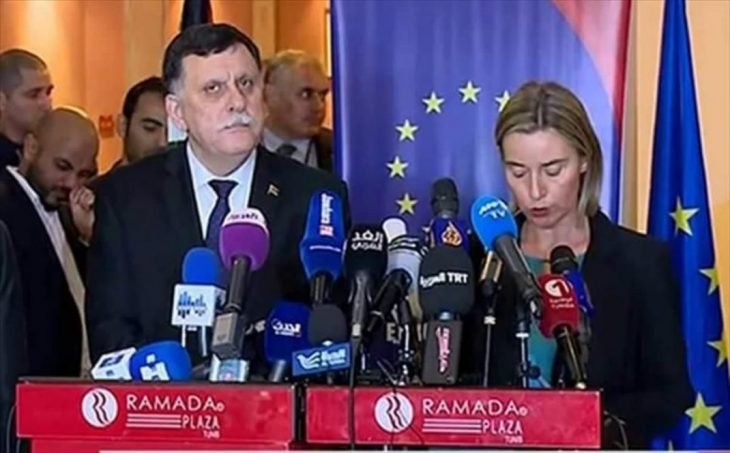
 Moscow, Brussels and Rome back military strongman Khalifa Haftar for at least some formal role that might unite the country. Read More
By Annalisa Merelli
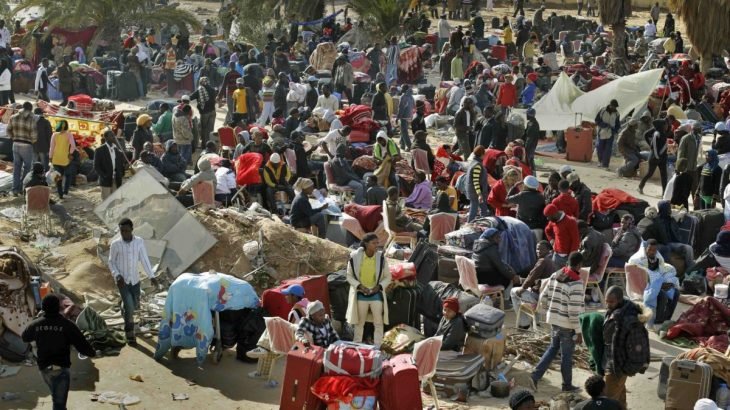
 Failing to stem the tide of refugees arriving Europe, Italy and the rest of the European Union have agreed to pay Libya’s Government of National Accord (GNA), the UN-backed interim government that is struggling hold control of the country, to keep them from arriving in Italy and instead put them into detention camps in Libya. Read More
By Kwasi Kwarteng MP
 In an article for the Evening Standard, CMEC Vice Chairman Kwasi Kwarteng MP considers if Field Marshal Khalifa Haftar might be the solution to the catastrophe in Libya: Read More
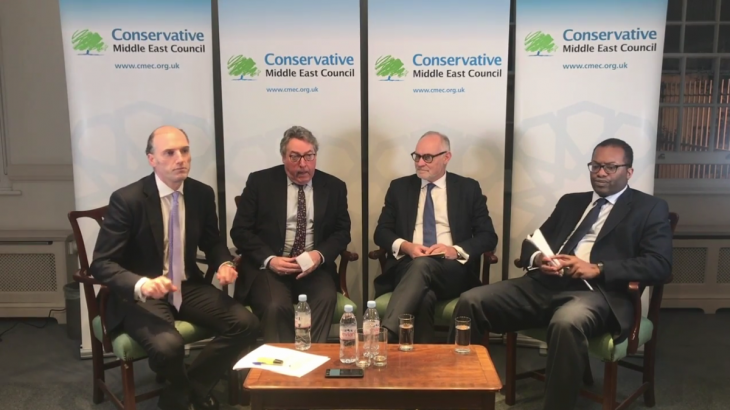
 CMEC hosted a Libya Programme roundtable event last night entitled: What next for Libya? Read More

 The Tripoli-based Central Bank of Libya has denied that its Governor Sadek Kaber has met with the vice president of the Presidency Council, Ahmed Maetig, and the head of the Tripoli-based Audit Bureau to agree on the reform proposals suggested by the Audit Bureau. Read More
By Wolfgang Pusztai
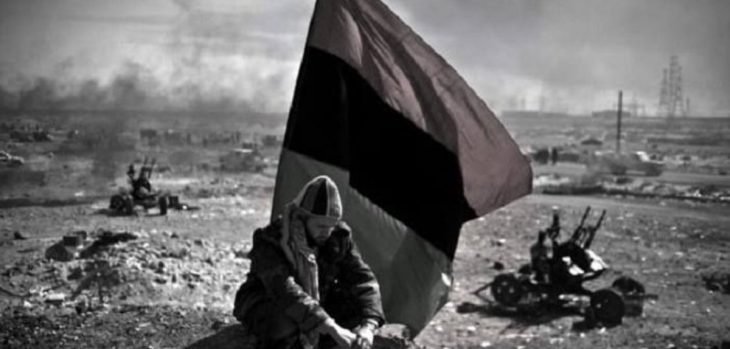
 Since the overthrow of the Gaddafi regime in 2011, Libya is struggling to regain stability. Various international initiatives to stabilize the country did not bring the anticipated results. Read More
By Leonid Bershidsky
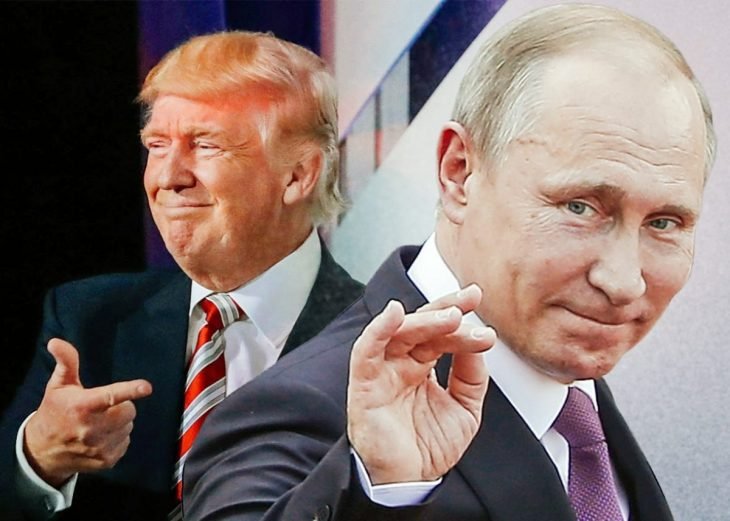
 Those who are waiting for the first signs of cooperation between U.S. President Donald Trump and Russian President Vladimir Putin should keep an eye on Libya. Read More

By Carnegie Team (*)
 Long-standing pillars of the Arab order—authoritarian bargains and hydrocarbon rents—are collapsing as political institutions struggle with the rising demands of growing populations. Read More
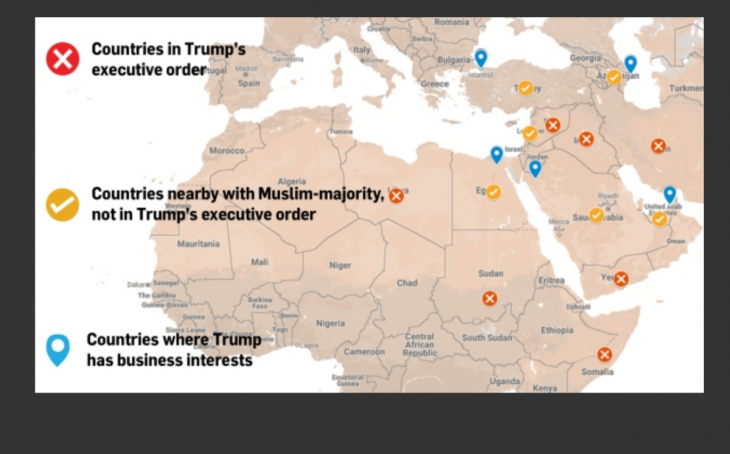
By Ford Fessenden, Jasmine C. Lee, Sergio Peçanha, and Anjali Singhvi


Immigration from the seven countries targeted by President Trump has been going on for decades but has never been much more than a trickle. Read More
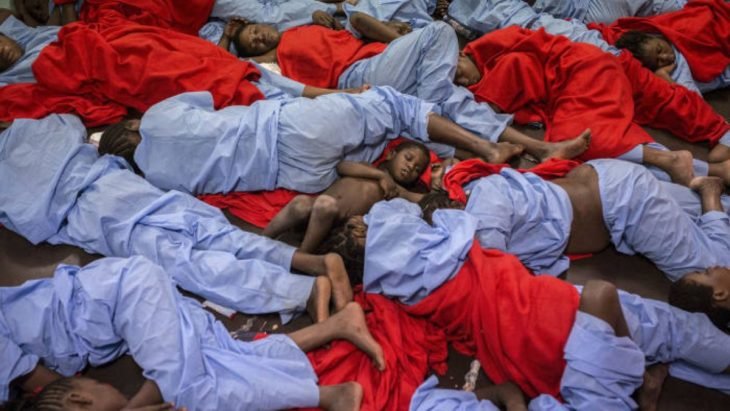
By Tony Barber
 Almost unnoticed beyond the sea that claimed their lives, 246 migrants and refugees died in the first 25 days of January trying to cross the Mediterranean into Europe. Read More
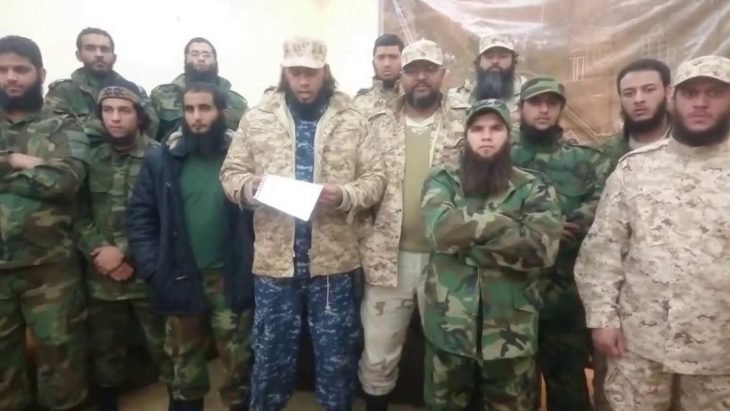
By Emadeddin Zahri Muntasser
 As the attention of the West turned towards Syria, a new enemy has been strengthened in the sands of Libya. Read More