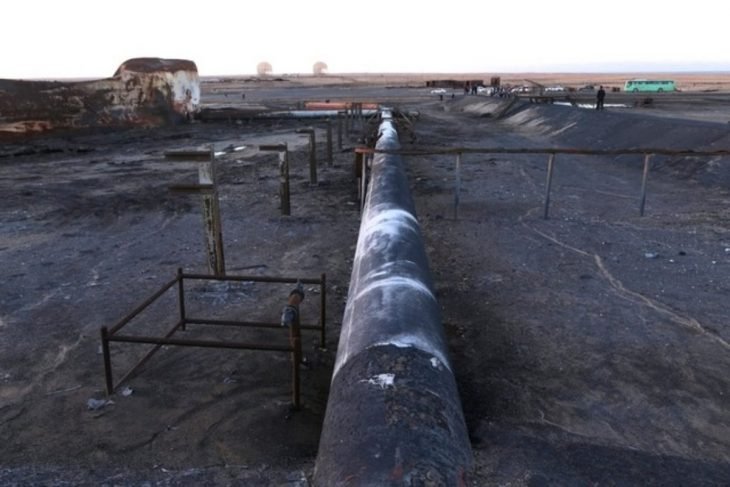
 An oil guard official appointed by Libya’s UN-backed government said he was tasked to protect oil ports by an armed faction that took over the Es Sider and Ras Lanuf terminals last week. Read More

An oil guard official appointed by Libya’s UN-backed government said he was tasked to protect oil ports by an armed faction that took over the Es Sider and Ras Lanuf terminals last week. Read More
By John Pearson
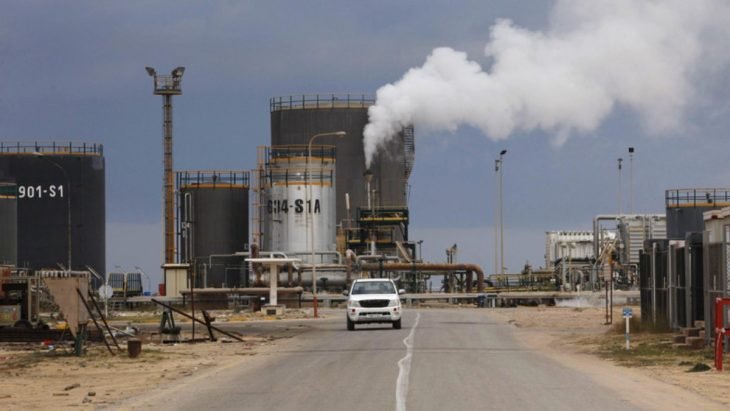
 The battle for control of Libya’s key oil ports has taken a dramatic new turn with the militias who captured them on Friday handing them over to the United Nations-backed Government of National Accord (GNA). Read More
By Heba Saleh and Anjli Raval

 The Tripoli-based administration said late on Tuesday that an allied force called the Petroleum Facilities Guard was now in control of Es Sider and Ras Lanuf ports.
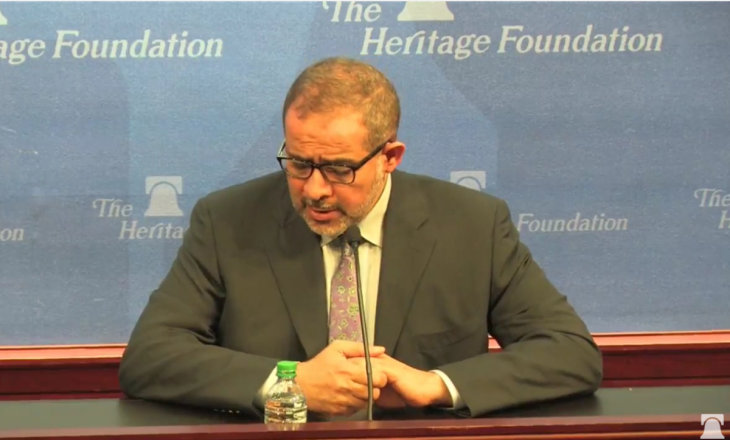

Arif Nayed, the president of Libya Institute of Advanced Studies and the former Ambassador of Libya in the United Arab Emirates, was invited to speak to “The Heritage Foundation” which is associated with the Republicans and eventually with Trump. Read More
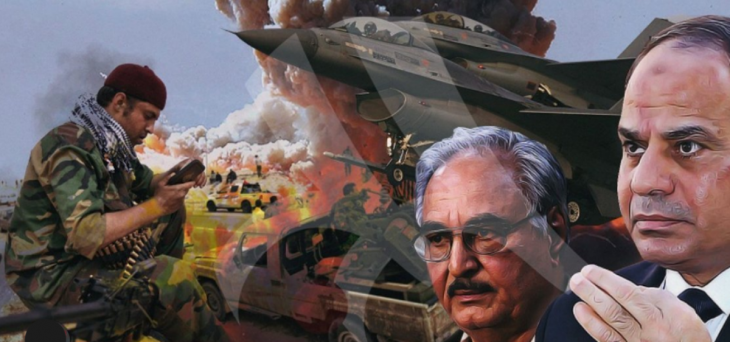
 Egyptian authorities are concerned by recent losses sustained by ally Khalifa Haftar in two key oil ports on Libya’s Mediterranean coast. Read More

By Tsvetana Paraskova
 The Libyan National Army (LNA), led by General Khalifa Haftar, has bombed the Benghazi Defense Brigades (BDB) faction for a fifth day in the country’s Oil Crescent, and the latest fighting has led to Libya’s oil production dropping by 35,000 bpd to around 660,000 bpd, Reuters reported on Tuesday, quoting local officials and residents. Read More


The situation in Libya today, as a result of increasing fragmentation and polarization among actors, is on the verge of a breaking point. Read More
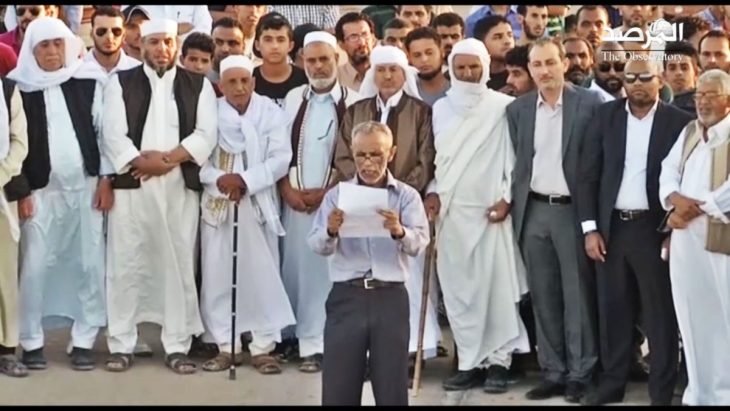
 Observers see that the military confrontations in the Oil Crescent Region and its consequences proved that the army affiliated to the House of Representatives (HoR) and led by General Khalifa Haftar started to lose supporters, either in the regions or across tribes. Read More
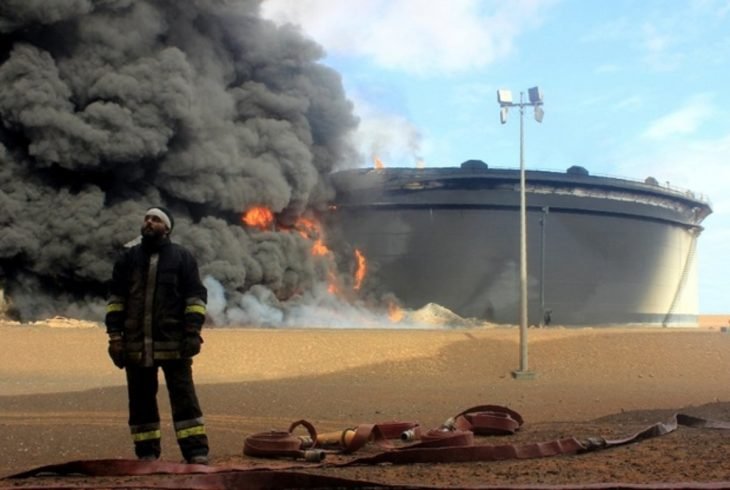
By Wolfgang Pusztai and Arnaud Delalande


If the forces that seized oil ports from Haftar can hold them, negotiations over the country’s future will become even more complicated. Read More
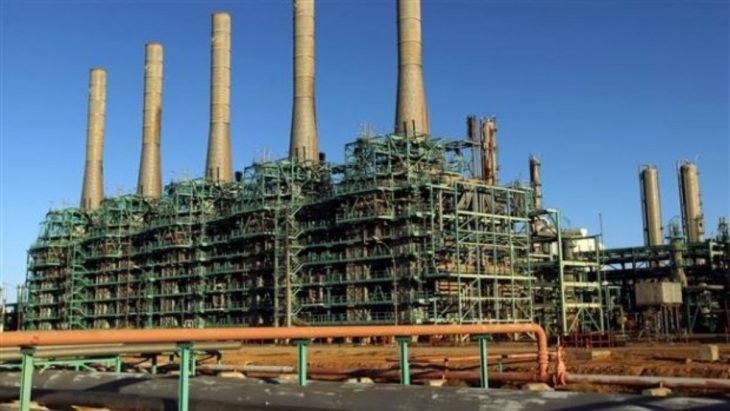
By Khalid Mahmoud

Civil war broke out Monday in Libya’s Oil Crescent Region after the Libyan National Army (LNA) accused armed militias of participating in battles staged by Benghazi Defense Brigade (BDB) and other militias supporting the Government of National Accord, backed by the UN. Read More
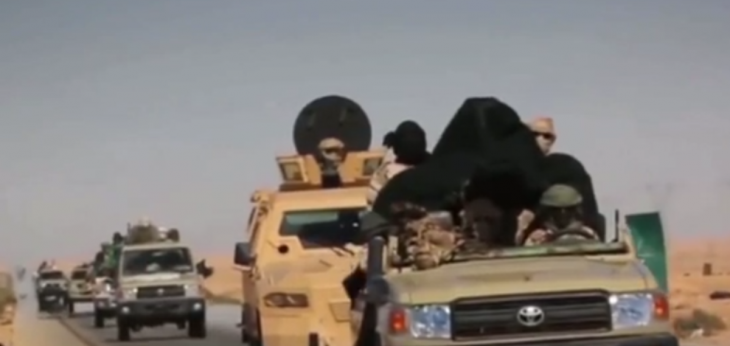
By Abdullah Ben-Ibrahim
 In July 2016, Benghazi Defense Brigades (BDB) launched a military operation to return to Benghazi and marched to El Magrun, a town 80 km south of Benghazi, before foreign warplanes intervened and forced them back. Read More

By Tom Rollins
 Last month, European Union leaders met in Malta, in the words of European Council President Donald Tusk, to “agree [to] concrete operational measures to stem irregular migration from Libya to Europe. Read More
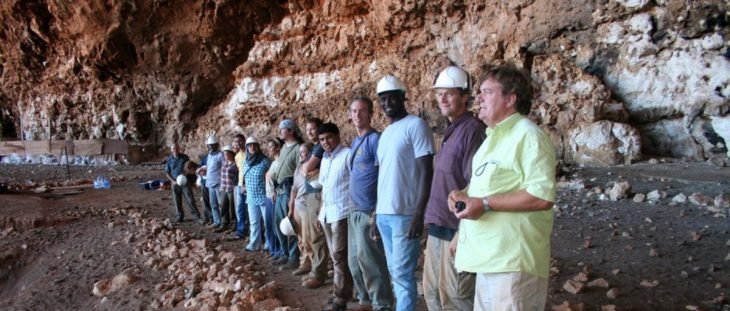
By Giulio Lucarini
 The team completed the excavation of the Haua Fteah cave in Cyrenaica, one of the most important prehistoric sites in all of Africa. These archaelogists dodged ISIS threat to dig up an ancient cave. Read More
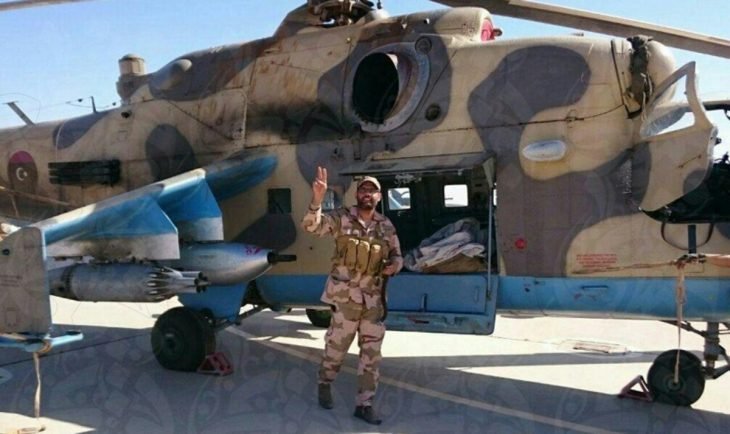
MEE and agencies
 The forces of eastern Libya’s military strongman Khalifa Haftar conceded the loss on Saturday of a key oil export terminal they seized last year as fighting for the country’s resource wealth intensifies. Read More
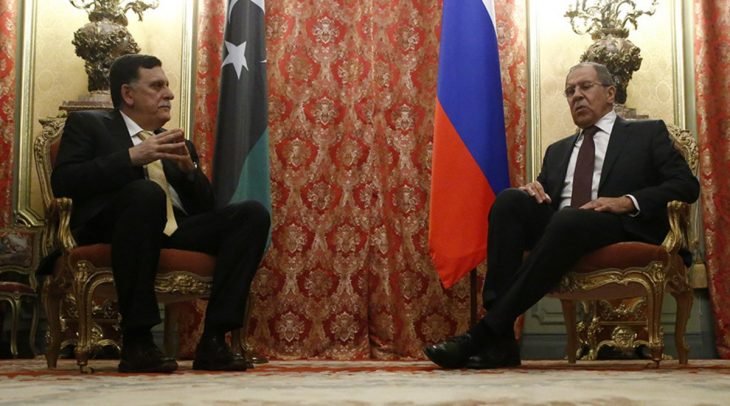
By John Wight
 Though it may have slipped off the radar of global consciousness, Libya’s central importance when it comes a region that has been mired in conflict and chaos over the past few years cannot be overstated. Read More
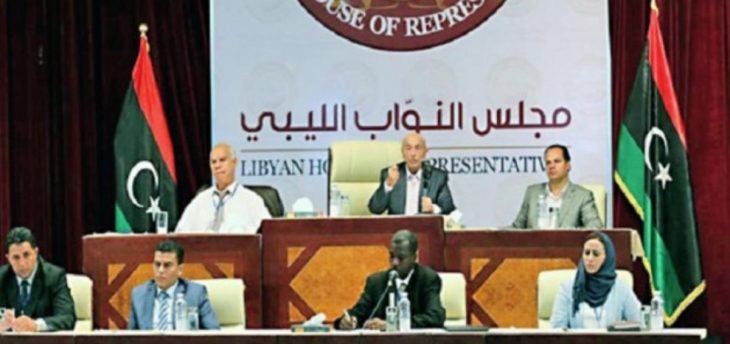
By Khalid Mahmoud
 The Libyan dialogue collapsed on Saturday after the internationally-recognized parliament announced boycotting it, threatening political efforts to reach a peaceful settlement for the Libyan crisis. Read More
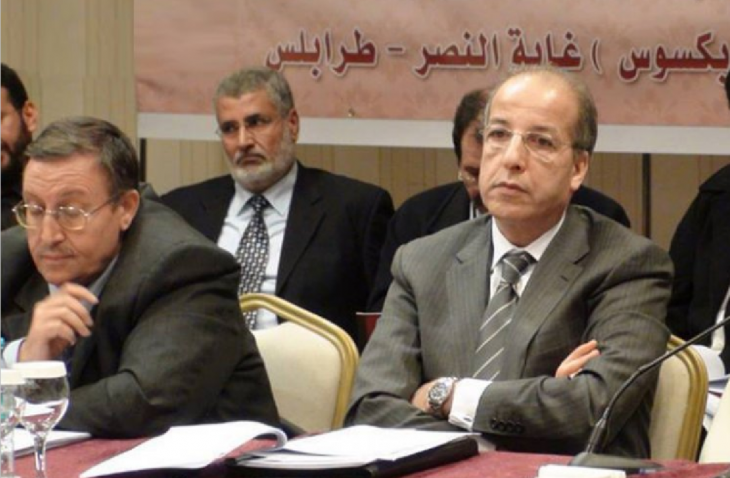
By Abdulkader Assad
The Governor of the parallel Central Bank of Libya (CBL) in Al-Bayda, Ali Al-Hebri blamed the Tripoli-based CBL’s Governor, Al-Seddiq Al-Kabeer, for the deterioration of financial and economic situations in Libya, holding him accountable for the cash shortage dilemma and the rocketing of foreign currencies’ prices. Read More

By Frederic Wehrey and Caroline Zullo

 On February 15, the Carnegie Endowment for International Peace held a closed-door workshop on reforming Libya’s security sector with ten Libyan attendees from the western, southern, and eastern parts of the country. Read More
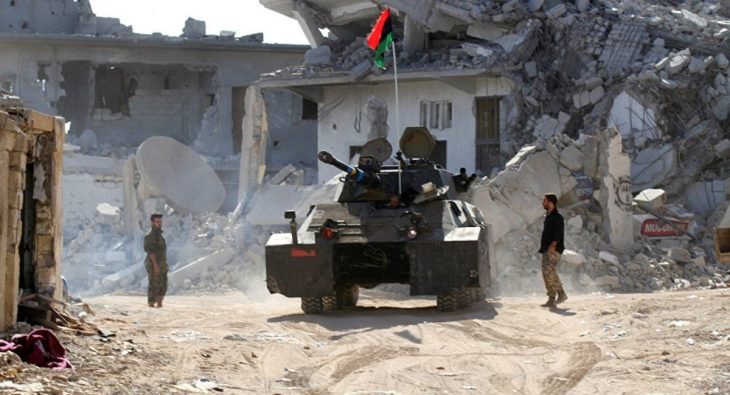
Moscow believes that the Libyan crisis should be settled by the country’s nationals and will contribute to creation of conditions necessary for the peace process, Russian Foreign Minister Sergey Lavrov said Thursday. Read More
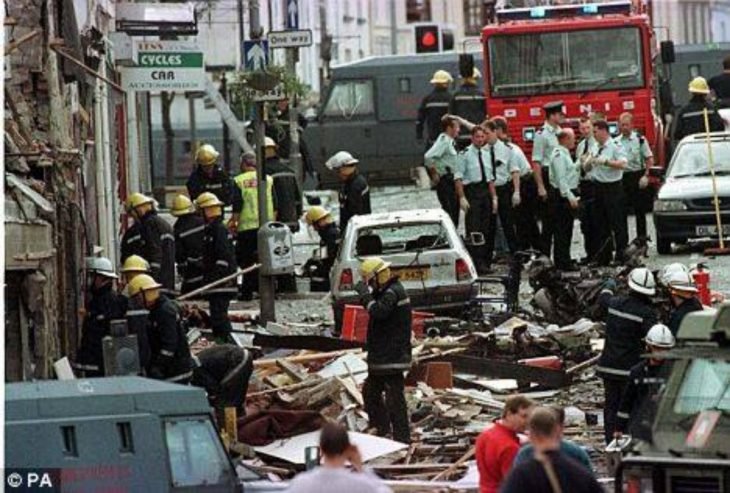
 Campaigners are planning to stage a mass lobby of MPs after the UK government blocked a bid to pay compensation to victims of IRA-Libyan terrorism. Read More
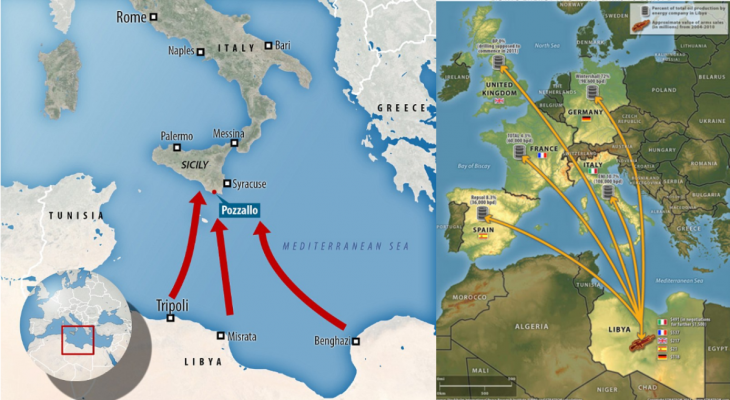
 The EU, through diplomatic outreach and concrete assistance, is assisting Libya’s transition towards an inclusive and stable democracy and supporting UN mediation efforts in this regard. Read More
By Zahra Langhi
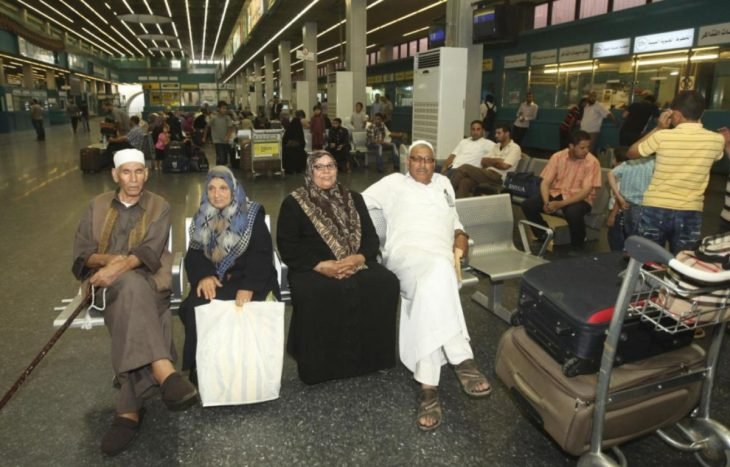
 Coming six years after the protests initiated by women in Benghazi which led directly to the Libyan revolution, the claim that women represent a threat to national security, and cannot therefore travel unaccompanied, could be taken as a strange complement to our political effectiveness. Read More

By Andrea Bonetti

A bright conversation about the Italian role in Libya, the future of NATO and the Italian Air Force operativity with Gen. (ret.) Leonardo Tricarico, former head of the Italian Air Force, former Deputy Commander of the Multinational Coalition Force in the Balkans and former military advisor of three Italian Prime Ministers (1999-2004) Read More

By Karlos Zurutuza
 The EU has pinned its hopes on cooperation with a deeply unstable Libya and a ragtag, resource-poor coast guard as it seeks to show it can control migration in a year of major elections in countries including France, Germany and the Netherlands. Read More
By Seema Sengupta
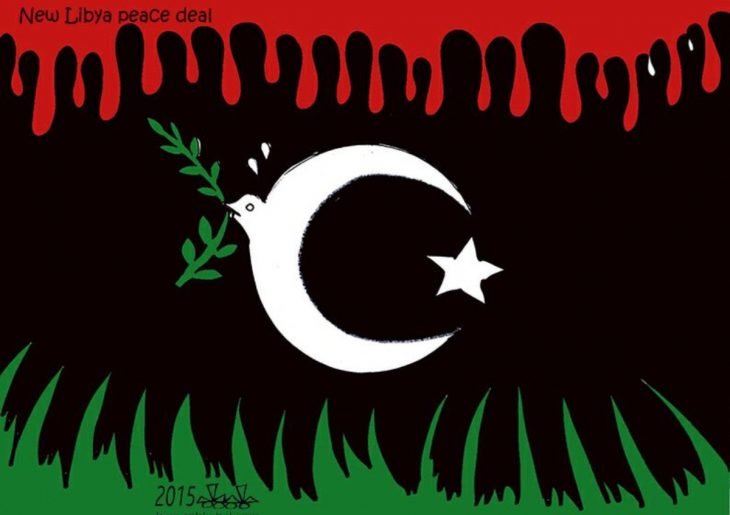
 As the United Nations brokered mid-August peace talks, aimed at forging a unity government in conflict-torn Libya concluded in Geneva on a positive note, the flame of hope is ignited yet again. Read More

By Mohamed Chtatou
 The Arab Spring uprisings of 2011 have touched all corners of the Middle East and have affected all countries in different ways, resulting in anything from small scale protests against governments to full blown revolutions to overthrow dictators. Read More
By Emily Estelle
 Executive Summary: ISIS is not defeated in Libya and American security remains at risk. Libya is missing from the policy discussion even as the Trump administration reconsiders America’s strategy in multiple theaters. Read More

 Thousands of refugee children are being abused, exploited and arbitrarily detained in Libya, UNICEF reports. Refugee children and women are routinely suffering sexual violence, exploitation, abuse and detention along the Central Mediterranean migration route, UNICEF warned in a new report. Read More
By Federica Saini Fasanotti
 Earlier this week, two men in a black Toyota Cruiser attacked a motorcade carrying Libyan Prime Minister Fayez Serraj, the head of the State Council Abdulrahman Sewehli, and the head of the Presidential Guard Najmi Nakoa. Read More

Dr. Theodore Karasik
 Last week’s Libya talks in Cairo may have cemented the beleaguered country’s future. UN-installed Government of National Accord (GNA) Libyan Prime Minister Fayez Serraj, from Tripoli, failed to meet with Libyan Field Marshal Kahlifa Haftar. Read More
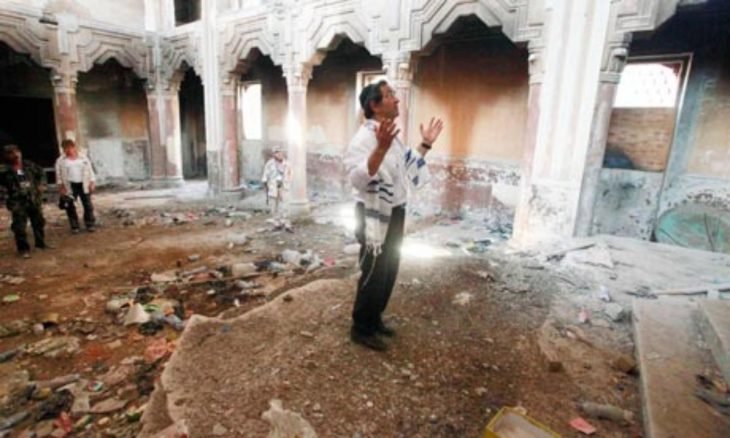
By David Gerbi
 Representative of World Organisation of Libyan Jews (WOLJ) Dr. David Gerbi urges the international community on the issue of Libyan Jews. Read More
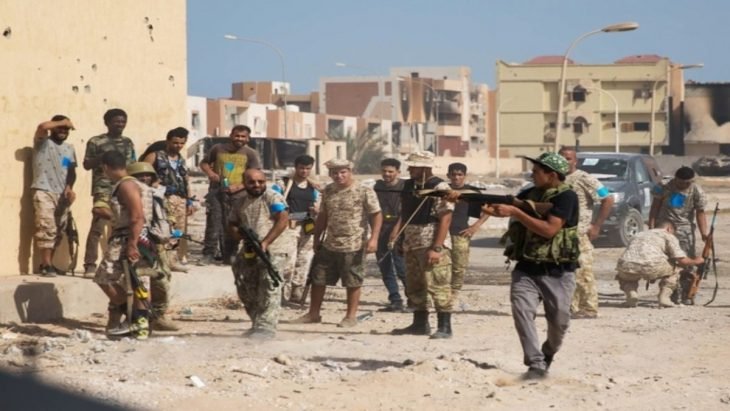
 Rival government forces and other armed groups and militias committed serious violations of international law and abuses of human rights with impunity. Read More

BY Abdul R Tresh
 Rationality, in the context discussed here, refers to the quality of logic or reasoning, and it reflects what one considers meriting their attention in justifying decisions and actions. Read More

By Zainab Calcuttawala

Libya’s returning oil wealth could bring back cheap fuel, food and foreign goods in a subsidy-based system in the most optimistic scenario. But as oil prices and production rise, the future of new political developments hangs in the balance in a growing power struggle between Russia and the United Nations. Read More

 It was an image that told Libya’s story in a nutshell. Last week Fayez al Sarraj, designated leader of the country’s proposed unity government, sat alone in a Cairo hotel room waiting for a phone call to meet with his country’s most powerful military leader, Field Marshall Khalifa Haftar. Read More

 The annual report of Amnesty International has said that the “Libyan National Army” which it described also as armed groups led by Khalifa Haftar and contain Gaddafi brigades’ fighters and tribal forces, bombed the civilian area of Ganfudah in Benghazi from the air and by artillery leading to the killing of many civilians. Read More