
By Jonathan Ruhe
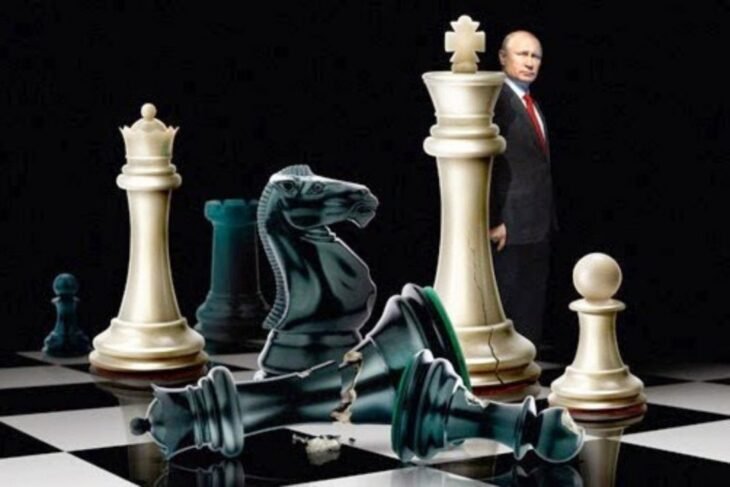
‘Lead from behind’ has failed in Libya. The US must lead from the front to prevent a destabilizing deal between rival factions dominated by Russia and Turkey. Read More
By Jonathan Ruhe
‘Lead from behind’ has failed in Libya. The US must lead from the front to prevent a destabilizing deal between rival factions dominated by Russia and Turkey. Read More
By Giorgio Cafiero
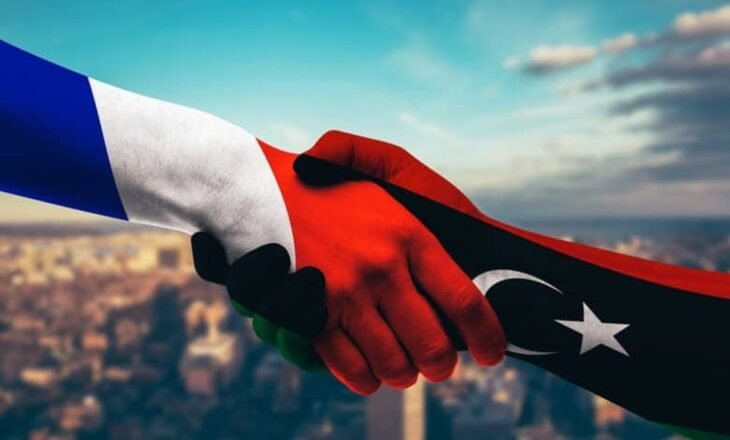
By backing the warlord Khalifa Haftar against the UN-recognised government, France has gone against the grain of thinking within Europe and antagonised NATO allies, such as Italy and Turkey. Read More
By Jalel Harchaoui
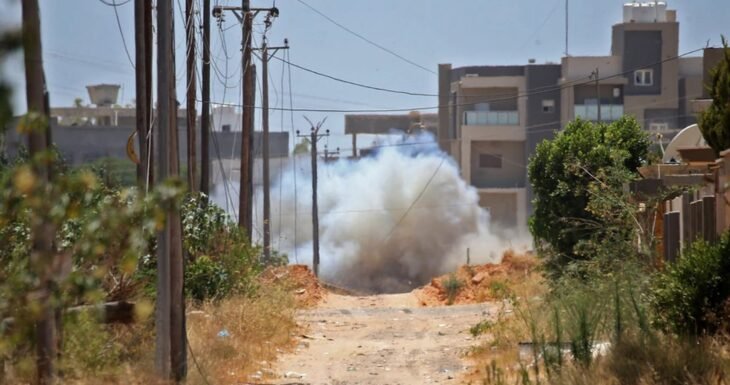
Last month, forces aligned with Libya’s internationally recognized government made a gruesome discovery within the vicinity of Tarhuna, some 50 miles southeast of the capital, Tripoli.
By Sami Hamdi
For European powers, it is clear that the French gamble in Libya has failed and that Macron has led them into a quandary. France has actively pursued a foreign policy that seeks to secure its own interests at the expense of the European Union’s. Read More
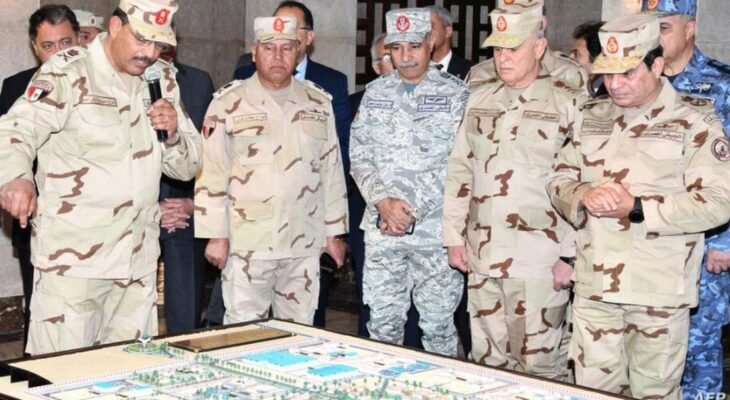
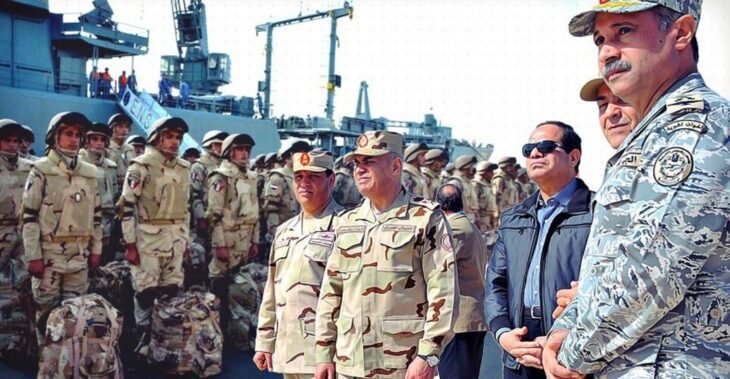
Egyptian President Abdel Fattah al-Sisi is flexing diplomatic and military muscle in Libya to bring about a cease-fire and a new round of peace talks. Read More

By Mahmoud Gamal
A previous study published by the Egyptian Institute for Studies (EIS) titled, Egyptian Role in Libya: Determinants and Tracks, concluded that the likeliness of a direct and declared intervention in Libya by the Egyptian army started to increase more than ever before. Read More
The Libyan warlord faces an ICC investigation for his alleged role in mass grave burials and resistance from his allies. Libyan warlord Khalifa Haftar has reportedly decentralised his command by delegating powers to his subordinate, Abdulrazek al Nadoori. Read More

By Ferhat Polat
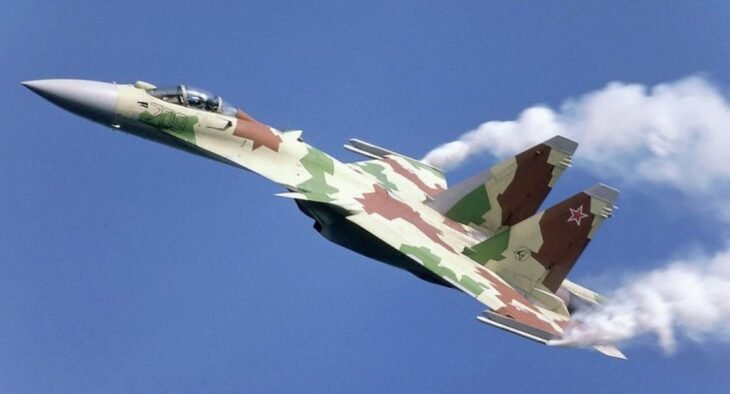
This policy outlook examines Russia’s strategy towards Libya post- 2011. The Kremlin ’s various interests in Libya are assessed and used to explain Russia’s policy in Libya and its effect on the Libyan conflict.
By Ferhat Polat
This policy outlook examines Russia’s strategy towards Libya post- 2011. The Kremlin ’s various interests in Libya are assessed and used to explain Russia’s policy in Libya and its effect on the Libyan conflict.
By Mahmoud Gamal
A previous study published by the Egyptian Institute for Studies (EIS) titled, Egyptian Role in Libya: Determinants and Tracks, concluded that the likeliness of a direct and declared intervention in Libya by the Egyptian army started to increase more than ever before. Read More

By Yvonne Ridley
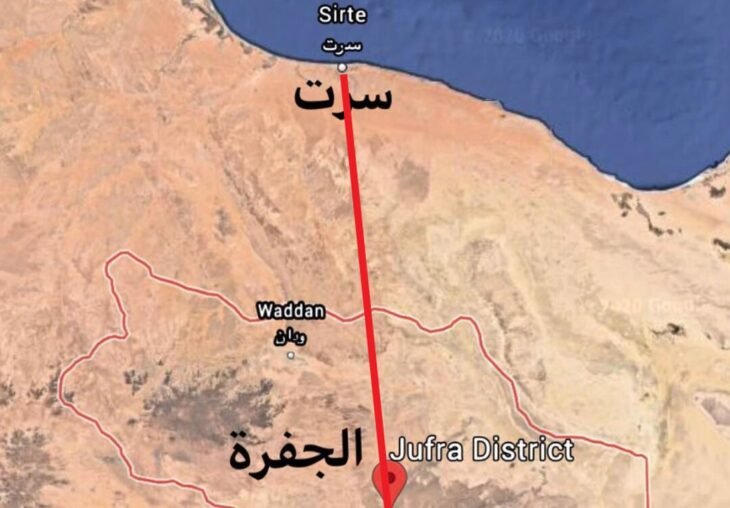
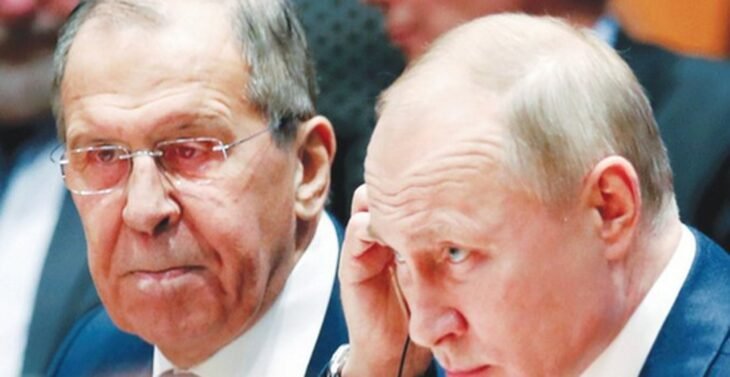
This is a tale of two cities twinned by treachery. Syria’s Jabal Al-Zawiya might be 1,800 miles away from Sirte in Libya, but their fates are very much intertwined as military forces threaten to put the regional powers of Turkey and Russia on a collision course. Read More
By Jalel Harchaoui
Last month, forces aligned with Libya’s internationally recognized government made a gruesome discovery within the vicinity of Tarhuna, some 50 miles southeast of the capital, Tripoli.
By Jack Detsch, Amy Mackinnon

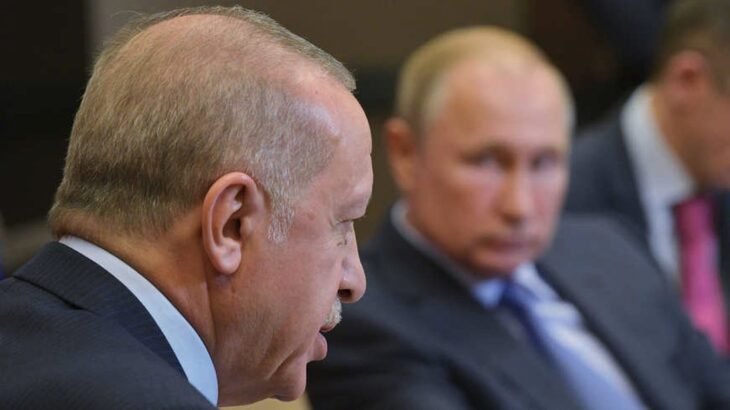
Putin and Erdogan “act when there’s a stick involved,” a House aide said. Read More
By Jonathan Fenton-Harvey

On 20 July, Egypt’s parliament approved a military deployment to fight what it deemed “criminal militias” and “foreign terrorist groups” on a “western front”, showing its preparedness to usher in a new phase of Libya’s conflict. Read More
On 20 July, Egyptian legislators authorised sending combat troops to Libya, where Cairo’s ally Field Marshal Khalifa Haftar is on the defensive. Following Turkey’s intervention on the Tripoli government’s behalf, Egypt’s involvement could escalate the war dramatically. All parties should seek a compromise. Read More
By Ferhat Polat

This policy outlook examines Russia’s strategy towards Libya post- 2011. The Kremlin ’s various interests in Libya are assessed and used to explain Russia’s policy in Libya and its effect on the Libyan conflict.
By Mahmoud Gamal
A previous study published by the Egyptian Institute for Studies (EIS) titled, Egyptian Role in Libya: Determinants and Tracks, concluded that the likeliness of a direct and declared intervention in Libya by the Egyptian army started to increase more than ever before. Read More

Tel Aviv provides Haftar militias with training and weapons as Libya may become new market for Israel’s military exports. Read More
By Elisabeth R. Myers
With the LNA in retreat from Tripoli, but foreign powers still backing an escalation in the conflict, what next for Libya? Read More
By Samer Khalil Al-Atrush
Since the 2011 NATO-backed revolt in Libya that ended 42 years of rule by Qaddafi, the oil-rich North African country has been in perpetual turmoil. Read More
By Metin Gurcan

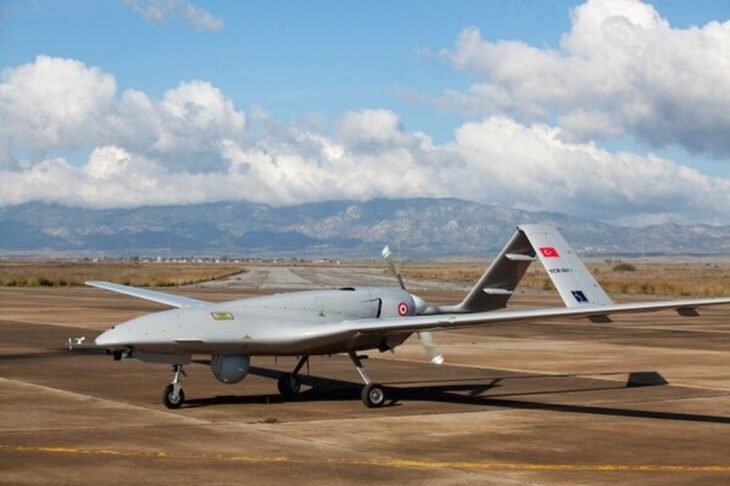
Ankara believes a large-scale Egyptian ground operation is highly unlikely in Libya, considering the likely dynamics of power struggles in the skies of Sirte and al-Jufra, between tribes in southern Libya and on air and naval logistical routes between Libya and Turkey. Read More
By Seth J. Frantzman
US Africa Command has not only been the most recent addition to America’s method of dividing the world into various areas of responsibility for military operations, but also one of the least well-known. Read More
Warfare has stopped – for now – in the Libyan capital, but long power blackouts caused by years of poor maintenance still cause misery in the scorching summer weather. Read More
By Patrick Haimzadeh
Saturday July 25, 2020, Bernard-Henri Lévy (BHL ) attempted a “return” to Libya. It was as brief as it was failed. Arrived the same morning by private jet at Misrata airport, he had to cut his trip short and leave in the evening. What had he come to do? Read More
By Edward P. Joseph & Jeffrey A. Stacey

Libya is among the most intractable conflicts in the world today. Despite UN Secretary General Guterres’s global appeal for a cessation of violence during Covid-19 conditions—and the initial positive response from Libya’s chief combatant General Khalifa Haftar—intense fighting continues. Read More
By Stasa Salacanin
Libya’s conflict has exposed deep divides within the EU and Nato, leaving non-Western powers to fill the vacuum. Read More

Playing one country against the other and exploiting competing interests of regional powers, Haftar has done everything to keep the conflict running as a freeloader. Read More
By Ismail Yasha
The Egyptian parliament agreed on Monday to authorise President Abdel Fattah Al-Sisi to send the army on combat missions abroad to “defend Egyptian national security”. Read More
By Edward P. Joseph & Jeffrey A. Stacey

Libya is among the most intractable conflicts in the world today. Despite UN Secretary General Guterres’s global appeal for a cessation of violence during Covid-19 conditions—and the initial positive response from Libya’s chief combatant General Khalifa Haftar—intense fighting continues. Read More
By Sylvie Kauffmann
In the Eastern Mediterranean, the West has retreated. That leaves Turkey and Russia to fill the vacuum. Read More

Unlike Turkey, which was requested to help defend the legitimate UN-recognised government in Tripoli, Egypt has no such mandate to enter Libya. Read More
By Edward P. Joseph & Jeffrey A. Stacey

Libya is among the most intractable conflicts in the world today. Despite UN Secretary General Guterres’s global appeal for a cessation of violence during Covid-19 conditions—and the initial positive response from Libya’s chief combatant General Khalifa Haftar—intense fighting continues.

Egypt is threatening the UN-backed government of Libya with a tribal rebellion, but many tribe leaders have slammed the former military general. Here’s a breakdown of Libya’s tribal demographics. Read More
By Diego Cupolo
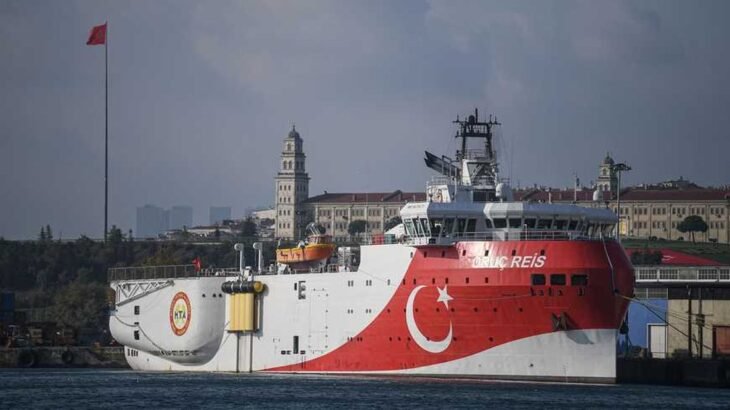
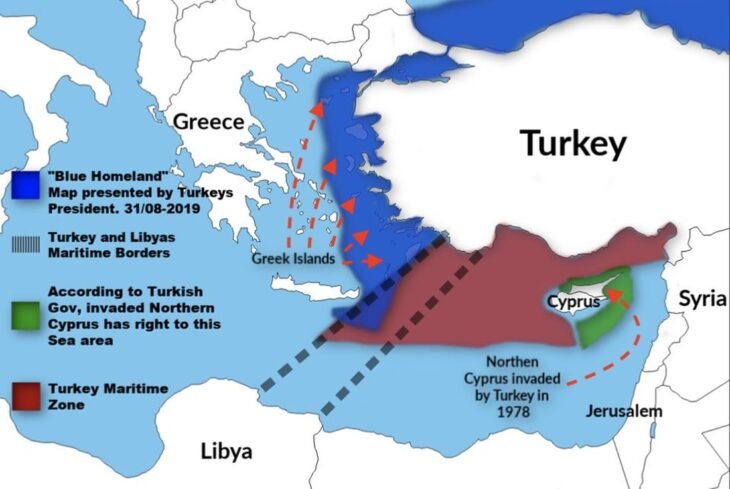
Surveying activities by a Turkish ship in the eastern Mediterranean Sea have put Greek forces on high alert as Ankara seeks leverage in regional maritime border disputes. Read More
By Edward P. Joseph & Jeffrey A. Stacey

Libya is among the most intractable conflicts in the world today. Despite UN Secretary General Guterres’s global appeal for a cessation of violence during Covid-19 conditions—and the initial positive response from Libya’s chief combatant General Khalifa Haftar—intense fighting continues.
By Karim Mezran & Federica Saini Fasanotti

In a recent article for the Atlantic Council, Nathalie Loiseau, a former French minister for European affairs and distinguished member of the European Parliament, expresses her disappointment about Turkey’s new adventurism in the Mediterranean basin in general and in Libya in particular. Read More