Archive - December 2024

Corruption Threatens Libya’s Derna Again (1)

The Sentry

On September 10, 2023, two dams near Derna, in eastern Libya, collapsed amid a strong rainstorm. The ensuing flood killed at least 4,352 people and displaced almost 45,000, while another 8,000 remain missing and should be presumed dead.

Since the disaster, journalists and nongovernmental organizations have highlighted several factors that contributed to the collapse, including suspected corruption that may have led to the dams’ extreme frailty.

In this report, The Sentry sheds additional light on these schemes, linking them to the Dabaiba family’s leadership of the Organization for the Development of Administrative Centers prior to 2011 and showing how new corruption risks under the Haftar family could lead to similar infrastructure failures in the future.

Among several factors contributing to the loss of life and material damage in Derna was the dams’ poor condition.

From 2007 to 2010, Libya’s General Water Authority (GWA) paid Arsel İnşaat Company Limited, a minor Turkish construction firm, and other companies for rehabilitation work that never happened.

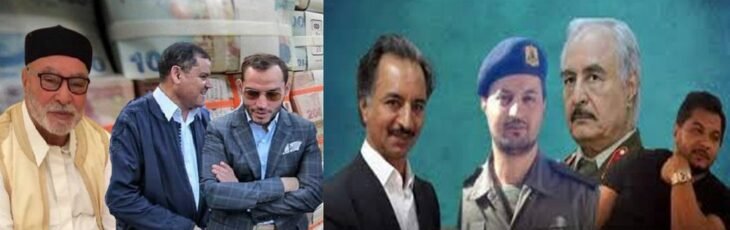
Such inaction was indicative of a broader pattern of corruption that affected much of Libya’s non-oil-related construction and maintenance, especially in the years leading up to the 2011 uprisings. Schemes such as those affecting the maintenance of Derna’s dams were largely orchestrated through the Organization for the Development of Administrative Centers (ODAC), a state-owned body then controlled by relatives of Abdelhamid Dabaiba, the current prime minister in Tripoli, western Libya.

Today, post-disaster, the reconstruction of Derna is underway. In this ongoing process, Field Marshal Khalifa Haftar’s family, which rules eastern and southern Libya, has complete control of new infrastructure contracts.

Early indications suggest that the Haftar clan may be resorting to corrupt practices similar to those of the Dabaibas, potentially using foreign companies as conduits to divert public funds.

Despite having occurred more than 15 years ago, the anomalies in ODAC’s interactions with Arsel remain acutely relevant in present-day Libya. They illustrate how officials may have exploited existing companies to steal billions from their own country’s public coffers.

This suspected transnational method of theft, or variations thereof, may be being employed in 2024—a time when large-scale infrastructure projects are used by Libyan leaders to justify spending significant public funds. By uncovering past fraud and scrutinizing contemporary contracting practices, this report seeks to contribute to the prevention of further corruption in Libyan infrastructure.

Dubious and Deliberate

In November 2007, the GWA awarded a $30 million contract to Arsel, a small Turkish firm, for the maintenance of the Derna dams—a decision that was heavily influenced by ODAC and its leadership. In the years that followed, until the 2011 uprisings, Arsel failed to carry out any tangible work on the Derna dams, despite receiving timely payments from the Libyan state.

This failure to perform can be traced to the corrupt practices of ODAC and its leaders, who benefited from the complicity of others involved in the project, including the GWA and Arsel’s management.

A thorough examination of the project’s negotiation, scope, payment history, and facilitation reveals a pattern of irregular behavior and red flags for corruption. Such unlawful practices and systemic failures not only contributed to the 2023 catastrophe in Derna but also mirrored issues affecting dozens of contracts across pre-2011 Libya involving foreign firms, many based in Turkey.

The common thread was the family then in control of ODAC—the Dabaibas.

ODAC’s influence

Ali al-Dabaiba, the current prime minister’s cousin and the head of ODAC from 1989 to 2011, exerted significant influence on the GWA’s November 2007 decision to sign a contract with Arsel for maintaining the Derna dams. Between 2007 and 2010, ODAC awarded Arsel a portfolio of about 15 projects, including parts of a university campus in Benghazi and housing units in al-Marj, the total value of which amounted to approximately $1 billion.

From hand-picking the Turkish company to managing its relationship with the Libyan state, Ali al-Dabaiba dominated the discussions and negotiations with Arsel. By so doing, he greatly influenced the GWA’s own decision to hire the Turkish firm.

Until ODAC awarded Arsel the $1 billion package of projects, the Ankara-based company was relatively unknown, with no experience abroad, having handled only modest domestic projects averaging about $20 million each.

Nevertheless, ODAC’s leader favored Arsel over other larger and more experienced Turkish firms,29 suggesting that Ali al-Dabaiba may have had an ulterior motive for the selection. Indeed, ODAC had a record of hiring unqualified contractors.31Arsel was no exception: it would go on to demonstrate significant shortcomings throughout its dealings in Libya. Neither Ali al-Daibaba nor ODAC responded to a request for comment.

Malfeasance, not negligence

After the GWA signed the contract with Arsel in November 2007, the project experienced almost 18 months of unexplained delays. From April 2009, when the project kicked off, to the onset of political unrest in February 2011, the Derna dam project was marked by a slew of administrative and operational irregularities, particularly in the interactions between Libyan officials and Arsel.

Administrative irregularities

Advance payments for the project circumvented standard procedures. Arsel received a direct advance payment of about 25% of the contract sum, even though it was common practice at the time for the advance payment to be set at 15% or less, with at least a third of that being placed into an escrow account.

In addition, Arsel paid neither the mandatory 2% tax nor the required 0.5% contribution to the Social Security Fund. These exceptions suggest a deliberate effort by high-ranking Libyan officials to ensure that Arsel enjoyed immediate access to the funds, raising the possibility of their diversion or misuse.

The scope of the project also raises questions. In 2003, a Swiss consultancy was commissioned to assess the situation in Derna. The resulting report concluded that the two existing dams needed bolstering, including through the addition of hydraulic devices, and that a third dam should be built to ensure the safety of Derna’s inhabitants downstream.

Yet when the Libyan state hired Arsel in 2007, it confined the project to modestly strengthening the two dam structures— even though funds were available for more substantive work.

More troublingly, after the Turkish company submitted its initial proposal for a light rehabilitation of the two existing dams, Libyan officials insisted on an even more rudimentary version, a move that suggests a potential plan to have Arsel spend less than it was to receive from GWA for the dam rehabilitation work.

What’s more, despite Arsel’s contract including no third dam and none having been built, the company falsely claimed on its website that its 2007-2012 Derna mission involved “constructing another third dam in between.”

A lawyer representing the owners of the now-defunct Arsel did not respond to a request for comment.

__________________
Syria Does Not Stop Russia: The Airlift and Major Maneuvers in Libya

Joseph Gagliano

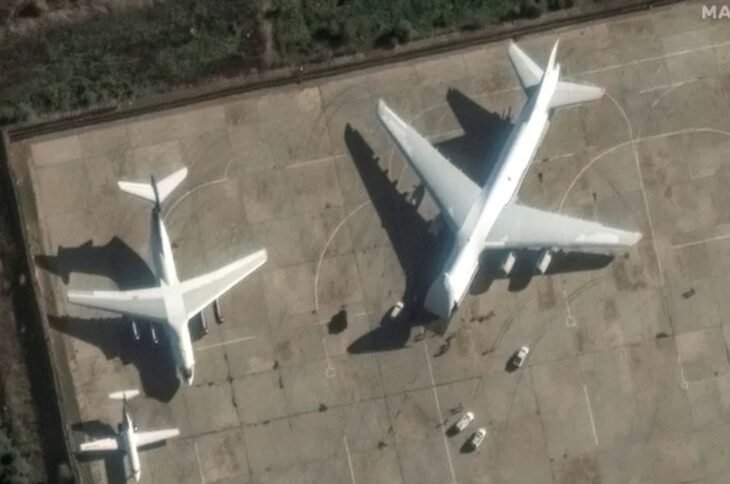
Monitoring of an air bridge between Russia and Libya by «Itamilradar» in recent days sheds new light on Moscow’s ambitions in the Mediterranean and the evolution of its geopolitical strategy. According to reports, two Il-76TD aircraft belonging to the Russian Ministry of Emergency Situations are alternating between Russia and the Al Khadim airbase, located in eastern Cyrenaica, east of Benghazi. This movement comes at a time of strategic change for Moscow, marked by the beginning of the withdrawal of its forces from the Hmeimim airbase in Syria and a renewed interest in Libya.

Cyrenaica:

New Hub of Russian Ambitions

The choice of Cyrenaica as the destination for this airlift is not accidental. Eastern Libya, under the control of General Khalifa Haftar’s forces, is a strategic region for Russia. In recent years, Moscow has sought to consolidate its influence in North Africa, a key area for controlling the Mediterranean and migratory flows to Europe. With Syria seemingly losing strategic relevance due to the unstable situation and the depletion of Russian resources in the conflict, Cyrenaica emerges as a promising alternative.

The possibility of Moscow establishing a permanent air and naval base in the region worries not only the European countries of the Mediterranean, but also NATO. A permanent Russian presence in Libya would pose a direct threat to maritime and air security in the central Mediterranean, as well as consolidating the Russian military projection capacity in North Africa and the Sahel.

The Role of the ‘New’ Wagner Group

According to «Itamilradar», Russia is deploying personnel and military equipment formerly associated with the Wagner Group, now reorganized under the so-called “Russian Afrika Korps”. Following the death of Yevgeny Prigozhin, Moscow has clearly decided to restructure its paramilitary operations in Africa, while maintaining a significant presence in key areas such as Libya, Mali, and the Central African Republic. In Libya, this new military asset could serve as a tool to consolidate Russian control over the region, ensuring strategic access to the Mediterranean and local energy fields.

NATO and the Turkish Dilemma

One of the most significant aspects of this operation is the fact that the flights between Russia and Libya are made possible by Turkey, the only NATO member that has not closed its airspace to Russian aircraft. This detail highlights the contradictions within the Atlantic alliance. Turkey, despite being formally an ally, has often adopted autonomous positions, if not openly contrary, to the NATO line, as demonstrated by its purchase of the Russian S-400 air defense system.

Ankara also plays an ambiguous role in Libya, supporting the Tripoli government against Haftar’s forces, but at the same time maintaining open channels of communication with Moscow. This ambiguity complicates NATO’s ability to respond coherently to Russian moves in the region, fueling the risk of further internal divisions within the alliance.

An increasingly unstable

Mediterranean

The Russian airlift to Libya and the withdrawal from Hmeimim represent a paradigm shift in Moscow’s strategy . Russia is redeploying its resources to maximize its influence in areas where power vacuums and instability offer strategic opportunities. Libya, fragmented and politically unstable, is the ideal terrain for this strategy.

For Europe and NATO, Russia’s growing presence in the Mediterranean cannot be ignored. It is not just a military issue: Moscow’s control over Libya could affect migration flows, energy markets and regional political dynamics. In this context, the West’s failure to respond in a unified and coherent manner to the challenges posed by Russia and Turkey risks leaving the field open to both.

Conclusion:

The Future of a Geopolitical Game

Russian operations in Libya are yet another sign of an increasingly fragmented and multipolar world order. Russia, despite the economic and military difficulties caused by the war in Ukraine, demonstrates that it has the ability and the will to project its influence beyond its traditional borders. Libya, with its strategic position and energy resources, is destined to become a new epicenter of geopolitical tensions.

It remains to be seen whether NATO and Europe will be able to develop an effective strategy to counter this expansion. So far, the alliance’s internal divisions and lackluster rhetoric do not bode well. In the meantime, Moscow continues to move its pawns on the Mediterranean chessboard , demonstrating that, in international politics, opportunities often arise precisely in moments of crisis.

______________________

North Africa 2025: Ambitious budgets drained by conflict

Mohamed Sharki

Fears of an arms race amid tensions in the region come alongside ambitious growth plans and hopes to boost living standards.

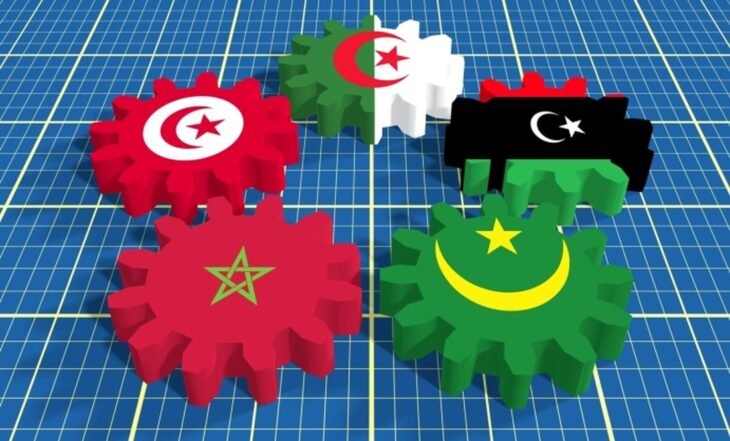
National economies in North Africa are heading into 2025 with bold economic ambitions. Across the region—made up of Morocco, Algeria, Libya, Mauritania and Tunisia—the aim is for growth in gross domestic product (GDP) of over 4%, higher than the global economy’s projected 3.2% growth rate.

They will get help from generous budgets for development spending alongside reforms to increase revenues while cutting inflation and debt. Social programmes in health, education, direct subsidies, and wages will also play an important role.

But the best chance for success would be for the wars in Ukraine and the Middle East to end, which would help the global economy return to growth. That would ease pressure on key markets, including those for raw materials and energy, alongside trade routes for goods. There will also be hopes for better conditions for agriculture, with regular rainfall helping to boost production and address challenges over food security.

But North Africa is not a homogenous economic entity due to the complex series of interlocking political disputes. And there is serious international concern about the tensions, especially over disagreements between Algeria and Morrocco, and the threat that could be posed to economic growth and broader regional security and stability.

Moves away from cohesion and the integration of trade and economic ties across the region—and any pivot toward nationalism—could hold back growth by 2 to 3 percentage points, according to analysts.

Al Majalla now looks ahead to what could be a pivotal year for North African countries. They have allocated substantial budgets for 2025, which total around $253bn—$126bn for Algeria, $73bn for Morocco, $26bn for Libya, around $25bn for Tunisia, and $3bn for Mauritania.

Oil-exporting countries have a good chance of achieving high growth rates thanks to energy exports. However, this advantage comes with a warning, according to the International Monetary Fund (IMF), which says that “the absence of necessary reforms reduces the chances of transforming revenues into comprehensive development”. And that could have important implications for the labour market, debt levels and prices, the IMF added.

Algeria

Algeria is an oil exporter whose budget is the largest in terms of value, at $126bn. But there is a debt burden and a deficit estimated at $62bn. Finance Minister Laaziz Fayed said public debt will reach 17tn dinars (about $127bn) by 2025, equivalent to 50% of GDP. Although most of this debt is owed to local financial institutions or sovereign wealth funds, it is increasing strain on Algeria’s public finances, following a 16% drop in oil and gas revenues in 2023, totalling $50bn.

In the first nine months of 2024, oil and gas revenues were estimated at $34bn, according to Bloomberg, due to volatile prices on international markets caused by the series of wars and geopolitical crises.

Some 60% of Algeria’s budget depends on oil and gas revenues, but they are no longer enough to cover the public debt and the financial deficit, estimated at 21.7% of the GDP. The budget report says: “Expected revenues will be around $64bn with a 1.9 % increase in energy exports.”

Morocco and Tunisia

Meanwhile, net energy importers, such as Morocco and Tunisia, could benefit from lower prices on international markets. They could also diversify sources of income by relying on sectors that add significant value to what they produce. Investing in industries relatively sheltered from geopolitical turbulence—industry, renewable energy, and services, for instance—would also help.

Labour markets and the social implications of high employment depend on the volume of agricultural production. It will be critical to economic recovery and reducing unemployment, accounting for about 14% of GDP in both countries.

For Morocco, international institutions recommend continued diversification. Industry now makes up 28% of the national GDP, which has helped it mitigate the impact of climate change and other global crises while keeping growth rates relatively stable at around 3% to 4%, also thanks to the early implementation of political and economic reforms. The Moroccan budget forecasts growth of 4.6%, an inflation rate of 2%, and a deficit of 3.5% for the coming year. In 2024, growth was 3.4%.

Meanwhile, Tunisia expects growth to rise from 1.6% in 2024 to 3.2% in 2025, with revenues increasing by 5.7% based on an oil price of $77 per barrel. But it needs $8.83bn in financing, or 28bn dinars in local currency. Of that, 22bn dinars will come from the local financial market, although some observers warn that repeated government borrowing is putting strain on the banking sector. The cost of servicing public debt is estimated at around $6bn, or $3.2bn in domestic debt and $2.72 bn in foreign obligations.

Libya

The International Monetary Fund puts the conditions facing Libya’s budget in clear terms. Its report estimates that: “Algeria needs an oil price between $110 and $119 per barrel at a time when the price ranges between $70 and $80, depending on demand and international developments”.

Ibrahim Maamri, professor of economics at the University of Tizi Ouzou in eastern Algeria, believes that “dependence on energy sources threatens budget revenues in the medium term due to fluctuations in international markets.”

Libya is expected to lead the Arab and North African countries, helped by its oil industry coming back. The resumption of the production of crude oil in the east of the country could drive overall growth to 13.7%. The end of the crisis at the central bank in Tripoli will also help.

Libya’s oil production rose to 1.5 million barrels per day (bpd) in the fourth quarter of 2024, an increase of about 0.5 million bpd and production is expected to reach 2 million bpd in 2027.

But the authorities in both western and eastern Libya have been accused of weak governance, mismanagement, and inefficiency in public spending. The Libyan Audit Bureau previously revealed that: “Oil exports were sold in exchange for fuel and were not included in government revenues.”

Abdul Hamid Fadil, a professor of economics at Misrata University, told the newspaper Asharq Al-Awsat that: “Only $20 bn reached the state treasury instead of $28bn.”

For its part, the UN mission reiterated a: “Need to utilise oil resources to achieve development and prosperity for the Libyan people and ensure economic and financial stability for the country.”

Oil accounts for 97% of government revenues, 94% of exports, and 60% of GDP. Paradoxically, despite increased oil revenues, the per capita income of Libyans is 50% lower than it was ten years ago after conflict spread across the country. According to the World Bank, “Had it not been for the civil war, the Libyan economy would have grown by 68% over a decade.”

Mauritania

In the southernmost tip of North Africa, Mauritania is preparing to enter the club of gas exporters. Its Grand Tortue Amim (GTA) field and the offshore Birallah gas field in the Atlantic will increase hard currency revenues and help create fiscal space to meet medium-term development needs.

The IMF predicts growth of 4.2% for 2025, with inflation of 4% and a current account deficit of $960mn. For some time now, Mauritania has served as a bridge between North Africa and the Sahel countries in terms of trade through a corridor linking it with Mexico through the border region around Guerguerat.

The country’s geographical location has made it strategically important for security, illegal migration, crime prevention, and counter-terrorism, drawing attention and support from the US and Europe.

Militarisation and spending

Unlike regional economic blocs such as the Gulf Cooperation Council or the European Union, the Arab Maghreb Union is facing a growing crisis of confidence.

There are disagreements, conflicts, and disputes between the nations which make up the region, creating a political climate of instability. This has, in turn, led to increased defence spending, which is expected to reach over $50bn next year.

Algeria has allocated $25bn for military spending, representing one-fifth of the general budget, making it the largest military spender in North Africa, ahead of Morocco and Egypt. But in the face of its large budget deficit, the means of financing this spending is unclear, although the government has ruled out external borrowing. That has stoked speculation it may resort to using national foreign exchange reserves, estimated at $70bn.

Morocco has earmarked around $13.5bn, or 133.4 dirhams in local currency, to renew the army’s equipment and support the defence industry. Total military defence spending will be around £23bn. The kingdom plans to acquire what its budget bill referred to as “advanced aircraft and modern air defence systems.”

International concern

International institutions are concerned that what amounts to an arms race in the region will destabilise it, just as North Africa needs cooperation to take it toward comprehensive economic development.

A recent report by the international Brussels-based Crisis Group said: “Political and economic conflicts between the countries of the southern Mediterranean are hampering development across North Africa and threatening potential violent conflict.”

It called for restraint and the continued application of diplomatic pressure to contain tension, warning that: “Any escalation of the situation in North Africa and the Sahel could have a negative impact on security, stability, and supplies within the European Union. And any breakdown in security could have consequences in the areas of illegal migration, human trafficking, and the spread of cross-border crime.”

There are some hopes that the return of Donald Trump to the White House as president of the US in January could help ease tensions or at least prevent them from worsening.

Boosting living standards

Across North Africa, national budgets aim to improve individual income and purchasing power by funding schemes to subsidise prices and cut income tax while investing in development and infrastructure.

There is also a trend to exempt some food imports from customs and excise duties to curb inflation and protect prices. But the economic and social impact on citizens will vary from one country to another, depending on the nature of the political climate, local governance the level of integration into the global economy, and the contribution made to international trade.

_____________________

Russian military: Moving from Syria to Libya?

Cathrin Schaer

Russian military bases in Syria appear to be being packed up and evacuated. If Russia relocates to Libya, experts worry the shift could impact security in the Mediterranean and unbalance the frozen conflict there. Are they or are they not withdrawing from Syria? That is the question Middle East analysts have been asking about the Russian troops for the past several days.

Open source investigators, looking at satellite pictures and online air traffic tracking, have noted significant moves by Russia at its long-held Syrian bases since the regime of its ally, Syrian dictator Bashar Assad, was toppled nearly two weeks ago. They’ve seen attack helicopters and an S-400 long-range air defense system dismantled for travel, people with suitcases waiting to leave and large cargo planes being loaded.

Additionally, Russian navy vessels left their Syrian harbor on December 11, two days before the fall of the Assad regime. Russian officials have denied their troops are leaving Syria and reported they were negotiating with the rebel opposition group, which led the offensive that toppled the Assad regime and who are now setting up Syria’s transitional government.

Russia has two important military bases in Syria: The Tartus naval base, set up in 1971, and an air base at Hmeimim, established in 2015. Tartus is Russia’s only formal naval base outside former Soviet territory and a Russian presence there grew before Russia’s 2022 full-scale invasion of Ukraine in order “to counter, deter, and monitor any NATO operations in the Mediterranean,” the Institute for the Study of War recently noted.  

Hmeimim is used as a logistics and staging post for Russian activities in Africa and came under Russian control shortly after Russia entered the Syrian civil war. Russia helped Assad repress anti-government rebels, and Russian air power likely turned the tide of the war in Assad’s favor. But since mid-December, the people the Russians once bombed have been in charge of Syria.

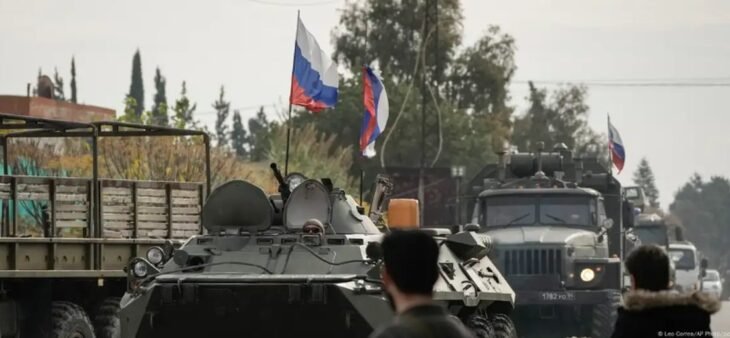
So far, both HTS and Russia have been very pragmatic and have been in negotiations, Nanar Hawach, a senior analyst for Syria at the think tank Crisis Group, told DW. “Right now Russia is operating under HTS’ protection, with HTS forces protecting Russian convoys driving to the naval base and air base,” he explained. “But we should also keep in mind that Russia played a very prominent and important role in the fight against HTS.”

This makes Russia’s future military presence in Syria potentially problematic. Russia was relocating air-defense systems and other advanced weapons from Syria to bases it controls in Libya, the Wall Street Journal reported Tuesday, citing unnamed US and Libyan officials.

Moving to Libya?

Analysts point to signifiers like the removal of valuable military hardware from Syria, Russia’s suspension of wheat exports to Syria — over the past years, it has been Syria’s main supplier — and HTS’ refusal of Russian offers of humanitarian aid. They also say that wherever the Russian naval vessels from Tartus eventually end up will be an important indicator of where Russia is headed next — especially if the ships dock at the Libyan port of Tobruk.

Right now, it’s all just speculation, according to Jalel Harchaoui, a political scientist and expert on Libya at the Royal United Services Institute for Defense and Security Studies, or RUSI, in the UK. Whether the Russians stay in Syria or go, there are certain incontrovertible facts that will change how they operate in Syria, he told DW.

“They’re never going to be able to stay with the same level of comfort, security and assurance as before,” Harchaoui said. “They’re going to have trouble guaranteeing their own logistics, electricity, water, food. They also know that when you run a [foreign] base you need a certain friendliness from the community around you and also the state, in terms of intelligence sharing. All of that is now lost.”

Nothing is clear yet, agreed Wolfram Lacher, a senior associate and expert on Libya at the German Institute for International and Security Affairs. “As far as I can tell, what we are not seeing yet is any direct movement between the Syrian bases and Libya,” he said. “But, obviously, as the Syrian bases become more precarious, the importance of Libya increases.”

Libya was already becoming more important for Russia, Lacher and Harchaoui pointed out. In 2024, the British newspaper The Telegraph reported that Russia had reinforced runways and perimeter defenses at Libyan air bases, built new structures and delivered weaponry.

A threat to NATO

Since 2014, Libya has been split in two, with opposing governments located in the east and west of the country. An UN-backed administration known as the Government of National Unity, or GNU, is in the west, and its rival, known as the House of Representatives, is based in the east, in Tobruk. The latter is supported by former warlord-turned-politician Khalifa Haftar, who controls various armed groups in this area.

At various times over the last decade, each government has tried — and failed — to wrest control from the other, but the conflict is currently stalemated, resulting in shaky security. “Over the past few years, those Libyan factions have been locked in a stalemate that has kept their country largely free from major conflict, but that has depended largely on … two foreign powers with significant military forces on the ground, Russia and Turkey,” Frederic Wehrey, a senior fellow in the Middle East Program at the Carnegie Endowment for International Peace, wrote last week.

“Assad’s downfall … could affect this fragile equilibrium,” he suggested, arguing that Libya’s frozen conflict could potentially go the same way as Syria’s did and relapse into conflict. This may hinge on Russia’s next move. If Russia convinces Haftar to let it establish a more permanent base in Libya, this would present a major challenge to NATO.

“The Russians have wanted a naval base in Libya for several years now and the Americans’ main policy objective in Libya for the last two years is to prevent this,” Lacher explained. ” Up until now Haftar has always tried to balance different foreign supporters against each other to avoid becoming dependent on a single one.” So current events put Haftar in a very difficult position, Lacher said.

Harchaoui said he believes it’s too early to tell what will happen but presented two plausible scenarios. In one, the Russians remain in Syria but everything becomes more uncomfortable, expensive and laborious for them, he said. “They just absorb the cost, but it’s still roughly business as usual,” he told DW.

In the other scenario, Haftar’s permission for Russia to establish itself firmly in Libya would gradually become apparent. At that stage certain forces — for example, in NATO — who oppose Russian entrenchment in Libya might organize sabotage missions or even train fighters opposed to Haftar. 

“It will be gradual, a soft inflexion point. It won’t be fireworks,” Harchaoui concluded. “But it’s quite possible that then we might look back and go, yes, Haftar made a mistake by saying yes to the Russians and, yes, this all started with Assad’s fall.”

_____________________

The Death of the “Arab World” (3)

Dr. Mohamed Berween

Conclusion

To conclude this article let me recap and re-emphasize some of the main points I have mentioned above, as follows:

First: The saddest thing is that the false hypothetical Intellectual Concept of the Arab World has made the vast majority of Arabs, especially the youth, during the past generations to live an unattainable dream, and it has finally turned into a tool to obstruct any serious attempt at rapprochement and cooperation between the different peoples of the region.

Second: The saddest thing is that the brutal and barbaric war on Gaza has shown, that there is no such thing call “the Arab World.” It has been approving that it is nothing but an empty slogan and a major obstacle to achieve a real unity among the states in the region. Therefore, it is time to get rid of it and work hard to replace it with another simple and practical concept for uniting all peoples in the region.

Third: The saddest thing is that the Palestinian people, unfortunately, found themselves facing a barbaric and brutal Israeli aggression by themselves, and the vast majority (except a tiny few) of the Arab people have failed miserably to support them.

Fourth: The saddest thing is that the brutal and barbaric war on Gaza has shown the hypocrisy of the Arab rulers and all what they care about is, shamelessly, to stay in power as long as they can at any cost, and to achieve their goals, and they are willing to ally themselves with anybody even the devil. More than that, they are secretly supporting and encouraging the Israelis to get rid of the freedom fighters in Gaza.

Fifth: The brutal and barbaric Israeli war on Gaza has shown plainly that an American, a European, and an Israeli human being, in the eyes of the American and European leaders, worthies more than an Arab or a Muslim human being.

Sixth: The saddest thing is that the brutal and barbaric Israeli war on Gaza has shown to all freedom loving people all over the Globe, that the Palestinian people, for more than seventy-five years, are being oppressed and evicted from their own land, by the Israelis and that is why they will not give up seeking their freedom and working toward their independence regardless of how long it takes or how much it cost.

Seventh: I believe, it is time for all patriot people in the region to cooperate to establish new political Umbrella, that might be called “the Confederate states in the Middle East.” This new political system would enable each state to be sovereign and govern itself independently, and at the same time, it would be abNinethle to work with other individual states on the issues that they could not be able to achieve individually.

Eighth: The war on Gaza has proven beyond doubt that there is no such thing as a “comprehensive Arab identity”! Thus, we can conclude that the activists of the “Arab homeland project” have failed miserably in their attempt, which lasted for more than one hundred and fifty (150) years, to achieve this goal. In other words, they have failed to define “who they are” and what are the most important commonalities and issues that unite them! Even the “Palestinian cause”, which was the main slogan (and one of the most important goals) of every political change in the Arab countries since 1948, has become an issue that does not concern them! In other words, one might say, the war on Gaza has dropped, what so called, the “fig leaf” that was covering their shame! Worst of all, with regard to the commonality that was supposed to define the meaning of the “comprehensive Arab identity”

The Arabic Language, we find that the Arab elites and rulers are the ones who have disregarded their language the most! Even after the United Nations recognized – in the seventies of the last century – that the Arabic language is the sixth official language on the international level (out of more than six thousand languages and dialects in the world), you find the Arab rulers and officials are ashamed to speak their own language, and they prefer to speak in other foreign languages, especially English, even when most of them do not speak it well!

Nineth and Finally, let me end this article by expressing my deepest condolences to all patriotic and sincere Arabists for this lost, and who fought so hard to achieve their national dream< which is “the Arab Unity”, during the previous decades, and I hope that they will not give up, and continue their struggle for achieving the unity of all peoples in region.

***

Dr. Mohamed Berween – Emeritus Professor of Politics and Administration, Texas A&M International University, Laredo, Texas, USA

____________________

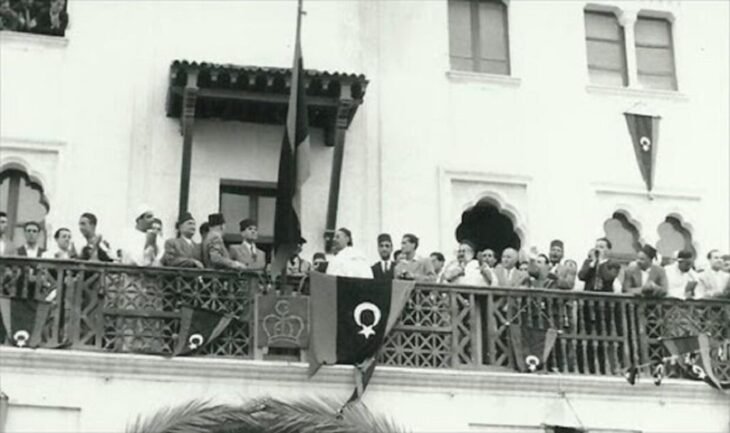
On the anniversary of Libya’s independence

Dr. Abdel Moneim El-Bouri

The independence of countries is the true and historical beginning of the liberation of peoples. There are many national and nationalist days in the life of many countries. But Independence Day remains that special memory and meanings, which makes it one of the most important days and holidays in the life of any people.

And since the majority of peoples did not gain their independence except after they fought a bitter and arduous struggle against foreign colonialism. A struggle in all its forms, military and political.

And fierce battles were fought by peoples against the colonizers, the results of which were millions of martyrs, wounded, disabled and refugees. Libya’s independence was not in vain nor a gift from anyone, but rather came as an embodiment of the free and comprehensive national will, emanating from the awareness of the various components of the Libyan people of their national character and crystallized through the factors of history, geography, heritage, values, customs and traditions.

In addition to the convergence of the goals of all these components and their common interests around the homeland. Libyans have embodied this will throughout history, through their constant endeavor to liberate their homeland from all the forces that have succeeded in occupying their land.

Since independence, Libya has been exposed to many dangers and crises that threatened its entity and destiny. However, the flame of unity in the consciences of its people has never extinguished.

Its people and the wisdom of its loyal men who managed the country’s affairs during the kingdom era were able to cross it to safety until the ominous September coup occurred and what it brought upon Libya of devastation and destruction of minds and souls, and distortion of history over the course of four decades, which was sufficient to bring about many changes that are difficult to limit on the human, moral and material levels.

Then, God soon enabled the Libyan people to carry out their revolution against all forms of injustice, oppression and tyranny and liberate themselves from the rule of the individual dictator. However, many factors combined to change the reality of the revolution, some of which we will mention, such as:

(1) the state of political vacuum that the country experienced,

(2) the absence of a comprehensive political vision for the transitional period and beyond,

(3) the failure of the Libyan political elites to find a minimum level of consensus on how to manage the affairs of government,

(4) the stumbling of efforts to rebuild the state,

(5) the absence of a national army,

(6) the emergence of tribal and regional calls. Ethnicity, class,

(7) the absence of central powers that control and dominate all parts of the country, and

(8) the failure of the executive bodies to perform their duties properly.

These factors and others have led to the transfer of political competition to the stage of military conflict.

In the midst of the major events we are witnessing today, and the fateful transformations at this particular stage of hardships, crises, and conflict between the sons of the nation, how much we need to remember that the most important pillars of our independence are based on:

First, the unity of the land and the people, this unity that was consecrated by the truth of history, the truth of customs and traditions and their nobility, and was established by the will to meet between all Libyans for a dignified and honorable common life, without which there is no independence but rather division and fragmentation that open the internal arena to the interventions and conflicts of others.

Libyans, the sons of this land, residents, refugees and expatriates, regardless of their affiliations, regions and backgrounds, are united by a single Libyan identity, a long history, future aspirations, and a firm belief in a shared life, stemming from their long interactions and experiences in living together, and their awareness of their vital interests.

Second, the painful events that have ravaged and continue to ravage the country have proven the extent of the dangers that surround us internally and externally, and that there is no way for all of us but to strive for a shared life by working together without excluding or marginalizing all components of the country, emphasizing the finality of the country and the unity of belonging to the various segments that make up Libyan society.

Third, it is necessary to establish a state of institutions that expresses the will and unity of the people, and that assumes its governance, care and management of its affairs, based on the principle of rights and duties, and also assumes the protection of the land and the regulation of the exploitation of its wealth, thus forming a fundamental pillar of the existence of the sovereign and independent country.

On the anniversary of independence, despite all the hardships and difficulties and despite the severe suffering that many Libyan cities are experiencing, this country will remain a towering, impregnable fortress, in light of the unbreakable will of a people, and a great faith in God, and in Libya, its land, people and destiny, and with it, God willing, security, safety, peace and stability will return, and the country will remain safe, healthy and victorious over the winds of sedition and conspiracies.

___________________

Libya’s Economic Outlook: Pathways to Sustainable Growth and Increased Productivity

Libya’s economy is expected to stabilize following an agreement ending the leadership crisis at the country’s central bank (CBL) that led to a significant recovery in oil production.

Libya’s economy is expected to stabilize following an agreement ending the leadership crisis at the country’s central bank (CBL) that led to a significant recovery in oil production. However, despite recent progress, the country’s Gross Domestic Product (GDP) is anticipated to contract by 2.7 percent in 2024, according to the World Bank’s latest economic monitor for Libya. The economic outlook remains contingent on sustained political stability and strategic efforts to diversify the economy beyond hydrocarbons.

In the first ten months of 2024, oil production contracted by 8.5 percent due to the CBL crisis, dropping from 1.17 million barrels per day (Mbpd) to 0.54 Mbpd in September. Post-crisis, production rebounded to 1.3 Mbpd by the end of October. Oil prices have remained around $80 per barrel, similar to 2023 levels, amid declining global demand, particularly from China, and rising regional geopolitical risks.

The report also looks at Libya’s economic trends over the past decade, noting the severe impacts of ongoing instability, with losses estimated at $600 billion over ten years in constant 2015 dollars. Without conflict, Libya’s 2023 GDP could have been 74 percent higher. Next to instability, key challenges include heavy reliance on oil, lack of diversification, low productivity, and declining health and education quality.

In the medium term, Libya faces the challenge of diversifying its economy and reducing its reliance on hydrocarbons. Stability and improved governance will be fundamental to Libya’s economic recovery, as can be seen from the heavy economic losses due to instability in recent years,” said Ahmadou Moustapha Ndiaye, Country Director for the Maghreb and Malta at the World Bank. “Additionally, by addressing the risks posed by extreme climate events, Libya can safeguard its infrastructure, ensure service delivery, and maintain financial stability, paving the way for a resilient and prosperous future.”

Libya’s economic outlook heavily relies on the oil and gas sector, which dominates its GDP, government revenue, and exports. Oil output is expected to recover to 1.2 Mbps in 2025 and 1.3 Mbps in 2026, boosting GDP growth to 9.6 percent in 2025 and 8.4 percent in 2026. Non-oil GDP growth is projected at 1.8 percent in 2024, driven by consumption, and averaging around 9 percent during 2025-2026. Despite a drop in oil revenues in 2024, fiscal and external balance surpluses are expected to register 1.7 percent and 4.1 percent of GDP, respectively, due to reduced spending and imports.

Priorities for the country include enhancing security, governance, and stability. With a Gross National Income (GNI) per capita of $7,570 in 2023, Libya is recognized as an upper-middle-income country. By prioritizing non-oil sectors and encouraging private sector-led growth, Libya can unlock high-value job opportunities and enhance its development indicators, thereby improving the lives of citizens and aligning with the global move towards cleaner energy.

************

Libyan economic loss in 10 years

reached $600 billion, World Bank says 

A World Bank report released this week estimated that Libya’s economy suffered losses amounting to $600 billion over the past decade, calculated at 2015 constant values. These staggering losses underscore the severe impact of prolonged conflict and political instability on the nation’s economic potential. The report highlighted that without these disruptions, Libya could have achieved a 74% increase in local production in 2023 alone.

Despite these challenges, the report offered a cautiously optimistic outlook for Libya’s vital oil sector. It forecasted a recovery in oil production to 1.2 million barrels per day in 2025, rising to 1.3 million barrels per day by 2026. This resurgence is expected to drive robust GDP growth, projected at 9.6% in 2025 and 8.4% in 2026.

The non-oil economy is also poised for significant expansion, with projected growth rates of 9% during 2025–2026. Furthermore, the report anticipated surpluses in public finances and external balances, estimated at 1.7% and 1.4% of GDP, respectively. These improvements stem from reduced public spending and lower imports, even as oil revenues face a decline in 2024.

The World Bank classified Libya as a middle-income country with a gross national income (GNI) per capita of $7,570 in 2023. It emphasized Libya’s untapped potential to generate high-value job opportunities and improve development indicators. To achieve this, the report recommended prioritizing diversification into non-oil sectors and fostering private sector-led growth.

The findings highlight the urgent need for structural reforms and investments to stabilize Libya’s economy and rebuild its institutions. By reducing its reliance on oil revenues, encouraging private enterprise, and addressing systemic challenges in governance, Libya could chart a more sustainable development path and secure long-term economic resilience.

____________________

The Death of the “Arab World” (2)

Dr. Mohamed Berween

What the Arab people might expect from those rulers who control their future? Do we really expected them to work toward achieving the Arab unity and eventually making the dream of the Arab World a reality?!

Secondly: The War on Gaza has revealed to all freedom loving people that the Palestinian Cause is a cause of freedom, justice and human rights, more than an issue of race, region, or religion. In other words, it is a cause of fighting for their dignity, equality, and the right of self-determination.

Thirdly: The Palestian war against the aggressors and occupiers, has shown that all what the Arab rulers care about it, shamelessly, is to stay in power as long as they can at any cost, and they are willing to ally themselves even with the devil to achieve that goal. Fourthly: This War on Gaza should be considered the official end to the era of what had been known as the Arab World, and also it should be considered a new starting point in the region history.

Fifthly: As result of this brutal war on Gaza, the vast majority of the people in the region and all over the Globe, have been convinced that the U.S. and European foreign policies have been so out of sync toward the Palestinian Cause and also the concerns and interests of the Arab people in general. And all the slogans declared by the American and European politicians, such as freedom, democracy, equality, and justice for all, are nothing but disguise to legitimize the state of Israel and defend its reckless actions, and secure the flow of the cheap Arab gas and oil, and to continue their hegemony of the region for many years to come.

Some Tools and Policies There are numerous tools and policies have that been used, by the U.S. and European politicians, to obstruct the concept of the Arab world of being implemented successfully, and eventually led to its death.

The following are just some of them.

1- They used “symbolisms and historical memories” to disrespect the people and their leaders in the region, for instance:

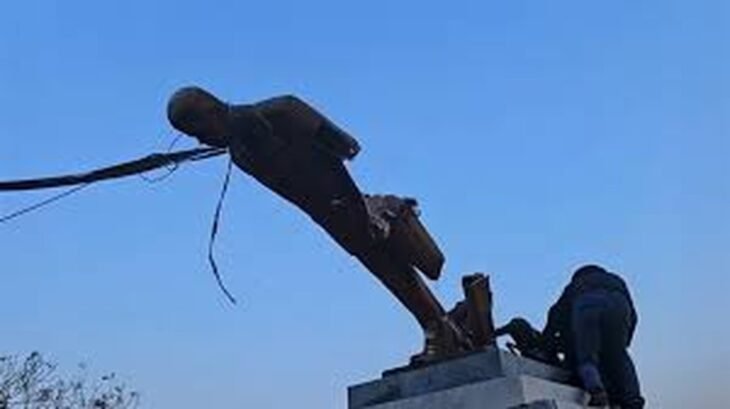
(a) When the U.S. and European soldiers rolling their tanks into the center of Baghdad, on April 9th, 2003, and hoisting the American flag on a statue of Saddam in Firdos Square, made the people in the region watched their television sets with disbelief and despair, and that moment reminded them with the defeat of the Byzantines in 1071, which was the impetus for the Crusades. It also reminded them with the defeat of the Ottoman empire at the gates of Vienna in 1683, which marked the beginning of the Western colonization of the Islamic countries.

(b) Another symbolism used by the Americans was on December 15, 2003, when the U.S. soldiers captured Saddam Hussein, his pictures deliberately beamed around the world, having his hair examined for lice, looking at his teeth, and a saliva DNA swab taken from his mouth were intended. All of these were intended by the Americans to destroy Saddam mystique and all fear surrounding him in Iraq and the rest of the Arab World.

(c) These humiliating and degrading treatments, in the eyes of the majority of the people in the region, even those Iraqis and others who hated Saddam and were happy for getting rid of him felt so sad and wished that his end was different than the way he was captured, some of them went even further by wishing that he had killed himself instead of giving up this way without a fight, the vast majority of the people in the region thought that way he surrendered humiliated all Arabs Muslims and non-Muslims in the region.

2. Another policy used by the American and the European politicians is what I will call “the right to use all means necessary to destroy your opponent.” For example, when the Israeli, on October 7th, 2023, flied their airplanes and rolled their tanks and marched their soldiers into the Gaza Strip, started destroying everything came their way and killing every human being they found regardless of his or her age or religion! their responses have been, Israel has “the right for selfdefense” and they vowed to stand by her all the time and gave her all the weapons it needed to accomplish its goals.

3. Another tool used by the American and the European politicians is the “politics of fear”. It has been used to scare and threaten any potential regional power (s) that might pose threat to Israel or their interests in the region. For instance, in 2003, when the US and the European states attacked Iraq, it drew an angry response in the Arab streets and in the whole region, and their first reaction was: “today is Iraq, tomorrow it will be the rest of the Arab countries.” The response by the American and the European politicians was using “more fear” as a political tool to accomplish their objectives.

This political tool (meaning the politics of fear) has been advocated by many thinkers in the United States, and especially by the Neo-conservatives during president Bush administration. Patrick J. Buchanan, an American conservative author and a formal political commentator and politician, in one of his articles entitled: “No End to War: the Frum-Perle prescription would ensnare America in endless conflict,” stated this way: “The neo-cons do not want to narrow our list of enemies, they do not want to confine America’s war to those who attacked us, they want to expand our list of enemies to include Israel’s enemies. They want to escalate and widen what Chris Matthews calls ‘the Firemen’s War’ into a war for hegemony in the Middle East.

They had hoped to exploit 9/11 to erect an empire, and as they see the vision vanish, their desperation knows no bounds”. In other words, the fear of everything will become American, has been advocated by many American pundits and politicians. For instance, Michael Wolff, a media columnist for New York magazine argued that: “It’s part of this enormous faith, this unquestioned faith, that when the people in the Middle East are introduced to American values and style, and look and feel, they will fall for it, … And it’s virtually unchallenged. It’s almost missionary-like”.

4. The US and the European politicians have also used the “Politics of Double-Standard” when it comes to the Palestian cause. For instance, the American and European politicians give direct and unconditioned support to Israel for self-defense and allow her to do whatever it pleases against the Palestinian people, whereas, they reject the right of the Palestinians for self-defense and standing against giving them their own independent state, and they consider every Palestinian freedom fighter as a terrorist and they believe that he must be killed.

5. Establishing “Token Institutions” to give a false impression and feeling that these something could be call “Arab World”?!!! One of these institutions is “The League of the Arab States”, which was established in Cairo on March 22, 1945. Since then, and for more than seventh-eight (78) years has accomplished nothing toward Arab unity, sadly, it is on the reverse, it has legitimized the major plans and policies of the “Great Powers”, and helping them to continue their hegemony in the region.

In short, it is a meaningless institution, which has cost the Arab people billions of US Dollar, on employees who have nothing and meaningless activities, and conducted numerous meetings resulting in “talk too much and say nothing.”

The Alternative I would argue that the Israeli war on Gaza should be considered an obvious evidence to declare the death of the Arab World, and therefore, it is time for all intellectuals and politicians in the region to start looking for new alternative to this dead idea. This new alternative should be simple and practical instrument to unite all peoples in the region on the bases of common denominators.

I believe that one simple and practical political umbrella that might unite the peoples in the region is what I would call “The Confederate States of the Middle East.” This new model will allow the five different and distinct sub-regions (namely, al-Maghreb, al-Neel, al-Mashreq, al-Khaleej, and Al-Janub) to cooperate closely and to give chance to all peoples to achieve their ultimate shared goal, which is “to be united in one nation.” And in order for this ultimate shared goal to be achieved, it has to be accomplished gradually and subsequent in two main and necessary stages as follows:

The First Stage The first step in this process is to encourage the individual states within the five different and distinct Sub-regions to work closely together to establish a strong and prosperous “Five Confederate of Sub-regions.”

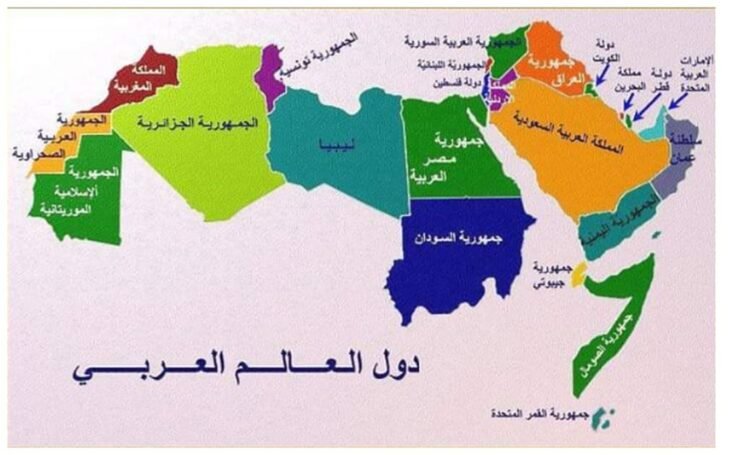
The following map illustrates these five sub-regions:

The Second Stage Once the first stage has been successfully accomplished, and the states within the five sub-regions are working and cooperating closely with each other, and are able to establish a strong and prosperous “Five Confederate of Sub-Regions.” Then, and only then, the five sub-regions can start working together to accomplish the second stage on the bases of common denominators to achieve their next common goal, which is to establish a strong and successful Confederacy.

By confederacy, here, I mean to establish an alliance between all five subregions in order to achieve unity, that will allow each member state to govern itself and at the same time to cooperate with others for achieving common objectives they could not achieve individually. In other words, confederacy is a union of sovereign states, rather than a strong central government.

***

Dr. Mohamed Berween – Emeritus Professor of Politics and Administration, Texas A&M International University, Laredo, Texas, USA

___________________

Assad’s Downfall Echoes Across the Mediterranean (2)

Frederic Wehrey

The hasty departure of Assad, who like the Libyan field marshal portrayed himself as a bulwark against Islamism and smeared his opponents as terrorists and jihadists, puts a dent in the narrative of strongman permanence—though Haftar’s other autocratic backers in the Arab world, Presidents Abdel Fattah al-Sisi in Cairo and Mohammed bin Zayed in Abu Dhabi, remain solidly in place.

Still, the upset in Syria could spur Haftar to reconstitute the logistical underpinnings of his criminal network, possibly working with exiled remnants of the Assad regime and affiliated gangsters, or double down on other streams of funding. It could also prompt him to pursue political realignments at home and abroad, especially as the position of one of his main foreign backers is coming under strain as well. Indeed, a second major consequence that Assad’s ouster could have in Libya relates to that backer, Russia.

The Russians played a major role in abetting Haftar’s rise to power starting in early 2014, supporting his military campaign in eastern Libya with technicians, advisors, intelligence support, propaganda, and by printing currency for his unrecognized government—even as it engaged with other Libyan players. With Haftar’s attack against the Tripoli government in 2019, Russia increased its footprint in Libya with the deployment of thousands of mercenaries from the Wagner Group (which has since been reconfigured), regular military personnel, aircraft, and air defense systems.

While Haftar’s bid for power failed due to Türkiye’s military intervention, Moscow quickly adapted, keeping much of its personnel and weaponry at key airbases near oil installations. And in recent years, in addition to its continuing support for Haftar, Russia has used Libya as a vital waystation for the shipment of personnel and hardware into the African states of the Sahel and beyond.

The fall of the Assad regime could jeopardize, or at the very least complicate, this supply route into Africa and, critically for Haftar, into eastern Libya. That is because much of it passed through Syria, especially through the Russian naval facility at Tartous and the Hmeimim airbase in Latakia.

The Kremlin has already taken steps to engage Syria’s new leadership on continued access to these facilities, yet the outcome of these negotiations is uncertain. Without the centralized, authoritarian Assad regime in place, maintaining Tartous and Hmeimim could prove costlier and more cumbersome for Moscow, especially as it contends with local opposition or fragilized logistics—all which could be felt by Haftar.

Faced with such uncertainties, Russia could decide to pressure Haftar for more permanent naval access to the eastern Libyan port of Tobruq, which has already served as a maritime node for flowing Russian materiel and personnel into Africa. But that is likely to incur even more pushback from NATO and the United States, making Haftar’s dilemma of balancing the demands of his patrons even starker.

Alternately, Russia could route its aerial shipments into Libyan bases it already controls. However, this option, too, is costly and, more importantly, requires overflight permission from Türkiye. Given the tensions between the two countries on several issues and, especially, the current understanding that exists between them in Libya, such goodwill from Ankara will almost certainly come with strings attached.

Indeed, whether and how Türkiye’s behavior in Libya changes because of the shift in the regional balance of power in its favor occasioned by Assad’s downfall is a third potential effect, and one that carries even more ambiguity.

After consolidating its entrenchment in northwestern Libya in 2020, the Turkish government of President Recep Tayyip Erdoğan did not confine itself to maintaining the flawed peace in and around the capital. Instead, it pursued economic objectives increasingly linked to eastern Libya—territory controlled by the very Haftar faction Ankara once fought during the war for Tripoli.

Since 2021, however, Türkiye has gone to great lengths to woo the Haftar family and its allies, opening a consulate on Haftar’s territory and securing numerous contracts for Turkish companies in cities such as Benghazi and Derna, where reconstruction unfolds under the family’s opaque oversight.

This trajectory underscores Türkiye’s unwavering focus on expanding its influence in eastern Libya. As demonstrated in Syria earlier this month, when Türkiye perceives an opportunity to enlarge its footprint, it moves swiftly and decisively—even if it means turning against Russia.

 One possible scenario is that the erosion or obstruction of Russia’s once-smooth corridor of aid to Haftar could embolden Libyan factions in the west who are aligned with Türkiye to challenge the eastern warlord’s position, since his ability to impose oil blockades and dictate terms to Tripoli’s government has rested partly on the deterrent effect of the Russian military apparatus.

If that backing is perceived to have slackened because of Moscow’s post-Assad recalibrations or redeployments, anti-Haftar groups might contemplate reclaiming critical oil infrastructure, calculating that the cost of confrontation is now lower.

Alternately, and more realistically, Türkiye could be encouraged to intensify its political and economic outreach to Haftar, seizing on the window of opportunity afforded by Russia’s preoccupation with the aftermath of Assad’s exit.

In pursuing such a path, Erdoğan would likely endeavor to keep Russia on the Libyan playing field, albeit in a diminished state, which would increase the Turkish leader’s value to NATO as an interlocutor and counterweight. For his part, Haftar could prove receptive to such overtures from Ankara.

This is especially true if he feels vulnerable domestically from the attenuation of the Syrian-Russian channel, and as he comes under pressure from the United States and European states not to grant more permanent basing to a Russia that is trying to regroup after the Syria debacle.

It is crucial not to frame Libya as wholly beholden to external dynamics, or to the policies of intervening foreign states. These have long included not only Russia and Türkiye but also the United Arab Emirates, Egypt, Qatar, the United States, and France. Still, the events unfolding this month in Syria, coming on top of the year-long war in Gaza, will likely resonate within Libyan society, where domestic political and armed group actors retain their own agency and matter significantly.

Although the revolutionary fervor that fueled the 2011 uprisings may appear dormant, it has not disappeared. Relatedly, the currents of political Islamism and jihadism, despite suffering a marked decline in recent years, still operate in the background—though political and armed mobilization in Libya has often occurred independently from these hazily-demarcated and often-misused categories.

It is important to recall the precedent of the hundreds of young Libyan men who went to Syria to fight at the height of the civil war, often mobilized by Islamist or jihadist networks, but inspired more deeply by sympathy for a revolutionary struggle against a brutal despot like the one they had overthrown at home. “We’d suffered, and we knew the Syrians were suffering too,” one of these militant volunteers told me.

It remains to be seen what sort of more substantial forms of solidarity or mobilization the remarkable victory of Hay’at Tahrir al-Sham and associated groups in Syria inspires in Libya, and how this will reverberate across Libya’s political landscape.

What is very possible is that Libya’s political standoff, which has prevented the country from moving beyond an unelected transitional executive and from bridging deep institutional divides, could in the not-to-distant future relapse into conflict.

This would happen not through sudden shifts in the regional balance of power alone, but through a confluence of these changes and a significant shock at home, such as a macroeconomic downturn, which could unravel the elite bargains that have ensured a tenuous stability over the past few years.

***

Frederic Wehrey – Senior Fellow, Middle East Program

_________________

Analysis on Libyan Oil and Gas Supply

Italy’s Strategic Role in

Mediterranean Energy

Italy is positioning itself as a central energy hub in the Mediterranean, a strategy underpinned by its continued reliance on Libyan oil and gas. According to a recent analytical note published by the Istituto Friedman, Italy stands to benefit from the vast untapped energy resources in Libya, despite the country’s ongoing instability and importance of Libyan energy supplies to Italy and the geopolitical challenges and opportunities these pose.

The National Oil Corporation (NOC) of Libya has made a significant announcement: approximately 70% of Libya’s territory remains unexplored for oil and gas resources, suggesting significant growth potential for the sector.

Libyan NOC Chairman Farhat Bengdara emphasized the corporation’s commitment to developing these resources through international partnerships. Libya already holds the largest proven oil reserves in Africa, with over 48 billion barrels of oil and significant natural gas reserves. Despite these rich resources, Libya remains a high-risk investment destination due to its unstable political and security situation.

The country, which fell into chaos after the 2011 NATO-backed revolution that overthrew leader Muammar Gaddafi, has been divided between two rival governments: one in the east and one in Tripoli in the west. In this context, Italy remains one of the primary international stakeholders in Libyan energy, importing substantial quantities of oil and gas despite the volatility of production levels.

Italy’s Energy Deal with Libya:

A Double-Edged Sword

The 2023 energy deal between Italy and Libya, worth $8 billion, has stirred considerable debate. Critics, including Libyan political figures and international energy experts, have raised concerns about the agreement’s legality and its long-term implications. Experts also pointed out that instability, rising domestic demand, and a lack of investment have seriously hampered Libya’s ability to meet foreign gas export needs.

The risks associated with the Libyan energy market have been highlighted in the wake of a five-week-old block resulting from a dispute over control of the Central Bank of Libya. This disruption has had a far-reaching impact, particularly on European energy markets.

A prolonged reduction in Libyan oil exports could force European stakeholders to reassess their strategic and contractual commitments. Another recent development has been the mobilization of militias in response to one Italian energy company’s exploration activities in the Hamada oil and gas field.

This incident underlines the risks posed by the ongoing instability in Libya, particularly for foreign investors. A Middle East expert, commented that the incident “highlights the growing risks for their investments in Libya.”

Despite these challenges, Italy is determined to maintain and expand its role as a key energy player in the Mediterranean region. The country already imports gas through three major pipelines from Azerbaijan, Libya, and Algeria, with additional plans for floating storage and regasification units to import more gas from Egypt and Israel.

As Europe seeks to diversify its energy sources, especially in the wake of the energy crisis exacerbated by the war in Ukraine, Italy’s strategic location as a Mediterranean energy hub becomes more significant. If countries like Germany decide to increase their imports from Mediterranean producers, Italy could play a crucial role in facilitating these exports, leveraging its infrastructure for storing and transiting natural gas via depleted reservoirs in the Po Valley.

However, Italy’s ambitions could face challenges from regional powers competing for influence in Libya’s energy sector. Countries like Turkey, France, and the United Arab Emirates have already made significant investments in Libya’s energy resources and could resist Italy’s increasing dominance in the region. As some European media outlets report , Italy is well aware of the potential risks, that’s why it took action in securing its oil operations.

The Friedman Institute’s analysis underscores the critical geopolitical role that Libya’s energy resources play in Italy’s energy future. Despite the instability and security risks that continue to plague Libya, the potential rewards for Italy are substantial. The country’s efforts to secure a central position in the Mediterranean energy landscape, coupled with Libya’s untapped resources, could help Italy diversify its energy supply and enhance its geopolitical influence.

____________________

Assad’s Downfall Echoes Across the Mediterranean (1)

Frederic Wehrey

In eastern Libya, Khalifa Haftar had close ties with the Syrian dictator, and has now lost a soulmate. 

In the wake of the momentous developments in Syria, Libya has inevitably been mentioned, though most often in the context of misinformed and inappropriate comparisons to its fracturing and descent into civil war following the 2011 overthrow of dictator Muammar Gadhafi.

What is missing in this commentary is an appreciation for how the fates of the two countries have been intertwined and shaped by similar forces in the decade since the Arab uprisings and, more importantly, how the recent, stunning collapse of Bashar al-Assad’s regime will affect the political, economic, and military standing of Libya’s factions.

Over the past few years, those Libyan factions have been locked in a stalemate that has kept their country largely free from major conflict, but that has depended largely on a modus vivendi between the two foreign powers with significant military forces on the ground—Russia and Türkiye.

Assad’s downfall, by changing the respective strategic positions of those powers in the region, and especially by complicating Moscow’s ability to channel fighters and weapons into Libya, could affect this fragile equilibrium.

Nowhere will the aftereffects be felt more acutely than in the eastern part of Libya. There, the largely autonomous and deeply repressive administration of militia commander Field Marshal Khalifa Haftar and his sons had long been bolstered, both directly and indirectly, by the Assad regime through a common ideology of authoritarian kleptocracy, networks of illicit businesses that enriched the two regimes, and mutual military aid from Russia.

Not long after he consolidated his rule in eastern Libya, following a bloody struggle for the city of Benghazi that lasted from 2014 to 2017, Haftar realized that Assad could provide both a template for political legitimacy and a source of military and economic support.

In 2020, Haftar’s eastern-based government reopened an embassy in Damascus with the encouragement and facilitation of his longtime political and military backer, the United Arab Emirates, which at the time was spearheading the Arab world’s rehabilitation of the Syrian dictator.

The symbolism of this move wasn’t lost on citizens in both countries. The post-2011 counterrevolutionary and anti-Islamist wave, led by Abu Dhabi and, to a lesser extent, Saudi Arabia, had prevailed and with it the narrative that only iron-fisted dictators such as Haftar and Assad could guarantee stability.

Concurrently, when Türkiye deployed thousands of Syrian mercenaries who had long fought the Assad regime to Tripoli and its environs—part of a broader military intervention to support the internationally recognized Libyan government which Haftar’s militia forces were trying to topple—Haftar turned to importing thousands of pro-Assad Syrian fighters, whose travel to Libya was facilitated and coordinated by Russia and authorized by the Syrian regime.

While the battlefield impact of these militants was ultimately minor, their arrival hastened a burgeoning logistical cooperation between Moscow and Damascus that manifested itself in more substantial military and economic support for Haftar’s regime, which persisted until the recent dramatic events in Syria.

Beyond politics and arms flows, eastern Libya has been tied to Syria through robust and intersecting networks of illicit trade, reflecting two extensive organized crime ecosystems whose connection benefited both sides.

For years, aircraft operated by Cham Wings Airline, a private Syrian carrier that has long supported the Assad regime by transporting cash, narcotics, materiel, and fighters, including Russian mercenaries, ferried irregular migrants from Bangladesh, Pakistan, Syria, Palestine, Egypt, and India into eastern Libya.

Here, their perilous journey onward across the Mediterranean toward Europe was facilitated and overseen by Haftar-linked militias, led by his most ambitious son Saddam, who reaped exorbitant profits from the business.

Despite various European Union deals with Haftar intended to curb human flows, the transfer of migrants courtesy of Cham Wings from Damascus through northeastern Libya remained uninterrupted. These commercial flights become integral to the Mediterranean’s human-smuggling industry—at times accounting for nearly half of all arrivals into the EU via Libya. This generated millions of dollars in annual revenue, with a chunk of the income accruing to the Haftars’ armed coalition.

In addition to human smuggling, Haftar’s rule in eastern Libya has also benefited from narcotics cooperation with Syria. Under Assad, Syria evolved into a multi-billion-dollar hub to produce Captagon, a synthetic amphetamine-type stimulant, which flooded Libya’s market through the Damascus–Benghazi corridor, enriching Saddam Haftar and his associates.

From Libya, these addictive, dangerous tablets, which are banned by many countries, spread further south and west, reaching Sudan, the Sahel, Algeria, and beyond. In parallel, the same Cham Wings flights were regularly employed to transport weapons sourced from Syria’s black market into Libya’s thriving arms trade.

A maritime route between the two countries also emerged, enabling a range of illicit shipments, including fuel smuggling—an activity that expanded markedly in eastern Libya over the last two years under Saddam Haftar’s authority.

A large portion of the fuel imported by Libya’s National Oil Corporation was illegally reexported, and some of it ultimately made its way to Syria. According to experts at The Sentry, an international investigative organization, the overall volume of illicit trade between Libya and Syria amounted to about $300 million in annual revenue.

A key node in all of these elements of the Syrian-Libyan organized crime pipeline was Maher al-Assad, Bashar al-Assad’s younger brother and commander of the Syrian Army’s elite Fourth Armored Division and Republican Guard, who oversaw production of Captagon and orchestrated money laundering operations that enriched core loyalists and helped the regime evade international sanctions. 

In March 2023, he flew to eastern Libya to meet with Saddam Haftar and discuss furthering their cooperation on illicit activities, highlighting the very personal and high-level ties that cemented Syrian regime support to Haftar’s rule.

The sudden disappearance of those linkages has thrust Haftar and his clan into new and uncomfortable territory. This is evidenced by the scant media coverage devoted to the events in Syria by Haftar-aligned media outlets and the absence of significant public reactions in eastern Libyan cities, which contrasted sharply with the noisy celebrations in the western cities of Misrata and Tripoli.

***

Frederic Wehrey – Senior Fellow, Middle East Program

________________

The Death of the “Arab World” (1)

Dr. Mohamed Berween

One might ask, what do we mean by the concept of the “Arab World?” How it came about, and what is its future? To answer these questions, let me look at it from three perspectives:

(1) Geographically

It straddles two continents, Asia and Africa. It consists of five distinct sub-regions:

(a) Al-Maghreb (or Northern Africa).

(b) Al-Neel (or the Nile River),

(c) Al-Mashreq (or the Levant),

(d) Al-Khaleej (or the Gulf), and

(e) Al-Janoob (or the Horn and East of Africa).

Within these five sub-regions there are twenty-two states as follows:

(1) Al-Maghreb states include Libya, Tunis, Alegria, Morocco, and Mauritania.

(2) Al-Neel states include Egypt and Sudan.

(3) Al-Mashreq states include Iraq, Syria, Lebanon, Jordan, and Palestine.

(4) Al-Khaleej states include Suadi Arabia, Yemen, Oman, United Arab Emirates, Qatar, Kuwait, and Bahran.

(5)Al-Janoob states include Djibouti, Somalia, and Comoros.

This huge region stretches across more than 13,000,000 square kilometers (or 5,000,000 square miles), it contains numerous raw materials needed for economic growth and development, and has more than one-fourth of the gas and oil reserves in the World.

(2) Demographically

It is a region of many people with extraordinary histories and cultures. Most of its inhabitants are Muslims and Arabs. The word Arab, here, is applied to all people in the region – Muslims, Christians and Jews who speak the Arabic language and identify themselves with the ways of life in the region.

Some of the inhabitants are descendants of linguistic and ethnic groups that pre-date the arrival of the Arabs to the region.

The Amazigh in North Africa, for instance, constitute roughly speaking between 15 and 30 million of the population of the regioni . They represent a significant portion of the populations of Algeria and Morocco, the vast majority of them are Muslims who prefer to speak their own language, preserve their own culture, and do not want to be called Arabs.

The ethnic and linguistic diversity of Sudan is also represented by more than 40 non-Arab ethnic groups and only about 60 percent of the Sudan population consider the Arabic language as its native tongue.

The vast majority of Kurds, in Iraq and Syria, are Muslims but not Arabs: In Iraq, they represent about 15%-20% of the populationii , and in Syria, the population of the Kurds represents about 3 to 5%iii .

In addition, there are other non-Arab groups in the region, such as, Turkmen and Assyrians (in Iraq and Syria); Armenians and Greeks (in Lebanon); Egyptians and Nubians (in Egypt); Circassian (in Jordan); blacks and Beja (in Sudan); Maur/black and Maur (in Mauritania); and othersiv ; Sharks, Turks, Tawariq, Tabou, and Greeks (in Libya).

(3) Politically

The concept of the Arab World was the main slogan used by the Arab nationalist movements in the second half of the 19th century to liberate the Arab people from the Ottoman Empire which was ruling the region at that time.

One might argue that this concept is an idea that was “born dead”, and from the get go, it was not intended by those who introduced it to be successful. It was just a “strategic designation” developed during the heyday of the British empire, to be used to kick out the Ottoman rule from the region.

It was a “misconceived idea” that never existed historically in the context that we know it nowadays. In other words, I would say that it was introduced to the Arab people, as a “feel good politics”.

Yes, throughout the region history, there have been Arab People all over the region, but they never constituted one united nation — from the Gulf states in the east to Morocco’s Atlantic coast in the west.

For instance, during the Ottoman rule which last for centuries, roughly from the 13th century until the World War I and the end of the Ottoman empire in 1924, the Kurdish area enjoyed a considerable amount of autonomy and the Kurdish princes had allied themselves with the Ottoman Sultan.

This political concept became popular during the heyday of the of the concept of the “Arab Nationalism”, which was a mere “Hypothetical intellectual concept”. It was a product of the colonization era and a resentment against Western occupation.

It went on to dominate the Arab politics from the First World War to the Arab defeat at the hands of Israel in 1967.

As a result of this unexpected humiliating defeat, Arab Nationalism lost its attractiveness in the Arab streets and became a mere political tool for the Arab dictators to legitimize their regimes, especially, the soldiers who came to power through coup de ta.

Some Facts and Incidents One could argue that the war on Gaza has approved a numerous ugly and sad facts, and shown clear incidents that reinforce the real American and European intent toward the Arab people.

The following are some of these facts and incidents:

First: The Palestinian people are, unfortunately, facing a barbaric and brutal Israeli aggression by themselves, while the vast majority of the Arabs people have failed miserably to support them, and more sadly, they have found that the Arab regimes secretly supporting and encouraging the Israeli to get rid of the freedom fighters. The following are quotes are just some of the reactions of the Arab Rulers to October 7th, 2023, as they were recalled by Bob Woodwrd, an American investigative journalist, in his book “War”, he stated that:

(1) When Blinken, Secretary of State of America, visited Jordanian King Abdullah II in Amman, on October 13, 2023, the king told him: “We told Israel not to do this, we told them not to trust Hamas, Hamas is the Muslim Brotherhood, Israel must defeat Hamas. We will not say this publicly, but we support the defeat of Hamas…”.

(2) When Blinken, visited Abu Dhabi and met with Mohammed bin Zayed, on October 14, 2023, he told him: “Hamas must be eliminated, we have repeatedly warned Israel that Hamas is the Muslim Brotherhood, we can give Israel time to eliminate Hamas, but it must first help us calm our citizens from the images of violence and destruction in Gaza, by bringing in aid, establishing safe zones, and controlling the violence of the settlers in the West Bank. Let it help us with our citizens and we will give it space, to eliminate Hamas“.

(3) When Blinken visited Riyadh and met first with Foreign Minister Prince Faisal bin Farhan Al Saud, on October 14, 2023, he told him: “Israel should not have trusted Hamas, and Netanyahu warned us repeatedly, Hamas is the Muslim Brotherhood”. … Then he continued by saying: “Terrorist groups are not only trying to eliminate Israel, but they want to overthrow other Arab leaders. …, and what comes after Hamas may be worse, …, and we will not pay a single dollar to rebuild Gaza after the chaos that Netanyahu created.”

(4) When Blinken met the Saudi Crown Prince Mohammed bin Salman, On October 15, 2023, he told him: “I want the problems caused by October 7th. to disappear. A Palestinian state must be established before normalization with Israel. I do not want that, but I need it to justify normalization …with Israel” (Woodward, 2024). So?!

***

Dr. Mohamed Berween – Emeritus Professor of Politics and Administration, Texas A&M International University, Laredo, Texas, USA

____________________

Could Syria Avoid a Repeat of the Libyan Disaster

Arezki Daoud

The North Africa Journal

What is happening in Syria cannot leave us insensitive to the plight of the Syrian people, who have endured decades of abuse from the Assad family and its cronies. From the father Hafad al-Assad to his son Bachar al-Assad, the Syrian people experienced some of the most brutal treatments in modern history. But as of this past Sunday, the Assad dynasty is done and over with and while I am rejoicing for the Syrian people for getting rid of a brutal regime, many observers, including myself, fear that the next two decades will be extremely hard on Syria, unless a miracle happens.

As of today, the Islamist-led coalition, Hayat Tahrir al-Sham (HTS), declared further consolidation of control in eastern Syria. HTS has named Mohammed al-Bashir, a former leader in Idlib, as Syria’s caretaker prime minister until March. Efforts are underway to stabilize the capital Damascus and HTS said it has seized Deir al-Zour.

The likelihood of a stable Syria is possible but unlikely given the geopolitics of the region. Somehow, a dreadful scenario that resembles that of Libya, but many times more severe, could take place. Externally, the country is surrounded by aggressive nations, from Turkey, Israel, Iran and the Gulf countries with their own conflicting agendas and perpetual feuds. Global powers also have conflicting agendas and are not likely to agree on a common strategy for Syria. And so Syria could now be the next Libya but on steroid.

Internally, the country has long been the victim of deep divisions, with feuding parties influenced by foreign interests. It does not require a savvy political analyst to conclude that Syria is on the break of a multi-decade upheaval.

With European leaders showing no capacity to positively influence global geopolitics, a Russia stuck in a costly war in Ukraine and an upcoming US president, Donald Trump, who has been advocating for more isolation for the US, the Syria crisis promises to blow up the entire region if it is not controlled immediately. And despite their extreme wealth, Gulf nations should be extremely concerned about their own regime survival as tensions in Syrian reach their peak.

On the ground, the entry of the rebels into Damascus accelerated the demise of the Assad regime, but it is also creating another cycle of a humanitarian crisis. While the Assad family finds shelter in Russia, hundreds of thousands of people fled the Syrian capital and other regions, in what promises to start another wave of displacements and mass migrations, likely to also affect the already destabilized neighboring countries like Lebanon, weak nations like Jordan and Iraq and Europe itself.

But is there any hope for Syria to stabilize? Well, we should hope that the exit of Assad could usher in a new era of stability, even if foreign nations would not likely allow such a thing to happen. Abu Mohammed al-Jawlani, the man who has led HTM to Damascus, is attempting to rebrand himself as a trustworthy dealmaker, distancing himself from the Jihadist ideology to a nationalist one. He told the media that all ethnic groups in Syria should be protected. The Western media now says he is a hero. But will his rehabilitation by the West translate into stability in Syria? Only time will tell.

For many analysts, the lightning speed of the anti-Assad offensive led by the HTS is suspicious, arguing that it may have been part of a grand scheme to reshuffle the deck in the region. They believe there is a strong likelihood that some deal involving key foreign powers active in the region was reached to remove the Assad clan and send it to Russia. This is because all of a sudden, al-Jawlani became accepted and acceptable to the very western media that vilified him for years and labeled him a terrorist. The HTS fast offensive, they say, could align with broader geopolitical agendas, such as shifting alliances, or strategic repositioning by regional or global powers. But without explicit evidence or credible reports, this remains conjectural for the time being.

For now, though, HTS is signaling its willingness to play by the book and be more constructive. Al-Jawlani is following the same playbook, seeking to reassure the Syrian people and the international community by insisting that “the country is not ready for another war.” In his first statement in Al Jazeera, the man picked to lead the transition, Mohammad al-Bashir, has been promising to restore stability and Syrians’ “confidence in their institutions”. He assured that the interim government will strive to maintain the continuity of institutions and avoid the disintegration of the state. “It is time for the Syrian people to regain calm and stability,” he said.
Following those moves, US Secretary of State, Antony Blinken, has pledged to support a future inclusive government, while the European Union has warned of future challenges, hoping to avoid the mistakes of transitions in Iraq, Libya, or Afghanistan.

Among some of the most significant moments of this event was the release of the prisoners held by the Assad regime in the Saydnaya prison. Thousands of prisoners had disappeared, and Syrians are trying to find lost relatives in a prison system marked by decades of brutal repression. Rights activists estimate the number of people who were killed inside Syrian prisons to exceed 100,000.

While the HTS offensive appears to signal some hope for a stable Syria, the geopolitics of the region suggests that the country is not likely to experience the stability needed to bring normalcy any time soon. Syria’s neighbors have long been on a war path for one reason or another, and they will play a significant role in shaping the future of Syria.

Obviously, Iran is the country that the west tends to single out as the most disruptive one with its backing of the Assad regime. Iran has been supporting the Assad regime politically, militarily, and economically. So it is normal that the fall of the regime would be a significant geopolitical setback for Iran. Teheran has been using Damascus to secure regional influence in countering U.S., Israeli, and Saudi influence in the Middle East. Iran’s routes and supply chain system used to channel weapons and personnel to its proxies are now deeply disrupted, a situation that will also affect Hezbollah. Iran has long sought to prevent the dominance of Sunni powerhouses Saudi Arabia and Turkey in the region, but the fall of Damascus means these two regional powers will benefit from these events.

Russia, although not neighboring Syria, has been a major source of support to Assad and holds many levers needed to stabilize the country.

Israel has been carrying out air strikes in Syria, saying it wants to prevent the military sites from falling into the hands of terrorist elements. News sources say Israel conducted 350 airstrikes since Sunday, targeting weapons sites and destroying Syria’s naval capabilities. The Israeli army has also positioned itself in the buffer zone of the Golan to establish a secure area, a situation that promises to create more tensions when the dust on Damascus settles.

Turkey has been extremely active in Syria and will remain so primarily to prevent the establishment of an autonomous Kurdish region along its southern border, fearing it could embolden Kurdish separatism within Turkey. Turkey has been working to crush the Syrian Democratic Forces (SDF), dominated by the YPG (People’s Protection Units), which Turkey considers a terrorist organization linked to the PKK (Kurdistan Workers’ Party). While Turkey officially designates HTS as a terrorist organization due to its origins in Jabhat al-Nusra, a former al-Qaeda affiliate, in practice, it tolerated its dominance in Idlib province, as part of its strategy to counter Syrian government forces. Now with HTS in Damascus, Turkey will want to influence any political settlement that would favor a government that limits Kurdish autonomy and counters the influence of rivals like Iran.

Where things get complex, despite backing opposing sides, Turkey and Russia have also been cooperating through diplomatic frameworks like the Astana Process. They have brokered agreements to manage tensions and avoid direct confrontation. On one hand, they compete, on the other, they cooperate. This is while the United States supports the Kurds of the SDF/YPG because they fight against ISIS. And of course the Gulf countries, each with their own agendas.

What’s ahead is a lot of uncertainty, and so while there is hope of bringing peace in the country, the most likely scenario at this stage is that Syria could be shredded into pieces. If that’s the case, watch how the crisis in Lebanon would further deepen. Lebanon is stuck between its southern border with Israel and now its northern border with Syria. The country borders a Sunni region in the north where some of the inhabitants sympathize with the Syrian rebel and the jihadist movements. But further south, it borders a region with a Shiite majority loyal to Hezbollah and Iran, which fought alongside the Syrian army. That’s guaranteed to rekindling tensions between Sunnis and Shiites in Lebanon.

In this unfolding drama, Libya or even Yemen may be templates of what Syria could become. The Gaddafi regime was toppled in 2011 and the country is still in deep trouble, 13 years later, without any sign of things getting better. All ethno-religious groups are expected to move to their corners and get ready to engage in an existential fight. The Kurds will retreat into their own state. The Alawites, who form the core support system of the al-Assad regime, will feel under siege and will hurdle in the coastal areas. The Druze will confine themselves into their mountainous southern regions. And then there are the multiple jihadist groups, from Daesh and ISIS.

______________________

What happened after Gaddafi fell in Libya in 2011 is a terrible warning from history

MARK ALMOND

By the end, the psychopathic dictator Bashar al-Assad was everybody’s enemy. His hardcore supporters who haven’t managed to flee the country will be doing all they can to distance themselves from his toppled regime and the rest of Syria will be partying riotously.

Rebel leader Abu Mohammed al-Jolani has tried to keep things calm, ordering his fighters not to celebrate by loosing bursts of automatic fire into the air. But as Assad’s palaces, the properties of cronies and the Iranian embassy were looted, that command has been frequently disregarded.

Once the party is over, though, Syria will suffer a hangover that could well last for years. All too often, the fall of a Middle Eastern strongman is followed not by stability but anarchy. The lawlessness and infighting that came in the wake of the 2011 overthrow of Colonel Gaddafi in Libya, for instance, is a terrible warning from history. 

Jolani heads a small army of no more than 20,000 soldiers. They are heavily armed, fanatically motivated and highly experienced, the veterans of battles against many foes, from Assad’s army to the Islamic State, Russia and the US. What they have achieved in a very short space of time – dislodging a deep-rooted regime and taking control of all Syria’s major cities, including now Damascus – is testimony to their remarkable discipline and organisation.

But it is one thing to oust a dictator, quite another to maintain a grip on power. Even after waves of civil war and an exodus of refugees, Syria’s population is close to 20 million – a thousand times larger than Jolani’s army. And it has one of the world’s biggest stockpiles of weapons, amassed not only by Assad but by many rebel factions and even civilians. It’s no exaggeration to say that guns in Syria are more commonplace than umbrellas in England.

More worrying still are the arsenals of artillery, mortars, rockets and even chemical weapons. Israel carried out numerous air strikes on ammunition and weapons depots in Syria over the weekend in a bid to stop them falling into enemy hands, but it will not have destroyed them all. Jolani has sought to present himself as a moderate, courting Western governments and media, and even speaking to the Israeli press.

As far as the outside world is concerned, his brand is anti-Iran, anti-Hezbollah and anti-terrorism. But having laid his hands on power, at the cost of so much blood, he will find it hard to become a conventional politician. He might want peace, but the warriors who back him do not. They have fought in extreme conditions against the heaviest odds for many years. After all the sacrifices they have made, they do not think in terms of truces and tolerance.

So many factions will be competing for influence in Syria’s future, many of them from opposing ideologies and religions, that prolonged internal unrest looks inevitable. Jolani commands Hayat Tahrir al-Sham (HTS), the Organisation for the Liberation of the Levant, which grew out of the Al Qaeda-linked Front for the Conquest of the Levant.

Meanwhile, Turkey’s president Recep Tayyip Erdogan is backing the Syrian National Army – which used to be called the Free Syrian Army – to repress the Syrian Democratic Forces, drawn from the Kurdish people straddling the border. Then there is, of course, Islamic State and various Druze militias, including the Men Of Dignity Movement and Mountain Brigade Gathering.

All this may have grim echoes of Monty Python’s Life Of Brian and the endless variations on the People’s Front Of Judea, but infighting among these groups can make life a misery for locals. For Western Europe, the immediate fear is two-fold: terrorism and organised crime. No one knows how many foreign jihadis are in Syria, mercenaries driven by fanatical Islamism rather than money. 

Some come from former Soviet republics such as Turkmenistan and Uzbekistan, others from China and Afghanistan, but most are from Muslim areas of Russia: Chechnya and Dagestan. Unlike Then there is, of course, Islamic State and various Druze militias, including the Men Of Dignity Movement and Mountain Brigade Gathering.

All this may have grim echoes of Monty Python’s Life Of Brian and the endless variations on the People’s Front Of Judea, but infighting among these groups can make life a misery for locals. For Western Europe, the immediate fear is two-fold: terrorism and organised crime. No one knows how many foreign jihadis are in Syria, mercenaries driven by fanatical Islamism rather than money.

Some come from former Soviet republics such as Turkmenistan and Uzbekistan, others from China and Afghanistan, but most are from Muslim areas of Russia: Chechnya and Dagestan. Unlike Jolani, their ambitions go beyond deposing Assad. Indeed, some are already talking about taking the fight eastward to China.

As Jolani may be looking for powers such as China to support his government at international forums like the UN in the months and years to come, he may well want to get rid of his lunatic fringe. If they are expelled, some are likely to head for Britain and the EU, where they will try to continue their war against Western civilisation.

Jolani, their ambitions go beyond deposing Assad. Indeed, some are already talking about taking the fight eastward to China. As Jolani may be looking for powers such as China to support his government at international forums like the UN in the months and years to come, he may well want to get rid of his lunatic fringe.

If they are expelled, some are likely to head for Britain and the EU, where they will try to continue their war against Western civilisation. Syria is also a major source of drugs to the Middle East and increasingly to the West, and whoever gains control of the trade in narcotics – a business once run by Assad’s younger brother Maher – will have a major stake in Europe’s illegal drugs market, which is often supplied via refugee routes. The combination of several-sided power struggle and organised crime means that Syria’s chaos will soon spread beyond its borders.

***

Mark Almond is director of the Crisis Research Institute in Oxford 

_____________

Why Is Russia Expanding Its Military Presence In Libya?

Miral Sabry AlAshry

The Telegraph’s analysis of air bases in Libya reveals the presence of military transport aircraft, updated runways, reinforced perimeter defenses, and new buildings. Russia is now landing military aircraft in Libya on newly refurbished runways as part of its rapid expansion in Africa.

The analysis conducted by The Telegraph at three Libyan air bases indicates the presence of Russian military transport aircraft, updated runways, reinforced perimeter defenses, and newly constructed buildings. Russia’s military presence in Libya is growing significantly due to the developing partnership between General Khalifa Haftar, who commands the eastern and southern regions of the country, and the Russian president.

The refurbishment of the airstrip has enhanced the base’s ability to efficiently receive and launch military aircraft. Russian air operations are ongoing at the Brak al-Shati and al-Jufra bases, with satellite imagery showing active aircraft movements and frequent operations, suggesting a continuous transfer of supplies.

The al-Qardabiya base is currently undergoing extensive renovations, including runway improvements and reinforced defenses, indicating a strategic move to expand and strengthen its defensive capabilities. Libya serves as a pivotal location for Russia’s expanding operations in Africa, opening up opportunities for further access to countries such as Sudan, Mali, Chad, and the Central African Republic.

By establishing military control in Libya, Russia can extend its sphere of influence from the eastern Mediterranean, where it already holds coastal positions in Syria, to the southern Mediterranean through Libya.

Diplomatic relations between Moscow and Tripoli began on September 4, 1955. In December 1991, when Libya announced its official recognition of Russia after the collapse of the Soviet Union, relations began to develop after Muammar Gaddafi took power. Relations were based on establishing projects in late 1990, and political contacts between the two countries became active.

Gaddafi visited the Russian Federation in 2000 and 2001. Relations developed in April 2004 with Saif al-Islam Gaddafi. On October 31, 2008, the first visit of the leader of the Libyan revolution, Muammar Gaddafi, to Moscow took place to conclude an agreement between the Russian and Libyan governments in the field of using nuclear energy and establishing a joint bank.

Russia’s position emerged after the February 17 revolution, as the Russian Foreign Ministry called on all parties in Libya to find a peaceful solution through national dialogue to put an end to the violence. Russia also criticized the military intervention led by NATO in the Libyan civil war, although it chose not to use its veto in the UN Security Council to prevent this.

The Russian Foreign Ministry announced on September 1, 2011, that Moscow recognized the Libyan National Transitional Council as the current authority in the country.

Legal contracts and agreements began, such as signing the agreement on trade, economic, scientific and technical cooperation and the agreement to form a bilateral government committee on trade, economic, scientific and technical cooperation, and they cooperated in the field of oil and gas, while military cooperation came after the revolution.

Alexander Fomin, head of the Russian Federal Service for Military-Technical Cooperation, announced on June 27, 2012, that Russia is counting on resuming the supply of weapons and military equipment to Libya and other countries with which military-technical cooperation was interrupted due to the deterioration of the political situation there.

Tripoli – The strengthening of military cooperation between the Libyan National Army, led by Field Marshal Khalifa Haftar, and Russia raises great American and Western concerns about the penetration of Russian influence in North Africa, in particular, and the conclusion of joint military agreements, as well as talk about Moscow’s intention to establish a naval base in the east of the country.

Russia has intervened in the Libyan crisis for years, as it supported the Libyan National Army forces in the fight against the National Accord forces, a support that raised Washington’s concerns and was among the reasons that thwarted efforts to control the capital, Tripoli, and liberate the western region from the influence and dominance of the militias.

Wagner elements, whose numbers range between 2,000 and 2,500, are stationed in several military sites in Libya. Russia established a military naval base in Libya, which has raised concerns in the West.

Russia is providing expertise to strengthen the sovereignty and independence of the Libyan state and its armed forces.

Within the framework of this cooperation, 250 students and officers were sent to study in military academies in the Russian Federation, including 100 students and officers in Russian naval academies.

Russia has bolstered its military presence in Libya by incorporating the Wagner paramilitary forces into a broader strategy. Moscow aims to create a more open defense industry with the Libyan parties as part of a plan to destabilize the southern wing of NATO.

Washington emphasizes its efforts to enhance military cooperation with Libya to combat terrorism, organized crime, and smuggling. A military expert close to the situation commented on these developments, stating, “Russian moves indicate a long-term strategy to strengthen Russian influence in the region, focusing on developing crucial air capabilities for military and geopolitical balance. Renovation operations at Russian air bases like Brak al-Shati and Jufra are key in maintaining Russian logistical operations and their role in the Libyan military scene.”

Russia has strategically utilized Libya as a new location, taking advantage of governance issues and corruption. Satellite images, local investigations, and interviews reveal Russian forces upgrading facilities at the Brak al-Shatti military base. Russian military planes have been landing at Brak and making maritime deliveries through the port of Tobruk. The European Council on Foreign Relations estimates thousands of tonnes of weapons have been delivered to the al-Jufra facility.

Russian forces have fortified the al-Qardabiyah air base, revamping runways, and enhancing perimeter defenses. They also train Gen Haftar’s forces at the base. Russian troop numbers, which peaked at 3,000 in 2020, are now around 2,000 personnel, with a return to previous levels expected.

Ultimately, Russia stands to gain significant military cooperation, political power, status, and recognition through engagement in Libya, increasing their overall strength.

***

Prof. Miral Sabry AlAshry is Co-lead for the Middle East and North Africa (MENA) at the Centre for Freedom of the Media, the Department of Journalism Studies at the University of Sheffield.

____________________

In Benghazi as in Aleppo?

Mauro Indelicato

In the intricate tangle of the Middle East, every event risks affecting the balance of neighboring countries and beyond . The advance of Islamist factions and their spread throughout the central-northern area of ​​Syria could have important repercussions in all other delicate scenarios in the region. Starting with Libya , a country that entered a state of latent war in the same year as Syria, that is, in 2011, characterized by the heavy wind of the Arab Spring.

Haftar fears repeat of Syrian scenario

The advance of anti-government militias is not only a hard blow for Syrian President Bashar Al Assad, whose permanence in power appears increasingly in the balance. On the contrary, it also represents a very serious problem for Russian interests in the region . After all, Russia’s entry into the Syrian quagmire, which occurred in 2015, was mainly due to the defense of the naval base of Tartus , which has long been a key outpost in the Mediterranean for Moscow.

“In Benghazi,” a diplomatic source told InsideOver, “they didn’t sit back and watch: if a Russian base in Syria can fall, a Russian base in Libya can suffer the same fate .” And in fact, Cyrenaica has been an important hub for the Kremlin for at least eight years. Here, in the territory dominated by General Khalifa Haftar and his Libyan National Army ( LNA ), many now fear a domino effect: “The general’s real fear,” the source continued, “is that Moscow’s allies in the region will be perceived as weak or expendable .” And in the Middle East, being perceived as weak means being perceived as easily attackable targets.

The moves of the strongman of Cyrenaica

For Assad, however, the last word has not been said and the retreats from Aleppo and Hama could be a prelude to a possible counterattack. At the same time, therefore, even for the Russian bases in Syria the fate is far from being sealed: “Haftar, however – the source wanted to reiterate – can see very far and knows that, if the message were to get through that he has the Russians as his only protectors, his dominion in Cyrenaica would be called into question”.

This explains the rapprochement, already highlighted in recent days on InsideOver , between very close members of Haftar’s entourage and some Turkish officials. In particular, between October and November photos appeared that portray, inside the Benghazi headquarters of the LNA, officials and envoys from Ankara in conversation with collaborators of Haftar. While one of the general’s sons, Saddam Haftar, was among the guests of the Saha Expo 2024 , the event dedicated to Defense that takes place annually in Istanbul.

Signals that suggest that, in Benghazi, a deep destabilization of the local framework has been feared for some time. With Haftar who, regardless of the outcome of the Syrian conflict and whether Assad holds firm or not, has a desperate need to diversify his allies, especially on the military front.

______________________

Weapons From Libyan Stockpiles Flow To Terror Groups In Nigeria

Africa Defense Forum

Terrorists that plague northern Nigeria are arming themselves with weapons that originated in Libya, according to Nigerian defense officials.

Weapons traffickers in Nigeria are benefitting from instability across the Sahel, particularly in Niger, which has become a key transit point for weapons taken from Libyan stockpiles. Those weapons have moved into other Sahel countries as well as Nigeria, according to the Small Arms Survey.

“When we talk about the proliferation of arms, first, you have to look at what happened in Libya years ago and in the Sahel,” Nigerian Maj. Gen. Edward Buba said during a recent briefing. “Now, this gave the opportunity for arms to get into the wrong hands and then filtered into our country, which worsened the issue of insurgency and terrorism that we were faced with in the country.”

In late October, Nigeria’s National Centre for the Control of Small Arms and Light Weapons destroyed 2,400 weapons confiscated from criminals across the country. Johnson Kokumo, the center’s director-general, said Nigeria would not tolerate the illegal trafficking of weapons into the country.

“These frameworks underscore the importance of transparent documentation and the responsible disposal of recovered arms, ensuring that they do not find their way back into the hands of criminal elements,” Kokumo said during the destruction ceremony in Abuja.

The volume of illicit weapons into Nigeria has been described as “like rice on the market,” with much of that traffic being traced back to Libya.

“This unlimited and unchecked proliferation of illegal arms has reached an epidemic level in Nigeria in recent times with attendant national security implications,” analyst Dakuku Peterside wrote for The Cable. The flow of weapons contributes to violence, crime and insecurity in the country.

The 2011 collapse of the Libyan government under former dictator Moammar Gadhafi left the country’s massive weapons arsenals largely unguarded. The United Nations estimated in 2020 that Libya had as much as 200,000 tons of weapons at the time of its collapse. The subsequent civil wars made the security of Libya’s weapons stockpiles even worse.

“Those weapons were sitting virtually unguarded, destined for markets in the Sahel down south,” Defense News Nigeria wrote on X. “At the apex of its power the Boko Haram campaign was being fueled by large scale heavy weapons supplies from [Gadhafi’s] looted vast arms stockpile.”

Beyond its own stockpiles, Libya has also become a source of foreign weapons — many of them made in Russia and brought to the country by mercenaries connected to the former Wagner Group, now known as Africa Corps. Russia also uses Libyan ports to supply weapons to military juntas ruling Burkina Faso, Mali and Niger.

Many of those weapons ultimately end up in the hands of terrorists in northern Nigeria, threatening civilians and Soldiers alike. Experts say terrorists have also captured weapons during raids on military outposts.

In 2020, the Small Arms Survey estimated that Nigeria had 6.2 million small arms in the hands of civilians compared to about 580,000 in the hands of security forces. The presence of illicit weapons creates a vicious cycle of instability as local communities arm themselves to defend against terrorists and criminals, according to experts. That’s especially true in communities that feel ignored or overlooked by government security forces.

“Surging illicit arms flows have increased the availability of firearms in many communities,” researchers with the Small Arms Survey wrote in a study. “Formerly low-level local conflicts thus risk violent escalation as traditional weapons — or, indeed, peaceful means of dispute settlement — are replaced with modern firearms.”

_____________________
Russia in the Middle East and North Africa—Disrupting Washington’s Influence and Redefining Moscow’s Global Role

Amr Hamzawy

The agency of MENA states and nonstate actors and their multilayered interactions with the United States, China, Russia, and the EU have helped shape the complex outcomes of the great power competition.

Introduction

Faced with various threats and conflicts ranging from the persistence of the Israeli-Palestinian conflict and the danger of a wider regional war to the rise of nonstate actors that systematically use violence in internal and external conflicts, today’s Middle Eastern and North African (MENA) countries are drawing in China and Russia to compete with the United States over military presence, arms sales, energy and trade ties, and security roles. At the same time, most European Union (EU) member states have come to define their roles as allies of the United States and to focus their policies on trade and immigration questions. The resulting regional environment is characterized by greater agency for MENA states and nonstate actors.

On the one hand, the geostrategic and energy significance of the MENA region, the risks the region poses to global security, its economic opportunities, and young populations have drawn all great powers to its shores in search of political influence and trade and investment opportunities, as well as to protect security interests. Outcomes have varied across the Middle East and North Africa, creating a complex influence map that does not lend itself to sweeping generalizations. On the other hand, the agency of MENA states and nonstate actors and their multilayered interactions with the United States, China, Russia, and the EU have helped shape the complex outcomes of the great power competition. Analyzing the minutiae of those multilayered interactions and examining the nature and impact of regional agency are the core tasks of this research project.

The United States, China, Russia, and the EU have core interests in the MENA region. The United States has always worked to safeguard Israel’s security and to maintain a degree of regional stability. China has grown increasingly preoccupied with securing energy supplies coming from the Gulf while still freeriding on the U.S. role to ensure the flow of energy and trade out of the region and across it. Since the decline in its regional role following the 1991 collapse of the Soviet Union, Russia has been deeply invested in protecting its few remaining allies in the region and in disrupting the United States-led regional security arrangements. EU member states want to secure their trade and investment strongholds in the MENA region as well as contain migration from the region to the northern shores of the Mediterranean. 

In recent years, following much talk in U.S. policy circles about the pivot to Asia and the low return on America’s continued involvement in the MENA region, conventional wisdom in Washington has often described recent U.S. Middle East posturing as signaling retreat or withdrawal, while still remaining wary of how China or Russia may take advantage of the “vacuum” left behind and of a declining EU role as a result. The 2023 Beijing-brokered détente between Iran and Saudi Arabia is often waved as sweeping evidence. However, realities on the ground, not only in the aftermath of the October 7, 2023, attacks on Israel and the ensuing Gaza War, reveal the need for a more nuanced analysis, as different engagement patterns and interactions between the great powers and MENA state and nonstate actors have emerged.

Russia and Other Great Powers in

the MENA Region 

During a one-year pilot project, the Middle East Program (MEP) at the Carnegie Endowment for International Peace produced an interactive database that tracks and analyzes how the United States, China, and Russia assert their influence in the realms of economy, security, and diplomacy in the MENA region. The data, provided on a country-by-country basis, are intended to shed light on broad trends and show how each of the great powers engages in the region. Within the database, we identify trade, foreign direct investment (FDI), arms exports, and military deployment as four indicators to show trends of engagement with each subregion. Despite the perception that U.S. power is declining in the Middle East and North Africa, the data show that is not the case: the reality is much more nuanced. 

Our analysis revealed that American hegemony has been reinforced through a regional network of military bases, security guarantees, and widespread diplomatic and cultural influence. In a similar vein, China’s global rise is also evident in the MENA region through their trade, technology, economic, and diplomatic ties. In recent years, the industrial and trade giant has advanced to become a big player in regional politics, leveraging its strong ties with most Arab countries, Israel, Türkiye, and Iran. Russia, traditionally an influential power in parts of the Middle East and North Africa, has made a geostrategic comeback in recent years. Although Russian trade, FDI, arms exports, and military deployments have remained relatively low in the MENA region compared to those of the United States and China, Russian policies have nonetheless shaped geostrategic realities, particularly in Syria, Libya, and more recently Sudan.

In this compilation, MEP scholars together with Carnegie experts from across its global institutions and external contributors delve deeper into Russian policies in the MENA region. Their pieces cover the historical evolution of Russia’s foray to the region in the second half of the twentieth century, similarities and differences between past (Soviet) and present policies, and the role arms sales and trade relations play in shaping Russia’s role in the Levant, the Gulf, Egypt, and North Africa. They also address the strategic framing of Russian policies in the MENA region and how they relate to Moscow’s global competition with the United States and its quest for a great power role.

Forward Looking Research

Moving forward, MEP scholars, in a series of papers slated to be published in 2025, will examine how the competition between the great powers in the MENA region is affecting the foreign policies of major regional states and the ways in which countries such as Saudi Arabia, Egypt, Israel, Iran, Türkiye, and the United Arab Emirates leverage their strategic assets to address their security and developmental needs in a geopolitical environment shaped by threats, risks, and opportunities.

In this new phase of our research, we will include the European Union (EU) as a great power alongside the United States, China, and Russia. Although its member states lack a unified policy towards the MENA region, the EU has been a key trade, security, and diplomatic partner for MENA countries and occasionally influenced the outcomes of regional conflicts and crises.

MEP scholars will investigate how interactions between the great powers and key regional states and nonstate actors are changing geopolitical realities in the region and facing existing security arrangements and conflict resolution schemes with new challenges that need to be understood, analyzed, and addressed. We believe that short of doing this, the fragile peace in some parts of the Middle East and North Africa will be difficult to preserve and ongoing conflicts in many parts may spiral more out of control.

We will ask how the great power competition is affecting the foreign policies of key regional states, how nonstate and substate actors are responding to the geopolitical shifts wrought by regional and global events such as the ongoing wars in Gaza and Ukraine, and how U.S., Chinese, Russian, and European policies are impacting societal views of the great powers in the MENA region. We also address other key questions such as how regional states and nonstate actors are reconfiguring their policies to consider the great power competition, and how Middle Eastern and North African public opinion trends change vis-à-vis the great powers, and what impacts do these shifts and changes have on the soft power of the United States, China, Russia, and the EU.

Our goal is to increase knowledge of relevant security policy issues, including conventional, nonconventional, and hybrid threats and challenges, with a view toward improving inclusion, good governance, and bolstering the resilience of the MENA region’s most vulnerable citizens. We aim to offer sound policy analyses and prescriptions that can help preempt geopolitical conflict and improve the quality of life of citizens.

_________________________

LIBYA’S PUBLIC EMPLOYMENT CRISIS (6)

Jalel Harchaoui and Colin Powers

CONCLUSIONS AND

RECOMMENDATIONS

Libya’s public sector, since the 1970s a cornerstone of the national development model and primary channel for redistributing oil wealth, is today struggling to fulfill its historic functions. It is not only failing to deliver quality services and output growth—it also performs poorly as a distributive mechanism, excluding the young and those in peripheral areas while leaving many of those fortunate enough to have a public job unable to cover their bills.

At this stage, a holistic restructuring has become necessary. This should commence with a redefinition of mission. Rather than treat the public sector as a distributive mechanism—it has, at this stage, proven a relatively ineffective one—restructuring should prioritize commitments to performance: Enhancing the quality of public services and the commercial performance of state-owned enterprises need be elevated as primary objectives.

Amongst other things, reform will entail the adoption of meritocratic hiring and promotion practices along with the upgrading of compensation packages for public servants. By definition, it will also entail ending existing arrangements that have allowed political elites to use public sector jobs as a means for purchasing loyalty and building personal power. Success on any of these fronts will assume the advance of genuinely democratic governance.

Without transparency in the conduct of government business and public control of decision making, addressing the corruption that presently corrodes Libya’s public sector will be impossible. Naturally, ending state and institutional partition is sine qua non of reform, too.

So to ensure that the shift in public sector mission does not create adverse social effects, the development of alternative income and wealth distribution mechanisms will be essential. Policies like a universal basic income should be considered, and the state’s role as creditor and investor to local businesses and social ventures should be scaled up.

The state’s presence as a service provider, creditor, and investor must be expanded in peripheral areas of the country especially. Deepening the public health and educational infrastructure in these spaces—and therefore training and hiring more doctors, teachers, social workers, and administrators—should not be foregone simply because of the bloat of the public sector.

To grow demand in the labor market (and thereby reduce reliance on public sector opportunities), efforts to further develop the private sector should also be undertaken. Reforming the legal and regulatory environment will be key, as will buttressing the judicial system. Finding ways to allocate capital resources to small and medium-sized enterprises which can service local markets, particularly in peripheral areas, should be considered a priority.

So too the development of large, export-oriented manufacturing firms: these firms are essential not only for driving labor demand, but for facilitating productivity gains and technological transfer. Lastly, given the recent record, all outsourcing and privatization strategies involving stateowned enterprises should be reassessed, and existing arrangements be subjected to public scrutiny.

In Libya as anywhere else, reforming the public sector and the wider economy will always be matters of politics. Any hope for change ultimately hinges on resolving state partition, challenging the dominance of armed actors and self-serving elites, enhancing transparency, and establishing a truly democratic system with regular pluralistic elections.

As such, the international community clearly has a big role to play going forward: It must actively support a democratic transition, and it must be far less complacent in the face of the large-scale economic crimes committed by Libya’s incumbent rulers. While the current political landscape makes enacting changes difficult, it is the only way to ensure a sustainable future for the majority of Libyans.

******

A holistic restructuring of the Libyan public sector is essential, beginning with a redefinition of its mission.

Rather than treating the public sector primarily as a distributive mechanism, the focus should shift towards enhancing performance and improving the quality of public services.

Elevating the commercial performance of state-owned enterprises must be prioritized as a core objective.

Public sector reform should include the implementation of meritocratic hiring and promotion practices, as well as the upgrading of compensation packages for public servants.

Furthermore, it must end the current arrangements that enable political elites to exploit public sector jobs for purchasing loyalty and consolidating personal power.

A key condition for successful reform is the establishment of democratic governance and transparency.

Additionally, reforming the legal and regulatory environment to support private sector employment is essential for creating decent work opportunities.

In particular, small and medium-sized enterprises in peripheral areas should be actively promoted.

To ensure that the shift in the public sector’s mission does not result in adverse social effects, developing alternative mechanisms for income and wealth distribution will be essential.

Policies such as a universal basic income should be considered, and the state’s role as a creditor and investor in local businesses and social ventures should be expanded.

The state’s presence as a service provider, creditor, and investor must be increased, particularly in peripheral areas of the country, as well as in public health and educational infrastructure.

***

Jalel Harchaoui is a political scientist specializing in North Africa, with a particular focus on Libya. Before joining the Royal United Services Institute as an Associate Fellow in 2022, he worked with the Global Initiative Against Transnational Organized Crime and the Clingendael Institute in The Hague. His research primarily centers on Libya’s security sector and political economy.

Colin Powers is the Scientific Coordinator and Chief Editor of Noria Research’s Middle East and North Africa Program. He earned his doctorate from Johns Hopkins SAIS in 2020 and was a postdoctoral researcher at Sciences Po Paris in 2022. A political economist by training, his work focuses on issues of development, distribution, finance, and power.

___________________

Court of Appeal rules: NOC Chairman Bengdara holds UAE nationality, must give up position and all his decisions are null and void

Sami Zaptia

Tripoli Court of Appeal ruled that Farhat Bengdara is not eligible to serve as NOC Chairman and that all decisions and actions taken by him during his tenure are null and void

After more than a year of legal battles, the First Administrative Circuit of the Tripoli Court of Appeal has issued a very significant judgment in the case challenging Farhat Bengdara’s legitimacy to serve as Chairman of the Board of Directors of the National Oil Corporation (Case No. 455/2023).

All his previous decisions are null and void

In this what could be a significant decision, the Tripoli Court has ruled that Bengdara was never eligible to serve as NOC Chairman and that, therefore, all decisions and actions taken by him in this role are null and void.

Bengdara hold UAE nationality

The Court’s ruling was based on the conclusive evidence that was provided during the proceedings that Bengdara holds United Arab Emirates nationality. The Court concluded that this fact constitutes a violation of Libyan Law No. 24 of 2010 (the Libyan Nationality), which stipulates the automatic loss of Libyan nationality for any person who obtains a foreign nationality without following the procedures set out in the Libyan Nationality Law. Since Bengdara failed to comply with these procedures, he lost his Libyan nationality at the time he was issued his UAE passport, which rendered him automatically ineligible to hold any public office in Libya that require full loyalty to the State.

The Tripoli Court further reasoned that, as a consequence of his ineligibility to serve as NOC Chairman, all of the decisions and actions taken by Bengdara during his tenure in this role are automatically rendered null and void.

The Court also ordered Bengdara to pay financial compensation of ten thousand Libyan dinars on account of moral damages, and to reimburse the plaintiff’s legal expenses associated with the case.

Comment and Analysis

On the face of it, and in any other state where the rule of law is paramount and there exists a balance of power and a clear division between the executive, legislature and judiciary, Bengdara would be expected to be forced to leave his position as the NOC chairman.

However, it is to be seen if the Tripoli based Libyan prime minister Aldabaiba will remove Bengdara. Bengdara is a consensual political appointment between Aldabaiba and Khalifa Hafter. He is part of a much bigger political deal and equation that ended the Hafter war on Tripoli and shared power and the oil spoils with Tripoli. His appointment was part of a political quid pro quo or “something for something.”.

Equally, Aldabaiba has appointed several temporary ‘‘Acting’’ ministers after some ministers were sacked or had resigned – without parliamentary approval. The latest example is the sacking of the Oil and Gas Minister Mohamed Aoun – even though a court had ruled that his sacking was illegal.

Setting a precedent for future posts and elections

The ruling could have set a precedent for all other Libyan sovereign positions and Libyans holding or wishing to hold such positions – who hold dual nationalities. If Bengdara is removed, and the precedent is set, many more Libyans in western and eastern Libya could be exposed as having dual nationalities and could be forced to step down.

Looking forward to presidential and parliamentary elections, the precedent would also preclude many dual nationals from standing for future parliamentary and presidential elections. No more ‘‘double shafras’’ (no more dual SIM cards) as the Libyans say!

______________________

How Russia is expanding its military foothold in Africa

Sophia Yan

Telegraph analysis of air bases in Libya found military transport planes, upgraded runways, bolstered perimeter defences and new buildings.

Satellite images of the air base upgrades suggest Russia is significantly ramping up its military presence in Libya

Russia is landing military aircraft on newly refurbished runways under its control in Libya as the Kremlin quickly expands its footprint in Africa, satellite images show.

Telegraph analysis of three Libyan air bases found Russian military transport planes, upgraded runways, bolstered perimeter defences and entirely new buildings – changes that all occurred this year.

The upgrades suggest that Russia is significantly ramping up its military presence in Libya, thanks to a growing partnership with Libyan warlord General Khalifa Haftar, who controls the eastern and southern parts of the country.

Libya serves as the core for Russia’s fast-expanding operations in Africa, paving the way for greater access to countries including Sudan, Mali, Chad, and the Central African Republic.

Experts say military control in Libya also allows Russia to draw an arc of power from the eastern Mediterranean – where it already controls coastal positions in Syria – down to the southern Mediterranean via Libya.

On Tuesday last week, Yunus-Bek Yevkurov, Russia’s deputy defence minister, visited Libya to meet with Gen Haftar in his sixth visit since August 2023, underscoring deepening relations.

Russia has been using Libya as a strategic foothold to project power across the rest of the African continent,” said Charles Cater, the director of investigations at The Sentry, a Washington DC-based nonprofit that focuses on corruption.

Details in the satellite images were corroborated with The Sentry, which draws on its local investigations and interviews with insiders and eyewitnesses.

“By capitalizing on fractured governance and rampant corruption as well as the apparent complacency of regional and international powers, Moscow has increasingly entrenched itself militarily and economically within Libya,” Mr Cater said.

Russian forces began to revamp facilities at Brak al-Shatti military base in central Libya at the start of this year. Upgrades meant that by April, Russian military aircraft were able to land at Brak on an airstrip that had gone unused for years.

In April, Russian forces managed four maritime deliveries through the port of Tobruk in north-eastern Libya, close to the border with Egypt. Equipment that arrived – military vehicles and ammunition – later ended up at Russian-controlled bases in Libya, including at Brak, according to experts at The Sentry.

Russian military planes continue to land at and depart from Brak, indicating supply deliveries are ongoing. An Ilyushin-76, a Russian military plane, was confirmed on the ground in mid-September, as shown in a satellite image provided to the Telegraph by Maxar Technologies.

As recently as early November, an Ilyushin-76 was also captured via satellite images at the al-Jufra air base, situated in central Libya, roughly 200 miles north of the Brak facility.

Military cargo planes routinely land at al-Jufra, as well as MiG-29 fighter jets and Su-24 bombers – Russian combat aircraft that help Gen Haftar keep control over his territory.

Experts say while the military equipment arriving remains at Haftar’s disposal, some supplies are also moving to other African countries.

Tarek Megerisi, a senior fellow who specialises on Libya at the European Council on Foreign Relations, estimated that thousands of tonnes of weapons had been delivered over the past year.

Further north to the al-Jufra facility is the al-Qardabiyah air base, near Libya’s Mediterranean coast. Al-Qardabiyah has undergone the most extensive renovations over the last year out of the three bases examined by The Telegraph.

Russian forces have fortified the base, adding new installations, revamping runways and bolstering perimeter defences. Several new buildings have been constructed, visible in satellite images from November, compared to a year ago. More vehicles are also now present at the base.

The Russian military has become ubiquitous at al-Qardabiyah, where it also trains Gen Haftar’s forces. They’ve become so rooted that experts at The Sentry say Gen Haftar’s brigades must seek permission to access the Russian-controlled bases on Libyan soil.

Russian troop numbers had dwindled significantly from their 3,000-strong peak in 2020 partly due to the Ukraine war, but are starting to return to those levels. Some expert estimates now put the total figure at around 2,000 personnel.

An increased footprint in Libya gives Moscow the ability to impact political, security and economic stability along NATO’s southern flank, whether that means flexing military muscle or disrupting energy markets by manipulating Libya’s role as a major exporter of crude oil.

“With money and presence and military troops comes also political standing,” said Chiara Lovotti, a research fellow who focuses on Russia’s foreign policy in the Middle East and North Africa at the Italian Institute for International Political Studies.

“It’s all a way for Moscow, for the Kremlin to make money,” she said. Taken together, Russia’s growing power “poses a threat to Europe’s presence – Nato’s presence”.

Continuing to have access to Libya is so important that Moscow has also made overtures to the country’s UN-recognised government, headed by Abdul Hamid Dbeibeh, the prime minister – an apparent move to hedge its bets with Gen Haftar.

Gen Haftar, who is thought to have received military training in the former Soviet Union, has allowed Russia access to extract natural resources and by handing over control of strategic oilfields.

The partnership began as a “marriage of convenience,” said Ms Lovotti. “Haftar needed some international support back then when he came to power”, after the fall of and death of former Libyan dictator Muammar Gaddafi in 2011.

“The Russians were there; they were looking for an entrance to the country, and Haftar gave them this opportunity.”

For Russia, Libya has become a key customer for its energy products, banned by nations including the UK and US after sanctions were announced following Moscow’s invasion of Ukraine in 2022.

Despite having vast oil resources, Libya lacks the ability to refine crude oil, forcing the nation to buy fuel from abroad – most recently in vast quantities from Russia.

Oil deals between Russia and Libya have also been smoothed over given Gen Haftar’s influence over Farhat Bengdara, named in 2022 as the chairman of Libya’s National Oil Corporation, a vast state body that oversees the country’s oil industry.

“The fact is that Russia, another near-peer adversary like China, is seeing an open goal in Libya given the West’s disengagement, and using Libya to further its interests, which in this case involves access to discounted oil,” said Alia Brahimi, a non-resident senior fellow who specialises in the Middle East and North Africa at the Atlantic Council.

Private mercenary group

The increased flurry of Russian activity in Libya follows a reorganisation of the private mercenary group Wagner after its leader, Yevgeny Prigozhin, died last year.

Prigozhin died in a plane crash in August 2023, just two months after his failed coup attempt against Vladimir Putin, the Russian president.

Shortly after, Wagner’s operations in Africa, which had waned in recent years as Russia moved resources to support its invasion of Ukraine, suddenly began to expand again – this time, under a new name: Africa Corps.

Last December, a Haftar-controlled brigade held an official ceremony with 500 Libyan soldiers, visible in satellite images. The high-profile event at the al-Qardabiyah air base was aimed at giving the false impression that Gen Haftar controlled the base, not Russia, according to The Sentry.

“The end game is very precise: One, it’s extracting the most from the country in terms of military cooperation… of making money,” said Ms Lovotti. “The other is bigger, broader and more geopolitical – its power, status, recognition; if they engage in Libya, the Russians become more powerful.”

_____________________