Safiyah Nassif

After more than 100 days of conflict, energy markets appear to be approaching a turning point.
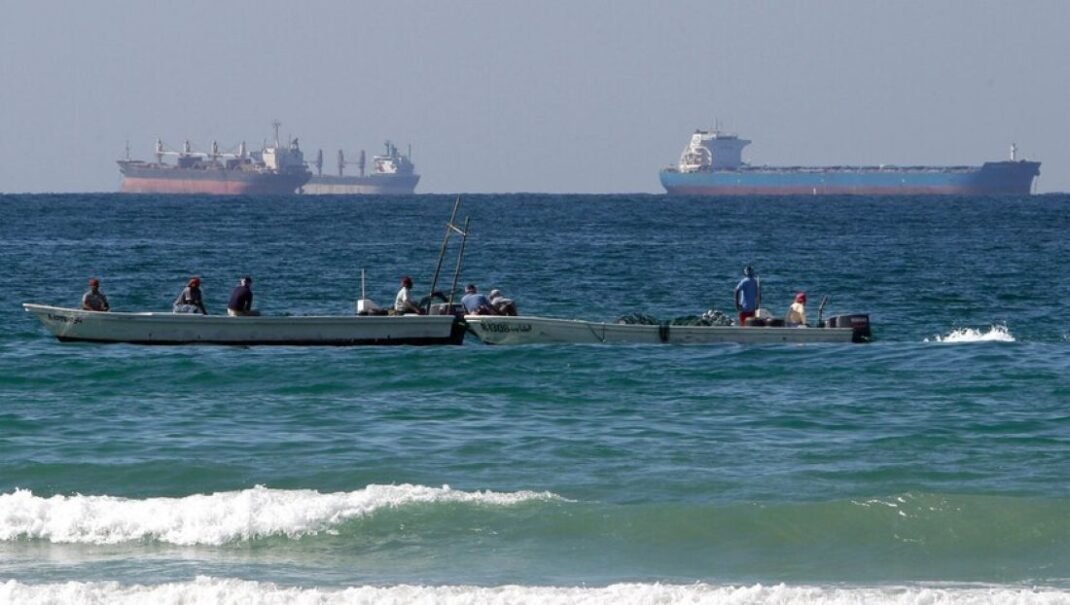
The United States and Iran are moving closer to a formal agreement that could lead to the full reopening of the Strait of Hormuz, one of the world’s most important energy corridors. President Donald Trump has repeatedly stated that shipping through the strait will return to normal under a deal, while oil traders have already begun pricing in the prospect of lower geopolitical risk.
Yet the Hormuz crisis is not over. Commercial shipping remains below normal levels, insurers continue to monitor security conditions, and market participants are waiting for evidence that maritime traffic can resume without disruption. The agreement may be close, but implementation will matter just as much as the announcement itself. For Libya, however, the more important question lies beyond the ceasefire negotiations.
What happens if Hormuz does reopen?
Over the past three months, Libya emerged as one of the clearest beneficiaries of uncertainty in global energy markets. As concerns grew over Gulf exports and maritime security, Libya’s Mediterranean location became increasingly valuable. Buyers searching for alternative supply routes took a fresh look at Libyan crude, while investors and analysts once again highlighted the country’s strategic position between Africa’s largest oil reserves and Europe’s energy demand.
Throughout the crisis, reports argued that Libya’s opportunity extended beyond higher oil prices. Now a new challenge is emerging. Can Libya convert a temporary geopolitical advantage into a permanent competitive one?
The Real Legacy of the Hormuz Crisis
Most discussions surrounding the conflict have focused on oil prices. That is understandable. Any disruption to the Strait of Hormuz immediately affects global markets because a significant portion of global crude exports pass through the waterway.
Yet the most important consequence of the crisis may not be found in the price of oil. Instead, it may be found in the behavior of energy buyers. For more than three months, refiners, commodity traders, shipping companies, and governments confronted a simple reality: a single maritime chokepoint can disrupt a substantial share of global energy trade.
The crisis reminded markets that supply security cannot be taken for granted. Many buyers responded by diversifying supply sources. Others reassessed procurement strategies and geopolitical exposure. Some revisited suppliers that had previously attracted less attention. Those decisions do not automatically disappear when tensions ease. The memory of disruption often outlasts the disruption itself.
Why Libya Attracted Attention
Libya did not benefit from the Hormuz crisis because it dramatically increased production. It benefited because of where it sits on the map.
Unlike Gulf producers, Libya exports crude directly through the Mediterranean. Tankers loading from Libyan ports do not need to transit Hormuz. For European refiners in particular, that distinction became increasingly important as the conflict escalated. The country’s proximity to Europe already offers commercial advantages. Shipping times are shorter than many competing producers. Transportation costs are often lower. Libyan crude grades remain familiar to many European refiners.
During the crisis, those advantages gained strategic importance. The issue was no longer simply finding oil. The issue became finding oil with lower geopolitical exposure. That shift in thinking may prove more significant than any short-term price movement.
Hormuz May Reopen, But Risk Has
Not Disappeared
A future agreement between Washington and Tehran could reduce tensions significantly. It will not eliminate risk. The events of the past three months have demonstrated how quickly geopolitical shocks can affect energy markets. Investors, refiners, and governments now have fresh evidence that major supply routes remain vulnerable to regional conflicts.
The Strait of Hormuz will continue to carry enormous volumes of global energy exports. It will remain one of the most important shipping corridors in the world. However, market participants may emerge from this crisis with a stronger appreciation for diversification. That creates an opportunity for producers located outside traditional chokepoints. Libya falls squarely into that category.
The country’s strategic value does not disappear simply because shipping through Hormuz resumes. In many ways, the crisis has helped reinforce that value.
The Next Test Is Reliability
Attention alone will not secure Libya’s position. The country must now prove that it can transform strategic relevance into long-term commercial confidence. This is where reliability becomes critical. During periods of market disruption, buyers often seek alternative barrels wherever they can find them. Once conditions stabilize, however, they become more selective. They prioritize suppliers that can offer consistency, predictable exports, and confidence in future deliveries.
Libya possesses several advantages. It holds Africa’s largest proven crude oil reserves. It enjoys close proximity to European markets. International energy companies have shown renewed interest in exploration and production opportunities. Recent licensing activity has also helped improve investor sentiment. Yet investors continue to watch developments closely.
Production interruptions, political disagreements, infrastructure constraints, and regulatory uncertainty remain concerns that buyers cannot ignore. The next phase of competition will not revolve around geography alone. It will revolve around trust. Countries that can consistently deliver supply often gain a stronger position than countries that simply possess large reserves.
Turning Strategic Geography Into
Investment
Perhaps the greatest opportunity created by the Hormuz crisis lies in investment rather than exports. For years, discussions surrounding Libya’s energy sector focused largely on political risk. Investors acknowledged the country’s vast reserves but often viewed instability as the dominant factor shaping future prospects.
The crisis introduced another perspective. It reminded markets that Libya occupies a highly strategic location in the Mediterranean. That advantage cannot be replicated. As companies reassess supply chains and geopolitical exposure, Libya can position itself as more than a resource-rich producer. It can present itself as a strategically located supplier capable of serving European demand while reducing exposure to some of the world’s most vulnerable energy chokepoints.
This argument becomes particularly relevant as international oil companies look beyond immediate market conditions and evaluate opportunities over the next decade. The countries that attract investment are often those that combine resources, geography, and reliability. Libya already possesses two of those three ingredients. Strengthening the third may determine whether the current opportunity becomes lasting.
Beyond the Crisis
The future of Libya’s energy sector does not depend on whether oil prices rise or fall after a U.S.-Iran agreement. Nor does it depend solely on whether shipping through Hormuz returns to normal. The larger issue concerns how global energy markets adapt to the lessons of the crisis.
Over the past three months, buyers gained a renewed appreciation for supply diversification. Governments rediscovered the importance of energy security. Investors paid closer attention to alternative export routes. Those trends could continue long after the headlines disappear.
For Libya, that may be the most important outcome of all. The country’s opportunity was never simply to benefit from temporary market anxiety. The real opportunity lies in becoming part of a longer-term shift toward diversified and resilient energy supply chains.
If Libya can strengthen reliability, attract investment, and continue expanding production, it could emerge from the Hormuz crisis in a stronger strategic position than it occupied before the conflict began. The Strait of Hormuz may soon reopen. The questions raised by the crisis are likely to shape energy markets for years to come.
___________________