A bloody chaos with a cast of warlords, chancers and cynical exploiters, the latest conflict in Africa has parallels with Syria
Jason Burke

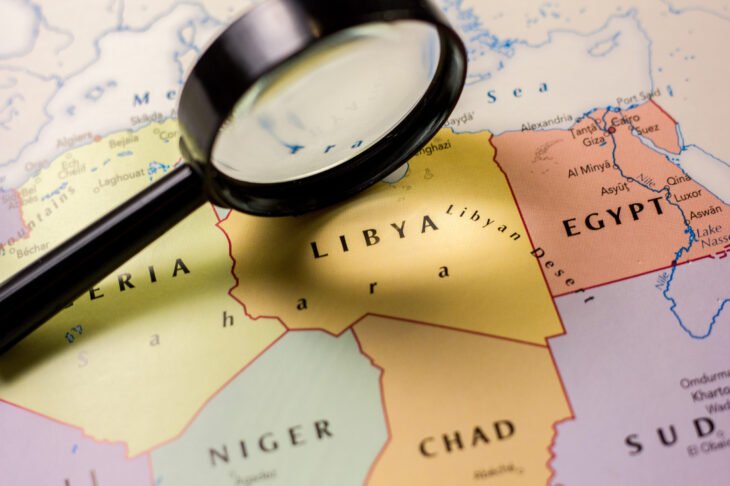
Tonight, like every other night for weeks, convoys of trucks will set out across the southern Libyan desert and head towards the border with Sudan, 250 miles away. They will drive from dusk with lights dimmed in a bid to avoid detection. This is a clandestine operation – though hardly secret. Once across the frontier, the convoys will divide, some travelling south, others setting out to the east.
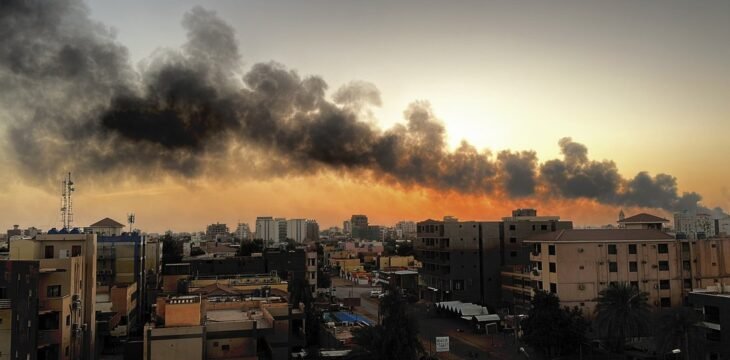
Most reporting from Sudan has so far focused on the street battles in the capital, the 500 or more dead and 4,000 wounded, the impending humanitarian crisis and the evacuation of foreign nationals. But though the supply lines running through the desert are a detail in the grand scheme of things, they may tell us more about the nature of this conflict than breathless reports from Stansted as British evacuees arrive back in the UK or briefings from Washington.
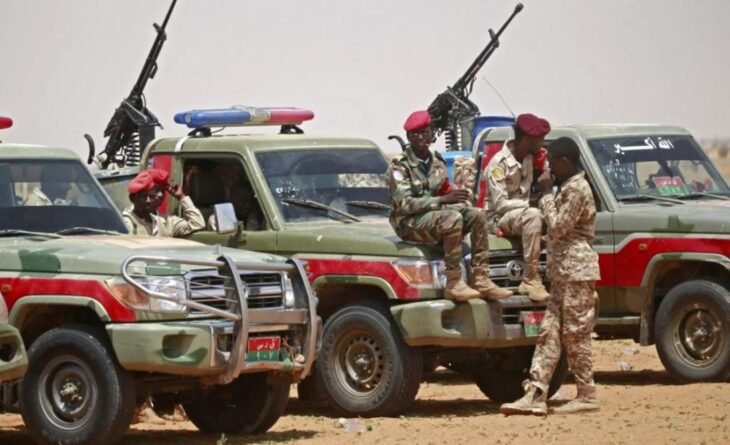
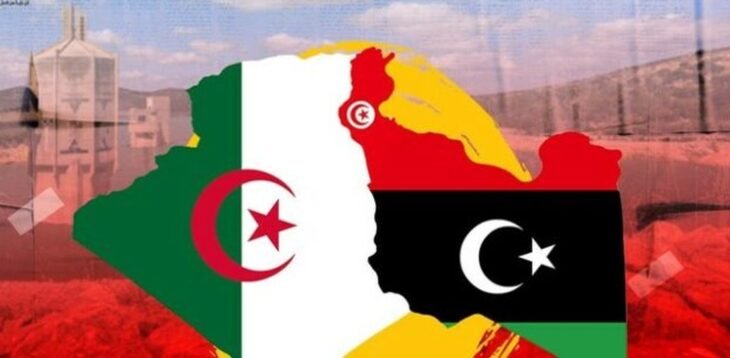
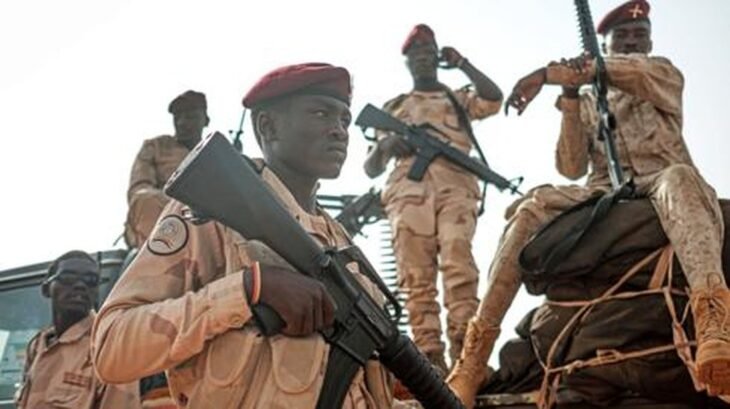
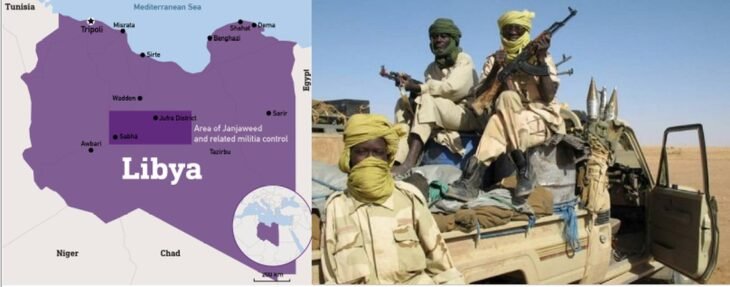
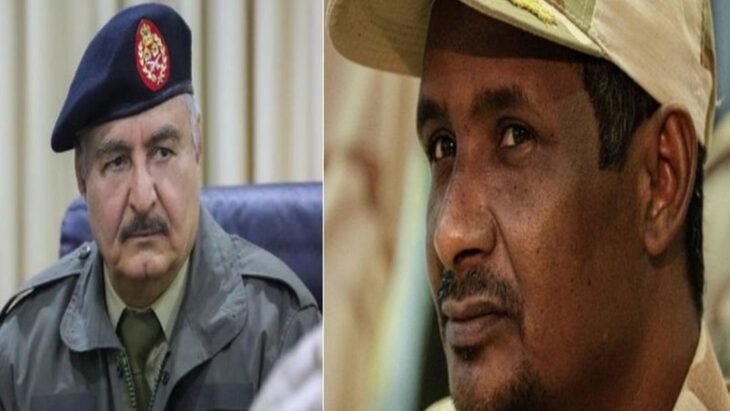
The trucks are carrying fuel from a refinery near the Libyan oasis town of al-Jawf – as well as smaller consignments of ammunition, weapons and medicine – to the paramilitary Rapid Support Forces (RSF) which is currently battling regular army units under the control of Sudan’s de facto military ruler, Abdel Fattah al-Burhan, in the Sudanese capital, Khartoum. They are being sent by Khalifa Haftar, a warlord who runs much of eastern Libya. Other supplies, including potent Kornet anti-tank missiles looted from Libyan government stocks more than a decade ago, have been transported by air, say witnesses at al-Jawf’s airport.
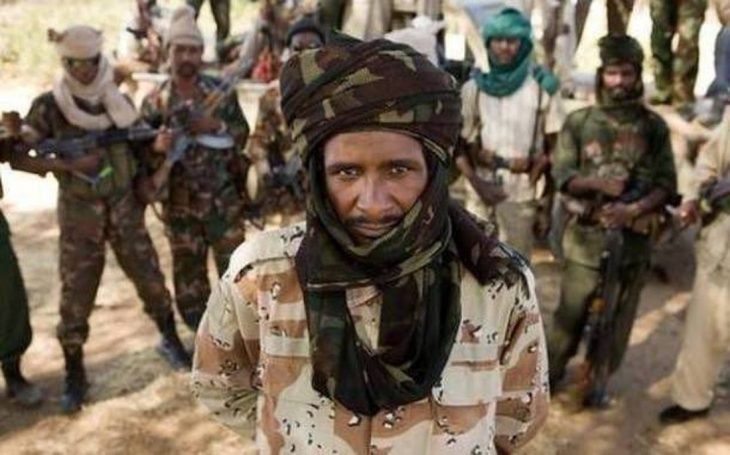
The RSF is loyal to Mohamed Hamdan Dagalo (usually referred to as Hemedti), a former camel trader who started his career in charge of a notoriously brutal militia in Sudan’s south-west before graduating to industrial-scale gold smuggling and massacring pro-democracy protesters. Haftar is sending the supplies because his sponsors among states in the Middle East have asked him to and because it earns him a lot of money. A warlord in one conflict helps out another in a second, at the behest of a distant power.
Such is the way of contemporary war, as exemplified in this new fighting in Sudan. In this conflict frontiers have no significance, control of resources is the primary prize, with forces arising in borderlands seeking their revenge on once contemptuous metropolitan elites. Trafficking networks across swathes of desert are extensions of the “battlespace”, and almost innumerable actors with an axe to grind or an agenda to pursue vastly outnumber those who seek to stop the fighting.
All of this happens in a shadowy penumbra defined by backroom deals, obscure alignments of interests, brutal realpolitik and disinformation. The poor and the weak and the unarmed suffer most, as ever.
Much of this is familiar, of course. Borders in Africa have always been porous, as they were for a long time elsewhere too. Proxy warfare was a hallmark of the cold war everywhere, and in the 1990s many conflicts across the world saw multiple states, great and small, backing local actors to bloody effect. Conflicts often involved insurgents out in the backcountry who were at least in part motivated by a sense that they had been excluded by a corrupt, decadent elite based in a capital or major cities, as in Sudan today. Politics has always mapped on to identity when it comes to who fights who.
The wars that followed al-Qaida’s 9/11 attacks on the US highlighted the role of unconventional combatants that could only be defeated by unconventional means and the ability of new communications technology to empower previously marginal groups in unprecedented ways.
The war in Libya was fought in a total chaos of what or who might be permitted by local, international or simply natural law. The Syrian conflict has ground on for so long, with such appalling consequences, partly because it drew in so many different combatants and sponsors, all with different objectives, of whom a vanishingly small number had any consideration for those caught in their crossfire.
We all remember the war in Syria because at specific moments global attention was intensely focused on a murderous and tragic conflict that lasted almost a decade. This focus was greatest when it appeared the fighting there was a direct threat to us. The same will no doubt be true of any lengthy war in Sudan. Once the foreigners are fully evacuated, our interest in this conflict will wane rapidly, a process accelerated by competition from the war in Ukraine.
Yet in a decade or so, it could well be that the war in Ukraine may end up looking like a historical anomaly, a bizarre and bloody return to a time when trenches, tanks, artillery and the support of great powers determined strategic success, when a clear difference in values and vision distinguished the opposing forces and when concepts such as victory or defeat actually meant something more or less definitive. Sudan may well still be plunged into a welter of violence, with potentially huge consequences.
With the initial shock of the breakdown into open conflict two weeks ago fading, analysts were last week beginning to consider what the future might hold. Most believed the chances of a rapid end to the current fighting were extremely slim. The hope of several was that Hemedti would be somehow killed, leading to the fragmentation of his forces and the imposition of a new authoritarian military regime that might impose a semblance of order.
Almost all feared the currently binary battle might metastasise into an even more intractable conflict as local-level militia based on ethnicity or other identities joined the fight. There is some evidence that this is already happening with fighting flaring between unidentified combatants in Darfur last week.
No one doubts the scale of the potential humanitarian catastrophe. A third of Sudan’s 45 million inhabitants are already dependent on humanitarian aid for food, shelter or healthcare. This is not a resilient population, and it is largely the least in need who have been able to flee Khartoum in buses to the Egyptian border.
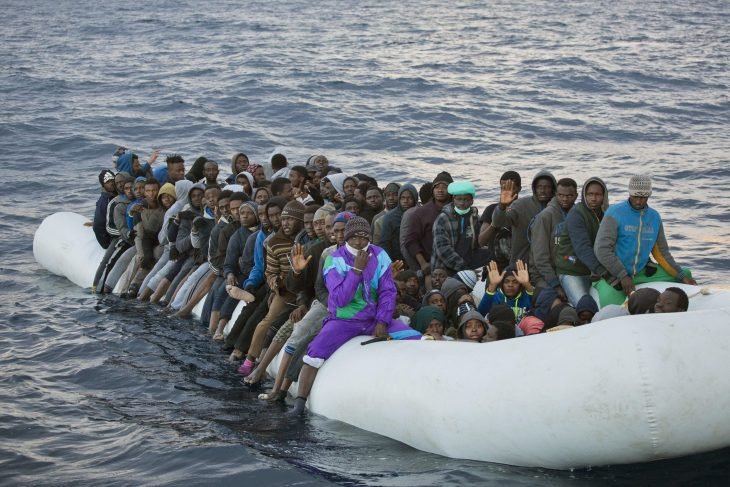
The coming flows of refugees will be much, much larger – hundreds of thousands, possibly millions – and much poorer than those queueing at the border last week. A proportion will head for Europe but most will need to be cared for by neighbours that cannot look after their own citizens let alone cope with a vast influx.
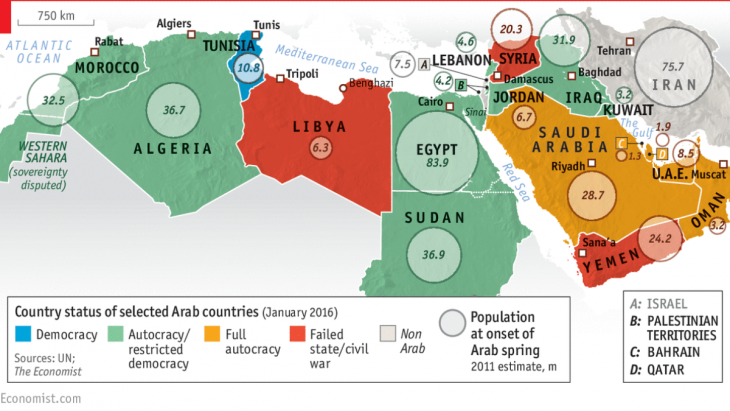
The collapse of Africa’s third largest country would shake brittle neighbours as well as a chain of countries stretching west across the deeply troubled Sahel region of north Africa. These, like Sudan, already weakened by climate change and decades of conflict, could shatter. That means western Europe will be close to an immense zone of conflict and chaos. No wonder diplomats privately admit that we are facing a “nightmare scenario” in east and north Africa.
The example of Syria gives us some idea of what else to expect from the conflict in Sudan. In fact, many features are already extant. Splintering into enclaves controlled by squabbling militia? Check. Intense involvement of often malevolent regional or Gulf powers? Obviously.
Great power rivalry? Yes. A weakened US making calls for an end to fighting but without the means or will to impose it? Last week yet more ceasefires were ignored, despite the plaintive complaints of Washington.
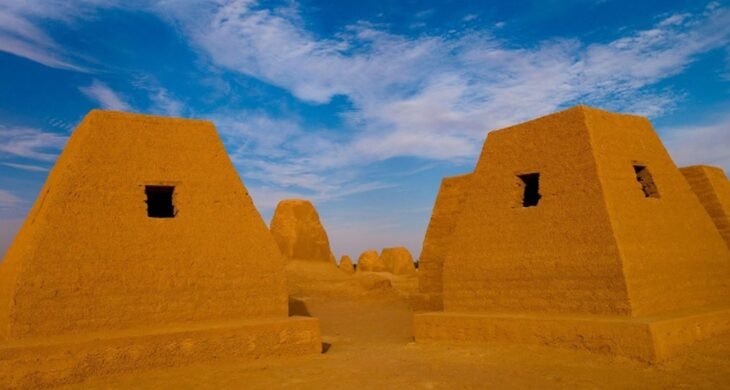
A range of nefarious actors such as Haftar or the Russian Wagner group keeping below the radar but making opportunistic and effective interventions? This has been the case for years but has escalated now there is open war. Massive criminality, with well-entrenched networks involved in everything from narcotics trafficking to the theft of valuable antiquities moving to exploit the chaos? There are already reports that networks are mobilising to dig at Meroe, the famous archaeological site 190 miles north of Khartoum and the site of recent heavy fighting.
These parallels exist not because Syria and Sudan can be compared directly, but because this is what wars look like in our time. Different types of conflict coexist of course – and the war in Ukraine can be seen as the culmination of a decade-long unconventional campaign by the Kremlin – but the idea that the war there signalled a more general return to a norm familiar in the last century may well prove to be mistaken.
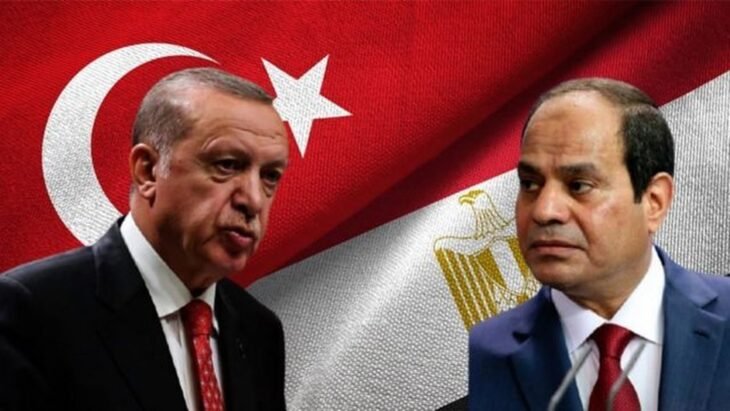
The trucks across the desert tell us more. Haftar has offered assistance but has carefully balanced his need to please supporters in the United Arab Emirates, who are key partners in the gold business with Hemedti, but without annoying his other sponsors in Egypt, who are backing Burhan.
Thus the need to keep the oil convoys quiet, and the precautions taken to mask the diversion of around 10,000 barrels a day of Libyan oil from a state company which is then turned into high quality fuel at the al-Sarir refinery and trucked to Hemedti’s fuel-thirsty forces, according to former senior Libyan officials with access to intelligence files.
Of course, this assistance is not freely offered and the fuel is sold not given to the RSF, generating vast revenues for Haftar’s extended family and businesses. The gold goes out, the fuel comes in, all paid for in massive transfers of money. This is a wartime expansion of a lucrative existing business partnership running for a decade or more. Are any laws broken? Probably. Can anyone stop the traffic? Almost certainly not. Will it bring victory to Hemedti? Unlikely. Will it prolong the conflict? Definitely.
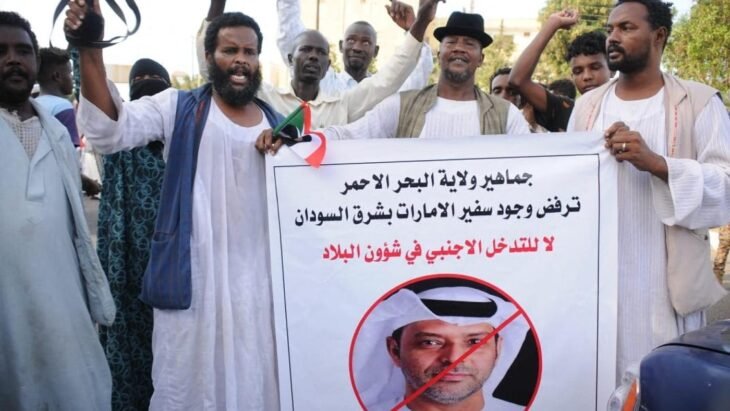
The trucks do not move through a geopolitical vacuum. The UAE’s support for Hemedti and Haftar is based on rivalry with other Middle Eastern states and financial gain. Moscow, true to its broad strategy of backing the most obvious disruptors in order to profit financially and politically from the resultant chaos, has also been supporting Hemedti and the RSF for years.
Here the Russians are doing what they have done across the Sahel and elsewhere in Africa – adding a hefty dose of disinformation to the Sudanese mix for good measure. They are keen on Indian ocean naval bases – another echo of Syria, where access to the Mediterranean was a key strategic consideration.
Saudi Arabia has an interest in heading off regional rivals, and gaining access to the vast agricultural resources of Sudan. Egypt is unsurprisingly keen on an authoritarian military regime in their southern neighbour so wants Burhan to win. The Chinese seek advantage against the US, votes at the UN and the kudos that comes with successful mediation. And so on, in concentric circles, out to the western Europeans, the UK and the US. All have their interests, if not their chosen favourites.
Nor is this is a very ideological fight. Though there are Islamists in the mix their beliefs are marginal to the current fighting, whatever the claims to the contrary. Neither Hemedti nor Burhan have bothered outlining any real political vision. The Europeans and the US talk much about values but now recognise that, in Sudan at least, the priority is to limit the threat to their own interests that total collapse might pose.
So this is the nature of this particular battle: an extremely violent and chaotic contest for tactical and strategic advantage, as brutal at a geopolitical level as it is on the streets of Khartoum, drawing in a constantly shifting cast of chancers, opportunists and cynical exploiters whose motives do not differ greatly whether dressed in suits, robes or combat fatigues. It is a war of warlords, big and small, and so, tragically, a conflict of our age.
__________________