By Ellen Burney
 In June, a German sea captain was arrested for defying the orders of Italian authorities and rescuing Libyan refugees from a dinghy by sailing them to safety. Read More

By Ellen Burney
In June, a German sea captain was arrested for defying the orders of Italian authorities and rescuing Libyan refugees from a dinghy by sailing them to safety. Read More
By Peter Brooks & Terra Schroeder
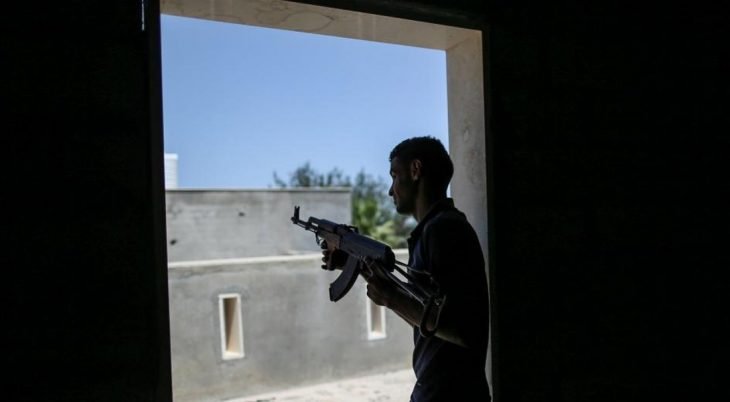
 Some have suggested that Libya today is “possibly the largest drone-war theatre in the world.” Read More
By Aidan Lewis
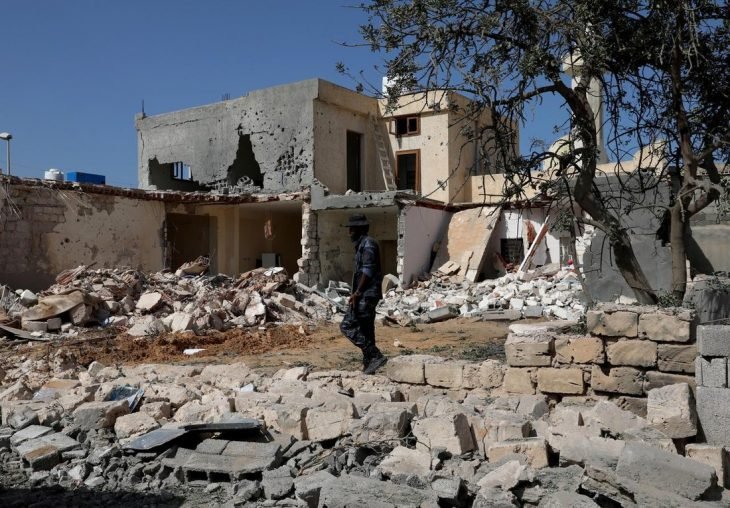
 Three children, all sisters, were killed, and their mother and a fourth sister wounded in an air strike that hit a house near a military intelligence camp in Libya’s capital on Monday, a Reuters reporter and health officials said. Read More
By Sebastian Rees
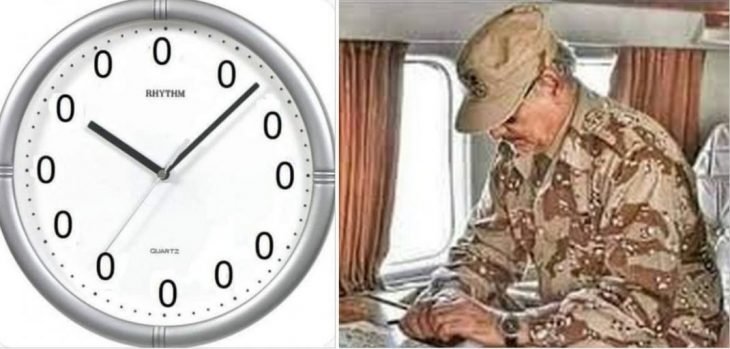
 On September 9, Libya’s internationally recognised Government of National Accord (GNA) carried out a series of targeted air strikes on forces aligned with Khalifa Haftar’s Libyan National Army (LNA). Read More
By Sally Hayden
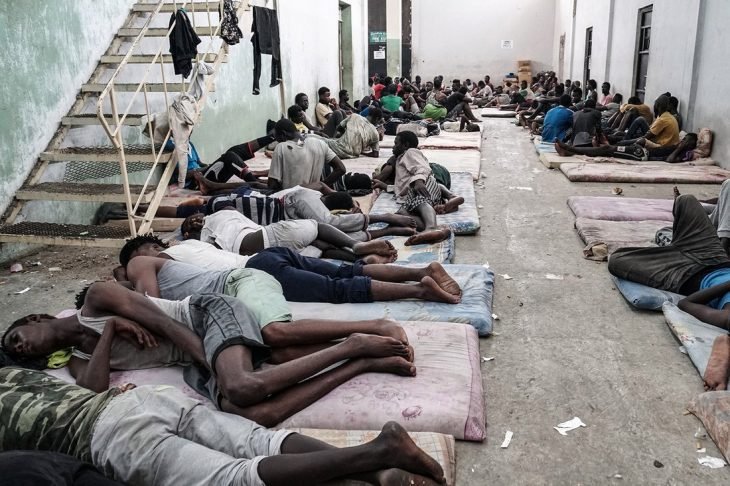
 The European Union is funding the Libyan coast guard to keep migrants out of Europe and detain them in a failed state—and that leaves them at the mercy of militias and human traffickers. Read More
By Nadine Dahan
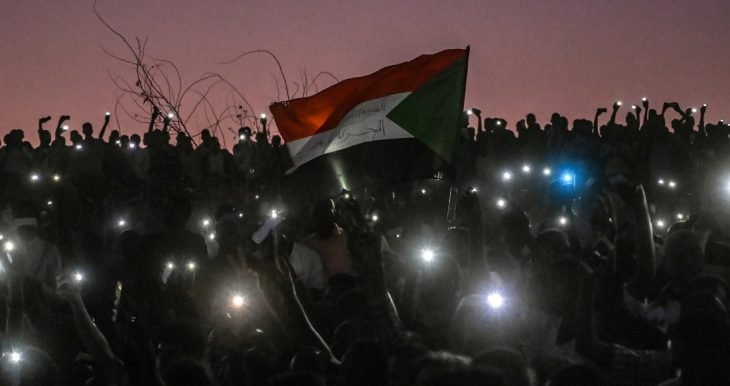
 Nationwide internet shutdowns have become increasingly frequent during mass protests in the region – but what do they aim to achieve, and what can be done to fight them? Read More
By Marily Sasota Gayeta
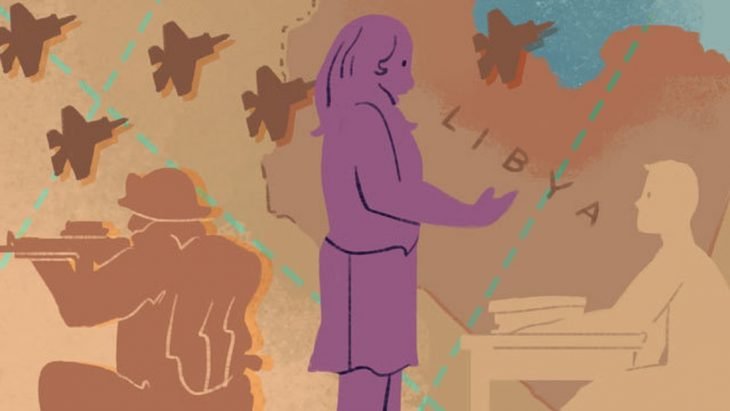
 War dramatically changed my students’ lives. I had witnessed how carefree teenagers became socially involved citizens. Read More
By Tim Eaton
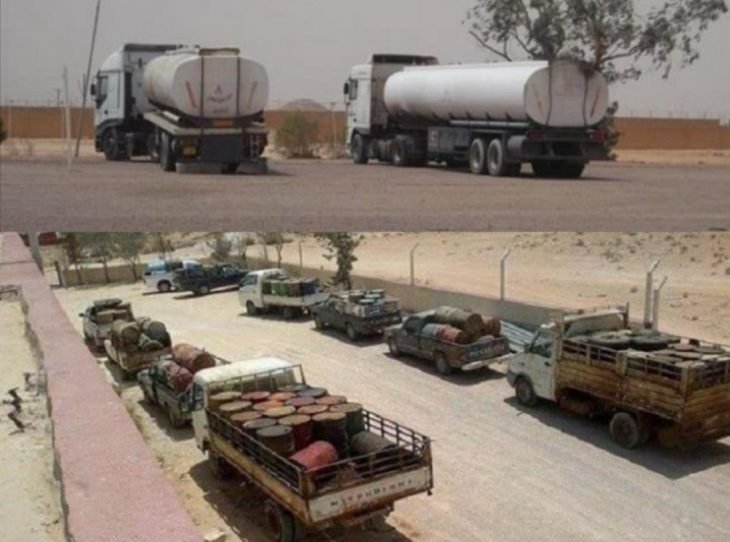
 This article is part of Chatham House’s project exploring the development of Libya’s conflict economy. The key findings are fuel shortages continue, Libyans pay twice, and more transparency needed. Read More
By Sally Hayden
The European Union is funding the Libyan coast guard to keep migrants out of Europe and detain them in a failed state—and that leaves them at the mercy of militias and human traffickers. Read More
By Roger Boyes
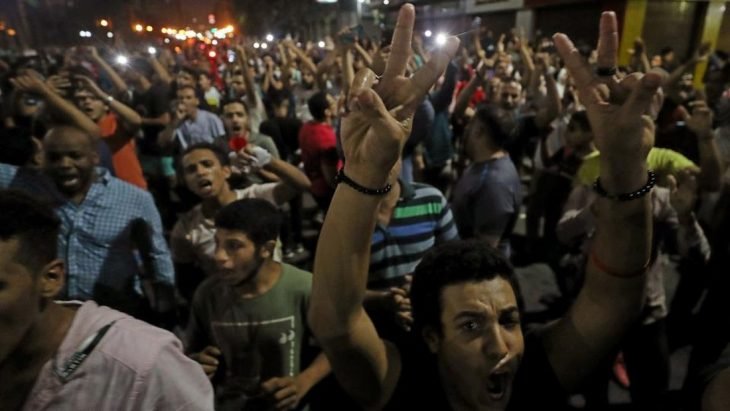
 From Cairo to Baghdad, corrupt hardline regimes are struggling to keep a lid on mass dissent. Read More
By Tim Eaton
This article is part of Chatham House’s project exploring the development of Libya’s conflict economy. The key findings are fuel shortages continue, Libyans pay twice, and more transparency needed. Read More
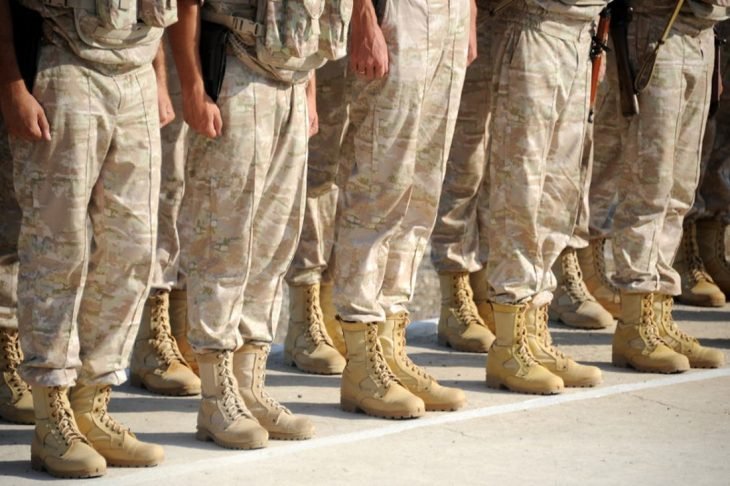
By Neil Hauer
 After a deadly debacle in Syria, Vladimir Putin has put the Wagner Group in its place—but plenty of other private security firms remain, and they could pose a threat to security in Russia and beyond. Read More
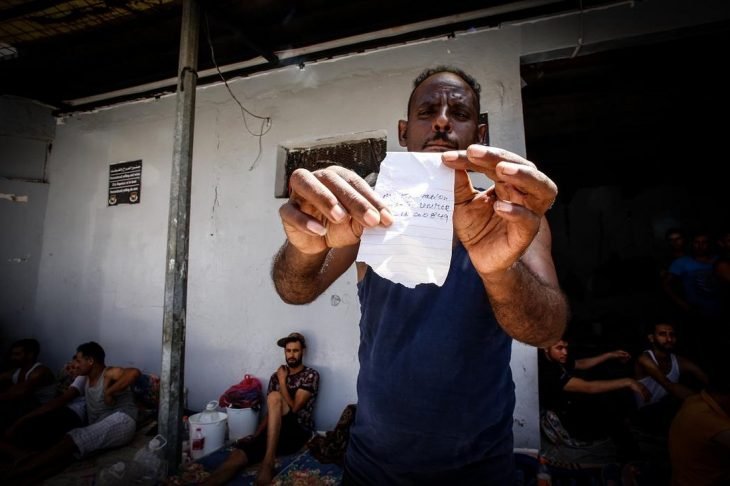
By Sara Creta
 When NGO workers arrived at the Janzoor detention centre in Libya in October 2018 to collect 11 unaccompanied minors due to be returned to their country of origin, they were shocked to find that the young people had completely disappeared. Read More
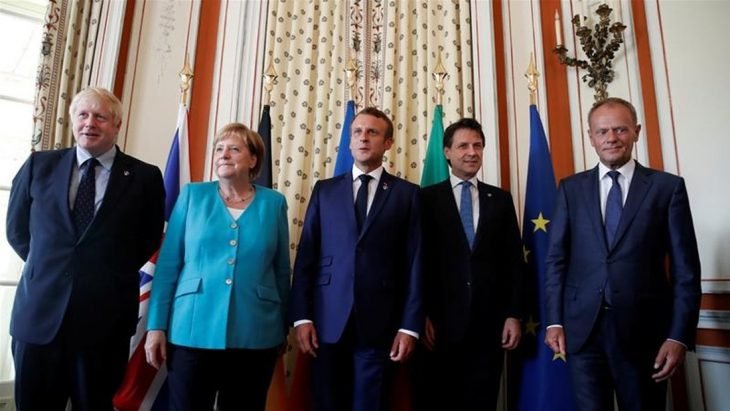
By Patrick Wintour
 Germany is planning to hold a UN-backed international conference on the future of Libya in an attempt to force the many regional actors to stop funding and arming the country’s warring sides. Read More
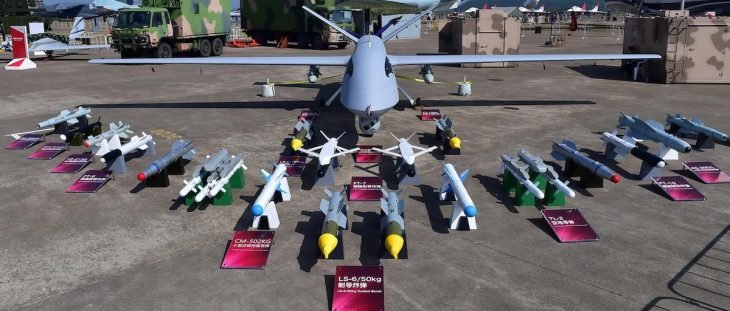
By Matt Herbert
 Foreign intervention has brought drones, cyber-attacks and social media propaganda that foreshadow the future of armed conflict. Read More

Fears mount for kidnapped Libyan MP Seham Sergiwa
By Faisal Edroos
 Prominent female politician was abducted hours after she criticised eastern Libyan commander Khalifa Haftar’s offensive on Tripoli. Read More


Raid on Tripoli equestrian club far from military infrastructure took place as lessons were in progress on Sunday afternoon Read More
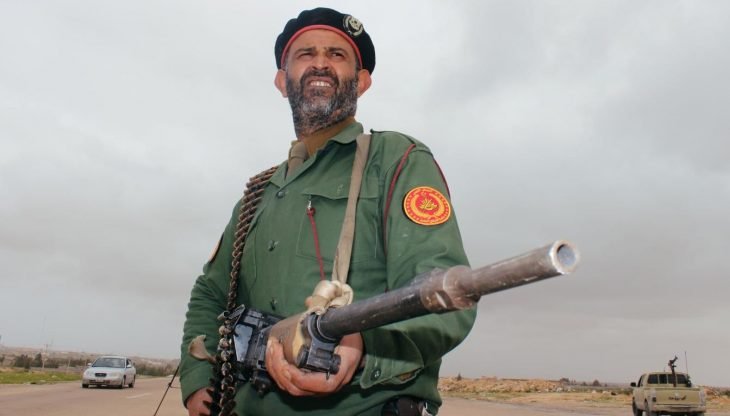
By Michael O’Hanlon
 Washington must pressure Gen. Khalifa Hiftar to pull back forces from Tripoli and make clear what is obvious on the ground: this conflict will not be won on the battlefield. Read More
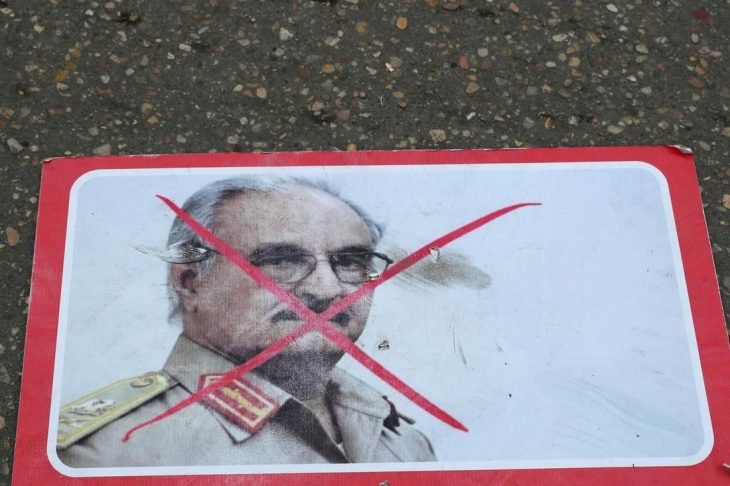
By Tarek Megerisi

Those opposing Haftar’s forces in Libya must seize the opportunity to articulate an alternative strategy for a ceasefire and political process. Read More
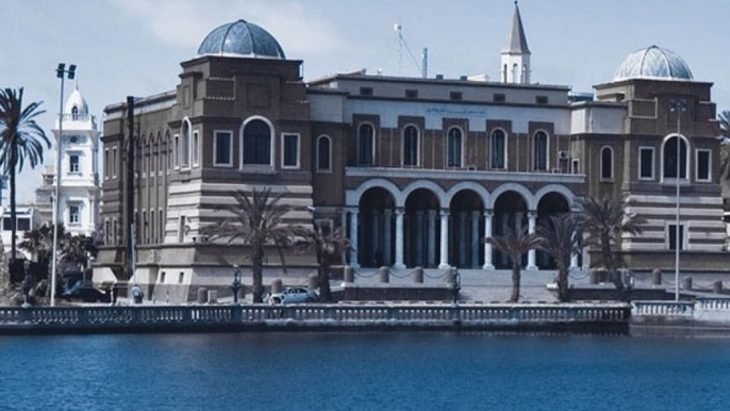
By Saddek Elkaber
 In times of conflict, a central bank can play a unifying role. This is what is happening in Libya. Read More

By Josh Rogin

Whatever you think of President Barack Obama’s decision to militarily intervene in Libya in 2011, the fact is that the United States has a responsibility in making sure that country has the best possible chance of achieving stability and democracy, and remains our partner in fighting terrorism. But the Trump administration is missing in action. Read More
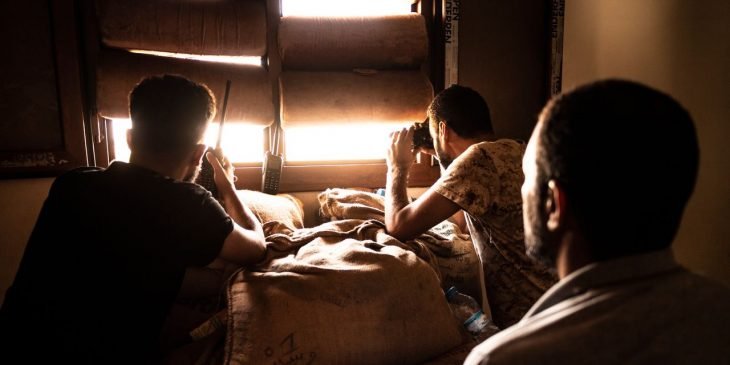
War simmers in battle for Tripoli, with neither side getting decisive support.
By Raja Abdulrahim
 When Turkey sent armored vehicles here in May to help stave off an attack on the capital, there was a problem: The trucks didn’t have mounted machine guns. Read More
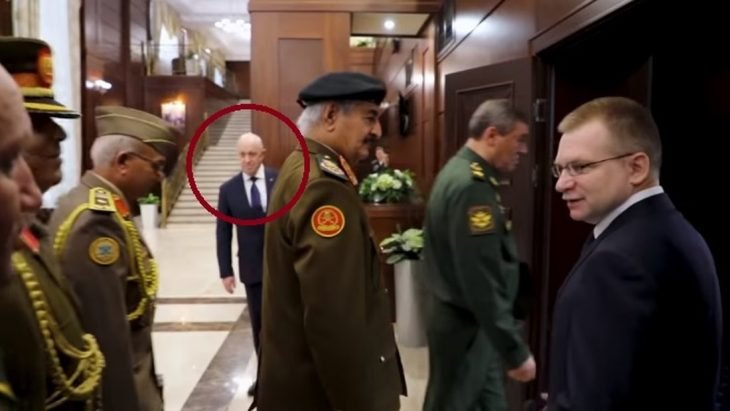
Between 10 and 35 Russian mercenaries have been killed in the Libyan Civil War. We identified several of them.
By Liliya Yapparova
 Last week, the bodies of the first Russians killed in Libya’s civil war started arriving back home for burial. Read More
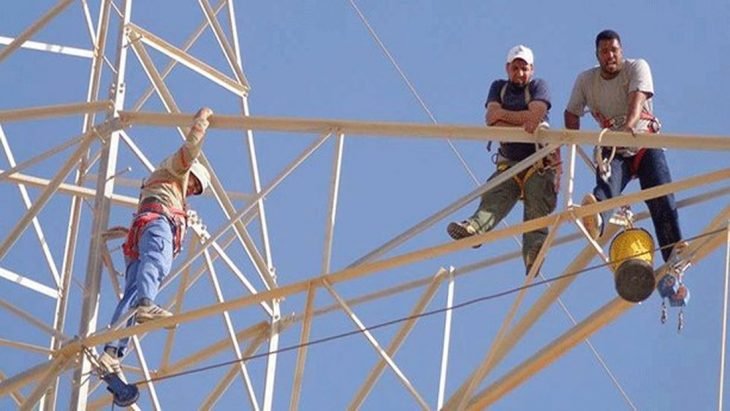
 The Tripoli-based Audit Bureau of Libya revealed yesterday that its committee, formed to investigate the causes of Libya’s acute power cuts that have been plaguing the country since the 2011 revolution, will present its final report within the next ten days. Read More
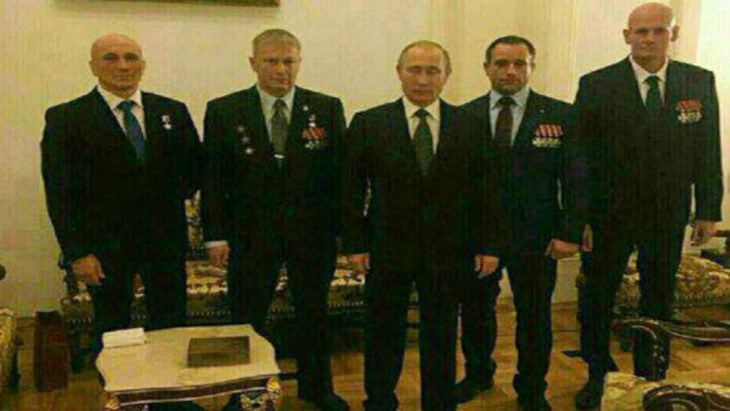
 Mercenary from the Wagner PMC Alexander Kuznetsov (callsign “Ratibor”) was severely wounded during fights in Libya. Read More
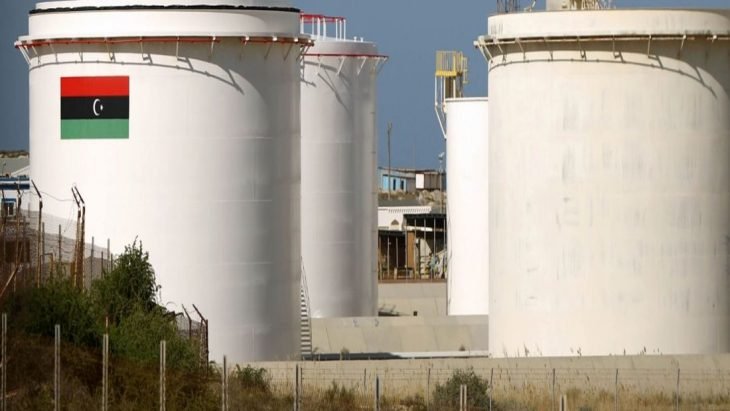
 HIGHLIGHTS
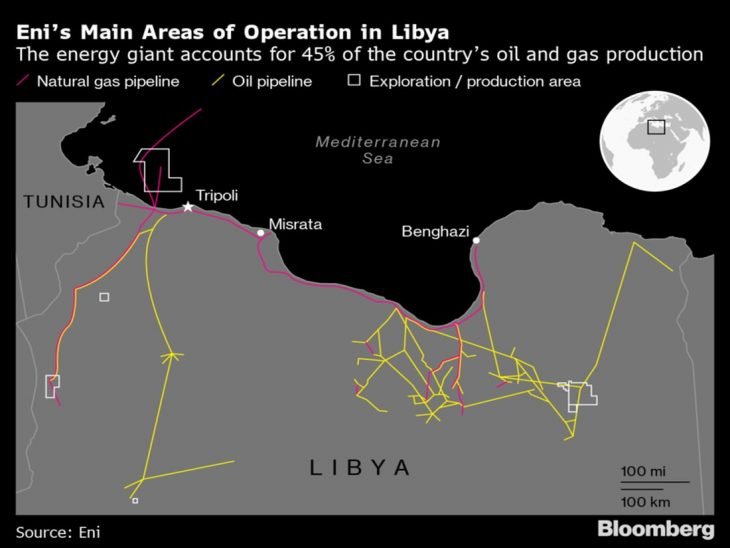
 The week the Libyan uprising began in 2011 was one like any other for workers at Italian oil company Eni SpA in the North African country. Read More
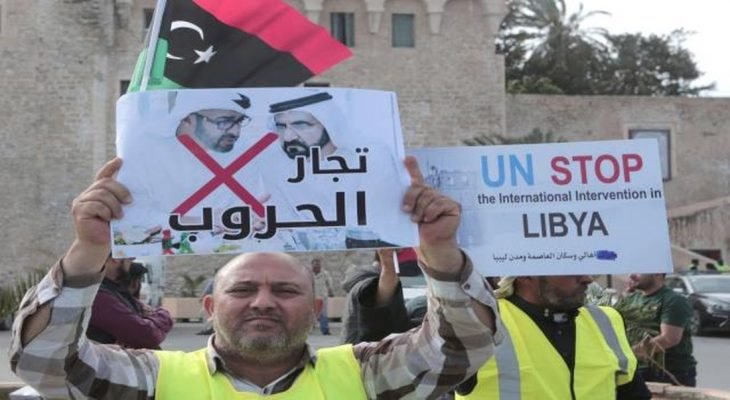
 The internationally recognized Libyan Government of National Accord has begun an international movement to internationalize the issue of the UAE’s ruling regime’s interference in the country and its subversive role with the support of warlord militias Khalifa Haftar. Read More
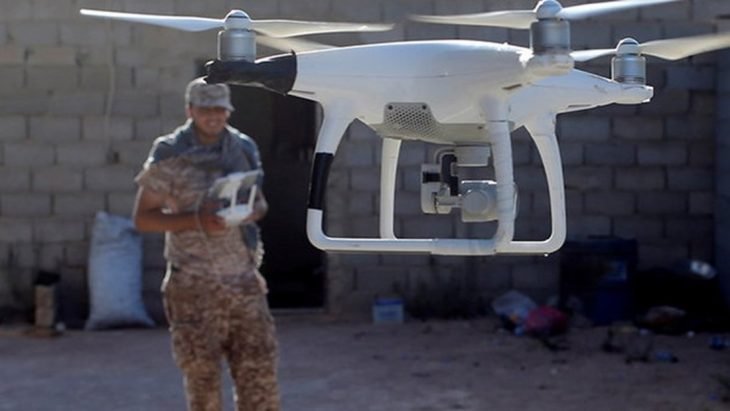
 In Libya, where rival forces are deadlocked south of Tripoli, a months-long battle for the skies between Turkish and UAE drones has failed to break the stalemate, analysts say. Read More
By Jason Pack
 For many decades now, the United Nations has had a whole host of critics on the global right. Read More
By Tina Rosenberg
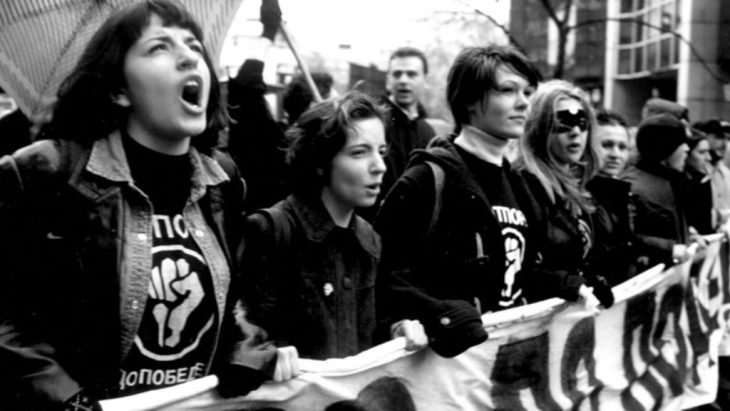
 Several years ago, before their protest movement was co-opted by violence, a group of young Syrians looking for a way to topple President Bashar al-Assad traveled to an isolated beach resort outside Syria to take a weeklong class in revolution. Read More

By Ferhat Polat
 It is time for international powers to end their short-sighted action in Libya and step up to find a solution to the civil war. Read More
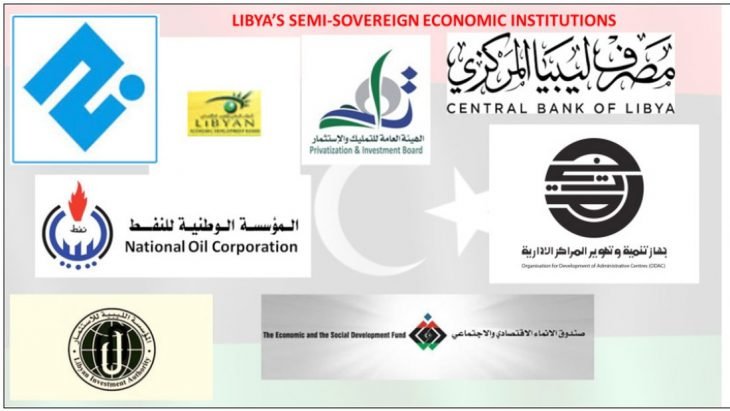
How Libya’s Civil War Is Rooted in Its Economic Structures
By Jason Pack
Istituto Affari Internazionali (IAI) releases Jason Pack’s overarching meta-analysis of the uniqueness (and unique dysfunctionality) of the Libyan economy. Read More

By Simon Speakman Cordall
 They even defied Gadhafi to establish one of the most long-standing institutions of Libyan civil society. Now, with the civil battle for the capital ravaging the country, the Scouts movement’s help is needed once more. Read More
By Rebecca Murray
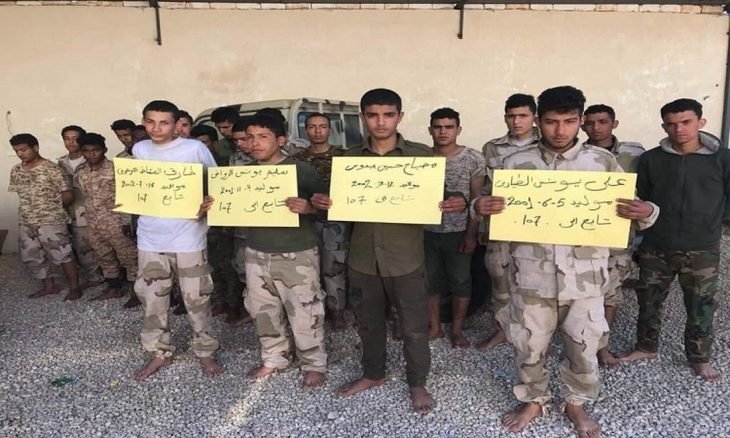
 They witnessed the overthrow of Gaddafi, and have grown up in a society riven by war, no wonder then that the psychological toll on Libya’s youth has been critical. Read More
By Jason Pack
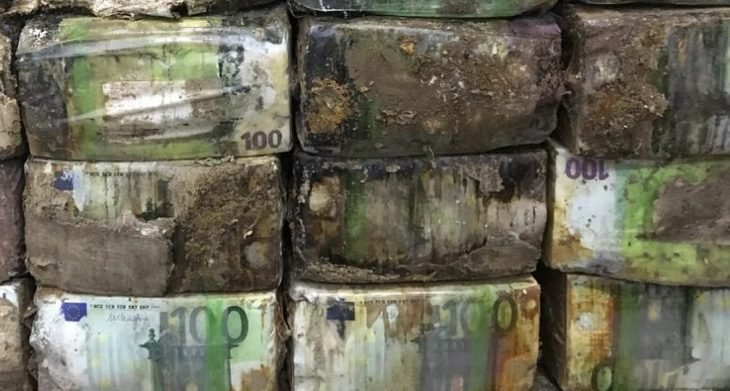
Largely overlooked in international policymaking toward Libya’s current conflict is the role of corruption as a key driver of violence, as opposed to merely its byproduct. Read More