Prioritize Justice, Accountability Ahead of Vote

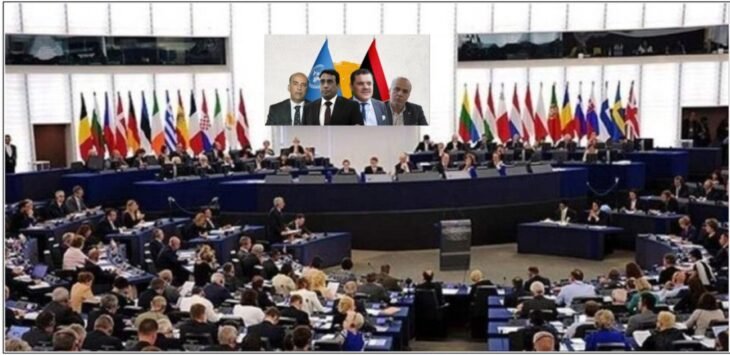
The newly confirmed Government of National Unity (GNU) should commit itself to significantly improve human rights conditions in Libya and ensure that elections planned for December 2021 are free and fair, Human Rights Watch said today. Read More
Archive - 2021
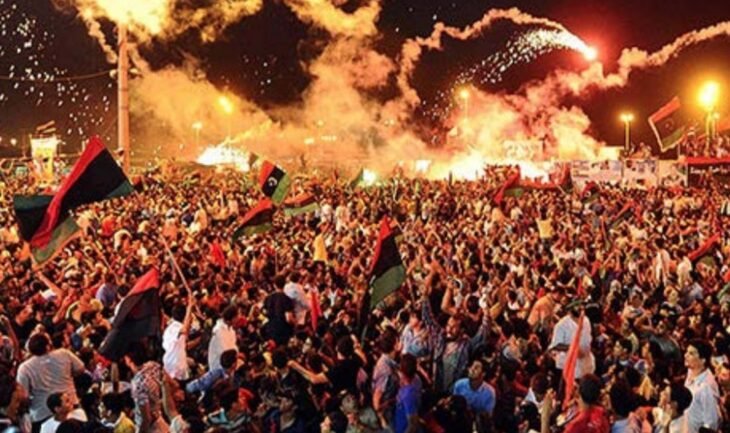
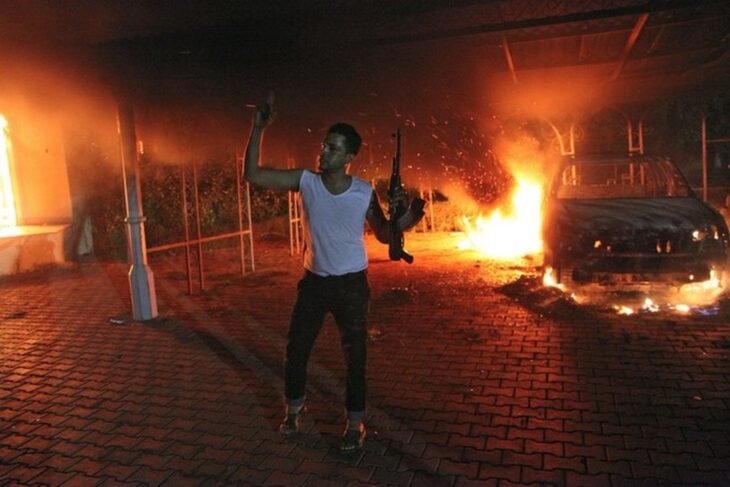
Ten years ago, the United Nation’s no-fly zone over Libya marked the beginning of the Libyan revolution and the West’s bombing campaign. Read More
Editors: Nadja Berghoff and Anas El-Gomati

A decade on from the February 17th revolution, how the global disorder transformed Libya into a battleground for interest, ideology and influence.
By Sarah Vernhes
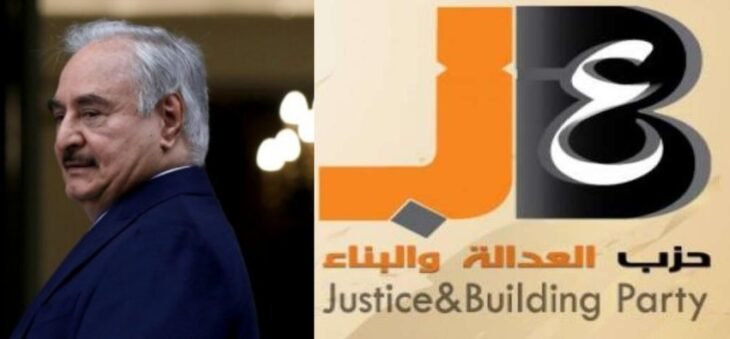
In Libya’s new interim government, voted in on 10 March, Khalifa Haftar and the Muslim Brotherhood are poorly represented, while prime minister Abdulhamid al-Dabaiba has managed to strengthen his position. Read More
Hopes ride on new wheeler-dealer leader
By Taylor Luck

After seven years of civil war, Libyans have finally found a leader to head a united government and end their country’s chaos. Read More
Last week, a new unity government was sworn in by the House of Representatives, formed largely by international actors. In his speech, the interim Prime Minister Abdulhamid Dbaiba made a number of promises, one of which is to ‘move away from the [three] regions’ and towards decentralization. Read More
By Karim Mezran
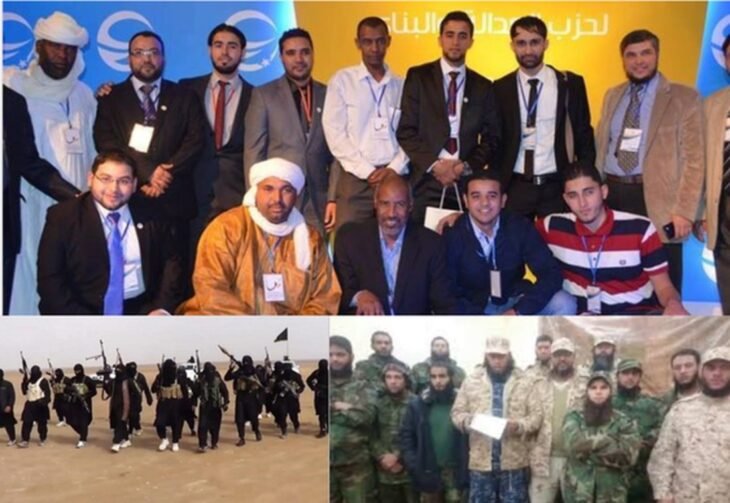
In early 2021, Libya’s Islamists were divided by ideology as well as geography. There were at least four major groups of Islamists: Read More
Editors: Nadja Berghoff and Anas El-Gomati

A decade on from the February 17th revolution, how the global disorder transformed Libya into a battleground for interest, ideology and influence.
The Rome MED This Week newsletter provides expert analysis and informed comments on the MENA region’s most significant issues and trends. Read More
David Hearst

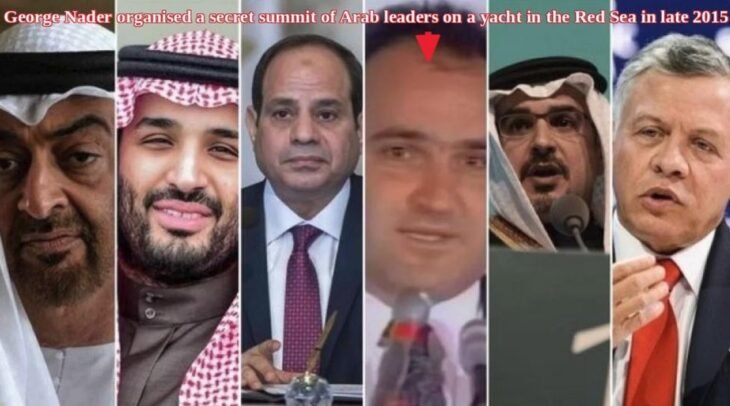
An alliance of regional rulers that put so much effort into suppressing democracy is weakening now as its participants bear substantial grudges against each other. Read More
Editors: Nadja Berghoff and Anas El-Gomati

A decade on from the February 17th revolution, how the global disorder transformed Libya into a battleground for interest, ideology and influence.
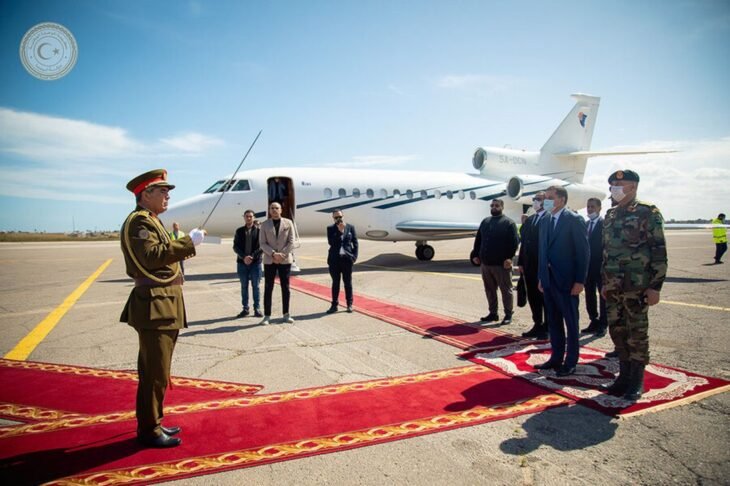
On Wednesday, the Libyan parliament approved an interim government headed by Prime Minister Abdulhamid Dbeibeh. The parliament voted in the cabinet following consultations with the Libyan Dialogue Forum, which selected Dbeibeh as Prime Minister last February. Read More
Sami Hamdi
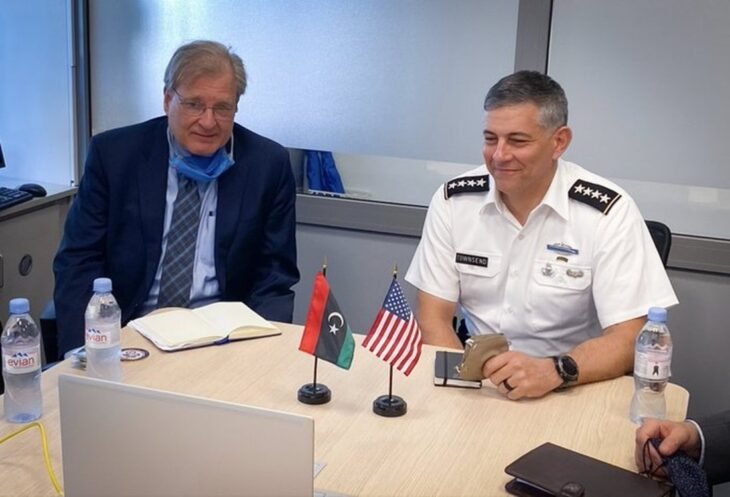
The reality is that throughout the conflict in Libya, the U.S. has not had a clear vision over what it wants to achieve, or how it wants to achieve it. Read More
Dodgy deals in Jordan and the suspicious presence of Sudan’s Rapid Support Forces are some of the details revealed by a United Nations panel of experts. Read More
Editors: Nadja Berghoff and Anas El-Gomati

A decade on from the February 17th revolution, how the global disorder transformed Libya into a battleground for interest, ideology and influence.
By Colum Lynch
The 2011 Libyan intervention pitched the region into a decade of chaos and undermined U.S. confidence in the wisdom of using military force to save lives.
By Colum Lynch
The 2011 Libyan intervention pitched the region into a decade of chaos and undermined U.S. confidence in the wisdom of using military force to save lives.
Anas El-Gomati
Libya’s October 2020 permanent ceasefire agreement legitimizes the two-tiered military of the Qaddafi era, dimming the prospects for peace and stable civil-military relations. Read More
Rita Trichur
This article was published more than 2 years ago. Some information in it may no longer be current.
Editors: Nadja Berghoff and Anas El-Gomati

A decade on from the February 17th revolution, how the global disorder transformed Libya into a battleground for interest, ideology and influence.
Rita Trichur
This article was published more than 2 years ago. Some information in it may no longer be current.
Editors: Nadja Berghoff and Anas El-Gomati

A decade on from the February 17th revolution, how the global disorder transformed Libya into a battleground for interest, ideology and influence.
Salma El Wardany
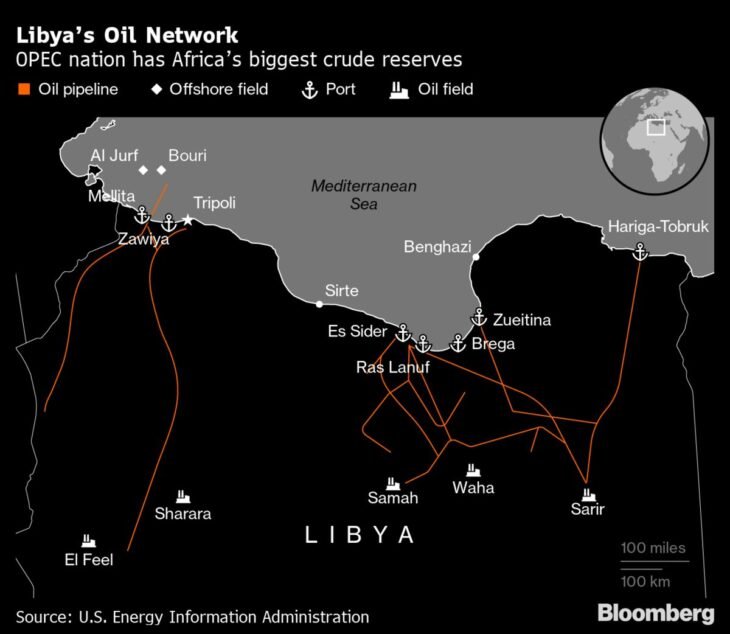
Libya’s back in the oil game after years of false starts and setbacks. Energy facilities shut or damaged during its civil war were reopened last year and the OPEC member has managed to keep its production above 1 million barrels a day since November. Read More

Editors: Nadja Berghoff and Anas El-Gomati

A decade on from the February 17th revolution, how the global disorder transformed Libya into a battleground for interest, ideology and influence.
By Emadeddin Muntasser
As the United Nations Support Mission in Libya (UNSMIL) organizes dialogue between the country’s warring factions, many Libyans are voicing concerns that this process is a replay of the past, failed attempts to form a unity government and stop the bloodshed. Read More
Hafed Al-Ghwell

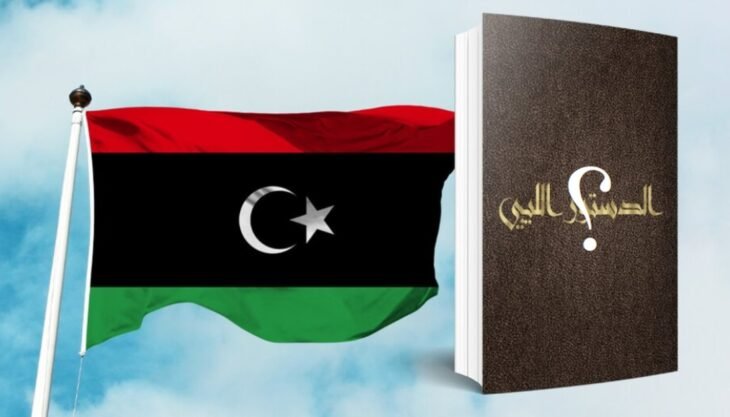
Libya’s “parliament” (whose legitimacy is questionable) has endorsed the new transitional executive authority appointed by the Libyan Political Dialogue Forum (LPDF), a UN-chosen body that will itself be accused of corruption in a UN report to be released in the next few weeks. Read More
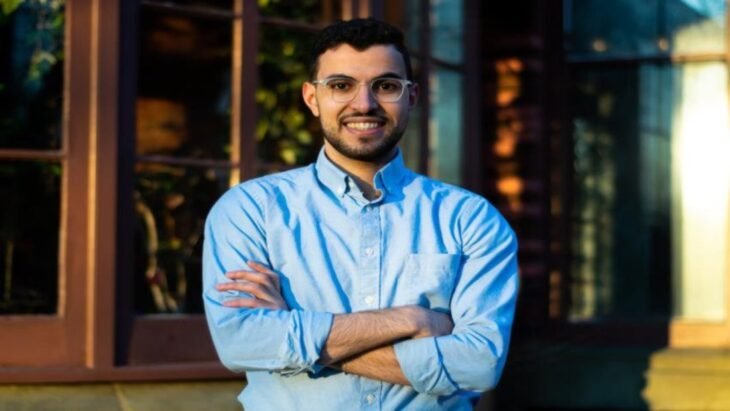
The ‘unapologetically Muslim’ Libyan-American who believes Americans deserve more
Sarah Essa
Muad Hrezi grew up in a Libyan-American household. Read More
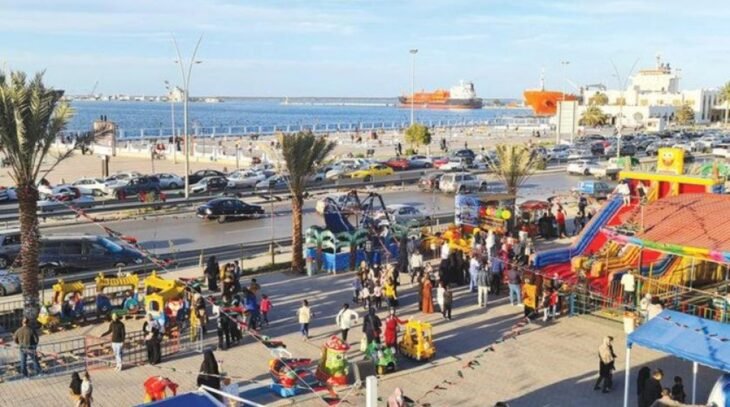
Libya’s new government, approved in a “historic” parliamentary vote this week, faces a long list of challenges to unite the country after 10 years of strife. Read More

Mary Fitzgerald
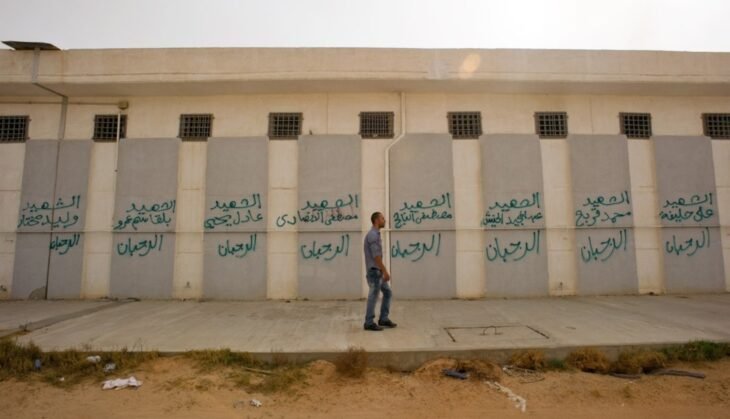
For decades, Libyans feared Gadhafi’s Abu Salim prison. Now defunct, it has fallen victim to the country’s bitter polarization.
Editors: Nadja Berghoff and Anas El-Gomati

A decade on from the February 17th revolution, how the global disorder transformed Libya into a battleground for interest, ideology and influence.
Mary Fitzgerald
For decades, Libyans feared Gadhafi’s Abu Salim prison. Now defunct, it has fallen victim to the country’s bitter polarization.
Aabla Jounaïdi
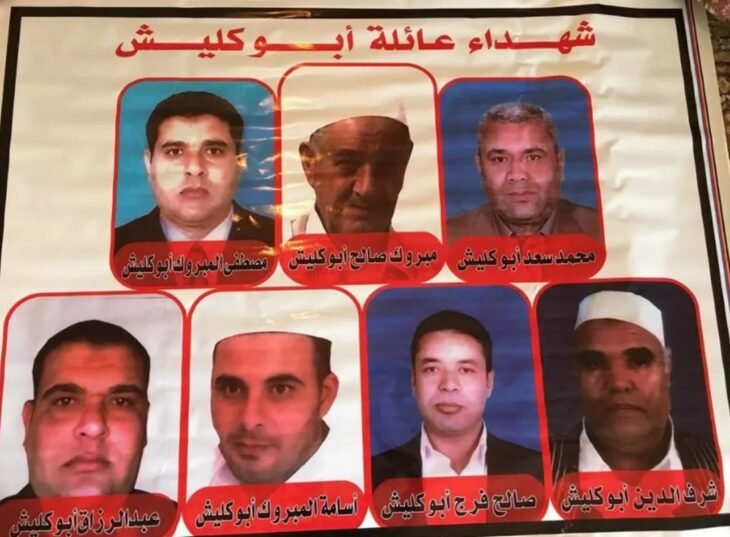
For nearly seven years, from 2014 to 2020, the city of Tarhouna, south of Tripoli, lived under the bloody rule of a militia known as the Kaniyat. Summary executions, massacres and enforced disappearances were the daily lot of the inhabitants. Since last June and the escape of the Kaniyat in the wake of their defeated ally Khalifa Haftar, macabre discoveries have been made. Families demand justice. Read More
There’s a glimmer of hope.
By The Editorial Board

Few countries exemplify the tragedy of the Arab Spring like Libya. The fall of the 42-year dictatorship of Qaddafi brought a decade of anarchy as competing governments, militias and foreign powers struggled to seize control of the oil-rich country. Read More
Editors: Nadja Berghoff and Anas El-Gomati

A decade on from the February 17th revolution, how the global disorder transformed Libya into a battleground for interest, ideology and influence.
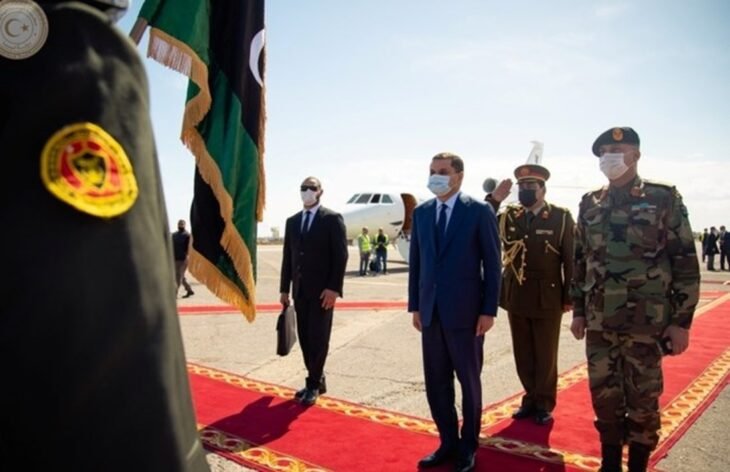
Emad Badi explains why Gaddafi’s Libya hasn’t completely disappeared, and Arturo Vaverlli explains the U.S. & Europe should unify their efforts to address Libya’s challenges.
***
By Intissar Rajabany
International Women’s Day is a fraction of time, specifically set aside to rejoice in and praise the economic, political, cultural and social achievements of women at a global scale not witnessed during the rest of the year. It also provides an outlet to mobilize for gender parity. Read More