Sahar Khamis
 In-depth: Arab women played a pivotal role as activists, organisers and leaders during the 2011 uprisings, but a decade later the promise of greater gender equality remains unfulfilled. Read More
Sahar Khamis
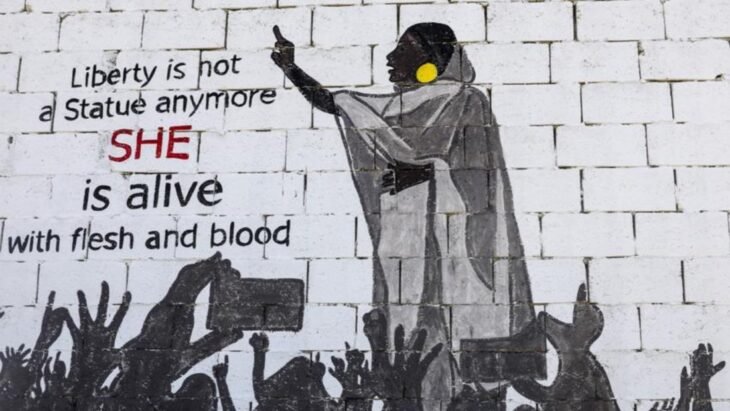
In-depth: Arab women played a pivotal role as activists, organisers and leaders during the 2011 uprisings, but a decade later the promise of greater gender equality remains unfulfilled. Read More
Editors: Nadja Berghoff and Anas El-Gomati

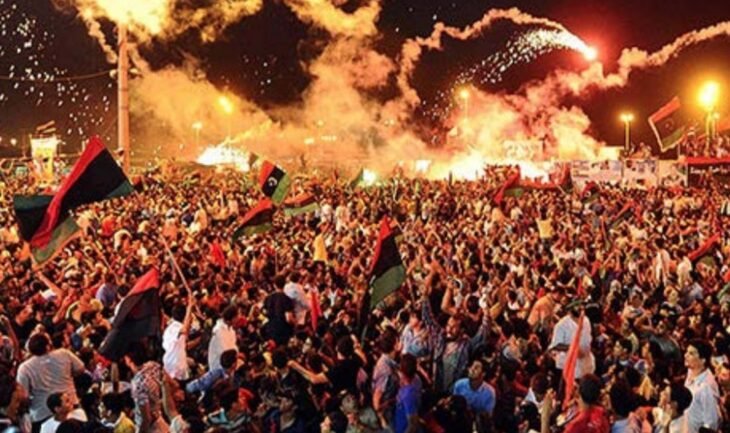
A decade on from the February 17th revolution, how the global disorder transformed Libya into a battleground for interest, ideology and influence.
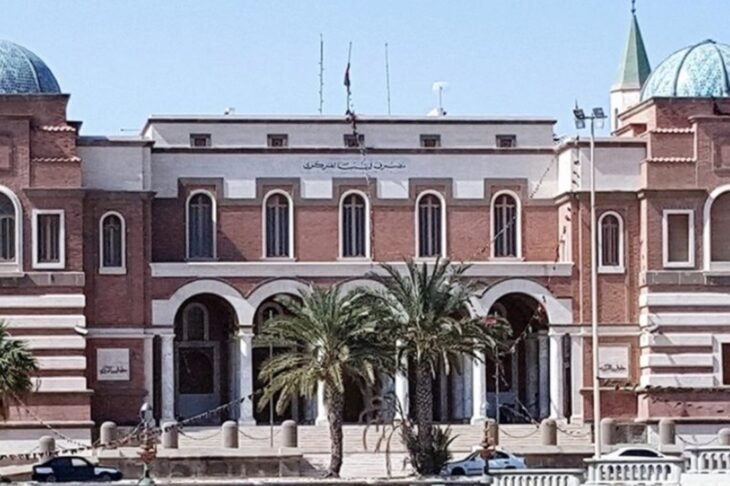
Firm economic foundation is crucial
Saddik El Kabir

As governor of the Central Bank of Libya, I am committed to pursuing a policy of providing financial security and order, and supplying a firm base for the nation.
By Daniel O’Connell & Ehsan Salah
 “We are expecting that the Geneva process will fail,” one Egyptian official told Mada Masr at the time.
Editors: Nadja Berghoff and Anas El-Gomati
A decade on from the February 17th revolution, how the global disorder transformed Libya into a battleground for interest, ideology and influence.
It’s complicated
Samer Al-Atrush
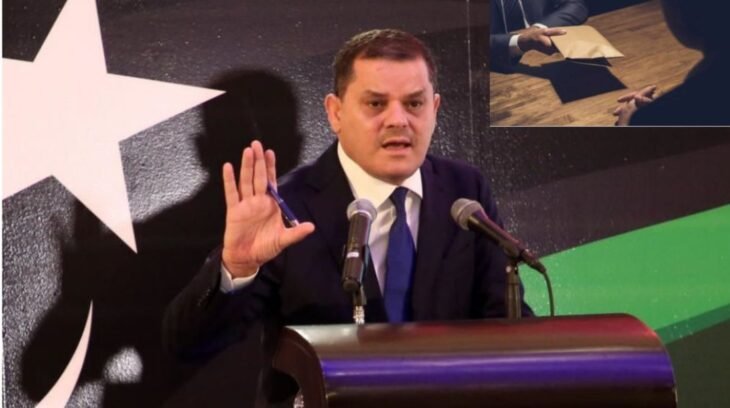
 Abdelhamid Dabaiba, Libya’s new prime minister designate, was never precisely synonymous with transparent business dealings, and his cousin Ali, who’s been investigated by Scottish police for money laundering and had a seat at the UN dialogue, is synonymous with corruption. Read More
Editors: Nadja Berghoff and Anas El-Gomati
 A decade on from the February 17th revolution, how the global disorder transformed Libya into a battleground for interest, ideology and influence.
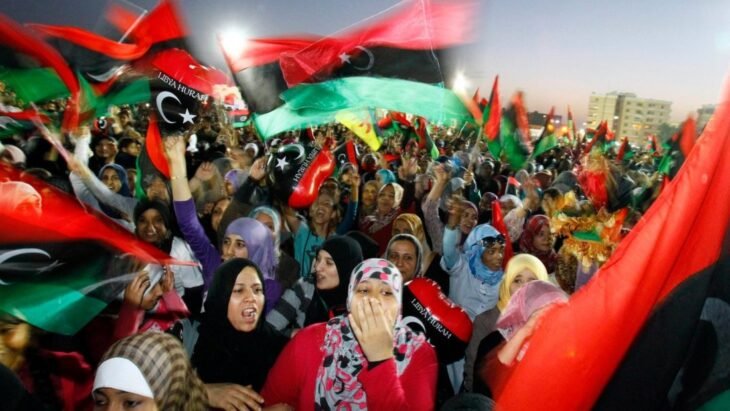

Ten years after Libya’s February 2011 revolution, a long decade of prolonged civil war and political discord has made even the recent political achievements bittersweet, for there are still significant unresolved issues. Read More
By Daniel O’Connell & Ehsan Salah
“We are expecting that the Geneva process will fail,” one Egyptian official told Mada Masr at the time.
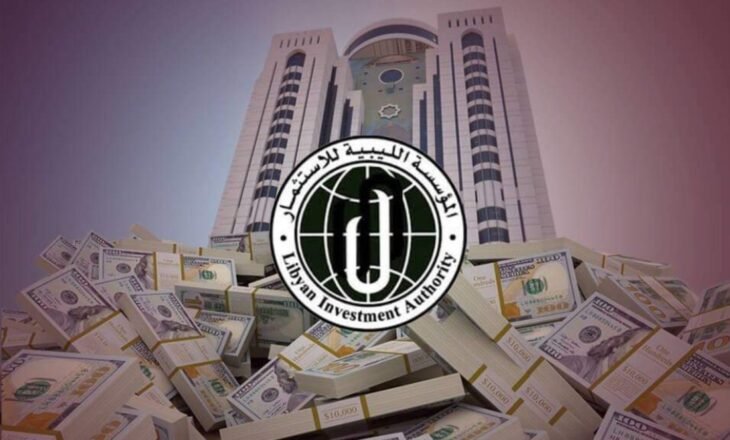
By Tim Eaton
 The extraordinary story of Libya’s overseas investments and seemingly endless battles over their control.
Editors: Nadja Berghoff and Anas El-Gomati
A decade on from the February 17th revolution, how the global disorder transformed Libya into a battleground for interest, ideology and influence.
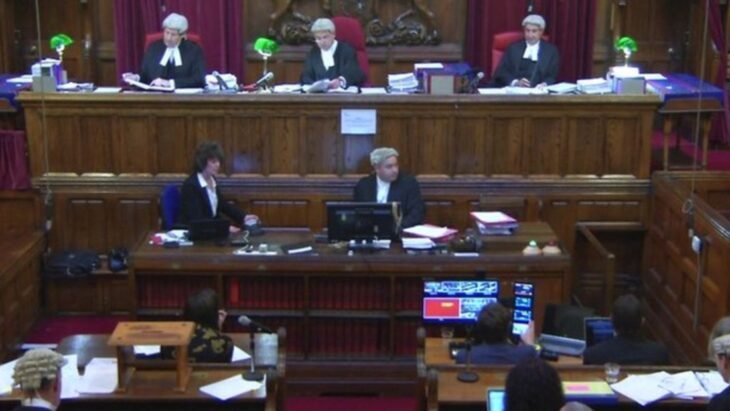
By Tim Eaton
The extraordinary story of Libya’s overseas investments and seemingly endless battles over their control.
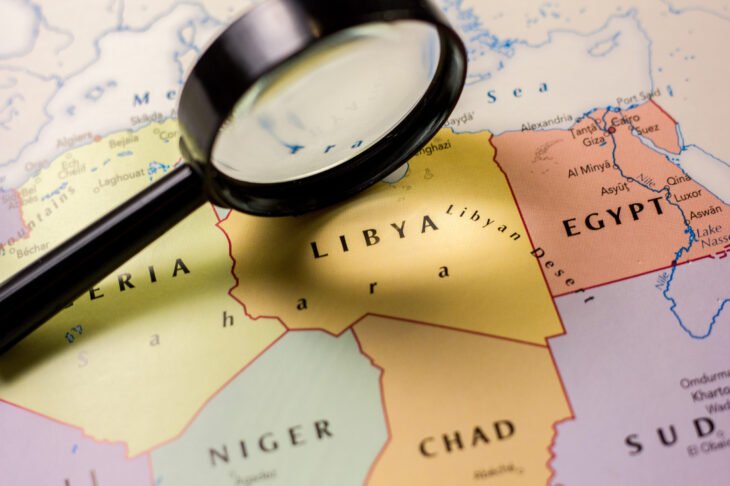
By Alhareth Elshibani
 A turbulent period ascends over the Government of National Unity (GNU) of Libya. Read More
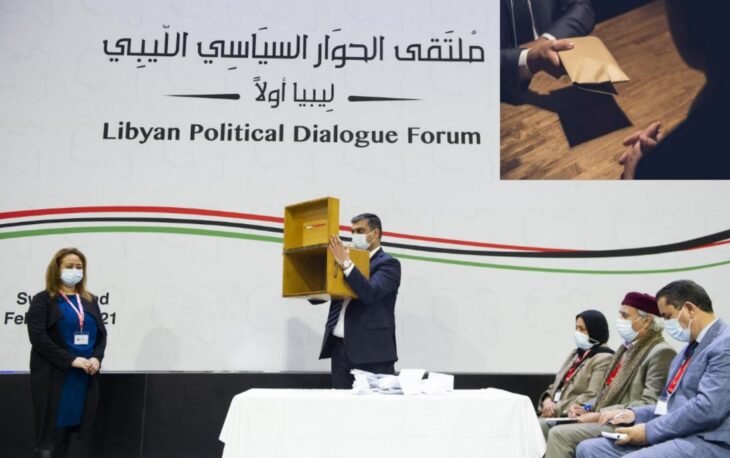

Political rival and UN weigh in after claims delegates offered up to $500,000 to elect interim prime minister-designate Abdul Hamid Dbeibah. Read More
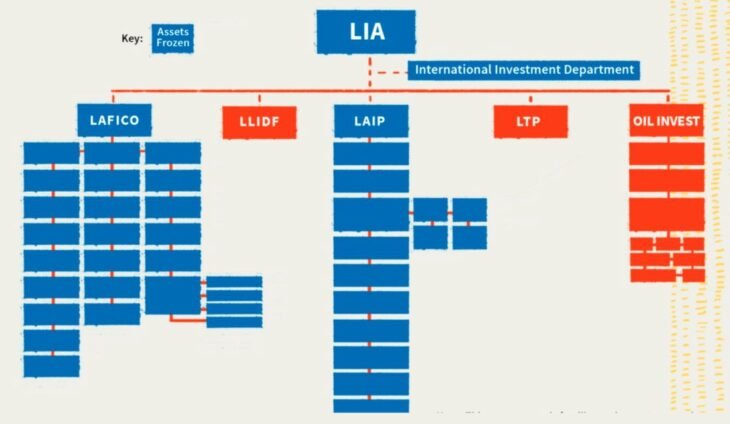
By Tim Eaton
The extraordinary story of Libya’s overseas investments and seemingly endless battles over their control.
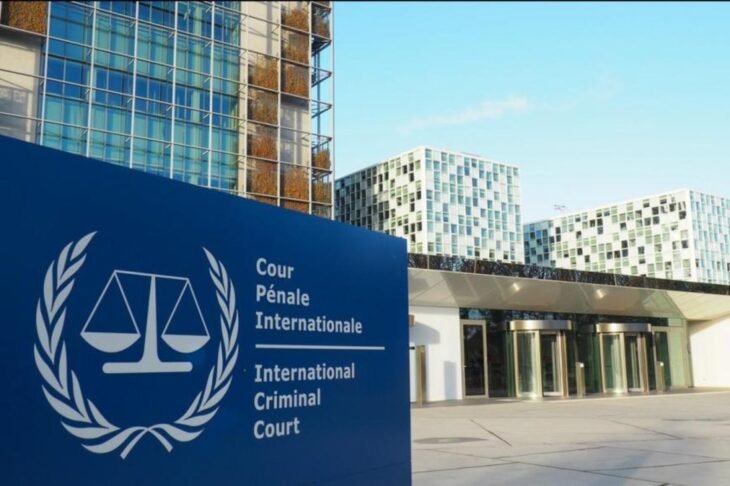
Grim Decade for Human Rights
 Justice remains elusive and impunity rampant a decade after the United Nations Security Council referred the situation in Libya to the International Criminal Court (ICC) prosecutor, Human Rights Watch said today. Read More
By Sarah Vernhes
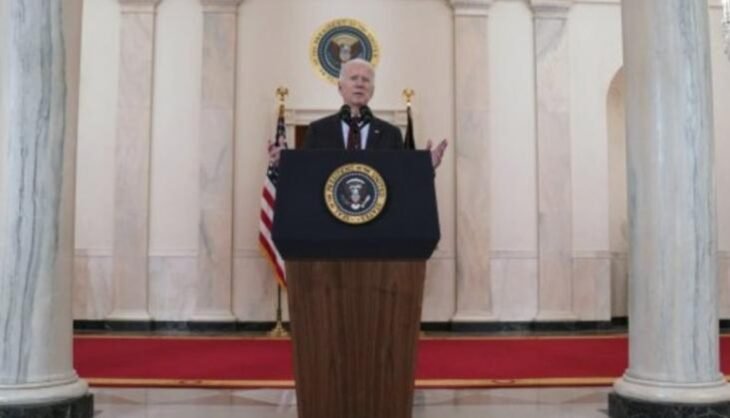
The Tripoli government hopes to see the new US President get involved in Libya again. In particular, it is counting on Washington’s support to ensure the withdrawal of Russian mercenaries. Read More
By Samer Al–Atrush
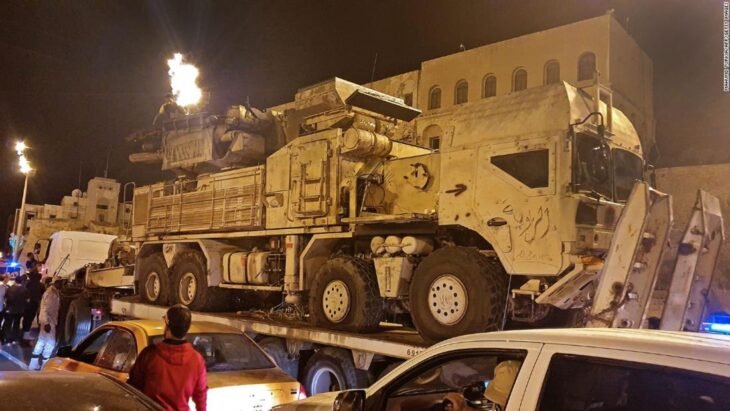
When militias allied to the Government of National Accord (GNA) in Tripoli stormed Khalifa Haftar’s Al-Watiya air base in western Libya on 18 May 2020, they captured a valuable prize – a Russian-built Pantsir missile defence system. Read More
By Thomas O. Falk
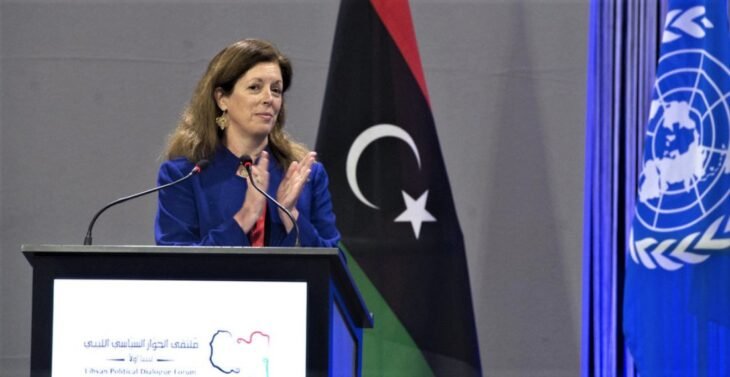
 With the United Nations’ support, Libya has elected an interim government. The country’s new prime minister is now tasked with maintaining the peace and, most importantly, facilitating the December 2021 general elections. While these developments are positive, questions around stability remain, and the situation in Libya is still highly volatile. Read More
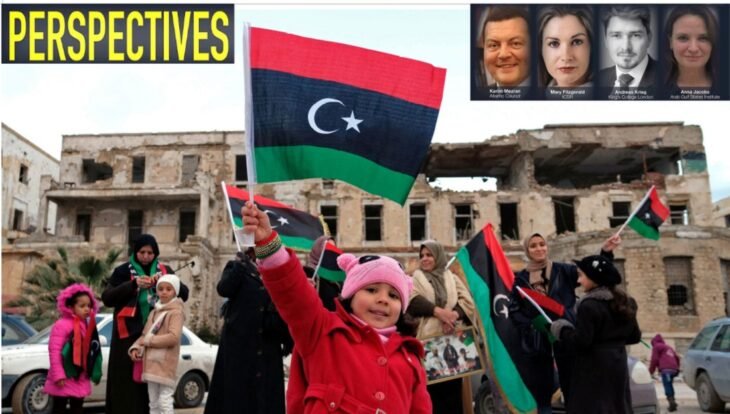
 As part of its 10-Years Since the Arab Spring Series, Crisis Response Council asked experts to reflect on the legacy of the 2011 uprising in Libya. Read More
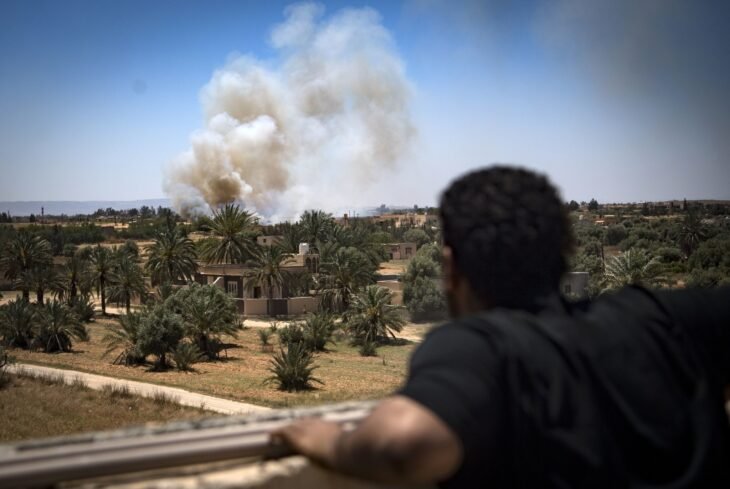
 Moscow is plunging deeper into a war of armed drones in a strategic hot spot rich with oil, teeming with migrants and riddled with militants. Read More
By Hafed Al Ghwell and Karim Mezran
After a decade, the upheaval unleashed across the Middle East and North Africa by the winds of the Arab Spring only seems to have a woeful lasting legacy: civil wars, counter-revolution movements, and instability caused by widening regional ideological rifts. Read More
By Jalel Harchaoui
 A first agreement has helped to overcome the divisions that have affected Libya for years. New leaders have been appointed. Who are they? Will they have the means to set the country on the road to reconstruction? Read More
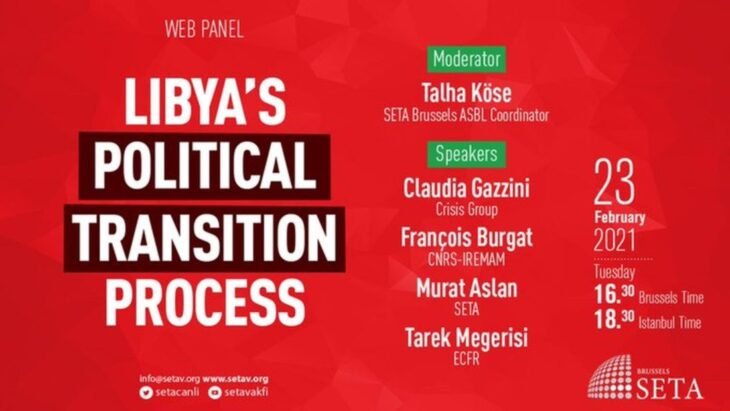

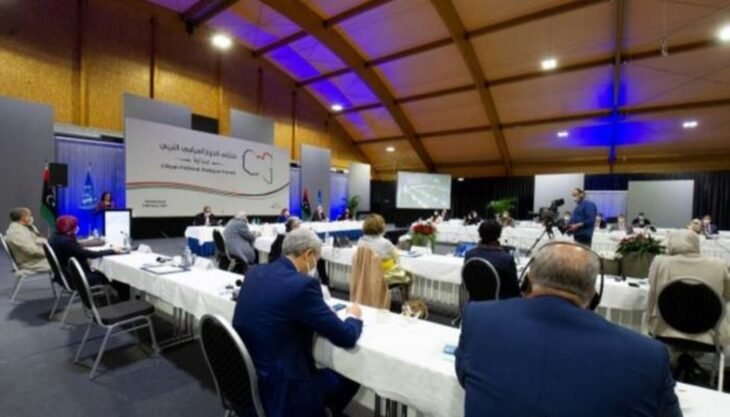
Siyaset, Ekonomi va Toplum Arastirmaalari vakfi (SETA Brussels), a foundation for political, economic and social research has organised a web-panel entitled “Libya’s Political Transition Process” on Tuesday, 23rd of February 2021. Read More
By Rabia Golden
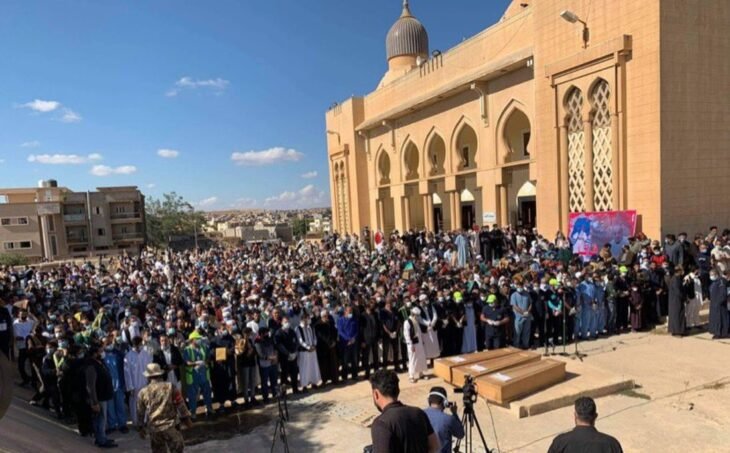
 When the 17th February revolution first began, I was living in the United Kingdom with my ex-husband and kids, they were mostly grown, some married and some preparing for getting married. Read More
By Alex Kassidiaris
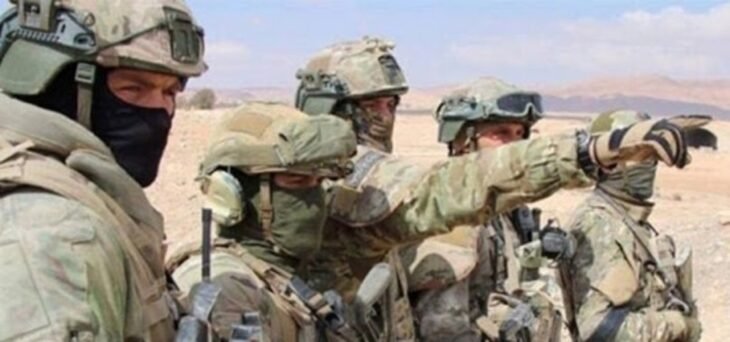
 The shadowy Russian Wagner Group has drastically affected the course of the conflicts in Libya and Syria. While the Group cannot be clearly identified as a mercenary force or a private military company, its activity in war-torn countries continues to pose a serious threat to regional stability. Read More
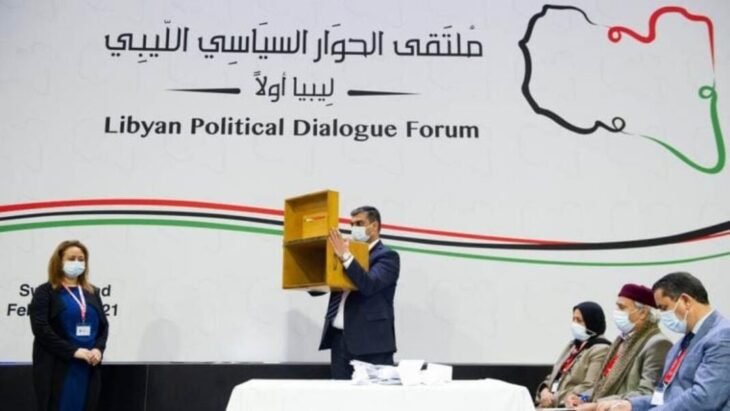
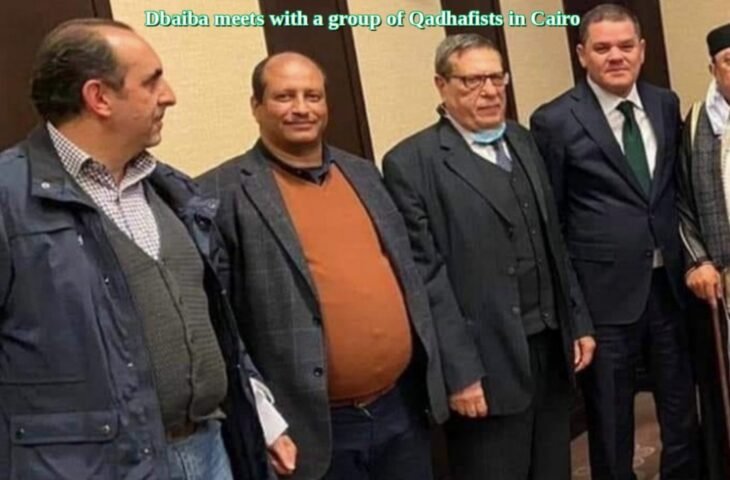
 On 5 February, Libyan delegates attending UN-hosted political talks in Geneva nominated a new unified interim executive for their country, which has been split in two regions, each administered separately, since 2014. They chose eastern Libya’s Mohamed Mnefi to head a new three-person Presidency Council and a businessman from Misrata in western Libya, Abdulhamid Dabaiba, as prime minister-designate. Read More
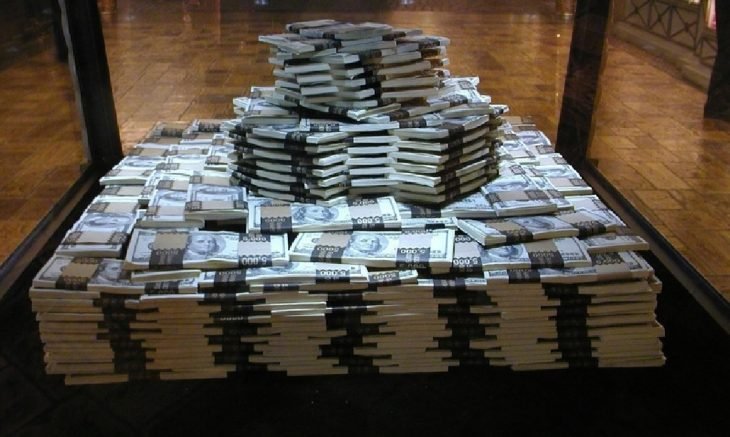

Our new report shows how Libya appears to be losing millions of dollars a year through the fraudulent use of its Letters of Credit (LC) system, run by the Central Bank of Libya. While a vital cog in meeting Libya’s import needs, the LC system has been plagued by abuse, which our new evidence suggests is continuing. Read More
By Ferhat Polat
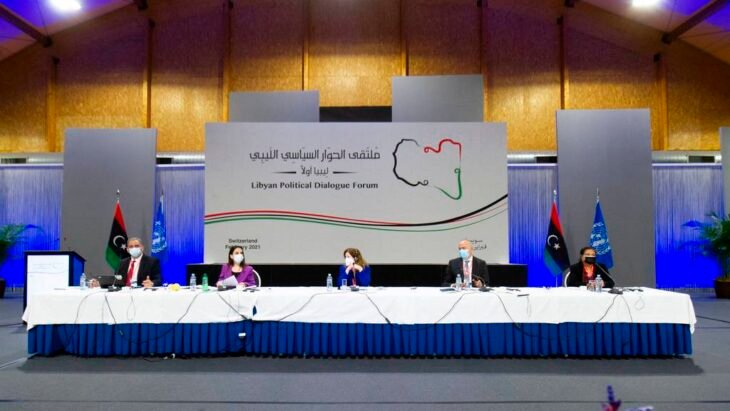
 Without the support of key foreign states that sponsor Libyan actors, no political process will be able to succeed in bringing stability. Read More
By Declan Walsh
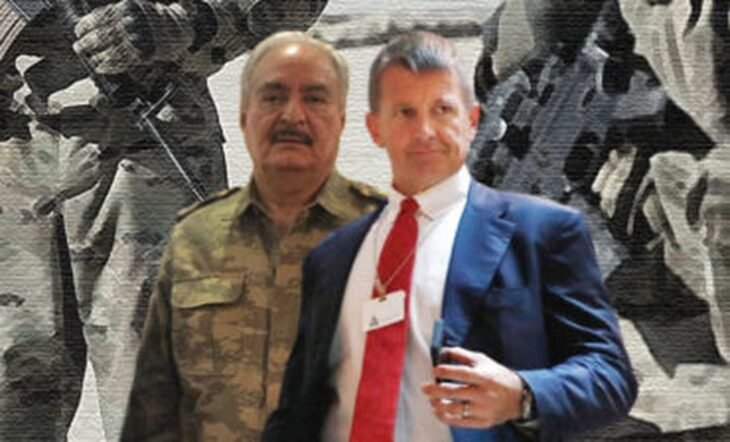
 Erik Prince, the former head of the security contractor Blackwater Worldwide and a prominent supporter of former President Donald J. Trump, violated a United Nations arms embargo on Libya by sending weapons to a militia commander who was attempting to overthrow the internationally backed government, according to U.N. investigators. Read More
By Jonathan M. Winer
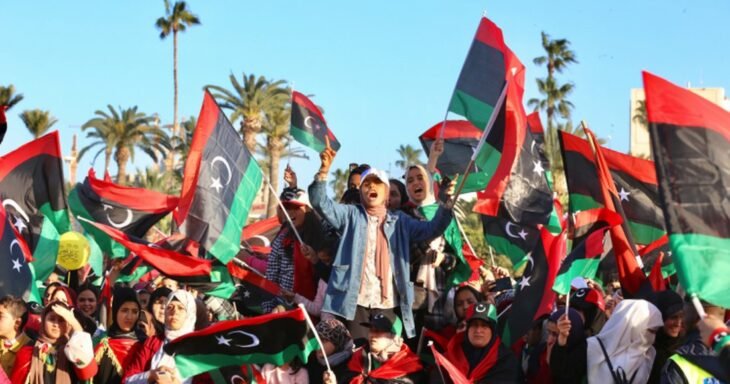
 Five years ago, President Barack Obama characterized the failure “to plan for the day after” the U.S. intervention in Libya as his worst foreign policy mistake. Read More
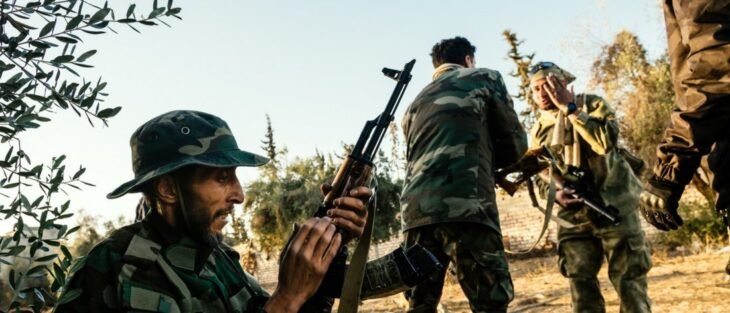
Emadeddin Badi
 The transformations witnessed in Libya’s security sector over the past decade largely reflect the violence that reshaped the country’s social landscape during the 2011 revolution. Read More
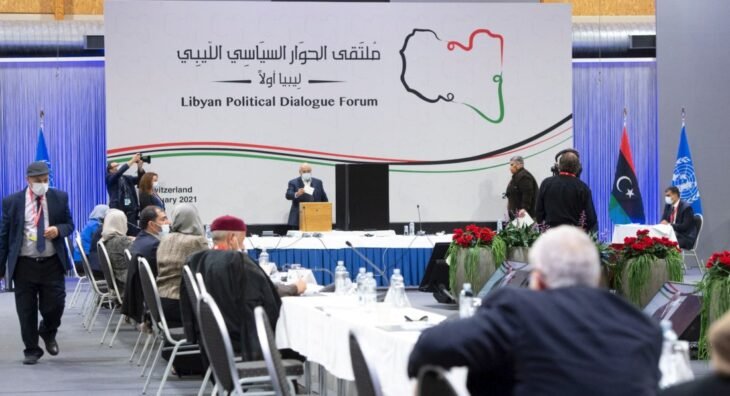
Stephanie Turco Williams and Jeffrey Feltman

 Libyans can mark the 10th anniversary of the uprising against Moammar Gadhafi (generally accepted to have begun on February 17, 2011) with something in short supply since Libya’s 2014 descent into division and civil war: hope. Read More
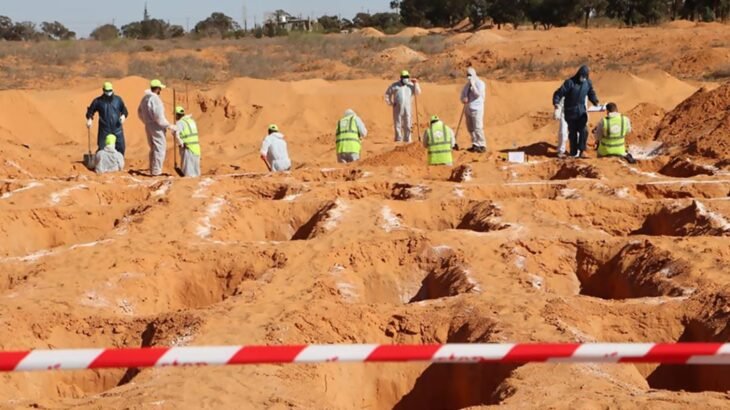
‘People were buried alive. Whole families were eliminated.’
By Sara Creta

Wadah al-Keesh is used to handling dead bodies; fighters and civilians abandoned on Libya’s front lines. But a decade after the violent revolt that unseated Muammar Gaddafi – and after yet another year of fighting – recovering people from mass graves in a town notorious for brutal violence against civilians is different. Read More
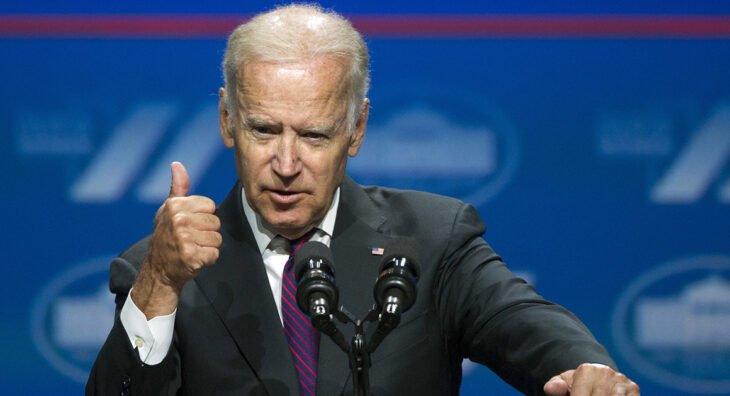
By Karim Mezran
The Libyan people’s hopes have been raised and lowered by a succession of events so often in the past decade that it seems foolish to get on a roller coaster of emotions again. Read More
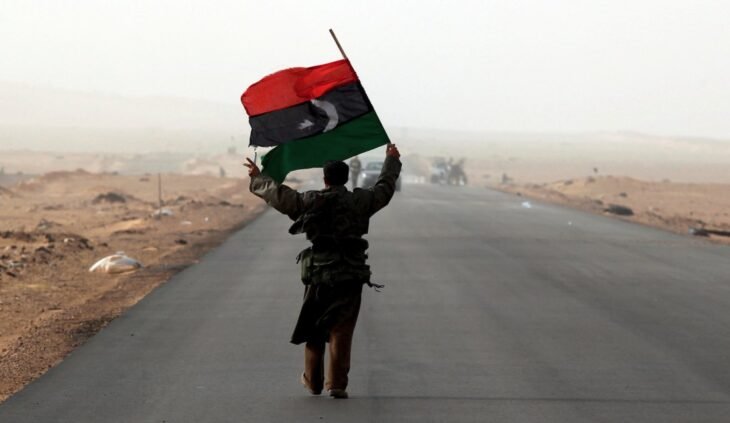
By Borzou Daragahi
 In early February, scores of Libyans gathered in Geneva to form yet another transitional authority, hoping to pave the way for yet another election and a government that could stabilize and unify the fractured North African nation. Read More