 Representatives of Tawergha and Misrata sign deal for thousands of displaced Libyans to return home. Read More

Representatives of Tawergha and Misrata sign deal for thousands of displaced Libyans to return home. Read More
By Tarek Megerisi
 Hurrying Libyans to an early vote could prove counter-productive unless European powers unify and take action on problems now. Read More
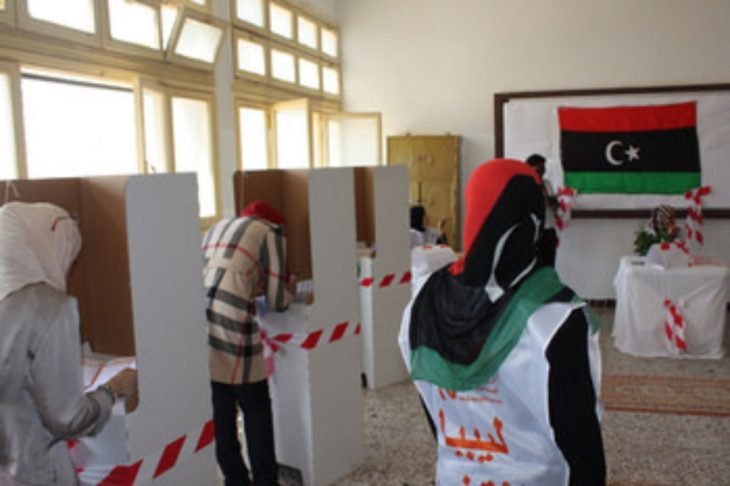
 There is general agreement in Libya, the UN and among key Western and Arab nations that national presidential and parliamentary elections will be held on December 10th and the new officials will form a national government. Read More
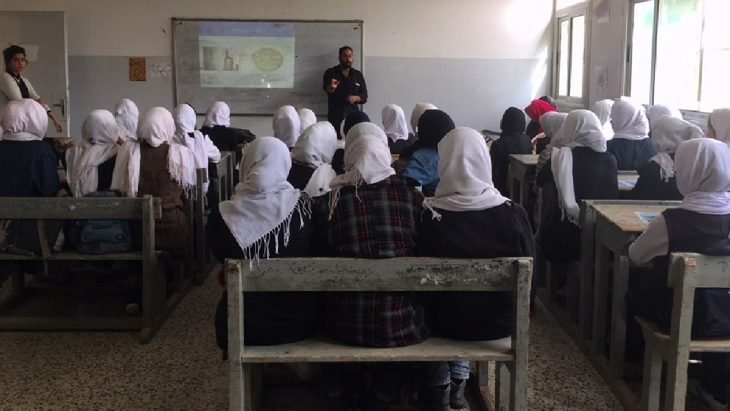
 Since the beginning of the year, DDG has taught thousands of children, youth and adults in the Libyan city of Benghazi, which has been ravaged by years of conflict, about the threats of Explosive Remnants of War (ERW). Read More
By Michel Cousins
 Most southerners seem convinced that the GNA and the LNA do not care about them or their problems. Read More
By Anouar Boukhars
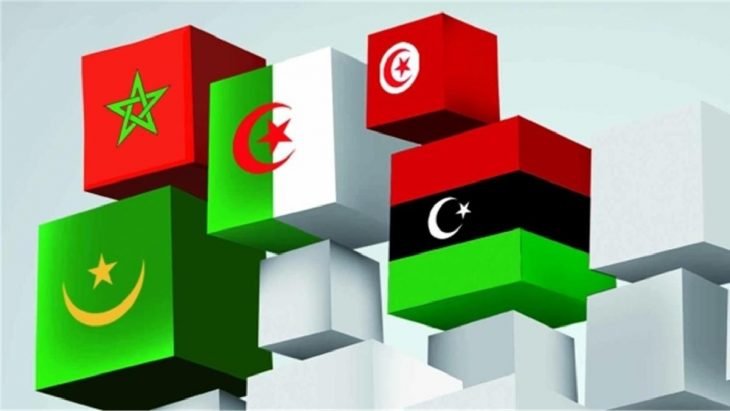
 The dream of Maghrebi integration remains as elusive as ever. It is hard to disagree with those who proclaim that the AMU is just about dead; whereas the five countries of the Maghreb recognize the tantalizing benefits of greater cooperation. Read More
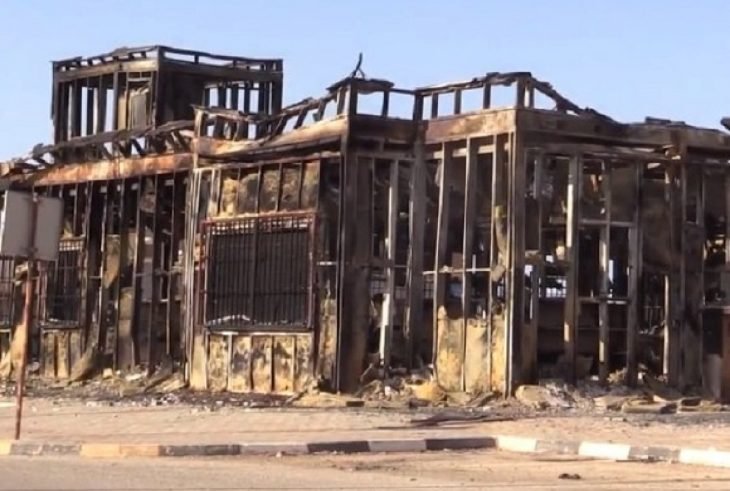
 UN says eastern city is without power and water as residents face air raids and shelling from Khalifa Haftar’s forces. Read More
By Karen Dabrowska
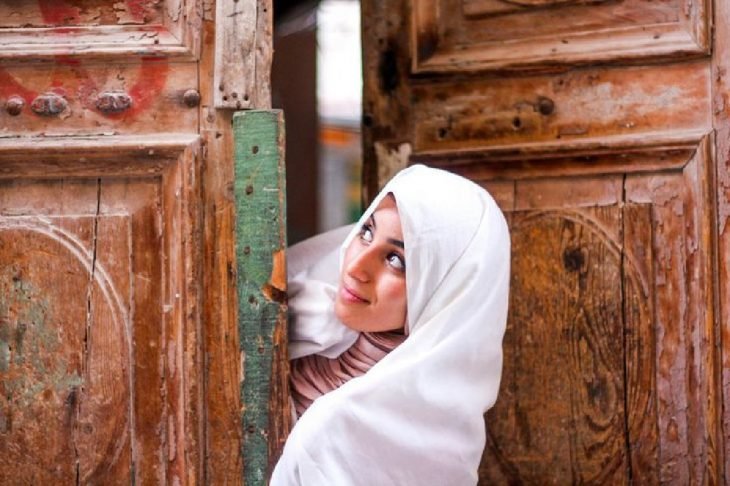
 Libyans can be shaped by tragedy but should never be defined by it. That was the message from Libyan poet Farrah Fray, who spoke about her work at London’s P21 Gallery, which hosted an exhibition of contemporary Libyan art. Read More
By Chiara Loschi
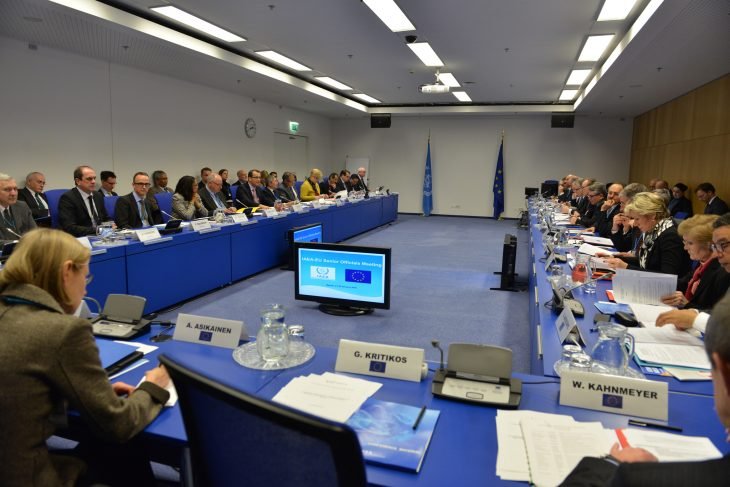
 Seven years after the Arab uprisings, Libya’s deinstitutionalization of the established order is far from being a success story. Read More
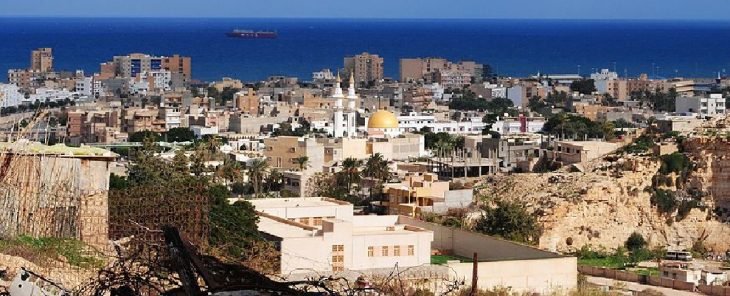
By Tom Miles

Fighting in the Libyan city of Derna has escalated to unprecedented levels, with air raids and shelling of residential areas as well as heavy ground clashes, the United Nations humanitarian office said on Thursday. Read More
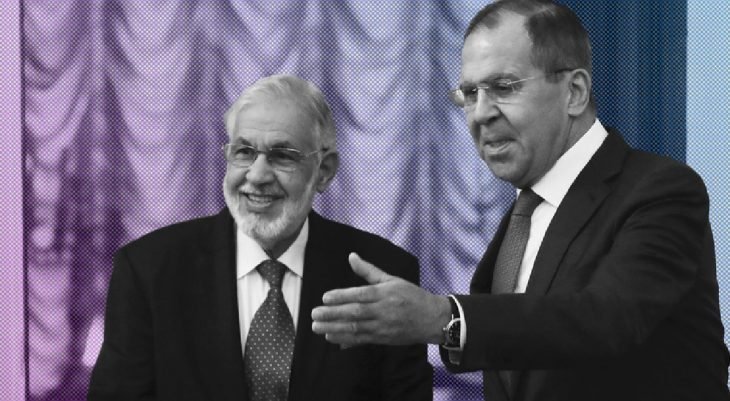
By Vasily Kuznetsov
 Moscow hopes to play a growing role in Libya’s economy, health-care system and educational programs. As Russia tries to wrap things up in Syria, it’s moving ahead with plans for Libya. Read More
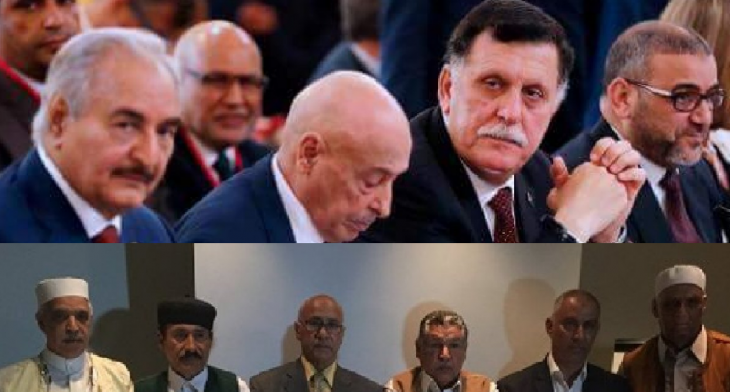
Weary Libyans harbour little hope that Paris conference will improve things. Read More
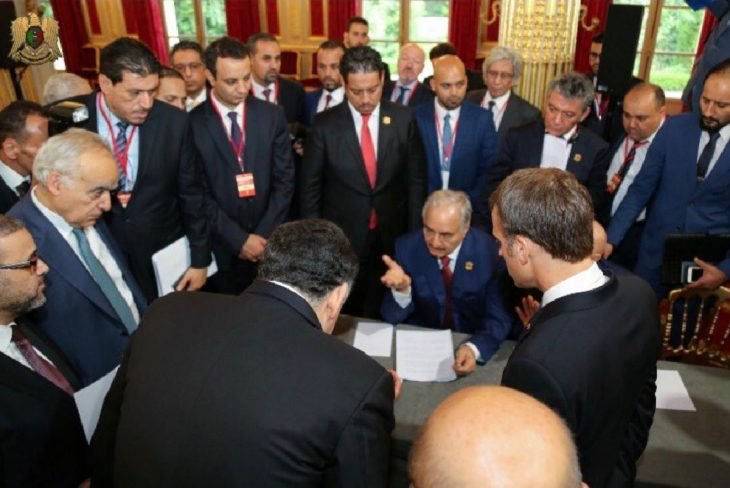
By Khaled Mahmoud
 Just days after the Libyan parties agreed to the Paris accord, disputes among the rivals have started to emerge, in what may be a sign to the deal’s imminent early collapse. Read More
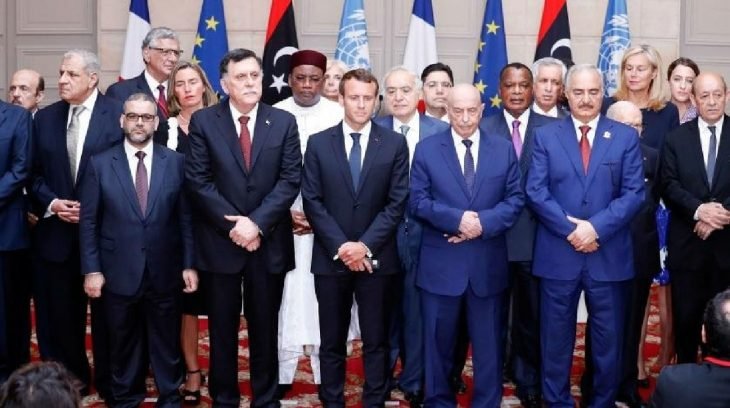
 Summary: Macron gets verbal agreement on elections from the main players. Many disagree. Outlook uncertain. Read More
By Talmiz Ahmad
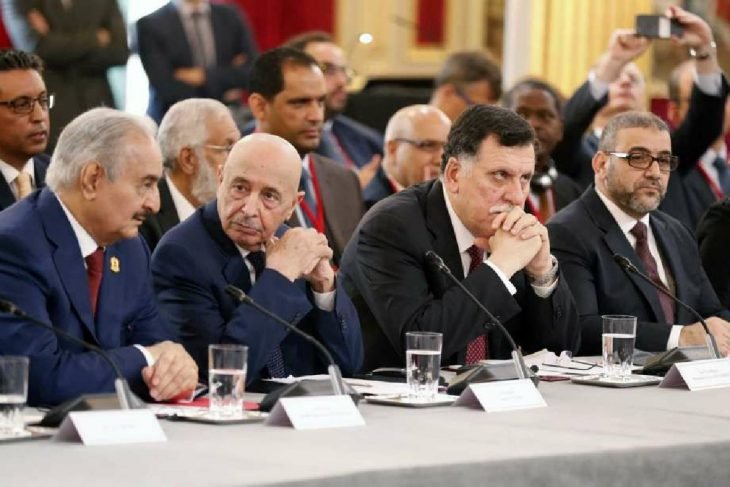
 The Libyan leaders face daunting challenges in Paris with the aim of reconciling their differences. This seems a remote prospect. Read More

By Jamie Dettmer
 Rival Libyan leaders and diplomats from more than 20 countries meeting Tuesday in Paris agreed in principle the strife-torn North African state should hold elections later this year. Read More

By Claudia Gazzini
 Four main Libyan leaders meet in Paris on 29 May to sign a roadmap to peace, including 2018 elections with united international backing. Read More

By Nadine Dahan
 Libyan rival factions agreed on Tuesday to hold elections on 10 December. The agreement was made at a Paris meeting called by the French president Emmanuel Macron. Read More
By Chiara Loschi
Seven years after the Arab uprisings, Libya’s deinstitutionalization of the established order is far from being a success story. Read More

 The most powerful brigades in western Libya rejected on Sunday the Paris conference scheduled for May 29, saying “the French initiative do not represent us.” Read More
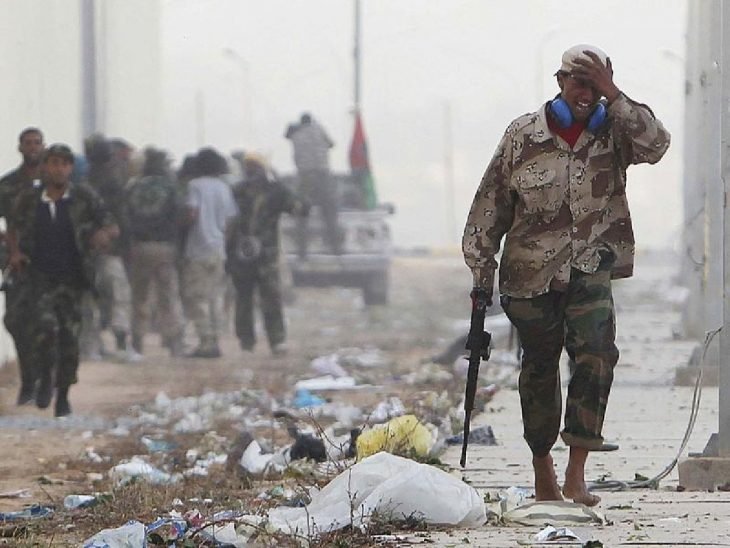
 LIBYA is located a long 6,000 miles away from the Korean Peninsula. Read More
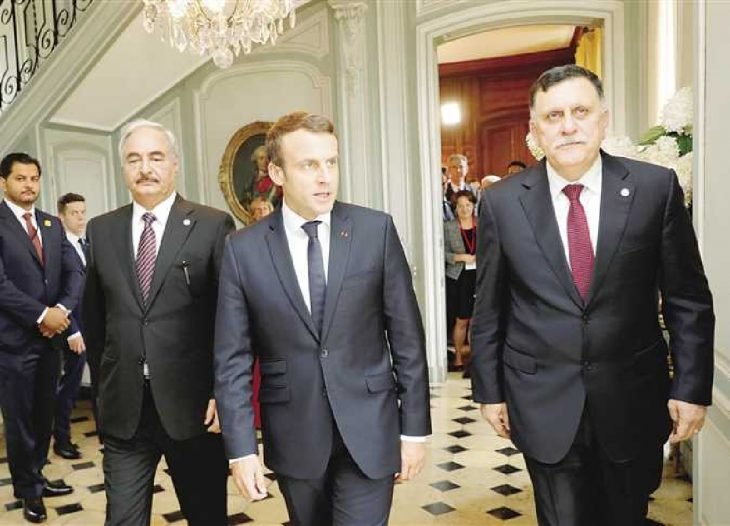
 A major international conference dedicated to obtaining a political roadmap for Libya will bring its rival factions together in Paris on Tuesday. Read More
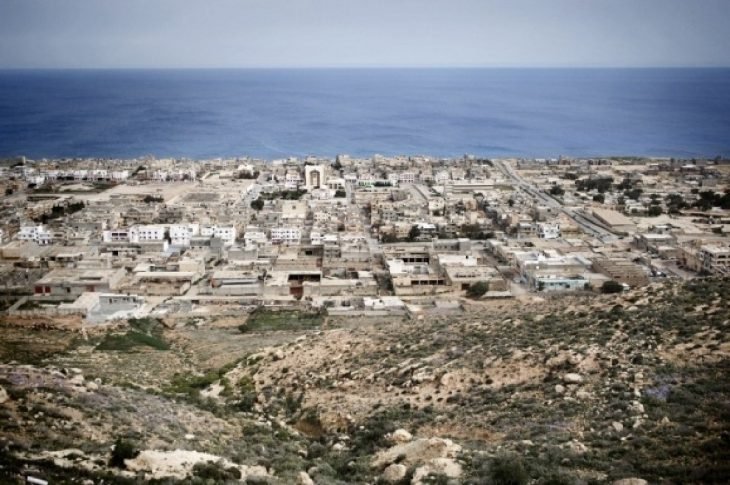
Haftar renews attack on Libya’s forgotten city
By Nadine Dahan
It has been besieged since 2016. Now the Libyan general’s forces are attacking Derna once again and residents say they feel terrorised. Read More
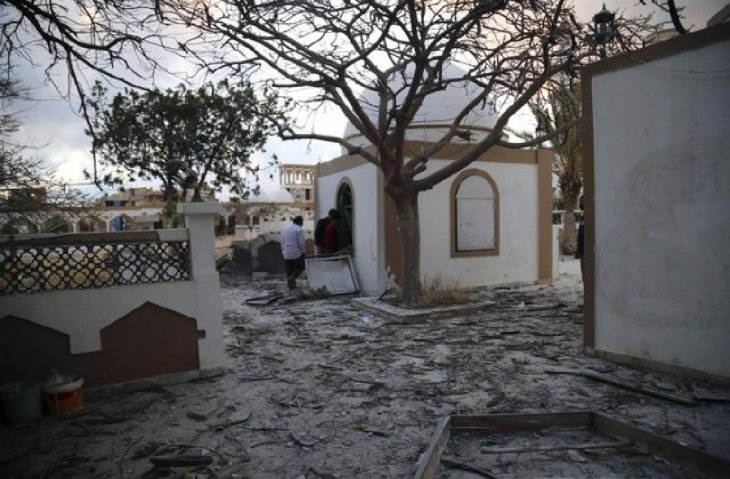
By Aidan Lewis
 Escalating conflict in the eastern city of Derna is having a devastating impact on civilians, with humanitarian workers denied access to deliver life-saving assistance, the United Nations said on Thursday. Read More
By Mieczysław P. Boduszyński & Marieke Wierda


The Libyan revolution of 2011 initially generated much hope. Read More

 The Government was slammed after it emerged the LE Aisling is now under the control of General Khalifa Haftar. Read More

By Patrick Wintour
 French president aims to bring factions together to prevent disruption to proposed ballot. Read More
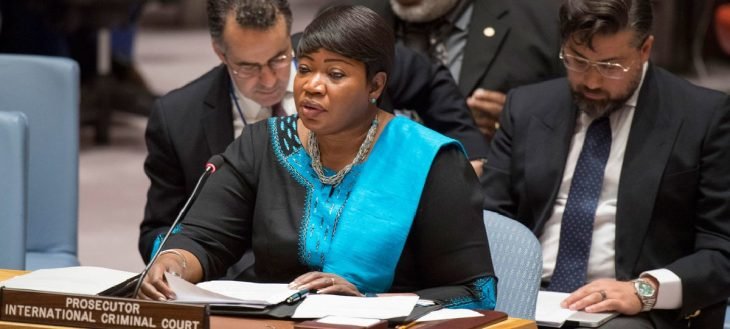
 Despite an International Criminal Court arrest warrant, a Libyan war crimes suspect remains at large and could have committed further murders, the ICC Prosecutor, Fatou Bensouda, told the Security Council on Wednesday. Read More

By Steven Feldstein
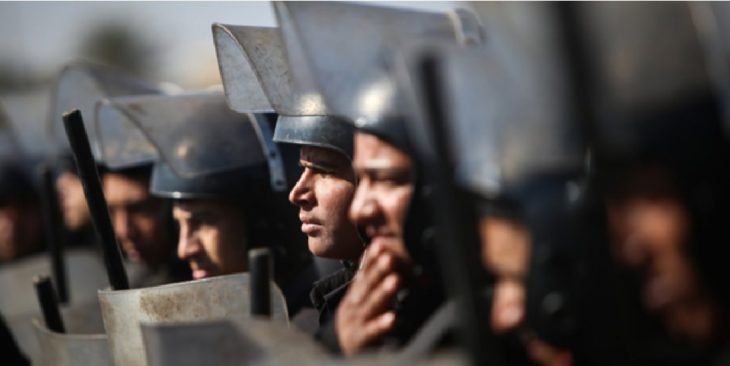
 Summary: Europe remains at fault for both failing to rebuild Libya following its 2011 intervention, and for increasingly relying on rights-abusing militias for its coast guard and migrant interdiction responsibilities. Read More
By Michael Young
 In an interview, Jean-Pierre Filiu discusses his recent book on the mechanisms of survival adopted by Arab regimes. Read More
By Edith M. Lederer
 The U.N. envoy for Libya warned Monday that the oil-rich country’s “perverse economic model” based on corruption and trafficking in people and goods “must be shattered” to end its political crisis and progress toward stability and democratic elections this year. Read More

By Olivia Cuthbert
 For a brief period after the Libyan uprising of October 2011 in which Qaddafi was killed by rebels, hope rose in the country’s exiled communities. Read More
By Abdulkader Assad
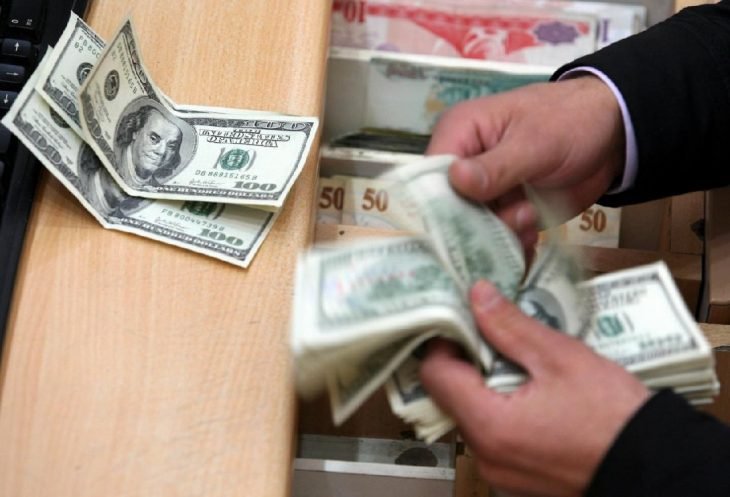
 Little has been known or even touched upon by media and the press about the millions of dollars militias have been making in illicit dealings in Libya black market, especially the capital Tripoli. Read More
By Samer Muscati
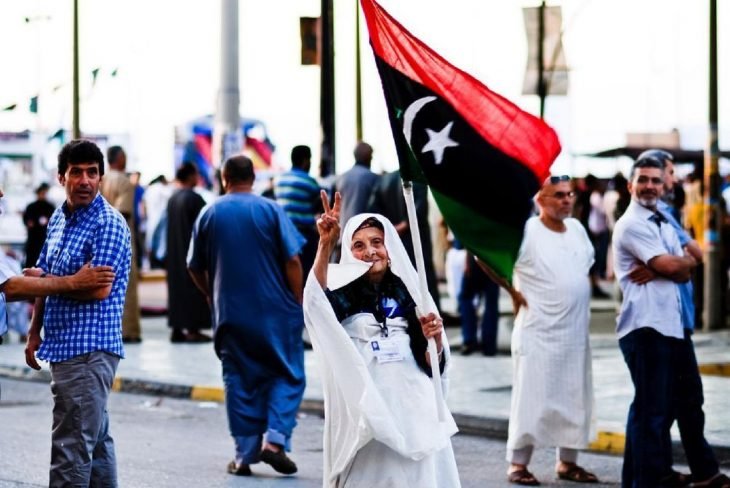
 Over a decade of chronicling human rights violations around the world, I’ve taken thousands of photographs. But there is one that is especially dear to me. Read More
By Ashish Kumar Sen

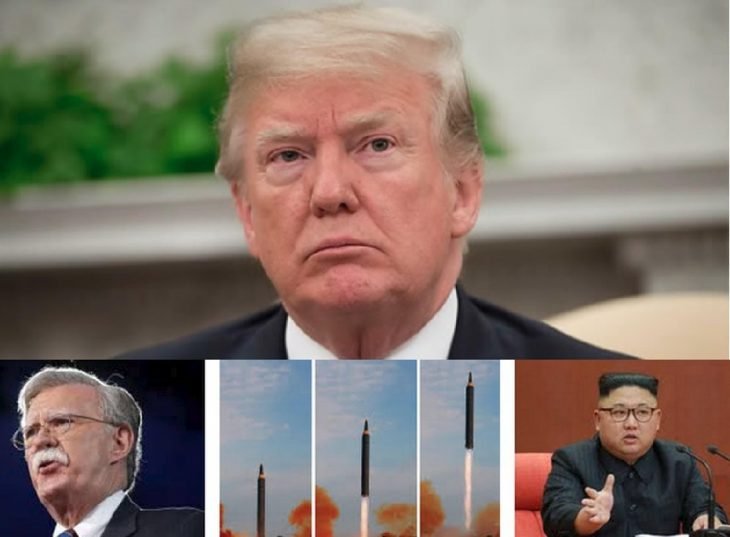
US National Security Advisor John Bolton infuriated North Korea by suggesting that Libya’s experience with denuclearization could serve as a model for Pyongyang to give up its nuclear weapons. The comment sparked swift condemnation from North Korean officials. Read More
France has been doing it all to keep position near the forces of east Libya self-styled army led by Khalifa Haftar
By Abdulkader Assad
France has proposed an initiative to end Libya’s political impasse by holding parliamentary and presidential elections by the end of 2018 as per a United National timeline. Read More