By Joseph Hammond and Suhaib Kebhaj


The civil war that has been raging in Libya since 2011 is, in many ways, a proxy war pitting Qatar and its Muslim Brotherhood allies against the United Arab Emirates (UAE) and Saudi Arabia. Read More
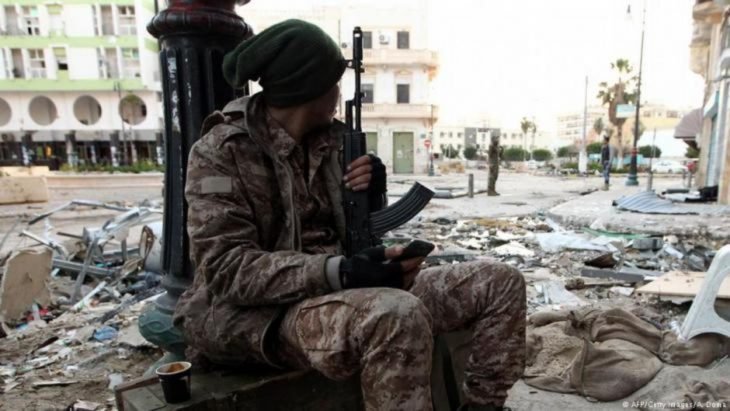
By Joseph Hammond and Suhaib Kebhaj
The civil war that has been raging in Libya since 2011 is, in many ways, a proxy war pitting Qatar and its Muslim Brotherhood allies against the United Arab Emirates (UAE) and Saudi Arabia. Read More
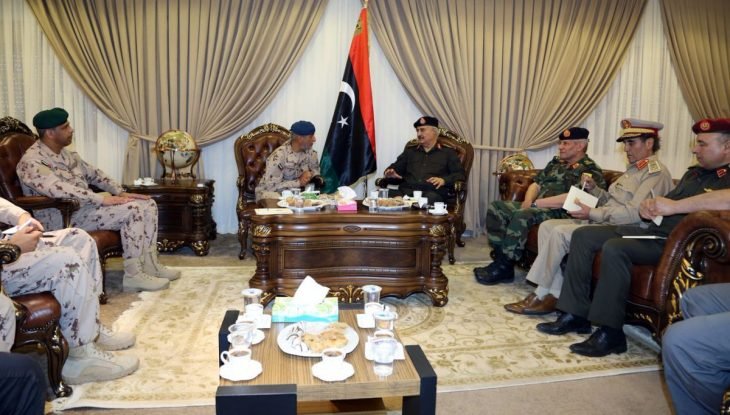
By Giorgio Cafiero and Elaine Miao


When NATO launched Operation Unified Protector against the Libyan regime in 2011, the alliance received support from its own member Turkey, as well as two Arab monarchies of the Persian Gulf: Qatar and the United Arab Emirates (UAE). Read More
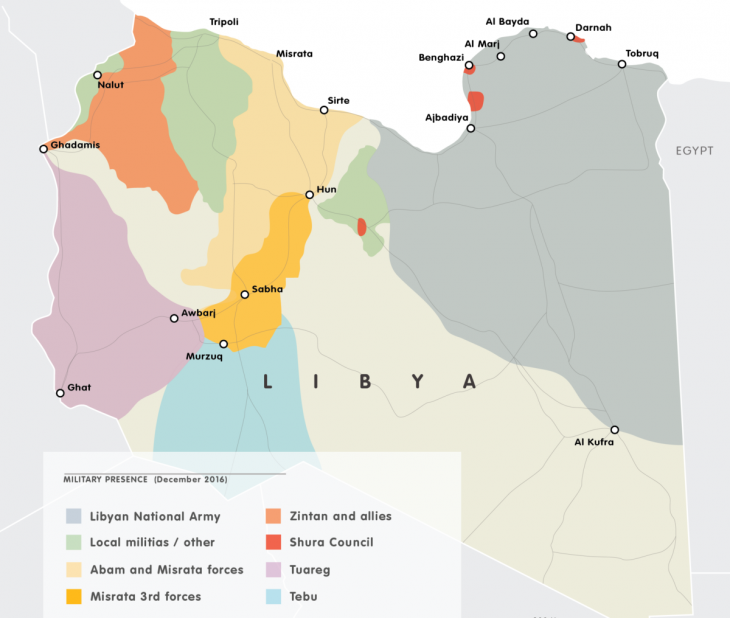
By Wolfram Lacher
 The 17th February Revolution has fundamentally reshaped Libya’s political landscape.
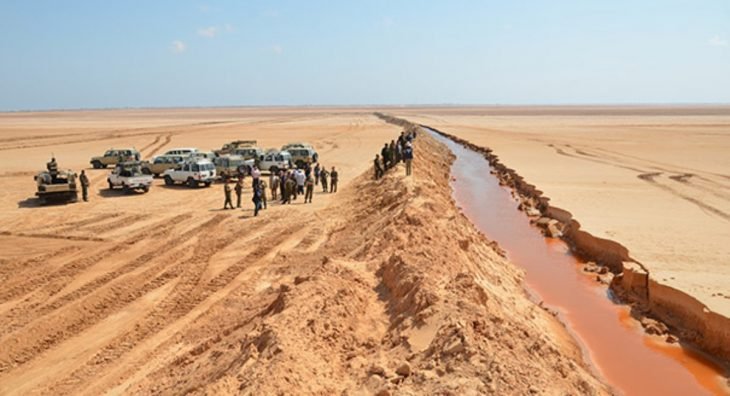
By Anouar Boukhars
 More than six years after the revolution that ousted former president Zine el-Abidine Ben Ali, Tunisia’s border regions remain hotbeds of social discontent and agitation. Read More
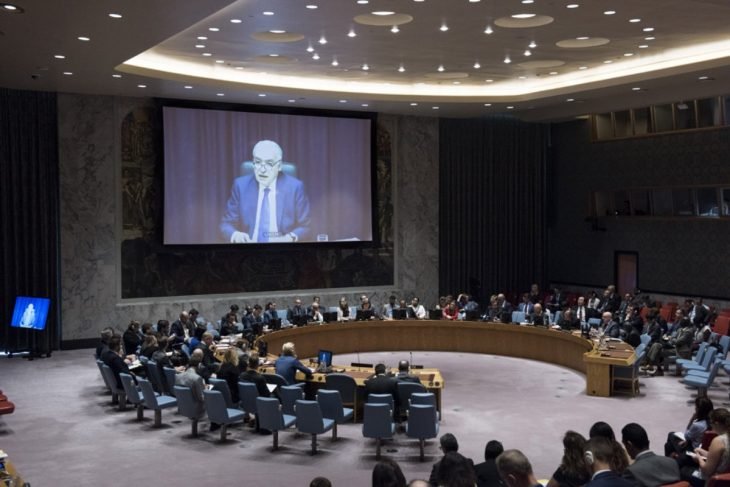
 Ghassan Salamé, Special Representative and Head of the UN Support Mission in Libya (UNSMIL) Spoke by video link to a Security Council meeting on the situation in Libya. (UN Photo/Kim Haughton) Read More
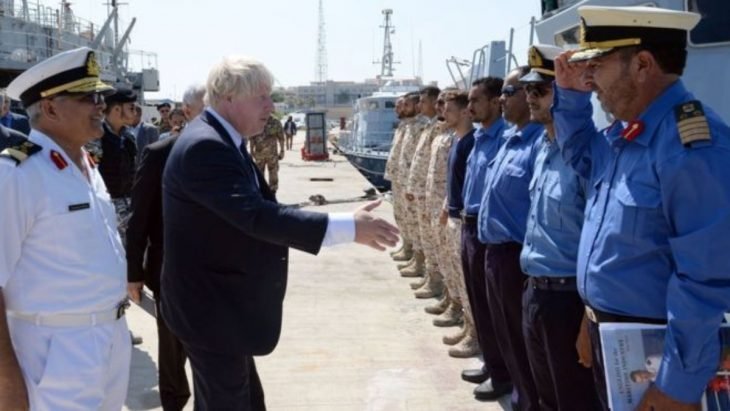
By James Landale
 In one dock lies the wreck of a frigate sunk by the RAF in 2011. It rests on its side, a rusting symbol of David Cameron’s decision to use military force against Colonel Gaddafi’s regime. Read More
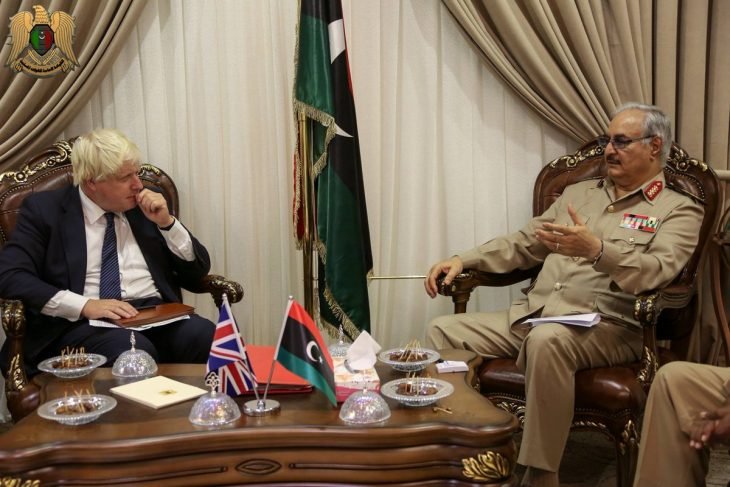
 British foreign secretary says Haftar’s self-styled Libyan National Army is fighting ‘umpteen militias… in lawless areas of Libya’. Read More
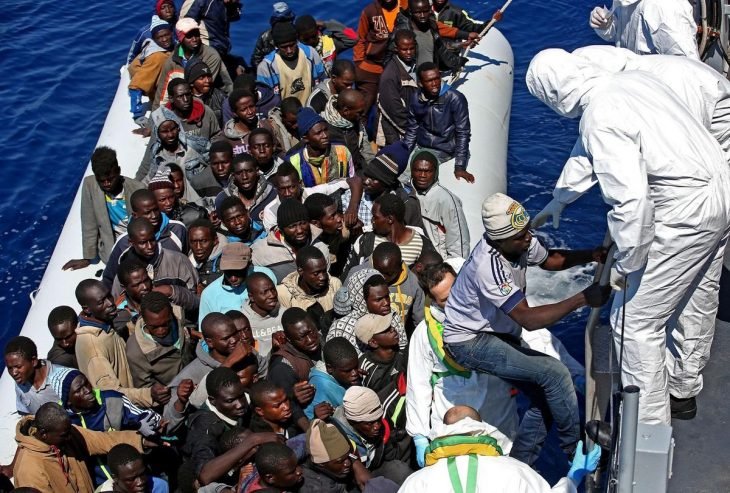
By Matthew Vella
 A Libyan kingpin fuel and human trafficker with well-known links to Malta has been arrested by a militia force, after years of unceasing criminal activity. Read More
By Francesca Mannocchi
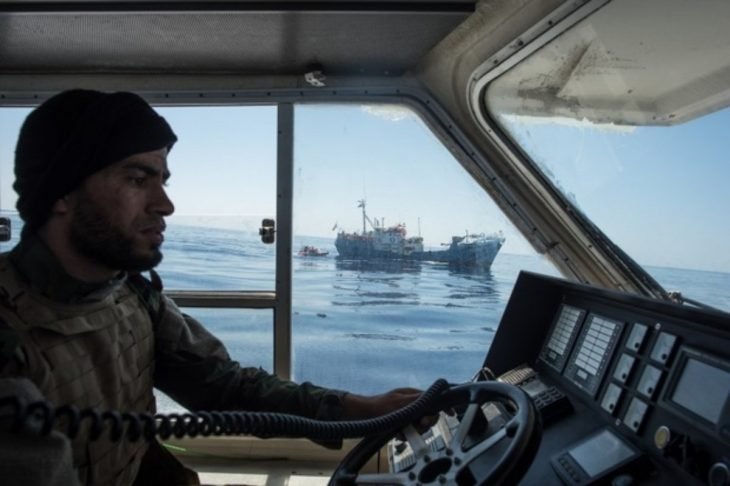
 Rome refuses to comment on claims that millions of dollars have changed hands, as migrant arrivals in Italy plummet. Read More
By Muhajir
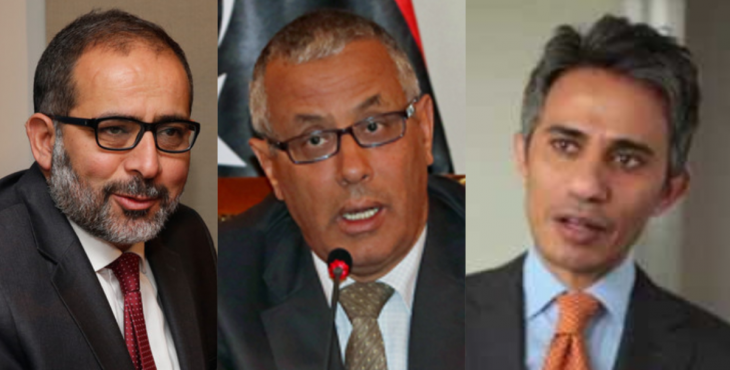
 It seems that we entered the phase of electoral propaganda before the election law is drawn up. Read More
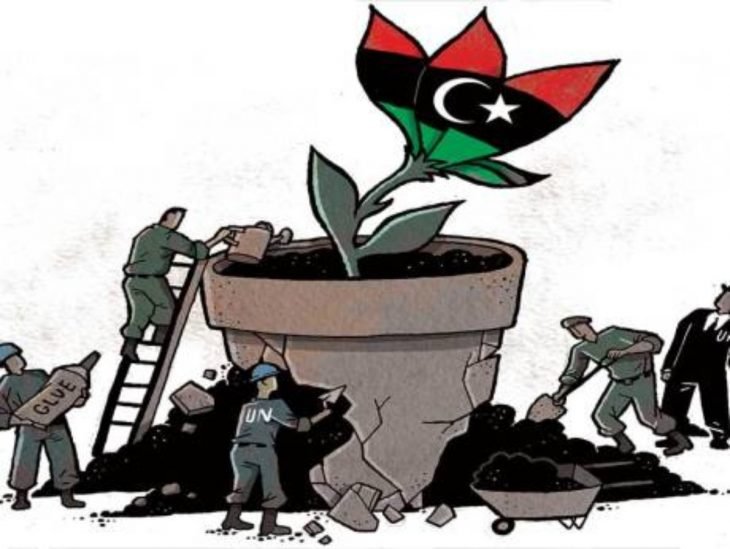
If the world can speak as one and stand behind the UN plan, this country can be great again
By Boris Johnson
 I was standing on the hot Tripoli dock with the head of the Libyan coastguard, when he gestured at what has been for the past six years the most abject eyesore of the harbour. Read More
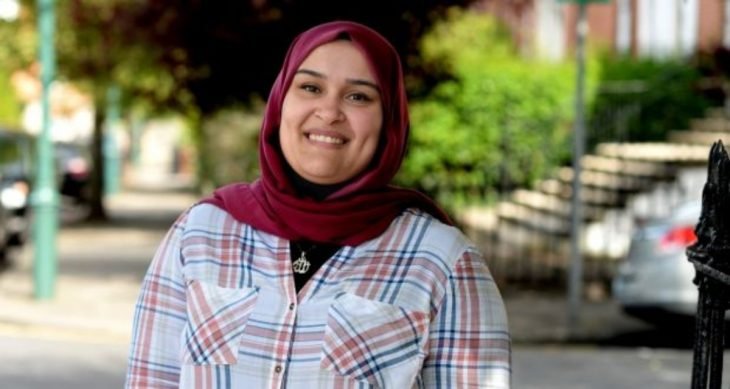
Malak Bouod arrived from Libya in 2014 (Photograph: Cyril Byrne)
By Sorcha Pollak
 Within four days of receiving permission to stay in Ireland, Malak Bouod secured a job in the tech industry in Dublin.
Read More
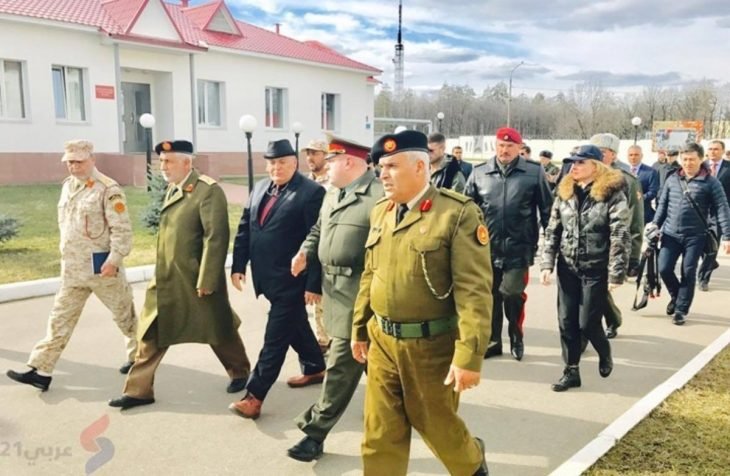
By Vasily Kuznetsov
 The mid-August visit to Moscow by Gen. Khalifa Hifter of the Libyan National Army (LNA) did not stir a lot of interest. Read More
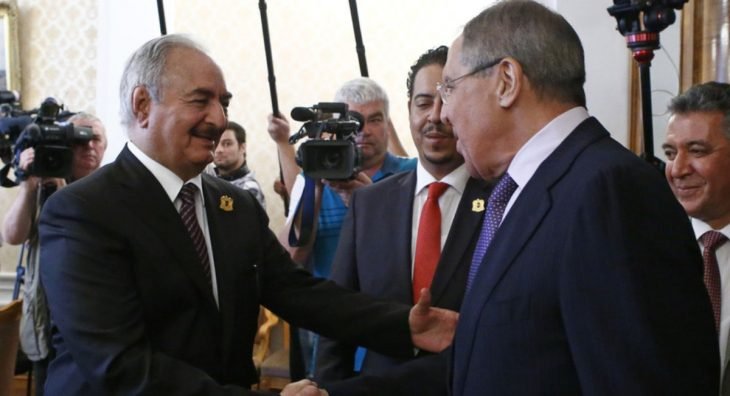
By Yury Barmin
 After being absent from the divided Libyan political landscape for months, Moscow again made headlines by hosting Gen. Khalifa Hifter for a three-day visit earlier this month, meeting with the foreign and defense ministers, his usual Russian interlocutors. Read More

By Mattia Toaldo
 Without an accompanying roadmap and buy-in from the population, a referendum on Libya’s draft constitution risks leaving Libya’s crisis of legitimacy unresolved. Read More
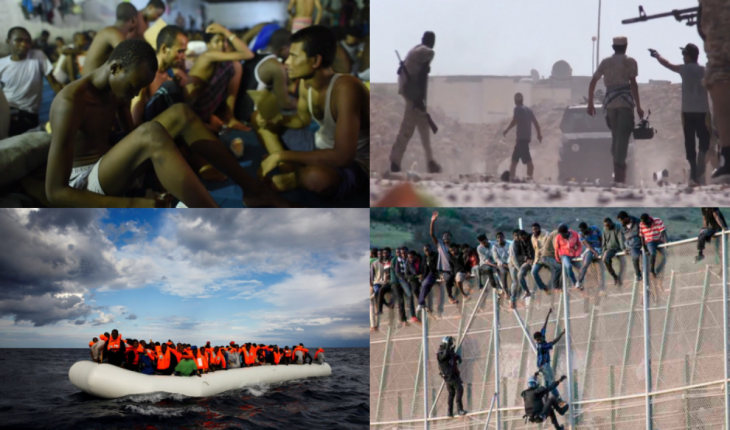
By Bel Trew
 The young Ghanaian migrant had already been robbed at gunpoint, left to die in the desert, kidnapped and tortured. Then he was sold into slavery. Read More
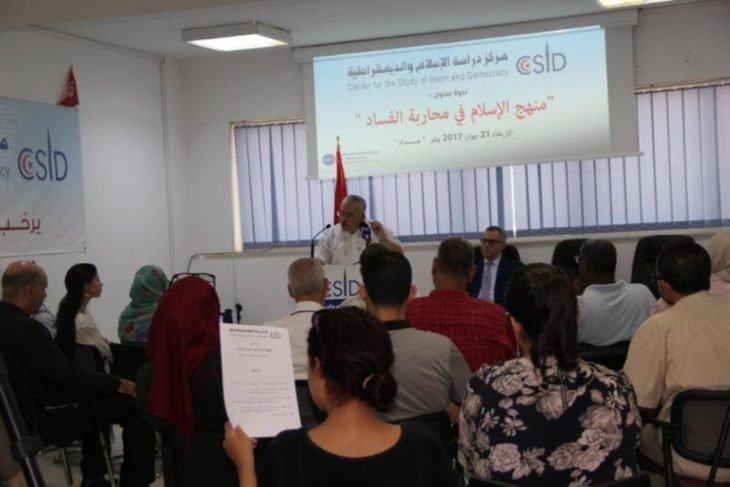
 As part of its contribution to combatting corruption, the Center for the Study of Islam and Democracy organized a seminar on “The Islamic Approach to the Fight Against Corruption” on Wednesday June 21, 2017 at the Center’s headquarters in Montplaisir, Tunis. Read More

By Robin Lamb
 Robin Lamb argues that the appeal of political Islam has severly diminished in most countries, but what comes next may not be any better. Read More
By Wolfram Lacher
The 17th February Revolution has fundamentally reshaped Libya’s political landscape. Read More
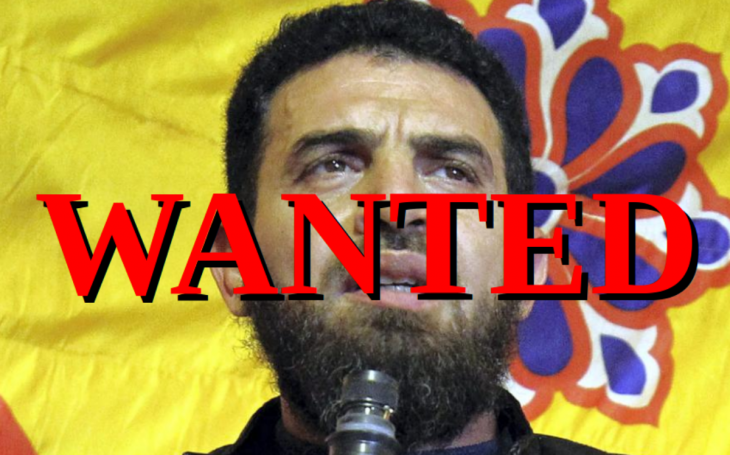
By John Pearson

The chief prosecutor of the International Criminal Court has warned that investigations of all sides in Libya’s civil war may be launched, after an arrest warrant for a Libyan National Army commander was issued over the alleged execution of dozens of prisoners. Read More
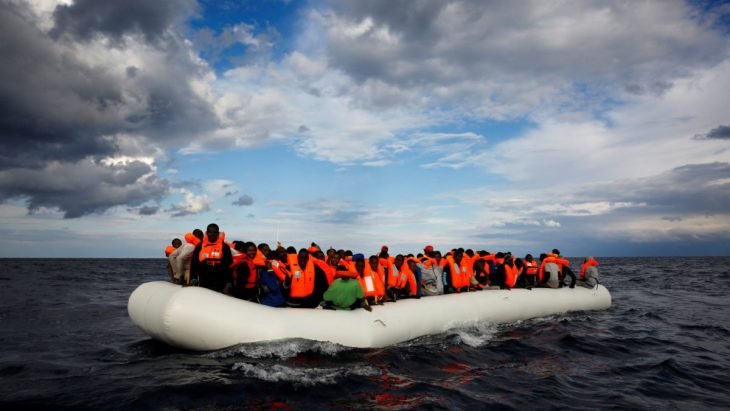
By Aamna Mohdin
 Italy is bearing the brunt of Europe’s migrant crisis. In the year to July, 80% of the migrants coming to the EU first arrived in Italy. Italy’s call for help has yet to lead to concrete action from the European Union—the country was so frustrated it threatened to close its ports. Read More
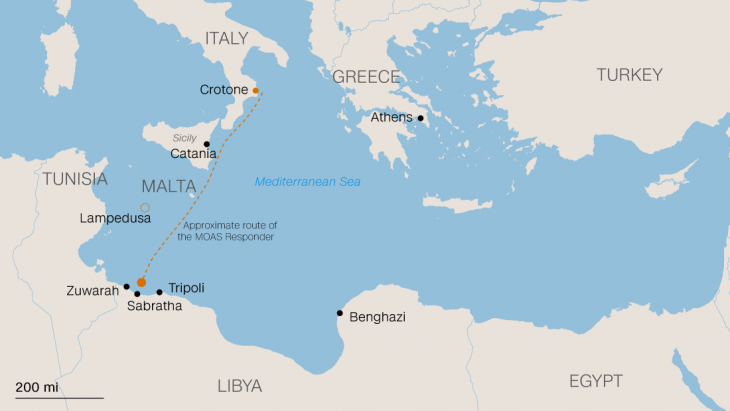
 Two United Nations human rights experts have expressed serious concern over a new European Commission policy on Mediterranean Sea rescues, warning that more people will drown. Read More
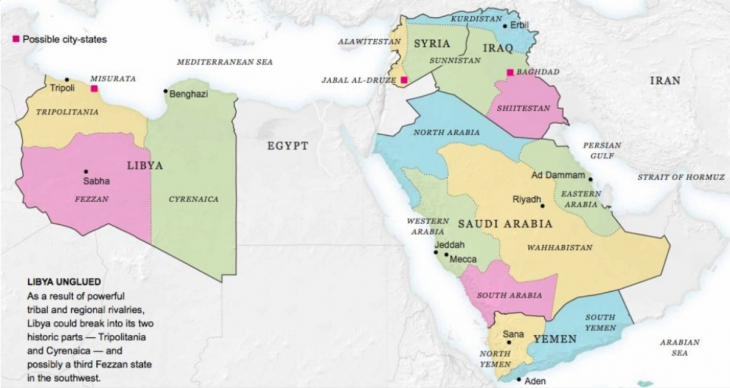
By Galip Dalay
 By adopting a novel approach to fragmentation in the Middle East and North Africa, regional players may see the collapse of state unity as an opportunity for a new interconnected order. Read More
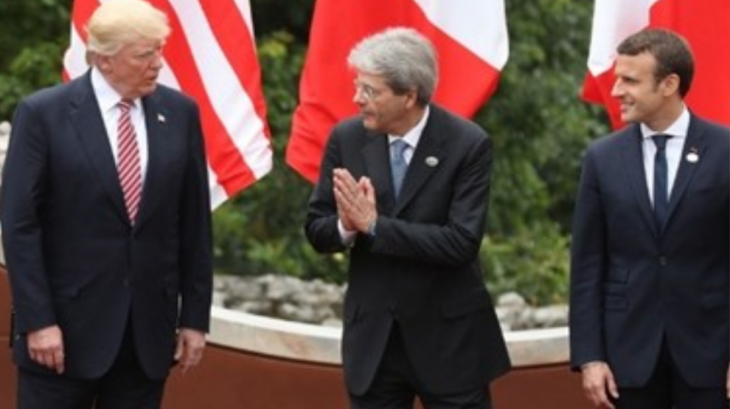
By Ben Fishman
 Rather than leaving the job to Europe, Washington can articulate a clear Libya policy at the September UN General Assembly meeting, thereby making a political deal more likely to achieve and enforce. Read More
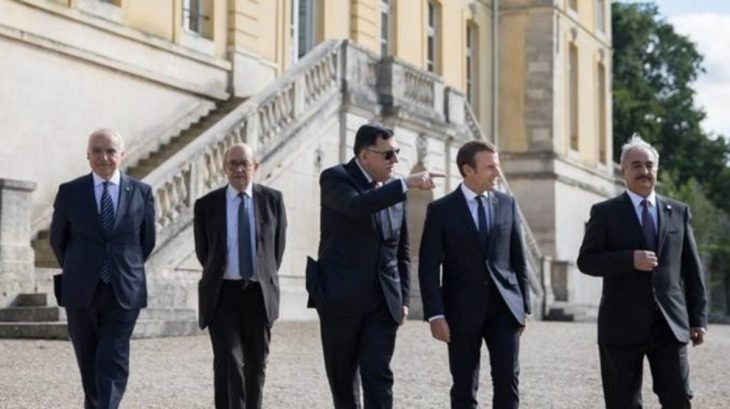
 At the end of July, two of the prominent players in the Libyan Civil War met with new faces at the discussion table — France’s newly elected president and the newly appointed United Nations Support Mission in Libya chief — in La Celle-Saint-Cloud, a commune just outside Paris. Read More
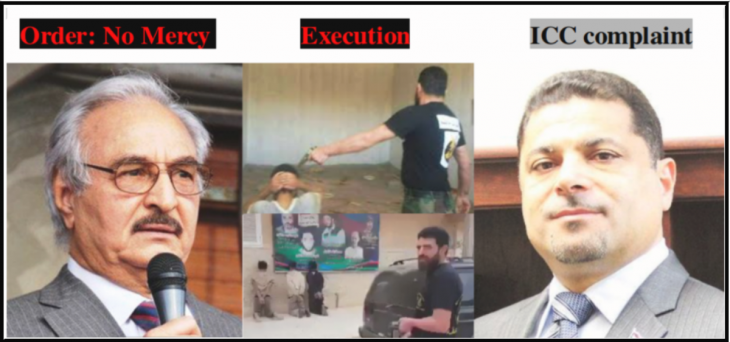
 A human rights and political activist has filed a complaint with the International Criminal Court accusing renegade Libyan General Khalifa Haftar of orchestrating war crimes, charges stemming from his war in Benghazi that has left hundreds of people dead.
In his complaint, Emadeddin Muntasser said Khalifa Haftar, the top commander of Dignity Operation, has publically and purposefully violated every element of war crime of denying quarter.
According to the Rome Statute of the International Criminal Court, denial of quarter means refusal to take prisoners and to show no clemency. It also states that the perpetrator was in a position of effective command or control over the subordinate forces to which the declaration or order was directed.
Khalifa Haftar appeared in a video posted on social media networks early this year instructing his forces to show no mercy and kill the prisoners.
“There shall be no mercy in confronting the enemy. There is no such thing as take him prisoner. There is no imprisonment here. This is a battle field”. Haftar ordered his militias during a meeting.
Muntasser said the video is clear evidence against him.
Khalifa Haftar launched his Dignity Operation in Benghazi in May 2014. Later he set up his own armed groups and named them “Libyan National Army”.
In July 2017, he declared that the city is totally liberated. During the three-year war, his militia groups committed heinous crimes against their rivals, accusing them of being “terrorists”, a frame-up to incriminate Dignity Operation political foes.
“It is therefore evident that Khalifa Haftar has personally ordered war crimes in a manner that fully conforms to your own Rome Statute and your interpretation of the Denying of Quarter article”. Emadeddin Muntasser said in a follow-up letter to Fatou Bensouda, the ICC chief prosecutor.
“The evidence is overwhelming. The evidence demands action. The evidence demands justice”. He adds.
Meanwhile, Saiqa militia group of Khalifa Haftar’s self-styled army admitted in a video statement posted on Facebook on Friday that they had committed summary executions on orders of “Commander-in-Chief of the Libyan National Army, Marshal Khalifa Haftar”.
The International Criminal Court (ICC) issued on Tuesday an arrest warrant for the notorious senior commander of Saiqa militia, Mahmoud Al-Werfalli, a close ally of Khalifa Haftar, over war crimes he committed in and around Benghazi.
____________

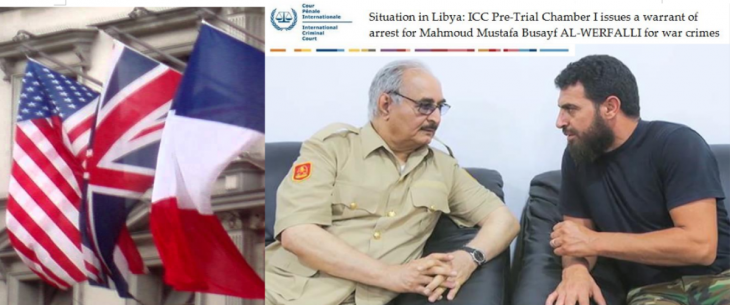
 The following is the text of a joint statement by the governments of France, the United Kingdom, and the United States of America. Read More
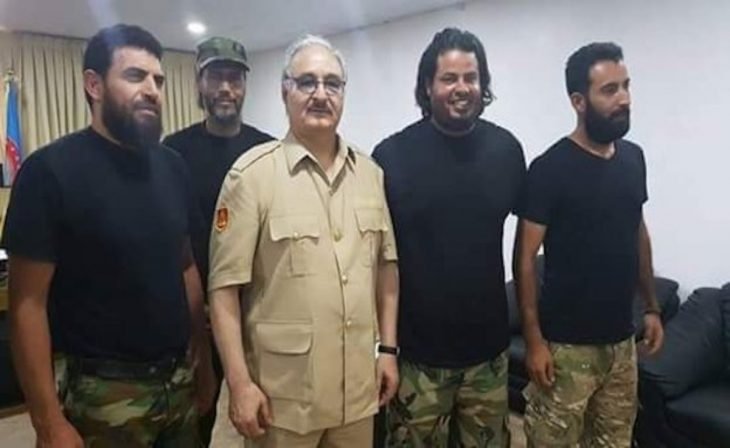
 The announcement of the Prosecutor of the International Crime Court (ICC), Fatou Bensouda, about the war crimes of the against the field commander of the Special Forces, Mahmud Al-Werfalli, affiliated with the Dignity Operation under the leadership of General Khalifa Haftar caused different reactions. Read More
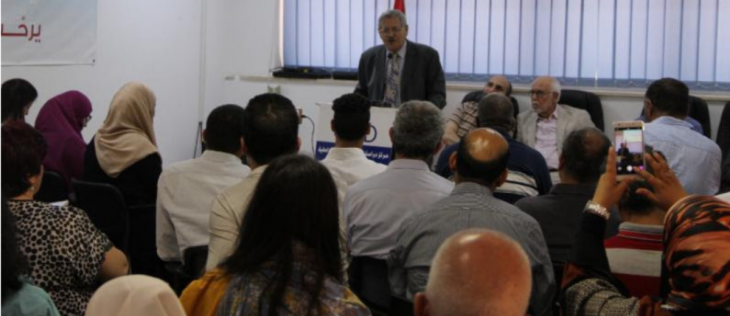
The Center for the Study of Islam and Democracy organized a seminar on violent extremism and its roots on Thursday June 8, 2017 at the Center’s headquarters in Montplaisir, Tunis. Read More
By Wolfram Lacher
The 17th February Revolution has fundamentally reshaped Libya’s political landscape. Read More
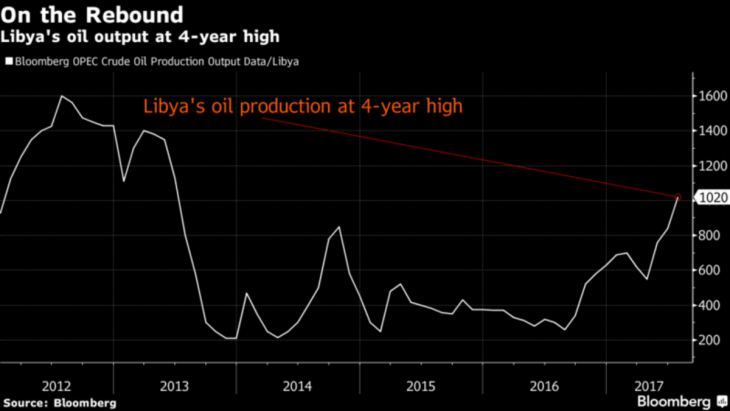
By Salma El Wardany
 Libya’s getting better at resolving stoppages in its oil industry, underpinning a growing perception that the OPEC member is closer to becoming a stable producer again. Read More
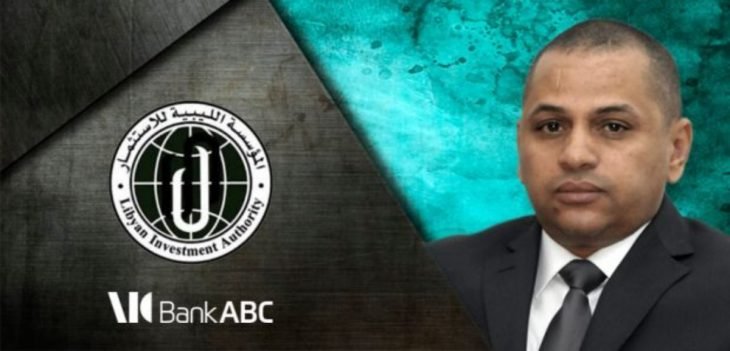
By Mohammed Baayo
 The illegitimate Chairman of the Libyan Investment Authority (LIA), Ali Mahmoud Hassan, lied when he said that the LIA wants to create a strategic alliance with the Bahrain-based Arab Banking Corporation, also known as Bank ABC. Read More
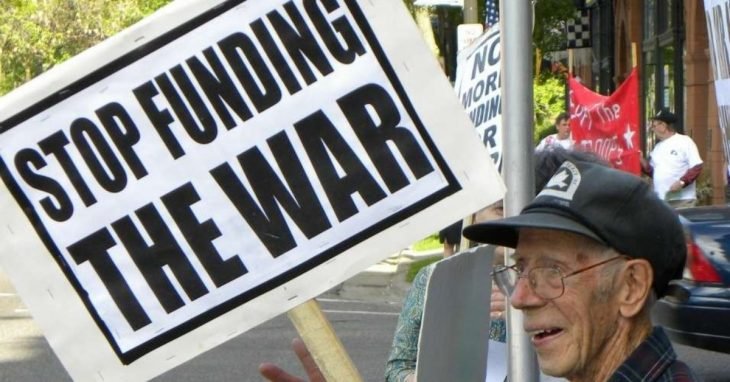
By Paul Rogers
 Wars and rumors of wars require constant supplies, and this is where that perennial of human activity. Read More
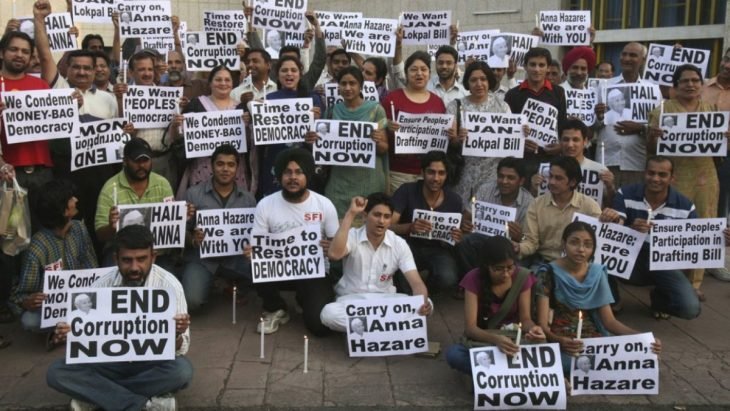
By John Feffer
 Global uprisings against corruption can fuse middle-class concerns over the rule of law to a more radical critique of unequal political systems. Read More
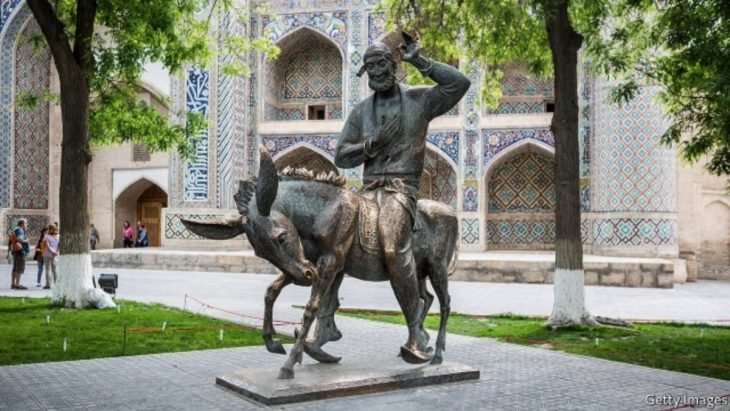
 First appearing in the ninth century, tales of the wise old fool and his donkey are still beloved across the region Read More

Actress Bernadette Nason takes tales of a year in Libya and brews a potent memoir
By Robert Faires
 Bernadette Nason knew her mid-Eighties year of living as an English expat in Libya held a rich vein of crowd-pleasing yarns. Read More