 The International Criminal Court on Wednesday renewed its calls for the arrest of a Libyan military officer suspected of executing 33 detainees in the war-torn city of Benghazi. Read More
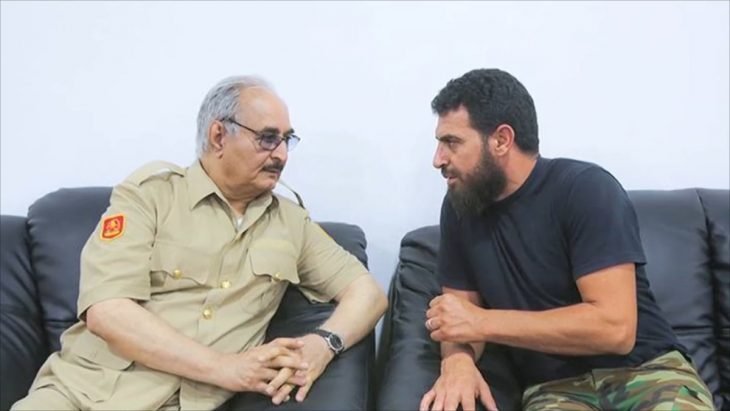
The International Criminal Court on Wednesday renewed its calls for the arrest of a Libyan military officer suspected of executing 33 detainees in the war-torn city of Benghazi. Read More
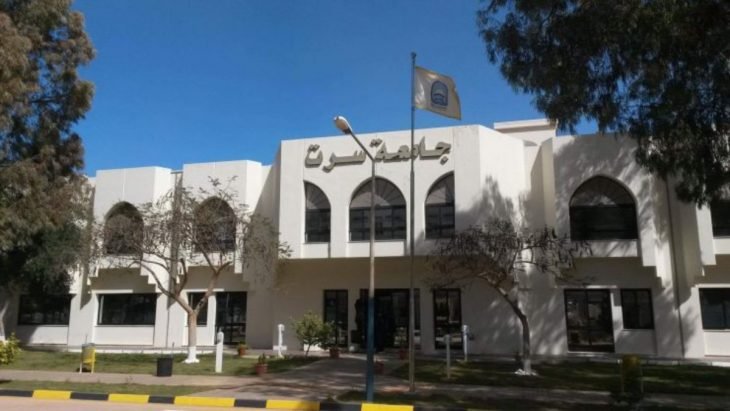
By Correspondents Libya
 Libya’s GNA military decimated ISIS forces in the south of the country in 2016. But recent attacks have Libya questioning whether ISIS might be building itself back up. Read More
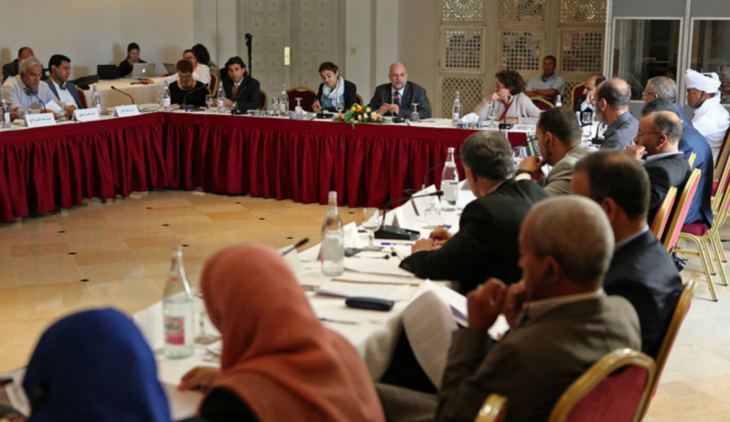
 Mayors and councillors from a number of municipalities have accused the country’s political leaders of turning their backs on the needs of ordinary Libya people. Read More
By Mattia Toaldo
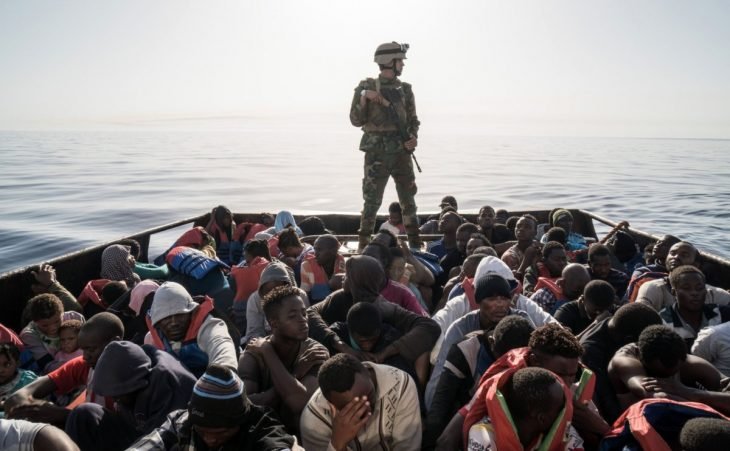
 In recent months, Italy has promoted a significant policy shift on migration through Libya and, for the moment, this has resulted in a dramatic decrease in flows. Read More
By Ethan Chorin
 Over the last few months the oil-rich North African state of Libya has come into focus, once again — not for its seemingly endless political dysfunction, but the negative externalities it produces: Read More
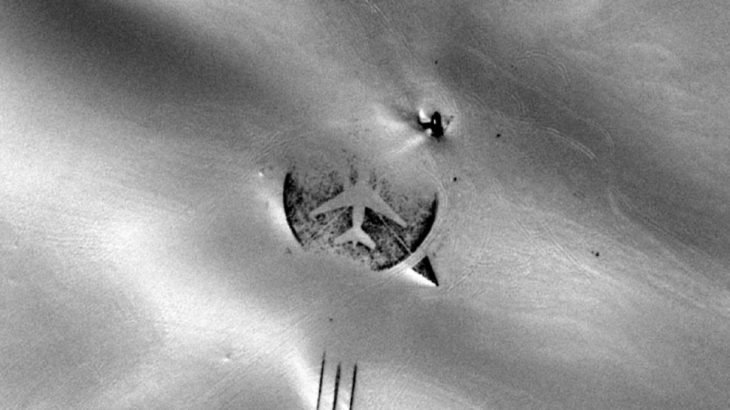
By Ann Marlowe
 In 2007, nearly two decades after UTA 772 was brought down by a terrorist bombing, families of the victims gathered in the Niger desert to construct a haunting memorial. Read More
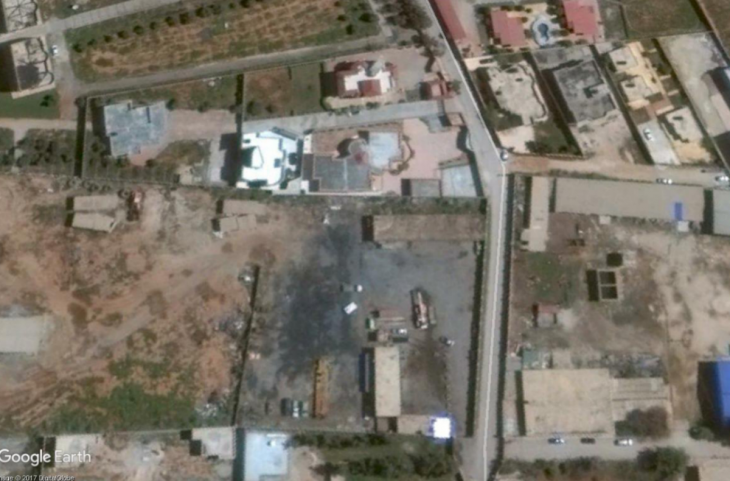
By Christiaan Triebert
 Warning: this article contains graphic material. Update: Incident Four and Five have been geolocated.
.
.
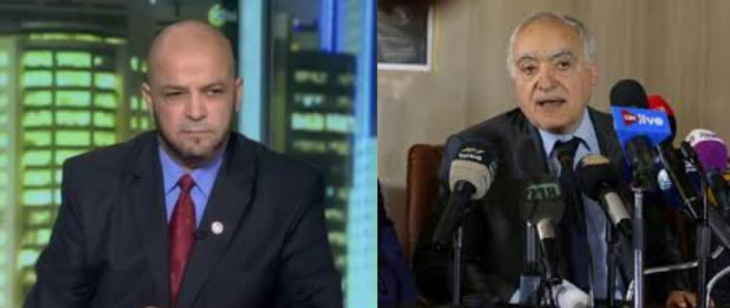
By Kamailoudini Tagba
 A former Libyan official has laid into the United Nations for sabotaging efforts by Libyans to get together and for imposing east-based army commander Khalifa Haftar. Read More
By Alex Whiting
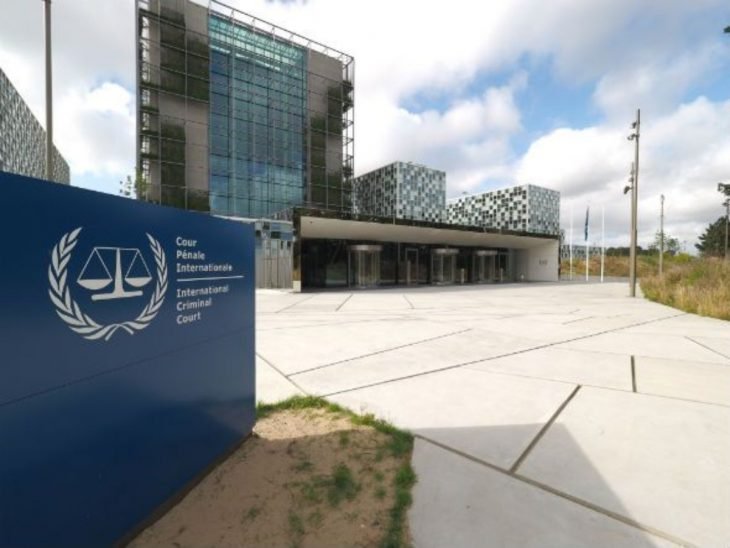
 As I wrote yesterday, the International Criminal Court (ICC) announced last week that it had issued a new arrest warrant for Mahmoud Mustafa Busayf Al-Werfalli, a militia leader in Libya. Read More
By Jovial Rantao
 The South African government and President Jacob Zuma have been caught in the middle of an international wrangle over as much as R2 trillion in US dollars as well as hundreds of tons of gold and at least six million carats of diamonds in assets belonging to the people of Libya. Read More
By John J. Metzler
 Libya is a shattered land. Awash in weapons and explosives, riveted by tribal and political rivalries, flooded by illegal migrants, and haven to lethal terrorist groups, Libya remains North Africa’s glaring tragedy, six years after an Anglo/French/American military effort toppled the Gadaffi regime. Read More
By Virginie Collombier
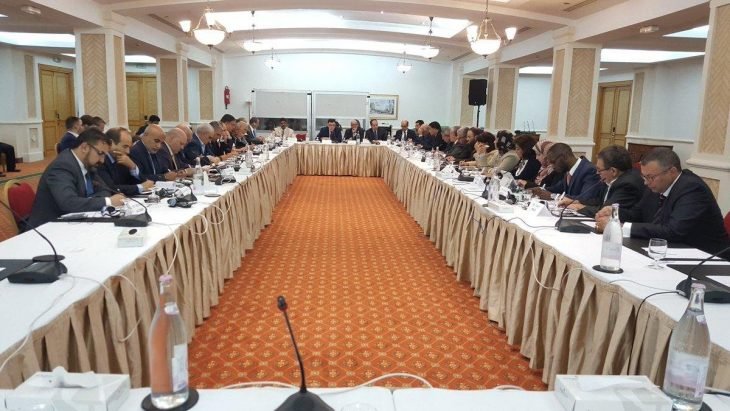
 The formation of a Government of National Accord (GNA) between Libya’s warring factions has been delayed once more as representatives of the General National Congress (GNC) withdrew from talks a few weeks after refusing to sign the preliminary agreement initialed by all other participants on 11 July. Read More
By Khaoula Sliti
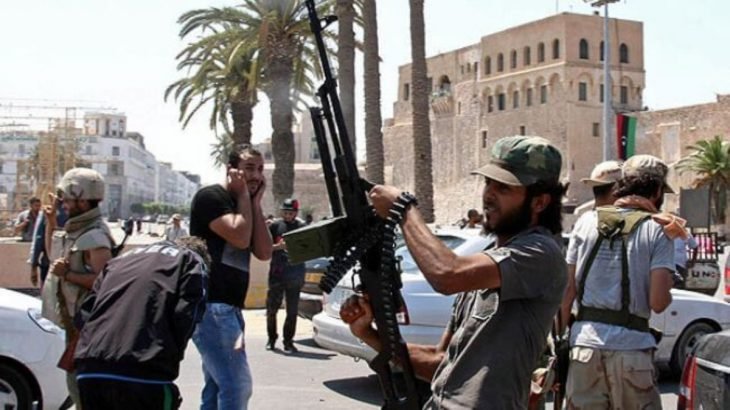
 The civil disorder that has prevailed in much of Libya since the overthrow of the regime of Mu’ammar al-Qadhafi has spread to the country’s campuses, with attacks on professors causing many to emigrate rather than live in the midst of conflict. Read More
By Shilpa Jindia and Walid el Houri


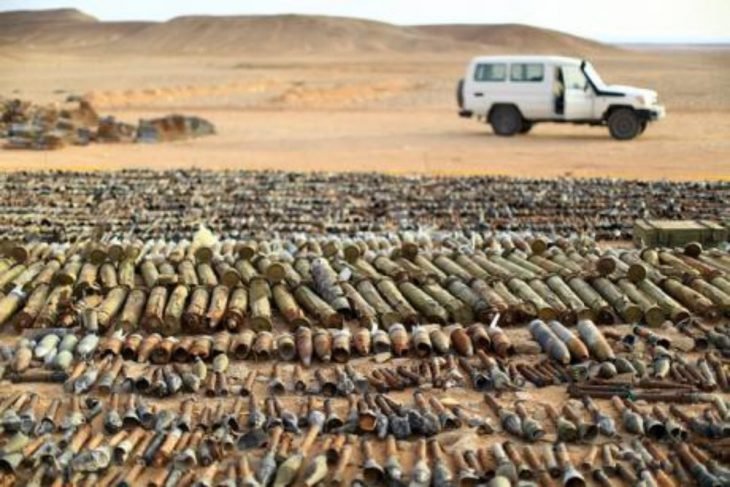
During the month of September, North Africa West Asia (NAWA) is calling for submissions and pitches on Libya. Read More
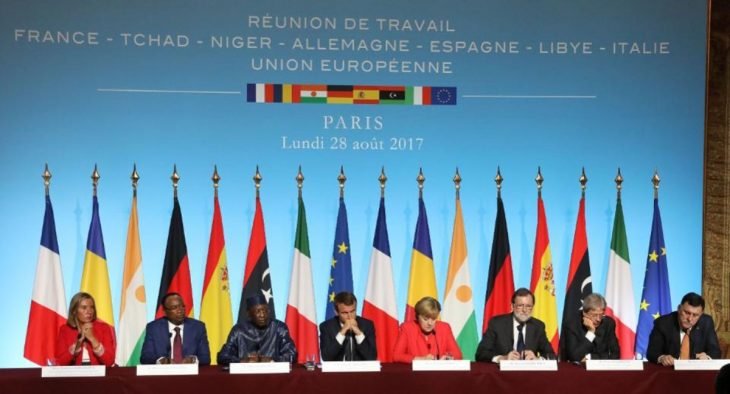
By Jean Pierre Darnis
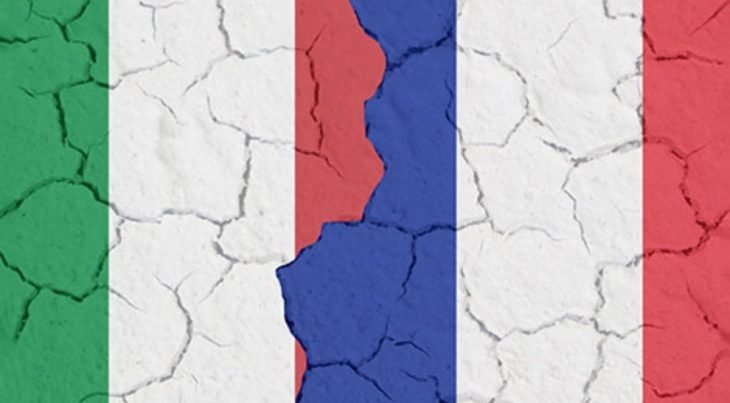
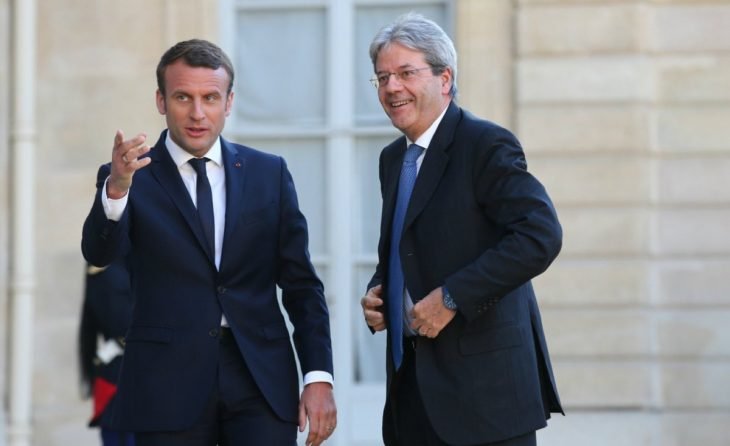
 The leaders of France, Italy, Spain and Germany met in Paris on 28 August for a summit hosted by President Emmanuel Macron in the latest indication of France’s efforts to assume a key leadership role in the post-Brexit EU. Read More
By Daniel Jones
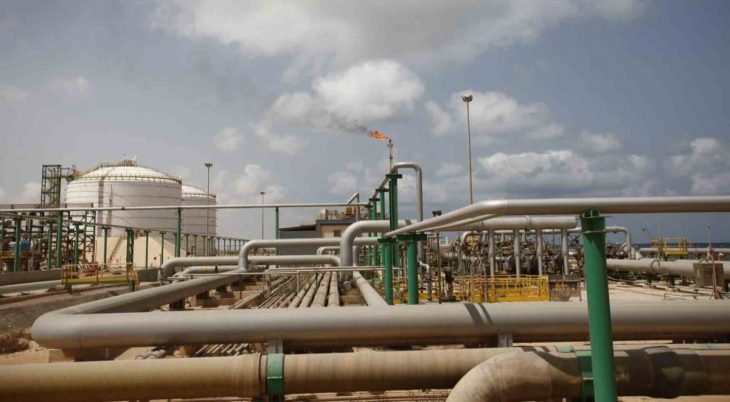
 In this article, I decided to look at some recent oil-related data pertaining to Libya. Overall, the picture facing the country has recently materially worsened and hundreds of thousands of barrels per day are offline. Read More
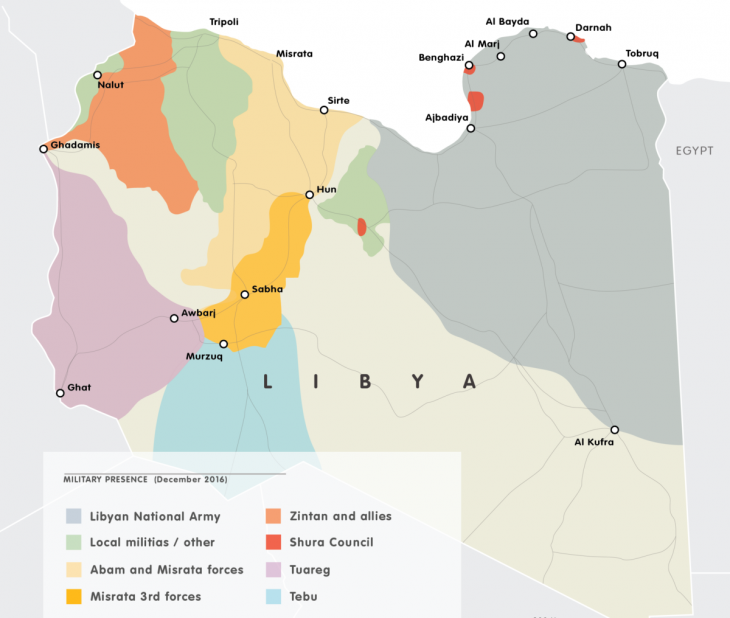
By Wolfram Lacher
 The 17th February Revolution has fundamentally reshaped Libya’s political landscape. Read More
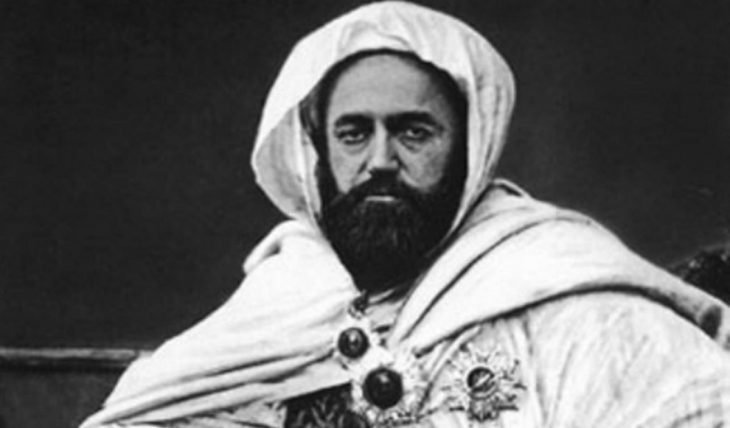
By Robert Fisk
 Emir Abdelkader was a Muslim, Sufi, sheikh, humanist, protector of his people against Western barbarism, protector of Christians against Muslim barbarism, so noble that Abe Lincoln sent him a pair of Colt pistols. Read More
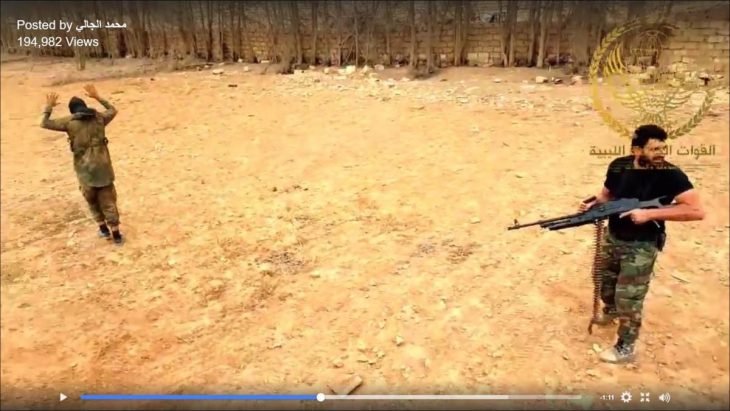
By Christiaan Triebert
Warning: this article contains graphic material. Update: Incident Four and Five have been geolocated.
.
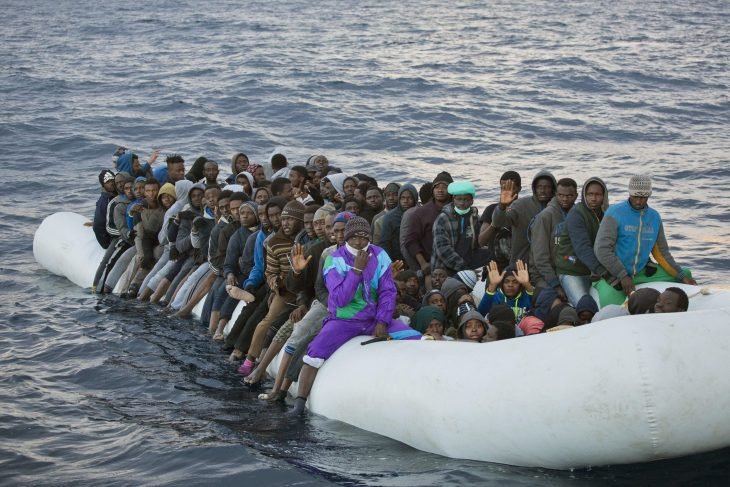
By Greg Shapland
 EU and African leaders meeting at a mini-summit in Paris have announced new measures to tackle the migrant crisis in the central Mediterranean. Read More
By Lionel Barber
 World Order: Reflections on the Character of Nations and the Course of History, by Henry Kissinger, Allen Lane, The Penguin Press. Read More
By Christiaan Triebert
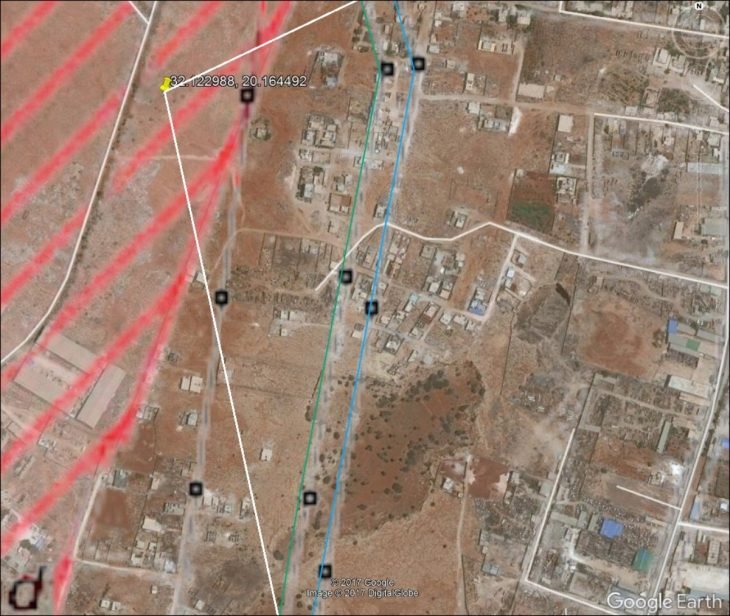
Warning: this article contains graphic material. Update: Incident Four and Five have been geolocated.
By Patrick Sawer
 A mother has been left desperate for news of her daughters after their father took them to Libya and refused to bring them back. Read More
Dr Lina Khatib

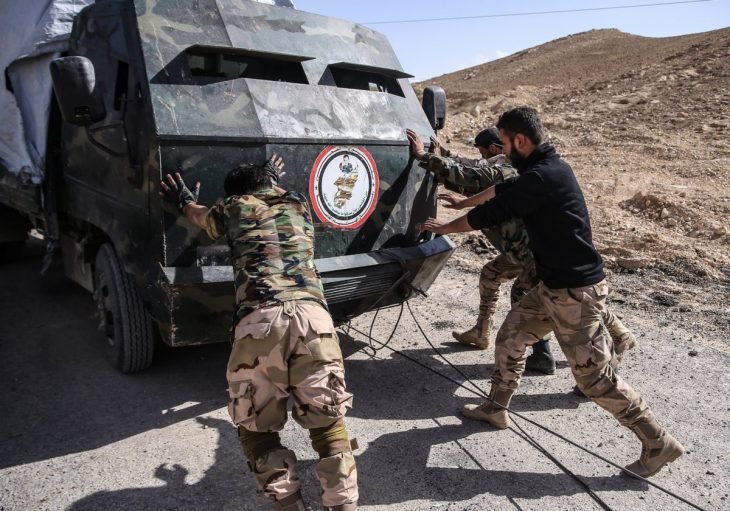
As the battles for Deir Ezzor and Raqqa escalate, the Syrian regime is escalating its own rhetoric about regaining state authority in those areas. Read More
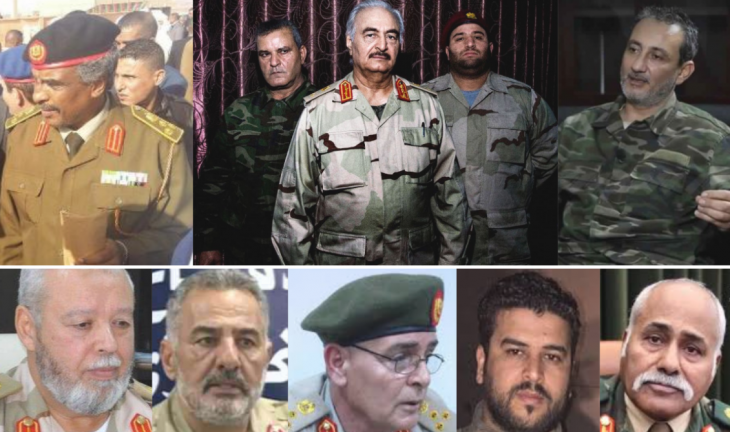
By Geoff Porter
 Imagine a multi-pronged, low intensity conflict. It’s been dragging on for five or so years. Sometimes this faction gains ground. Sometimes that. Or maybe it’s a third or fourth group. And then imagine a truce between two of the conflict’s numerous groups. Read More
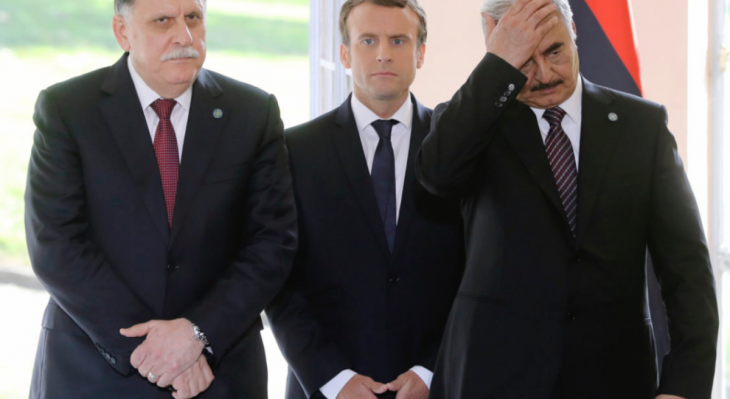
By Bennett Seftel
 More than six years after the Arab Spring reverberated across the Middle East and North Africa, the Libyan people still face a seemingly insurmountable challenge of piecing their fractured country back together. Read More
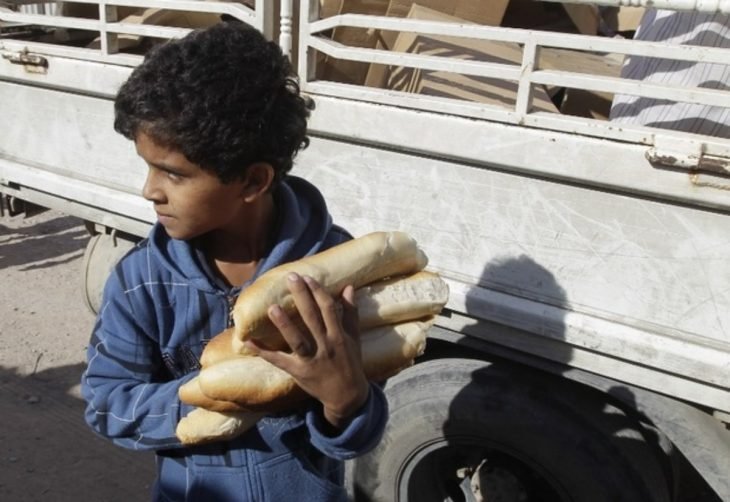
By Tim Eaton
 Six years after the revolution, Libyans are paying more for goods with wages that are worth less. Central Bank officials should use their authority to stop the black market spiral of the currency. Read More
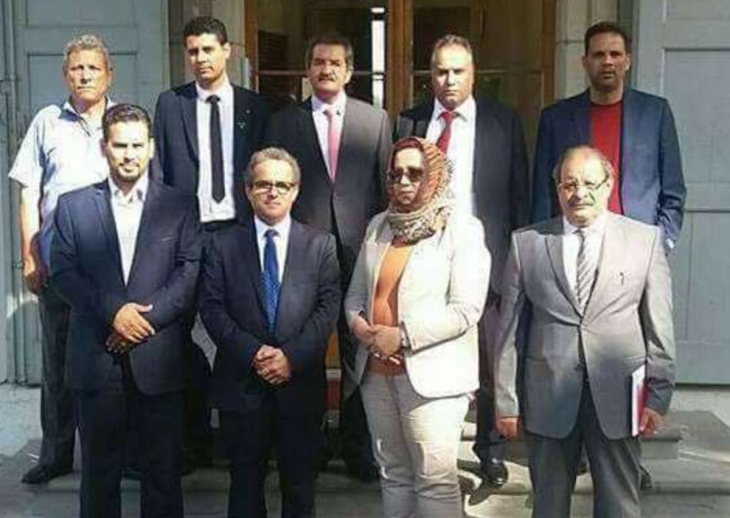
By Mohamed Elmagbri and Josiah Cohen
“We don’t need democracy. We need security!” This desperate cry now characterises the bleak sentiment shared by many Libyans six years after the overthrow of the brutal Qaddafi regime. Read More
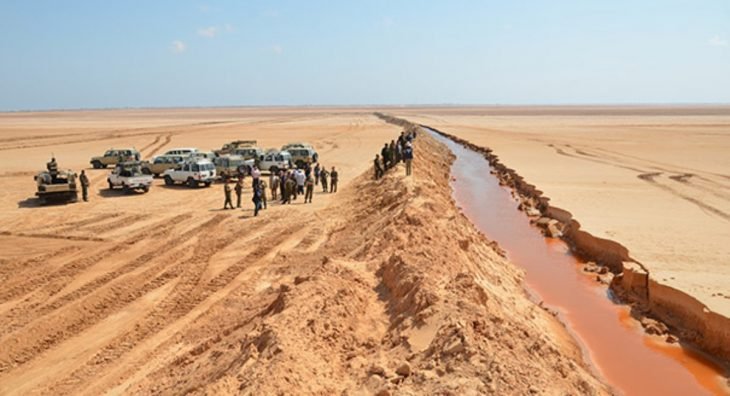
By Anouar Boukhars
 More than six years after the revolution that ousted former president Zine el-Abidine Ben Ali, Tunisia’s border regions remain hotbeds of social discontent and agitation. Read More
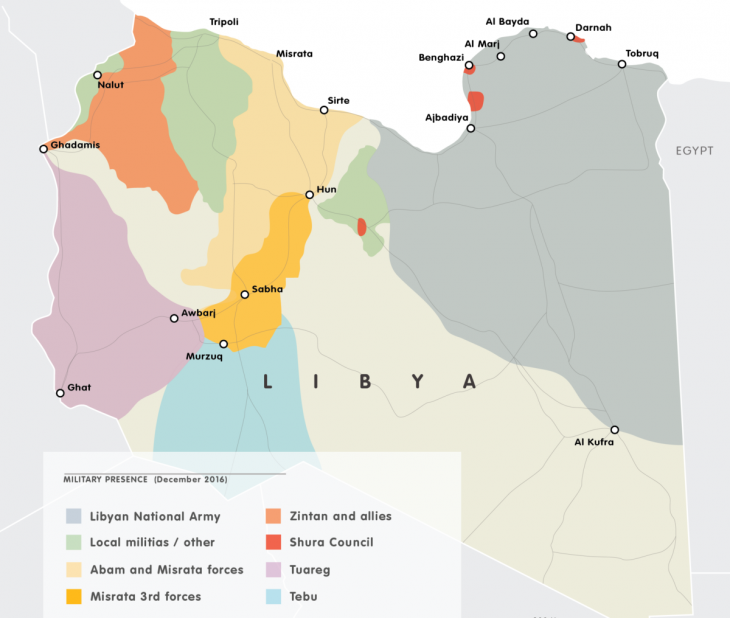
By Wolfram Lacher
The 17th February Revolution has fundamentally reshaped Libya’s political landscape. Read More
By Bennett Seftel
Political instability continues to plague Libya as the country is mired in its sixth year of conflict following the 2011 Arab Spring. Read More
By Mark Kersten
 The International Criminal Court (ICC) has issued an arrest warrant for Libyan militant Mahmoud Mustafa Busayf al-Werfalli. Read More
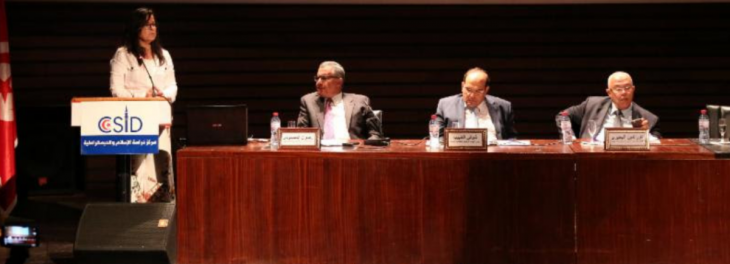
 The Center for the Study of Islam and Democracy organized a seminar titled “Fighting Corruption: A Selective Campaign or Signs of a Genuine Political Will?” on Wednesday July 12, 2017 at the Ibn Khaldun Hall in Tunis. Read More

By Ivor Powell
 The Mugabe children might not suggest themselves as poster boys for good parenting, judging from recent media reports. Read More
By Anouar Boukhars
More than six years after the revolution that ousted former president Zine el-Abidine Ben Ali, Tunisia’s border regions remain hotbeds of social discontent and agitation. Read More
By Adam Payne
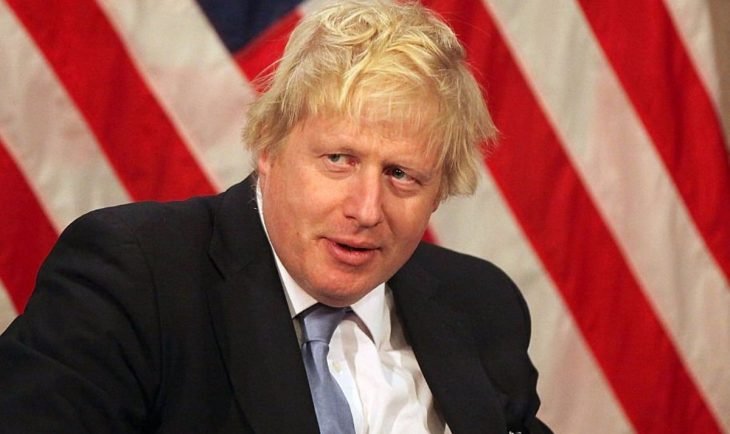
 Members of President Donald Trump’s government reportedly do not want to deal with British Foreign Secretary because “they think he’s a joke.” Read More