Author - ab_mnbr

America Is a Root Cause of Israel and Palestine’s Latest War

Stephen M. Walt

How 30 years of U.S. policy ended in disaster.

As Israelis and Palestinians mourn the dead and fearfully await news of those now missing, the tendency to look for someone to blame is impossible for many to resist. Israelis and their supporters want to pin all the blame on Hamas, whose direct responsibility for the horrific attack on Israeli civilians is beyond question. Those more sympathetic to the Palestinian cause see the tragedy as the inevitable result of decades of occupation and Israel’s harsh and prolonged treatment of its Palestinian subjects.

Israel-Hamas War

News, analysis, and background on the ongoing conflict.

Others insist there is plenty of blame to go around, and that anyone who sees one side as wholly innocent and the other as solely responsible has lost any capacity for fair-minded judgment.

Inevitably, arguing over which of the immediate protagonists is most at fault obscures other important causes that are only loosely related to the long conflict between Zionist Israelis and Palestinian Arabs. We should not lose sight of these other factors even during the present crisis, however, because their effects may continue to echo long after the current fighting stops.

Where one begins to trace causes is inherently arbitrary (Theodor Herzl’s 1896 book, The Jewish State? the 1917 Balfour Declaration? the Arab revolt of 1936? the 1947 U.N. partition plan? the 1948 Arab-Israeli war, or the 1967 Six-Day War?), but I’ll start in 1991, when the United States emerged as the unchallenged external power in Middle East affairs and began trying to construct a regional order that served its interests.

Within that broader context, there are at least five key episodes or elements that helped bring us to the tragic events of the past two weeks.

The first moment was the 1991 Gulf War and its aftermath: the Madrid peace conference. The Gulf War was a stunning display of U.S. military power and diplomatic artistry that removed the threat that Saddam Hussein had posed to the regional balance of power. With the Soviet Union nearing collapse, the United States was now firmly in the driver’s seat. Then- President George H. W. Bush, Secretary of State James Baker, and an experienced Middle East team seized upon this opportunity to convene a peace conference in October 1991, which included representatives from Israel, Syria, Lebanon, Egypt, the European Economic Community, and a joint Jordanian/Palestinian delegation.

Although the conference did not produce tangible results—let alone a final peace agreement—it laid the groundwork for a serious effort to construct a peaceful regional order. It is tantalizing to contemplate what might have been achieved if Bush had been reelected in 1992 and his team had been given the opportunity to continue their work.

Yet Madrid also contained a fateful flaw, one that sowed the seeds of much future trouble. Iran was not invited to participate in the conference, and it responded to being excluded by organizing a meeting of “rejectionist” forces and reaching out to Palestinian groups—including Hamas and Islamic Jihad—that it had previously ignored.

As Trita Parsi observes in his book Treacherous Alliance, “Iran viewed itself as a major regional power and expected a seat at the table,” because Madrid was “not seen as just a conference on the Israeli-Palestinian conflict, but as the defining moment in forming the new Middle East order.” Tehran’s response to Madrid was primarily strategic rather than ideological: It sought to demonstrate to the United States and others that it could derail their efforts to create a new regional order if its interests were not taken into account.

And that is precisely what happened, as suicide bombings and other acts of extremist violence disrupted the Oslo Accords negotiation process and undermined Israeli support for a negotiated settlement. Over time, as peace remained elusive and relations between Iran and the West deteriorated further, the ties between Hamas and Iran grew stronger.

The second critical event was the fateful combination of the Sept. 11, 2001 terrorist attacks and the subsequent U.S. invasion of Iraq in 2003. The decision to invade Iraq was only tangentially related to the Israeli-Palestinian conflict, even though Ba’athist Iraq had backed the Palestinian cause in several ways. The George W. Bush administration believed that toppling Saddam would eliminate the supposed threat of Iraqi weapons of mass destruction, remind adversaries of U.S. power, strike a blow against terrorism more broadly, and pave the way for a radical transformation of the entire Middle East along democratic lines.

What they got, alas, was a costly quagmire in Iraq and a dramatic improvement in Iran’s strategic position. This shift in the balance of power in the Gulf alarmed Saudi Arabia and other Gulf states, and perceptions of a shared threat from Iran began to reshape regional relationships in important ways, including by altering some Arab states’ relations with Israel.

Fears of U.S.-led “regime change” also encouraged Iran to pursue a latent nuclear weapons capability, leading to a steady increase in its enrichment capacity and ever-tighter U.S. and U.N. sanctions.

With hindsight, a third key event was then-U.S. President Donald Trump’s fateful abandonment of the 2015 Joint Comprehensive Plan of Action (JCPOA) with Iran and his adoption of a policy of “maximum pressure” instead. This foolish decision had several unfortunate effects: Leaving the JCPOA allowed Iran to restart its nuclear program and move much closer to an actual weapons capability, and the maximum pressure campaign led Iran to attack oil shipments and facilities in the Persian Gulf and Saudi Arabia, to show the United States that its attempt to compel or overthrow them was not without costs and risks.

As one would expect, these developments heightened the concerns of the Saudis and increased their interest in acquiring nuclear infrastructure of their own. And as realist theory predicts, perceptions of a growing threat from Iran encouraged quiet but significant forms of security cooperation between Israel and several Gulf states.

The fourth development was the so-called Abraham Accords, in some ways a logical extension of Trump’s decision to leave the JCPOA. The brainchild of amateur strategist (and Trump’s son-in-law) Jared Kushner, the accords were a series of bilateral agreements normalizing relations between Israel and Morocco, Bahrain, the United Arab Emirates, and Sudan.

Critics noted that the accords did relatively little to advance the cause of peace because none of the participating Arab governments were actively hostile to Israel or capable of harming it. Others warned that regional peace would remain elusive as long as the fate of the 7 million Palestinians living under Israeli control was unresolved.

The Biden administration continued along much the same path. It took no meaningful steps to stop Israel’s increasingly far-right government from backing violent actions by extremist settlers, which led to a surge in Palestinian deaths and displacements over the past two years. After failing to fulfill a campaign promise to immediately rejoin the JCPOA, Biden and Co. focused their main efforts on persuading Saudi Arabia to normalize relations with Israel in exchange for some sort of U.S. security guarantee and perhaps access to advanced nuclear technology.

The motivation for this effort had little to do with Israel-Palestine, however, and was mostly intended to keep Saudi Arabia from moving closer to China. Linking a security commitment to Saudi Arabia with normalization was primarily a way to overcome U.S. congressional reluctance to a sweetheart deal with Riyadh. Like Israeli Prime Minister Benjamin Netanyahu and his cabinet, top U.S. officials appear to have assumed that there was nothing that any Palestinian group could do to derail or slow this process or draw attention back to their plight.

Unfortunately, the rumored deal gave Hamas a powerful incentive to show just how wrong this assumption was. Recognizing this fact in no way justifies what Hamas did and especially the intentional brutality of the attacks; it is simply to acknowledge that Hamas’s decision to do something—and especially its timing—was a response to regional developments that were driven to a considerable extent by other concerns.

As I noted in my last column, the fifth factor is not a single event but rather the United States’ enduring failure to bring the so-called peace process to a successful end. Washington had monopolized stewardship of the peace process ever since the Oslo Accords (which, as the name implies, came about due to Norwegian mediation), and its various efforts over the years ultimately led nowhere. Former U.S. Presidents Bill Clinton, George W. Bush, and Barack Obama repeatedly declared that the United States—the world’s most powerful country in the full flush of its so-called unipolar moment—was committed to achieving a two-state solution, but that outcome is now farther away than ever and probably impossible.

These background elements are important because the nature of the future global order is up for grabs, and several influential states are challenging the intermittently liberal and inconsistently followed “rules-based order” that the United States has championed for decades.

China, Russia, India, South Africa, Brazil, Iran, and others openly call for a more multipolar order, where power is more evenly shared. They want to see a world where the United States no longer acts as the so-called indispensable power, as one that expects others to follow its rules while reserving the right to disregard them whenever they prove inconvenient.

Unfortunately for the United States, the five events I just described and their impact on the region provide potent ammunition for the revisionist position (as Russian President Vladimir Putin was quick to point out last week). “Just look at the Middle East,” they might say. “The United States has been managing the region by itself for more than three decades, and what has its ‘leadership’ produced? We see devastating wars in Iraq, Syria, Sudan, and Yemen.

Lebanon is on life support, there is anarchy in Libya, and Egypt is lurching toward collapse. Terrorist groups have morphed and mutated and sown fear on several continents, and Iran keeps edging closer to the bomb. There is no security for Israel and neither security nor justice for the Palestinians. This is what you get when you let Washington run everything, my friends. Whatever their intentions may have been, U.S. leaders have repeatedly shown us that they lack the wisdom and objectivity to deliver positive results, not even for themselves.”

One can easily imagine a Chinese official adding: “May I point out that we have good relations with everyone in the region, and our only vital interest there is reliable access to energy. We are therefore committed to keeping the region quiet and peaceful, which is why we helped Iran and Saudi Arabia reestablish ties last year. Isn’t it obvious that the world would benefit if the U.S. role there declined and ours increased?”

If you don’t think a message like this would resonate outside the comfortable confines of the trans-Atlantic community, then you haven’t been paying attention. And if you are also someone who thinks that addressing the challenge of a rising China is a top priority, you may want to reflect on how the United States’ past actions contributed to the present crisis—and how the shadow of the past will continue to undermine the U.S. standing in the world in the future.

To their credit, over the past week Biden and his foreign-policy team have been doing what they do best, namely, managing a crisis that was at least partly of their own making. They are working overtime to limit the damage, prevent the conflict from spreading, contain the domestic political fallout, and (fingers crossed) bring the violence to an end. We should all hope that their efforts succeed.

But as I noted more than a year ago, the administration’s foreign-policy team are best seen as skilled mechanics but not architects, and in an era where the institutional architecture of world politics is increasingly an issue and new blueprints are needed. They are adept at using the tools of U.S. power and the machinery of government to address short-term problems, but they are stuck in an outdated vision of America’s global role, to include how its handling of its various Middle East clients. It is obvious that they badly misread where the Middle East was headed, and applying Band-Aids today—even if it is being done with energy and skill—will still leave the underlying wounds untreated.

If the end result of Biden and Secretary of State Antony Blinken’s current ministrations is merely a return to the pre-Oct. 7 status quo, I fear that the rest of the world will look on, shake its head in dismay and disapproval, and conclude that it’s time for a different approach.

***

Stephen M. Walt, a columnist at Foreign Policy and the Robert and Renée Belfer professor of international relations at Harvard University.

______________

Hisham Matar in conversation about his novel about three Libyan friends in exile

Alice O’keeffe

“I wanted the novel to open with a parting because I think whenever you take somebody that you love to an airport, or train station or wherever, the world seems to completely change the moment they leave”

My Friends, the extraordinary third novel from Hisham Matar, is the story of three Libyan friends in exile.

“I wanted the novel to open with a parting because I think whenever you take somebody that you love to an airport, or train station or wherever, the world seems to completely change the moment they leave. I thought that would be a very good place to start because in a sense a novel is a departure, it is a setting off.” 

The story is told across a walk in London, from St Pancras to Shepherd’s Bush, on one day in November 2016, after the narrator, Khaled, says goodbye to his old friend of two decades, Hosam, at the station and walks back home. 

It is a walk of a few hours, and yet it spans decades, as Khaled revisits his past. Born and raised in Libya, he leaves in the early 1980s to attend university in Edinburgh as an 18-year-old student on a government scholarship, expecting to return home to his family after graduation. But when news comes of students rounded up and thrown in jail by the authorities back in Libya, Khaled and his friend Mustafa decide to travel to London to join a demonstration in front of the Libyan Embassy.

All along, everything I wrote, I felt I wrote at the expense of this book

This is the precise moment that Khaled’s life is wrenched from its predictable course. When officials inside the embassy open fire on the peaceful crowd outside, Khaled first hears the sound of the bullets as “a series of tears like the wind ripping sails”.

And then: “It literally pressed into me and then ran through me with unremitting force, unquestionable, until it reached the centre of my brain and halted there for a moment before turning back and scorching outwards, pushing with it everything that I was, everything that I did not even know I was, to the outer limits. I was now empty and standing, my life reduced to a single unbroken line of a swirl locked inside a child’s glass marble. And there it rolled out, that marble, rolled out of me, taking everything with it,” Matar writes. The scene, a searing 13 pages that culminates in the reaction of a young hospital doctor when he sees the extent of Khaled’s injuries, is devastatingly powerful.

The embassy moment

The Libyan Embassy shooting, which is the defining event of Khaled’s life, was a real event, of course. On 17th April 1984, 11 demonstrators were wounded and a young policewoman, Yvonne Fletcher, was murdered. When we meet in a pub in west London, I ask Hisham Matar about the challenge of interweaving real events with fictional characters. “I was very ambivalent about it for a while. I thought, maybe this is not the thing to do but it really just imposed itself on the narrative.”

It was another brazen attack by the dictatorship on civilians, but it was also happening in public, the international public, and others were affected by it

He remembers watching it on the news at the time, seeing the demonstrators on the ground, screaming. One was calling out for his mother. Matar was 13 years old and that image “never left me”, he says.

“Years and years” later, he became friends with two people whom he later discovered had been at the demonstration and had been shot. “It was through them, without necessarily wanting to know, I’ve learnt a lot about it, even though I wasn’t there.” When Matar realised he was going to write about it in the novel, one friend was “very generous” in talking about the experience in detail.

After Matar finished the novel, he invited his friend over for dinner and, full of trepidation, read the section aloud. “I was worried he would feel dispossessed of this experience, but I looked up after I read it and found his eyes were all red. He thanked me exactly for the thing I was worried he would be offended by. He said, ‘Thank you for taking something that happened to me and making something else of it, something different of it.’

“I think a lot of people who were there, and I suspect people who were not there—Libyans I mean—felt this strange contradiction. It was another brazen attack by the dictatorship on civilians, but it was also happening in public, the international public, and others were affected by it. I don’t think anybody knows how to talk about it, you know, really. And I think maybe those are the things to write about—when there isn’t a way to talk about it.”

Khaled survives but his life is forever changed. Having fallen foul of Colonel Qaddafi’s government he knows that he cannot return to Libya, it is not even safe to return to his studies in Edinburgh. In the immediate aftermath of the trauma, a Lebanese friend, Rana, saves him by letting him stay in her parents’ empty flat in London: “My ears were underwater and her voice a helicopter above”, Matar writes. Over the years that follow, Khaled, Mustafa and their friend Hosam, a writer, must live in exile, separated from their families but sustained by their—sometimes very complicated—friendship, until politics shift again, with revolution in Libya and the death of Qaddafi.

I think that books themselves have their own time and they oblige you, as a writer, to write them in the time they need to be written

Qaddafi is mentioned by name perhaps a handful of times, but his presence permeates the novel. Matar had been thinking about the novel since the Arab Spring in 2011—although he recently found a note from 2003 with an idea for a book about friends in exile “and the emotional country that certain deep friendships can provide”—and by 2014 he had a sense of how to proceed. He started work on My Friends, only to break off and write The Return, his 2017 Pulitzer Prize and Rathbones Folio Prize-winning memoir which documented his journey to Libya to discover what happened to his activist father, who was kidnapped and imprisoned by the Qaddafi government. Having found no trace of his father, and grieving, he made a trip to Italy to find solace in the paintings of the Sienese school, out of which came another memoir, A Month in Siena. Now, he says, “All along, everything I wrote, I felt I wrote at the expense of this book.

“Books exist in time in the obvious sense, they have their own temporal structure, we read them against the clock— how many pages, how long did it take you to read this—but I think that books themselves have their own time and they oblige you, as a writer, to write them in the time they need to be written. I couldn’t have written this earlier… I wouldn’t have been able to write about Qaddafi back then. It was just too close.” 

Matar says of his first three books—the novels In the Country of Men, which was shortlisted for the Booker Prize, Anatomy of a Disappearance, and the memoir The Return—that “each is very different from the other, but they are all dealing with fathers and sons and with the very simple fact that you are born into consequence, and you are an inheritor of the aftermath of things and you have to somehow figure out how to deal with that. But this, I feel, is a book about contemporaries.” 

__________________

EU mulls whether to boost anti human trafficking mandate of Mediterranean military mission

Eleonora Vasques

The EU’s military operations in the Mediterranean should focus more heavily on combating human trafficking, European Commission President Ursula von der Leyen wrote in a letter to member states ahead of the EU leaders summit on Thursday and Friday (26-27 October).

***

Since March 2020, the EU’s military mission IRINI has been operating in international waters of the Mediterranean Sea with the chief aim of enforcing the UN arms embargo on Libya – with the halting of illicit exports of Libyan oil, training of the Libyan coastguard and interruption of human trafficking as secondary missions.

Now, however, IRINI’s main aim should be preventing human trafficking and smuggling, von der Leyen argued in her letter.

“To strengthen external border control, Member States, on a proposal of the High Representative [Josep Borrell], could consider enhancing the task of Operation IRINI by giving more priority to combating human smuggling,” the Commission chief wrote.

Operation IRINI is financed by the European Peace Facility (EPF), an EU off-budget instrument controlled by member states that aims to bolster the EU’s ability to “prevent conflicts, build peace, and strengthen international security”.

Patrolling the Mediterranean

The change would make IRINI’s purpose similar to that of the EU naval mission it replaced – Operation Sophia – the main focus of which was to fight migrant smugglers and save lives at sea.

Sophia was wound down in March 2020, however, in part due to the high political pressure that ensued from its role in conducting search and rescue (SAR) operations, which some politicians argued created a ‘pull factor’ for migrants.

It is not an information of public domain whether Irini, which focused on the waters east of Libya, performed SAR operations. Since its creation, member states have repeatedly warned to suspend it, on the grounds that its maritime vessels can be, again, a ‘pull factor’.

However, according to international law, any vessel near to a boat in distress has the duty to perform or assist a rescue.

Sophia’s core scope was “to undertake systematic efforts to identify, capture and dispose of vessels and enabling assets used or suspected of being used by migrant smugglers,” to disrupt the business model of human traffickers networks in the whole Southern central Mediterranean, and to prevent loss of lives at sea.

Irini operation has as main scope to implement the UN arms embargo resolution Libya, to combat weapons being trafficked to Eastern Libya, the territory controlled by the Libya National Army (LNA), led by the Libyan-American warlord Khalifa Haftar.

The mission’s other tasks include combating smuggling, including petroleum and humans. Despite the mission also envisaging training the Libyan coast guard of the Tripoli government, this has not yet started.

Other missions in the Mediterranean include the Italian military operation “Mediterraneo sicuro” (safe Mediterranean) and joint operations between EU border agency Frontex and member states, such as operation Themis with Italy and Poseidon with Greece.

Third-country cooperation under scrutiny

The EU continues to seek closer relations with third countries (both of transit and countries of origins where people depart) to ‘curb’ migration, and the issue is a key priority in von der Leyen’s letter ahead of the summit.

“The external aspects of migration are essential for successful implementation of our policy. These consist of establishing wide’ranging partnerships with key countries, addressing the root causes of migration, preventing irregular departures, fighting the smuggling of migrants and increasing returns, as well as encouraging frameworks for legal migration,” von der Leyen wrote.

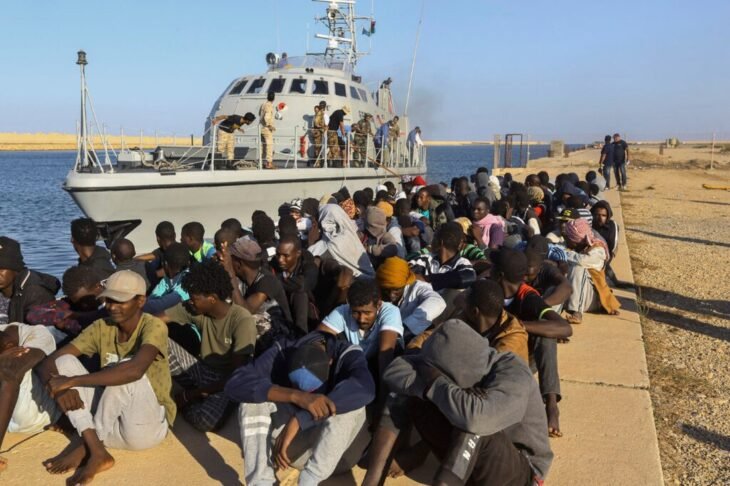
Western Libya is already well patrolled by the Libyan coastguard based in Tripoli that the EU financed with equipment, such as vessels, to intercept migrants at sea with several EU projects.

Support for Libya’s border management has been heavily criticised by civil society organisations, the UN, and journalists, who have pointed to evidence of widespread human rights abuses by the Libyan authorities during and after intercepting migrants at sea.

“We are providing support to many key partners with equipment and training to help prevent unauthorised border crossing. All five vessels promised to Libya have been delivered and we see the impact of increased patrols,” von der Leyen said.
Euractiv interviewed ten migrants on board of the NGO boat Ocean Viking in July, which departed from Western Libya, who described their experiences of torture and deprivation of water and food in detention centres.

Nine migrants out of ten told Euractiv that they tried to cross the sea more than one time, and in most cases they had to pay ransoms to be freed from prison.

A UN fact finding mission published at the end of March, reported that the Libyan coast guard has been infiltrated by violent militias and that there is collusion between the coast guard and some smugglers and human traffickers.

Euractiv witnessed violent actions by the Libyan coast guard during a rescue on 7 July, when they fired close to speedboats with the migrants and the crew onboard.

The EU wants to adopt a similar arrangement with Tunisia. The so-called EU-Tunisia Memorandum of Understanding signed in July, aims to invest in Tunisia’s border management. Arrivals from Tunisia have surged over the past 12 months.

“Under the Memorandum of Understanding with Tunisia, we have delivered spare parts for Tunisian coast guards that are keeping 6 boats operational, and others will be repaired by the end of the year. More is expected to be delivered to countries in North Africa in the coming months,” the EU Commission president explained.

The ‘Eastern problem’

Departures from Eastern Libya have also increased this year.

According to international law, any vessel close to a boat in distress, has the obligation to perform or assist a rescue, which is considered concluded only when survivors are disembarked in a place of safety – which does not include Libya. Any return in an unsafe place where people can face a different range of abuses, has to be considered an illegal return (the so-called principle of non-refoulement).

In the meantime, militias in Eastern Libya have started to perform interceptions at sea.

The Tariq Ben Zeyad militia, led by Haftar’s son Saddam Haftar, has started to perform migrant interceptions, in waters close to the EU borders.

_____________________

How 1973 oil crisis brought global problems we face 50 years later

Keiko Sakai

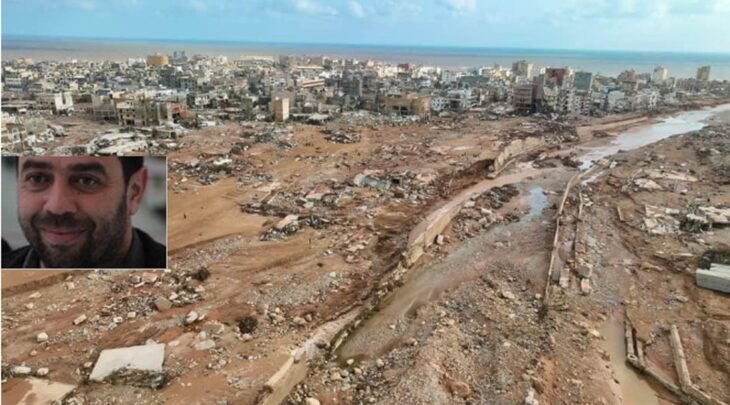
The hurricane that hit Libya on the night of Sept. 10, 2023, ruptured two dams in the northeast region of Libya, unleashing floods that destroyed Derna, a town of 90,000 residents on the Mediterranean coast.

More than 20,000 people died or went missing in the city, and as many as 40,000 residents fled the city. This is said to be the second most tragic dam disaster in history, after the dam failure in China’s Henan province in 1975.

The construction of the Derna dams began in 1973 by a former Yugoslavian company. The area had been plagued by the flooding of wadis (dry rivers) every time there was heavy rain, and the dams saved the town from trouble. But cracks requiring repair were found on the structures in 1998, and it was only in 2007 that the then Gaddafi regime finally asked a Turkish company to maintain the old dams and build a new one.

The regime collapsed in the “Arab Spring” protest movement of 2011 and the maintenance work was never completed as payments became overdue.

The Libyan government started to build large-scale dams in the 1970s because of the increase in oil revenue that was the main source of income for the country. Since his seizure of power in 1969, Colonel Gaddafi raised oil prices while nationalizing and increasing control over the oil industry. His move resulted in the implementation of the oil strategy by the Organization of the Arab Petroleum Exporting Countries (OAPEC) in 1973, throwing the world into an oil crisis.

Half a century ago, on Oct. 17, Arab oil producing countries announced an oil embargo on Israel’s backers and a 5% reduction in oil output to put pressure on Israel in the Fourth Arab-Israeli War that Arab countries launched two weeks earlier.

This increased oil prices by as much as 67% and caused panic among oil-consuming countries, including Japan. Due to its impact on the world economy, oil-consuming countries drastically changed their policies toward the Middle East, and Japan shifted to a pro-Arab stance out of consideration for the national interest of securing stable oil supplies.

The global impact of the oil crisis was not limited to the oil policies of developed countries. Professor Randall Hansen of the University of Toronto, who recently published a book titled “War, Work, and Want: How the OPEC Oil Crisis Cause Mass Migration and Revolution,” argues that the recent surge in migrants and refugees, the spread of terrorism, political instability in the Middle East, and the Iranian revolution of 1979 all have their origins in the oil crisis.

The oil crisis meant a surge in revenues for oil-producing countries and saved the financial woes of fragile regimes in the Middle East. It provided a stable source of income for nationalist regimes in countries such as Libya and Iraq and allowed them to survive their instabilities in the immediate aftermath of decolonization.

Oil wealth played an important role in providing social infrastructure to their peoples and thus gaining popular support for those revolutionary regimes with no experience in governing.

Supporting authoritarian regimes is not the only negative legacy of oil wealth. It was used as a boon to those fighting proxy wars within the Cold War structure. Pro-American oil producing countries, especially Saudi Arabia, made significant contributions to the U.S. Cold War strategy.

To counter the Soviet invasion of Afghanistan, the United States used Saudi mobilization of Muslims to fight against communism, and its financial power, as well as Pakistan’s military power, to help train Islamic volunteers against the Soviet Union. Professor Hansen estimates that between $350 million and $500 million flowed from Saudi Arabia annually. One result of the money flow was the birth of the international terrorist organization al-Qaida.

In the 1980s, Iraq was able to end the war against Iran undefeated thanks to significant financial support of more than $30 billion from pro-American oil producers such as Saudi Arabia and Kuwait. It also reflected the U.S. intention to contain the anti-American regime of the Islamic republic in Iran.

Al-Qaida and the Saddam Hussein regime in Iraq are the “devils” of oil wealth that troubled the United States most after the Cold War and destabilized the world. The 21st century has so far been a period in which a lot of blood and treasure were spilled to defeat these regimes.

Problems will not be solved once these devils disappear. We must consider the seriousness of the fact that the positive effects of the oil crisis on Middle Eastern society, such as infrastructure development, are ignored and not properly inherited with the eradication of authoritarian regimes in the region.

The authoritarian regime in Iraq was brought down by a war, while those in Libya and Tunisia were removed by the Arab Spring protest movement, and the infrastructure expanded under the socialist policies of those regimes was left to deteriorate over time. Successor governments that advocate “democracy” are surprisingly indifferent to the maintenance and succession of such social infrastructure.

Infrastructure related to human resource development also expanded for a period, benefitting from oil revenues. This is because many nationalist regimes focused on improving educational standards, partly for ideological purposes.

As a result, according to the World Bank, the elementary school enrollment rates in Iraq and Iran, which were less than 60% before the oil crisis, rose to about 80% in the 1980s. In Libya, too, it went from less than 80% in the early 1970s to almost 100% in 10 years.

A quarter of a century ago, Galal Amin, a leftist economist at the American University in Cairo in Egypt, once told me: “The poor in rural Egypt, attracted by the wealth of oil, have worked in the Gulf oil-producing countries, many as migrant laborers, and have improved their living standards. The oil crisis and the resulting market economy contributed to the relief of the poor that could not be realized by Nasser’s socialism.”

The literacy rates in the Arab world stagnated again in the 21st century, hovering around 60 to 70%. This would mean that after losing their resources, the authoritarian nationalist regimes were no longer able to appease their people.

The enormous middle class that was nurtured by the high economic growth of the 1970s and the government-led policies were lost, and society itself became polarized. It can be said that this led to the Arab Spring.

In the 1970s and 1980s, developed countries including Japan supported the social and industrial infrastructure of the Middle East by receiving the return of oil wealth. After the oil crisis, in the late 1970s, nearly half of the construction projects Japan received from abroad came from Middle Eastern countries.

Even in non-oil-producing countries, Japanese technology in the form of yen loans spread into the Middle East. Even half a century later, elder people in the Middle East still retain the memory of Japanese companies that supported their countries’ development and high growth after the oil crisis, while their states were unable to function, and infrastructure collapsed due to conflicts and disasters.

Half a century later, the oil crisis seems to have sown only negative seeds. In this context, one has to wonder how long Japan will remain etched in the positive history of large-scale development and high growth in the Middle East.

_________________

How Libya reached its dangerous political impasse

Here is a timeline chronicling Libya’s years of chaos and division:

2011 – Revolt and civil war

An uprising against Muammar Gaddafi’s four-decade rule rapidly spreads, becoming an armed revolt aided by NATO air strikes. Gaddafi is ousted in August and killed in October.

2012 – Armed groups take root

A rebel council stages elections for an interim General National Congress which creates a transitional government but true power lies with an array of local armed groups.

Islamist militants gain ground and attack the U.S. consulate in Benghazi, killing the ambassador.

2013 – Growing divisions

Armed groups grow ever stronger, besieging government buildings and forcing the congress to bow to their demands. The body is divided and public trust is ebbing as it seeks to extend its 18-month term and delay elections.

Neighbouring Egypt, where the military has removed a Muslim Brotherhood government, is increasingly worried about militant groups in Libya and mistrustful of the Islamist-dominated congress.

2014 – East-west schism

Former army general Khalifa Haftar sets up a new Libyan National Army group that battles Islamist armed factions.

The congress rejects the results of an election for a new parliament – the House of Representatives (HoR) – and sets up a government that is backed by armed groups in the west.

Backed by Haftar, the newly elected parliament moves from Tripoli to the east in support of the previous caretaker government. Libya is now split between warring administrations in east and west.

2015 – Islamists on the march

Islamist groups take advantage of the chaos and Islamic State seizes the central city of Sirte in February. Militants also hold much of Benghazi and Derna.

In December, the warring parliamentary bodies sign the Libyan Political Agreement to set up a new transition under a Government of National Accord. The agreement confirms the HoR as Libya’s parliament but gives members of the congress a new role as an advisory second chamber – the High State Council.

The agreement forms the basis for diplomacy for years to come, but on the ground the east and west remain divided.

2016 – Islamic State driven back

Despite the political agreement, the HoR rejects the new government as it takes office in Tripoli, entrenching Libya’s east-west divide. Western armed factions eventually take Sirte from Islamic State as Haftar fights militants in Derna and Benghazi and seizes the energy-producing “oil crescent” region of central Libya.

2017-18 – Deepening chaos

Fighting intensifies as armed groups in the west battle for control of Tripoli while the eastern LNA and other major factions fight Islamist militant groups around the country. New peacemaking efforts quickly fall apart.

2019 – Haftar attacks Tripoli

After finally crushing Islamist groups in the east, Haftar drives his LNA through southern Libya, bringing most remaining oil fields under his control. In April, on the day the U.N. secretary general arrives in Tripoli for peace talks, Haftar launches a surprise offensive to capture the capital. His assault is backed by the UAE, Egypt and Russia.

Western Libyan armed groups come together to support the Tripoli government with help from Turkey, their alliance bolstered by a deal on maritime borders that angers Egypt and Greece.

2020 – Ceasefire

Turkey openly sends its troops to support Tripoli and Haftar’s offensive collapses. As his forces pull back, evidence of atrocities is found in the town of Tarhuna. The sides agree a formal ceasefire and the U.N. convenes Libyan politicians and civil society in Tunis for a new peacemaking effort aimed at holding national elections the following year.

2021 – A failed election process

The eastern and western factions all accept a new Government of National Unity (GNU) meant to oversee elections in December. But the HoR in the east and the HSC in the west cannot agree on a new constitution or rules for the vote and the election falls apart at the last minute.

2022 – Standoff

Both parliamentary bodies now say the unity government has lost its legitimacy but the prime minister refuses to quit. The HoR in eastern Libya appoints a rival administration, but it fails to enter Tripoli, leaving the unity government still in control and the political standoff unresolved.

2023 – Paralysis

An uneasy peace prevails, but behind the scenes political factions continue to manoeuvre and the standoff continues. Diplomacy is focused on U.N. efforts to bring forward elections but many Libyans suspect their leaders are happy to avoid a vote that could push them from power.

In August, rival armed factions in Tripoli battle over the seizure of a commander.

_______________

Expert concerns shake up oil negotiations in Libya

Dean Mikkelsen

Libyan National Oil Corporation reports record-breaking September oil production, while Minister calls for caution amidst sovereign asset resolution concerns.

The National Oil Corporation (NOC) has reported robust oil production numbers for September, with a total output of 35,871,855 barrels. The recent statistics released on the NOC’s official Facebook page also revealed significant quantities of oil products (513,428 tons), petrochemical products (41,151 tons), and condensates (197,730 tons) during the same period. Additionally, natural gas production reached a substantial 1,044,320,321 cubic meters.

In light of these achievements, Minister of Oil and Gas, Mohammed Oun, has issued a stern reminder to adhere to House of Representatives’ Resolution No. 15 of 2023. The resolution calls for an immediate halt to all new procedures, contracts, or amendments related to sovereign assets, including oil, gas, and gold.

Minister Oun, in a formal communication dated October 16, addressed to the Chairman of the National Oil Corporation and the General Company for Gas Transmission and Distribution, emphasized the importance of full compliance with the decision as published in the Official Gazette. The resolution stipulates that any actions or commitments that contravene this directive will be considered null and void.

This call for vigilance follows concerns raised by eight industry experts regarding the National Oil Corporation’s ongoing negotiations. Under the oversight of the High Council of Energy, the NOC is in discussions with the Emirati consortium ADNOC, French oil giant Total, and Italian oil company Eni for the development of the “MN 7” field in Hamada Al Hamra.

The experts argue against removing the field from the purview of the Arabian Gulf Oil Company, citing potential risks associated with engaging companies lacking the requisite experience and capabilities. They also express concerns about transparency in the negotiation process, which could undermine fair competition and hinder the attainment of the most favorable terms and pricing.

Highlighting the long-known and confirmed reserves of the MN 7 field, the experts question its absence from prioritized development plans. They assert that the Arabian Gulf Oil Company is well-equipped to oversee its development, having already devised a comprehensive plan.

Furthermore, the field’s proximity to existing oil sector infrastructure makes it a cost-effective choice for development. The experts contend that the National Oil Corporation possesses the financial capacity to finance this endeavor and recommend engaging in dialogues with the government to secure the requisite funding.

_____________________

The meaning of victory in wars of liberation

Abdullah Alkabir

The occupation entity in Palestine is still reeling, losing its sanity and balance, after being humiliated by destroying the myth of the invincible army, and tearing the propaganda spider web in which it wraps itself, as a striking force that none of the armies in the region are capable of confronting.

In a few hours, a young resistance force succeeded in penetrating all of the enemy’s fortifications, concrete, iron, and electronic. Everything it had built to provide the settlers with reassurance, collapsed like a sand palace on the seashore.

The horror of the shock held their tongues for hours, before they woke up to a blow that was the most humiliating in their entire history. 

More than forty camps, bases, and settlements in which resistance men roam, hundreds of dead and prisoners, a valuable treasure of security and military information, are now in the possession of the resistance, according to Western newspapers. The most important result is the collapse of the settlers’ confidence in the ability of their security and military system to provide them with safety and stability.

The political, military, and strategic equations have changed radically, the path to normalization with the enemy was destroyed, thrones were shaken, and from under the ashes of frustration, emotions and slogans echoed across all cities of Muslim nations, shouting for Palestine, Al-Aqsa and the resistance. 

The leaders of major countries and senior officials flocked to the occupation entity, only out of a strong feeling that shook deep within them, it (the entity) is collapsing, and if we do not move to help it, it may be finished off. 

America moved its naval fleets for the primary purpose, which was to reassure the masses fleeing the population of the occupying entity towards the airports, fleeing the resistance that had reached the kitchens of their homes. America does not need to show extreme strength, because its military bases and warships are spread throughout most of the countries and seas of the region.

Can all the results and repercussions of the attack prompt us to say that the battle is still in its infancy, but it was decided in the first round on the morning of Saturday, October 7th?

It is true that the enemy is raining missiles and bombs on Gaza, and that the number of casualties has reached an unprecedented number in previous confrontations, with the declared blessing of the states claiming compliance with international law, democracy, and human rights, and complete silence and submission from their agents in the Arab countries, and all of this is expected, as in all rounds of the conflict the enemy resorts to aerial bombardment, with no distinction between civilian and resistance.

Yes, the price is high, and the cost in terms of blood, body parts, and tears is very high, which all colonized peoples have previously paid along the journey towards liberation and independence, armed with patience, perseverance, and the willingness to make all sacrifices, while the occupier’s patience runs out, and they take a thousand account of their victims.

Algeria paid about a million and a half, and millions were wounded in the battle for independence against the French occupier. Libya lost half of its population as martyrs, wounded and displaced during the Italian occupation. The Afghan people lost tens of thousands to gain their independence. The number of civilian deaths in the war to liberate Vietnam from the American invasion reached more than a million. While the liberation movement lost about 85,000 dead, America’s losses were 57,000 dead.

After a major battle in Hanoi, Vietnamese leader Ho Chi Minh asked his comrades about the number of dead, and he was told that we lost more than a thousand dead, and about twenty Americans were killed. He said: We have been victorious, and it is an inspiring phrase that is still on the tongues of all leaders of the wars of liberation. 

The invaders are always keen on life, and they face great difficulties in convincing their people of the justice of their cause. With the return of the soldiers in coffins, anger increases, and therefore the effect of killing on the forces of the invaders is extremely influential. No matter how small the number, the outstanding Vietnamese leader, Ho Chi Minh, realized that every blow inflicted on the enemy is a victory, bringing the day closer to defeating the invaders and declaring liberation.

______________

Water Security & The Maghreb

Hafed Al-Ghwell

North African states and communities are no strangers to careful water management and its relevance to effective governance in challenging times. Old underground water channels, ingenious methods of water storage and collection, to today’s dams and hydropower projects, are time-spanning infrastructure innovations and techniques. They reflect the strategic importance of the careful conservation and use of water in one of the most water-stressed regions in the world.

Maghreb countries (Libya, Tunisia, Algeria, Morocco, and Mauritania) receive an average of less than 1,000 cubic meters of renewable fresh water available per person per year.¹,² However, the growing global climate emergency is placing greater stress on the region’s water infrastructure, as the level, intensity, and variability of seasonal precipitation are radically changing with the climate. Similar climatic systems, hydrologic cycles, and geography mean that North African countries tend to suffer from similar climate-induced phenomena such as severe prolonged droughts and devastating wildfires.

Experts predict that precipitation will continue to decline in the coming years, even as the population grows—necessitating urgent interventions to pre-empt shortages, reduced hydropower, and agriculture capacity. Continued inaction will exacerbate the knock-on effects on sectors already experiencing social, economic, and political headwinds due to persistent instability and conflict.

However, this does not just apply to North Africa.

According to the United Nations’ (UN) Intergovernmental Panel on Climate Change (IPCC), more than 500 million people across the globe face significant and interconnected climate risks.³ It is just for the Maghreb, that things will be worse. Average temperatures are expected to be 20 percent higher than the rest of the world in the coming years,⁴ but the sub-region is already experiencing climate-related shocks in the form of record-breaking heat waves, acute water shortages, biodiversity losses due to wildfires, and major risks to agricultural production.

Additionally, vulnerable sections of the population and those trapped in fragile contexts experiencing extreme poverty must now grapple with ever-scarcer water resources as populations grow, income levels rise, and urbanization intensifies—further compounding woes. Put simply, unmitigated climate risks are continuously adding new complexities to this sub-region in areas such as labor, human mobility, settlement, and habitability, as accelerated environmental degradation further endangers food and water security.

Already, the UN’s Food and Agriculture Organization (FAO) predicts that absent swift action, crop yields around the world could be reduced by as much as 20% by 2050,⁵ with rain-fed farming systems suffering the greatest impacts. Reduced water resources will also threaten livestock rearing due to accelerated land degradation, reduced feed, and shrinking pasturelands. Even at sea, rising temperatures and reduced rainfall will also impact fisheries, which illustrates just how much inaction can easily and quickly result in warming becoming a crisis multiplier.

In the Maghreb, some of these impacts are already evident and, in some cases, becoming more prevalent. Poorer, rural communities are unable to maintain adequate levels of agricultural production to sustain their livelihoods since farming is a water-intensive activity extremely vulnerable to highly variable precipitation levels.

It does not end there.

In countries like Morocco, Tunisia, and Algeria, where the agricultural sector generates more than 10 percent of GDP,⁶ and is a major non-oil export, even the slightest disruption will have exponential effects on the economy and society. After all, 20-33% of the labor force in Morocco and Tunisia,⁷ for instance, derive their livelihood from the agriculture sector, which means as rainfall declines, forests burn and severe droughts become more frequent, large swaths of populations in North Africa could join the swelling ranks of jobless, desperate and impoverished.  

It is no secret that the availability of water, uninterrupted access to it, and its well-managed use have enormous positive impacts on society such as agricultural transformations that can foster greater food security to sustain livelihoods, improve citizen wellbeing, and ultimately boost resilience against future shocks—including non-climate change-related ones. However, when all five Maghreb countries are considered highly or extremely water-stressed, additional risks and slow or inadequate responses to them are likely to upend the sub-region’s already fragile food-water-energy nexus.

This could ultimately spark mass movements among populations that have little choice but to flee inhospitable zones, acute shortages of necessities, domestic or regional instability, and conflict. Worse yet, there has been very little progress so far because according to the indicators used in the UN’s first-ever assessment of water security in Africa, the entire continent has only improved its water security by 1.1%—between 2015 and 2020.⁸

It is long past due for the Maghreb to exploit its centuries-long history of tried-and-tested, sustainable water management practices to combat intensifying water scarcity. Modern, water-intensive farming of decadent decades past must give way to work alongside traditional irrigation and water management such as Tunisia’s sandy soil irrigation techniques that allow farms to thrive all year round and have become historical legacies. The same applies to Algeria’s “foggara” or Moroccan “khettara“—i.e., subsurface irrigation systems designed to deal with the aridity and heat of the Sahara, allowing constant water flows and preventing evaporation.

Even then, it will still not be enough since rapid urbanization has led to more than half of the sub-region populations living in coastal zones far from inland water sources like groundwater and mountain regions with greater precipitation. To date, North African countries are still struggling to design and build infrastructure to transport water to densely populated coastal cities in ways that do not drain desert aquifers and deplete groundwater—a finite resource—faster than it can be replenished.

In addition, there is little political will or capacity to engage in environmental or “green” urban planning that would allow densely populated cities to more efficiently use energy and water. As temperatures rise and rural populations move towards urban areas, it will only worsen resource scarcity and introduce new constraints before the sub-region can adapt, if at all. Given water security’s criticality, intensifying competition over this precious resource without adequate safeguards can quickly devolve into conflict among local communities experiencing heightened fragility, and nation-states given water scarcity’s destabilizing impacts at home.

On the other hand, cooperative engagement and management of shared water resources can catalyze sustainable cooperation even among rival actors or the most diametrically opposed communities. Fortunately, the lack of transboundary rivers and lakes means that the Maghreb is spared from the tensions and potential conflicts between riparian states over shared water resources, which are to likely occur with greater frequency as the effects of climate change may worsen in the coming decades. However, sprawling aquifers that tend to cross national borders can become a source of new conflict since—contrary to commonly held perceptions, groundwater sources are not infinite.

Morocco and Algeria are already locked in a quixotic rivalry over the Bounaim-Taffna basin,⁹ with both sides engaged in its reckless overexploitation with little to no prospects of any bilateral cooperation in managing this precious resource, despite the precedent set by the collaborative management of the North Western Sahara Aquifer System. It is unlikely that Rabat or Algiers will compartmentalize other sources of their rivalry to jointly manage the Bounaim-Taffna catchment, which would be mutually beneficial.

Unfortunately, as pressing domestic challenges mount, Maghreb countries will eschew much-needed cooperation for inaction or piecemeal interventions that will only aggravate climate-related woes even when there is sufficient capacity, expertise, will, and funding to safeguard the sub-region’s most vulnerable—its poor.

***

Hafed Al-Ghwell is a Senior Fellow with the Johns Hopkins SAIS Foreign Policy Institute (FPI) as a distinguished expert in international relations, particularly the political economies of the Middle East and North Africa. He also serves as the Director of FPI’s North Africa Initiative (NAI)—the continuation of an extensive career at the intersection of Arab world affairs, regional dynamics, geopolitics and geostrategic risks.

_________________

The SAIS Review of International Affairs

War in Gaza: a geopolitical perspective

Dr Mohammad M. Balawi

The geopolitical landscape in West Asia is currently undergoing significant shifts and developments that extend beyond the confines of specific regional conflicts. In this paper, I will explore the various factors and dynamics at play, shedding light on the broader implications and potential consequences of these events.

The presence of American aircraft carriers in the region cannot be solely attributed to the situation in Gaza. While the ongoing Gaza confrontation captures international attention, there are other underlying motivations for the American presence. Similarly, the Russians find satisfaction in the Gaza confrontation as it diverts attention from Ukraine. However, it is important to recognise that both the Americans and the Russians are ultimately compelled to intervene due to their strategic interests in the region.

China, a major player on the global stage, relies heavily on West Asia for its oil supply. It perceives a sense of threat in the region, but it also benefits from the diversion of American attention from East Asia. This diversion allows China to continue its ascent while the United States is preoccupied in the Middle East. It may even embolden China to take actions against Taiwan, a long-awaited step in its geopolitical ambitions.

Arab countries, on the other hand, have experienced a loss of confidence in Israel’s power. However, their greater fear lies in the rise of Islamist forces within the region. This complex dynamic creates a delicate balancing act for Arab nations as they navigate these competing concerns.

The Arab public, deeply angered by the ongoing conflicts and perceived injustices, poses a significant risk for further instability. The potential for a new wave of a more violent Arab Spring cannot be ignored, as public frustration reaches a boiling point.

Iran, a key regional power, faces a critical juncture. Its narrative and legitimacy are intertwined with its confrontations against the United States and Israel. Failure to intervene in regional conflicts, such as those in Syria, Iraq, Lebanon and Yemen, risks undermining Iran’s established narrative and potentially eroding its influence.

The Palestinian Authority finds itself losing local support and legitimacy, largely due to the failure of the peace process and the consequential loss of the West Bank, Jerusalem and the collapse of the two-state solution. The disillusionment among Palestinians has led to increased scepticism regarding the Authority’s ability to effectively represent their interests.

Furthermore, there is growing concern that Jews may no longer perceive Israel as a safe haven. This apprehension could lead to an exodus of Jewish populations, further complicating the already tense situation in the region.

Economically, the country faces a significant risk of collapse, rendering it an unsafe environment for investment. Israel’s struggle to protect itself and establish partnerships with other nations exacerbates the challenges it faces in navigating the geopolitical landscape.

Internally, Israel grapples with divisions and a loss of faith in its identity as a “modern democratic state”. These internal rifts weaken the country’s ability to effectively address external challenges and maintain stability.

The current blow, despite the substantial losses witnessed in Gaza, carries profound implications. It serves as a stark reminder of the fragility of the region and the need for a comprehensive re-evaluation of existing approaches and strategies.

We find ourselves at a historical juncture, witnessing the creation of a new world order. The outcome of these geopolitical developments in West Asia will have far-reaching consequences, not only for the region but also for the global balance of power.

The Palestinian Resistance Movement, in the aftermath of the current conflicts, is poised to emerge stronger. This resurgence has the potential to reshape the entire region and serve as a catalyst for liberty and self-determination.

While West Europe’s decline gradually unfolds, economic factors contribute significantly to its weakening. This decline creates a power vacuum, leaving more room for Chinese influence, as the United States loses focus and redirects its attention elsewhere.

For many, these events may mark the second phase of escaping the grip of colonialism. The pursuit of genuine independence, free from American and European dominance, gains momentum as regional actors seek to redefine their relationships and assert their sovereignty.

The current situation in West Asia could be the catalyst for the rise of the Muslim world and the realisation of its rightful position in the world. As events unfold and geopolitical dynamics continue to evolve, it is essential to closely monitor and analyze these developments, understanding their implications for regional stability and the global order.

***

Dr Mohammad Makram Balawi is the Director General of League of Parliamentarians for alQuds 

_________________

Avoiding Armageddon

Douglas Macgregor

The American Conservative

The U.S. must consider encouraging a ceasefire before stumbling into another complicated large-scale conflict.

Limited war is a form of warfare constrained by the exercise of deliberate restraint in the application of force and the pursuit of political-military goals that exclude annihilation. In Ukraine, all sides shared an interest in avoiding the use of nuclear weapons, and contrary to the Western narrative, Moscow’s goals were arguably confined to the destruction of hostile Ukrainian forces (“denazification”) and the establishment of a neutral Ukrainian state.

The U.S. must consider encouraging a ceasefire before stumbling into another in the application of force and the pursuit of political-military goals that exclude annihilation. In Ukraine, all sides shared an interest in avoiding the use of nuclear weapons, and contrary to the Western narrative, Moscow’s goals were arguably confined to the destruction of hostile Ukrainian forces (“denazification”) and the establishment of a neutral Ukrainian state.

In the Middle East, the situation is very different. When Hamas fighters attacked Israel’s heavily fortified border at daybreak on October 7, the first wave of roughly 1,000 fighters advanced behind a curtain of rocket fire using motorcycles, pickup trucks, paragliders, and speed boats, Israeli forces were surprised.

Ali Baraka, a senior Hamas official, said in an interview on October 8, “We made them think that Hamas was busy with governing Gaza, and that it wanted to focus on the 2.5 million Palestinians [in Gaza] and has abandoned the resistance altogether.”

In the days that followed, 3,000 fighters, including an unknown number from the Palestine Islamic Jihad (PIJ), penetrated Israeli territory, killing at least 1,300 Israelis and wounding approximately 3,500. Subsequent cross-border raids into Gaza revealed that some of the Israelis who were kidnapped were executed after entering Gaza.


The speed, coordination, and effectiveness of the Hamas operation was unexpected, but the horrific damage the Hamas fighters inflicted on Israel’s population was not surprising. Hamas exists for one purpose: to terrorize and kill Jews with the goal of destroying the State of Israel.

In response, Israel’s Prime Minister Benjamin Netanyahu declared war and mobilized 360,000 reservists to form an army of between 470,000 and 500,000. Netanyahu is obviously determined to impart a lasting object lesson, one that will crush Hamas in Gaza and probably eliminate any more talk inside the Palestinian population of a “two-state solution.” Having already pulverized Gaza from the air, the stage is now set for a battle of annihilation. The question is: whose annihilation?

Israeli rage is justified and widely shared by Americans. Like the Israelis, Americans are inclined to see terrorism through the lens of 19th-century piracy: “no quarter given, none expected.” In this total war setting, the Geneva Convention cannot apply to Hamas’s terrorist forces. But how long can the Israeli Defense Force (IDF) wage total war, depriving Gaza’s Arab population of food and water, without creating an enormous humanitarian disaster that will play for years in the news?

Can Hamas and its leadership be destroyed without killing large numbers of civilians who may hate the Israelis but have nothing to do with Hamas? Does it not serve Hamas’s purpose for the IDF to become bogged down in an open-ended, full-scale ground invasion of Gaza because the urban conflict will unavoidably entail loss of innocent life? Does it not seem ominous that Hamas is urging the population of Northern Gaza to remain in the ruins of the city?

Americans stand behind Israel, but many are unconvinced that killing more Arabs in Gaza will solve Israel’s security problem. Americans also have doubts about the Israeli government’s ultranationalist officials, Finance Minister Bezalel Smotrich and National Security Minister Itamar Ben-Gvir. These men are widely seen as emboldening Jewish extremists.

These questions and concerns may explain why Israel is rushing to carry the war into Gaza. If Russian forces arrive to help Egypt and Turkey establish a humanitarian corridor, there will be Russian and Turkish troops in Gaza to defend the distribution of humanitarian aid. Outpacing the arrival of Russians, Turks, and Egyptians makes sense.

These points notwithstanding, the Middle East today is very different from the Middle East in 1973. Technologies have altered the conduct of warfare, but more importantly, the societies and states of the Islamic world have also changed. Egypt, Syria, Iraq, Lebanon, Iran, and Turkey are different in character from what they were in the 1970s. None of the states bordering Israel will tolerate population shifts that introduce large numbers of Palestinian Arabs into their societies. Europeans want them even less.

Iran’s national leaders have already called on Islamic and Arab countries to form a united front against Israel, but Iran’s influence in these matters is more limited than most Americans realize. Iranian military power is largely restricted to Iran’s use of proxy militias like Hezbollah and their cooperation with the Pasdaran, Iran’s Islamic Revolutionary Guard Corps. Iran is simply incapable of adding high-end conventional military forces to such a front. Tehran’s government also knows that the use of Iran’s formidable theater ballistic missile force against Israel risks almost certain Israeli nuclear retaliation.

The governments of Egypt, Iraq, Saudi Arabia, the Emirates, and Lebanon are very probably opposed to a general war against Israel, but their enraged populations could easily trap them into doing so. Scenes of celebration across the Middle East showing people waving Palestinian and Hamas flags, dancing, and singing in the streets are being shared on social media.

Turkey’s President Erdogan has offered to mediate between Hamas and Israel, but Erdoğan himself has warned that the war won’t just stop “in a week or two.” However, Turkey, a nation of more than 80 million, is the one actor in the region with the societal cohesion, martial culture, and military power to lead the Sunni Arab states in a confrontation with Israel.

In a regional war, Turkey can field large armies and air forces equipped with modern weapons, manned by disciplined and determined fighters. The advent of a regional Sunni Muslim alliance guided by Ankara and financed by Qatar resurrects the specter of advanced conventional warfare for the IDF, a form of warfare known to only a few of today’s IDF leaders.

Sadly, the region has not advanced much beyond the conditions described by Ramsay MacDonald, Britain’s Prime Minister in 1924 and again from 1929 to 1931:

We encouraged an Arab revolt against Turkey by promising to create an Arab Kingdom from the Arab provinces of the Ottoman Empire including Palestine. At the same time, we were encouraging the Jews to help us, by promising them that Palestine would be placed at their disposal for settlement and government, and, also at the same time, we were secretly making with France the Sykes-Picot agreement partitioning the territory which we had instructed our Governor-General of Egypt to promise to the Arabs. The story is one of crude duplicity, and we cannot expect to escape the reprobation which is its proper sequel.

Both the Jews and the Muslims continue to live inside civilizational conflicts that have defined Jerusalem since World War I.

With American offshore naval power, Washington is certainly poised to stumble into the conflict if it widens, but the use of American naval power will not end it. Although it is distasteful to the ruling political class in Washington, the Biden administration should consider taking the lead in supporting a ceasefire, even if it means cooperating with the Turks, Egyptians, and Russians to secure the arrival of humanitarian aid.

In Ukraine, Washington underestimated Russian resolve and military power. Washington should not repeat this mistake by underestimating the potential for a regional Muslim alliance that could threaten Israel’s existence. The possibility that Israel could end up like Ukraine should not be discounted.

***

Douglas Macgregor, Col. (ret.) is a senior fellow with The American Conservative, the former advisor to the Secretary of Defense in the Trump administration, a decorated combat veteran, and the author of five books.

_____________________

The Libyan state has failed its people

The international community has a responsibility to make amends

Tim Eaton

The structure of a fund to reconstruct Derna must navigate political divides to be Libyan-owned and internationally overseen. A precedent for this is a fund developed in 2011 amid the civil war.

The tragedy that befell the Libyan city of Derna and the surrounding areas after two dams burst on 11 September 2023 following devastating floods has cost thousands of lives. Official estimates of the death toll stand at more than 4,000, but tens of thousands remain unaccounted for. Civil society figures report victims being buried in unmarked graves without being identified. Many thousands are also displaced. The death toll is therefore likely to be much higher.

There is plenty of blame to go around, from the failings of the Libyan state to maintain the dams that burst, to the flawed response of local authorities to the oncoming storm. Anger among the Libyan population is widespread, with calls growing for an independent international inquiry – rather than the several disconnected probes under way by Libyan agencies. Instead of taking responsibility, the response of the local authorities has been to close ranks, restrict press coverage and deflect blame. But the Libyan people are not appeased by this approach.

The scale of the challenge to respond to the crisis is especially daunting for a state whose bickering authorities have demonstrated little willingness to date to compromise in the national interest. Beyond the immediate challenge of supporting the victims and coordinating aid, there is a need to forge a plan for the reconstruction of the city. The World Bank and UNDP are conducting damage and recovery assessments, but with a significant part of the city completely destroyed, the cost of reconstructing Derna is likely to reach $1 billion.

The truth is that little of the money to reconstruct Derna is going to come from the international community. On 16 October, this was acknowledged by Abdulaye Bathily, the UN Special Representative, who noted that ‘related costs will be mostly borne by Libyan national resources’. This raises a critical set of questions over how this money will be managed, allocated and accounted for. The Libyan state has a questionable record of managing public projects. The ongoing governance divide and dispute between the House of Representatives and the internationally recognized Government of National Unity (GNU) has meant that the development chapter of the budget – which should focus on upgrading and building the nation’s infrastructure – remains blocked.

Politics is already threatening to get in the way. The eastern-based Government of National Stability (GNS) – which is not recognized internationally – initially issued a call for an international donor conference while the GNU has issued a request to the World Bank for assistance. Both governments already each had a vehicle for reconstruction in the Derna region, though the record of these funds inspires little confidence. The GNU-affiliated fund did not have its budget fulfilled and the GNS-affiliated fund stands accused of corruption.

Neither had made progress on reconstructing the city from the damage inflicted upon it in 2018 during a siege spearheaded by the Libyan Arab Armed Forces and neither will be up to the task of responding to the Derna tragedy. In a recent Chatham House webinar, a leading activist said that the level of trust the local population placed in the authorities was so low that they were refusing to leave the area because they believed that no reconstruction would happen unless they remained to apply pressure on the authorities. Libyans rightly fear that funds earmarked for reconstruction will end up lining the pockets of those with vested interests.

An agreement between the rival authorities over the structure of a reconstruction fund that is transparent and accountable is imperative. This will require international mediation, and there is a growing consensus on the international side of what is needed. ‘A unified national mechanism is required to effectively and efficiently take forward the reconstruction efforts in the flood-affected areas’, the United Nations Support Mission in Libya noted on 2 October. Options exist for the shape of the fund that could be developed.

These include the development of a World Bank-managed Multi-Donor Trust Fund. However, given that Libyan funds will be at play, there may be only limited willingness among Libyan authorities to allow international organizations to manage the funds without a direct role in decision-making. If the Libyan authorities could be convinced, then such a fund could deliver on its aims. If they refuse, no trust can be placed in the competing Libyan authorities to run their own funds without a degree of oversight that can only meaningfully be provided by the international community.

To achieve agreement among Libyans over the establishment of the fund, a potential route may be the Libyan High Financial Committee. The committee was formed this summer by the Presidency Council as an attempt to reach consensus on budgetary issues. After making some progress, divisions within it have emerged and eastern representatives withdrew. They could however, be encouraged to return to reach agreement on the structure of the fund, with international mediation.

For a precedent of a fund that is Libyan-owned and internationally overseen, it may make sense to look to the Temporary Financing Mechanism (TFM). The TFM was formed by the opposition in 2011 to distribute funds to those in areas of the country liberated from the Gaddafi regime. It was managed by a Libyan Advisory Committee and a steering committee chaired by Libyans and including donor states. The TFM responded to terms of reference developed in partnership with the international community and followed procurement rules provided by the World Bank. Critically, it also subjected itself to audits and published its books online every three months.

If progress is negligible, the possibility of releasing Libyan-specific assets frozen under sanctions for the fund could be used as leverage to encourage Libyan authorities to agree to highly robust mechanisms for accountability and transparency.

Failure to reach agreement will result in a chaotic situation where reconstruction efforts will, at best, be uncoordinated, and at worst, be completely ineffective or absent. It is critical that the international community coalesces around a position to work with the Libyan authorities to agree a suitable model. In so doing, they would be wise to leverage the anger and despair of a population that the international community has largely forgotten as it has focused on forging deals between rival elites. Libyans do not need or want pictures of foreign officials with the same discredited elites, they need action.

***

Tim Eaton – Senior Research Fellow, Middle East and North Africa Programme, Chatham House.

_______________

Avoiding a “second emergency” in Libya

A race against time as the rainy season looms

In Derna the deluge came in the middle of the night. “We heard what sounded like an explosion at two am,” said Adel. “All of a sudden after that the water entered our home.”

Heavy rains from Storm Daniel, which swept through the east of the country, caused two dams to burst and unleashing walls of water that scoured the coastal cities of the region.

With no early warning, Adel’s family, like thousands of others across the city, was completely unprepared. 

“The water level was at six or seven metres,” he said. “We saved whoever we could. My brother, his wife, and six children all died. May they rest in peace.”

The floods have killed more than 4,300 people and WHO estimates that twice that number are unaccounted for. Grieving and bewildered residents tell the same story—an almost unimaginable catastrophe that swept everything before it.

Damage and displacement

Early drone and satellite images showed entire neighbourhoods wiped off the map, buildings reduced to rubble, and streets and bridges smashed beyond repair. Derna’s basic infrastructure along the riverbanks has been destroyed and three reservoirs are reportedly damaged.

More than 43,000 people have been displaced, left with literally nothing. They are badly in need of food, clean water, shelter, healthcare, and financial support.

Prices for basics such as bread, cooking oil, and vegetables have shot up. The fishing industry has come to a standstill, leaving those who depend on the sea for their living unable to earn money or feed their families.

The threat of disease from contaminated water looms large. And the floodwaters have shifted and exposed landmines and other unexploded ordnance of war, reviving one of the toxic legacies of the country’s recent conflict.

Immediately after the disaster, in mid September, a team of UN officials visited Derna, Al Bayda and Sousa to assess needs.

“What we saw in our mission is people confronting the catastrophic combination of an unprecedented natural disaster, years of conflict and insecurity, and devastation of nearly all basic infrastructure,” said UNDP Libya Resident Representative Christopher Laker.

In Benghazi, UNDP is working with local authorities and the Benghazi Derna Construction Fund to mobilize a cadre of international experts who will contribute to the recovery.

“As I stand here on this level ground, once the site of Derna’s old market, and listen to the locals emphasize the profound significance of the old city in their lives, it reinforces our determination to help resurrect this city to its former, beloved state,” said Mohamed Shembesh, Regional Project Coordinator, UNDP Libya:

UNDP estimates, drawing on the latest satellite imagery and open access data by United Nations Satellite Centre, NASA, and the European Union, reveal that the floods have left behind more than one million tonnes of debris, equivalent to the volume needed to fill 65 football fields to a height of 1.8 metres, the size of an average adult. 

The United Nations and its partners have launched an appeal for US$71 million to provide humanitarian and early recovery support to 250,000 people.

UNDP has deployed a SURGE team to support the Benghazi Derna Reconstruction Fund.

Repairing infrastructure and removing the rubble is a crucial first step. It accelerates the rebuilding process and offers a unique opportunity for an inclusive, environmentally sustainable recovery that actively engages Libyans and provides livelihood opportunities.

Observing from the sky

Reliable data will ensure that help is delivered quickly and where it is needed most. UNDP is gathering satellite imagery which will be available to all, and will be backed up by site visits, so that short- and long-term planning can best meet the needs of Libya’s citizens.

“We’re observing from the sky,” said Fabjan Lashi Digital Assessment Project Manager, UNDP Crisis Bureau. “More and more we have to rely on these tools because of the complex nature of crises and often no possibilities to visit the field. With new technology we can intervene faster and make better-informed decisions.”

That speed will be essential in the coming days and weeks as a potential second crisis looms.

“Rains are a few weeks away and could further impact our already limited access, with increased risk of flooding and landslides,” Dr Laker said. “We must act now to clear the mountains of rubble, begin vital repairs to water and sanitation infrastructure, and ensure people can earn a living and have access to cash, so that survivors don’t face a second emergency.”

International development partners can support the UN’s efforts to build Libya’s capacity for a coordinated, transparent, and conflict-sensitive recovery and reconstruction effort.

Libyans were vulnerable even before this tragedy. World Bank estimates show that the country experienced a 50 percent decline in GDP per capita between 2011 and 2020, and unemployment is high. The International Organization of Migration estimates that even before the storm Derna was hosting 2,801 displaced Libyans, as well as migrants from neighbouring countries.

UNDP’s crisis response revolves around alleviating further suffering and reducing further dependence on humanitarian and emergency assistance.

________________

Tech Giants Harming Users in War Time

Mona Shtaya

Tech companies have generally failed in protecting people from dangerous narratives fueled by disinformation, hate speech, and a lack of authentication checks. This is the current case with the ongoing war on Gaza, as big tech algorithms attempt to mask deeply-rooted bias on their platforms.

Over the past decade, tech companies like Meta, which envisioned “connecting the world,” and X (formerly known as Twitter), with its noble claim of “defending and respecting the user’s voice,” have heralded a vision of a technological utopia. However, this lofty narrative, although increasingly unfulfilled, not only hides the potential harms these tech giants can inflict, but also masks the deep-rooted global inequality crisis.

What becomes glaringly evident is the striking contrast between the extensive, stringent, and swift measures taken by social media companies to safeguard the interests of users in the Global North, in countries like the United States and Ukraine, and other countries in the Global South when political crises occur, such as Palestine, Myanmar, and Kenya.

In the wake of the events that unfolded in Israel and Palestine since October 7, the digital realm has been inundated with a deluge of disinformation, hate speech, incitement, and violent rhetoric. These dangerous narratives emanated not exclusively from one source: whilst Israeli officials and politicians disseminated videos, rationalizing attacks on Gaza and normalizing violence, social media platforms in general became fertile grounds for incitement and racism from users, further fueling settler violence against Palestinians. This is not a new occurrence.

Human rights groups had previously called for social media platforms to protect Palestinians, particularly following the 2021 events in Sheikh Jarrah and Gaza, and the burning of Huwara town earlier this year. In order for Palestinians, as well as social media users from the global majority more generally, to be protected from digital harm, social media companies need to take several steps in resolving the digital inequality they face.

Disinformation fanning the flames

This absence of safeguarding and proper content moderation and fact-checking is not an isolated incident limited to any one platform; rather, it is a widespread issue. In current events, X has seemingly allowed incitement and racist speech against Palestinians without adequate moderation. The platform’s owner even posted a tweet encouraging users to follow two accounts with a history of spreading disinformation, undermining the platform’s accountability. 

Misinformation has plagued social media platforms these last few weeks, impacting and obstructing the proper flow of information. For instance, X permitted the wide dissemination of AI-generated images that were not flagged as fabricated, and which conveyed misleading information. Furthermore, some social media posts have spread videos taken during previous attacks on Gaza, or old videos of airstrikes in Syria or Ukraine as if they depict recent Israeli airstrikes on Gaza.

Further, Human Rights Watch verified videos showing that white phosphorus was used in Gaza and Lebanon in October, whilst some other videos circulating on social media were taken in the Donbas in Ukraine. The ceaseless waves of disinformation burden people and distract them from getting news from the ground. This makes the tech giants the biggest beneficiaries of disinformation.

Some international mainstream media outlets also fell into this trap and contributed to spreading disinformation that was subsequently used to justify violence on the ground. These platforms reported these alleged stories as verified news without conducting thorough authenticity checks. Such reporting has the potential to manipulate global audiences, and could exacerbate polarization and extremism in such events.

The repercussions of this hateful speech extend far beyond the confines of this region. It has contributed to the normalization of extremism and anti-Palestinian racism, but also of anti-semitism, especially in the absence of equitable international mainstream media coverage of events in this region.

Additionally, it has affected communities beyond the region, as exemplified by the recent murder of Wadea al-Fayoume, a six-year-old Muslim Palestinian-American boy in Chicago. Jewish communities were also affected by the online hatred rhetoric, leading to unconscionable attacks, such as the burning of the al-Hammah synagogue, a historic site in Tunisia.

Tech companies’ contradictions: Censorship, ads, and press freedom

On the other hand, Meta has imposed stricter censorship of Palestinian content. This has included the removal of visual documentation of the attack on the al-Ahli Hospital in Gaza on the night of October 17. Moreover, Meta has reduced the reach and viewership of Instagram stories in support of Palestine, among other content violations. The same occurred in 2021, which only compounds existent harm, and reflects the platform’s failure to address tech harms to human rights and access to information in times of crisis. In both instances, Meta claimed there were widespread technical glitches.

Furthermore, YouTube has allowed sponsored adverts by the Israeli Ministry of Foreign Affairs on its platform, that justify the use of violence and deadly attacks against Palestinians. This follows the Ministry of Strategic Affairs employing the same tactic two years prior. Additionally, certain social media platforms have monitored and suspended the accounts of journalists and media organizations covering and documenting events in Palestine.

TikTok has “permanently banned” the official account of Mondoweiss, a website focused on developments in Palestine and Israel. Further, Instagram has suspended the account of a Mondoweiss correspondent based in the West Bank. This affects journalists’ right to labor, access to information, and the right to freedom of opinion and expression.

Disparities in safeguarding users in times of crisis

In the midst of this current crisis, major technology companies have displayed a marked divergence from their response to protect users in the Global North. Unlike their swift actions to safeguard American democracy during the storming of the US Capitol and their proactive measures to protect Ukrainian civilians from the outset of the Russian invasion of Ukraine, they neglected addressing disinformation, incitement, hate speech, and other content that perpetuates conflict extremism and escalates violence on the ground. This glaring disparity mirrors a broader crisis of global inequality, highlighting the urgent need for more equitable digital protection measures in regions affected by events.

The measures that tech companies have taken on the matter show that the protection of users varies, depending on various factors including, but not limited to, their countries’ economic and political purchase, as well as their countries’ support from the Global North. Furthermore, the adequacy of tech companies’ protective measures themselves can be called into question.

For example, Meta, following its commission of a due diligence report by the Business for Social Responsibility Network (BSR) in 2021 after events in Sheikh Jarrah and Gaza, rejected one of its key recommendations. The report, which found that Meta had censored Palestinian voices in 2021, recommended committing resources to support public research aimed at establishing the most effective balance between the legal obligations imposed on social media platforms and their policies and practices. 

Unfortunately, it seems social media platforms invest resources based on their market size, not risks. It is important to note that Israel allocated approximately $319 million to social media advertising in 2021, with a staggering 95 percent of this budget dedicated to Meta platforms. This figure surpasses the collective advertising expenditures of Palestine, Jordan, and Egypt, solidifying Israel’s position as one of the largest advertising markets in the region. 

The tech companies’ layoffs in the past couple of years, particularly misinformation and safety teams, made matters worse. In early 2023, YouTube, owned by Google, reduced its already small team of policy experts in charge of tackling misinformation to one person in charge of misinformation policy globally. Moreover, Meta’s layoffs in 2022 included employees who assisted in leading research on hate speech, misinformation, and trust.

Further, in December 2022, X discarded its Trust and Safety Council, where tens of civil society organizations and leaders from around the world had volunteered their time and effort, to enhance the platform’s safety. As such, tech companies are undermining processes of safeguarding their platforms from disinformation in times where these safeguards are desperately needed. 


Similar issues have occurred across these platforms in the past, despite numerous pleas from local, regional, and international civil society representatives. These calls emphasized the need for the platforms to be prepared for similar events, especially in light of recurring escalations of tensions in the Middle East. However, tech companies have not allocated sufficient resources to protect users or conduct in-depth research to comprehend tensions and its consequences on their platforms, which reflects a fundamental structural defect in their business models.

Tech companies may argue that they are closely monitoring what is happening, and are responding to escalations from “trusted partners”. However, we are at a moment where they should acknowledge the “Whac-A-Mole” approach no longer suffices, and will not bring about lasting change.

This strategy is akin to applying small doses of painkillers to calm down minimally-resourced civil society organizations that document tech-related harms. To safeguard users worldwide, we must, now more than ever, urgently unite our efforts with all stakeholders to increase pressure on tech companies, imploring them to invest more in protecting users from tech-related harm.

***

Mona Shtaya is a Nonresident Fellow at TIMEP focusing on surveillance, privacy, and digital rights in the Middle East and North Africa (MENA) region. She works as the MENA Campaigns and Partnerships Manager and corporate engagement lead in Digital Action.

______________

Gaza-Palestine: The Right to Resist Oppression

Alain Gresh

It was also in the month of October, exactly 50 years ago, in 1973. The Egyptian and Syrian armies crossed the cease-fire lines ad inflicted heavy losses on the Israeli army. What a dreadful commotion in Tel Aviv! While their intelligence services had information that an attack was imminent, the political leadership remained cloaked in its arrogance: defeated in 1967, the Arabs could not fight any more; the occupation of Arab lands could go on unchecked and ad infinitum.

IS TRYING TO GO HOME AN AGGRESSION?’

At the time, many commentators in Europe and the United States denounced ‘an Egypto-Syrian aggression, unjustifiable, immoral and unprovoked’ – a term which Israel’s leaders are especially fond of since it makes it possible to obfuscate the root of these conflicts: the occupation. Michel Jobert, then French foreign minister displayed a clear-sightedness which honoured his country: ‘Does trying to set foot on one’s home territory necessarily constitute an aggression?’1 It is true that in those years the voice of Paris soared a thousand leagues above the occidental chorus and proclaimed that the recognition of the Palestinians’ national rights and the evacuation of the Arab territories occupied in 1967 were the keys to peace.

If, in 1973 the hope of putting an end to the occupation of Egypt’s Sinai and Syria’s Golan Heights was legitimate, fifty years later is the determination of the Palestinians to rid themselves of the Israeli occupation illegitimate? Tel Aviv, just as in October 1973, was caught short by the Palestinian action and suffered an exceptionally heavy military defeat. This time too, the occupiers’ arrogance, their contempt for the Palestinians, the conviction of this Jewish supremacist government that God is on its side, all contributed to its self-deception.

The attack, launched by a joint military command regrouping most of the Palestinian organisations under the leadership of the Ezzedine Al-Qassam Brigades (military wing of Hamas) was a surprise not only because of the moment chosen but also by its magnitude, its degree of organisation and the military capacities exhibited which made possible, among other feats, to overrun Israel’s military bases. It united all Palestinians and gained widespread support throughout the Arab world, even though its leaders are trying to come to terms with Israel on the backs of the Palestinians.

Even Mahmoud Abbas, President of a largely demonetised Palestinian Authority whose main reason for being is its security cooperation with the Israeli army, felt obliged to declare that his people ‘had the right to defend themselves against the colonists’ and occupation troops’ reign of terror’ and that ‘we must protect our people.’

ALL TERRORISTS!

Each time the Palestinians rebel, the West, – so prompt to glorify the resistance of the Ukrainians – speaks of terrorism. Thus, President Emmanuel Macron ‘firmly condemned the ongoing terrorist attacks against Israel’ without a word about the continuing occupation which is the source of the violence. The resilience of the Palestinians, tenacious, irrepressible, stubborn always amazes the occupiers and appears shocking in the eyes of many Westerners.

As at the time of the first Intifada in 1987, or the second in 2000, at the time of the armed actions on the West Bank or the mobilisation in favour of Jerusalem or the clashes around Gaza, under siege since 2007 and which has suffered six wars in 17 years (400 dead in 2006, 300 in 2008–2009, 160 in 2012, 2,100 in 2014, nearly 300 in 2021 and several dozen in the spring of 2023). The Israeli rulers accuse their enemies of ‘barbarity’, of disrespect for human life, in a word, of ‘terrorism.’

The accusation allows the accusers to wrap themselves in the cloak of righteousness and a clear conscience, camouflaging the apartheid system of an unbelievable brutality which oppresses the Palestinians every single day of their lives.

Let me remind readers once again that many terrorist organisations, pilloried as such in the course of recent history, have ceased to be pariahs and become legitimate interlocutors. The Irish Republican Army (IRA), the Algerian National Liberation Front, the African National Congress (ANC) and many others have been by turns described as ‘terrorists’, a word which serves to depoliticise their struggle, to present it as a confrontation between Good and Evil.

In the end the power structures had to negotiate with them. In 1967, following the Israeli aggression, General de Gaulle spoke these premonitory words: ‘Now Israel is organising, on the territories it has conquered, an occupation which will necessarily involve oppression, repression, and expulsions. If they encounter any resistance, they will call it terrorism.

THIS IS NOT AN ‘UNPROVOKED’ ATTACK

As in every war, one can only deplore the civilian casualties, but are there ‘good civilians’ for whom to shed a tear and‘bad civilians’ like the Palestinians who are killed every day on the West Bank and whose death elicits so little indignation?

700 Israeli casualties have already been counted as I write (and more than 400 on the Palestinian side), i.e., more than during the 1967 war against Egypt, Jordan, and Syria. The political and geopolitical context in the region will be completely turned around in a way which it is difficult to predict at this point. But what the current events lend credence to, once again, is the fact that an occupation always unleashes a resistance for which the occupiers alone are responsible

As article 2 of the Declaration of the Rights of Man and the Citizen dating from 26 August 1789 proclaims: resistance to oppression is a fundamental right, one to which the Palestinians can justifiably lay claim.

***

Alain Gresh – Publication director of . A specialist in the Near East, he is the author of several books.

_______________

North Africa and the scramble for ‘new oil’

Hafed Al-Ghwell

As technology becomes increasingly central to our lives and economies, the demand for rare earth elements and other critical mineral resources — essential raw materials that underpin the global transition to the low-carbon economies of the future — has grown exponentially.  

These critical minerals are the lifeline of technologies ranging from semiconductors, flash memory and fiber optics to electric vehicle batteries and smartphones. As a result, competition for these assets is reshaping the geopolitical and geoeconomic landscape, far offsetting the conventional hegemony of oil, and laying out the contours of the next global resource scramble.

To meet goals laid out in the Paris Agreement, it is believed that 80 percent of confirmed fossil fuel supplies will need to stay in the ground. Yet, as we transition from these traditional energy sources to more sustainable alternatives, such as solar, wind, and geothermal energy, the demand for certain minerals and metals is set to balloon, which will likely transform Africa into a battleground for competing hegemonies seeking to monopolize the lifeblood of future economies.

By 2050, we could need close to 3 billion tons of metals such as lithium, cobalt and vanadium, which are useful in storing energy. Minerals such as manganese and graphite, which are essential for these new technologies, are found in abundance on the African continent, in addition to copper and other materials like indium, selenium and neodymium that are used in the manufacture of wind turbines and solar panels.

For optimists, such conditions could set Africa up for success as the world speeds up the move toward eco-friendly energy solutions. It will not be a new phenomenon, either, since the continent’s large deposits of gold, silver and other metals remain a wellspring of raw materials that fuel current manufacturing processes across the globe.

The extraction and export of these materials continues to play a significant role in Africa’s economic lifeline, driving exports, earning revenue, and contributing largely to gross domestic product. To date, minerals and fossil fuels made up over a third of all exports for most African countries. Moreover, a striking 42 out of 54 African countries depend heavily on these resources, with minerals providing a significant amount of revenue, foreign currency and jobs.t

Yet, despite holding such abundant natural wealth, Africa remains disadvantaged on a global scale and struggles to fully capitalize on its resources. This is mostly because, while its abundance is phenomenal, Africa still lacks the capacity and technology to develop these raw materials into more valuable finished products.

This has limited the continent’s opportunities to grow economically and to carve a more substantial place for itself in global supply chains. However, the global thirst for climate-friendly technologies and the will to transition away from energy sources that contribute to climate change presents a golden opportunity.

The continent could tap into its near limitless potential and become a focal point in the manufacture of everything from solar panels to batteries for electric vehicles. The growth of these clean energy industries carries a promise of industrial and employment expansion, which will then go on to secure unprecedented levels of socioeconomic development and prosperity.

Countries well-endowed with these vital minerals could attract substantial investments not only in the extraction of these resources, but also in advanced sectors that rely on them. Africa’s natural wealth, therefore, offers an opportunity to play a lead role in driving investments, and spearheading domestic and regional industrial evolution and growth.

To harness this opportunity fully, African countries need to beef up their manufacturing prowess, ramp up production, and encourage exports by bolstering domestic and cross-border collaborations and supply chain linkages.

Major global and regional forces are strengthening their footprints in Africa, staking claims in strategic areas.

Simply put, the African continent is increasingly indispensable, and the supply-chain risks stemming from the monopolization of these resources by a few countries such as China and Russia pose a significant threat of disruption to the global semiconductor and electric vehicle markets.

China currently commands the lion’s share of the global market for critical minerals — extracting 60 percent and processing about 80 percent of them — in addition to investing billions in Africa to fuel its ambitious Digital China strategy. Beijing’s practices occasionally raise eyebrows for capitalizing on soaring demand, political leverage, governance challenges, and exploiting cheap labor. Russia is not far behind, its footprints evident in deploying thousands of Wagner Group mercenaries to guard mineral resources.

Even the US, a mostly distant “partner” of the continent, cannot escape the surge of interest and attention in Africa, given that its countries have the minerals that will power the modern world. Recognizing Africa, specifically North Africa, as a crucial strategic partner can help Western economies in mitigating their dependencies on a single nation or region.

The Maghreb countries are well-positioned to serve as a gateway to Africa, despite not possessing vast reserves of these crucial minerals. They already serve as crucial gateways, both for the in and outflow of people and resources. In the future, their position will be critical in facilitating investments, talent growth, tech advancement and enabling the all-important trading markets for Africa’s huge, untapped mineral wealth deposits.

To unlock the potential of these resources, the US and Western countries should incentivize and strengthen collaborative private-sector partnerships with African nations that share democratic and rule-of-law values. For instance, Africa’s landmark African Continental Free Trade Area can be leveraged to support semiconductor, flash memory, and consumer electronics supply chains.

The far-seeing efforts by Western multinationals in the 1970s and 1980s offer valuable lessons for today’s context. By establishing manufacturing hubs and R&D centers in ASEAN countries, they kick-started the growth of these economies. Fostering a similar approach by encouraging multinationals to invest in Africa can yield the twofold benefit of growing the local economies while reducing dependency on Eastern powerhouses.

For instance, Google, Microsoft and IBM have already begun making inroads by opening R&D labs in various African countries. Intrinsic in this strategic equation is the clear message that critical minerals have not merely evolved as the new oil but also as crucial geopolitical pivot points. The traditional oil-driven geopolitics is giving way rapidly to geostrategic competition over these prized resources.

Thus, the international spotlight on Africa’s potential is not just a reflection of its burgeoning promise but also a smoking gun pointing to the heightening political and economic dynamics shaping the world. Major global and regional forces are fortifying their footprints in Africa, staking claims in strategic areas, increasing their soft power, and going all-in to compete for influence and projects.

The Maghreb countries are not immune to these global dynamics and, in many ways, are in the thick of the action. In aiming to act as the continental gateway, they will continually find themselves assuming center stage in an escalating global scramble for Africa’s future riches.

Increasingly, foreign powers, from China, Russia and the Gulf states, see Morocco and its Saharan neighbors as a strategic playground between the West and Africa, making these nations increasingly important players in these geopolitical and economic games.

Just as Morocco and others vie to be Africa’s portal, the broader North Africa region itself could also become a highly contested ground, especially if its countries endeavor to facilitate Africa’s rise on the world stage. To be the conduits for Africa’s potential should be seen not just as an opportunity, but also as a great responsibility.

Africa is no longer on the sidelines of the global scheme but rather the center of the attention. No longer does the old tag, “the forgotten continent,” hold. Instead, it is being sought after with such intensity that this renewed attention threatens to outweigh the continent’s capacity to absorb and utilize it effectively.

This is where the Maghreb’s strategic geographical advantage can be harnessed by leveraging the sub-region as an entry point, intermediary market, and a channel for investment and technology transfer, opening up unexplored opportunities. Ambitious but strategic planning, investment, and collaboration could steer these countries to become the custodians of the African resource map while serving their significant role in clean energy transformations across the globe.

Hafed Al-Ghwell is a senior fellow and executive director of the North Africa Initiative at the Foreign Policy Institute of the Johns Hopkins University School of Advanced International Studies in Washington, D.C., and the former adviser to the dean of the board of executive directors of the World Bank Group.

____________________

The failed lessons of Libya

Europe has only itself to blame for the refugee crisis

Rajan Menon

On 11 September, massive floods created by Storm Daniel ruptured two dams built in the Seventies to protect Derna in eastern Libya, exposing its denizens to unstoppable torrents of water. The smell of rotting bodies and sewage seeping from busted pipes suffused the air. Bridges were broken, homes demolished. Contaminated water, wrecked sanitation systems, and the shortage of potable water has raised fears about the outbreak of cholera. The UN reports that 43,000 people have been displaced, with 11,300 killed and 9,000 still missing.

Though forgotten by the media in the face of more immediate Middle-Eastern tragedies, a UN mission is attempting to restore order. But such ambitions, reasonable in theory, fundamentally depend on the domestic political situation and whether the government in charge is competent or, as in Libya’s case, broken. Such analysis of Libya as a “failed state” is a longstanding characterisation in the West, and has similarly been revived in recent months as an explanation for the renewed flow of refugees to Europe.

But while blaming this on the breakdown of governance in Libya is a logical first step, we mustn’t stop there. That would be to ignore the roots of the dysfunction, which can be traced to the Nato-led intervention launched on 19 March, 2011. Libya’s state didn’t passively “fail”; the West triggered its failure through its programme of so-called humanitarian interventionism.

This isn’t to say that the description of state failure inside Libya is incorrect. It’s undeniable — indeed at present there isn’t a “state” to speak of. Not only does the country contain two rival governments (one in the capital, Tripoli, the other in Tobruk), but a Gaddafi-era general, Khalifa Haftar, acts autonomously and answers to neither administration, though he nominally backs the one in the east. Beyond him, a multitude of armed militias dominate fragments of the country and thrive by running illicit businesses. Terrorist groups and drug and human trafficking networks add to the mayhem. Outsiders — including Turkey, Russia, Egypt, Syria and the United Arab Emirates — have worsened the turmoil and violence by backing different Libyan clients.

These circumstances have made even the minimally competent governance needed to manage disasters such as Derna impossible. The nation’s infrastructure, especially Derna’s dams, had fallen into a state of disrepair, some of it damaged by the persistent violence. This was no secret: Libyan engineers had long been sounding the alarm. But institutions capable of taking responsibility for such critical tasks have become scarce since Libya’s state disintegrated in 2011.

For 42 years before that event, Muammar Gaddafi, a military officer who toppled the Western-supported monarchy of King Idris in 1969, ruled Libya in a brutal, authoritarian manner. But the country did at least have a central authority capable of policy-making and state action. Everything changed once the sudden shockwaves of the Arab Spring reached Libya and Gaddafi faced a popular uprising, which he promptly sought to crush. But as it gathered strength, clashes between protestors and security forces led to increasing bloodshed, and Western leaders, notably France’s president Nicolas Sarkozy and Britain’s prime minister David Cameron, demanded intervention to protect Libyan civilians.

Within a month of the intervention, some 600,000 people had fled, seeking safety in adjacent countries, most of them migrants from sub-Saharan Africa originally lured to the country by the prospect of finding jobs. But economic desperation soon induced migrants from neighbouring countries — the bulk of them from Niger, Egypt, Sudan and Chad — to head to Libya again, some seeking work, others a passageway out of Africa. It did not take long for Europeans to feel the ripple effects.

Though there were refugee flows from Libya to Europe even during Gaddafi’s rule, the country’s coast was more effectively policed because there was a functioning government. Gaddafi also cooperated directly with European leaders to reduce the exodus in exchange for cash: at one point he had demanded €5 billion annually, but in 2010 settled for €50 million over three years. But once the intervention put an end to Gaddafi’s regime and mayhem ensued, migrants from Libya and other African countries started crossing the Mediterranean to Europe in far larger numbers, many in makeshift boats.

Since then, this movement has ebbed and flowed, but never ceased. In March a legislator from Italian PM Giorgia Meloni’s Brothers of Italy party, citing intelligence reports, claimed that nearly 700,000 people are in Libya awaiting the opportunity to get to Europe. Though UN officials dismissed that figure, this much seems certain: whatever the precise number, Libya will remain a launch pad for destitute people eyeing Europe, no matter the EU’s payments to various African countries, and even Libyan militias, to stanch the flow.

And the arrival of droves of refugees on Europe’s shores has aggravated the discord within the EU as member states bicker over how the burden ought to be shared. The first refugee crisis peaked in 2015, but it is once again remaking European politics as far-Right parties exploit xenophobic tropes and play upon public anxieties to increase their appeal. Libya’s “state failure” has washed across the Mediterranean and into the countries of the leaders who precipitated it back in 2011.

In seeking a prime mover for the disaster in Derna and the refugee crisis however, we must return to the Nato-led intervention and the mindset that drove it. As I show in my 2016 book, The Conceit of Humanitarian Intervention, the 2011 uprising in Libya was never as peaceful as was widely reported; nor, as was often alleged, did Gaddafi’s forces train heavy weapons on demonstrators with abandon. Gaddafi’s opponents also exaggerated the number of civilians that were killed by his security forces, as did Western advocates of armed intervention.

The frightening estimates of those who were still in danger of being killed ultimately amounted to guesswork. (White House Middle East expert Dennis Ross’s warning that 100,000 people in Benghazi — which then had a population of about 674,000 —  would die was an egregious example.) Likewise, as US intelligence officials subsequently stated, the claim of Susan Rice, the American ambassador to the UN that Gaddafi had distributed Viagra to his troops so that they could commit mass rape lacked evidence.

Still, as the violence in Libya continued, demands for forceful action to stop it intensified, in part because the Responsibility to Protect doctrine (R2P), which offered a plan to stop mass atrocities, was in its heyday. Its principles had even been included in the Outcome Document the UN adopted in 2005, its 50th anniversary.

The essence of R2P — elaborated upon in a report from December 2001 — was that state sovereignty was not unconditional. When governments proved demonstrably incapable of fulfilling their basic responsibility to protect their people, or worse were subjecting them to atrocities, the international community was duty-bound to step in, using military force if other means had failed. This was the moral reasoning that led the UN Security Council to pass Resolution 1973 on 17 March, 2011, as Gaddafi’s crackdown continued.

The resolution authorised a military operation — led by Nato but including states outside the alliance — whose remit was to protect Libyan civilians. But the campaign quickly morphed into one that, whether by design or default, overthrew Gaddafi, who was eventually murdered by rebel forces. The power vacuum was soon filled by the anarchy and violence that persists to this day.

That denouement was preventable. R2P didn’t merely call for military intervention, as a last resort, to save civilians from harm; it also stressed the importance of establishing order and helping to promote economic recovery thereafter. But the countries that spearheaded the 2011 intervention were not nearly as enthusiastic about the former as they were about the latter. Ironically, one of R2P’s originators later described the intervention as a “textbook case of the R2P norm working exactly as it was supposed to”.

In the event, it proved to be a wrecking ball that shattered the Libyan state and saddled its people with the task of making their broken country whole again. Strikingly, while the major Western powers vigorously called attention to the dangers facing Libyan civilians in 2011, they do not display the same fervour today, never mind that the confirmed deaths in Derna alone far exceed the total for all of Libya in 2011. Nor have the high priests of humanitarian intervention outside officialdom demanded action in Derna or even publicised its plight with the passion they summoned back in 2011.

Samantha Power, now the head of the US Agency for International Development, then a National Security Council staffer, visited Armenia and Azerbaijan recently to take stock of the refugee crisis that was created by the Azerbaijan’s army conquest of Nagorno Karabakh, the country’s Armenian-majority enclave that declared its independence in 1992.

Derna, however, was not on her travel schedule, even though she was among the prominent voices that called for the 2011 humanitarian intervention that left Libya in the disarray that soon earned it the “failed state” moniker. As for the press, after an initial spate of reportage, the coverage of Derna’s suffering has trailed off, even though the miseries of its people are still very much in evidence.

The humanitarian intervention movement, and R2P, its programme, was motivated by a high-minded mission: eliminating or at least mitigating  the persistent, serious harm of mass atrocities committed mainly by governments. Yet the lesson offered by Libya — and Iraq and Afghanistan too — is that deploying military force in other countries in order to stop bloodshed and oppression can unwittingly promote prolonged disorder and violence, upending the lives of the intended beneficiaries.

Perhaps Western leaders have learned this lesson. Then again, the hubris produced by overweening power dies hard. Some neoconservatives and liberal internationalists of a markedly millenarian mindset continue to believe that their earlier failures were rooted not in extravagant ambitions but in deficiencies of planning and implementation that can be fixed. As long as this delusion continues, more Libya-like interventions animated by visions of benevolent social engineering await.

***

Rajan Menon is the Director of the Grand Strategy programme at Defense Priorities and a senior research fellow at Columbia University.

____________________

Twenty-Four Hours of Turmoil

The Wagner Uprising and Its Far-Reaching Impact on Russia and Beyond

Helmut Sorge

Twenty-Four Hours

June 23-24, 2023. Over those days, Russia, the sanctioned world power, was not destabilized by the nuclear enemy in Washington, but by one man, who made his wealth serving food to school children and soldiers. A caterer who attempted a revolution.

A bald man, who apparently wore wigs during his days off, as the Russian secret police claimed to have discovered when they searched his home in St Petersburg. The photos of the wig-wearing Yevgeny Prigozhin were shown on national TV, making fun of the ultranationalist, who for many Russians is a hero, a courageous character risking his life visiting the front lines in Ukraine, screaming his anger and frustration about Moscow’s failures in the war. The media treasured his prison-colored language, since a convict he once was, in younger years.

“Until recently”, noted CNN (July 6, 2023), Russian state TV “lionized Wagner’s operation in Ukraine”, but the outlets “now appear to be vilifying the founder of the private military company, following the failed uprising”. On June 23-24, Prigozhin ordered tanks to move towards the capital. Some of his estimated 50,000 fighters, many recruited in prisons and familiar with brutality, closed in on Moscow.

President Putin, almost a quarter of a century in power, took the threat seriously. He changed into a black suit and on national TV compared the uprising to the wartime turmoil that led to the Russian revolution of 1917: “It’s an attempt to subvert us from inside. This is treason in the face of those who are fighting on the front” (CNBC, June 26, 2023).

In the end, the attempted coup d’état lasted just 24 hours. Nevertheless, the almost revolution shocked the world, and probably stunned the Russian people. They saw how a Russian city, Rostov-on-Don, one million inhabitants, was occupied by Wagner’s fighters without a shot fired. Helicopter attacks on the mercenaries, who had taken to the highway to reach the capital, were reported; a missile strike was aimed at Wagner fighters, and a dozen or so Russian pilots were shot down by the rebels.

A Stab in the Back

Where were the defenders on the ground, Russians to fight Russians? Moscow had created a monster, a 858 billion ruble, $9.8 billion fighting machine, as estimated by the Russian TV propagandist Dmitry Kiselyov in his July 2, 2023 ‘News of the week’ program (Russian TV). These fighters were surrounded by and used to death.

Ukraine’s President, Volodymyr Zelensky, estimated (CNN, July 1, 2023) that 21,000 Wagner mercenaries have been killed in Eastern Ukraine alone; an estimated 80,000 Wagner fighters were wounded. Now this battle-hardened private army did not shy away from facing national forces, which, in the early hours of the uprising, were nowhere to be seen. Roads leading into the capital were blocked by buses, taxis, lorries; workers ripped up the pavement to slow the rebels.

In those 24 hours, Russia seemed to forget the occupation of Crimea and the invasion of Ukraine. The war, a nightmare, was on the way home, destabilizing the Russian dream, the return to frightful power and glorious grandeur. “Armed by the Kremlin to fight in Ukraine”, wrote The Guardian (June 24, 2023), “the maverick warlord was now redirecting his forces at his enemies inside Russia in the most serious threat to the Kremlin since the 1991 Soviet coup d’etat attempt”. For Putin, apparently unprepared for this sudden challenge to his leadership, and not warned by his ever-present spies, the mutiny was “a stab in the back”.

The President claimed that Russia was “fighting for survival” and the reaction to this rebellion would be a “harsh retribution”. Repeat: “any internal mutiny is a deadly threat to our state, to us as a nation. It’s a strike against our nation, our people. And our actions to defend the fatherland from such a threat will be brutal” (The Guardian, June 24, 2023). “There was no question”, noted Benoit Vitkine (Le Monde June 24, 2023), Comrade Prigozhin “plunged the whole of Russia into a huge black hole”.

On June 25, Guardian reporter Pjotr Sauer insisted “the authority and self image of Putin has sustained lasting damage as a result of the revolt, and Prigozhin’s continued public presence could further undermine the Kremlin’s credibility”.

Prigozhin, known to be a ruthless and ambitious figure, was not thrown in shackles in front of a firing squad waiting for him on Red Square, but was received with 35 of his commanders by Putin in the Kremlin, five days after the uprising. The alleged traitor (without wig) was placed in the first row, facing Putin, the leader who had promised “harsh retribution” against the outlaw. Reuters revealed (July 14, 2023) that Putin said the mercenaries could keep fighting, but Prigozhin would be replaced by a seasoned war veteran, Andrei Troshev, who had been in action in Afghanistan and Chechnya. Prigozhin remained fearless and determined: “No, the boys won’t agree with such a decision”, the presumed traitor told the President.

An unusual figure, Alexander Lukashenko, the President of Belarus, “played a major role in ending the mutiny”, reported Gulf Today (June 28, 2023). The Belarus dictator, whose nation shares 1084 kilometers of border with Ukraine, persuaded Prigozhin in a phone conversation to halt the revolt, informing him that Putin had apparently made “a brutal decision to wipe out the mutineers”. Lukashenko then advised Putin not to rush to a violent judgement, but to propose to the rebels that they could find safety in neighboring Belarus.

Lukashenko revealed in public, that he feared that, should the rebels reach Moscow, a civil war could begin, and “God forbid, the turmoil would have spread, and the prerequisites for that were enormous, we could be next”, the dictator feared (Reuters, June 28, 20023), and “if Russia collapses we will all be under the rubble”. But then: “Mystery shrouds the fate of that deal as well”, reported Reuters (July 14, 2023). Lukashenko subsequently confirmed that Prigozhin had returned, for the time being, to St Petersburg and “his life was not in danger”. Lately Prigozhin was sighted in Belarus, where Wagner fighters are preparing local soldiers for war.

His Neck Was on the Line

In public, Lukashenko reflected on the future of Prigozhin. “Well everything happens in life. But if you think Putin is so malicious and vindictive that he will ‘kill’ Prigozhin tomorrow, no, this will not happen”. Prigozhin, whose residence and headquarters are in St Petersburg, where billions of roubels in cash were discovered along with his wigs, also owns the Internet Research Company, an online troll farm, and the Association for Free Research and International Cooperation, both of which are under U.S. sanctions and have worked alongside Wagner.

By the way, the confiscated cash piles in St Petersburg were not the illegally held property of Prigozhin, but cash to pay his troops, who insist on cash payments, as do the orphans and widows of Wagner fighters killed in action.The “Ukrainska Pravda” (June 24,2023)reported that Prigozhin  confirmed that Russian security forces  have found boxes full of money near his office …Russian  media  reported that the boxes contain a total of four billion  roubles( appro  47 million dollars.”

ln a paper on the Wagner drama, Thomas Graham of the Council on Foreign Relations (June 24, 2023) is hesitant to predict the final outcome: “We do not know how close he (Prigozhin) is to the Russian President personally, but he certainly has a network of contacts inside the Kremlin and leverages the perception of ties to Putin to advance his business interests. Nevertheless, his ties to Putin did not deter him from launching the rebellion or Putin labelling him an outlaw, who should be severely punished”. To many Russians Prigozhin seemed brave.

No Russian general was seen going close to danger.Their critic dared “The Wagner boss questioned the strategy for the war fought in Ukraine, the reasons for it, suggesting the elite was profiting, and couldn’t care less how many Russian lives were lost”. His soldiers were sacrificed, because needed ammunition and weapons were not delivered and his fighters were sent to death by an incompetent man in Putin’s inner circle: Russia’s defense minister Sergei Shoigu, with whom the Wagner boss battled for the control of the Wagner group, particularly in Africa.

Their Arsenal is Russian

At stake were the vast money-making ventures Prigozhin developed and owned for the Kremlin in Africa and beyond. At the end, within one day, the rebellion collapsed, the insurgent-in-chief ordered his troops, advancing to Moscow, to return to their barracks near the front. His decision, CNN suggested, was “to save Russian blood, but the reality was that his neck was on the line”. On that fateful Saturday, “Russia appeared to have averted an immediate descent into civil war”, suggested Andrew Roth and Pjotr Sauer (The Guardian, June 24, 2023), and Africa moved back into center of foreign military affairs.

Wagner is active in at least eight African nations. An estimated 5000 fighters, are deployed. Wagner’s businesses in the Central African Republic, to give just one example, ranges from a 290 million dollar per year gold mine to precious hardwood processing and beer and vodka production as the “Moscow Times” (June 28, 2023)quoted the US economic News platform “Bloomberg.”. “With Wagner, Russia has managed to create a very powerful business machine and tool for influence in Africa”, stated International Crisis Group’s Central Africa Project director Enrica Picco, “so the system will not fail even if there are internal struggles in Russia. The Kremlin will not let the system fail; it’s too important to them” (Moscow Times, June 28, 2023).

“It is premature to assess the effect of the present state of war between Russia and Ukraine on military cooperation between Russia and Africa”, argued Abdelhak Bassou, Senior Fellow at the Policy Center for the New South, and Affiliated Professor at the faculty on Governance, Economic and Social Science at the Mohammed VI Polytechnic University (UM6P), in his paper on ‘Military Relations between Russia and Africa, before and after the war in Ukraine’. “Whatever the outcome of the war or its consequences, some African countries will continue to maintain relations with Russia because their arsenals are Russian (as in the case of Algeria and Egypt) or because they are tied to Russia by agreements made before the war in Ukraine”.

The recent revolt, wrote News.com (June 28, 2023) has “raised significant uncertainties about the future operations of the organization in distant regions. For years, Wagner has been viewed as a formidable tool of Moscow’s influence, particularly in Syria and Africa, acting as armed extension of the Russian government in various conflict-ridden areas”.

Wagner relies heavily on the Russian defense ministry for the provision of troops, equipment, and weapons in its operational theatres. Likewise Moscow depends on Wagner to maintain control over the troubled regions where the group operates, actively undermining Western influence. “The butterfly effect of Wagner group’s failed mutiny has severe implications for Russian influence abroad”, noted reporter Alex Blair on News.Com. With Prigozhin possibly moving into exile in Belarus “the fate of Wagner’s endeavors in exploiting anti-western regimes hangs in the balance”.

***

Helmut Sorge is a columnist at the Policy Center for the New South.

_________________

How climate change became a highly charged term in Libya

Libyans say climate change isn’t an excuse for the amount of neglect that happened with the maintenance of the dams.

When the heavy downpours started in Libya as Storm Daniel battered the country in September, people in Derna felt that the city’s two dams would protect them from devastating floods, and there was no concern to leave their homes.

But it wasn’t just rainfall. The devastating floods stemmed from the chain of mountains surrounding the northeastern coastal city and not from a tsunami in the Mediterranean.

The worst floods in the country’s history left more than 5,000 people dead and at least another 10,000 people are still missing. Entire neighbourhoods on the bank of the raging river were swept away. Climate change clearly played a key role in the collapse of the city’s two dams built in the 1970s to protect it from flooding.

The rainfall was unusually severe — the equivalent of a year’s rainfall in just 24 hours.

But there’s a consensus among many locals in the capital, Tripoli and elsewhere that years of negligence and political infighting are the main culprits and have greatly contributed to the severity of the unprecedented disaster.

Oil-rich Libya has been riven by political infighting, corruption and external interference since a 2011 uprising that toppled and later led to the death of the long-time ruler Muammar Gaddafi. Attempts stretching back a decade to form a unified functioning government have failed, and instead, two rival governments backed by their own military factions are based in Tripoli in the west and Tobruk in the east.

Now the two rival governments have tried to politically exploit the extreme weather event, says Moussa Tihosai, a Libyan analyst and researcher based in Tripoli.

“The political exploitation of the Derna crisis began from day one. But both sides then backed down because of embarrassment. Every government wants to undertake reconstruction and compete in rescue and relief operations to emerge as the saviour. In addition, the security services on both sides want to appear as a hero,” Mr Tihosai told Al Majalla.

One week after the torrential rain wiped off around a quarter of Derna, many locals took to the streets demanding the removal of those in power in the East and the West, accusing officials of political and financial corruption.

Venting their anger at all officials, they singled out the speaker of the eastern-based Libyan parliament, Aguila Saleh, as he framed the disaster in a religious context.

In the political and information war, the climate has been amplified and exploited by politicians, says Mr Tihosai.

____________________

Left behind and grieving, survivors of devastating Libya floods call for accountability

Abdel-Hamid al-Hassadi survived the devastating flooding in eastern Libya but he lost some 90 people from his extended family.

The 23-year-old law graduate rushed upstairs along with his mother and his elder brother, as heavy rains lashed the city of Derna on the evening of Sept. 10. Soon, torrents of water were washing away buildings next to them.

“We witnessed the magnitude of the catastrophe,” al-Hassadi said in a phone interview from Derna, referring to the massive flooding that engulfed his city. “We have seen our neighbors’ dead bodies washing away in the floods.”

Heavy rains from Mediterranean storm Daniel caused the collapse of the two dams that spanned the narrow valley that divides the city. That sent a wall of water several meters high through its heart.

Ten days after the disaster, al-Hassadi and thousands of others remain in Derna, most of them waiting for a word about relatives and loved ones. For al-Hassadi, it’s the 290 relatives still missing.

The floods inundated as much as a quarter of the city, officials say. Thousands of people were killed, with many dead bodies still under the rubble or at sea, according to search teams. Government officials and aid agencies have given varied death tolls.

The World Health Organization says a total of 3,958 deaths have been registered in hospitals, but a previous death toll given by the head of Libya’s Red Crescent said at least 11,300 were killed. The U.N. Office for the Coordination of Humanitarian Affairs says at least 9,000 people are still missing.

Bashir Omar, a spokesman for the International Committee of the Red Cross, said the fatalities are in the thousands, but he did not give a specific toll for the number of retrieved bodies, since there are many groups involved in the recovery effort.

Many Derna residents, including women and children, are spending their days at the city’s collection points for the bodies. They are desperate to know who is inside body bags carried by ambulances.

Inside a school in the western part of the city, authorities posted photos of the retrieved bodies.

Anas Aweis, a 24-year-old resident of Derna, lost two brothers and is still searching for his father and four cousins. He went to the Ummul Qura school in the Sheiha neighborhood to inspect the exhibited photos.

“It’s chaos,” he said after spending two hours waiting in lines. “We want to know where they buried them if they died.”

The floods have displaced at least 40,000 people in eastern Libya, including 30,000 in Derna, according to the U.N.’s migration agency. Many have moved to other cities across Libya, hosted by local communities or sheltered in schools. There are risks to staying, including potential infection by waterborne diseases.

Rana Ksaifi, assistant chief of mission in Libya for the U.N.’s refugee agency, said the floods have left “unfathomable levels of destruction,” and triggered new waves of displacement in the already conflict-stricken nation.

The houseplants on the rooftop of Abdul Salam Anwisi’s building survived the waters that reached up to his 4th-floor apartment. Anwisi’s and a few other families rode out the deluge on the roof, which overlooks the Mediterranean Sea. They thought they wouldn’t live to see daylight. Now, as he sifts through the water-damaged debris of his home, it’s unclear what comes next.

“God predetermined and he did what he wanted,” he said.

Others across the country are calling for Libya’s leaders to be taken to task.

Hundreds of angry protesters gathered Monday outside Derna’s main mosque, criticizing the government’s lack of preparation and response. They lashed out at the political class that controls the oil-rich nation since the ouster and killing of longtime dictator Moammar Gadhafi in 2011.

The North African country plunged into chaos after a NATO-backed uprising toppled and killed Gadhafi. For most of the past decade, Libya has been split between two rival administrations: one in the west backed by an array of lawless militias and armed groups, a second in the east, allied with the self-styled Libyan National Army, commanded by Gen. Khalifa Hifter. Neither government tolerates dissent.

Derna, as well as east and most of south Libya, is controlled by Hifter’s forces. However, funds for municipalities and other government agencies are controlled by the rival government in the capital, Tripoli.

Al-Hassadi, the law graduate, blamed local authorities for giving conflicting warnings to residents, leaving many defenseless. They asked residents to evacuate areas along the Mediterranean coast, but at the same time, they imposed a curfew, preventing people from leaving their homes.

“It was a mistake to impose a curfew,” he said.

The dams, Abu Mansour and Derna, were built by a Yugoslav construction company in the 1970s. They were meant to protect the city against heavy flooding, but years of no maintenance meant they were unable to keep the exceptional influx of water at bay.

Many Libyans are now calling for an international investigation and supervision of aid funds. The Supreme Council of State, an advisory body based in the capital of Tripoli, said that a “thorough international investigation” is needed to determine reasons behind the crisis in the city of Derna, the hardest-hit area.

“All are corrupt here … without exception,” said rights activist Tarik Lamloum.

***

Magdy reported from Cairo.

______________________

The terror narratives protecting Israel’s colonial violence

Ramona Wadi

“As long as the United States stands and we will stand forever, we’ll not ever let you be alone,” US President Joe Biden told Israelis in an address from Tel Aviv, before proceeding to repeat the same propaganda which NATO and mainstream media utilised to justify foreign intervention in Libya. His next move was to bring ISIS into the narrative: “atrocities that recall the worst ravages of ISIS”.

This manipulation follows Israeli Prime Minister Benjamin Netanyahu’s remarks after meeting US Secretary of State, Antony Blinken, in Tel Aviv last week. “Hamas is ISIS, and just as ISIS was crushed, so too will Hamas be crushed.  And Hamas should be treated exactly the way ISIS was treated,” Netanyahu stated.

One must also not forget Blinken’s threat. “Here in Israel, and everywhere, we will reaffirm the crystal-clear warning that President Biden issued yesterday to any adversary – state or non-state – thinking of taking advantage of the current crisis to attack Israel:  Don’t.  The United States has Israel’s back,” Blinken warned, while referring to the US deploying the largest aircraft carrier in the world to bolster Israel’s genocidal actions against Palestinians in Gaza.

Only the terror narrative sustains Israel’s current bloodbath against the Palestinians in Gaza. And only because the international community is too cowardly and complicit to call out Israel’s colonial violence. Meanwhile, the US promotes a false narrative that, together with Israel, both allegedly believe in “the fundamental dignity of every human life”. Basic empathy aside, which is non-existent anyway when speaking about colonial powers, how does the US$100 million in aid to Palestinians compare next to the $10 billion Biden will be requesting the US Congress for Israel?

The US is reciprocating Israel’s terror narrative with comparisons to 9/11, and justifying Israel’s colonial violence from the same narrative that brought the world’s powers together in the so-called “war on terror”. Positioning a US aircraft carrier against a besieged enclave, with a population that has been repeatedly displaced since 1948, and which is now estimated to have one million forcibly displaced Palestinians since 7 October, speaks of international engagement in colonial violence against Gaza. Not to mention the 3,785 Palestinians killed in Israel’s bombing of the area.

According to EU Commission President, Ursula von der Leyen, “there is no contradiction in standing in solidarity with Israel and acting on the humanitarian needs of the Palestinian people”.  But there is. There is contradiction in standing in solidarity with a colonial enterprise built over the remnants and buried history of ethnic cleansing, stolen land and massacred people. Unless, of course, it is former colonial powers and their weaker allies depending on political allegiances that do not want a true decolonial reversal – one that restores land ownership to its rightful people – the Palestinians. Acting in solidarity with Israel is violating the Palestinian people’s humanitarian needs – there is and will never be any equivalence.

But such is the politics guiding the international community, sheltering Israel from facing a reversal of the terror narrative that would shatter its core.

***

Ramona Wadi is an independent researcher, freelance journalist, book reviewer and blogger. Her writing covers a range of themes in relation to Palestine, Chile and Latin America.

___________________

The Palestinian resistance reveals how idle Arab governments have become

 Mamdouh Al-Wali

A Saudi citizen went to perform Friday prayers last week and when he found that the preacher failed to address the Gaza issue in his sermon, he went to him to urge him to address the suffering of the people of Gaza. Three security officers approached him and led him outside the mosque. In Egypt, the Ministry of Endowments has been determining the topic of the Friday sermon since 2013, and that Friday, it assigned the topic of awareness for the sermon, without any reference to the successive bombing on the people of Gaza.

The worshippers thought that perhaps the imams would compensate for this by praying for the people of Palestine at the end of the sermon, but this did not happen. Some thought that perhaps the worshippers would be invited to pray in absentia for the souls of the martyrs in Gaza, because the Ministry of Endowments encouraged this a few weeks ago, for the souls of the martyrs of the Moroccan earthquake and the Libyan storm. However, this did not happen for the martyrs of Gaza, so the worshippers left as if nothing was happening in Palestine.

Even when it was reported on social media that there was a protest at Al-Azhar Mosque in solidarity with the martyrs of Gaza, and another stand for the same purpose in front of the Commander Ibrahim Mosque in Alexandria, the official media did not report on them. Meanwhile, at the same time, it reported allocating Al-Arish Airport, adjacent to the eastern border of the country, to receive humanitarian aid for the people of Gaza from countries around the world, and then transport it to the stadium in the city of Al-Arish.

This reminded some of what President Mubarak did, when he closed the Rafah crossing to the people of Gaza in 2007, coinciding with Israel’s closure of border crossings with Gaza, putting its people in the jaws of Israel’s siege. At that time, when Mubarak’s regime responded to popular pressure to bring food and humanitarian aid to the people of Gaza, he collected the food collected by civil associations in various governorates and placed it in Al-Arish Stadium and left it out in the open for several weeks until it spoiled, without sending any of it to the people of Gaza.

Arab siege against the resistance

When the residents of Gaza resorted to digging tunnels between the Egyptian and Palestinian cities of Rafah to smuggle goods, Egyptian authorities closed the tunnels and built a separation wall that extended into the ground to prevent new ones emerging. This was followed by the demolition of homes in the Egyptian city of Rafah and the displacement of residents to prevent anything from being delivered to the residents of Gaza.

Thus, the majority of Arab regimes, especially those that have normalised with Israel, and those on their way to normalisation, participated in the current siege on Gaza and the cutting off of water, electricity, food and medicine to it by preventing any mass demonstrations to express their rejection of the Israeli aggression against the residents of Gaza and the killing of more than 2,600 of them so far. Instead, these countries were content with the recent meeting of Arab foreign ministers demanding that the two warring parties not attack civilians.

The Arab regimes are expected to continue their hostile position against Hamas, despite the statements issued by these regimes indicating their support for civilians in Gaza who have been affected by the continuous air strikes launched around the clock for several days, and the need to open a safe passage for them. This is the same position of Norway, which has no religious, language, or historical ties to them.

3 precedents for ground attacks into Gaza

We expect that these Arab countries will continue to challenge the Palestinian resistance, after they revealed the extent of the weakness of the Arab armies, which have been unable to confront Israel for 75 years.

The resistance is aware that Israel launched a war on Gaza in 2006, only because one Israeli soldier was captured at the time. Despite launching that war, which witnessed a ground attack into Gaza in search of the captured soldier, he remained captive for five years, until he was swapped in exchange for the release of 1,000 Palestinians imprisoned in the Israeli occupation’s prisons, including Yahya Sinwar, the current leader of Hamas in Gaza.

The Arab Zionists, whether rulers or individuals, continue to raise doubts about the fate of the resistance, especially after the blatant bias of Western countries in favour of Israel, and some of them sending military aid, such as the US, the UK and Germany. They forget that Gaza was subjected to a ground invasion three times before during the wars in 2006, 2008 and 2014, and the resistance survived. What’s more, after each of the seven wars between it and Israel from 2006 until now, it developed its defensive capabilities.

The resistance forced Israel to summon army reserves for the first time since the 1973 war 50 years ago when it was fighting the regular armies of Egypt and Syria, while it is currently fighting forces estimated by some sources at about 40,000 fighters. Meanwhile, the number of Israel’s permanent forces is 160,000 soldiers. It recently summoned about 300,000 reservists.

Yes, every war has its cost in terms of lives, equipment and buildings, and this is what Gaza and its resistance fighters have been paying for the past 18 years, and remain willing to pay in order to achieve their greatest goal; the liberation of Palestine. This goal is what Israel and some Arabs believe is impossible to achieve and this is why they agreed to the Oslo Accords of 1993 and the subsequent agreements, which conceded 77 per cent of the land of historic Palestine. They also accepted a Palestinian entity that is similar to a municipality that is not allowed to form an army, and subject to comprehensive Israeli supervision and control.

What would happen if the residents of the West Bank joined Gaza’s resistance, if the Arabs in the territories occupied in 1948 joined them and if the Palestinians abroad joined, each in the manner and means of support that they could? What if they were supported by the Lebanese resistance? How long would Israel last, after it became accustomed to quick wars and wars from behind walls and barricades?

____________________

Libya’s Rival Governments Propose Merger To Hold Elections

Peter Fabricius

Libya has found itself in an anomalous predicament. Its two deeply divided and competing governments are in rare accord about how to take the riven country forward – but the international community largely opposes them both.  

In July, the House of Representatives in the eastern city of Tobruk, and the rival Tripoli-based High State Council in the west, approved a plan emanating from the ‘6+6 committee’, which represents both sides. This was to form an interim government that would reunite their two administrations and take the country into elections to choose a permanent government.  

But the United Nations (UN) and most other external actors have opposed the deal, insisting on elections before a new government is formed. The plan enjoys the support of the east-based military strongman Field Marshal Khalifa Haftar, which is perhaps both a plus and a minus.  

The UN, Western governments and some Libyans, fear that stitching together a unity government would diminish stakeholders’ incentives to follow through on their electoral commitments, reinforcing the status quo. Proponents of the plan warned that the turbulence of elections could upset the fragile peace that has prevailed for over a year. 

Proponents of the interim merger warned that the turbulence of elections could upset Libya’s fragile peace 

And indeed, the peace was shattered in August when rival militias clashed in Tripoli – both however on the side of the Tripoli government. Differences over the proposal for a reunified government may have caused the fighting. Haftar’s support of the plan has provoked opposition to it among some militias in Tripoli who are deeply suspicious of his motives.  

Claudia Gazzini, International Crisis Group Senior Analyst on Libya, punted the 6+6 committee’s proposal: ‘If it garners sufficient support, the plan could be an important step towards healing the rift that has placed Libya under the split administration of two separate authorities for much of the past decade. But it still faces significant obstacles, with influential critics both inside and outside Libya.’ 

She said the plan seemed the most promising way to reunite the country, given the insurmountable challenges of holding elections while the country remained divided between two competing governments. 

Libya has lurched from one crisis to another since Muammar Gaddafi was overthrown in a popular rebellion backed by a North Atlantic Treaty Organization (NATO) intervention force and others in 2011. After the country plunged into protracted civil war, the two rival governments were briefly reunited in 2020 when a military assault by Haftar reached the outskirts of Tripoli before being repulsed, largely by Turkish forces.  

Haftar’s support of the plan has provoked opposition from some Tripoli militias who question his motives

But then in February 2022, following botched elections two months earlier, a deal between the two sides to replace the Tripoli-based government of Prime Minister Abdulhamid Dabaiba collapsed. The Tobruk administration asked Fathi Bashagha to form a parallel government, and the country returned to two separate and squabbling regimes. In March this year, Tobruk replaced Bashagha with his finance minister, Osama Hamad, in an acting capacity. 

Libyans and their foreign backers have been unable to agree on whether to reunite the government through fresh elections, a power-sharing deal, or a new constitution. The UN has insisted on elections first, as enshrined in UN Security Council Resolution 2656 (2022). There are also sharp differences over who should lead reunification efforts: the rival assemblies, the principal political actors on the ground, or a new UN-led forum.  

The 6+6 committee, created to draft an electoral law, claimed to have resolved key disputes such as those over the sequencing of presidential and parliamentary elections and eligibility requirements for presidential candidates that scuppered the 2021 elections. The Tobruk and Tripoli administrations remain divided on some of these issues, although they have agreed on an interim government before elections.  

Perhaps the most formidable obstacle to the plan is that Dabaiba, who has hitherto clung tenaciously to the prime ministership, would probably resist any efforts to unseat him without elections. The August clashes appeared to reinforce these concerns, suggesting Dabaiba’s faction was indeed resisting the 6+6 committee’s plan. 

There are some signs that UN and Western opposition to the interim government may be shifting 

The plan also needed international support, and the UN and Western opposition seemed fatal. There are some signs that their positions may be shifting, though.  

Addressing the UN Security Council on 22 August, UN Special Envoy for Libya Abdoulaye Bathily said a ‘unified government, agreed upon by the major players, is imperative for leading the country to elections.’ However in a statement this week, his office said the issue of a ‘unified government to lead the country to elections and close the chapter of interim governments’ remained contentious.  

Riccardo Fabiani, North Africa Director for the International Crisis Group, told ISS Today that Bathily’s statement had been a ‘hint at the idea’ (of an interim government first) ‘but not a full-hearted endorsement.’ He said the August militia clashes in Tripoli, floods that killed thousands in Derna last month, growing divisions in the eastern government, and the tepid international support all undermined prospects of an interim government.  

Silvia Colombo, Libya and MENA expert at the NATO Defense College in Rome, told ISS Today that there appeared to be growing convergence, domestically and externally, on establishing an interim government before holding elections. 

‘But this is not in itself a guarantee that this government will see the light. If it does, it could be a step forward compared to the political and institutional stalemate Libya has been suffering for almost two years. Another point is whether this government will have enough power and legitimacy to move forward with the elections. They cannot be postponed indefinitely. And the UN won’t have major carrots and sticks to push the parties in that direction. 

‘More than ever, this is in Libyans’ hands. This is even more so, given the regional context and what is happening in Israel and Palestine.’ 

____________________


Libya: another year, another all-too-familiar failure

Hafed Al-Ghwell

As the world busies itself with ever-newer crises and conflagrations, the UN continues to stumble through its bargain-making efforts in Libya, having foregone any serious attempt at actually striving for peace in the country.

The organization — through its Support Mission in Libya — has been too reliant on problematic bargains with the ruling elite, ambitious deadlines, and myopic assessments of the realities on the ground, resulting in a series of missteps that have increasingly undermined the prospects of stabilizing the nation. Its approach has been characterized by an alarming degree of naivete, much like expecting a pack of wolves to shepherd a flock of sheep.

Each iteration of often highly touted peace-building strategies has largely hinged on negotiations with the very elite who have been instrumental in perpetuating Libya’s malaise. These so-called “elite bargains” often serve as little more than thinly veiled attempts to protect highly vested interests that are far removed from the concerns and aspirations of the ordinary Libyan citizen.

A stark example of this misguided approach is the UN’s attempt to broker a political settlement between the nation’s two rival governments through an arrangement that is akin to the Iraqi “muhasasa” model, in which unaccountable elites divvy up power and subject average citizens to some unwritten social contract.

Naturally, all it has achieved is the entrenchment of corruption, the perpetuation of structural violence, and the acceleration of the consolidation of power among Libya’s illegitimate rulers, further marginalizing the majority.

Moreover, the UN’s current strategy remains shackled by the pursuit of overly ambitious deadlines, as a consequence of external pressures rather than a careful analysis of prevailing realities. The rushed push for elections in 2021, which were ultimately postponed due to deep-rooted disagreements over the electoral framework, was a stark illustration of this flawed approach.

Yet, the UN risks repeating the same mistake, following its envoy Abdoulaye Bathily’s emphatic declaration that elections “can and should occur” this year, despite the serious structural, legal, governance, legitimacy and inclusivity issues that remain unresolved, as well as ongoing disputes within and among rival factions.

This year, the UN Security Council adopted an initiative, proposed by Bathily, to establish a Libyan High-Level Panel for Elections, with the aim of facilitating the establishment of a legal framework and road map for holding elections by the end of the year.

However, this panel will serve only as a consultative body, with the UN stating that the authority to draft election laws would remain with the 6+6 Joint Committee, a constitutional body formed by an equal number of representatives of the two rival Libyan factions.

Through the panel, therefore, both of the rival administrations in the east and west of the country will retain the power and means to stall any political resolution they feel threatens their hold on power.
Most stakeholders, both local and international, were cautiously optimistic about the panel offering a potential path out of an enduring stalemate, given that although any elections that eventually take place will have stemmed from a very problematic political settlement behind closed doors, it will be a settlement nonetheless.

But after the man-made flooding disaster in Derna, in which one of the competing factions is culpable for the widespread destruction in the coastal city, the massive loss of life and the forestalling of any accountability for it, it is clear that the idea of any anticipated elections this year is a complete non-starter.

The current security situation in Libya is nothing short of a chaotic nightmare. A country once known for its significant oil reserves is now a playground for local militias with shifting allegiances, making a mockery of the very concept of national security. Their territorial and political objectives often clash, turning cities into war zones, with citizens mere collateral damage. Not to mention the rampant external interference, with problematic meddlers stubbornly refusing to withdraw their forces or the hybrid actors they are aligned with, which casts a long shadow over any potential resolution since it would more than likely undermine their self-interested objectives.

Yet it appears as though the UN will persist with its same old tactics. This is likely to be confirmed in the coming weeks when the Security Council renews the mandate of the support mission in the country, which is due to expire at the end of this month.

Not even the tragedy of Derna has sparked any sort of introspection about why the embattled UN repeatedly trips over the same stumbling blocks, year after year. One would think the stark governance deficits, poor infrastructure and appalling lack of emergency planning that led to the deaths of more than 4,000 Libyans, with 9,000 still missing and many more displaced from their homes, would at least have jolted the Security Council into taking a long, hard look at why its interventions in Libya keep failing.

Instead, a strange consensus seems to be forming around facilitating some type of agreement between the rival administrations in the east and west of Libya, which could entail the establishment of a new interim, caretaker “government of national something,” as long as it leads to elections.
It is a major shift from the UN’s previous assessment that appointing a new “player” would only serve to incentivize the elites to backtrack on their so-called electoral commitments and reinforce the status quo.

Strangely, the US also now concurs with this shift, in the hopes it will lead to what Washington desires to be “free and fair” elections — despite initially opposing any plans to depose Abdul Hamid Dbeibeh’s Tripoli-based, UN-backed Government of National Unity.

However, a call for elections in the current climate underscores the myopic understanding of the convergence of varying crises in Libya, which are further complicated by developments beyond the nation’s borders, since the North African country is one of several battlegrounds for rival geopolitical interests.

Almost as if it is avoiding confronting that dynamic, and accounting for it as part of a sustainable, feasible peace-building strategy, the UN would rather place too much focus on visible expressions of violence while neglecting the deep-rooted structural issues that fuel them.

As already seen in Iraq and Lebanon, an elite-driven, post-conflict consensus often masks a more insidious form of violence: The perpetuation of inter-elite competition, corruption and the erosion of state capacity, all of which cause significant harm to the public interest.

In Libya, the UN’s strategies often favor stability over accountability in these situations. Unfortunately, that only ends up preserving the status quo, for fear of triggering violence or even civil war, resulting in a series of short-term deals that, in reality, simply solidify corrupt and unrepresentative political systems and deny the Libyan people any agency.

These flawed systems, driven by corruption, then just go on to incite the very violence the international community was seeking to avoid, as a result of the inequalities they inevitably create.
Thus, the UN’s approach to Libya needs to be seriously reevaluated. Peace-building efforts must be grounded in a nuanced understanding of the challenges the country faces that goes beyond the visible and acknowledges the structural.

Furthermore, the UN must resist the temptation to look for quick fixes and set unrealistic deadlines. The road to peace in Libya is likely to be long and arduous, full of bizarre twists and turns that are likely to frustrate any envoys or any external actors invested in Libya’s reemergence.

Elections, while aspirational, will not suddenly turn the page in the second decade following the downfall of Muammar Qaddafi. They cannot be rushed and, much like the broader collective vision for the democratization of Libya, they must also be rooted in the aspirations of the Libyan people, rather than the short-term interests of a select few.

Only then can there be any hope of achieving a durable and inclusive peace in Libya, a peace that is more than simply a shimmering mirage in the desert.

***

______________

Libya’s road to democracy remains blocked as political stalemate endures

Libya’s electoral commission has told the United Nations it can only start a countdown to national elections after resolution of the question of forming a new government.

The United Nations’ Libya envoy Abdoulaye Bathily was addressing the United Nations Security Council on Monday after the speaker of Libya’s eastern-based parliament issued new electoral laws in the framework of international diplomacy aimed at resolving years of conflict at the ballot box.

A standoff between Libya’s rival political and armed factions over the interim government has festered since early last year, leading to brief bouts of fighting.

Libya has had little peace or security since a 2011 NATO-backed uprising and it split in 2014 between warring eastern and western factions though major warfare has been mostly avoided since a 2020 ceasefire.

A Government of National Unity under Prime Minister Abdulhamid al-Dbeibah was installed through a UN-backed process in 2021 but the Libyan parliament no longer recognises its legitimacy.

Electoral conundrum

In his opening comments on the new electoral laws, Bathily told the Security Council, “From a technical perspective the revised laws are an improvement to the previous drafts.

“From a political perspective, the most politically contentious issues … remain unresolved,” he added, pointing to the rejection of key amendments by another legislative body, the High State Council.

The issues include a mandatory run-off in the presidential election even if one candidate wins most of the votes, a rule Bathily said could be misused to exclude candidates from the second round or question a majority result.

Subjecting the validity of the parliamentary elections to that of the presidential elections “puts the process at a high risk of disruption,” Bathily said.

The most difficult issue, however, remains the creation of a new government to oversee the elections.

Dbeibah has refused to step down until after an election and has rejected the legitimacy of the parliament, which was elected in 2014 for a two-year term.

Bathily has also underlined elections require a unified government agreed upon by the major players in eastern and western Libya, which until now have shown little inclination to agree.

ــــــــــــــــــــــــــــــ

Turkey retrieves controversial oil and gas deal with Libya from the shelf

Levent Kenez

The Turkish Parliament has re-examined a series of unratified international agreements from the previous legislative year, among which is a memorandum of understanding (MoU) signed on October 3, 2022 between Turkey and Libya concerning cooperation in the field of hydrocarbons in the North African country. This agreement had previously garnered strong reactions from both Greece and Egypt.

On June 6, 2023 it came to light that the agreement, resubmitted to parliament by President Recep Tayyip Erdogan for the completion of legislative procedures, was referred to committee by the speaker of the house the same week.

Nordic Monitor previously reported that the agreement aims to promote cooperation between state-owned oil and gas companies for the exploitation of hydrocarbon resources in Libya. The four-page agreement covers both existing and future hydrocarbon fields, raising concerns of ambiguity. Critics argued that the agreement also poses legal and sovereignty concerns, particularly concerning the 2019 agreement between Turkey and the former Libyan Government of National Accord on the delimitation of maritime borders and its potential impact on the eastern Mediterranean.

While the recent MoU did not explicitly mention the 2019 agreement, its preamble indirectly evoked the previous accord. It stated that both nations are cognizant of the potential for such cooperation to enhance bilateral relations and expressed a desire to further develop their existing ties in the realm of hydrocarbons.

In the past, harsh criticism of the agreement was voiced by Egypt and Greece. They argued that the MoU signified a concerning escalation by Turkey aimed at destabilizing the eastern Mediterranean and that it represented a continuation of the 2019 agreement, which they believe violated international law. Athens and Cairo claimed this also infringed on their sovereign rights established in an August 2020 agreement that delineated exclusive economic zone boundaries. The 2020 agreement included areas with overlapping claims by Turkey and Libya, which were initially outlined in the 2019 deal. It is important to note that these statements were made independent of the content of the agreement since the specifics of the MoU remained undisclosed.

In a joint letter to the United Nations in December 2022, Turkey and Libya denounced Greece’s objections to their agreements on hydrocarbon and maritime boundaries, asserting that the accords fully complied with international law and stressing that Greece’s claims violated their sovereign rights. The letter called on Greece to abandon its unfounded allegations and hostile rhetoric, urging respect for their sovereignty and decisions and an end to measures that escalate tensions in the Mediterranean.

The MoU, originally expected to be ratified in the Turkish Parliament in January was surprisingly postponed, influenced by Ankara’s desire to avoid triggering a new crisis with the European Union. Turkey has been keeping its drill ships in its territorial waters since 2020 to ease tensions with the EU.

Turkey also intends to de-escalate tensions with Greece, which had drawn reactions due to its oil exploration vessels operating in disputed waters in the Aegean and eastern Mediterranean. During the United Nations General Assembly in New York in September,  President Erdogan and Greek Prime Minister Kyriakos Mitsotakis held discussions, and a decision was made to increase dialogue. It was announced that Erdogan would visit Thessaloniki in November. The Turkish side emphasized the importance of progress on issues related to energy pipelines in the eastern Mediterranean and the significance of both countries benefiting economically from these resources.

On October 4, during a press conference with the foreign minister of the Turkish Republic of Northern Cyprus (KKTC), Turkish Foreign Minister Hakan Fidan said both the Turkish and Greek sides should utilize the energy resources in the eastern Mediterranean without the need to await a political resolution to the long-standing Cyprus issue between them.

Meanwhile, efforts to improve relations between Turkey and Egypt have been ongoing for some time now. Following a  friendly handshake between President Erdogan and Egyptian President Abdel Fattah el-Sisi during the FIFA World Cup in Qatar in November 2022, a series of significant steps were taken.

These developments began with high-level talks at the foreign ministers’ level and continued with measures to facilitate Egyptian visa acquisition for Turkish citizens in April, gaining further momentum after the re-election of Erdogan in May. In July Turkey and Egypt achieved a breakthrough by elevating their diplomatic ties to the ambassadorial level, marking a reconciliation after a decade-long hiatus

Fidan was received by Egyptian President el-Sisi in Cairo on Saturday as part of discussions aimed at brokering a ceasefire in the wake of Hamas’s terrorist attacks on Israel and the latter’s strong response to Gaza, which also resulted in the death of hundreds of civilians.

The MoU is expected to be on the agenda at the first meeting of the parliamentary Foreign Affairs Committee and will soon be referred to the floor for approval. The absence of a reference to the controversial 2019 maritime agreement in the 2022 MoU between Turkey and Libya could potentially prevent the emergence of a new crisis among Turkey, Greece, Egypt and the European Union.

________________

Will Gaza Set the Middle East Alight?

Michael Young

None of the major actors in the Middle East wants to see the conflict spread, but are locked into positions that lead in the contrary direction.

If the war over Gaza spreads to Lebanon, would a regional conflict become inescapable? Virtually all the major parties involved probably don’t want it to escalate into a wider regional confrontation, but have adopted positions that, if they remain unchanged, virtually guarantee that it does.

Israel’s government is reportedly preparing to send troops into Gaza, which will change the underlying nature of the conflict. With the Israelis asking the inhabitants of northern Gaza to move south, what may be taking shape is a strategy in which Israeli forces gradually push Hamas into a corner of Gaza, much as they did with the Palestine Liberation Organization in West Beirut in 1982, and begin a process of negotiations for the evacuation of its leadership. This will almost certainly lead to Hezbollah’s opening up a front in Israel’s north and on the Golan Heights, as Iran’s foreign minister underlined on Thursday in Beirut. 

How, then, might the conflict spread to the Middle East? Let’s imagine a scenario in which Hamas is terminally threatened in Gaza. Iran and Hezbollah would ignite the Lebanese and Golan fronts in order to distract the Israelis. 

They would probably also ask Iraqi militias to deploy to Syria or Lebanon in order to bolster Hezbollah—and these militias have been preparing precisely for such a moment. This could lead Israel to bomb them in Syria, and perhaps even inside Iraq. But more importantly for the Iranians, U.S. forces are present along the Syrian-Iraqi border and may intervene as well to prevent any reinforcement of Hezbollah on the part of the Iraqi militias, or even Iranians.

Equally objectionable to Tehran, the United States has dispatched two carrier groups to the Eastern Mediterranean, indicating that the Biden administration will not allow the so-called Resistance Axis to expand the war against Israel. As the National Security Council’s spokesman John Kirby put it, “We’re sending a loud and clear message: The United States is ready to take action should any actor hostile to Israel consider trying to escalate or widen this war.”

So, all the pieces are in place for a major explosion in the Middle East: an Israeli government that is determined to end Hamas’ presence in Gaza; a Resistance Axis that will almost certainly intervene from Lebanon and Syria to preserve its deterrence capability, as well as to protect Hamas, which has become a major Iranian political-military asset in the region; a United States that is determined to defend Israel at all costs, which means that Iran itself may have to become directly involved in the conflict to preserve its regional sway.

Yet if Iran had a choice, it would probably prefer not to thrust Hezbollah into a war against Israel and the United States, as this risks seriously impairing Tehran’s major regional proxy force. Also, no one ever mentions the domestic Lebanese scene, but if Lebanon is devastated, as the country would surely be, Hezbollah’s dominance nationally could be profoundly shaken. Coupled with the defeat of Hamas in Gaza, this could create a situation in which the Resistance Axis loses many of the gains it secured in the last decade, even if it is not decisively defeated. 

Israel, too, does not appear keen to widen the war to the north, let alone enter into battle with Iran. Its focus, for now, is on annihilating Hamas. However, if the Israelis feel that the Americans will back them militarily, it’s not inconceivable they may choose to go all out and try to resolve their Hezbollah and Iran problems, provided Hezbollah crosses the accepted “red lines” in the north by bombing Israeli cities and strategic targets. However, the risks in this choice are many. Israel could suffer major destruction and loss of life, and most importantly it is highly probable that no side could win a clear-cut victory.

What about the United States? It too appears dead set on averting a regional war. The Biden administration is no different than the Obama and Trump administrations in wanting to avoid new military adventures in the Middle East, especially when the United States is about to enter an election year.

That said, bolstering Israel is a popular step among Americans, especially when they believe that the threat Israel faces today is existential in nature. Therefore, if Iran and its proxies, to lend credence to the positions into which they have locked themselves, expand the war against Israel, the United States, to lend credence to the position into which it has locked itself, will have to attack them.

Is there a diplomatic way out of the looming mess, and who can provide it? It’s difficult to say. Again, the parties are so tied down to adamant positions, to which they’ve appended moral justifications, that there doesn’t appear to be much room for compromise.

Still, two Arab countries are able to play potentially important roles: Qatar, which can carry messages between the Americans (and through them, the Israelis) and Iran; and Egypt, which will have a major role in any effort to define a new political order for Gaza that satisfies Israel.

But for now, all this may be premature. There are potential offramps for the parties to avoid going all the way in a war. Hezbollah and Iran’s other allies can limit their actions to the broad border zone, tying down Israeli troops but not crossing the threshold of bombing Israeli strategic targets and cities.

Or, if Israel advances in a piecemeal fashion in Gaza, negotiating as it does so, the interplay of negotiations and gradual military gains may make it more difficult for Iran to undermine the process by ordering Hezbollah into a war. Or, Hezbollah can wait to see how Hamas is faring in Gaza, and if it determines that the organization is holding its own, it could decide to limit its response to Israeli actions and avoid the worst.  

Until the Israelis enter Gaza, the discussion is theoretical, since all sides are waiting to see what the other side does. This may be the calm before the storm. Let’s hope there are ways of making the storm dissipate before it washes the region away.

_______________

The High Cost of Libya’s Leadership Deficit

Mohammed el-Senussi

Recent floods in Derna show that Libya’s woes will not end until the country establishes a stable political settlement.

In the first days after the tragedy that struck cities in the eastern province of Libya, with the city of Derna suffering the greatest damage, we emphasized the importance of saving as many lives as possible while honoring the dead with proper burials.

These were the immediate priorities given the exceptional circumstances that Libya faced. We knew, however, that these priorities would be made even more challenging due to the currently dire condition of much of Libya’s physical infrastructure. So, despite the heroism, self-sacrifice, and courage of the Libyan rescue and emergency teams, they found themselves predictably entangled in the chaos and confusion resulting from systemic corruption and the complete collapse of state institutions throughout Libya.

This systemic corruption and collapse, which we have warned about for several years, is now fully and tragically evident to the Libyan people and the world. It is the result of politicians, at every level of the state, administering the country’s affairs for their personal financial interests rather than the wellbeing of ordinary Libyans. That there was not even the most basic emergency planning in place to deal with the immediate consequences of the flooding displays the systemic breakdown in administrative capability and planning throughout the country. 

Libyans are filled with a profound sense of loss and the painful realization that a national tragedy could have been avoided if Libya had been better governed. Appropriately, they are pointing the finger of accusation at the agents of corruption who continue to hold the destiny and the livelihoods of Libyans in their hands. They have dominated the political scene in Libya for many years, exploiting their position only for personal gain, becoming now the main suspects in this national catastrophe for which thousands of innocent victims paid the ultimate price.

There have been several attempts in the past few years of political “reshuffling” to catalyze a successful political process in Libya. But these attempts have produced nothing. We can expect more such attempts in the coming months, none of which we believe will be able to resolve Libya’s fundamental problems.  

Whatever deal is struck between the political incumbents, under the watch of the international community and led by certain powers whose ambition is to strengthen their foothold in Libya, we fear will only perpetuate the Libyan state’s demise. This will further intensify the political “empty space” or vacuum in Libya that is being filled by aggressive actors that risk the security and wellbeing of not just our country but Europe, Africa, and ultimately, the rest of the world. Due to its location and significant natural resources, Libya matters. Why else would so many competing interests vie for influence and control over it?

In this context, to protect Derna and the rest of the affected cities and villages in the Green Mountain region from further exploitation, Libyans understandably called for an international investigation, as well as independent international supervision, in partnership with the Libyan people, for managing the continuing rescue and reconstruction efforts. However, it must be remembered that international political efforts to date have been less than satisfactory. 

The best solution in Libya will not come from the formation of an international supervisory committee to reconstruct and revive a specific city. Every city in Libya is another Derna waiting to happen. Due to the collapse of institutions and the absence of transparent governance, all regions of Libya are at risk of becoming disaster areas at any moment.

The root of the problem since the first Libyan civil war in 2011 is the imposition of political structures that lack situational context. Libya is a factional nation with competing affiliations to tribe, city, region, and ideology. Ill-conceived political structures of the past twelve years have simply reflected and deepened these divisions within society rather than create the necessary binding glue for a sufficient united political culture to emerge. These deepening divisions resulted in a multilateral second civil war in Libya between 2014–2020 and continue today to fuel deadly factional conflicts and the pervasive political and institutional dysfunction that breed corruption and national demise.

The rescue that my country needs today is not the continuation of the political experiments and failures of the past years but the return of a legitimate and constitutional state as represented by Libya’s own constitutional monarchy. Our constitutional monarchy, a parliamentary democracy established on December 24, 1951, via a written constitution drafted by the Libyan National Assembly with the support of the United Nations, is grounded in Libyan history and national identity, with well-functioning institutions governed by law. 

It emerged from the ravages of World War II and provided a stable, popular, and effective accommodation between rival parties in Libya. It united competing factions, split in ways similar to Libya today, and led to a period referred to by Libyans as our country’s “golden years” in terms of social, economic, and political progress. This solution is again rising in popularity among ordinary Libyans. It needs more consideration, especially by outside international players, who remain cynically wedded to their corrupt and ineffective affiliations, despite clear evidence that this strategy has resulted only in abject failure for over a decade.

While Libya and its people will, of course, need all possible international support, we will only rebuild our country and protect our people’s wellbeing by restoring transparency and integrity to our political system. Shaping a brighter future for our nation, which includes bringing to justice all those who have neglected or manipulated Libya’s destiny, begins with restoring Libya’s democratic and constitutional monarchy, the only one with the necessary historic legitimacy to bring our people together once again.

***

Mohammed el-Senussi – the crown prince of Libya.

__________________
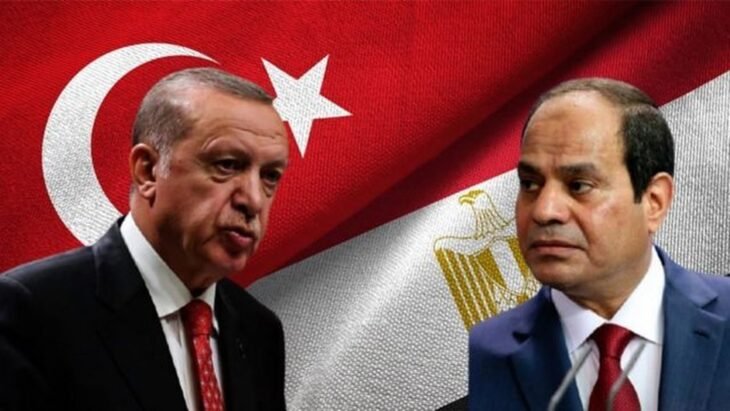
The Wagner group’s web in Libya

Federica Saini Fasanotti

In a nutshell

  • The Wagner group has been crucial in spreading Russian influence in Libya
  • The future of the private military company appears uncertain
  • Moscow may rebrand the group, but will maintain its presence in Africa

Russia has developed a complex network of influence in Libya through the Wagner group and will likely keep using private military actors to maintain its leverage.

n August 22, a Russian delegation led by Deputy Defense Minister Yunus-bek Yevkurov landed in Benghazi at the invitation of 79-year-old Field Marshal Khalifa Haftar, commander of the Libyan National Army (LNA). The two men reportedly discussed the future role of the Wagner Private Military Company in the country, and more broadly, on the African continent. 

A day earlier, Wagner group leader Yevgeny Prigozhin had announced from a remote location in the Sahel that his company was operating at full capacity with the purpose of “making Africa freer.”

New dynamics after Prigozhin’s death

On August 23, Prigozhin and some of his loyalists were killed in a plane crash close to Moscow. Some analysts have speculated about a sophisticated antiaircraft attack, while others believe an explosion inside the cabin broke off a wing and brought down the fuselage and the dozen travelers inside it.

Moscow needs the Wagner group not only for strategic reasons, but primarily for economic ones. Russian Foreign Minister Sergei Lavrov took the first step toward assimilating Wagner into the Russian military shortly after the attempted mutiny by Prigozhin and his men in June. Mr. Lavrov stated that the Wagner group would continue to operate in the Central African Republic, Mali and Burkina Faso, as well as in Libya. The Kremlin’s intention was likely to send a strong signal that it would maintain its presence in Africa.

Africa’s historical importance to Russia

During the Cold War, following decolonization, Africa played a significant role for the Soviet Union ideologically and economically. The new African governments, liberated from European colonial rule, also needed ideological support to appeal to their citizens. Moscow tried to spread the Soviet-era communist creed and anti-Americanism as broadly as it could. 

Wagner group’s presence in Libya

Africa also presented Russia with an opportunity to expand its influence in the Mediterranean and other strategic hubs. The African market had great potential, especially in the arms sector. Russia now supplies arms to 21 African nations, first and foremost to Algeria. The Kremlin has long been determined to maintain a firm influence in the Maghreb, and since the 1970s at least 11,000 Russian operatives have been active on Libyan soil, even though relations between Tripoli and Moscow have often been strained. 

A brief history of the Wagner group in Libya

The presence of the Wagner group alongside the LNA first became apparent at the beginning of the siege of Tripoli in April 2019. However, the group has been active there at least since 2018, controlling strategic oil fields in the Red Crescent area and providing technical support to the LNA, as well as operating alongside the Sudanese Rapid Support Forces or the Janjaweed militia group. 

During the third Libyan civil war, which lasted until June 2020, the United Arab Emirates, Saudi Arabia and, to a lesser extent, France and Jordan also supported the LNA. However, Turkey’s military entry on behalf of the besieged Government of National Accord in Tripoli, and the subsequent failure of the operation initiated by Field Marshal Haftar, prompted the Gulf powers to take a step back. 

Since then, Russia has increased its presence through the Wagner group, fulfilling several needs: controlling strategic infrastructure, advising local security forces, providing intelligence and influencing public opinion through social media. There is evidence that the group is behind an extensive social media campaign glorifying Field Marshal Haftar and other Libyan figures.

Russian economic interests in Libya

In the 1970s, Russia and Libya signed economic agreements worth billions of dollars. This economic partnership has never been abandoned, and even under the Government of National Accord led by Fayez al-Sarraj there were several high-level meetings. The Kremlin was hoping to first stabilize the country and then embark on fruitful collaborations. This has been the policy of many European capitals as well. There is a significant difference, however, in how states have pursued this aim. Most European governments have relied on diplomacy, but the Russian government has preferred a more pragmatic approach through the activities of the Wagner group.

In 2019, Russian Foreign Minister Lavrov reiterated his willingness to restore interrupted economic processes “put on hold ten years ago after NATO committed aggression against Libya and ruined the Libyan state” with the active support of Russian giants like Gazprom Neft, Tatneft, Russian Railways. Gazprom and Tatneft were especially relevant since Libya is extremely rich in oil and gas. 

In May 2023, Libya’s National Oil Corporation and Tatneft, under an agreement signed in 2005, discovered a new field in Area 82 of Block 4, located in the Ghadames Basin south of the Libyan capital Tripoli. Russia is involved in the air bases of Ghardabiyah, Al-Khadim, Brak al-Shati, and Al Jufra, in the oil terminals of Ras Lanuf, Brega, and Es Sidr, and in the area of El Feel and El Sharara oil fields. 

Libya has proven oil reserves of 48 billion barrels and natural gas reserves of 53 trillion cubic feet. As of 2020, the country was selling 63 percent of its exports to Europe. The Wagner group, by presiding over some of the most important facilities, has been able to significantly influence the country’s energy production – which added pressure on Europe during the energy crisis following Russia’s war on Ukraine.

Scenarios

Less likely scenario: Russia maintains its presence in Libya through the Russian military

Even if the Wagner group is dissolved and replaced, it will certainly not be a quick transition. In the past months, the GRU – Russia’s military intelligence directorate – has been trying to regain direct control in Africa, and Yunus-Bek Yevkurov’s visit to Benghazi is no accident. The SVR – Russia’s foreign intelligence service – is also interested in taking over the Wagner group’s propaganda machine.

Incorporating Wagner into the military would take away the company’s greatest advantage: operating in the shadows to do Moscow’s bidding under the guise of a private organization. Those underground operations have so far allowed extraordinary freedom to the Kremlin. Russian forces in Africa not only protect the interests of local autocrats, but also carry out nebulous but lucrative activities that fall in a gray legal area.

More likely scenario: Russia continues using mercenaries to maintain its presence in Libya

It is much more likely that the formula of mercenaries serving local powers will be retained. There may be a rebranding of the Wagner group, a new leader more loyal to President Putin, or entirely new companies. In any case, it will not be a straightforward process, regardless of what Kremlin officials claim.

It was reported that Prigozhin left a will requesting that, in the event of his death, command go to one of his loyalists, former military commander Anton Elizarov, known as Lotus. His will also stipulates that his business assets go to his 25-year-old son Pavel. The latest reports, however, give Andrei Troshev – retired Russian army colonel and former operative with Wagner in Syria – as the Kremlin’s pick to lead the Prigozhin legacy, proving that Russian President Vladimir Putin still has the last word.

***

Federica Saini Fasanotti is a military historian and specialist in counterinsurgency. Her fieldwork and research have covered, among others, Afghanistan, Libya, Ethiopia and Somalia.

______________

The Global Context of the Hamas-Israel War

David Leonhardt

The Hamas attack is a sign of a new world order.

Russia has started the largest war in Europe since World War II.

China has become more bellicose toward Taiwan.

India has embraced a virulent nationalism.

Israel has formed the most extreme government in its history.

And on Saturday morning, Hamas brazenly attacked Israel, launching thousands of missiles and publicly kidnapping and killing civilians.

All these developments are signs that the world may have fallen into a new period of disarray. Countries — and political groups like Hamas — are willing to take big risks, rather than fearing that the consequences would be too dire.

The simplest explanation is that the world is in the midst of a transition to a new order that experts describe with the word multipolar. The United States is no longer the dominant power it once was, and no replacement has emerged. As a result, political leaders in many places feel emboldened to assert their own interests, believing the benefits of aggressive action may outweigh the costs. These leaders believe that they have more sway over their own region than the U.S. does.

“A fully multipolar world has emerged, and people are belatedly realizing that multipolarity involves quite a bit of chaos,” Noah Smith wrote in his Substack newsletter on Saturday.

Zheng Yongnian, a Chinese political scientist with ties to the country’s leaders, has similarly described the “old order” as disintegrating. “Countries are brimming with ambition, like tigers eyeing their prey, keen to find every opportunity among the ruins of the old order,” Zheng wrote last year.

A weaker U.S. …

Why has American power receded? Some of the change is unavoidable. Dominant countries don’t remain dominant forever. But the U.S. has also made strategic mistakes that are accelerating the arrival of a multipolar world.

Among those mistakes: Presidents of both parties naïvely believed that a richer China would inevitably be a friendlier China — and failed to recognize that the U.S. was building up its own rival through lenient trade policies, as the political scientist John Mearsheimer has argued. In Afghanistan and Iraq, the U.S. spent much of the early 21st century fighting costly wars. The Iraq war was especially damaging because it was an unprovoked war that George W. Bush chose to start. And the humiliating retreat from Afghanistan, overseen by President Biden, made the U.S. look weaker still.

Perhaps the biggest damage to American prestige has come from Donald Trump, who has rejected the very idea that the U.S. should lead the world. Trump withdrew from international agreements and disdained successful alliances like NATO. He has signaled that, if he reclaims the presidency in 2025, he may abandon Ukraine.

In the case of Israel, Trump encouraged Benjamin Netanyahu, Israel’s prime minister, to show little concern for Palestinian interests and instead seek a maximal Israeli victory. Netanyahu, of course, did not start this new war. Hamas did, potentially with support from Iran, the group’s longtime backer, and Hamas committed shocking human rights violations this past weekend, captured on video.

But Netanyahu’s extremism has contributed to the turmoil between Israel and Palestinian groups like Hamas. An editorial in Haaretz, an Israeli newspaper, yesterday argued, “The prime minister, who has prided himself on his vast political experience and irreplaceable wisdom in security matters, completely failed to identify the dangers he was consciously leading Israel into when establishing a government of annexation and dispossession.” Netanyahu, Haaretz added, adopted “a foreign policy that openly ignored the existence and rights of Palestinians.”

… but still powerful

Even with the rise of multipolarity, the U.S. remains the world’s most powerful country, with a unique ability to forge alliances and peace. In the Middle East, the Trump administration persuaded Israel and four other countries — the United Arab Emirates, Bahrain, Sudan and Morocco — to sign unprecedented diplomatic agreements, known as the Abraham Accords. In recent months, the Biden administration has made progress toward an even more ambitious deal, between Israel and Saudi Arabia.

Hamas attacked Israel in part to undermine an Israeli-Saudi deal, many experts believe. Such a deal could isolate Iran, Hamas’s patron, and could lead to an infusion of Saudi money for the Palestinian Authority, a more moderate group than Hamas (as Thomas Friedman explains in this column). But if the recent Hamas attacks lead Israel to reduce the Gaza Strip to rubble in response, Saudi Arabia will have a hard time agreeing to any treaty.

“This will slow considerably if not kill the Saudi Abraham Accords deal,” Mara Rudman, a former U.S. diplomat, told The Times.

In these ways, you can think of Hamas’s attacks as an attempt to prevent a reassertion of American power — and instead to continue pushing the world toward multipolarity.

I understand that some readers may question whether the long era of American power that’s now fading was worth celebrating. Without question, it included some terrible injustices, be they in Vietnam, Iran, Guatemala or elsewhere. But it also made possible the most peaceful era in recorded history, with a sharp decline in deaths from violence, as Steven Pinker noted in his 2011 book, “The Better Angels of Our Nature.” And the number of people living in a democracy surged. Smith concluded his Substack newsletter on the new Middle Eastern war this way:

Over the past two decades it had become fashionable to lambast American hegemony, to speak derisively of “American exceptionalism,” to ridicule America’s self-arrogated function of “world police” and to yearn for a multipolar world. Well, congratulations, now we have that world. See if you like it better.

More Israel-Hamas coverage

  • Israel is fighting to retake towns and ordered a “complete closure” of Gaza. More than 700 people have died in Israel.
  • Israel just struck a marketplace in Gaza, and hundreds of other strikes have leveled whole buildings and homes. At least 493 Palestinians have died.
  • “Everyone was surprised”: Palestinians also said they were shocked by the Hamas attack. This video shows the destruction in Gaza.
  • Thousands of Israeli soldiers and tanks are on the southern border with Gaza, a possible prelude to a ground assault. “We are embarking on a long and difficult war,” Netanyahu said.
  • Hamas and other militants are holding an estimated 150 hostages. They could become human shields or bargaining chips.
  • Militants killed ravers and took hostages at a music festival just after dawn on Saturday. Read how the massacre unfolded and watch a video of one abduction.
  • The Pentagon announced it would send munitions to Israel and move Navy warships, including an aircraft carrier, closer to the region.
  • People demonstrated in solidarity with the Palestinians across the Middle East.
  • The failure of Israel’s intelligence agencies to foresee the attack could affect their reputation — and the political future of Netanyahu.

________________

Libyan Women: History, Law and Violence

Yousef M. Sharqawi

For centuries, women in Libya have taken part in the political, military, economic and cultural domains. While Libyan women have progressed in securing legal and political rights compared to women in some other Arab countries, they still encounter numerous challenges. These challenges include increased violence against women in Libya and a patriarchal culture.

To address these difficulties, there is a call for more significant political participation and active partaking in the social and economic spheres, including efforts to promote peace in Libya and reduce gender-based discrimination.

While Libyan women have progressed in securing legal and political rights, they still face a patriarchal culture and increased violence.

Historical Path

In her study, The Changing Role of Women in Libyan Society, researcher Souad Ghamid categorises the development of women’s conditions in Libya into six stages. Due to a lack of information regarding the role of women during the first period of Ottoman rule in Libya between 1551 and 1835, these stages do not encompass this particular era in Libya’s history.

The first stage spans from 1835 to 1911, marking the second Ottoman period in Libya. This period significantly influenced the prevailing traditional culture in Libya, particularly concerning women. Since 1835, the presence and role of Libyan women can be examined by looking at the development of the exclusively religious Ottoman educational system.

In 1908, Libyan women founded the Najmat al-Hilal Association, marking the inception of Libya’s first civil society organisation for women. The association aimed to teach women etiquette, behaviour and various Islamic teachings. According to researcher Sami al-Qanbour, the association’s motto was “Virtue, Homeland, Compassion.”

With activities primarily focused on social aspects, the association’s objective was to support future mothers. Al-Qanbour contends that the participation of 107 women in the comprehensive meeting held by the association in 1911 serves as evidence of the evolving role of women in Libyan society.

The second stage covers 1911 to 1943, corresponding to the Italian rule of Libya. During this period, Jewish missionary schools played a role in educating women in skills such as embroidery, needlework and homemaking.

Additionally, several schools were established for Libyan Muslim women. Ghamid characterises the involvement of women in resisting the Italian occupation as extraordinary. However, the role of Libyan women nearly vanished following the departure of the Italians. In the post-liberation phase, their participation became extremely limited.

Mabrouka al-Allakia is considered one of the Libyan women who made a significant historical impact through their involvement in the resistance. Historical accounts describe how al-Allakia disguised as a man to conceal her identity while participating in combat. The roster of Libyan resistance fighters also features Salima bint al-Meqous, who played a role in the Battle of Qarqarash alongside numerous other Libyan women who actively resisted the Italian occupation.

The third stage spans from 1943 to 1951. During this era, Libya was governed by British and French administrations. Key developments during this time include a growing recognition of the significance of education, the establishment of multiple schools and women assuming leadership roles in the management of three schools.

The fourth stage encompasses the 1950s and 1960s when Libya existed as a kingdom under the auspices of the United Nations. During this time, the Libyan government prioritised education, leading to advancements in the status of women in this field. The country’s initial constitution established education as a guaranteed right for “all Libyan citizens,” and compulsory education was introduced for both boys and girls at an early stage.

However, there were fewer girls than boys in the educational system during the 1950s and 1960s. This disparity was attributed to early marriages among females and the prevailing traditional culture favouring males in all life aspects, including education.

During this era, several female Libyan activists made notable contributions to the advancement of women’s status. Hamida Tarkhan al -Anezi emerged as a pioneer of the women’s movement in Libya and became the first primary school teacher.

In 1954, Tarkhan established the al-Nahda Women’s Charitable Society to enhance women’s cultural, social and moral development. Her initiatives extended to founding the first nursing group and launching the Girl Guide Movement in 1960. She also played a pivotal role in setting up the first institute for female teachers and creating the first two classes dedicated to teaching literacy to girls.

In 1963, she oversaw the establishment of a voluntary evening school to teach women how to read and write. Additionally, Tarkhan established the first women’s cultural library in Benghazi and actively participated in the formation of the Libyan Women’s Union in 1965. This union allowed Libyan women to engage in numerous local and international conferences.

Khadija al-Jahmi was another prominent Libyan woman during this period. She was an advocate for women’s rights since the Italian colonial period. In 1964, al-Jahmi published the Women’s Magazine, which later became al-Bayt Magazine, and became its editor-in-chief in 1965. She also created the first children’s magazine, al-Amal, and served as its editor-in-chief. Furthermore, al-Jahmi played a significant role in establishing the Libyan Women’s Union and assumed the organisation’s presidency in 1972.

The list also features Zaeema al-Barouni, a trailblazer in women’s literature in Libya and the first Libyan woman to author and publish a book of short stories. Her collection titled Al-Qasas Al-Qawmy, published in 1958, is the second collection of short stories published in Libya, following Abdel Qader Abu Harous’ Nufus Ha’ira. Al-Barouni was among the founding members of the al-Nahda Women’s Charitable Society and actively participated abroad in conferences focussing on women’s issues. Notably, she attended the Afro-Asian Women’s Conference in Cairo in 1960, accompanied by Hamida Tarkhan.

The fifth stage corresponds to the time Muammar Qaddafi ruled Libya from 1969 to 2011. During this period, there were several policy changes aimed at promoting women’s involvement in the nation’s development.

However, the ideology of the Libyan regime stressed the physical and biological distinctions between males and females, asserting that each gender had a designated role.

Moreover, the prevailing societal belief that restricted women to their roles as mothers resulted in Libyan women experiencing a sense of isolation, with limited opportunities to assume administrative positions. Only a handful of women held such positions, leading to their underrepresentation in international and global forums and absence at the local level.

The sixth and final period commenced with the February 2011 revolution. According to researcher Souad Ghamid, this period marked a significant transformation for Libyan women. She believes it “brought Libyan women out of darkness into the light, showcasing their presence and resistance against the 42 years of injustice and tyranny that had prevailed in Libya. During this time, women became actively engaged in Libyan society and on social media platforms.”

However, it is worth noting that, due to the political divisions and the unfolding of the civil war, women activists faced new challenges at the end of 2013, further intensifying in 2014.

Libyan activist Laila al-Maghribi suggests that “the revolution removed some of the restrictions that previously limited women, providing an opportunity to advance their rights and work towards a gender-discrimination-free civil society.”

However, the emergence of extremist political movements and armed groups in Libya’s forefront disrupted the activities of Libyan activists and feminists, making them targets for all parties involved. This targeting extended to some members of the Libyan National Council.

Activist Abeer Ibrahim highlights that the intimidation and targeting of Libyan female activists “began in late 2013, not only by armed groups but also by official institutions.”

She added, “It started with Dar al-Iftaa, which vehemently opposed agreements Libya had signed, such as CEDAW, along with other decisions and laws supporting women’s rights.” She adds that the National Congress tried to undermine these rights and even overturn existing laws covering women’s rights.

Libyan female activists and journalists were systematically targeted to stifle their voices, suppress their opinions and disrupt their activities. This tragic list of victims includes Nassib Miloud Karfana, Fariha al-Barkawi, Sarah al-Deeb, Intisar al-Hasairi, Salwa Bughaighis and human rights activist Hanan al-Barassi, who lost their lives between 2014 and 2020.

Laws

The term “feminism” gained popularity in Libya during the 1940s. Salha Dhafer al-Madani was the first to introduce feminism to Libya in an article addressing the conditions of women in the country.

However, it is important to note that the concept and practice of Libyan feminism had existed for many years within society, intersecting with political, economic and social aspects long before the terminology became widely recognised.

In 1951, when the Constitution of Independence was ratified, it explicitly established equality between men and women through several articles. Article 11 of this Constitution proclaimed that “Libyans are equal before the law.”

Article 12 further affirmed that “personal liberty is guaranteed, and all individuals enjoy equal protection under the law.” This equality was extended to encompass the right to education and employment, as was outlined in Articles 14, 28 and 30.

Starting in 1954, feminist organisations began to emerge in Libya. However, in 1964, a legal issue concerning women’s political rights arose as a result of the electoral law that was in effect.

Article 5, Paragraph A of the law stipulated a fundamental requirement for National Assembly membership: “The candidate must be a Libyan male.” This explicit provision effectively excluded women from the opportunity to run for political office at that time.

Between 2012 and 2014, a wave of new organisations came into existence, including Ayna Haqqy?, Al-Nisa’ Qadimat, Libyan Amazonians and The Women’s Action Union. However, the rise of Islamic-oriented groups in the political landscape and the formation of a parliamentary majority backed by armed militias had detrimental implications for the feminist movement in Libya. This period saw increased hostility towards and persecution of feminists, resulting in the commission of their murders and assassinations, as previously mentioned.

Recently, there have been notable strides towards increasing women’s involvement in Libya’s political life, as highlighted by the appointment of five Libyan women to ministerial positions.

Ilham Endiri, a Libyan jurist and women’s rights activist, believes that appointing women to some ministerial positions is primarily a response to international pressures rather than a genuine internal shift in the country: “Although it is somewhat satisfactory, those in high positions in Libya are also subject to the quota system. Those who hold independent opinions often face threats, violence and enforced disappearances, as seen with MP Siham Sergewa, Salwa Bughaighis before her and Fariha al-Barkawi, among many others.”

Libyan women indeed face substantial social resistance and backlash when they deviate from traditional gender roles, often experiencing threats and harassment, particularly through online platforms.

A 2020 United Nations report emphasised that the absence of women’s participation in Libyan political processes is not merely a matter of representation but a tangible barrier to achieving substantial progress. Research has demonstrated that women’s involvement in conflict prevention and resolution mechanisms significantly reduces the likelihood of their failure by 64 per cent and enhances the likelihood of their sustainability for at least 15 years by 35 per cent. Moreover, women’s participation contributes to post-conflict economic recovery.

The most recent official Libyan law, issued by the National Unity Government led by Abdulhamid al-Dbeibeh, has sparked significant controversy and outrage. The law restricts Libyan women from travelling without a male companion and has led to heated debates and legal and human rights concerns.

Under this measure, Libyan women who wish to travel alone are mandated to complete a form that includes intrusive questions about the purpose of their travel, the absence of a companion and their travel history.

In response to this decision, numerous human rights organisations and prominent figures have issued a statement expressing their strong opposition and calling for its immediate repeal. The statement, titled “Violating Women’s Right to Freedom of Movement is an Insult to Libyan Women and an Unacceptable Violation of the Constitution and Law,” garnered support from 12 human rights organisations and 119 individuals.

Violence

Libyan women endure various forms of violence, including theft, physical assault and domestic abuse. Additionally, women constitute 51 per cent of the displaced population in Libya, which places them at heightened risk within shelters and displacement camps. These environments often lack adequate privacy, safe spaces and effective security measures, making women vulnerable to harassment.

Violence against women also extends to Libya’s electoral process. In 2022, the High Electoral Commission initiated a training programme titled “Monitoring Violence against Women in Elections in Libya.” Rabab Halab, a member of the Commission’s Council, highlighted that the data collected via questionnaires indicated a decline in women’s participation in the electoral process. The data made evident that a higher percentage of women’s participation in elections was associated with increased violence against female voters.

Human rights and civil society organisations have long advocated for the swift enactment of legislation to safeguard women and empower them to defend themselves. Human rights activist Badriya al-Hassi highlights that a draft law aimed at criminalising violence against women was presented to the House of Representatives over a year ago, yet it has not been discussed. She asserts that the formation of a committee to address this issue has likely been a response to the public outcry following several femicides carried out by relatives.

Al-Hassi further explains that the proposed law is comprehensive and attuned to women’s rights and various forms of violations. It not only criminalises electronic violence and hate speech on social media platforms but also outlines protective measures and delineates the responsibilities of government and judicial institutions in addressing and preventing different forms of violence against women.

The urgency of approving the aforementioned draft law has escalated in recent months, particularly following the visit of Reem al-Salem, the UN Special Rapporteur on violence against women, to Libya at the end of 2022. During her visit, al-Salem urged Libyan a uthorities to take immediate action to protect all women and girls from pervasive violence and abuse. She emphasised the importance of fully implementing preventative measures and ensuring comprehensive protection and support for victims.

In her statement, al-Salem expressed deep concern about the widespread, systematic and alarming violence against women and girls in Libya. She noted that femicide, the killing of women, is on the rise for numerous reasons, along with acts of physical, economic, political and social violence in both private and public spheres.

Al-Salem attributed this distressing situation to political deadlock, insecurity, instability, governance challenges and inadequate legal frameworks that do not align with Libya’s international human rights obligations.

While Libyan law is considered one of the most progressive in the Arab world concerning women’s rights, including provisions for gender equality, the right to work and travel and protection against gender discrimination in wages and employment, the country still faces significant challenges.

Libyan male and female activists, such as Menna al-Qadi, point out that societal attitudes and beliefs in Libya often override the legal framework, and these prevailing beliefs “hinder women’s progress, push them backwards, and confine them within prescribed roles set by men, limiting their ability to travel independently, hold high-ranking positions or assume leadership roles with significant responsibilities.”

________________

What is Hamas, and why did it attack Israel now?

Niha Masih


Israel declared war against Hamas on Sunday, following a surprise attack by the Palestinian militant group based in Gaza that included the taking of civilian hostages at a music festival, where at least 260 bodies have been recovered. Israeli security forces, caught off guard, have pounded the Gaza Strip with retaliatory strikes, and U.S. officials said they expect Israel to soon launch a ground incursion into the enclave as violence escalates in the conflict-ridden region.

Since winning legislative elections in 2006, Hamas has repeatedly attacked Israel with rockets and mortars, emerging as a defiant adversary. Israel has retaliated with its superior firepower and a punishing blockade, restricting imports and the movement of civilians in a strategy of collective punishment. The blockade and recurring Israeli strikes have contributed to Gaza’s poor infrastructure and living conditions. Israel declared a full siege of the enclave on Monday, with Defense Minister Yoav Gallant promising “no electricity, no food, no fuel” and calling Hamas militants “savages.”

What is Hamas?

Hamas, or the Islamic Resistance Movement, is a militant group that governs the Gaza Strip, a 25-mile-long, densely populated enclave of more than 2.1 million people. Hamas emerged in 1987 as an offshoot of the Muslim Brotherhood during the first Palestinian intifada, or uprising, against the Israeli occupation of Gaza and the West Bank. It was founded by Sheikh Ahmed Yassin, a Palestinian cleric. Its military wing, the Izzedine al-Qassam Brigades, was established around 1991.

Unlike the Palestinian Authority, Hamas does not recognize the existence of Israel and is committed to replacing it through armed struggle with a Palestinian state stretching from the Mediterranean Sea to the Jordan River.

The Israeli-Palestinian conflict: A chronology

In October 1997, the United States designated Hamas a terrorist organization. The group, supported by Iran, has used explosives and rockets, along with suicide bombings and kidnappings, to target Israel.

Hamas won elections in Gaza in 2006, defeating Fatah, the main Palestinian party that still controls the West Bank.

Israel has targeted Hamas leaders over the years. In 1997, Khaled Meshal, a top official, survived an assassination attempt by the Mossad, Israel’s national intelligence agency, which poisoned him in Amman, Jordan. Meshal was saved after Jordan detained the Israeli agents and President Bill Clinton pressed Israel to hand over the antidote.

Israel assassinated Yassin and another founding member, Abdel Aziz Rantisi, in 2004 and killed Hamas military chief Ahmed Jabari in November 2012.

Why did Hamas attack Israel now?

The coordinated attack by Hamas caught Israel by surprise but comes after months of worsening tensions over violence at al-Aqsa Mosque — a sacred Muslim site in the heart of Jerusalem located on the same spot as the Temple Mount revered by Jews — as well as the punishing blockade and occupation of Palestinians. The presence of once-fringe Jewish supremacists and settler leaders in Prime Minister Benjamin Netanyahu’s hard-right government have further inflamed tensions with the Palestinians, as well as caused domestic strife inside Israel that has led to a perception of weakness.

Palestinian anger also reached a boiling point in May 2021 over the proposed evictions of families from a Palestinian neighborhood in East Jerusalem, leading to clashes between protesters and Israeli forces that prompted Hamas to launch rockets at Israeli cities.

In the months leading up to Saturday’s surprise attack, clashes had increased between Israeli forces and Palestinians, particularly in the West Bank. Between January and September, 227 Palestinians were killed by Israeli forces or settlers — more than the number in all of 2022, according to the United Nations. Israeli fatalities, before the latest violence, totaled at least 29.

During the Muslim holy month of Ramadan, in April, Israeli forces stormed al-Aqsa Mosque in Jerusalem and used force on worshipers, including women and the elderly, and Israeli police last week guarded a group of settlers marching through the area. Both Muslims and Jews, which call the mosque the Temple Mount, consider the site among the holiest in their respective faiths.

A five-day conflict broke out in May between Israel and Islamic Jihad, another armed Palestinian faction, killing at least 33 in Gaza and two in Israel.

Over the summer, clashes broke out between Palestinian militants in the West Bank and Israeli forces or Jewish settlers. In June, four Israelis were killed after two Hamas gunmen opened fire at a hummus restaurant outside an Israeli settlement.

Days later, Israel carried out its most expansive military operation in two decades in the West Bank when it stormed the city of Jenin with about 1,000 soldiers backed by drone strikes. Calling it a “counterterrorism” effort, Israel focused the operation on the impoverished Jenin refugee camp, known to be a hub of armed factions, many with links to Hamas and Islamic Jihad.

Tensions in Gaza nearly spilled over in September after Israeli agents found explosives in a shipment of jeans and ended all exports from the enclave. In response, Hamas held field exercises, including practice rocket launches, and allowed Palestinians to protest at the border fence separating Israel and Gaza.

Even as Netanyahu’s government has contended with the violence, hundreds of thousands of Israelis have regularly taken to the streets since spring in demonstrations against policies his right-wing coalition has pushed. The result, some analysts have speculated, has been Israeli inattention to national security and activities inside Gaza, leading to what has been widely portrayed as a massive intelligence failure.

In calls Sunday to leaders of Hamas and the Islamic Republic, another Islamist group inside Gaza, Iranian President Ibraham Raisi said that “Israel is in decline,” according to Iranian media reports.

In comments since the attacks, Iranian officials have made specific warnings to Arab countries trying to normalize relations with Israel. In an apparent reference to Saudi Arabia, Ali Akbar Velayati, a senior foreign policy adviser to Supreme Leader Ali Khameini, warned “certain governments in the region to learn a lesson from the fate of the countries that have followed the [normalization] path,” according to Iran’s Mehr news agency. Speaking to Syria’s foreign minister, the report said, Velayati also warned against participation in the Biden administration’s proposed economic rail and sea corridor stretching through the Persian Gulf countries from India to Europe.

On Sunday, Hezbollah, Lebanon’s Islamist militant group and a major political party, said it attacked Israeli targets in Shebaa Farms, a disputed area on the border, “in solidarity” with Hamas, prompting retaliation from Israel. While the group did not say it was formally joining the fight, its message of support raised the likelihood of a wider regional conflict.

Hezbollah has long been seen as a more dangerous opponent of Israel than Hamas, with more sophisticated weaponry and closer ties to Iran.

“Our hearts are with you. Our minds are with you. Our souls are with you. Our history and guns and our rockets are with you,” top Hezbollah official Hashem Safieddine said at a rally in Beirut on Sunday, in reference to Hamas.

While Palestinian factions in recent years have used Lebanese territory to attack Israel, Hezbollah’s behavior had indicated it aimed to avoid escalation, and attacks were usually limited, often targeting uninhabited lands. But Sunday’s moves of trading fire and public comments suggest it does not intend to remain on the sidelines.

Israel requested cooperation with the United States on sharing intelligence related to southern Lebanon, officials told The Washington Post.

Israel-Hamas war

Israel announced a full siege of the Gaza Strip a day after issuing a formal declaration of war against Hamas after an unprecedented attack by the militant group surprised Israeli security forces. As the death toll rises on both sides, follow live updates.

Photos and videos: See scenes from the Gaza Strip and videos verified by The Washington Post of Palestinian fighters breaching the border. Read first-hand accounts from an Israeli music festival that was among the first targets in the attacks.

Israeli-Palestinian conflict: Here is a timeline of the decades-old problem that led to the recent flare-up and what to know about the more recent violence in Israel and Gaza. Learn about the Gaza Strip and its history up to the current war.

Americans killed: Nine U.S. citizens have been killed and others are unaccounted for, the State Department said Monday. At least a half-dozen other nations are working to verify similar reports about their own citizens.

***

Niha Masih is a reporter at The Washington Post’s Seoul hub, where she covers breaking news in the United States and across the world. Previously, she was The Post’s correspondent in India, where she covered the rise of majoritarian nationalism, conflict in Kashmir, the covid crisis and digital surveillance of citizens.

__________________

How Hamas duped Israel as it planned devastating attack

Samia Nakhoul and Jonathan Saul

Summary

  • Hamas gave impression economy was in focus, says source
  • Even in plain sight, Hamas trained for attack, says source
  • Israel misread training as posturing, source adds
  • ‘This is our 9/11,’ says army spokesman, ‘They got us.’

A careful campaign of deception ensured Israel was caught off guard when the Palestinian Islamist group Hamas launched its devastating attack, enabling a force using bulldozers, hang gliders and motorbikes to take on the Middle East’s most powerful army.

Saturday’s assault, the worst breach in Israel’s defences since Arab armies waged war in 1973, followed two years of subterfuge by Hamas that involved keeping its military plans under wraps and convincing Israel it did not want a fight.

While Israel was led to believe it was containing a war-weary Hamas by providing economic incentives to Gazan workers, the group’s fighters were being trained and drilled, often in plain sight, a source close to Hamas said.

This source provided many of the details for the account of the attack and its buildup that has been pieced together by Reuters. Three sources within Israel’s security establishment, who like others asked not to be identified, also contributed to this account.

“Hamas gave Israel the impression that it was not ready for a fight,” said the source close to Hamas, describing plans for the most startling assault since the Yom Kippur War 50 years ago when Egypt and Syria surprised Israel and made it fight for its survival.

“Hamas used an unprecedented intelligence tactic to mislead Israel over the last months, by giving a public impression that it was not willing to go into a fight or confrontation with Israel while preparing for this massive operation,” the source said.

Israel concedes it was caught off guard by an attack timed to coincide with the Jewish Sabbath and a religious holiday. Hamas fighters stormed into Israeli towns, killing 700 Israelis and abducting dozens. Israel has killed more than 400 Palestinians in its retaliation on Gaza since then.

“This is our 9/11,” said Major Nir Dinar, spokesperson for the Israeli Defence Forces. “They got us.”

“They surprised us and they came fast from many spots – both from the air and the ground and the sea.”

Osama Hamdan, the Hamas representative in Lebanon, told Reuters the attack showed Palestinians had the will to achieve their goals “regardless of Israel’s military power and capabilities.”

‘THEY RAN RIOT’

In one of the most striking elements of their preparations, Hamas constructed a mock Israeli settlement in Gaza where they practiced a military landing and trained to storm it, the source close to Hamas said, adding they even made videos of the manoeuvres.

“Israel surely saw them but they were convinced that Hamas wasn’t keen on getting into a confrontation,” the source said.

Meanwhile, Hamas sought to convince Israel it cared more about ensuring that workers in Gaza, a narrow strip of land with more than two million residents, had access to jobs across the border and had no interest in starting a new war.

“Hamas was able to build a whole image that it was not ready for a military adventure against Israel,” the source said.

Since a 2021 war with Hamas, Israel has sought to provide a basic level of economic stability in Gaza by offering incentives including thousands of permits so Gazans can work in Israel or the West Bank, where salaries in construction, agriculture or service jobs can be 10 times the level of pay in Gaza.

“We believed that the fact that they were coming in to work and bringing money into Gaza would create a certain level of calm. We were wrong,” another Israeli army spokesperson said.

An Israeli security source acknowledged Israel’s security services were duped by Hamas. “They caused us to think they wanted money,” the source said. “And all the time they were involved in exercises/drills until they ran riot.”

As part of its subterfuge in the past two years, Hamas refrained from military operations against Israel, even as another Gaza-based Islamist armed group known as Islamic Jihad launched a series of its own assaults or rocket attacks.

NO INKLING

The restraint shown by Hamas drew public criticism from some supporters, again aimed at building an impression that Hamas had economic concerns not a new war on its mind, the source said.

In the West Bank, controlled by Palestinian President Mahmoud Abbas and his Fatah group, there were those who mocked Hamas for going quiet. In one Fatah statement published in June 2022, the group accused Hamas leaders of fleeing to Arab capitals to live in “luxurious hotels and villas” leaving their people to poverty in Gaza.

A second Israeli security source said there was a period when Israel believed the movement’s leader in Gaza, Yahya Al-Sinwar, was preoccupied with managing Gaza “rather than killing Jews”. At the same time, Israel turned its focus away from Hamas as it pushed for a deal to normalise relations with Saudi Arabia, he added.

Israel has long prided itself on its ability to infiltrate and monitor Islamist groups. As a consequence, the source close to Hamas said, a crucial part of the plan was to avoid leaks.

Many Hamas leaders were unaware of the plans and, while training, the 1,000 fighters deployed in the assault had no inkling of the exact purpose of the exercises, the source added.

When the day came, the operation was divided into four parts, the Hamas source said, describing the various elements.

The first move was a barrage of 3,000 rockets fired from Gaza that coincided with incursions by fighters who flew hang gliders, or motorised paragliders, over the border, the source said. Israel has previously said 2,500 rockets were fired at first.

Once the fighters on hang-gliders were on the ground, they secured the terrain so an elite commando unit could storm the fortified electronic and cement wall built by Israel to prevent infiltration.

The fighters used explosives to breach the barriers and then sped across on motorbikes. Bulldozers widened the gaps and more fighters entered in four-wheel drives, scenes that witnesses described.

‘HUGE FAILURE’

A commando unit attacked the Israeli army’s southern Gaza headquarters and jammed its communications, preventing personnel from calling commanders or each other, the source said.

The final part involved moving hostages to Gaza, mostly achieved early in the attack, the source close to Hamas said.

In one well-publicised hostage taking, fighters abducted party-goers fleeing a rave near the kibbutz of Re’im near Gaza. Social media footage showed dozens of people running through fields and on a road as gunshots were heard.

“How could this party happen this close (to Gaza)?” the Israeli security source said.

The Israeli security source said Israeli troops were below full strength in the south near Gaza because some had been redeployed to the West Bank to protect Israeli settlers following a surge of violence between them and Palestinian militants. “They (Hamas) exploited that,” the source said.

Dennis Ross, a former Middle East negotiator who is now at the Washington Institute for Near East Policy, said Israel had been distracted by violence in the West Bank, leading to a “thin, under-prepared presence in the south.”

“Hamas probably succeeded beyond their expectation. Now they will have to deal with an Israel determined to decimate them,” he said.

Retired General Yaakov Amidror, a former national security adviser to Prime Minister Benjamin Netanyahu, told reporters on Sunday the assault represented “a huge failure of the intelligence system and the military apparatus in the south.”

Amidror, chairman of the National Security Council from April 2011-November 2013 and now senior fellow with the Jerusalem Institute for Strategy and Security, said some of Israel’s allies had been saying that Hamas had acquired “more responsibility”.

“We stupidly began to believe that it was true,” he said. “So, we made a mistake. We are not going to make this mistake again and we will destroy Hamas, slowly but surely.”

____________________

Israel’s War on Hamas: What to Know

Bruce Hoffman

Israel will seek to eliminate the threat posed by the Palestinian militant group for good, but its campaign in Gaza could draw in other adversaries, including Hezbollah and al-Qaeda. 

How sophisticated was Hamas’s attack on Israel?

It is completely unprecedented that a terrorist organization would have the capacity or the wherewithal to mount coordinated, simultaneous assaults from the air, sea, and land. In addition, Hamas possessing the ability to keep its preparations unknown from a country like Israel that has among the most sophisticated intelligence services in the world strongly suggests that it had external state support, advice, and guidance in the planning and execution of the attack on Israel. Iran, accordingly, will be strongly suspected of being behind this. 

Iran already provides both Hamas and the Palestine Islamic Jihad (PIJ) with at least $100 million dollars a year, and it openly proclaims its intention to destroy Israel. Further, in recent months, Tehran was clearly growing concerned over the potential for Saudi Arabia and Israel to establish formal diplomatic relations, and even more so of a Saudi-U.S. defense pact. So Iran had every reason to encourage and facilitate the attack on Israel. However, that is very different from actually ordering, much less orchestrating the assaults or giving any form of “green light.”

While Hamas and PIJ—like the Lebanon-based Hezbollah—have close ties with Iran, they also function independently. That said, Iran’s long track record of seeking to destabilize countries across the region, including Bahrain, Iraq, Kuwait, Lebanon, and Saudi Arabia, is also very well documented.

What type of military operation is Israel likely to undertake?

As Israeli Prime Minister Benjamin Netanyahu has promised, it will be both massive and will seek to be decisive, with the intention of permanently destroying Hamas. Until this war’s wanton execution of civilians, rape of Jewish women, and dragging of women, children, the elderly, and infirm into captivity, there could have been at least the same modicum of restraint and “playing by the rules” as in past fighting between Israel and Hamas, such as during Operation Cast Lead in 2008 and the Gaza Wars of 2014 and 2021.

The objective in each of those was to degrade Hamas’s military capabilities, eliminate as many of its political and military leaders as was reasonably attainable, and buy time in terms of warding off future fighting by weakening the organization and diminishing its weapons stockpiles, especially missiles. 

However, at least according to what is being reported, Hamas and PIJ fighters have committed and are still committing a vast array of what can only be described as war crimes. The reports of executions, sexual abuse, civilians being pulled from their homes, and other depredations will not go unpunished by Israel. As more of this information comes to light and as the shock of the initial attack fades, Israelis will demand revenge. 

A common argument about counterterrorism is that “there is no military solution,” but that’s not completely true, provided that a country does not care about harming civilians. For instance, the Sri Lankan military’s campaign in 2009 completely crushed the Tamil Tigers. An estimated twenty thousand civilians were killed along with the Tigers’ founder and leader, his entire command staff, and virtually all the organization’s officers and rank-and-file. A terrorist group can be destroyed in this way, but it comes with a tremendous loss of civilian lives. 

If Israel were to pursue this objective, a number of things would likely follow, including Hezbollah coming to Hamas’s aid, or Iran potentially becoming involved, with the possible convergence of foreign fighters from al-Qaeda and the Taliban, among other groups. That would launch this conflict into a different trajectory altogether.

What are some of the advantages and challenges for Hamas and Israel?

Hamas exploited the advantage of surprise with astonishing success. Its advantage now is the ability to scatter and hide within the protective shield of Gaza’s civilian population. Also, as an authoritarian regime that has not held elections in Gaza for fifteen years, it can coerce the population into cooperation and does not have to worry about public opinion. 

Israel’s advantages should have thwarted Hamas’s surprise attack. Israel has one of the most technologically sophisticated, best trained, well-armed, and professional militaries in the region, if not the world, at least given Israel’s small size. The advanced armaments, doctrine, training, and equipment of the Israel Defense Forces have endowed it with formidable fighting capabilities that will become increasingly evident in the coming days.

In terms of disadvantages, Hamas is a terrorist organization and, at least historically, terrorist organizations have fared poorly when the full weight of an established state’s military might is brought to bear on it.

For Israel, the preeminent disadvantage is the hundreds of captives seized by Hamas. Many are dual nationals, including American citizens, so Israel’s efforts to free the hostages will become even more complex. The captives have likely already been dispersed throughout the Gaza Strip, an area about the size of Washington, DC. Gaza is riven with tunnels, bunkers, and other concealed places that will make locating, much less rescuing, the hostages difficult.

These places and perhaps even the hostages themselves will likely be laden with traps. This is a challenge of a magnitude that has never been faced before. How this crisis will end is anyone’s guess, but the shedding of more innocent blood—Israeli, Palestinians, and indeed non-combatant citizens of other countries—is certain.

What are some things to look for as this unfolds over coming days?

This conflict is far from over, and it is completely unpredictable as to how it will progress. Powerful, centrifugal forces have been unleashed that have rewritten the rules for Israel and Hamas, and perhaps others in the region.

For instance, given Hezbollah’s longstanding ties with Hamas and the fact that their mutual state patron has an immense interest in ensuring the longevity of its regional terrorist clients, Hezbollah will, of its own accord but completely in sync with Iran’s wishes, likely enter the war if Israel launches a ground assault in Gaza. The consequences will then be enormous. This happened during the summer of 2006, when clashes between Israel and Hamas triggered Hezbollah attacks in the north. 

During the 2006 Lebanon War, Hezbollah had an arsenal of about 15,000 missiles, the most sophisticated provided by Iran and Syria, and wreaked havoc on the north of Israel. Today, Hezbollah has an arsenal of missiles believed to be ten times that, which are both more accurate and can travel greater distances. The entirety of Israel would then be vulnerable to missile attacks.

Thus, there is every possibility of the war spreading, and the terrible bloodshed and tragedies (especially to the civilian populations) that will follow will make any kind of talks more fraught and more distant than in the past. In addition, Palestinian militants in the West Bank could rise up with violence at any moment, though this would be more likely if Israel were to launch a major ground attack and re-occupy Gaza. That would then raise the question: confronted by a three-front war, would Israel then target Iran in hopes of pressuring it to call off its minions?

___________________
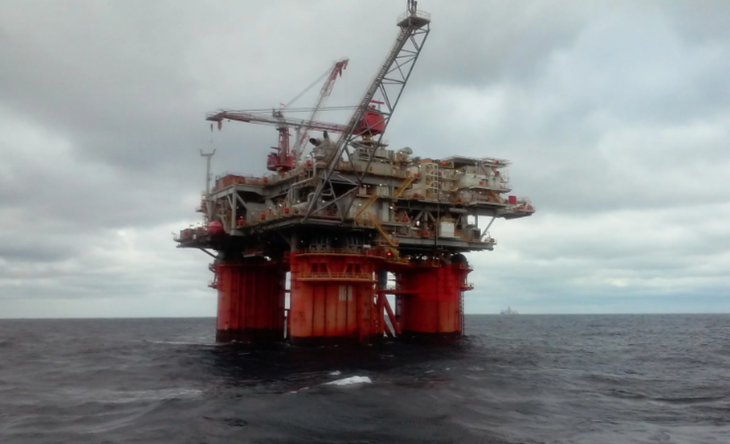
How did Hamas manage to carry out its rampage through southern Israel?

Peter Beaumont

Militants identified vulnerabilities in Israel’s hi-tech defences and masked plans with highly effective miasma of deception.

The Hamas assault on the Erez crossing, the looming symbol of Israel’s security infrastructure at the far northern end of the Gaza Strip, was indicative of what would come at other key locations.

A maze of rooms, populated with cameras and hi-tech scanners, double “tiger trap” doors all overseen by Israeli officials who deliver commands by loudspeaker, it is also a surveillance and communications hub, set into the high concrete wall that guards that part of Gaza.

Launched not long after daybreak on Saturday, Hamas’s attack on the crossing was as sudden as it was deadly, captured in video shot by the Islamist militants and posted online.

Beginning with a detonation from what appeared to be an anti-tank guided missile, members of Hamas’s special forces – Nukhba – quickly moved to secure entrances to the complex and to the access gate used by the Israeli military to enter Gaza during incursions, engaging Israeli forces in their watchtowers set into the wall.

In one shot a body can be seen lying on the ground in a concrete-lined tunnel. The surprise was total.

The aim of militants at Erez and other key locations along the Gaza border, as has become clear since Hamas launched its murderous rampage through southern Israel, was to decapitate the ability of Israel’s security forces to communicate with each other.

Videos posted to Hamas social media sites showed the militants moving quickly to engage Israeli vehicles that could stand in their way, including the apparent disabling of a tank hit by a munition dropped from a drone near the border fence.

On motorbikes, by car and on foot, bristling with weapons, a first wave of 400 Hamas militants poured across the border into Israel at the 15 points where they had breached the security barrier.

And in the space of a few hours, a wall and fence system costing billions of dollars to build, and designed to prevent being tunnelled under, equipped with a vast array of cameras and motion sensors, had been well and truly breached.

Months, if not years, of planning for attack

As the minutes ticked by more waves of Hamas militants moved with bulldozers to widen the gaps for larger vehicles including four-wheel drives, pickup trucks and motorbikes to pour across, tasked with attacking 22 separate locations inside Israel.

As has become clear in the days since the attack, Hamas had spent months if not years gathering intelligence on Israeli operations along the border, perhaps including during the Gaza border protests four years ago.

It had identified the vulnerabilities in the fence, not least the gates along the border and Israeli patrol patterns. It appears to have known which areas were being effectively monitored and which were not.

In all likelihood Hamas military planners had realised that the border and all its technology looked largely in a single direction – into Gaza. Once they had smashed through, they would be able to move more freely on their mission to murder and kidnap Israelis, most of them civilians.

While details remain scant over what Israeli security forces have established about the planning of the attack, some sources have speculated that Hamas’s operational security may have been so tight that even some members of its political leadership may have been kept out of the loop.

Participants in the assault, it has been suggested too, may have been trained without knowing until the last minute what their objectives were, including – according to one report – in a mock Israeli community where they practised going house to house.

Israeli security forces blindsided

The attack was masked by a highly effective miasma of operational deception.

“Hamas gave Israel the impression that it was not ready for a fight,” a security source told Reuters.

“Hamas used an unprecedented intelligence tactic to mislead Israel over the last months, by giving a public impression that it was not willing to go into a fight or confrontation with Israel while preparing for this massive operation.”

Others were more blunt, suggesting a system and conceptual failure regarding Hamas that went far beyond intelligence gathering.

“We were living in an imaginary reality for years,” one senior reserve officer told Haaretz.

“We became overly reliant on the sophisticated underground barrier, to technology. We convinced ourselves that Hamas is deterred and frightened, and that we’ll always have intelligence warnings in time. We thought we knew how to analyse their intention and thoughts. Sobering will be difficult.”

If Hamas’s effort to disrupt Israeli communications was deliberate, the impact – either by luck or judgment – was exacerbated by the blindsiding of the Israeli security forces.

The scale of the attack, which opened with a barrage of 2,500 rockets and involved attempted boat and paraglider landings to the north of Gaza, the use of drones, and breaches along the entire length of the wall, suggests the assault was designed to confuse and overwhelm.

After the breach, large groups of Hamas fighters quickly moved on several military bases on the far side of the border, apparently aware of their location, layout and the best approach routes to avoid detection.

A measure of its grim success was provided to Israel’s Channel 13 news in a leaked quote from an interrogation of a Hamas militant who participated in the massacre.

“It was five hours before they fired at us,” he said. “We were ready with 1,000 fighters, we breached the fence in 15 places.”

Among those Israeli forces who rushed to the fighting were special forces troops from the Shaldag Unit, whose commanders were alerted to the first attacks against communities along the border who throughout the fighting on Saturday scrambled to get to the fighting by whatever transport was available.

In one of the first interviews with an Israeli unit commander involved in the fighting, published in Monday’s Jerusalem Post, a special forces colonel identified only as B described being told of the Hamas incursion within half an hour, arriving at the kibbutz of Be’eri by helicopter an hour and a half later, and fighting at that kibbutz for five hours before being redeployed to the effort to retake the Hamas-occupied Re’m military base.

One of the world’s most technologically advanced militaries was stretched almost to breaking point in only for a few hours. It was long enough, however, for Hamas to pursue its massacre.

________________

Derna’s women ‘invisible’ as needs neglected in aftermath

Nadda Osman

Health experts says that women in Libya are ‘invisible’ and have little access to reproductive healthcare.

Experts are warning that women who survived flooding caused by Storm Daniel in Libya have been left without proper care and are “almost invisible” despite aid efforts.

Weeks after the disaster, which killed more than 4,000 people and left over 10,000 missing, women are still struggling to get access to hygiene, sanitation and menstrual products.

With an estimated 16,000 people displaced in and around Derna, many survivors have been forced to set up tents in front of the remains of their homes. 

With much of eastern Libya’s medical infrastructure severely damaged by the storm, already overstretched medical facilities are under even more stress, making healthcare and meeting women’s needs particularly difficult. 

According to Alex Gray, the head of international funds at the Centre for Disaster Philanthropy, women are among the worst affected during natural disasters.

“Pre-existing, structural gender inequalities mean that disasters affect women and girls in different ways than they affect boys and men. The vulnerability of females increases when they are in a lower socioeconomic group, particularly in the Global South,” he told Middle East Eye.

Gray said that women were vulnerable in terms of disaster preparedness, evacuation, response, number of deaths, health needs and recovery. 

He clarified further that women in Libya will now need continued access to quality antenatal and postnatal care, and sexual and reproductive health services. 

“After a disaster like the devastating floods in Libya, women typically have reduced access to appropriate healthcare facilities and services because of damaged health infrastructure and higher healthcare needs among survivors,” he said. 

Preventing disease

“A lot of times aid organisations are staffed by men and you can tell the decisions are made by men,” explained Hajar Darwish, a Libyan women’s sexual health specialist living in the UK.

“The first thing they think about is food, clothes and medication, and after that if someone thinks about women’s needs it’s half hearted, or you can tell it’s from someone who doesn’t experience periods,” she added. 

One aspect that is rarely considered in the aftermath of a disaster, such as the flooding in Libya, is how to dispose of products in a way that limits the risk of further spread of disease.

“Organisations don’t really think about how things are getting disposed of afterwards. So if people are taking medication or are diabetic, can they dispose of their needles correctly and safely?” Darwish asked.

Another issue with aid provided for women in Libya is often a lack of education about what the products do, she added. 

“Many organisations provide ‘Dignity Kits’ for women but people don’t know what’s in them and what they’re donating towards, so it also means that people can’t scrutinise what’s in them.

“I have also noticed that organisations don’t consider appropriate clothing when it comes to women, for example women need specific underwear such as bras especially if they’re pregnant and there’s no point in giving out menstrual pads if they have no underwear to stick it to,” she explained. 

“These disasters are going to continue to happen and they’re going to get worse, we really need to do better. I feel like more organisations need to put a policy in place or work alongside specialists to create a policy that could be streamlined and then later adapted to different populations.”

Darwish warns that if standards in helping women following disasters do not improve, it could have serious consequences. 

“For women who are already pregnant, if they don’t have clean hygiene facilities, any infections can spread to the foetus which could cause severe health complications for the woman and the unborn child,” she says. 

Heba Shaheed, a women’s pelvic health and wellbeing expert, also believes that women are often an “afterthought” in natural disaster crises. 

“Women are affected in their own individual ways in natural disasters, especially when it comes to being a mother, being pregnant or giving birth. They not only have limited access to things for their baby, such as formula and clothing, but they are also faced with issues such as not having access to nurses, doctors and midwives,” she told Middle East Eye. 

Shaheed says that women’s needs are only considered after food, blankets and shelter, meaning that when it comes to delivering aid to women, it is often forgotten that they have additional needs.

“There are a lot of organisations that now do consider women’s needs but it’s still not the first thing on their minds, it’s thought of later. This is something that needs to be improved, especially as it is something that women won’t speak out about, especially in a natural disaster,” she says.

“My advice to aid organisations is to consider that at least half of women affected in emergencies are women who have menstrual hygiene needs, so it’s important for us to provide access to personal hygiene products and also items that can help them clean and purify themselves after their cycle,” she added.

Feelings of shame

Darwish says that often in the aftermath of a natural disaster, women often experience shame as a result of not being able to address their basic needs. 

“Accessing period products in Libya is already quite hard and inconvenient, the products are not great and it can be very awkward to purchase them,” she said. 

While emergency aid efforts are typically carried out very quickly and can often be uncoordinated in the first few hours or days following a disaster, Darwish maintains that aid organisations and charities should be including women in their discussions about how to help from the get go.

“Accessing period products in some countries in North Africa is one of the most scrutinising things you will ever have to do, it’s so humiliating. The products are never on display, buying them is like you’re doing something illegal and their quality is shambolic,’ she said.   

Darwish also says that there is the risk that women will face increased urinary tract infections (UTI), lack of pain management for their menstrual cycle and difficulty accessing contraception, which could result in increased unplanned pregnancies.

“Shame and embarrassment will be some of the biggest issues as women are not able to clean up after themselves and things are being disposed of in the street which could cause infections.

“This could result in anxiety and incite depression. Women’s mental health will deteriorate as they are having to worry about when their period will come, and when it does come, not being prepared for it,” she added.

With many parts of Derna destroyed by the floods, basic sanitation, such as hand washing facilities and toilets, are not available, which contributes to the risk of disease spreading. 

According to Gray, the amount of loss and destruction in Libya will trigger a significant need for mental health and psychological support, due to emotional trauma and grief. 

“Interventions that provide access to female counsellors and psychosocial support in safe spaces are a good investment in post-disaster situations like the one in Libya and are needed now,” he said. 

In order to provide female survivors with proper care, Gray believes that funding is needed for programmes specifically for women and girls. 

Gray believes that these gender-specific programmes should address the unique needs of women and girls, and be culturally sensitive in order to help women recover.

He also said that more funding needs to be put towards research that seeks to understand the needs of women and girls in the aftermath of disaster.

According to Gray, teams composed of women from the same cultural background as those affected would help ensure assessments on needs were done quickly and effectively.

“We need to ensure that the voices of women inform programming and the provision of aid and assistance that affects them,” he said.

______________
Is Libya the new route of the US-Russia competition?

Fuat Emir Sefkatli

On 26 September, Warlord Khalifa Haftar, along with his delegation, including his son Belqasim Haftar, paid a visit to Moscow. Haftar was welcomed by Russian Deputy Defence Minister, Yunus-bek Yevkurov. Discussions covered mutual support and cooperation, as well as the humanitarian intervention following the floods in Derna. However, Haftar’s visit to Moscow is not coincidental, as it occurred about five days after the visit of General Michael Langley, the Commander of the United States Africa Command (AFRICOM), to Libya.

Langley, along with the US Ambassador to Libya, Richard Norland, visited the country to monitor US humanitarian aid activities regarding the disaster in Derna. During his visit, he first met with Prime Minister, Abdulhamid Dbeibeh, and Chief of General Staff, Muhammad Haddad, of the Government of National Unity (GNU) in the capital, Tripoli. What is striking about Langley’s trip to Libya is that, after visiting Tripoli, he had meetings with Haftar in Benghazi. An official statement from the US Embassy in Libya emphasized the importance of the democratically elected national government, the unification of the army and the evacuation of foreign mercenaries during the meeting between Haftar and Langley.

US-Russia Competition

Back in January, CIA Director, William Burns visited Benghazi and, according to some sources, pressed Haftar to expel the Wagner Group, a private military company (PMC), in Libya. Currently, Wagner PMC personnel are active in eastern Libya, particularly around the country’s oil facilities and strategic locations.

The other development was Yevkurov’s Benghazi visit shortly before the death of the PMC’s leader, Evgeny Prigozhin. Yevkurov’s visit to Benghazi was considered as the onset of the evacuation process of Wagner from Libya.

The visits mentioned above indicate that a new competition and power struggle between the US and Russia is emerging in Libya. The disaster in Derna in September has paved the way for renewed confrontation between these ‘Great Powers’. For a long time, the US has been relatively inactive in Libya, but it has now activated humanitarian diplomacy through the United States Agency for International Development (USAID).

General Langley’s visit demonstrates that the US aims to balance Russia’s increased influence in the Southern Flanks of NATO. In this regard, the United States aims to prevent Russia from formalising the covert activities it conducts through Wagner in the eastern part of the country, thereby creating a military presence on the eastern coast.

On the other hand, Russia seeks to protect and maintain its extensive local network and gains in the eastern part of Libya through Wagner. Following Prigozhin’s death, it is uncertain how Russia will continue its presence in various parts of Africa, and whether the approach of “plausible deniability” will continue to provide flexibility for the Putin administration in international politics.

Despite the military, political and economic burdens brought about by the Russia-Ukraine war, maintaining and expanding its military engagement in the Mediterranean and strengthening its hand against NATO are seen as indispensable strategies for the Kremlin. In this context, establishing a military base, especially in coastal cities such as Derna, Benghazi or other cities, would be of great importance for Russia, similar to the naval base in the Syrian city of Tartus.

A New ‘Cold War’

The emerging picture suggests that competition between the two superpowers in Libya resembles a new “Cold War” order. In this sense, the attack on the US Consulate in Benghazi in 2012, which resulted in the death of Ambassador Chris Stevens, led to the relocation of the US Embassy in Libya to Tunisia and the transfer of military presence to AFRICOM as a way of remote balancing or “partial intervention”. However, considering Russia’s presence in Libya’s oil production fields and, at the same time, noting Libya’s position in the global oil market, the instability that this situation can create in terms of supply and demand over time has increased US concerns.

The visit of Burns in January can be interpreted in this context. Similarly, the disaster in Derna has brought back the issues of unifying the army and, more importanIn summary, the competition in Libya between the two superpowIn summary, the competition in Libya between the two superpowers implies the emergence of a new “Cold War”, characterised by its military, economic and political dimensions. In this context, Haftar seems to prioritise his maximum interests between the two powers to maintain his position in Libyan politics and increase his legitimacy in the international community.

Since emerging as a military actor in Libya in 2014, Haftar, by developing interest-based cooperation and relationships with the United States, Russia (both directly and indirectly, through Wagner), Egypt, the UAE and France, have disrupted Libyan politics, national reconciliation and electoral processes. In this regard, Haftar appears to be quite pragmatic in achieving his goals.

In conclusion, it can be said that Haftar is implementing a similar strategy as before, with the relative approval of the United States and the support of Wagner, which he has adopted since the failed attempt to capture Tripoli in 2019. However, the conflicting interests of the United States and Russia suggest that this strategy may not be long-lasting for Haftar. On the contrary, given the current circumstances, Haftar’s diplomatic initiatives could backfire and, as a US citizen, he may find himself subject to certain sanctions.

***

Fuat Emir Sefkatli – A North African Studies Researcher at the Center for Middle Eastern Studies (ORSAM). His work mainly focuses on non-state armed groups (NSAGs) in Libya and the Sahel region, while disarmament, demobilisation and reintegration (DDR) processes are among his areas of interest. 

________________