
Confused foreign policy contrasts with bold action on pandemic. The EU is in a muddle over Libya Confused foreign policy contrasts with bold action on pandemic. Read More
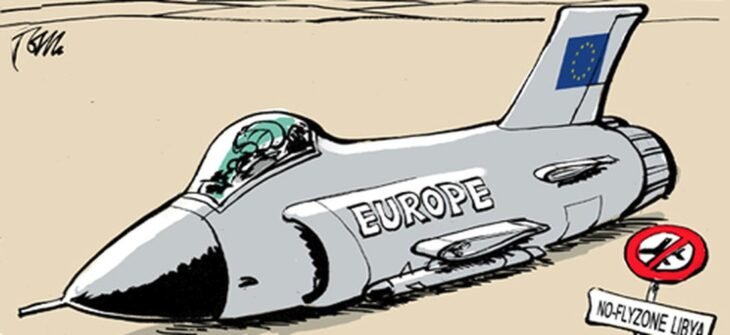
Confused foreign policy contrasts with bold action on pandemic. The EU is in a muddle over Libya Confused foreign policy contrasts with bold action on pandemic. Read More
By Elif Selin Calik
 The ongoing war in Libya took a dramatic turn recently exposing the extent of foreign involvement in the conflict, notably by Russia. Read More
By Yasar Yakis
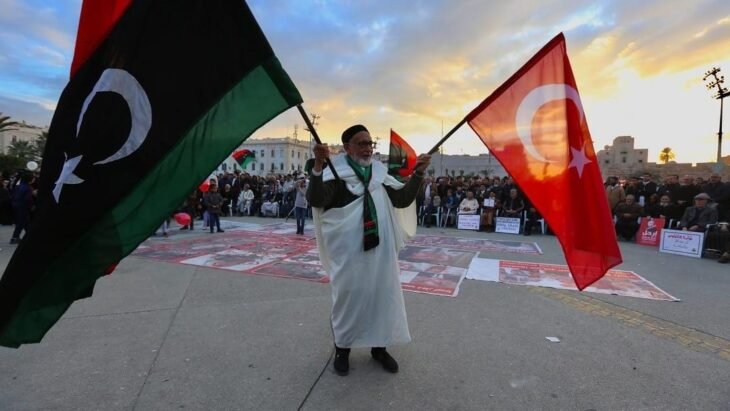
 Turkey appears to be playing a high-risk game that encompasses both Libya and the Eastern Mediterranean. Read More
By Angus McDowall, Orhan Coskun, and Ulf Laessing
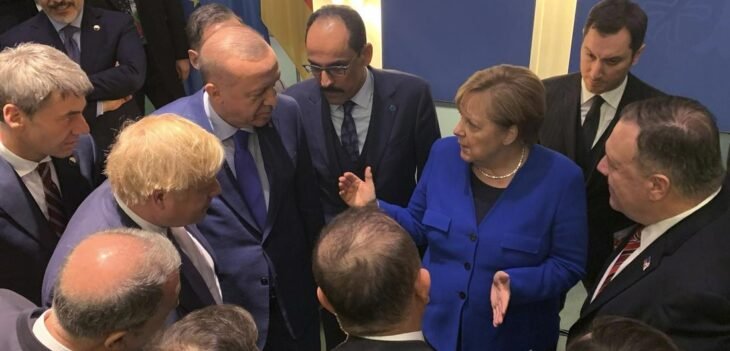
 As Turkish drones helped drive eastern Libyan forces back from Tripoli this month, Russia was said to be reinforcing them with warplanes, raising the stakes in a stalemated civil war that has partitioned the country. Read More
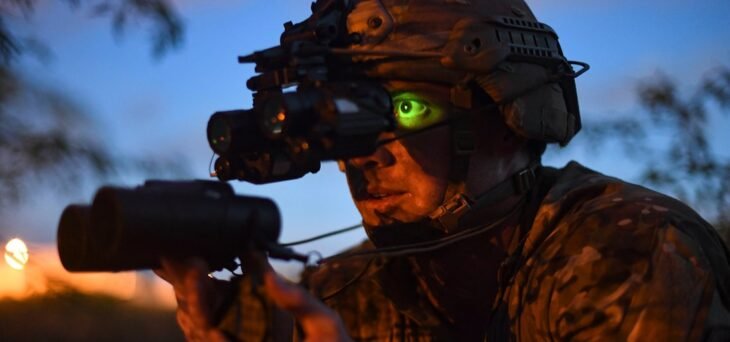
By Jack detsch
 U.S. Africa Command calls out Moscow for tipping the scales in a conflict the Trump administration has mostly sought to avoid. Read More
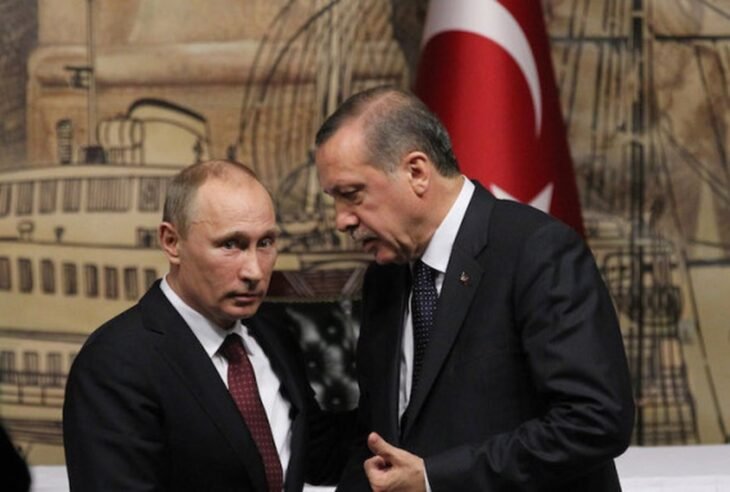

The offensive of Marshal Khalifa Haftar, the strongman of eastern Libya, against Tripoli seems increasingly compromised after a series of setbacks and the withdrawal of hundreds of Russian mercenaries from the front lines south of the capital. Read More
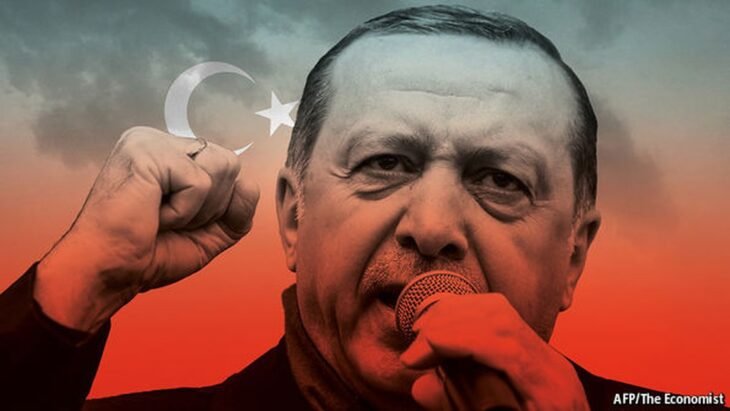
By Jason Pack
 Last week, the Libyan civil war entered a discernable new phase with the first round of the world’s first extraterritorial drone war now concluded. The Turks are the undisputed victors. Read More
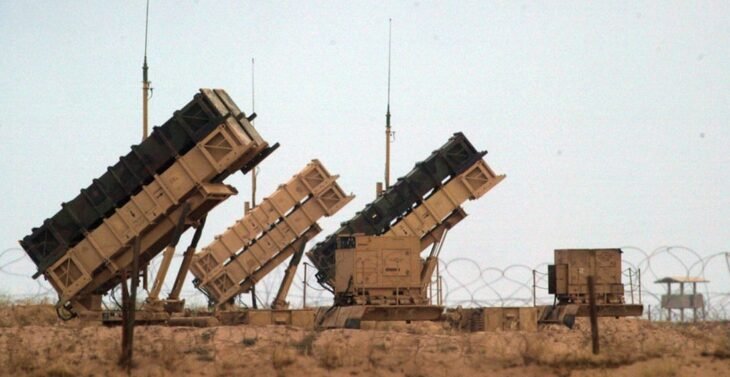
By Tom Rogan
 Responding to Russia’s covert deployment of fighter aircraft to support Khalifa Haftar’s Libyan National Army insurgent force, the Trump administration should provide Patriot air defense systems to the Libyan Government of National Accord. Read More
By Michael Young
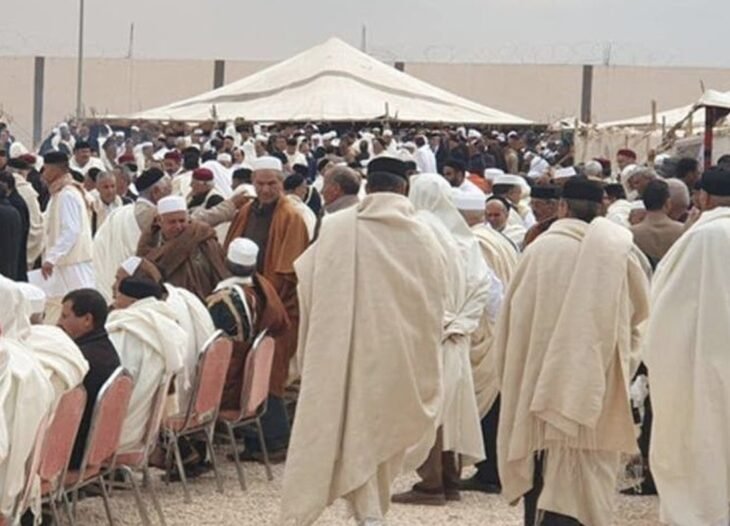
 In an interview, Alison Pargeter discusses the calculations of Libya’s tribes and their impact on the struggle for power. Read More

By Mohamed Abufalgha
 After more than 400 days of fighting, the time has come for the United States to step onto the Libyan stage. Read More
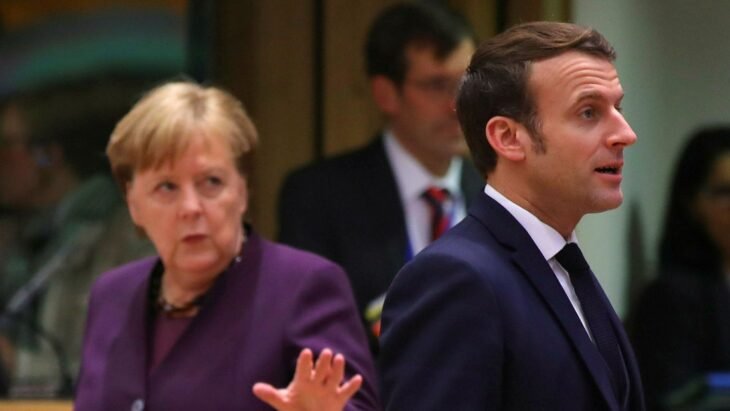
 Depending on how the conflict evolves in the coming months, European states may seriously consider putting boots on the ground. Read More
By Tarek Megerisi
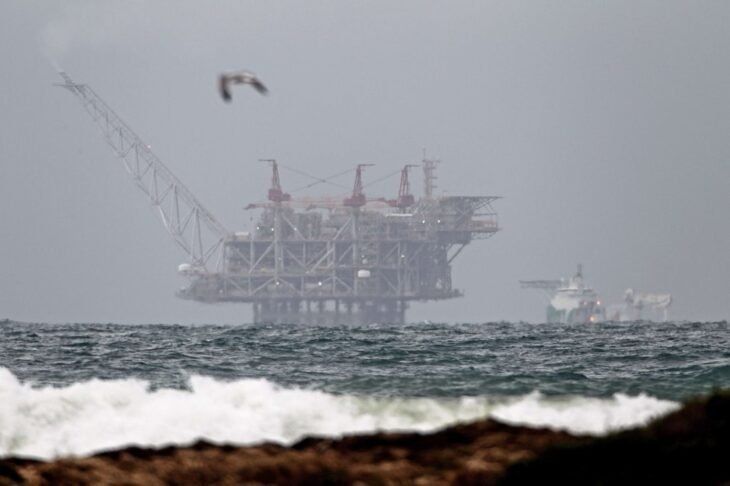
 Libya’s recent history shows how a region-wide confrontation can make matters worse for vulnerable states – in Libya’s case, exacerbating the problems it already had. In turn, the Libyan war has complicated the issue of gas exploitation around Cyprus. Read More
By Jonathan M. Winer
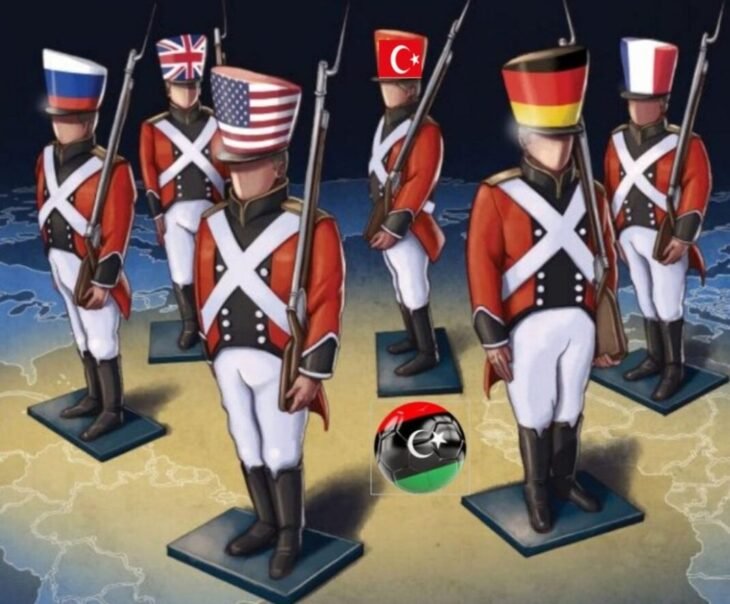
 Absent major military escalation by his foreign patrons, Khalifa Hifter has now lost the war he initiated against Libya’s internationally recognized government in Tripoli. Read More
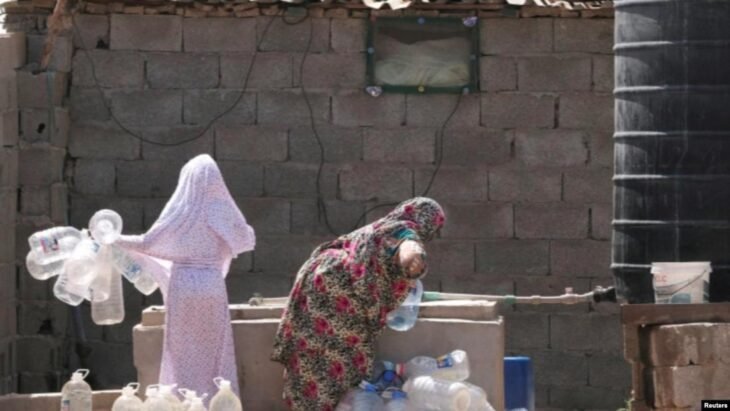
All sides have to take the blame for this bloody stalemate
By Ahmed Aboudouh
 There are many reasons for both sides to feel responsible for the current situation, here are some of them. Read More
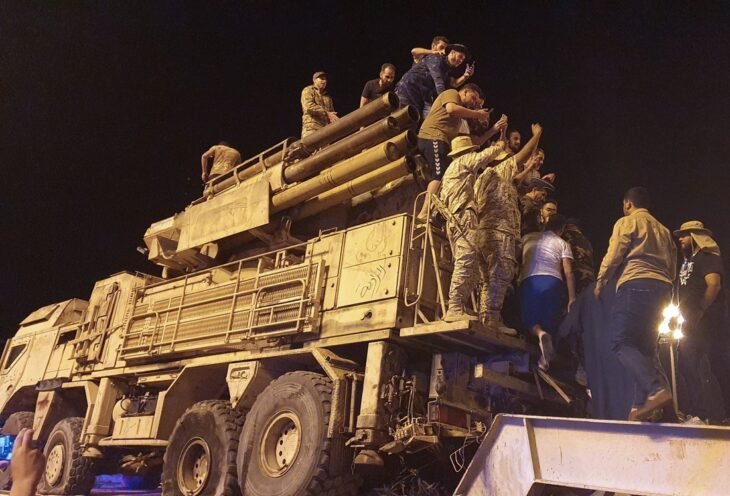
By Şeyma Nazli Gürbüz
 Libya’s internationally recognized legitimate government’s fight against Haftar’s militia continues with new achievements every day; however, with the UAE’s constant backing of the putschist general, experts do not expect the conflict to end in the near future.
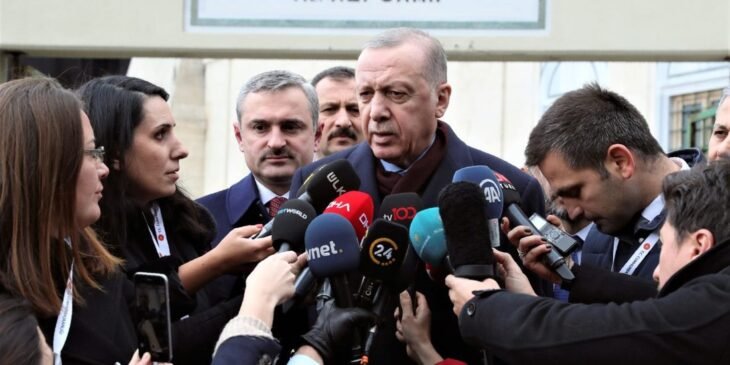
By Jason Pack
Despite General Haftar’s contrarian bluster, the writing is now on the wall. His year-long campaign to take Tripoli has ended in abject failure. Will his victorious opponents, the Turks, extract their pound of flesh or will they step into the role of mature regional power? Read More
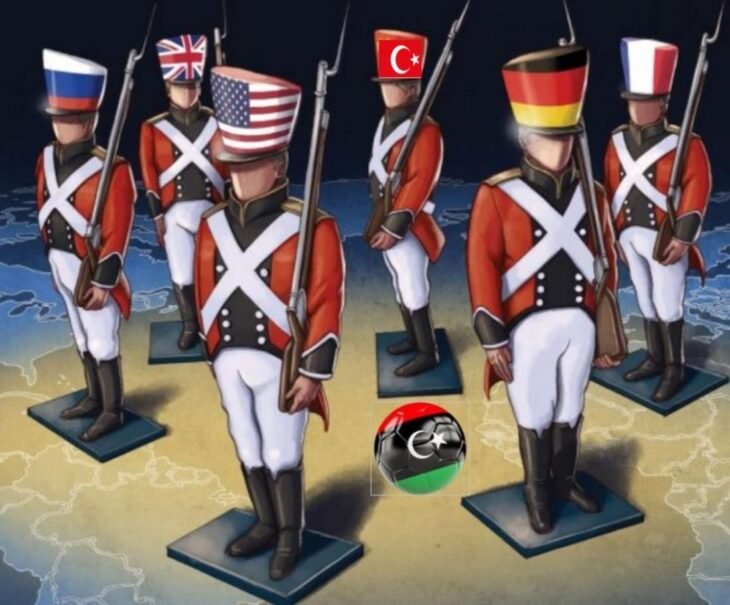
By Amira Abo el-Fetouh
 As I have said before, I was counting on the Libyan heroes of the February Revolution to continue their struggle against the reckless criminal Khalifa Haftar, and defeat his mercenary militias. Read More
By Şeyma Nazli Gürbüz
Libya’s internationally recognized legitimate government’s fight against Haftar’s militia continues with new achievements every day; however, with the UAE’s constant backing of the putschist general, experts do not expect the conflict to end in the near future.
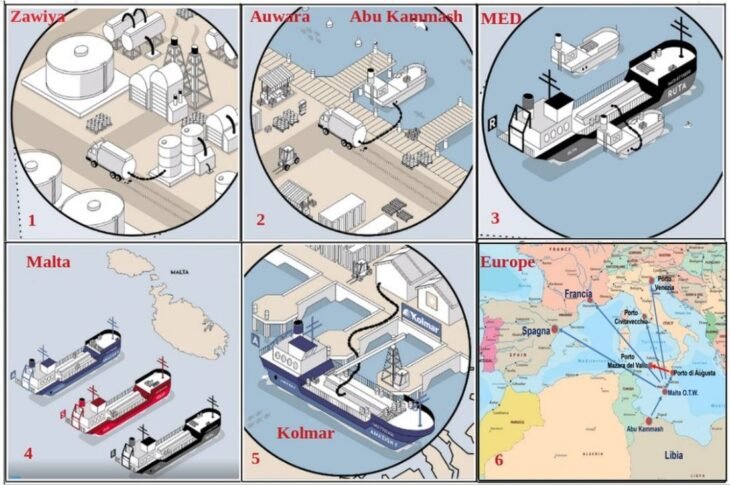
 TRIAL International filed a criminal complaint (“dénonciation pénale”) for complicity in pillage of smuggled Libyan fuel against Kolmar Group AG before the Swiss Attorney General on Friday 22 May. Read More
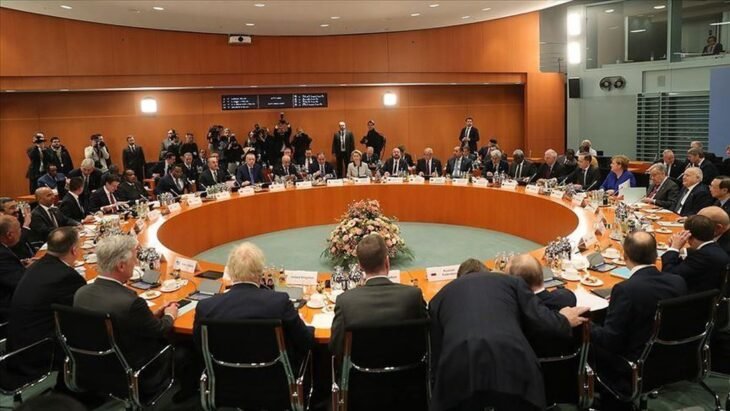
 Since Turkey escalated its military intervention in Libya in early 2020, the coalition of armed groups fighting on behalf of the Tripoli-based and UN-recognised Government of National Accord (GNA) have made considerable gains against Khalifa Haftar’s Libyan National Army (LNA). Read More
By Arnaud Delalande
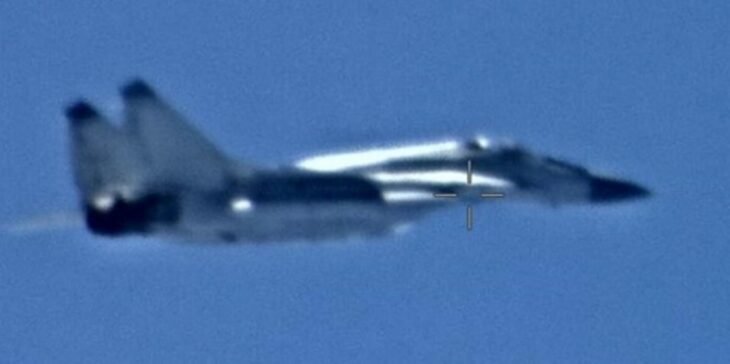
 Small fleet of mercenary-piloted warplanes have likely been deployed to deter Turkish attacks on key LNA airbase. Read More
By Omer Karasapan

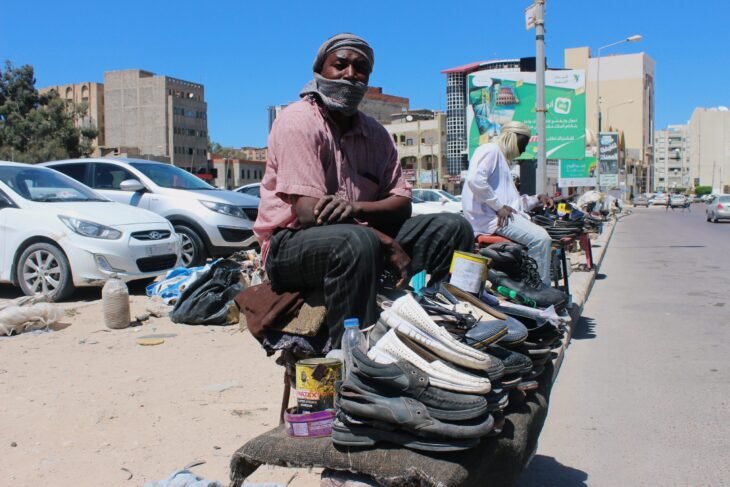
In February 2020, the Libya-Italy Memorandum of Understanding on Migration (LIMUM) was extended for another three years. Read More
By Declan Walsh
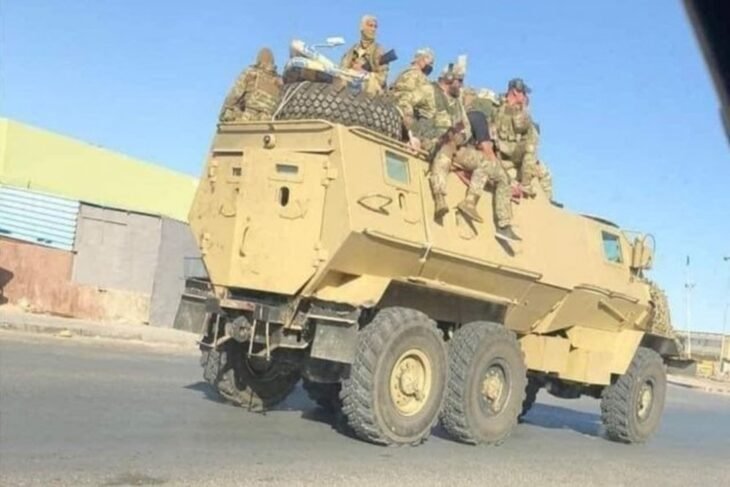
 A short-lived mission uncovered by U.N. investigators offers a glimpse into the world of those who have thrived off Libya’s chaos. Read More
By Neil Hauer
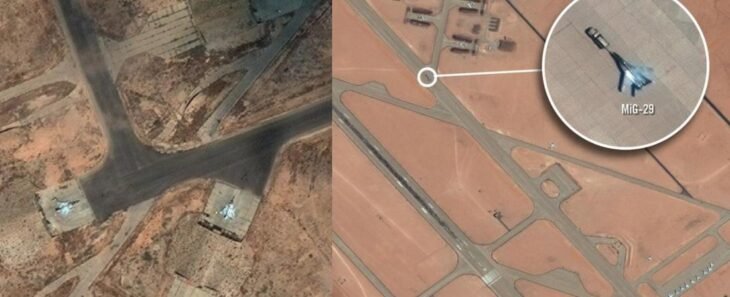
 Russia has several options for escalating its involvement in Libya’s civil war, but the West could make continued intervention too costly for Moscow’s liking. Read More
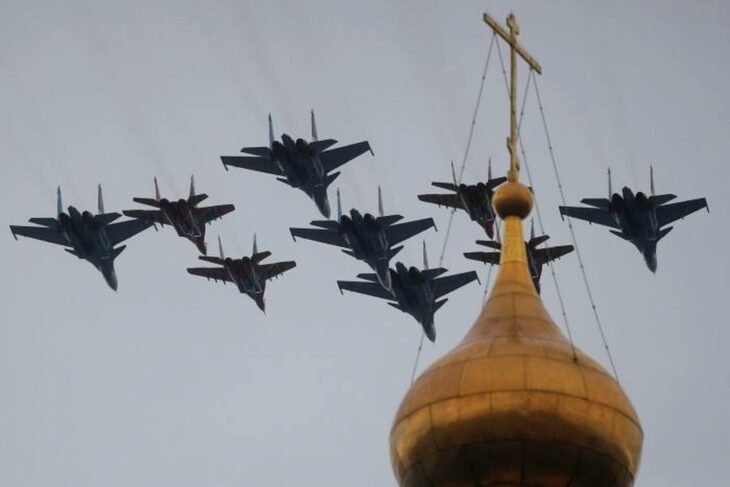
UN experts are investigating the deployment of at least eight Russian-made fighter jets to Libya in support of renegade general Khalifa Haftar, diplomats and people briefed on the matter said. Read More
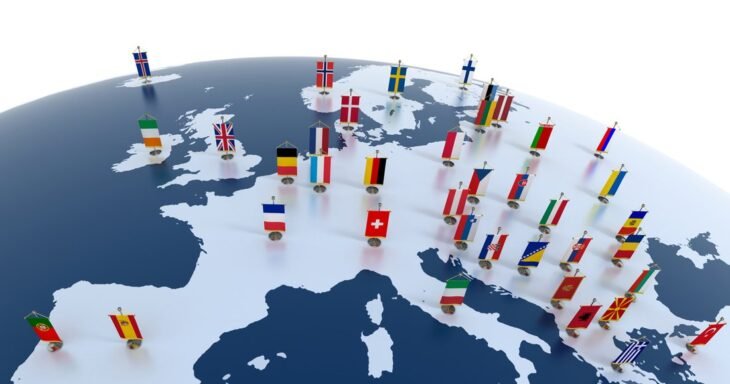
By Muhittin Ataman
 European countries recognize the Tripoli-based Government of National Accord (GNA) as the only legitimate representative of the Libyan state and people. Read More
By Tarek Megerisi
 Conflict in Libya has claimed the lives of tens of thousands, generated instability throughout North Africa and the Sahel, and become an increasingly pitched focal point for geostrategic competition.
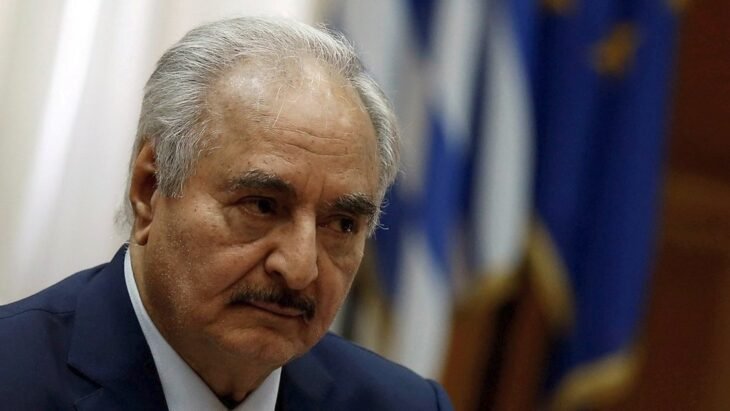
By Jonathan Fenton-Harvey
 Haftar may be on back foot, but for Libyans the struggle is far from over. When Libya’s UN-recognised government forces captured the key strategic airport and military base al-Watiya from Khalifa Haftar’s forces on Monday, the warlord received another blow to his ambitions to conquer the country, and is now increasingly on the backfoot. Read More
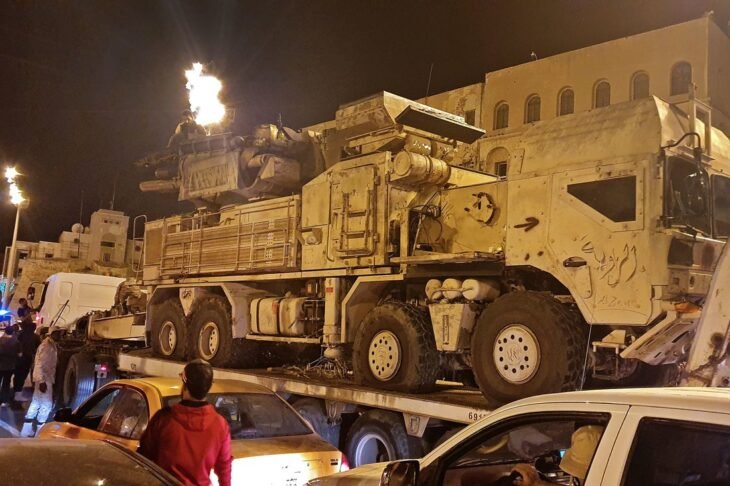
By Declan Walsh
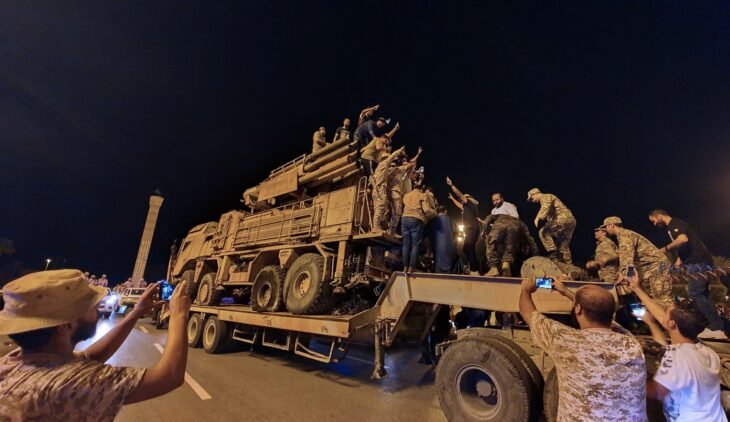
With a succession of quick victories, Turkish-supported forces in Libya have rolled back the gains of a would-be strongman whose allies, Russia and the United Arab Emirates, now face tough choices. Read More
By Tomas Avenarius and Paul-Anton Krüger
 The civil war in Libya escalated. Now there could be a direct confrontation between Turkey and Russia and the Emirates. Read More
By Tarek Megerisi
Conflict in Libya has claimed the lives of tens of thousands, generated instability throughout North Africa and the Sahel, and become an increasingly pitched focal point for geostrategic competition.
By James M. Dorsey
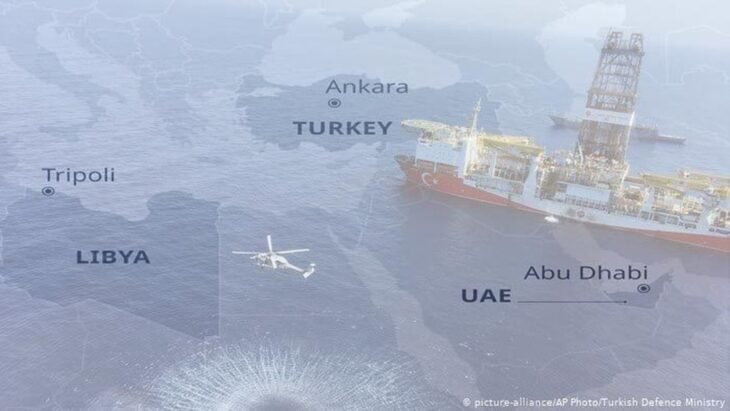
 The United Arab Emirates and Turkey are locked into a regional power struggle that has fuelled conflict in Libya and could spark renewed fighting in Syria. Read More
By Tarek Megerisi
Conflict in Libya has claimed the lives of tens of thousands, generated instability throughout North Africa and the Sahel, and become an increasingly pitched focal point for geostrategic competition.
By Nebahat Tanriverdi Yasar
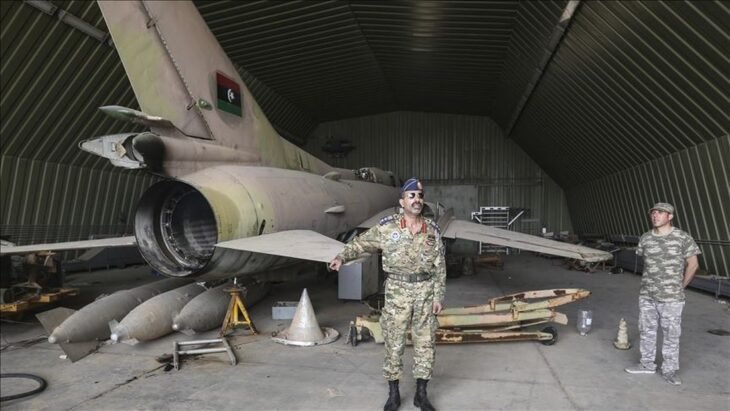
 It was clear UAE wanted to finalize Libyan war with definitive victory, but now that doesn’t seem to be a choice. Read More
By Alison Pargeter
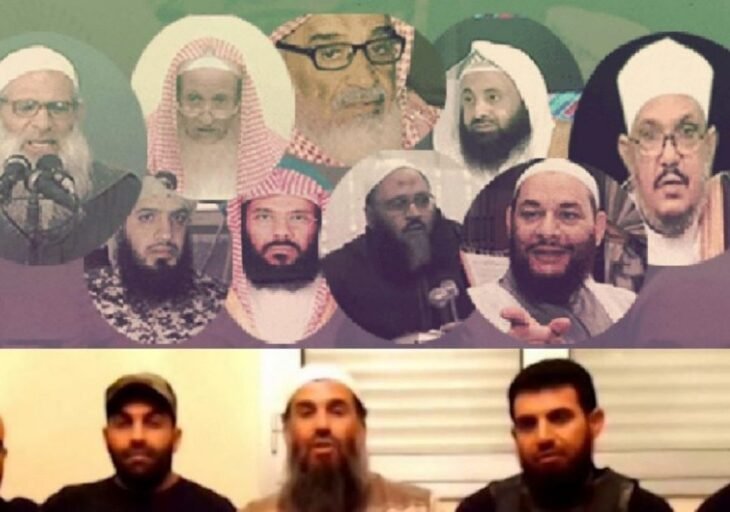
 A fissure between Libya’s grand mufti and Salafists in western Libya risks further fragmenting the North African country. Read More
By Tarek Megerisi
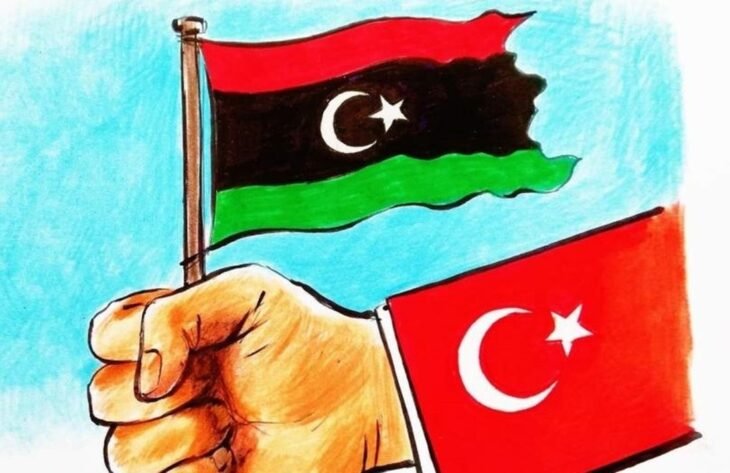
European countries should try to revive the political approach to resolving the Libya conflict, particularly given that Turkey may want to do so from its current position of strength. Read More