By Burhanettin Duran
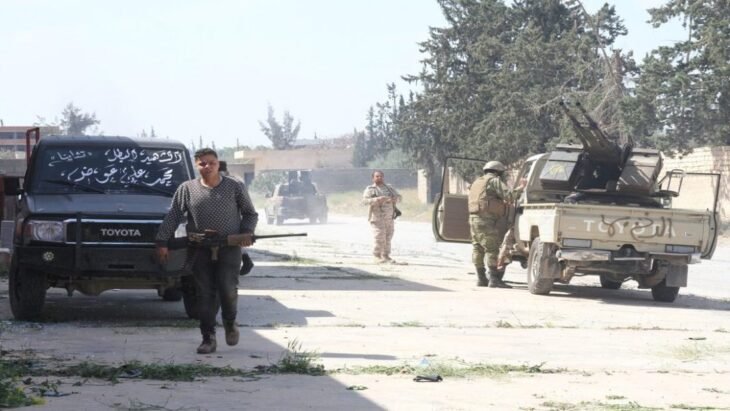
That mankind will draw lessons from the COVID-19 pandemic is just wishful thinking. The virus outbreak cannot seem to end violence or the struggle for power. The situation in Libya supports this claim. Read More
By Burhanettin Duran
That mankind will draw lessons from the COVID-19 pandemic is just wishful thinking. The virus outbreak cannot seem to end violence or the struggle for power. The situation in Libya supports this claim. Read More
By Anelise Borges
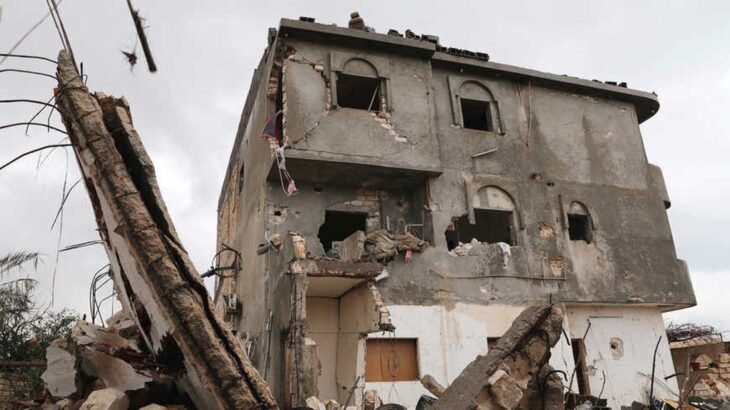
Libya has been engulfed by conflict for nearly a decade now. The fall of dictator Muammar Gaddafi in 2011 was supposed to herald a new phase of social development and freedom for the country of six million. Read More
Community Dynamics and Economic Interests
By Tim Eaton, Abdul Rahman Alageli, Emadeddin Badi, Mohamed Eljarh, and Valerie Stocker
This paper is based on approximately 200 interviews carried out by the authors – in person and remotely – with a wide range of Libyan actors between November 2018 and September 2019. This the paper does not claim to cover all armed groups in the country. Read More
By Nebahat Tanriverdi Yasar
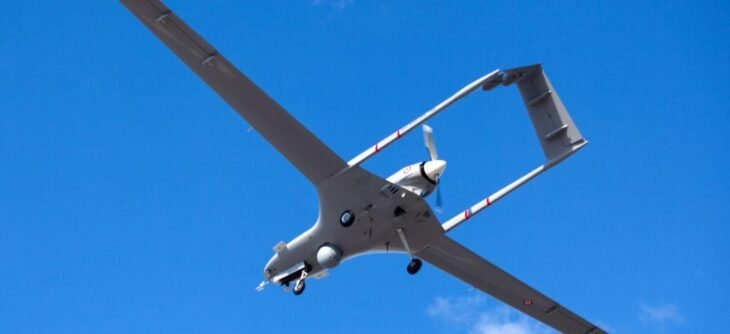
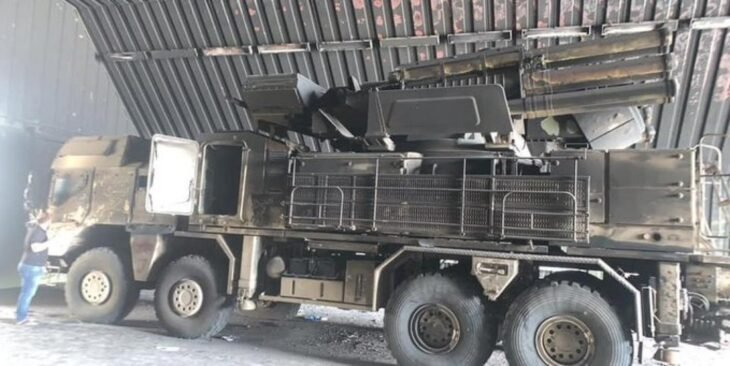
Air superiority remains most important factor to determine how war for capital will continue. Read More
An international study highlighted the aggressive intervention of the UAE state in Libya and its support for militias outside the internationally recognized government in the service of Abu Dhabi’s regional ambitions and in pursuit of influence. Read More
By Frederic Wehrey
To contain the coronavirus, Arab governments are mobilizing official Islamic institutions. The most pressing goal is to shut down sites of potential contagion as Ramadan approaches.
Community Dynamics and Economic Interests
By Tim Eaton, Abdul Rahman Alageli, Emadeddin Badi, Mohamed Eljarh, and Valerie Stocker
This paper is based on approximately 200 interviews carried out by the authors – in person and remotely – with a wide range of Libyan actors between November 2018 and September 2019. This the paper does not claim to cover all armed groups in the country. Read More
By Nikkon Balial
Suffering from war, a weak economy and a nearly non-existent healthcare system, how can Libya fight a pandemic? Read More
By Jonathan Fenton-Harvey
Already suffering a deteriorating humanitarian situation from its raging conflict, the very nature of Libya’s internationalised war means the coronavirus pandemic could hit the country harder as violence drags on. Read More
By Yossi Melman
With the help of the UAE, Israel is providing arms and training to the Libyan National Army. Read More
By Koert Debeuf
One of these days Libyan Members of Parliament, Ministers and most probably even the President of the GNC (General National Congress) will have to resign, due to the Political Isolation Law. Read More
By Mohammad Rabie & Julian Ropcke

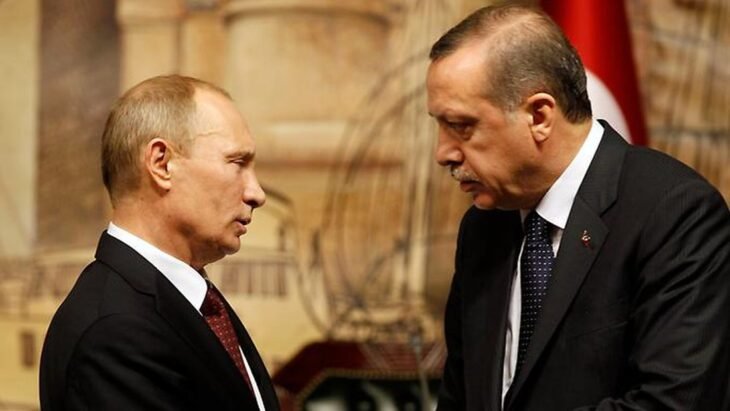
Vladimir Putin seems to have learned from President Recep Tayyip Erdogan of Turkey: After researching BILD, he too is now exporting the Syrian civil war to Libya. Read More
By Jacques Deveaux

The “coronavirus truce” remained a dead letter. The regular army supported by Turkey regains ground on that of Marshal Haftar who is still trying to control Tripoli. Read More

By Frédéric Bobin
The disavowal is scathing for an Algerian diplomacy which hoped to find a certain brightness after a long erasure. Read More

The Libyan warlord’s growing ties with Tel Aviv not only contribute to the turmoil gripping Libya but also undermines its internationally-recognised government. Read More
By Ferhat Polat
This policy outlook explores France’s foreign policy in Libya, examining the mixture of strategic, geopolitical, economic, and ideological factors driving French interests in Libya.
Community Dynamics and Economic Interests
By Tim Eaton, Abdul Rahman Alageli, Emadeddin Badi, Mohamed Eljarh, and Valerie Stocker
This paper is based on approximately 200 interviews carried out by the authors – in person and remotely – with a wide range of Libyan actors between November 2018 and September 2019. This the paper does not claim to cover all armed groups in the country. Read More
By Y. Abulkher
As springtime temperatures rise, the Libyan capital area of Tripoli heads into a new season of longer electricity outages.
By Y. Abulkher
As springtime temperatures rise, the Libyan capital area of Tripoli heads into a new season of longer electricity outages.
By Ferhat Polat
This policy outlook explores France’s foreign policy in Libya, examining the mixture of strategic, geopolitical, economic, and ideological factors driving French interests in Libya.
By David D. Kirkpatrick
Russia wanted more leverage over an aspiring Libyan strongman. The White House provided it by assenting to a disastrous civil war. Read More
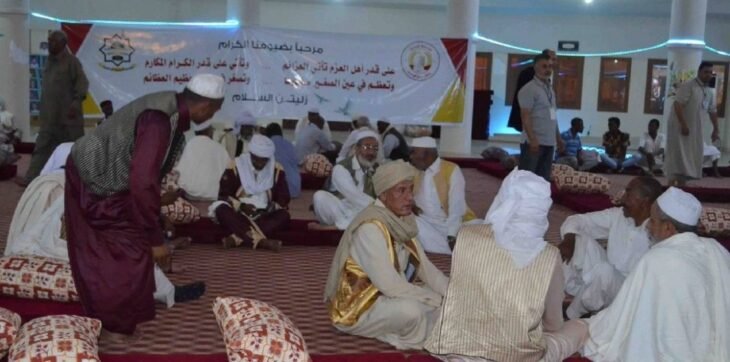
Community Dynamics and Economic Interests
By Tim Eaton, Abdul Rahman Alageli, Emadeddin Badi, Mohamed Eljarh, and Valerie Stocker
This paper is based on approximately 200 interviews carried out by the authors – in person and remotely – with a wide range of Libyan actors between November 2018 and September 2019. This the paper does not claim to cover all armed groups in the country. Read More

Since the overthrow of the regime of Muammar Gaddafi in 2011, Libya’s multitude of armed groups have followed a range of paths. Read More
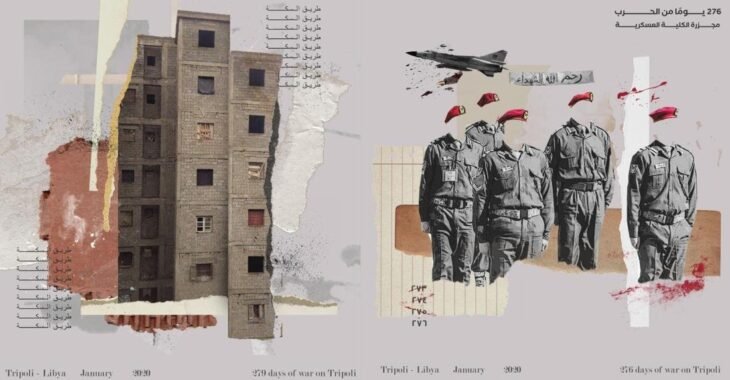
By Ferhat Polat
This policy outlook explores France’s foreign policy in Libya, examining the mixture of strategic, geopolitical, economic, and ideological factors driving French interests in Libya.
By Oliver Imhof
First year of renewed civil war sees at least 324 civilians reportedly killed, as first cases of coronavirus now emerge. Read More

By Luigi Scazzieri
The EU’s new Libya operation follows years of criticism that the Union has not done enough to end the conflict. Read More
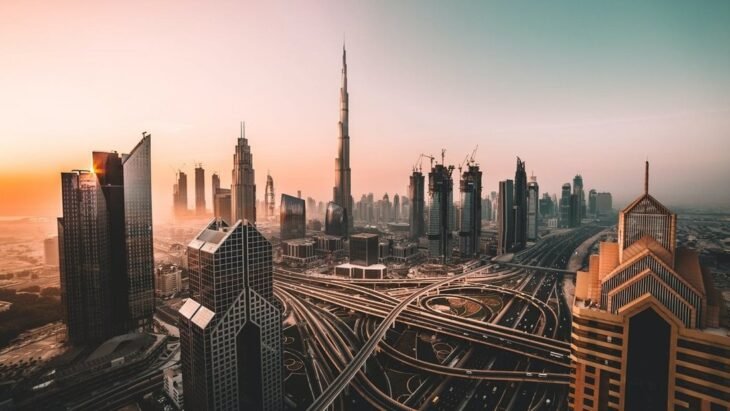
By Fehim Tastekin
As the coronavirus crisis rages across the world, those who hoped that guns might now go silent in theaters of war are finding their desires dashed. Read More
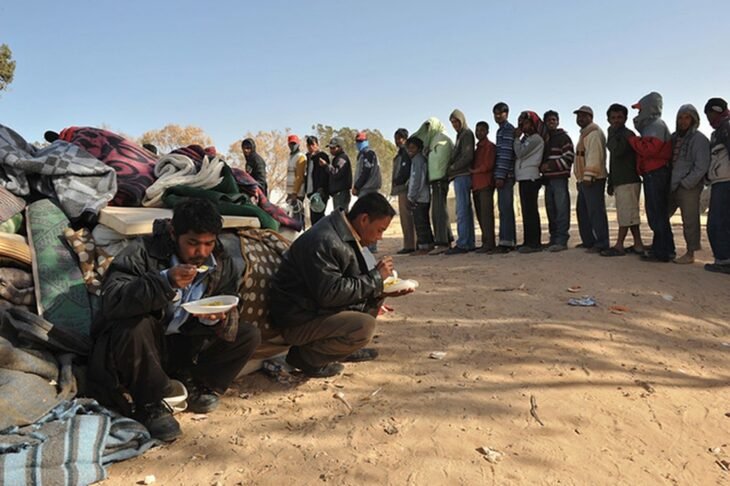
By Jason Pack & Sami Zaptia

Pandemics don’t differentiate between pauper and prince. Yes, the world’s most vulnerable are generally the hardest hit, but so are a disproportionate number of its great statemen — likely due to their broad travels, wide social acquaintance, and advanced ages. Read More
By Sherine El Taraboulsi-McCarthy
Libya’s volatile conflict has limited the movement of people into the country and made it difficult for coronavirus to spread. Read More
Another victim of COVID-19
By Jeffrey Feltman & Gene A. Cretz

Largely overlooked in the incessant coronavirus news coverage in the United States was the death from COVID-19 of Mahmoud Jibril, one of Libya’s 2011 revolutionary leaders, in a Cairo hospital on April 5. Read More
By Ben Fishman
April 4 marked the one-year anniversary of Libya’s third civil war since 2011. Last year, Khalifa Haftar, the head of the eastern-based Libyan National Army (LNA), sought to invade Tripoli after another aborted attempt to mediate his conflict with the internationally-recognized Government of National Accord (GNA) based in Tripoli. Read More
By Metin Gurcan
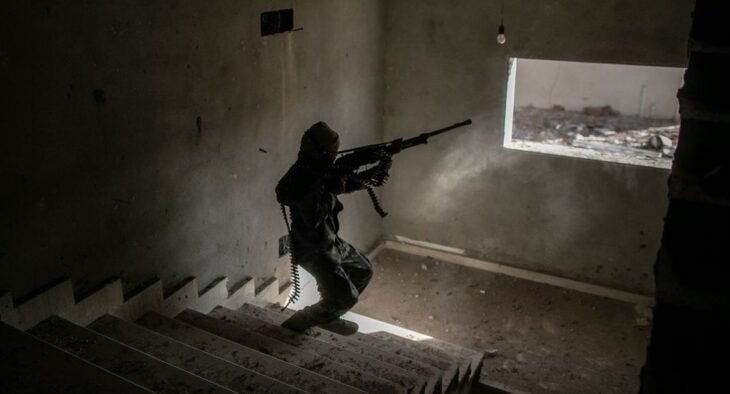
Renewed fighting in Libya, where both sides rely on drone support from foreign backers, has fueled a battle for air supremacy that augurs further escalation despite the coronavirus outbreak in the country. It also raises the prospect of Turkey sending more military aid to its allies. Read More
By Danya Hajjaji
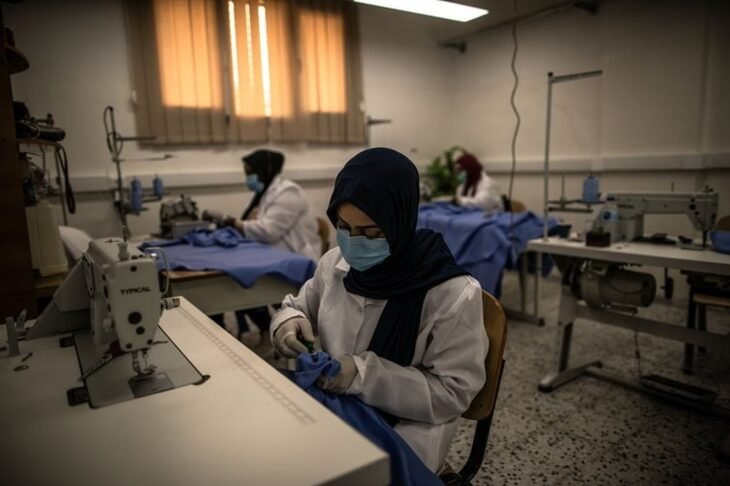
Despite depleting materials and wartime struggles, Tripoli-based LYBOTICS remains dedicated to building protective gear delivered to medical staff on the front lines of Libya’s COVID-19 outbreak. Read More
By Edward Joseph & Wolfgang Pusztai

The pandemic might prompt the kind of cooperation needed to end the country’s civil war, after years of fighting and foreign intervention failed. Read More
By Heather Murdock & Walid Ghariani
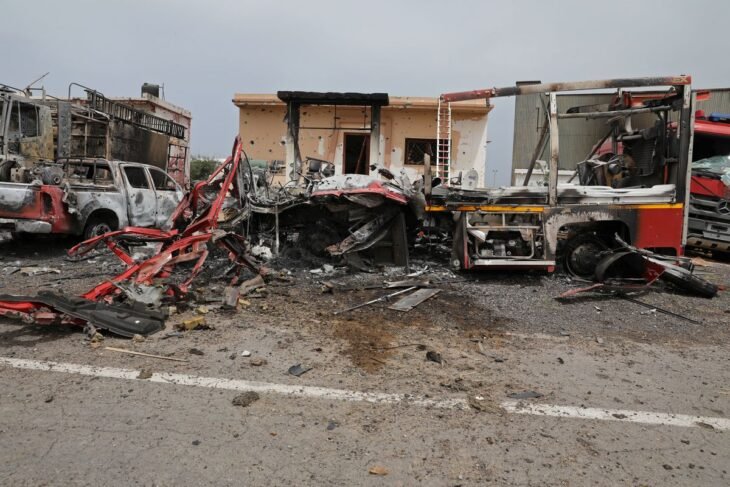
Minutes after the explosion on Monday, doctors and other witnesses started circulating videos online. Another hospital compound in Tripoli had been hit. Read More
By Tarik M. Yousef, Noha Aboueldahab, Adel Abdel Ghafar, Yahia H. Zoubir, Ali Fathollah-Nejad, and Nader Kabbani
In this outlooks, the scholars tackle pressing challenges tied to governance, civil society, inequality, security, autocracy, climate change, and citizen participation. Read More