By Thomas Trask & Jonathan Ruhe


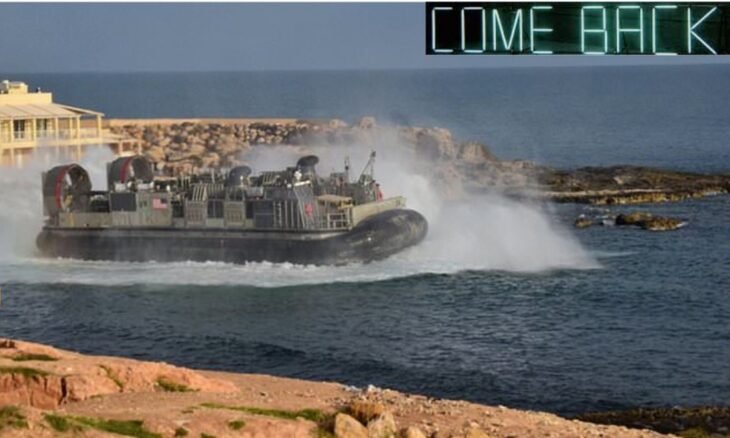
The United States must appoint a Special Envoy for the Eastern Mediterranean to devise a negotiated solution to the Libya conflict. Read More
By Thomas Trask & Jonathan Ruhe
The United States must appoint a Special Envoy for the Eastern Mediterranean to devise a negotiated solution to the Libya conflict. Read More
By Mersiha Gadzo
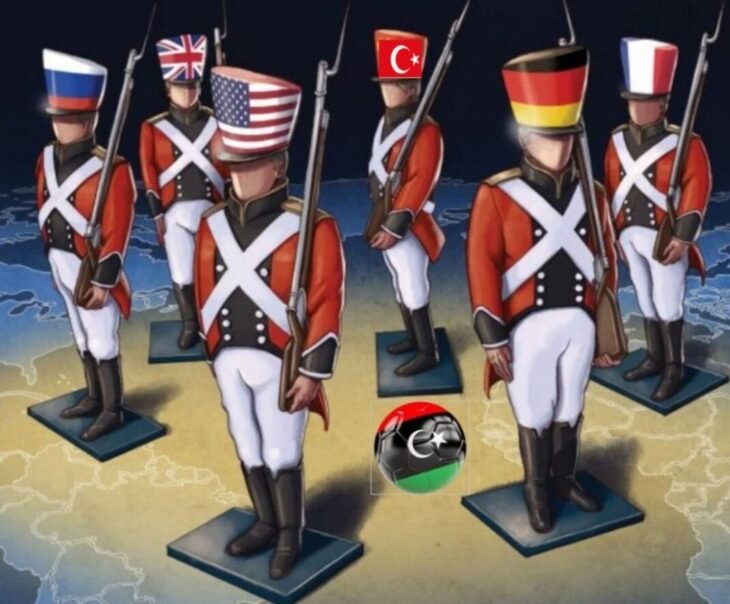
 Turkey, Russia, Egypt and UAE are all recalibrating their plans after the retreat of LNA commander Haftar from Tripoli. Read More
By Fehim Tastekin

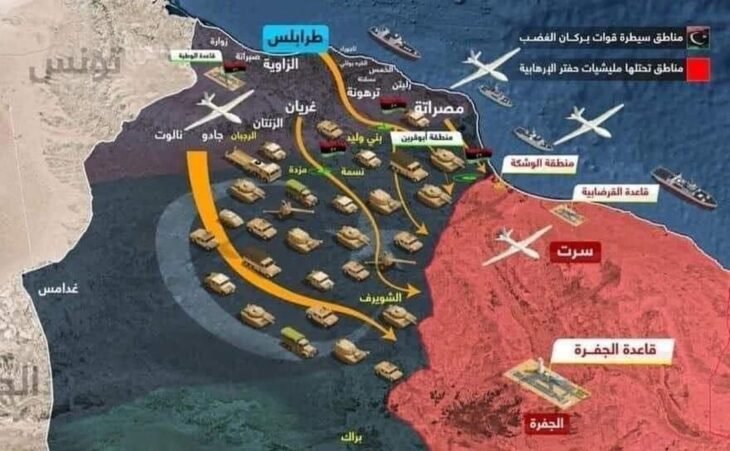
Libya’s coastal city of Sirte, a strategic gateway to major oil facilities, has emerged as a critical point of contention between Turkey and Russia, with France also scrambling to impede Turkey via NATO. Read More
Summary Executions, Torture, Desecration of Corpses
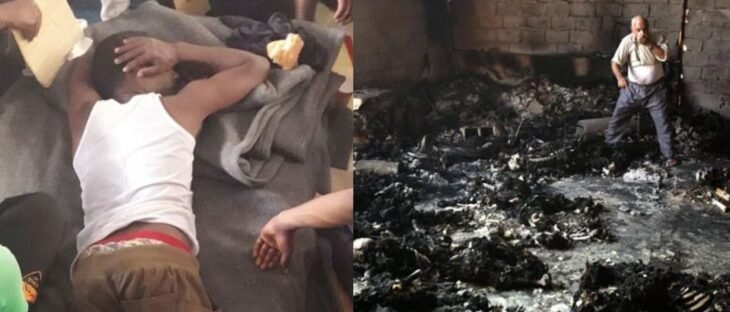
 The Libyan Arab Armed Forces (LAAF) should urgently investigate evidence that fighters affiliated with it apparently tortured, summarily executed, and desecrated corpses of opposing fighters, Human Rights Watch said today. Read More
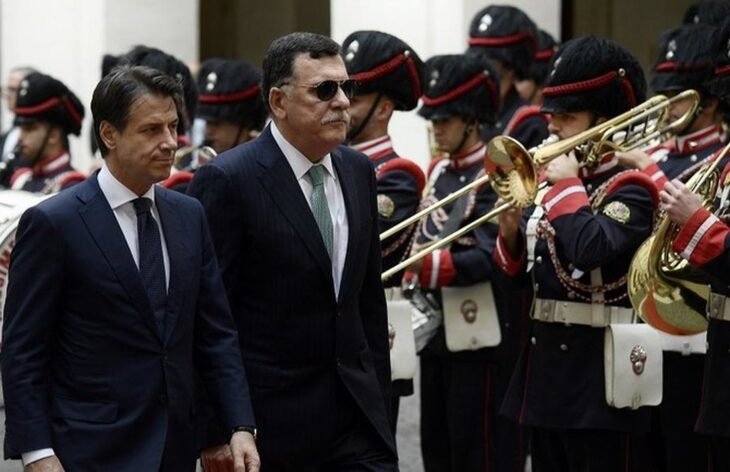
By Arturo Varvelli & Tarek Megerisi

 The tide of Libya’s war is turning against renegade general Khalifa Haftar. Italy should seize this opportunity to lead European countries to a harmonised Libya policy. Read More
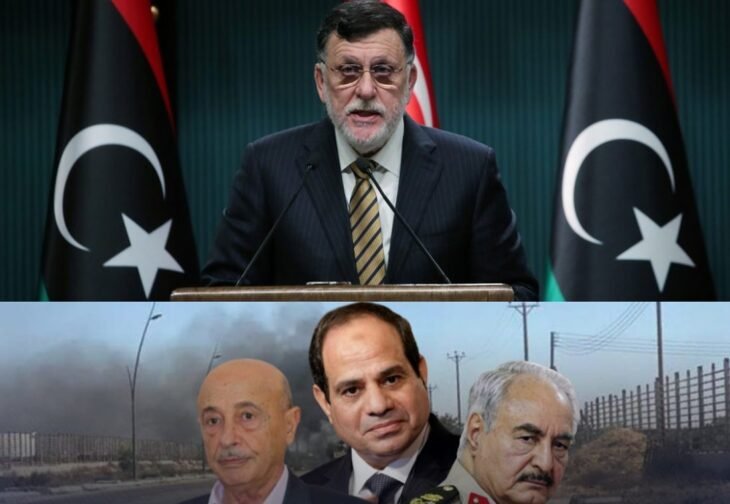
By David Mack
 The Libyan Government of National Accord (GNA) is at a crucial juncture. They have momentum on the ground, but they risk losing the chance to restore a unified Libya if they acquiesce to an Egyptian proposal for what amounts to a ceasefire in place, backed by Russia. Read More
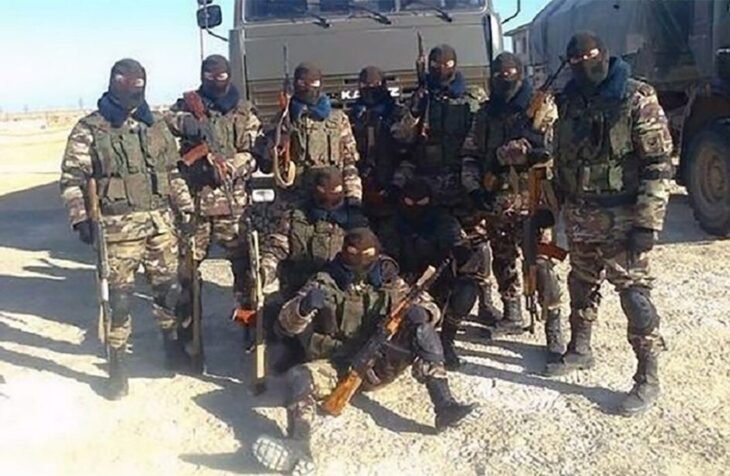
By Bel Trew & Rajaai Bourhan

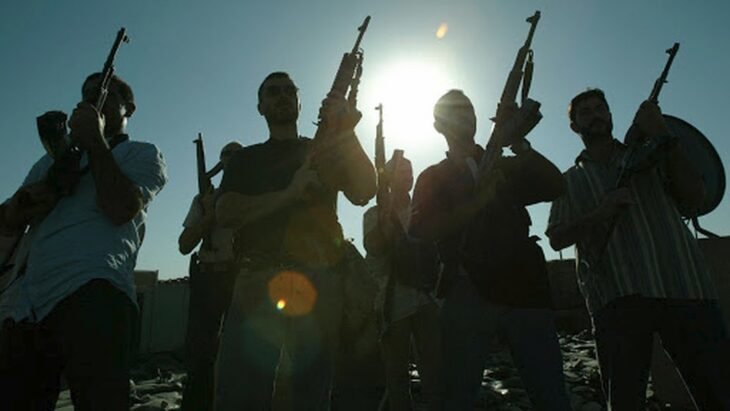
 Libya has morphed into the world’s newest proxy conflict and at its heart is a labyrinth of mercenary recruitment stretching across Russia, Syria and Turkey.
By Bel Trew
The 76-year-old lost upwards of $55 million after he paid for war machinery that were never delivered. Read More
By Dobrin Yotov
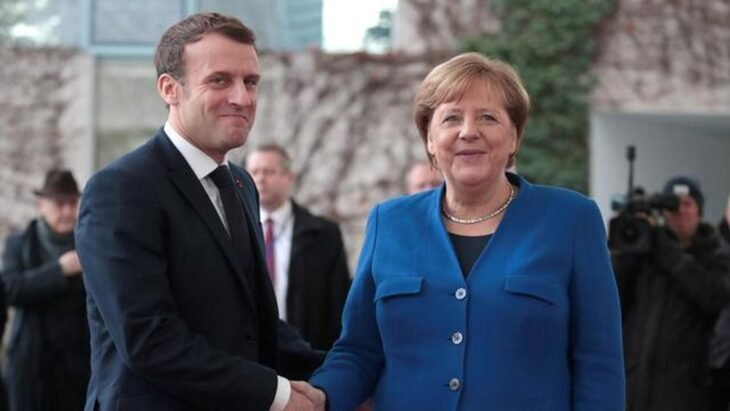
 “Today we are facing – I’m not afraid to say – the” Syrianization “of Libya. We cannot imagine this situation continuing 200 kilometers off the coast of Europe! ” Read More

By Ranj Alaaldin & Emadeddin Badi


Interview of Dobrin Yotov with Tarek Megerisi for the program “Saturday 150” on the program “Horizon” Read More
By Jonathan Fenton-Harvey
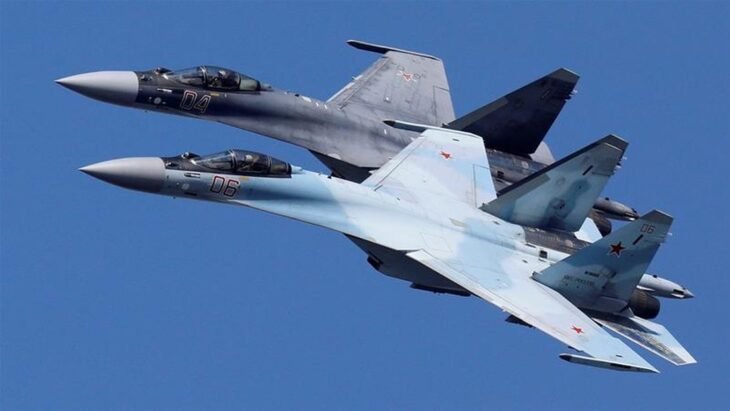
 Russia, under Vladimir Putin, has expanded its influence in Libya as a key supporter of Khalifa Haftar’s war. Yet Moscow often operates pragmatically and will surely adapt its strategy as Haftar is losing ground. Read More
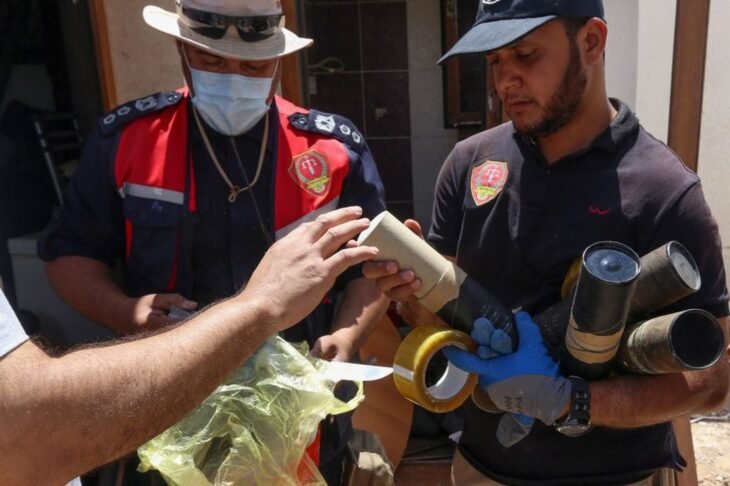
By Nabih Bulos
 One mine was hidden behind a garage door. Another, buried under rubble, was rigged to blow near a gas tank. A particularly diabolical explosive, activists claimed, was taped to an abandoned teddy bear. Read More
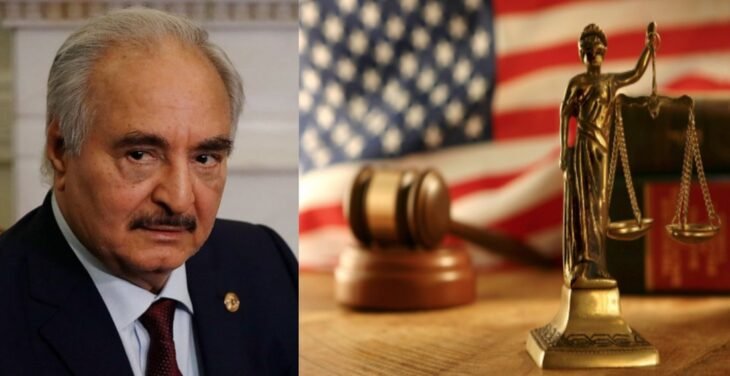
By The Associated Press
 Two Libyan families presented their case against Libya’s east-based military commander Khalifa Hifter to an American court on Friday, in an unusual effort to hold him accountable for atrocities committed during the civil war. Read More
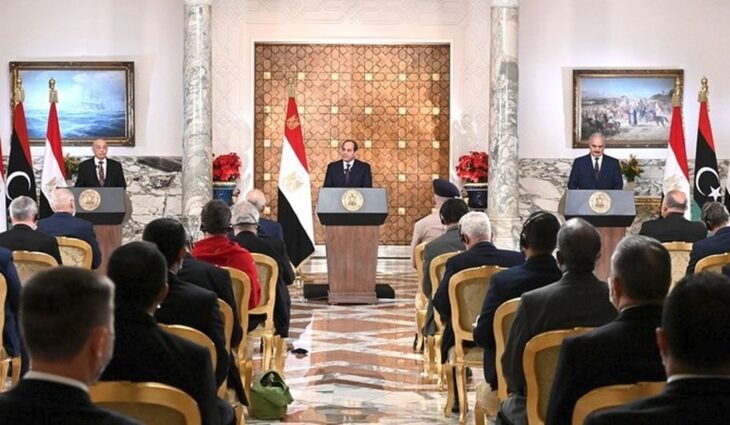
By Karim Mezran & Alessia Melcangi

 Libyan military commander Khalifa Haftar meets with Egyptian President Abdel Fattah al-Sisi at the Presidential Palace in Cairo, Egypt April 14, 2019 in this handout picture courtesy of the Egyptian Presidency. Read More
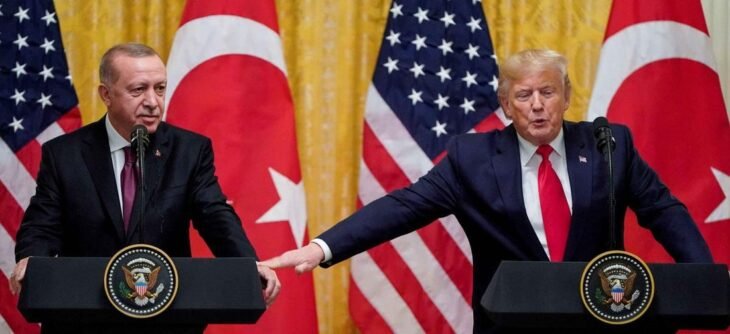

Turkish President Recep Tayyip Erdogan announced a “new era” in relations with the United States after a June 8 telephone call with US President Donald Trump. It will be anchored in Erdogan’s personal connection with Trump, and the top agenda item is Libya. Read More
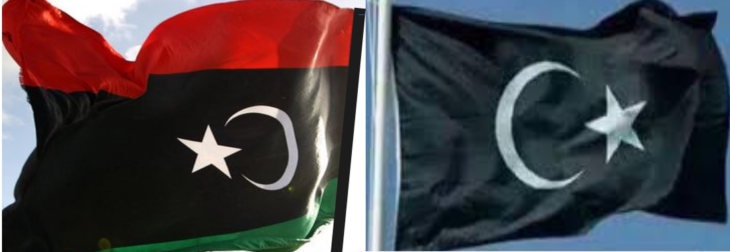
By Ishaan Tharoor
 The civil war in Libya is entering a potentially decisive new phase. A 14-month offensive led by renegade warlord Khalifa Hifter against the U.N.-recognized government in Tripoli, the Libyan capital in the country’s west, is in full-fledged retreat. Read More
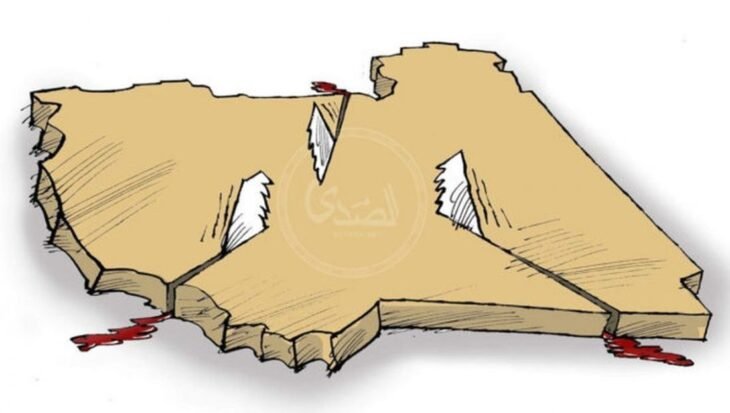
By Wolfram Lacher

Having forfeited any real influence in Libya, Europe needs to look to the judicial use of sanctions. Curbing Russian influence and drawing support away from Haftar is essential if the unity of the country is to be preserved. Read More
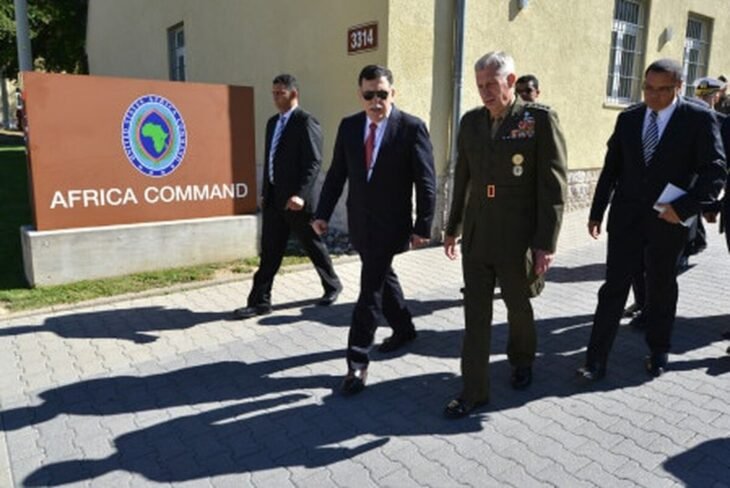
By Ben Fishman
 Directly engaging all parties is essential if Washington hopes to advance a national dialogue and prevent a Turkish-Russian accommodation that establishes their presence in Libya indefinitely. Read More
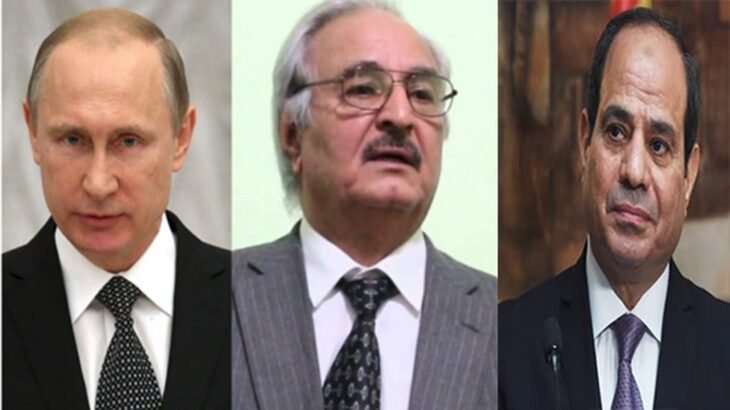
By Ferhat Polat
 The relationship between Egypt and Haftar is not merely shaped by security priorities and arms deliveries, but it is part of a real political project aimed at eliminating political Islam. Read More
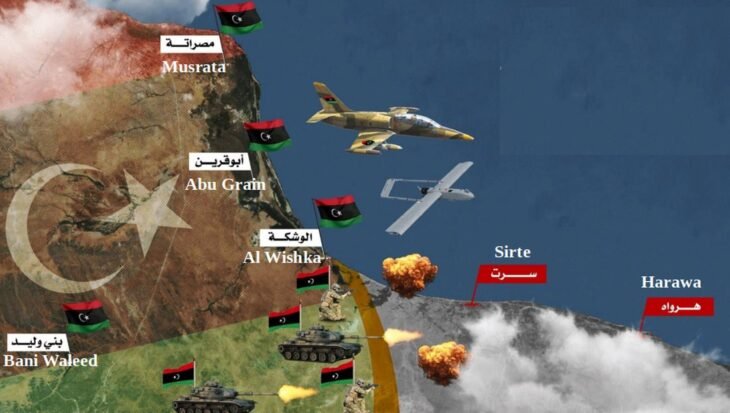
By Emiliano Alessandri
 Coming on the heels of a string of military successes by the Turkey-backed Government of National Accord (GNA), the recent withdrawal of the Libyan National Army (LNA) from Tarhuna removed Gen. Khalifa Hifter’s last stronghold around Tripoli and dealt a fatal blow to his calamitous 14-month attempt to subdue Libya by military means. Read More
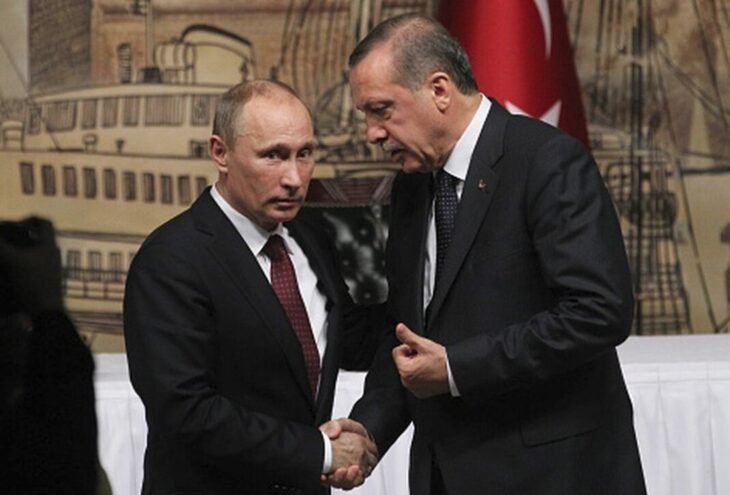
By Kirill Semenov
 As Moscow intensifies its involvement in the Libyan conflict, the US State Department is stepping up pressure against Russian destabilization. Read More
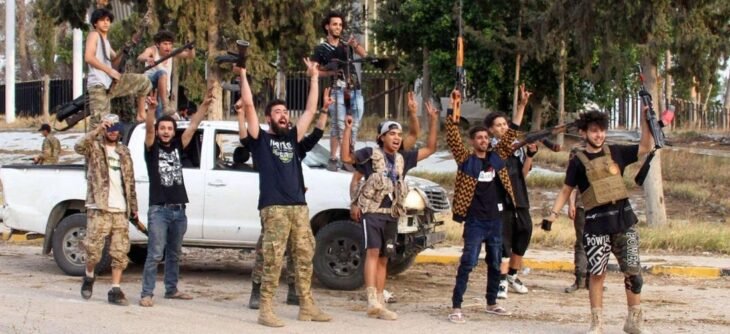
 Shifting dynamics on the ground could pressure Haftar into accepting the UN-backed Berlin peace plan. Read More
By Rym Momtaz
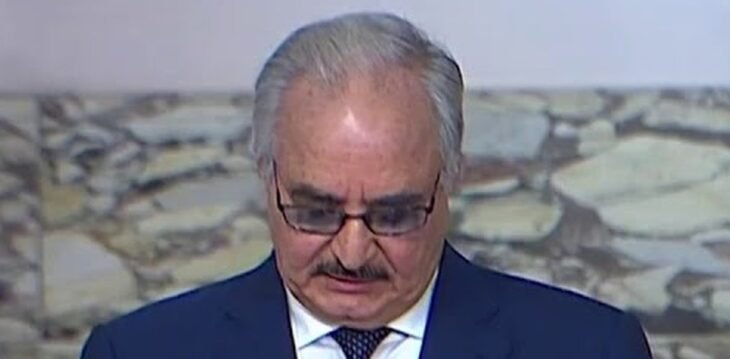
 As strongman loses the last town he controlled in the West, Paris faces being frozen out of the North African country. Read More
By Patrick Haimzadeh
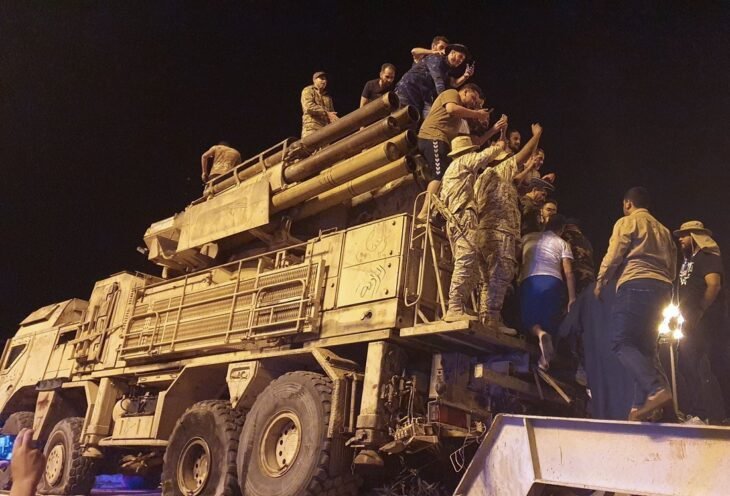
 The tide is turning in favour of the coalition in power in Tripoli. Its troops have won back control of several cities from the forces of Field Marshal Haftar, albeit with Turkish support but also with that of a population apparently hostile to the idea of a military dictatorship. Read More
By Mohammad Bilgrami
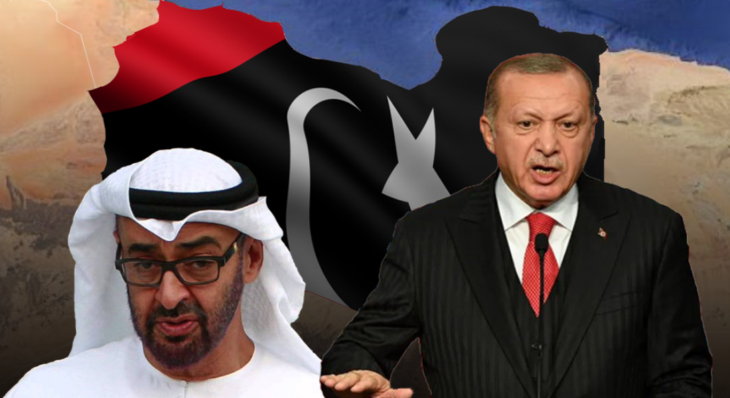
 Turkish drones in early April this year successfully carried out strikes on an Antonov military cargo aircraft from the UAE at an airstrip north of Tarhuna city in Libya. Read More
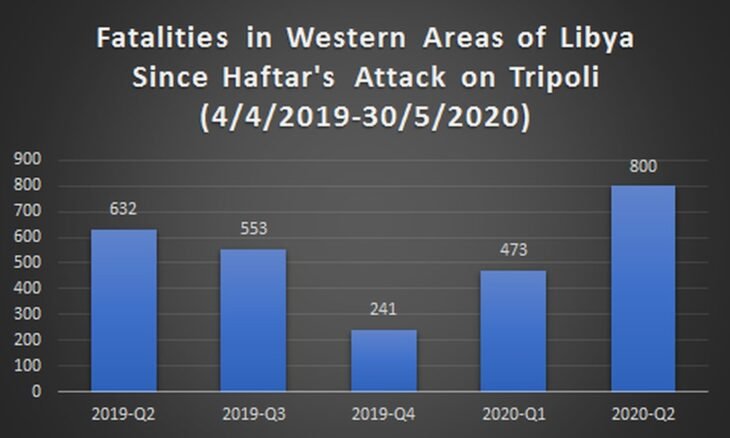
By Melissa Salyk-Virk
 New America and Airwars have found 4,349 reported airstrikes in Libya from September 2012 to February 5, 2020. This report utilizes on-the-ground reports collected from a wide variety of sources. Read More

By Khadeja Ramali and Tim Eaton


Libya is in the midst of its third bout of civil war in less than a decade, with no near end in sight. However, women found ways to adjust.
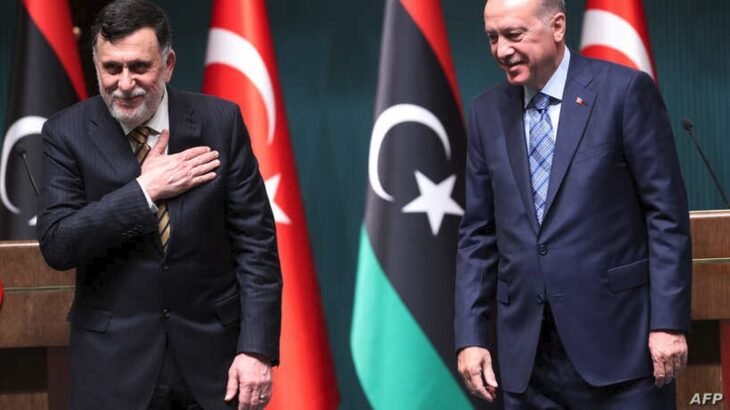
By Ezel Sahinkaya

Turkey and Libya further strengthened their bilateral ties on Thursday in a meeting between Turkish President Recep Tayyip Erdogan and the Tripoli-based Prime Minister Fayez al-Sarraj. Read More
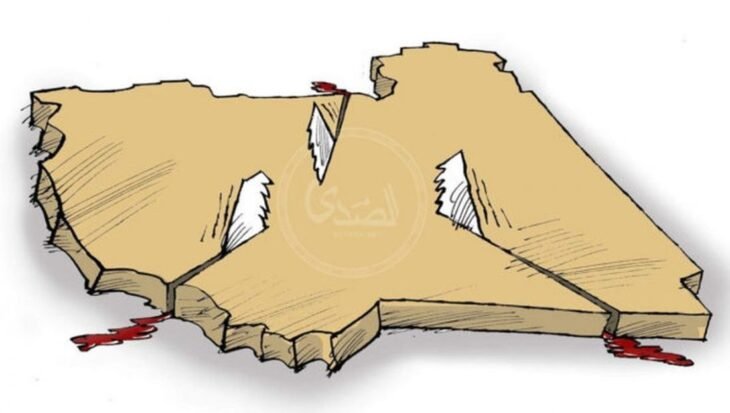
Libya’s Internationalised Conflicts after Tripoli
By Wolfram Lacher
The yearlong offensive on Tripoli by Khalifa Haftar’s forces has suffered fatal setbacks, and Libya’s conflicts are changing shape. Read More

By Adam Kredo
 U.S., Libyan officials see evidence of illicit arms network fomenting chaos in Libya.
Iran and Russia were caught shipping heavy weaponry into Libya, providing new evidence of an illicit arms smuggling operation that has equipped anti-government terror groups with, among other things, anti-tank missiles, according to American and Libyan officials who spoke to the Washington Free Beacon.
A weapons cache was recently flown into Libya by Cham Wings, a Syrian-operated commercial airline tied to Bashar al-Assad and subject to U.S. sanctions.
The shipment included Russian-made weapons and, for the first time, Iranian arms, according to information obtained by Libya’s Government of National Accord (GNA), the country’s U.S.-backed interim ruling council.
The weapons were delivered to Libyan military commander Khalifa Haftar, who is in charge of multiple terrorist factions waging war against the GNA and its Western backers. Russia and Iran are supporting Haftar’s forces, which have been accused of carrying out war crimes.
Iran’s new involvement marks a significant escalation in Libya’s years-long civil war, according to American, Israeli, and Libyan officials. By fomenting chaos in the country, Iran hopes to increase its regional footprint and undermine democratic reformers backed by the United States and other Western governments.
Haftar’s militias used this weaponry to battle GNA forces in and around Tripoli, a central battleground in the civil war.
“The Iranian twist is something that’s new,” Mohammed Ali Abdallah, a senior adviser to the GNA and its representative to the United States, told the Free Beacon. “Their involvement has not been as visible in this crisis.”
As with its involvement in Syria, Yemen, Iraq, and Lebanon—all regional hotspots where Iran is funding and arming terror groups—Tehran hopes to topple the U.S.-backed government and turn the nation into a proxy for the Islamic Republic.
In early May, Syria’s Cham Wings airline flew the Russian and Iranian arms into Libya, according to Abdallah. At least a portion of the weapons, including drones and anti-tank missiles, were provided by Iran’s Islamic Revolutionary Guard Corps.
Abdallah said the GNA was able to track specific flights and planes that delivered the arms, saying they point to a “supply chain of weapons.”
The State Department confirmed it had been provided with this information, telling the Free Beacon that Iran is violating a United Nations-endorsed arms embargo on Libya.
The accusations also demonstrate the danger of allowing a U.N. arms embargo on Iran to expire later this month, the official said.
“The United States opposes any violation of the U.N. arms embargoes on Libya and Iran,” a State Department spokesperson said. “If true, these reports demonstrate the need for stronger implementation of the arms embargo on Libya and for renewal of the arms embargo on Iran to curtail its destabilizing activities throughout the region.”
The spokesperson said Russia and Iran must immediately “suspend military operations” and “halt the ongoing transfer of foreign military equipment” to these Libyan terror factions.
The Israeli government also has evidence that Iran is shipping weapons to Haftar’s forces in Libya.
Danny Danon, Israel’s ambassador to the U.N., informed the Security Council last month that satellite imagery confirmed the presence of Iranian anti-tank missiles. “The presence of this advanced Iranian-manufactured system on Libyan soil is another grave violation” of the U.N. arms embargo, Danon wrote in a letter obtained by the Free Beacon.
Israel maintains that Iran’s involvement provides “proof of the Iranian regime’s ambitions for regional influence, as well as its utter disregard of the international calls for the cessation of hostilities and non-interference,” the letter said.
GNA official Abdallah warned that Iran and Russia are seeking to prolong Libya’s civil war to establish a greater footprint in the country and region. Russia in particular has much to gain, he said.
With the government in shambles, Russia—and Iran to a lesser extent—can establish a military presence on Libya’s Mediterranean coastline, where large natural gas reserves are located. By locking down this territory, Russia can control Europe’s supply of natural gas and prevent the continent from seeking alternative sources.
Libya has been entrenched in civil war since former leader Muammar Gaddafi was killed in 2011, leaving a power vacuum. Haftar served as a longtime military aide to Gaddafi and sought to consolidate his power as a warlord in subsequent years. Haftar is the GNA’s top antagonist and his war efforts have been condemned by most Western nations.
“The endgame is prolonging the crisis,” Abdallah said. “This is specifically true for Russia and even a certain extent to Iran.”
The Trump administration shares this view. The State Department told the Free Beacon that the Kremlin has exacerbated the Libyan crisis by providing Haftar’s forces with weapons, mercenaries, and counterfeit Libyan currency.
The U.S. military recently released information about Russia’s deployment of advanced fighter aircraft to Haftar’s militias. In an effort to obfuscate its involvement, Russia allegedly painted over flags on the aircraft.
“Unfortunately for the Kremlin, painting over the flags on its fighter aircraft won’t hide the truth,” the State Department spokesperson said. “Russia’s destabilizing activities in Libya are plain to see. Neither the international community nor the Libyan people are falling for Russia’s claims that its mercenaries are somehow distinct from Russia’s self-serving agenda in Libya.”
On Thursday, the GNA claimed it had retaken Tripoli and the surrounding territory from Haftar’s militias.
__________
The Washington Free Beacon
****
US investigating Haftar’s relationship with Venezuela
 A number of countries, including the US, are launching an investigation into Haftar’s alleged recent actions in Venezuela.
A number of countries, including the US, are investigating Libyan militia leader Khalifa Haftar’s developing relationship with Venezuela, after concerns he could raise funds for his war against the UN-backed Tripoli government through oil deals with Caracas.
UN, European, Libyan and US officials are investigating a Dubai-based ship charterer for possibly aiding Haftar in marketing fuel in a bid to raise funds after his forces suffered a string of recent defeats to government forces, The Wall Street Journal reported.
A trip Haftar made to Venezuela capital city, Caracas, is also being scrutinised, with officials arguing it could be a bid to secure oil and fuel deals.
Recently, political contact between Iran and Venezuela has also increased, with the first of five Iranian tankers carrying much-needed gasoline and oil derivatives docking in the South American country last week.
This growing relationship between Tehran and Caracas is being monitored by the US, with Washington having effective embargoes on both country’s energy industries.
The economies of Iran and Venezuela depend on energy exports, although they are in bad shape, in part due to US sanctions.
Haftar’s oil sales have been the subject of much controversy, as analysts postulate that his recent forays into the energy sector have been a way to fund his so-called “Libyan National Army’s” 14-month assault on the capital Tripoli, controlled by the UN-supported government.
The general currently controls eastern Libya, including key oil export terminals, which could pose a problem for government forces.
With Turkey entering the fray by sending more troops and weapons to support Tripoli, Haftar has been experiencing a heavy losses in his bid to overthrow the government.
Such oil sales could prove an important way to fund his operations in the region, despite the losses.
Fathi Bashagha, the interior minister of the internationally-recognised Libyan government in Tripoli, confirmed the rogue general’s need for capital.
The general “wants to sell oil. He needs the money to pay for Wagner [Russian mercenaries]”, Bashagha said.
Only the state-run National Oil Corp. (NOC) has the right to sell Libyan oil, and the international community has repeatedly blocked Haftar’s attempts to export crude.
He in turn retaliated in January by blocking ports and pipelines, rendering it difficult for the government to shore up funds by selling oil.
Haftar, Iran and Venezuela
The US is also looking into Haftar’s relationship with the Nicolas Maduro regime in Venezuela, with one Western diplomat postulating there could be oil deals between Iran and the South American country.
“Our intelligence is looking into it,” a US official said.
Haftar had been in contact with the Maduro government and reportedly offered to act as a broker for the country’s oil payments. His private jet was spotted in Caracas on 24 April, according to tracker Flight Radar24.
In November last year, Haftar’s Military Investment Authority signed a 10-year fuel distribution deal with two companies, Emo Investment Trading and Marketing of Oil and Derivatives LLC, a shipping charter firm in Dubai, UAE, according to WSJ.
Under the deal, Emo was set to load the Libyan diesel and heavy oil onto vessels in the east of the country on behalf of the Military Investment Authority.
The agreement was confirmed, and last month a shipping document confirmed that Emo sent an Emirati-owned tanker called the Jal Laxmi to pick up the fuel.
****
South Africans apparently part of aborted Tripoli assault
 Eleven South Africans were reportedly among a group of private military contractors (PMCs) who self-evacuated from war-torn Libya to Malta with some apparently preparing to operate helicopters in the north African country.
This is according to a United Nations report as well as information from Valletta-based Malta Today and is supported by similar reports in The New York Times, The Telegraph and Daily Sabah, a Turkish daily newspaper published out of Istanbul.
According to the reports, 20 PMCs were recruited to fight with forces loyal to Khalifa Haftar, the military strongman running a large part of Libya from Benghazi. Over a year ago he mounted an assault on Tripoli, hoping to take the national capital from the Government of National Accord (GNA) under the leadership of Prime Minister Fayez Serraj.
The Maltese newspaper names some contractors allegedly recruited for an “all-out assault” on Tripoli in the northern hemisphere summer last year.
They include team leader Steven Hodge, a pilot; and pilots Travis Maki of geosciences firm Bridgeporth, Ryan Hogan and Matthew Coughlin. Andrew Furness is identified as a helicopter loadmaster for the mission.
Other contractors named are South Africans Sean Baker, a medic; Hendrik Bam, Christian Du Preez, Andre Greyvenstein, Gilliam and Joseph Joubert, Rudi Koekemoer, Quintan Paul, Lucas Schutte and Abel Smit; Britons Michael Allen, David Button, coxswains Sean Callaghan Louw and Andrew Scott Ritchie, a former Royal Marines commando, and Australian Richard Parish.
Hodge is reported as being a former SA Air Force (SAAF) pilot who served in the British military and worked as a private military contractor in Nigeria.
All told, eleven South Africans were said to be part of the group. There were also five Britons, a pair of Australians and an American, reportedly also a trained pilot.
The planned assault ended acrimoniously with the contractors opting to board rigid-hulled inflatable boats (RHIBs) and transit the Mediterranean to Malta where they were arrested and released. This after a fine was paid by the company which chartered the RHIBs.
Insight comes from a New York Times report on what it called the “botched mission.”
“Although short-lived, the mission offers a telling illustration of the melee in Libya, where a war driven by powerful foreign sponsors — principally the United Arab Emirates, Turkey, Russia and Egypt — created a lucrative playground for smugglers, arms dealers, mercenaries and other profiteers who flout an international arms embargo with little fear of consequences.
“Libya is a singular magnet for its combination of oil wealth and scrappy standards of combat. With Russian, Syrian, Sudanese, Chadian and now Western mercenaries drawn to the fight, it has the rare distinction of being a mercenary-on-mercenary war — sometimes, in the case of Syrians, with men from the same country fighting each other.
“’It’s a free-for-all,’ said Wolfram Lacher, a Libya expert at the German Institute for International and Security Affairs. ‘Everyone is bringing ever more absurd types of weapons and fighters into Libya, with Syrians on both sides, and nobody is stopping them.’”
The newspaper said UN investigators determined the PMCs would be paid $80 million for their part in aiding Haftar, who some media call a “warlord”, to take the Libyan capital.
Six helicopters, three SA341 Gazelles and three AS332 Super Pumas, sourced in South Africa and apparently earmarked for the Tripoli assault, were reportedly flown to North Africa from Botswana while the personnel arrived in Libya from a staging area in Jordan. The helicopters were to be armed with 7.62mm medium machine guns.
According to Scramble Magazine, the helicopters were procured in June 2019 through two United Arab Emirates companies, transported by flatbed trucks to Botswana and subsequently to Benghazi. The Botswana Gazette on 29 June 2019 posted photos on its Facebook page showing the Super Pumas in transit.
“The abortive mercenary expedition last summer was organised and financed by a network of secretive companies in the United Arab Emirates, according to a confidential report submitted to the UN Security Council in February.
The companies are controlled or part-owned by Christiaan Durrant, an Australian businessman and former fighter pilot who is a close associate of Erik Prince, America’s most famous mercenary entrepreneur,” the New York Times reported.
None of the reports makes mention of further investigation or the possibility of the private military contractors being charged.
____________
By Melissa Salyk-Virk
New America and Airwars have found 4,349 reported airstrikes in Libya from September 2012 to February 5, 2020. This report utilizes on-the-ground reports collected from a wide variety of sources.
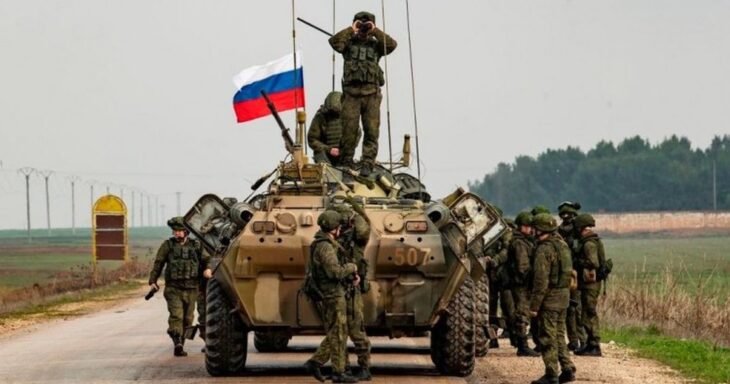
By Dmitriy Frolovskiy
The collapse of the OPEC deal and the diplomatic impasse in Syria reveal the intrinsic fragility of Russia’s gains in the Middle East. Read More
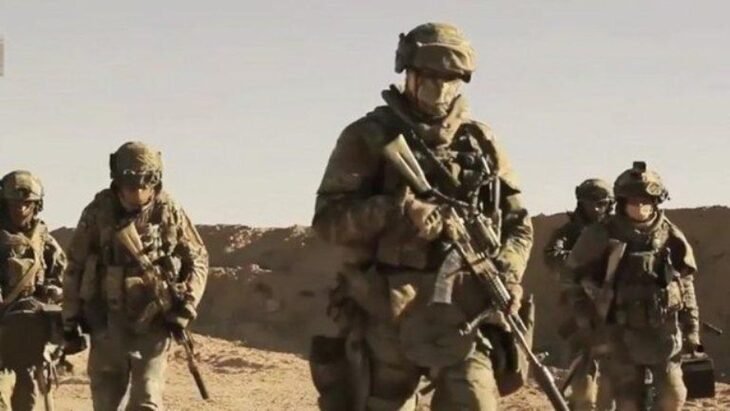
By Paul Stronkski

Operating as public-private partnerships, the firms offer Russia a cheap, low-risk front to carry out its activist foreign policy. Read More
By Melissa Salyk-Virk
New America and Airwars have found 4,349 reported airstrikes in Libya from September 2012 to February 5, 2020. This report utilizes on-the-ground reports collected from a wide variety of sources. Read More
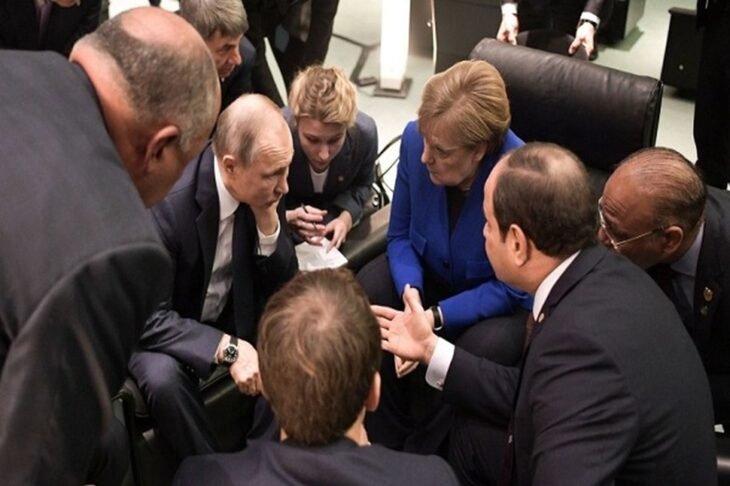
By Thomas M. Hill & Nate Wilson

 With little regard for Libya’s people, Turkey and Russia look to advance their respective interests. Read More
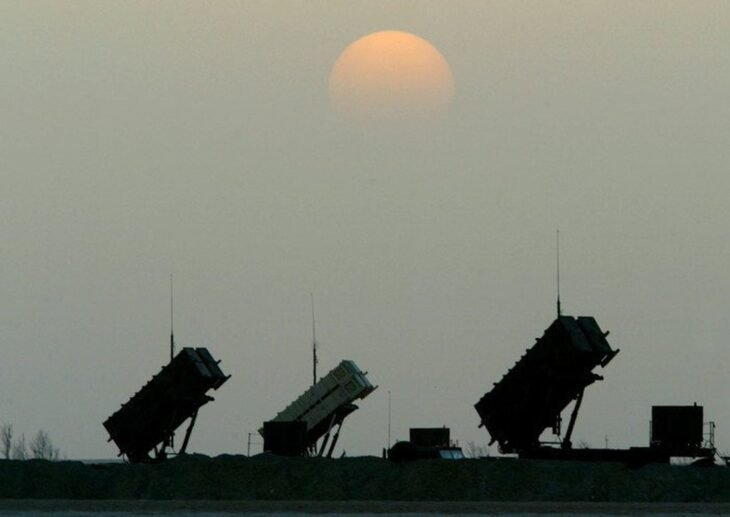
By Jodi Vittori

Despite increasing scrutiny, U.S. arms exports to the Middle East and North Africa could be headed toward an increase. American arms exports to the Middle East and North Africa are once again front and center in American politics. Read More