 With the Turkish deal with the Tripoli-based government, a new military escalation appears likely while a political solution recedes farther. Read More
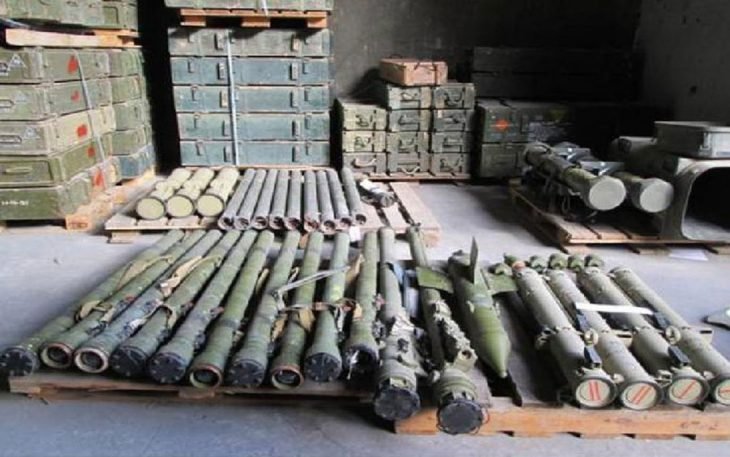
With the Turkish deal with the Tripoli-based government, a new military escalation appears likely while a political solution recedes farther. Read More
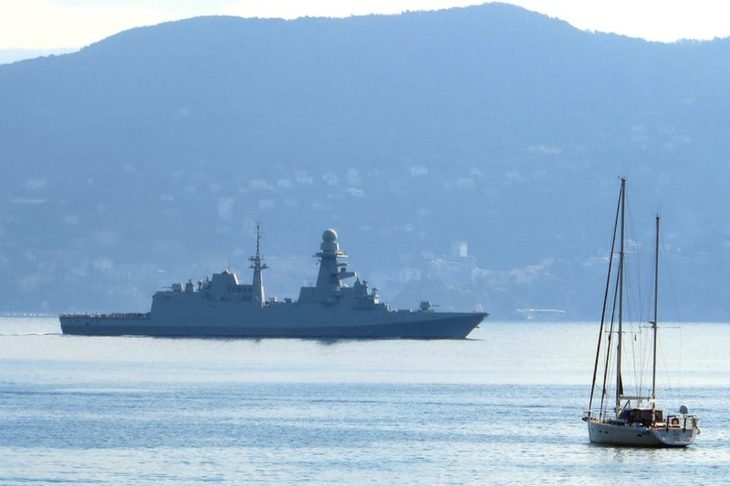
By Tarek Megerisi
 With a typically forceful announcement by EU foreign policy chief Josep Borrell on 31 March, the EU marked the launch of its new naval mission to Libya. Read More
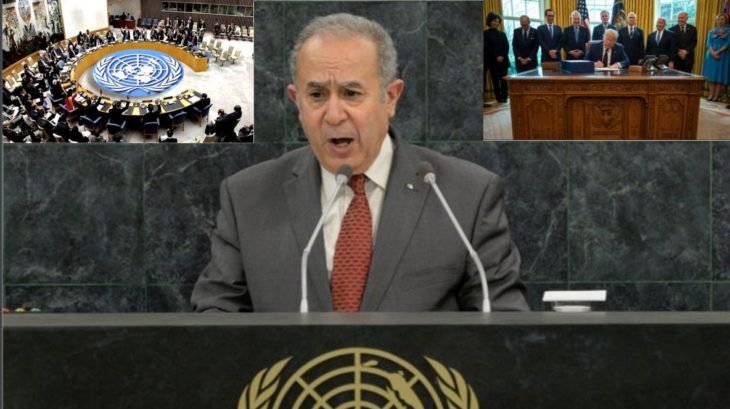
By James Durso

United Nations Secretary General António Guterres moved quickly to nominate a successor to Ghassan Salamé, who served as the Special Representative of the Secretary-General and Head of the United Nations (UN) Support Mission in Libya from 2017 to 2020. Read More
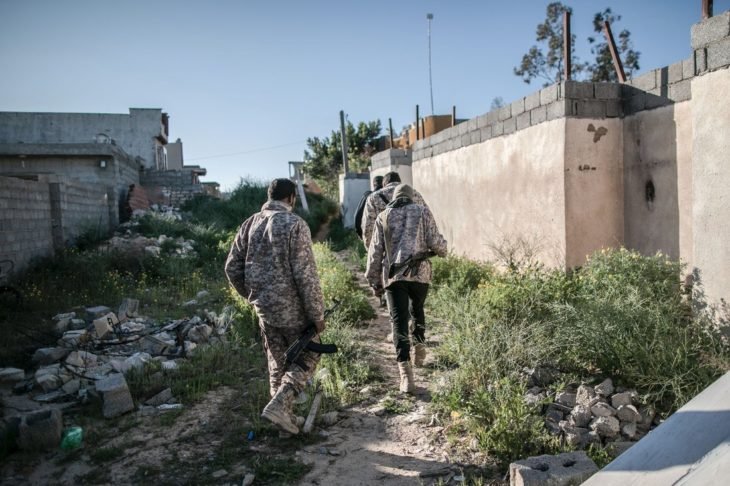
Community Dynamics and Economic Interests
By Tim Eaton, Abdul Rahman Alageli, Emadeddin Badi, Mohamed Eljarh, and Valerie Stocker
 This paper is based on approximately 200 interviews carried out by the authors – in person and remotely – with a wide range of Libyan actors between November 2018 and September 2019. This the paper does not claim to cover all armed groups in the country.
By Sherif Taha
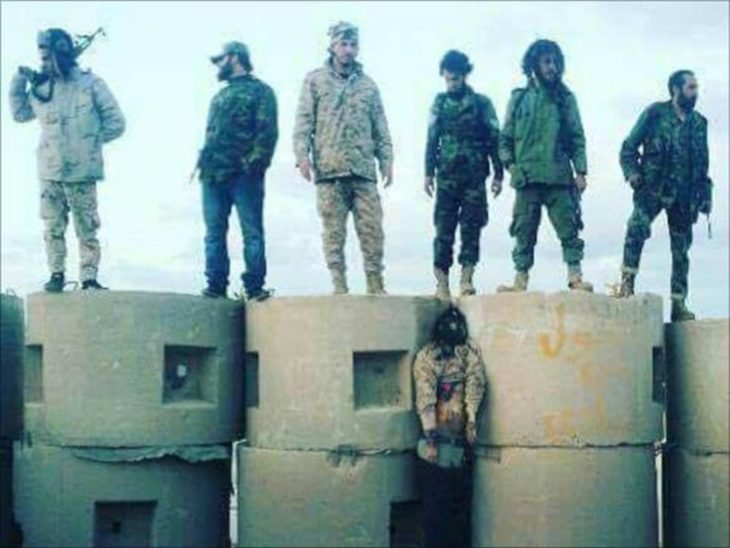
 One of the basic well-established principles in Islamic law is that death has a sanctity and dignity that must be observed, whether the deceased is Muslim or non-Muslim, being one of God’s creatures that He Almighty has honored. Read More
By Jihâd Gillon
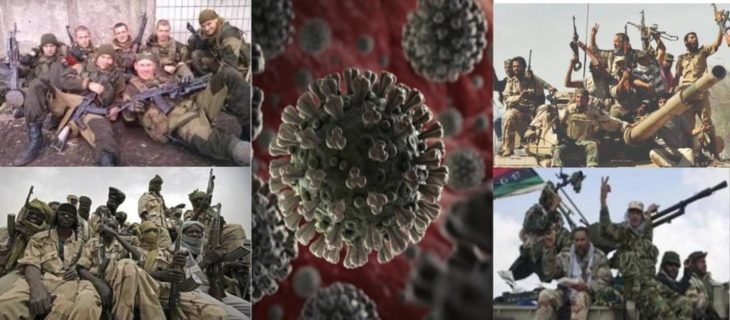
 Libya, a war-torn country with a health care system that is already on the verge of collapse, has officially confirmed its first case of COVID-19. Read More

 With the first case of COVID-19 now confirmed in Libya, the IRC is warning that an outbreak of the disease could have a devastating impact on the country, where conflict continues to tear people’s lives apart. Read More
By Mel Plant
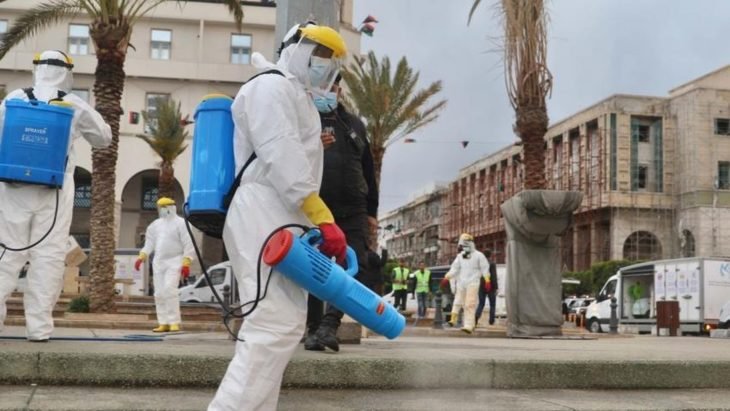
 Libya’s battered healthcare system is ill-equipped to face the emerging coronavirus outbreak in the country as fighting continues to rage on, humanitarian, health and rights organisations have warned. Read More
By Daniel L. Byman & Israa Saber

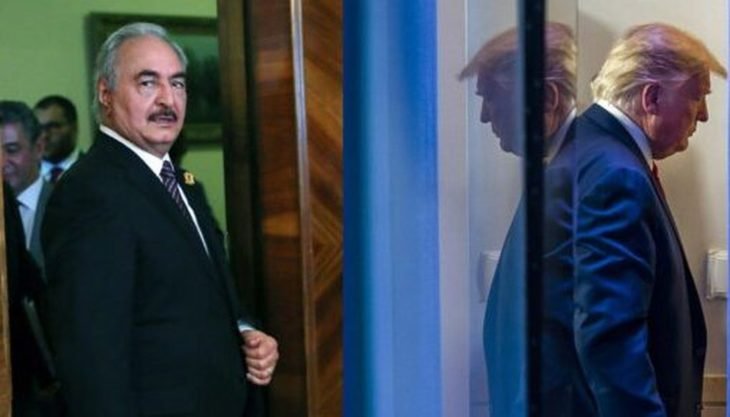
 How can the United States and other powers avoid causing more harm in the long run, or compromising on their values, when they must work with dangerous warlords? Read More
Community Dynamics and Economic Interests
By Tim Eaton, Abdul Rahman Alageli, Emadeddin Badi, Mohamed Eljarh, and Valerie Stocker
This paper is based on approximately 200 interviews carried out by the authors – in person and remotely – with a wide range of Libyan actors between November 2018 and September 2019. This the paper does not claim to cover all armed groups in the country. Read More
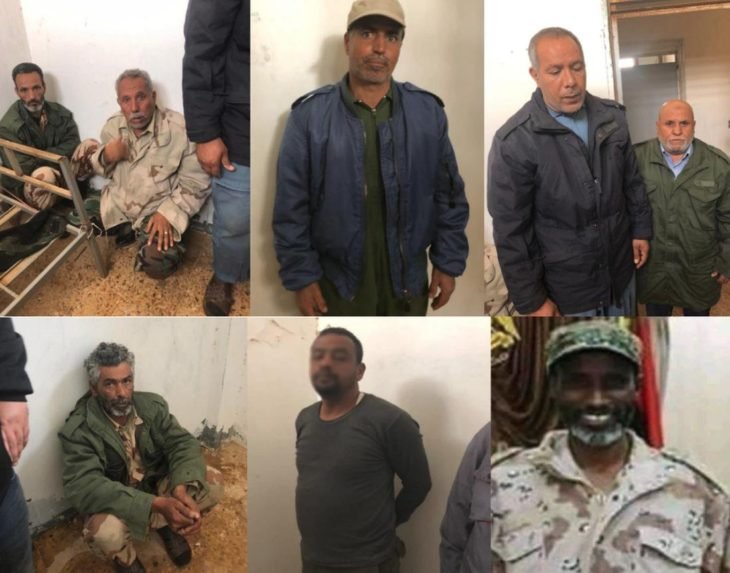
 Militias loyal to General Khalifa Hafter in Libya have suffered heavy losses in the ongoing battle for the capital, Tripoli. Read More
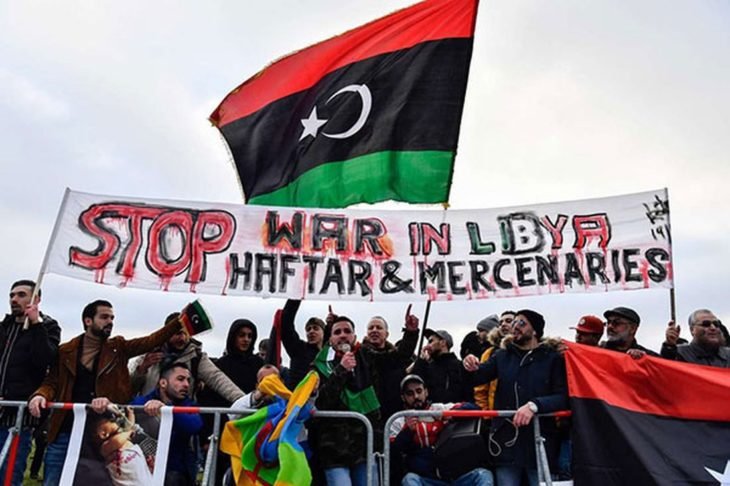
 While the world is gripped by the coronavirus pandemic, war-shattered Libya marks one year Saturday of its latest bloody conflict that is plunging it ever deeper into chaos. Read More
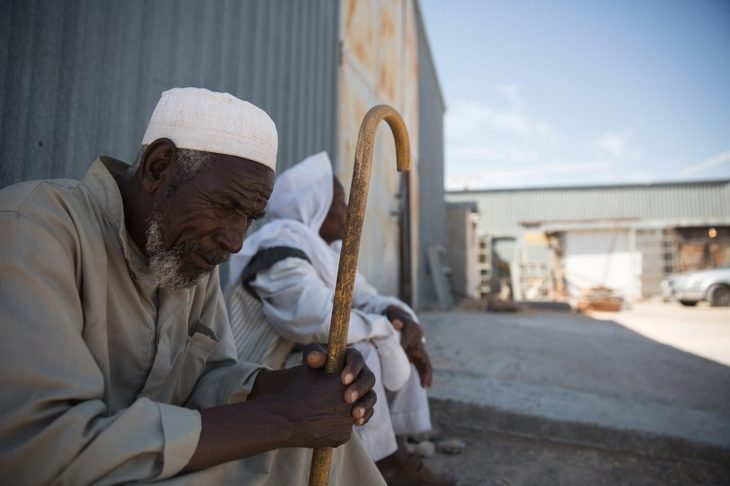
By Hussein Eddeb
 Some fear Libya’s already fragile health system could collapse under the burden of rising Covid-19 cases. Read More
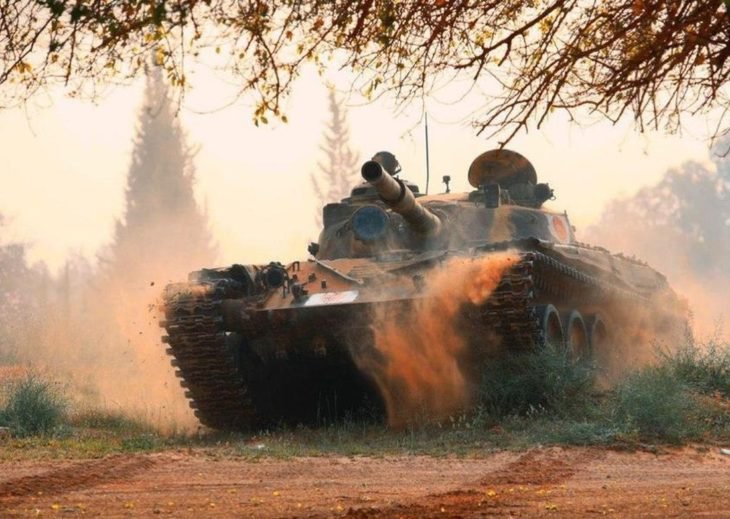
Interview by Benoît Delmas
 For the past eight days, a military escalation has been underway, ignoring the Covid-19. Read More
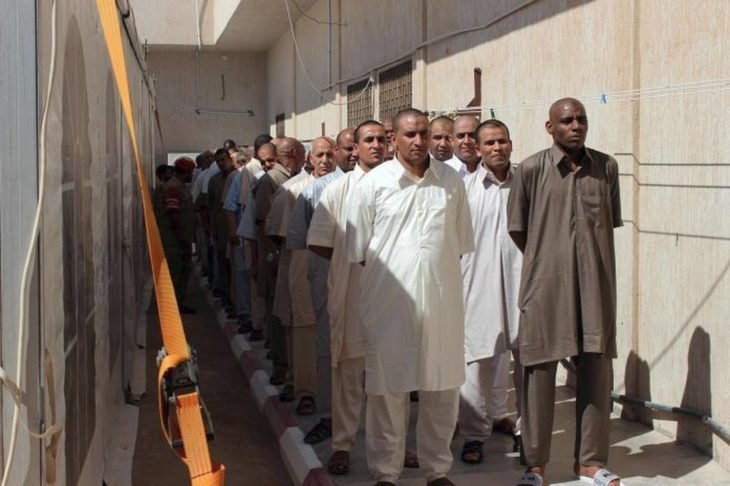
Ensure Medical Care, Reduce Detainee Population
 As Libyan authorities confirmed three COVID-19 cases in the country as of March 28, 2020, they need to be prepared to limit the spread of the virus in overcrowded detention facilities and shelters for displaced people, Human Rights Watch said today. Read More
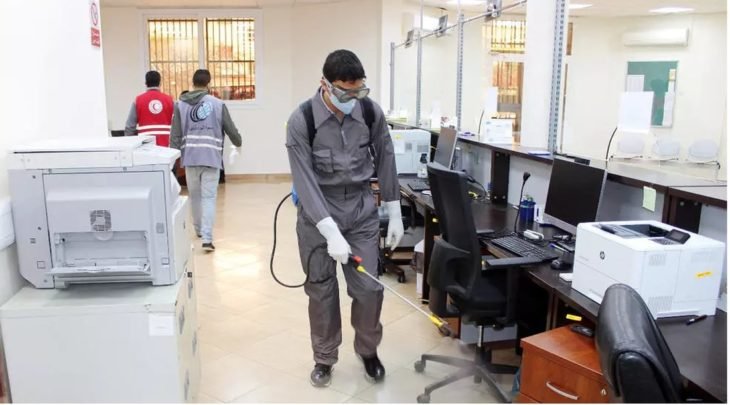
By Marc DAOU
 Many observers are fearing the worst after the first coronavirus case was recorded in Libya on March 24, with two rival governments fighting to take control of the country and a health system that has been on its knees for nearly a decade amid the chaos that followed the overthrow of Gaddafi’s regime in 2011. Read More
Community Dynamics and Economic Interests
By Tim Eaton, Abdul Rahman Alageli, Emadeddin Badi, Mohamed Eljarh, and Valerie Stocker
This paper is based on approximately 200 interviews carried out by the authors – in person and remotely – with a wide range of Libyan actors between November 2018 and September 2019. This the paper does not claim to cover all armed groups in the country. Read More
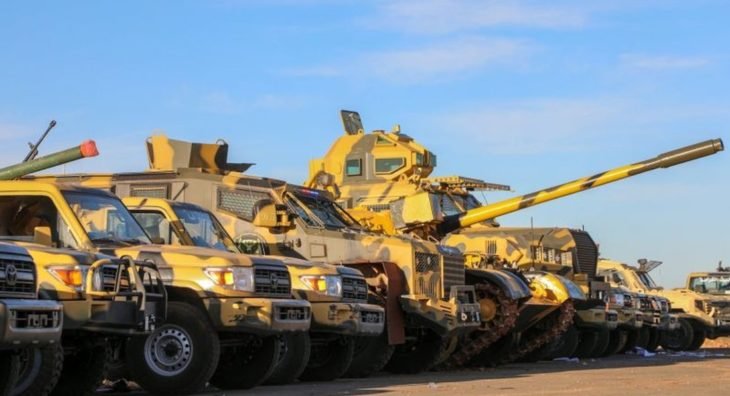
By Jonathan Fenton-Harvey
 Though the UAE seems to be helping Haftar capture Tripoli, its primary objective is to prevent an independent and stable oil-rich Libya from emerging. Read More
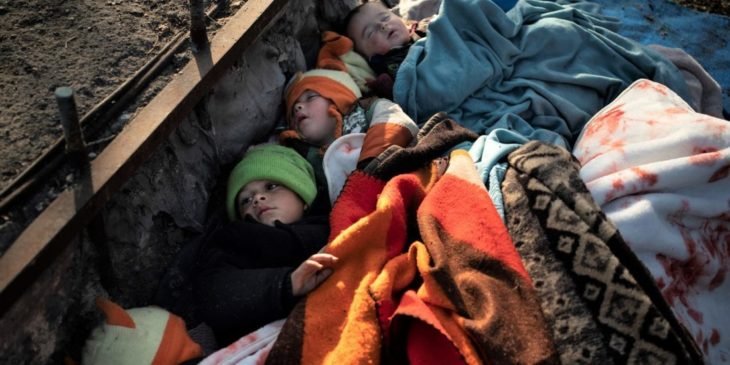
By Jonathan Fenton-Harvey
Though the global spotlight is on Greece’s restrictive treatment of refugees seeking a safe haven from conflict, Europe as a whole has sought to block their arrivals, leading to much unnecessary human suffering. Read More
By Mustafa Abu Sneineh
 The current outbreak of Covid-19, a coronavirus, has reawakened memories of previous pandemics. Read More
By Hafed Al-Ghwell
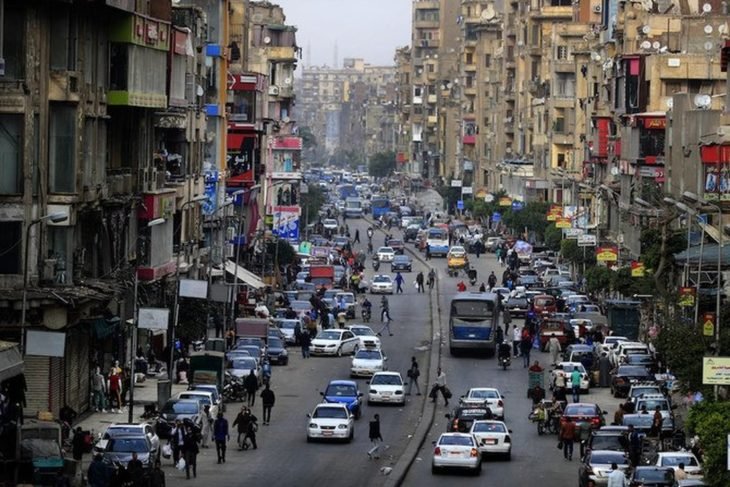
 Just as the coronavirus is more dangerous to people with underlying medical conditions, the Middle East and North Africa faces a crisis caused not by the coronavirus alone, but also by their already existing economic, social and political fragility. Read More
Community Dynamics and Economic Interests
By Tim Eaton, Abdul Rahman Alageli, Emadeddin Badi, Mohamed Eljarh, and Valerie Stocker
This paper is based on approximately 200 interviews carried out by the authors – in person and remotely – with a wide range of Libyan actors between November 2018 and September 2019. This the paper does not claim to cover all armed groups in the country. Read More
By Omar Al-Hawari
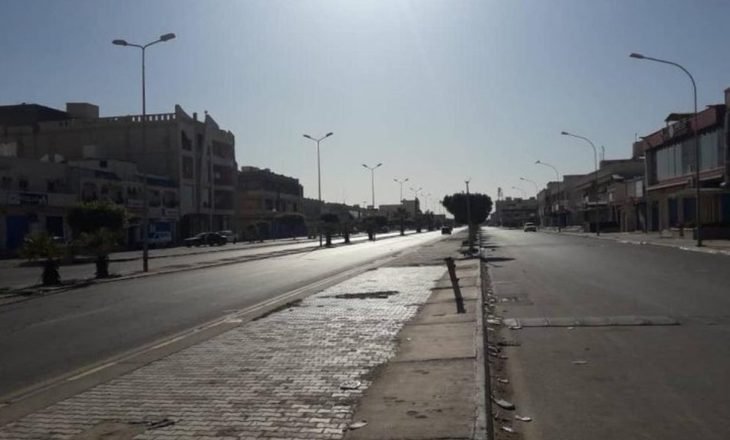
 Since Sirte was seized by Haftar’s forces last January, the Interim Government affiliated to the Libyan Arab Armed Forces (LAAF) appointed new local authorities to run the city instead of the elected local council. Read More
By Sasha Toperich
 The world has been fixated on the COVID-19 virus, and rightly so. While the virus remains deadly and continues to proliferate, countries have become united in their efforts to prevent its spread. Read More
By Patrick Wintour

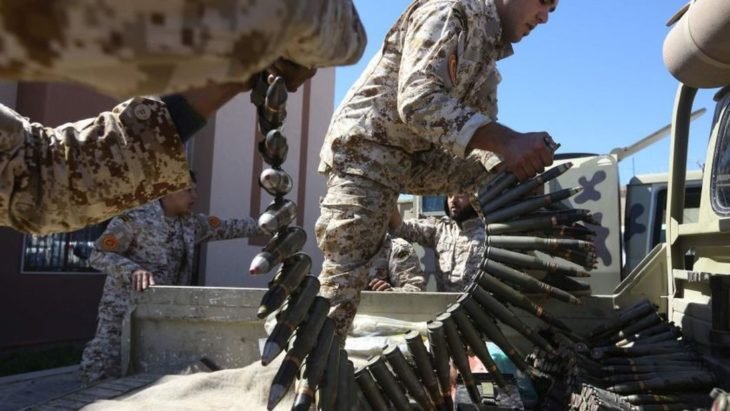
Factions step up offensives while international actors distracted by coronavirus pandemic. Read More
Community Dynamics and Economic Interests
By Tim Eaton, Abdul Rahman Alageli, Emadeddin Badi, Mohamed Eljarh, and Valerie Stocker
This paper is based on approximately 200 interviews carried out by the authors – in person and remotely – with a wide range of Libyan actors between November 2018 and September 2019. This the paper does not claim to cover all armed groups in the country. Read More
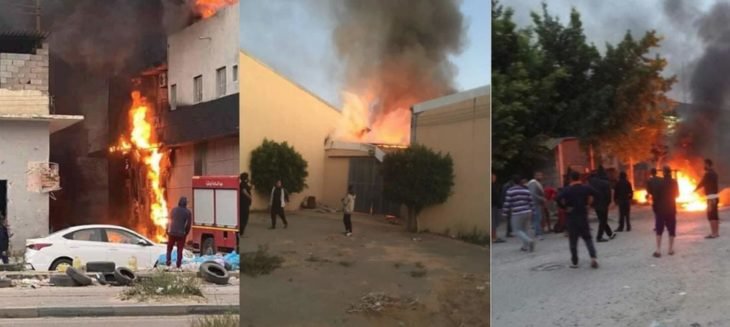
Conflict escalates as first case of Covid-19 reported
By Borzou Daragahi
 Libya’s internationally recognised government announced the country’s first case of coronavirus, but the prospect of an outbreak of the pandemic wasn’t enough to prevent a major escalation in the country’s ongoing civil war. Read More
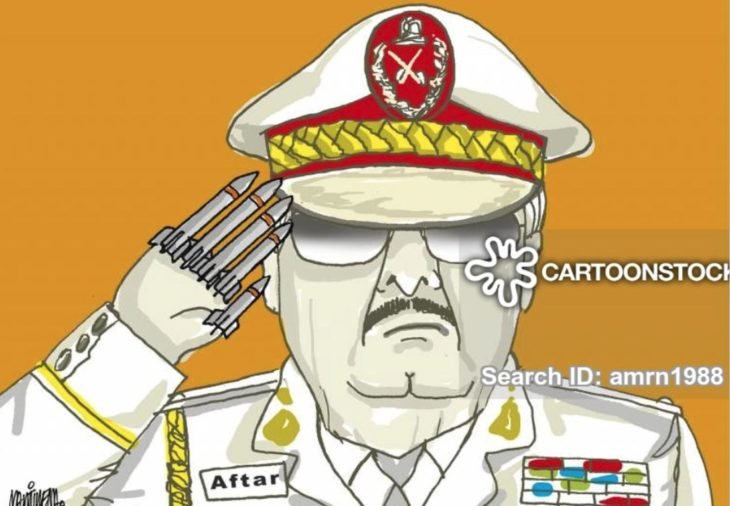
By Eralp Yarar
 Underlining that diplomacy follows realities on the field, experts say Haftar must be forced toward reconciliation through the use of deterrent force. Read More
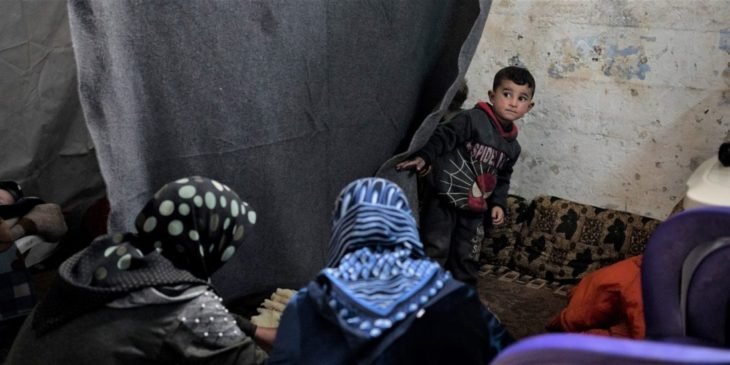
The MENA region has been going through an existential crisis for almost a decade. The emergence of COVID-19 comes at a time when most of these countries are already on the precipice of a disaster, adding severe political and health implications for some time to come. Read More
Community Dynamics and Economic Interests
By Tim Eaton, Abdul Rahman Alageli, Emadeddin Badi, Mohamed Eljarh, and Valerie Stocker
This paper is based on approximately 200 interviews carried out by the authors – in person and remotely – with a wide range of Libyan actors between November 2018 and September 2019. This the paper does not claim to cover all armed groups in the country. Read More
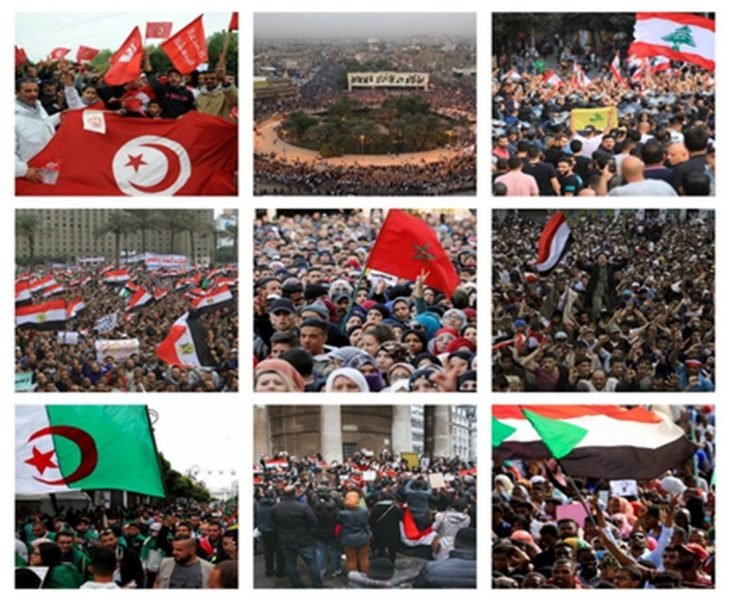
By Jason Pack & Nate Mason

 No part of the world will emerge unscathed from the fallout of the coronavirus pandemic of 2020. Just because China and Italy were the first to be severely hit, does not imply, that when all is said and done, that they will have sustained the brunt of the damage. Read More
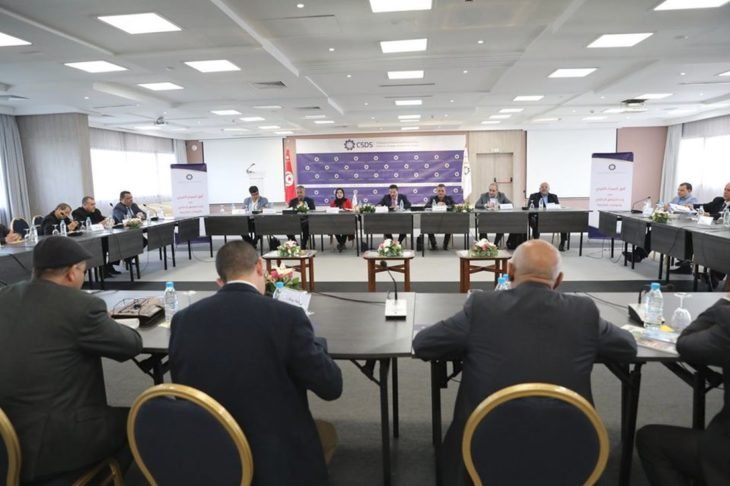
 The Center for Strategic and Diplomatic Studies (CSDS) organised a specialised symposium on Libya entitled “The horizons of the Libyan conflict: Caught between internal consensus and foreign stakes” on February 15, 2020 at Mechtel Hotel in Tunis. Read More
By Frederic Wehery

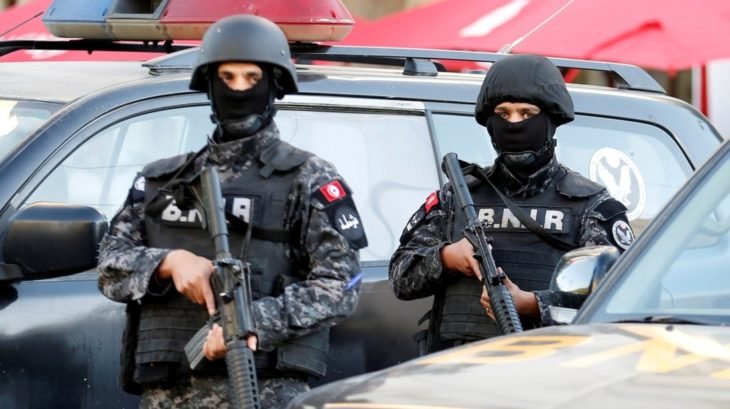
The escalation and spillover of Libya’s conflict has posed mounting security challenges for Tunisia and exposed shortfalls in the country’s defense transformation, in the areas of capability gaps, interagency coordination, intelligence sharing, strategic planning, and in the military’s relationship with foreign security patrons.
.
Community Dynamics and Economic Interests
By Tim Eaton, Abdul Rahman Alageli, Emadeddin Badi, Mohamed Eljarh, and Valerie Stocker
This paper is based on approximately 200 interviews carried out by the authors – in person and remotely – with a wide range of Libyan actors between November 2018 and September 2019. This the paper does not claim to cover all armed groups in the country. Read More
By Frederic Wehery
The escalation and spillover of Libya’s conflict has posed mounting security challenges for Tunisia and exposed shortfalls in the country’s defense transformation, in the areas of capability gaps, interagency coordination, intelligence sharing, strategic planning, and in the military’s relationship with foreign security patrons. Read More
Community Dynamics and Economic Interests
By Tim Eaton, Abdul Rahman Alageli, Emadeddin Badi, Mohamed Eljarh, and Valerie Stocker
This paper is based on approximately 200 interviews carried out by the authors – in person and remotely – with a wide range of Libyan actors between November 2018 and September 2019. This the paper does not claim to cover all armed groups in the country. Read More