By Jalel Harchaoui
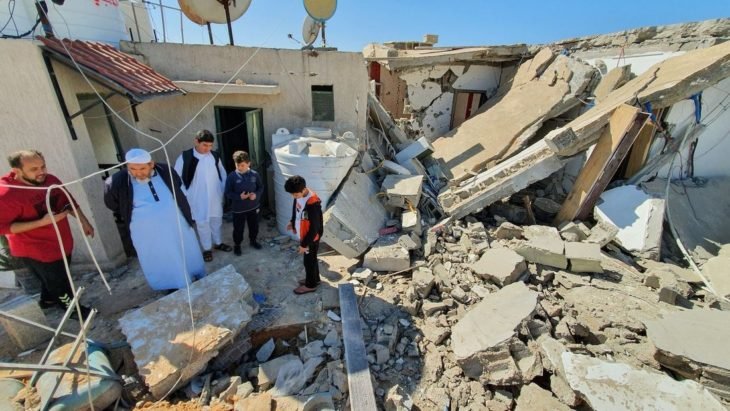
 None of the parties involved is serious about reaching a political settlement, meaning the conflict could kill many more this year. Read More
By Jalel Harchaoui
None of the parties involved is serious about reaching a political settlement, meaning the conflict could kill many more this year. Read More
By Tarek Megerisi
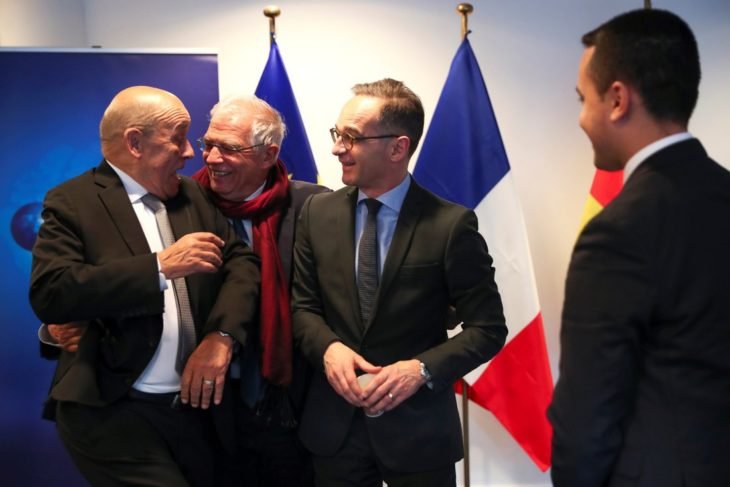
 Europe seems unconcerned by the chaos smouldering on its doorstep, as the five-year-old conflict becomes world’s main theatre of drone combat. Read More
Blurring the lines of media authenticity
By Shelby Grossman, Khadija H., Renee DiResta

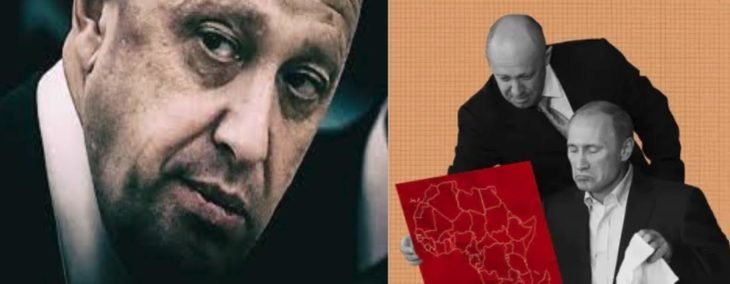
 The Stanford Internet Observatory has been investigating new facets to the manipulation of the local media environment in Libya. Read More
By Samer Al-Atrush
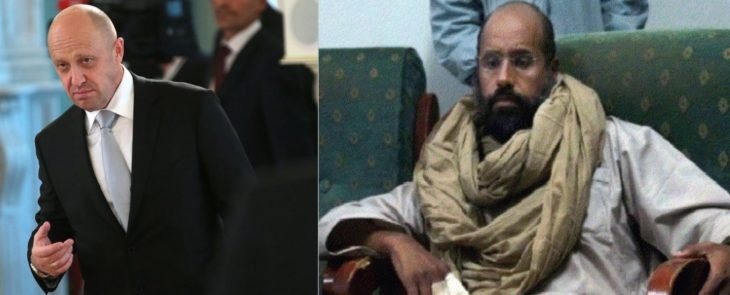
 “Putin’s chef” has been linked to a secret attempt to bring the deposed dictator’s son to power. Read More
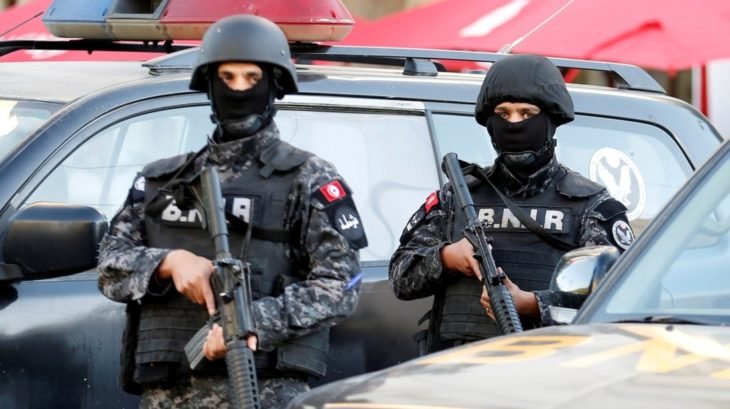
By Frederic Wehery
 The escalation and spillover of Libya’s conflict has posed mounting security challenges for Tunisia and exposed shortfalls in the country’s defense transformation, in the areas of capability gaps, interagency coordination, intelligence sharing, strategic planning, and in the military’s relationship with foreign security patrons. Read More
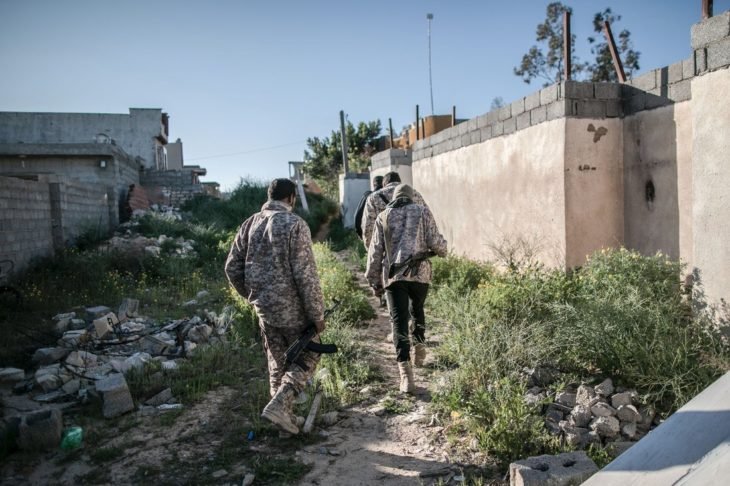
Community Dynamics and Economic Interests
By Tim Eaton, Abdul Rahman Alageli, Emadeddin Badi, Mohamed Eljarh, and Valerie Stocker
 This paper is based on approximately 200 interviews carried out by the authors – in person and remotely – with a wide range of Libyan actors between November 2018 and September 2019. This the paper does not claim to cover all armed groups in the country. Read More
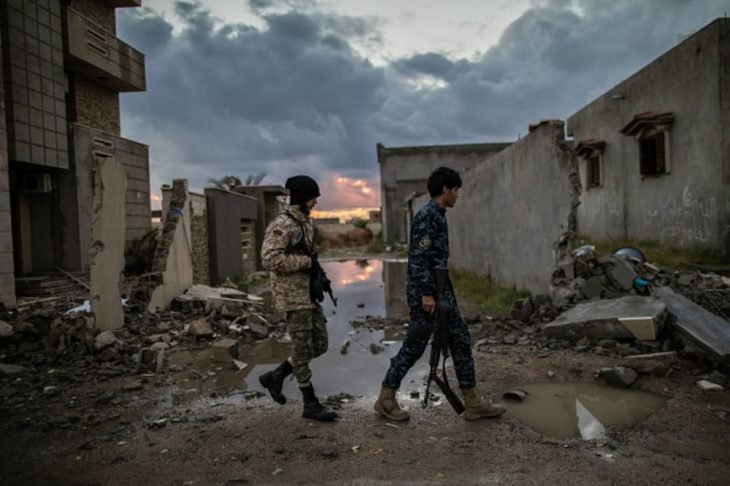
Instead of developing an “appetite for power” to quell the conflict, the EU has bitten off more than it can chew.
By Bobby Ghosh
 Europe’s desire for strategic autonomy from the U.S. is being tested on the outskirts of Tripoli. It is not going well. Read More
By Isabel DeBre
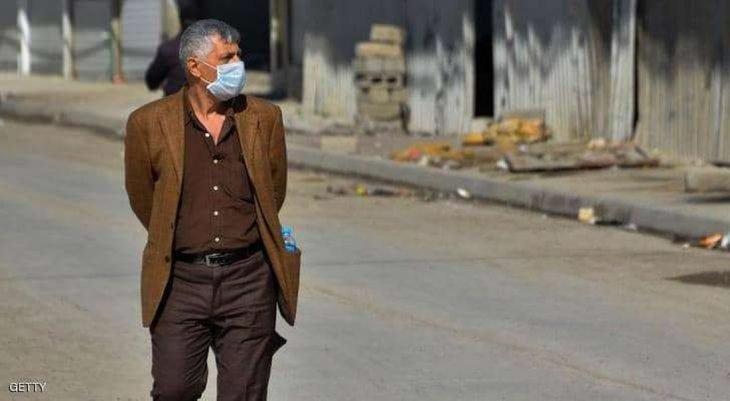
 When Dr. Ismail al-Mansouri goes to work in Yemen’s capital, he puts on one of the hospital’s few pairs of medical gloves. Then he enters a cramped clinic teeming with listless patients, many malnourished, some vomiting, others with diarrhea. Read More
By Gerardo Noto
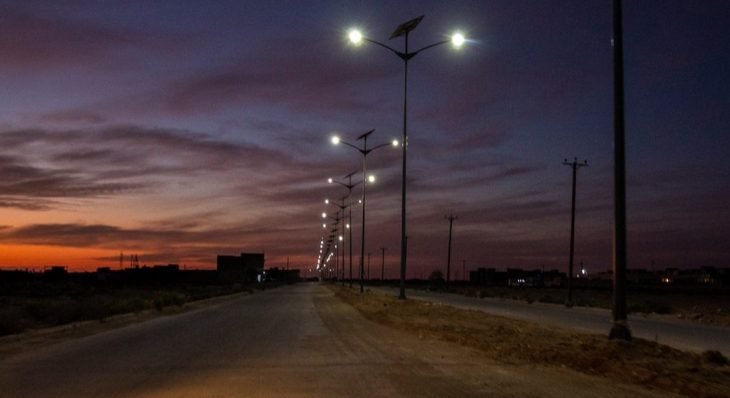
 Conflict, divisions and war have affected Libya for many years. International actors and the United Nations have certainly not stood idly by. They have committed to support Libyans as they build a peaceful, inclusive state. Read More

By Nazia Parveen & Amy Walker

 Hashem Abedi was accused of helping to plan terror attack in which 22 died at Ariana Grande concert. Read More
By Spencer S. Hsu
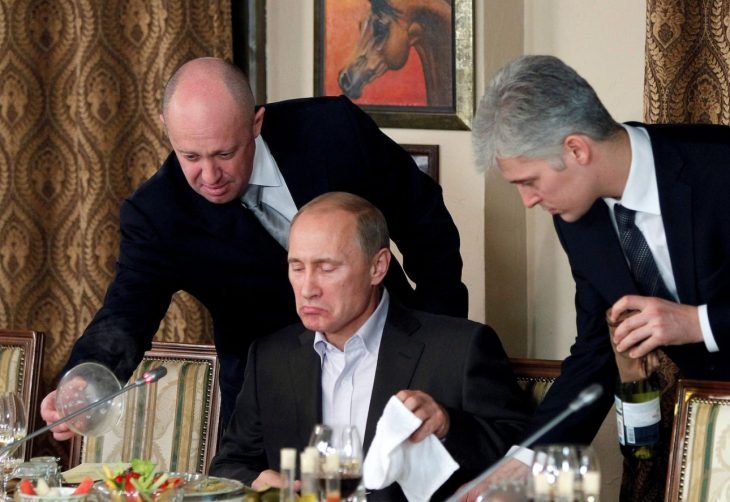
 The Justice Department on Monday dropped its two-year-long prosecution of a Russian company charged with conspiring to defraud the U.S. government by orchestrating a social media campaign to interfere in the 2016 presidential election. Read More
By Layli Foroudi

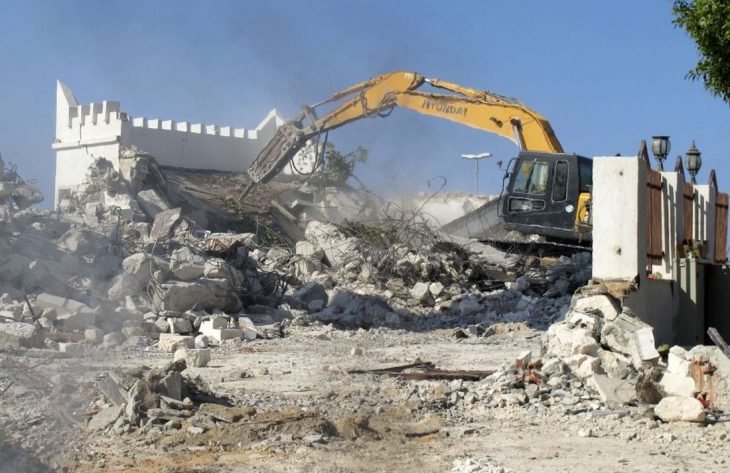
When a bulldozer razed the domed, century-old zawiya to the ground, turning the oldest Sufi place of study and worship in the Libyan coastal city of Sirte into a pile of rubble, Oussama Ali Bin Hamel was not shocked. Read More
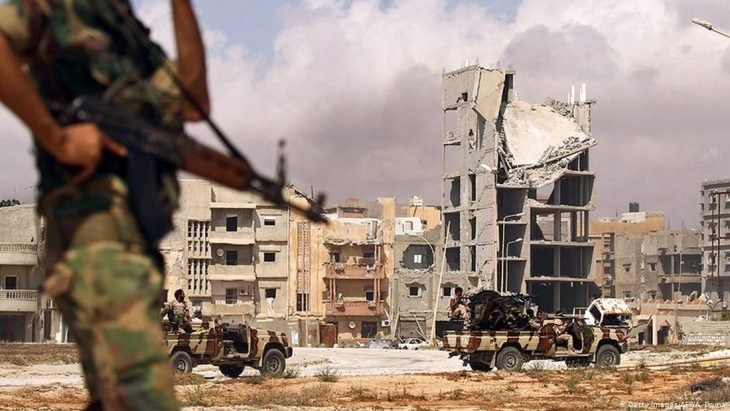
By Tom Allinson
 The Libyan authoritarian’s aims extend far beyond his claims to be ridding the country of Islamists. And that’s exactly what his foreign backers want, analysts say. Read More
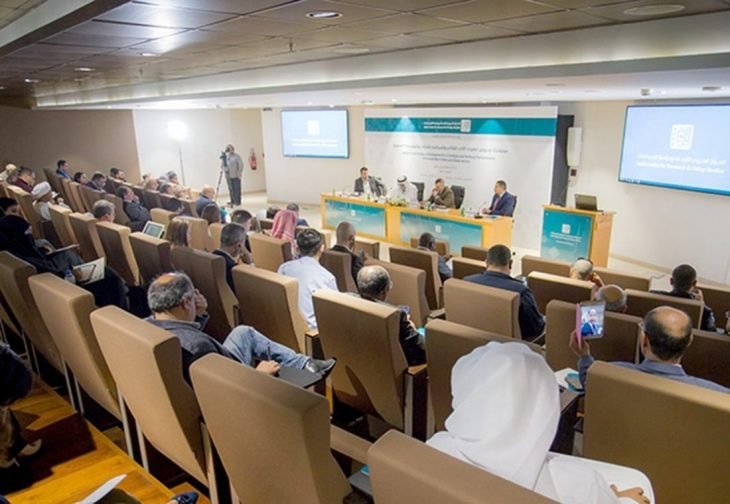
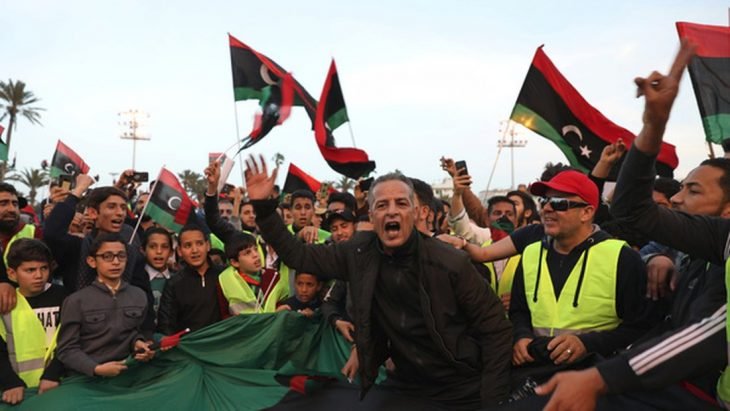
Despite recent UN efforts to coordinate talks, peace in Libya remains elusive.
By Amir Asmar
 In 2011, the United States supported UN Security Council Resolution 1973 to declare and enforce an air exclusion zone over Libya, just as Libyan forces loyal to Qaddafi were preparing to defeat much of the country’s army, which had sided with a popular uprising seeking his ouster. Read More
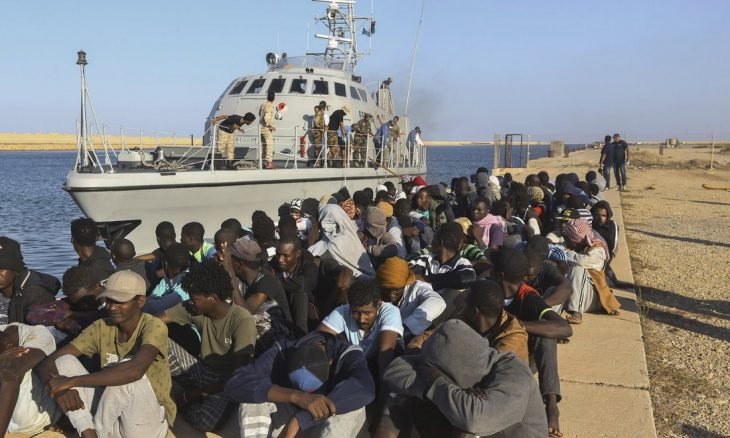
By Daniel Howden, Apostolis Fotiadis and Zach Campbell
 Evidence obtained by the Guardian exposes a coordinated and unlawful EU assault on the rights of desperate people trying to cross the Mediterranean. Read More
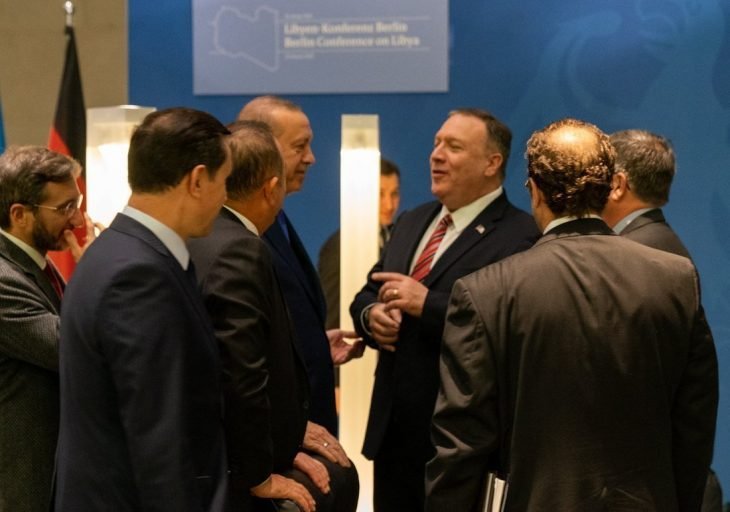
By Alexander St. Leger & Joshua Meservey
 Borscht, or beet soup, is a staple of Eastern European cuisine. Its dense, complex flavor derives in part from the sour cream that is often mixed in. Read More
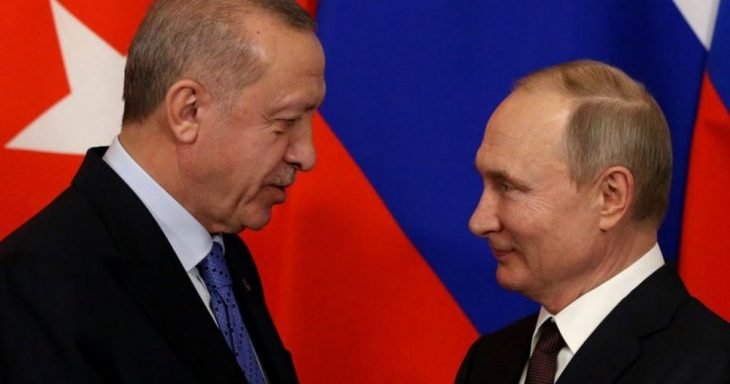
By Gönül Tol
 After Turkish President Recep Tayyip Erdogan hammered out a deal with his Russian counterpart Vladimir Putin on March 5 to bring an end to the fighting in Idlib in northwestern Syria, he said he was hopeful that the two countries could extend their cooperation to Libya. Read More
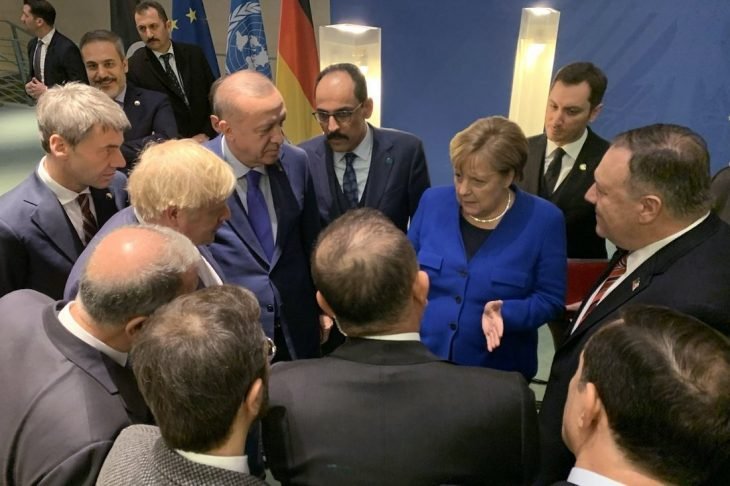
By Mareb Al-Ward

The wars in the Middle East North Africa (MENA) region have demonstrated for years that it is easier for the parties involved to reach political agreements under the auspices of the UN or regional umbrella bodies. Read More
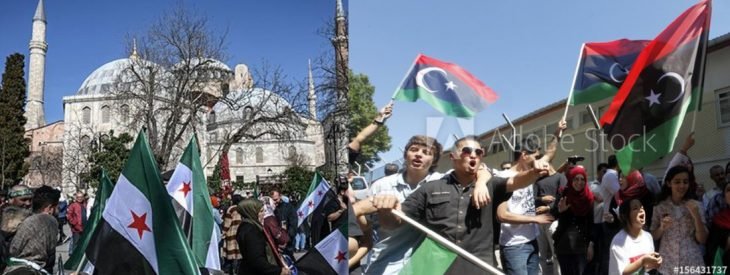
By Mohanned Hage Ali
 Istanbul has become a refuge for many Arab communities, but the city’s cosmopolitan ways are also changing them. Read More
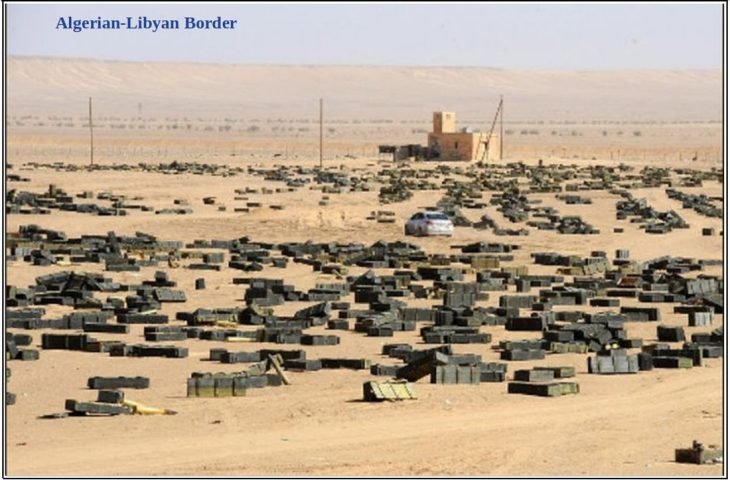
By Sami Hamdi
 Despite historically taking a non-interventionist stance, Algeria’s recent efforts to seize the reigns politically in the Libya conflict suggest its foreign policy strategy may be changing. Read More
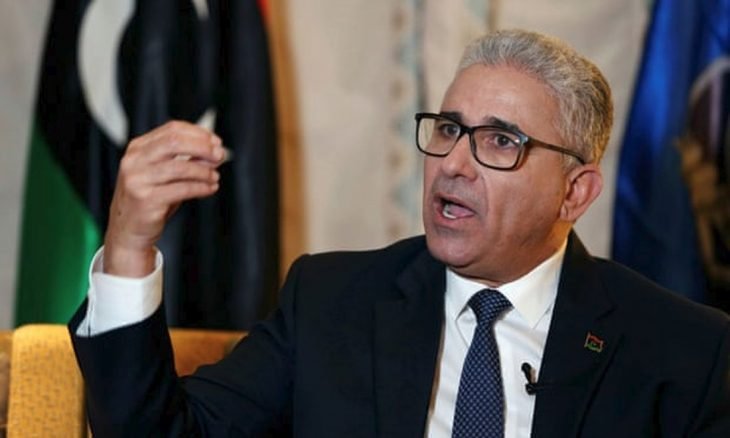
Fathi Bashagha vows to step up fight to end assault by Haftar’s forces
By Patrick Wintour
 A fear among key members of the UN security council of taking on the United Arab Emirates, Jordan and Egypt has allowed the three countries to carry out a wholesale breach of the UN weapons embargo to Libya, one of Libya’s most senior ministers has warned. Read More
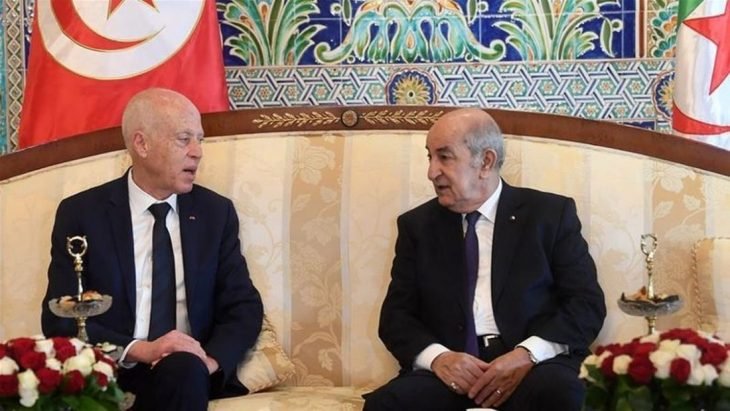
By Tom Pollitt
 Concern is growing in the governments of Libya’s neighbors that the assault on Tripoli by warlord Khalifa Haftar will cause the civil war to spill into their territories. Read More
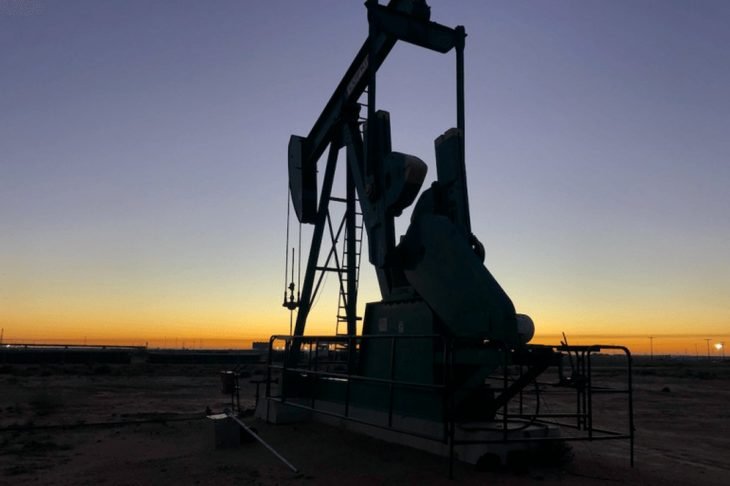
By Laura Loguercio
 What consequences will the Libyan conflict have on the Italian energy and oil interests? Read More
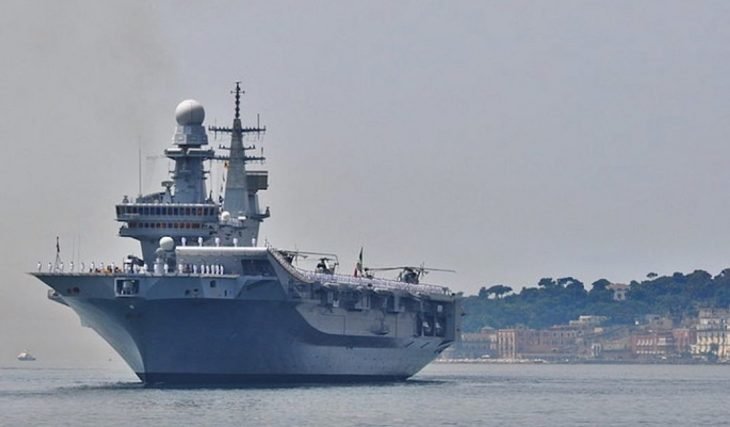
By Martin Jay
 Europe – in particular France, Britain, and Italy – has a long history of mishandling the situation in Libya and in the Mediterranean. Josep Borrell’s latest mission looks doomed to fail too. Read More
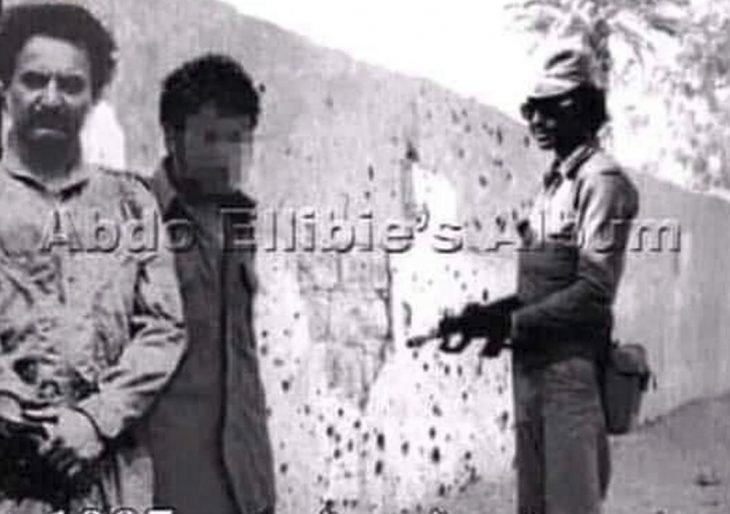
By Col. (ret.) Dr. Jacques Neriah
 Libya can qualify today as a failed state. It has two governments, two armies, a huge swath of land bordering the Sahel, Tunisia, Algeria, Chad, and Sudan. Read More
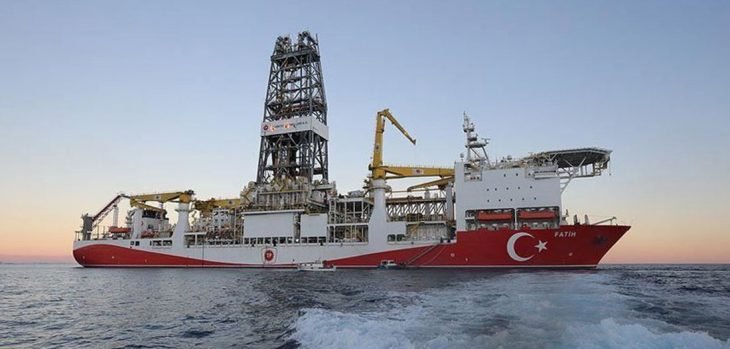
By James M. Dorsey
 The Eastern Mediterranean is a minefield of multiple conflicting interests going beyond Russia and including countries like Turkey, the UAE, and Saudi Arabia. Read More
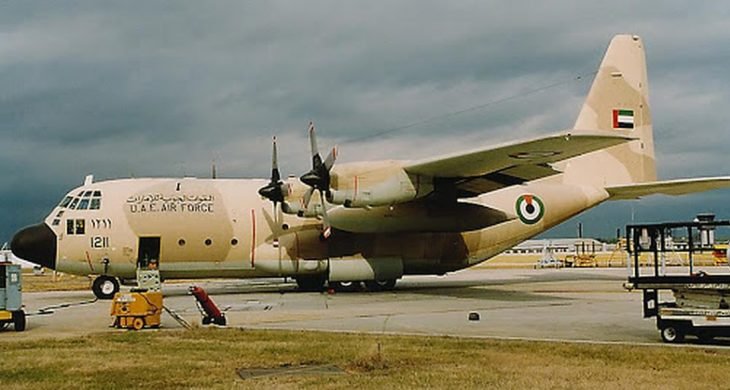
Country braced for fresh fighting after influx of cargo from international backers.
By Jason Burke & Patrick Wintour
 International powers are increasing deliveries of suspected military supplies to factions in Libya’s civil war, ignoring a poorly enforced UN embargo as the shattered country braces for a new round of fighting. Read More
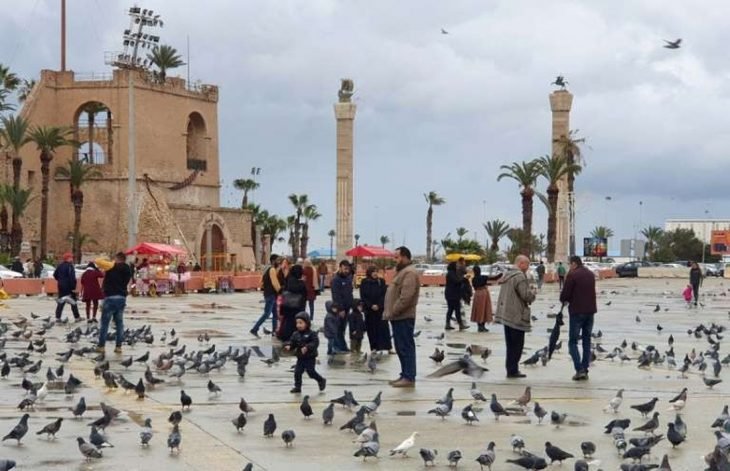

Despite advice from health authorities to shun public gatherings, Moayed al-Missaoui and friends watched an Italian Serie A football match in a buzzing cafe in the Libyan capital Tripoli. Read More
By Sarah Page

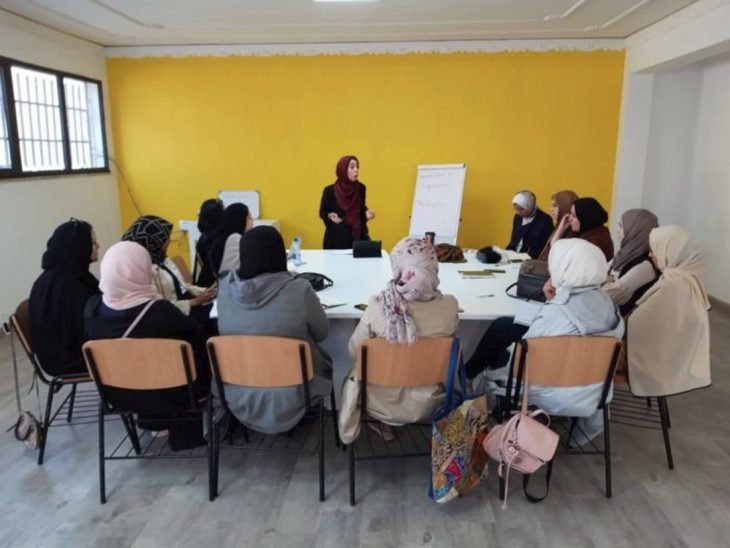
The United Nations’ latest efforts to broker a cease-fire between the armies warring for control of Libya have floundered. Read More
By Sam Peters
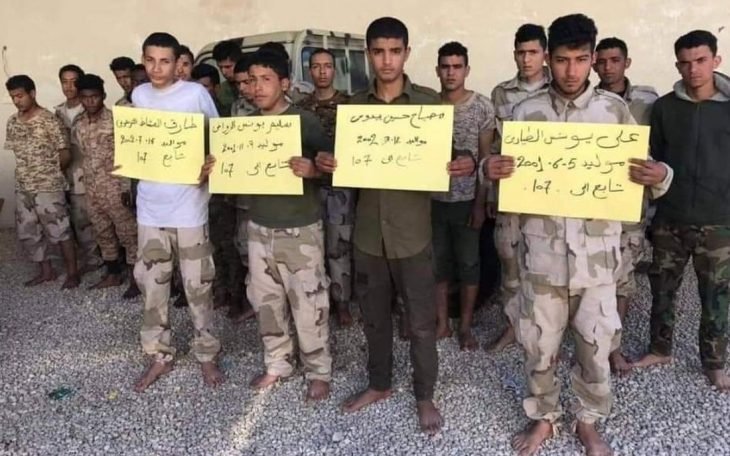
 Fighting continues to flare up across Libya, violating peace resolutions agreed at January’s Berlin summit. The destructive harvest of war is increasingly being reaped by the most innocent and vulnerable – children. Read More
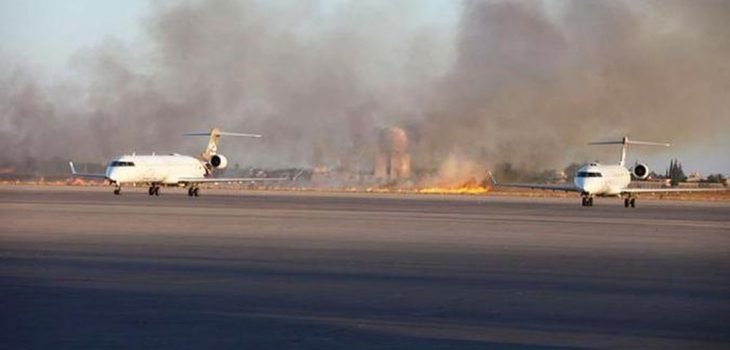

The only civilian airport in the Libyan capital of Tripoli came under direct attack by eastern-based opposition forces, authorities in the capital said Thursday, as diplomatic efforts to end the war continued to falter. Read More
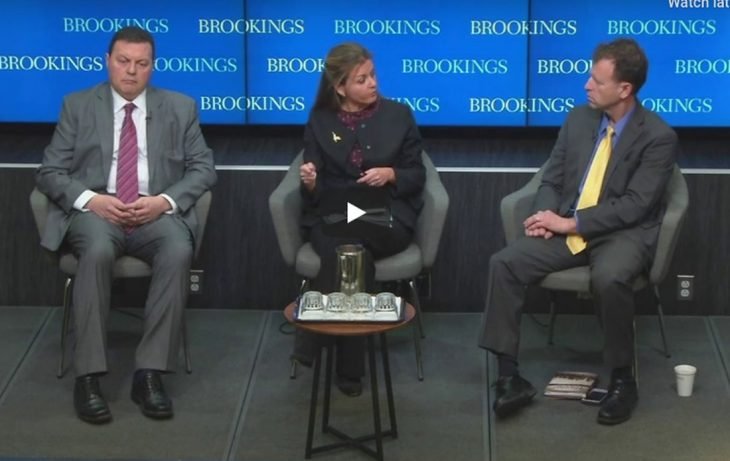
Moderator: Michael O’hanlon
 On February 24, the Brookings Institution hosted an event to discuss the civil war in Libya with Federica Saini Fasanotti and Karim Mezran .
.
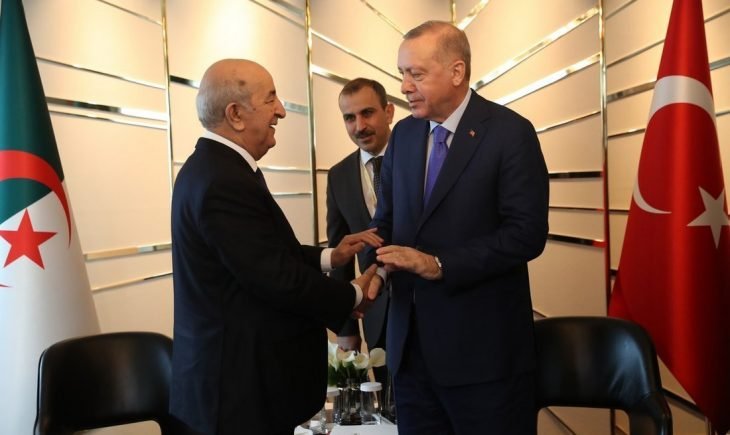
By Alia Brahimi & Akram Kharief

 After years of working quietly behind the scenes, Algeria has adopted a more assertive, if uneven, policy towards the war in neighboring Libya. Read More
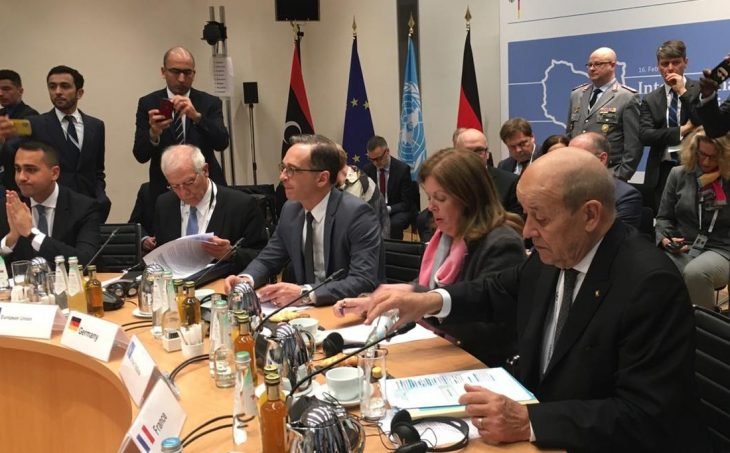
By Michel Cousins

The main focus should be to bring Libyans together again. Only then is a chance that elections and a new government could succeed. Read More