By Julian E. Barnes
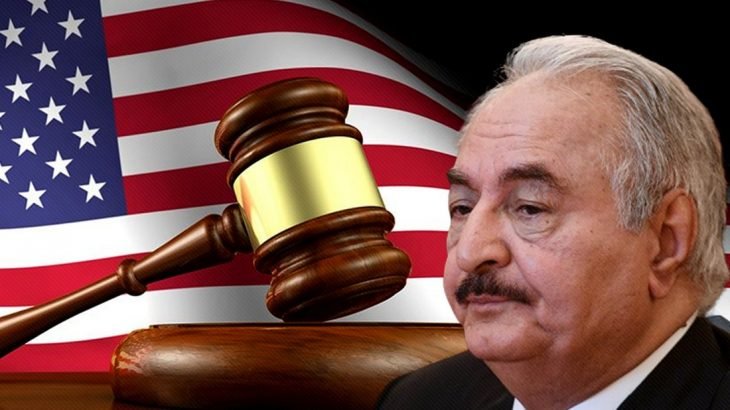
 Khalifa Hifter’s Virginia properties could make him vulnerable to a new lawsuit filed under a 1991 anti-torture law. Read More
By Julian E. Barnes
Khalifa Hifter’s Virginia properties could make him vulnerable to a new lawsuit filed under a 1991 anti-torture law. Read More
By Ferhat Polat

Today, Libya is fragmented and polarized, mired in instability and insecurity. As a result, Libya is lacking a unified, representative and legitimate government able to exercise authority throughout the country and hold a monopoly over the use of force.
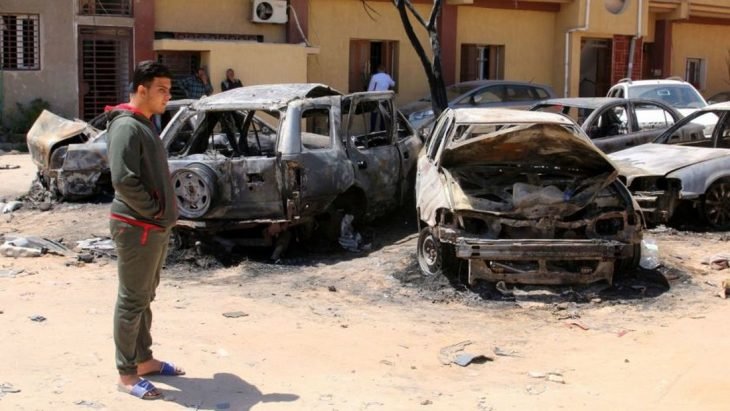
 Yacoub El Hillo says a 55-point road map to end the war in Libya has seen ‘serious violations’ in the last 10 days. Read More
By Kaamil Ahmed
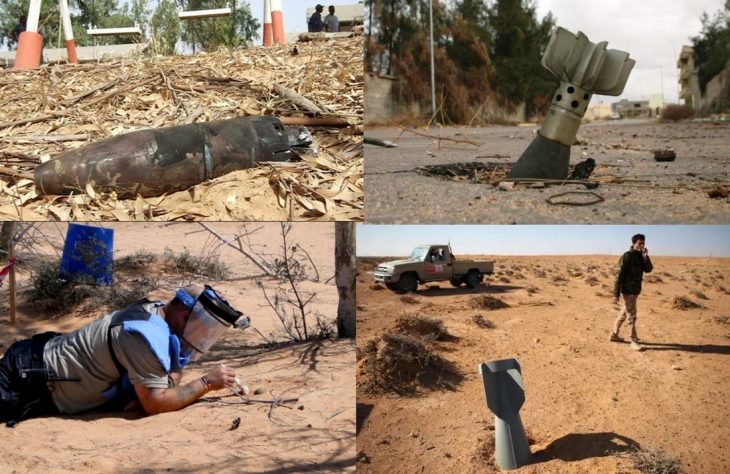
 Rights groups and UN warn of rapidly accelerating danger as banned cluster weapons are deployed. Read More
By Nikos Chrysoloras & Boris Groendahl

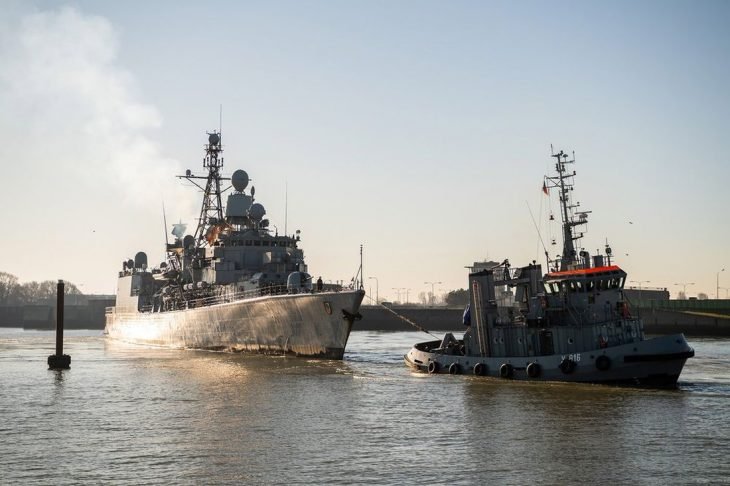
The European Union agreed to deploy warships to enforce an arms embargo on Libya in a move that underscores the increasing importance the bloc places on geopolitics as it seeks to defuse the conflict ravaging a major African oil producer. Read More
By Ferhat Polat
Today, Libya is fragmented and polarized, mired in instability and insecurity. As a result, Libya is lacking a unified, representative and legitimate government able to exercise authority throughout the country and hold a monopoly over the use of force. Read More
By Ferhat Polat
Today, Libya is fragmented and polarized, mired in instability and insecurity. As a result, Libya is lacking a unified, representative and legitimate government able to exercise authority throughout the country and hold a monopoly over the use of force. Read More
By Patrick Wintour
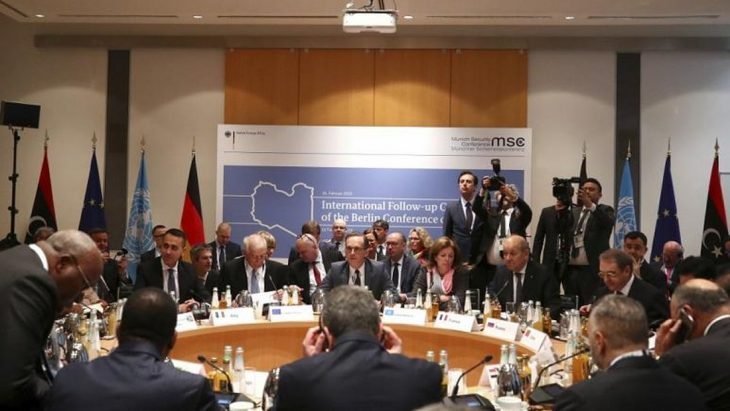
 Blunt assessment follows Munich meeting to try to mediate between warring sides. Read More
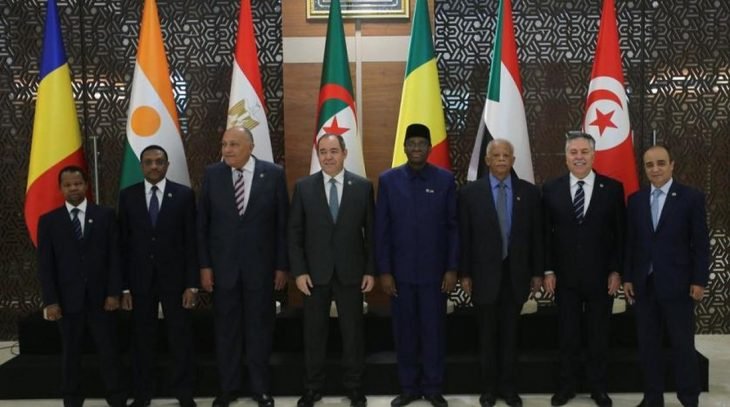
By Jonathan Fenton-Harvey
 There are heightened fears that the Libyan civil war could increase terrorism in regional countries. While there was truth to this early on in Libya’s conflict, how much is Libya a regional security threat now? Read More
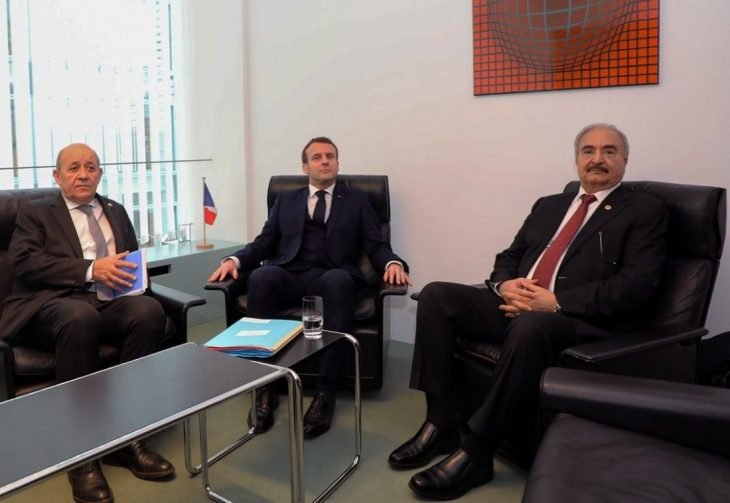
By Ania Nussbaum, John Follain, and Sylvia Westall


To see the limits of French President Emmanuel Macron’s go-it-alone forays into foreign policy look no further than the Libyan conflict. Read More
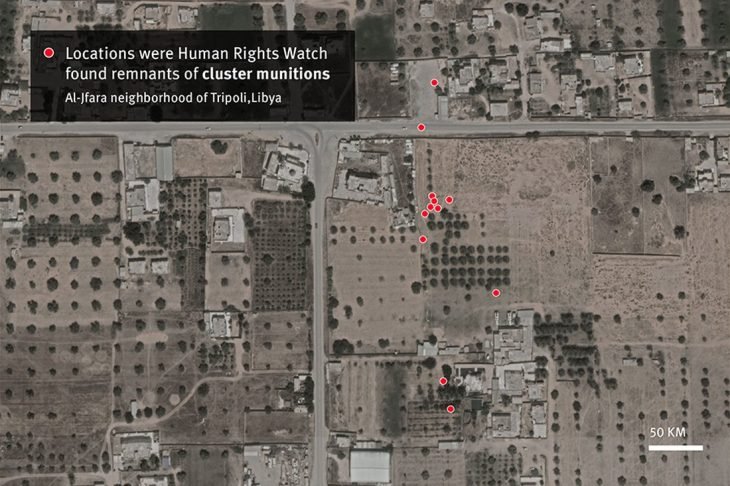
 Forces affiliated with the Libyan National Army (LNA) used cluster munitions in a residential area in Tripoli on December 2, 2019, Human Rights Watch said today. Read More
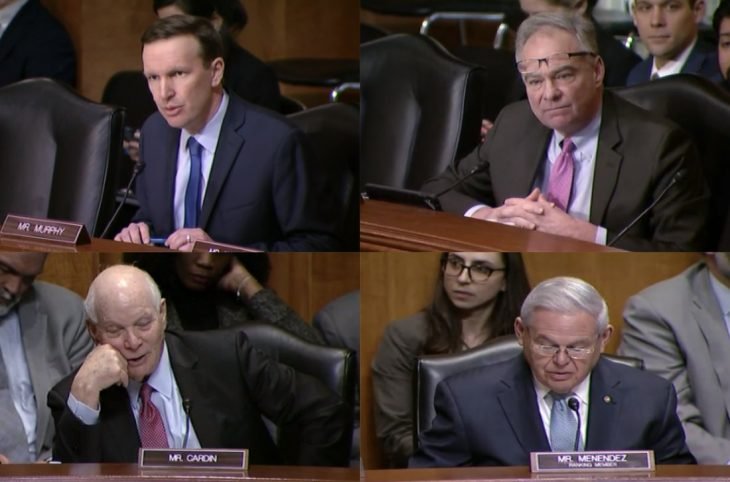
By Bryant Harris
 Democrats are calling for sanctions on Libyan warlord Khalifa Hifter amid concerns that the Donald Trump administration has been too soft on him as he continues his monthslong assault on Tripoli. Read More
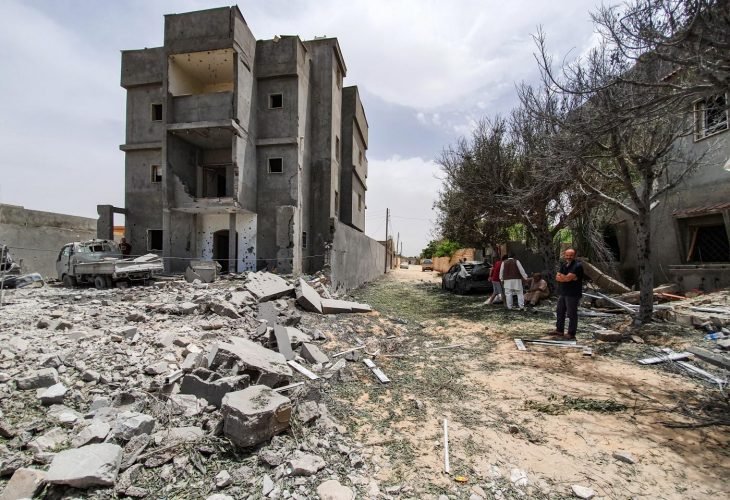

Human Rights Watch says munitions were used during December attack on a residential neighbourhood in Tripoli. Read More
Human Rights Watch has documented a steady deterioration in the human rights and humanitarian situation in Libya since the beginning of 2019. Insufficient domestic and international efforts to ensure a measure of accountability for past and ongoing serious crimes in Libya have emboldened actors engaged in the armed conflict to commit violations and abuses with impunity.
Credible action by the UN Human Rights Council at its upcoming 43rd session is needed to ensure accountability for perpetrators of human rights violations and abuses committed in Libya. Human Rights Watch calls on the UN Human Rights Council to establish a Commission of Inquiry to document violations in Libya, identify those responsible for them, preserve evidence for use in future criminal proceedings, and publicly report on the human rights situation.
Introduction
Human rights conditions in Libya remain precarious as the non-international armed conflict between the eastern-based armed group known as the Libyan National Army (LNA) and the Tripoli-based, internationally recognized Government of National Accord (GNA) that began in April 2019 enters its 10th month and systemic human rights violations, including against migrants, continue unabated. Intermittent armed conflicts and political rifts since 2011 have had a devastating effect on civilians. Armed groups have been committing human rights crimes with impunity. The 2014 conflict led to the political division of the country, which in turn prevented an institution-building process.
In April 2019, the LNA, under the command of Khalifa Hiftar, launched an attack against armed groups affiliated with the GNA , in an effort to ‘rid Tripoli of terrorists and militias,’ and take control of the capital. As of December 2019 the ensuing armed conflict had killed thousands, including at least 284 civilians, according to the UN Mission in Libya (UNSMIL). Rival armed groups, particularly the LNA and their allies, who have superior air power, have carried out hundreds of drone and air strikes in and around Tripoli since the start of the conflict, killing and displacing civilians. The fighting has caused internal displacement of at least 150.000 people, and shuttered 220 schools, affecting the schooling of at least 116.000 children.
Despite multiple UN-led attempts to promote a ceasefire and negotiations for a political settlement, parties to the conflict and their international backers have yet to back down. During the latest attempt for ‘de-escalation,’ Germany initiated the “Berlin process” kicking off with a conference in January 2020. International backers of the local conflict parties and other foreign governments including the UAE, Russia, Turkey, China, US, Italy, France and Egypt signed a 55-point statement of intent to support a peace deal and a permanent ceasefire. At writing, intense fighting remained ongoing.
In addition to the conflict-related abuses, Human Rights Watch has documented other systematic violations, including arbitrary detention, enforced disappearances and torture. Widespread abuses against migrants and asylum seekers by smugglers and the GNA-linked coast guard and prison authorities have reached horrifying levels of ill-treatment and inhumane detention conditions.
Who are the parties to the conflict in Libya?
There are two major opposing Libyan parties to the conflict, each supported by one or more foreign countries. On the one hand, there is the eastern-based armed group known as the Libyan National Army, under the command of Khalifa Hiftar, affiliated with the non-recognized Interim Government. The LNA and Interim Government are however recognized by the House of Representatives, the country’s sole legislative authority.
The LNA is supported by multiple armed groups from the east and west of the country, including along the western Libyan coast from the towns of Sebratha and Sorman, and from Tarhouna. Militias with a strict Salafist Islamist agenda from eastern Libya also support the LNA. The LNA has received military support from the United Arab Emirates (UAE) and Jordan in violation of the Libya arms embargo according to a UN report. The UAE, now also a party to the conflict, operates a military airbase in eastern Libya.
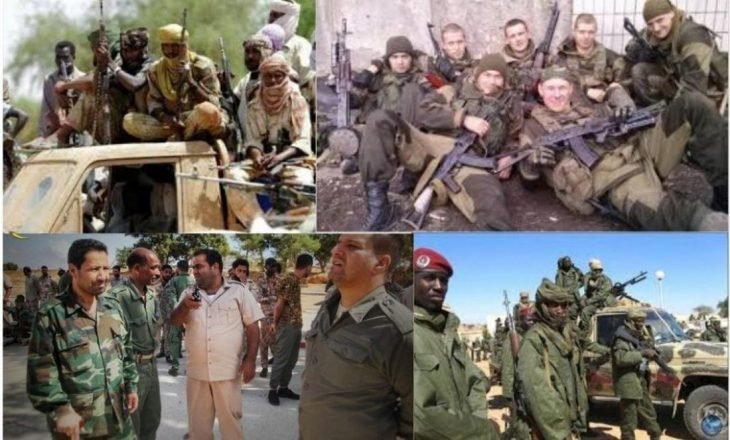
The UAE is now a party as, in addition to supplying weapons and ammunition to the LNA, UAE fighter warplanes and armed drones operate in support of the LNA. Some of the strikes reportedly conducted by the UAE included an attack in July 2019, against a migrant center in Tajoura near Tripoli, killing at least 50 civilians. Foreign fighters from Sudan and Chad and Russian fighters from a private security company also reportedly support the LNA.
On the opposing side are the Tripoli-based internationally recognized Government of National Accord (GNA) and affiliated armed groups from western Libya, including from Tripoli and Misrata. Turkey, now also a party to the conflict, is reportedly the main foreign backer of the GNA after having signed two memorandums of understanding in late 2019 that outline maritime and security cooperation between Turkey and the GNA.
Turkey is now a party, as Turkey reportedly supports the GNA with weapons, armored vehicles and armed drones and reportedly deployed thousands of Turkey-backed Syrian fighters to support the GNA. The GNA also reportedly contracted foreign fighters from Chad and Sudan to fight on its behalf. All parties to the conflicts in Libya are obliged to abide by the laws of war. This requires them to take all feasible steps to protect civilians. Certain serious violations of the laws of war, when committed with criminal intent, are war crimes.
Those who commit, order, assist, or have command responsibility for war crimes in Libya are subject to prosecution by domestic courts or the International Criminal Court (ICC), which has a mandate over war crimes, crimes against humanity, and genocide committed there since February 15, 2011.
What violations of international law have been reported in Libya?
The LNA under the command of Hiftar and their backers, including the UAE, have attacked armed groups in Tripoli with artillery, armed drones and fighter jets. Human Rights Watch found during a December 2019 visit to Libya that some of these strikes were disproportionate and indiscriminate, in violation of the laws of war, resulting in the killing and wounding of civilians and destruction of civilian infrastructure.
LNA or LNA-affiliated forces have also launched strikes using cluster munitions that are internationally prohibited weapons due to their indiscriminate nature. Since the beginning of the conflict in April 2019, no one from the LNA or affiliated groups have been held to account for these violations. Groups aligned with the Government of National Accord, for their part, often failed to ensure that there were no civilians present adjacent to military facilities that they have targeted, heightening the risk of civilian harm. They too fall short of their obligations under international humanitarian law to protect civilians.
A UN Panel of Experts report on Libya from December 2019 stated that the United Arab Emirates, Turkey, Sudan, and Jordan had repeatedly violated the arms embargo on Libya by supplying weapons and fighters to the conflict parties. Transferring weapons and ammunitions to armed groups who have a well-documented history of serious violations risks complicity in war crimes.
Violations associated with the recent military offensive on Tripoli since April 2019, including the unlawful killing of civilians, are a symptom of the widespread impunity that has characterized this conflict. The ongoing conflicts among armed groups throughout the country have also damaged vital civilian infrastructure, including hospitals. Human Rights Watch has repeatedly documented the plight of several thousand detained migrants and asylum seekers who face inhumane conditions in detention facilities run by the GNA’s Interior Ministry and by smugglers and traffickers.
They are subjected to forced labor, beatings, and sexual assault. Support by the European Union to Libyan authorities to intercept and return migrants to Libya is instrumental in enabling these abuses. Assistant Secretary General Andrew Gilmour reported to the Human Rights Council during its 40th session that migrants are being subject to “unimaginable horrors.” Mr. Gilmour said that in the his 30 years of professional work, reports of sexual violence, torture, and extortion against detained migrants in Libya “were the most harrowing accounts I have ever heard.”
Impunity thrives, creating fertile ground for systematic and gross human rights and humanitarian law violations by armed groups, including torture and ill-treatment, rape and other acts of sexual violence, arbitrary arrests and detention, forced displacement, enforced disappearances, and unlawful killings. Some of these crimes may amount to crimes against humanity.
A parliament member, Seham Sergewa, remains missing after an armed group with links to the LNA abducted her from her home in Benghazi in July 2019. Sergewa had been outspoken in opposing the LNA assault on Tripoli. The deliberate targeting of journalists, human rights defenders, lawmakers, state officials, members of the judiciary, prosecutors and lawyers further undermines the rule of law and muzzles free speech.
Who has called for an international inquiry into alleged serious crimes in Libya?
The Office of the High Commissioner for Human Rights (OHCHR) and the Special Representative of the Secretary General (SRSG) and Head of the United Nations Support Mission in Libya (UNSMIL), Ghassan Salamé, have called for the establishment of an investigative mechanism to document violations and abuses in the country.
During the September 2019 Human Rights Council session, Deputy High Commissioner Kate Gilmore highlighted the deteriorating human rights and humanitarian situation and stated that “the High Commissioner strongly supports the establishment of an international body mandated to investigate the full range of violations of international human rights and humanitarian law in Libya.” At the same session, SRSG Salamé also called for the “Human Rights Council to establish an investigative mechanism, such as a commission of inquiry.” In December 2019, OHCHR reiterated the call “for the creation of an investigative mechanism into serious crimes committed in Libya.”
In their statements at the Human Rights Council in September 2019, the European Union called for “comprehensive, independent and credible investigations” to be undertaken by the Human Rights Council. This call was echoed by other States, including Malta and Switzerland. Local, regional and international human rights organizations, in December 2019 also made a joint call for an international inquiry to document violations in Libya, identify those responsible for them, preserve evidence for use in future criminal proceedings, and publicly report on the human rights situation there.
Why is criminal accountability important?
Investigating and prosecuting individuals implicated in serious violations of international human rights and humanitarian law is an obligation under international law. Holding individuals accountable for human rights abuses and serious crimes is important because it may help deter future violations and promote respect for the rule of law, while also providing a measure of redress for victims and affected communities.
It can also promote discipline, professionalism, and responsible command and control by military and law enforcement officials and improve relations with the civilian population. Authorities on all sides of the Libyan conflict that fail to ensure that those implicated in abuses are credibly investigated and prosecuted where there is sufficient evidence, undermine their standing, and increase the likelihood of international action being taken against them such as travel bans or asset freezes. Overall, ensuring that those accused of serious crimes are brought to credible justice is vital for a lasting peace in Libya.
Why is an international commission of inquiry needed now?
Through its field work, Human Rights Watch has documented a steady deterioration in the human rights and humanitarian situation in Libya since the beginning of 2019. Insufficient domestic and international efforts to ensure a measure of accountability for past and ongoing serious crimes in Libya have emboldened actors engaged in the armed conflict to commit violations and abuses with impunity. The UN Human Rights Council shut down its Commission of Inquiry on Libya in 2012, resulting in inadequate public reporting on crimes committed by all sides in Libya.
While UNSMIL and OHCHR have published several human rights reports on Libya since 2012 including on violations against migrants, conditions in detention centers, enforced disappearances and conduct of hostilities, they have not done so systematically. Lack of access at different times to parts of Libya such as the south and the east, further contributed to the lack of overall public reporting on human rights conditions. The Office of the High Commissioner for Human Rights has highlighted on multiple occasions that the “inability of the justice system [in Libya] to function effectively has led to widespread impunity, particularly for violations and abuses perpetrated by armed groups.”
Domestic courts, affected by political divisions and armed conflict, are barely functional, with procedures hampered by grave due process violations. Those include forced confessions, ill treatment, and lack of access to lawyers. In some areas, including the south, the criminal justice system has effectively collapsed. Lawyers, judges and prosecutors have been targets of militias and risk retaliation for their work.
The ICC has a mandate over serious crimes in Libya, yet since the ouster of the Libyan strongman Muammar Gaddafi in 2011 the court has only issued arrest warrants against one individual linked to the current conflict: LNA special forces commander, Mahmoud el-Warfalli, whose current whereabouts and activities are unknown.. The international community has failed to use long-standing UN sanctions particularly against individuals who have committed serious human rights violations Since the 2011 revolution, the UN Security Council mandated Sanctions Committee for Libya has listed only eight people for individual targeted sanctions, namely two militia commanders and six individuals involved in trafficking. Reinforcing current accountability mechanisms is a critical way of addressing ongoing violations and abuses in Libya.
Where criminal justice through prosecutions is elusive or limited, fact-finding and investigative bodies can generate diplomatic support to push for greater and more comprehensive accountability; raise the profile of the crimes committed; deter further abuses; assign responsibility and in some instances set out a strategy to realize criminal accountability in a given situation. Given the dysfunctionality of courts in Libya there is a need for alternative judicial measures to fill the justice gap. Establishing an international commission of inquiry would be an important first step in that direction.
The COI could act as a placeholder for preserving information and possibly evidence that could be used by the ICC in a future investigation. The COI could also feed into other judicial mechanisms in the long term such as courts in third countries taking on cases of serious human rights violations in Libya on the basis of universal jurisdiction or in the event of the establishment of ad hoc tribunals.
Why should the Human Rights Council establish a Commission of Inquiry?
The Council’s three resolutions on Libya since March 2017 have called on the Libyan authorities to increase efforts to hold those responsible for violations or abuses accountable and otherwise focused on providing technical assistance and capacity-building. These efforts failed provide the impartial, independent, and transparent investigations needed to address the gravity of ongoing serious crimes in Libya.
It is now critical that the international community prioritise restoring the rule of law in Libya to bring about a measure of accountability and to break the cycle of impunity. The Council can play a vital role in this process by taking credible action to establish an independent international inquiry into violations and abuses of human rights and international humanitarian law in the country since May 2014.
As stated by SRSG Salame, “…a Human Rights Council mandate to establish an investigative mechanism, such as a Commission of Inquiry, would be both the simplest and strongest basis for promoting accountability in Libya.” The Human Rights Council is empowered to establish such an inquiry. Creating commissions of inquiry and similar mechanisms falls under its mandate to “address situations of violations of human rights, including gross and systematic violations, and make recommendations thereon.”
The Council has established many similar mechanisms, such as the Commission on Human Rights in South Sudan (2016), the Commission of Inquiry on Burundi (2016), the International Independent Fact-Finding Mission on Myanmar (2017), and the group of eminent international and regional experts on Yemen (2017).
What should the Commission of Inquiry be empowered to do?
A Commission of Inquiry or similar dedicated mechanism for Libya should have a mandate and sufficient resources to:
Would a Commission of Inquiry be able to effectively conduct its work without access to Libya?
Yes. International fact-finding bodies and other investigative mechanisms, as well as human rights organizations are able to carry out their work by interviewing victims, witnesses, and others in neighbouring countries and with the help of modern communication tools that allow them to connect to individuals in the affected territory. The Syria Commission of Inquiry, for example, have produced multiple, comprehensive reports on different aspects of the conflict without access to Syria. As such, lack of access does not present an insurmountable obstacle to ensuring accurate and robust reporting on violations and abuses in Libya.
What impact could a Commission of Inquiry have on the ground?
Armed groups in Libya have been operating with impunity in large part due to lack of regular and robust international scrutiny. A commission of inquiry would fill this gap and could help to deter future violations and promote respect for the rule of law in the long term in concert with other bodies. It will take strong political will to expose those behind the most serious violations in Libya and bring them to justice. The narrative that peace in Libya will come only through political and economic agreements and that holding abusive warlords and officials to account is counterproductive is ill-conceived.
Officials of governments participating in the conflict who pit political stability and justice as incompatible often do so to escape accountability. The success of the Berlin process to achieve sustainable peace will depend on steps that lay the foundation for concrete accountability. Human Rights Watch’s years of reporting in conflict areas around the world has found that justice often can contribute to achieving sustainable peace. By contrast, impunity typically acts as an insuperable barrier to ending conflict in the long-term.
_____________
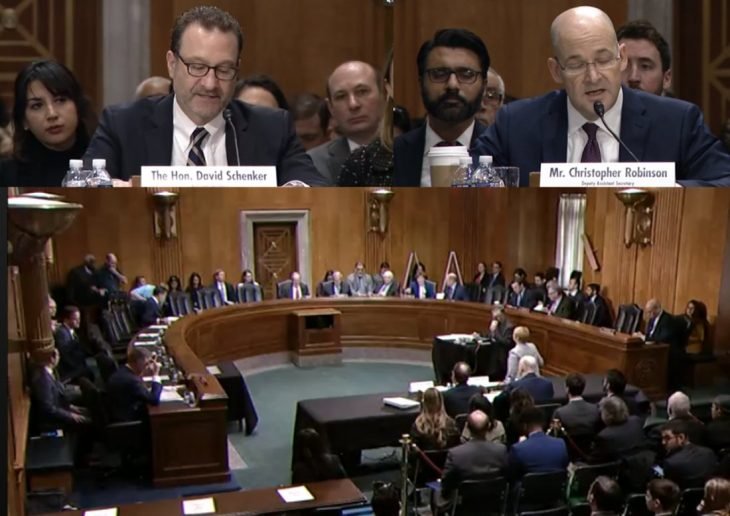
By Sheren Khalel
 Senator Bob Menendez threatens to hold up presidential nominations if White House does not sanction Khalifa Haftar for accepting Russian support. Read More
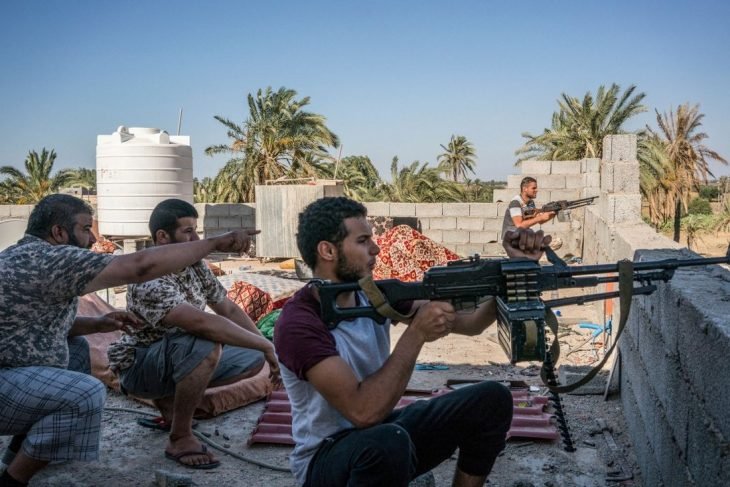
Libyans Are Tired of Being Pawns in a Geopolitical Game of Chess
By Frederic Wehrey
 The last time Libya’s war had the world’s full attention, it was being fought mainly by Libyans. Read More
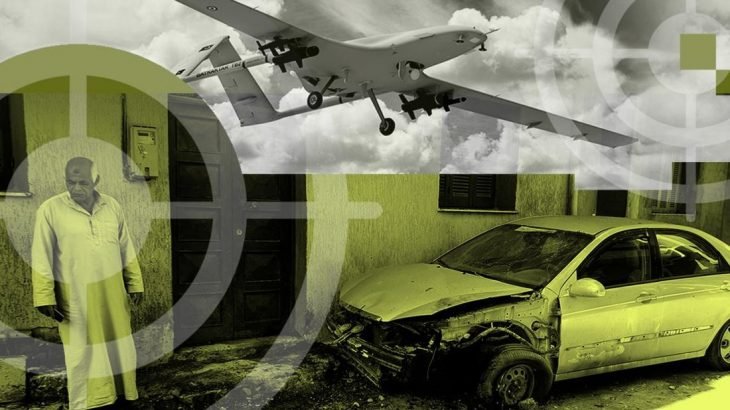
By Anthony Loyd
 Eyes in the sky have given both sides a lethal new weapon that is impossible to hide from.
Read More
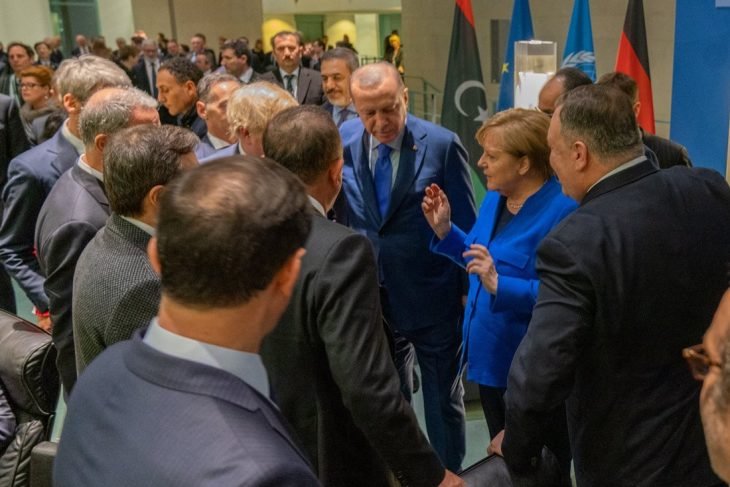
By Ali Bensaad

France, Russia, Turkey, United Arab Emirates, Qatar · Several foreign powers have contributed to the deterioration of the situation in Libya. Read More
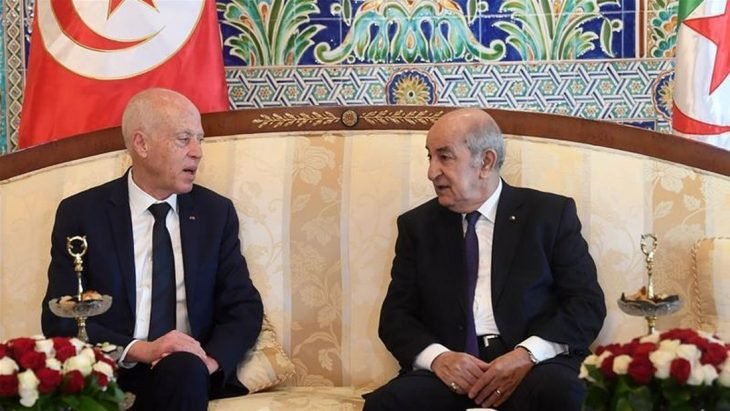
By Ramy Allahoum
 Analysts say the two countries are worried the assault on the capital will fuel further instability in the region. Read More
By Taylor Luck

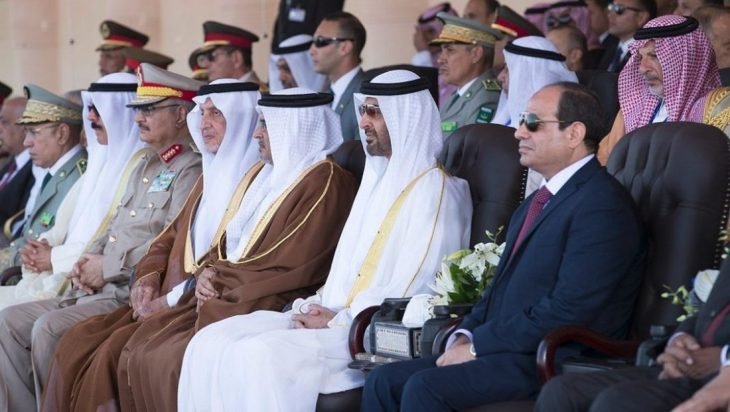
Libya’s oil and other resources make it a tempting target for outsiders. But at stake for Libyans and the Arab world in the current fight is also the struggle between illiberal democracy and autocracy. Read More
By: Sergey Sukhankin
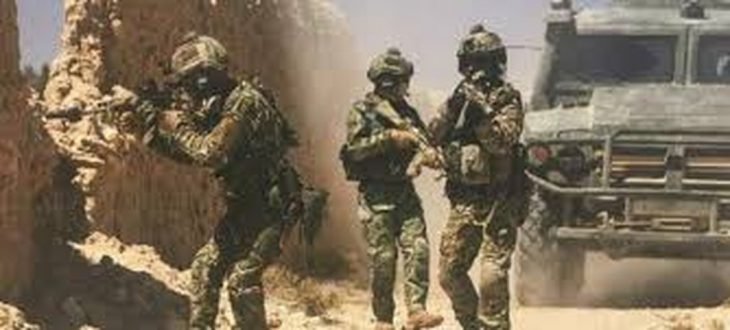
 Since the outbreak of the Libyan civil war in 2011, Moscow has been trying to demonstrate a balanced and pragmatic approach — considered in Russian conservative circles to be “excessively conformist” and even “defeatist”. Read More
By Nebahat Tanriverdi Yasar
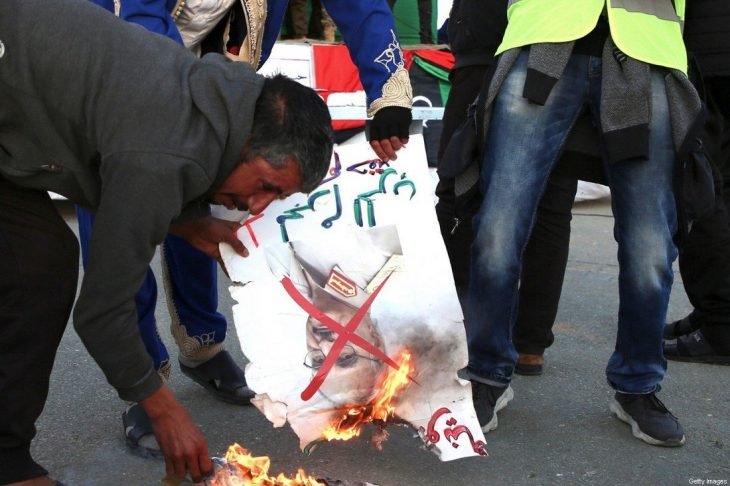
 Warlord Haftar speeding up military dispatch with support of UAE, Egypt, concentrating forces around Misrata, Tripoli. Read More
By Anthony Loyd
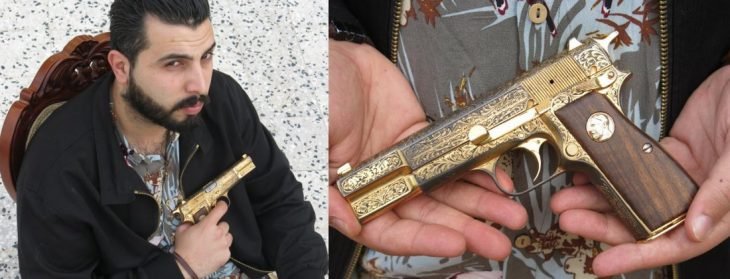
The young rebel who fought to topple Libya’s dictator tells Anthony Loyd why he is still waging war. Once he was a young rebel, famous for a day as the teen with the golden gun. Read More
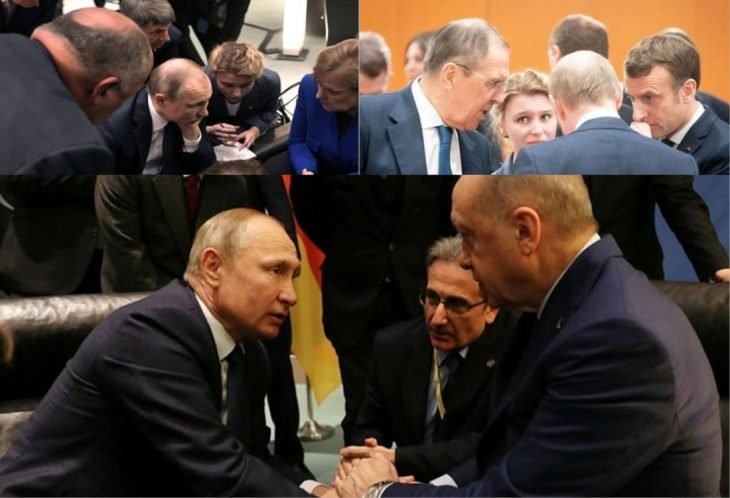
 The war in Libya is at risk of escalating into a full-fledged proxy war. Read More
The Libyan Civil War, External Influences and Regional Trends
By Dario Cristiani

Over the past few months, diplomatic activism around the Libyan civil war has intensified sharply. Two dynamics drove this process. Read More
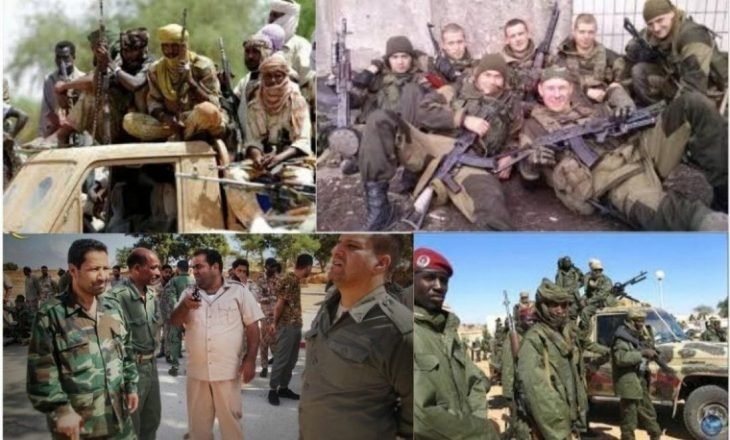
By David Isenberg
 Foreign interference by states, their proxies, and military companies is enabling the conflict in Libya to continue. Read More
By Vijay Prashad
 Libya has been reduced to a chessboard for a multidimensional game that is hard to explain and even harder to end. Read More
By Omar Khalaf

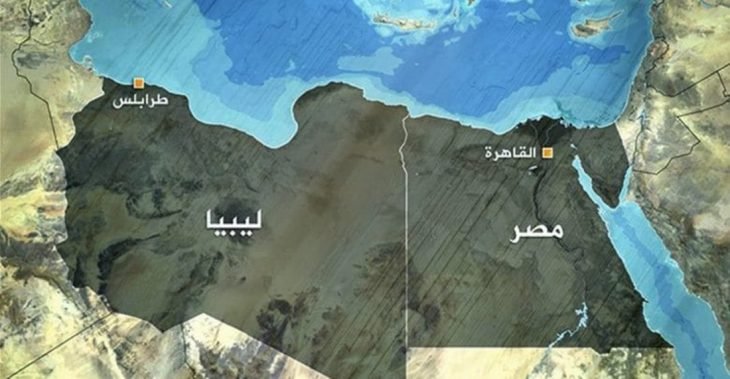
Why Egypt should rethink its plans, move away from the political schemes with Turkey, and return to the position of the mediating party to reach a settlement of the Libyan crisis? Read More
By Mustafa Dalaa & Enes Canli
 Military leaders sought on charges of war crimes, militia groups accused of genocide fighting on Khalifa Haftar’s side. Read More
By Tom Pollitt

Libya’s internal crisis continues to devastate the country and the wider region. The resulting “migrant crisis” is really a moral crisis, as European governments that have contributed massively to Libya’s destruction refuse to take responsibility for finding solutions. Read More


Summary: Libyan political activist Ashur Shamis writes that the renegade general Khalifa Haftar has no interest in peace and no strategy other than war as he bids to seize the country. Read More
By Frederic Wehrey
Support from the Emirates, Russia and the US is empowering the military strongman and worsening Libyans’ suffering.
In Abu Grein, on Libya’s frontline, the militiamen’s scars read like a rollcall of the wars that have roiled the country since the fall of Muammar Gaddafi in 2011.
One of the fighters, a truck driver named Muhammad, removes his cap to reveal a balding pate etched with shrapnel gashes. “From Da’ish,” he says, referring to a 2016 battle he fought against Islamic State in the Libyan city of Sirte.
Now, he says, yet another foe has captured Sirte: rebel militias under the command of a 76-year-old aspiring strongman named Khalifa Haftar. Last Sunday, these militias attacked Muhammad and his men, killing 11 of them, ignoring a shaky truce in a long-running war that started last April with a blitz on the Libyan capital by Haftar’s forces.
A former army general under Gaddafi who defected in the 1980s and became a CIA asset, Haftar launched his invasion of Tripoli after years of war in eastern Libya, where he built up power. In attacking the weak, internationally recognised Government of National Accord (GNA) in the capital, he claimed he was going to unify the country and put an end to militias.
To be sure, the GNA has been unpopular due to its administrative ineptitude and deference to corrupt militias. But a promising UN-brokered process was underway to replace that government and address the militia menace before Haftar’s offensive scuttled it.
An abiding quest for power has fuelled Haftar’s rise. When I met him in 2014, he told me even then of his plans to invade Tripoli, promising to eliminate Islamists of all shades through imprisonment, exile or death.
In pursuing his ambitions, he has deployed brutal tactics. In 2015, his allied militias in Benghazi admitted to me that they had carried out summary executions and stoked tribal divisions. One of his lieutenants faces a standing arrest warrant for war crimes; Haftar responded to this by promoting him.
The war he launched in Tripoli has caused misgivings among his supporters. Far from the quick victory he promised, it has been a drawn-out slog that has left more than 2,000 dead, including hundreds of civilians, and displaced hundreds of thousands. Most alarmingly, the conflict has drawn in outside powers who have sustained it with hi-tech weaponry– all in contravention of a UN arms embargo.
On Haftar’s side is a bloc of authoritarian and anti-Islamist Arab states: the United Arab Emirates, Egypt, Jordan and Saudi Arabia. The Emirates’ role has been especially destructive – its drones and fixed-wing aircraft have conducted hundreds of strikes, according to the United Nations, causing scores of civilian deaths.
French support is also key. Driven by a misplaced zeal for Haftar’s virtues as a counterterrorist and stabiliser, Paris has been sending him clandestine military aid for several years.
Added to this are the hundreds of Russian mercenaries who arrived at the Tripoli front last September, helping Haftar break the stalemate. While Moscow is not firmly wedded to the general, its strategy seems to be to egg him on and then reel him in, in order to shape a settlement to its liking. But that has not gone entirely to plan; last month, he walked out of a ceasefire meeting convened by Moscow.
On the other side is Turkey, whose Islamist-led government has long been at odds with the Emirati-led bloc. Not long after Haftar’s attack, Turkey dispatched armed drones of its own to the GNA and in recent weeks it has sent thousands of Syrian mercenaries, along with Turkish intelligence personnel, air defence systems and artillery.
But this came at a cost: Turkey’s president, Recep Tayyip Erdoğan, is providing this new round of aid only after signing an accord with the GNA that enables Turkey to extend its exclusive economic zone in the eastern Mediterranean.
A much-hyped international summit hosted by the German government took place earlier this month, but it failed to formalise a ceasefire – Haftar effectively spurned the talks. And indeed, in recent days, emboldened by the increased flow of Emirati arms, he has effectively restarted the war, bombing Tripoli’s airport and civilian areas and blockading oil ports, which has caused production to drop dramatically and worsened the misery of Libyans. It’s part of a creeping escalation that could embroil the capital in even more bloodshed.
Averting this catastrophe demands a greater role from the one power that might be able to rein in Haftar. “Haftar will not accept a ceasefire unless America twists his ear,” a GNA commander told me.
That may well be right. Washington needs to jettison its tacit and sometimes explicit support for Haftar, epitomised in a phone call in April 2019 by Donald Trump to the general endorsing his attack on Tripoli.
While that enthusiasm has somewhat cooled because of Haftar’s alliance with the Russians, there’s still more that the US can do, especially in areas where Washington has unique leverage.
These include halting Haftar’s illegal effort to unilaterally sell oil on the global market, getting the Emirates to stop arming his forces, and backing a UN security council ceasefire resolution that would include strong provisions against embargo violators and human rights abusers.
In the meantime, it’s Libyans who suffer: from the constant fear of shelling or air strikes, 16-hour blackouts and the sense that their fates are being decided from abroad. “Libya’s like a cake,” the mayor of Yefren, a town in Libya’s western mountains, told me last month. “Everybody wants a bite.”
***
Frederic Wehrey is a senior fellow at the Carnegie Endowment for International Peace and author of The Burning Shores: Inside the Battle for the New Libya.
___________
The Guardian
By Nourredine Bessadi

In regions inhabited by the Amazighs of Libya, General Haftar’s offensive against Tripoli and the Arab nationalism it embodies raises deep concerns. Read More
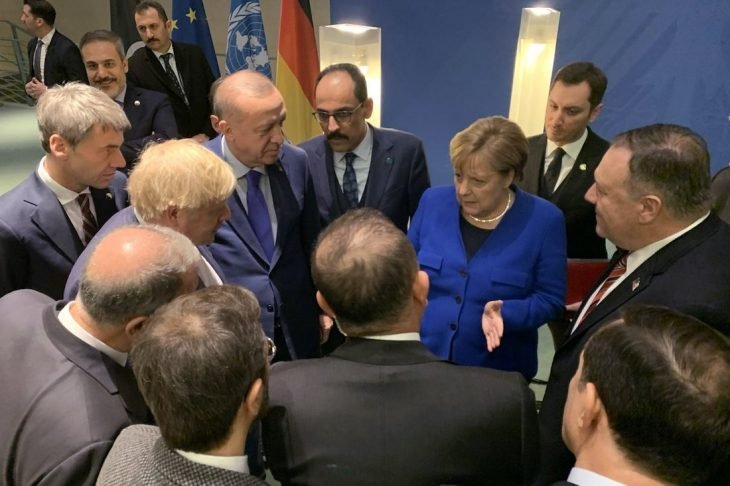
By Barbara Bibbo
 Meeting fell short of putting Haftar in his place, as fears rise that Libya’s destiny – like Syria’s – would be decided by foreign powers. Read More
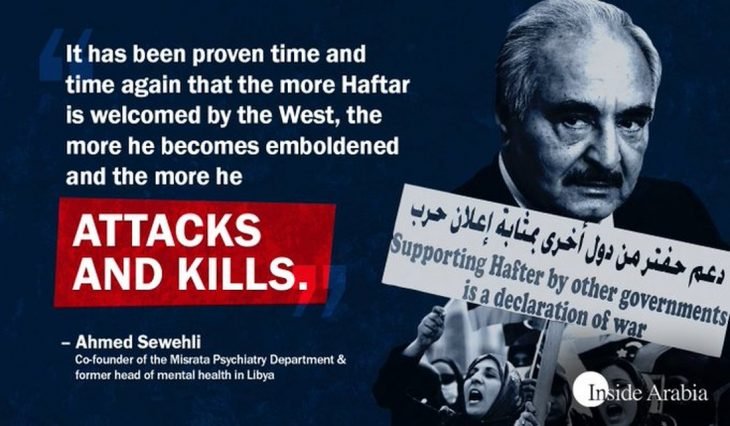
By CJ Werleman
 An international agreement to address the international factors behind Libya’s woes has only succeeded in further normalizing North Africa’s worst war criminal, thus promising further bloodshed. Read More
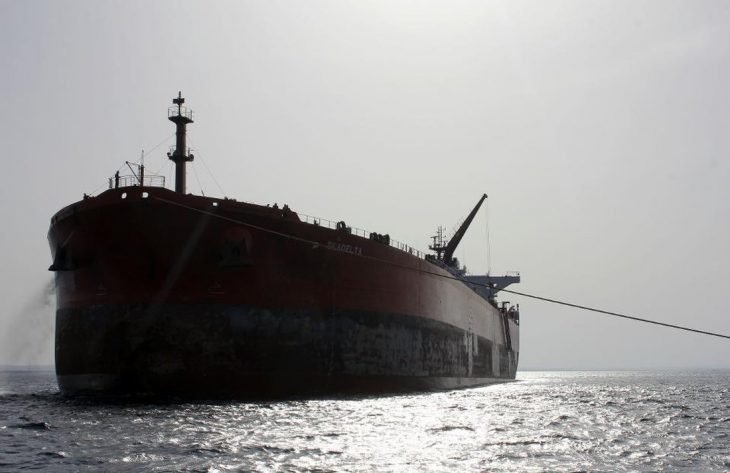
By Scott Carpenter
 In early July 2018, things were looking bleak for general Khalifa Haftar and his Libyan National Army (LNA). A couple weeks earlier, the LNA had seized control of four key ports in the eastern half of Libya, an area already largely under its control. Read More