Author - ab_mnbr

Reuniting Libya, Divided Once More

Libya is once again stuck in a standoff between two rival executives. In this excerpt from the Watch List 2022 – Spring Update, Crisis Group urges the EU and its member states to host consultations among foreign ministers of countries engaged in Libya, push the UN Security Council to appoint a new special representative and encourage the opposing factions to reach agreement on a state budget. Read More

Russian mercenaries accused over use of mines and booby traps in Libya

UN investigators say Wagner Group fighters did not mark mines’ positions and may have rigged bomb to teddy bear

Jason Burke

UN investigators say Wagner Group fighters did not mark mines’ positions and may have rigged bomb to teddy bear. Russian mercenaries in Libya systematically broke international law by laying mines in civilian areas without any attempt to mark their location or remove the lethal devices, UN investigators have found. Read More

Libya Will Put Washington’s New Peacebuilding Strategy to the Test

Erica Gaston 

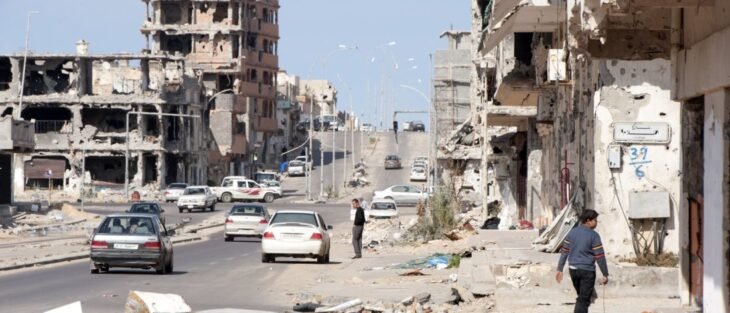
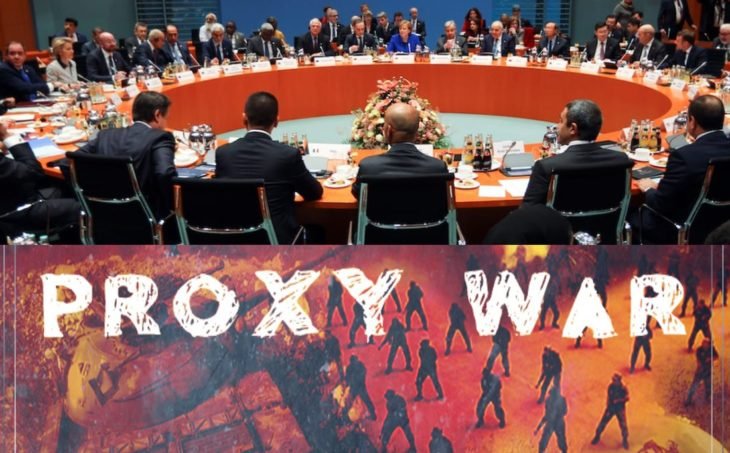
By any definition, Libya is a so-called fragile state and a high-priority challenge for international security. Since 2011, it has been wracked by repeated cycles of internal division and proxy warfare. It is a key node of arms smuggling and human trafficking, and a feeder of violence, conflict and human suffering across North Africa and down to the Sahel and the broader West Africa region. Read More

France tempted by a partition of Libya

According to a source close to the Libyan presidency, a delegation made up of 11 people, representing Fezzan, are currently in France to lead a conference whose main theme is the proposal for a federation of three, Tripolitania, Cyrenaica and Fezzan. .

Read More

What Does a Feminist Foreign Policy Mean for Libya?

Nouran Ragrag

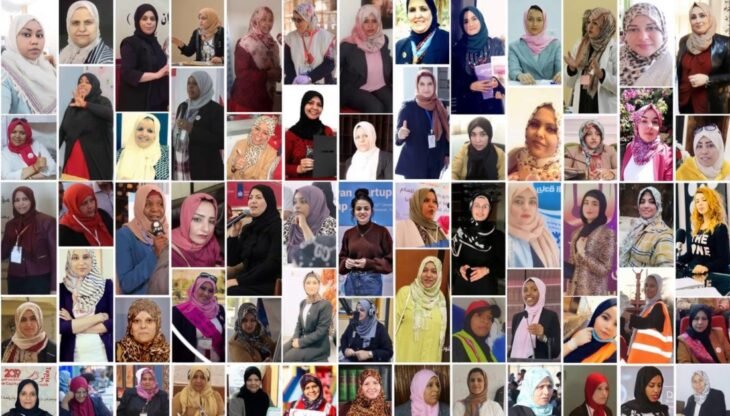
Positive messages spread across social media this past June in support of an announcement by Libya’s Minister of Foreign Affairs about the adoption of a Feminist Foreign Policy (FFP). In practical terms, it is difficult to imagine any attempts at feminizing the political infrastructure—let alone adopting it on a foreign policy level. But what does it mean to implement an FFP and how has it played out in Libya? Read More

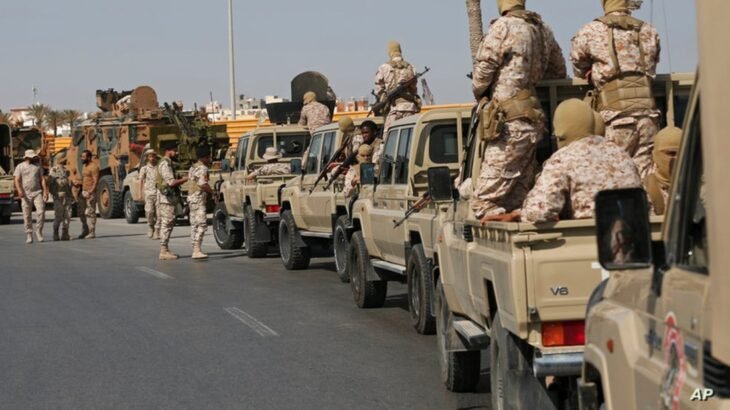
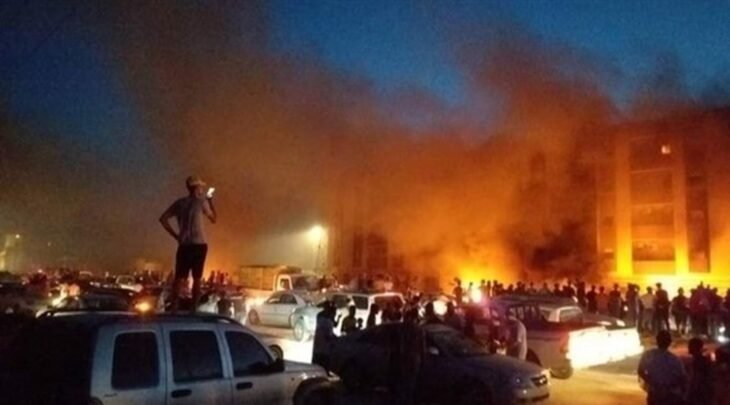
Fresh Tripoli clashes underscore Libya’s political volatility

Fragile ceasefire strained as rival prime ministers jostle for power amid talks in Cairo about the future political process and conduct of elections.

Sami Hamdi

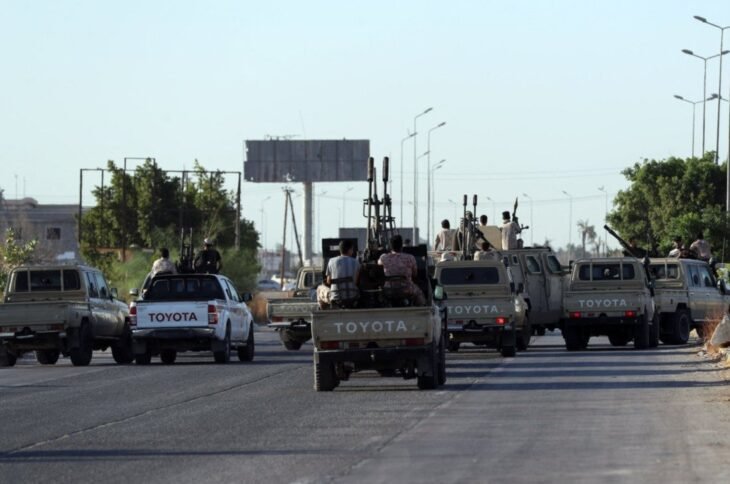
Libya’s fragile ceasefire almost fell apart on Tuesday, as clashes erupted in the capital Tripoli in response to yet another attempt by the prime minister of a rival government to install himself and his cabinet. Read More

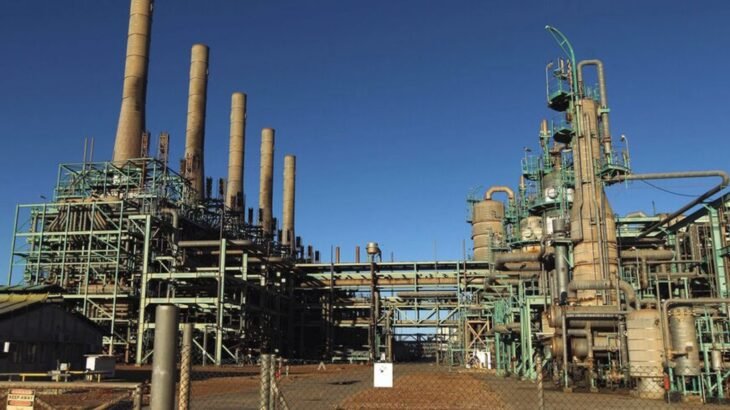
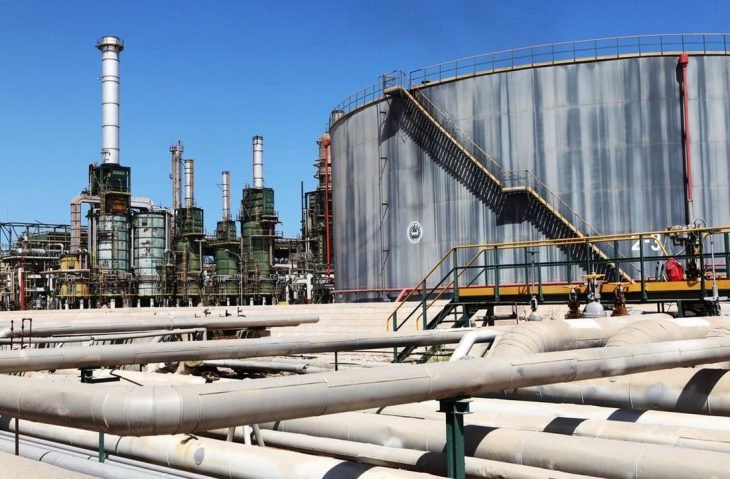
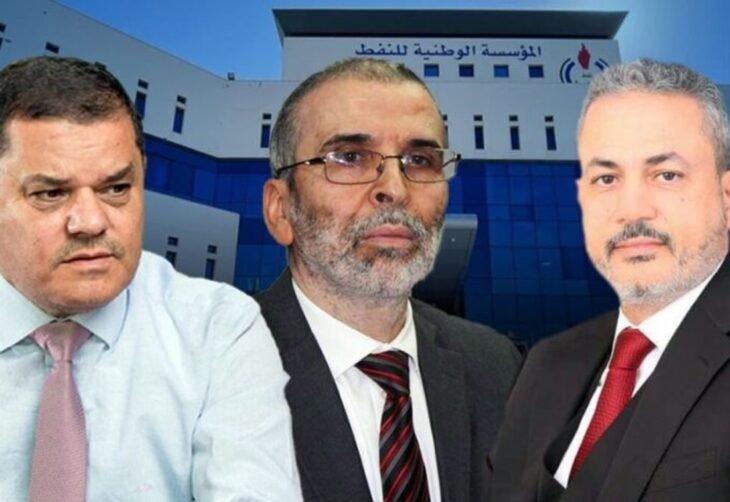
Political Competition and Oil Crisis in Libya

Mustafa Guvenc

Read More

Dbeibeh announces death of ‘coup’

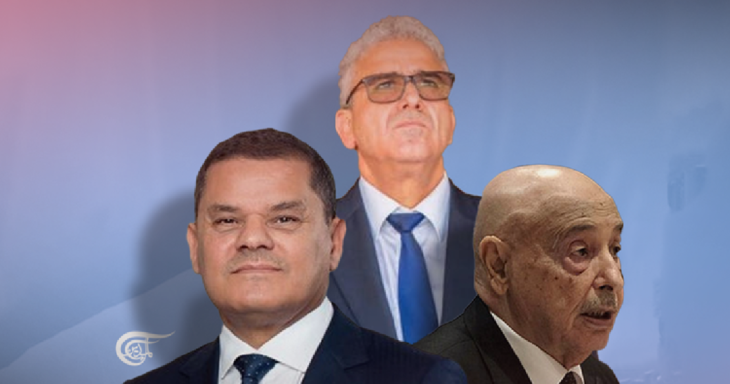
The Prime Minister of the Libyan Government of National Unity (GNU), Abdel Hamid Dbeibeh, has announced that what he called the “coup project” has “committed political suicide”. His announcement follows armed clashes in Tripoli between forces affiliated with the GNU and those supporting the Prime Minister elected by the parliament in Tobruk, Fathi Bashagha, hours after he arrived in the city to start the work of his government. Read More

Mangoush accuses Amnesty International of “promoting atheism” after reporting against pro-Dbeibeh militia

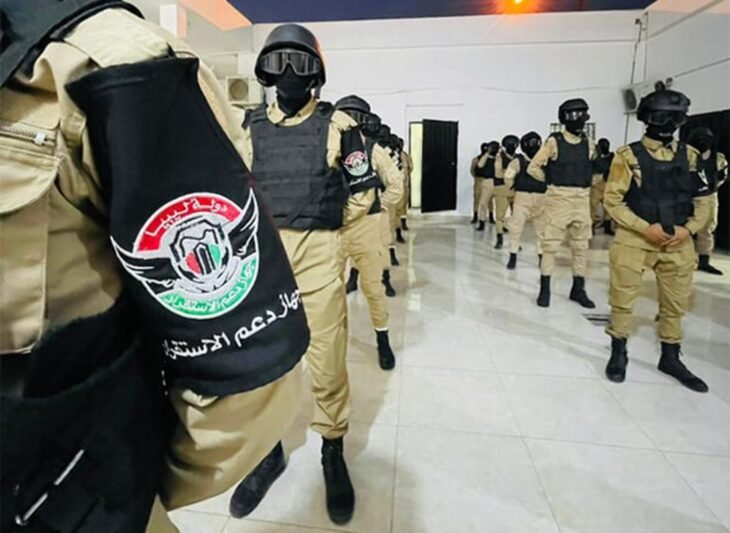
Libya’s outgoing foreign minister Najla Mangoush has accused Amnesty International, a renowned humanitarian NGO, of “promoting atheism and homosexuality”  after the latter reported on the human rights violations and abuses committed by the so-called Stability Support Authority, a militia affiliated with the government of Abdul Hamid Dbeibeh.

Read More

Growing risks of EU’s deliberate failures in North Africa

HAFED AL-GHWELL

Political crises and deepening structural and governance deficiencies throughout North Africa have become emblematic of a troubled EU approach to the region that emphasizes illusory ideals over difficult, albeit common sense, engagements.

Over the past decade alone, puzzling stumbles in its attempts to navigate the region’s complex challenges have decimated any confidence in the ability of Brussels to confront the grave threats brewing right on its doorstep.

Given the speed at which a new Middle East and North Africa is emerging, spurred by Washington’s “right-sizing” of its presence in the region, time is quickly running out for Europe to develop a coherent, sustainable approach to its engagements with its Mediterranean neighbors.

Granted, much of the attention in Europe and the wider world currently is focused, rightly, on the troubles in Eastern Europe and their potential to spill over into a global landscape replete with woes.
However, it should not be understated how a resilient democracy in Tunisia, the peace, prosperity and sustained stability of Algeria, Libya and Morocco are of similar strategic importance.
Instead, the reality is a dismal, decade-long record of bumbling, knee-jerk reactions and gross strategic miscalculations that will continue to hamper EU institutions and the ability of the bloc to coordinate its responses to crises unique to North Africa.

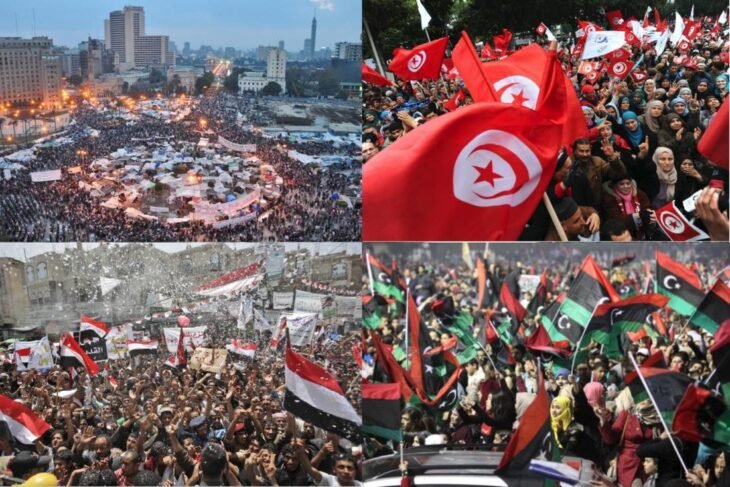
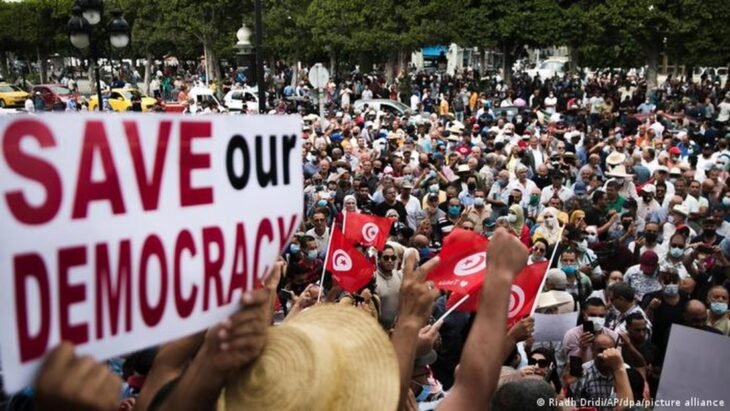
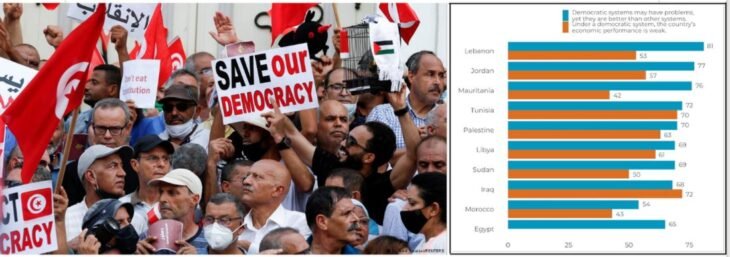
The Tunisian president’s dissolution of parliament and the shutting down of almost all political life, echoes the authoritarian rule that the Arab Spring aspired to undo. What first appeared to be remarkable decisiveness is now a jumble of incoherent, out-of-touch responses to a worsening socioeconomic crisis and the reintroduction of systemic repression by the security forces to curb opposition.

Instead of a great turnaround, there is an accelerating slide into state bankruptcy, governance failures and a return to instability. Given the likelihood of such a worst case scenario, the EU could have applied indirect pressure on Tunis to wrap up this political project as soon as possible. However, the bloc would rather “reward” the president’s lunge for one-man rule by lending Tunisia about €450 million ($470 million) in budget support, in addition to maintaining its access to a €200 million fund, shared by Morocco, Algeria and Egypt, to mitigate disruption to global grain supplies.

Libya, meanwhile, is spiraling into a self-inflicted festering mess the longer the will of its war-weary populace remains subordinated to the pursuit of extremely narrow interests by a gilded few and their external backers. What is left of the country’s tattered, ineffectual, multitrack transition processes are cults of personality vying to rewrite a long-overdue first chapter of Libya’s democratization in the post-Muammar Qaddafi era. The actual transition to a stable, democratic and unified state — capping off a multi-year standoff — remains a distant, elusive priority, if it happens at all.

Europe must quickly come to terms with its undeniable role as a major actor in an increasingly multipolar world, and the first place to do so assertively would be in North Africa.

This woeful state of affairs has only become more entrenched given the complete disinterest of Brussels in mounting serious, well-coordinated and well-managed interventions to correct the unraveling of Libya’s post-2011 order.

France and Italy are the nations most actively engaged in very divisive roles in the shadow of broader European inaction over Libya, doubling down on the pursuit of narrow, often contradictory, interests prompting even more external meddling by Russia and Turkey.

In Algeria, a promising Hirak protest movement has waned, crowded out by an incompetent ruling elite that is quicker to suppress dissent than initiate compelling reforms to make the “Algerian Dream” a reality. The risky gambit that should have led to Algeria’s “Tunisia moment” is now a sociopolitical hellscape, with the Hirak movement now reduced to a mere symbolic aspiration for democracy.
What remains is a dysfunctional state, where neither a fractured opposition nor an incorrigible ruling elite can capably address Algeria’s glaring shortcomings ahead of what will likely be severe socioeconomic collapse.

This growing list of the EU’s failures to deftly manage its relations with North Africa are a byproduct of a dysfunctional and misguided Southern Neighborhood Policy, officially known as ENP-South. On a broader level, what should have been a “privileged partnership” has so far devolved into an ambiguous project that eschews meaningful engagement, allows member states to pursue competing strategies, and ignores severe institutional deficiencies that are hobbling North African societies, economies and politics.

In addition, the most dominant priorities on the EU’s southern borders are the propping up of a punitive border regime, and wonky diplomacy tinged with neocolonialist ideals, instead of coherent approaches focusing on securing longer-term stability. However, a decade or more of continued strategic miscalculations risks entrenching dangerous trends that eventually metastasize into the shared cultural spaces and deep links between every society along the Mediterranean’s shores.

Given North Africa’s proximity and strategic importance, Brussels correctly prioritized cooperation with Mediterranean states, solidifying its ambitions to become an influential player in efforts to address shared global risks such as climate change, irregular migration, energy security, counterterrorism and other hybrid threats.

Algeria, Tunisia and Libya remain the countries most at risk given their fragile sociopolitical dynamics, and any further destabilization could spill over into Europe, and even the rest of the world, if continued indecision sponsors or institutionalizes inaction in external engagements by Brussels.

The EU faces numerous internal challenges resulting from resurgent nationalism and EU-skepticism, which distract from the complex efforts to stabilize its southern neighborhood and invest in its longterm resilience.

Europe must quickly come to terms with its undeniable role as a major actor in an increasingly multipolar world, and the first place to do so assertively would be in North Africa. Collective action there must be guided by coherent strategies and clear-sighted objectives, not narrow transactionalism.

***

Hafed Al-Ghwell is a senior fellow with the Foreign Policy Institute at the John Hopkins University School of Advanced International Studies. 

_______________

Read More

Libya’s west-based government denounces rights report

One of Libya’s rival governments has said that a report by an international rights group accusing it of abuses contains false accusations

Read More

How Russia’s War in Ukraine Affects Its Meddling in Africa

Jalel Harchaoui and John Lechner

 The Russian invasion of Ukraine has led to greater focus on Moscow’s activities around the world. Working through private military companies, Russia has repeatedly intervened in Africa’s civil wars, becoming a major power broker in several. John Lechner, formerly with the U.S. Commission on International Religious Freedom, and Jalel Harchaoui, a specialist on Libya, assess Russia’s role in Libya, Sudan, the Central African Republic and Mali. They argue that these regimes are relying extensively on Russia and that U.S. and EU efforts to counter Moscow’s influence are often half-hearted and unlikely to succeed. Read More

The EU, NATO and the Libya Conflict: Anatomy of a Failure?

By Stefano Marcuzzi

Book Description

This book explores the causes and implications of the Libyan crisis since the anti-Gaddafi uprisings of 2011 from the perspective of the EU and NATO. It asks the question of why those organizations failed to stabilize the country despite the serious challenges posed by the protracted crisis to European and transatlantic stakes in the region. Read More

UK ‘refuses’ Libya request to return ‘stolen’ Roman Artefacts

Lawyers for the Crown Estate of Queen Elizabeth II have reportedly turned down the request to return ‘stolen’ artefacts from the ancient Roman settlement of Leptis Magna in president-day Libya, despite a campaign of a British-Libyan lawyer. 

The UK has allegedly refused a request to hand over artefacts ‘stolen’ from Libya more than 200 years ago, according to media reports on Sunday.

A London-based lawyer, Mohamed ben Shaban, submitted an official request last month to the Crown Estate of Queen Elizabeth II, asking for columns from the ancient Roman settlement of Leptis Magna in Libya to be returned, Al-Wasat reported.

The columns were ‘stolen’ in 1816 from the Augustus Temple in Leptis Magna, whose ruins are located with present-day Khoms, 130 kilometres south of the capital Tripoli, on the Mediterranean coast.

British imperial officers Hanmer Warrington and William Henry Smyth transferred the ruins to the UK and the blocks are currently located in Windsor Great Park.

The Crown Estate maintains that the stonework was gifted, but ben Shaban said there is “no proof” that Warrington legally acquired the ruins while on his diplomatic mission.

Lawyers for the Crown Estate replied: “Our client has informed us that the columns will not be returned to Libya.”

Ben Shaaban had reportedly made several attempts to have the columns returned to Libya, beginning in October 2021, and sought mediation through the UN’s heritage body UNESCO.

The lawyer, who is the first-ever British-Libyan dual national to qualify as a solicitor of the Supreme Court of England and Wales, expressed his disappointment with the responses that he called “insulting”.

“Besides polite emails saying ‘we will get back to you’, I received nothing substantive for months. I think they’re hoping we’ll get over it,” he told the UAE daily The National.

“Morally, there is no question in our view that this heritage was stolen from the people and should be returned to them,” he added.

The British weren’t the only ones to obtain artefacts from Leptis Magna – the French King Louis XIV reportedly took away 600 columns, which he used in the palaces of Versailles and Paris in the 7th Century.

Warrington allegedly persuaded the local Ottoman governor to let him help himself to the relics of Leptis Magna on behalf of the British Crown.

The columns were initially placed in the British Museum, and were later erected in 1828 in Virginia Water, Windsor Great Park by then-King George IV’s architect.

The columns, which are made from various types of material, including granite and marble, are officially listed as Grade II property of the Crown Estate, according to The National.

***

BACKGROUND

The lawyer on a mission to return Libya’s ‘stolen’ Roman heritage

By Layla Maghribi

How Queen Elizabeth could face legal action in an effort to repatriate 2,000-year-old ruins from Leptis Magna

Our client has asked us to inform you that the columns will not be returned to Libya.” That was the terse response from lawyers acting for the Crown Estate of Queen Elizabeth II to a lawyer battling to reclaim artefacts from the Roman settlement of Leptis Magna for his homeland.

Acting for Libya, London-based Mohamed Shaban has submitted a formal request for the return of the ancient ruins from a wooded glade in Windsor Great Park that features, screened away from public view, a collonaded section that was spirited out of North Africa in 1816.

But if finality in the matter was the intended aim, the Crown Estate’s curt reply has only spurred on the British-Libyan lawyer leading efforts to reclaim the 2,000-year-old Roman relics taken from Libya by the UK.

After attempts at an amicable restitution were “repeatedly dismissed”, Mr Shaban told The National he had moved to seek mediation through the UN’s heritage body, Unesco.

Mr Shaban said he sent letters to the Crown Estate in October 2021 requesting the repatriation of historic stoneworks that in the 19th century were taken by a British diplomat from the ancient site of Leptis Magna near Tripoli.

The UK-qualified lawyer, who is representing the state of Libya, said he had been disappointed with the responses he received from the legal team acting for Queen Elizabeth – on whose land the ruins currently reside – in the six months since he first made contact.

Besides polite emails saying ‘we will get back to you’, I received nothing substantive for months. I think they’re hoping we’ll get over it,” said Mr Shaban, who told The National he took on the case after repeatedly hearing complaints about it from members of the community.

Having a part of our heritage in the crown’s estate has definitely touched a nerve with Libyans,” he said.

Morally, there is no question in our view that this heritage was stolen from the people and should be returned to them.”

Leptis Magna on the Libyan coast was once among the Roman Empire’s most beautiful cities. Several pieces from its ruins were taken to the UK by a British diplomat in the early 19th century. The Libyan government says its heritage was stolen and is asking the Crown Estate to return the items. AFP

How Libya’s ancient ruins ended up in England

Named after the Roman city on the shores of the Mediterranean from where they came, the Leptis Magna ruins are a Unesco world heritage site.

Under the rule of Emperor Septimius Severus, who lavished Leptis with wealth during the second century AD, the city became the third most important city in Africa, rivalling Carthage and Alexandria.

Over the centuries, the city became a quarry for local people, and later a site of colonial plunder for the British and French, whose King Louis XIV took about 600 columns from Leptis Magna to use in his palaces at Versailles and Paris.

Barbary Coast turmoil

In 1816, after apparently being captivated by the sight of the Roman ruins, the British Consul General of Tripoli, Hanmer Warrington, decided to take some of the ancient stonework to England.

That was also the year that parts of the Parthenon in Greece were removed and shipped off to the UK by another British diplomat, Thomas Bruce, also known as the Seventh Earl of Elgin.

Athens has long been pushing for the return of the so-called Elgin Marbles, claiming they were taken, not given as a gift, and amount to stolen spoils of colonialism.

Perhaps inspired by the Earl of Elgin’s antiquities grab, Warrington persuaded the local Ottoman governor to let him help himself to the relics of Leptis Magna on behalf of the British crown.

The stonework treasures included 22 granite columns, 15 marble columns, 10 capitals, 25 pedestals, seven loose slabs, 10 pieces of cornice, five inscribed slabs and various fragments of figure sculpture and grey limestone.

Initially, the stones were deposited with the British Museum, but in 1828 they were erected by King George IV’s architect, Sir Jeffry Wyatville, at Virginia Water in Windsor Great Park.

Supplanted into an artificially constructed Temple of Augustus, the columns are now a Grade II listed property of the Crown Estate.

The Temple of Augustus at Virginia Water, Surrey, in 1894. The Crown Estate maintains that the stoneworks were a gift from the Bashaw of Tripoli to the Prince Regent. Getty Images

Libya versus the Queen? ‘Nothing is off the table’

The Crown Estate claims that the stones in its possession were a gift. Libya, however, says there is no proof that Warrington legally acquired the ruins while on his diplomatic mission in North Africa, and that he simply stole them.

We invited Windsor to provide evidence of the columns’ legal provenance but have been repeatedly ignored,” Mr Shaban told The National.

Their most recent response has been a curt two-line letter saying they will not be returning the columns to Libya … it is rather insulting and a desperately inadequate response.”

The London-based solicitor has been involved in repatriating looted artefacts from Libya before.

After a 2,000-year-old funerary statue of the Greek goddess Persephone was stolen from the ancient city of Cyrene in Libya in 2011 and taken to the UK, Mr Shaban represented the North African country during the legal case to return the artefact.

An artefact returned by Italy to Libya, known as the ‘Head Domitilla’, left, and right, a statue of the goddess Persephone. AP Photo

The arbitration expert also successfully negotiated the return to Libya of a Roman statue of Princess Donatella Flavia – also stolen from Libya duri

Mr Shaban says Libya is aggrieved by the Crown Estate’s lack of meaningful engagement with him on the Leptis Magna columns and told The National their attitude highlighted a certain “arrogance” and “hypocrisy”.

This is a very imperial and arrogant way of doing things. We are told that British values are ‘to do the right thing’, but the right thing is to return what rightfully belongs to the Libyan people.

I don’t think they’ve covered themselves in glory,” Mr Shaban said of the queen’s lawyers.

A spokesperson for the Crown Estate said the Leptis Magna columns “remain on public display and are an important and valued feature of the Virginia Water landscape. They continue to be enjoyed by the millions of visitors to Windsor Great Park each year”.

Mr Shaban replied: “They seem to be using that as an excuse not to return the artefacts. This is of course nonsensical, rather comical and even insulting. Using their logic, we can take some stones from Hadrian’s Wall, plonk them in another country and refuse to return them because ‘millions of tourists are enjoying’ them.”

The National was unable to visit the columns in person because they have been closed to the public for maintenance work for several months.

Hanmer Warrington was the British Consul General at Tripoli on the Barbary Coast for 32 years. His private villa near Tripoli, depicted here, was completed in 1820. In 1816, after apparently being impressed with the site of Leptis Magna, Warrington decided to take some of the ancient city’s stonework to the UK as a gift to the royal family.

The UK is a signatory to several international treaties on the protection of cultural property, although they were all signed “long after these columns were taken”, Mr Shaban said.

Nevertheless, he hopes a growing recognition among institutions of their role in the colonial-era plunder of cultural heritage may encourage Queen Elizabeth to follow suit.

Among the recent restitutions are: Benin bronzes to Nigeria from the University of Aberdeen and the University of Cambridge; locks of hair from Abyssinian Emperor Tewodros II to Ethiopia from the National Army Museum; and royal regalia to Myanmar by the Victoria and Albert Museum.

But the British Museum – one of the largest hoarders of cultural artefacts from around the world – continues to resist calls for the return of looted objects in its possession, most famously, the Parthenon Elgin Marbles.

After years of acrimonious dispute, a Unesco committee recently recommended that the UK government reconsider its position on the Parthenon Marbles and enter into talks with Greece.

While Mr Shaban hoped for an “amicable route” to repatriation of the Leptis Magna columns, his experience so far dealing with the Crown Estate has left him less confident of that becoming reality.

We have shown great respect so far, and we have perhaps not had the respect that we deserve. For us, now, nothing is off the table.”

_________________

Read More

‘Our Enduring Disorder’: An interview with Author, and Libya Expert Jason Pack

John Lyman

To understand where things currently stand in Libya, I turned to Libya expert and historian Jason Pack, author of Libya and the Global Enduring Disorder, Senior Analyst for Emerging Challenges at the NATO Defense College Foundation, and the President of Libya-Analysis LLC. Besides developments in Libya, we also touched on the war in Ukraine, Russian President Vladimir Putin, Russian mercenaries, and what the UAE and Saudi snub of Joe Biden means for the geopolitics of the Middle East. Read More

Are we back to armed conflict over oil?

Abdullah Al-Kabir

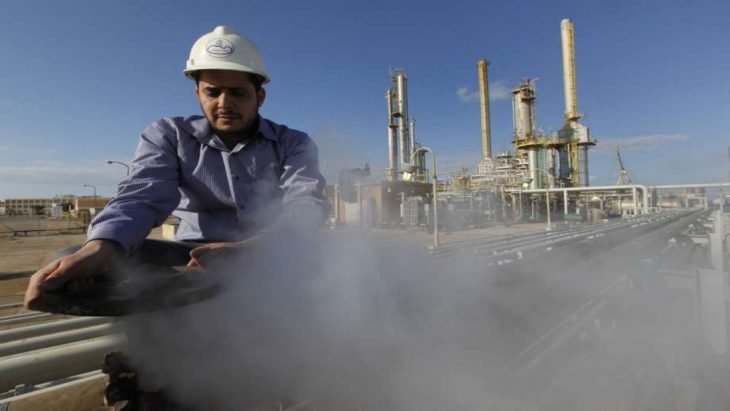
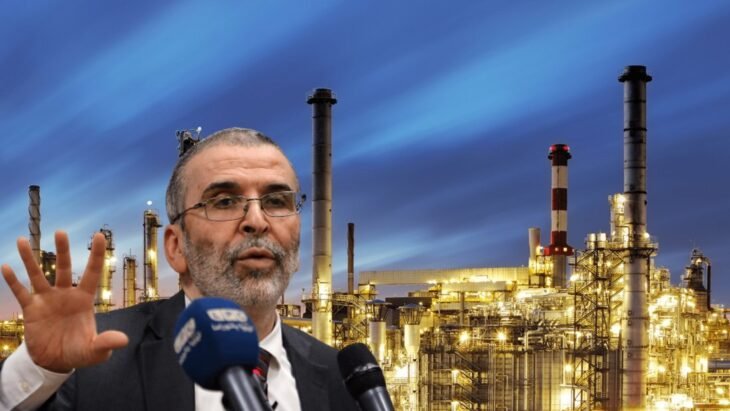
Oil is returning to the forefront of the conflict as a political pressure card, which has proven useless in previous times, except when used as a means of extortion to obtain money or some political gains. The demands made for distributive justice, or the prevention of a political party from benefiting from the revenues, were nothing but slogans for consumption. Read More

Libya: Why political stability remains elusive

Ferhat Polat

The Libyan presidential and parliamentary elections scheduled for December 2021 were postponed indefinitely amid rising tensions. The planned elections had raised hopes of breaking the deadlock and reunifying the Libyan people to bring stability and prosperity, but they failed to materialise. Read More