By Yamena Salemi
 After the ouster and death of Gaddafi in 2011, two seats of power emerged in Libya. Read More
By Yamena Salemi
After the ouster and death of Gaddafi in 2011, two seats of power emerged in Libya. Read More
By Sally Hayden
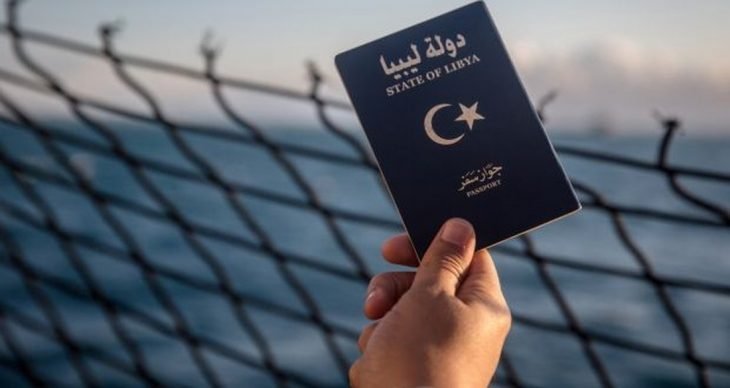
 The end of a rescue ship’s ninth mission in the area underlines growing danger in Libya. Read More
By Sudarsan Raghavan
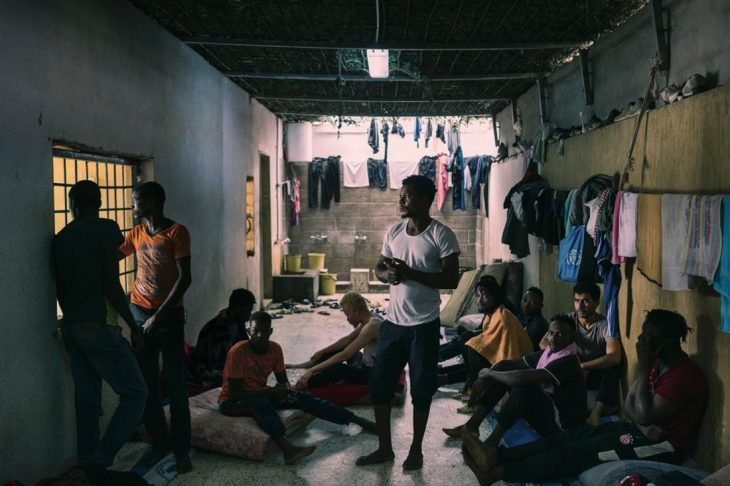
 Dozens of glum-faced African men sat on the cement floor of the packed migrant detention center, the air thick with body odor. Read More
By Declan Walsh
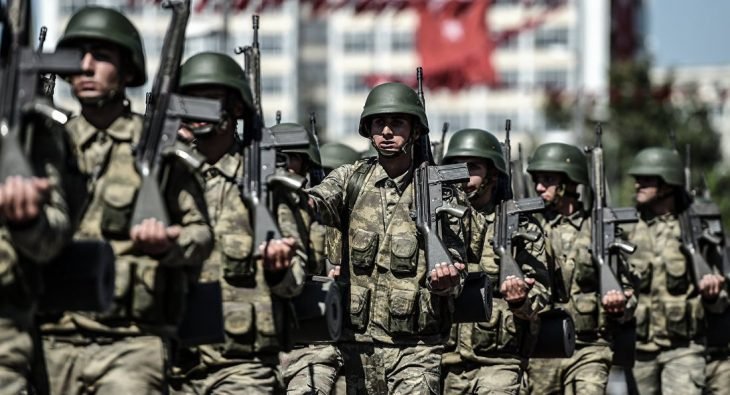
 The Turkish president said his country’s Parliament would soon vote on a deployment, adding to an escalating proxy battle among regional powers. Read More
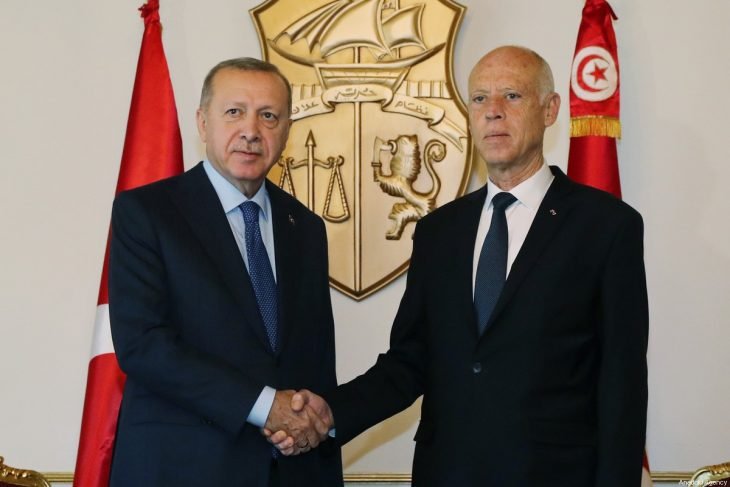
By Ahmad Al-Qadidi
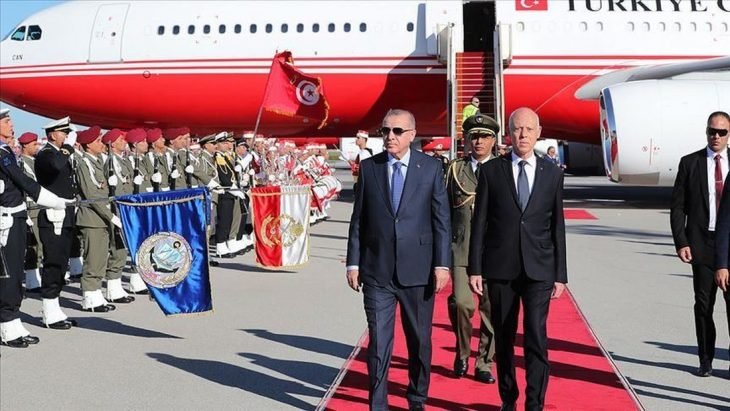
 We received a pleasant and refreshing surprise when we heard President Qais Saeed received the first president from a neighbouring country since taking over office and that this distinguished guest was the Turkish President Recep Tayyip Erdogan on Wednesday. Read More
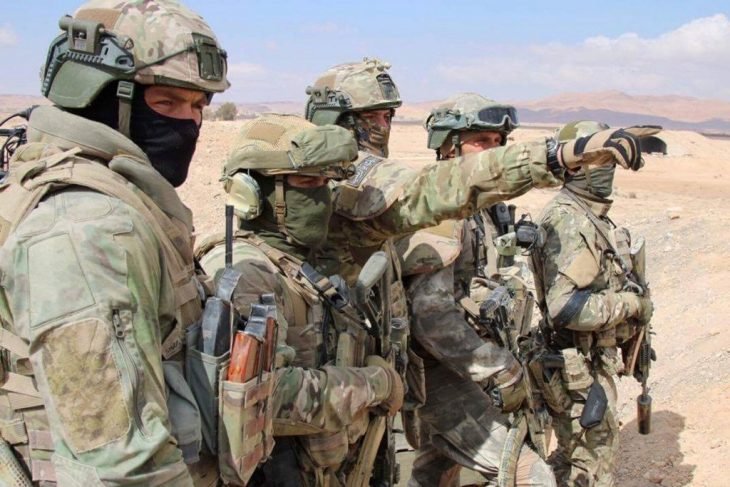

NPR’s Ari Shapiro talks with The Washington Post’s Cairo bureau chief Sudarsan Raghavan about the foreign countries pouring weapons and mercenaries into Libya’s civil war. Read More
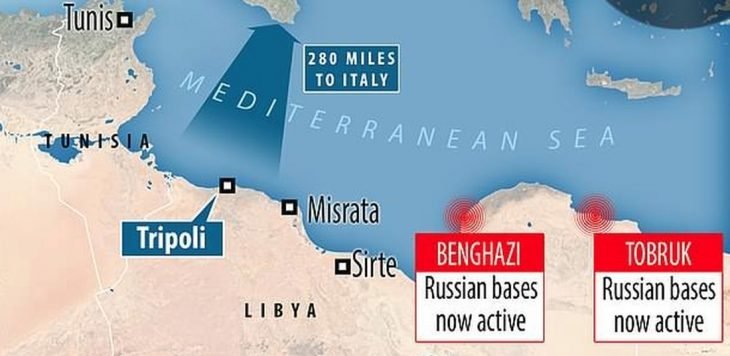
By Viktor Katona
 Whenever a major oil-producing region is engulfed in prolonged warfare, speculation starts to abound regarding all the potential changes to its oil and gas policy and the companies willing to take a share in its projects. Read More
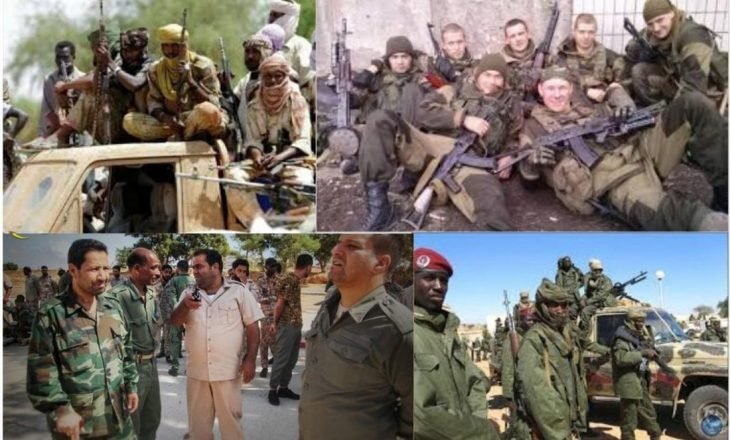
By İbrahim Karagül

Libya is playing host to a bitter war that has witnessed the country being carved up. Those responsible for Gaddafi’s ouster are taking the next step and plundering the country. Read More
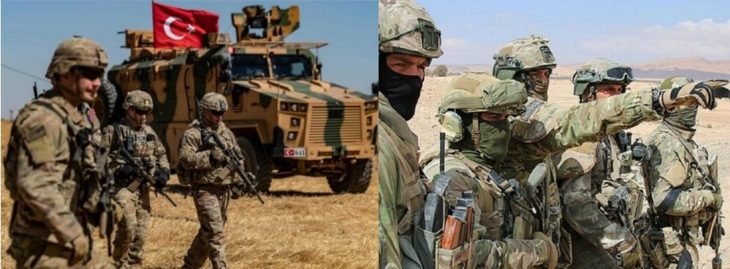
By Jason Burke & Zeinab M. Salih

 Hundreds of fighters from Sudan joining anti-government Libyan National Army. Read More
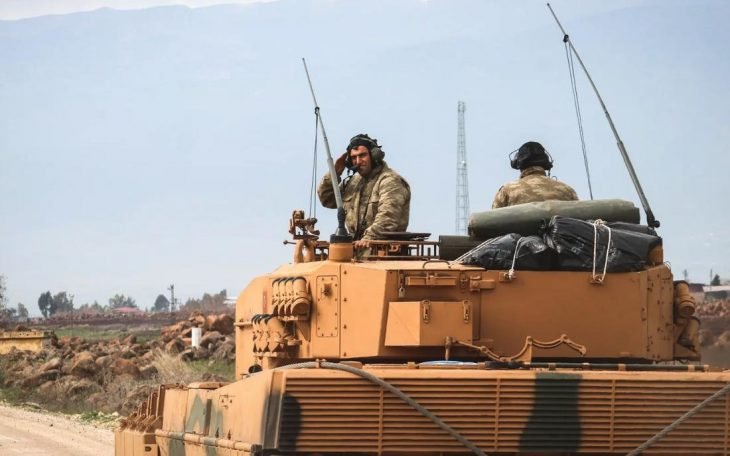
By Ali Bakeer
 On December 19, the UN-recognised government in Libya [GNA] led by Fayez al-Sarraj, issued an official statement citing that the cabinet “unanimously approved the implementation of the memorandum of understanding (MoU) on security and military cooperation (SMC) between the GNA and the Turkish government signed on November 27”. Read More
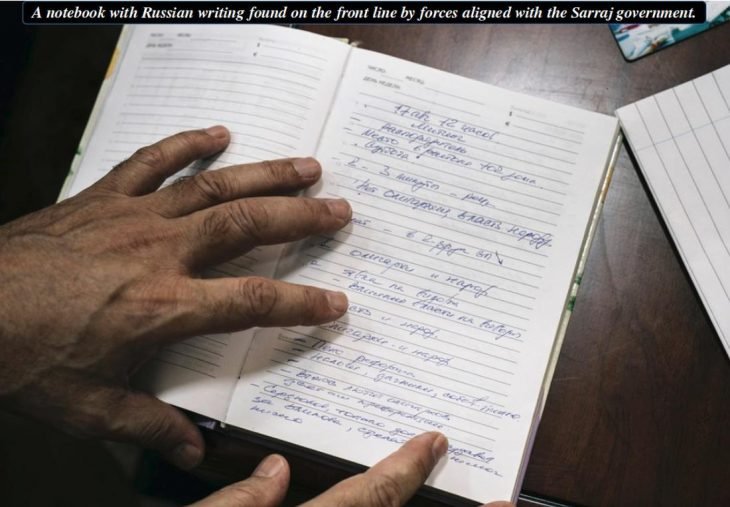
It is threatening a wider war in the Middle East
By Sudarsan Raghavan
When Russian mercenaries linked to the Kremlin emerged on the front lines of Libya’s war in September, their military expertise and advanced weaponry changed the battlefield. That was only the beginning. Read More
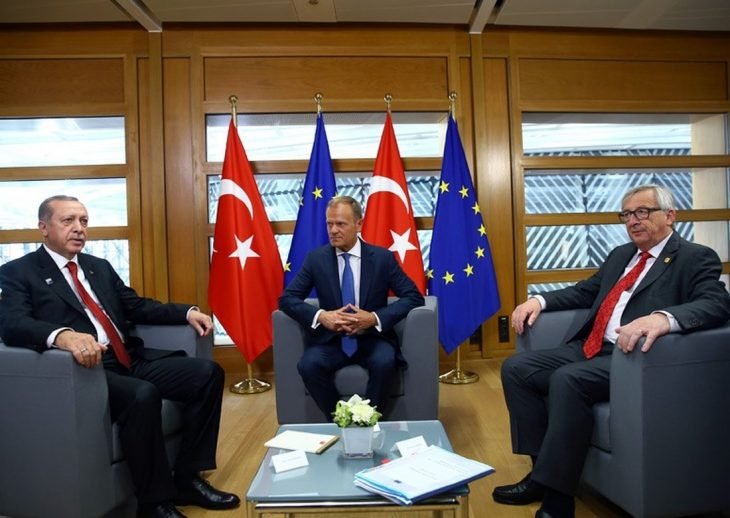
By Burhanettin Duran
 The fall of Tripoli could undermine European energy security and unleash a new refugee wave on already overwhelmed countries. Read More
By Soner Cagaptay & Ben Fishman

 Facing pressure from General Haftar and his foreign military backers, the Tripoli government has welcomed the helping hand extended by Ankara, whose own lack of regional options has drawn it into the middle of another conflict. Read More
By Rachel Frazin
 The State Department on Saturday expressed concern about the escalation of a conflict in Libya amid the reported presence of Russian mercenaries.
By Michael Mackenzie
 The dust has not yet settled in northern Syria after Turkey launched a military operation there in October, capturing a strip of territory from Kurdish militias that it views as terrorists. Read More
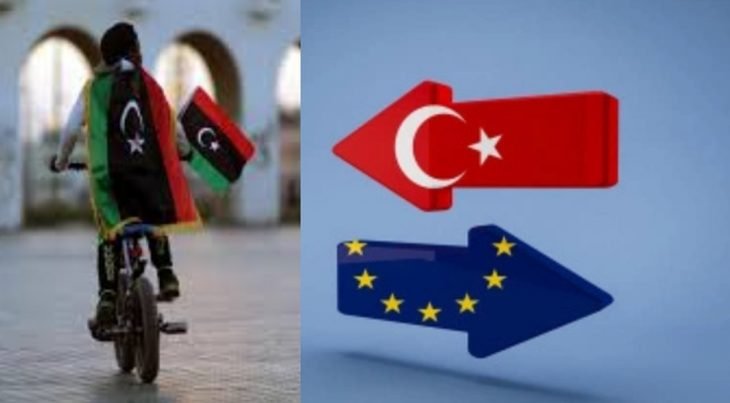
By Tarek Megerisi & Asli Aydıntaşbaş

 Europeans could still keep Libya a multilateral affair, if they can bring France onto a shared platform – and deploy newfound unity to draw American influence back in. Read More
By Jonathan Fenton-Harvey
 A vicious trend of US apathy is thwarting Libya’s peace process. Read More
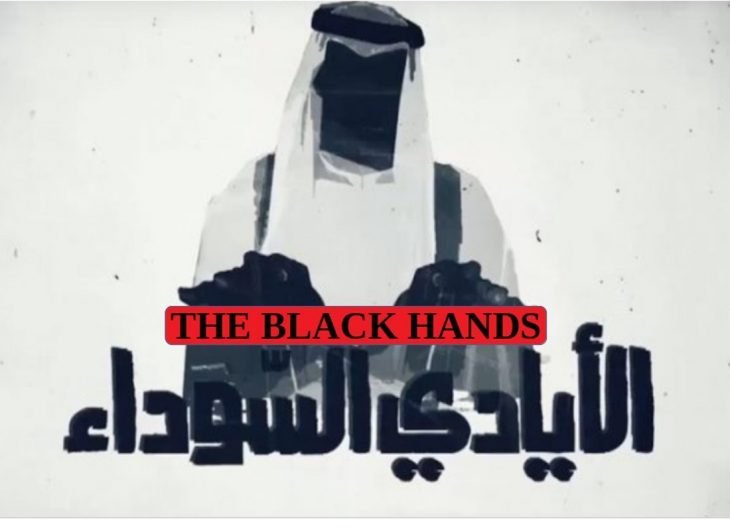
 The UAE has spared no effort to support any movement that would undermine the effects of the Arab Spring. Read More
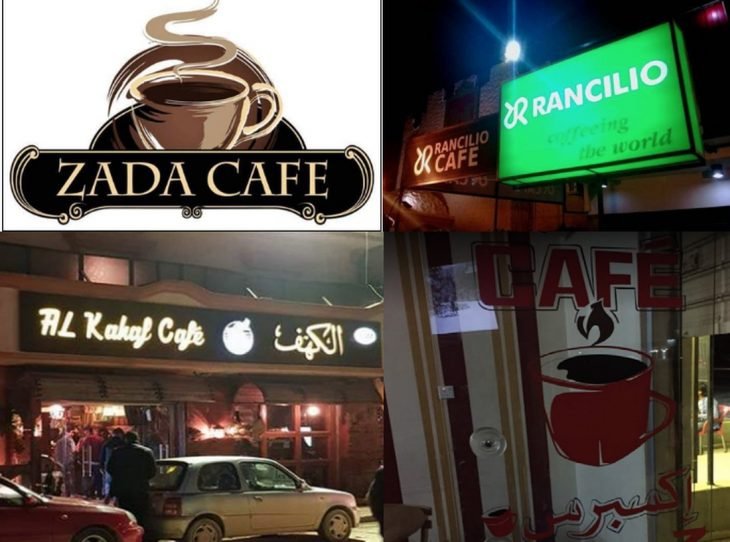
From Fasoulia Sandwiches to Fashionable Lattes
 For those of you who are familiar with Benghazi’s delicious cuisine, you can move on to the post. Read More
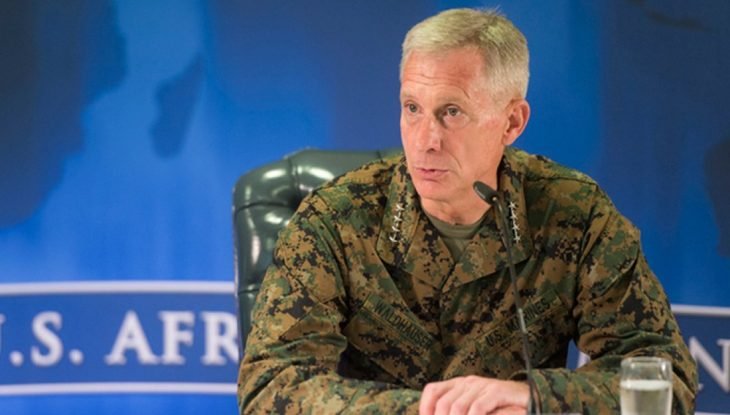
On the cliff edge of a new stage of the Libyan conflict
By Federica Saini Fasanotti
 For much of its course, the war in Libya passed through deserts and rural areas, rarely reaching cities. Read More
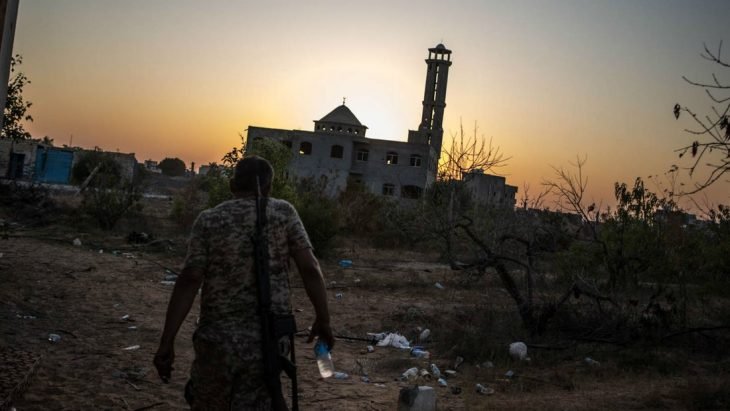
Tripoli under siege and the real cost of the Libyan war
By Rebecca Murray
 As Haftar’s latest assault on the Libya capital enters a new phase, many Libyans have been killed, displaced and left mentally traumatised by a conflict which grinds on with no end in sight. Read More
By Heba Saleh & Laura Pitel

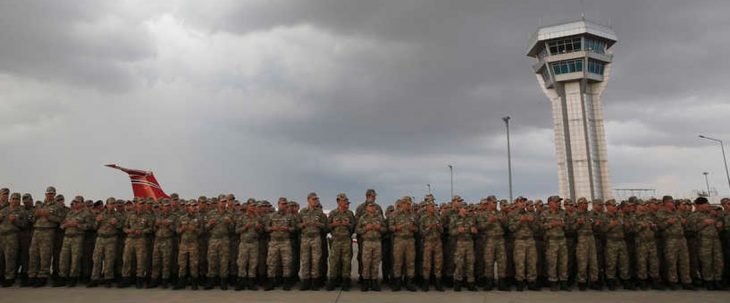
 Heightened Turkish presence in Libya would stoke tension between Ankara and rivals such as Egypt. Read More
By Anes Alic
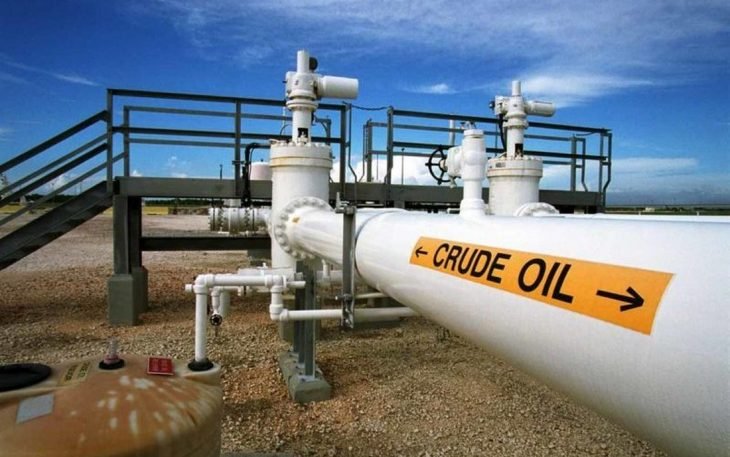
 Libya’s General Haftar is closing in on Tripoli, which in turn is prompting a sudden uptick in Turkish activity on behalf of the Tripoli-based government. Read More
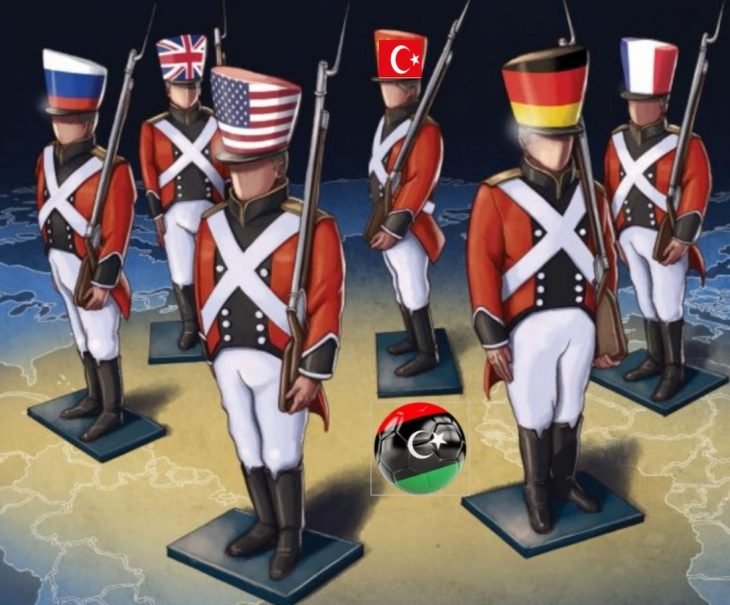
By Emadeddin Badi

Russia’s increased involvement in Libya marks a turning point in the conflict, making an Ankara-Kremlin rapprochement all the more likely. Read More
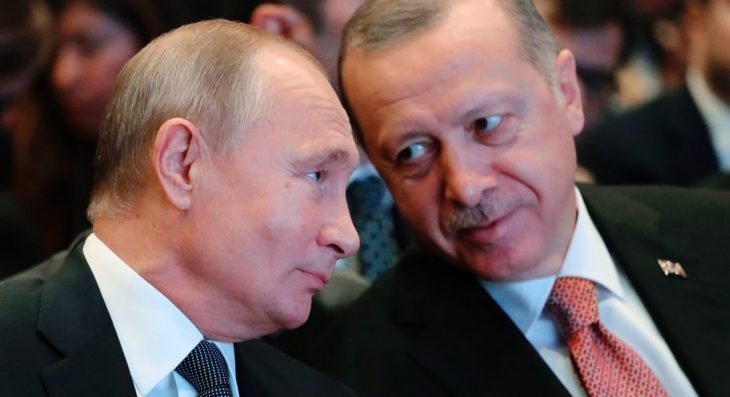
By Kirill Semenov
 Russian President Vladimir Putin and his Turkish counterpart Recep Tayyip Erdogan discussed the situation in Syria and Libya in a Dec. 11 phone call. Read More
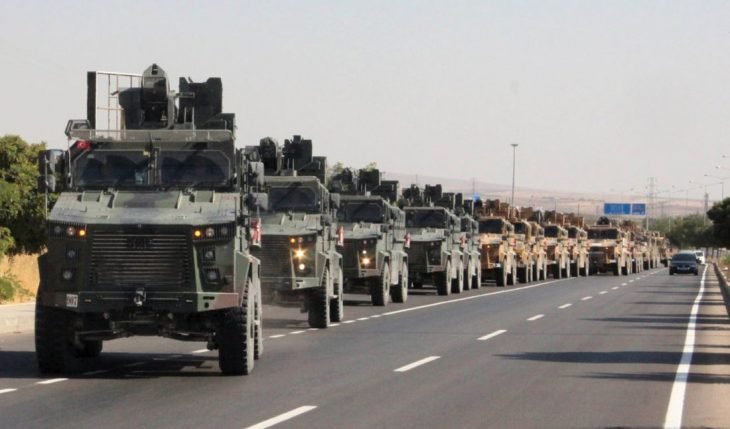
By Amberin Zaman
 Turkey is poised to formalize its military support to Libya’s internationally recognized government, that would inclue dispatching a rapid reaction force to the war convulsed North African nation if need be, under the terms of an agreement that will be brought before the Turkish parliament for ratification. Read More
By David A. Wemer (Related Experts: Karim Mezran)

 General Khalifa Haftar’s threat to advance his troops further into the capital of Tripoli.
By Wolfram Lacher
 In post-revolutionary Libya, the collapse of central authority and the fragmentation of territorial control have produced a fundamental change in the political elite.
By Samer Al-Atrush
 Since the 2011 NATO-backed revolt in Libya that ended 42 years of rule by Qaddafi, the oil-rich North African country has been in perpetual turmoil. Read More
By Nabih Bulos
 Libya’s Khalifa Haftar has besieged Tripoli for months in a bid to enter the capital, unseat the U.N.-recognized government and cement his hold over the country. Read More
By Jason Pack
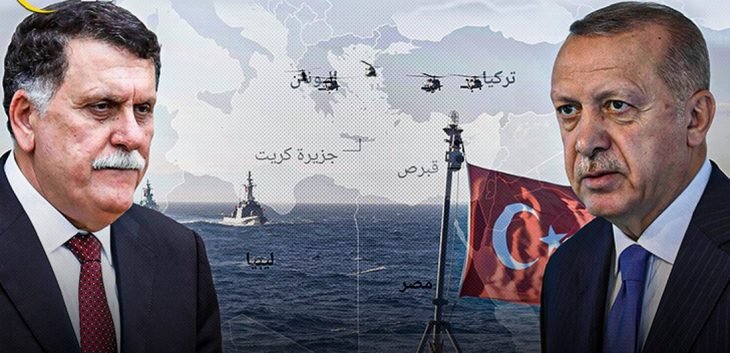
 Libya has always been the birthplace of novel phenomena. Aristotle famously wrote in his Historia Animalium, “Libya always brings forth something new.” Read More
By David Kirkpatrick
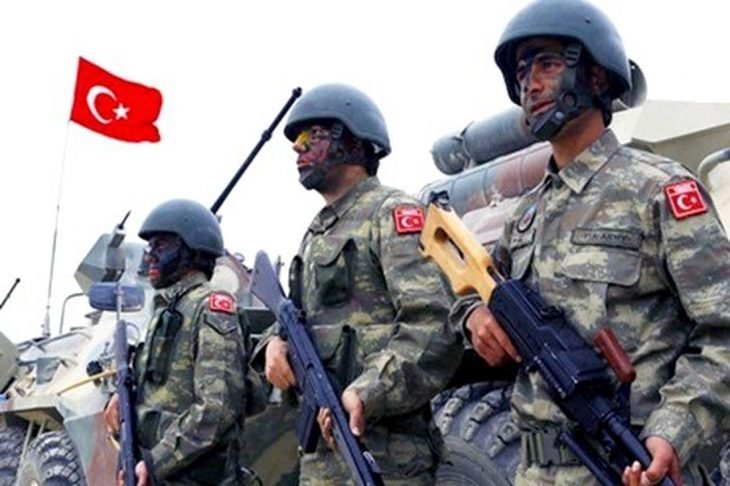
 President Recep Tayyip Erdogan said Turkey might send troops to Libya to counter Russian-backed militia forces. Read More
By Diego Cupolo
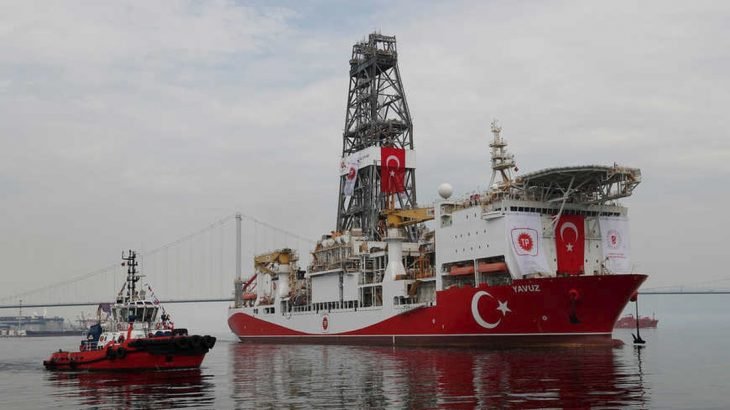
 Disputes over tracts of the eastern Mediterranean Sea continue to rattle the region as Ankara doubles down on plans to conduct gas exploration activities in areas claimed by Cyprus and Greece. Read More
By Wolfram Lacher
 In post-revolutionary Libya, the collapse of central authority and the fragmentation of territorial control have produced a fundamental change in the political elite.
By Gerald Butt
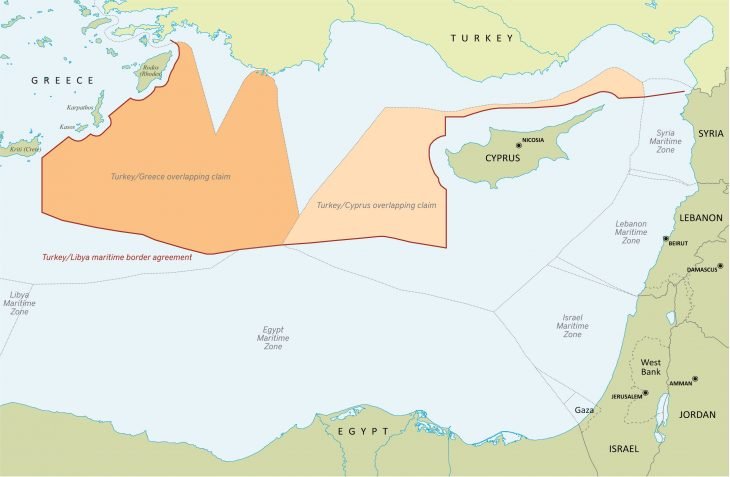
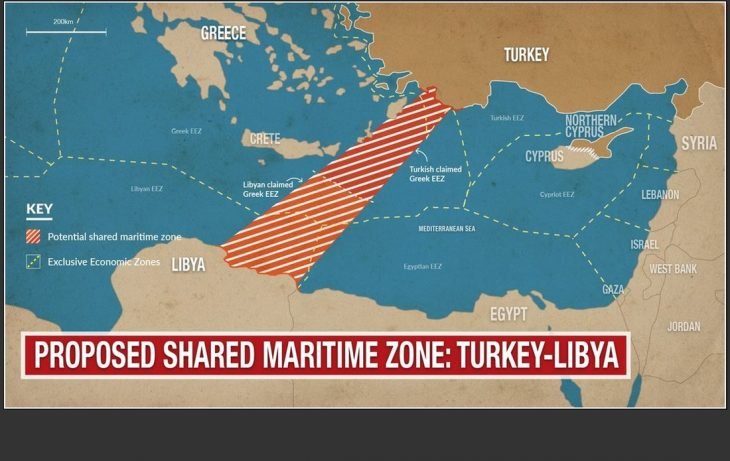
 The Erdogan regime’s maritime border agreement with Libya can only serve to ramp up regional tensions. Read More
By Ali Bakeer
Both Ankara and Tripoli defended the bilateral agreements executed by the two sovereign states. Read More