
Author - ab_mnbr

Water, Sanitation and Hygiene (WASH) Assessment Report in Libya

EXECUTIVE SUMMARY

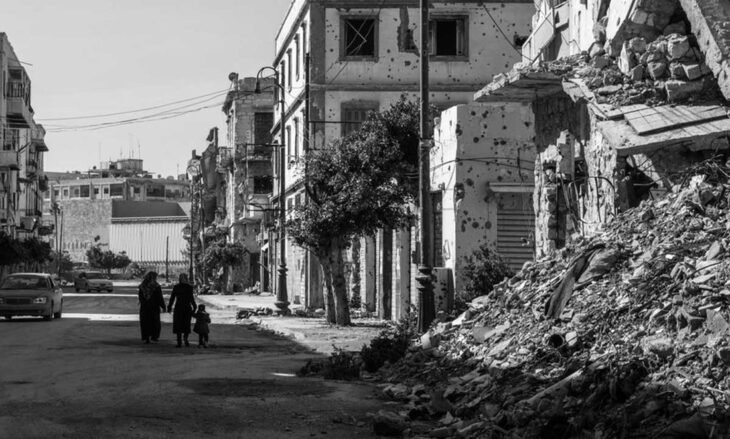
Since 2011, the situation in Libya is tumultuous, oscillating between conflict and hopes for peace. The armed conflict – pushing the country in a state of crisis and emergency – has greatly impacted its infrastructures, particularly in the water and sanitation sector, when the country was already struggling with limited water resources exacerbating water poverty. Read More

THE RISE AND FALL OF HAFTAR (3)

The CIA’s Desert Ghost: Haftar agrees to turn against Qaddafi

Reacting to horror scenes of the Libyan defeat at Wadi Doum, Qaddafi dismissed the impact of the disaster, refusing to discuss his captured troops with the media. Read More

How startups are contributing to Libya’s economic recovery

Digital business in the war-torn country is slowly starting to take seed.

Damilare Dosunmu

Hamid, who — like the vast majority of Libyans — prefers to work for the public sector, started his civil service career the same year he returned. But he quickly got bored and quit to start a business consulting firm that helped small businesses learn and practice best managerial processes.  Read More

THE RISE AND FALL OF HAFTAR (2)

Defeat of the Death Star: Surrender and captivity

The Washington Post, along with The Wall Street Journal, had been tricked by the White House into publishing false reports about Qaddafi ramping up terrorist activities. Read More
THE RISE AND FALL OF HAFTAR (1)

From Young Man to Officer: The Early days

How did a long-retired, former prisoner of war, CIA asset, Qaddafist-turned-warlord and now field marshal rise to become the head of an eastern Libyan military coup? Read More

WATER SUPPLY IN LIBYA .. Approaching collapse levels

INTRODUCTION

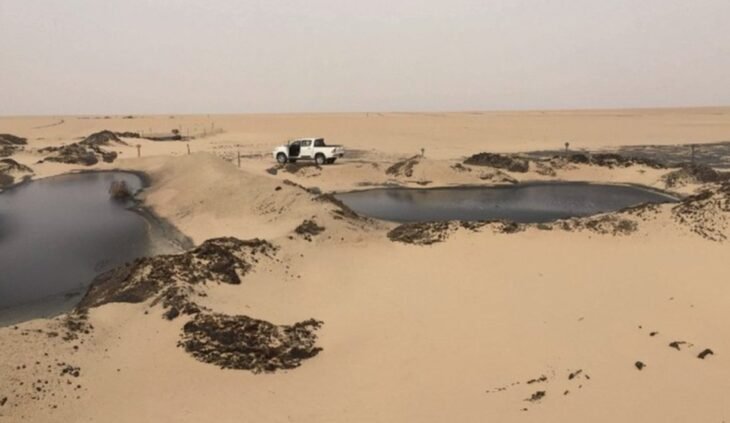
Libya, one of the driest countries in the world, faces an alarming and worsening water crisis. In Libya, the narrow coastal region (less than 5% of the country) receives the majority of rainfall. Coupled with increasing water needs as a result of a growing population and over consumption, Libya is facing an increasingly severe water crisis. Read More

Libya and changing balance of power

Zuhir Atouf

The recent conflict in the Libyan capital, Tripoli, at the end of August 2022, represented the most violent chapter of the ongoing conflict between forces loyal to the Government of National Unity headed by Abdel Hamid Dbeibah and others loyal to Fathi Bashagha. Read More

Without Electricity Reforms, Libyans Will Remain in The Dark

INTRODUCTION

For more than five years, power cuts and total electricity blackouts have been a prevailing feature of Libyans’ daily life. Depending on the time of the year, power cuts range from four hours to over fifteen hours a day. The peak is the summer season as most houses in Libya have air conditioners because of the hot weather, which subsequently overburdens the half-functioning power system in the country. Read More

Why Is Libya Cooperating With Turkey To Expand The Oil Sector?

Miral Sabry Al Ashry

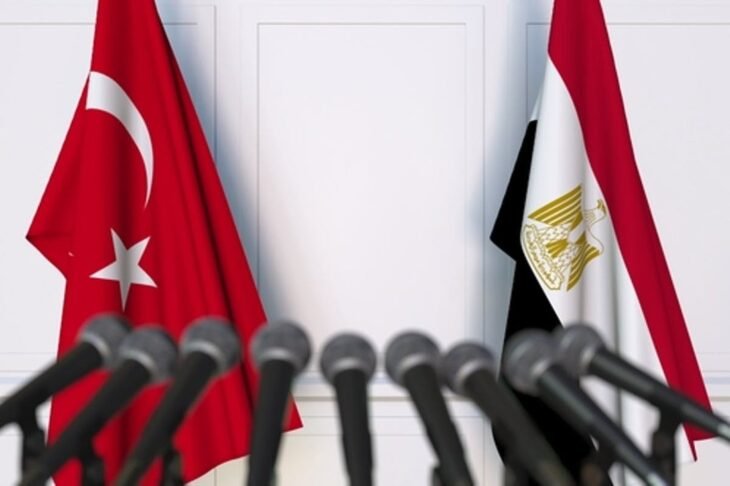
A new agreement was concluded between Libya and Turkey regarding energy exploration. This agreement highlighted tensions between Greece and Egypt, which opposed any activity in the disputed areas in the eastern Mediterranean. In addition, the Libyan parliament refused the agreement because eastern Libya supports an alternative administration for the agreement. Read More

Because in Libya All is not [yet] Lost

Mauro Indelicato
Three years have passed since the signing of the memorandum between Libya and Turkey. It was November 2019, Ankara with that move entered by arrogance on the chessboard of the North African country.  Read More

An academy with a difference in Tripoli

Michel Cousins

In recent years, the south Tripoli suburb of Hadba Mashrua has mushroomed from what were originally orange and olive groves into a vast suburb, one of the biggest in the city. The streets are dusty and, in some cases, unpaved. Read More

Lausanne, Libya and the way out

Christos Rozakis

Greek-Turkish relations are on a very negative and dangerous course. The most recent signs give little scope for optimism, as Turkey’s latest letter to the secretary-general of the United Nations and its most recent agreements with Libya exacerbate the already dystopian prospects of relations between the two countries. Read More
WASTE MANAGEMENT IN LIBYA: Institutional and legal challenges (1)

Introduction

Over the past ten years, Libya has endured one of the most difficult periods in its modern history. The overthrow of Muammar Gaddafi in 2011, subsequent intrasocietal domestic conflicts, a series of unstable governments, and lack of institutional development have created complex and challenging issues for the country when it comes to effective governance. Read More

Libya Backslides Toward Civil Conflict and Political Violence

Bottom Line up Front

  • International and UN mediators have been unable to forge a pathway to unify Libya or prevent renewed civil conflict.
  • Clashes between armed supporters of Libya’s two rival governments have escalated, resulting in significant civilian deaths.
  • Regional and other outside supporters of each rival administration are also being confronted by other issues and are pushing for compromise.
  • European Union (EU) countries are concerned that a return to major civil conflict will interrupt the flow of needed Libyan oil supplies to the global market.

Libya’s neighbors, regional states, and international mediators are increasingly frustrated at the continued fissures in Libyan politics that have produced rival governments competing for control of the country, escalating civil conflict. 

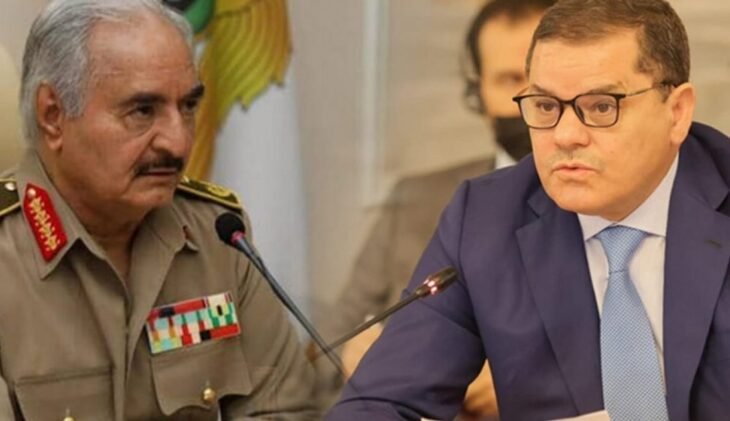
Far from implementing a 2020 United Nations roadmap to achieve political unity through elections, Libya appears to be backsliding into conflict between forces loyal to eastern Libya strongman Gen. Khalifa Haftar and militias backing a Tripoli-based administration led by Abdul Hamid Dbeibah.

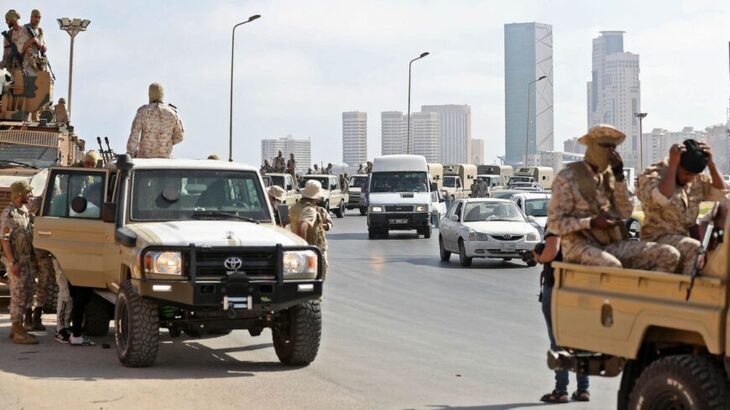
In late August, the deadliest violence in more than two years took place as eastern Libya-backed prime minister, Fathi Bashagha, again attempted to enter Tripoli to swear in his government as the sole national authority.

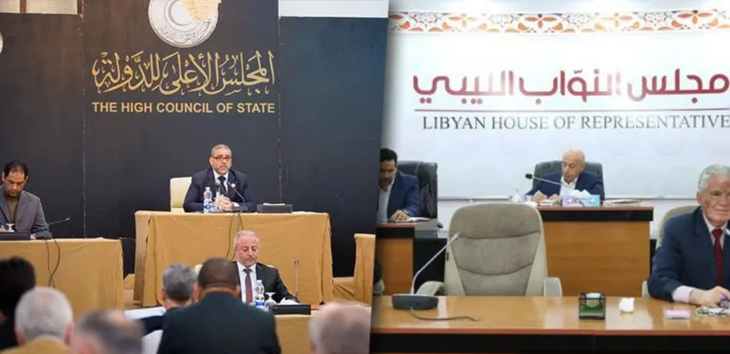
Bashagha was named prime minister by the eastern-based parliament (House of Representatives, HoR) in May 2022 after Dbeibah refused to yield power. The clashes resulted in 32 deaths, representing the highest death toll since Haftar’s 2019 effort to conquer western Libya by force.

The August fighting indicated that pledges by the two rival administrations to avoid further conflict – pledges made after similar although less intense and deadly clashes in early summer – have not been honored, and that a potential return to heightened civil conflict is high.

Clashes in May and June, which involved limited numbers of militia fighters on both sides, resulted in the deaths of one militia fighter and one civilian. Tensions escalated further in late July when at least 13 people were killed in Tripoli as a result of fighting between competing militias.

The deadly August fighting indicates that neither Dbeibah’s nor Bashagha’s administrations are amenable to the compromises needed to hold national elections. Under a United Nations reconciliation roadmap agreed to in October 2020, national elections for a unified president and parliament were to be held in December 2021.

However, the elections were delayed indefinitely when the rival political leaders were unable to agree to the laws and rules needed to hold the vote and determine election winners. Dbeibah, who was appointed as prime minister in the U.N.-backed Tripoli administration in early 2021, asserts that he is the country’s prime minister until national elections are completed.

The eastern-based leaders contend that his term ended in December 2021, even though the elections were not actually held. In June 2022, U.N. mediators sought to forge a compromise on a new constitution framework for a rescheduled national vote, but negotiations broke down.

Dbeibah, Bashagha, and their armed supporters refused to form a unified administration. In addition to preventing Bashagha from installing his government in Tripoli in September, pro-Dbeibah militiamen have also reportedly prevented some Libya parliamentarians from leaving the city to attend meetings of the House of Representatives in Benghazi. In turn, this has led to some parliamentary sessions being canceled.

The deterioration of the political situation in Libya has frustrated not only U.N. mediators but also regional and international stakeholders, all of whom are consumed by major issues triggered primarily by the Russian invasion of Ukraine.

EU countries fear that renewed major conflict in Libya might set off a new wave of refugee flows to Europe and compound the major economic problems EU countries face in the coming winter from Russia’s cut-off of gas supplies.
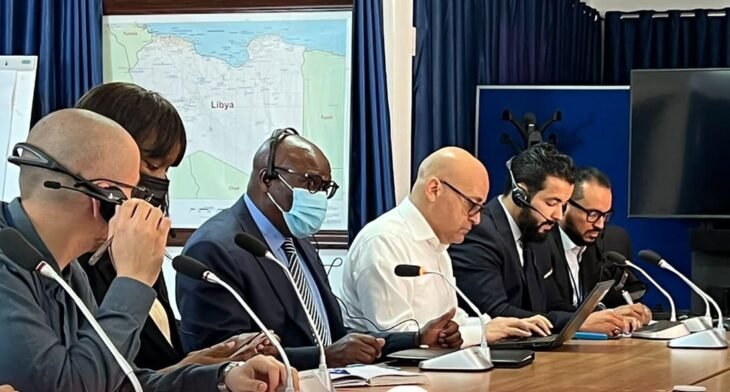
As a lead European mediator, Germany convened in early September the latest session of the “Berlin Process” – a series of meetings and working group initiative on Libya launched in 2019.

The September 8-9 Berlin meeting convened the “P3 +2 +2” group of Libya stakeholders – the United States, United Kingdom, and France (three permanent members of the U.N. Security Council), plus Italy and Germany (two other EU countries), plus Egypt and Turkey (two regional powers).

However, the meeting appeared to only restate U.N., regional, and other international calls for the contending parties to avoid further conflict and to compromise on forging the legal framework that would lead to national elections.

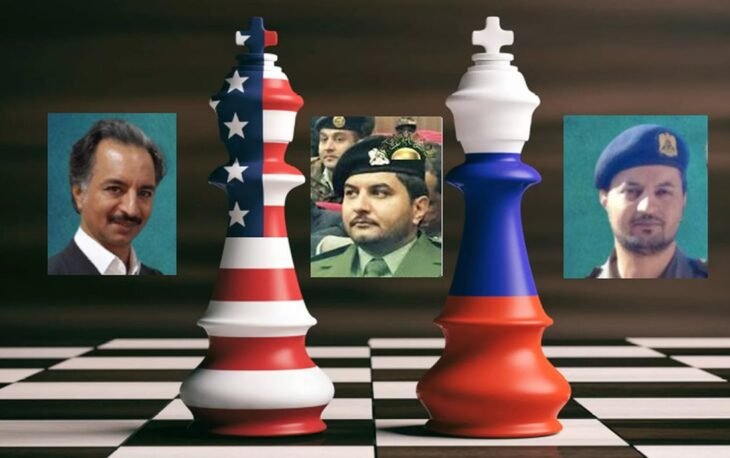
Russia, through the Kremlin-linked Wagner Group private military contractor, has provided armed support to Haftar; however, Moscow has recently been forced to redeploy some of its forces from regional conflicts, including Libya and Syria, to support its flagging fortunes on the battlefield in Ukraine.
Egypt, another pro-Haftar stakeholder, has had to address recent fighting between Israel and Palestinian militant groups in Gaza, as well as the economic consequences of the Ukraine war, which has caused grain and other import prices to escalate sharply.

Even though Cairo seeks compromise and stability in Libya, its pro-Haftar tilt remains; in early September, Egypt’s foreign minister boycotted a session of an Arab League meeting that was being chaired by a Dbeibah-appointed Libyan representative.

Qatar, a mediator in numerous regional conflicts, is relatively unaffected by the economic effects of the war in Ukraine and has stepped up to try to mediate in Libya.

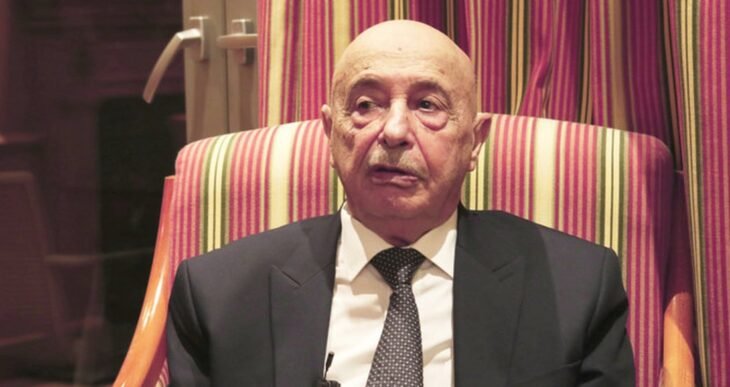
Doha has generally supported the Tripoli-based political leadership, but Emir Sheikh Tamim bin Hamad Al Thani sought to bolster his ties to the contending sides in Libya by receiving eastern Libya political leaders Aguilah Saleh (speaker of the parliament) and Haftar’s son Belgassem, on their first visits to Doha on September 11.

One global concern about the escalating tensions in Libya appears to have receded. In mid-2022, pro-Haftar militias used attacks on Libyan energy infrastructure to strangle Dbeibah’s Tripoli administration financially.

Those attacks have largely stopped since a July deal between Dbeibah and Haftar to appoint the Haftar-allied Farhat Bengdara as state oil company chief. The attacks drove down Libyan oil production to its lowest level in two years – less than 650,000 barrels per day – a fraction of the approximately 1.2 million barrels per day baseline level.

Since Bengdara took over the sector, Libya’s oil production has been at roughly the 1.2 million barrels per day level, easing global fears that Libyan instability would compound global oil supply shortages.

Still, no regional or international mediator has yet uncovered a formula for persuading the two rival administrations to unify and work toward successful national elections with clear results.

_____________

Turkey’s Libya deal and crisis theories

Manos Karagiannis

The energy cooperation deal signed between Turkey and Libya in Tripoli last week did not come as a surprise, but was the culmination of Ankara’s strategic choice to open a new area of contention with Athens. Read More

The Many Lives — and Credit Suisse Accounts — of Gaddafi-Linked Lobbyist Hassan Tatanaki (2)

A Jordanian Oil Scandal

Tatanaki’s high-level connections extended beyond Libya. He struck up partnerships with prominent figures in Egypt after his family moved there in the 1970s. While studying in Britain, Tatanaki also mingled with members of the Emirati royal family. He even obtained an Emirati passport, along with ones from Egypt, Turkey, and Brazil. Read More