Miral Sabry Al Ashry

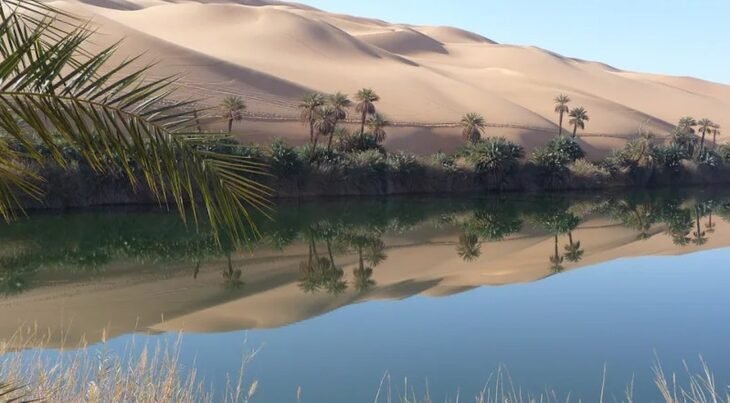
A recent European Union mission confirmed that Libya is one of the countries most affected by climate change and rising temperatures. Read More
Miral Sabry Al Ashry
A recent European Union mission confirmed that Libya is one of the countries most affected by climate change and rising temperatures. Read More
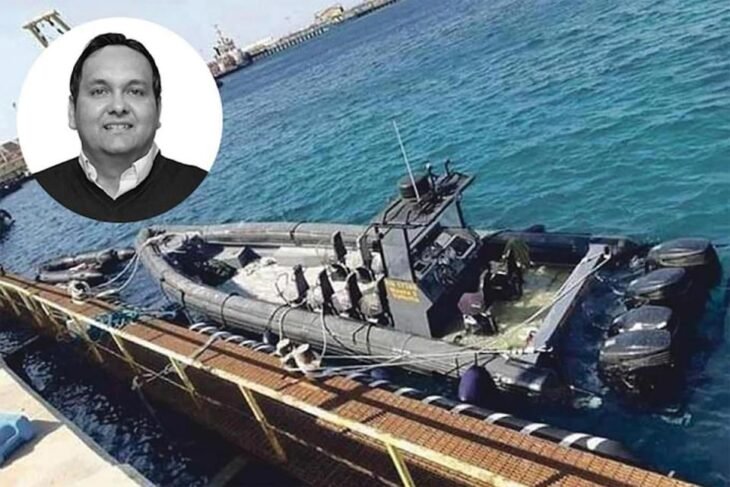

James Fenech and four employees have been cleared of breaching EU sanctions. Read More
John Hudson

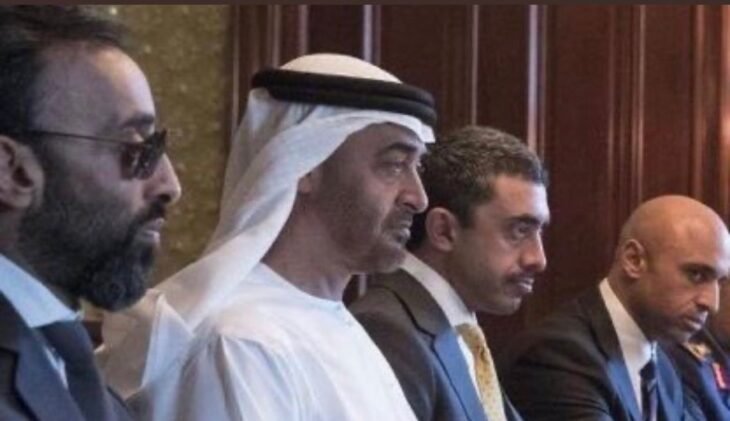
The United Arab Emirates steered U.S. foreign policy in its favor through a series of legal and illegal exploits, according to an unprecedented U.S. intelligence document. Read More
Hafed Al-Ghwell

Just two weeks ago, the UN’s 10th special envoy in the past 11 years, Abdoulaye Bathily, acknowledged in a briefing to the Security Council an already well-known fact: There is no clear end in sight to Libya’s deadlock. Read More

Matthew Barakat

A Libyan military commander who once lived in Virginia sat for a deposition Sunday in a U.S. lawsuit in which he is accused of orchestrating indiscriminate attacks on civilians and torturing and killing political opponents, according to an advocacy group that supports the lawsuit. Read More
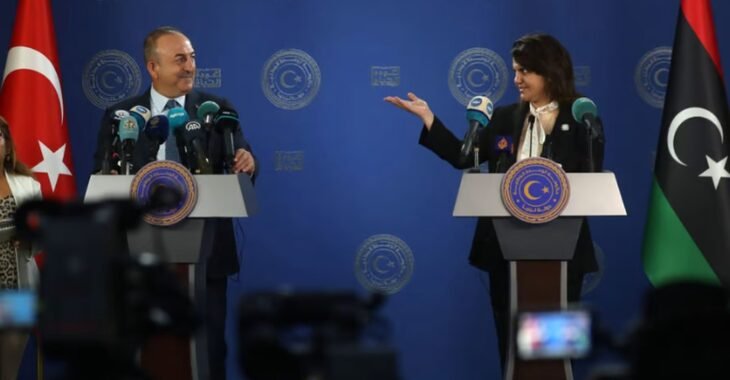
Amid rising tensions, Ankara’s ambassador to Athens warns ‘things can get out of control very quickly.’
Nektaria Stamouli

Turkey’s energy deal with Tripoli this month is ratcheting up the dangers of open conflict between Ankara and Athens. Read More

 The EU’s operation to intercept military shipments to Libya has nabbed another cargo of armored vehicles, its second in a matter of months. Read More
Fehim Tastekin

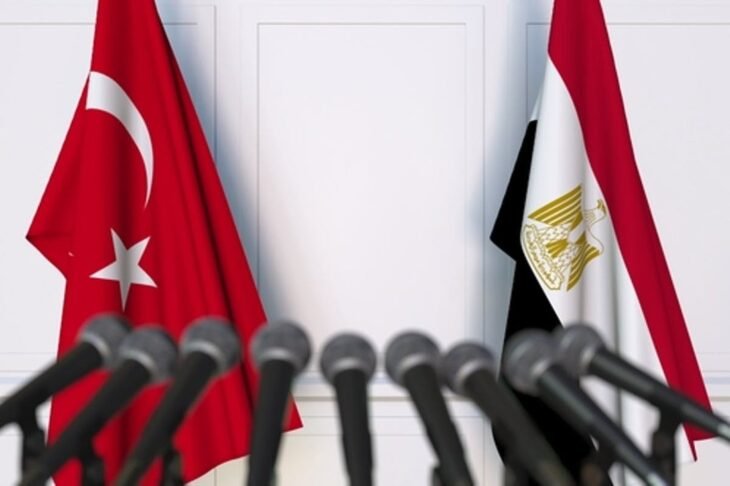
Turkey’s moves in Libya have undermined its fledgling dialogue with Egypt, even as Ankara took a number of measures to restrict Brotherhood exiles to please Cairo. Read More
Ufuk Necat Tasci

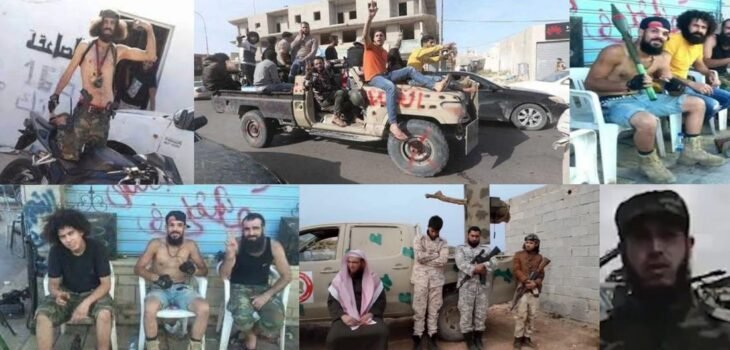
Analysis: Amid ongoing political deadlock, General Khalifa Haftar’s recent remarks imply that he is prepared to plunge Libya back into war to break the stalemate and consolidate his power. Read More
Menekse Tokyay

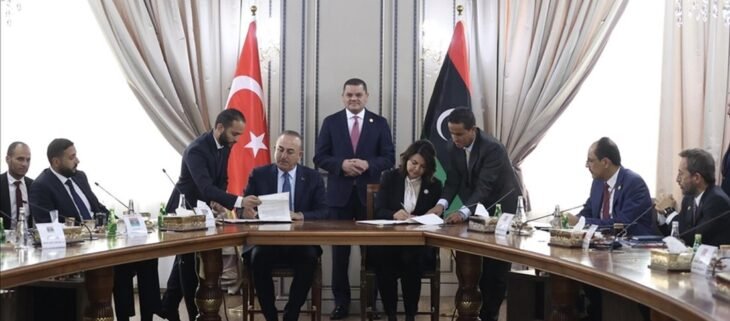
Egypt has halted its rapprochement with Turkiye because of the latter’s territorial and energy policy moves in Libya, and despite Ankara’s recent crackdown on journalists in the country affiliated with the Muslim Brotherhood, say analysts. Read More
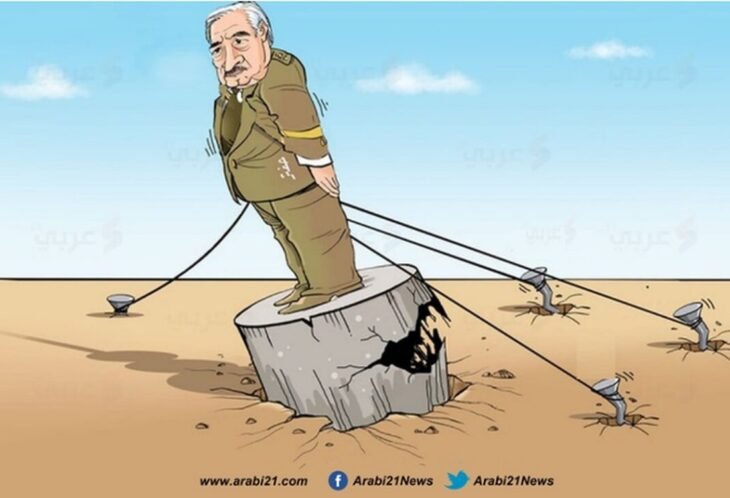
The Field Marshal: Dreams of dictatorship

Haftar was someone Americans could believe in. After all, he was an American fighting terrorism in a place that echoed what was quickly becoming a one-word political insult aimed at Secretary of State Hillary Clinton — Benghazi. Read More
Ahmed Alsharkasi

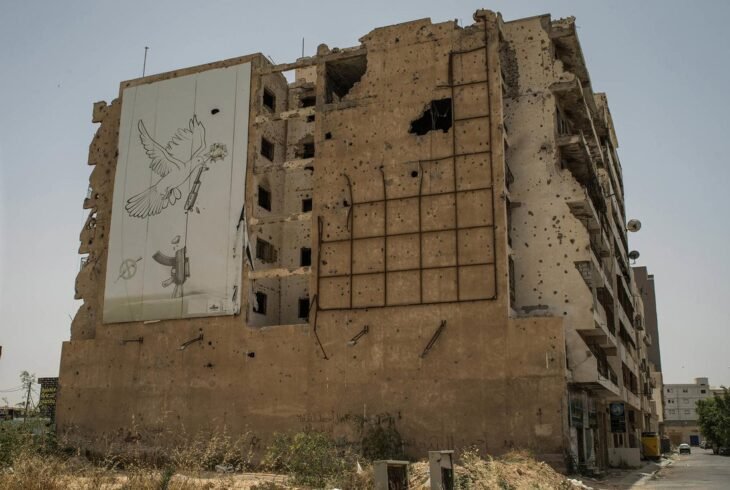
Over 11 years after the death of dictator Muammar Qaddafi, Libya’s conflict is seemingly stuck in place. Rival governments in the country’s East and West, factionalism, militia warfare and foreign interference have all contributed to a complex conflict that still has no resolution in sight. Read More
Basma El Atti

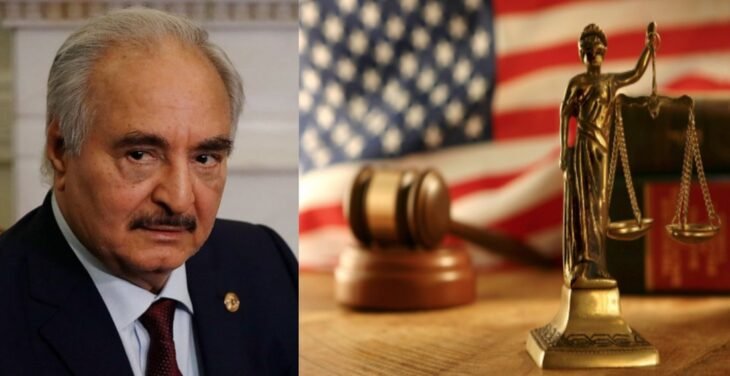
US Democracy and Human Rights Foundation has confirmed that Libya’s Marshal Khalifa Haftar was subjected Sunday to questioning before the lawyer of the victims’ families pleading against him in the US Virginia Court. Read More
Stephanie T. Williams
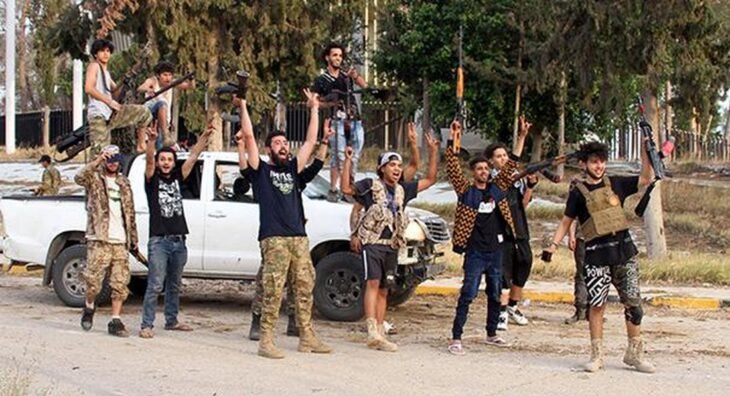
I was only half joking in 2020 when I complained about the perfidy of Libya’s political dinosaurs, warning that they needed to make themselves relevant.10 Despite this downbeat prognosis, there are some useful entry points for the U.N. and the international community to consider: Read More
The Kingmaker: A series of secret flights
After the 2011 revolution, Haftar was viewed by some of his fellow Libyans as an unwanted interloper; to others, he was a savior. Read More

Mohammed Cherkaoui

Libya’s Nightmarish Outlook
The crossfire lines between the various factions for control of land and oil have undermined the prospects of any political settlement for six years now. In fact, oil revenues have shrunk significantly this year. Read More
Benghazi Burns: The strongman returns
By early 2012 former rebel groups were clashing in Benghazi, and the NTC based there sought more autonomy for the eastern part of the country. Read More
Stephanie T. Williams
Executive Summary
Last month’s marking of the two-year anniversary of the Libyan ceasefire agreement offers an opportunity to take stock of the North African country’s trajectory. Read More
Haftar Returns to Libya: The revolution starts without Haftar
The Arab Spring movement had created popular uprisings in neighboring Tunisia and Egypt. Now the unrest spread to Benghazi. Read More

Mohammed Cherkaoui
The United Nations-brokered political transition plan for Libya, known as the Libyan Political Agreement (LPA) or the Skhirat Agreement, signed December 17, 2015 in Skhirat, Morocco, remains enmeshed in several political, security, and economic dilemmas. Read More

Marc Owen Jones

The Gulf’s post-truth ‘moment’
With the above in mind, this book makes the case for a Gulf post-truth “moment”, a period of time characterised by the strengthening of digital authoritarianism and led primarily by the Gulf Cooperation Council (GCC) states of Saudi Arabia and the United Arab Emirates. Read More
The Double Agent: Haftar reconciles with Qaddafi
A year after Haftar settled in northern Virginia (he used Hiftar as his official name in the U.S.), he was sending out feelers to Qaddafi. Read More

Andrew Cheatham

Libya has been trapped in cycles of violence and political instability since the 2011 revolution. Competing factions within Libya’s political, business and military elite have spent the last decade alternating between violent conflict and ineffective power-sharing agreements. Read More
Marc Owen Jones
Situating the Middle East
Despite this urgency, up until now the study of disinformation has tended to privilege a Cold War paradigm, which frames Russia and China as forces undermining US and European security. The focus is rarely on the Middle East and Western-allied Gulf states. In a similar vein, there has been a tendency to focus on actors who produce their own capabilities, such as China and Russia. Read More
Quiet Times in Virgina: Two decades in exile
From his home in northern Virginia, Haftar continued to bluster, presenting himself in Arab publications as a dissident commander training Libyan rebels, although he served in no army and held no rank. Read More
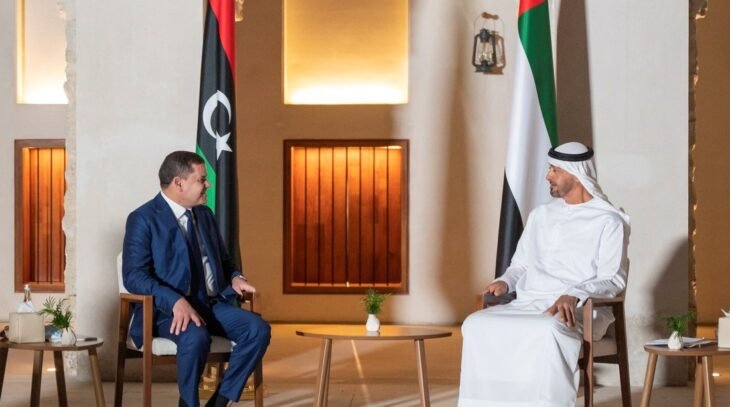
Emadeddin Badi

Libya’s internationalized civil war of 2019 paved the way for the rise in prominence of Turkey and Russia in Libya. After initially intervening to back the country’s warring factions, Moscow and Ankara de-escalated and have since focused on entrenchment, attempting to carve up Libya into separate spheres of influence. Read More
Marc Owen Jones
The growing dangers of deception
These dangers of the information disorder are becoming increasingly apparent. From the rise of those who reject vaccinations to those who believe the world is flat, fringe conspiracies are arguably becoming more mainstream thanks to a proliferation of alternative information sources abetted by an apparent rise in distrust in traditional authority, whether that be government communications offices or the mainstream media. Read More
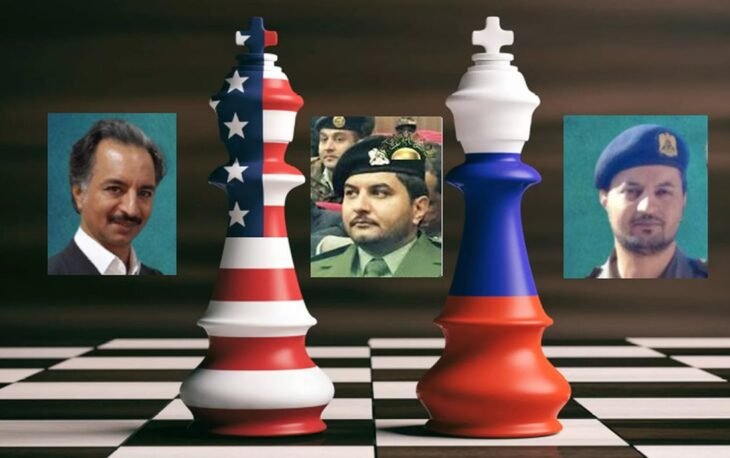
Khalil El Hasse

Brief Analysis
As Libya’s political dynamics continue to change, Washington’s next moves are more important than ever. Read More
Marc Owen Jones
In an exclusive extract from his new book, Marc Owen Jones explains how governments and non-state actors use social media and digital technology to deceive and control citizens. Read More
From Rebel to Refugee: Haftar becomes an American
Abandoned and insulted by Qaddafi, Haftar and his fellow prisoners of war languished for three years in a Chadian prison until sprung by the CIA and flown to America. Read More

EXECUTIVE SUMMARY
Since 2011, the situation in Libya is tumultuous, oscillating between conflict and hopes for peace. The armed conflict – pushing the country in a state of crisis and emergency – has greatly impacted its infrastructures, particularly in the water and sanitation sector, when the country was already struggling with limited water resources exacerbating water poverty. Read More
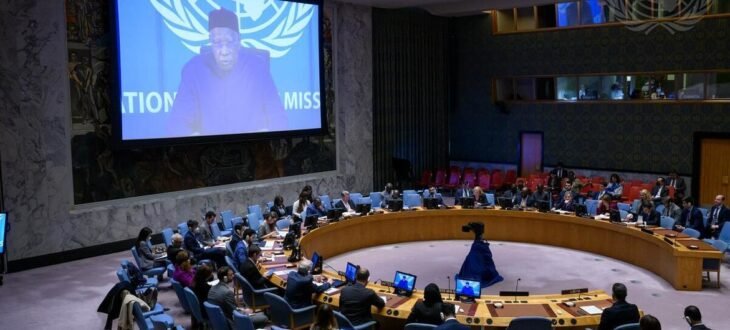

The political stalemate continues in Libya and prospects for elections are dim, the head of the UN Mission there, UNSMIL, said on Monday in his first briefing to the Security Council. Read More
The CIA’s Desert Ghost: Haftar agrees to turn against Qaddafi
Reacting to horror scenes of the Libyan defeat at Wadi Doum, Qaddafi dismissed the impact of the disaster, refusing to discuss his captured troops with the media. Read More

Khalil Al-Anani

Over the past two years, several positive signs have emerged in the Egyptian-Turkish relationship that might result in the normalization of diplomatic relations between the two countries. Read More
Damilare Dosunmu

Hamid, who — like the vast majority of Libyans — prefers to work for the public sector, started his civil service career the same year he returned. But he quickly got bored and quit to start a business consulting firm that helped small businesses learn and practice best managerial processes. Read More
Defeat of the Death Star: Surrender and captivity
The Washington Post, along with The Wall Street Journal, had been tricked by the White House into publishing false reports about Qaddafi ramping up terrorist activities. Read More