Sudarsan Raghavan
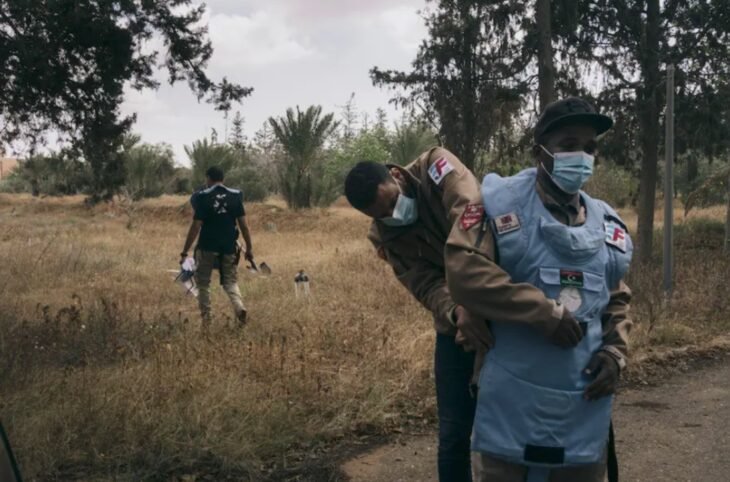
 As Russian mercenaries fled the Libyan capital last summer, they left behind booby-trapped houses and yards. Read More
Sudarsan Raghavan
As Russian mercenaries fled the Libyan capital last summer, they left behind booby-trapped houses and yards. Read More

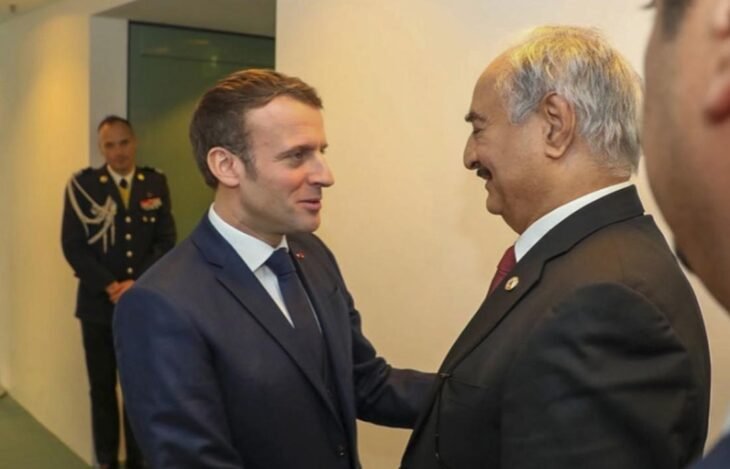
 Libyan politicians have moved with salutary speed in 2021 to reunify their divided country. With UN help, the new government should hasten to clear two last hurdles: establishing a legal framework for elections and clarity about who holds supreme command of the armed forces. Read More
Dan De Luce
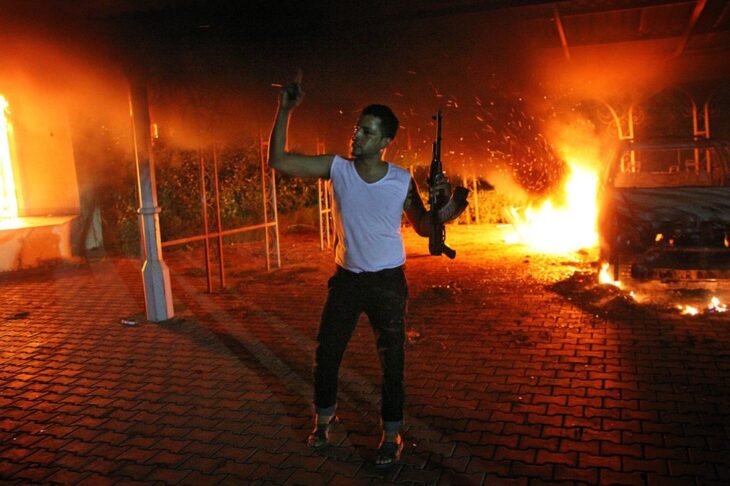
 The Biden administration is looking at reopening the U.S. Embassy in Tripoli, which has been closed since 2014, two years after the Benghazi attack. Read More
Abigail Corey & Ali Alansari
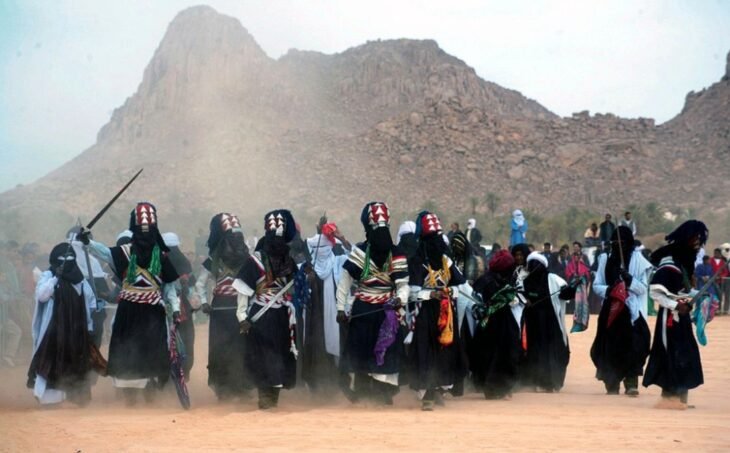
 A dialogue process aims to help persons with disabilities and other disenfranchised groups with undetermined legal status. Read More
Libyan politicians have moved with salutary speed in 2021 to reunify their divided country. With UN help, the new government should hasten to clear two last hurdles: establishing a legal framework for elections and clarity about who holds supreme command of the armed forces. Read More
Sarah Carabott
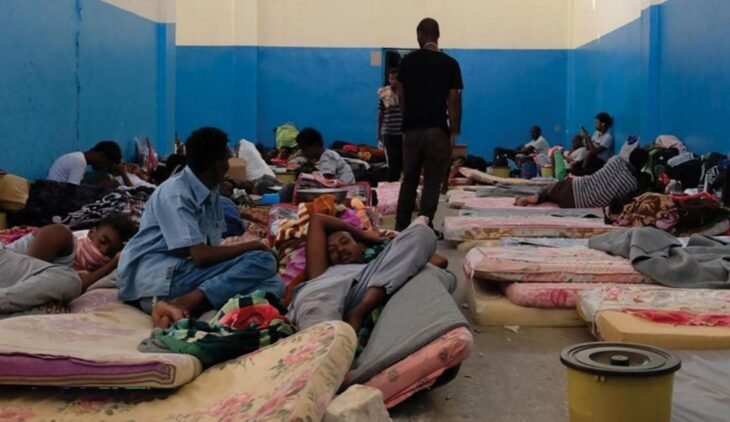
 War and the pandemic did not trigger a mass exodus of people. Here’s why. Read More
Dorian Jone
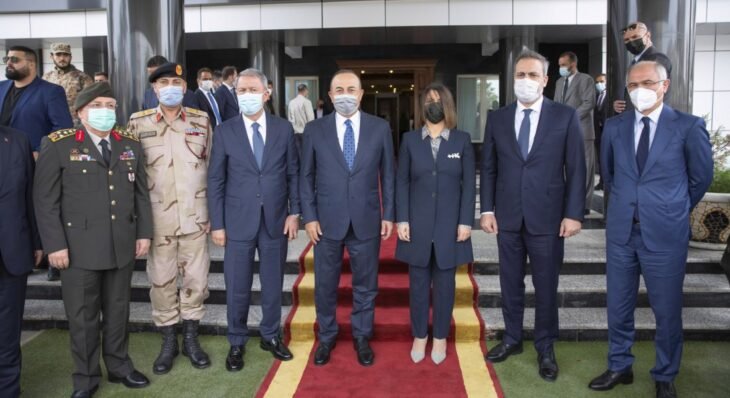
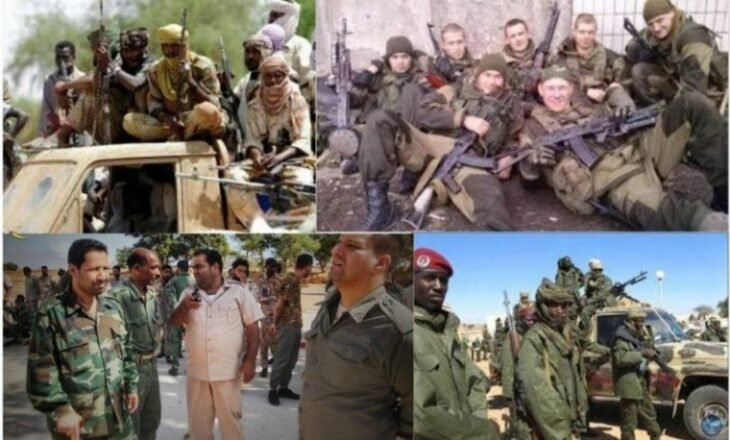
 International pressure is growing on Turkey over its military presence in Libya. Turkey deployed hundreds of soldiers and thousands of Syrian fighters in support of the Libyan Government of National Accord in its battle against forces of Libya’s General Khalifa Hafta, who is backed by Russian and Sudanese mercenaries. Read More
Libyan politicians have moved with salutary speed in 2021 to reunify their divided country. With UN help, the new government should hasten to clear two last hurdles: establishing a legal framework for elections and clarity about who holds supreme command of the armed forces. Read More
Bill Drexel
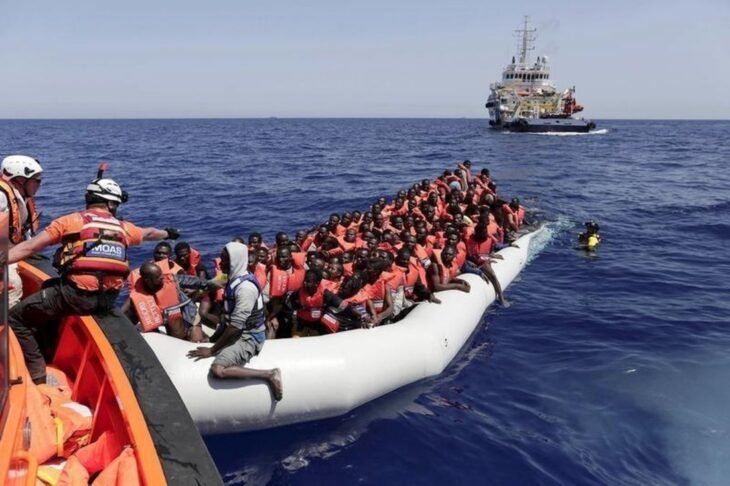
 Three and a half years after Italian officials launched an aggressive campaign against humanitarian search and rescue efforts off their southern coast, Italian magistrates have finally leveled criminal charges on the NGOs and individuals it targeted for saving lives at sea. Read More
Emadeddin Badi
 Ten years into Libya’s revolution, the proliferation of armed actors and a succession of sclerotic governments have taken their toll on the country’s security. Read More
Libyan politicians have moved with salutary speed in 2021 to reunify their divided country. With UN help, the new government should hasten to clear two last hurdles: establishing a legal framework for elections and clarity about who holds supreme command of the armed forces. Read More
Mohamed Eljarh
 Despite a political process that appears on track, the risk of conflict from foreign forces still in the country remains high. Read More
Abdullah Al-Kabir
 The spokesman for the Government of National Unity (GNU) announced the postponement of the date of the meeting of the GNU, headed by Abdul-Hamid Dbeibah , scheduled for last Monday in Benghazi, without mentioning the reasons for the postponement. Read More
Libyan politicians have moved with salutary speed in 2021 to reunify their divided country. With UN help, the new government should hasten to clear two last hurdles: establishing a legal framework for elections and clarity about who holds supreme command of the armed forces. Read More
It’s time for the international community to step up.
Alia Brahimi
 A couple of weeks after a state institution in Tripoli was stormed by gunmen and a suicide bomber in 2018, I was sitting in a Tunis café with a friend who had been working in the building on the day of the terrorist attack. Read More
Alex Thurston

The militarism of US foreign policy makes analyzing and understanding conflict an imperative part of any reform effort. But bad analysis is rampant. Here are some ways to recognize it.
By Mohamed Shaaban
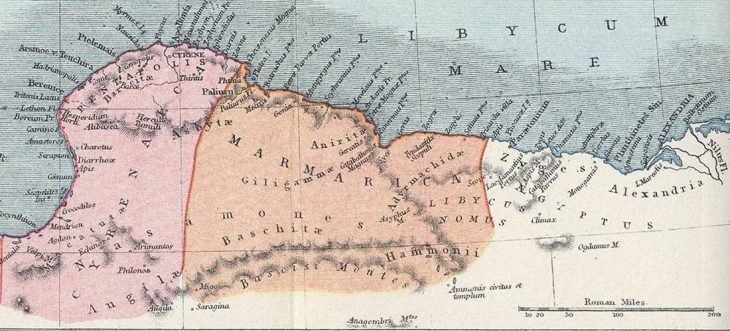
 In early 1904, the President of the World Zionist Organization, Theodore Herzl, presented a proposal to the Italian King Victor Emanuel III to divert the Jewish migration from Eastern Europe to Tripoli in Libya, so Jews can settle there and have an autonomous region under Italian laws and institutions. Read More
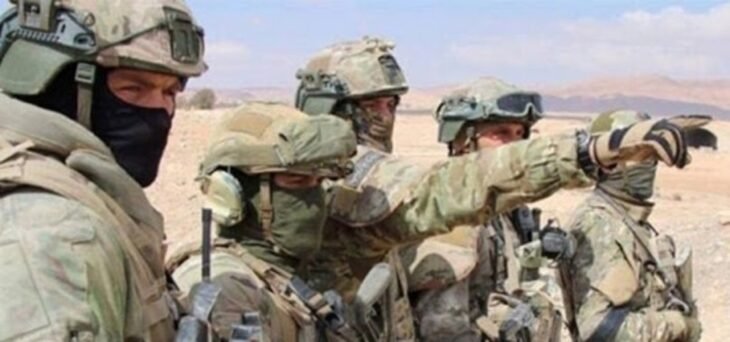
 The dual military and economic nature of the group’s activities make it more beholden to the Kremlin. Read More
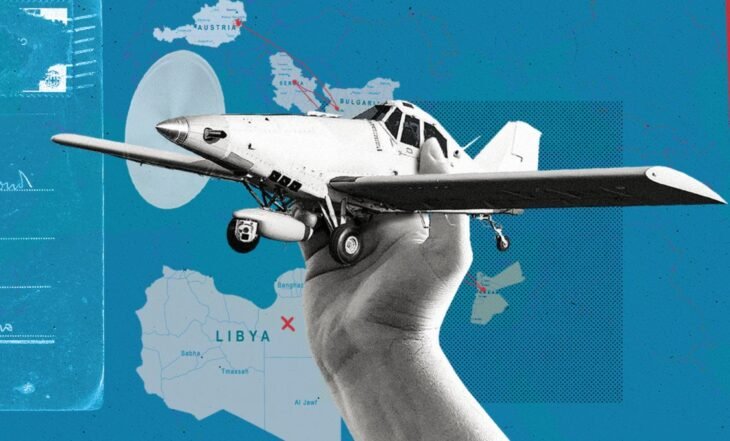
Sasa Dragojlo
 A UN probe into the conflict in Libya led investigators to a small airstrip south of Belgrade, where an ‘agricultural’ plane – modified to carry rockets and traced to US security contractor Erik Prince – was serviced in 2018. Read More
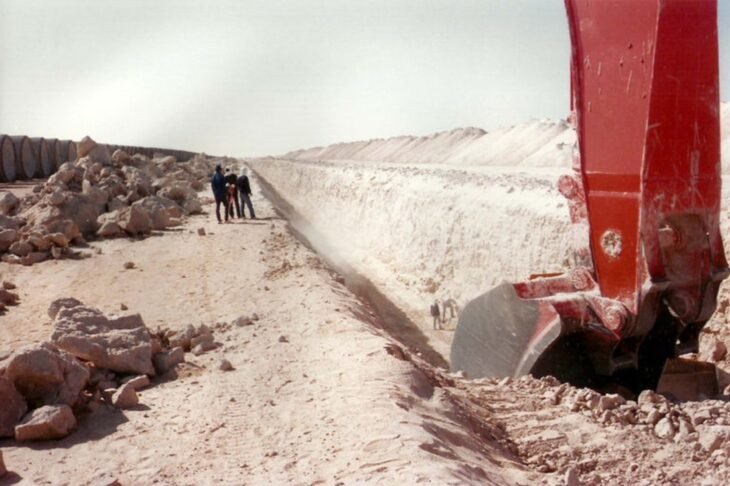
Saul Elbein

Many desert cities, including Tripoli, Phoenix and Los Angeles, are sustained by water brought from other basins by hydro megaprojects that are aging and susceptible to collapse, while the desalination plants that water Persian Gulf cities come at a high economic cost with serious salt pollution. Read More
Alex Thurston
The militarism of US foreign policy makes analyzing and understanding conflict an imperative part of any reform effort. But bad analysis is rampant. Here are some ways to recognize it. Read More
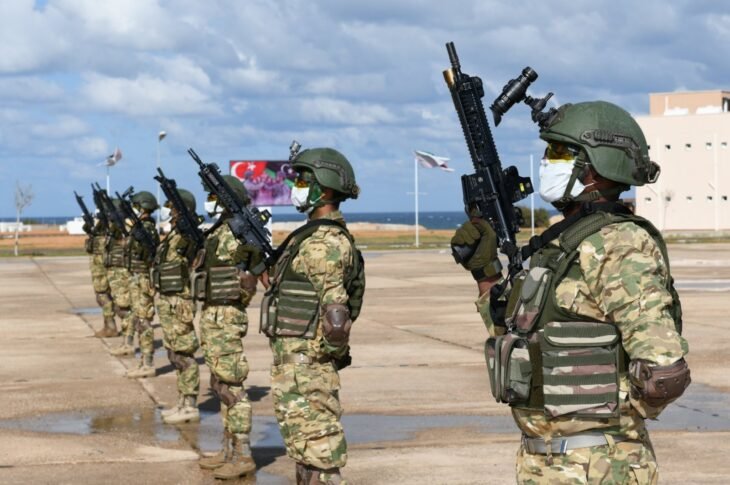
Dilara Aslan
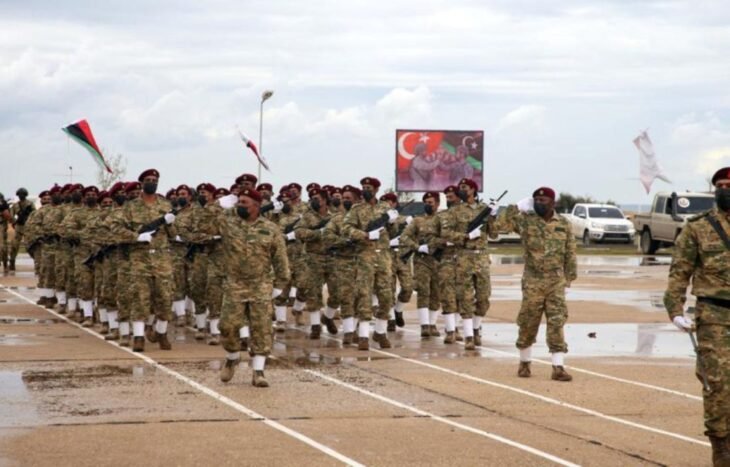
 Libyan soldiers conduct a graduation ceremony in the Libyan capital, Tripoli, following the completion of training by the Turkish Armed Forces, Nov. 22, 2020. Read More
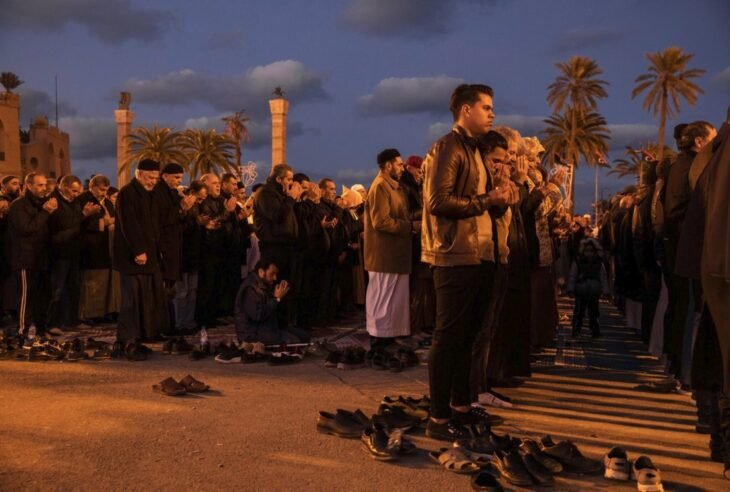

The promotion of Richard Norland to be the Biden administration’s special envoy for Libya may seem relatively insignificant when Israel is exploding and the Palestinians are dying and the administration is focusing most of its Middle East bandwidth on Iran and Yemen. Read More
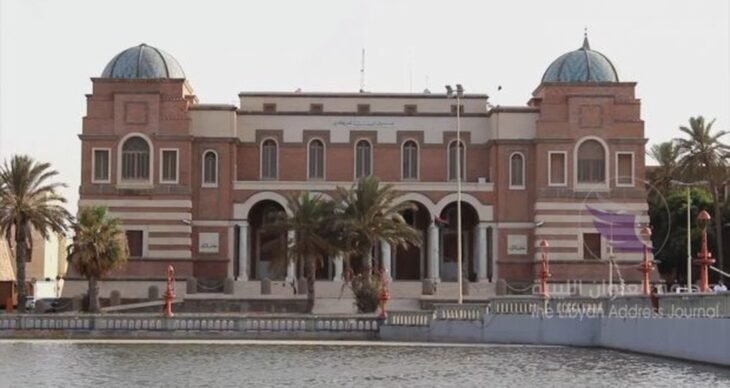
George Mikhail
 Although a new unity government was formed in Libya, ending years of division in state institutions, conflicts still plague some financial institutions that control the country’s economy, namely the central bank. Read More
Ivan Bocharov
 More than ten years ago, in February 2011, the Arab Spring began in Libya. The armed uprising quickly escalated into an armed conflict that had Gaddafi overthrown. Since then, the civil war has not stopped in the country. Read More
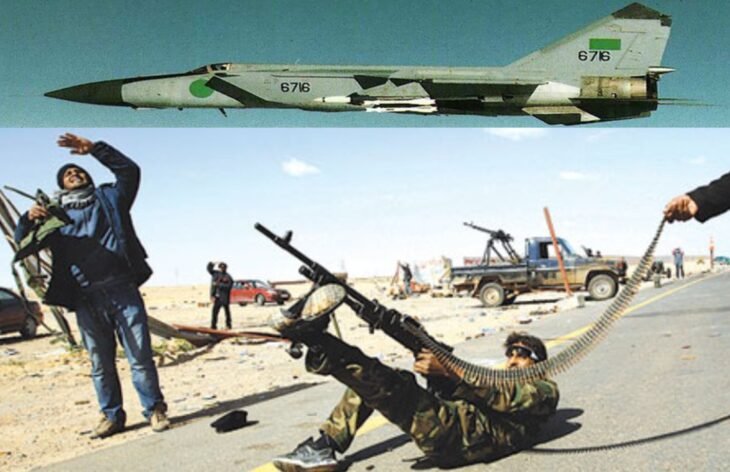
Nael Shama
 The paper draws on evidence from the six cases of the 2011 Arab Spring— Egypt, Syria, Bahrain, Yemen, Libya, and Tunisia—to illustrate the dynamics of troop loyalty or defection.
Edith Lederer
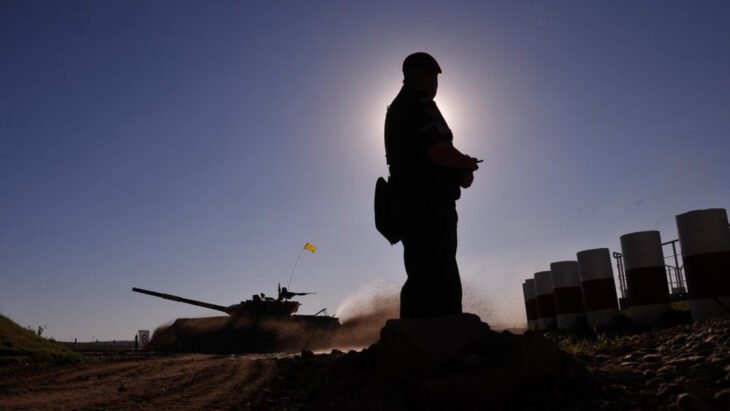
 The U.N. Security Council held an informal meeting Thursday focusing on the repatriation of more than 20,000 foreign fighters and mercenaries from Libya, a demand of the country’s transitional government as it heads toward December elections after a decade of fighting and upheaval. Read More
Gerald Jansen

The creation of Libya’s interim government has instilled the international community with tacit hopes of a decade-long conflict finally coming to an end. Read More
Mahmoud Muna
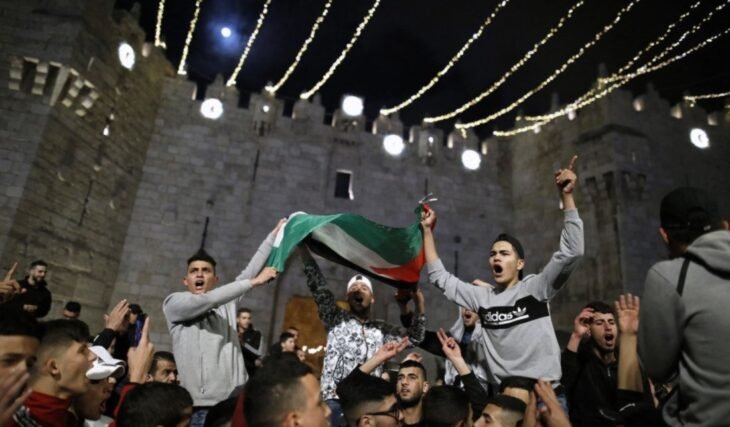
 The clashes and violence around the Damascus Gate in Jerusalem have caused much ink to flow in recent weeks, but as a longtime resident of the city, I have a unique perspective on the young people who live in the city. and around the Old Town. Read More
Irene Costantini
 The paper analyses the prospects for a transformation of the current war economy in Libya to occur in relation to international and local contexts and conditions.
Sudarsan Raghavan
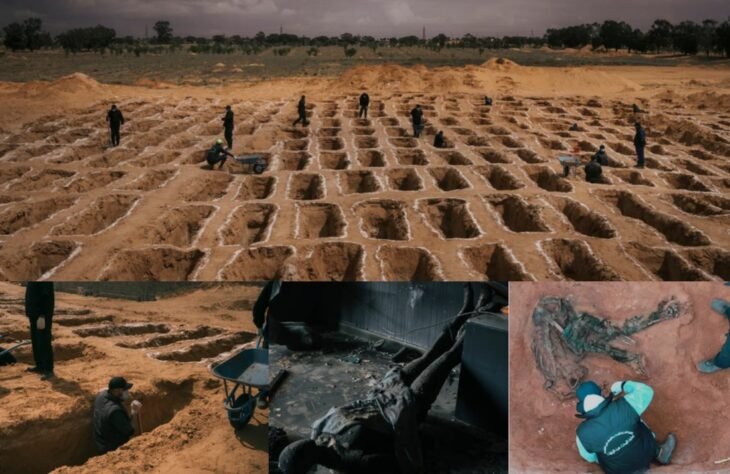
A Libyan militia brutalized this town for years. No one stopped them. No one held them to account.
Burhanettin Duran
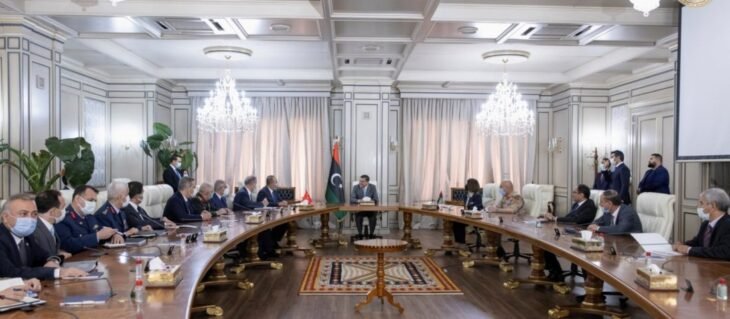
 High-level delegations from Turkey pay frequent visits to the Libyan capital Tripoli. Read More
Sudarsan Raghavan
A Libyan militia brutalized this town for years. No one stopped them. No one held them to account.
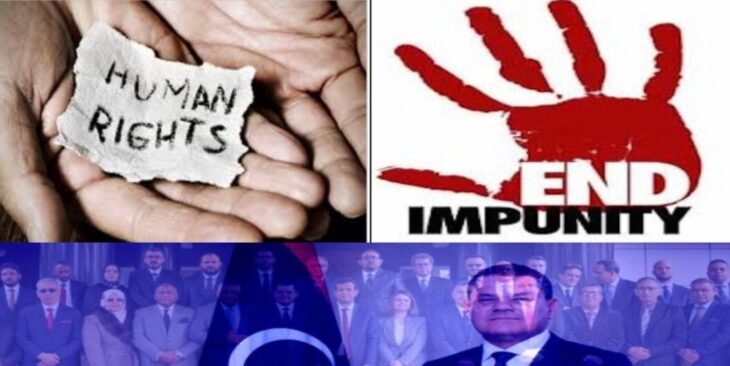
 Libya’s recently installed Government of National Unity (GNU) must address the human rights crisis across the country, break the cycle of impunity and re-establish rule of law, Amnesty International said today. Read More
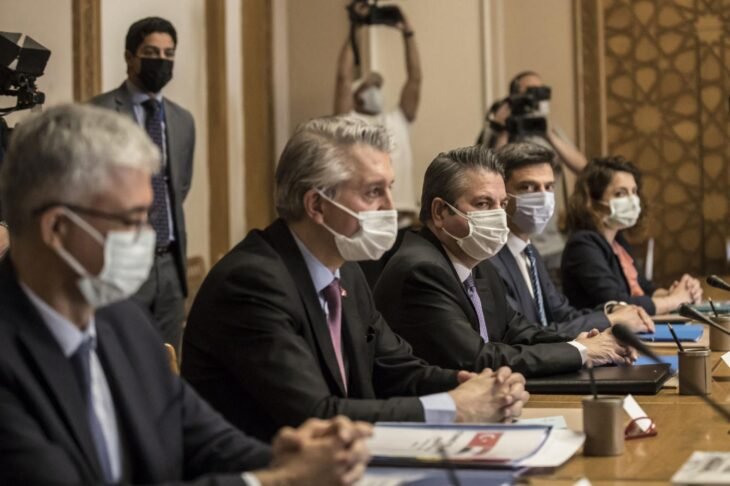
 Egypt and Turkey agree to evaluate outcome of ‘frank’ talks in Cairo and agree on next steps. Read More