 The new interim government in war-torn Libya announced on Thursday that it has created a financial fund for the reconstruction of cities affected by the war in recent years. Read More
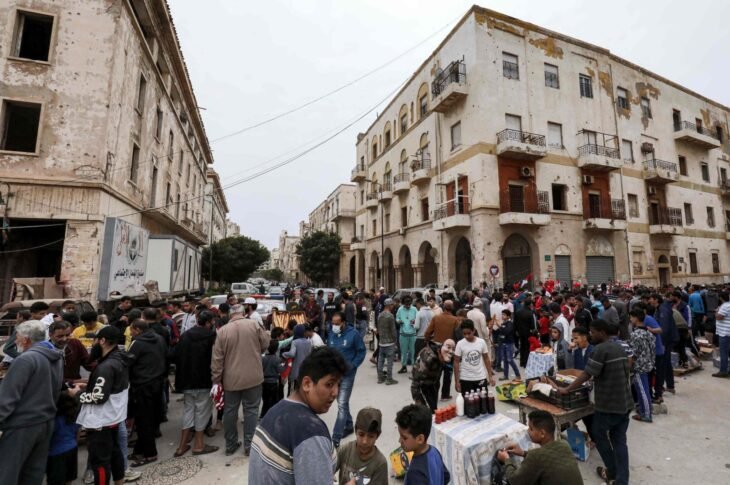
The new interim government in war-torn Libya announced on Thursday that it has created a financial fund for the reconstruction of cities affected by the war in recent years. Read More
Lorenzo Tondo
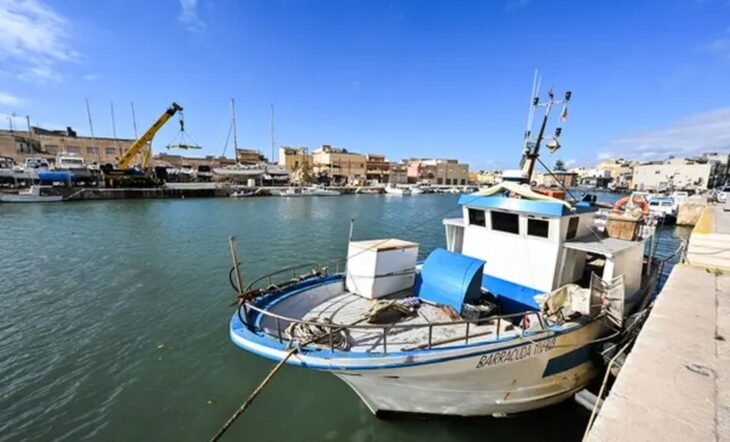
 Italian government supplied vessel to help Tripoli control flow of migrants in Mediterranean. Read More
Mary Fitzgerald
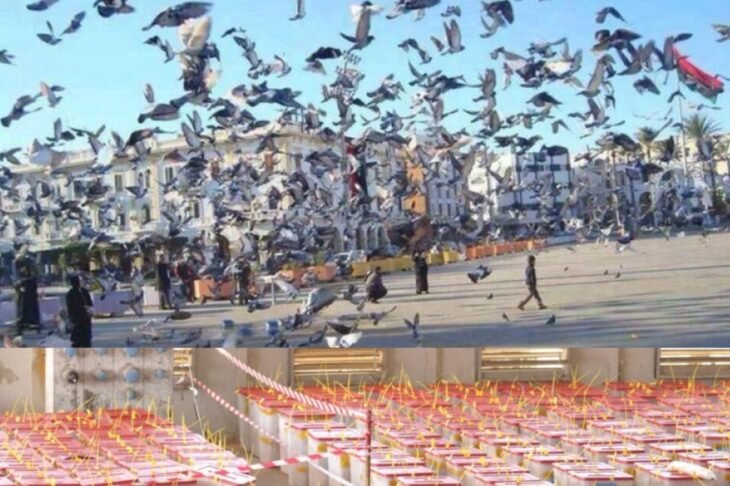
 This time last year, the Libyan capital was caught up in a year-old military campaign that had further internationalized the country’s dangerous divisions. Read More
Arturo Varvelli
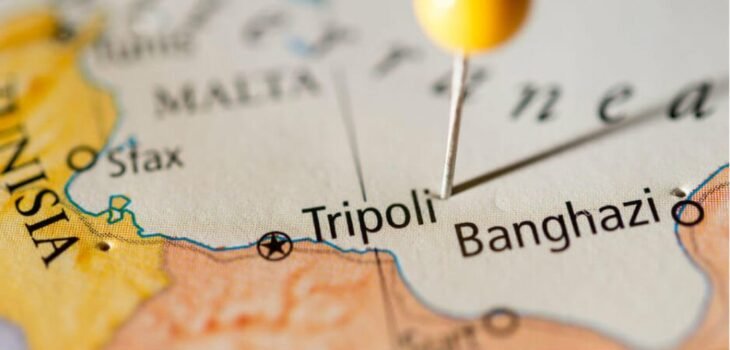
 In recent months a number of events in Libya seem to be taking the country to a new evolution of the crisis.
Dalia Ghanem
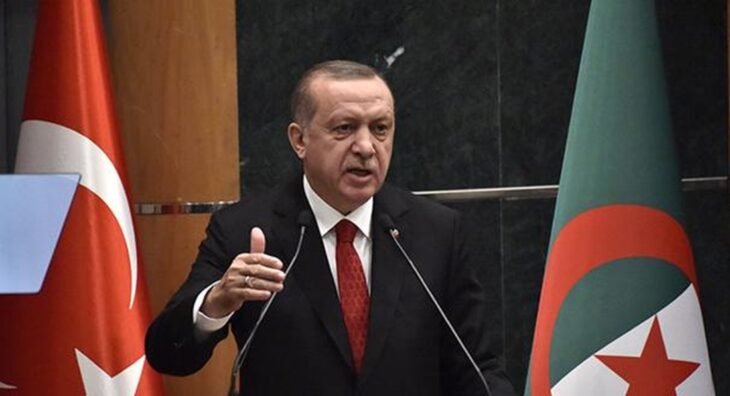
 Turkey is advancing economic, energy, and military objectives in North Africa, particularly in Algeria. Read More
Mohamed Saied

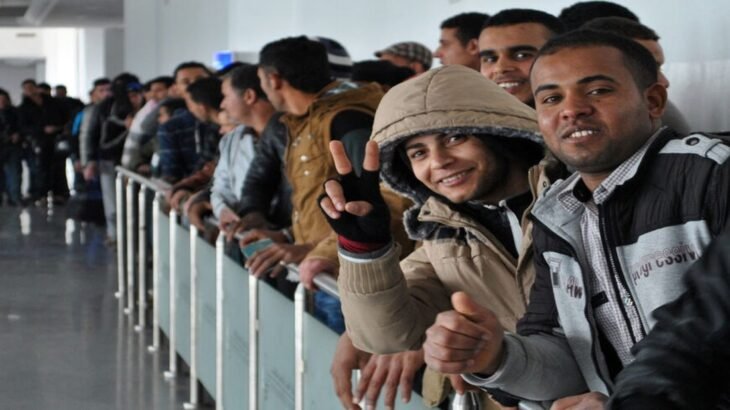
Egypt and Libya agreed to have Egyptian workers return to the Libyan labor market at a time when Cairo seeks to contribute to the reconstruction of war-torn Libya. Read More
Samy Magdy

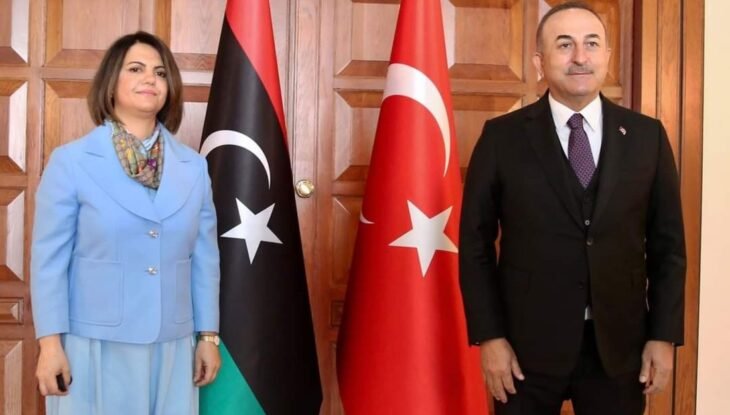
Libya’s high diplomat has known as for the departure of overseas forces and mercenaries from the North African nation because it heads towards elections later this 12 months. Read More
Arturo Varvelli
In recent months a number of events in Libya seem to be taking the country to a new evolution of the crisis.
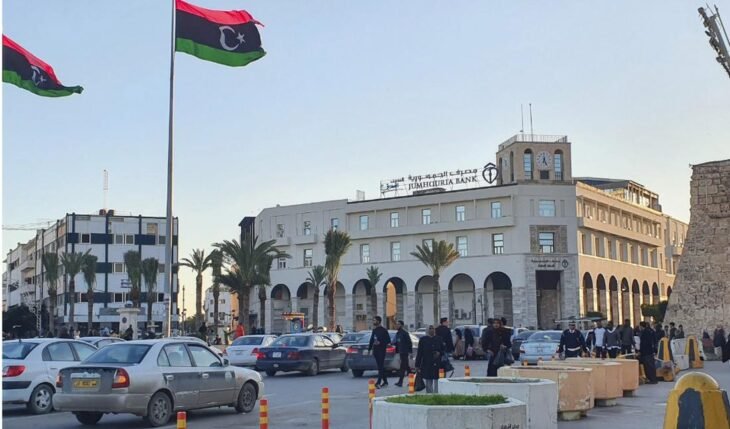
 New World Bank report details how the country’s trajectory for economic recovery will remain linked to the security and political environment; implementing urgent reforms will increase the likelihood of a successful resolution and recovery. Read More
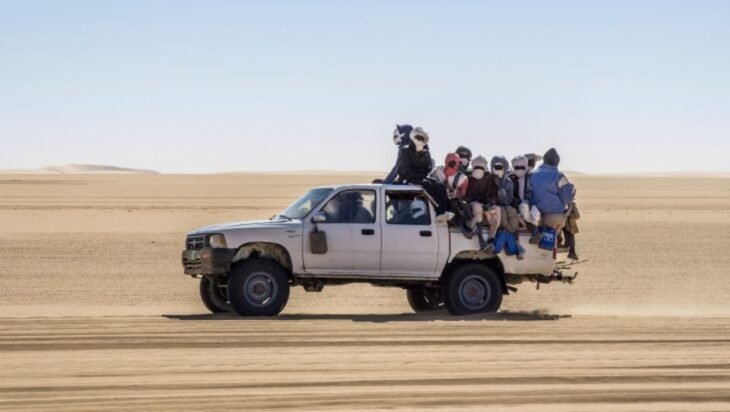
Fuat Emir Compassionate
 After many years of conflict in Libya, the 5 + 5 Joint Military Committee, formed by the representatives of the warring parties, agreed on the ceasefire agreement and the agreement was signed on 23 October 2020. Read More

Emadeddin Badi
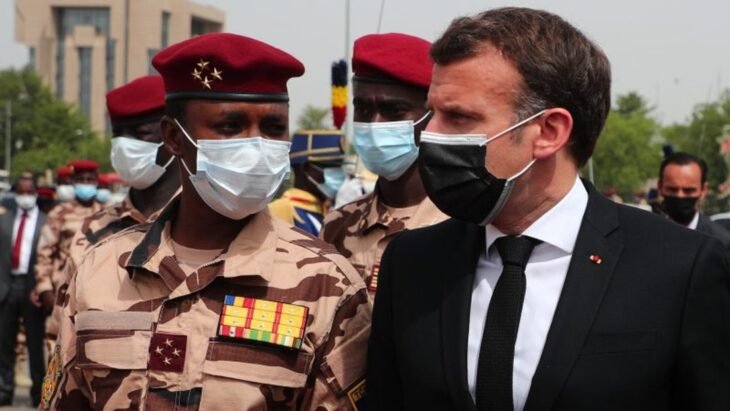
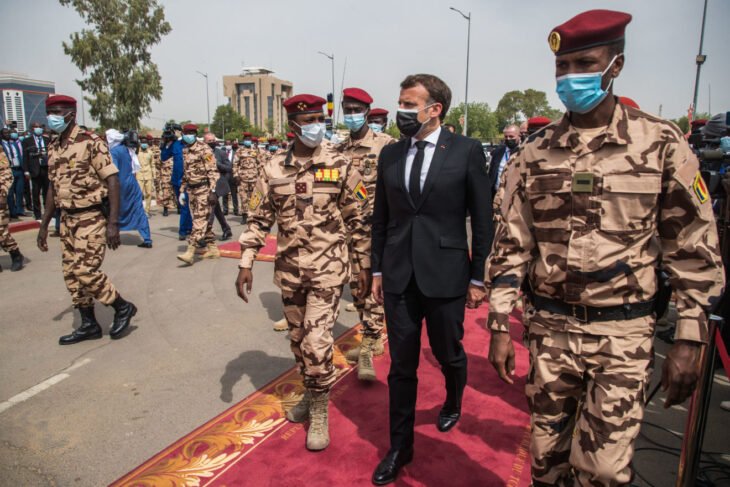
 On April 20, after clashes that pitted the Chadian national army against rebels in the Kanem region of northern Chad, the country’s President Idriss Déby was killed. Read More
Hafed Al-Ghwell
 The head of Libya’s recently appointed Government of National Unity (GNU), Prime Minister Abdul Hamid Dbeibah, took a surprising trip to Moscow last week, where he met senior Russian officials, vowing to build bridges and preserve Russia’s growing stake in Libya’s economy. Read More
Marielle Debos
 Debating Ideas is a new section that aims to reflect the values and editorial ethos of the African Arguments book series, publishing engaged, often radical, scholarship, original and activist writing from within the African continent and beyond. Read More
Edith Lederer
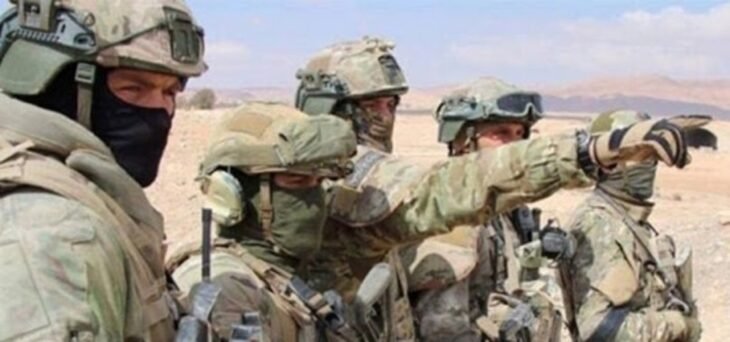
 The U.N. Security Council held an informal meeting Thursday focusing on the repatriation of more than 20,000 foreign fighters and mercenaries from Libya, a demand of the country’s transitional government as it heads toward December elections after a decade of fighting and upheaval. Read More
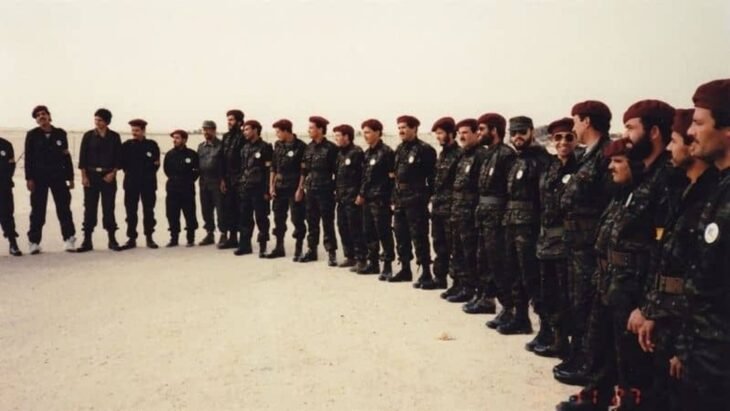
The many dreams of Libya
Carmen Gray
 DISSENT: Undying patriotism in the face of a country that no longer needs you. Read More
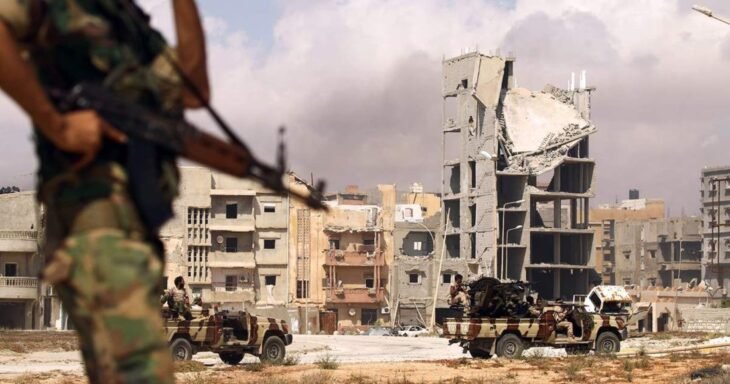
Military courts have convicted hundreds of civilians in eastern Libya in secret and grossly unfair military trials, aimed at punishing real or perceived opponents and critics of the Libyan Arab Armed Forces (LAAF) and affiliated armed groups, Amnesty International said today. Read More
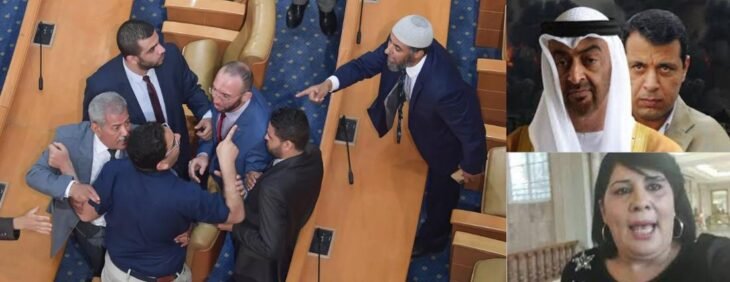
 The Tunisian Observer website said that the war of powers is escalating in Tunisia between presidents of the government and the republic. Read More
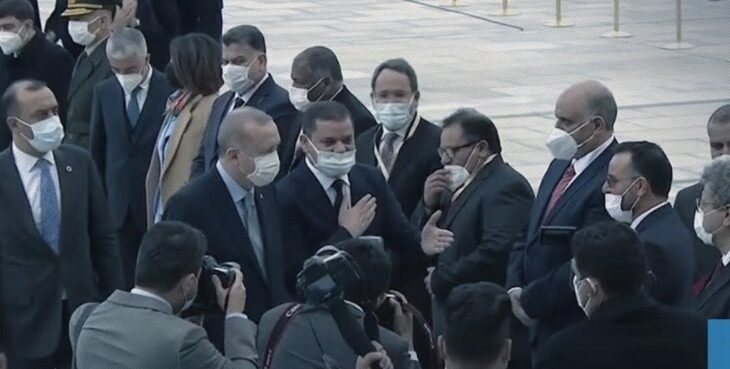
Karim Mezran and Dario Cristiani

 The new Libyan leadership’s early moves on the international stage are leaving the impression that it’s open for business with anyone. But that image comes with some caveats. Read More
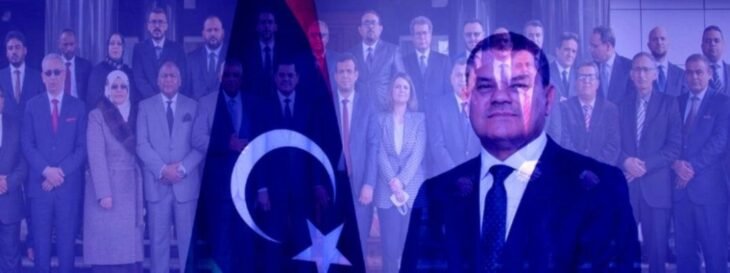
A Semblance of Compromise Obscures Old and New Rifts
Wolfram Lacher
 The formation of the Government of National Unity (GNU) under Abdelhamid Dabeiba in March 2021 was a breakthrough in efforts to overcome Libya’s political division. But the settlement’s flaws are already starting to show. Read More
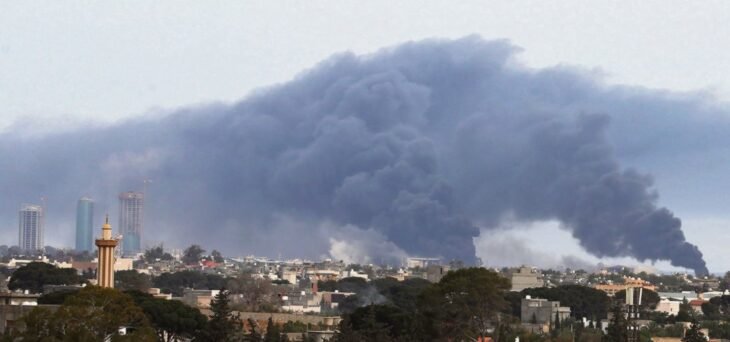
Jonathan Fenton-Harvey
 While Libya’s democratic transition is making promising steps, the future of warlord Khalifa Haftar remains an obstacle to Libya’s stability. Read More
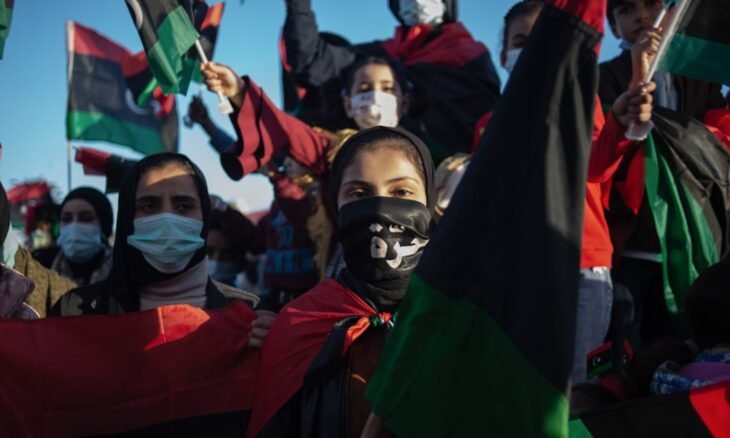
Peter Beaumont
 Overshadowed by Syria, the lessons of Libya from the past decade have barely been cross examined. The last days of Libya’s Colonel Muammar Gaddafi 10 years ago conjure up competing images of defiance, defeat and death. Read More
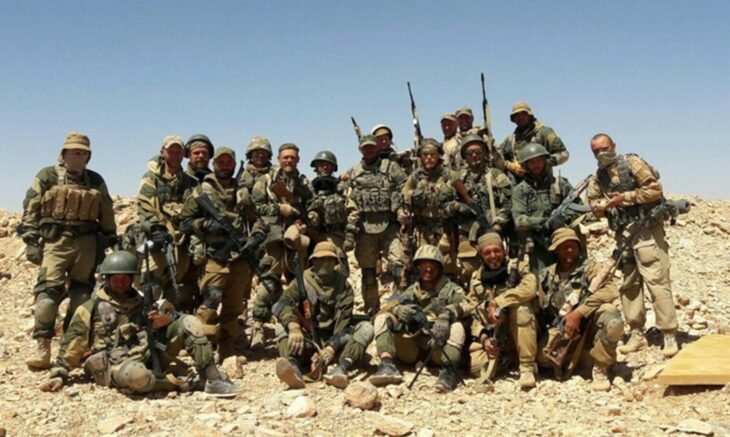
Ruslan Trad
 Methods perfected during the occupation of Afghanistan are now in wide use among Russia’s corporate guns for hire. Read More
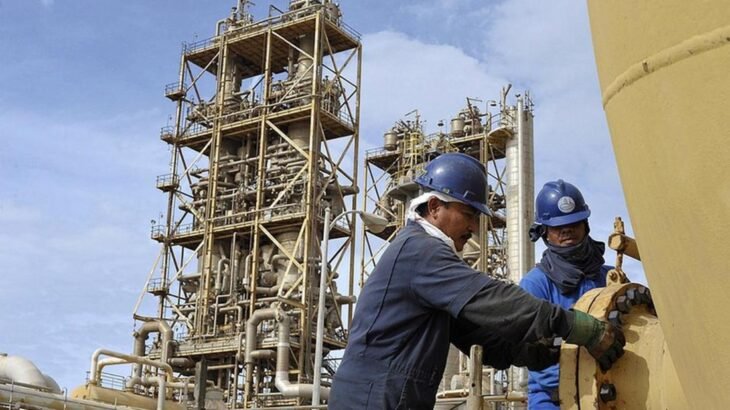
Jennifer Gnana

The country faces ‘fragmentation of state institutions’ amid an ongoing conflict. Read More
Raghida Dergham
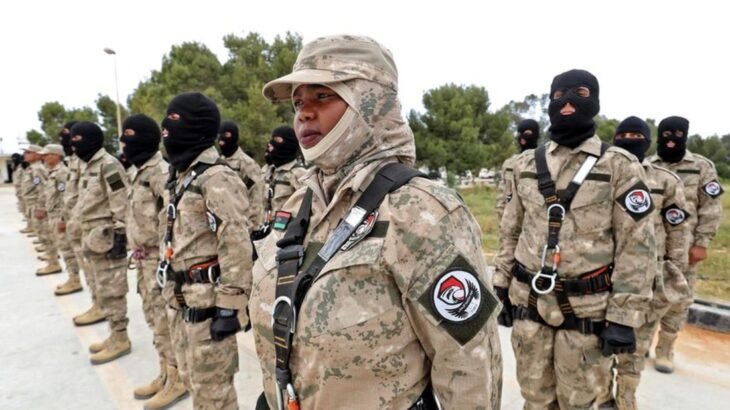
 Only by signing accords that serve its own interests can Libya dream of ridding itself of internal divisions eroding its territorial integrity and the fabric of its society. Read More
Stephanie Williams and Ghassan Salamé

 Two former top U.N. envoys to Libya recount for the first time how the unraveling of the international order helped devastate an already fractured country and how a renewed international consensus can help Libya’s restoration. Read More
A Semblance of Compromise Obscures Old and New Rifts
Wolfram Lacher
The formation of the Government of National Unity (GNU) under Abdelhamid Dabeiba in March 2021 was a breakthrough in efforts to overcome Libya’s political division. But the settlement’s flaws are already starting to show.
A Semblance of Compromise Obscures Old and New Rifts
Wolfram Lacher
The formation of the Government of National Unity (GNU) under Abdelhamid Dabeiba in March 2021 was a breakthrough in efforts to overcome Libya’s political division. But the settlement’s flaws are already starting to show.
Stephanie Williams and Ghassan Salamé
Two former top U.N. envoys to Libya recount for the first time how the unraveling of the international order helped devastate an already fractured country and how a renewed international consensus can help Libya’s restoration. Read More
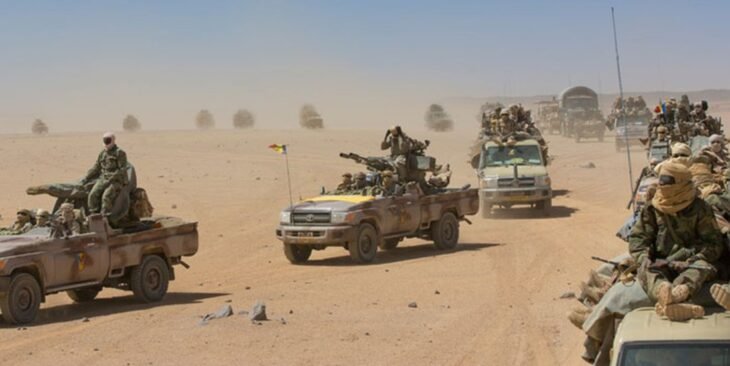
 The death of Chadian President Idriss Déby raises the concern of many Chadians and neighboring states and plunges the country into uncertainty. Crisis Group looks back on recent events and outlines the main risks facing the country. Read More

Democratic Transitions and the Shadow of Past Legacies
Hadil Dayri
 To what extent are past legacies and grievances relevant in understanding the failures of Libya’s post-2011 transition?
Democratic Transitions and the Shadow of Past Legacies
Hadil Dayri
To what extent are past legacies and grievances relevant in understanding the failures of Libya’s post-2011 transition?

 The use of referendums in processes of constitutional formation and change has increased considerably across the world in recent decades.
Nael Shama
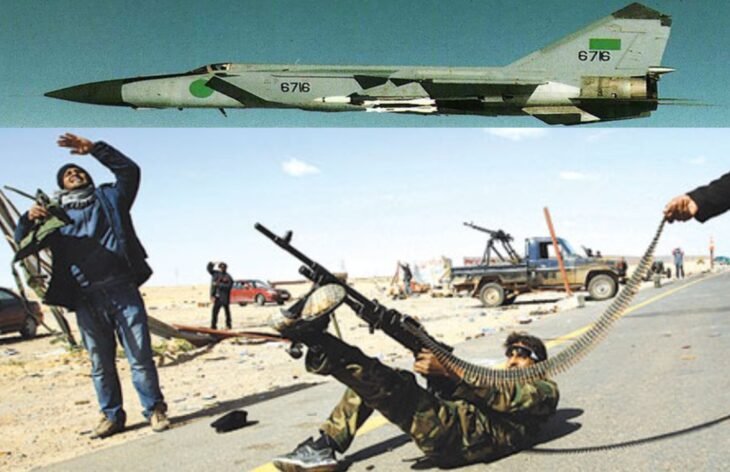
 The paper draws on evidence from the six cases of the 2011 Arab Spring— Egypt, Syria, Bahrain, Yemen, Libya, and Tunisia—to illustrate the dynamics of troop loyalty or defection. Read More

Nedra Cherif
 The project aims to establish a platform of dialogue and exchange between Libya’s major political forces, Libyan and international researchers and key actors of the international community on policy issues key to Libya’s future. Read More
Turan Kislakci
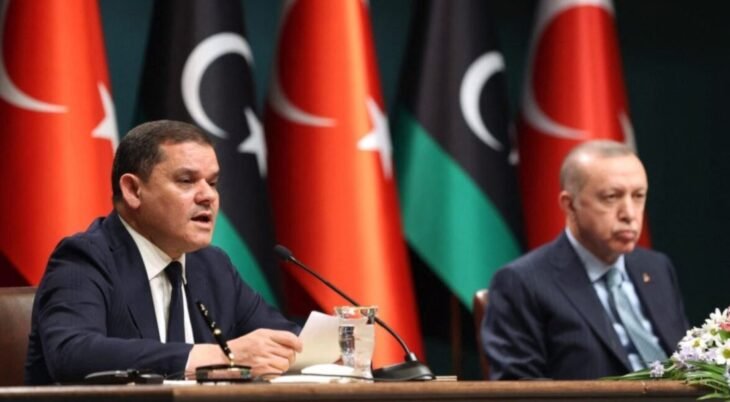
 Libyan Prime Minister Abdul Hamid Dbeibeh visited Ankara last week with a large delegation including five deputy prime ministers, 14 ministers, and the chief of staff to participate in the first meeting of the Turkey-Libya Strategic Cooperation Council. Read More