By Alessandro Scipione
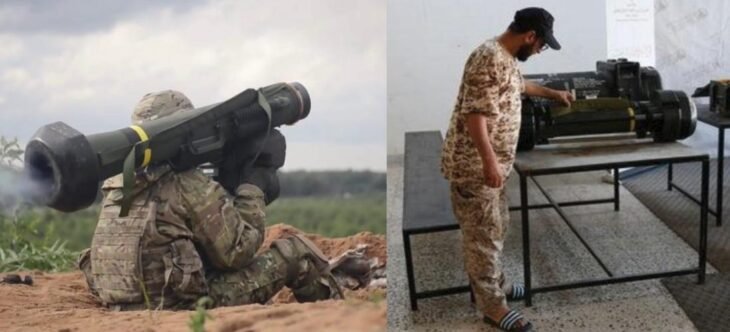
 France back to appear in Libya after months of absence, ready to take advantage of the crude oil that is back flowing and ongoing negotiations to form a new unity government. Read More
By Alessandro Scipione
France back to appear in Libya after months of absence, ready to take advantage of the crude oil that is back flowing and ongoing negotiations to form a new unity government. Read More
By Ali Bakir
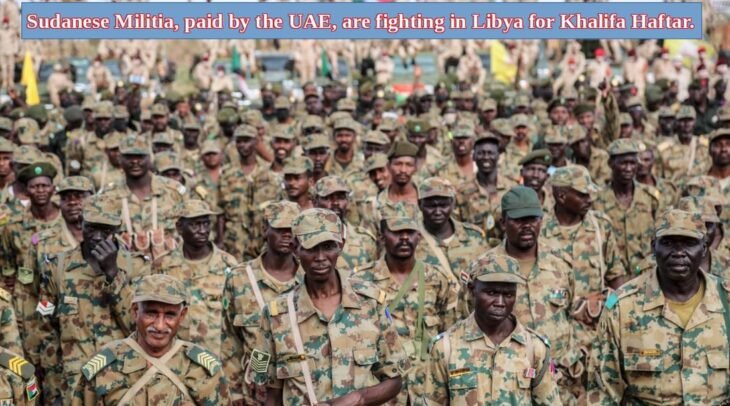
 This paper aims to discuss the UAE’s interventions in Libya in terms of their nature, extent, motives, goals and repercussions.
By Emadeddin Badi
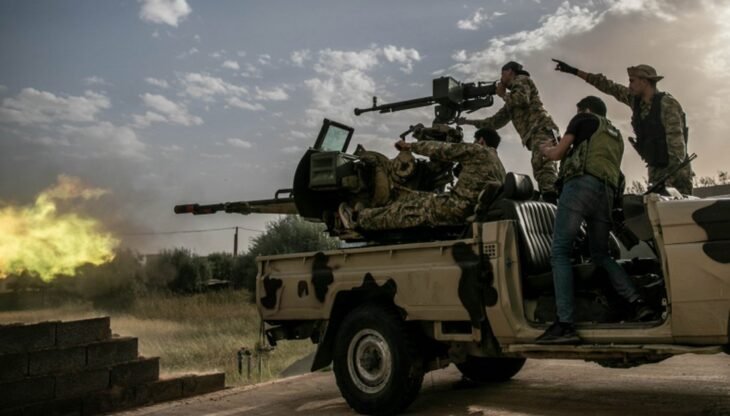
 Libya’s security sector has become virtually unrecognizable from what it was a decade ago owing to the transformations brought about since the 2011 revolution.
This evolution has implications for any attempt to usher in short-term and interim security arrangements – including brokering ceasefires or improving security provision and policing capabilities – as well as longer-term security sector reform (SSR) efforts. Read More
By Enes Canli

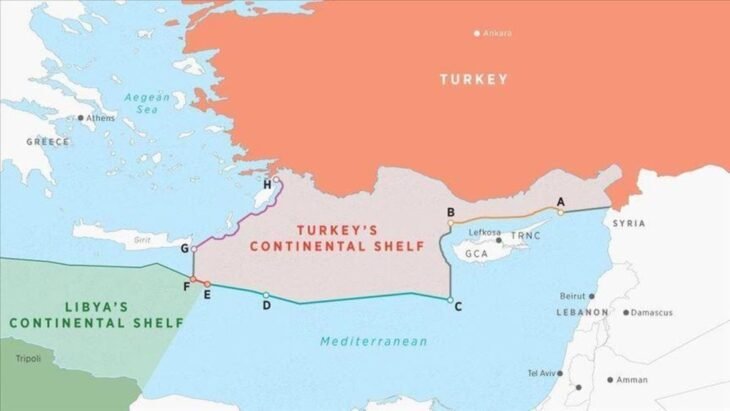
As Libya goes through a critical period, two memorandums of understanding signed on Nov. 27, 2019, in the fields of delimitation of maritime jurisdictions and military security cooperation changed the fate of Libya. Read More
By Anas El Gomati
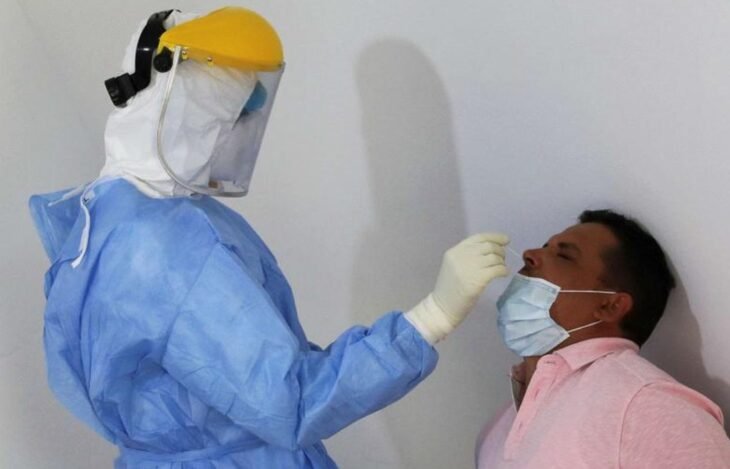
 COVID-19 has changed the world and the way we live it, establishing something of a “new normal” as states and societies battle the pandemic and learn to accommodate its multidimensional effects. For Libyans’ living in the midst of conflict, normality and a new normal are difficult to determine. Read More
By Dylan Yachyshen
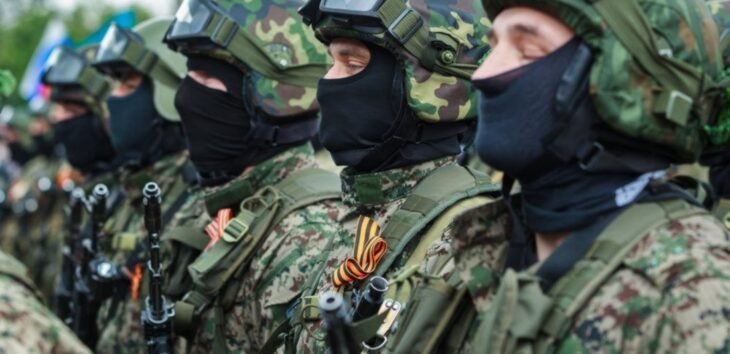
 The Russian state-affiliated private military company known as the Wagner Group has proven adept at leveraging instability or weak institutions to further Russian influence abroad. Read More
By Emadeddin Badi
 Libya’s security sector has become virtually unrecognizable from what it was a decade ago owing to the transformations brought about since the 2011 revolution.
This evolution has implications for any attempt to usher in short-term and interim security arrangements – including brokering ceasefires or improving security provision and policing capabilities – as well as longer-term security sector reform (SSR) efforts. Read More
By Jonathan M. Winer
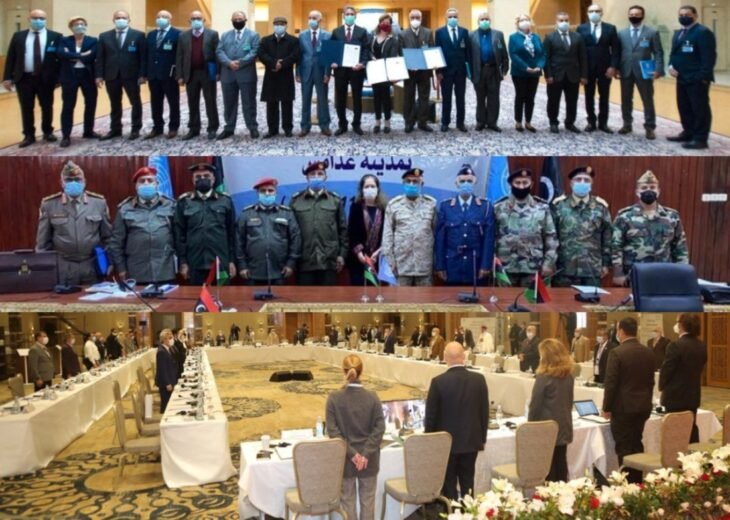
 The disruptive presence of competing foreign military forces has been among the sorriest aspects of the mess that has become Libya in the near-decade since the Feb. 17, 2011 uprising that led to Gadhafi’s overthrow. Read More
By Dr Andreas Krieg
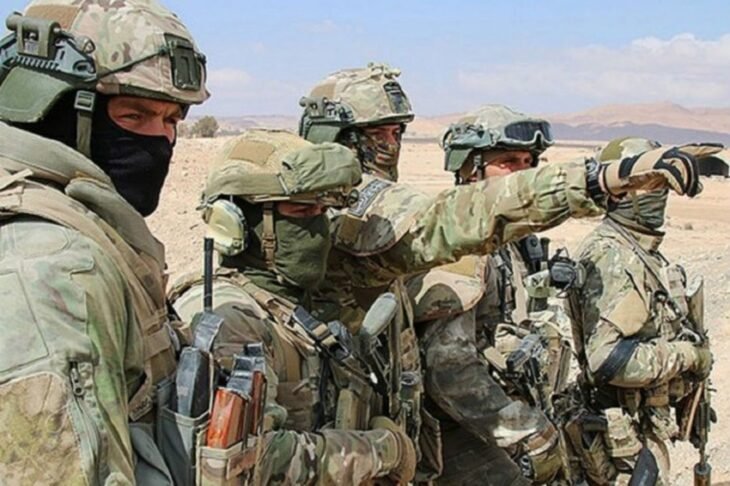
 On October 23rd the rival military factions to conflict in Libya announced a 12 point permanent ceasefire agreement ending 18 months of conflict. Read More

By Bel Trew
 Women in Libya are highly vulnerable due to systematic corruption and lawlessness. In Libya, for women’s rights defenders, even the dead are not permitted to rest. Read More
By Emadeddin Badi
Libya’s security sector has become virtually unrecognizable from what it was a decade ago owing to the transformations brought about since the 2011 revolution.
This evolution has implications for any attempt to usher in short-term and interim security arrangements – including brokering ceasefires or improving security provision and policing capabilities – as well as longer-term security sector reform (SSR) efforts. Read More
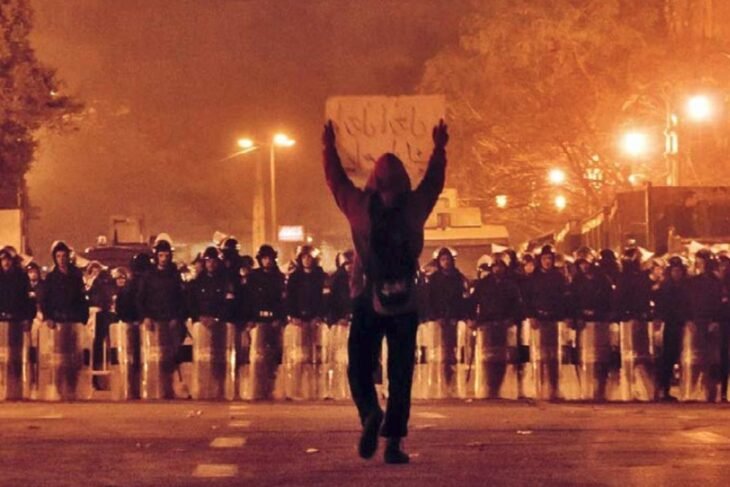
By Dr Usaama al-Azami
 The term Islamist has meant different things at different times to different people. Today, when used in English it usually conjures up terrifying images of masked gunmen on the streets of European capitals killing innocent civilians in the name of Islam. Read More
By Emadeddin Badi
This paper is a comprehensive research into defining features of Libya’s security landscape & implications for attempts to reform it.
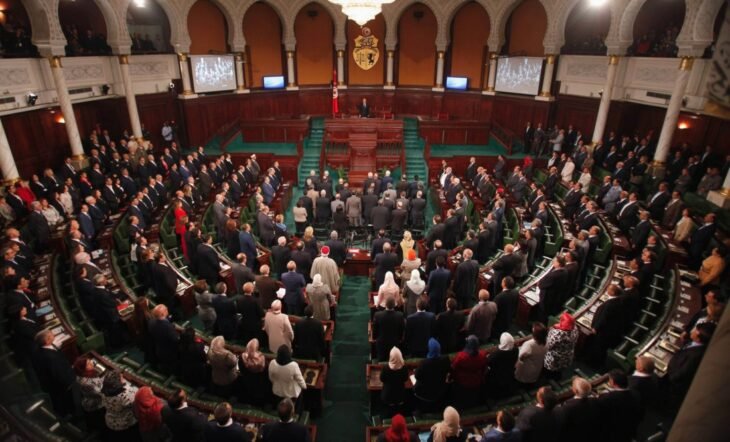
By Ayoub AlBahri
 Almost a decade ago, the Tunisian Revolution of 2011 broke out. Seeing the outcome of it, several other Arab nations followed course in what has become known as the Arab Spring.
This latter is by far the most important event in the Arab World since Arab nations got their independence after the Second World War. Read More
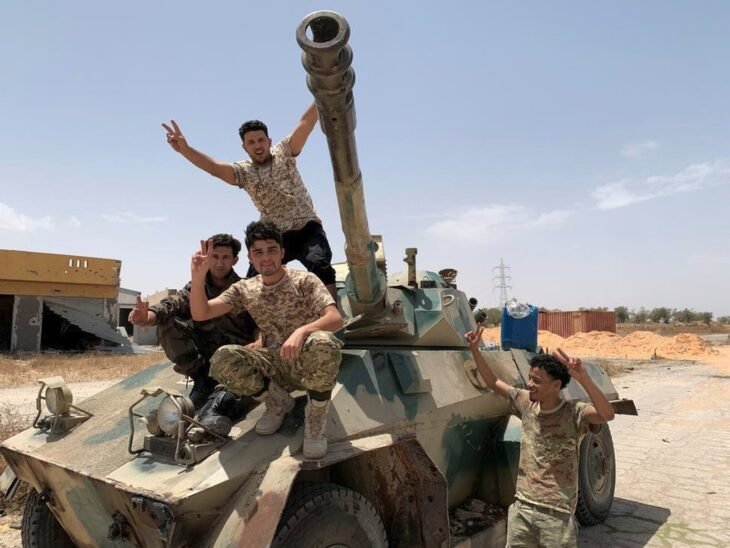
By Anas El Gomati
Recent political talks to end the civil war in Libya have relied upon the flawed logic of inclusion and compromise to unify rival factions, in the belief that institutional cooperation will follow.
This report analyses how this strategy is destined to fail, due to opposing and irreconcilable visions for the state and its political character. Read More
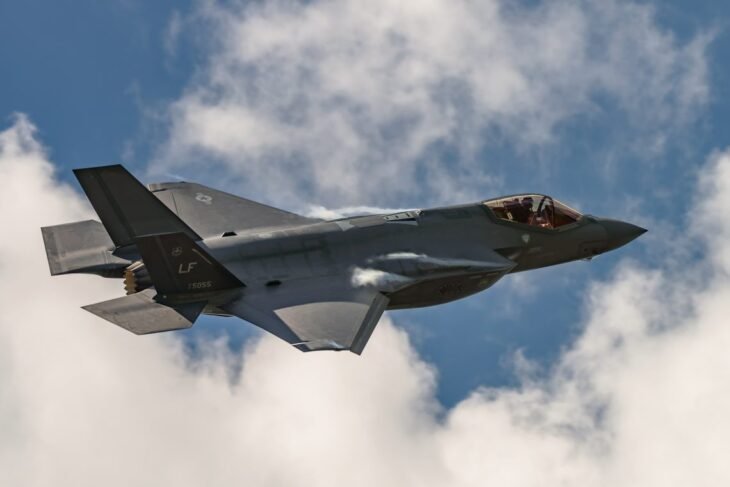
By Julian Pecquet
 The US House of Representatives today passed a bipartisan bill that names and shames arms embargo violators in Libya for the first time, adding a new wrinkle in the lobbying and advocacy fight over the Donald Trump administration’s proposed $23 billion sale of F-35 fighter jets, drones and munitions to the United Arab Emirates. Read More
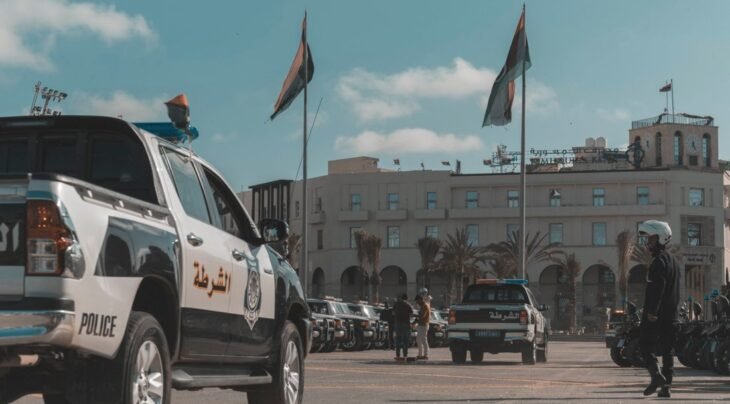
By Burhanettin Duran
 The Foundation for Political, Economic and Social Research (SETA) hosted the International Conference on Libya earlier this week, where participants exchanged views on reforming that country’s security sector, among other issues. Read More
By Anas El Gomati
Recent political talks to end the civil war in Libya have relied upon the flawed logic of inclusion and compromise to unify rival factions, in the belief that institutional cooperation will follow.
This report analyses how this strategy is destined to fail, due to opposing and irreconcilable visions for the state and its political character. Read More
By Ayoub AlBahri
Almost a decade ago, the Tunisian Revolution of 2011 broke out. Seeing the outcome of it, several other Arab nations followed course in what has become known as the Arab Spring. This latter is by far the most important event in the Arab World since Arab nations got their independence after the Second World War.
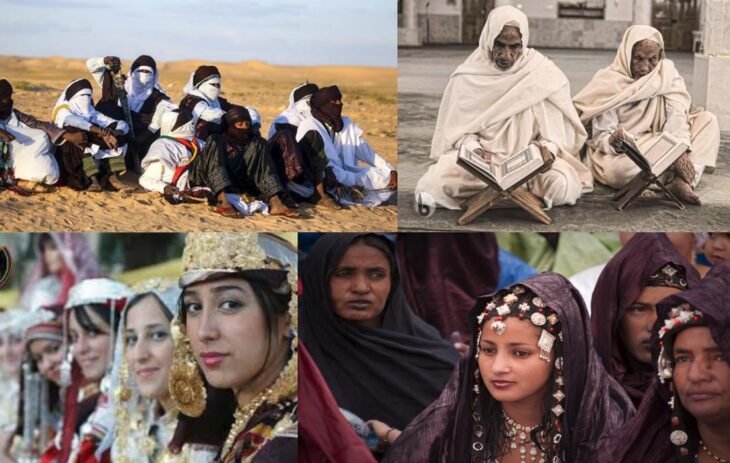
By Asma Khalifa
 A recent Minority’s Rights International rreport has ranked Libya in it’s top 10 in the world of indigenous and ethnic minority communities most at risk in 2020. Read More
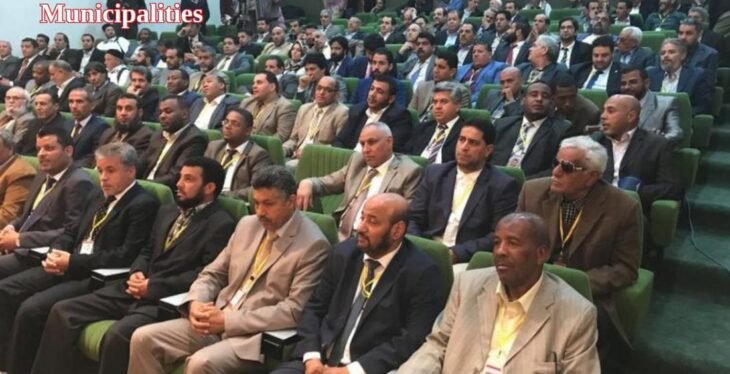
By Nate Wilson
 A nascent peace process will require dialogues at the grass roots to build its legitimacy among Libyans. Read More
By Ayoub AlBahri
Almost a decade ago, the Tunisian Revolution of 2011 broke out. Seeing the outcome of it, several other Arab nations followed course in what has become known as the Arab Spring.
This latter is by far the most important event in the Arab World since Arab nations got their independence after the Second World War. Read More
By Anas El Gomati
Recent political talks to end the civil war in Libya have relied upon the flawed logic of inclusion and compromise to unify rival factions, in the belief that institutional cooperation will follow.
This report analyses how this strategy is destined to fail, due to opposing and irreconcilable visions for the state and its political character. Read More
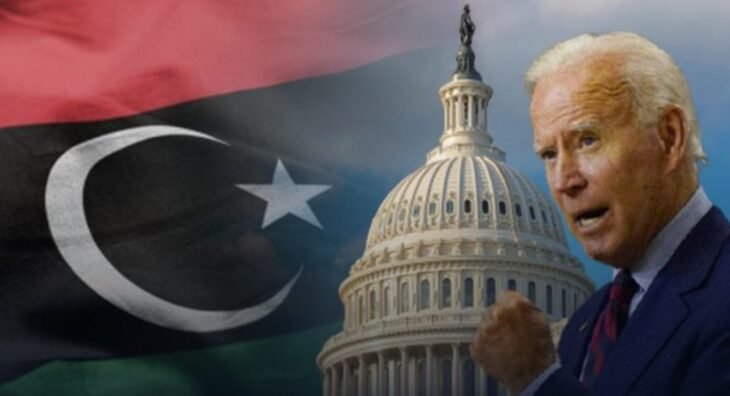
By Ellen Laipson
 The Biden administration could have an opportunity to demonstrate that the US will provide more support for multilateral efforts. Read More
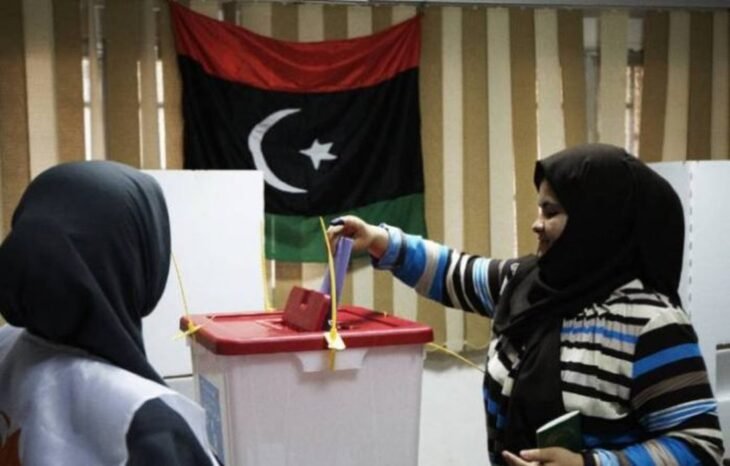
 Outside mediators are trying a novel tactic: Those who waged war in Libya must promise not to run it when peace prevails. When Libyan representatives gather in Tunisia on Monday to begin charting a political future of their war-torn country, they will be restrained by a remarkable precondition: A seat at the table requires giving up personal ambition. Read More
By Anas El Gomati
Recent political talks to end the civil war in Libya have relied upon the flawed logic of inclusion and compromise to unify rival factions, in the belief that institutional cooperation will follow. This report analyses how this strategy is destined to fail, due to opposing and irreconcilable visions for the state and its political character.
By Jason Pack & Wolfgang Pusztai

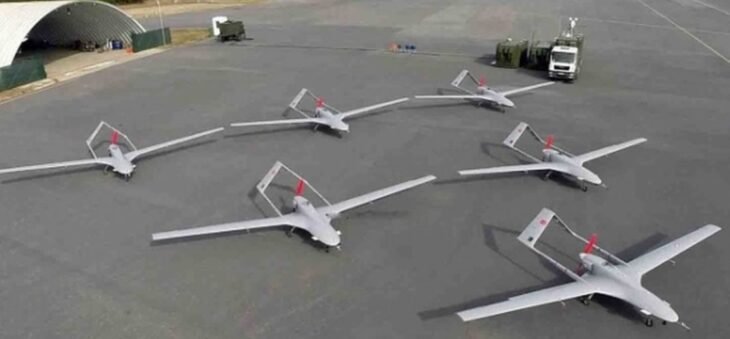
 The War for Tripoli, launched by Gen. Khalifa Hifter in April 2019, came to an abrupt end in June 2020 after extensive Turkish military capabilities were introduced to the theater at the beginning of the year.
This research paper seeks to drill down into the military, logistical, and technological aspects of the war, highlighting the unique role of drones, soft-kill and hard-kill air defense technologies, private military contractors, and extraterritorial military professionals in determining its final outcome. Read More
By Anas El Gomati
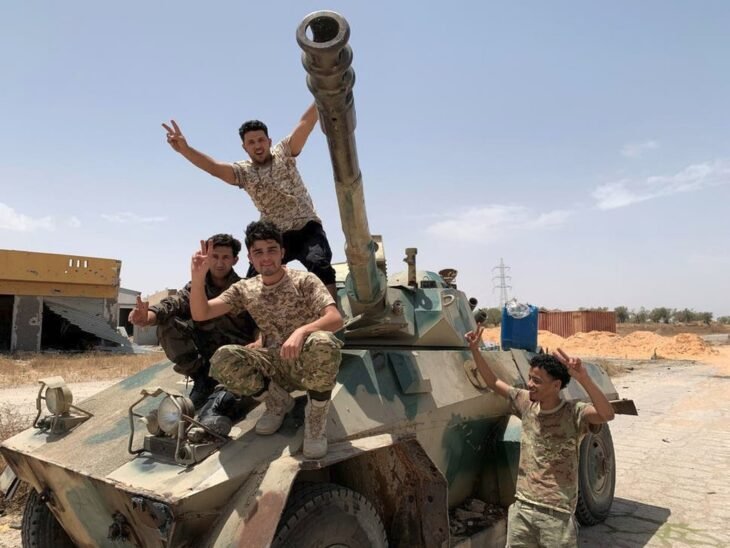
Recent political talks to end the civil war in Libya have relied upon the flawed logic of inclusion and compromise to unify rival factions, in the belief that institutional cooperation will follow. This report analyses how this strategy is destined to fail, due to opposing and irreconcilable visions for the state and its political character.
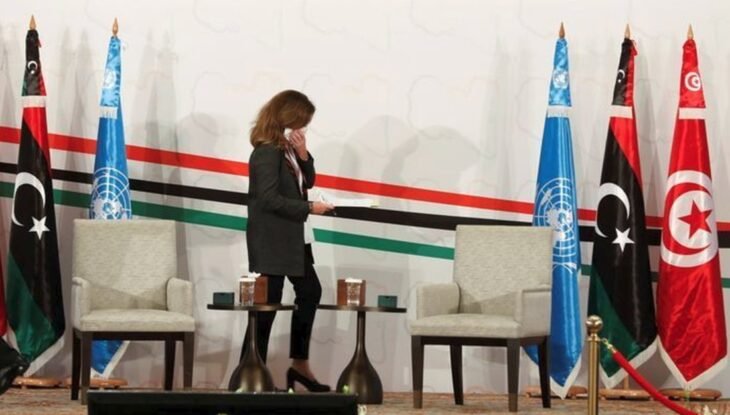
By Jason Pack
 Despite the momentum and attention it has received in recent weeks, the United Nations-facilitated Libyan Political Dialogue Forum (LPDF) now appears on the brink of collapse. Read More
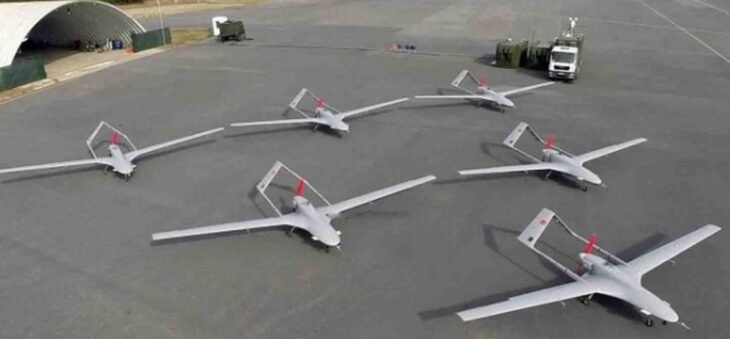
By Jason Pack & Wolfgang Pusztai
The War for Tripoli, launched by Gen. Khalifa Hifter in April 2019, came to an abrupt end in June 2020 after extensive Turkish military capabilities were introduced to the theater at the beginning of the year.
This research paper seeks to drill down into the military, logistical, and technological aspects of the war, highlighting the unique role of drones, soft-kill and hard-kill air defense technologies, private military contractors, and extraterritorial military professionals in determining its final outcome. Read More
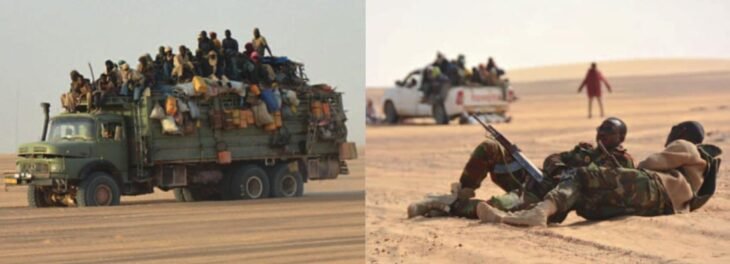
By Jérôme Tubiana & Claudio Gramizzi

 The deteriorating situation in Libya has drawn some attention to its southern borderlands, albeit with a nearly exclusive focus on security and migration—two complex issues that are often conflated or otherwise distorted in political rhetoric and media coverage.”
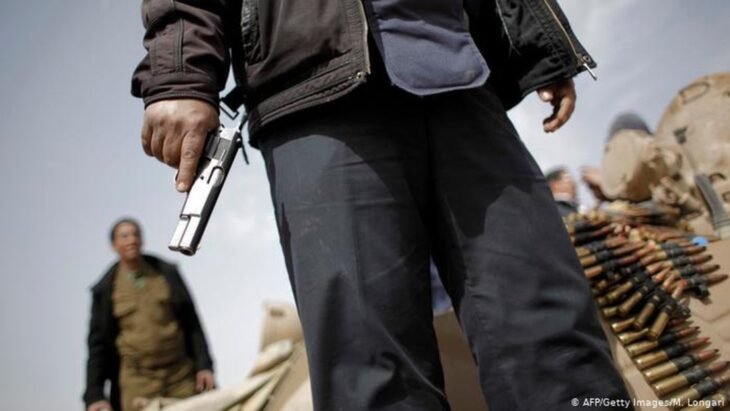
By Borzou Daragahi
 Brutal murder of Hanan al-Barassi will send a message to others who dare to speak out, say Libya watchers. Read More
By Jason Pack & Wolfgang Pusztai
The War for Tripoli, launched by Gen. Khalifa Hifter in April 2019, came to an abrupt end in June 2020 after extensive Turkish military capabilities were introduced to the theater at the beginning of the year.
This research paper seeks to drill down into the military, logistical, and technological aspects of the war, highlighting the unique role of drones, soft-kill and hard-kill air defense technologies, private military contractors, and extraterritorial military professionals in determining its final outcome. Read More
By Jérôme Tubiana & Claudio Gramizzi
The deteriorating situation in Libya has drawn some attention to its southern borderlands, albeit with a nearly exclusive focus on security and migration—two complex issues that are often conflated or otherwise distorted in political rhetoric and media coverage.” Read More

By Hugo Flotat-Talon

The UN announces the organization of elections within eighteen months in Libya. But the obstacles remain numerous. Read More
By Jason Pack & Wolfgang Pusztai
The War for Tripoli, launched by Gen. Khalifa Hifter in April 2019, came to an abrupt end in June 2020 after extensive Turkish military capabilities were introduced to the theater at the beginning of the year.
This research paper seeks to drill down into the military, logistical, and technological aspects of the war, highlighting the unique role of drones, soft-kill and hard-kill air defense technologies, private military contractors, and extraterritorial military professionals in determining its final outcome. Read More