By Yves Engler
 Many progressives call for Canada to “do more” around the world. The assumption is that this country is a force for good, a healer of humankind. Read More
By Yves Engler
Many progressives call for Canada to “do more” around the world. The assumption is that this country is a force for good, a healer of humankind. Read More
By Usama Agag
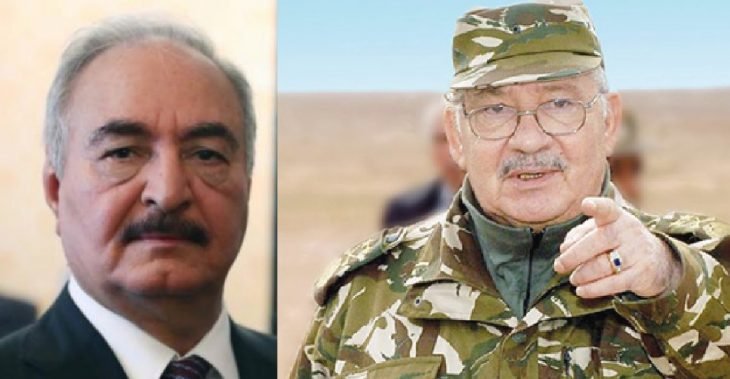
 The crisis caused by the video of Libya’s General Khalifa Haftar in which he threatened to move the war to Algerian territory appears to have calmed down. Read More
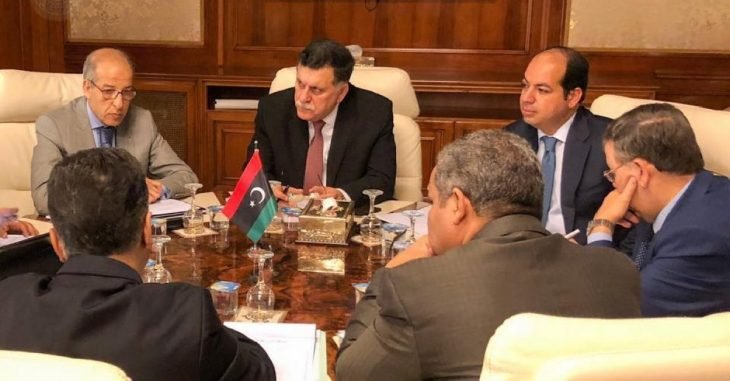
 Libyan businessman, Husni Bey, told Libyan Express Thursday that branding the decrees issued by the Head of the Presidential Council Fayez Al-Sirraj as an economic reform package is an overstatement. Read More
By Mohammed Srait
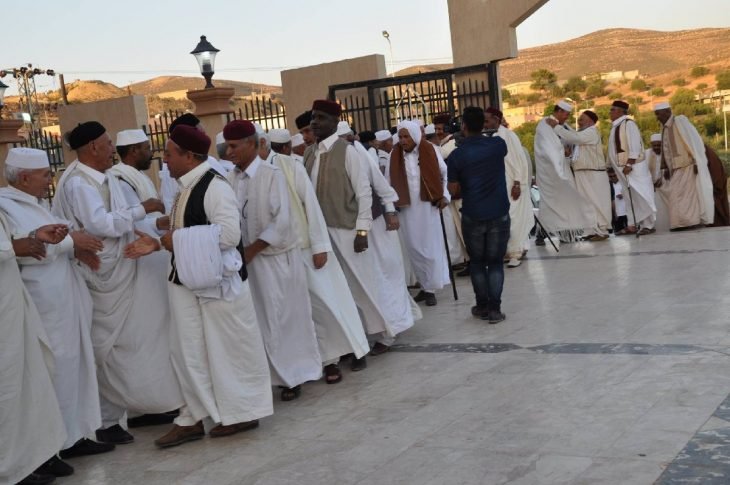
 This is the interview with Dr. Miftah al-Masuri, coordinator of external relations at the Preparatory Committee for the National General comprehensive Conference (Libyan-Libyan). Read More
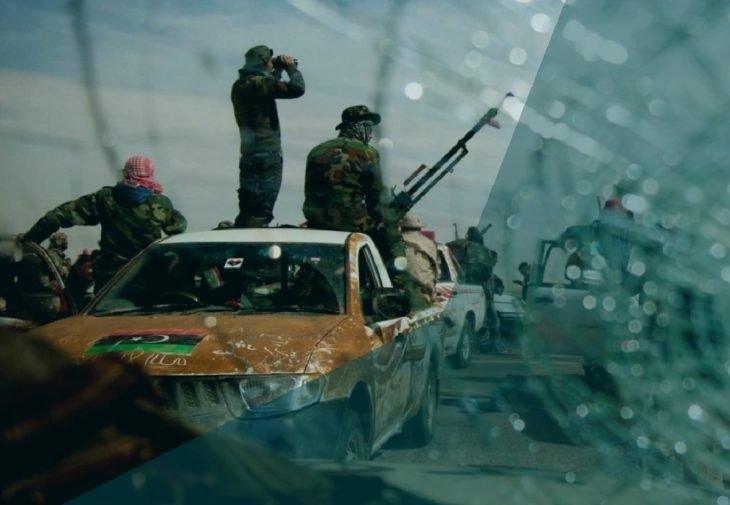
By Max Gallien
 Contrary to common perception, smuggling in Libya predates the current crisis. Carefully controlled by the ruling regime, it had been a part of Libya’s economic and political management for decades. Read More
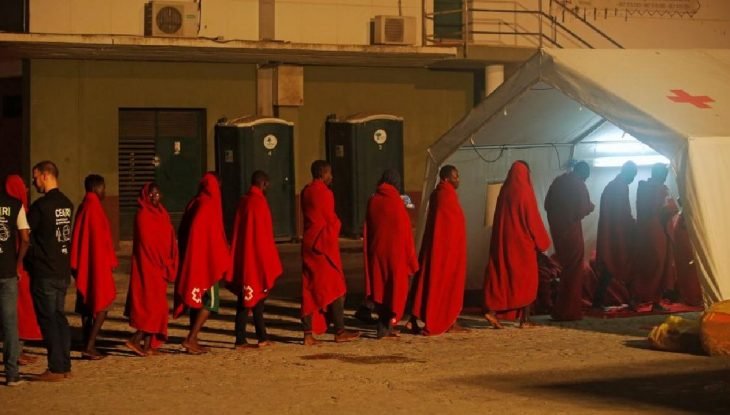
By Gabriela Baczynska & Francois Murphy
 The European Union must end the “blame game” on migration and instead focus on working more with foreign countries and further strengthening its border to bring down arrivals, the chairman of the bloc’s leaders said. Read More

By Elissa Miller
 In September 2017, on the sidelines of a gathering of global leaders at the UN General Assembly (UNGA), Special Representative of the UN Secretary General to Libya Ghassan Salame presented an “action plan” for Libya that aimed to surmount Libya’s political stalemate and address persistent instability. Read More

By Alessandra Bocchi
 Libya was in the spotlight recently when heavy infighting between militias in Tripoli caused more than fifty deaths. Read More
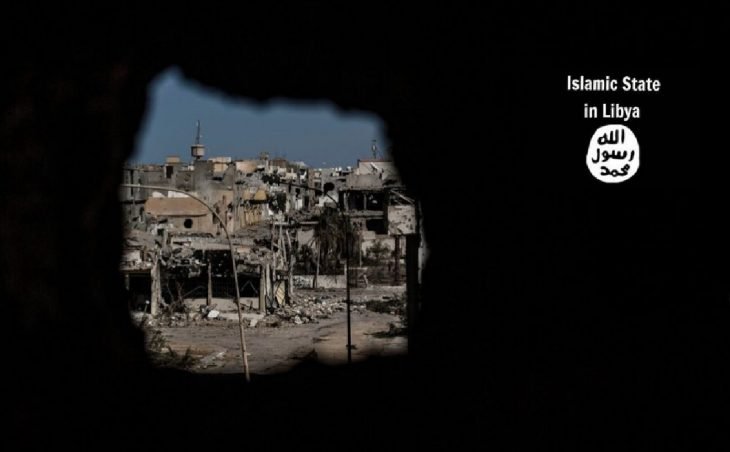
By Simon Engelkes
 The so-called Islamic State was ousted from its stronghold in the Libyan coastal city of Sirte in December 2016. Read More
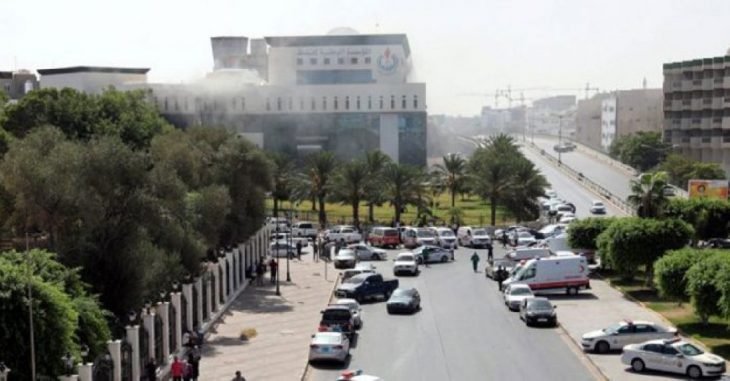
 ISIS attacked the headquarters of the Libyan National Oil Corporation on 10 September 2018, causing considerable material and human losses. Read More
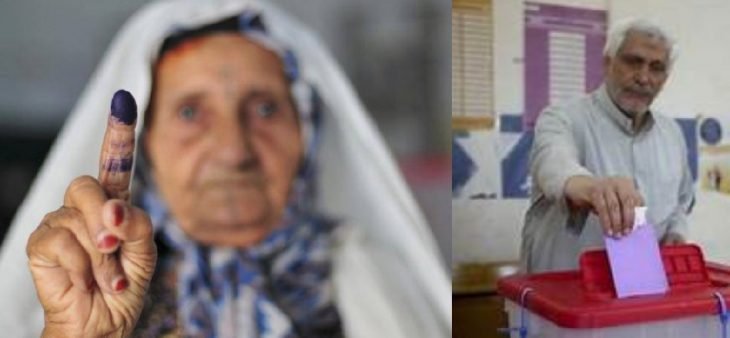
‘Libyans want unified state institutions, which can’t happen without polls’
By Ramadan Al Sherbini
 Four months after key Libyan rivals agreed to hold elections later this year, prospects that the vote will be held in the near future are diminishing, according to analysts. Read More
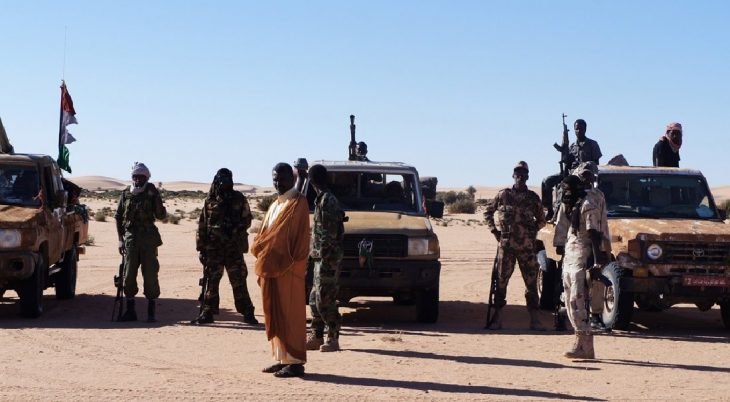
The position of the Tebu vis-à-vis potential elections in Libya
By Floor El Kamouni-Janssen, Fransje Molenaar, Al-Hamzeh Al-Shadeedi
 Libya’s south has been the stage of waves of violence since 2011 due to the tense relationship between its main tribes – the Tebu, Tuareg and Awlad Sulaiman – and the inability of the Libyan state to control this part of the country and provide security and services. Read More

 Earlier this week, Facebook was blocked in the Libyan capital Tripoli and surrounding cities, as fighting between armed militias raged. Read More
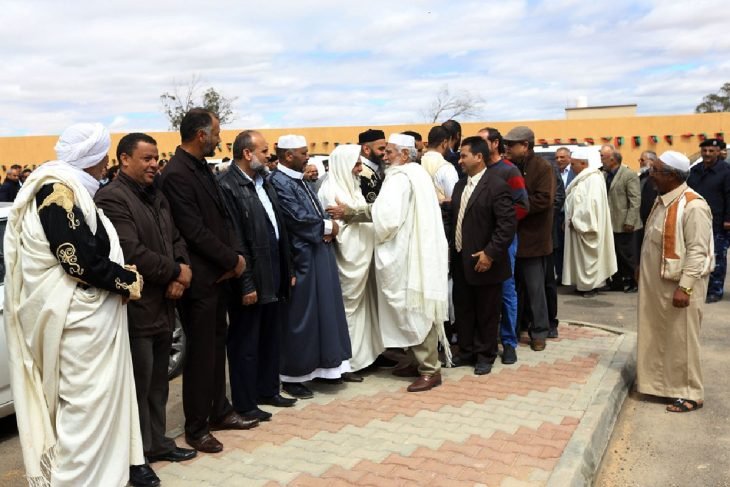
By Tim Eaton
 Libya’s political, security and economic crises are interconnected and cannot be separated. Read More
By Rhiannon Smith
 In brief, the elections planned in December, as part of the French-led peace initiative in Libya, are very unlikely to heal the underlying social, political and economic rifts that are driving division and conflict in the country. Read More
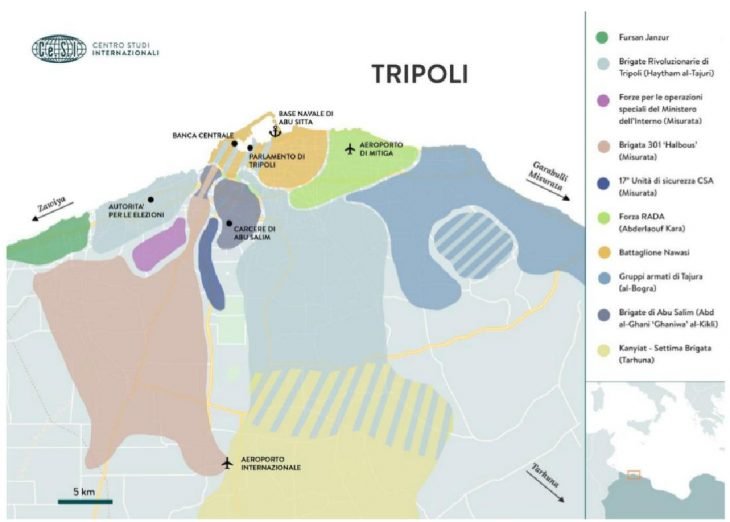
By Lorenzo Marinone
 Since August 26, Tripoli has witnessed violent clashes between rival militias until UN brokered a fragile ceasefire on September 4. Read More
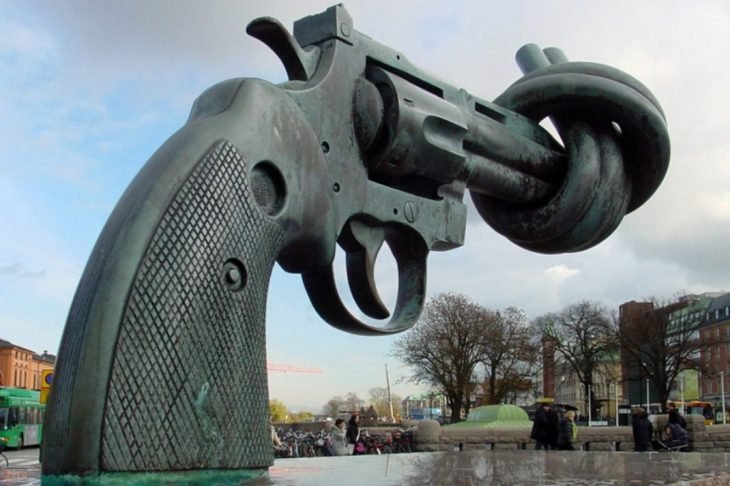
By Wolfgang Pusztai
 The fighting over Tripoli shows that the UN plan for a unity government in Libya has failed. The primary objective is now regional ceasefire. Read More
By Aidan Lewis
 Libya is set to miss a mid-September deadline to fix a framework for elections in December, part of a U.N.-led effort to reunify and stabilise a country that splintered after the Nato-backed uprising which overthrew Gaddafi in 2011. Read More
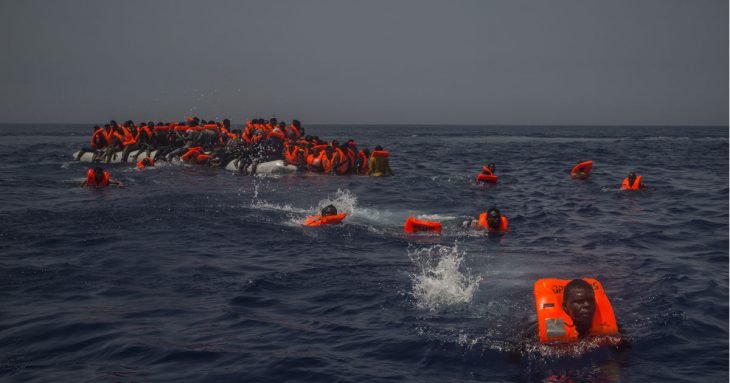
By Lisa Watanabe
 Europe has struggled to speak with one voice when it comes to resolving the Libyan conflict. Read More
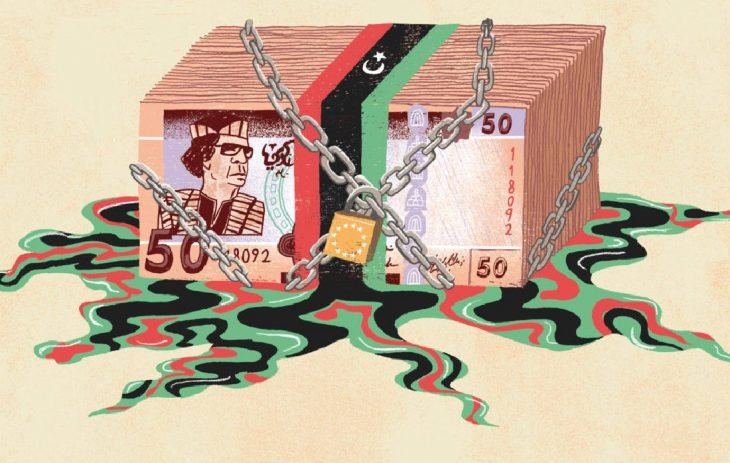
Experts say management of Libya’s frozen funds does not comply with 2011 measures.
By Simon Marks
 A U.N. panel of experts on Libya said Tuesday that Belgium is in violation of international sanctions targeting assets once owned by the late Libyan dictator Muammar Gaddafi. Read More
By Lorenzo Marinone
Since August 26, Tripoli has witnessed violent clashes between rival militias until UN brokered a fragile ceasefire on September 4. Read More
By Dr Mustafa Fetouri

A new round of violence erupted on 27 August south of the Libyan capital Tripoli, between militias nominally allied to the Government of National Accord (GNA) and the 7th Brigade, which claims to be part of the Libyan Armed Forces. Read More

By Ramy Allahoum
 Middle East scholar Jalel Harchaoui discusses the challenges hampering efforts to achieve political transition in Libya. Read More
By Nadine Dahan
 Volunteers in Zuwara in Libya’s far west have been fighting crime in the city for five years to fill the post-revolution power vacuum. Read More
By Tsvetana Paraskova
 The latest clashes in Libya escalated on Monday when several gunmen attacked the headquarters of Libya’s National Oil Corporation (NOC) in Tripoli, and witnesses say that a few people have been shot. Read More
By Ashish Kumar Sen
 On the night of September 11, 2012, the US diplomatic compound in Benghazi was attacked and burned. The US Ambassador to Libya, Christopher Stevens, who was visiting Libya’s eastern city, and three other US citizens lost their lives. Read More
By Emadeddin Muntasser & Mohamed Fouad


There is no denying that Libya is in a far worse state than at any time since the 2011 revolution. Read More
By Heba Saleh
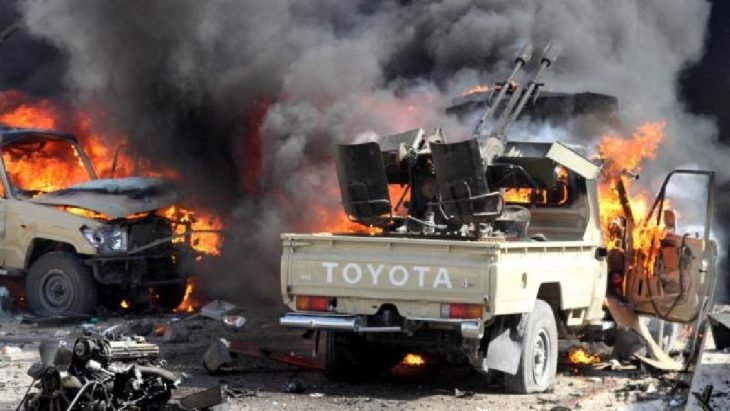
 Tripoli’s failure to exert control helps entrench Islamist group and local militias. Read More
 Highlights
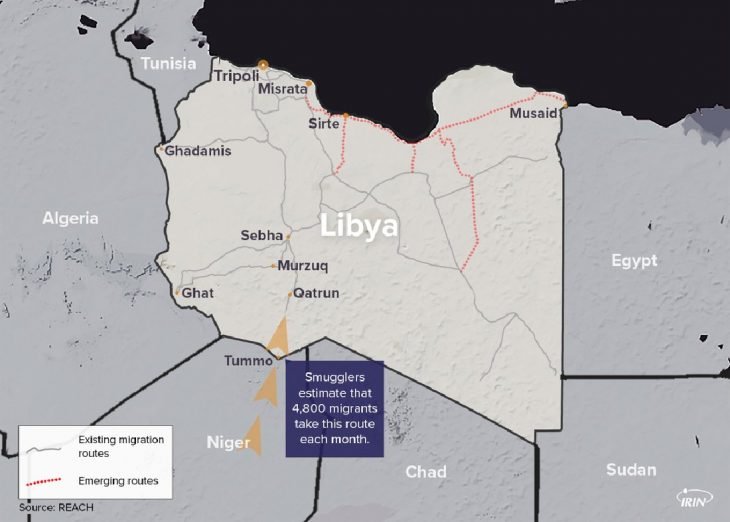
At Libya’s unchecked southern borders, a key to easing the migration crisis
By Tom Westcott
 As the EU sets new policies and makes deals with African nations to deter hundreds of thousands of migrants from seeking new lives on the continent, what does it mean for those following dreams northwards and the countries they transit through? Read More

By Karim Mezran & Federica Saini Fasanotti


On the night of September 2nd, most of the personnel from the Italian embassy in Libya—the only operating embassy—were quickly evacuated on a ship bound for Malta. Read More
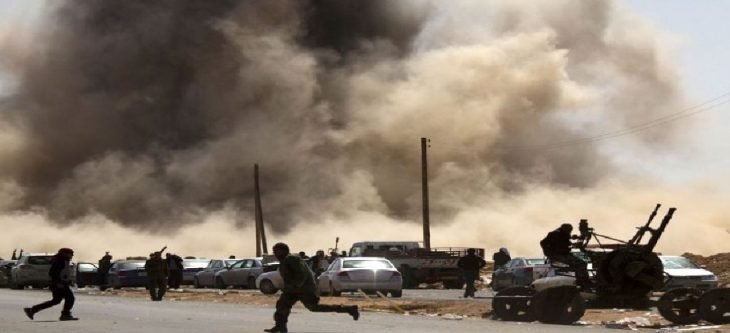
 The UN envoy for Libya Ghassan Salame has warned that Libya has been stumbling from one emergency to another over the last few weeks. Read More
By Romina McGuinness
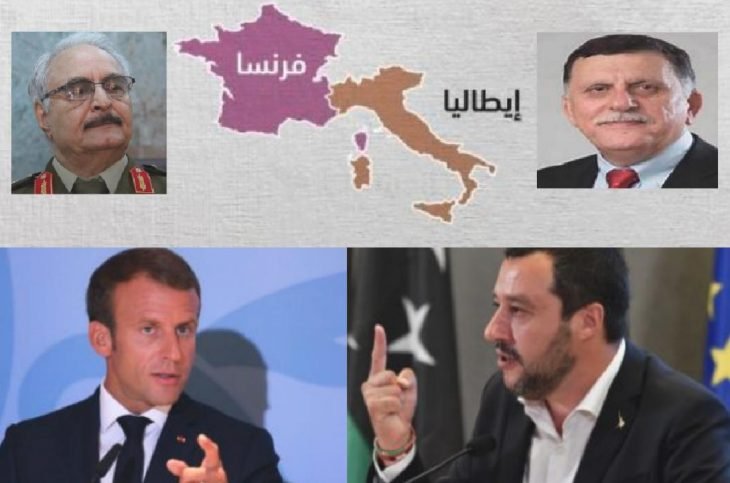
 Italy’s far-right Interior Minister Matteo Salvini on Monday implied France was responsible for the fresh violence in Libya and for plunging the lawless country into a permanent state of turmoil in the first place. Read More
By Nabih Bulos
 Dozens of people have been killed after days of violent clashes in the suburbs of Tripoli, with rival militias fighting fierce street battles for control of the Libyan capital. Read More
By Nick Paton Walsh
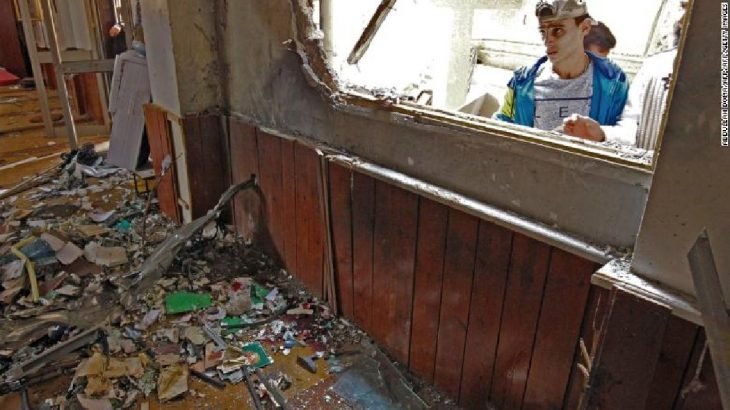
 Shelling hits the airport. Hospitals get caught in the crossfire. Migrants huddle in detention facilities between warring militias. And standoffs between factions with impenetrable grudges hold, making a resolution seem beyond distant. Read More
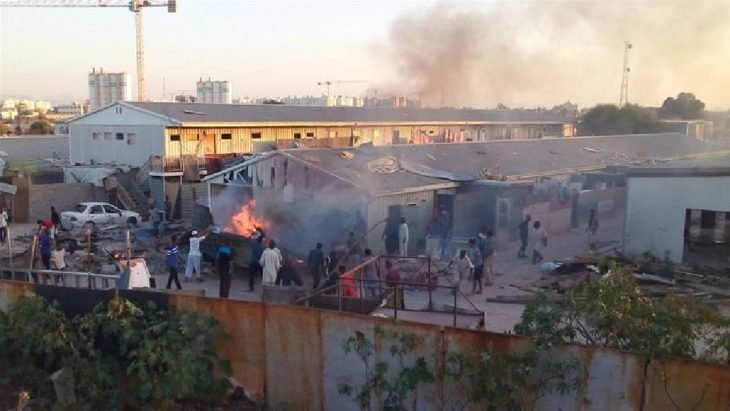
Rival armed groups have clashed for more than week over control of the capital city. Read More