By Ramy Allahoum
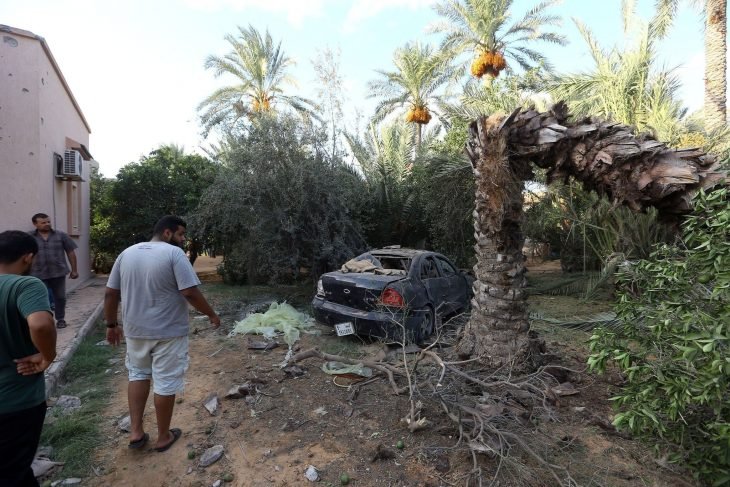
 Tripoli gripped by deadly tribal violence as militias vie for control of Libya’s state funds and vast natural resources. Read More
By Ramy Allahoum
Tripoli gripped by deadly tribal violence as militias vie for control of Libya’s state funds and vast natural resources. Read More
By Declan Walsh & Suliman Ali Zway


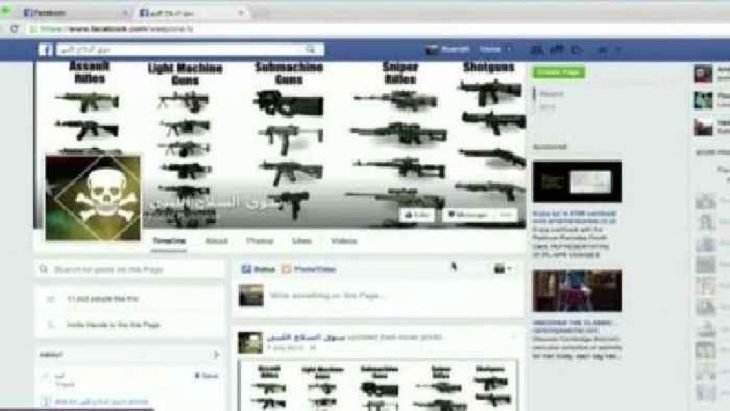
When a new bout of fighting between rival militias engulfed the Libyan capital in recent days, badly shaking the fragile United Nations-backed government, some combatants picked up rifles and rocket launchers and headed into the streets. Read More
By George Mikhail
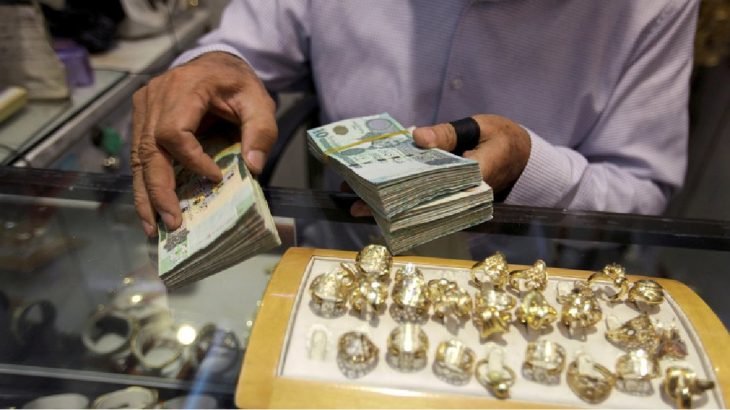
 In an interview with Al-Monitor, Libyan Economy and Industry Minister Nasser al-Dresi talks about the Government of National Accord’s new economic reform program and the challenges it faces. Read More

 The Tunisian authorities have decided to return Russian military equipment which was seized en route to the renegade Libyan General Khalifa Haftar, Almesryoon.com reported on Friday. Read More
By Casper Wuite
 In March, officials of the Popular Front for the Liberation of Libya announced that Saif Gaddafi would stand as a candidate for the Libyan presidential elections expected in December. Read More

By Salim Alaradi

Attempts made by media to construct a connection between the campaign over my unjust jailing in the UAE and last year’s bomb attack in Manchester are farcical. Read More
Reviewed by Sara S. Razai
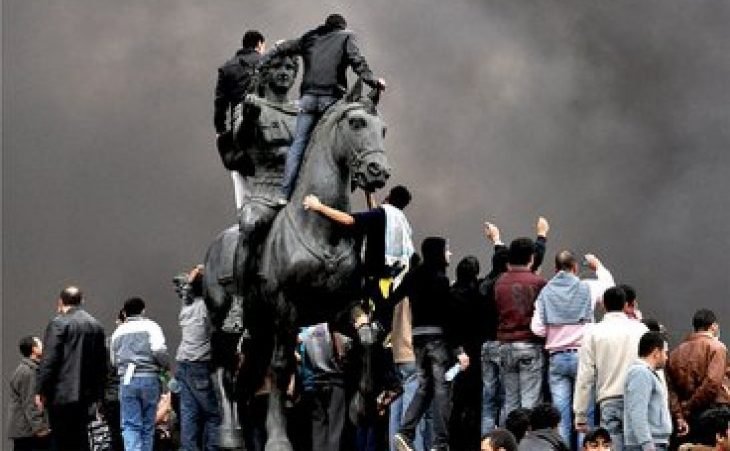
 Few scholarly studies, if any, have critically analysed the relationship between law and revolutions during periods of political and societal upheaval in a systematic and rigorous way. Read More
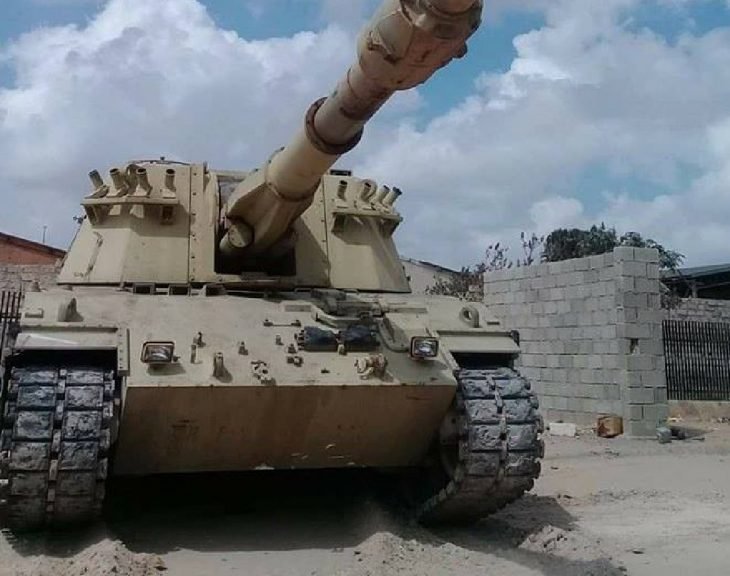
 Heavy clashes broke out in southern Tripoli districts on August 27 between the 7th Brigade and a coalition of armed brigades made up of Tripoli Revolutionaries Brigade, Bab Tajoura Brigade, Ghanewa Brigade, Nawasi Brigade and Misrata’s 301 Brigade. Read More
By Tsvetana Paraskova
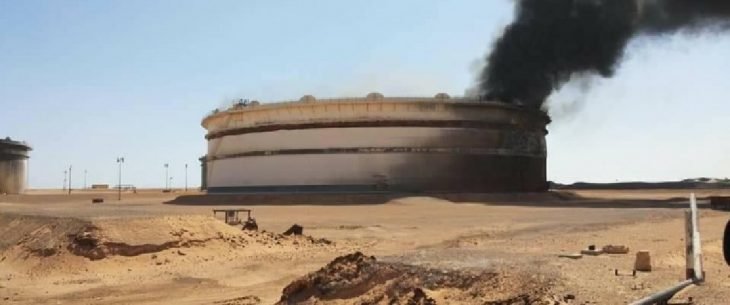
 Libya’s oil could be under threat again, as fresh militant clashes may be coming to its oil region, just after the June-July standoff that crippled production and exports ended. Read More

 The United Nations Support Mission in Libya (UNSMIL) warned, Tuesday early morning, of the attempts by some factions to tamper with the security in Tripoli and its residents. Read More
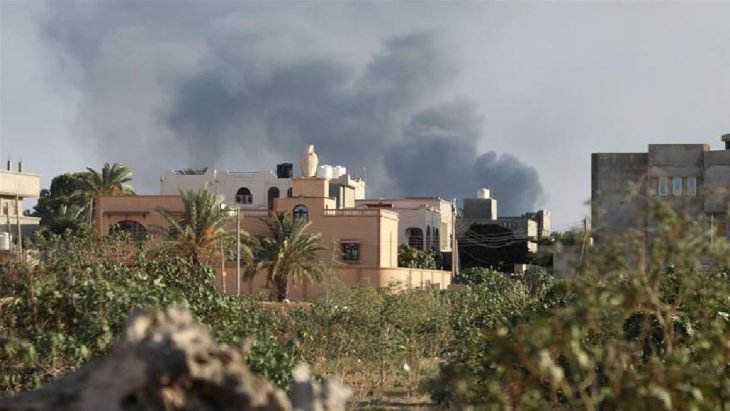
 Armed groups excluded from Tripoli and access to the spoils of Libya’s informal economy have violently risen up. Read More
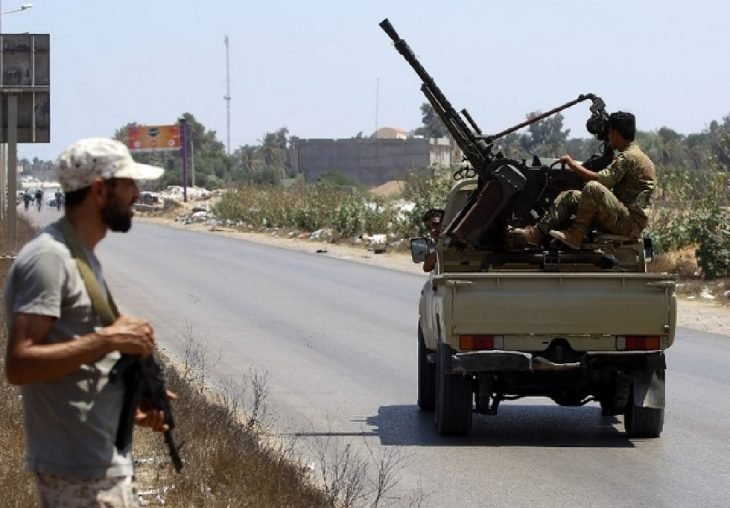
By Nadine Dahan
 A truce has been reached between rival militias in Tripoli after a deadly face off saw five killed and over 30 wounded on Monday. Read More
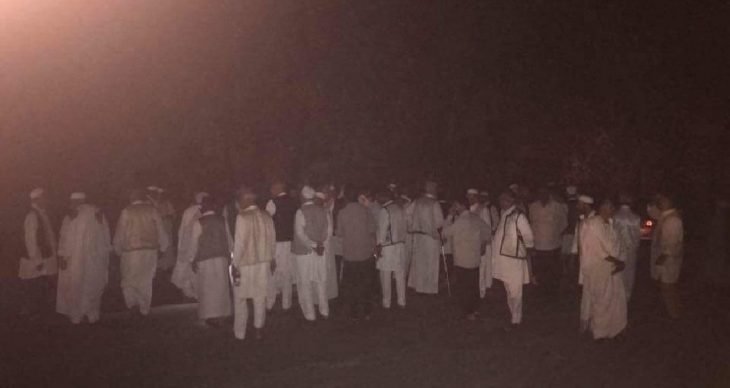
By Safa Alharathy
The head of the Council of Elders and Dignitaries of Tarhuna Saleh Alfandi confirmed that ceasefire agreement was reached between the parties fighting in the southern suburbs of the capital, after hours of clashes with heavy and medium weapons. Read More
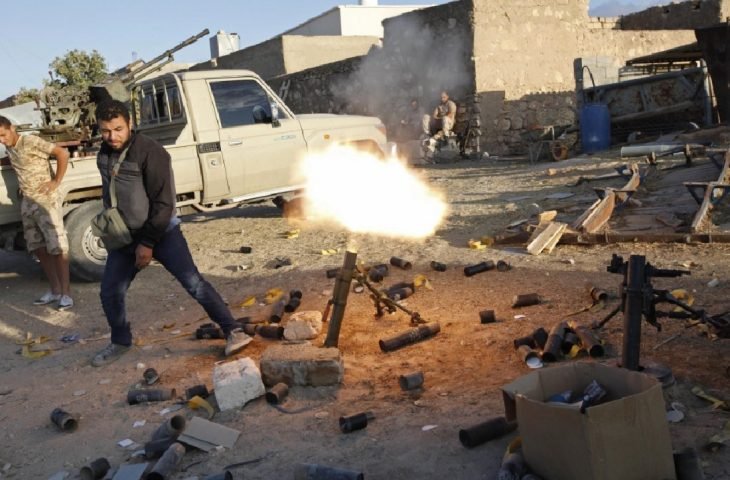
At least four people have been killed and seven others wounded in clashes that broke out between rival armed groups in Libya’s capital, Tripoli, as they attempt to take control of the city. Read More
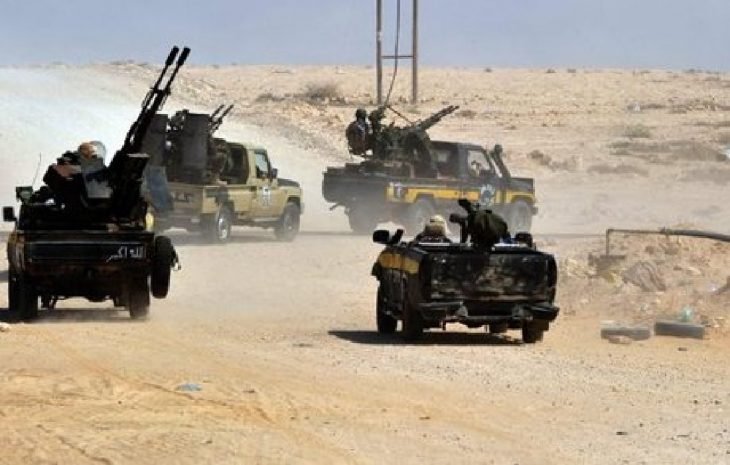
By Nicolo Dona dalle Rose
 As part of this GRI series, Nicolò Donà dalle Rose dissects major conflicts around the world and provides reflections on potential future developments. Read More

By Leo Kabouche
 The recent turmoil in Libya’s Oil Crescent – a region which stretches along the coast from Sirte to Ras Lanuf, and which extends down to the Jufra district – has underscored the competition for the control of state revenues, as Field Marshal Khalifa Haftar’s Libya National Army (LNA) has intensified its attempts to seize key national institutions ahead of the December 2018 presidential elections. Read More
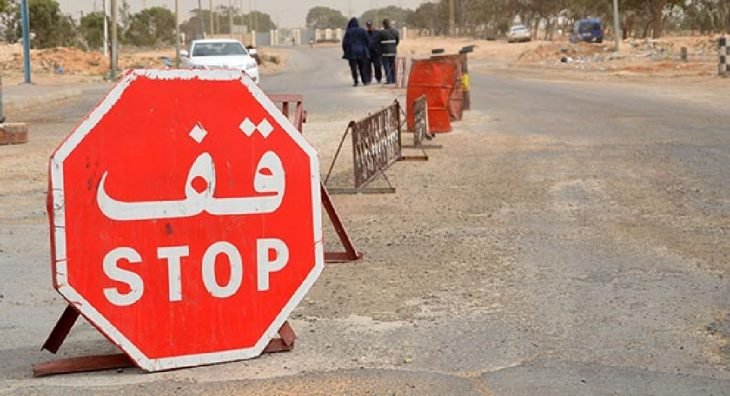
By Katherine Pollock & Frederic Wehrey

 A lasting solution to insecurity on the Tunisia-Libya border will require a broad socioeconomic approach that includes pursuing alternative development opportunities and tackling corruption. Read More
By Katherine Pollock & Frederic Wehrey
A lasting solution to insecurity on the Tunisia-Libya border will require a broad socioeconomic approach that includes pursuing alternative development opportunities and tackling corruption. Read More
By Leo Kabouche
The recent turmoil in Libya’s Oil Crescent – a region which stretches along the coast from Sirte to Ras Lanuf, and which extends down to the Jufra district – has underscored the competition for the control of state revenues, as Field Marshal Khalifa Haftar’s Libya National Army (LNA) has intensified its attempts to seize key national institutions ahead of the December 2018 presidential elections. Read More
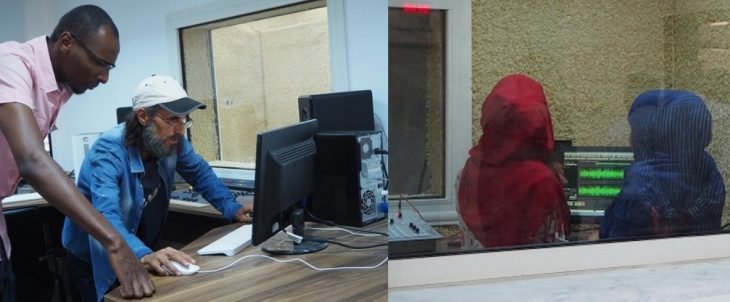
By Tom Westcott
 IS used airwaves to brainwash the city’s youth. Now radio is a means to deradicalise the population and provide education. Read More
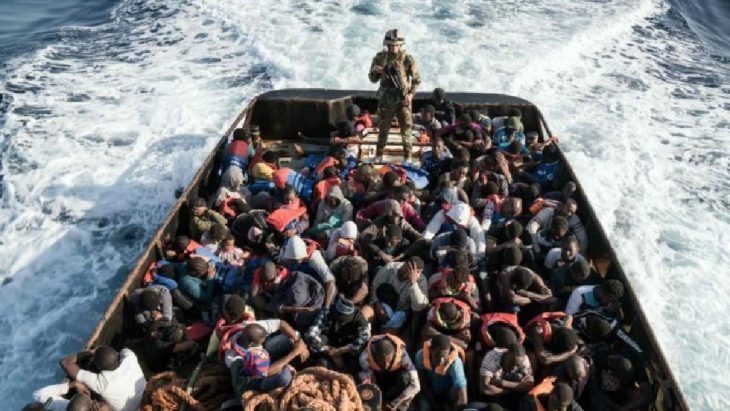
By Othman Belbeisi
 A few times a week, boats dangerously over-packed with hundreds of scared but hopeful young people leave Libya for Europe. Read More
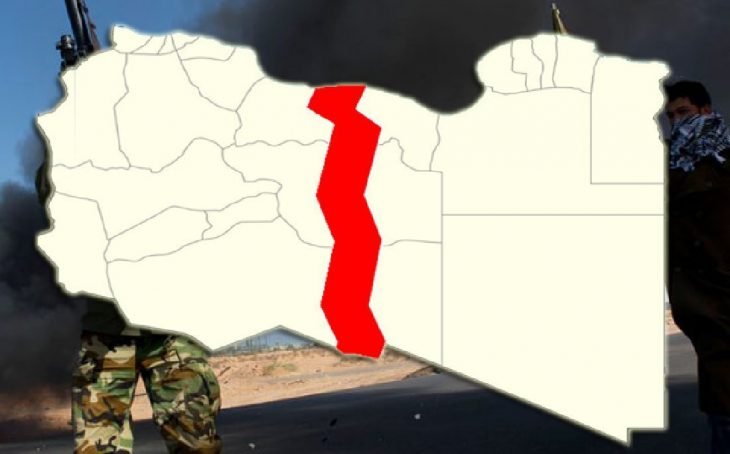
Interview by Andrew Seger
 The Islamic State has been nearly defeated and migrant crossings to Europe have declined, so why is Libya’s state failure so troubling? Read More

By Michel Cousins
 Within the HoR there exists deep opposition to both elections and the proposed constitution. Read More
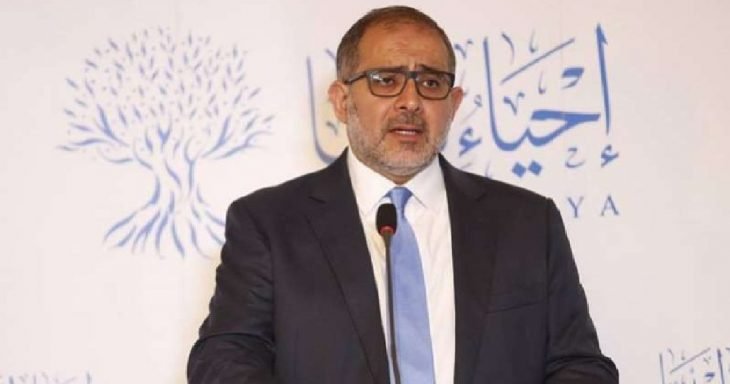
He announced his candidacy for Libya’s forthcoming elections
By Sami Zaptia
 Aref Nayed, former Libyan ambassador to the UAE and head of the Libyan Institute for Advanced Studies, has re-launched his political movement, named Ihya Libya (Reviving Libya), to ‘‘rescue Libya from its present chaotic divisions, re-establish the rule of law and order and rebuild the country as a prosperous, democratic state’’. Read More
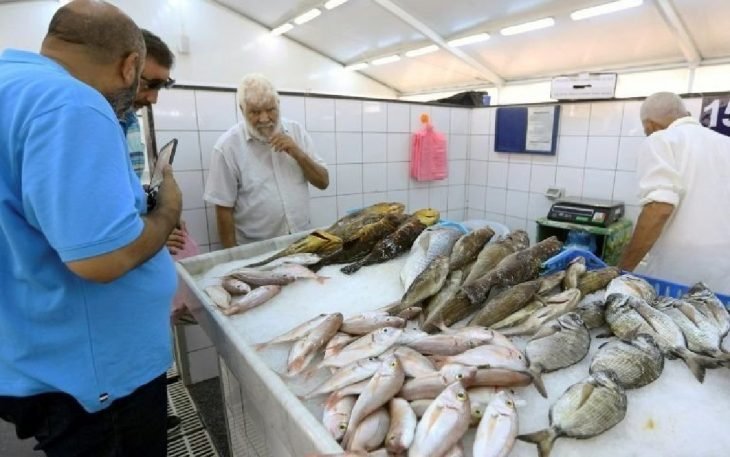
 Residents of Tripoli’s seafront wake up most weekends to loud blasts: fishermen using dynamite to maximise their catch, regardless of the damage they are causing to marine life. Read More

By Rhiannon Smith & Jason Pack


Elections exist to facilitate non-violent transfers of power. They are meant to structure political contests among a range of opposing social and political forces, tailored to the relevant laws, historical precedents, and cultural factors of the country in which they take place. Read More

By Olanrewaju Odunowo
 Inspired by the Arab Spring which started in Tunisia, anti-government protesters took to the streets in Benghazi in February 2011. Read More

By Abdel Rahman Ghandour
 Libya has a young population; among the estimated 6.4 million population 24% are aged between 10 and 24. Yet despite their active role in 2011, young people’s needs have not been prioritized, nor their voices heard and as a consequence many increasingly feel left out of decisions affecting their future. Read More
By Susan Svrluga
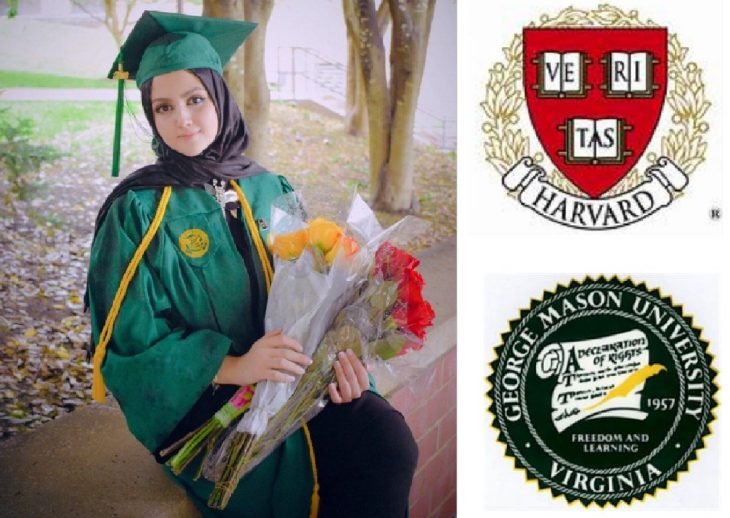
 The school year at George Mason University had just ended, and Najwa Elyazgi was ready to go home to Libya for the summer. Her bags were packed, her belongings boxed for storage. Read More
By Max Gallien & Matt Herbert

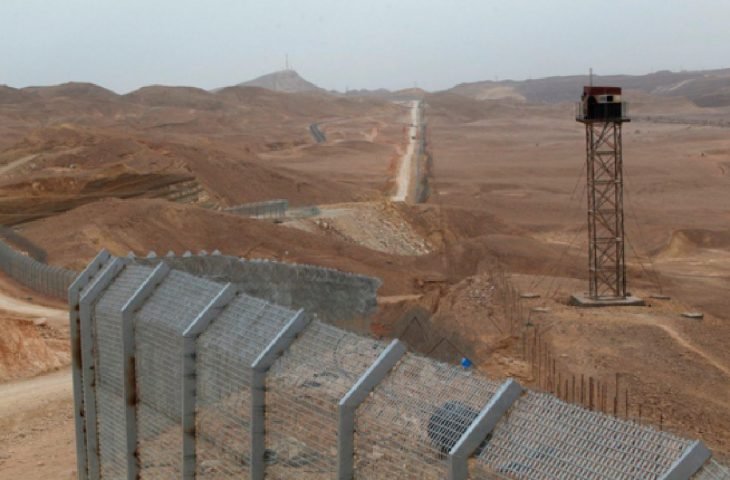
Rather than making North Africa safer, securitizing borders has raised the risk of instability along the region’s frontiers, where communities depend on smuggling. Read More
By Alessandra Bocchi
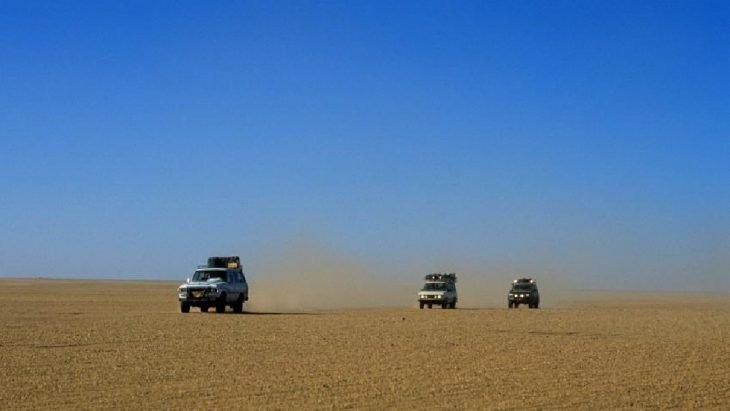
 Following the overthrow of Gaddafi, Libya’s porous southern border has led to an influx of militants posing an increasing threat to the already highly fractured country, writes Alessandra Bocchi. Read More

 A renewed struggle this summer over Libya’s main oil export zone cut sales in half, squeezing hard currency supplies amid outcry about mismanagement of hydrocarbon revenues. Read More
By Frederic Wehrey & Emad Badi
Aft e
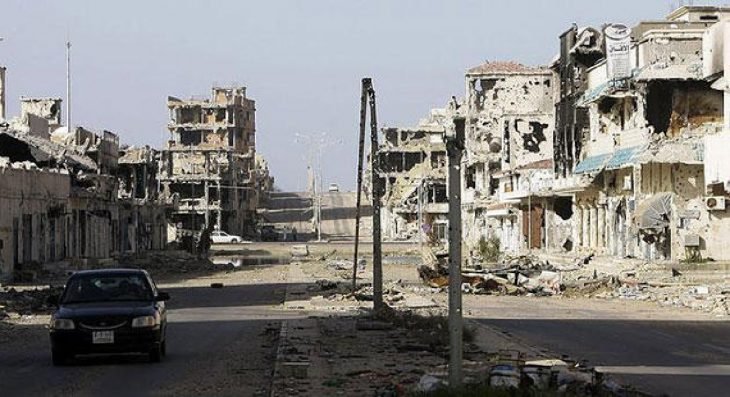
e r the removal of the Islamic State, Sirte faces multiple reconstruction and security challenges. Among the conflict-scarred pockets of Libya’s fractured landscape, the central coastal city of Sirte is a place of distinctive despair. Read More
By Frederic Wehrey & Emad Badi
After the removal of the Islamic State, Sirte faces multiple reconstruction and security challenges. Among the conflict-scarred pockets of Libya’s fractured landscape, the central coastal city of Sirte is a place of distinctive despair. Read More

A renewed struggle this summer over Libya’s main oil export zone cut sales in half, squeezing hard currency supplies amid outcry about mismanagement of hydrocarbon revenues. Read More
How Algeria Faces the Libyan Conflict
By Jalel Harchaoui
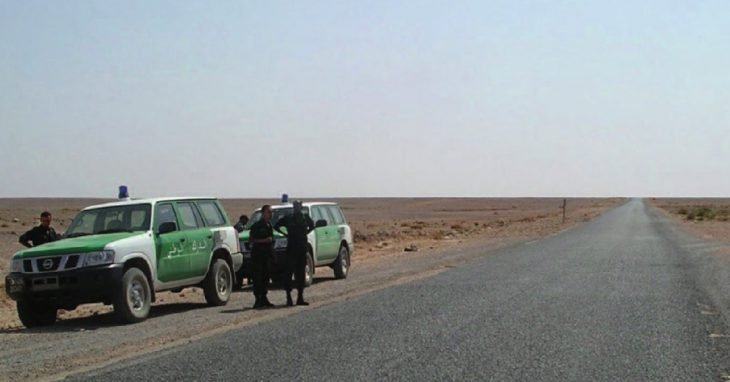
 This Briefing Paper explores the underpinnings of Algeria’s foreign policy, and how it has evolved with respect to the ongoing crises in Libya, and offers insight into future prospects. Read More