By Max Gallien & Matt Herbert
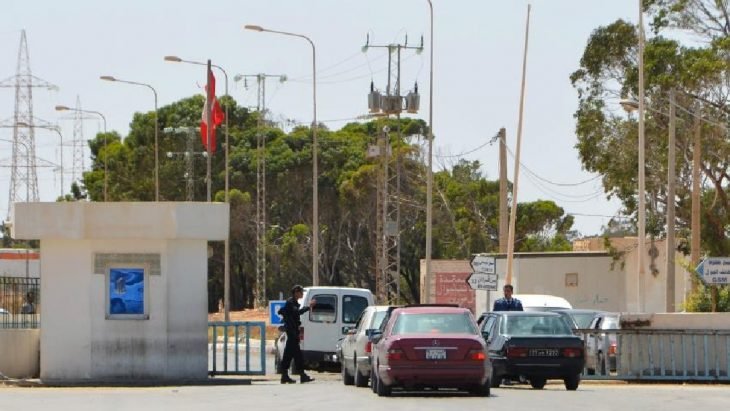
Rather than making North Africa safer, securitizing borders has raised the risk of instability along the region’s frontiers, where communities depend on smuggling. Read More
By Max Gallien & Matt Herbert
Rather than making North Africa safer, securitizing borders has raised the risk of instability along the region’s frontiers, where communities depend on smuggling. Read More
By Alessandra Bocchi
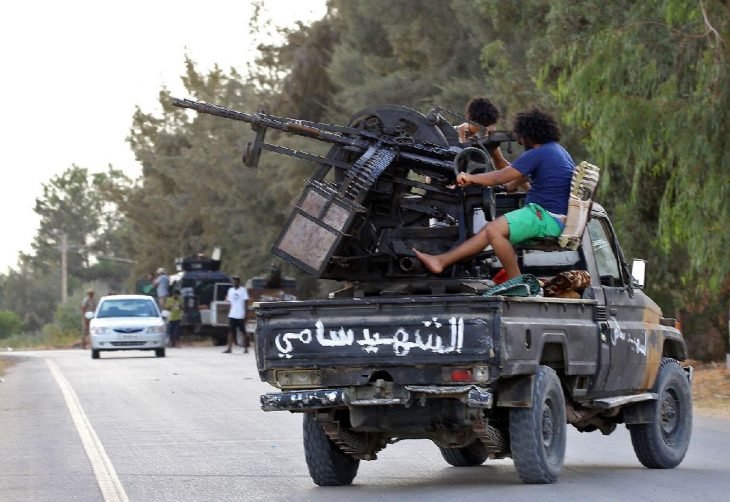
Following the overthrow of Gaddafi, Libya’s porous southern border has led to an influx of militants posing an increasing threat to the already highly fractured country, writes Alessandra Bocchi. Read More
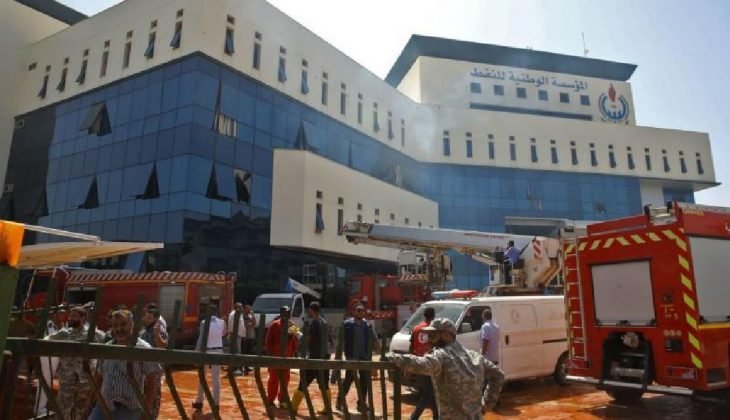
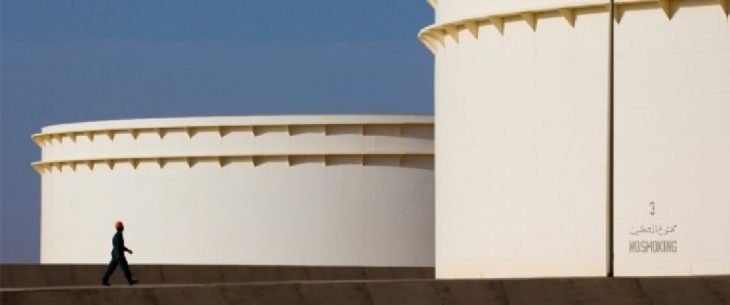
A renewed struggle this summer over Libya’s main oil export zone cut sales in half, squeezing hard currency supplies amid outcry about mismanagement of hydrocarbon revenues. Read More
By Frederic Wehrey & Emad Badi
Afte
r the removal of the Islamic State, Sirte faces multiple reconstruction and security challenges. Among the conflict-scarred pockets of Libya’s fractured landscape, the central coastal city of Sirte is a place of distinctive despair. Read More
By Frederic Wehrey & Emad Badi
After the removal of the Islamic State, Sirte faces multiple reconstruction and security challenges. Among the conflict-scarred pockets of Libya’s fractured landscape, the central coastal city of Sirte is a place of distinctive despair. Read More
A renewed struggle this summer over Libya’s main oil export zone cut sales in half, squeezing hard currency supplies amid outcry about mismanagement of hydrocarbon revenues. Read More
How Algeria Faces the Libyan Conflict
By Jalel Harchaoui
This Briefing Paper explores the underpinnings of Algeria’s foreign policy, and how it has evolved with respect to the ongoing crises in Libya, and offers insight into future prospects. Read More
By Lisa Watanabe
This study looks at several types of key Islamist actors. Among the political Islamists, it examines mainstream Islamists, such as the Muslim Brotherhood in Libya, who have gone the furthest in terms of accepting democratic norms and principles, and are the most pragmatic with regards to the application of sharia law. Read More
By Kirill Semenov
The spokesman of Gen. Khalifa Hifter, who heads the Libyan National Army (LNA), called on Moscow Aug. 8 to intervene into Libya “to get rid of foreign players in the country.” Read More
A renewed struggle this summer over Libya’s main oil export zone cut sales in half, squeezing hard currency supplies amid outcry about mismanagement of hydrocarbon revenues. Read More
By Lisa Watanabe
This study looks at several types of key Islamist actors. Among the political Islamists, it examines mainstream Islamists, such as the Muslim Brotherhood in Libya, who have gone the furthest in terms of accepting democratic norms and principles, and are the most pragmatic with regards to the application of sharia law. Read More
How Algeria Faces the Libyan Conflict
By Jalel Harchaoui
This Briefing Paper explores the underpinnings of Algeria’s foreign policy, and how it has evolved with respect to the ongoing crises in Libya, and offers insight into future prospects. Read More
A renewed struggle this summer over Libya’s main oil export zone cut sales in half, squeezing hard currency supplies amid outcry about mismanagement of hydrocarbon revenues. Read More
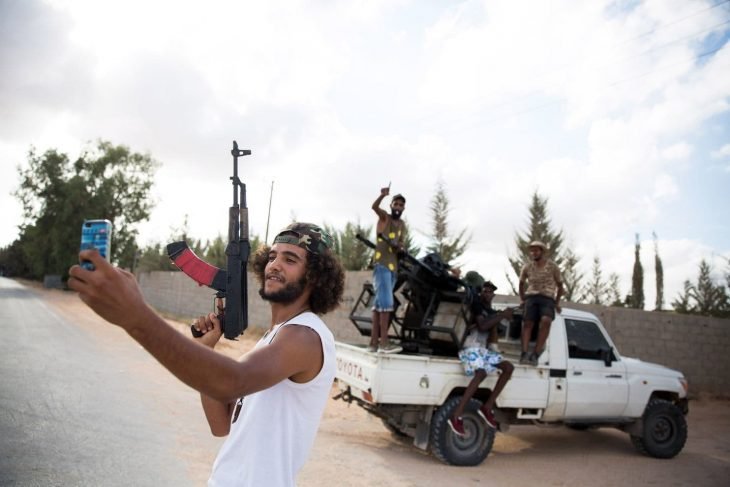
The panel is particularly concerned that different armed groups attempt to gain legitimacy by ostensibly supporting efforts to combat irregular migration. Read More
By Lisa Watanabe
This study looks at several types of key Islamist actors. Among the political Islamists, it examines mainstream Islamists, such as the Muslim Brotherhood in Libya, who have gone the furthest in terms of accepting democratic norms and principles, and are the most pragmatic with regards to the application of sharia law. Read More
How Algeria Faces the Libyan Conflict
By Jalel Harchaoui
This Briefing Paper explores the underpinnings of Algeria’s foreign policy, and how it has evolved with respect to the ongoing crises in Libya, and offers insight into future prospects. Read More
By John Kemp
The shift in oil market power away from OPEC towards a bilateral relationship between Saudi Arabia and Russia is the culmination of structural changes in oil production over the last 20 years. Read More
Tribes always have and still do play an important role in forming the Libyan scene, both politically and demographically. Read More
How Algeria Faces the Libyan Conflict
By Jalel Harchaoui
This Briefing Paper explores the underpinnings of Algeria’s foreign policy, and how it has evolved with respect to the ongoing crises in Libya, and offers insight into future prospects. Read More
By Lisa Watanabe
This study looks at several types of key Islamist actors. Among the political Islamists, it examines mainstream Islamists, such as the Muslim Brotherhood in Libya, who have gone the furthest in terms of accepting democratic norms and principles, and are the most pragmatic with regards to the application of sharia law. Read More
By Nadine Dahan
Power cuts have become an almost constant feature in Libya. But as temperatures in the oil-rich country reached 46C degrees last month, most of the western area was plunged into darkness for periods lasting as long as 14 hours in some cities, sparking protests. Read More
By Mustafa Fetouri
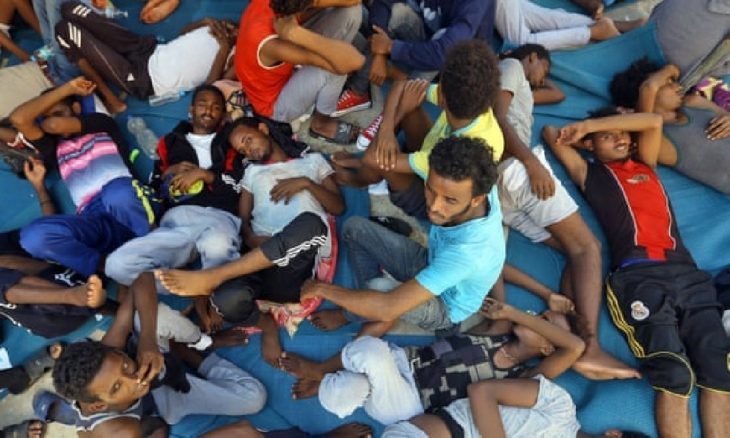
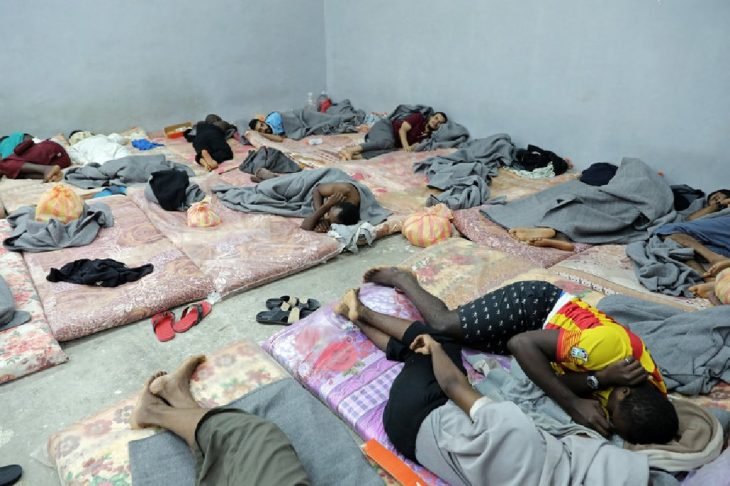
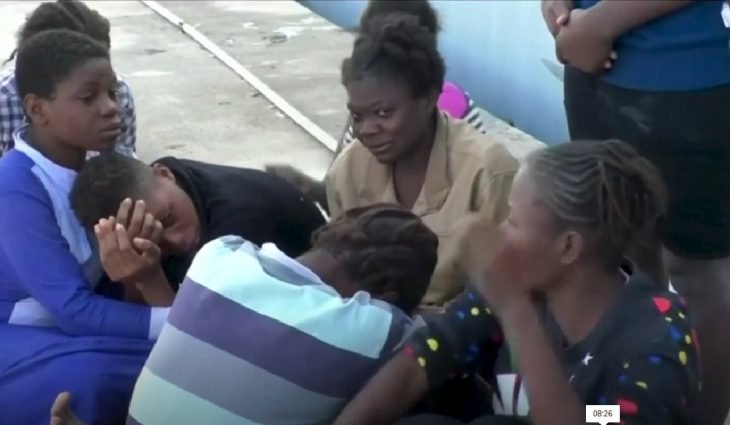
On 28 June, European Union leaders gathered in Malta for a summit specifically to come up with some policy or agreeable solution to stem the flow of migrants and asylum seekers, particularly those coming from Libya, just a short flight away. Read More
How Algeria Faces the Libyan Conflict
By Jalel Harchaoui
This Briefing Paper explores the underpinnings of Algeria’s foreign policy, and how it has evolved with respect to the ongoing crises in Libya, and offers insight into future prospects. Read More
By Lisa Watanabe
This study looks at several types of key Islamist actors. Among the political Islamists, it examines mainstream Islamists, such as the Muslim Brotherhood in Libya, who have gone the furthest in terms of accepting democratic norms and principles, and are the most pragmatic with regards to the application of sharia law. Read More
By Robbie Gramer & Humza Jilani
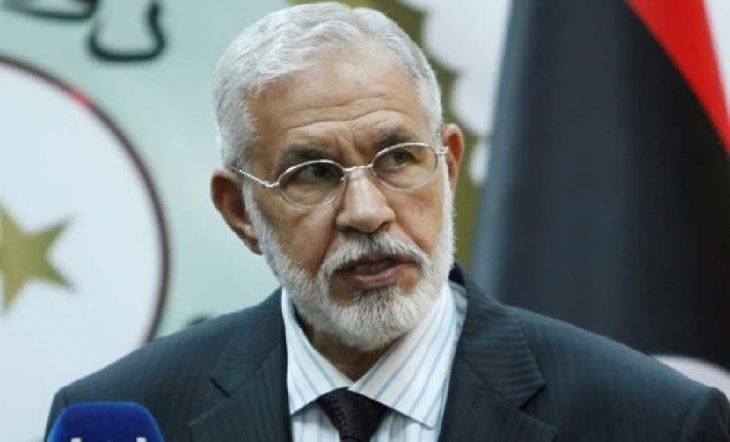
In an interview, Tunisian foreign minister says Western-led action in Libya in 2011 was reckless. Read More
How Algeria Faces the Libyan Conflict
By Jalel Harchaoui
This Briefing Paper explores the underpinnings of Algeria’s foreign policy, and how it has evolved with respect to the ongoing crises in Libya, and offers insight into future prospects. Read More
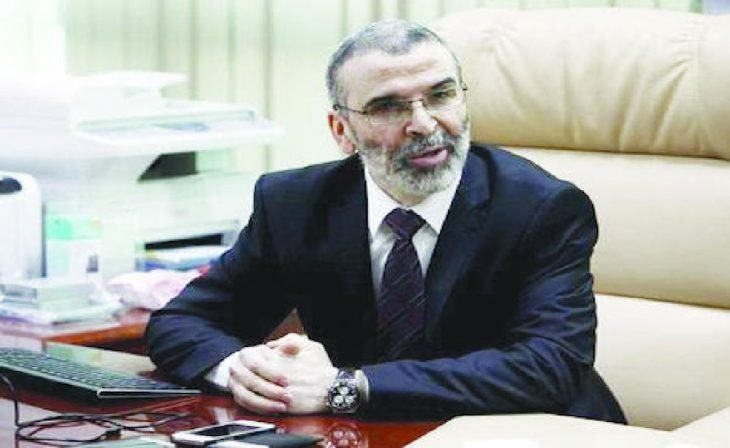
The member of the State Council in Libya, Mansour Al-Hassadi (MA), talks to “Libya prospect (LP)” about his point of view on the latest unknown air raids that bombarded the city of Derna on 30th of last month. Read More
By Lisa Watanabe
This study looks at several types of key Islamist actors. Among the political Islamists, it examines mainstream Islamists, such as the Muslim Brotherhood in Libya, who have gone the furthest in terms of accepting democratic norms and principles, and are the most pragmatic with regards to the application of sharia law. Read More
By Amira El-Sharif
In light of the current controversies in Libya because of differences over holding presidential elections this year, the United Nations is committed to unifying the executive authority before the elections. Read More
By Lisa Watanabe
Executive Summary:
pears largely due to a failure to appeal either a more moderate Islamist audience or a large enough ultra-conservative constituency. In particular, their message has been lost on ultraconservative youth. Read More
Some Libyan factions in Libya, east and west, started talking about the actual preparations for holding the general elections after the visit of the French Foreign Minister, Jean-Yves Le Drian, to Libya lately. Read More
By Lamine Ghanmi
Migrants from the Sahel are looking for employment in the Maghreb due to the disparity in growth and revenue opportunities. Read More
How Does Stockpiling Weapons Feed Regional Instability?
Stockpiling weapons, whether light, medium or heavy (such as launchers and missiles) by individuals, tribes, armed militias or terrorist organizations, has become one of the major force multipliers of instability in the Middle East region, especially in the Arab flash-points in Libya, Yemen, Syria, Iraq, Read More
By Tom Westcott
IS is recruiting migrants in the south, supporting itself with banditry and human trafficking, while Western forces remain active. Read More
By Nola Valente
French President Emmanuel Macron, flanked by French Minister of Europe and Foreign Affairs Jean-Yves Le Drian (second right) and UN Special Envoy for Libya, Lebanese Ghassan Salame (left) speaks during an International conference on Libya in Paris, last May. (Etienne Laurent/AFP/Getty Images) Read More
By Aboul Fadl El-esnawy
The brotherhood in Libya seeks to convey the model of the Tunisian Renaissance, to separate the party from the religious movement and to re-delineate itself with the change that Ghannouchi uses in Tunisia. Read More