Mary Fitzgerald
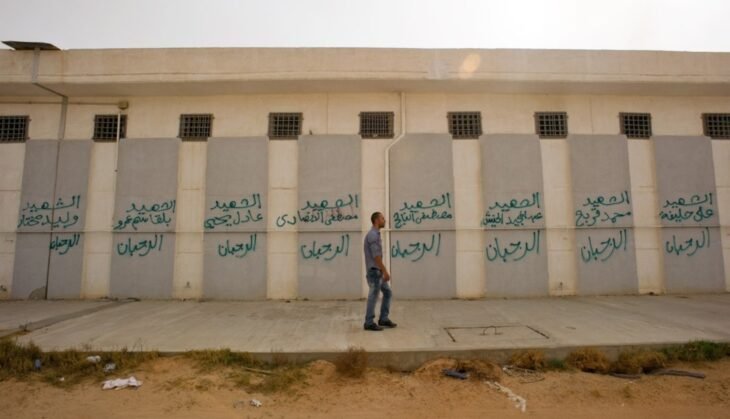
 For decades, Libyans feared Gadhafi’s Abu Salim prison. Now defunct, it has fallen victim to the country’s bitter polarization.
Mary Fitzgerald
For decades, Libyans feared Gadhafi’s Abu Salim prison. Now defunct, it has fallen victim to the country’s bitter polarization.
Editors: Nadja Berghoff and Anas El-Gomati

 A decade on from the February 17th revolution, how the global disorder transformed Libya into a battleground for interest, ideology and influence.
Mary Fitzgerald
For decades, Libyans feared Gadhafi’s Abu Salim prison. Now defunct, it has fallen victim to the country’s bitter polarization.
Aabla Jounaïdi
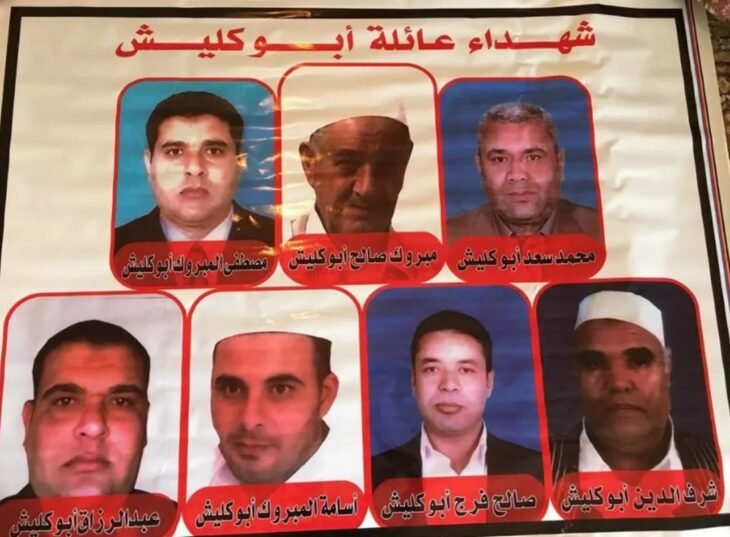
 For nearly seven years, from 2014 to 2020, the city of Tarhouna, south of Tripoli, lived under the bloody rule of a militia known as the Kaniyat. Summary executions, massacres and enforced disappearances were the daily lot of the inhabitants. Since last June and the escape of the Kaniyat in the wake of their defeated ally Khalifa Haftar, macabre discoveries have been made. Families demand justice. Read More
There’s a glimmer of hope.
By The Editorial Board

Few countries exemplify the tragedy of the Arab Spring like Libya. The fall of the 42-year dictatorship of Qaddafi brought a decade of anarchy as competing governments, militias and foreign powers struggled to seize control of the oil-rich country. Read More
Editors: Nadja Berghoff and Anas El-Gomati
 A decade on from the February 17th revolution, how the global disorder transformed Libya into a battleground for interest, ideology and influence.
 Emad Badi explains why Gaddafi’s Libya hasn’t completely disappeared, and Arturo Vaverlli explains the U.S. & Europe should unify their efforts to address Libya’s challenges.
***

By Intissar Rajabany
 International Women’s Day is a fraction of time, specifically set aside to rejoice in and praise the economic, political, cultural and social achievements of women at a global scale not witnessed during the rest of the year. It also provides an outlet to mobilize for gender parity. Read More
Sahar Khamis
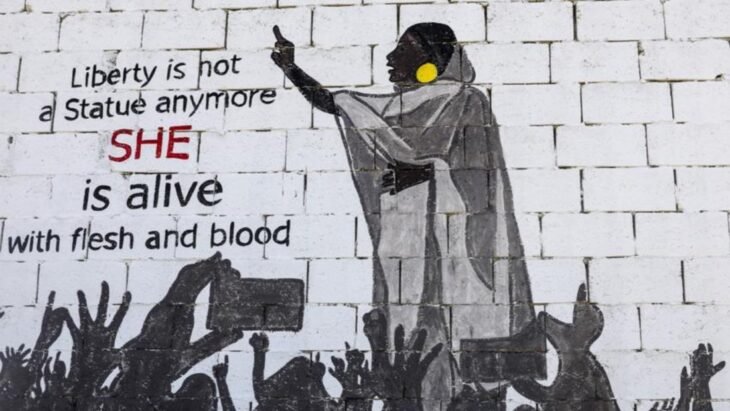
 In-depth: Arab women played a pivotal role as activists, organisers and leaders during the 2011 uprisings, but a decade later the promise of greater gender equality remains unfulfilled. Read More
Editors: Nadja Berghoff and Anas El-Gomati
A decade on from the February 17th revolution, how the global disorder transformed Libya into a battleground for interest, ideology and influence.
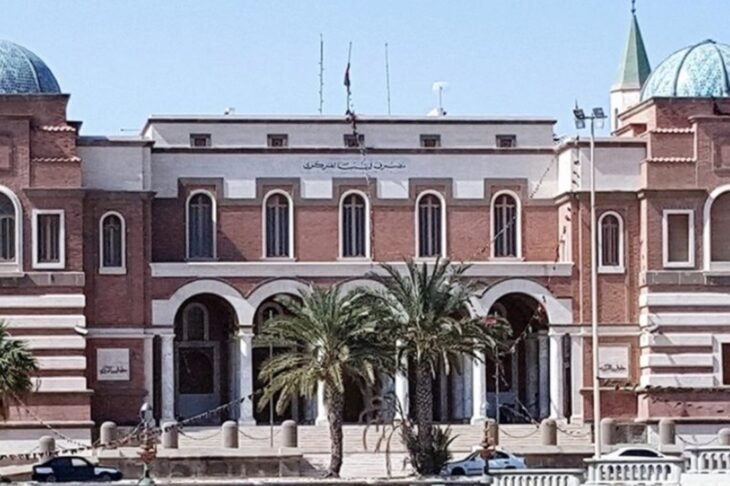
Firm economic foundation is crucial
Saddik El Kabir

As governor of the Central Bank of Libya, I am committed to pursuing a policy of providing financial security and order, and supplying a firm base for the nation.
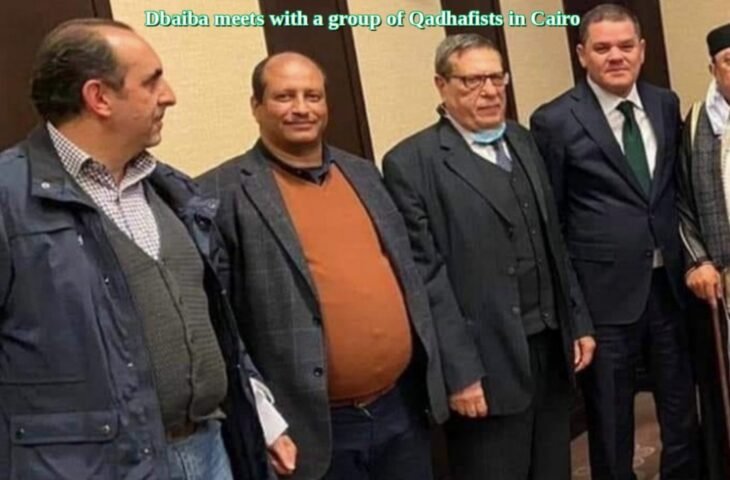
By Daniel O’Connell & Ehsan Salah
 “We are expecting that the Geneva process will fail,” one Egyptian official told Mada Masr at the time.
Editors: Nadja Berghoff and Anas El-Gomati
A decade on from the February 17th revolution, how the global disorder transformed Libya into a battleground for interest, ideology and influence.
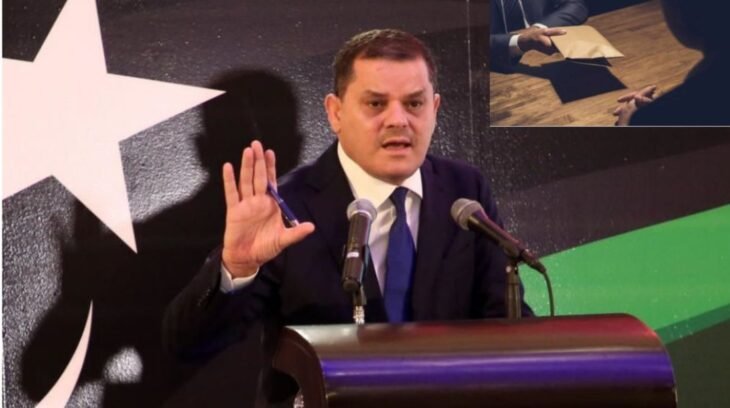
It’s complicated
Samer Al-Atrush
 Abdelhamid Dabaiba, Libya’s new prime minister designate, was never precisely synonymous with transparent business dealings, and his cousin Ali, who’s been investigated by Scottish police for money laundering and had a seat at the UN dialogue, is synonymous with corruption. Read More
Editors: Nadja Berghoff and Anas El-Gomati
A decade on from the February 17th revolution, how the global disorder transformed Libya into a battleground for interest, ideology and influence.
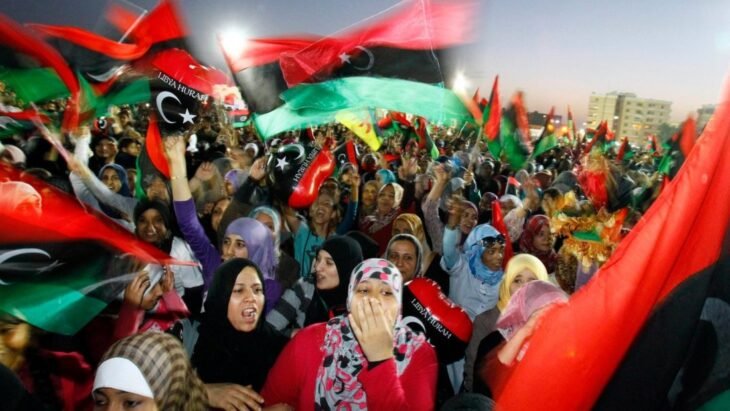

Ten years after Libya’s February 2011 revolution, a long decade of prolonged civil war and political discord has made even the recent political achievements bittersweet, for there are still significant unresolved issues. Read More
By Daniel O’Connell & Ehsan Salah
“We are expecting that the Geneva process will fail,” one Egyptian official told Mada Masr at the time.
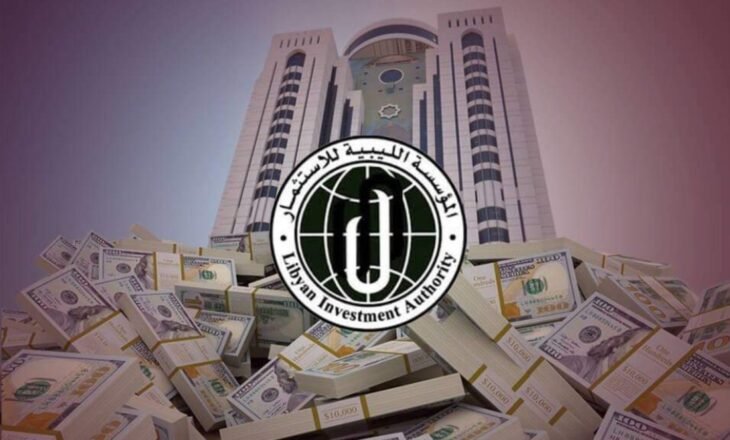
By Tim Eaton
 The extraordinary story of Libya’s overseas investments and seemingly endless battles over their control.
Editors: Nadja Berghoff and Anas El-Gomati
A decade on from the February 17th revolution, how the global disorder transformed Libya into a battleground for interest, ideology and influence.
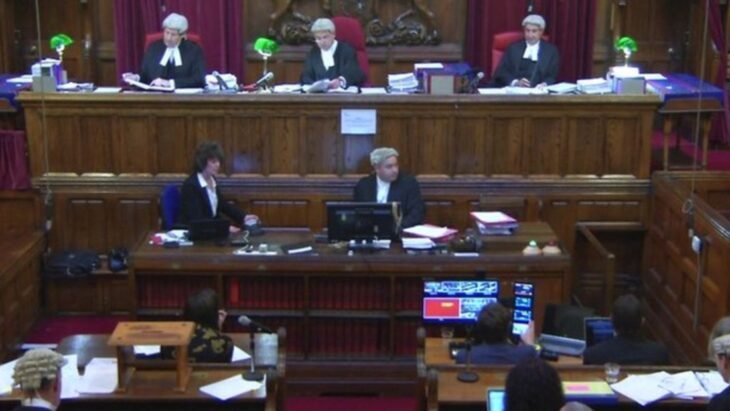
By Tim Eaton
The extraordinary story of Libya’s overseas investments and seemingly endless battles over their control.
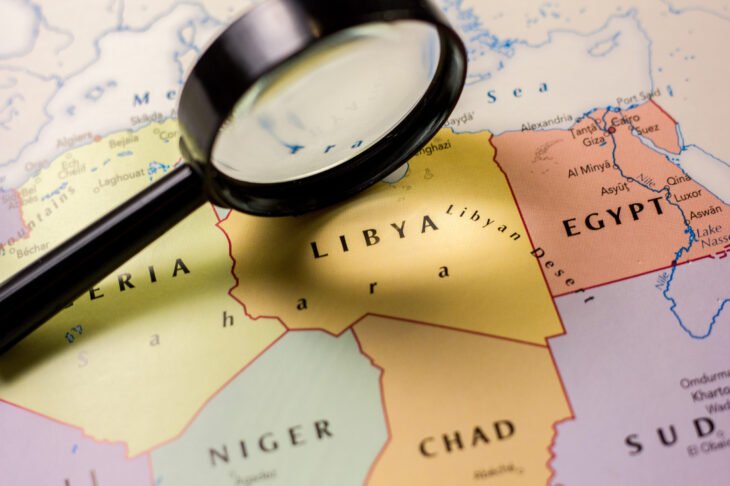
By Alhareth Elshibani
 A turbulent period ascends over the Government of National Unity (GNU) of Libya. Read More
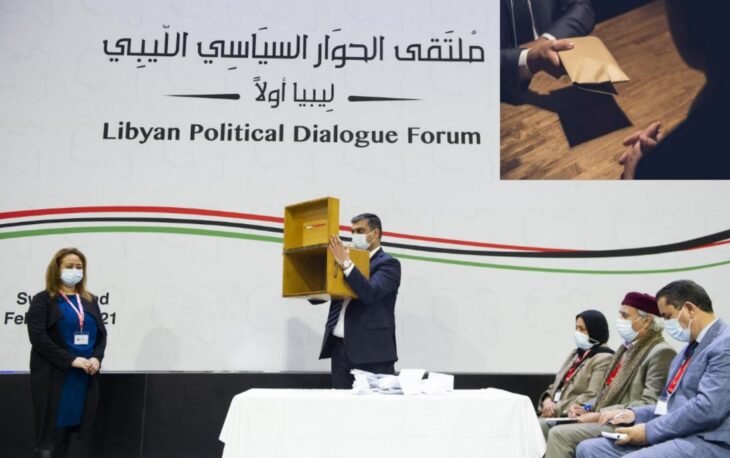

Political rival and UN weigh in after claims delegates offered up to $500,000 to elect interim prime minister-designate Abdul Hamid Dbeibah. Read More
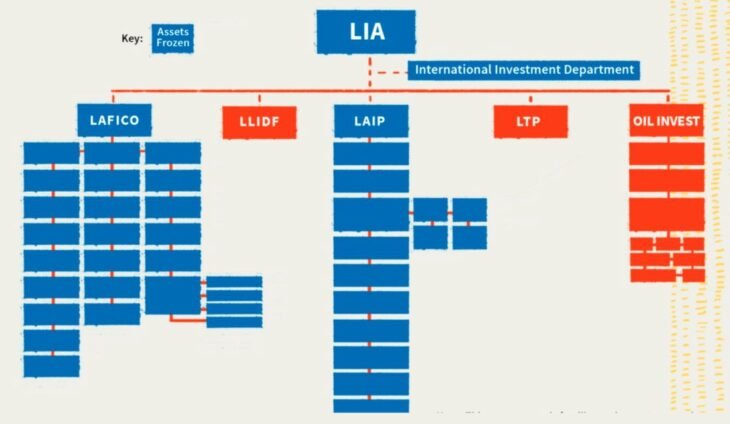
By Tim Eaton
The extraordinary story of Libya’s overseas investments and seemingly endless battles over their control.
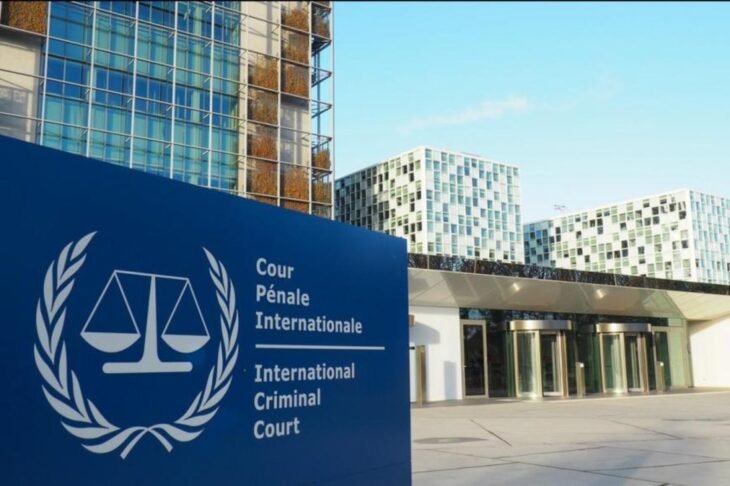
Grim Decade for Human Rights
 Justice remains elusive and impunity rampant a decade after the United Nations Security Council referred the situation in Libya to the International Criminal Court (ICC) prosecutor, Human Rights Watch said today. Read More
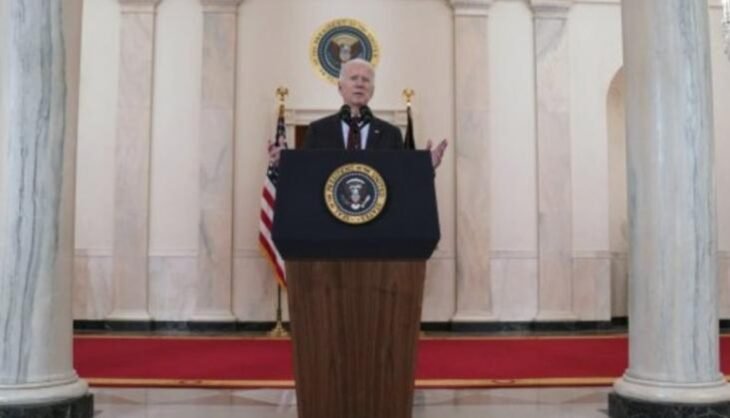
By Sarah Vernhes
The Tripoli government hopes to see the new US President get involved in Libya again. In particular, it is counting on Washington’s support to ensure the withdrawal of Russian mercenaries. Read More
By Samer Al–Atrush
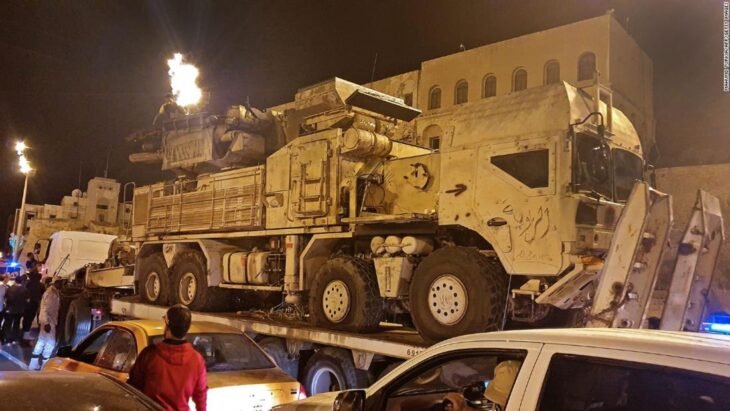
When militias allied to the Government of National Accord (GNA) in Tripoli stormed Khalifa Haftar’s Al-Watiya air base in western Libya on 18 May 2020, they captured a valuable prize – a Russian-built Pantsir missile defence system. Read More
By Thomas O. Falk
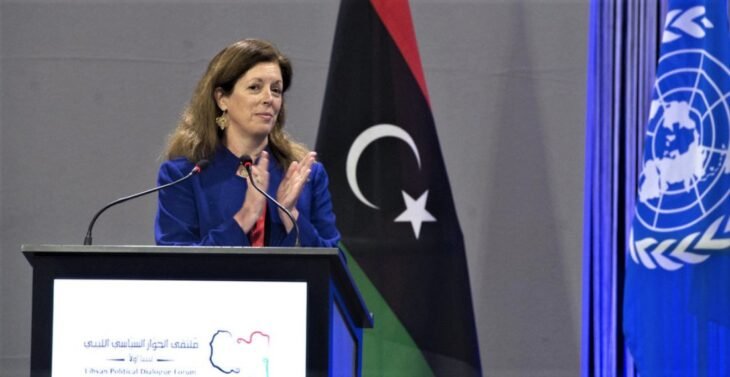
 With the United Nations’ support, Libya has elected an interim government. The country’s new prime minister is now tasked with maintaining the peace and, most importantly, facilitating the December 2021 general elections. While these developments are positive, questions around stability remain, and the situation in Libya is still highly volatile. Read More
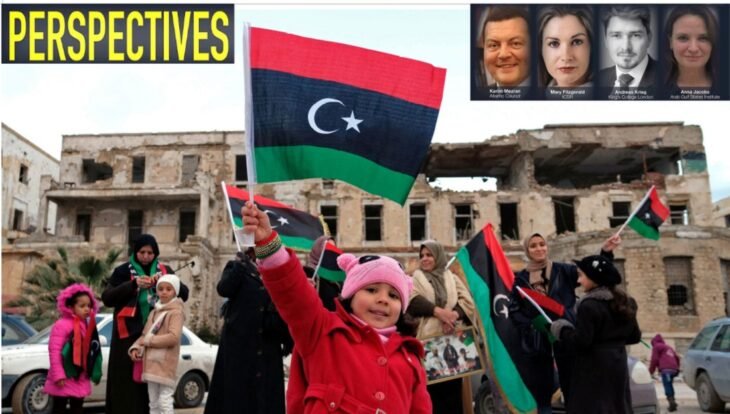
 As part of its 10-Years Since the Arab Spring Series, Crisis Response Council asked experts to reflect on the legacy of the 2011 uprising in Libya. Read More
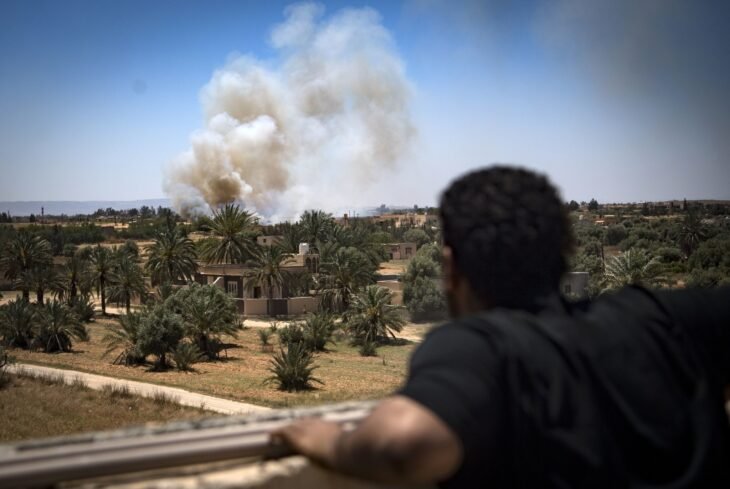
 Moscow is plunging deeper into a war of armed drones in a strategic hot spot rich with oil, teeming with migrants and riddled with militants. Read More
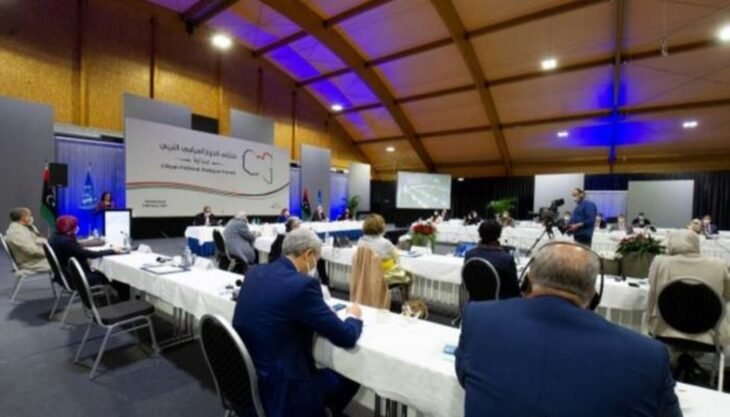
By Hafed Al Ghwell and Karim Mezran

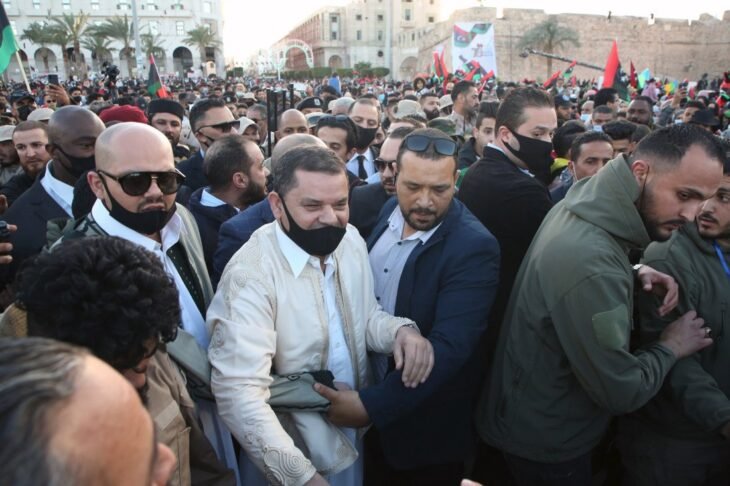
After a decade, the upheaval unleashed across the Middle East and North Africa by the winds of the Arab Spring only seems to have a woeful lasting legacy: civil wars, counter-revolution movements, and instability caused by widening regional ideological rifts. Read More
By Jalel Harchaoui
 A first agreement has helped to overcome the divisions that have affected Libya for years. New leaders have been appointed. Who are they? Will they have the means to set the country on the road to reconstruction? Read More
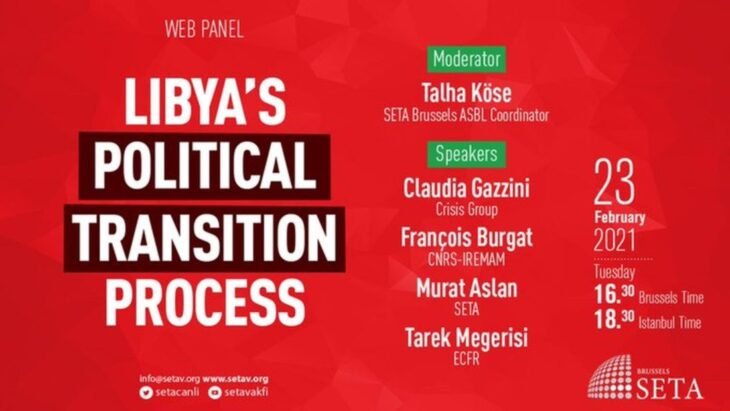

Siyaset, Ekonomi va Toplum Arastirmaalari vakfi (SETA Brussels), a foundation for political, economic and social research has organised a web-panel entitled “Libya’s Political Transition Process” on Tuesday, 23rd of February 2021. Read More
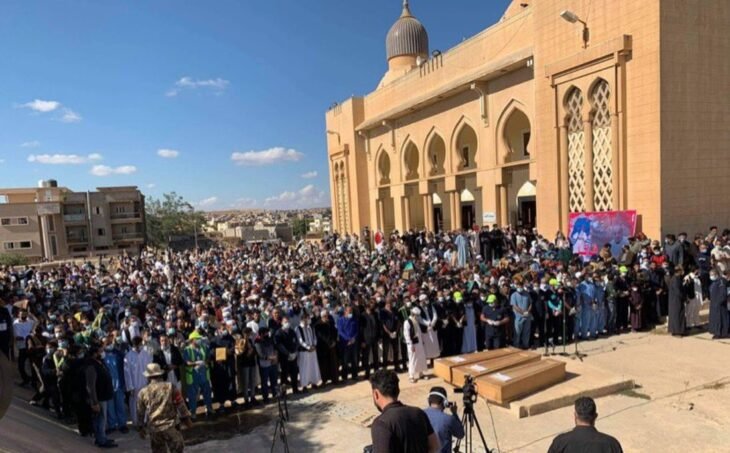
By Rabia Golden
 When the 17th February revolution first began, I was living in the United Kingdom with my ex-husband and kids, they were mostly grown, some married and some preparing for getting married. Read More
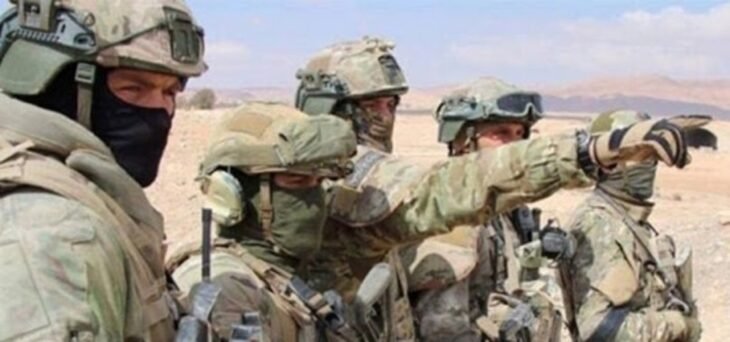
By Alex Kassidiaris
 The shadowy Russian Wagner Group has drastically affected the course of the conflicts in Libya and Syria. While the Group cannot be clearly identified as a mercenary force or a private military company, its activity in war-torn countries continues to pose a serious threat to regional stability. Read More
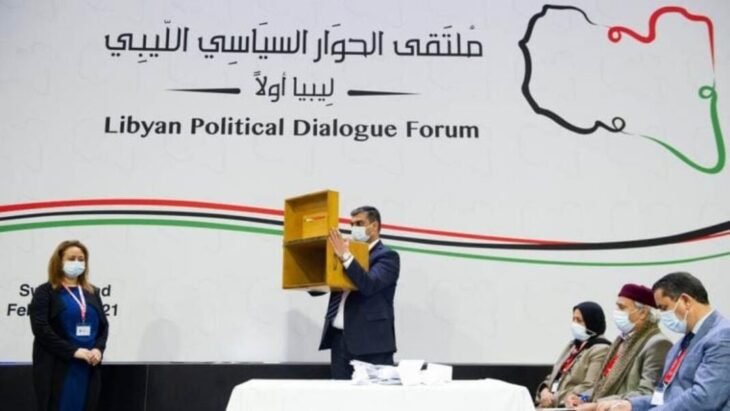
 On 5 February, Libyan delegates attending UN-hosted political talks in Geneva nominated a new unified interim executive for their country, which has been split in two regions, each administered separately, since 2014. They chose eastern Libya’s Mohamed Mnefi to head a new three-person Presidency Council and a businessman from Misrata in western Libya, Abdulhamid Dabaiba, as prime minister-designate. Read More
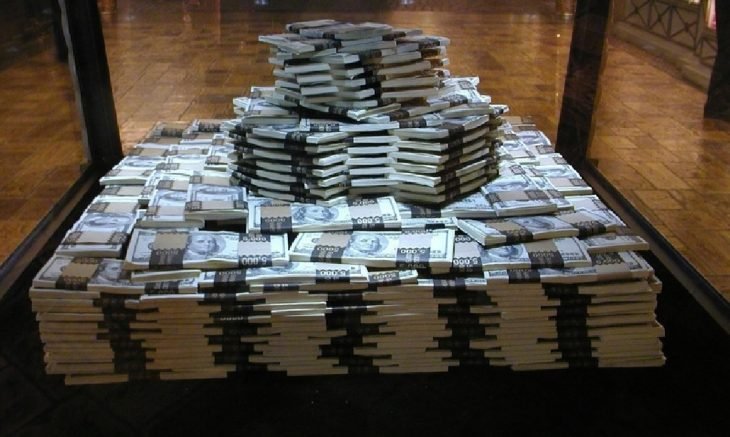

Our new report shows how Libya appears to be losing millions of dollars a year through the fraudulent use of its Letters of Credit (LC) system, run by the Central Bank of Libya. While a vital cog in meeting Libya’s import needs, the LC system has been plagued by abuse, which our new evidence suggests is continuing. Read More