Author - ab_mnbr

Incremental Elections

A Public Policy Initiative

By Emadeddin Zahri Muntasser

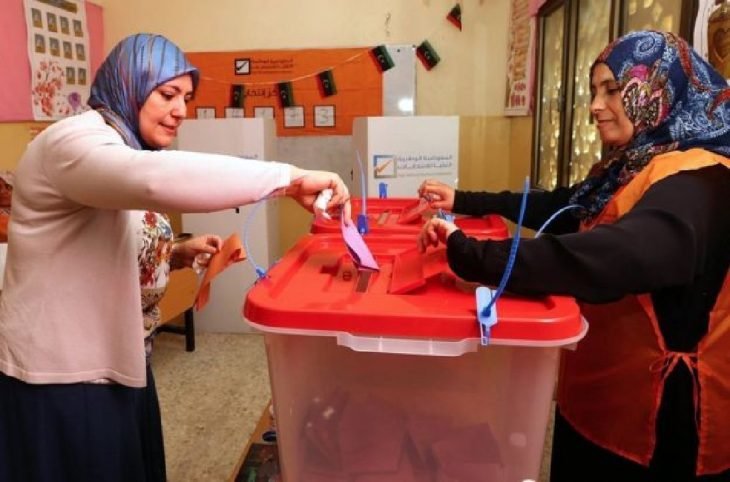
Ensuring Fair & Free Elections And Overcoming Obstacles In Selecting A Parliament, Forming A Government, And Ratifying A Constitution For Libya Read More

When the Islamic State Came to Libya (2/2)

Since the fall of Qaddafi, the war-torn country’s militias have sought to contain extremism. But at what cost?

By Frederic Wehrey

This is not the attitude back in Tripoli, however. Here, a militia that passes for a counter-terrorism force is running an extensive re-indoctrination effort, rooted in Islamic scripture and jobs training. Read More

How to Hold Elections in Libya

By Emadeddin Muntasser

Since 2011, Libya’s path to democracy has been unclear. The United Nations’ (UN) inability to bring warring factions to the negotiating table has left the country in chaos. Read More

Libya’s Falling Strongman

By Erin Neale and Yousuf Eltagouri

The situation on the ground in Libya is fluid and complex. Militias in the West and South police their own local communities but few have regional control. Read More

Revolution put Libya on descent into chaos

By Hafed Al-Ghwell

The seventh anniversary of the Libyan uprising is approaching, and so it is worth taking a look at what happened then, what is happening now and what might happen next in a country that was shaken to its core and has since suffered years of upheaval despite its apparent advantages of relative wealth, a small population and a strategic location. Read More
When the Islamic State Came to Libya (1/2)

Since the fall of Qaddafi, the war-torn country’s militias have sought to contain extremism. But at what cost?

By Frederic Wehrey

As U.S. military forces hunt down the remnants of the Islamic State in Syria and Iraq, they are also waging a quieter campaign in the fractured country of Libya. Read More

To the Shores of Tripoli

Frederic Wehrey discusses his forthcoming book on Libya.

By Ghida El-Tayara

Frederic Wehrey is a senior fellow in the Carnegie Middle East program who specializes in post-conflict transitions, armed groups, and identity politics, with a focus on Libya, North Africa, and the Gulf.

He is the author of the upcoming The Burning Shores: Inside the Battle for the New Libya (Farrar, Straus and Giroux), which will be published in April.

Wehrey also recently published an edited book, titled Beyond Sunni and Shia: The Roots of Sectarianism in a Changing Middle East (Oxford University Press).

He was in Beirut in early February to participate in a Carnegie roundtable at which he talked about Libya’s policing sector, a topic he partly covered in his most recent article for Diwan, “The Sufi-Salafi Rift,” co-authored with Katherine Pollock.

Diwan met with him then to discuss his forthcoming book.

The Burning Shores: Inside the Battle for the New Libya

A riveting, beautifully crafted account of Libya after Qadhafi.

The death of Qadhafi freed Libya from forty-two years of despotic rule, raising hopes for a new era. But in the aftermath, the country descended into bitter rivalries and civil war, paving the way for the Islamic State and a catastrophic migrant crisis.

In a fast-paced narrative that blends frontline reporting, analysis, and history, Frederic Wehrey tells the story of what went wrong.

An Arabic-speaking Middle East scholar, Wehrey interviewed the key actors in Libya and paints vivid portraits of lives upended by a country in turmoil:

(a) the once-hopeful activists murdered or exiled,

(b) revolutionaries transformed into militia bosses or jihadist recruits, and

(c) an aging general who promises salvation from the chaos in exchange for a return to the old authoritarianism.

He traveled where few Westerners have gone, from the shattered city of Benghazi, birthplace of the revolution, to the lawless Sahara, to the coastal stronghold of the Islamic State in Qadhafi’s hometown of Sirte.

He chronicles the American and international missteps after the dictator’s death that hastened the country’s unraveling.

Written with bravura, based on daring reportage, and informed by deep knowledge, TheBurning Shores is the definitive account of Libya’s fall.

_____________


Libya polls likely to be postponed – analyst

Persistent fragile security environment may undermine election process.

By Omar Shariff

If proof were needed of the precarious political and security situation Libya finds itself in, it came in the form of the deadly twin blasts on January 23 outside a Salafist mosque in Benghazi, which left more than 30 people dead. Read More

Our Man in Benghazi

By Emadeddin Zahri Muntasser

The United States is supporting UN-mediated dialogue in Libya in the hopes of resolving the festering disputes among the country’s warring parties. Read More
Libya oil chief condemns state capture

Chaos turns dollars into nearly worthless dinars, says NOC’s Sanalla

By Damien McElroy

The head of Libya’s National Oil Company (NOC) has warned his country’s revival has been put at risk by corrupt politicians and savage militias that have caused chaos and made the dinar worthless. Read More

The EU’s migration hypocrisy in Africa

By Fabian Wagner

On a hot November evening last year, I found myself in the middle of a bizarre, otherworldly scene in the economic capital of the Ivory Coast, Abidjan. On a small stage set up at a local stadium, Ivorian football star Didier Drogba was urging hundreds of local youth to chant, “I promise I won’t migrate! I promise I won’t migrate! I promise I won’t migrate!” Read More
Hope fading for a fractured Libya after Benghazi bombing
By Jack Barton

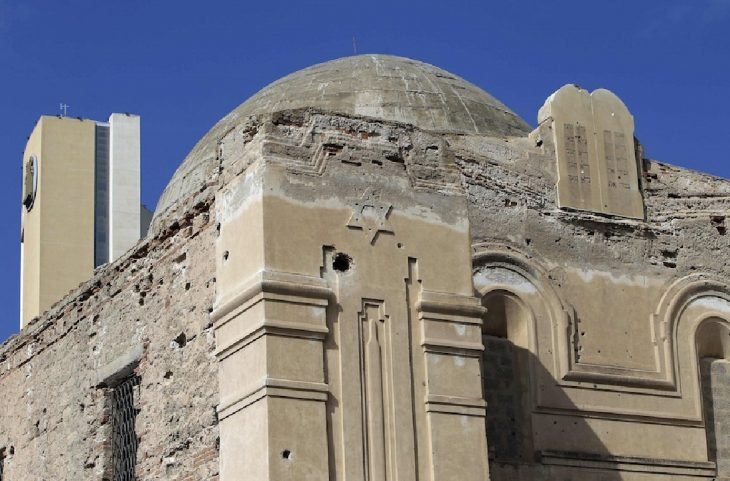
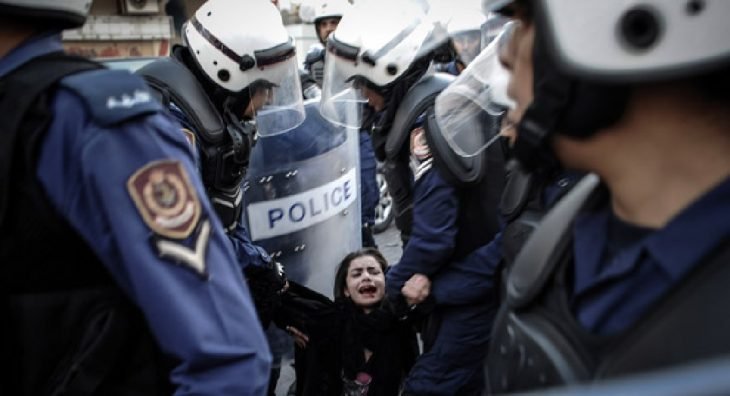
A series of violent attacks across Libya in recent weeks have left dozens dead. While the attacks have garnered little attention in the West, observers told WikiTribune they illustrate a country in which a UN mediation process looks to be failing in the face of violent schisms.  Read More