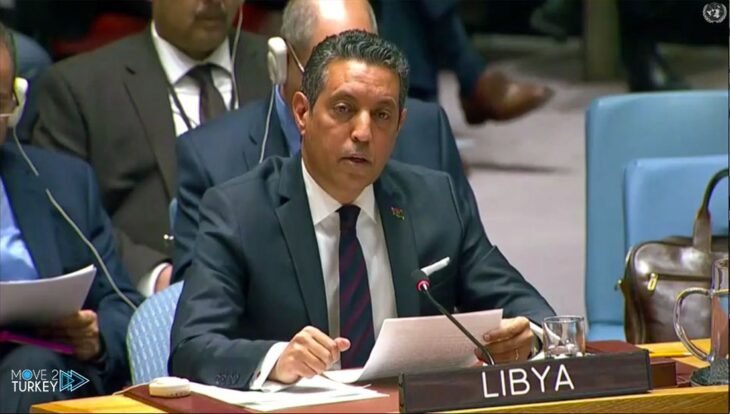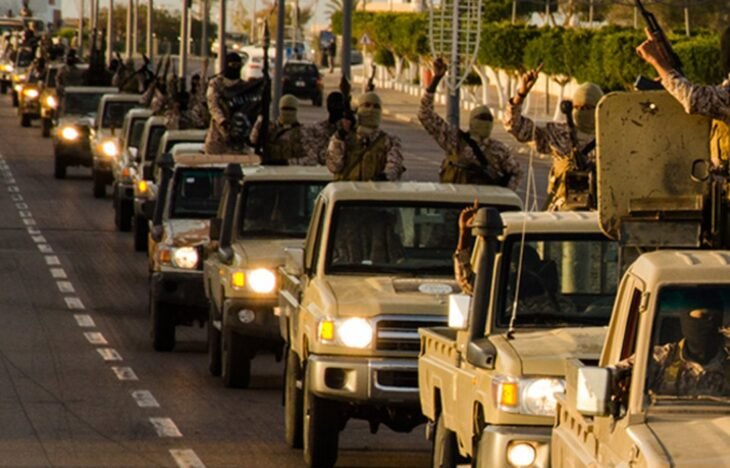
The U.N. envoy for Libya, Abdoulaye Bathily, lashed out at the country’s feuding parties and their foreign backers at a U.N. Security Council meeting Tuesday and then confirmed he had submitted his resignation.
The former Senegalese minister and U.N. diplomat, who has held the job for 18 months, said he had done his best to get the five key political actors in Libya to resolve contested issues over electoral laws and form a unified government to lead the country to long-delayed elections.
But Bathily said his attempts “were met with stubborn resistance, unreasonable expectations and indifference to the interests of the Libyan people.” And he warned that these entrenched positions, reinforced by “a divided regional and global landscape,” may push Libya and the region to further instability and insecurity.
The U.N. envoy, clearly frustrated, also warned that oil-rich Libya “has become the playground for fierce rivalry among regional and international actors motivated by geopolitical, political and economic interests as well as competition extending beyond Libya and related to its neighborhood.” And he accused these actors of undermining U.N. efforts.
Bathily did not inform the Security Council either at the open meeting or the closed session that followed that he had submitted his resignation, council diplomats said. But afterward, in response to a question from a reporter, he said, “Yes, I did tender my resignation to the secretary-general,” he said, without giving any reasons.
Secretary-General António Guterres accepted Bathily’s resignation and said he’s grateful “for his tireless efforts to restore peace and stability to Libya,” U.N. spokesman Stephane Dujarric said.
Libya plunged into chaos after a NATO-backed uprising toppled and killed longtime dictator Moammar Gadhafi in 2011. In the chaos that followed, the country split, with rival administrations in the east and west backed by rogue militias and foreign governments.
The country’s current political crisis stems from the failure to hold elections on Dec. 24, 2021, and the refusal of Prime Minister Abdul Hamid Dbeibah — who led a transitional government in the capital of Tripoli — to step down.
In response, Libya’s east-based parliament appointed a rival prime minister, Fathy Bashagha, but suspended him in May 2023. The powerful military commander Khalifa Hifter continues to hold sway in the east.
For years, Egypt, the United Arab Emirates and Russia backed Hifter while the Tripoli-based militaries enjoyed the support of Turkey, Qatar and Italy, especially during Hifter’s unsuccessful offensive to take the capital in 2019.
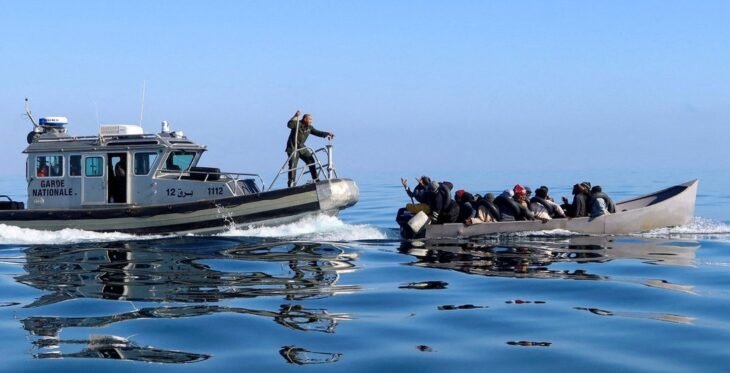
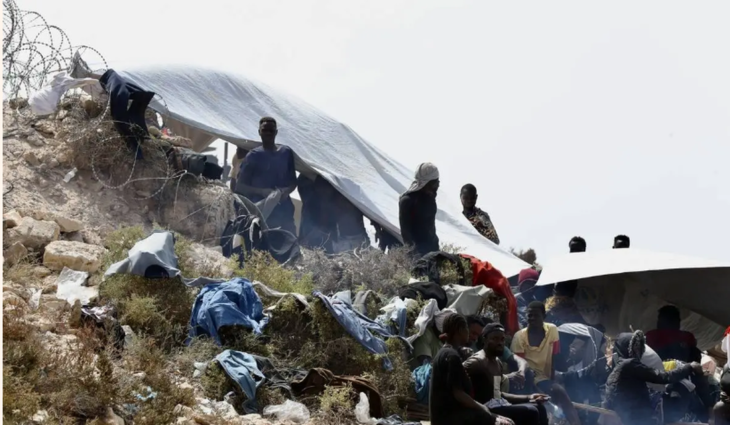
Libya’s strategic location on the Mediterranean, and the political chaos, have made the country a major route for African migrants trying to get to Europe and human smugglers. The Islamic State and other extremist groups also exploited the chaos and while some are in prison in Libya they remain a threat, especially from its restive western and southern borders where these groups have gained support.
Over the last month, Bathily said, the situation in Libya has deteriorated as a result of two major factors.
The first is “the lack of political will and good faith by the major Libyan actors who are comfortable with the current stalemate, which has been going on in Libya since 2011,” he said.
The second is the ongoing scramble for Libya’s territory that has made it a battleground for different foreign actors and Libyan armed groups, he said.
Bathily pointed to initiatives in recent months, whose objective, even if not declared, is “to disrupt the U.N.-led process” to form a unified government.
He singled out a meeting in Cairo on March 10 where three key political players reportedly reached an agreement that the U.N. was not part of, and that wasn’t supported by the other parties that were not invited.
“Unilateral, parallel and uncoordinated initiatives contribute to unnecessary complications and to the consolidation of the status quo,” he said, and as long as these continue “there is no way we can move forward.”
Bathily stressed that “the unity of the international community is key to resolving the Libya crisis.”
He said the Security Council, which authorized the 2011 NATO intervention, must demonstrate unity and “compel” Libyan and regional “stakeholders” to back the U.N.’s efforts to unite Libya through a political dialogue.
The Security Council also has “a moral responsibility” to end the crisis by telling everybody – the “so-called national leaders” in power today and their foreign backers – to let the Libyan people have the opportunity to chart a new course through elections and rebuild the country, Bathily said.
Libya is the richest country in the region and has the resources to be prosperous, stable and peaceful – without regional or international intervention, he said.
Bathily also stressed that peace and stability in Libya is critical for the stability of neighboring western Sahel and the wider region.
“More than ever, the renewed and coordinated commitment among regional and international actors is imperative,” he told the council.
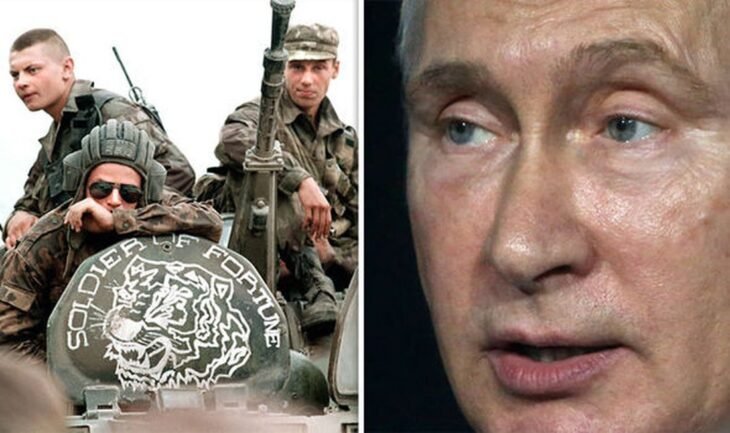
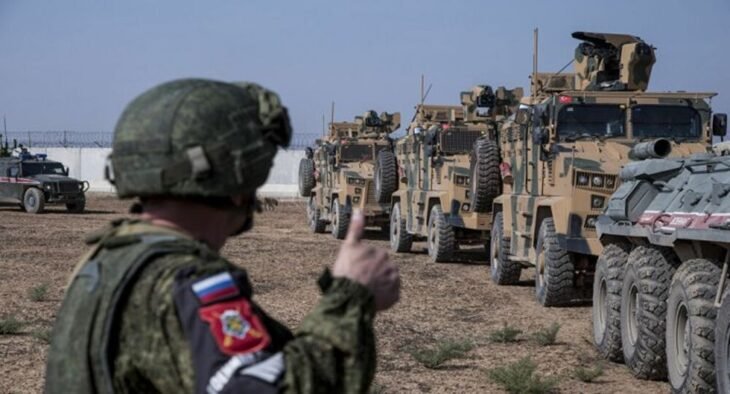
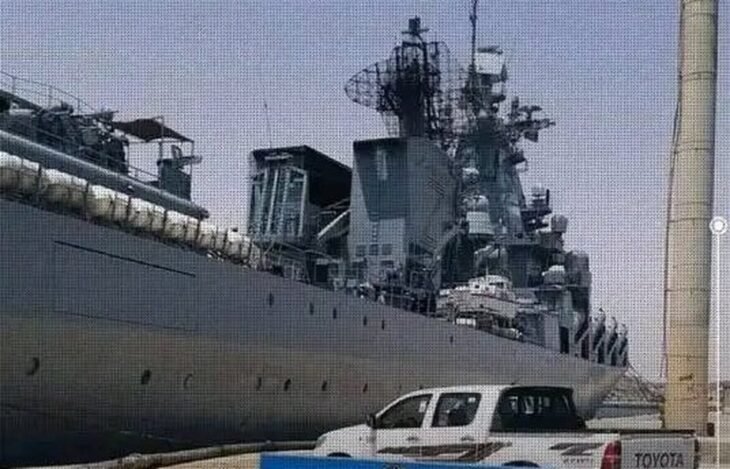
Russia has initiated the deployment of its troops under the banner of the ‘African Corps’ in southern Libya. Just days ago, Russian cargo planes landed at Brak al-Shati, offloading scores of soldiers, while cargo ships carrying equipment docked at the port of Tobruk on Libya’s eastern coast.
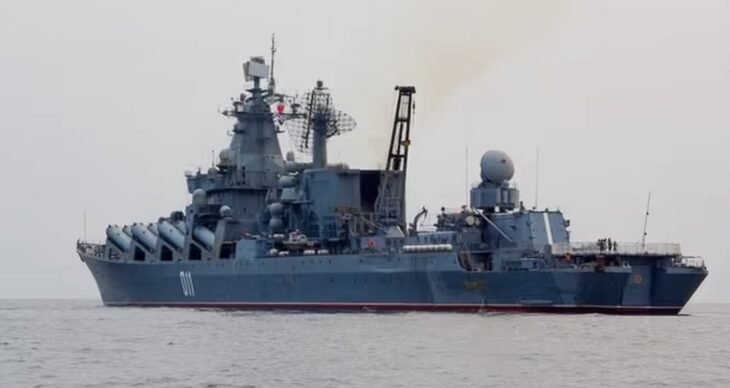
The equipment and armaments of the Russian Armed Forces’ ‘African Corps,’ delivered by the landing ships Ivan Gren and Aleksandr Otrakovskiy, include light and heavy vehicles such as pickups, GAZ and KAMAZ trucks, as well as ZU-23-2 anti-aircraft artillery.
Previously, reports had emerged of the deployment of Russian ‘African Corps’ units in Burkina Faso and Niger. Russia is consolidating a formidable military presence in Africa based on Wagner Group mercenaries and plans to establish the core structure of the ‘African Corps’ by the summer of 2024, with operations extending beyond Libya to Burkina Faso, Mali, the Central African Republic, and Niger.
Currently, in eastern Libya, where analysts estimate the Russian presence to range from 1,000 to 1,500 individuals, airbases like Al-Jufra facilitate Russian military flights with layovers before proceeding south to other nations.
The Kremlin’s strategic objective is to bolster its influence in the African continent, where it already controls a portion of diamond mines, oil reserves, and valuable mineral deposits, leveraging military strength to secure and expand its interests in the region.
***
Dylan Malyasov is the editor-in-chief of Defence Blog. He is a journalist, an accredited defense advisor, and a consultant. His background as a defense advisor and consultant adds a unique perspective to his journalistic endeavors, ensuring that his reporting is well-informed and authoritative.
The abrupt resignation of the United Nations special envoy for Libya, Abdoulaye Bathily, is the latest sign of the failure of reconciliation efforts in the war-torn North African country, analysts told AFP.
The Senegalese diplomat, who on Tuesday tendered his resignation after only 18 months at the helm of the UN support mission UNSMIL, has repeatedly accused rival leaders of perpetuating divisions to serve their own interests.
Libya is still struggling to recover from years of war and chaos after the 2011 overthrow of longtime dictator Moamer Kadhafi, and the country remains split between a UN-recognised government based in Tripoli and a rival administration in the country’s east.
Speaking to reporters after submitting his resignation to UN Secretary-General Antonio Guterres, who accepted it, Bathily said the situation has deteriorated in recent months.
Taking aim at leaders in the country that has seen repeated cycles of violence since 2011, the diplomat decried a “lack of political will and good faith by the major Libyan actors who are comfortable with the current stalemate”.
General elections scheduled for December 2021 were postponed indefinitely amid persistent disagreements between Abdelhamid Dbeibah’s Tripoli-based government and the eastern-based administration backed by military strongman Khalifa Haftar.
“The selfish resolve of current leaders to maintain the status quo through delaying tactics and manoeuvres at the expense of the Libyan people must stop,” Bathily said, also condemning the foreign backers of both camps without naming them.
To Jalel Harchaoui, an associate fellow at British think-tank Royal United Services Institute, Bathily’s resignation did not come as a shock “for the simple reason that the process he was leading had been completely defunct for several months”.
– ‘Inflection point’ –
Harchaoui said that Bathily’s efforts have been undermined by Egypt, which alongside the United Arab Emirates is the main power supporting the Haftar-backed administration.
The western-based authorities are most notably backed by Turkey.
“This situation is the result of numerous factors, including Egypt’s policy of systematically contradicting the relatively coherent logic that Bathily was trying to instill,” the Libya expert said.
And faced by “sabotage” from Cairo, “the great Western democracies like the United States or France have never supported Bathily in any authentic manner, preferring to passively avoid offending the Egyptian giant”, argued Harchaoui.
Emad Badi, a Libya expert at the Atlantic Council, said that “Bathily’s departure comes at an undeniable inflection point whereby the veneer of stability that prevailed in Libya over the past couple of years is vanishing.”
Until a successor in named, US diplomat Stephanie Khoury, who in March was named Bathily’s deputy for political affairs, will serve in an interim capacity — a repeat of the scenario that unfolded after former envoy Ghassan Salame’s resignation in 2020.
Stephanie Williams, also from the United States, was able to bring together Libyan representatives in February 2021, while she was serving as an interim replacement for Salame.
That meeting, in Geneva, saw representatives agree on an interim authority to organise the presidential and parliamentary elections which were due to be held at the end of 2021.
Harchaoui said it was “quite likely” that Khoury would “emerge as an interim special envoy”, allowing “the United States to lead UNSMIL without having to face a Russian veto at the Security Council”.
A permanent UN envoy appointment must be approved by the Security Council, but not interim roles.
But without the council’s full backing, Khoury — if made the interim envoy — may “be hamstrung in what she can achieve”, said Badi.
‘Selfish resolve of current leaders to maintain the status quo through delaying tactics and maneuvers at the expense of the Libyan people must stop,’ says Abdoulaye Bathily
The UN special envoy to Libya laid bare the frustrations and challenges on Tuesday that hinder progress in the war-torn nation’s political landscape. He said parties “have not demonstrated their goodwill.”
“Their entrenched positions are incentivized by a divided regional and global landscape, perpetuating the status quo which may subject Libya and the region to further instability and insecurity,” Abdoulaye Bathily told the UN Security Council as he underscored the impasse caused by “stubborn resistance”, “unreasonable expectations” and “indifference to the interests of the Libyan people” among key stakeholders.
“Despite continuous and extensive engagement with the main institutional actors, their persistent positions are significantly impeding efforts to advance the political process,” he said.
Bathily criticized preconditions set by Libyan leaders, asserting that their actions contradict their professed commitment to a Libyan-led and Libyan-owned solution to the conflict. Expressing deep disappointment, Bathily decried the prioritization of personal interests above national welfare by individuals in positions of power.
“The selfish resolve of current leaders to maintain the status quo through delaying tactics and maneuvers at the expense of the Libyan people must stop,” he noted.
With approximately 2.8 million registered voters yearning for a resolution, Bathily stressed the urgency of prioritizing aspirations above the narrow interests of a select few.
He urged the Council to “uphold their responsibility in words and deeds, individually and collectively, by demonstrating unity to compel Libyan and regional stakeholders to back UNSMIL’s (UN Support Mission in Libya) efforts to restore unity and legitimacy to Libyan institutions through a political dialogue.”
Libya has remained in turmoil since 2011, when longtime ruler Muammar Gaddafi was ousted after four decades in power.
The country has since been divided into two parts, one is governed by the Tripoli-based Government of National Accord, the other by Benghazi-based military commander Khalifa Haftar.
The Irish government has initiated an investigation into alleged violations by an Irish company, led by former Defense Forces soldiers, that provided military training to the Benghazi army under the command of Khalifa Haftar in 2023.
The Irish Times revealed this, which came as a shock and tarnished the reputation of Ireland and our defense forces.
The Defense Forces have also requested the police to look into claims that the former individuals participated in weapons training while wearing Irish military uniforms, which goes against the ongoing UN arms embargo.
Irish Training Solutions is a training provider established by former members of The Army Ranger Wing, Ireland’s elite special forces. The courses offered by this company are delivered by experienced instructors who share current best practices, including real-life case studies at national and international levels for managing conflicts and crises.
The training aims to offer a range of specialized training programs. Personal Awareness Security Training (PSAT) and Hostile Environment Awareness Training (HEAT) equip individuals with the necessary skills to navigate dangerous environments effectively. Medical training is also essential to provide immediate assistance in case of emergencies.
For conflict situations, Executive Protection Training, Discrete Security Operative, and Hostile Environment Close Protection training programs are valuable in safeguarding individuals and assets. Moreover, in times of crisis, Kidnap and Hostage Training, Terrorism & Violent Attacks training, and Dealing with Natural Disaster training can help individuals respond effectively and mitigate risks.
By participating in these diverse training programs, individuals can enhance their preparedness and ability to handle challenging situations with resilience and efficiency.
The company, led by former Irish Special Forces soldiers, sent highly skilled soldiers from Ireland to Benghazi, Libya, where they collaborated with other Special Forces trainers from various countries.
They transferred the salaries of Irish trainers to a Dubai-based company named “SOF Training” to evade Irish scrutiny of the company’s operations. Former Irish soldiers were engaged in training Libyan military forces in close-range combat, tactics for attacking homes, conducting drug smuggling raids, and weapon usage.
A study should be conducted to strengthen legislation regulating the activities of former and current members of the Defense Forces in countries under UN or EU sanctions. No Irish citizen should knowingly engage in activities that breach these sanctions, especially former members of the Irish Defense Forces. The high level of training and proficiency acquired by Defense Forces personnel should not be utilized in such situations, such as those in eastern Libya.
This situation may conflict with government efforts to enforce the arms embargo. Due to concerns about damage to the reputation of the Irish Defense Forces from training in Libya, an existing regulation prohibiting individuals from engaging in private security work has been reissued and circulated to all commanders.
Military Intelligence and An Garda Síochána have initiated investigations to determine whether any military or civil laws were violated. While this is not the first training conducted in Libya, previous training occurred in the eastern part of the country controlled by Haftar and supported by Russian Wagner mercenaries.
Irish trainers, including a Defense Forces member who has not yet been demobilized, were flown to Haftar-controlled Benghazi. Photographs, documents, and accounts from individuals familiar with the situation, who spoke to the Irish Times, confirm this. The training involved teaching skills such as sniping, close combat, and room entry. The company provided equipment like helmets and body armor for training, which is subject to international law. The United Nations arms embargo prohibits the provision of military material.
***
Prof. Miral Sabry AlAshry is Co-lead for the Middle East and North Africa (MENA) at the Centre for Freedom of the Media, the Department of Journalism Studies at the University of Sheffield.
The brief but disturbing central Tripoli clashes on Thursday led to no deaths or injuries of either state-recognised militiamen or innocent civilians. However, their spontaneity in the presence of hordes of families with children celebrating on the second day of Eid at parks, gardens, funfairs, and seaside promenades led to much angst. Families were sent scurrying for safety as overhead gunfire led to panicked rush for cover.
For what it’s worth, the clashes were between pro Support and Stability militias led by Ghnewa Al-Kikli and pro Deterrence Force militias led by Abdel Rauf Kara. Sources informed Libya Herald that neither leader knew anything about the clashes which were very localised if not on an individual level and spontaneous after one side arrested members of the others. The clashes were quickly ended by the leadership. But the damage had been done.
Media reports of clashes have far greater negative international effects
They media effect of the very localised clashes was global – a point neither militia members nor their leaders seem to fully understand. The world watches every incident and reacts accordingly in terms of the lack of return of flights (ICAO), reopening of embassies, official travel advice to Libya and return of companies.
Frequent, spontaneous militia clashes
UNSMIL rightly condemned this frequent use of violence as a means of resolving militia disputes, endangering the safety of civilians. It also rightly undermines the fragile security situation in Libya sending a negative message to security companies responsible for drafting reports on the security status quo in Libya.
Weak central government, no monopoly on use of force
Libya’s militias know that the central government is very weak. This is evidenced by the fact that the Aldabaiba Tripoli government abstained from commenting front and centre about the clash. These clashes embarrass the government that constantly claims Libya is safe and security is good to international companies and embassies. They also exposes and prove its weakness.
Militias are unaccountable
The militias are willing and able to repeat their clashes because they can – with impunity. The Tripoli government is unable to control or confront them. They play on the fact that the government wants security and stability – or a false veneer of security and stability – and confrontation would lead to injuries and deaths. In effect, they blackmail the government who would be held responsible for any insecurity or instability. The government could be changed but the militias would most likely remain. The militias are totally unaccountable.
International community insincere
UNSMIL stressed the need to hold ‘‘those responsible’’ (the state-recognised militias) to account. But that is insincere. UNSMIL and the international community it represents knows very well the Tripoli government is unable to hold the militias that prop it up accountable.
Tripoli militias prop up Tripoli government
The state recognised militias prop up and allow the Tripoli government to exist and survive. It exists at their behest. As long as their interests coincide, the militias allow the Tripoli government to continue and play at being a sovereign government and in control. There exists a mutual benefit. The unelected Tripoli government wants to stay in power for as long as possible. It is interested in short term stability – or the perception of stability.
No one in power wants elections
The militias want to stay in power. They, in effect, scratch each other’s backs. Neither can exist without the other or can remove the other. The militias need the state’s recognition and official funding. The Tripoli government tries to buy stability by bribing them with funds. All this is at the interest of the ordinary civilians. The militias and government gain power, influence and wealth at the expense of the ordinary civilian who is unable to remove them. All those in power wish to maintain the status quo.
The high principles that the Qaddafi regime was allegedly jettisoned for in the February 2011 revolution have been pushed aside.
Chronic insecurity, lack of elections
In contrast to the Tripoli government, UNSMIL said Tripoli has ‘‘chronic insecurity’’. In its assessment it put this to the ‘‘continuing political crisis and the erosion of institutional legitimacy’’. It deems the lack of renewed legitimacy and mandate due to the unelected Tripoli government of Abd Alhamid Aldabaiba.
“It serves as a reminder of Libya’s need to prioritize holding elections in order to establish legitimate governing bodies capable of extending state authority and upholding the rule of law.”, UNSMIL concluded in its statement.
But the international community is unwilling or unable to coerce the Tripoli government and the capital’s militias (as well as Hafter and Ageela Saleh) into holding elections. The international community plays lip service to calling for elections – but are probably happy with the status quo of relative stability.
The Rise of the Stability Support Apparatus as Hegemon
Adam Hakan
The SSA’s role in manufacturing political change
For Ghaniwa, the SSA’s set-up as a quasi-independent entity under the PC was a boon. It did not fall under the authority of any ministry, and the minimal oversight and weakness of the PC allowed Ghaniwa unfettered access to funding. The SSA’s vague mandate also made it easier to exploit opportunities for expansion.
In the SSA’s initial decree, Ghaniwa’s deputies included Ayoub Buras from Tripoli’s TRB, Hassan Buzriba from the coastal city of Zawiya, and Mousa Masmous from the National Mobile Force in Janzur. The coalition’s perceived clout made it a force to be reckoned with.
In addition, Ghaniwa convinced Serraj to appoint his ally from Kikla, Lutfi al-Hrari, as deputy head of the Internal Security Apparatus (ISA) in September 2020. He also leveraged his influence over the quartet-linked head of the Tripoli Military Zone, Abdelbaset Marwan, to create his own unit under the Ministry of Defence.
Dubbed the 22nd Infantry Battalion, the Ghaniwa-linked group was formally established in July 2020, staffed with cadre from the ASCSD, and endowed with the heavy weaponry—including tanks and cannons—that Ghaniwa had procured from supplies intended to counter Haftar’s offensive.
Serraj’s gambit to stay in power by empowering Tripoli-based militias failed, but Ghaniwa was courted by several of the aspiring candidates for the post of prime minister who took part in the UN-hosted Libyan Political Dialogue Forum (LPDF). The establishment of the SSA clearly marked a turning point in Ghaniwa’s levels of political influence and his modus operandi.
Abdulhamid Debaiba, appointed prime minister of the Government of National Unity (GNU) through a vote at the LPDF, directly negotiated his arrival in Tripoli with
Ghaniwa in March of 2021, vowing not to marginalize the SSA. Dabaiba also consulted Ghaniwa on the new executive’s cabinet, with the SSA leader blessing the appointment of Khaled Mazen as interior minister.
Backing the nomination of a weak figure at the helm of this vital ministry was a deliberate choice by Ghaniwa, who leveraged Mazen’s weakness by offering the minister personal protection in exchange for influence within his ministry. Converting most of his ministry-affiliated ASCSD into SSA units, Ghaniwa nonetheless retained links with the Interior Ministry through Mazen.
Having consolidated control within Abu Salim once more, Ghaniwa’s ambitions were now no longer local: he became invested in state capture and sought to project influence well beyond his neighbourhood stronghold. After elections anticipated for December 2021 were indefinitely postponed, Prime Minister Dabaiba was in a vulnerable position.
Bashagha had established a parallel government in eastern Libya in March 2022, and was threatening to enter Tripoli. Reliant on militia support to secure his footing in Tripoli, the GNU prime minister sought to secure the SSA commander’s support. He appointed Ghaniwa’s ally Mohamed al-Khoja—former field commander within the ASCSD’s ranks—at the helm of the Ministry of Interior’s Department for Combatting
Illegal Migration (DCIM) in December 2021.
In April 2022, Dabaiba followed by appointing Osama Tellish—Ghaniwa’s protégé and surrogate at the helm of the ASCSD—as the head of the Ministry of Interior’s Facilities and Installations Protection Authority. In addition, he showed support to the SSA leader by publicly appearing next to him in Abu Salim multiple times.
While Bashagha also sought to obtain Ghaniwa’s support, he had already conceded too many ministerial portfolios to Haftar and his allies in Zawiya for his advances to succeed. Ghaniwa backed Bashagha at first, but then turned against him when Bashagha named Zawiya’s Esam Buzriba at the helm of the Ministry of Interior. Bashagha also solicited the support of Ghaniwa’s long-time ally, Tajuri, as well as the Nawasi Battalion. Furthermore, he created a split within the SSA between Ghaniwa, who aligned with Dabaiba, and his deputy leaders Buras and Buzriba, who aligned with Bashagha.
A flashpoint erupted when Tajuri, whose then modest force made up of TRB remnants had found shelter in Ghaniwa’s territory, showed signs of intending to facilitate Bashagha’s arrival in Tripoli in late August 2022.
In a turn of events reminiscent of 2014, Ghaniwa’s SSA turned on Tajuri, crushing his units. Much like the post-LPA era, the main fault-line for the brief (but deadly) clashes that ensued was between supporters and opponents of the GNU in the capital. The SSA and the SDF, alongside some pro-Dabaiba units from Misrata as well as Zintan’s
General Security Apparatus under Emad Trabelsi, emerged victorious and had victed all pro-Bashagha groups from Tripoli by early September 2022.
Many of the remnants of the TRB who opted to remain in the capital were absorbed by
Ghaniwa’s SSA, while a minority of the Nawasi’s cadre were integrated into the SDF.
Adding insult to injury, Ghaniwa’s SSA put Tajuri’s custom-made armoured car on display in front of the Abu Salim zoo, sending a clear message of dominance: the Tripoli quartet was no longer.
The prevailing narrative of a Dabaiba victory in the 2022 August clashes masked the extent to which armed groups now manufactured, rather than adapted to, political change. Unlike the negotiated—and, arguably, internationally supported—security arrangements of the post-LPA era, armed groups’ alignments were now the main determinant for political change.
Ghaniwa, by now well-established as the hegemon of Abu Salim and its vicinity, was the linchpin whose alignment determined the contours of contemporary Libya. The baker
turned kingmaker significantly expanded his SSA by further recruiting in Abu Salim,
as well as establishing offshoots in several other cities inSmall Arms Survey western Libya.
The SSA has now emerged as one of the dominant actors in Tripolitania writ-large,
with Ghaniwa’s network of allies and SSA offshoots straddling several institutions,
including the ISA, multiple departments within the Ministry of Interior, and the
Ministry of Defence. His direct influence on politics also became overt, as he
emerged as one of the main interfaces for negotiating Libya’s political path forward; his SSA network, for example, was officially involved in negotiations brokered by the UN, regional organizations, and foreign states in dialogues with eastern Libyan counterparts affiliated with Haftar and his General Command.
Even the 5+5 Joint Military Commission—the body formed from five senior GNA-selected military officers and five senior Haftar-aligned officers and established to, among other things, support the reform of Libya’s security sector—offered the SSA an award in June 2023 for making its Tripoli meeting at Rixos a success.
***
Adam Hakan is a researcher specializing in the study of armed groups in theMiddle East and North Africa. His expertise includes analysing the role of rebeland armed factions in state politics, armed group governance and mobilizationstrategies, conflict economies, and the interplay between armed groups andinternational actors.
Among the different sectors of Zawiya’s militia economy, drug smuggling is the most difficult to assess, since it has no legal component. Zawiya sits on two drug smuggling corridors: alcohol and Moroccanhashish move from the west and south-west into Libya—or, in the case of hashish, on to Egypt. Tramadol and other prescription drugs are imported via ports such as Misrata and al-Khoms to be either consumed in Libya or smuggled on to Tunisia and Algeria.
The nearby town of Ajeilat is a key node for both routes, just as it has long been an important hub for fuel smuggling; it also increasingly serves as an assembly point for migrants before they are embarked at Zuwara or Sabratha. Since 2011, competition among armed groups over the Ajeilat area has been closely linked to the profits to be made in controlling these illicit flows. Such rivalries were reportedly the driver behind repeated clashes in the town in 2012 and 2013, between local smugglers and Jamal al-Ghaeb’s Libya Shield Force unit from Mutrid.
Security officials and battalion leaders agree that they were also a key factor in the violent expulsion of the Buzribas’ ally Barka (‘al-Shalfuh’) from Ajeilat by Bahroun and Leheb in 2021. In May 2023, GNU drone strikes targeted a facility of Hatem al-Fehri, who had reportedly replaced Barka as the leading drug smuggler in Ajeilat. According to a well-connected resident of neighbouring Sabratha, Fehri was not allied with any particular party in Zawiya, but had been pragmatic in dealing with the city’s leading security actors.
In parallel, selling drugs to smaller dealers and consumers also became a business for armed groups in Zawiya itself. Hnesh’s group, from which Bahroun’s group would emerge after Hnesh’s death in 2017, initially formed as a hashish-selling enterprise. Under the protection of armed groups, drug and alcohol sales became increasingly open in the city, provoking the ire of local residents.
Later, Sifao gained notoriety as a leading drug dealer who enjoyed official status under Zawiya’s police directorate. As one security official put it, ‘Sifao carved up the drug market in Zawiya. As a result, Awlad Sagr and Zuwaran drug traders no longer did any business in the city. That’s why they attacked Sifao [in September 2022].’
Whether the main battalion leaders in Zawiya are directly involved in moving drugs remains unclear. While some interlocutors described Bahroun as the dominant actor in the regional drug trade, or suggested that the Buzribas’ boats at the Maya port had been used for drug smuggling, others argued that Leheb and Bahroun were not involved themselves. Instead, they blamed individual commanders in these leaders’ forces, or armed gangs that were loosely allied with, but not a formal part of, these forces.
Sifao, for example, was widely considered to be under Bahroun’s protection at the time of his conflict with Leheb, in September 2022. In this reading, Bahroun and Leheb closed their eyes to drug smuggling by allies in order to make use of their firepower when needed.
E. The local geopolitics of illicit flows
The illicit flows outlined above mean that control over roads has been a key concern for Zawiyan armed groups, and the ability to man checkpoints along them critical. With the rise of the local black market in fuel from 2016 onwards, in particular, checkpoints became a major source of income and therefore a key focus of competition over territory—a local geopolitics.
Attempts by one group to obstruct the passage of a rival group—or of goods protected by that group—were a common cause of clashes between armed groups. Checkpoints by less powerful armed groups specialized in extorting vulnerable groups, such as Tunisian petty traders; in 2023, this applied for instance to the ‘najm wa hilal’ (‘star and crescent’) checkpoint in Ajeilat, which was being manned by an SSA unit from Zawiya that remained allied with Leheb even while switching its formal allegiance from the Buzribas to Kikli, in order to retain access to salaries.
While patterns of control over western Libyan roads have continuously changed, one constant has been that no single actor could establish control over the entire stretch linking Tripoli to the Tunisian border. Actors along these roads therefore needed to strike deals, or at least to manage conflict among themselves.
According to one key security actor from Zawiya, ‘all the clashes are over control of the roads. Al-Far [Bahroun], Buzriba and Othman [al-Leheb] are competing over petrol, migrants and pills. They fight over the checkpoints, over being able to pass them. At times, they come to terms and let each other pass. At others, they disagree and fight.’
Another of the leading actors complemented this view: ‘Othman and al-Far have tried to avoid confrontation, by not stopping each other’s shipments. Othman controls much of the road, but lets al-Far’s people pass—and the other way around. If one seizes shipments, the other one will, too.’ This was confirmed by a close associate of Leheb: ‘We won’t stop al-Far’s vehicles. We don’t want problems.’ Indeed, key actors cooperated on manning checkpoints even as they found themselves on opposing political sides. By early 2022, the main checkpoints along the coastal road from Zawiya to the border crossing at Ras Jdeir were generally joint checkpoints shared by several forces.
As relations between Bahroun and Leheb deteriorated during the power struggle between the Bashagha and Dabeiba governments, Leheb compelled Bahroun’s men to withdraw from most of these checkpoints. Several of them, however, continued to be manned by the police directorates support force (quwat da’m al-mudiriyat), whose unit in western Libya was in itself a power sharing arrangement between Bahroun and Leheb—with its commander reporting to Bahroun, and his deputy to Leheb.
The checkpoint at Abu Kammash—the last checkpoint before the border crossing—was manned jointly by Leheb’s Brigade 103, Ben Rajab’s Brigade 52, and Brigade 105 from Zuwara. Leheb and Ben Rajab also jointly thwarted an attempt by Interior Minister Trabelsi in November 2023 to deploy forces to the Assa airbase at the Tunisian border, where Brigades 52 and 103 both maintained bases. The need for cooperation along the roads presumably also acted as a deterrent against all-out escalation in Zawiya itself. Likewise, patterns of control in the city itself have remained characterized by ambiguity, which again reflected a desire to avoid open confrontation.
Only two districts fell clearly under the control of a single group, owing to their demographic make-up—and forces external to these areas made no attempt to encroach on these two. First, Leheb controlled the areas along the road to Bir al-Ghanem—areas in which Awlad Sagr form a majority. Second, the Buzriba brothers exercised de facto authority in Abu Surra, an Awlad Buhmeira district. By contrast, Bahroun could not claim exclusive control over any extended area.
Much of central Zawiya and parts of the Harsha district were not clearly under the authority of any major group. Certain smaller neighbourhoods in these districts were considered the turf of minor local militias or criminal gangs. Elsewhere, no standing armed group was in control, often because demobilized fighters who retained their weapons were expected to resist attempts by any single force to exert control over their neighbourhoods.
***
Wolfram Lacher is a senior associate at the German Institute for International and Security Affairs (SWP) in Berlin. His research focuses on conflict dynamics in Libya and the Sahel, and relies on frequent fieldwork. His work has been published in Survival, Mediterranean Politics, Foreign Affairs, and the Washington Post, among other publications.
The suspension of Libyan Oil Minister Mohamed Aoun and the appointment of his well-connected deputy could unblock major hydrocarbons projects, but also demonstrates the oil and gas sector’s vulnerability to the country’s chronic political instability, analysts said.
HIGHLIGHTS
Sadiq takes over after Aoun suspended due to ‘legal violations’
Move will streamline ministry-NOC ties amid NC-7, Waha talks
Libyan output stable at 1.14 mil b/d, but exposed to political rows
The suspension of Libyan Oil Minister Mohamed Aoun and the appointment of his well-connected deputy could unblock major hydrocarbons projects, but also demonstrates the oil and gas sector’s vulnerability to the country’s chronic political instability, analysts said. Aoun was suspended March 25 by the Administrative Control Agency, a government oversight body, due to “legal violations” and quickly replaced by Deputy Oil Minister Khalifa Abdul Sadiq, an associate of the nephew of Prime Minister Abdul Hamid al-Dbeiba.
Although Aoun contested the suspension, which sources said was likely politically motivated, it is unlikely to be undone. Libya has been chaotic since the NATO-backed uprising against Moammar Qadhafi in 2011 and is run by parallel governments in the east and west. The oil sector, which accounts for 95% of government revenue, is the primary arena for political wrangling. Hamish Kinnear, senior Middle East and North Africa analyst at Verisk Maplecroft, said Aoun’s dismissal was “a mixed bag for Libya’s oil sector and IOCs.”
“On the one hand, the suspension could unblock progress on major oil projects — Aoun was behind a halt to the development of the NC7 Hamada field on the basis that it granted excessive concessions to foreign operators,” said Kinnear. “On the other hand, Aoun retains the support of parties with the ability to disrupt Libya’s oil and gas production.” Aoun did not respond to a request for comment.
IOC negotiations
The health of Libya’s oil sector depends on relationships between key industry participants, including the oil minister, Prime Minister Dbeiba, National Oil Company Chairman Farhat Bengdara and the powerful Central Bank Chairman, Siddiq al-Kabir. Meanwhile, Khalifa Haftar, head of the self-styled Libyan National Army, dominates the eastern Benghazi-based government and has in the past disrupted oil production. A 2022 LNA oil blockade caused production to sink to 650,000 b/d.
Output has since recovered to 1.14 million b/d, according to the Platts OPEC Survey from S&P Global Commodity Insights, but remains well short of the 1.6 million b/d pre-2011. Rows between Aoun and other stakeholders in recent months have left investors jittery. The suspended minister accused international oil companies of stalling development plans and attempting to squeeze better contractual terms out of the government.
TotalEnergies and ConocoPhillips are hoping to renegotiate their terms at Waha, which produces more than 300,000 b/d, while Italy’s ENI, the UAE’s ADNOC and TotalEnergies are negotiating with NOC over the large NC-7 Hamada gas field. Aoun questioned the costs and investor selection process for Hamada. The departing minister also criticized the $8 billion A&E Structures gas deal with Eni, arguing that the cost recovery provisions were too generous and said the NOC had exceeded its mandate in taking decisions meant for the ministry.
Under his successor, opposition from the oil and gas ministry will likely be reduced, said Jessica Leyland, a senior S&P Global analyst. “Abdul Sadiq will probably seek to withdraw complaints which were launched by Aoun, against various deals, including the Waha and Hamada projects, indicating Abdul Sadiq’s appetite to work alongside NOC rather than against it,” she said. More broadly, Aoun’s departure “will most likely streamline oil policy between the NOC and the oil ministry, reducing barriers to enacting exploration deals,” and giving investors more certainty, said Leyland.
“Abdul Sadiq was formerly a chairman of Zallaf Oil Company, a subsidiary of NOC, and is likely to support Dbeiba and Bengdara’s aspirations to open up exploration deals.” The rift between the ministry and NOC appears to be an important factor in holding up “a lot of the promised FDI.” Dbeiba has already formed a committee to negotiate with TotalEnergies and ConocoPhillips on the Waha field, headed by Sadiq. Nevertheless, corruption remains a challenge, particularly within the NOC, which has taken greater control over its budget and Libyan oil revenues under Bengdara. Libya’s fuel subsidy and crude for fuel swaps have opened new avenues for corruption, with Libyan fuel even smuggled into Sudan, as reported by S&P Global.
NOC is targeting 2 million b/d of production within five years, buoyed by a year of stable production in 2023 and the recent lifting of force majeures by IOCs. Libya holds Africa’s largest proven oil reserves and significant gas deposits. Its light, sweet Sharara and Es Sider export crudes yield a large proportion of middle distillates and gasoline, making them popular with refiners in the Mediterranean and Northwest Europe. With insufficient refining capacity, Libya imported 184,000 b/d of refined products in the first quarter, according to S&P Global Commodities at Sea data.
Political chaos
Friction in the oil sector comes amid parallel political processes that have sought to unify its rival governments. A UN-backed process is hoping to steer Libya toward long-delayed elections, while the Arab League hosted talks between the eastern House of Representatives speaker Aguila Saleh and western Libyan officials in Cairo March 10. The parties agreed to establish a single government body to oversee the electoral process. Meanwhile, analysts point to a reorientation of Libyan politics around Dbeiba, Haftar and Bengdara, which could usher in a period of economic, political and oil sector stability, but would fall short of a reunification.
Still, the two-week closure by protesters of the 300,000 b/d Sharara oil field in January showed the ability of political actors to hinder crude output. Aoun’s suspension, which Saleh called unconstitutional and politically motivated, could also result in protests. “The Libyan General Syndicate of Oil has expressed support for Aoun – and has in the past threatened disruptive protests and strikes at Libya’s oil and gas facilities,” said Kinnear. Meanwhile, Kabir, who like Aoun expressed concern at the growing NOC authority, has overseen the devaluation of the Libyan dinar, reducing revenue flows to NOC and straining his tense relationship with Bengdara.
As a result, disagreements between key parties risk derailing Libya’s slow oil sector revival just as IOCs are reengaging with the conflict-plagued country. “[Aoun’s suspension] speaks to the ongoing vulnerability of Libya’s oil and gas sector to the country’s endemic political instability,” said Kinnear. “Until there is, at a minimum, a re-unification of Libya’s competing governments, political uncertainty will continue to complicate the operating landscape for IOCs.”
At a conclave convened in Cairo by the Arab League last month, Libya’s three principal leaders jointly agreed on the “necessity” of forming a new unified government that would supervise the long-delayed national elections and provide a modicum of unity to a country that has been deeply divided for more than 10 years and destabilized by armed activity by largely independent military factions.
The three leaders recognized that Libyans were anxious to have elections and agreed to set up a technical committee to “look into controversial points.” These pious statements have little relation to reality. Hardly any Libyan believes that these august personalities have any intention of conducting elections that would sweep them out of the positions that at least two of them have enjoyed — without any legal basis — for a decade. Reflecting the country’s bizarre politics, on March 31, the residence of Prime Minister Abdul Hamid Dbeibah was attacked by unknown gunmen with rocket-propelled grenades, though no one was injured.
Libya has been cursed with binaries. It has two administrations, the House of Representatives in Tobruk and the Government of National Accord in Tripoli, with Tobruk exercising authority in the east and south and Tripoli dominant in the northwest. It also has two armed forces, the Libyan National Army, headed by self-styled Field Marshal Khalifa Haftar, nominally under the House of Representatives, and several militant groups under the Government of National Accord.
Each administration is backed by separate international coalitions: Egypt, the UAE, France and Russia support Tobruk, while Turkiye and Qatar back Tripoli. In February 2021, the Government of National Accord was replaced by the Government of National Unity under Prime Minister Abdul Hamid Dbeibah in an interim arrangement until national elections in December that year. However, the election commission canceled the electoral exercise on technical, judicial and security grounds. The House of Representatives then demanded that Dbeibah step down and even appointed his successor. Dbeibah refused to give up his position and he remains prime minister. Not surprisingly, Dbeibah and Haftar, who exercise effective authority in the country, did not attend the Cairo conference.
There is no agreement among Libyan political factions about various aspects of the elections, such as the constitutional mandate for the electoral process, the authority to conduct the elections, the demarcation of constituencies, the eligibility criteria for the candidates and several other related matters. Soon after the Cairo meeting, Haftar pointed out that the political process had been provided more opportunities than necessary and that he was ready to “issue bold decisions and strict orders” to uphold the interests of the Libyan people — an obvious threat of military intervention.
The status quo has enabled political leaders to stay in power and amass extraordinary wealth, even as a third of Libya’s people live below the poverty line. Billions of dollars of oil revenues are unaccounted for, while the National Oil Corporation estimates that up to a third of petroleum and diesel provided by the state is smuggled. A former senior UN official has referred to this as “redistributive kleptocracy.” Political divisions have also placed Libya at the center of regional migration and human trafficking. More than 700,000 migrants from sub-Saharan Africa have come to Libya en route to Europe by sea and 2,250 of them drowned in the Mediterranean last year. Hundreds of others detained in Libya have experienced extortion and sexual abuse and some have committed suicide.
In recent years, domestic political affiliations and alignments among external players have been going through important changes. On the domestic scene, the divide between Dbeibah and Haftar is gradually being bridged, largely due to close relations between the younger members of the two families, who have benefited from lucrative deals these ties have thrown up. Their ties are being referred to as a “corruption pact.”
Among external players, Turkiye’s engagements with the UAE, Egypt and Russia have improved its relations with the House of Representatives and Haftar. Turkiye and Russia are also working together to ensure they pursue their interests in Libya without conflict. Long associated with the administration in Tripoli, Turkiye has a “permanent presence” at Al-Watiya airbase, near Zintan, and the naval base at Misrata and is also associated with some militant factions in Tripoli.
Libya’s importance for Russia lies in its location on the Mediterranean and the borders it shares with six African states — Egypt, Algeria and Tunisia in North Africa and Sudan, Chad and Niger in the Sahel. Russia’s interests are secured by units of the Wagner Group, now referred to as the “Expeditionary Corps,” who maintain three airbases in Libya: one in the oil basin of Sirte and two in the interior, which provide Russia with access to the sub-Saharan region.
The US closed its embassy in Libya after its diplomatic mission in Benghazi was attacked by militants in 2012 and the ambassador was killed. However, the expanding Russian presence in NATO’s southern flank and across the Sahel has compelled the US to consider the reopening of its embassy to promote deeper engagement with Libyan groups. Sadly, none of these changes address Libya’s political malaise. The country’s politicians continue to sacrifice its interests at the altar of personal avarice, thus ensuring that their nation remains broken and its people denied participation in national affairs and a greater share of the national wealth.
A different approach would require a level of leadership and statesmanship that has not been apparent in the country for several years.
The Libyan economy has long been, and remains, reliant on labour migrants for most manual and many skilled jobs. Additionally, in 2014, Libya became a key transit country for migrants and refugees seeking to reach Europe. Prior to 2022, virtually all departures from Libya took place along the country’s western coast, from Misrata to the Tunisian border.
In the absence of central authority, these flows have created a business of coercion centered around the protection and extortion of transiting migrants, as well as rent-seeking in the context of counter-migration; all three types of profit-making schemes are closely linked, and are often carried out by the same armed actors. Zawiya’s business of coercion in counter-migration began with the appointment of Milad (‘al-Bija’) as a coastguard officer in late 2014, at a time when Zuwara was the primary departure point of migrants along the western coast.
In late 2015, Zuwara closed as a departure point owing to a local clamp-down, prompting smugglers to move to Sabratha, Sorman, and western Zawiya. At this point, Milad’s close associate Kashlaf, the head of the PFG Support Force at the Zawiya refinery, opened the Nasr detention centre in the refinery, and Milad began intercepting increasing numbers of migrants on the sea.
Milad’s coastguard unit in Zawiya reportedly intercepted some boats, while allowing those run by smugglers who had struck arrangements with the coastguard to pass. The Nasr detention centre, which gained the status of a legitimate DCIM facility in April 2016, became notorious for horrific conditions, torture, sexual slavery, and the extortion of migrants in exchange for their release—as did a second detention centre in the city’s Abu Issa district.
With the GNA cooperating with Italy and the European Union (EU) on counter-migration from 2016 onwards, actors across western Libyan coastal cities shifted towards the anti-migration business. In early 2017, the Criminal Investigations Department in Mutrid shut down migrant smuggling operations in the districts. In June, the leading migrant smuggler in Sabratha, Ahmed al-Dabbashi, as well as the Milad–Kashlaf– Buzriba network in Zawiya began cooperating on stopping departures. Arrivals to Italy from Libya collapsed instantaneously, and would only begin to recover in 2021. While counter-migration did not offer the same profits as migrant smuggling, it did promise a politically savvy and financially lucrative survival strategy.
Operating detention centres under the Interior Ministry’s DCIM provided official legitimacy, state salaries, and opportunities for embezzlement by overcharging on catering contracts; moreover, migrants held in the centres could be hired out to employers for forced labour, sold to other detention centres or smugglers, or released against payments. The coastguard offered access to international contacts; recognition; and support in the form of boats, training, and intelligence supplied by Italy and the EU. Overall, involvement in counter-migration activities appeared to enable armed groups to convert themselves into legitimate actors whose actions enjoyed the support of European governments.
In the words of a close associate of Bahroun, ‘European support allowed migrant smugglers to become legitimate several years ago. Today, they control migrant flows to clear themselves in front of the attorney general and the international community.’
This survival strategy has not always worked out for the actors involved. Nevertheless, it has continued to define the counter-migration business in Zawiya. Arrivals to Italy from the area remained low despite the constantly changing constellation of actors. In October 2017, Sabratha was taken over by pro-Haftar forces, prompting Dabbashi to seek refuge with his allies in Zawiya. The DCIM issued orders to close the Abu Issa and Nasr detention centres following reports of abuses, in 2017 and April 2018, respectively—though both centres remained open.
Dabbashi, Kashlaf, and Milad were sanctioned by the UN Security Council in June 2018. That same month, Milad was suspended from his post (though Kashlaf was not), but he remained de facto in charge of the Zawiya coastguard unit. In interviews with the author in November 2018, Kashlaf and Milad showed themselves eager to restore their international reputation by doubling down on counter-migration efforts.
That is precisely what Milad did when he was released and rehabilitated in April 2021, after several months of detention. He stepped up interceptions and later gained a leading position at the Naval Academy in Janzur, thereby distancing himself from the migration business. Meanwhile, conditions in the Nasr detention centre improved, and the more pernicious aspects of its business model receded. But this could not restore Kashlaf’s reputation.
With the creation of the SSA in early 2021, the Buzriba led network saw an opportunity to whitewash its counter-migration business. The Buzribas and Dhawi pursued this goal by running maritime patrols and opening a detention centre under the SSA. Hassan Buzriba acknowledged as much in an interview with the author: ‘Al-Bija [Milad] has a bad reputation, he’s a burnt figure. We [the SSA], by contrast, had a clean reputation. It’s the same with al-Qsab [Kashlaf]. He’s trying to better himself, to improve his reputation, to get out of the sanctions. But we don’t work together in business.’
The SSA failed, however, to obtain international support for its Maya detention centre—partly due to reports of endemic violence and disastrous conditions at the centre, and partly because SSA commander Kikli declared it closed in early 2022. International standing was indeed a key concern of counter-migration, driven by the heavy European focus on it.
As a close associate of Bahroun emphasized, Bahroun regularly received an Italian intelligence officer who congratulated him on the efficient anti-migration efforts in Zawiya. Hassan Buzriba claimed that the SSA’s Maya detention centre had maintained relations with many foreign embassies to return migrants to their countries of origin, including Bangladesh, Egypt, and Morocco. He also declared that the SSA’s maritime patrols had received coordinates from Italian officers through the Libyan Joint Rescue Coordination Centre in Tripoli. Whether these claims were accurate or not, they showed that Buzriba and others saw international approval as integral to their business model.
More specifically, Buzriba’s insistence on international support for the SSA was a reaction to the GNU’s claims that the SSA’s boats had been used in smuggling, and were therefore targeted in drone strikes. While the SSA’s counter-migration efforts had clearly been a for-profit enterprise, its business model evolved due to the Buzribas’ and Dhawi’s changing fortunes. Initially, the SSA had focused on assembling several thousand detainees at the centre, in order to obtain government budgets as well as support from the EU, Italy, and international organizations. To this end, the Buzribas had bought patrol boats in Europe and Turkey, not only using the SSA budget but also mobilizing some funds themselves, suggesting that this was an investment.
In 2022, it was extremely difficult for detainees to obtain their release, even by paying ransoms. As the centre failed to gain foreign backing and lost the Tripoli government’s recognition, however, it became easier for detainees to pay for their release. Moreover, sub-Saharan African detainees were sent to detention centres in southern Libya ahead of being expelled; such transfers often involved payments, since southern detention centres would sell migrants as forced labour.
Finally, the SSA’s business model also involved a measure of collusion with migrant smugglers. Militiamen with relations to both the Buzribas and migrant smugglers alleged that the former would extract payments from the latter by exploiting inside information on where and when boats were departing. Even though the SSA was patrolling the entire coast up to the Tunisian border, and by 2022 most departures in the region were again taking place in Zuwara and Sabratha, it was common knowledge that migrant smugglers were also operating in Zawiya’s Harsha and Mutrid districts, only a few kilometres from the refinery. In June 2023, a GNU drone strike hit a workshop of the most notorious of these smugglers, a former police officer called Haitham al-Tumi, in the Harsha district.
***
Wolfram Lacher is a senior associate at the German Institute for International and Security Affairs (SWP) in Berlin. His research focuses on conflict dynamics in Libya and the Sahel, and relies on frequent fieldwork. His work has been published in Survival, Mediterranean Politics, Foreign Affairs, and the Washington Post, among other publications.
The Rise of the Stability Support Apparatus as Hegemon
Adam Hakan
Repression, wartime mobilization, and offshoots
The Tripoli militia quartet’s oligopoly was the defining feature of the 2017–18 security landscape in the Libyan capital. Ghaniwa’s hegemony over Abu Salim was, for the most part, territorially unchallenged, but he took measures to ‘coup-proof’ his force and consolidate command and control over his units through marginalization and violent repression.
Ghaniwa also sought to shore up his group’s social legitimacy within Abu Salim itself. One strategy he relied upon included launching recruitment campaigns within the neighbourhood itself, an effort meant to make his ASCSD’s make-up more reflective of the demo-graphics within his area of control. This also positioned Ghaniwa as an employer and provider in a time of economic malaise, particularly for youth. Another strategy, which Ghaniwa was famed across Tripoli for, was coercing the General Electricity Company of Libya (GECOL) and its staff to prevent load-shedding schemes from being applied in Abu Salim.
This significantly boosted Ghaniwa’s popularity in his neighbourhood, despite his group being part of the quartet that gained notoriety for illicit enrichment throughout their years dominating the capital. Haftar’s famed offensive on Tripoli in April of 2019 upended the quartet’s oligopoly, and threatened Ghaniwa’s hegemony over Abu Salim. Ghaniwa was not one of the Tripoli-based groups who Haftar had focused on negotiating with over the capture of the capital.
The Libyan Arab Armed Forces had instead focused on talks with the Kaniyat, from Tarhuna; Gheryani units, under Adel Daab; Zawiyan factions, under Mahmoud Ben Rajab and the Buzriba brothers; Naji Gneidi, the leader of Fursan Janzur; and the TRB’s Tajuri. Arrangements with Zawiyan factions, critical to Tripoli’s capture, fell apart on the same day Haftar launched his offensive—due to Ben Rajab reneging on an agreement to allow Haftar’s forces safe passage to Janzur. With prospects of a blitzkrieg on Tripoli visibly
collapsing, Haftar was clearly set on employing military means to seize the capital. Several groups from Tripoli’s outskirts mobilized quickly to counter Haftar’s offensive, notably units from Misrata, Zawiya, and Zintan. This put the onus on Tripoli-based groups to either militarily join the fight or openly admit their desire to negotiate with Haftar.
On 10 April, then PC President Serraj brought representatives of armed groups to Abu Sitta’s naval base in Tripoli to probe their stances on formalizing the establishment of a coalition with other western-based groups to defend Tripoli. The meeting, in which Tripoli’s groups opted to put their differences with other western groups aside and mobilize under the GNA’s umbrella, formalized the new alliance. The ASCSD—and broader quartet—sided with western armed groups that had mobilized to resist the offensive.
Despite the shared military goal, old grudges from the post-Fajr era, notably with Misratan groups mobilized at Tripoli’s outskirts that had had previous run-ins with Ghaniwa’s ASCSD, affected the mobilization process. Ghaniwa, whose Tripoli-based group lacked any meaningful combat experience compared with more experienced Misratan and Zintani units, was initially adamant not to allow the deployment of other forces towards the Hadhba front line via Abu Salim, as he worried they would never
leave.46 This led to the ASCSD suffering heavy losses in the early months of the offensive, including the loss of field commanders. Ghaniwa’s position on allowing other units’ deployment changed when his ASCSD became known as the Achilles heel in Tripoli’s defences, with Haftar’s coalition—and later, Wagner mercenaries —concentrating on penetrating Tripoli through Abu Salim and its vicinity as the war went on.
The official end of the offensive on Tripoli in June of 2020 represented another defining moment for Ghaniwa’s ASCSD. While the anti-Haftar ‘Volcano of Wrath’ coalition had emerged victorious thanks to an influx of Turkish support, Ghaniwa was left weakened and vulnerable. His ASCSD’s military performance during the war was lacklustre, and his ranks had suffered losses. Moreover, his group had not benefited significantly from Turkish security assistance, unlike other peers from western Libya.
In addition, many Volcano of Wrath-aligned units—predominantly Misratan—resented Ghaniwa and his ASCSD for their role in evicting revolutionary groups from the capital after the signing of the LPA. To make matters worse, the TRB—one of the ASCSD’s powerful allies in Tripoli—had also experienced significant fragmentation in the aftermath of the war. Therefore, despite gaining credit for helping to defend the capital, Ghaniwa was left isolated. Nevertheless, capitalizing once again on the political climate, Ghaniwa leveraged the weakness and international isolation of the GNA and its prime minister, Fayez al-Serraj, to reconsolidate once more.
Serraj had, by then, grown weary of the ambitions of then GNA Interior Minister Fathi Bashagha to replace him as prime minister. Against the backdrop of an impending political dialogue, under the aegis of the UN, aimed at replacing the GNA, Prime Minister al-Serraj became even more desperate. He sought to secure the support of Tripoli-based groups against the Misratan Bashagha, who had eyes on the presidency. Bashagha had campaigned on the promise to reform security, dismantle Tripoli’s cartel, and counter human smuggling groups west of Libya.
In a masterstroke of expedience, Ghaniwa brought figures targeted by Bashagha under one umbrella, convincing Serraj to institutionalize a new armed group, dubbed the SSA, under the PC. For Serraj, the rationale was simply to secure the support of Ghaniwa and other groups in order to thwart Bashagha’s attempts to replace him. But for Ghaniwa, the SSA was a vehicle to reconsolidate, rebrand, and project influence.
***
Adam Hakan is a researcher specializing in the study of armed groups in theMiddle East and North Africa. His expertise includes analysing the role of rebeland armed factions in state politics, armed group governance and mobilizationstrategies, conflict economies, and the interplay between armed groups andinternational actors.
The rapprochement between Turkiye and Egypt, after years of frigid relations, heralds a new era of regional diplomacy, with consequential ripples across the Eastern Mediterranean and North Africa. The detente, crystallized by a series of diplomatic exchanges and culminating in a significant state visit by Turkey’s President Recep Tayyip Erdogan to Egypt, marks a turning of the page on bilateral tensions.
This warming of relations between Cairo and Ankara is especially significant for Libya, a nation that has been afflicted by internal divisions and foreign meddling since the fall of Muammar Qaddafi in 2011. The Egypt-Turkiye rift has had profound implications for Libya, partly contributing to the country’s east-west leadership divide amid the complex interplay of geopolitical interests and regional dynamics. Both countries have become involved in Libya, with differing objectives and methods. Turkiye’s support for the UN-recognized Government of National Accord has been multifaceted, including military assistance, the deployment of Syrian mercenaries, and diplomatic backing.
This support culminated in a maritime delimitation deal, signed by Ankara and the GNA in 2019 with the aim of securing Turkiye’s interests in western Libya and parts of the Eastern Mediterranean. Military reinforcements provided by Turkiye, particularly ahead of the GNA’s counteroffensive in 2020, proved crucial in helping to repel the advance of the rival Libyan National Army toward Tripoli, leading to an enduring strategic stalemate.
Egypt, meanwhile, has primarily backed the LNA, led by Khalifa Haftar, through the provision of military aid and political support. Cairo’s involvement is driven by concerns about border security, Islamist militants, and a desire for a friendly regime in eastern Libya. Its support for the LNA includes a declaration that Sirte, a strategically located city, represents a “red line” for Egyptian national security, and authorization for troop deployments to support the LNA.
This backing is also rooted in a broader regional strategy to contain Islamist militancy, which Cairo perceives as a threat to domestic stability. The involvement of Egypt and Turkiye is just one aspect of the broader proxy dimensions to Libya’s internal struggles, with each country supporting its respective allies through military, logistical, and diplomatic means.
This external support has not only exacerbated Libya’s internal fragmentation, it has also complicated peace efforts by reinforcing the military and political divisions between the GNA in the west and the LNA in the east. The deadlock has been further cemented by the strategic importance of Libya’s vast oil and gas resources, over which both rival factions seek control, with significant implications for the nation’s long-term economic stability and sovereignty.
Against this backdrop, Egypt-Turkiye rapprochement presents an incredible opportunity for the two nations to recalibrate their roles amid geopolitical realignments and shared concerns, potentially fostering an environment more conducive to Libya’s future reconciliation.
The political fragmentation in Libya, made worse by the postponement of elections, is at a critical juncture where joint mediation by Egypt and Turkiye could help foster unity and stability. If both Cairo and Ankara were to take steps to leverage their influence in ways that facilitate an inclusive and irreproachable electoral process in Libya, it could serve as a cornerstone of their changing roles and afford both countries opportunities to preempt the emergence of shared threats.
Given their respective influence on Libyan factions, a cooperative approach by Egypt and Turkiye could significantly advance the disarmament, demobilization, and reintegration process in the country. This is particularly relevant during the disarmament and demobilization phases, in which both countries could leverage their relationships with Libyan armed groups and foreign mercenaries in a push toward peace-building efforts. An effective disarmament, demobilization, and reintegration process is vital for the transition of combatants into civilian life, thereby reducing the power of militias and facilitating national unity.
Moreover, renewed cooperation would also help, albeit for different reasons. Given the potential for a fast-tracked €7.4 billion ($8 billion) check from Brussels for its help to combat the flow of migrants to Europe, Egypt has an even greater incentive to shore up its efforts to do so. Turkiye wants to protect its strategic and economic interests in the Eastern Mediterranean, while Egypt has not been shy about prioritizing the integrity of its western border, while also seeking to ensure safety and employment opportunities for Egyptian workers in Libya.
A cooperative stance on Libya would also greatly aid in efforts to mitigate the potential threats emanating from a volatile subregion, given the intensifying civil war in neighboring Sudan and a failed coup in Chad.
Egyptian and Turkish support for what is likely to be rapid post-transition economic and social development in Libya is another area in which their rapprochement can potentially have an impact. Investments in infrastructure, education, and healthcare, which will be essential for the reconstruction of Libya, could benefit from joint initiatives by Cairo and Ankara.
Not only would this help advance the disarmament, demobilization, and reintegration process by facilitating the reintegration of former combatants into civilian life, it would promote social cohesion. This would in turn help a nascent, unified government to swiftly and effectively address the socioeconomic fragilities that often enrage an embittered public, as seen repeatedly in post-invasion Iraq.
The current detente between Egypt and Turkiye signals a departure from their historically competitive relationship, creating a platform for a more harmonized approach in Libya and parts of the Eastern Mediterranean where frictions persist. Though challenges remain, given the deeply entrenched regional and international interests in Libya, an alignment of objectives by Cairo and Ankara could promote a more stable and unified nation. This will entail a cautious but concerted effort to address electoral delays and security issues, thereby setting Libya on a trajectory of sustainable development and reform of governance.
The shift in dynamics toward cooperation between Egypt and Turkiye offers a unique opportunity for both nations to recalibrate their approaches to Libya. While there are still obstacles to overcome, including the reconciliation of differing national agendas and navigation of local complexities, shared strategic interests and the potential benefits of a stable Libya invite a rare note of cautious optimism. A successful partnership between Egypt and Turkiye in Libya could serve as a cornerstone for broader regional peace and cooperation.
Instead of serving as a battleground for regional rivalries, Libya could benefit from becoming a theater of cooperation, in which the confluence of Egyptian and Turkish interests support the construction of a cohesive and prosperous state. The key to achieving this vision lies in maintaining steady momentum in the process of rapprochement between Egypt and Turkiye, immune from other geopolitical perturbations, and the translation of diplomatic cordiality into effective collaboration on the Libyan file.
***
Hafed Al-Ghwell is a senior fellow and executive director of the North Africa Initiative at the Foreign Policy Institute of the Johns Hopkins University School of Advanced International Studies in Washington, DC.
Ukraine’s intense campaign of drone attacks on Russia’s refineries may squeeze a lucrative illicit oil trade more than 4,000 km away in Libya that has already inflamed political tensions in the volatile North African country.
Sources in Libya say fuel is regularly imported from Russia via middlemen in Turkey, in a trade route that has emerged for Moscow over the past year as it seeks new oil customers in the face of stringent Western sanctions and the EU’s import ban over the invasion of Ukraine.
But little of that oil stays in the country, with much of the cargo allegedly smuggled out of Libya’s porous southern borders into Sudan, where local sources and analysts say it is siphoned to Sudanese Rapid Support Forces (RSF) militia.
The RSF, who are reportedly backed by the Russian paramilitary Wagner Group, then in some cases reexport the fuel, including to Europe, generating billions of dollars in profit and fueling its civil war against the Sudanese Armed Forces, sources allege.
But in recent weeks, Russia has sustained heavy losses to its refinery capacity due to Ukraine’s attacks, impacting product flows as the Kremlin seeks to safeguard fuel supplies for its military and population centers ahead of peak summer demand. Russia has banned gasoline exports for six months from March 1, while rising diesel prices could trigger further intervention.
That may force the smugglers to find other fuel supplies to maintain Libya’s black market trade, a recent flashpoint between Prime Minister Abdul Hamid al-Dbeiba and his critics, including former ally Siddiq al-Kabir, the head of Libya’s central bank.
By the central bank’s accounting, the amount of gasoline and diesel being imported into the country should be more than enough to satisfy domestic demand. And yet, locals regularly report fuel shortages and long queues at filling stations.
Subsidies paid by the government for all goods have ballooned from 20.8 billion dinars in 2021 to 61 billion dinars in 2023, of which 41 billion dinars was for fuel, Kabir has repeatedly noted in recent weeks.
“This exceeds the needs of the national economy and confirms that a large portion of this fuel, it is smuggled abroad,” Kabir wrote in a pointed March 21 letter to Dbeiba, criticizing his handling of the economy.
“Moreover, the fuel subsidy bill is expected to grow during the year 2024, according to the National Oil Corp. In this regard, the government has not taken the necessary measures to address this phenomenon.”
Dbeiba, for his part, has rejected Kabir’s criticisms and said the Libyan economy is in strong shape, though in a March 18 meeting of the Supreme Council for Energy and Water Affairs, he called for NOC and its affiliated companies to “focus on the principle of disclosure and transparency in all implemented programs.”
Dbeiba’s office did not respond to request for comment.
Porous borders
Libya, an OPEC member and holder of Africa’s largest oil reserves, pumped 1.14 million b/d of crude in February, according to the latest Platts survey of the group’s output by S&P Global Commodity Insights. Much of that crude is exported to Europe, as Libya’s refining sector remains decimated by decades of civil war, with production of some 140,000 b/d of products from the Zawiya refinery and other limited facilities.
Refining capacity limitations have left Libya reliant on hefty fuel imports to meet domestic demand, prompting a pivot to cheap Russian supply in the wake of the war with Ukraine. According to S&P Global Commodities at Sea data, refined product flows from Russia to Libya were up almost tenfold on the year in 2023.
Some 60,600 b/d of gasoil, gasoline and naphtha flowed between the two countries in 2023, up from just 6,800 b/d in 2022, snatching market share from Mediterranean gasoil suppliers, as around half of the 8-10 cargoes bound for Libya have been fulfilled by Russian supply, according to traders.
The fuel is sold at subsidized rates of 3 cents/liter at retail, a legacy of the Qadhafi regime, making smuggling and black-market sales a vastly lucrative trade and an open secret amongst the various groups vying for power in the country.
“External sanctions and active intervention have curbed the ability of non-state actors to conduct crude sales, but subsidized products can be sold to neighboring states at higher prices, offering a tempting illegal source of revenues for those in border areas as well as organized gangs and militias,” said Catherine Hunter, who heads North African E&P risk analysis for S&P Global Commodity Insights, in a recent report on the country’s oil governance.
The issue could come to a head soon, as Russian oil exports have slumped in recent weeks due to the flurry of Ukrainian drone attacks.
Already, product shipments to Libya have suffered. According to S&P Global Commodities at Sea, Russian diesel and gasoline exports to Libya breached 100,000 b/d for the first time on record in January, up 35% on the month, but have since more than halved to 48,000 b/d in March, though some volumes of dark fleet shipments may not be fully captured in the data.
Diesel exports, typically accounting for the bulk of supplies, have suffered the sharpest volume declines, with gasoil flows falling from 68,300 b/d in January to 40,000 b/d in March, the CAS figures show. Russian gasoline flows to Libya fell 76% in the same span to just 7,600 b/d.
Entrenched subsidies
The dramatic changes in flows leave Libya in a potentially precarious position, with the growing criticism of fuel smuggling threatening the tenuous hold of Dbeiba’s UN-backed Government of National Unity (GNU) in Tripoli. A rival Government of National Stability (GNS) supported by the Libyan National Army is seated in Benghazi.
Kabir and his allies accuse Dbeiba of turning a blind eye to the smuggling and are pressuring the prime minister to reform the subsidy program, which is draining the country’s foreign reserves.
NOC Chairman Farhat Bengdara, whose controversial appointment to the position in 2022 was seen as a compromise between the GNU and the GNS, has also come under scrutiny.
Mohamed al-Menfi, who chairs the presidential council, has launched an investigation into the NOC’s handling of the country’s fuel imports and alleged smuggling, The Guardian newspaper reported March 25. Bengdara’s office did not respond to a request for comment.
Adding to the turmoil, Libyan oil minister Mohammed Aoun, who has feuded with the NOC over oil revenues, was suspended March 25 by the country’s Administrative Control Agency due to a legal investigation, which could be related to opposition to deals with international oil companies, sources told S&P Global Commodity Insights. The ministry and Aoun declined to comment, while Aoun denied being served a suspension order March 25.
Meanwhile, the revenues generated by the smuggling are also perpetuating the civil war in Sudan that forced South Sudan to declare force majeure on its roughly 150,000 b/d of crude exports that flow via pipeline through its northern neighbor.
Illiasse Sdiqui, an associate director with Libya-focused security firm Whispering Bell, said the government’s inability to track fuel transport and consumption has allowed the smuggling to flourish. Removing the subsidies that encourage the trade would be a major political risk that could destabilize the already fractured country, he added.
“It is an established trade involving multiple stakeholders that have grown more sophisticated at re-exporting the smuggled fuel, either to neighboring countries by road or by sea from eastern ports,” Sdiqui said. “Instability in neighboring Sudan has exacerbated the issue because demand for smuggled fuel increased.”
The most distinctive aspect of Zawiya’s illicit economy is the city’s function as a key node in the black market for fuel. The structure of this market, and the role of armed groups in it, has changed significantly since 2011; its current form therefore has to be understood as the product of its successive iterations.
From Zawiya’s refinery, both imported and locally produced fuels are distributed across the entire region west of Tripoli, including the Nafusa mountains. Vehicle oil produced in Zawiya supplies the entire Libyan market.
Brega Petroleum Marketing Company, which is fully owned by the NOC, operates fuel depots in Zawiya and other key hubs across Libya. Distribution is managed by four subsidiary companies of Brega—Libya Oil, al-Rahila, al-Sharara, and al-Turuq al-Sari’a. These distribution companies operate stations that should sell fuel at heavily subsidized prices set by the state.
Octane-95, for example, officially costs LYD 0.15 (around USD 0.025–0.03 at 2023 black market currency prices) per liter. The resulting differential with world market prices made fuel smuggling to neighbouring countries a highly lucrative business even during the Qaddafi era. But after 2011, and particularly from 2014 onwards, the scale of fuel smuggling operations increased significantly.
Prior to 2011, the combined amount of petrol and diesel distributed from Zawiya was around 1.2 million liters per week; the weekly amount increased after 2011 and, by 2023, had reached an average of four million liters. Fuel stations multiplied, most of which were ghost stations that existed only on paper or were closed to the public, but sold the fuel they bought at official prices on the black market.
The black market for fuel distributed from the Zawiya refinery developed into a large scale, organized racket during the period of Zawiya’s isolation from Tripoli, from 2015 onwards. During the first half of 2015, fuel distribution from Zawiya towards the Nafusa mountains—from where some fuel was typically smuggled on to Tunisia—was heavily disrupted by road closures, as forces from Warshafana and Zintan clashed with Libya Dawn-aligned Amazigh communities.
At that time, far greater amounts of fuel were distributed to Zuwara, where organized networks with international ties were using tankers to illegally sell fuel to counterparts in Italy, Malta, and beyond— most notoriously to the network led by Fahmi Khalifa. Given the new scale of smuggling from Zuwara, these networks had to operate in collusion with elements in the distribution companies and the refinery—where Kashlaf’s Nasr Battalion had officially acted as the Support Force of the local PFG unit since July 2014, and therefore controlled all fuel trucks leaving the complex.
The need for Zuwaran smugglers to strike arrangements with Kashlaf was even greater given that Kashlaf cooperated closely with coastguard officer Milad, who could intercept tankers on the sea. Similar arrangements straddling the PFG unit, distribution companies, and gas station owners then took root with smugglers in Nalut. Armed groups along the way, not knowing which shipments were legitimate and which ones were destined to be smuggled, began demanding payments from all fuel trucks passing through their checkpoints. This was notably the case in Bir Ayad, a key node for access to the Nafusa mountains and the Tunisian border at Wazin.
In mid-2016, a PFG officer from Zintan began manning a checkpoint at Bir Ayad, where he made fuel trucks pay a toll of LYD 1,000 (around USD 230 at the time) at first, then LYD 6,000 (around USD 720 at the time) per truck by March 2017. Multiple such checkpoints appeared along all roads from Zawiya towards the Tunisian border, including along the coastal road. As a consequence, the fuel was no longer available at official prices, and fuel stations had to close.
According to municipal officials in the Nafusa mountains, any local attempts to clamp down on fuel smuggling triggered a complete suspension of fuel supplies from the Zawiya refinery—with some at the time explicitly blaming Kashlaf for such retaliation. As a result, fuel was no longer only smuggled abroad, but also sold at a black market premium to local consumers. In 2017, this even became the case in Zawiya itself, although the city was home to the refinery.
During 2017 and 2018, the share of the local black market—as opposed to smuggling destined for Tunisia—increased further because Tunisian security forces policed the border more heavily. Moreover, Fahmi Khalifa was arrested in August 2017 and his network dismantled; thereafter, fuel smuggling by sea from Zuwara devolved into multiple smaller-scale operations. From Bridge 27 in Warshafana to the Tunisian border, fuel at official prices was available only in limited quantities—if at all—from mid-2017, requiring buyers to wait long hours in queues.
Instead, it was sold at fluctuating prices along the road by sub-Saharan African migrants, who in turn were working for black market traders closely linked to armed groups. In February 2023, for example, 20 litres sold for around LYD 8 (around USD 1.6) in Zawiya (or LYD 0.4 (USD 0.08) per litre) and LYD 10 (USD 1.9) in Sabratha, though prices had previously been significantly higher at times, and rose again towards the end of 2023.
Fuel was therefore sold in the domestic black market at more than double the official price, and smuggled abroad for much more. With a weekly supply of around four million litres, this meant that the black market for fuel distributed from Zawiya was worth at least LYD 310 million (around USD 60 million at 2023 prices) per year, and likely multiple times that. Arrangements between the armed groups controlling these flows constantly evolved, as did the routes, and attempts to renegotiate arrangements regularly provoked conflict.
From October 2017 onwards, fuel destined for the border area at Regdalein and Zuwara could no longer move along the coast, since Sabratha had been taken over by forces that were de facto loyal to Haftar. Forced to circumvent Sabratha via Bir Ghanem, fuel trucks provided a boon to Trabelsi, whose force manned a checkpoint there. Later, in December 2017, Kashlaf reportedly prevented trucks from leaving the refinery, in an apparent dispute over the distribution of profits. That quarrel was solved by negotiations led by Ali Buzriba the following month.
Meanwhile, Kashlaf tightened his control over the refinery by repeatedly resorting to violence, sending men to beat up managers or vandalize their offices. Another dispute illustrates how armed groups were infiltrating the distribution companies. Throughout 2018, the engine oil produced at the refinery could not be distributed, as competing criminal networks associated with armed groups in and around Zawiya disagreed on how to split the substantial profits to be reaped by selling it on the black market.
A kilogram of engine oil cost LYD 2 (around USD 0.3 at the time) officially, but sold for more than ten times that price on the black market. By November 2018, the amount stored in the refinery had reportedly reached one million kilograms, and production had to be suspended. The armed groups disputing each other’s right to sell the oil had helped set up competing boards of Brega’s Sharara subsidiary: Kashlaf had backed the registration of a Sharara administration in Zawiya; the head of the Fursan Janzur militia, Naji Gneidi, controlled the administration based at the company’s original headquarters in Janzur; Kikli had another Sharara administration registered in Abu Salim; and the Salafist-leaning Criminal Investigations Department in Zawiya’s Mutrid district reportedly backed a fourth administration.
The Tripoli war—which caused the flight of Gneidi, the dismantling of the Mutrid Criminal Investigations Department, and a convergence of interests between Kashlaf and Kikli— then allowed for the dispute to be resolved and production to resume. Over time, then, tight networks formed that straddled armed groups, black market traders, and the management of the distribution companies. Establishing responsibility for black market sales was increasingly difficult, since the distribution companies’ sales to gas stations all had legitimate paperwork; at times, fuel would also change hands several times before ending up in the hands of black market traders.
The attorney general occasionally tried to contain the phenomenon by prosecuting gas station owners who were not selling the fuel they had received to the public. But these efforts had no lasting impact. The Zuwara area saw a resurgence in fuel smuggling by sea; one of the illegal storage facilities hit by GNU drone strikes in May and June 2023 reportedly held two million litres of petrol.
The strikes targeted fuel smuggling locations across western coastal cities, and caused fuel sellers to vanish from the streets overnight as black market traders chose to lay low. After an interval of around a week, gas stations began reopening to sell fuel at the official price, though not yet in quantities sufficient to satisfy demand. By August, however, the quantities of fuel available at the official price began decreasing again in cities west of Zawiya, and black market sales resumed, including in Zawiya itself eventually. The black market for fuel therefore remains a key feature of Zawiya’s militia economy at the time of writing.
***
Wolfram Lacher is a senior associate at the German Institute for International and Security Affairs (SWP) in Berlin. His research focuses on conflict dynamics in Libya and the Sahel, and relies on frequent fieldwork. His work has been published in Survival, Mediterranean Politics, Foreign Affairs, and the Washington Post, among other publications.
The Rise of the Stability Support Apparatus as Hegemon
Adam Hakan
Opportunism and the aftermath of Fajr Libya
Despite suffering a heavy loss to Zintani units in June 2013, Ghaniwa’s bout of conflict with them earned him the praises of the self-proclaimed revolutionary camp within the capital and beyond it. At the time, political and military stakeholders with ties in the Islamist or hard-line revolutionary milieus considered themselves to represent the bulwark against a burgeoning anti-revolutionary movement sweeping the region.
In Libya, this movement was perceived by political Islamists and hard-line revolutionaries to be masterminded by their political opponent in the GNC, the National Forces Alliance (NFA). By extension, Zintani factions in the capital also represented a threat, given their alignment and ties with the NFA. Further compounding revolutionary antagonism towards Zintani units was their reconciliation with regime-era officers, and the subsequent recruitment of these officers
into their ranks.22 Perceiving that the NFA was orchestrating a soft coup at best, or a comeback of the Qaddafi regime at worst, Islamist and revolutionary armed actors scrambled in May 2013 to force the GNC to pass a sweeping Political Isolation Law that barred thousands of Libyan officials from holding office.
This use of force for political goals occurred a month before clashes between Ghaniwa and Zintani units erupted in June. Viewed in this context, the clash between Zintani factions and the Military Council-aligned Ghaniwa was the first instance of revolutionaries and their opponents violently colliding.
This backdrop was a windfall for Ghaniwa, as he easily claimed revolutionary creed, soliciting the support of Islamists and revolutionary forces to rebuild and reconsolidate. Burki’s links within the GNC were instrumental in this endeavour, and Ghaniwa regained his footing in Abu Salim thanks to his support. Ghaniwa subsequently squarely positioned himself with the revolutionary coalition to benefit from their military support.
When Khalifa Haftar launched Operation Dignity in May of 2014, Zintani units aligned with Haftar in Tripoli stormed the GNC headquarters in Abu Salim. This pitted Ghaniwa against Zintani units once more and paved the way for Ghaniwa’s eventual alignment with the Fajr Libya operation. Launched in July 2014 by a coalition of revolutionaries and Islamists under the aegis of Misrata’s Military Council, the operation’s immediate military goal was to dislodge Zintani units from the capital’s Airport Road and International Airport.
Burki’s Abu Salim Military Council aligned with Fajr Libya, and, by extension, so did Ghaniwa. Revolutionaries and Islamists within the GNC were also quick to announce support for the operation. After weeks of fighting, the coalition’s military goal succeeded: Zintani forces were evicted from the capital, but Tripoli’s International Airport was no longer operational due to the violent clashes. The destructive nature of the war, coupled with the evacuation of most diplomatic staff and the destruction of Tripoli’s then only civilian airport, had a disproportionately negative impact on the Libyan population.
Despite succeeding in ousting Zintani units, the pyrrhic nature of the victory in the 2014 civil war became an albatross of unpopularity for the Fajr Libya coalition. Retreating from Tripoli, Zintani forces opted to target the town of Kikla—Ghaniwa’s hometown situated 150 kilometres south-west of Tripoli—which was suspected of being prepared as a launching pad for Fajr Libya’s units to potentially attack Zintan. This was a defining moment for Ghaniwa, who mobilized in October 2014 to his native city to defend it alongside his Tripoli-based cadre with roots in Kikla.
Some of the deadliest fighting seen in Libya’s post-revolutionary history raged in Kikla for weeks; despite benefiting from substantial military support from the Fajr Libya coalition, Ghaniwa’s group and Kikla’s revolutionaries were defeated, retreating to Tripoli. Some 4,000 households in Kikla were also internally displaced as Zintan occupied their town after indiscriminate shelling. Ghaniwa saw this defeat as an opportunity, offering the majority of Kikla’s displaced families free shelter in an incomplete residential project in Abu Salim’s vicinity. He also recruited their youth—most of whom he had already armed and fought with in Kikla—into his SSC unit.
Fajr Libya’s aftermath was a turning point for Ghaniwa’s group in Abu Salim. The recruitment of Kikla’s displaced youth into his group significantly expanded its ranks. Moreover, Ghaniwa had also retained an arsenal of heavy weaponry—notably tanks and cannons—provided by Misrata’s Military Council during the fighting in Kikla. Just months after Ghaniwa’s defeat in Kikla, the head of the Abu Salim Council, Burki, died in clashes against Haftar-aligned units in Aziziya in March 2015.
Despite Burki’s brother Ammru replacing him at the helm, the Military Council’s influence waned, gradually overshadowed by Ghaniwa’s now more powerful SSC unit. This marked the first instance of Ghaniwa being the dominant force in Abu Salim—ironically emerging as a winner on the back of successive military defeats.
Rebranding and the rise of the Abu Salim hegemon
The aftermath of the conflict in 2014 and the political transformations that came about in its wake had a significant impact on Tripoli’s security landscape. First, the GNC-linked, self-styled National Salvation Government established in August 2014, although internationally unrecognized, reconfigured the institutional affiliations of armed groups in the capital.
Formed as a war cabinet, the newly established executive’s Ministry of Interior set up a Central Security Apparatus in Tripoli to improve security in the capital, the only real territory controlled by the government. This decision provided an avenue for Ghaniwa—among others—to secure a new affiliation for his Abu Salim-based group.
This quest for a new affiliation was due to an Interior Ministry decree issued the previous year stipulating the dissolution of the SSC by the end of 2013, a decision that compromised Ghaniwa’s institutional affiliation to the state. Ghaniwa’s SSC unit, now strengthened with fresh recruits and newly acquired weapons, became the Abu Salim Central Security Directorate (ASCSD).
A second dynamic that impacted Tripoli’s security was the by-product of the fragmentation of the Fajr Libya coalition and the then ongoing UN-led Skhirat talks to form a unity government. This led to increased tensions between Tripoli-based groups—including Ghaniwa’s—over their preferred political blueprint for the way forward and their stances vis-à-vis the dialogue process.
These tensions soon came to a head, with the Skhirat talks culminating in the signing of the Libyan Political Agreement (LPA) in December of 2015, which stipulated the establishment of the Presidency Council (PC) and the formation of an inclusive Government of National Accord (GNA). But the LPA’s section on interim security arrangements, which was meant to guarantee the newly established PC’s arrival in Tripoli, was deliberately left vague.
These arrangements were crucial as Tripoli was still dominated by armed groups that had mobilized as part of Fajr Libya, and was also the seat of the National Salvation Government, which rejected the LPA. Bishr, former head of the now dissolved SSC, returned to Tripoli shortly after the signing of the LPA as the informal intermediate between the PC’s Security Arrangements Committee and the capital’s armed groups.
Charged with securing the arrival of the PC, Bishr relied primarily on his network in his native Suq al-Jum’a to build a pro-PC coalition. His immediate priorities were to secure the support of the Special Deterrence Force (SDF), which controlled Mitiga airport, and the Nawasi Battalion, which controlled the port and naval base.35 Sensing the inevitable
wind of change with the arrival of the PC through the Nawasi-controlled Busitta naval base in March 2016, Ghaniwa and Tripoli Revolutionaries Battalion (TRB) commander Haitham al-Tajuri, both of whom had links to Bishr through the SSC, decided to side with the new PC. The PC subsequently opted to weaponize language around security arrangements in the LPA, which stipulated ‘the withdrawal of armed formations from cities’. Opportunistically, some Tripoli based armed groups used the UN process and the institutions it produced to gain legitimacy, thus doing the PC’s bidding.
Now rebranding his Ministry of Interior-affiliated unit as a policing and counter-criminal force, Ghaniwa and his ASCSD leveraged the international community’s blinkered quest for stability in Tripoli to take on local enemies and evict them from the capital. While the broad faultlines for conflict in Tripoli were indeed structured along rifts between supporters and opponents of the GNA, ambitions for expansion, territorial consolidation, and a desire to assert control over state-linked institutions and facilities were also at play, particularly in Abu Salim. This paved the way for Ghaniwa’s rise as a hegemon in Abu Salim.
From 2016 to 2017, Ghaniwa, acting in concert with a clique of other Tripoli-based pro GNA groups, moved against opponents. In a fateful turn of events, the ASCSD first turned on its old ally, the Abu Salim Military Council—which had rebranded as the ‘Martyr Salah al-Burki Battalion’—in early 2016. Clashes over territory with the Burki Battalion were commonplace in Abu Salim throughout 2016, and the force was eventually pushed south of Abu Salim and towards al-Hadhba in February 2017.
Ghaniwa had also clashed with Misratan forces in al-Hadhba throughout 2016, soliciting Tajuri’s support in his effort to push them out of his territory. In March 2017, Ghaniwa expanded further, evicting the Libyan Islamic Fighting Group-linked Ihsan Brigade from its last holdout in Nasr forest and, with the help of Tajuri’s TRB, dislodging the pro-GNC Presidential Security Force units from the vicinity of Rixos Hotel near Abu Salim. Disgruntled with Ghaniwa, a coalition of forces led by Misratan commanders Mohamed Baaiou and Salah Badi launched multiple unsuccessful assaults on the ASCSD in May 2017.
Ghaniwa and Tajuri eventually ended this threat by pushing these forces outside of Tripoli’s administrative borders in July, seizing the strategic Hadhba prison and its highly prized inmates in the process. In under two years, Ghaniwa had risen to dominate Abu Salim, asserting control over Rixos, the seat of the new LPA-established High State Council, the strategic Hospitality Palaces, and the Nasr forest. This cemented the oligopoly of a so-called ‘militia quartet’—the Nawasi, the SDF, the TRB, and the ASCSD—in the capital and Ghaniwa’s hegemony over Abu Salim.
***
Adam Hakan is a researcher specializing in the study of armed groups in the Middle East and North Africa. His expertise includes analysing the role of rebel and armed factions in state politics, armed group governance and mobilization strategies, conflict economies, and the interplay between armed groups and international actors.
Despite all alternative proposals, and warnings, from economists who are well aware of the repercussions and consequences of the new foreign exchange tax, the Governor of the Central Bank, Al-Siddiq Al-Kabir, insisted on implementing his decision to devaluate the Libyan dinar against foreign currencies, after obtaining permission from Speaker of the House of Representatives, Agila Saleh, who was swift in issuing his approval of the measure.
This step did not come as a collective position, neither from the Board of Directors of the Central Bank, nor from the House of Representatives, but rather the two heads agreed the measure for political reasons, without ignoring the economic crisis, which is the most prominent natural result of the ongoing political and legislative crisis in the country.
Protesting the legality of this step will have no effect, as long as the judicial authority is not as effective as it should be, in addition to the burden of cases that require great effort and a lot of time to consider and decide on its offices and filings. However, there is hope that the judiciary will quickly step in and nullify the decision.
The political motives for the decision are not a secret to anyone, as Al-Kabir has not been in agreement with the House of Representatives and its speaker for about a decade. Rather, he was dismissed and his replacement appointed more than once, but the position of the High Council of State, based on the terms of the political agreement, was to reject any change in sovereign positions except by consensus of the two chambers. So, the governor was protected from such dismissal.
The escalating dispute between the Prime Minister of the Government of National Unity and the Governor of the Central Bank is the main reason for the new emergency alliance between the Governor and the Speaker of the House of Representatives. The Governor’s accusation of the government’s excessive spending without study as being the reason for the financial and economic imbalance that has befallen the state.
This, however, raises questions about the Governor’s silence throughout the past two years of such spending, because the governor was accompanying the Prime Minister on most of his internal and external tours, and was familiar with all the contracts concluded by the government, and all pledges and promises made by the Prime Minister!
One of the reasons given by the governor for imposing a fee on foreign exchange sales is “the absence of any reform measures by the government.” The truth is that such measures require transparency and cooperation between the Central Bank and the government.
In fact, we reckon that no reform will work as long as the state of political stalemate and institutional division continues. Against the backdrop of what is even more dangerous to the state’s monetary stability, which is the counterfeit currency offered by the ruling criminal gang in the east of the country, with which it drains millions of dollars from the parallel market.
The most dangerous aspect of the governor’s recent statements is what he said about counterfeit currency and parallel spending, both of which the governor levelled the accusations to unknown culprit. This is as if he did not know that the Speaker of Parliament’s absurdity is primarily responsible for parallel spending, with his insistence on establishing a new parallel government that facilitates the ruling gang in the east of the country continue to plunder money.
The governor must answer this question. Did he transfer money to this government? And if the answer is no. Then, where does it get the money from? In this way, the mystery will end, and we will know everything about this parallel spending.
The well-known procedure for combating currency counterfeiting especially denominations of currency that are susceptible to counterfeiting is to impose controls and not accept them for circulation in banks, and to alert people to the need to ensure they are genuine before accepting them.
With this procedure, they will be invalidated, and the Central Bank can stop dealing in the denominations that are subject to counterfeiting, and withdraw them from the market temporarily. While, the remaining usual legal procedures should be undertaken by the Attorney General.
What are the decisions and actions taken by the Central Bank to combat counterfeit currency? Such an issue we believe is more worthy of attention and focus than pointless disputes with the government.
Once awash in oil wealth, Libya has been trapped in what seems like a state of perpetual crisis since the fall of Moammar Gadhafi in 2011. While civil war and conflict over the past 13 years have left Libya broken, the country’s woes are still deeply rooted in the legacy of Gadhafi’s four-decade rule.
While Gadhafi provided a degree of stability and directed oil revenues toward social programs, it came at a heavy cost. Economic diversification was stifled; entire sectors remained underdeveloped. Dependence on oil and state handouts flourished, with limited opportunities for entrepreneurship and private enterprise, which left the economy vulnerable to fluctuations in global oil prices. With his regime’s iron fist suppressing any political dissent, Gadhafi eliminated not only any democratic governance, but a wider culture of open discourse and political participation. Libya lacked any institutions or mechanisms for a peaceful transfer of power, as Gadhafi intended.
In 2011, the uprising of the Arab Spring capitalized on all these vulnerabilities. Gadhafi’s regime crumbled when NATO intervened to back rebel forces, but a power vacuum soon emerged, creating fertile ground for more foreign intervention that continues to this day—with the United States, Russia, Turkey, the United Arab Emirates, Qatar, Egypt, Algeria, Italy and France all vying for influence, but each with their own strategic and economic interests. This external meddling continues to exacerbate internal divisions, hindering national reconciliation. Some foreign actors have supported rival factions in Libya’s divided east and west, fueling the flames of conflict.
The 2011 uprising unleashed a new wave of violence as those rival factions, some ideological and Islamist, others purely opportunistic, fought for power. Their backing by foreign powers created a complex web of allegiances and rivalries. This fragmented landscape became a breeding ground for extremism and unrest, constantly hindering attempts at rebuilding war-torn infrastructure and establishing a unified national government that was democratic, accountable and inclusive.
The international community, particularly the United Nations mission in Libya, known as UNSMIL, has prioritized holding elections as a path toward stability, despite many warnings that rushing into elections without addressing the root causes of instability is a recipe for disaster. Elections are not a quick fix.
Flawed elections held without a genuine commitment to democratic principles risk worsening Libya’s many underlying problems and sidelining vital issues like reconciliation. They would also alienate younger Libyans, a large segment of whom expresses frustration at the country’s political and economic quagmire, yearning for either a return to a bygone era of (perceived) stability or a strong leader to restore order, even if it comes at the expense of democratic freedoms.
The many different armed groups in Libya, some with entrenched economic interests in the current chaos, act as spoilers, obstructing any prospect for national reconciliation and political reform. The lack of consensus on key issues like the constitution and how to either disarm or incorporate armed groups within a national security framework further complicates matters.
The dreams of elections and a unified Libyan government are held hostage by the latest domestic power struggles and interminable international meddling. Governmental authority itself is bitterly and physically divided—between the House of Representatives in Tobruk (Libya’s parliament), the internationally recognized Government of National Unity in Tripoli, and the Libyan National Army led by Khalifa Haftar. The latest divisions have been over electoral laws that could benefit military figures like Haftar. Meanwhile, armed militias continue to operate with impunity, eroding any sense of central authority.
The human cost of this ongoing crisis is staggering. Libya’s economy is in freefall, with many Libyans facing acute shortages of basic necessities because of a shrinking dinar and soaring prices. Delayed salary payments and cash shortages add to the daily struggles, especially during Ramadan, a time of traditionally higher spending. The recent decision by the speaker of the House of Representatives, Aguila Saleh, to accept the Central Bank governor’s proposal to impose a controversial 27 percent tax—which many Libyans dub the corruption tax—on foreign currency exchange has made the situation even worse, as economists had warned. The tax essentially adds a surcharge on top of the official exchange rate when converting dinars to foreign currencies, most commonly the U.S. dollar.
Caught in a political stalemate with no end in sight, Libyans face a bleak future, forced to endure hardship while their leaders prioritize personal gain over national reconciliation. The lack of effective solutions has led to widespread disillusionment, with trust in government collapsing. The economic consequences of this political paralysis are devastating: The once-stable Libyan dinar has plummeted in value by a stunning 66 percent since 2010. This devaluation has triggered a domino effect of economic woes. Food prices have skyrocketed by nearly 50 percent in just the past year. Businesses hesitate to invest in such an unpredictable environment, further stagnating growth.
In Tripoli, the internationally recognized Government of National Unity, led by Prime Minister Abdulhamid Dbeibah, appears more focused on clinging to power than pulling Libya out of the abyss. Dbeibah has based his premiership on populist policies and a surge in government spending, often tainted by corruption allegations. Critics argue that these strategies aim to secure public support, appease powerful militias or make concessions to foreign countries in a bid to extend his term. The consequences of these maneuvers are evident in Libya’s financial mess.
Efforts to control inflation through price controls have proven unsuccessful, with the persistent depreciation of the dinar fueling public anger. This discontent has given rise to the parallel Government of National Stability, based in the east with the backing of the House of Representatives in Tobruk. It has echoed concerns raised by the Central Bank about alleged financial mismanagement by Dbeibah’s government. The Government of National Stability aims to capitalize on public disillusionment, although its legitimacy is disputed by those who see it as a tool of Haftar while the House of Representatives is embroiled in its own political disputes.
The Central Bank, meanwhile, finds itself in a precarious position, with the bank’s governor, Siddiq al-Kabir, caught in a tug-of-war with Dbeibeh’s government in Tripoli. The bank is home to Africa’s largest foreign exchange reserves and has been described as “the sputtering heart of Libya’s oil-fueled economy.” Under Kabir, the bank has assumed even more power over Libya’s fractured political landscape, as one of the few functioning state institutions since 2011. Government spending has become impossible without the involvement of the Central Bank, and Kabir himself. But the bank has also come under more scrutiny, and Kabir has been criticized for his interventions in the economy and perceived lack of transparency.
In a move to steady the dinar, Kabir proposed the new 27 percent tax on foreign currency transactions, effectively devaluing the currency. The tax, according to Kabir, will generate an estimated $12 billion in revenue to help pay off public debt and fund development projects. The combined effect of the tax is expected to yield an exchange rate between 5.95 and 6.15 dinars to the U.S. dollar. The Central Bank last set the exchange rate in late 2020 at 4.8 dinars to the dollar, after different exchange rates were in effect for years across Libya in different areas controlled by rival factions (in 2011, the exchange rate was 1.22 dinars to the dollar).
While Kabir stresses the need for long-term economic recovery and is publicly pushing for the establishment of a unified government and unified national budget—which is seen as a direct challenge to Dbeibeh—his previous political maneuvering have eroded public confidence in the Central Bank. Many Libyans suspect the bank prioritizes the financial needs of powerful figures and militias—in part, as a way for Kabir to buy loyalty and keep himself in his position as Central Bank governor. There’s also skepticism about the bank’s actual ability to prop up the economy, given the scale of Libya’s economic collapse.
Most devastating, though, is the impact of all this on Libyan society. Years of crisis have created a lost generation, as education suffered immensely from Libya’s civil war and ongoing conflict. A country that once ranked high on the U.N.’s human development indicators saw all aspects of daily life suffer after 2011.
Libya was ranked 55 out of 187 countries on the U.N.’s Human Development Index prior to 2011, but fell to 105 out of 189 countries by 2020. The mental and physical health of Libyans has deteriorated significantly, as the ever-present threat of violence and the constant struggle to meet basic needs have taken a toll. Easy access to weapons and the proliferation of armed groups have normalized daily brutality, especially for young people who have grown up amid a culture of impunity. Mental health services are scarce, leaving many Libyans struggling to cope with trauma and anxiety.
Will Libya’s leaders prioritize unity and reconciliation for the sake of the rest of the country, or will they remain disastrously divided? Recent economic indicators suggest another looming crisis that could send Libya into even deeper turmoil. Libyans deserve so much better.
***
Youssef Sawani is Professor of Politics and International Relations at the University of Tripoli in Libya.
The Rise of the Stability Support Apparatus as Hegemon
Adam Hakan
The SSA’s checkered journey to dominance … Origins in revolution and early evolution
Ghaniwa was relatively unknown in pre2011 Libya, being an ordinary civilian born in the modest town of Kikla, and owning a bakery in the Um Durman area of Abu Salim. This all changed in August of 2011, against the backdrop of Tripoli slowly falling to revolutionaries who had flocked into the capital from Misrata, Zintan, and the Nafusa mountains.
Seizing the momentum, Ghaniwa mobilized, alongside a dozen residents of Abu Salim from Kikla, to oust regime forces that had made the neighbourhood their last bastion in the capital. Wresting territorial control from retreating regime forces, Ghaniwa and his men captured a regime-era military barrack in the Um Durman area. To this day, the military camp remains Ghaniwa’s main headquarters in Abu Salim.
Tribal affinities played an important role in the formation of Ghaniwa’s early militia group. Because Abu Salim was one of the last regime strongholds in the Libyan capital, some revolutionary groups arriving from outside the capital had naturally moved towards the populated area not only to fight regime forces, but also for war spoils and territory.
Leveraging this dynamic, the then small-time revolutionary commander from Kikla recruited among his hometown’s revolutionary cadre to strengthen his own fledgling militia in Abu Salim. By late 2011, Ghaniwa’s group comprised some 30 to 45 revolutionaries, most of whom were from Kikla. Security pluralism was a defining feature of Libya’s post-revolutionary scene, and Abu Salim was no exception.8 Despite being at the helm of one of the first small groups that mobilized within the neighbourhood, Ghaniwa and his group were far from its most influential unit.
The local Abu Salim Military Council, headed by former Abu Salim prison inmate Salah al-Burki, emerged as the dominant force in Abu Salim in 2011. Hailing from Tarhuna, Burki and his force’s superiority was in large part owed to his own network, which straddled the revolutionary and Islamist milieus because of his personal background. Nevertheless, Ghaniwa could easily claim the mantle of a ‘revolutionary’ then, and, as such, benefited from Burki’s support.
Ghaniwa’s forces nominally operated under the umbrella of Burki’s Abu Salim Military Council, though by and large retained operational independence. In the immediate post-revolution phase, one of the most pronounced social identity markers was communities’ perceived alignment vis-à-vis the revolution. Abu Salim was largely viewed by revolutionary forces with suspicion, and the neighbourhood carries the stigma of being perceived as pro-regime to this very day. The sentiment that the revolution was ‘unfinished’ lingered after Tripoli fell to the rebels, but this ethos was more pronounced in Abu Salim—where revolutionaries securitized the discourse—than elsewhere in Tripoli.
This dynamic was not lost on Ghaniwa, who instrumentalized this perception to his group’s advantage. Arguing that he needed military support to address ‘regime threats’ in Abu Salim, Ghaniwa solicited military support from commanders in the revolutionary dominated neighbourhood of Suq al-Jum’a. This dynamic earned Ghaniwa the goodwill of the revolutionary forces at a time when conspiracies of regime comeback were at an all-time high. In October 2011, Ghaniwa’s group was consequently folded into the Supreme Security Committee (SSC), established by the National Transitional Council.
The appointment of Hashim Bishr, an Islamist from Suq al-Jum’a, at the helm of the Tripoli branch of the SSC proved a boon to Ghaniwa. After cultivating a relationship with Bishr using the same narrative and network, Ghaniwa managed to secure his group some cars and ‘technicals’ fitted with anti-aircraft machine guns through the SSC, and his group became known as the Abu Salim SSC unit. Much like other SSC units, it continued to operate with little to no oversight from the SSC headquarters. For Tripoli-based armed groups, the transition phase that began with
the election of the General National Congress (GNC) in July 2012 was decisive. Libya’s elites had conflicting visions and agendas that bled into the political sphere, toxifying it with zero-sum calculations and impeding meaningful reform and progress. Politico-military alliances grew more salient, and social fragmentation resulted in flash points between local armed groups.
By 2013, citizens had grown disillusioned with post-revolutionary militias across the country due to rampant insecurity. Tripoli, which housed most of Libya’s institutions as well as the seat of the GNC, had become the site of competition between armed groups representing or acting on behalf of the interests of different social and political stakeholders.
A popular trend calling for the expulsion of revolutionary groups from outside Tripoli—perceived as responsible for insecurity—had crystallized in the capital as a result. Despite most of his cadre not originally hailing from Tripoli, Ghaniwa and his militia were viewed by Tripoli’s residents as native to the capital and were therefore held in higher esteem than Tripoli-based Misratan or Zintani counterparts.
Even the Abu Salim Military Council, whose mere name and leadership evoked revolutionary tropes and an association with Islamists, was negatively viewed by the neighbourhood’s residents. Nevertheless, increased social legitimacy had limited effects in practice: Burki and his council continued to trump Ghaniwa and his group’s influence in the neighbourhood.
In 2013, owing to its strategic location, Abu Salim became one of the theatres for friction between Tripoli-based groups—a dynamic that almost spelled the end of Ghaniwa’s group. Indeed, one of the simmering conflicts was between forces aligned with the Islamist-led Abu Salim Military Council—including Ghaniwa’s SSC unit —and the more militarily potent Zintani units based in the capital.
Tensions were partly attributable to Tripoli’s unsustainable security arrangements and the belligerence of Zintani units, which respectively dominated and derived funds from the Abu Salim adjacent Airport Road and International Airport. The alignment of the Abu Salim Military Council and Zintani units with opposing political poles in the GNC compounded this divide.
Repeated confrontations and brinksmanship culminated in a flash-point in Abu Salim in June 2013, with the first recorded instance of post-revolutionary large-scale urban warfare within Abu Salim—pitting Ghaniwa’s unit against Zintani forces. Responding to Ghaniwa having arrested several individuals of Zintani origin on drug trafficking charges, Zintani units in the capital launched offensives on Ghaniwa’s barracks in Abu Salim.
Benefiting from military superiority in both equipment and personnel, Zintan looted the entirety of Ghaniwa’s weapons and vehicles from Abu Salim before retreating, freeing 130 detainees from one of his secret prisons in the process. This first military defeat almost ended Ghaniwa and his SSC unit’s footprint in Abu Salim.
***
Adam Hakan is a researcher specializing in the study of armed groups in theMiddle East and North Africa. His expertise includes analysing the role of rebeland armed factions in state politics, armed group governance and mobilizationstrategies, conflict economies, and the interplay between armed groups andinternational actors.
II. Struggling over resources: The militia economy
For Zawiya’s armed groups, the city’s isolation from, and marginalization in, the governments in Tripoli during 2015 and 2018 was a formative period. Groups experienced serious disruptions in access to government funding and official status. Those with revenues from illicit activities became the dominant actors and, on this basis, benefited from significantly greater influence in state institutions from 2019 onwards. The legitimacy and budgets associated with state security institutions facilitated the expansion of armed groups that had become deeply rooted in criminal activities.
Official status was a resource in itself, since it allowed armed groups to man checkpoints or operate migrant detention centres that were major sources of income. A senior military official from Zawiya summed it up: ‘The main drivers behind militia activities are fuel, migrant and drug smuggling’.
Funding from illicit activities, in turn, enabled militia leaders to offer additional incentives to their fighters; to hire mercenaries; and to buy the cooperation of politicians, bureaucrats, and security officials. The major exception to this rule was Ben Rajab’s Brigade 52, which relied entirely on state funding and was not involved in the illicit economy.
A. Official status, state funding, and state capture
Across Libya, access to state resources and the mantle of legitimacy has been volatile since 2011, and in Zawiya, this was even more the case than elsewhere. In the immediate post-revolutionary period, Zawiya’s revolutionary armed groups enjoyed ample funding, though its institutional channels evolved rapidly—initially through the Zawiya Military Council, then through the Libya Shield Forces, and for a brief period in 2013 through the Libyan Revolutionaries Operations Room.
With the split between two governments in 2014 and the Central Bank’s drastic budgetary cuts in 2015, state funding suddenly became much scarcer. Limited salary budgets were available through the Central Security Apparatus, headed by Omar al-Khadrawi in Tripoli, with the Zawiya branch led by his brother, Mohamed Hussein al-Khadrawi.
After the advent of the GNA, cooperation with Italy on counter-migration brought new funding through the Interior Ministry’s Department for Combatting Illegal Migration (DCIM), which financed detention centres that rapidly multiplied across western coastal cities.
As will be shown below, the migration and countermigration businesses rapidly became closely intertwined. The coastguard, as well as the Petroleum Facilities Guard (PFG), offered additional conduits for salaries for Milad’s group and Kashlaf’s Nasr Battalion, though those paled in comparison with the profits to be made in fuel smuggling and the migration business.
The police directorate, long headed by Col. Ali al-Lafi, provided cover and budgets to various armed groups. Most notoriously, Bahroun operated under the police directorate from 2017 onwards. Lafi, however, succeeded in striking a balance and accommodating the city’s competing factions, who backed him in return.
When Interior Minister Bashagha attempted to replace him in August 2020, strong opposition from Zawiya eventually compelled him to relent. With the end of the Tripoli war, political rivalries in the capital and the new weight of Zawiya’s armed groups suddenly gave the latter far greater access to official status and state funding. New bodies and units proliferated—most significantly the SSA— along with new military units, as well as the Law Enforcement Force promoted by Interior Minister Bashagha.
But these new institutional umbrellas could prove fickle in the context of the intensifying power struggles—as shown by Kikli’s suspension of funding to the Buzribas’ SSA branches. As Dabeiba focused on his political survival, the funds armed groups could obtain corresponded to the level of support they could offer him and the threat their defection to Bashagha would pose.
This also went for the new army units, such as Brigades 52 and 103. Beyond their salary budgets, the extent to which their commanders could expand and dispense patronage primarily depended on the operating budgets, which could vary greatly and be used at discretion.
In the search for legitimate status and funding, militia leaders frequently changed their institutional affiliation. In June 2022, Bahroun left the police directorate’s criminal investigations department and gained a new institutional cover in the GIS. A year later, Bahroun fell out with GIS head al-Ayeb and transferred to a new body set up at his own behest, the Apparatus for the Fight against Security Threats, which reported directly to the prime minister’s office. As of late 2023, that body had churned out hundreds of recruits at its bases in Sabratha, Sorman, and Tripoli, but had yet to establish any presence on the ground. Nevertheless, it obtained lavish funding from Dabeiba in December 2023. Increasingly, however, Zawiya’s most prominent militia leaders were able to gain far more from the state than recognition and funding for their units.
By the time of the tug of war between Bashagha and Dabeiba, the leading figures from Zawiya had emerged as key actors on the national stage, along with other western Libyan commanders as well as Haftar’s sons. Together, these militia leaders now wielded decisive influence over the distribution of government positions, as well as over whether a government could take or retain power in Tripoli.
In the case of Zawiya and its surroundings, those who aspired to such influence included the Buzriba brothers—Bashagha’s most powerful supporters in western Libya—and Dhawi, both of whom appointed relatives as ministers in the Bashagha government. Ben Rajab, Bahroun, and the latter’s associate Manfukh, in turn, formed part of a small group of western Libyan figures who, from early 2022 onwards, repeatedly met with Haftar’s sons abroad to negotiate, even as they ensured that the Bashagha government could not take office in Tripoli.
The substance of western Libyan commanders’ negotiations with Haftar’s sons or their representatives evolved over time. While the tug of war between the two competing governments lasted, the talks explored ways to overcome the deadlock, by either agreeing an electoral framework for elections, or forming a new government. Once Bashagha’s final attempt at taking office had failed in August 2022, negotiations centered on a reshuffle of ministerial posts in the Dabeiba government. Despite failing to achieve a consensus on the reshuffle, the parties successively reached deals on a range of other issues.
These included agreements on the Tripoli government’s payment of debts incurred by Haftar; the reshuffle of the board of directors of the General Electricity Company of Libya (GECOL); and an exchange of prisoners, including a fighter pilot in Haftar’s forces who had been in Bahroun’s custody.
Such deals showed that a select group of western Libyan commanders, among them Zawiya’s leading figures, had become influential enough to get things done at the highest levels of state institutions in Tripoli, and to appoint their allies to key positions. In August 2022, for example, Manfukh’s father was appointed as general manager of GECOL. This was part of a broader trend, however, towards the capture of state institutions by western Libyan militia leaders, increasingly in cooperation with their counterparts in eastern Libya: Haftar’s sons.
***
Wolfram Lacher is a senior associate at the German Institute for International and Security Affairs (SWP) in Berlin. His research focuses on conflict dynamics in Libya and the Sahel, and relies on frequent fieldwork. His work has been published in Survival, Mediterranean Politics, Foreign Affairs, and the Washington Post, among other publications.
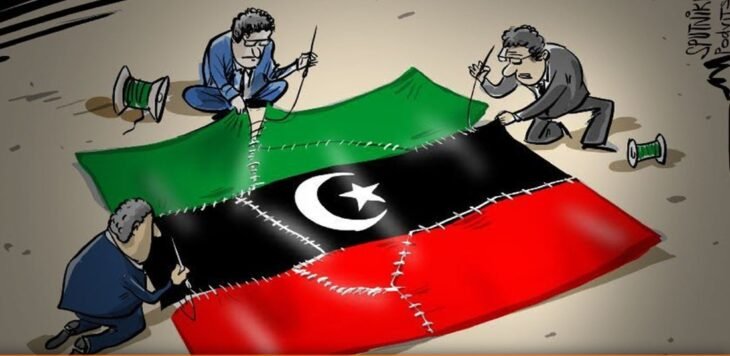
Investigative ETV show “Pealtnägija” reported on Wednesday about a curious case of significant quantities of money stolen from a central bank in Libya finding their way to Estonia. The saga brings new meaning to the term “money laundering“
Seven years ago, hundreds of millions worth of currency was stolen from the Central Bank of Libya, some of which ended up being laundered via Estonia. Authorities for a long time had to look on helplessly, and only now have they been able to intervene, “Pealtnägija” reported. In 2010, the Libyan state, still presided over by Gaddafi, had ordered €150 million from the German Bundesbank, in €100 and €200 denominations.
Rait Roosve, head of the cash and infrastructure department at the Bank of Estonia (Eesti Pank), told “Peatltnägija” that in and of itself, there is essentially nothing unusual about this. Roosve said: “€150 million may seem an astronomical sum to we mere mortals, but when we consider any state – say, the Republic of Estonia – it is actually a very marginal sum in terms of nationwide cash circulation.”
Middle East expert Peeter Raudsik meanwhile said: “Libya was a very prosperous country back in 2010.” “Highly respected among its Arab peers, in 2010 it even hosted the Arab League summit. Various Arab leaders were all present in Libya, with Gaddafi at the center of things, as summit host. Ordinary people there were living completely normal lives, one might say, at least if we exclude the fact that they had no freedom of speech or political expression.”
Then came 2011 and the so-called Arab Spring, sparked by unrest in Tunisia and spreading like wildfire across the region. A civil war broke out in Libya among other places, bringing a degrading end to Gaddafi’s 42-year grip over that country, when the 69-year-old’s corpse was literally dragged through the streets. How direct and indirect foreign intervention influenced the situation is a topic unto itself, but by 2017 this oil-rich country of seven million was essentially separated into two halves, with one clan ruling the western, half, centered in the capital, Tripoli, and another group in the east, based in the port city of Benghazi.
If the subsequent UN experts’ report is to be believed at least, then at the end of 2017, a key warlord from one faction broke into the vaults of the Central Bank’s branch in Benghazi.
Raudsik explained: “In one episode, it is described how Khalifa Haftar, who was the new military leader of eastern Libya and in some ways Gaddafi’s ideological successor, /…/ wages this war against western Libya, but then comes the incident where his son, Saddam Khalifa Haftar, goes and takes all those millions in dinars, euros, and dollars from the Libyan Central Bank’s Benghazi branch, in the country’s east.“
According to that very same UN report, gunmen threatened bank employees before getting away with over 639 million Libyan dinars, over €159 million, US$1.9 million, plus 5,869 silver coins, all of which together totaled nearly €500 million at the time. “The UN Panel of Experts, which actually deals with Libya on a monthly basis and makes reports to the UN Security Council – I’ve listened to these reports in New York myself – provided a detailed account of this particular episode. /…/ Certainly, Haftar’s son had no right to take that money, so it definitely constituted theft,” Raudsik went on.
What makes the saga even more compelling is that, somehow, either before the heist or during it, about half of the paper bills got damaged, but in a very odd way. Matis Mäeker, head of the anti-money laundering bureau, said: “It’s likely that they were damaged there at the branch, at the Benghazi branch, when the water had flooded the safes.” Roosve took up the story: “However, this definitely wasn’t tap water or drinking water, but it wasn’t rainwater either, that much is clear. It was biologically contaminated water, for sure.”
Raudsik continued the tale. “Insofar as has been outlined, there was a sewage overflow, meaning in fact the cash got inundated with water containing fecal matter,” he said. Some of this besmirched, in more ways than one, paper money found its way to Estonia; it also needed laundering in both the literal and figurative sense. While most of the loot was spent either on making war or on more luxurious pursuits, about €80 million worth was so damaged that it couldn’t be spent in the usual way.
In 2018, Al-Jazeera’s TV channel reported on attempts being made to take the soiled money to Turkey. “Sources revealed to Al-Jazeera that this money was being moved in several installments to Turkey, where attempts were made to exchange it,” the channel reported. “Via Turkey, then to Europe: That’s how the money started moving out of Libya, and how the laundering process began,” Raudsik said.
Mäeker added that: “It seems to us that not only the Turkish mafia but also the Russians, were involved with these banknotes and the exact process by which they started moving.” Police data indicates that criminals sold the notes for about half their face value, depending on their condition, so specific and soiled denominations started appearing in circulation in countries such as France and Belgium.
The public here in Estonia remained oblivious, meanwhile, though in hindsight, it turns out that Estonia was one of the first eurozone countries where attempts were first made to exchange the infamous banknotes, again as early as 2018. Mäeker said: “The theft occurred in Libya in 2017, then in 2018 we started getting the first signals and hints that this money was present in our financial system or our economic space.”
Roosve continued: “Next, the first so-called exchange attempts, or discoveries, started coming in; attempts were being made to try [to pass off the dirty money].” Mäeker said: “We don’t fully know who went to Turkey or Russia and where they got these notes from, or at least I can’t comment on that, but it was through those routes that they reached Estonia. /…/ Those bills which were less damaged, for example, which a store was willing and able to accept, were simply paid with at regular stores or gas stations. /…/ Those that could be deposited within an ATM were indeed placed in an ATM, then a few minutes later, the same value was withdrawn in €50 bills, almost literally laundering the bills clean.”
The main channel remained, however, the Bank of Estonia, which officially offers a service whereby you can replace damaged banknotes. “When something happens to a banknote; it gets torn or ripped in half for instance, then people are able to turn in and quickly exchange that banknote for an intact one,” Rait Roosve at the Bank of Estonia confirmed.
Estonian authorities long unable to intervene
Even though the EU Agency for Law Enforcement Cooperation (Europol) issued the pursuant notice in 2019, encouraging central banks to retain banknotes allegedly stolen from Libya instead of exchanging them, Estonian authorities did not do this. More specifically, domestic law stipulates that money laundering requires an offense to predicate it before it can be proven as money laundering. However, the Libyan state has never officially stated that the bank robbery ever took place.
“They haven’t said that, no,” Mäeker conceded. “We have also tried to communicate with them, but we haven’t received any response from them,” he added. On this, Roosve said: “Even if there had been the suspicion that this was a bill stolen, by someone, from Libya, if it can’t be proven in some way, then it still has to be exchanged.”
Mäeker had the final word: “We know from the UN report, which states that very specific denominations with very specific serial numbers were actually stolen, that they display very specific water or chemical damage, but nowhere does anyone say a crime had been committed.” The Bank of Estonia did confirm to “Pealtnägija” that over the years, there have been more than 50 cases relating to bank money stolen from Libya, covering a total of 1,705 bills.
President Joe Biden’s administration has notified Congress of its intent to resume embassy operations in Tripoli, Libya, after a decade-long absence. The US withdrew embassy staff in July 2014 in a dramatic overland escape, as civil war raged throughout the North African country. Since then, the US has operated a diplomatic mission out of neighbouring Tunisia, with staff members making occasional short sorties to Tripoli.
The National has learned that those stays will become more routine as the State Department plans to establish an interim diplomatic facility within a protected compound in Tripoli. This will allow for a more robust US presence in the capital and the country. In March last year, Secretary of State Antony Blinken told a Senate appropriations subcommittee hearing that he wanted to “to re-establish an ongoing presence in Libya”.
While no timeline has been given for the embassy operations, it is likely to take at least a year and half for the State Department to get the interim facility up and running.
“This plan is the culmination of over two years of extensive internal department planning, weighing the policy objectives and challenges associated with a persistent diplomatic presence in Libya,” a State Department spokesperson said. It comes after the situation on the ground has stabilised, with the last major episode of violence ending in 2020 with a ceasefire.
The country remains divided, however, between the UN-backed Government of National Unity, which controls the capital Tripoli and much of the west, and the Libyan National Army, led by Field Marshal Khalifa Haftar, which is allied with a parliament-confirmed government and controls the east and south. The US appears to be following a trend among western countries in resuming its presence in Tripoli.
“There has been a series of western democracies that were able to return to Tripoli in terms of their diplomatic presence, nations like Italy, France, the Netherlands, Britain,” said Jalel Harchaoui, an associate fellow at the Royal United Services Institute think tank in the UK. “This return has happened over the last couple of years and the US is kind of standing out in terms of its hesitation to spend the night in Tripoli.” Washington may also be trying to counter what it views as Russian interference in Libya.
“There’s a race on the diplomatic front to be talking about soft power, presence, charm offensive, business contracts, opportunities – this is the atmosphere in Libya,” Mr Harchaoui told The National. “So once you have taken into consideration this overall dynamic, you understand why it’s difficult for the US to keep temporising and delaying its return.”
The State Department said that by maintaining a regular diplomatic presence in the country it will be able to better assist Libya in “preventing the country from becoming enmeshed in rising instability in the Sahel region” as well as “promoting Libyan economic stability, US trade and investment opportunities, and global energy security”. The US has a fraught diplomatic history with Libya. In 2012, four Americans including ambassador Christopher Stevens were killed when members of the militant group Ansar Al Sharia stormed a US consular compound in Benghazi.
As the State Department looks to gradually increase its presence in the country, the security of its personnel will remain at the forefront of its planning, it said. “The department’s highest priority is the safety and security of our personnel, and the embassy operation plan clearly defines safeguards to ensure our ability to carry out our mission safely and effectively,” the spokesperson said.
***
Willy Lowry is an award-winning senior correspondent based in the US. He has produced a wide range of stories from across North America and the Middle East — from the fall of ISIS in Syria to a camel beauty pageant in the Liwa Desert. Before joining The National he was a freelancer in Tanzania, where he produced stories for AJ+, CNN, The New York Times, National Geographic and many others. Previously, he spent four years working as a video journalist for CBC News in Montreal. Willy speaks English, French and basic Swahili.
While the Buzribas, Dhawi, and Leheb suffered an important defeat in August 2022, they nevertheless held on to most of their positions, preventing the pro-Dabeiba camp from gaining overall control. Since early 2022, Leheb’s Sila’ Battalion had a new institutional umbrella as Brigade 103. Just like Ben Rajab’s Brigade 52, the brigade reported to the Western Coastal Military Region, whose commander was former GNA defence minister Salaheddin al-Namrush.
As Brigade 103, Leheb’s forces manned several checkpoints between Zawiya and the Tunisian border. Moreover, Ben Rajab had made clear that, while he would oppose Bashagha’s takeover, he was not a staunch supporter of Dabeiba; indeed, in the spring of 2022, he had attempted to broker an agreement between the two opposing camps on a new government to replace both Bashagha and Dabeiba.
In this tenuous balance of power, recurrent but short-lived clashes in residential neighbourhoods regularly caused civilian casualties. The four leading actors, however, continued to avoid direct, major confrontations among themselves. Instead, these clashes generally opposed smaller armed groups and gangs rumoured to be supported by one or another of the main actors. In September 2022, two children were killed in clashes between Leheb and Mohamed al-Sifao, a well-known drug trader who had recently gained an official capacity as leader of a force for Zawiya’s police directorate. Sifao was widely believed to have Bahroun’s backing.
Lieutenants of Kashlaf and Bahroun clashed in December 2022—reportedly over a hashish shipment—and again in February 2023. That month, two local armed groups fought in the Shurafa’ neighbourhood of central Zawiya, with both sides allegedly involved in selling drugs. In early April, Bahroun’s men clashed with the Kabowat—the militia from Awlad Sagr then allied with Leheb—in the Harsha area. During this period, murders became increasingly frequent. Most targeted young men, and while many appeared to be drug-related, or revenge killings for previous murders, others remained unexplained.
The majority of interlocutors, however, saw the incidents as common criminality rather than politically motivated. Nevertheless, the unresolved power struggle in the city clearly contributed to its worsening security crisis. The murders provoked growing popular anger, as did the repeated clashes between militias, the open selling of drugs, and the fact that militia involvement in the black market for fuel meant that car fuel was not available at the official, state subsidized price in the city.
In late March, which corresponded to the early month of Ramadan, young men from across Zawiya began organizing a youth movement that held small demonstrations in the city’s central Martyrs’ Square and began meeting with local officials, asking them to move to address insecurity and the fuel black market—with little success.
Tensions finally boiled over in late April 2023. The murder of Abdu Za’eet, a minor militia leader, sparked clashes between Za’eet’s group and that of a certain Hazem Aweis, who was allegedly responsible for the killing. As had become common among Zawiya’s armed groups, the two factions indiscriminately shelled each other’s territories, killing two civilians in their home. On 26 April, a video began circulating on social media that had reportedly been found on the phone of one of Za’eet’s men, and appeared to show two men from Za’eet’s group—one of whom was Sudanese but had been born in Zawiya and lived there all his life—torturing a young man.
Social media commentary, however, stoked popular anger by framing the incident as ‘mercenaries’ torturing ‘Libyans’, stoking popular anger. Large protests erupted that night, with the youth movement taking the lead and beginning a permanent sit-in in Martyrs’ Square. Protesters closed down the coastal road at the city’s eastern and western exits, as well as the municipal council, police directorate, and refinery. The sudden transformation of a small group of activists into a large group of protestors made it more difficult for them to agree on their demands.
The core group of activists asked for ‘the army’—in this case, Ben Rajab’s Brigade—to deploy. But when that unit moved into the city, some protesters began throwing stones at their vehicles, claiming that Ben Rajab had Syrians under his command. These protesters were associated with Ben Rajab’s rivals—Leheb and the Buzribas—and had not been part of the initial group of activists. Brigade 52 withdrew immediately to avoid a confrontation.
The Tripoli authorities were in no position to act on the protesters’ demands. Different officials in Tripoli were associated with competing actors in Zawiya. Attempts to drive out any of the big militias in the city also risked provoking major violence, and units from outside the city were likely to face local rejection. Moreover, the most obvious response—to deploy Brigade 52—had already failed.
The army’s chief of staff, Mohamed al-Haddad, met with protesters and made promises, but could do nothing more than establish a committee of various security officials, which brought no meaningful improvements. The protesters denounced government inaction and increased their pressure throughout May, with leading activists threatening to stop recognizing the GNU.
Compelled to act, Dabeiba ordered a campaign of drone strikes that began on 25 May and, according to the GNU, targeted locations used by drug, fuel, and migrant smugglers. Yet, the first strikes targeted one of Ali Buzriba’s properties as well as the Maya port—which the Buzribas and Dhawi used for their SSA patrol boats— suggesting that Dabeiba and Bahroun, his key ally in Zawiya, were using the antismuggling campaign as a cover to target their political adversaries.
Meshri, the Zawiyan head of the High Council of State who was by then fiercely opposed to Dabeiba, joined Ali Buzriba in denouncing the campaign as politically motivated. Foreign embassies expressed their reservations. In Zawiya itself, however, the campaign appeared to meet with widespread approval. Many interlocutors declared themselves relieved to see the militias’ ‘technicals’ (pickup trucks with weapon-mounting capabilities) disappear from the streets; they were also largely indifferent to the obvious bias in targets, and contemptuous of Meshri’s criticisms, pointing out that he had previously displayed little interest in Zawiya’s long-standing security crisis.
Meanwhile, the drone strikes appeared to become more even-handed as the campaign continued. Two days into the operation, reports spread that one of the targeted locations belonged to Mohamed al-Sifao, the drug trader allied with Bahroun. Eyewitnesses and security officials insisted, however, that Sifao had himself detonated an old armoured vehicle, to make it look as if the campaign had also targeted a Bahroun ally. Soon the targets widened to include smugglers’ facilities in Ajeilat, Sabratha, and Zuwara, seeming to dispel allegations of a campaign against political adversaries in Zawiya.
Most strikes caused only material damage, clearly seeking to reduce the risk of a backlash from casualties. Yet on 28 May, a second strike on al-Maya port killed a lieutenant of the Buzribas and a member of Dhawi’s battalion, and injured a nephew of the Buzriba brothers. Dhawi vowed a ‘fierce response’, and Ali Buzriba denounced the use of Turkish drones. Ten days into the drone strike campaign, the threat of a wider escalation began receding as the rhythm of the strikes gradually decelerated, and eventually stopped. Neither the Buzriba-led camp nor Bahroun and Dabeiba were strong enough to risk an all-out confrontation on the ground.
Bahroun and Dabeiba could hardly initiate a ground operation without the support of Ben Rajab and Western Coastal Region Commander Namrush—both of whom were highly critical of the drone campaign’s political tilt, and of Dabeiba’s heavy reliance on Bahroun. Indeed, Ben Rajab and Namrush brought Hassan Buzriba as well as representatives of Bahroun and Leheb together with Attorney General al-Siddiq al-Sour to agree on the arrest of suspected criminals. This move was clearly designed to bridge the divide between the two opposing camps in Zawiya and preempt any attempts to launch a ground operation, while also proposing a pragmatic approach towards dealing with Zawiya’s security crisis.
The results of this initiative were mixed and mostly short-lived. Black market fuel sales largely disappeared in June and July; petrol stations in Zawiya and neighbouring cities temporarily reopened, selling fuel at official prices. But from August onwards, cities to the west of Zawiya followed by Zawiya itself witnessed the return of the black market for fuel. The four leading actors initially competed with each other in displaying their willingness to cooperate with the attorney general by making arrests; by early August, the latter announced that several dozen suspects in murder cases and other serious crimes had been detained. Nevertheless, other suspects for whom the attorney general had issued arrest warrants were declared untouchable.
Some of the actions that ensued were based on negotiated arrangements: Sifao, for example, was not arrested, but instead was given safe passage to transfer his arsenal and men to Tripoli, where they joined Kikli’s forces. Abdelghani ‘al-Kabo’, whom the attorney general accused of drug and fuel smuggling, was arrested—briefly triggering a violent backlash from other armed Awlad Sagr elements. But his group, the ‘Kabowat’, continued to operate in the Harsha district and, by December 2023, Leheb was negotiating al-Kabo’s release with the attorney general.
Murders were far less frequent in the months following the operation than they had been in 2022 and early 2023. Drug sales, however, soon resumed on the streets of Zawiya’s city centre, with local residents alleging that drug traders enjoyed Bahroun’s protection. Overall, the four key actors appeared to settle for making the tenuous balance of power between themselves more sustainable. They sought to secure their own position, while sacrificing some pawns in a nod to the public pressure they were exposed to by the city’s security crisis. Meanwhile, their alignments continued to shift in the aftermath of the drone campaign.
Dabeiba’s entourage reached out to Leheb, attempting to pry him away from both the Buzribas and Ben Rajab. While Leheb entered into talks to see what he could obtain from Dabeiba, he continued to maintain his ties to Dabeiba’s foes: the Buzriba brothers and the Zintani military commander, al-Juwaili. In December 2023, the reconfiguration of alliances came into full view when Dabeiba held a public meeting with Zawiyan officials at the refinery. During that event, Dabeiba reportedly spoke at length behind closed doors with Leheb, as well as with Kashlaf and his lieutenant Walid Khammaj.
On the same occasion, Dabeiba appointed Khammaj as a deputy commander in the Support Forces, a body created by Dabeiba in May 2023 to assemble armed groups across western Libya. Given Kashlaf’s and Khammaj’s notoriety for their involvement in the illicit economy, Dabeiba’s visit to the refinery stood in stark contrast to his declared enmity towards fuel smugglers just months earlier. It also drove a rift between the Nasr Battalion and its long-time patrons, the Buzriba brothers.
This rift had been developing for some time, with Kashlaf reportedly resenting the Buzribas for escaping the international sanctions that had been imposed on him, and the Buzribas viewing Kashlaf as a reputational liability. Dabeiba’s rapprochement with Leheb and Kashlaf could hardly please Bahroun, who was on bad terms with both. Since the end of the drone campaign, Bahroun had adopted a lower profile, refraining from attempts to expand his territorial footprint; now his support became less critical to Dabeiba, who had gained other allies in Zawiya. Ben Rajab, in turn, opposed Dabeiba increasingly openly—partly as a result of deteriorating relations between Dabeiba and Central Bank governor, al-Siddiq al-Kabir, to whom Ben Rajab had close ties.
As 2023 drew to a close, relations among the leading actors in Zawiya were marked by ambiguity. Several protagonists acknowledged that they were uncertain over their respective counterparts’ alignment. The threat of a renewed polarization of groups into two opposing camps, however, continued to loom over their calculations.
***
Wolfram Lacher is a senior associate at the German Institute for International and Security Affairs (SWP) in Berlin. His research focuses on conflict dynamics in Libya and the Sahel, and relies on frequent fieldwork. His work has been published in Survival, Mediterranean Politics, Foreign Affairs, and the Washington Post, among other publications.
The Rise of the Stability Support Apparatus as Hegemon
Adam Hakan
Overview
The Stability Support Apparatus (SSA), entrenched in the strategic neighbourhood of Abu Salim, has emerged as a pivotal player in Libya’s power dynamics. At the main southern gateway into the Libyan capital of Tripoli, Abu Salim has gone from a hotbed of pro-Qaddafi resistance during Libya’s uprising of 2011 to a stronghold dominated by Abdelghani al-Kikli (widely known as ‘Ghaniwa’) and his SSA.
Ghaniwa consolidated power over Abu Salim through processes marked by violence, the dynamics of which were often underpinned by national-level politics. In so doing, he reshaped the neighbourhood’s political economy. The hegemonic nature of this military consolidation allowed the SSA to take on an outsized role in Libya’s broader political and economic spheres. This Briefing Paper offers a political economy analysis of Abu Salim and a chronological account of the rise of the SSA as hegemon.
The paper shows how the SSA’s economic activities encompass revenue that leverage its geographic footprint and networks. It also demonstrates how the group shifted its modus operandi over time to serve the end goal of consolidation.
Key findings
Ghaniwa and his group’s rise to dominance in Abu Salim has been enabled by acting under various banners-based on contextual trends—from claiming revolutionary credentials post-2011 and brandishing the anti-crime mantle post-2014, to emphasizing stability post-2019.
In its quest to dominate Abu Salim’s political economy, the SSA, along with its leadership, has deliberately modified its modus operandi and involvement in governance to deepen co-dependence between the group and Abu Salim’s residents.
The aftermath of the 2019–20 Tripoli war marked a turning point that allowed the SSA leadership to expand its political and economic influence by transitioning from predation to state capture.
The SSA markedly differs from other counterparts in Tripoli in that it has had the most advanced and longest-running hegemonic control over one neighbourhood. Despite this playing a positive role in stabilizing Abu Salim, it has come at the cost of its militarization.
Introduction
Over the past decade, Libya’s security landscape has undergone significant transformations, with the collapse of Qaddafi’s regime in 2011 inducing the fragmentation of its monopoly on violence. A plethora of armed groups emerged in the wake of this development, paving the way for the hybridization of Libya’s security sector. More than ten years later, a select number of these very groups have undergone processes of consolidation of their territorial control, while their peers have either been absorbed or vanquished, or vanished.
In tandem, these same powerful armed groups have established intricate and diverse mechanisms to sustain themselves financially, all while configuring and reconfiguring their relationships with local communities and government authorities. The consolidation methods adopted by these powerful groups have had significant impacts on shaping local political economies. Moreover, their networks now also exert sizeable influence over national-level politics, effectively interacting with high-profile national level stakeholders, as well as with foreign governments.
A microcosm of this process of consolidation has occurred in the famed neighbourhood of Abu Salim in the Libyan capital of Tripoli. The largest of Tripoli’s 12 municipalities, Abu Salim is considered the main southern gateway into the capital, and borders its strategic Airport Road and the capital’s coveted International Airport. Abu Salim is also Libya’s most densely populated area and is home to two of Tripoli’s largest hospitals, its largest garment market, and one of western Libya’s largest scrap yards.
Prior to 2011, the neighbourhood was notorious for having the largest political prison of the Qaddafi regime. During the August 2011 uprising battles, Abu Salim was the last holdout of Qaddafi’s forces, with hit-and-run battles between revolutionaries and regime forces persisting for weeks after the rest of Tripoli fell to the rebels. After 2011, Abu Salim was an area of competition for control and influence between multiple armed groups. Of these groups, only one —the faction known today as the SSA has emerged victorious, monopolizing territorial control over the neighbourhood as it consolidated power.
The group now referred to as the SSA has proven resilient, navigating multiple phases of Libyan developments, from uneasy peace to all-out internationalized civil war. Under the leadership of its enigmatic figurehead Ghaniwa, the group has transformed from a rag-tag, inconsequential militia in Abu Salim in 2011 to an organized armed group whose leader’s blessing is widely regarded as a prerequisite for any aspiring prime minister securing a foothold in Tripoli.
As recently as 2022, the alignment of Ghaniwa and his Tripoli-based SSA was the main deciding factor in the clashes between two rival prime ministers, effectively illustrating that the SSA’s — and particularly, its leader’s—influence extended far beyond the Abu Salim neighbourhood stronghold. The journey of Ghaniwa’s SSA is remarkable not only due to the group’s contemporary influence, but also because it offers valuable insights into the processes of local armed group consolidation over time. It shows how non-linear the path towards consolidation can be, how armed groups can employ different strategies based on contextual factors, and how military victories are not necessarily the main determinant in assessing a given group’s ability to consolidate influence.
Moreover, Ghaniwa’s SSA also serves as a case study in highlighting the trade-offs for localized stability. From the modestly sized and relatively stable neighbourhood of Abu Salim, Ghaniwa’s influence is no longer confined to the local military arena but rather extends explicitly to national-level politics and economics, as well as to Libya’s near future.
This Briefing Paper aims to explore different facets of the SSA’s evolution, and its consolidation of control in Libya’s most populous neighbourhood—Abu Salim—over time. Firstly, the brief will chronologically explore the group’s trajectory, tracing its establishment and subsequent development, as well as its different phases of expansion in Abu Salim. Secondly, it will examine the group’s economic activities, including some of the diverse revenue streams that the group has tapped into. Thirdly, it will consider the group’s relationship with local communities and constituencies.
Lastly, the brief will delve into the SSA’s distinctive features, notably how it shaped its relationships with other actors, particularly local communities and national authorities. By analysing these aspects, the aim is to gain a comprehensive understanding of the SSA’s distinctive trajectory. While this in-depth analysis presents only one case study of armed group consolidation in Libya, it concludes by considering the implications, as well as policy lessons applicable to the entirety of the country’s biggest, largest, and most hybrid groups.
This paper is primarily based on interviews conducted by the author in Tripoli in 2022 and 2023. It also draws on past interviews conducted during the Tripoli conflict of 2019, as well as the author’s broader research on Libya undertaken between 2011 and 2022. Interlocutors included Libyan security officials and bureaucrats, as well as academics, politicians, journalists, and local residents.
***
Adam Hakan is a researcher specializing in the study of armed groups in theMiddle East and North Africa. His expertise includes analysing the role of rebeland armed factions in state politics, armed group governance and mobilizationstrategies, conflict economies, and the interplay between armed groups andinternational actors.
Russia’s leadership has sought to navigate the revolution in Libya akin to someone searching for a clear depiction of reality in a warped mirror at a house of mirrors. However, they’ve only encountered reflections of their own biases and preconceptions instead.
Similar to the aftermath of the Russia-Georgia war in 2008, the discourse surrounding Libya has fixated on peripheral issues. Rather than delving into an examination of Libyan society, Russian political experts have become entangled in debates over a clash of values. These arguments fail to advance Russian comprehension of the developments in North Africa.
Russian analysts and commentators either criticize or express sympathy towards the regime of deposed Libyan leader Muammar Gaddafi. Arguments from both perspectives often revolve around personal sentiments and lack substantial political depth beyond occasional slogans.
Numerous Russian leaders were evidently repelled by the eccentric conduct of the Libyan leader, his inadequate efforts in combating terrorism, and his frequent fluctuation between ideological extremes and stances on nationalism versus alignment with the West. Nevertheless, there were also those within Russia who applauded Gaddafi.
The discussion surrounding Gaddafi mirrors the ceaseless and unproductive dispute between Stalinists and anti-Stalinists. For Stalinists, his oppressive and despotic governance stands as the primary factor for their masochistic admiration of him.
They rationalize Stalin’s years of repression by citing the Soviet Union’s accomplishments such as the industrial revolution, eradication of illiteracy, and scientific achievements. However, the outcomes of Soviet modernization lack emotional resonance for them and are only referenced as positive byproducts of authoritarian rule.
On the other hand, anti-Stalinists are inclined to utterly dismiss those achievements and may even deny their existence altogether. This reaction stems from an emotional desire to lash out against the same tyrannical power that continues to captivate them, akin to how a snake charmer mesmerizes a cobra.
Similar patterns characterize the ongoing discourse surrounding Libya. Beneath numerous official Russian statements lies a latent, perhaps subconscious, aversion to democracy. This aversion isn’t rooted in critique of Western liberal institutions but rather in a pathological distrust of the Russian populace. Leaders perceive the lower class of society merely as labourers or as tools of the state, capable of manipulation and expected to obediently fulfil the ruler’s directives.
Discussions regarding a welfare state often devolve into calculations of the amount of rubles allocated to various social programs and debates over whether the funds reached their intended targets or were misappropriated. The notion that certain individuals prioritize freedom, human dignity, and social progress appears frivolous and simplistic to the country’s leaders. As long as this mindset persists, prospects for the emergence of social movements or the advancement of civil society seem bleak.
Meanwhile, Russia is confronted with the imperative of rectifying its internal affairs. However, leaders can only accomplish this objective when they start to cultivate respect for themselves and the populace at large, viewing them as fellow citizens and collaborators—not merely as masses to be governed by the appropriate ruler.
When Muammar Gaddafi, the Libyan dictator, was pulled from his hiding place in the sewers of Sirte in 2011 and killed by his own people, Vladimir Putin publicly expressed his disgust at the footage of Gaddafi’s murder, possibly indicating a certain concern about his own possible fate.
That incident remains a notably sensitive issue for Putin, occurring during the period from 2008 to 2012 when he held the position of prime minister, having temporarily yielded the presidency to his ally Dmitry Medvedev. According to Putin’s supporters, Dmitry Medvedev was misled into endorsing a UN resolution permitting a restricted intervention, which was subsequently exploited by Western powers to oust and eliminate Gaddafi. They dismiss the argument that the Libyan intervention was justified on humanitarian grounds, contending that the situation spiralled out of control as the Libyan uprising intensified.
During historical moments like these, when a leader deploys military force to invade another state, we frequently reflect on the past, searching for the events that led us to this point, endeavoring to discern early indicators of what lay ahead. In the case of Putin, this endeavor has focused on his domestic political trajectory and his interactions with the Western world. However, one can draw a direct connection from the Libya incident—during which Putin’s nation initially remained neutral, coinciding with his four-year absence from the presidency while serving as prime minister—to the current devastating conflict in Ukraine.
Putin viewed Gaddafi as an example of someone who had acquiesced to Western demands but still faced dire consequences, a fate that could potentially await him. This lesson serves as a grim warning for Ukraine: in Putin’s current perspective, yielding or offering concessions equates to a fatal outcome.
***
Fuad Alakbarov is a freelance foreign policy analyst from Glasgow with a focus on South Caucasus, Africa and Central Asia.
Perhaps the statement/message from the UN mission in Libya to the group of members of the House of Representatives and the High Council of State, who met in Tunisia a few days ago, is the clearest and most realistic of all its previous statements and declarations, as the statement responds to the meeting, its goals, and its outcome in a polite and at the same time, firm language .
The meeting brought together blocs and personalities whose orientations were well-known in the two chambers, without observing the accepted rules of communication between the two chambers, which is what the two chambers were keen on in previous dialogues, with the exception of the last period of Al-Mishri’s presidency of the HCS, when he concluded a deal with his counterpart Agila Saleh, but the deal did not work. It only reaped failure and aggravated the crisis , as all dialogues between the two chambers, at the level of subcommittees or the presidency, did.
Some members of both chambers insist on repeating the attempts despite their proven failure, and the reason was stated indirectly in the mission’s statement, which is that the political decision in the current Libyan situation is no longer in the hands of the local parties, but rather the regional and international parties involved in the conflict, who have the upper hand in engineering any transfer of power, and this was the case from the Sukhirat Agreement to the Tunis-Geneva Agreement.
There is no way to gradually restore sovereignty over national decision-making other than insisting on going back to the people to lead change through elections.
The mission’s message included, between the lines, a rebuke to the representatives and members gathered, reminding them that they only represent themselves, and that the dialogue that could mark the beginning of Libya’s exit from its crisis must include all or the majority of the parties. “We must acknowledge that this meeting of yours cannot be a substitute for a broader dialogue, with greater participation, and a more comprehensive agenda.”
Candidly and directly, the statement/message accuses them, in its final lines, of bringing Libya closer to drifting into the abyss, because of their insistence on remaining in their positions, and making their personal interests override the interests of the state and the people. “A lot of time has been wasted for Libya and its people. And every day you insist on remaining in your positions, or other parties maintain their positions, brings Libya dangerously closer to the brink of the abyss. You must restrain this relentless creep toward the abyss and resort to reason and wisdom to save Libya.”
The new American position explains this escalation in the tone of the UN mission in Libya towards some parties to the crisis. American diplomat Stephanie Khoury was appointed to the position of Assistant Special Envoy to Libya for Political Affairs, and the American Ambassador and Special Envoy to Libya, Richard Norland recently held several meetings with the Presidential Council and the government. and some other figures, announcing in brief statements the US administration’s support for Bathily’s initiative, which did not receive a response from some parties.
It was remarkable that these statements represent a retreat from support for the elections, to call for the formation of a caretaker government, and to link it to the importance of the participation of all Libyan actors in the political process, sponsored by the United Nations mission, to remove the remaining obstacles to the elections. The previous statements did not stipulate the formation of any type of government, but rather In a previous statement, Norland said that elections could be held even in the presence of two governments!
An international position supporting a fundamental change in Libya has not yet crystallized, which means that the conflict of interests of the countries active in the crisis does not allow such transformation now, but the escalation of the severity of the crisis, and the security and economic developments, require extending the current phase, but with reducing any emerging tensions, to remain at the brink of abyss, rather than falling into it.
Despite foreign governments’ pledges in recent years to desist from interfering in Libya, they have continued to do so, even with military force. The two main outside forces are Turkey and Russia, which have established a kind of modus vivendi over Libya with the former aiding the GNU and the latter aiding Haftar’s forces. It also appears that Russian mercenaries in Libya previously associated with the Wagner Group have come under formal Russian military command.
According to former UN special envoy for Libya Stephanie Williams, Turkey, which has admitted to training 15,000 Libyan personnel since 2020, is closely associated with the 444 Combat Brigade in Tripoli (one of the country’s strongest fighting forces) and “maintains a permanent presence” at al-Watiya airbase near Zintan and at the naval base in Misrata. Meanwhile, Russia has sent Deputy Defense Minister Yunus-bek Yevkurov to eastern Libya several times since last August, and may be seeking military basing agreements on territory controlled by the eastern faction.
In addition, Egypt, the United Arab Emirates, Saudi Arabia, and possibly France have reportedly aided Haftar’s forces, while Qatar has supported Tripoli’s forces and Italy has supported the Tripoli faction politically. The involvement of these foreign countries makes it hard for those Libyans who want a genuine Libyan solution to prevail. If a unity government were to emerge, such foreign forces undoubtedly would come under greater scrutiny and face political pressure to leave. Hence, the presence of these foreign forces helps to perpetuate the country’s political divisions.
Human Misery Abounds
If all this were not bad enough, Libya has faced mounting humanitarian crises in recent months. The terrible flood in Derna in which as many as 8,500 people were killed, thousands more unaccounted for, and some 45,000 left homeless, was a devastating human tragedy made worse by the lack of accountability.
The fact that the area’s two dams failed so quickly showed negligence on the part of the authorities who should have used government funds for their upkeep. According to Amnesty International, neither political faction has undertaken a full investigation, nor have they facilitated the issuance of death certificates so family members can claim pensions for their lost loved ones.
The Public Prosecutor’s Office has initiated criminal investigations into the dam disaster, and eight officials were arrested a few months ago. It remains to be seen how far accountability will go. To its credit, the UN, with the support of humanitarian agencies, has aided hundreds of thousands of Libyans with emergency humanitarian assistance, including shelter, clean water, food, educational support, and medical and psychological treatment. Many Libyans are mired in poverty, ironic for an oil-rich country with a small population.
Meanwhile, Libyan officials have tried to deflect blame over the negligence in Derna. The LNA and its internal security agency even arrested civil society activists for protesting the mismanagement of the crisis and the lack of accountability. On top of this tragedy is the ongoing migration problem, where tens of thousands of destitute Africans, usually from Sub-Saharan countries, have arrived in Libya every year seeking to use it as a transit point to Europe.
Often trafficked by militias, many migrants have been subjected to extortion, sexual abuse, and even death. On March 22, the international press reported that 65 bodies of migrants were found in a mass grave in southwest Libya. The International Organization for Migration (IOM) said it believed that they died while being smuggled through the desert.
Earlier in the month, about 60 migrants who set off from Libya in a rubber dinghy perished in the Mediterranean Sea. Although Libyan Interior Minister Emad Al-Trabelsi of the GNU faction stated that his agency has “launched security campaigns to control human smuggling gangs, activate electronic surveillance towers to secure the borders” and train border guards “in a manner consistent with…respect for human rights,” clearly much more needs to be done.
As the US Department of State said in 2023: “Endemic corruption and militias’ influence over government ministries contribute to the GNU’s inability to effectively address human trafficking.” Finally, the sad fact remains that many Libyans are mired in poverty, ironic for an oil-rich country with a small population. They wonder why a country with this abundant resource is unwilling or unable to take care of its citizens. It is not surprising, therefore, that they blame the political class for negligence, corruption, and graft.
Although oil production has been affected by violence and protests, it has slowly increased over the past year and is projected to rise above 1.5 million barrels per day by 2025. To be sure, one of the reasons why the political factions are reluctant to move toward elections is their fear that the fed-up populace will vote them out of power.
The United States and the EU Need to Do More
Although the Biden administration has backed UN efforts in Libya and supports national elections, it has not shown enough attention to help bring the country out of its present morass. Granted, the Israel-Hamas and the Russia-Ukraine wars have occupied US attention, but the administration has not even moved the US Embassy back to Libya (US diplomats dealing with Libya operate out of Tunisia) once violence abated.
Moreover, to punt the issue to the United Nations as the United States and the European Union have done without giving the UN real power is, in effect, evading Libya’s problems. At a minimum, getting countries in the international community to not be spoilers in Libya should be a start so Libyans themselves can work out their own differences. This will not be an easy task, but removing foreign forces and military assistance from Libya will at least not reinforce the political divisions in the country, and hopefully public pressure from Libyan citizens will force the two sides to compromise and hold elections.
***
Gregory Aftandilian is a Nonresident Fellow at Arab Center Washington DC. He is a Senior Professorial Lecturer at American University where he teaches courses on US foreign policy. He is also an adjunct faculty member at Boston University and George Mason University, teaching courses on Middle East politics. Previously, he worked for the US government for over 20 years in such capacities as Professional Staff Member of the Senate Foreign Relations Committee and Middle East Analyst at the US Department of State. He holds degrees from Dartmouth College, the University of Chicago, and the London School of Economics. Aftandilian is the author of Egypt’s Bid for Arab Leadership: Implications for U.S. Policy.
The militia leaders who were at odds with Bashagha, including the Buzribas, were jubilant when the LPDF, in February 2021, designated Abdelhamid Dabeiba as prime minister of a new Government of National Unity (GNU), dealing an unexpected defeat to Bashagha. Moreover, the three-member Presidency Council, selected together with Dabeiba, included Abdallah al-Lafi—an HoR member from Zawiya who had a reputation for pragmatism in the city.
In a clear sign of a more permissive environment for Zawiyan factions, Dabeiba’s interior minister immediately reinstated Ali and Hassan Buzriba’s brother Essam as the ministry’s chief financial officer, after Bashagha had dismissed him the previous year. Milad was released less than a month after Dabeiba took office in Tripoli—reportedly following Dabeiba’s intercession with the attorney general. Milad then resumed his functions, after being promoted in rank.
As relieved as the Buzribas had been by Bashagha’s defeat, they rapidly discovered that Dabeiba did not favour them over other Zawiyan factions. Instead, the GNU’s advent spurred competition among Zawiya’s main actors for influence within the government. Bahroun, who had long headed the Zawiya police directorate’s so-called ‘support force’, now also gained influence within the General Intelligence Service (GIS), by providing protection to GIS head Hussein al-Ayeb in Tripoli.
In late 2021, Bahroun also began protecting Minister of Oil Mohamed Oun, who had taken an office at the NOC, despite being involved in a bitter struggle with its chief, Sanalla. Around the same time, Bahroun was among the largest recipients when Dabeiba distributed an overall LYD 100 million (around USD 20 million at the time) to buy the loyalty of a handful of armed groups in the greater Tripoli area. Meanwhile, Ben Rajab benefited from his close ties with the Central Bank governor al-Siddiq al-Kabir, who had emerged as a key ally of Dabeiba, to mobilize government funding for Brigade 52.
The Buzriba brothers themselves used their new institutional umbrella, the SSA, to gain greater access to funding and boost their share of the region’s counter-migration business. Around mid-2021, they opened an SSA migrant detention centre in the Maya district, seeking a clean reputational slate, since the Nasr detention centre at the refinery was no longer officially recognized by the government and had long been discredited by the UN sanctions against Milad and Kashlaf.
The new detention centre, established in the dilapidated warehouses of a former pharmaceutical company, was in an area controlled by the Warshafana militia leader Muammar al-Dhawi. The latter had, for some time, emerged as a close ally of the Buzribas, and now also manned the Bridge 27 checkpoint on the coastal road. Together with the opening of the centre, SSA patrol boats began intercepting migrants and surrendering them to the Maya detention centre.
Political rivalries over access to state funding combined with struggles over control of territory fuelled a gradual escalation of violence. The Buzribas’ expansion through the SSA prompted Bahroun and Leheb to ally against them—a move that began with clashes between Bahroun and two Buzriba allies outside of Zawiya. In June 2021, Bahroun’s and Leheb’s forces attacked Mohamed Barka (‘al-Shalfuh’), the dominant militia leader in Ajeilat, who played a key role in the local smuggling economy and was at the time allied with the Buzribas.
The clashes were reportedly triggered by a drug shipment seized by Barka. Defeated, Barka withdrew to his Buzriba allies in Abu Surra, while Bahroun and Leheb extended their dominance over Ajeilat. In late July and early August, Bahroun repeatedly clashed with Dhawi over control of the Bridge 27 checkpoint. In Zawiya itself, intermittent confrontations began in July between the Kabowat—an Awlad Sagr militia in the Harsha area that was at the time allied with Bahroun and Leheb—and the Buzribas’ ally Kashlaf at the refinery. The same parties fought again in October, causing damage to the refinery complex.
Bahroun’s and the Buzribas’ forces also clashed directly on several occasions, including in the Juddaim district of eastern Zawiya in late August and again in November. Zawiya’s main factions were therefore deeply polarized by the time a new power struggle unfolded at the national level. With the cancellation of the presidential and parliamentary elections, initially scheduled for 24 December 2021, a new alliance of actors in eastern and western Libya formed with the aim of dislodging Dabeiba: Haftar backed the formation of a new government led by his former enemy Bashagha.
The opportunism at the heart of that alliance became even clearer in the way it reshaped political alignments in Zawiya. Bashagha needed support from armed groups in and around the capital in order to take power. To this end, he mobilized the backing of the very groups he had denounced as criminals when he was interior minister: the Buzribas in Zawiya; their ally Dhawi in Warshafana; and the Nawasi Battalion and Kikli in Tripoli.
Kikli, however, turned against Bashagha when the latter chose Essam Buzriba—Ali and Hassan’s older brother—as interior minister, thereby ignoring Kikli’s demand that the post should go to the Zintani militia leader, Emad al-Trabelsi. Kikli immediately proceeded to order the closure of the Maya migrant detention centre, and cut off Hassan Buzriba’s group from SSA salaries; as a result, the number of detainees in the Maya detention centre declined, as detainees were increasingly able to pay for their release.
Bahroun and Ben Rajab, who had been on good terms with Bashagha while he was at loggerheads with the Buzribas, now both staunchly opposed Bashagha. Bahroun, in particular, became a key figure in a new alliance of militia leaders who supported Dabeiba. Bahroun’s growing dominance in Zawiya, thanks to Dabeiba’s financial backing, transformed Leheb into Bahroun’s bitter enemy: Leheb had previously allied with Bahroun against the Buzribas, but joined the latter’s pro-Bashagha camp in the spring of 2022. The irony of this shift was even starker when considering that Bahroun had been among the allies of the Buzribas when he fought with Hnesh between 2015 and 2017, whereas Leheb had been their common enemy, as he had supported Khadrawi.
Conflicts and alignments in Zawiya were therefore neither a matter of ‘historic tribal divisions between Awlad Bu Hmeira and Awlad Saqr’, nor one of ‘deep ideological enmity’ between the Awlad Buhmeira and supposed Muslim Brotherhood-aligned factions. In fact, none of the main armed factions could be considered as aligned with the Muslim Brotherhood. Rather, the constantly changing alliances appeared to be defined by the shifting balance of power, driven by militias’ evolving access to funding, as groups allied against ascendant factions—which they perceived as growing threats.
Throughout the first half of 2022, Bashagha and Dabeiba competed for the backing of Tripolitania’s armed groups, leading to the emergence of two opposing coalitions. Yet, remarkably, the main armed factions in Zawiya largely avoided direct confrontations among themselves, despite being key components in each of the two camps. In March, forces backing Bashagha made a first unsuccessful attempt to enter Tripoli, with Dhawi’s and the Buzribas’ forces deploying at Bridge 27, but were deterred by the mobilization of Ben Rajab’s Brigade 52 at Janzur’s western end.
In early May, forces associated with Bahroun and the Buzribas briefly fought in Zawiya; however, later that month, they avoided a direct clash after again mobilizing at Janzur’s western end, during Bashagha’s second failed attempt to take power in Tripoli. In July, after Dabeiba appointed Farhat Bengdara as the new NOC chairman based on a deal with Haftar, a big convoy of fighters from Leheb’s, Kashlaf’s, and other Zawiyan groups moved into Tripoli, attempting to prevent Bengdara from taking office.
Ben Rajab’s Brigade 52 let them pass, and they went on to stop in western Tripoli; Dabeiba’s emissaries eventually negotiated their withdrawal, reportedly for a payment of millions of dinars. The violent denouement finally came in August, when Kikli and the Deterrence Apparatus (formerly the Special Deterrence Force) moved against Bashagha’s allies in Tripoli.
GNU drone strikes—almost certainly carried out with Turkish approval and assistance—targeted the forces of the Zintani commander, Usama al-Juwaili, at the 7 April base, as well as Dhawi’s and the Buzribas’ forces at Bridge 27, compelling them to withdraw. This dealt a decisive blow to the pro-Bashagha camp, and allowed Ben Rajab to deploy his forces along the entire stretch of the coastal road between Janzur and Zawiya.
***
Wolfram Lacher is a senior associate at the German Institute for International and Security Affairs (SWP) in Berlin. His research focuses on conflict dynamics in Libya and the Sahel, and relies on frequent fieldwork. His work has been published in Survival, Mediterranean Politics, Foreign Affairs, and the Washington Post, among other publications.
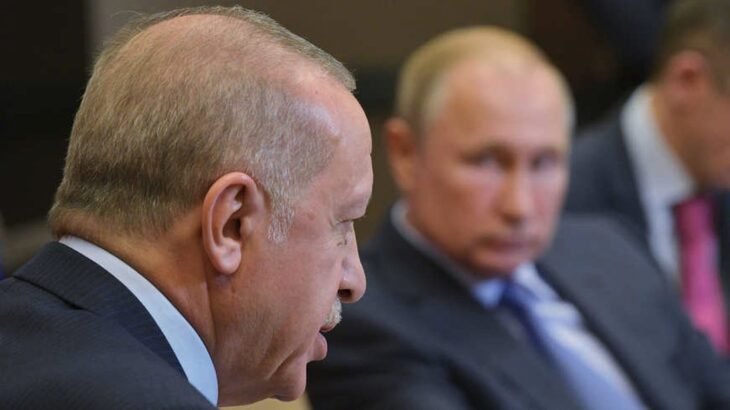
The Biden administration sees a US diplomatic presence in Libya as critical to helping counter Russia’s growing footprint in Africa as well as supporting a UN-led push for elections. The Biden administration has notified Congress of its plan to restore the US diplomatic presence in Libya, a decade after unrest in the North African country forced American diplomats to evacuate the US Embassy in Tripoli.
The Biden administration has notified Congress of its plan to restore the US diplomatic presence in Libya, a decade after unrest in the North African country forced American diplomats to evacuate the US Embassy in Tripoli.
The State Department submitted a formal notification to lawmakers this month, a senior State Department official told Al-Monitor, kicking off what the department expects will be a one-to-two-year process to establish “an interim diplomatic facility” in the Libyan capital of Tripoli.
The United States has been without an embassy in Libya since its personnel withdrew under heavy military escort in 2014 amid the budding civil war. American diplomats relocated to Malta and later Tunisia, where they now form a remote mission known as the Libya External Office.
The Biden administration’s budget request for fiscal year 2025 seeks $57.2 million to fund a more robust diplomatic presence in Libya, including property costs, travel, equipment and security at its facility located in the western suburbs of Tripoli. The US facility won’t be a formal embassy, at least not for the foreseeable future. The Tunis-based diplomats assigned to Libya will instead use it to make more frequent and longer trips to the country.
“There’s no substitute for persistent on-the-ground engagement with Libyan actors,” a senior State Department official said, speaking on condition of anonymity to discuss the arrangements. “We’ve taken the time to really undertake the diligent planning for this important milestone,” the senior official said. “It’s a very complicated undertaking to resume operations in a suspended post.”
United States an outlier
Libya plunged into chaos with the NATO-backed uprising that overthrew and killed longtime dictator Moammar Gadhafi in 2011. Full-blown civil war erupted several years later between the Tripoli-based internationally recognized Government of National Accord and Gen. Khalifa Hifter’s self-styled Libyan National Army in the east, each of which were backed by foreign powers that flooded the country with arms and mercenaries.
Since brokering a cease-fire between the warring sides in October 2020, the United Nations has tried repeatedly to hold nationwide elections. The polls were originally planned for December 2021 but called off at the last minute amid disputes over who was eligible to run. Despite the political impasse, improved security conditions have led several US partners to reopen their embassies in recent years, including Italy in 2017, France in 2021 and the United Kingdom in 2022.
But for the United States, raising its flag in Libya risks becoming a partisan issue. The September 2012 attack on the US mission in Benghazi that killed Ambassador Chris Stevens and three other Americans brought increased scrutiny of US diplomatic outposts and spawned one of the costliest and most partisan congressional investigations in history.
Today, most of the Republicans lawmakers who were members of the House Select Committee on Benghazi, such as Trey Gowdy and Mike Pompeo, are out of office. But Benghazi still colors the views of some House Republicans, said another US official familiar with the current discussions over a renewed diplomatic presence. Their engagement with the State Department on Libya is “almost always antagonistic and oppositional,” the official said.
The State Department stresses that its embassy operation plan, which is two years in the making, has “clearly defined safeguards” to ensure diplomatic work is conducted “safely and effectively.” “We’re mindful of the history,” the senior State Department official said. “We in no way have rushed this.”
The department has briefed and closely coordinated with relevant congressional committees on the logistical and security arrangements at Palm City, a gated luxury community in Tripoli’s Janzour neighborhood where the United States is currently renting property. The sprawling complex also hosts a mix of oil and gas companies, nongovernmental organizations and other foreign missions, including those of the European Union and the United Nations.
The location’s proximity to the Mediterranean shoreline enables fast evacuations by sea. As Hifter’s forces advanced on Tripoli in 2019, the US military hastily withdrew a small contingent of US forces from Palm City on hovercraft.
Countering Russia’s inroads
The State Department cites a range of “fundamental interests” that warrant a restored US diplomatic presence in Libya, including supporting the United Nations’ push for elections, promoting US trade and investment opportunities and preventing Libya from becoming enmeshed in rising instability across the Sahel region.
But chief among the reasons for a US return is Russia’s expanding foothold on NATO’s southern flank. As the United States conducted diplomacy from the sidelines, Wagner Group mercenaries over the years helped cement Russian influence in Libya.
Since Wagner chief Yevgeny Prigozhin’s mysterious death in a plane crash in August, the Russian government has reportedly brought remnants of the paramilitary group under its direct supervision. A February report from the London-based Royal United Services Institute said Russia’s military intelligence service, the GRU, has “taken the Wagner Group’s functions in house.”
“In this moment after Prigozhin’s death, there’s a kind of ongoing evolution in how Russia is undertaking its activities across the African continent,” the senior State Department official said. “It stands to reason that as most other countries including major powers establish their diplomatic presence in Tripoli, the United States should do the same.”
The remote diplomacy has made it harder for US officials to monitor events on the ground and build necessary relationships with local actors. In his capacity as special envoy to Libya, former ambassador Richard Norland travels regularly between Washington and Tripoli. The United States, however, is currently without an ambassador to the war-ravaged country while career diplomat Jennifer Gavito awaits Senate confirmation to take up the vacant post in Tunis.
Moscow has sought to fill the diplomatic vacuum. Its ambassador to Libya, Aydar Aganin, is a fluent Arabic speaker who used to work for the Russia Today news service and is described by other diplomats as “very active.” “The Russians are desperate to impose legitimacy on their presence in Libya,” said a Libyan official, speaking on condition of anonymity. “He’s using ‘we’re here and the Americans are not’ as a kind of sales pitch.”
The Russians “seem to be shoring up their presence,” said Stephanie Williams, a former US diplomat who also served in senior UN roles in the country, including as special adviser to the UN secretary general on Libya from 2021 to 2022. “Libya has never been high on the priority list for Washington,” Williams said. “The US has not been there for many, many years, but you have to start somewhere. The best place to start is with an embassy on the ground.”
***
Elizabeth Hagedorn is Al-Monitor’s State Department correspondent. She previously reported on the region as a freelance journalist in Turkey and Iraq for publications including Middle East Eye, The National and The Guardian.
Talks last month in Cairo between representatives of Libya’s two rival governments raised hopes over progress in resolving the country’s 10-year political impasse. The talks discussed the formation of a unified government with the authority to supervise long-overdue nationwide elections.
Although the two sides agreed on the need to forge such a coalition, and committed to forming a “technical committee” to iron out their differences, most Libya observers remain deeply skeptical that political unification will move forward anytime soon. Entrenched political and economic interests of the two factions, plus the support they receive from outside powers, make the chances for success exceedingly slim. Meanwhile, Libya faces mounting challenges. The country is dealing with the fallout of last September’s devastating flood in the city of Derna, high rates of poverty, militia activities that include illicit economic rackets, and human trafficking by some of these same militias exploiting migrants seeking to reach Europe.
Libya’s Deep Divisions
Libya has been deeply divided for more than a decade. The internationally-recognized government based in Tripoli in the west, called the Government of National Unity (GNU) in its most recent incarnation, controls about a third of the northern part of the country. A rival government in the east, under the House of Representatives (HoR) based in Tobruk, controls the remaining two-thirds of this northern area (the rest of the country is mostly sparsely-populated desert). The Tobruk-based government is supported by the self-anointed Field Marshall Khalifa Haftar and his large militia force, the Libyan National Army (LNA). The GNU, meanwhile, is supported by various militias in the west.
The internationally-recognized government in Tripoli controls about a third of the northern part of the country.
Militias loyal to the GNU, aided by elements of the Turkish military and its allied Syrian Arab mercenaries, halted a 2020 attempt by Haftar to take over the western part of the country by force. A ceasefire, put in place in October of that year, has held despite occasional outbursts of violence between rival militias.
United Nations-supported national elections, which were hoped to end Libya’s division, were scheduled for December 2021 but were postponed indefinitely over issues related to the eligibility of candidates and election rules. In the aftermath of this postponement, interim Prime Minister Abdulhamid al-Dbeibah vowed to stay in power until new elections were held, while the government in the east, charging that Dbeibah’s term had ended, named a rival prime minister, former interior minister Fathi Bashagha. The latter was replaced last year by Osama Hamad, Bashagha’s own finance minister.
Over the next couple of years, the UN Special Representative for Libya, Abdoulaye Bathily, tried to get the elections back on track but came up short. The plan now is to first create a temporary unified government that will supervise preparations for a nationwide election. But bringing about such a unified government is far from easy.
Pessimistic Report by the UN Envoy
On February 15, prior to the Cairo meeting, Bathily addressed the UN Security Council in what can only be described as a pessimistic message. Despite various meetings and tentative agreements, he stated, “key Libyan institutional stakeholders appear unwilling to resolve the outstanding politically contested issues that would clear the path to the long-awaited elections in Libya.” He underscored that the status quo “seems to suit” these stakeholders.
Bathily noted the following challenges:
— The HOR Speaker, Aguila Saleh has said that he would only support a unified government as the “sole legitimate authority”in charge of elections.
— Muhammaed Takala, president of the High Council of State (which is independent of the two governments), has rejected the election laws issued by the House of Representatives.
— Al–Dbeibah has insisted that only the GNU should supervise the electoral process.
— Haftar has insisted that both governments be parties to unity government talks or both be excluded from them.
Bathily called on “all Libyan institutional actors” to engage in a dialogue without preconditions.
Meeting in Cairo
Although Cairo has long supported Haftar and the secular HoR faction, largely to prevent Muslim Brotherhood members and Islamist terrorists from Libya infiltrating Egypt, it has hosted talks between the two factions. The most recent discussions were held in Cairo on March 10 under the auspices of the Secretary-General of the Arab League, Egyptian diplomat Ahmed Aboul Gheit. Participating were Saleh of the HoR, Takala, and Mohammed Menfi, President of Libya’s Presidential Council (the latter two are usually associated with the GNU).
The three Libyans reportedly agreed to form a technical committee aimed at resolving disagreements and to establish a “single government body responsible for overseeing Libya’s electoral process and delivering essential services to citizens.” After the meeting, Menfi
said that the gathering was a “very important beginning” that would “live up to the ambition of Libyans to hold elections.”
And a Veiled Threat from Haftar
While this all sounds positive on paper, it is far from clear that such a unified, temporary government can be formed. Only four days after the Cairo meeting, Haftar gave a speech in which he said the political process “has been given more opportunities than necessary,” adding that his forces have reached a “high level of preparedness and readiness” and would not hesitate to “issue bold decisions and strict orders to confront with utmost strength anyone that would tamper with the fate of the people and the country.” Haftar made these threatening comments while attending his forces’ military maneuvers in the coastal city of Sirte, very close to GNU-controlled territory.
Why Haftar made such threats is unknown, especially since his ally, Saleh, participated in the Cairo meeting. Haftar may have sought to ensure that he would be part of the unified government negotiations to put the HoR faction in a better bargaining position.
Regardless of Haftar’s motive, Bathily traveled to the eastern Libyan city of Benghazi on March 21 to meet with Haftar, perhaps to convince him to desist from making such threats. After the meeting, Bathily wrote on X.com (formerly Twitter) that participants had agreed to coordinate initiatives to enable elections and work toward a political settlement among the major actors.
Two days later, members of the Preparatory Committee for National Reconciliation (who represent Haftar’s forces), criticized its chairman Abdullah Al-Laf for failing to include the kin of dead fighters from these forces in the General Authority for the Care of Martyrs’ Families. These Haftar loyalists charged Al-Lafi with bias and said he was undermining the effort to achieve national unity. It is probable that Haftar had a hand in this matter.
Entrenched Interests
As Bathily noted in his UN address, both factions have a stake in maintaining the status quo because it serves their interests. Corruption is seen as widespread in both governments, and billions of dollars in oil revenues are reportedly unaccounted for. Militias supporting the factions have been engaged in oil smuggling. Libya’s National Oil Corporation estimates that up to one-third of petroleum and diesel provided by the state is smuggled. And like a Mafia organization, money is then kicked up to the top. As one prominent Libya analyst, Alia Brahimi, noted: “The political impasse in Libya can be interpreted as the result of a tacit bargain among elites to prolong their tenure in power. Both sets of politicians want to ensure continuing access to legitimate and illicit state resources.” In addition, many militias are involved in the smuggling of people and drugs.
***
Gregory Aftandilian is a Nonresident Fellow at Arab Center Washington DC. He is a Senior Professorial Lecturer at American University where he teaches courses on US foreign policy. He is also an adjunct faculty member at Boston University and George Mason University, teaching courses on Middle East politics. Previously, he worked for the US government for over 20 years in such capacities as Professional Staff Member of the Senate Foreign Relations Committee and Middle East Analyst at the US Department of State. He holds degrees from Dartmouth College, the University of Chicago, and the London School of Economics. Aftandilian is the author of Egypt’s Bid for Arab Leadership: Implications for U.S. Policy.
Commander: Mahmoud Hamza Ministry Affiliation: The Government of National Unity’s defence ministry Headquarters: Al-Takbali camp, south of the capital, Tripoli
3.1 History and Disposition
The 444th brigade, founded by Colonel Mahmoud Hamza, a notable commander of the Special Deterrence Battalion, fractured and created the 20:20 Battalion. In 2021, the Chief of Staff under the National Unity Government authorized the establishment of the “444th Combat Brigade,” functioning under the Ministry of Defense.
It broadened its influence in neighborhoods southwest of the capital, including Ain Zara, Al-Farnaj, Salah al-Din, and Qasr Bin Ghashir, by controlling key camps, notably the Yarmouk camp and Tripoli Military District headquarters.
Control also extends beyond Tripoli itself to Tarhuna and Bani Walid, Mount Nafusa, and to Al-Shuwayrif. This large region gives the 444th an opportunity to extend its influence and compete for legitimacy with the RADA by making a show of combating illegal immigration and organised crime.
Compared to other armed groups in Tripoli, the 444th is more organised and includes former soldiers from the Gaddafi regime.
3.2 Activities
The 444th often publicises its efforts to combat smuggling and other crimes to position itself as a credible law enforcement authority. Examples include:
On 31 January 2024, the 444th Brigade, south of the city of Mizda, arrested alleged smugglers and burned their car.
On 21 January 2024, the 444th Brigade seized convoys of trucks carrying smuggled fuel that were heading outside the country.
On 15 January 2024, the 444th Brigade raided a house and arrested two smugglers. They allegedly seized “3 kilograms” of hashish and a number of weapons, ammunition and hand grenades.
4.0 Public Security Service
Commander: Imed Trabelsi Ministry Affiliation: National unity government Headquarters: Tobacco factory, Tripoli, Libya
4.1 History and Disposition
The Public Security Service is a moniker given to the Special Operations Force, which was made up of former members of the Al-Sawaiq Brigade from Zintan, a city located far to the west of Tripoli, as well as new recruits. One of its leaders, Major Imad Trabelsi, established the “Special Operations Force” following the latter’s defeat by the Libya Dawn forces.
In July 2018, the Government of National Accord issued a decision designating its forces as the “General Security and Security Centers Service,” with Major Trabelsi serving as commander. Several regions west of Tripoli are under the authority of the security forces. They set up a headquarters in a Tobacco Factory in Ghout al-Shaal, which remains their official headquarters as of 2024.
4.2 Activities
The Public Security Service positions itself as a crime fighting agency. For instance, the agency announced a new operations centre in early 2023 to better coordinate law enforcement activities.
Prime Minister Abdul Hamid Dabaiba appointed the General Security Service’s commander, Imad Trabelsi, as the government’s Minister of the Interior in November 2022. Despite this, the agency’s personnel and equipment continue to operate independently, just like other Tripoli armed forces.
5.0 The 111th Brigade Majhfal
Commander: Abdul Salam Zobi Ministry Affiliation: National unity government Headquarters: Camp Hamza in the Airport Road area
5.1 History and Disposition
Previously known as the 301st Infantry Battalion, The 111th is led by Abdul Salam Zobi, a civilian who took part in the effort to protect the capital against the onslaught of Haftar’s forces.
He oversaw a number of armed formations until the Ministry of Defense of the National Unity Government appointed him commander of a military brigade that unites the armed factions operating under his leadership Following his active involvement in blocking Major General Osama al-Juwaili’s forces’ intervention to support the House of Representatives’ appointment of Fathi Bashagha, the former president of the government to regain their areas of control in the capital. In August of last year, he was stationed in the southwest of the capital as a line of defence for the city.
5.2 Activities
Despite aligning itself with the Libyan military more than most of Tripoli’s armed groups, the 111th frequently announces law enforcement activity such as stopping smugglers. They are also sometimes called in as a neutral party when other armed groups clash. On 29 October 2023, the 111th Brigade deployed to the city of Gharyan south of Tripoli after clashes between gunmen connected to two other armed factions.
6.0 Janzour Knights Battalion
Commander: Muhammad Al-Baroni Ministry Affiliation: National unity government Headquarters: soap factory
6.1 History and Disposition
“Janzour“ refers to an area in Western Tripoli. The Janzour Knights was founded in 2012 after its members helped topple the Gaddafi government. The group had previously taken part in Operation Libya Dawn in 2014, but it declined to help repel Haftar’s attack on Tripoli.
In addition to Janzour itself, this battalion is tasked with policing the region that stretches from the sea shore in the north to the city of Injila in the south, and from Al-Ghiran Island in the east to the 17th Bridge in the west.
The Janzour Knights has a presence in the Palm City Resort, which is home to government ministers, members of diplomatic missions, members of the Supreme Council of State, and residents of international and international organisations.
They battalion also maintains control over a number of important installations and facilities, such as the Libyan Academy, the Academy of Marine Studies, the Environment Public Authority, the General Water Authority, and the headquarters of the United Nations mission.
6.2 Activities
Janzour Knights affect a lot of the aesthetics of law enforcement, including conducting traffic stops and an emergency number residents can ostensibly call to receive help. Nonetheless, they are also one of the armed groups involved in the city’s numerous forced disappearances and kidnappings. They also occasionally clash with other armed groups located near their area of influence. For instance:
On 29 January, press reported that Janzour Knights personnel kidnapped a local activist and took him to the Special Deterrence Force prison in Mitaga.
On 17 February the Janzour Knights exchanged gunfire with Public Security Services personnel in western Tripoli.
7.0 The Future of Tripoli’s Armed Groups
Tripoli’s armed groups are intricately linked to local and global dynamics. Moreover, there are indications that the intense violence witnessed in 2019-2020 may not resurface due to a tacit agreement among Russia, Turkey, and their allies within Libya.
However, this peace exists alongside a lack of motivation among Libyan factions to prioritize democratic governance. Additionally, the potential succession of influential figures like Field Marshal Khalifa Haftar could disrupt existing power dynamics but might also lead to a relatively smooth transition to new leadership.
In Tripoli, armed groups wield considerable control over governmental structures, suppressing dissent and evading accountability. Recent events, such as violent clashes between the 444th Battalion and the Special Deterrence Force, highlight the volatile situation. Furthermore, these groups assert dominance through presidential decrees, granting them powers of arrest, surveillance, and detention, thereby consolidating their grip on power.
Furthermore, eastern and western military factions increasingly constrain civil society. Reports highlight trends such as armed group encroachment into state structures, propagation of conservative ideologies, and arbitrary citizen detention. Regardless of Libya’s future, leaders must confront the power and influence of armed groups nominally under their control.
***
Jawhar Farhat is an ALL source analyst with a Level 6 diploma (CSMP) in Security Management and a master’s degree in Military Sciences from the Military Academy of Tunisia. With eight years of military service and a specialization in the MENA region, he is currently pursuing a Master’s in Terrorism and Security at the University of Salford.
C. Resurgence, consolidation, and rivalry (2019–22)
On 4 April, the main armed groups in Zawiya mobilized immediately to oppose Haftar’s Tripoli offensive—with the exception of the Criminal Investigations Department in the western district of Mutrid, whose leaders, Sweisi and Ghaeb, aligned with Haftar.
Consequently, a significant proportion of Zawiyan forces remained in the city to prevent an attack via Mutrid from Sabratha and Sorman, which were controlled by Haftar’s forces. The main Zawiyan forces, however, also deployed fighters on the Ain Zara, Wadi al-Rabi’, and Airport Road fronts in Tripoli, as well as in the Warshafana area.
These forces even included those of the Buzriba brothers, who had quickly decided to renege on their tentative understanding with Haftar. Zawiyan groups represented the third-largest contingent of fighters in the forces fighting Haftar, after those of Misrata and Tripoli itself. For Zawiyan armed groups, the Tripoli war provided a moment of new-found unity and a regained sense of purpose. While this, of course, excluded the dominant militia in Mutrid, confrontations within the city were nevertheless avoided.
In January 2020, Sweisi and Ghaeb deployed some vehicles eastwards towards the Harsha area, but immediately withdrew to Mutrid after Zawiya’s anti-Haftar forces mobilized. More broadly, the resistance against Haftar’s attempt to seize power by force enjoyed widespread public support in Zawiya—a position that owed much to the city’s revolutionary spirit.
The military weight of the city’s forces also rapidly translated into increasing political influence. Meshri, who was by then president of the GNC’s successor institution, the High Council of State, became a key intermediary in channelling Turkish military support to GNA forces. In April 2019, Ali Buzriba—the political leader of the Buzriba family, and a boycotting member of the House of Representatives (HoR) since the 2014 elections—supported the establishment of a rival HoR assembly in Tripoli with substantial funds.
For almost two years, a greater number of HoR members would meet in Tripoli than in eastern Libya, where the rump HoR supported Haftar’s offensive. And in October 2019, Prime Minister Fayez al-Serraj appointed Salaheddin al-Namrush from Zawiya as deputy defence minister—the minister’s post itself being vacant. Zawiyan representatives thereby began to exert greater influence over the allocation of state funds and external support, which helped to strengthen their city’s forces. Zawiyan forces played a key role in Haftar’s eventual defeat, once Turkey began intervening in earnest from late 2019 onwards to back the GNA.
In April 2020, they led the lightning takeover of Sabratha and Sorman; the following month, their second attempt to capture the Wutiya airbase on the Tunisian border eventually succeeded. That offensive also made use of Syrian mercenaries, whom Turkey had deployed with selected Libyan commanders, including Ben Rajab. In a striking illustration of how the war boosted Zawiya’s armed groups, Bahroun captured a Russian-made, UAE-supplied Pantsir air defence system at the Wutiya airbase and paraded it through the streets of Zawiya.
When Haftar’s LAAF withdrew from western Libya in June 2020, Zawiyan forces therefore found themselves in a stronger position than ever. Key Zawiyan commanders – most importantly Ben Rajab and Bahroun- now had positions at Tripoli International Airport, along the Airport Road, in the 7 April military base, and in Janzur. These positions would allow them to influence the Tripoli military balance throughout the following years. Moreover, Zawiyan forces now had freedom of movement to and from Tripoli, as well as Sabratha, Sorman, and Ajeilat, having driven out Haftar loyalists both from these cities and from Zawiya’s Mutrid district.
As soon as the Tripoli war was over, several Zawiyan commanders also turned to building more disciplined, official-looking forces—with GNA and Turkish support—including Brigade 52; despite being headed by a career military officer from Zawiya, the brigade had Ben Rajab’s backing and recruited from the fighters who had been under his command in the Tripoli war. Ben Rajab would later take the brigade’s leadership himself.
Another prominent Zawiyan commander, Mohamed Ben Yousef, led a newly formed force that attacked fuel smugglers across the region from Zawiya to the Tunisian border, over a period of two months, before ending its campaign when salary payments stopped. As a reflection of Zawiya’s new military weight, the UN included a representative of the city’s armed groups in its 75-member Libyan Political Dialogue Forum (LPDF), which began convening in November 2020. The designation of the representative, Muadh al-Manfukh, was agreed on by key Zawiyan commanders.
These same commanders would soon, however, both take advantage of, and be drawn into, the power struggles unfolding in Tripoli. This would be the defining dynamic of the next three years, and would both drive a consolidation of military power in the hands of four key Zawiyan commanders and intensify rivalries between them, in constantly changing alliances. The four main forces in these struggles were those of Bahroun, Ben Rajab, the Buzriba brothers, and Leheb. Numerous smaller groups were also involved, but generally sought the support of the larger players.
In the second half of 2020 and in early 2021, GNA Interior Minister Bashagha sought to position himself to become prime minister of a new unity government to be formed under the aegis of the UN. In August 2020, Bashagha tried to exploit protests against his political rivals, including Prime Minister Serraj. The latter responded by making several appointments to top positions as counterweights to Bashagha—including promoting Namrush to acting minister of defence. Bashagha’s efforts to strengthen his law-and-order profile also played out in Zawiya.
Among his primary targets for this purpose were the Nawasi Battalion and Abdelghani al-Kikli’s group in Tripoli, as well as the Buzriba network in Zawiya—particularly Milad, who had gained both national and international notoriety due to his UN sanctions listing. Bashagha’s enmity towards the Buzribas earned him Mahmoud Ben Rajab’s backing. Tensions between Bashagha and the Buzriba network rose when a force loyal to Bashagha arrested Milad in October 2020.
In January 2021, Bashagha announced ‘Operation Snake Hunt’ against fuel and migrant smugglers in the region west of Tripoli. Although no actual operation followed, the intended target was clearly the Buzriba network, and Ali Buzriba publicly lashed back at Bashagha. Bashagha’s adversarial stance, and the threat of him becoming prime minister, caused the Buzribas to ally with several Tripoli militias against Bashagha. Immediately after Bashagha’s announcement, Serraj issued a decree to create the Stability Support Apparatus (SSA), with Kikli at its head and Hassan Buzriba as one of Kikli’s deputies. The SSA reported to the Presidency Council rather than the Interior Ministry—giving Kikli and Buzriba a new official mantle that was outside Bashagha’s administrative reach—and had a wide-ranging mandate.
***
Wolfram Lacher is a senior associate at the German Institute for International and Security Affairs (SWP) in Berlin. His research focuses on conflict dynamics in Libya and the Sahel, and relies on frequent fieldwork. His work has been published in Survival, Mediterranean Politics, Foreign Affairs, and the Washington Post, among other publications.
Tripoli, Libya’s capital city, has seen governance by a range of armed forces with shifting loyalties. Since the conflict began in 2011, these militias have navigated changing political landscapes and internal conflicts.
Despite this, control over Tripoli stabilized. Armed groups united under the then-Government of National Accord against Major General Khalifa Haftar’s attempted capture in June 2020.
Furthermore, despite operating under government names and with multiple security capacities during different governance eras, these armed groups now display superficial government affiliations. Examples include official crests and online presence. However, their actions diverge significantly from those of traditional law enforcement and military units. Almost all of these groups are implicated in the city’s violence, ranging from inter-group clashes to kidnappings and forced disappearances.
While numerous armed factions operate in Tripoli and its vicinity, not all hold significant sway or territorial control. Here are the most notable armed groups currently active in Tripoli.
1.0 The RADA Special Deterrence Forces
Commander: Abdul Raouf Kara Ministry Affiliation: Libyan Presidential Council Headquarters: Mitiga base, Tripoli
1.1: History and Disposition
Officially called the “Deterrence Agency for Combating Terrorism and Organized Crime” this armed group more commonly called the Special Deterrence Brigade and is one of the factions involved in the current fighting in Tripoli. Established in 2013, it was led by Lieutenant Abdul Raouf Kara, a Salafist, and comprised a group of “revolutionaries.”
In 2018, the Government of National Accord disbanded and reorganized the battalion, renaming it the “Deterrence Agency for Combating Terrorism and Organized Crime.” It was granted authority to establish branches nationwide and bestowed with extensive powers for arrests and investigations. These decisions significantly increased the battalion’s significance and their official statements often claim that they are fighting crime in Tripoli.
Backed by the government, RADA’s military strength and resources enabled it to extend control and influence beyond Tripoli to areas such as Tarhuna, Bani Walid, Zliten, and Al-Khoms, located east of the city [source]. Moreover, it had the authority to carry out arrest campaigns across western regions under the pretext of security enforcement.
The battalion received authorization from the current Presidential Council to execute the Public Prosecutor’s orders and conduct arrests. However, despite these powers, its involvement in numerous armed incidents in Tripoli did not alter its status as a militia. Reports from United Nations experts accuse the group of engaging in violent acts and trafficking in people [source]. Additionally, its conflicting stance on Haftar’s militias’ assault on the capital, Tripoli, arises from its ineffective involvement in protecting the city.
1.2 Activities
The Deterrence Forces often publicise counterterrorism efforts and law enforcement actions. Recent clashes have also led to some announcements about moving facilities. Some examples include:
On 5 January 2024, the Deterrence Service for Combating Terrorism and Crime in Libya announced the arrest of the governor of ISIS in Libya, Hashim Abu Sidra, who carried out the massacre of Copts in Sirte, Libya, in 2016.
On 23 January 2024, The Deterrence Service for Combating Terrorism and Organized Crime published for the first time the confessions of a number of criminals involved in these networks who were arrested earlier in cooperation with the Anti-Illegal Immigration Service.
On 8 February 2024, the Deterrence Service for Combating Terrorism and Organized Crime announced that they would withdraw from Mitiga International Airport and the Tripoli seaport. .
2.0 The Stability Support Apparatus
Commander: Abdel Ghani al-Kikli Ministry Affiliation: National unity government Headquarters: The Al-Falah area in the capital
2.1 History and Disposition
The SSA It is the name given to the 2012-founded Abu Salim Brigade. The original brigade was headed by Abdel-Ghani Al-Kakli, a non-military individual who took part in the revolution of February 2011. It first established its headquarters in Abu Salim, the most well-known and sizable area in the city, before extending its sphere of influence to encompass the surrounding communities.
The SSA participated in numerous armed incidents across the capital, including Bab Ben Ghashir, Sharqiya, Al-Hadba, and Tripoli, notably at the former Ministry of Interior headquarters. It aligned primarily with local government authorities, receiving continuous financial backing, procurement of equipment, and substantial payments as a result.
In mid-2021, during the National Unity Government era, the Ministry of Interior rebranded the Abu Salim Battalion as the “Stability Support Apparatus” (SSA). With this designation, the agency gained authority to establish headquarters and branches in areas west of the capital, including Sabratha and Al-Zawiya cities.
2.1 Activities
SSA frequently claim that they fight illegal migration, smuggling, and other crimes through their official social media channels. These include:
On 3 February, the Stabilization Support Service office was able to arrest about 100 illegal immigrants of different nationalities as they illegally crossed Libyan territory across the Tunisian border.
On 1 February, the Stabilization Support Service office was able to arrest 34 illegal immigrants of different African nationalities.
On 24 January, The Stabilization Support Service Office was able to arrest a number of outlaws as part of its efforts to combat drug trafficking.
***
Jawhar Farhat is an ALL source analyst with a Level 6 diploma (CSMP) in Security Management and a master’s degree in Military Sciences from the Military Academy of Tunisia. With eight years of military service and a specialization in the MENA region, he is currently pursuing a Master’s in Terrorism and Security at the University of Salford.
Libyan National Army commander Khalifa Haftar seeks cooperation with Russia to train special forces in exchange for Russian reinforcements. Russia has become a real player in Libyan political life, not only through the presence of Wagner Group mercenaries and support for army commander Khalifa Haftar, but also by building bridges of communication with various parties, including the government of Abdul Hamid Dbeibe.
Libya is the Russian link in Africa.
The Libyan cause has returned to the Western discussion tables due to US concerns about Moscow increasing its influence in the North African country, with a clear appeal to accept UN Representative Abdullah Batelli’s proposal, announced in early November, and to question the viability of this effort.
As reported by Al-Arab, Libyan sources point out that current US and European moves and positions are often carried out under the pretext of supporting UN initiatives and that their main aim is to block any steps towards a political solution that would benefit Moscow over the role of Russia and its allies inside Libya. Al-Arab adds that a possible solution to the crisis is still a long way off, as the situation has escalated due to regional and international tensions.
The West is concerned about the influence that could be achieved over Libya, as demonstrated by the 2021 elections, the date of which was deliberately postponed due to the non-acceptance, mainly by Washington and London, of two parties close to the Kremlin.
In a context very similar to that of 2021, the West’s intentions are to hinder any possible solution or linkage of the Libyan interim forces with Russian interests, as they did three years ago with the international 5-party initiative, which in the end turned out not to be a proposal by and for Libyans, but a proposal by and for Europe.
At the same time, as Moscow’s influence expands in the Sahel and Sahara regions, especially in countries witnessing revolutions, the West is increasingly concerned about Russia’s growing role in Libya, especially in the east and south of the Libyan country, as shown by the movement to free the nation from French influence at various political levels, including economic, security and military.
What influence does Haftar have on the Kremlin’s intentions?
Haftar’s forces attempted to take control of the capital, Tripoli, but most of the Russian fighters lacked combat experience, leading to tensions with Haftar.
The US-based think tank Soufan reaffirmed Western thinking that Russia is using its relationship with Haftar to expand its influence in Africa.
This is because regional and international powers are cooperating with Libya’s rival governments to promote their own interests and are deploying 800 Muscovite fighters. The Kremlin has three Libyan air bases under its control in Sirte, Al-Jufra and Barak, Al Shati, and the presence of Russian fighter jets has increased Haftar’s military influence, which has been strengthened and could be used against his rivals in Tripoli, he noted.
For its part, the US-based Jamestown Foundation, in its report, believes Haftar is working to build ties with Russia to train special forces to strengthen the position in the east of the North African country, despite US warnings, and outlined a detailed military strategic plan prepared by the Russian army general.
The document confirms that it would be a key launching point for Russian operations in a new military alliance in Sudan, the Central African Republic and the Sahel countries of Niger, Mali and Burkina Faso and added that the ceasefire agreement signed in May 2020 allowed Russian and Syrian mercenaries to return to Mali and Ukraine.
Is Russia as important to Libyan citizens as it is to Haftar?
According to Al-Arab, demographic experts in Libya note that, in day-to-day affairs, citizens have not lodged any complaints against Muscovite policies, but rather see their involvement as a guarantee to balance direct Western intervention as in the events of 2011.
They highlight the Libyans’ rejection of NATO interventions, which a part of society continues to blame for the crisis and for unleashing the civil war.
Russia’s Ambassador to Libya, Haider Aganin, tried to convince Libyans of his country’s role. In an interview with state-run Arte TV, he said Russia’s policy is not based on favouring one side over the other and stressed that the division of power centres puts pressure on Moscow to negotiate with all sides.
The ambassador explained to Libyan officials that the message he was delivering at the meeting was one of motivation and encouragement, refusing to interfere or dictate instructions, and described the positions of the Libyan parties as “contradictory”. Aganen went on to state that the international community is aware of the need to put in place measures to end the conflict and stabilise Libya and stressed the importance of supporting economic stability and cooperation in the oil field and rebuilding affected areas.
With a view to resolving the conflict, Moscow initiated the ‘Libyan-Libyan dialogue’. Under this slogan, Russian policy called for the unification of the country and its institutions, stressing the need to hold parliamentary presidential elections that would serve to establish a strong and legitimate government.
The Italy-Haftar agreement diverts boats to the Greek islands
Landings on the Aegean coasts have increased by 166% since the beginning of the year compared to the same period in 2023. The hypothesis is that the motorboats given by Rome to the warlords of Benghazi are slowing down departures from Tobruk towards the Italian coasts.
Last September, 30 asylum seekers made the 190-nautical-mile journey from Tobruk, Libya, to the Greek island of Gavdos and the southern coast of Crete, just above it. The number rose to 397 in December and surpassed 1,100 in the first two months of 2024 . The spike in migrant arrivals from the war-torn North African country is posing a new challenge for Greek authorities.
New routes?
One explanation for the phenomenon is that migrant smugglers are trying new routes after patrols on the Greek-Turkish maritime border were strengthened earlier this year following an agreement between Athens and Ankara .
The numbers, however, do not support this thesis, as official data shows that the eastern Aegean islands have welcomed around 8 thousand asylum seekers since the beginning of the year, compared to around 3 thousand in the same period in 2023, an increase of 166 %. It is proof that the Eastern Mediterranean route is far from closed.
The consequences of the Italy-Haftar agreement
Another explanation for the surge in landings in Gavdos and Crete could lie in a series of contacts that have taken place in recent months between the Italian government and Khalifa Haftar, the commander of the Libyan National Army (LNA), based in Tobruk and who it controls eastern Libya and the port, the main launching point for migrant ships reaching the southern Aegean.
It is known that Italian Prime Minister Giorgia Meloni and Foreign Minister Antonio Tajani met with Haftar in Rome last year to discuss migration flows from the North African country to Italy, as the number of arrivals increased between January and May 2023 up to approximately 16,600.
But also recently the Minister of the Interior Matteo Piantedosi went to Benghazi to pay homage to the Haftar family by praising the role of the Lna “in fighting terrorism and extremism, and for its significant efforts aimed at reducing illegal immigration”.
Criminal control
These talks by Rome with the warlords of eastern Libya have produced results. Immediately afterwards, in fact, a force of new motorboats managed by the so-called Tariq Ben Zeyad Brigade – a paramilitary and criminal organization led by Haftar’s son, Saddam – began chasing migrant boats leaving Libya for Italy.
According to some reports, the boats are towed away and their passengers jailed and tortured. One of these chases was filmed by the cameras of Frontex, the EU border security force. Frontex reported a 70% reduction in irregular crossings along the Central Mediterranean route (from Libya to Italy) and a 117% increase in flows in the Eastern Mediterranean.
Pylos shipwreck
Furthermore, several media investigations ( Lighthouse Reports , Der Spiegel , El Pais , Reporters United ) have revealed that one of the most powerful migrant traffickers in Tobruk is acting under Haftar’s orders. His gang was actually identified as responsible for the shipwreck off the coast of Pylos , in the southern Peloponnese, last June, which led to the deaths of more than 600 migrants and refugees.
International media spoke to several survivors of the shipwreck and many named the main traffickers involved in organizing the trip. Some were citizens of eastern Libya with ties to Haftar. Survivors, insiders and analysts explained that the trip was organized with the vast support of powerful people reporting to Haftar.
Most of the migrants rescued off the coasts of Gavdos and Crete are taken to makeshift reception centers before being transported to Malakassa camp, north of Athens. According to the coast guard, most of them are Egyptians, Pakistanis, Palestinians, Afghans, Iranians and Iraqis.
The 2014–15 civil war had momentous consequences for politics, the economy, and security in Zawiya. With the coastal road cut off by hostile forces, the city was isolated from Tripoli.
Among Zawiyan armed groups, a hard-line stance towards Libya Dawn’s adversaries prevailed longer than in Misrata and Tripoli, causing Zawiya’s political marginalization in the Government of National Accord (GNA), which took office in Tripoli in March 2016.
Meanwhile, the disappearance of a unifying leadership and purpose led to the eruption of violent internal conflicts whose legacies continue to haunt Zawiya. As a stalemate took root between Libya Dawn and its Zintani-led adversaries from early 2015 onwards, Misratan forces—who formed the largest component of Libya Dawn—began ceasefire negotiations with leaders from Zintan and Warshafana.
In parallel, Misratan political figures became central to the UN-led process that eventually led to the conclusion of the Libyan Political Agreement in December 2015, and the formation of the GNA. Zawiyan armed groups, by contrast, were adverse to a ceasefire that would see Warshafana factions allied with Haftar return to their community’s territory, on Zawiya’s eastern borders—which occurred in mid-April 2015.
They were also divided: two field commanders from Zintan and Misrata who negotiated with Zawiyan counterparts both stressed that the groups could not credibly commit to ceasefires owing to their internal divisions, and that identifying key figures who could speak for Zawiya’s armed groups was a challenge.
According to the Misratan commander, groups from Zawiya thrice violated a ceasefire that Misratans had negotiated for Libya Dawn with Warshafana leaders. Zawiyan groups almost certainly adopted a less conciliatory stance, compared to Misratan factions, because the presence of armed groups in Warshafana would pose a direct threat to them. This fear was borne out by subsequent developments.
In May 2015, groups from Warshafana yet again captured the checkpoint at Bridge 27. From then onwards, Warshafana-based armed groups frequently carried out abductions and robberies along the stretch of road between Zawiya and the Tripoli suburb of Janzur, which repeatedly provoked clashes and temporary closures of the road by Zawiyan factions or Fursan Janzur—their allies in the now defunct Libya Dawn coalition.
Zawiya’s isolation deepened in October 2015, when a military helicopter carrying field commanders and officers from Zawiya and other western cities was shot down as it passed over the Maya area of Warshafana on its way from Tripoli to Zawiya.
Eighteen people were killed, including Kilani’s son Abderrahim, the leader of the Zawiya Martyrs Battalion Suhaib al-Rummah, and several prominent military officers. The incident triggered not only renewed clashes with groups in Warshafana, but also more importantly the almost year-long closure of the coastal road by Zawiyan leaders, with further temporary closures continuing until March 2017.
It also greatly strengthened those rejecting reconciliation in Zawiya at a time when other western Libyan factions were increasingly reaching out to their former adversaries. It became far more difficult for Zawiya residents to get to Tripoli, and vice versa. Zawiyan armed groups, meanwhile, had no weight in the Tripoli military balance, even as the city’s militias positioned themselves in favour of or against the nascent unity government.
The formation of the GNA therefore left Zawiya marginalized. Libya’s fourth-largest city had no representative in either the GNA’s nine-member Presidency Council, or its 18-member ministerial line-up. This was a striking omission in a context where the proportional representation of communities was considered a key criterion for government formation.
Moreover, political divisions in the city deepened as Zawiyan figures began striking arrangements with the GNA. Khaled al-Meshri, a GNC member for Zawiya, backed the GNA—in line with the stance of the Justice and Construction Party, the Muslim Brotherhood-affiliated party to which he belonged.
Through Meshri, several Zawiyan commanders—including Mohamed Hussein al-Khadrawi of the Central Support Apparatus and Ben Rajab, who by then led the Hamdi Ben Rajab Battalion—opted to support the GNA and ensure their forces retained official status and salaries from the 24 Report March 2024 state.
Hadiya, who staunchly opposed the GNA along with other hardliners, left Zawiya for Turkey and only returned in 2023.21 His departure created yet another gap in the leadership of the city’s armed groups, adding to the void left by the deaths of Kilani and the helicopter passengers.
Another prominent figure, Treiki, played a much reduced public role since he had suffered major injuries in a car accident while returning from the frontline in March 2015. Later, Ben Rajab and Khadrawi themselves temporarily lost their leadership positions along with a third prominent former revolutionary, Hassan Za’et: in June 2017, Saudi authorities arrested the three men and surrendered them to Haftar, who would only release them in March 2019.
Consequently, after the 2014–15 civil war, Zawiya was an embattled, isolated city, whose armed groups were suffering from a leadership crisis and a loss of purpose. In this context, fuel and migration smuggling took on an entirely new dimension in the city: armed groups that funded themselves through these activities rapidly gained in power—an aspect examined in detail below.
The eruption of serious violent conflict within the city itself also occurred in this context. In September 2015, Ibrahim al-Hnesh allegedly killed Hamza al-Khadrawi in a dispute linked to Hnesh’s hashish business, triggering clashes between armed groups in Zawiya’s city centre that would rage intermittently for the next two years.
While this conflict was made up of a series of short-lived armed confrontations, interlocutors in Zawiya generally refer to it as the ‘Khadrawi–Hnesh war’, and consistently estimate the overall toll of the conflict at around 180–90 people.
Several traced the origins of the ongoing conflicts in the city back to the clashes between Khadrawi and Hnesh. The Khadrawi–Hnesh war was symptomatic of both a generational change among Zawiya’s armed groups and the erosion of moral authority among the older generation of revolutionaries.
According to a person who was close to him, Hnesh had ‘stayed at home’ during the revolution, despite being 20 years old and several of his cousins being revolutionary fighters. Over the following years, he emerged as a hashish trader and formed a gang, which he led into battle in the 2014–15 civil war, reportedly building up his firepower with backing from Hadiya.
Hamza al-Khadrawi was from an extended family that included several prominent revolutionaries. He, too, had fought in the 2014–15 war—in the ranks of the Martyr Haitham al-Khadrawi Battalion headed by his brother Akram, who would lead the fight against Hnesh over the following years. Both families were from Zawiya’s city centre, and their association with different tribes added a social dimension to the conflict: the Khadrawis were Awlad Jarbu’, whereas Hnesh was a Bel’azi.
The fact that extended families on both sides refused to surrender members who were accused of killings was a major complicating factor. In February 2016, Zawiyan armed groups briefly regained unity when they joined the short campaign against the non-state armed group Islamic State (IS) in neighbouring Sabratha. But just a month later, the clashes between Hnesh and Khadrawi resumed with greater violence, and indiscriminate shelling by the warring parties caused residents to flee the area.
At that point, Treiki and other prominent former revolutionaries convinced both Hnesh and Akram al-Khadrawi to hand themselves in to the protective custody of the Special Deterrence Force in Tripoli, in order to stop the fighting. Several months later, however, both were free again, and repeated bouts of fighting erupted between July and October 2016. This time, the parties involved broadened, as Leheb’s Sila’ Battalion—known to most Zawiyan interlocutors as ‘the Awlad Sagr’—joined Khadrawi’s side.
Meanwhile, Hnesh gained support from Kashlaf of the Nasr Battalion, as well as from his close allies, the Buzriba brothers. Another local ceasefire reached in late October brought a fragile calm to the area until clashes broke out again the following April.
Finally, in June 2017, Hnesh was killed in renewed heavy fighting, which effectively ended the Hnesh–Khadrawi war. But by then the war had provoked a deep rift between Zawiya’s armed groups, set a precedent with its indifference to civilian casualties from the fighting, and spawned yearnings for revenge that would continue to inspire killings over the following years. It had also reshaped Zawiya’s security landscape.
A new force emerged out of the factions that fought for Hnesh and, after the latter’s death, Mohamed Bahroun—a young fighter known as ‘al-Far’ (‘the mouse’)—became its leader. Shortly afterwards, he acquired an official capacity as an officer in Zawiya’s police directorate. Bahroun’s group was no longer associated with any particular local constituency, but represented a hodgepodge of young fighters involved in drug and fuel smuggling. Bahroun, moreover, had been implicated by a former IS member in a taped confession published by the Special Deterrence Force in March 2016.
The Special Deterrence Force claimed that Bahroun had helped several IS members escape Sabratha the previous month, and hosted them in Hnesh’s positions in central Zawiya, where they were later captured by Khadrawi’s men (Special Deterrence Force, 2016). Bahroun denied the allegations and continued to operate under Zawiya’s police directorate, even after the attorney general issued an arrest warrant for him. Much later, after Bahroun had gained political influence, the attorney general annulled the arrest warrant.
The period between 2015 and 2018 also saw the rise of the Buzriba brothers as a major military force in Zawiya. Their Abu Surra Martyrs Battalion grew in strength thanks to their deep involvement in the illicit economy. Interlocutors in Zawiya consistently described the brothers as the patrons of both Kashlaf (‘al-Qsab’), whose Nasr Battalion controlled the refinery, and the coastguard officer Abderrahman Milad (‘al-Bija’), who was intercepting growing numbers of migrants departing from the shores of Zawiya and western Libyan cities in order to surrender them to the Nasr detention centre in the refinery.
Kashlaf and Milad were both members of the Awlad Buhmeira tribe, in A Political Economy of Zawiya 27 which the Buzribas had long been a politically powerful family. By the time the coastal road between Tripoli and Zawiya permanently reopened, in March 2017, this network had reached arrangements on fuel and migrant smuggling with armed groups in Warshafana and Zintan.
In addition, the Buzriba network’s backing for Hnesh included cooperation on fuel smuggling; the question of who controlled the refinery was therefore also at stake in the Hnesh–Khadrawi war. Kashlaf would retain control of the refinery despite being publicly accused of responsibility for fuel smuggling by the head of the National Oil Corporation (NOC), Mustafa Sanalla, and targeted by UN Security Council sanctions, together with Milad, in June 2018.
It was a sign of how divided Zawiya had become that some local factions were even reaching out to Haftar’s forces, which were steadily expanding their territory during this period. In the western district of Mutrid, a Salafist-tinged militia emerged whose leanings towards Haftar gradually became more apparent over the years. It was formed by Muhanned Sweisi and Hatem al-Ghaeb, who had both led armed groups in the area and transformed them into the Western Region Criminal Investigations Department in 2016, with backing from the Special Deterrence Force in Tripoli.
By March 2017, that unit had firmly established control over Mutrid and neighbouring Sorman, and by October the next city to the west, Sabratha, had fallen under the control of forces that retained official ties to Tripoli but made little secret of their defacto loyalty to Haftar. These groups took control of Sabratha during a brief war; fighters on the losing side fled to Zawiya, where they were hosted by the Buzribas and became a source of latent tensions with Sabratha.
Meanwhile, in southern Zawiya, a fuel smuggler and kidnapper from the Awlad Sagr called Ali Kardamin joined Haftar’s coalition as early as 2017; in June of that year, he attacked a UN convoy and briefly abducted several UN staff. Kardamin later fought with Haftar’s forces in the Tripoli war and was killed shortly after it ended.
In the city centre, Abderrauf Bukhder, a prominent former revolutionary, joined Haftar’s forces in 2018, causing his Oqba bin Nafe’ Battalion to split. Most significantly, in the south-eastern Abu Surra area, the Buzriba family opened channels to Haftar in the autumn of 2018, reportedly trying to ensure their interests would be protected if they backed Haftar’s move into western Libya. When that offensive finally began in April 2019, it therefore appeared inevitable that Zawiya would suffer deep divides. Instead, the 2019–20 civil war produced a remarkable reversal of the city’s fortunes.
***
Wolfram Lacher is a senior associate at the German Institute for International and Security Affairs (SWP) in Berlin. His research focuses on conflict dynamics in Libya and the Sahel, and relies on frequent fieldwork. His work has been published in Survival, Mediterranean Politics, Foreign Affairs, and the Washington Post, among other publications.