Author - ab_mnbr

Concerns grow over US role in entrenching Libya’s divisions

Libyan experts warn that US moves may have inadvertently strengthened local power holders rather than fostering national cohesion.

As the United States steps up its engagement in Libya, questions are emerging about whether Washington’s involvement is genuinely aimed at national unity, or if it risks entrenching the country’s long-standing political divisions.

The US, officially committed to helping reunify Libya’s institutions, has engaged through Massad Boulos, Donald Trump’s senior adviser on Arab and Middle Eastern affairs.

Boulos visited Libya for the first time on July 23, 2025, and since then has facilitated a series of economic agreements and understandings with the country’s rival factions. Libyan experts warn that these moves may have inadvertently strengthened local powerholders rather than fostering national cohesion.

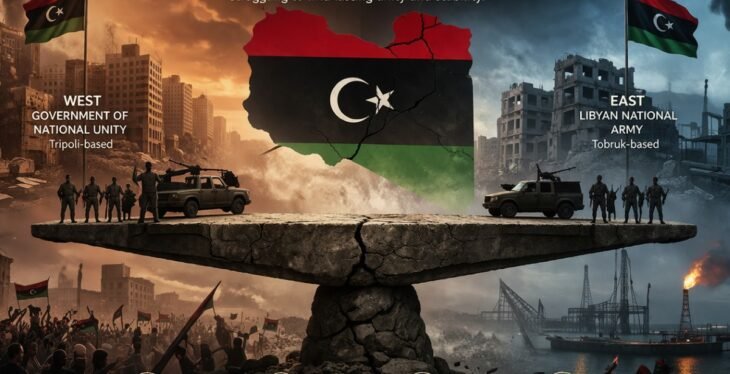
Libya remains divided between two governments: the internationally-recognised Government of National Unity, led by Abdulhamid Dbeibeh and based in Tripoli, which controls western Libya, and the eastern administration, appointed by the House of Representatives in early 2022 and headed by Osama Hammad, which oversees the east and much of the south.

For years, the United Nations has sought to bridge the gap between Libya’s institutions to enable parliamentary and presidential elections, which Libyans hope will restore institutional unity and end the prolonged transitional period.

Ali Mohammed, a Libyan writer and analyst, said that US involvement intensified after Trump assumed office in January 2025. “Trump entrusted the Libyan file to one of his most reliable men, his son-in-law Massad Boulos,” he noted.

“Boulos met all factions east and west and reached agreements. With Washington as the world’s most powerful ally, any agreement inevitably strengthens the local party involved.”

Mohammed described this US approach as effectively entrenching the political divide.

“Each side now feels stronger than before and less inclined to unite with the other or make concessions. The question is whether this represents a deviation from the stated US goal of unifying Libya’s institutions or a deliberate attempt to cement the division,” he said.

Messaoud Toumi, a foreign affairs researcher, echoed these concerns, suggesting Washington’s intentions may not be entirely altruistic. “Yes, the United States seeks to unify Libyan institutions, but the goal is not in the Libyan interest. It is about controlling these institutions for American objectives,” he said.

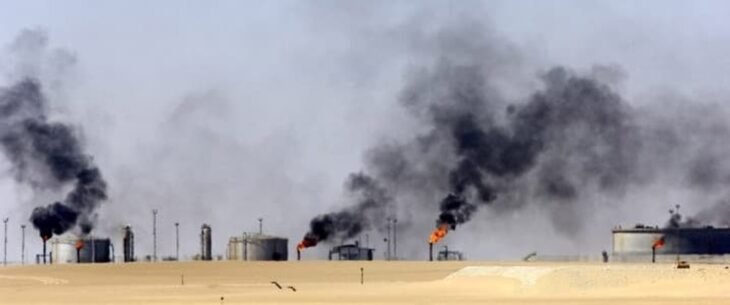
Toumi outlined two primary US objectives in Libya under Trump’s administration: first, neutralising Washington’s traditional rival, Moscow, in the Libyan file; second, securing influence over Libya’s vast oil reserves. Libya holds the second-largest proven oil reserves in Africa, estimated at 48.4 billion barrels, placing it among the world’s top ten countries in terms of reserves, according to OPEC.

“Most agreements announced between the United States and Libya focus on energy and oil,” Toumi said. He cited a deal announced last Tuesday between the Libyan oil and gas company Zallaf and the US firm KBR, which will provide technical support and project management for the southern Libya refinery project starting February 2026.

US involvement also includes the deployment of advanced technologies. Steve Gassen, executive vice president of geographies at US oilfield services company SLB, told the Libya Energy & Economic Summit 2026 in Tripoli that “plans are underway to implement advanced technology, artificial intelligence, and production-enhancement techniques in Libya this year to support the Libyan National Oil Corporation’s target of increasing output to 1.6 million barrels per day by year-end.”

Libyan experts argue that while Washington’s stated goal is institutional unification, the practical effect may be the consolidation of American influence over strategic sectors, particularly oil, while leaving the country politically fractured.

____________________

Libya: New Arab balances and cross-pressures are reshaping the Sahel’s “great game.”

Nova News

A series of converging dynamics suggests that Libya is returning to the center of a broader reshuffling of regional alliances

Amid the Sudanese crisis and growing intra-Arab competition for influence in the Sahel, Libya is once again emerging as a strategic hub in rapidly shifting regional balances. In recent weeks, critical assessments of the Marshal’s role have begun to emerge in Saudi media circles and related commentary circles. 

Khalifa Haftar, explicitly referencing the precedent of the Southern Transitional Council in Yemen and the possibility of a reduction in regional support if the Cyrenaica leader does not distance himself from the UAE’s plans. In the absence of official confirmation from Riyadh, these signals remain informal, but they are part of a rapidly changing regional context.

A series of converging dynamics suggests that Libya is returning to the center of a broader reshuffle of regional alliances, in a context that sees the emergence of an increasingly structured confrontation between Saudi Arabia, Egypt, and Turkey on the one hand, and the United Arab Emirates, Israel, and a constellation of non-state actors—including the Southern Transitional Council in Yemen, the Rapid Support Forces (RSF) in Sudan, Somaliland, and armed networks active in eastern and southern Libya—on the other.

The border triangle and the return

of the Sudan dossier

This is the context of a military incident that occurred in early January in the remote border triangle between Libya, Sudan, and Egypt, which has refocused attention on one of the most sensitive areas of the central Sahara. According to Sudanese sources close to the RSF, consulted by Nova Agency, an armed convoy linked to the Sudanese paramilitary group was reportedly hit by an air raid after crossing the Libyan border.

The operation, informally attributed to the Egyptian Air Force but never officially confirmed, reportedly took place in an area southeast of the city of al-Kufra, far from both Tripoli and Cairo. Sources report that the convoy consisted of dozens of vehicles loaded with fuel, weapons, and military equipment, and that the attack caused significant losses, with most of the vehicles destroyed.

The area represents a strategic corridor for cross-border trafficking between Libya and Sudanese Darfur, including the flow of men, goods, and military supplies, in open violation of the international arms embargo. The incident reportedly occurred on the eve of the visit to Cairo by Saddam Haftar, deputy commander of the Libyan National Army (LNA), received on January 10 by the Egyptian Minister of Defense Abdel Mageed Saqr and by the Chief of Staff of the Egyptian Armed Forces Ahmed Khalifa.

Al Kufra, between maintenance

and political signals

A few days after these developments, the administration of al-Kufra Airport announced the temporary closure of the airport starting from January 19, 2026, for a period of one month, officially to allow for extensive maintenance work on the runway.

The airport serves the eponymous oasis city of al-Kufra, the capital of southeastern Libya, bordering Sudan, Chad, and Egypt, and is the only operational airport in this vast desert region. Precisely because of this location, the closure has implications that go beyond the technical aspect. According to several local sources, the airport has been a key logistical transit point in recent months to Sudan, the site of the civil war between the regular army and the RSF led by General Mohamed Hamdan Dagalo, known as Hemedti.

In this context, the suspension of airport operations is being interpreted as a possible sign of a slowdown in the flow of external support to Sudan, against the backdrop of Egypt’s pressure on Haftar’s forces, who control Cyrenaica and large portions of southern Libya.

The announcement of a closure for “maintenance” therefore appears, according to local observers, to be a diplomatic move useful for freezing sensitive operations without formalizing explicit political positions, especially considering that the airport had already undergone major renovations last May.

Pressure on the leadership of Cyrenaica

According to a Libyan source close to the dossier, the current dynamics would reflect a phase of instability in the relations of the leadership of Cyrenaica – which includes not only Khalifa Haftar, but also his sons Saddam and Khaled, active in the armed forces, while Belqasem Haftar leads the National Reconstruction Fund – between Egypt and Saudi Arabia, on the one hand, and the United Arab Emirates, on the other.

In this context, the month-long closure of al-Kufra airport would be a response to Egyptian pressure, rather than a purely technical measure, although it would not completely interrupt logistical flows to Sudan.

The same source reports that support for the Sudanese theater has not been eliminated, but rather reallocated along alternative routes, particularly fuel supplies. Air support activities linked to the eastern Libyan network have been diverted to other African countries, including Ethiopia, Cameroon, and South Sudan, reducing direct exposure along the Libyan-Sudanese border.

According to this interpretation, Haftar currently has no real scope for breaking with Abu Dhabi, despite growing regional pressure. The link with the United Arab Emirates remains structural, both politically and financially. Libyan sources familiar with the matter emphasize that a significant portion of the financial leverage attributable to the Cyrenaica leadership is controlled by the Emirates, which continues to represent a guarantee of protection and stability for the internal balance of power.

The Field Marshal’s strategy therefore appears to be geared not toward a clear choice of sides, but toward tactically managing opposing pressures through operational adjustments and indirect signals.

The analysis: the shift to the west

In this fluid context, marked by cross-pressures and gradual realignments, analysts’ readings suggest looking above all at territorial dynamics. Jalel Harchaui, an analyst specializing in security dynamics in North Africa and the Sahel, interviewed by Agenzia Nova, the key to understanding this should not be sought in an immediate break between Haftar and his regional sponsors, but rather in a progressive geographical and operational shift towards the West.

“What matters is that Saddam Haftar is moving further west to maintain the strategic corridor that the United Arab Emirates considers active,” says Harchaui. According to the analyst, the Matan al-Sara area, a desert town in southern Libya on the border with Chad, is being transformed into an operational air base, while the passages to Chad and the flow of migrants to Sudan are gradually moving further west, without directly impacting areas like Qatrun, in the deep Fezzan.

“Migration from Sudan passes through Chad and then enters Libya. The effects of the Sudanese war are moving westward, Saddam is moving westward, everyone is moving westward,” the analyst observes. From Tripoli’s perspective, this movement does not pose an immediate threat, at least for now. However, according to Harchaui, the patience of some regional actors may not be infinite, particularly that of Turkey, which has a strong presence in Tripoli and Misrata.

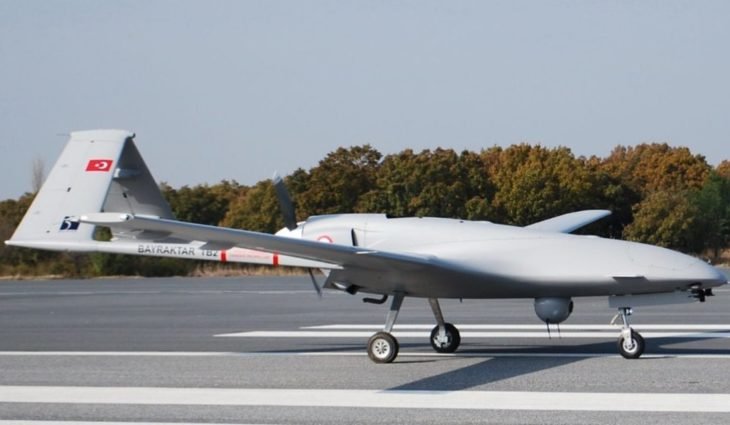
“Throughout 2025, Turkey tried to persuade Saddam to ratify the maritime border agreement. It achieved nothing,” the analyst states, noting that Ankara provided military support, drones, weapons, and political recognition without receiving concrete compensation. In this scenario, Ankara could become more assertive, strengthening its support for forces in western and southwestern Libya, including in Fezzan, with the risk of gradually tightening Saddam Haftar’s political and military grip, in concert with Egypt, Saudi Arabia, and Qatar.

The Algeria factor

The rapprochement between Algeria and Saudi Arabia also contributes to the picture, amidst a cooling of relations between Algeria and the United Arab Emirates. According to some reports, Riyadh is working to build an Arab front based on the principles of state sovereignty and territorial integrity, in contrast to the Emirati approach, perceived as favorable to non-state actors and fragmentation.

In this context, Algeria is increasingly wary of Abu Dhabi’s policies, both on Libya and on other sensitive regional issues. These include Western Sahara, where the United Arab Emirates has taken a clear stance in favor of Moroccan sovereignty, while Algeria has historically supported the Saharawi people’s right to self-determination, in line with United Nations resolutions. This divergence, while not new, is part of a broader context of political and strategic tensions.

At the same time, Algeria is strengthening its dialogue with regional actors who share a more traditional vision of state stability, based on the rejection of external interference and separatist logic.

According to Harchaui, closer alignment between Algeria, Saudi Arabia, and Turkey on certain lines cannot be ruled out in the medium term.

It remains to be seen whether this phase of realignments will remain tactical or whether it will mark the beginning of a new regional architecture, in which Libya will once again become not only a competitive arena, but a litmus test of Arab balances in the Sahel.

______________________

Turkey leverages energy sector to boost political clout in Libya

Turkey’s economic engagement is closely intertwined with its political and military footprint.

Turkish-Libyan relations are entering a new phase, with energy emerging as the central focus, following the announcement by Turkish Minister of Energy and Natural Resources, Alparslan Bayraktar, that 2026 will be designated “the year of energy” in Ankara’s cooperation with Tripoli. The declaration signals Turkey’s determination to consolidate its economic and strategic presence in Libya, building on the political and military support it previously provided to the authorities controlling western Libya.

The announcement came during the 22nd session of the Turkish-Libyan Joint Economic Committee, coinciding with the Libya Energy & Economic Summit, an event carrying significant political and economic symbolism. Notably, the meeting marked the resumption of the committee’s work after a 17-year hiatus, signalling a structured and renewed phase of coordination between the two countries.

Bayraktar described the reactivation of the joint economic committee as a historic moment. While he stressed that cooperation extends beyond energy to sectors such as transport, healthcare, education and trade, he emphasised that energy remains, from Turkey’s perspective, the primary gateway for consolidating economic influence and establishing long-term partnerships in a country holding one of Africa’s largest oil and gas reserves.

The minister highlighted that bilateral trade reached approximately $4.4 billion in 2025, with ambitions to surpass $5 billion in 2026. Achieving this target, he noted, depends directly on expanded collaboration in oil and gas, reflecting Turkey’s strategic approach to transform the energy sector into both an economic and political lever.

Official statements indicate that Turkey is pursuing multiple pathways to strengthen this cooperation, including revisiting oil fields previously operated by the Turkish Petroleum Corporation and negotiating new agreements for exploration and development of additional fields. Ankara is also seeking partnerships with international oil and gas companies active in Libya, positioning itself at the heart of the country’s energy network and bolstering its influence in the wider Eastern Mediterranean and North African energy markets.

Observers note that Turkey’s economic engagement is closely intertwined with its political and military footprint. Ankara’s expansion in Libya is widely seen as an extension of its decisive support for the Tripoli government over recent years, a strategy that has allowed it to convert political leverage into strategic economic gains, particularly in the energy sector.

On a practical level, Bayraktar chaired the 22nd session of the joint economic committee, which concluded with the signing of a memorandum of understanding with Libyan Minister of Transport Mohamed al-Shahoubi, setting the framework for future cooperation and implementation.

The Libya Energy & Economic Summit also commenced alongside the committee meeting, drawing broad ministerial and international participation. The high-profile engagement reflects the growing regional and international attention on Libya as a potential energy hub. In this landscape, Turkey appears determined to cement its position as a leading player, placing the energy sector at the forefront of its strategy to deepen ties with Tripoli and extend its influence in Libya over the coming years.

____________________

Making Libya investable again (2)

Jonathan M. Winer

Infrastructure decay & compounding risk

Libya’s infrastructure is aging, under-maintained, and increasingly fragile. The ongoing degradation includes not only oil and gas facilities, but also electricity generation, transmission networks, water systems, ports, and logistics corridors. Years of deferred maintenance, politicized budgeting, and fragmented authority have led to unplanned outages, environmental catastrophe, such as the September 2023 dam collapse that killed more than 4,300 Libyans and destroyed much of the eastern port city of Derna, and sharply higher future capital requirements.

Energy infrastructure does not fail in isolation. Oil and gas production depends on reliable power, functioning ports, intact pipelines, and predictable logistics. When electricity supply becomes erratic, processing facilities shut down. When ports or storage facilities degrade, exports back up. When water systems fail, workforce stability and public health suffer. Each failure compounds the next.

For Libyans, unreliable electricity and water impose daily economic and social costs, fueling frustration, protest, and political volatility. For investors, the implications are operational and financial. Infrastructure decay undermines assumptions about uptime, cost control, and project timelines, and increases exposure to force majeure events that are formally contractual but practically unrecoverable.

In this environment, energy projects cannot be insulated from systemic risk. Investors must assume that weaknesses in electricity, water, transport, and public services will increasingly shape operational outcomes. The Libyan government needs to invest in this infrastructure to meet the needs of its own people. Left unremediated, these risks also shape outcomes for foreign operators.

Why political support is not enough

External political engagement — whether by foreign governments or the United Nations — cannot by itself lower the risks of investing in Libya in the absence of domestic institutional reform.

The UN-facilitated political process remains stalled, constrained by unresolved disputes among Libyan institutions, most notably between the House of Representatives and the High State Council. There is little reason to believe this process will yield tangible political outcomes in the foreseeable future, and even less reason to expect it to resolve Libya’s economic or commercial constraints.

More importantly for investors, the UN mission has played only a limited facilitative role in Libya’s economic governance. During some periods, the UN Support Mission in Libya (UNSMIL) has supported specific processes, such as central bank audit and reunification efforts and crisis consultations. But it has not been an implementing actor on fiscal policy, budget execution, payment discipline, or exchange-rate management, which ultimately play a large role in determining whether energy investments are viable. When institutions are weak, operating budgets uncertain, payments discretionary, corruption entrenched, infrastructure degrading, and security contingent, political encouragement alone does not make projects bankable.

In some cases, political signaling can worsen outcomes. It can raise expectations without improving execution, encourage Libyan actors to hedge rather than commit, and prompt foreign firms to preserve optionality rather than deploy capital. The result is a familiar pattern: memoranda of understanding rather than final investment decisions; feasibility studies rather than capital commitments; announcements rather than sustained spending.

For Libya, this gap between political rhetoric and commercial reality has become structural. Until the underlying economic mechanics change, political support, however well intentioned, is unlikely to alter investment behavior, except where a sponsoring foreign government is prepared to act as a commercial backstop by absorbing or subsidizing risks that the Libyan system itself cannot credibly manage.

The instability factor

Libya’s current level of oil production has been sustained by a fragile military equilibrium, shaped in part by external involvement but not reducible to it. Since Turkey’s intervention to prevent Hifter from seizing Tripoli in 2020, Ankara has acted to deter renewed large-scale offensives by either side. That posture has helped constrain the conflict and has reduced the likelihood of an outright military resolution. It has not, however, resolved Libya’s underlying political or institutional fragmentation, nor has it eliminated other sources of instability. Internal political shocks, leadership changes, militia realignments, or shifts in external calculations could all disrupt the current balance even without a Turkish withdrawal.

For investors, uncertainty about Libya’s longer-term political stability remains decisive. The military equilibrium that has allowed continued production and exports does not rest on domestic institutions capable of enforcing contracts, resolving disputes, or providing predictable security. It is contingent, external, and subject to recalibration. Any significant change in Libya’s internal political configuration, or in the posture of key external actors, risks reviving uncertainty over territorial control, contract enforceability, and asset protection. In that sense, the same military conditions that have helped sustain production also reinforce Libya’s investability problem. Some stability now exists, but it is partial, potentially reversible, and could prove insufficient to anchor long-term commercial commitments.

What would change the calculation

Near-term steps could improve Libya’s investability at the margin, not by eliminating risk, but by reducing uncertainty in ways that matter to commercial decision-making.

First, a credible, approved operating budget for the NOC, paired with a transparent and time-bound plan to clear arrears to service companies, would materially reduce operational risk. Regularized budgeting would stabilize contractor relationships, enable preventive maintenance, and reduce the likelihood that arrears translate into sudden service withdrawals and production losses. For investors, the central issue is not the absolute level of debt, but whether payment obligations are predictable and honored.

Second, predictable payment mechanisms for foreign contractors would address one of Libya’s most persistent deterrents to investment. Ring-fenced escrow structures funded directly from oil revenues would reduce discretionary interference in payments and allow companies to price risk more clearly. Without insulation from political liquidity pressures, even technically successful projects remain commercially fragile.

Third, exchange-rate reform is unavoidable. Maintaining a fixed official rate while rationing access to dollars transfers rents to politically connected importers, entrenches corruption, distorts prices, and drains public resources. Moving to a floating exchange rate would collapse much of the arbitrage that now dominates Libya’s political economy. Combined with replacing generalized fuel and commodity subsidies with direct cash stipends to households, such reform would redirect resources away from rent-seekers and toward ordinary Libyans, while restoring fiscal transparency and policy credibility.

Fourth, clarity around licensing and contract authority is essential. While the NOC is the legally mandated body for hydrocarbon contracting, other Libyan officials have recurrently blurred lines of authority and reopened settled decisions. Investors need confidence that licenses and contracts will not be revisited, contested, or renegotiated as political leverage shifts.

Finally, visible improvements in gas infrastructure, power generation, and basic utilities would signal institutional capacity. Gas output, electricity supply, and water systems are not peripheral to energy investment; they are enabling conditions. Investors will not commit long-term capital if the systems that support operations are visibly deteriorating or dependent on crisis management.

None of these steps require elections or a comprehensive political settlement. All of the measures outlined require political restraint, institutional discipline, and a willingness by Libya’s most influential political actors to reduce discretionary control over revenues and rents — conditions that may be harder to secure if meaningful foreign investment proceeds in the absence of reform.

Tests of seriousness

For US companies considering re-entry, several observable indicators will matter far more than rhetoric.

Are service companies being paid on time, with arrears stabilizing or declining rather than continuing to accumulate? Are gas exports and domestic gas supply stabilizing quarter over quarter, or continuing to deteriorate? Is the gap between official and parallel exchange rates narrowing in a sustained way? Are letters of credit processed and settled predictably rather than selectively? Are fuel shortages in Tripoli easing, or becoming more frequent and more politicized? Are new licenses and approvals honored consistently across political divides? And when disputes arise, are they resolved by institutions — or by shutdowns?

Until these indicators move decisively in the right direction, Libya is likely to remain a familiar category for energy executives: geologically attractive, politically supported, but commercially constrained.

Conclusion

Libya is not Venezuela. Its reserves are more valuable and easier to develop, its oil is of higher quality, and its NOC retains a level of technical competence that Venezuela now lacks.

But the comparison remains instructive. Resource wealth does not equal investability. And political enthusiasm does not overcome structural risk.

For now, Libya remains a country where existing operators struggle to extract consistent value, and where new entrants face barriers that political backing alone cannot resolve. Whether that changes will depend less on announcements and diplomatic signaling than on whether Libya’s institutions can do what investors ultimately require: pay on time, honor contracts, maintain infrastructure, and keep the lights on.

 ***

Jonathan M. Winer has been the United States Special Envoy for Libya, the deputy assistant secretary of state for international law enforcement, and counsel to United States Senator John Kerry. He has written and lectured widely on US Middle East policy, counterterrorism, international money laundering, illicit networks, corruption, and US-Russia issues. He is a Distinguished Diplomatic Fellow at the Middle East Institute.

_______________

Middle East Institute

The Resurgence of Libya’s Oil & Gas Sector is Turning Heads

James Darley

Libya’s oil and gas sector has bounced back formidably, attracting TotalEnergies, ConocoPhillips, Chevron and Eni with production expansion agreements.

Libya has signed a 25-year development agreement with TotalEnergies and ConocoPhillips that could reshape the North African nation’s energy landscape. The deal, signed through state-run Waha Oil Company, involves more than US$20bn in externally financed investment.

Under the agreement, production capacity at the Waha concessions is expected to increase by up to 850,000 barrels per day from current output levels of between 340,000bpd and 400,000bpd. The investment is projected to generate net revenues exceeding US$376bn over the contract period.

The African Energy Chamber (AEC) has framed this surge in investment as a huge comeback for Libya, where the production of oil and gas had fallen far below expectations in recent years. TotalEnergies CEO Patrick Pouyanné and ConocoPhillips CEO Ryan Lance signed the amended agreement at the Libya Energy & Economic Summit in Tripoli last weekend.

Production reaches 12-year high

Libya’s crude oil production averaged approximately 1.375 million barrels per day in 2025, the highest level since 2013. That trend continued right through the year, meaning that, by early 2026, total oil production in Libya exceeded 1.52 million barrels per day according to government figures.

The country’s oil revenues amounted to around US$22bn in 2025, marking a 15% year-on-year increase. Prime Minister Abdulhamid Dbeibah attributed this impressive recovery to the activation of several fields including Iravn, Mutahandush, al-Khayr, Hamada 47 and Sinawan. Libya’s Oil and Gas Minister, Khalifa Abdulsadek, has also outlined plans to increase crude output to 1.6 million barrels per day by the end of this year.

A boom in gas production

Gas production has also been on the rise in Libya this year. Italian energy firm Eni has confirmed that its US$8bn Structures A&E offshore gas development remains on track. The project, led by Mellitah Oil & Gas, is a joint venture between Eni and Libya’s National Oil Corporation. It is scheduled for completion by the end of 2027.

At full capacity, the development is expected to add around 750 million standard cubic feet per day of gas production, supporting both domestic demand and European exports via either subsea pipelines to Italy or LNG tankers.

Eni also announced that its Bahr Essalam gas compression project is scheduled to begin operations in early 2026, adding approximately 100 million standard cubic feet per day to Libya’s gas output. A second gas utilisation project is planned for the third quarter of 2026, potentially delivering an additional 100–120 million standard cubic feet per day.

US companies expand presence

It is not just European energy companies that are investing in Libya’s fossil fuel reserves right now. American provider Chevron has signed a memorandum of understanding with the National Oil Corporation covering exploration, field development and production opportunities.

The agreement marks the US oil major’s renewed interest in Libya’s upstream sector after years of limited international engagement. Libya also signed a cooperation agreement with Egypt’s oil ministry during the summit, focusing on exploration, production and logistics services.

The agreements reflect what Prime Minister Dbeibah has described as “the strengthening of Libya’s relations with its largest and most influential international partners in the global energy sector”.

First licensing round in 17 years attracts

huge interest

Libya launched its first oil and gas exploration licensing round in 17 years last March, offering 22 onshore and offshore blocks across the Sirte, Murzuq and Ghadames basins. Eni was one of the more than 50 companies that submitted pre-qualification applications, along with several major international oil firms.

The round operates under revised fiscal and profit-sharing terms designed to improve competitiveness and attract investment. Results are expected to be announced in the second week of February 2026.

The historical context of Libya’s oil

and gas renaissance

There is a great deal of historical context behind this wave of investments in Libya’s energy sector. Foreign investors have been quite cautious about Libya since 2011 because of the period of political instability that has followed since the overthrow of Muammar Gaddafi in the Arab Spring.

Disputes between rival factions over oil revenues have frequently led to production shutdowns and export disruptions. However, these recent agreements suggest that confidence in Libya is growing fast, with the nation’s ability to maintain operational stability and honour long-term commercial commitments now regarded as a safe bet.

This is a significant development for the fossil fuel sector, as Libya holds an estimated 48.4 billion barrels of proven oil reserves and approximately 1.5 trillion cubic metres of natural gas reserves. This makes it Africa’s largest oil producer, as well as the continent’s third largest gas producer. As such, the kinds of investments that have shaped this year in Libya may become a far more common occurrence.

___________________

2026 set to be ‘energy year’ in Türkiye-Libya cooperation

This year will be “the energy year” in Türkiye-Libya cooperation, and the trade volume will reach much higher levels, a top official said on Sunday, evaluating the bilateral and economic ties between the countries.

Energy cooperation between Türkiye and Libya will begin yielding concrete results in 2026, Energy and Natural Resources Minister Alparslan Bayraktar said, according to remarks published by Anadolu Agency (AA) on Sunday.

Speaking on the margins of the Libya Energy and Economy Summit and the 22nd Term Türkiye-Libya Joint Economic Commission (JEC) meeting, Bayraktar underlined the importance of reconvening the JEC for the first time in about 17 years and his meeting with Libyan Prime Minister Abdul Hamid Mohammed Dbeibah, noting that the commission is an important mechanism encompassing all areas of the economy.

Joint Economic Commision Mechanism

“The Joint Economic Commission addresses all areas of the economy. It’s a mechanism that covers not just energy, but all areas from transportation to health, education to trade,” the minister said.

“Therefore, it was important to bring it back to life. It was a historic day. In that sense, we also signed the text of the agreement,” he added, referring to the memorandum of understanding (MoU) signed with Libyan authorities.

“After 17 years, the 22. Joint Economic Commission (JEC) took place in Tripoli, with the signing of a Memorandum of Understanding with Mr. Muhammad Shahubi, Libya’s Minister of Transport and Co-Chair of the JEC,” Bayraktar wrote in a post on social media on Saturday.

“In the field of energy, we agreed to increase and diversify the ongoing successful activities between the public companies of the two countries in the trade of petroleum and petroleum products. We confirmed our common will to cooperate in Libya’s land and sea areas. In addition, we reached a consensus on developing cooperation between the two countries in the fields of renewable energy and mining,” he noted on X.

Starting his visit to Libya, Bayraktar met with Dbeibah, describing their meeting as “productive.”

“During our meeting, we discussed in depth our cooperation in the energy sector, particularly hydrocarbon exploration, production, and trade. We evaluated concrete projects that will take the Türkiye-Libya energy partnership to the next level with a sustainable and long-term perspective based on mutual trust,” he posted.

Libya has Africa’s most abundant hydrocarbon reserves but is struggling to recover from years of conflict after the 2011 NATO-backed uprising that overthrew longtime ruler, Moammar Gadhafi.

It has since been split between a U.N.-supported government in the capital, Tripoli, led by Dbeibah and rival authorities based in the east.

Sharing that the trade volume between Türkiye and Libya amounted to roughly $4.4 billion in 2025, Bayraktar said: “In 2026, we will raise this above $5 billion. To push it further and meet the target set by our president, we need to place energy at the center of this cooperation.”

“We have long-running negotiations with Libya. In that sense, 2026 will be a milestone year because we are working on this cooperation through various channels,” he added.

Referring to studies underway within this scope, the minister said they were evaluating agreements for new fields and also international partnerships.

“We have ongoing work concerning fields where Turkish Petroleum operated in the past. We are negotiating agreements for new fields,” he told AA.

“We will also continue our activities through international partnerships, particularly with international oil and gas companies operating in Libya. We will begin to see concrete results of this in 2026. 2026 will be the energy year in Türkiye-Libya cooperation and trade volumes will reach much higher levels,” he added.

Türkiye has been a significant supporter of Libya and its Tripoli-based Government of National Accord (GNA). The two countries also signed an energy exploration agreement in October 2022 to explore hydrocarbons in Libya’s exclusive economic zone and the mainland by Türkiye.

Participation in tenders

Regarding Türkiye’s interest in the oil and natural gas fields Libya is auctioning for the first time in 17 years, Bayraktar said: “We will also participate in the tenders to be held in February. In cooperation with international firms, we are particularly interested in two fields, both offshore and onshore.”

“If Turkish Petroleum can secure a share in these fields in February, we will work rapidly,” he noted.

“As we conveyed both to our partner companies and the Libyan government, Türkiye’s recent offshore experience and the strength of our marine fleet allow us to act quickly in seismic and drilling activities. In this framework, we can contribute both to Libya’s development and to advancing cooperation between Türkiye and Libya,” he further suggested.

Touching on the agreement signed last June between Turkish Petroleum Corporation (TPAO) and the Libyan National Oil Corporation (NOC), Bayraktar also outlined next steps to move the process forward.

“We evaluated the data obtained and signed a seismic agreement for additional studies in Libya’s offshore fields. We may begin seismic work during 2026,” he stated.

“Depending on the results, as in Somalia, where we first completed the seismic phase and will send our newly added vessel in February, which will begin drilling in (around) April, we may move to the drilling phase here as well if an agreement is reached.”

Overseas activities to gain momentum

Commenting on Türkiye’s hydrocarbon exploration activities with international energy companies, Bayraktar announced that they plan to sign an agreement with U.S. firm Chevron in Istanbul on Feb. 5 and will continue to conclude international agreements.

Emphasizing that beyond domestic oil and natural gas exploration and production, Türkiye is now concentrating on overseas operations as well, Bayraktar went on to say that as of this year, their new growth strategy includes also “an overseas growth target.”

“We are looking at opportunities through partnerships or with Turkish Petroleum as a sole operator,” he pointed out.

“We have already signed agreements in this regard. We acquired licenses for three offshore and two onshore fields in Pakistan. We have projects underway in Libya that we are working to finalize. Two days ago, we met in Türkiye with KazMunayGas of Kazakhstan. We are actively working on three fields there,” he explained.

“God willing, we will finalize these agreements this year and begin operations.”

_______________________

Making Libya investable again (1)

Jonathan M. Winer

When ExxonMobil recently advised President Donald Trump that Venezuela remains “uninvestable,” the company was not making a political judgment. It was offering a commercial one. Despite some of the world’s largest proven oil reserves, Venezuela’s political fragmentation, economic mismanagement, sanctions exposure, and payment risk continue to outweigh the attraction of its geology.

That assessment provides a useful frame for Libya today.

Libya, like Venezuela, is a resource-rich country, producing a higher-quality oil that is light and sweet in comparison to the heavy “sour” oil that Venezuela produces. And in principle, Libya could produce far more than it does. Libya’s National Oil Corporation (NOC) has long cited an installed capacity of roughly 1.6 million barrels per day (bpd) and has periodically pointed to the potential for higher output with sustained investment. In practice, however, Libya’s post-2011 experience has demonstrated how hard it has been to translate Libya’s geological potential into successful new energy production involving even the most committed international oil companies (IOCs).

That difficulty has not prevented renewed interest. Libya’s first exploration bid round in more than 17 years has drawn strong international attention, with the NOC offering 22 onshore and offshore areas under production-sharing terms and reporting interest from foreign companies. 

Several major operators have resumed or expanded upstream engagement: Eni has restarted offshore exploration drilling after a multi-year hiatus, BP and Shell have signed agreements with the NOC to study hydrocarbon potential at multiple oilfields, and a broad set of international firms, including BP, Chevron, ExxonMobil, Eni, OMV, Shell, Sonatrach, and TotalEnergies, are qualified to participate in the bid round.

On January 24, Libya announced the signing of a 25-year development deal with TotalEnergies and Chevron that would see the French and American majors invest an estimated $20 billion in the North African country to boost oil production by as much as 850,000 bpd.  

Additional deals may be in the offing as well. Speaking during the Libya Energy & Economic Summit over the weekend, NOC Chairman Masoud Suleiman said the results of the new bid round would be announced on February 11.

The question facing IOCs is not whether Libya has oil and gas to develop. It does. The question is whether the country’s current political, economic, and security conditions allow that potential to be converted into reliable returns — and whether near-term changes could alter that calculation.

Oil and fuel as political instruments

Libya’s political fragmentation remains unresolved. The country continues to operate under competing centers of authority, with an interim government in Tripoli whose mandate expired years ago, a rival eastern administration aligned with General Khalifa Hifter, and national institutions that are formally unified but routinely constrained by political interference. These continuing divisions shape fiscal behavior, security dynamics, and control over revenue.

The NOC continues to be the sole authority for hydrocarbon contracting under Libyan law. Foreign companies must contract exclusively through it. Any alternative creates acute legal, operational, political, and reputational risk. But the NOC’s ability to function as a credible counterparty depends on budgets, cash flow, and institutional protection. These all are currently lacking.

In January 2026, NOC Chairman Suleiman stated publicly that the corporation had received no approved operating budget throughout 2025 and that debts to service companies and suppliers had continued to accumulate. The situation does not reflect a technical problem, but rather political decisions by rival authorities to retain leverage over the country’s primary revenue-generating institution. In Libya’s past, mounting arrears have been among the clearest leading indicators of deferred maintenance, service-company pullbacks, and subsequent production decline.

Headline crude production figures illustrate both resilience and fragility. Average crude output rose to roughly 1.37 million bpd in 2025, up from approximately 1.14 million bpd in 2024 and the highest annual average in a decade. That recovery followed a dramatic collapse in 2020, when production fell below 400,000 bpd during the civil war triggered by Hifter’s failed attempt to seize Tripoli, backed by Russia, the United Arab Emirates, Egypt, and, more quietly, France, and reversed only after Turkish military intervention.

The lesson for investors is not simply that production can recover. It is that Libyan oil output remains vulnerable to political and military decisions unrelated to commercial performance.

Disruptions in Libya’s oil and fuel systems are not incidental. Armed groups, local communities, political factions, and institutional actors have routinely blocked fields, pipelines, export terminals, fuel imports, or domestic distribution to extract concessions, signal dissatisfaction, or renegotiate access to patronage.

For example, in August 2024, rival political factions used control over oil production and export infrastructure as leverage in a dispute over central bank authority, leading to the shutdown of multiple oilfields and export terminals, with more than half of Libya’s output going offline for weeks. Exports at major ports including Es Sidra, Ras Lanuf, and Zueitina were halted as eastern authorities threatened closure until political demands were met, underscoring how energy infrastructure is weaponized in domestic disputes.

The threshold for disruption is often low. Delayed payments, exclusion from revenue streams, or perceived disrespect can be sufficient. On the production side, even limited local control can halt output. On the consumer side, fuel shortages can be engineered or prolonged through diversions of imports, storage, and distribution, even when aggregate supply exists. The pattern is systemic rather than episodic.

In 2025, investigative reporting by the anti-corruption NGO The Sentry found that Libya’s subsidized fuel imports — necessitated by insufficient and unreliable domestic refining capacity — were widely diverted into smuggling networks controlled by armed and politically connected actors, with an estimated $6.7 billion worth of fuel siphoned off in 2024 alone.

While the report does not quantify the precise share of imports diverted, it characterized the scale as systemic rather than marginal, describing the phenomenon as a “major national crisis.” These diversions substantially reduced the volume of imported fuel available for legitimate domestic consumption and contributed to chronic shortages and elevated prices in the internal market, even as gross import volumes remained high.

Gas as an early warning signal

Gas production provides a particularly clear indicator of systemic stress. Unlike crude oil, gas requires continuous maintenance, reliable power, and sustained funding. When those conditions weaken, gas output is often the first casualty.

Libya’s gas exports to Italy via the Greenstream pipeline fell by roughly 30 percent in 2025, declining to about 1.0 billion cubic meters from approximately 1.4 billion cubic meters the year before, despite far higher theoretical capacity. The decline reflected underinvestment, infrastructure degradation, power constraints, and fiscal stress rather than geological factors.

Weakness in gas production also has domestic consequences. Gas supplies power generation and petrochemical facilities, meaning reduced output directly contributes to electricity shortages and broader economic disruption. When gas falters, it signals that there are deeper institutional and fiscal problems affecting the energy sector as a whole.

The economic constraint: Currency,

corruption, and parallel states

Libya’s fiscal and monetary pressures threaten the arrangements that currently sustain both western and eastern authorities. With oil prices hovering in the $60 per barrel range, hydrocarbon revenues are insufficient to cover public wages, fuel imports, and foreign currency demand simultaneously.

The imbalance is now stark. On January 13, 2026, the Central Bank of Libya (CBL) reported that oil revenues deposited so far in January totaled $287 million, while foreign currency sales during the same period reached approximately $1 billion.

Some of that outflow likely reflects accelerated food and commodity imports ahead of Ramadan. Roughly three-quarters of Libya’s food is imported. But the scale of the gap is striking and over time such mismatches can create mounting risks for creditors. According to the CBL, as of mid-January 2026, outstanding letters of credit from 2025 amounted to roughly $4.3 billion.

Currency markets have responded accordingly. During January 2026, the parallel exchange rate briefly reached 9 Libyan dinars to the dollar, signaling expectations of further devaluation and tightening access to foreign exchange.

A week later, the CBL devalued the Libyan dinar by about 14.7 percent, citing ongoing fiscal pressures, political division, and weakening oil revenues, with the official exchange rate moving to approximately 6.37 dinars per US dollar. This followed the previous devaluation by the CBL in April 2025 that reset the official rate at approximately 5.6 Libyan dinars per dollar after years of defending an unsustainable peg.

These pressures cannot be understood without reference to Libya’s post-2014 fiscal history. For years, eastern authorities financed spending through counterfeit dinars printed in Russia without authorization from the Tripoli-based central bank, enabling unconstrained expenditures outside any unified fiscal framework. To prevent complete monetary fragmentation, the unified CBL later absorbed much of this currency, monetizing a parallel fiscal state.

At the same time, two governments have co-existed, cooperated, and competed, both drawing on oil revenues and central bank liquidity to sustain patronage networks. Corruption is not incidental to this system; it is structural. Multiple exchange rates, discretionary letters of credit, fuel subsidies, and barter-style arrangements have transferred vast resources to politically connected actors, often with little corresponding delivery of goods or services and fueling inflation.

For foreign investors, the implications are direct. Payment risk is not hypothetical. The CBL has historically delayed or withheld payments to foreign contractors for political and liquidity reasons unrelated to contract performance. Unless addressed, this payment risk alone is sufficient to disqualify further investment by major IOCs.

 ***

Jonathan M. Winer has been the United States Special Envoy for Libya, the deputy assistant secretary of state for international law enforcement, and counsel to United States Senator John Kerry. He has written and lectured widely on US Middle East policy, counterterrorism, international money laundering, illicit networks, corruption, and US-Russia issues. He is a Distinguished Diplomatic Fellow at the Middle East Institute.

______________________

Libya’s Energy Comeback Signals New Era for African Energy Development

African Energy Chamber

The African Energy Chamber (AEC) welcomes Libya’s accelerating recovery in the energy sector, as rising production, renewed investment and policy clarity signal the country’s re-emergence as a key African and Mediterranean energy producer.

At the Libya Energy & Economic Summit (LEES) 2026 in Tripoli, Libya’s leadership outlined a clear commitment to restoring output, monetizing gas resources and creating an investment environment capable of supporting long-term energy development. The AEC views these priorities as essential to translating Libya’s resource wealth into reliable power supply, economic growth and improved living standards.

Libya’s oil sector has recorded its strongest performance in years, with production averaging approximately 1.375 million barrels per day. Plans to further increase output through a $20 billion investment program reflect a renewed focus on operational stability, international partnerships and performance-driven growth. For the AEC, sustained oil production remains critical to generating revenues needed to fund infrastructure, public services and broader development objectives.

Gas monetization is emerging as a central pillar of Libya’s energy strategy. With gas production expected to reach 700–750 million standard cubic feet per day, Libya is well positioned to expand domestic power generation, reduce energy shortages and support industrial activity. Increased gas utilization also offers a practical pathway to lowering emissions by replacing higher-carbon fuels, while improving affordability and reliability for households and businesses.

Libya’s energy resurgence also carries a strong regional and pan-African dimension. LEES 2026 highlighted the importance of cross-border cooperation, knowledge exchange and investment integration across North Africa and the continent at large. The Chamber sees Libya’s recovery as an opportunity to demonstrate how African countries can work together to strengthen energy security and create regional value chains that support industrial growth, workforce development and energy access.

“Libya is showing that African nations can deliver energy projects at scale when stability, political will and investor-friendly frameworks come together,” said NJ Ayuk, AEC Executive Chairman, speaking at LEES 2026. “By prioritizing energy access, domestic power generation and long-term investment, Libya is laying the foundation for inclusive growth and sustainable development.”

The AEC also welcomes Libya’s focus on operational efficiency, zero-flaring initiatives and workforce development, recognizing these efforts as essential to sustaining production gains while maximizing local value creation. Investments in skills training and technology will be vital to ensuring that energy development translates into jobs, knowledge transfer and long-term economic benefits.

As Libya advances its energy reform agenda, the AEC reiterates its commitment to supporting policies that promote investment, energy access and African-led development. “Libya’s resurgence reinforces a simple truth,” Ayuk added. “Africa’s energy future will be built through pragmatism, partnerships and delivery – not delay.”

******************

Libya Targets Up to 100 Wells in 2026

Matthew Goosen

Libya plans to drill between 70 and 100 oil and gas wells in 2026 as part of a push to revive upstream activity and raise national output.

Announced by Libya’s Minister of Oil and Gas Dr. Khalifa Abdulsadek at the Libya Energy & Economic Summit (LEES) 2026 in Tripoli, the target underscores the country’s renewed operational momentum, reflecting improved stability, a clearer regulatory framework and growing international confidence.

“Last year, we drilled more than 30 wells,” Minister Abdulsadek said. “We are targeting more than 70 wells or even more than 100 wells this year and we will keep building in the coming years.”

At the center of the strategy is Libya’s re-opened upstream investment framework, anchored by its first major licensing round in 17 years. The round, covering 22 blocks – 11 onshore and 11 offshore – with results due in February 2026, is expected to unlock a new wave of exploration and appraisal drilling as international operators move toward final agreements.

To support this scale-up, Libya estimates annual investment requirements of $3-4 billion in 2026 and has introduced its first unified drilling regulations, aimed at improving safety, lowering

Momentum around the round was reinforced during LEES 2026, where the NOC and government entities signed a series of cooperation agreements, memoranda of understanding (MoUs) and development frameworks with international oil companies and service providers, signaling renewed confidence in Libya’s upstream outlook.

_____________________

UAE Regional Influence Under Strain Amid Sudan, Libya, Yemen, and Maghreb Frictions

Across several regions, the United Arab Emirates is facing visible diplomatic and political friction with key Arab states. The developments span Sudan and Libya, extend to Yemen, and surface in the Maghreb, pointing to a period of strain for Emirati regional positioning, driven by conflicts where Abu Dhabi’s alignment has diverged from that of neighboring powers.

Sudan and the Libya Corridor

Since the outbreak of Sudan’s civil war in 2023, international scrutiny has focused on the Rapid Support Forces and the external networks sustaining them. UN expert reporting has documented the emergence of new RSF supply routes, including corridors passing through eastern Libya. These findings established Libya as a relevant logistical node in the conflict and intensified attention on external actors accused of enabling RSF operations.

Within this context, Emirati involvement has drawn particular scrutiny. The United States has imposed sanctions on RSF leadership, and major international media have consistently linked the RSF’s enhanced military capabilities to external financial and material support. While Abu Dhabi has denied wrongdoing, the cumulative effect has been to place the UAE at the center of sustained international criticism tied to Sudan’s war.

Libya’s eastern power center has become part of this picture. Khalifa Haftar, who controls much of eastern Libya and maintains longstanding ties with Abu Dhabi, is widely viewed as a potential conduit within these supply networks. Reporting in early 2026 described pressure from regional actors on Haftar to distance himself from UAE-linked RSF support channels. These accounts remain based on unnamed sources and have not been independently confirmed, but they align with broader regional efforts to curb RSF resupply.

Egypt and Saudi Arabia’s Strategic

Calculations

Egypt’s stake in Sudan’s stability is direct, given the shared border and Cairo’s backing of Sudan’s army. Saudi Arabia has also sought to position itself as a mediator while limiting destabilizing external interventions. Against this backdrop, both countries have shown signs of discomfort with Emirati policies that appear to cut across their own regional priorities.

Even where specific claims remain unverified, the strategic logic is clear. For Cairo and Riyadh, unchecked RSF empowerment threatens regional security, Red Sea stability, and their own diplomatic initiatives. The UAE’s perceived role in sustaining the RSF therefore complicates its relations with both capitals.

Yemen as a Precedent for Open Friction

The Saudi–Emirati divergence is more clearly documented in Yemen. In late 2025 and early 2026, Saudi-backed forces curtailed advances by the UAE-aligned Southern Transitional Council. Subsequent reporting confirmed an Emirati military drawdown and political setbacks for UAE-supported actors.

This episode demonstrated that Saudi Arabia is prepared to directly counter Emirati proxies when interests diverge. It also shows that the UAE’s regional partnerships are no longer insulated from pushback by fellow Gulf states, particularly when control of territory and influence is at stake.

Saudi Arabia’s Strategic Military

Realignment

Recent reporting from Bloomberg and corroborating media indicates that Saudi Arabia is negotiating a new military cooperation framework with Egypt and Somalia aimed at strengthening defense ties and Red Sea security. The proposed arrangement is presented by Saudi officials as part of a broader effort to balance Emirati regional influence amid ongoing strategic competition between Riyadh and Abu Dhabi.

Maghreb Tensions and the Algerian

Dimension

In North Africa, Algeria has emerged as one of the most vocal critics of Emirati regional behavior. Since 2024, Algerian official communications have referenced “hostile actions” by an unnamed Arab state, widely interpreted in regional coverage as the UAE. Algerian media close to state institutions have repeatedly accused Abu Dhabi of destabilizing activity in the Sahel and interference aligned with Morocco.

Although no formal rupture has occurred, the public nature of these signals marks a departure from earlier periods of pragmatic cooperation. The tension reflects deeper disagreements over Libya, Sudan, Sahel security, and broader questions of external influence in North Africa.

Assessing the Trend

What can be established from these developments is not a unified Arab consensus against the UAE, but a pattern of friction across multiple theaters. In Sudan and Libya, Emirati alignment has drawn sustained international and regional scrutiny. In Yemen, Saudi Arabia has openly constrained UAE-backed actors. In the Maghreb, Algeria has allowed disputes with Abu Dhabi to spill into the public domain.

The accumulation of documented disputes suggests that the UAE’s activist regional posture is encountering increasing resistance from states that view its interventions as destabilizing or misaligned with their interests.

For now, the UAE remains a central and capable regional actor. Yet the current phase is marked by open disagreement, signaling a more contested environment for Emirati influence across the Arab world.

____________________

Weapons flow to RSF via Libya continue despite pressure on Haftar

Eastern Libyan commander undecided after Egypt and Saudi Arabia urge him to stop facilitating UAE weapons shipments to Sudan’s RSF.

Weapons continue to flow from Libya to Sudan despite Saudi and Egyptian pressure on Khalifa Haftar to stop Emirati military support to the Rapid Support Forces (RSF), Middle East Eye has learned.

Earlier this week, MEE reported that the eastern Libya commander is coming under growing pressure from Cairo and Riyadh, which have warned that continued assistance could trigger a serious shift in Egypt’s relationship with him.

Saddam Haftar, Khalifa’s son and deputy commander of his self-styled Libyan Arab Armed Forces (LAAF), was “summoned” to Cairo earlier this month for a dressing-down, during which he was told to immediately end support for RSF, according to Egyptian sources. 

Libyan sources with direct knowledge of the matter told MEE, on condition of anonymity, that Saddam is now also under pressure from the United Arab Emirates to continue the facilitation of weapon shipments to Sudan via eastern Libya.

Saddam remains undecided, the sources said, even as weapons continue to flow to Sudan.

The pressure on Haftar forms part of a broader Egyptian-Saudi effort to block the transfer of arms, fuel and fighters to the RSF, curb Emirati influence and prevent further destabilisation along the Egypt-Libya-Sudan border.

When Saddam visited Egypt earlier this month, local media framed the visit as routine military cooperation. A source told MEE, however, that it was in fact a warning over confirmed Emirati weapons and fuel transfers to the RSF via Haftar-controlled areas.

“Egyptian intelligence and military officials delivered a strongly worded warning to Khalifa Haftar through his son,” the source said.

Officials also presented evidence of Emirati weapons shipments, drones and air defence systems reaching the RSF, along with fuel deliveries from Libya’s Sarir refinery to RSF leader Mohamed Hamdan Dagalo.

Since war broke out between the Sudanese Armed Forces (SAF) and the RSF in April 2023, Egypt has watched warily as its southern neighbour descends further into chaos.

Issuing a threat

Cairo backs the Sudanese government and military, which in recent months have lost a string of strategic towns and cities to the RSF, most notably Darfur’s el-Fasher, where thousands are believed to have been massacred by the paramilitaries.

While Haftar’s authorities in eastern Libya have long been supported by Egypt, he is also backed by the UAE, which is the RSF’s main patron and has been funnelling weapons, mercenaries and funds to the paramilitaries via Libya, Chad and Ethiopia.

As revealed in a recent report, supply lines via Libya that the RSF established by seizing border areas in June directly contributed to the group’s capture of el-Fasher, following a siege lasting more than 550 days.

According to the military source, Egypt has aerial imagery showing weapons shipments moving from Abu Dhabi to Haftar-controlled areas and onwards to the RSF, as well as Libyan fuel tankers transporting supplies to the RSF in Darfur.

“Egyptian security bodies have also monitored, through audio and visual surveillance, the arrival of mercenaries from Colombia and Venezuela into Libya, from where they are transferred to Sudan to join the RSF,” the source said.

“Without such support, the RSF would not have achieved its recent advances,” he added.

“The message was clear: continued support for the RSF would force Egypt to reconsider its entire relationship with eastern Libya.”

According to the Egyptian army official, Cairo and Riyadh offered Saddam Haftar cooperation and alternative financial and military support to replace Emirati backing.

The meetings between Saddam Haftar and Egyptian officials were followed by a Saudi arms deal with Pakistan worth $4bn, the source noted.

“The weapons are expected to be distributed between Haftar’s forces and the Sudanese army led by Abdel Fattah al-Burhan,” he added.

Haftar controls eastern and southern Libya, running an administration that rivals the internationally recognised government in Tripoli.

However, the army source said Egyptian military officials shared intelligence with Saddam Haftar outlining Emirati plans to fragment Haftar’s territory once the RSF secured control over Darfur and Kordofan and destabilised SAF-held northern Sudan.

“The Emirati plan involved dividing Libya into multiple zones, with some areas remaining under Tripoli’s control, others under Benghazi, and Jufra and Sirte separated,” the source said.

Regional friction

A feud between erstwhile allies Saudi Arabia and the UAE has erupted in public in recent weeks.

The UAE has sown discord across the Middle East and Africa in recent years by backing several insurgencies and separatist groups, including the RSF, which has been accused of a litany of war crimes, including genocide. 

In Yemen earlier this month, the UAE-backed Southern Transitional Council separatist group was routed by pro-Yemeni government fighters backed by Saudi air strikes, after briefly seizing all of the country’s east.

The developments were accompanied by rare statements of condemnation between Saudi Arabia and the UAE, and Riyadh has since been openly assertive against Emirati policy in the region.

Egypt has joined Saudi Arabia in this.

Earlier this month, MEE reported that Cairo shared intelligence with Riyadh on Emirati activities in Yemen.

“The UAE’s backing of the RSF was part of a broader strategy to shape the future of Sudan and Libya and strengthen its foothold in the Horn of Africa and the Sahel,” a Cairo-based geopolitical analyst told MEE, speaking anonymously due to security concerns.

“But those ambitions increasingly clashed with Saudi interests, especially as Riyadh views the RSF’s rise as a threat to regional stability and a direct challenge to Saudi-backed forces in Yemen.”

______________________

Reclaiming Libya’s Stolen Billions

Amine Ayoub

Libya’s struggle for sovereignty is increasingly being decided through financial oversight and Mediterranean diplomacy, rather than force of arms.

The high-stakes maneuvers unfolding in the Mediterranean have signaled a definitive attempt by Libya’s legitimate legislative authorities to break the military and financial stranglehold imposed by foreign occupiers. While the international community has spent years tolerating the presence of Russian mercenaries and Turkish drones as a permanent status quo, a new strategic channel is opening between Benghazi and Athens. This outreach is not merely a diplomatic courtesy but a calculated effort to safeguard the nation’s nearly 150 billion dollars in frozen sovereign assets from the predatory reach of those who benefit from a divided and institutionally hollowed-out Libya.

The pivot toward Greece was codified through two parallel and significant tracks. In Benghazi, Belgassem Haftar, representing the Libya Development and Reconstruction Fund, signed 21 memoranda of understanding with major Greek infrastructure and technology firms. Simultaneously, a high-level delegation from the House of Representatives met with the Greek Parliament’s Committee on National Defence and Foreign Affairs in Athens.

These discussions were specifically focused on establishing a transparent, international mechanism to monitor and verify the status of Libya’s frozen assets. By engaging with a core European and Mediterranean power like Greece—a staunch defender of the rule of law at sea—the Libyan legislature is effectively bypassing the compromised administrative hubs in Tripoli that have allowed the nation’s wealth to be siphoned by militias and their foreign patrons.

This financial fortification is an existential necessity in the face of the deepening Russian military footprint in the east. The Kremlin’s rebranded “Africa Corps” has spent the last days entrenching its presence in the ports of Tobruk and Darnah, following a massive protocol that secured Russia over 11 square kilometers of the Tobruk port area for naval logistics and UAV launch pads.

Moscow is not interested in a solvent or unified Libyan state; it seeks to utilize Libyan soil as a warm-water logistical hub and a long-range staging point to project power into the Sahel and pressure the Mediterranean’s northern shore. By locking down the nation’s frozen billions through transparent bilateral coordination with Athens, the Libyan authorities are attempting to dismantle the financial incentives that keep the mercenary model of the Africa Corps viable on North African soil.

The danger is equally acute in the west, where Turkey continues to maintain a restrictive military leash on the Tripoli-based administration. Ankara’s recent decision to extend its military mandate in Libya until January 2028 ensures that its drones and Syrian mercenaries remain a praetorian guard for radical Islamist factions aligned with the Muslim Brotherhood.

This presence is designed to protect a “zombie” maritime treaty that attempts to redraw the Mediterranean map at the expense of regional neighbors. By anchoring the protection of national wealth in the Athens dialogue, the House of Representatives is signaling that the era of treating Libyan assets as a slush fund for Neo-Ottoman expansionism is coming to an end. The coordination with Greece provides a legal and diplomatic shield that invalidates the backroom deals signed by expired transitional authorities who lack the sovereign mandate to mortgage the nation’s future.

The urgency of this “Hellenic Safeguard” is underscored by the worsening monetary anarchy within the country. Recent reports from the Libyan Customs Authority have exposed a systemic rot, identifying eleven shell companies that managed to obtain 54 million dollars in credit lines without ever delivering goods to the Libyan public.

In an environment where the national infrastructure is being cannibalized by local predators and foreign generals, the protection of the frozen assets represents the last line of defense for the Libyan people. True stability requires a complete decoupling from the mercenary models of Moscow and Ankara. By asserting sovereign control over its wealth through transparent partnerships, Libya is finally moving to ensure that its resources serve its own reconstruction rather than the geopolitical hubris of foreign occupiers. The battle for Libya’s soul is no longer being fought just on the front lines, but in the bank vaults and the halls of parliamentary diplomacy, where the rule of law must finally displace the law of the gun.

____________________

When Fireworks Replace Reality in Libya

Tahani Elmogrbi

Tripoli’s lavish stability spectacle masks Libya’s inflation, collapsing services, and governance failures, exposing development as performance rather than lived reality.

Lavish celebrations held in Tripoli on December 12, 2025, featuring celebrity appearances, cultural events, and the rehabilitation of Libya’s National Museum, projected an image of stability that sharply diverges from daily life for most Libyans. While millions were spent on spectacle, inflation continues to erode purchasing power, the black-market exchange rate remains volatile, liquidity is scarce, and public sector wages are often delayed. Public education and healthcare systems are deteriorating, forcing families to rely on costly private alternatives they cannot afford.

The contrast becomes most visible during rainfall, when flooding and sewage overflows paralyze cities, exposing decades of neglect, corruption, and misallocated resources. Stability has increasingly become a performance, with rival authorities in the east and west competing to showcase legitimacy through flashy events rather than delivering governance, security sector reform, or economic recovery. These displays are aimed largely at international audiences, despite widespread awareness of Libya’s institutional fragility, militia dominance, and weak rule of law.

On December 12, 2025, Tripoli was transformed into a stage for lavish festivities, celebrity appearances, and carefully choreographed spectacles meant to project an image of stability and normalcy. Several million dollars were spent rehabilitating Libya’s National Museum — the main centerpiece of celebrations — while additional funds went toward hosting international celebrities, organizing high-profile media nights, and promoting cultural events under the banner of a “safe and stable Tripoli.” Yet beneath the lights, music, and curated social media moments lies a far harsher reality — one that most Libyans live every day and cannot escape.

This version of stability is painfully artificial. It raises a fundamental question about government priorities. Is stability measured by building football stadiums, equipping museums with cutting-edge technology, and hosting cultural events? Or is it measured by investing in schools that can actually educate, hospitals that can treat patients, and roads and drainage systems that do not collapse at the first sign of rain? Development is not a spectacle. Real investment is not cosmetic. And governance is not performance.

In all of Libya, inflation continues to erode purchasing power, the black-market exchange rate for the U.S. dollar remains high and volatile, liquidity is scarce, and many citizens struggle to access their own salaries despite being paid on paper. Public sector wages — on which a majority of Libyans depend — are delayed. Parents are unable to secure quality education for their children as public schools deteriorate. The healthcare sector is in an equally alarming state, with underfunded hospitals, shortages of medicines, aging infrastructure, and an increasing reliance on private care that most citizens cannot afford.

Perhaps nothing exposes the gap between official narratives and reality more clearly than rain. In Libya, rain has become the most honest indicator of corruption and institutional failure. Every year, when it rains, major cities sink. Streets flood, sewage systems overflow, and neighborhoods are paralyzed. This is not a natural disaster — it is the result of decades of neglect, misallocated budgets, and funds spent on appearances rather than infrastructure. No amount of fireworks can hide the fact that Libya’s cities cannot withstand basic weather conditions.

What makes this moment even more troubling is that this is not merely a domestic performance — it is a competition. Both the western and eastern authorities appear locked in a parallel race to outdo one another centered on who can attract the bigger celebrity, host the flashier event, or capture more international attention. Each side attempts to prove legitimacy and stability through unnecessary festivals, while neither has delivered sustainable governance, meaningful security sector reform, or real economic recovery. Stability has become a branding exercise rather than a lived reality.

This raises another uncomfortable question: Who are these events really for? They are not designed for the Libyan people, who struggle daily with liquidity shortages, rising prices, deteriorating services, and insecurity. The target appears to be the international community — foreign diplomats, investors, and observers. Yet this effort is deeply misplaced. The international community already understands Libya’s reality. No media night, celebrity appearance for a few days, or museum opening can conceal the absence of the rule of law, the dominance of armed militias, or the fragility of the economy.

Perhaps the most telling moment of that event did not come from the stage, but from within the crowd. Amid the celebrations, one woman’s quiet voice cut through the noise: We want our money. We want liquidity. We want education and health.” Her words captured the truth more powerfully than any official slogan ever could.

True stability cannot be imported for a night, rented through celebrity appearances, or staged for cameras. It is built through accountable institutions, functioning infrastructure, economic justice, and real investment in people — not in illusions. Until Libya’s leaders realign their priorities toward genuine development, every celebration will remain a reminder not of progress, but of how far reality has been ignored.

____________________

US pursues integrated strategy to stabilize Libya, safeguard interests

Diplomatically, Washington has coordinated closely with regional and international partners, including Italy, Egypt, Turkey and the United Nations, to align policies and avoid clashes.

More than fourteen years after the fall of Muammar Gaddafi, Libya remains a country sharply divided along political and geographic lines. The internationally-recognised Government of National Unity, whose mandate has technically expired, continues to govern the north-west of the country, while the Libyan National Army, led by Field Marshal Khalifa Haftar, controls much of the east, supported by competing foreign forces.

This division has created a complex landscape in which energy, security and migration interests intertwine, making Libya a strategic focal point not only for its location linking the Mediterranean to the African Sahel but also for its oil production, currently estimated at 1.2-1.4 million barrels per day, with ambitions to reach two million barrels by 2030. These factors have drawn intense attention from the United States and Europe, for whom Libya represents both an energy hub and a region of critical security concern.

In recent years, Libya’s situation appeared frozen, with foreign forces, most notably Russia through the Wagner Group, later integrated into an official role under the Russian ministry of defence, expanding across the east, seizing military bases, key logistical routes, and major oil fields. Under such conditions, economic activity alone carried extreme risk, vulnerable to security disruptions or foreign interference.

The United States has responded with a comprehensive, integrated approach that combines diplomacy, military engagement and economic investment to safeguard Western interests while promoting Libyan stability.

Diplomatically, Washington has coordinated closely with regional and international partners, including Italy, Egypt, Turkey and the United Nations, to align policies and avoid clashes with local and foreign actors. Senior US military delegations, including officials from AFRICOM, have visited Tripoli and Sirte, while Libya has been incorporated into the annual “Flintlock” exercise, historically focused on West Africa, signalling America’s intent to integrate Libya into a broader network of Western security cooperation rather than leaving the field open to Russia and other competitors.

Militarily, US efforts have prioritised the training and rehabilitation of Libyan special forces from both sides, emphasising joint operations and the protection of critical infrastructure, particularly oil facilities. Coordination mechanisms include technical cells to monitor infrastructure, counter ISIS and al-Qaeda-linked threats and secure maritime navigation across the Mediterranean and Sahel. The aim is not to provoke conflict but to establish a balance that protects American and Western interests while limiting the influence of rival powers.

Economically, the United States seeks to bolster Libya’s investment environment in oil and gas by ensuring Western companies have access to resources under transparent, anti-corruption frameworks. Major companies such as Shell, TotalEnergies and Eni have reopened channels with the National Oil Corporation, while ExxonMobil signed a memorandum of understanding to explore offshore fields, signalling renewed confidence in Libya’s energy sector. Institutional reforms, including improved contracting practices, environmental standards and equitable revenue distribution, are designed to link economic growth with local security and stability.

The integration of these three pillars, diplomacy, military engagement and economic investment, represents a novel US model for intervention in fragile states. By coordinating efforts across these domains, Washington aims to protect its interests, enhance Libyan stability and recalibrate regional influence. Success depends on meticulous coordination among US agencies, engagement with regional partners such as the UAE and Turkey, and careful management of relations with Russia and other external actors to prevent escalation.

A key component of this approach is the reopening of the US embassy in Tripoli, providing a permanent diplomatic presence to coordinate initiatives, support military training, protect investments and facilitate cooperation between Libyan actors. Economic engagement will be supported through institutions such as the US International Development Finance Corporation and the Export-Import Bank, offering credit lines for oil and electricity projects tied to transparency and environmental standards.

This multi-dimensional model also aims to restore energy production, manage security risks in the Mediterranean and Sahel, and offer a replicable template for engagement in other fragile states. While its implementation requires patience, coordination, and strategic opportunity, if fully realised it could mark a turning point in US policy towards North Africa and the Mediterranean, laying the foundation for a new era of sustainable, multi-faceted engagement in Libya.

________________________

Financial Crisis: Central Bank of Libya in a Predicament Despite Continued Oil Sales

Libya is currently facing a severe financial crisis. This reflects deep structural imbalances in public finance management. Oil exports continue, generating revenues. These revenues should alleviate economic pressures. However, the Central Bank of Libya has failed to address the escalating financial deficit. Poor coordination between monetary and fiscal policies has complicated the economic landscape. This increases risks to the national currency reserves.

Abd al-Rahim al-Shibani is the head of the Libyan Academy for Governance. He is also an economic expert. Al-Shibani explained the situation. The Central Bank of Libya relies on drawing from cash reserves to cover deficits. This policy began under the current governor, Naji Issa. This marks a clear shift from previous policies. Former Governor Sadiq al-Kabir adopted a more conservative approach. He mandated governments to adhere to approved budget ceilings. This aimed to protect and ensure the sustainability of reserves.

Al-Shibani further stated the core of the crisis. It lies in the structure of public spending. Salaries consume 60% to 70% of total government expenditures. This unsustainable spending pattern limits resource allocation for development and investment. Conversely, public revenues suffer a deficit. This deficit ranges between 30% and 50%. It stems from near-total reliance on oil. Weak diversification of income sources contributes. Smuggling and production fluctuations are also factors. Institutional division hinders efficient financial collection.

A highly dangerous factor exacerbates these imbalances. This is the continued excessive spending on letters of credit. These credits import non-locally produced goods. The Libyan consumer market is flooded with dozens of varieties of a single imported product. These are sourced with hard currency from various countries. This import pattern only benefits foreign economies. It leads to a continuous drain on foreign currency. There is no corresponding developmental impact or local added value. It also thwarts potential for national industries. Simple assembly activities are also affected. This fosters a culture of consumption over production. It increases economic fragility. It deepens the balance of payments deficit.

Comparing Libya’s situation with other oil-producing nations highlights a key issue. The problem is not resource abundance. It lies in weak governance and poor spending direction. Many oil-rich countries have successfully controlled imports. They encouraged local production. They utilized oil surpluses through sovereign funds and long-term investments. Libya, however, remains unable to build an effective resource management system. This exposes it to crises with any decline in revenues.

Al-Shibani noted the Central Bank’s current monetary policies. These policies attempt to narrow the financial gap. However, their impact remains limited. This is due to a lack of genuine financial reforms. Spending continues outside the budget law framework. He emphasized that the budget law is more than a spending tool. It is an essential oversight instrument. It ensures transparency and accountability. He warned that this approach could deplete currency reserves in less than a year.

This crisis directly impacts citizens’ lives. Public services are declining. Prices are rising. Purchasing power is eroding. Al-Shibani called for urgent action. Civil society, oversight organizations, and specialists must exert pressure. They should push for comprehensive reforms. These reforms include unifying financial institutions. They also involve controlling letters of credit. Gradual restructuring of the salary item is needed. Non-oil revenues must be boosted. A clear policy for rationalizing imports and supporting local production is essential. This will protect national reserves. It will ensure the stability of the Libyan economy in the medium and long term.

___________________

Why Libya Is Emerging as North Africa’s New Hotspot for Cultural and Adventure Tourism

Libya has seen a remarkable recovery in its tourism sector, with 282,000 tourists visiting the country in the first half of 2025. This resurgence comes after several years of instability following the civil war and armed conflicts that plagued the country from 2020 onward. However, improvements in internal security and the development of key tourist areas have provided a boost to the tourism industry, positioning Libya as an emerging destination for international travelers once again.

One of the most notable factors driving this growth is the introduction of an electronic visa system in 2024, which streamlined the application process and made it easier for tourists to visit the country. Previously, the visa process was bureaucratic and time-consuming, often taking several months. With the introduction of the electronic visa system, visitors can now obtain their visas quickly, enabling them to plan their trips with greater ease.

In addition to the visa reforms, the renovation and restoration of Libya’s cultural and historical landmarks have also played a significant role in attracting tourists. Major tourist sites, such as the National Museum in Tripoli and the Old City, have undergone extensive restoration work, making them more appealing to international visitors. These efforts have been bolstered by international support, including from the United Nations Educational, Scientific and Cultural Organization (UNESCO), which has helped to preserve Libya’s rich heritage.

Key Tourist Attractions and Areas in Libya

Libya’s tourism growth is closely tied to the development of several key tourist areas, each offering a unique experience for travelers seeking history, culture, and adventure. One of the most prominent sites in the country is Leptis Magna, a UNESCO World Heritage site located near the Mediterranean coast. Leptis Magna is known for its well-preserved Roman ruins, including grand amphitheaters, temples, and bathhouses. This ancient city offers visitors a chance to step back in time and explore one of the Roman Empire’s most important cities in North Africa.

Another major attraction is the Sabratha Archaeological Site, also a UNESCO World Heritage site. Located to the west of Tripoli, Sabratha is famous for its well-preserved Roman theater, temples, and stunning mosaics. Visitors can explore the ancient ruins while enjoying views of the Mediterranean Sea, making it one of Libya’s most picturesque historical sites.

The capital city, Tripoli, has also seen significant improvements in its tourism infrastructure. The reopening of the National Museum of Libya after 14 years of closure is a testament to the country’s commitment to revitalizing its cultural tourism sector. The museum, which houses a vast collection of ancient artifacts, offers visitors an in-depth look at Libya’s rich history and cultural heritage.

Additionally, Tripoli’s Old City, with its sand-colored buildings, bustling markets, and historical mosques, has undergone extensive restoration, making it a must-see destination for those interested in exploring the country’s traditional architecture and local culture.

Libya’s Emerging Adventure Tourism Scene

Beyond its rich history and cultural heritage, Libya’s diverse landscapes make it an attractive destination for adventure tourism. From the vast Sahara Desert to the Mediterranean coastline, the country offers a variety of opportunities for adventure seekers. The Sahara Desert is a top destination for travelers interested in exploring vast sand dunes, camel treks, and remote desert camps. Libya’s desert regions also feature stunning rock formations and ancient petroglyphs that provide a glimpse into the country’s prehistoric past.

For those looking for coastal adventures, Libya’s beaches along the Mediterranean coast offer crystal-clear waters, perfect for diving, snorkeling, and sailing. The beaches near Tripoli and the towns of Zuwara and Misurata are known for their tranquility and scenic beauty, offering travelers a peaceful escape with a variety of water activities.

Libya’s Efforts to Enhance Security and Attract Tourists

While Libya’s tourism industry has seen impressive growth, the country is still regarded as a challenging destination due to its security concerns. However, the government has made substantial efforts to improve internal security, which has helped to foster a safer environment for international tourists. Increased investments in infrastructure, security personnel, and tourism-specific initiatives have contributed to this positive shift, allowing travelers to visit key tourist sites with greater peace of mind.

Libya’s tourism growth is also linked to broader initiatives aimed at economic recovery. The government’s focus on diversifying its economy away from oil dependency has led to more investments in tourism, particularly in the areas of infrastructure, heritage conservation, and local hospitality. These efforts aim to provide tourists with a high-quality experience while also promoting sustainable tourism practices that benefit local communities.

Challenges and Opportunities for Libya’s Tourism Future

Despite the tourism growth, Libya still faces significant challenges in terms of its reputation as a safe and reliable destination. Travel advisories from international governments and ongoing political instability remain potential barriers for some tourists. However, the country’s recent successes in rebuilding its tourism sector show that there is potential for continued growth, particularly if the security situation improves and international cooperation continues.

One of the key opportunities for Libya is the growing interest in cultural and adventure tourism, which aligns with global trends. As travelers increasingly seek authentic and off-the-beaten-path experiences, Libya’s rich cultural heritage, historical landmarks, and natural beauty offer a compelling draw for those looking to explore less conventional destinations.

Conclusion: Libya’s Tourism Sector on the Rise

Libya’s tourism sector is on a path of recovery and growth, with the country now welcoming more international visitors than in recent years. The introduction of the electronic visa system, alongside extensive restoration projects and security improvements, has created a more attractive environment for tourists. With its fascinating history, diverse landscapes, and emerging adventure tourism offerings, Libya is becoming a more appealing destination for those looking to experience something unique and authentic.

As the country continues to invest in its tourism infrastructure and foster a safer environment for travelers, Libya has the potential to become one of North Africa’s most sought-after travel destinations in the coming years.

________________________

Europe Talks to Tripoli, Power Runs Through Haftar

Shay Gal

tovima.com

Libya is not a civil war but a foreign contest that sustains the division by instrumentalizing Libyan factions

Libya is labelled a “frozen conflict”, even as sovereignty is redistributed through contracts, infrastructure, finance and force; in 2026, faits accomplis define what any settlement can only legalize.

The country is divided into a Tripoli-based coalition authority, and an eastern power structure centered on Khalifa Haftar’s military apparatus and political economy.

In Tripoli, Prime Minister Abdul Hamid Dbeibah has consolidated authority by dismantling rival armed groups and absorbing the rest into a single command chain; the May 2025 confrontation with a major militia leader underscored coercion as governance. In the east, Gen. Haftar has inverted the model, controlling territory, extracting rents and imposing predictability, at a political cost.

Libya is not a civil war but a foreign contest that sustains the division by instrumentalizing Libyan factions.

Tripoli is supported by Turkey; the eastern camp by the UAE, Egypt and Russia – as Abu Dhabi aims to shape order and block Islamist expansion, Cairo looking to secure its western flank, and Moscow intent on retaining some leverage in the Mediterranean. The European Union refers to unity while acting as fragmented national ministries bargaining for delivery – migration control, energy continuity, counter-terrorism, or the containment of Turkey itself.

Reports in early January suggest that the EU, led by Italy, is preparing to extend its migration coordination architecture into Haftar-controlled eastern Libya, anchoring delivery where power resides.
The United States has backed the UN-recognized authority in Tripoli without translating that support into a transatlantic strategy on the ground.

Ankara did not back a faction, converting its survival into durable strategic depth. That logic was underscored this month when Turkey extended its military mandate in Libya through 2028, and days later senior Tripoli-aligned officers were killed while returning from defense talks in Ankara.

Turkish military intervention in 2019-2020 halted Haftar’s advance on Tripoli – its significance lay in the aftermath. Equipment, training, maintenance, command integration and political cover outlasted successive Libyan governments. When UN experts described Turkish military technology as decisive, they described Ankara’s objective: institutionalized dependency rather than temporary alignment.

Turkey’s 2019 maritime boundary memorandum with Tripoli is the keystone of that strategy. It converts battlefield intervention into “cartography” and military leverage into legal positioning. The European Council rejected the memorandum as incompatible with international law and incapable of producing legal effects for third states, yet Ankara treated these objections as diplomatic theatre.

Even as eastern Libya’s parliament speaker has again called the deal non-binding without ratification, he has also signaled openness to renegotiation, keeping the map in play. By mid-2025, Turkey implemented the maritime claim through energy cooperation, seismic surveys and embedding with Libya’s oil sector. Should Libya’s eastern parliament eventually ratify the deal, Ankara will transform a contested agreement into a quasi-national Libyan position without facing an electorate.

For the eastern Mediterranean, this is not a legal debate but a narrowing of maritime space.

In 2020, Bayraktar TB2 drone operations were integrated with naval assets and layered air-defense systems to neutralize the advantages that Haftar’s camp had developed with Emirati support. In Libya, arms sales are political infrastructure.

By 2025, Turkish engagement with eastern Libya surfaced. Senior Turkish intelligence and defense officials met Haftar and his inner circle. Turkish naval vessels made symbolic port calls in areas defined as hostile. Turkey positions itself as indispensable regardless of whether Libya reunifies, fragments or stabilises.

Soft power integrates this structure. Turkish educational, development and religious institutions in Libya are not ornamental. Schools, scholarships, imam-training circuits and restoration projects cultivate constituencies that normalise Turkish presence and memory. This is institutional familiarity, not indoctrination. It aligns without coercion and loyalty without treaties.

Turkey’s approach in Libya exposes not strength, but intent: the deliberate repurposing of European-era influence tools – security, institutions and presence – without the political or legal constraints that once tempered them, and in direct opposition to European interests.

One concrete illustration of this method surfaced this month, when Ankara announced cooperation with U.S. energy firms for ‘Mediterranean’ exploration – a deliberately elastic term that, in Turkish usage, covers waters claimed against Greece and Cyprus as well as zones derived from the Turkey–Libya maritime memorandum, a deal recognized by neither the EU nor international law – testing whether contested maps can be normalized through commercial activity rather than legal validity.

This is Turkey’s method as applied across the central Mediterranean. In northern (occupied) Cyprus, aid evolved into structural dependence through economic integration, monetary reliance and a permanent troop presence shaping political outcomes decades later. In Somalia, the same logic operates via military basing, maritime security and energy access. Libya sits at the intersection: close enough to Europe to matter, divided enough to be captured, and wealthy enough to finance its own subordination.

Europe understands these dynamics yet avoids naming them, as acknowledging defeat on its southern flank. This fixation has trained European actors to value any Libyan partner capable of reducing migration flows, regardless of whether that partner represents a state institution or a monetized armed network. The 2025 incident in which EU officials were denied entry to eastern Libya after engaging Tripoli was not a mishap. It was a portrait of Europe’s position: paying, pleading and excluded. By privileging process over power, Brussels has not insulated itself from hard actors; it has increased its functional dependence on regional brokers whose strategic alignment increasingly overlaps with Russia’s interests, whether by design or by necessity.

The price is strategic: the steady erosion of Europe’s ability to set rules in its own near abroad.

Haftar is not Europe’s preferred partner, but he serves Europe’s core interests more reliably than Tripoli does: territorial control, energy continuity and the containment of transnational militant networks that Tripoli has neither the capacity nor the autonomy to police, especially in a western security environment where Turkey’s entrenchment has amplified Brotherhood-linked leverage inside fragmented institutions. Most critical oil infrastructure lies under his influence, and his command structure imposes order that is often brutal but rarely ambiguous. Cairo’s direct maritime coordination with Haftar this month is the clearest signal of where regional actors now place practical leverage. This reality explains why key European states continue to engage him, despite Brussels’ discomfort.

Europe’s failure is not engagement, but incoherence. By treating Libya as a process to manage rather than a power contest to shape, it has allowed Turkey to convert military presence, training pipelines and maritime claims into structural facts. Time is not neutral in Libya. As Europe debates procedure, leverage consolidates elsewhere.

***

Shay Gal is a strategic analyst specializing in international security, diplomatic strategy and geopolitical crisis management.

____________________

Transforming Libya into the world’s largest inter-continental bridge

After strife following the fall of dictator Muammer Ghadaffi 15 years ago, the Benghazi-based General Command is inviting international investors to be ‘partners in the building of modern Libya’, Mahmoud Elforjani tells African Business.

Where does Libya stand today economically, politically, and from a security perspective?

We have concluded the recovery phase and have actively embarked on a phase of developmental ascent. Libya possesses the fiscal solvency necessary to transform its vision into reality. We are now channelling our investments toward developing infrastructure that will serve future generations and build a diversified economy that does not rely solely on oil.

Our work centres on the principle that development is the driving force for national unity, creating common ground that transcends institutional differences.

The General Command of the Libyan Armed Forces works to support stability through dialogue and reconciliation domestically, and through diplomatic engagement abroad. 

We rely on this leadership to consolidate security and protect development zones, guided by the motto: “no development without security”. 

This process is not only decisive for Libya’s rise but also carries broader implications for regional stability across neighbouring countries and Europe.

How do you assess Libya’s investment attractiveness at this stage? 

Libya’s investment proposition today goes beyond merely high returns; its core strength lies in its strategic geoeconomic position as the gateway between Africa and Europe. 

Investors are entering a market undergoing structural reconstruction, offering untapped opportunities and major national projects aligned with long-term development goals.

For international partners, this represents a chance for early strategic positioning within an evolving ecosystem of logistics, energy, and trade – sectors that will define regional connectivity over the coming decade.

How does the National Development Agency support and de-risk investments for regional and international partners?

The National Development Agency (NDA) operates as the central executive platform for Libya’s priority national projects, functioning according to internationally recognised governance and delivery standards. 

For investors, this translates into regulatory clarity, streamlined decision-making chains, and the presence of a single, authorised institutional partner.

The Agency oversees flagship initiatives such as the “SSS International Road”, designed as a continental economic artery linking the Mediterranean coast to the African depth, and the development of the Sirte Free Zone as a regional logistics hub. 

Our role is to de-risk execution, accelerate delivery timelines, and convert strategic directives into bankable, investable projects.

Which sectors offer the strongest near-term opportunities? 

Near-term opportunities are concentrated in cross-border logistics infrastructure, the modernisation of the energy sector – including renewables – and strategic agriculture aimed at achieving food security.

Projects falling under the NDA’s mandate are classified as critical national assets, benefiting from enhanced state protection and guarantees of continuity. 

The underlying principle is clear: economic stability is a strategic national objective that supersedes political cycles, providing investors with a more resilient and robust framework.

What developments in Libya are currently under-reported or misrepresented in local and international media?

International coverage often focuses narrowly on political challenges, overlooking the pace of achievement on the ground. We invite the media to come to Libya to hear the “noise of development” in every region, city, and street.

Hundreds of infrastructure and public service projects have already been completed, leading to tangible improvements in daily life and economic activity.

There is also only hesitant recognition of Libya’s role in addressing illegal migration pressures on Europe through development and job creation. The more accurate narrative is one of institutional will, accelerated execution, and long-term state-building through infrastructure.

Who are Libya’s key partners today in investment, trade, and strategic sectors such as oil and gas?

Libya continues to work with established international partners across various fields, while actively expanding its engagement with sovereign wealth funds, global infrastructure developers, and institutions capable of executing large-scale public-private partnerships (PPPs) aligned with Libya’s Vision 2030.

As I stated during my address at the Ambition Africa 2025 conference in Paris: “We are not looking for contractors; we are looking for true partners to contribute to building modern Libya.”

These partnerships are rooted in a shared understanding that sustainable development in Libya contributes directly to broader economic stability in Africa and the Mediterranean basin.

Our message from Libya to Davos is clear: Libya is no longer waiting for the future; we have already begun building it. We are offering not just investment opportunities, but a partnership in crafting a new regional economic order.

The developmental momentum led by the NDA today is a tangible reality on the ground. We are transforming our unique geographic location into the largest logistical bridge between continents, and building infrastructure that ensures global trade flows and energy security for Europe and the world.

We invite leaders and investors who possess courage and vision not merely to watch Libya’s transformation, but to be part of this success story. 

We provide a protected environment, robust institutions, and a solid national will that transcends traditional challenges. Libya is the next engine of growth for the Mediterranean and Africa, and now is the time to invest in this engine.

_______________________

The US is reengaging with Libya—and it’s the right call

Rose Keravuori and Maureen Farrell

Fourteen years after the 2011 uprising and NATO-led military intervention that toppled Muammar Gaddafi, Libya remains divided. While the internationally recognized Government of National Unity (GNU) rules the northwest, the Libyan National Army (LNA), led by military leader Khalifa Haftar, controls most of eastern Libya—with both factions backed by competing foreign militaries.

For years, the situation on the ground seemed frozen. Yet two recent developments mark a shift: Oil majors are returning to the country, and the United States is stepping up its military engagement. The visits by the top leadership from US Africa Command (AFRICOM) in October and December last year and the announcement that Libya will join Exercise Flintlock—AFRICOM’s largest annual special operations exercise historically focused on West Africa—signal that the US administration now views Libya’s trajectory as inseparable from broader regional stability.

Against this backdrop, the United States has a narrow—but real—opportunity to reset conditions in Libya by combining carefully calibrated security engagement with strategic investment. Taking this opportunity is urgent, especially as Russia and other foreign powers seek to cement their influence over the southern Mediterranean’s political future.

Libya’s geostrategic significance

for energy, Europe, and the Sahel

Libya straddles Europe and Africa. While its coastline faces Italy, its southern expanse feeds directly into the Sahel, where al-Qaeda-aligned groups such as Jama’a Nusrat ul-Islam wa al-Muslimin and Islamic State (IS) affiliates operate. What happens in Libya affects US and European energy security, regional counterterrorism efforts, and global migration flows. Moreover, the country produces between 1.2 and 1.4 million barrels of oil per day and aims to reach two million by 2030. With Western sanctions tightening on Russian energy, Europe increasingly views Libyan crude oil as a pressure-valve alternative.

In November, Shell, Chevron, Eni, TotalEnergies, and Repsol* were all pre-qualified to participate in Tripoli’s first exploration auction in eighteen years. However, instability in southern Libya continues to amplify extremist mobility and arms flows from the Sahel, directly threatening these investments. That risk is further compounded by the expansion of Russia’s Africa Corps—the successor to the paramilitary Wagner Group—in the east and south. Meanwhile, the Central Mediterranean migration route remains a sensitive domestic political issue for Italy. Rome’s Mattei Plan is explicitly built around stabilizing Libya’s energy production and migration management.

Navigating fragmentation and proxy

competition to unlock investment

Progress in Libya’s hydrocarbons sector remains contingent on a minimum threshold of stability and predictability in governance, which is still fractured between the Tripoli-based GNU—backed by Turkey and Qatar—and Haftar’s LNA in the east, supported by Russia (via the Africa Corps), Egypt, and the United Arab Emirates.

The signing of a 2019 maritime boundary treaty with the GNU has given Turkey de facto veto power over Libya’s western security sector and offshore zones. Meanwhile, Russia has entrenched itself in eastern Haftar-controlled areas since 2023. Instead of relying on the Wagner Group, however, Moscow has transitioned to formal involvement via the Ministry of Defense. Russia now controls airbases, logistics hubs, and key desert routes into the Sahel, with personnel positioned near critical oil fields and terminals—the same assets the Tripoli government is attempting to license to Western firms.

The result is that Libya has become the Mediterranean’s most active proxy chessboard, with foreign powers positioning themselves to capture future revenues from hydrocarbons and reconstruction. Absent a credible US counterweight, decisions on energy access, migration management, and political transition will be made in Moscow or elsewhere—but not in Washington or Brussels.

A new window for US reengagement

Two developments suggest a modest but meaningful upward trend in US reengagement. First, building on the US Navy ship visit to Libya in April (the first in fifty years), AFRICOM’s deputy commander visited GNU-controlled Tripoli and LNA-held Sirte in October. Inviting Libya to Exercise Flintlock was deliberate signaling: The US government seeks to pull Libya into a broader Western security network—rather than cede the field to other countries with stronger influence, such as Russia. This trajectory continued in early December, when Prime Minister Abdul Hamid Dbeibah met AFRICOM’s commander to expand cooperation on training, equipment, and force professionalization. The GNU’s public request for deeper US support in professionalizing Libya’s security forces marks a notable shift after years of strategic hedging between Washington, Ankara, and Doha.

Second, there has been a surge of activity around Libya’s energy sector. Since 2023, oil output has stabilized, front lines have frozen, and neither the LNA nor the GNU has achieved decisive military or political dominance. This stalemate has created political space for external influence. Energy-sector momentum has been reinforced by high-level diplomatic traffic in both directions. The US special envoy for Africa and Arab Affairs, Massad Boulos, traveled to Tripoli and Benghazi in July, followed by a GNU delegation visit to Washington in August. That trip signaled the GNU’s intent to re-anchor Libya with Western stakeholders and request US assistance in pushing Russia out of eastern military bases to restore unified territorial control.

That momentum was further reinforced by a joint statement on November 26 from the United States, major European partners, Gulf states, Turkey, Egypt, and the United Kingdom. The statement backed a renewed mandate for the United Nations Support Mission in Libya (UNSMIL), endorsed a political roadmap by UNSMIL head Hanna Tetteh, and explicitly called for deeper east-west military and economic coordination—a rare moment of alignment among Libya’s external powerbrokers. For the US administration, this sent the strategic signal that Libya’s unification is now within reach. The window of opportunity, however, is closing fast—and another conflict cycle, election breakdown, or foreign miscalculation could shut it indefinitely.

The energy-security nexus:

Why investment alone will fail

The return of oil majors represents the most consequential shift in Libya in a decade. But investment without security is unlikely to endure. In March last year, Libya launched its first licensing round for oil exploration in eighteen years, signaling a bid to attract Western technology, capital, and expertise. Shell, BP*, TotalEnergies, and Eni have reopened channels with the National Oil Corporation (NOC)—and ExxonMobil* signed a memorandum of understanding in August for offshore exploration in the Sirte Basin.

Yet these developments do not change the fact that some of Libya’s most valuable reserves remain under Russian influence. Western firms cannot scale operations without predictable access, enforceable contracts, and baseline security guarantees.

An intentional presence

to protect investment

To consolidate recent political and economic gains—and protect sizable Western energy investments—the United States should deliberately expand its diplomatic, military, and economic presence in Libya, in close coordination with allies.

The March 2024 announcement that the United States will reopen an embassy in Libya is a critical step toward sustained engagement across military and economic channels. It will also enable closer coordination with key partners—including Italy, Egypt, Turkey, and the UN—whose objectives overlap with US interests.

As the multi-year process to open the embassy inches forward, AFRICOM and its components should pursue near-term, high-impact initiatives. US special operations forces should help build and professionalize vetted Libyan special forces units across both western and eastern factions, units that would pursue shared security interests, no matter the progress toward an eventually possible unification. Additionally, maritime partnerships should be expanded rapidly to strengthen Libyan Navy and Coast Guard capabilities, particularly in interdiction, offshore asset protection, and port security.

At the same time, the United States could leverage its convening power to establish a technical deconfliction cell in Sirte, allowing GNU and LNA representatives to coordinate security around oil infrastructure and prevent escalation. Such mechanisms could also support counterterrorism cooperation, including targeting IS remnants and blocking spillover from the Sahel.

Layered US engagement can

unlock stability

However, military engagement alone will not be sustainable without economic development. Given the complex legacy of US involvement—from the economically devastating sanctions of the 1980s to the 2011 NATO intervention and the overthrow of the Muammar Gaddafi regime—the United States must work through partners to advance both economic and counterterrorism objectives. The US International Development Finance Corporation and the Export-Import Bank could prioritize export credits for pipelines, gas processing, and power generation, explicitly linking financing to transparency and anti-corruption benchmarks.

US and partner foreign assistance could also support long-overdue reforms at the NOC, including modern contracting practices, environmental standards, and shared revenue frameworks. These efforts should extend beyond governments: Western energy companies involved in Libya should participate in coordinated infrastructure planning, rather than simply launching isolated investments.

Layering diplomatic, military, and economic tools would allow the United States to establish a modest but coherent posture capable of unlocking outsized stabilization effects—and preventing any country that works against US interests from having dominance over Libya’s future. For the United States, Libya offers a proving ground for a new model of engagement—one built on security assistance that enables Western investment instead of substituting for it.

AFRICOM’s renewed presence and the surge of Western energy interest create a rare opportunity to reintegrate Libya into a Western orbit. If the United States seeks stability in the Mediterranean, resilience in the Sahel, and credible alternatives to Russian energy, now is the time to make coordinated security and economic investments in Libya.

***

Rose Lopez Keravuori is a nonresident senior fellow at the Atlantic Council’s Africa Center, an associate director at Strategia Worldwide, and chair of the board of advisors of GCR Group. She previously served as the director of intelligence at the US Africa Command.
***

Maureen Farrell is a nonresident senior fellow at the Atlantic Council’s Scowcroft Center for Strategy and Security and vice president for global partnerships at Valar, a Nairobi-based strategic advisory and risk firm. She previously served as the deputy assistant secretary of defense for African affairs and director for African affairs at the US National Security Council.

________________________

Libya, Italy and the ICC: a long history of discord

Margherita Capacci 

Last year, Italy failed to transfer a Libyan alleged war criminal wanted by the International Criminal Court. What were the consequences?

In 2025, it was the first time that states were called to discuss non-cooperation with the International Criminal Court (ICC), at the Assembly of States Parties (ASP). Besides pointing to ICC member states’ failure to arrest Russia’s Vladimir Putin and Israel’s Benjamin Netanyahu, both under arrest warrants, the plenary meeting held on December 3 in The Hague heard a recurring country name coming up in the civil society speeches: Italy.

“In a context in which the court, its officials and civil society working for international justice are increasingly under attack, including through US sanctions, each instance of non-cooperation is a further blow to the Rome statute system, especially when it comes from state parties”, Cristina Orsini, senior programmes advisor at Lawyers for Justice in Libya, told the audience of states delegates and Ngos.

On January 21, 2025, two days after his arrest in a Turin hotel following a warrant from the ICC, Osama Almasri Najim, a former head of the Libyan judicial police, was released by Rome and flown back to Tripoli in an Italian government plane.

The 46-year-old Libyan national was reportedly in charge of the notorious Mitiga prison in Tripoli. He is suspected of crimes against humanity and war crimes, including murder, torture, enslavement and sexual violence. After months of procedural back and forth between the Court and Italy, on October 17, the ICC found that Italy failed to comply with its international obligation. But it did not refer the country to the next level up yet.

“It is not possible to engage in any discussion concerning alleged non-compliance by my country in the absence of a formal referral” [for lack of cooperation, to the ASP or the United Nations Security Council], declared Augusto Massari, Italy ambassador to the Netherlands, during the ASP plenary debate. He said that on the contrary Italy had provided “timely, transparent, and comprehensive responses” and “will continue to engage in good faith with the court”.

“The message sent is very problematic”

Opening the panel, ASP president Päivi Kaukoranta focused on the states’ obligations “to engage in timely consultation with the court” in case of problems with arresting or transferring suspects.

“Italy cited domestic legal and procedural issues to justify its decision. On the contrary, it seems that the mix of political concerns and diplomatic pressures led to the subordination of international obligations and justice considerations to political expediency”, added Orsini during the panel. Speaking to Justice Info later, she recalled that “Italy is not only a state party but also one of the founding members of the Court, so the message being sent is very problematic”.

Taking the word on behalf of the European Center for Constitutional and Human Rights (ECCHR) was David Yambio, co-founder of the Italian NGO Refugees in Libya. He said he was speaking as a “victim of innumerable violence of Almasri in many torture camps across Libya”. His host country’s failure to send the suspect to the ICC, had led him to “face many threats, and to this day our lives have never been the same”. Yambio concluded that in their “carefully crafted speeches”, the member states, including Italy, had spoken about accountability and the suffering of victims, “but what you have not acknowledged is that our lives depend on the decisions that you make”.

The ICC’s timid reaction

In its October decision, the ICC found that “Italy failed to comply with its international obligations under the Statute preventing the Court from exercising its functions and powers”. Over the months, Italy brought forward reasons for sending Najim back to Libya instead of the Hague, including the formulation of the ICC warrant and another competing warrant previously sent by the Libyan authorities. However, the Court found that this do not “explain its failure to communicate and cooperate” to resolve the alleged problems and do not provide “any valid legal reason or reasonable justification for having immediately transferred Mr Najim back to Libya, instead of first consulting with the Court”.

Regarding the alleged extradition request by Libya, the judges said that “Mr Najim was not handed over to the Libyan authorities but returned as a free man”. According to additional evidence filed by the prosecution on November 11, the Libyan request was notified to the Italian Ministry of Justice on January 22, 2025, after Najim was flown back to Tripoli in the evening of January 21. It was done “without measures and documents, without any indication of the enforceable procedural title and/or the arrest warrant”, it reads.

However, the ICC judges decided to wait before referring the country to the Assembly of States Parties or to the United Nations Security Council, whose 2011 referral of the Libyan situation sparked the Court’s investigation.

Allison West, senior legal advisor at ECCHR, told Justice Info that Italy should be referred to the ASP or to the UNSC “as a matter of principle”. “These are procedures that have little concrete consequences beyond naming and shaming”, Orsini told Justice Info. However, she thinks it would be important to bring the matter to a higher level.

Rome prosecutor’s silenced reaction

The Rome chief prosecutor had placed Alfredo Mantovano, Undersecretary of State to the Presidency of the Council of ministers, as well as the Justice and Interior ministers Carlo Nordio and Matteo Piantedosi, under investigation – for failure to fulfil their official duties, aiding and abetting and embezzlement. In a vote on October 9, the Chamber of Deputies denied a request for authorisation to proceed against the three government officials. Twenty days later, the Ministers’ Court shelved the investigation. 

Nevertheless, in Italy’s response to the ICC requests for more information on domestic proceedings, the country’s ambassador to the Netherlands said that “against Parliament’s decision, the Judiciary has the power to raise the issue of a conflict of State powers attribution before the Constitutional Court.” Massari added that the fact that the developments in the Najim case were “widely reported and disseminated to the public by the media, have at all levels clearly raised awareness of how significant, rich in implications and therefore complex the cooperation with this Court is”. This can only have a “positive impact” on the “future requests for cooperation”, he concluded.

On October 30, the Appeal Court of Rome raised a question on the constitutional legitimacy of the laws on cooperation with the Hague Court. It asked the Constitutional Court to review the matter. Besides, the ECCHR decided to support a case before the European Court of Human Rights brought by a torture survivor, who said he was unlawfully detained by Najim, against Italy for its failure to cooperate with the ICC. “This will be the first time that the Strasbourg Court actually examines a case of non-surrender to the ICC”, West said.

Najim arrested in Libya?

In the late morning of November 5, Libyan and international media announced that Najim had been arrested. And a month later, Tripoli attorney general, Al-Siddiq Ahmed Al-Sour, confirmed in a special statement to Libya News 24 that he remains in prison.

However, “despite all of the public claims, we don’t actually have any credible evidence yet that Najim has been arrested. According to the Libyan civil society groups we’re in touch with, he remains at liberty”, said West. According to her, this can be seen as an effort by the attorney general to signal that Libya is serious about cooperating with the ICC, while making it clear that they would like to prosecute crimes domestically.

Besides, West explains that the Libyan judicial system remains too fragmented and under pressure from the different political and militia forces to ensure fair trials. “One of the fundamental issues at stake is that the charges that are proposed by the attorney general are for regular crimes under the Libyan Criminal Code, not international crimes”, she added. To her, “the widespread and systematic attack on both Libyans and migrants and refugees that takes place across Libya really consolidates in the detention industry. It’s incredibly important that it’s placed in the broader context of crimes against humanity”.

On May 15, the ICC made public a declaration sent by the Libyan government to accept the Court jurisdiction from 2011 to 2027. In its half-yearly statement to the UN Security Council on November 26, Deputy Prosecutor Nazhat Shameem Khan said that her office remains “focused on securing the arrest and transfer of Mr. Osama Almasri Najim for trial at the ICC”, and “would like to welcome the attorney-general of Libya to deepen his engagement in this common cause”.

The country arrested ICC suspects in the past, such as Saif Gaddafi in 2011, who was later freed, and more recently Mohamed Al-Saleheen, wanted in the context of the investigation into the Tarhuna mass graves. They were never surrendered to the ICC.

A Libyan before the ICC

Just before the States parties to the International Criminal Court (ICC) gathered to discuss non-cooperation, on December 1, 2025, a Libyan has been brought before the Court to stand trial. Khaled Mohamed Ali El-Hishri was a senior official of a militia known as RADA and is suspected of committing or overseeing crimes against humanity and war crimes in the Mitiga prison between 2015 and early 2020. He was arrested on 16 July 2025 in Germany.

“This is the very first case in the 15 years of the Libyan situation that’s actually going to proceed to trial”, underlined Allison West, senior legal advisor at the European Center for Constitutional and Human Rights. El-Hishri was in the leadership of the same prison and the same militia as Osama Almasri Najim. “What happens in this case would potentially influence other cases that are within that same investigative stream, which is why it’s so important to get this one right”, she concluded.

______________________

Post-Gaddafi Libya: sovereignty and struggle for stability (2)

Aybike Piyade

The effects of the Arab spring on Libya

The insurgent movement that started in Tunisia on December 17, 2010, has spread throughout the Middle East in a very short period and has removed many leaders, especially in Egypt and Tunisia, from their seats. It was not thought that setting him on fire by a Tunisian peddler named Mohammed Buazizi would have caused events that would have deeply shaken the entire Middle East.

Many people trying to explain and understand the Arab Spring have often raised the demand of the masses for freedom in the liberal sense.

However, the disparity in divisional relations, the decline in people’s income levels, and the consequent disappearance of social justice should be analyzed as important factors. The point to note here is that the demonstrations in Libya differ at some point from the events in Tunisia or Egypt. In Libya, Gaddafi himself symbolizes the self-styled regime itself. The fall of Gaddafi, who turned Libya into Jamahiriya, means the fall of the self-styled regime itself.

The fact that the modern state and its features have not been properly settled and that nation-building has not been realized in the modern sense is among the most important reasons for the power vacuum in post-Gaddafi Libya.

The legal regulation for the use of force in international law prohibits states from using or threatening to use force in their international relations. However, there are two exceptions to this general framework.

These exceptions are Article 51 of the UN Charter 7 of the UN Charter with the right to self-defense as stated in Article, enforcement measures, including the use of force, will be taken by the UN Security Council under its section. In Libya, two resolutions adopted by the UN Security Council are on the agenda when it comes to military intervention in Libya.

Accordingly, on 26 February 2011, the UN Security Council adopted Resolution 1970 condemning the violence against civilians and violence against civilians in Libya, as well as the existence of massive and widespread human rights violations.

The Security Council has taken the humanitarian situation into its center and considers the human rights violations committed by the Libyan government against civilians as a crime against humanity.

The resolution called for an immediate halt to human rights violations and for the Libyan government to do all it could.

As the UN Security Council resolutions show, the international community has taken a stand in favor of the expected regime change in Libya. With the contribution of international intervention, the 42-year Gaddafi era in Libya ended after Gaddafi was captured and killed in Sirte on 20 October 2011.

After the overthrow of Gaddafi, the authority gap that formed throughout the country has not been solved even today. The country’s tribal structure and regional relationship networks have led the country into inextricable instability.

The anti-Gaddafi revolutionary movement was stepped up by NATO bombardment, succeeded with the capture and killing of Gaddafi, and at least it was declared a success.

After 42 years of rule, Libya was expected to achieve an ideal structure that would be freer and capable of performing state functions in the post-Gaddafi era. But the overthrow of Gaddafi not only ended the regime, it also displaced the state apparatus. The first confrontational atmosphere of the post-Gaddafi era occurred between the pro-Gaddafi militia forces and the revolutionary ranks.

This led Libya into a whirlpool of armed conflict at the beginning of the revolution. Instability and the inability to meet common values are among the major factors that deeply affect Libya, which is in transition.

Efforts to rebuild the state in Libya were leading to a division of power. The authority gap formed by the death of Gaddafi has been tried to be filled by some units that are historically incompatible with each other and are constantly competing.

These units are listed as transitional governments, revolutionaries, political parties, and non-government organizations. Likewise, the failure of the attempts to form a government in Libya and the resulting two-parliament structure are the visible repercussions of the inability to fill the power vacuum. So much so that the sharp polarization of society lies behind the political formations and political decision-making mechanisms taking place in Libya.

The distinction between the parties that carried out the revolution and the former regime supporters also reflected the political division of the state. The political and military camp in the country opened the door to international intervention; a new environment was emerging in Libya where countries that wanted to intervene supported any side. At the same time, UN-led international efforts to achieve peace and reconciliation were taking place.

The most important UN-led reconciliation step is the ‘Libyan Political Treaty’ signed in Shikrat, Morocco, in December 2015. The treaty was intended for more than one purpose.

The first step was to stop the conflict by achieving a national consensus. On the other hand, the fight against ISIS and other terrorist organizations, which have gained ground visibly since 2015, was expected to be intensified in order not to be interrupted or even strengthened.

Most importantly, however, the establishment of the cohesion government was being signed so that national reconciliation could be achieved.

For a civilian and legitimate government to be established in the country and for the institutions to become operational, the United Nations has decided to hold general elections in the country on 10 December 2018. However, disagreements arose between Italy and France regarding the holding of the elections, and Italy was criticized for acting in a way that prevented Libya from stabilizing again.

At the Palermo conference, hosted by Italy, Sarraj and Hafter met, and it was decided that the elections would be postponed until 2019.

National and international actors who had a share in continuing internal turmoil have deprived the country of a stable central government and economic development. It also complicates problems such as irregular migration.

In particular, European countries such as Italy and France, which have historical links with the North African region and the coast of the Mediterranean, are very interested in Libya’s future.

The coup d’etat general, who solidified his dominance in the southern part of the country in early 2019, has been on the renegotiation table with the mediation of the United Nations. However, shortly before the conference to determine a roadmap for Libya’s future, Haftar-controlled forces launched an operation to seize the capital, Tripoli. With this operation launched, the coup d’etat general has clearly shown his desire for chaos and conflict to prevail in Libya, not a solution.

Delegates who played the role of the Gulf states, including some European countries such as France and Russia both open to military, financial, strategic, and diplomatic support, as well as Chad, Sudan, and Somalia from imported mercenaries, and militia groups caused the balance to shift rapidly to the side of Hafter.

As a result, the search for order in post-Gaddafi Libya has still not concluded. The continuation of the civil war on the one hand, but the signing of the memorandum of understanding in the shadow of international efforts at the same time, shows how difficult the path to stability is.

A longer period of effort will need to be made to resolve the current multi-actor situation.

____________________

Economy & Politics

Escaping the cycle of conflict in Libya (10)

Tim Eaton

2. Medium- and long-term economic reform

Few oppose the view that Libya needs structural reforms to its system of economic governance. There are a series of potential reform goals that would be likely to generate widespread public support.

These include: the devolution of state powers to local government structures; development of the private sector; economic diversification; adaptation to the global energy transition; and climate action.

However, discussion of specific reforms requires moving from considerations of the vested interests of political elites to an approach that places the rights of Libyan citizens at the heart of governance. In practice – and drawing on lessons from Lebanon and Iraq – this means the abandonment of power-sharing as the operating principle of economic decision-making.

Achieving this will depend on a systematic programme of government action, the passage of new legislation and the mobilization of funding mechanisms beyond year-to-year budgetary allocations. The question is how this can be achieved under Libya’s current circumstances.

A range of policies could be pursued to these ends, though each brings different challenges. The simplest option would be to leave major decisions to a future, unified Libyan government. An alternative approach might be to address foundational elements of economic governance in a constitutional process.

Yet both of these options would risk delaying action, potentially indefinitely. Libyans are mindful of the experience of the current GNU, which entered office in March 2021 with a mandate to deliver elections six months later. At the time of writing, in November 2025, the GNU remains in place, no national-level elections have been held, and no significant economic reforms have been pursued.

A more effective means of initiating economic reforms could be through incremental changes, with each measure tied to the political process. One promising idea that has been floated is the establishment of an economic reform charter which any incoming government would be expected to endorse and commit to implementing.

The structured dialogue on the economy currently under development for UNSMIL could be the vehicle to develop this charter. This would provide a clear mandate and purpose for the structured dialogue.

Such a charter could earmark priority areas for action, such as administrative decentralization, private sector development, economic diversification, and climate change mitigation and adaptation. Importantly, the charter could identify programmatic actions for the next government to pursue.

Experience from reforms in Aceh and South Sudan underlines the importance of ensuring that programmatic elements consist of actions that state institutions have the capacity to deliver. It would be for the incoming government and the wider state apparatus to then formulate an implementation plan and carry the reforms out. International support should be mobilized for such an effort.

Critically, an economic reform charter would need to be endorsed by participants in the associated political process, and publicly endorsed by the incoming government prior to its entering office.

This would be necessary to ensure that technical proposals have a means of being implemented by the experts who have developed them. The international community would need to play a role in holding the future government accountable to its commitments. One practical way of doing this would be to deploy technical experts to the new government to facilitate their plans and retain a forum for sharing information on progress, such as through the EWG.

Such an approach would by no means be foolproof. There are many ways in which it could fail, yet an economic charter would at least provide a means of diluting the powers of an incoming government and reducing the winner-takes-all dynamics that have inhibited reform to date. It would also enable complicated economic issues to be addressed in a manageable fashion.

3. Capacity-building

Public finance management experts caution that Libyan officials and institutions lack sufficient capacity to implement a coherent and strategic programme of reforms. The provision of targeted institutional support via the World Bank, the International Monetary Fund and bilateral support packages should centre around the key deficits in economic governance identified in this paper. Addressing these deficits would probably need to be a focus of the economic charter described above.

4. Anti-corruption enforcement

Outside of these distinct efforts, the UN and its partners should continue to support the efforts of the Libyan state’s oversight bodies, most notably the Libyan Audit Bureau and National Anti-Corruption Commission, in promoting good governance and combating corruption.

In September 2025 these two agencies announced the launch of a joint strategy to combat key vectors of corruption. As corruption associated with elite capture of the Libyan state is often international in nature, partnerships between Libyan oversight bodies and investigators in other countries could strengthen anti-corruption efforts. Internationally supported enforcement could also constrain the behaviour of Libyan elites, many of whose members have developed a sense of impunity over their economic activities.

Violations of Libyan and international laws could be addressed via criminal justice mechanisms within Libya but also in other jurisdictions given the international nature of some of the activities.

Within Libya, the establishment of clear ‘rules of the game’ through the economic track would provide a mechanism for stronger anti-corruption measures. Sanctions issued by external states should be on the table as a possible punishment for individuals who are profiteering from Libya’s governance chaos. The UN Security Council’s sanctioning of an armed group commander, Ibrahim Jadhran, in 2018 for economic damage to the Libyan state is a helpful precedent in this regard.85

5. Public diplomacy

Finally, for these efforts to be successful, the UN and its partners must engage the Libyan public. Ordinary Libyans have long been excluded from discussions over the future of the country.

Successful engagement on the economic track, and on the political track for that matter, must mobilize public support by explaining the goals of the initiative and building momentum through expansive public diplomacy.

The UN and its international partners can help with this process, capitalizing on previous efforts such as the ESCWA-led socio-economic dialogue and the ongoing attempts of the Libyan Peace Makers group.

Last word: No option but to continue trying

There are many reasons why the suggestions in this paper for the development of an economic track, in conjunction with a wider political process, may fail. As noted, support from external states for a negotiated settlement to Libya’s ongoing conflict has waned considerably in recent years, with a number of countries focusing on building their political capital with existing office-holders to serve geopolitical and/or economic agendas.

The UN’s credibility has also suffered following repeated failures of its mediation attempts. However, this does not diminish the necessity of reaching a settlement.

Libya’s current trajectory is one of elite consolidation over the control of state resources, and of escalating misuse of state funds.

This is depleting the remaining capacities of state institutions, and perpetuating a level of public spending that cannot be sustained. Any outbreak of substantial conflict, or a significant fall in global oil prices, threatens to worsen the economic situation. Moreover, the problems of rent-seeking and economic predation associated with Libya’s current governance arrangements have left the country unequipped to tackle the challenges of the future in relation to the renewable energy transition, climate change and sustainable development.

Foreign states that are building their relationships and influence within this system can only be assured of short-term returns. A more robust state would offer a much-improved partner for Libyan’s foreign interlocutors.

***

Tim Eaton is a senior research fellow in the Middle East and North Africa Programme at Chatham House. His research focuses on the political economy of conflict in the Middle East and North Africa (MENA) region, and on the political economy of the Libyan conflict in particular.

__________________

Post-Gaddafi Libya: sovereignty and struggle for stability (1)

Aybike Piyade

From the Arab spring to civil war: the role of international actors and the crisis of statehood.

The concept of security includes foreign policy analysis, regional studies, and so on. The crisis sub-title, however, cannot be considered separate from security studies.

These two areas have traditionally centered on the state, and analyses have been state-centered. When considered in this context, moments of crisis in international relations are often seen as areas that characterize areas of inter-state economic, political, or military problems and find meaning under the umbrella of security. Especially with the end of the Cold War, state-centered crises and security perceptions began to be replaced by people-centered debates.

Of course, state-based analysis was a priority, but a different window was opened, and everything that interested the person started to enter through it. For example, human rights and humanitarian law issues occupied the top of the agenda with the efforts of the media and international non-governmental organizations.

These new developments also offered a new basis of legitimacy to armed interventions. NATO’s Kosovo operation in 1999 was legitimized for humanitarian reasons.

The Modern international system is founded on the principle of ‘sovereignty’. Since the Treaty of Westphalia, and generally agreed upon, the international system has an anarchic structure of sovereign and equal states with no central police or governmental power.

Thus, the concept of sovereign and equal states, which first emerged in Europe, spread throughout the world over time. Some researchers suggest that they could not have predicted the Arab Spring. Because, as is widely believed, because of the autocratic structures of the Middle Eastern countries and the obedience of their people to such forms of government, the idea of a wide-ranging popular uprising remained absurd.

Political structures are identified in the literature as failing states, not as a challenge to the current international system or a threat to its existence; on the contrary, they should be seen as a phenomenon that sustains the current international system and gives rise to its existence.

Furthermore, it should not be ignored that this phenomenon is reproduced every time. Because the definition of a failed State necessarily brings with it the definition of a successful state. As a result of this necessity, the ongoing progressive understanding does not lose its habitat.

The Modern system of states requires sovereign and equal states. The Modern state claims to have a monopoly on the use of force on its territory and can feel all the institutionalization necessary to govern simultaneously and intensively all over its country.

In terms of our subject matter, Libya in particular, in general, when the whole Middle East perspective is taken into account, the result is the constant tension between the modern and the non-existent.

This conceptualization is codified as a cause of existence, not a threat to the central capitalist countries that claim to be modern, in other words, capable of fulfilling the requirements of statehood.

In classical terms, the common aspect of security conceptualizations is the security of the ‘state’, which is defined as the principal actor of foreign policy. In the anarchic international system, it is recognized that the most rational way for states to ensure their security is to increase power.

Especially with the end of the Cold War, state-centered security perceptions began to be replaced by people-centered approaches. In other words, besides the classic state security issues, the security issues that human beings are involved in have occupied the agenda of international politics.

For example, we were entering a new era in which non-state actors created security problems as a result of genocide and massacre attempts, large-scale migrations and, on the other hand, refugee problems, mass problems in transportation to water or food, and the descent of armament into the local area, which we witnessed especially in post-Cold War African countries.

As a result of changing circumstances, new methods or reinterpretation of old methods have also been brought to the agenda regarding the management of crises. In this sense, there are some instruments used in global policy to prevent, manage, and solve crises and conflicts, such as the provision of arms control and disarmament, international law, international organizations, peacekeeping operations and humanitarian intervention, sanctions, and democratization.

______________________

Economy & Politics

Election authority at center of renewed Libya political disagreement

A renewed vote by Libya’s High Council of State to select Salah Al-Kumayshi as chairman of the board of the High National Elections Commission has brought the issue back to the centre of the political debate, reopening differences with the House of Representatives over the management of the electoral file.

The elections commission is widely viewed as a key institution for any future constitutional or electoral process, making disputes over its leadership particularly sensitive amid Libya’s ongoing political stalemate.

Vote outcome

During a second voting session, the High Council of State voted in favour of Al-Kumayshi, who currently serves as Director of Operations at the commission.
• Votes for Salah Al-Kumayshi: 63
• Votes for rival candidate Al-Aref Al-Tir: 33
• Members participating: 103 out of 107 present

Al-Kumayshi has held several administrative roles within the commission in recent years, including head of the Planning and Follow-up Office, before moving to the operations department.

House of Representatives response

The Speaker of the House of Representatives, Aguila Saleh, rejected the move, saying there was no justification for changing the commission’s leadership at this stage.

In televised remarks on Sunday, Saleh said the current chairman, Imad Al‑Sayeh, and the existing board have the experience needed to manage electoral processes. He referred to the organisation of municipal elections last year and warned that altering the commission’s structure could affect the timing of future electoral steps.

Saleh also linked the issue to broader disagreements over the implementation of the Bouznika Agreement, stating that political understandings should either be implemented in full or that existing unified institutions should remain in place until the current phase is resolved.

High Council of State position

The President of the High Council of State, Mohamed Takala, said the House of Representatives had taken unilateral action by proceeding with appointments to the commission’s board.

In a statement published by the council’s media office, Takala said the Bouznika Agreement sets out a clear mechanism for appointments to sovereign institutions. Under that arrangement, he said, the High Council of State selects the commission’s chairman and three members, while the House of Representatives appoints the remaining three.

Commission and legal framework

For its part, the High National Elections Commission said that completing its board is consistent with Article 10 of Law No. 5 of 2013 governing its establishment. The commission stressed that the measures taken are based on existing legislation and are not linked to political agreements.

International context

The developments coincide with renewed statements from the United Nations. The UN Special Representative for Libya has previously indicated that an alternative mechanism could be proposed if the House of Representatives and the High Council of State fail to reach consensus on the political roadmap, reflecting international concern over the continuation of institutional disagreements.

Outlook

The dispute also comes amid continued debate over the role of the elections commission in the stalled constitutional process. While the commission says it is ready to implement any legally completed mandate referred to it, differing interpretations among political bodies persist.

As disagreements between Libya’s two main legislative institutions continue, the future of the elections commission remains part of a broader institutional debate, with constitutional and electoral timelines dependent on whether consensus can be reached.

_____________________
Escaping the cycle of conflict in Libya (9)

Tim Eaton

VI – Policy proposals: How to make

reforms more coherent

An internationally mediated ‘economic track’, formally integrated into Libya’s peace negotiations, should focus on five areas: stabilization of governance, structural reform, capacity-building, anti-corruption enforcement and public diplomacy.

Given nearly a decade and a half of failed peacebuilding, Libyans can be forgiven for mistrusting the intentions of their own elites and foreign states alike. While this paper has focused on Libya’s systemic failings, the influence of foreign states has become increasingly malign in recent years.

Moreover, the foreign policy of the US, which until recently has led calls for political solutions and improved economic governance, has shifted to a more transactional approach. The status of the UN, and of multilateral institutions more widely, is in decline.

These shifts make developing an economic track of negotiations harder than ever. Yet the need has not diminished. As the violent reorganization of Tripoli’s security sector in May 2025 showed, the informal settlements that currently underpin the Libyan state’s governance are precarious.

The institutions critical to the state’s survival – such as the CBL and the NOC – are increasingly undermined and sidelined by vested interests.

Should these trends continue unabated, then the economy will become ever weaker and the opportunities for Libya and its foreign partners to benefit from soundly managed economic development will dwindle.

Private foreign investment in Libya will be a riskier proposition, while illicit financial flows and irregular migration will continue to thrive. It is therefore important to make the case that addressing economic drivers of conflict would provide the proverbial tide that lifts all boats for Libyans and their international partners.

The calculus of the UN and foreign states should rest on improving the well-being of the Libyan population, while drawing upon enlightened pragmatism in delivering settlements that have a realistic chance of working on the ground.

On the other hand, if external states adopt a narrower, more mercantilist approach – which is the apparent direction of travel – any investments by international companies are likely to be subject to instability and renegotiation as Libya’s economic landscape shifts and society suffers.

With this backdrop in mind, this paper’s assessment of the nature of Libya’s economic drivers of conflict, the paper’s appraisal of efforts to date to mitigate their effects, and its presentation of the lessons from other contexts reveal that negotiations on stabilizing Libya require an enhanced economic track.

While there is no substitute for a political track of negotiations to address political succession, or for a security track to agree arrangements in the security sector, the centrality of Libya’s economic challenges cannot be minimized. This problem set clearly illustrates the need for the economic track to be formally established as a forum for international mediation and negotiation – not simply dialogue – on par with its political counterpart.

A revamped economic track of this type should have five components.

The first should consist of engagement with current Libyan leaders on stabilizing economic governance in the short term.

The second element should be forward-looking, with a focus on planning for and initiating structural reforms to be undertaken under a future government.

The third should be continuing to develop the technical capacity of Libya’s public officials and their institutions.

The fourth should consist of enforcement measures against corruption and kleptocracy. Last but not least should be engagement of the general Libyan population through concerted public diplomacy. Only through such a combination of efforts can success be achieved.

Components of an enhanced

economic track

1. Stabilization of economic governance

In recent years, political incumbents and armed groups have significantly increased their control over state institutions, eroding the independence and operational integrity of these bodies. The aforementioned killing of Abdelghani al-Kikli in Tripoli in May 2025 came against a backdrop of his growing efforts to control the distribution of cash from the CBL and to dominate other key state institutions.

These behaviours were emblematic of a trend that has seen a rise in grand corruption and a deterioration in the availability and quality of public services such as education, healthcare and public security.

Unless such issues are addressed, the prospects for success in the wider political process are dim, and the recommendations of UNSMIL and its Advisory Committee are unlikely to succeed. Thus, economic stabilization must come before political transition in the sequencing of steps, rather than the other way around (as has often been the case to date).

Consequently, the UN (with its partners) should pursue measures that will stabilize economic governance as part of its ongoing political engagement in Libya. The aim should be to prepare the ground for a future political transition and to arrest worrying trends in economic governance.

Efforts should be limited, however, to ensuring adherence to existing laws and regulations, ensuring transparent financial reporting of laws and regulations, and agreeing a nationally unified budget. In this context, ‘unified’ means a budget that applies across the entire country, as opposed to the GNU releasing a budget in parallel to the GNS.

The NOC should be provided with a clearly delineated allocation from the budget to cover its running costs and investment needs, while the revenues it generates from oil and gas should all pass through the CBL; off-book spending and financing from eastern authorities for unvetted projects via the banking sector must cease, as must currency printing by eastern-based authorities.

The unified budget should be supported by provisions to ensure transparency and accountability, and should be designed in such a way as to prevent undue inflationary pressures.

The US is currently best placed to lead on this effort. Revamping its ‘economic dialogue’ as an economic mediation process would be the best means of doing this. Engagement by the US special adviser for Africa, Massad Boulos, has recently led to an agreement between western and eastern authorities on a budget for development.

If focused on institutionalizing arrangements – rather than representing insider deals with elites – these efforts could be stepped up and formalized, becoming complementary to wider UNSMIL efforts, which focus on medium- and longer-term economic reforms.

Creative means can also be sought to secure Libyan buy-in, such as leveraging of the partial unfreezing of the billions of dollars in Libyan assets held under sanctions regimes.

But the key is that any deals must bring with them transparency and accountability to reinstitute checks and balances in the governance of the state’s finances, thereby facilitating a shift towards strengthening of state institutions. Other countries or actors could also theoretically take on the role of the US in such a direct negotiation, but to date there have been no indications that any are willing to do so. The EWG has proven that it cannot fulfil this role.

While these goals may sound modest, they have eluded policymakers for a number of years. In particular, placing pressure on Libyan institutions to act within the law, and naming and shaming them where they do not, would be a significant step forward. Such efforts can build on the quiet work of the US to strengthen the CBL’s anti-money-laundering policies and to establish third-party monitoring of the CBL’s dollar transactions.

These efforts can build leverage on Libyan leaders given Libya’s reliance on access to US dollar markets. Improvements in this regard also open up means of pressuring Libya’s commercial partners to encourage better behaviour by Libyan officials and rival powerbrokers through commercial compliance regulations in Western markets.

Where opportunities exist to find technical fixes that would improve economic governance, these should be explored.

The World Bank, in particular, could provide useful insights, given its expertise in public finance management. Among other measures, external engagement with Libyan policymakers to assist in the transparent and accountable execution of spending under (development) of Libya’s budget framework could help to ensure that, even amid ongoing policy dysfunction, the state is investing in its own future.

Presently, planned expenditures on development are rarely executed in practice, as procedural problems resulting from the national governance split impede the legal disbursement of funds. One symptom of this split is the Haftar family’s apparent reliance on a dedicated Libyan Development and Reconstruction Fund for public works in eastern Libya; however, spending through this fund has little or no official oversight from the Libyan authorities, and the fund appears to be accountable (and in name only) to the House of Representatives.

Reorganizing funding mechanisms and channelling funds through the proper state entities must be a priority for both Libyan and international policymakers.

***

Tim Eaton is a senior research fellow in the Middle East and North Africa Programme at Chatham House. His research focuses on the political economy of conflict in the Middle East and North Africa (MENA) region, and on the political economy of the Libyan conflict in particular.

________________

The Libya Oil Story No One Is Pricing In Yet

Simon Watkins 

  • More than 40 companies have registered for Libya’s first licensing round since 2011, prompting the National Oil Corporation to target 2 million bpd by 2028.
  • Libya holds Africa’s largest proven reserves (48 billion barrels) and has lifted output back toward 1.4 million bpd.
  • Firms such as TotalEnergies, ConocoPhillips, Eni, Repsol, and OMV are betting that deeper on-the-ground presence can stabilize the political framework.

With more than 40 companies having now registered their interest in Libya’s first oil field licensing round since the removal of Muammar Gaddafi as leader in 2011, the National Oil Corporation (NOC) is confident it can lift oil production to 2 million barrels per day (bpd) by 2028, according to the latest statements from the organisation. The expressions of interest in the 22 offshore and onshore blocks to be licensed follow last year’s agreements between the NOC and Great Britain’s Shell and BP to assess Libya’s exploration opportunities.

Shortly after that, U.S. supermajor ExxonMobil inked a deal covering technical studies on a cluster of offshore blocks, while Chevron has also confirmed that it is planning a return to the country, having left in 2010. The key question for the oil markets, though, is does this influx of Western firms signal a genuinely more stable political backdrop in Libya that will allow it to finally make good on its oil potential?

There is certainly plenty of this to work with, as Libya remains the holder of Africa’s largest proved crude oil reserves, of 48 billion barrels. Before the removal of Gaddafi and the civil war that ensued, the country was producing around 1.65 million bpd of mostly high-quality light, sweet crude oil, notably the Es Sider and Sharara export crudes that are particularly in demand in the Mediterranean and Northwest Europe for their gasoline and middle distillate yields.

This had been on a rising production trajectory, up from about 1.4 million bpd in 2000, albeit well below the peak levels of more than 3 million bpd achieved in the late 1960s, analysed in my latest book on the new global oil market order. That said, NOC plans were in place before 2011 to roll out enhanced oil recovery (EOR) techniques to increase crude oil production at maturing oil fields and the NOC’s predictions of being able to increase capacity by around 775,000 bpd through EOR at existing oil fields looked well-founded.

Around 80% of all of Libya’s currently discovered recoverable reserves are located in the Sirte basin, which also accounts for most of the country’s oil production capacity, according to the Energy Information Administration. However, in the depths of the civil war, crude oil output fell to around 20,000 bpd, and although it has recovered now to just under 1.4 million bpd — the highest level since mid-2013 — various politically-motivated shutdowns in recent years have pushed this down to just over 500,000 bpd for prolonged periods.

The problem for the Western firms now re-entering the country is that the core reasons behind these shutdowns have not been dealt with in any meaningful way. More specifically, at the time of signing the 18 September 2020 agreement that ended an economically devastating series of oil blockades across Libya at that time, Commander of the rebel Libyan National Army (LNA) General Khalifa Haftar made it clear that peace would be dependent on key objectives being met. Tripoli’s U.N.-recognised Government of National Accord (GNA), and fellow signatory to the deal, Ahmed Maiteeq, agreed to such measures that would address how the country’s oil revenues would be distributed over the long term and how the country’s perilous financial position might be stabilised in the short term.

At that point, the blockade from 18 January to 18 September had cost the country at least US$9.8 billion in lost hydrocarbons revenues. Key to this tentative agreement was the formation of a joint technical committee, which would – according to the official statement: “Oversee oil revenues and ensure the fair distribution of resources… and control the implementation of the terms of the agreement during the next three months, provided that its work is evaluated at the end of the 2020 and a plan is defined for the next year.”

In order to address the fact that the then-GNA effectively held sway over the NOC and, by extension, the Central Bank of Libya (in which the revenues are physically held), the committee would also “prepare a unified budget that meets the needs of each party… and the reconciliation of any dispute over budget allocations… and will require the Central Bank [in Tripoli] to cover the monthly or quarterly payments approved in the budget without any delay, and as soon as the joint technical committee requests the transfer.” None of these measures have since been put into place, which leaves fundamental flashpoints over the country’s core revenue stream remaining.

Instead, Washington and London’s broad strategy in Libya appears to be that Western firms should re-establish their presence on the ground across multiple sites in Libya and, through this presence and ongoing investment across the country, the resulting greater political leverage can be used to finally put such mechanisms for peace in place. It is a similar idea to that currently being rolled out in Syria, whose previous longtime leader (Bashar al-Assad) was also removed by the West among a backdrop of intense factionalism — and widespread Russian interference — across the country as well.

That said, the West’s presence in Libya never retreated as much as it did in Syria. Back in 2021, when the NOC first flagged serious plans to significantly boost its oil output, at that point up to 1.6 million bpd and then perhaps to 2 million bpd, French oil giant Total (now TotalEnergies) agreed to continue with its efforts to increase oil production from the giant Waha, Sharara, Mabruk and Al Jurf oil fields by at least 175,000 bpd and to make the development of the Waha-concession North Gialo and NC-98 oil fields a priority, according to the NOC.

The Waha concessions – in which Total took a minority stake in 2019 – have the capacity to produce at least 350,000 bpd together, according to the NOC, which added that Total would also “contribute to the maintenance of decaying equipment and crude oil transport lines that need replacing.”

Following these developments, NOC subsidiary Waha Oil announced that it has increased crude oil production by 20% since 2024 by dint of intensive maintenance programs, reopening shut-in wells and drilling new ones. Recent NOC comments highlighted similar initiatives as being the catalyst for the latest uptick in output across the country, together with new discoveries by its subsidiary Agoco and Algeria’s Sonatrach in the Ghadames Basin and Austria’s OMV in the Sirte Basin.

These efforts are part of the newly re-energised ‘Strategic Programs Office’ (SPO), which was focused on boosting production to 1.6 million bpd within a year, before rising political tensions last year delayed such initiatives. The SPO’s potential success also depends in part on the outcome of the current licensing round, as it needs around US$3-4 billion to reach the initial 2026/27 1.6 million bpd production target. That said, the 22 offshore and onshore blocks to be licensed include major sites in the Sirte, Murzuq, and Ghadamis basins as well as in the offshore Mediterranean region. In addition the firms already mentioned, U.S. supermajor ConocoPhillips has voiced its interest in expanding its operations in Libya beyond its current running of the Waha concession. From Europe, interest may well include Italy’s Eni, Spain’s Repsol, and Austria’s OMV.

Meanwhile, Great Britain’s BP said last July that it had signed a memorandum of understanding to evaluate options for redeveloping the giant Sarir and Messla onshore fields in the Sirte basin, and to assess potential unconventional oil and gas development. The firm’s executive vice president for gas and low carbon, William Lin, stated that the agreement, “reflects our strong interest in deepening our partnership with NOC and supporting the future of Libya’s energy sector.”

And given that Libyan oil production is exempt from OPEC+ quotas — and is rarely priced in by markets until after the fact — any major swing in output could once again tip the balance in a tight market, as it has done before.

***

Simon Watkins is a former senior FX trader and salesman, financial journalist, and best-selling author.

_____________________

Southern Libya: A “Soft Underbelly” or the Victim of Deliberate Marginalization?

Almahdi Hindi

For decades, southern Libya has been portrayed in official discourse as nothing more than a vast “geographical space.” Yet the bitter truth unfolding day after day is that this space has become the greatest threat to the stability of the Libyan state as a whole. The crisis of weak border control in the south is not merely a “technical failure” of surveillance towers; it is a living manifestation of the failure of the central state and the natural outcome of years of strategic neglect.

Harsh Geography… and Harsher Politics

When we speak of borders stretching thousands of kilometers with Chad, Niger, and Sudan, we are not referring to lines on a map, but to open corridors in the heart of the Sahara. Along these routes, organized crime networks move with a flexibility far greater than that of fragmented security agencies. The rugged terrain of areas such as the Tibesti Mountains or the valleys of Murzuq and Ghat is not the only obstacle; the real issue is the absence of the state, which has turned these regions into “safe passages” for everything illegal—from human trafficking to arms smuggling.

Division: When Borders Become

Casualties of a “Game of Chairs”

We cannot sugarcoat reality. Institutional division between east and west has turned the security of the south into a bargaining chip rather than a national duty. The multiplicity of loyalties within military bodies operating in the south has rendered genuine security coordination almost impossible. While rival authorities fight over legitimacy in Tripoli and Benghazi, the southern borders have been left as easy prey for cross-border armed groups and, at times, mercenaries who thrive in chaos.

The South Is Not Just a “Gateway”

It Is People Who Suffer

The grave mistake successive governments have made is viewing the south solely as a military zone. The truth is that the “son of the south,” who sees his city deprived of the most basic necessities—fuel, electricity, and cash liquidity—may sometimes feel compelled to turn a blind eye to smuggling activities, or even to engage in them, simply to secure a livelihood. The continued economic marginalization of Fezzan is the largest breach through which security threats flow. Borders cannot be secured by a hungry soldier or by a citizen who feels abandoned by the state.

European Pressure and the Missing Role

It is almost ironic to see the European Union focus all its efforts and support on “boats of death” in the Mediterranean, while ignoring the “trucks of death” crossing our southern borders. The international approach that seeks to turn Libya into a “traffic police officer” guarding European shores—without providing real support to secure land borders or to develop source countries—is a lopsided approach that lacks both fairness and justice.

Beyond the Gunfire: The Solution

Starts from Within

The solution in the south will not come through temporary military campaigns that end when their budgets run out. What is needed is:
•    A unified political will: One that places the security of the south above political rivalries and unifies operations rooms under professional leadership.
•    Genuine development: There is no security without development. The citizen in the south must feel the presence of the state through services and projects, not only through checkpoints.
•    Firm diplomacy: With neighboring countries and the European Union, to ensure a fair sharing of security burdens and humanitarian responsibility.

Conclusion

The ongoing hemorrhage along the southern borders is a final warning. Either the state restores its authority and control over its entire territory through a comprehensive national vision, or we will continue to watch our sovereignty violated daily under the weight of sand and smuggling networks. The south is the heart of Libya—and if this heart continues to suffer, the body of the state will never recover.

______________________
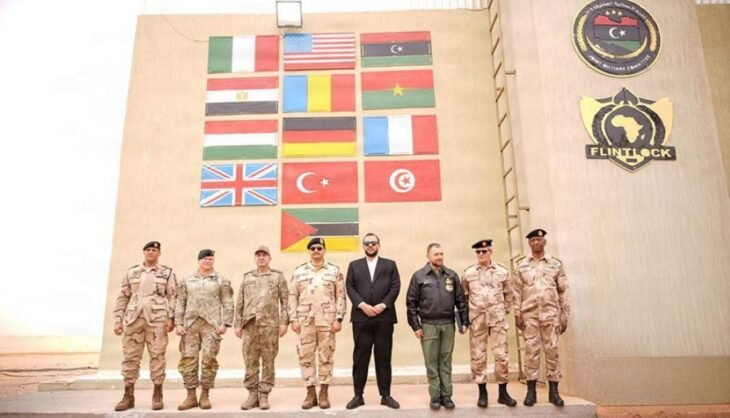
Escaping the cycle of conflict in Libya (8)

Tim Eaton

V – Lessons from other countries

Successful peace agreements usually include provisions to reduce economic disparities between communities and foster economic development. But settlements can fail to deliver their full benefit if institutional capacity for implementation is low or if ‘vertical’ economic inclusion is lacking.

The combination of ongoing conflict, competition for control of state resources, administrative over-centralization and a lack of sustainable development is not unique to Libya. Modern political settlements in various countries have included a range of economic provisions to tackle such problems, and may offer lessons for policymakers engaging with Libya. Such provisions have included:

  • formulas for resource revenue-sharing;
  • reconstruction funding;
  • land reform;
  • employment programmes; and
  • debt relief.

Analysis of political settlements from other countries and contexts illustrates that such agreements have been broadly successful in ensuring economic inclusion and avoiding further outbreaks of violent conflict in the short term, but that they have enjoyed fewer successes in delivering long-term stability, equitable development and sustained economic growth.

Where they have supported wider economic development, the economic provisions of political settlements have provided some kind of socio-economic peace dividend. For example, revenue-sharing in the Aceh Peace Agreement in Indonesia is considered to have prevented a relapse into conflict by addressing economic marginalization and reducing support for separatism.

The Good Friday Agreement in Northern Ireland unlocked significant EU and UK financial investment that improved economic conditions across Northern Ireland. This helped reduce the economic disparity between communities and created a shared incentive to maintain peace.

In Liberia and Sierra Leone, debt relief and international aid enabled post-war governments to redirect financial resources towards essential services, infrastructure and employment programmes.

The latter two examples also reflect a further ingredient that is often critical to the sustainability of peace deals: in both Liberia and Sierra Leone, two countries dependent on external rents, the mobilization of financial resources was accompanied by aid conditionality mandating governance and institutional reforms. This was to ensure that aid was used effectively.

However, as Libya is an upper-middle-income country with abundant natural resources, the threatened withholding of access to external financing does not carry the same leverage as it might elsewhere. Consequently, a different approach is advisable if Libya is to meet the challenges of providing long-term stability, equitable development and sustained economic growth.

Such an approach should focus on leveraging Libya’s reliance on access to dollar transactions in the international financial system. Ultimately, all of Libya’s international oil export revenues must be routed through this system. Thus, an emphasis on ensuring that Libya and its international commercial partners are fulfilling financial compliance requirements is the greatest source of leverage possessed by the US and its international partners.

For this leverage to be effective, sustained engagement between the international community and Libyan stakeholders is required. Evidence from other contexts suggests that roadmaps for the implementation of agreed economic provisions must be realistic and retain buy-in from parties to the conflict.

Failure to meet such criteria – for example, due to a lack of institutional capacity or to the privileging of vested interests – would likely result in limited or incomplete implementation of economic provisions in any agreement.

Similar risks are illustrated by the challenges that later emerged around the Aceh Peace Agreement – despite its success, in many respects – in Indonesia.

The agreement contained complex economic components, including provisions for the establishment of special autonomy status, which allowed the province to retain a larger share of tax revenues and control over public spending through a process of fiscal decentralization, along with provisions for resolving land disputes, compensating displaced persons and restoring property rights to those affected by the conflict. Yet, Aceh had a bureaucracy ill equipped to handle post-conflict reconstruction and development, and this complicated the peace deal’s adoption.

Another example of implementation and governance challenges can be found in the Comprehensive Peace Agreement between the government of Sudan and the Sudan People’s Liberation Movement. The agreement, signed in 2005, contained economic provisions that were instrumental in maintaining peace during the transitional period prior to South Sudan obtaining independence in 2011.

However, weaknesses affecting implementation, transparency and economic diversification limited the success of efforts to improve petroleum sector governance, attract foreign investment and stimulate economic development. The new government of South Sudan struggled to enact the necessary legislation and regulatory mechanisms, and this impeded the implementation of the peace agreement’s economic components ahead of independence.

As a result, most of the money or investment that was supposed to have funded South Sudan’s post-2011 transformation never reached its targets. It is alleged that much of the funding that did arrive was siphoned off by certain leaders.

A final lesson for Libya, from the wider MENA region, is that so-called ‘horizontal’ economic inclusion – in the form of power-sharing deals unaccompanied by accountable economic governance – may sow the seeds of medium- and long-term economic collapse.

In the case of Lebanon, the 1989 Taif Agreement rebalanced economic and political power horizontally among sectarian elites and their associates, but ‘vertical’ inclusion – beyond the elites, stretching to their constituents in the general public – was not seriously attempted. Consequently, this redistribution resulted in the entrenchment of clientelism in economic decision-making. Ministries too often became fiefdoms for political elites, facilitating corruption and inefficiency rather than fostering national economic recovery.

By the late 2010s, Lebanon’s debt-to-GDP ratio had become one of the highest in the world, leading to financial instability and an eventual economic collapse in 2019–20. In other words, the very policies designed to stabilize Lebanon’s economy after the war of 1975–90 ended up creating conditions for financial crisis decades later.

A similar story is perceptible in Iraq, where politically sanctioned corruption has undermined governance, posing significant obstacles to reform. Exploitation of the al-darajat al-khasa system of ‘special grades’ – whereby political parties vie to appoint loyalists to senior civil service positions – has allowed some appointees, protected by their political patrons, to control resource allocation within ministries and state institutions, diverting funds to benefit the parties with which appointees are affiliated.

Billions of dollars have been lost to inefficiency and fraud in this way, limiting the impact of reconstruction programmes. Protests over economic conditions, unemployment and corruption have erupted frequently, indicating that Iraq’s economic peace provisions have largely failed to create inclusive growth or stability.

In conclusion, the examples in this chapter reveal how the success of economic components in peace agreements depends on countervailing external pressures, long-term commitment, and robust institutions to generate tangible benefits for the population. Without these factors, even well-designed economic policies risk being undermined, leading to renewed instability.

***

Tim Eaton is a senior research fellow in the Middle East and North Africa Programme at Chatham House. His research focuses on the political economy of conflict in the Middle East and North Africa (MENA) region, and on the political economy of the Libyan conflict in particular.

_______________________

Was Al-Haddad Murdered Or Was It An Accident?

Dr Miral Sabry AlAshry

The UK Agrees To Cooperate In Analyzing

The Aircraft’s Black Box

In a tragic incident whose cause remains unknown, we now attempt to analyze what happened. Lieutenant General Mohammed Ali Ahmed al-Haddad, Chief of Staff of the Libyan Army, was killed along with four of his senior military aides when their private aircraft crashed shortly after taking off from Esenboğa International Airport in Ankara, Turkey, en route to Tripoli, on Tuesday evening, December 23, 2025.

Who Was Mohammed al-Haddad?

Mohammed Ali Ahmed al-Haddad was widely regarded as one of Libya’s most influential military figures in the post February 17, 2011 revolution era. He was a stronghold of revolutionary forces during the uprising against Muammar Gaddafi, al-Haddad emerged from a generation of officers shaped by the collapse of the former regime and the prolonged struggle to rebuild state institutions amid conflict and fragmentation.

Following the 2011 revolution, al-Haddad steadily rose through the ranks of Libya’s military establishment, gaining a reputation as a pragmatic officer with strong ties to revolutionary brigades in western Libya. 

In August 2020, al-Haddad was appointed Chief of Staff of the Libyan Army by Fayez al-Sarraj, head of the Government of National Accord (GNA). His appointment came at a critical juncture, following the failure of Khalifa Haftar’s military campaign against Tripoli and amid renewed international momentum to stabilize Libya through political dialogue and security arrangements. As Chief of Staff, al-Haddad assumed responsibility for overseeing military structures aligned with the internationally recognized authorities in western Libya, while simultaneously engaging in dialogue with rival forces in the east.

One of al-Haddad’s most significant roles was his membership in the UN-sponsored Joint Military Commission (5+5), which brought together senior officers from both western and eastern Libya. Within this framework, he played a central role in negotiating ceasefire arrangements, confidence-building measures, and discussions on the withdrawal of foreign forces and mercenaries. 

Al-Haddad’s national profile rose sharply during the 2019–2020 defense of Tripoli against Haftar’s forces. During this period, he was instrumental in coordinating military operations, improving command-and-control structures, and facilitating cooperation among diverse armed groups defending the capital. His leadership during the conflict earned him considerable political and military weight within western Libya, while also making him a controversial figure among rival factions.

Beyond active combat roles, al-Haddad was seen as an advocate for rebuilding a professional, unified national army under civilian authority. He consistently emphasized the importance of ending parallel military chains of command, integrating armed formations into state institutions, and insulating the military from direct political rivalry. However, these ambitions faced persistent obstacles due to Libya’s fragmented governance, external interference, and competing regional alliances.

The Flight and the Crash

The Libyan Chief of Staff was traveling aboard a Falcon 50 business jet. The aircraft took off from Esenboğa Airport at 8:17 p.m. local time, and contact was lost approximately 30–35 minutes later while it was flying at an altitude of 32,400 feet over the Ankara region.

After that the crew reported an emergency to air traffic control due to an electrical or technical malfunction in the aircraft’s electronic systems and requested permission for an emergency landing in the Haymana district south of the capital.
After that communication was lost immediately afterward, and the aircraft crashed in rugged terrain near the village of Kesik Kavak in the Haymana district, about two kilometers from the village. Turkish Interior Minister Ali Yerlikaya stated that gendarmerie and rescue teams reached the crash site, after which a large explosion occurred due to fuel ignition and the scattering of aircraft debris. When Turkish authorities know they temporarily closed the airspace over Ankara and referred the investigation to the Ankara Public Prosecutor’s Office.

Scenarios for the Accident

There are several possible scenarios surrounding the accident.

First: Although the investigation is still in its early stages, initial indicators according to Turkish officials strongly suggest a technical malfunction, particularly within the aircraft’s electrical or electronic systems. Such a failure may have prevented the flight crew from successfully completing the requested emergency landing.

Second: Other scenarios cannot be ruled out, especially given the complex regional and international environment surrounding Libya. These possibilities include weather-related factors despite the absence of reports indicating severe conditions at the time of the flight and, in rarer circumstances, the possibility of an assassination attempt involving sabotage or terrorist activity.

Political Context

Libya–Turkey cooperation is strategic and multi-dimensional, particularly since 2019. Politically, Turkey has supported the internationally recognized authorities in western Libya and backed UN-led efforts aimed at stabilizing the country and preserving its territorial unity. This political alignment has been reinforced through frequent high-level visits and sustained diplomatic coordination between the two sides. 

Militarily, cooperation represents the most significant pillar of the relationship. A bilateral security and military cooperation agreement signed in 2019 laid the foundation for Turkish support to Libyan forces aligned with Tripoli. This support included training, advisory assistance, and capacity-building aimed at improving command structures and institutional organization. 

Beyond immediate security needs, Turkey has focused on long-term defense training and institutional development, hosting Libyan officers for training programs and supporting efforts to build a professional and unified national army under civilian oversight. Cooperation has also extended to counterterrorism, intelligence sharing, and border security.

Economically, Libya and Turkey cooperate in reconstruction, infrastructure development, trade, and energy-related services, with Turkish companies playing an active role in Libya’s post-conflict rebuilding. Additionally, the two countries signed a maritime boundary agreement in 2019 that strengthened their strategic positions in the Eastern Mediterranean and added a geopolitical dimension to their partnership.

The incident occurred following an official visit by General al-Haddad to Ankara, where he met with Turkish Defense Minister Yaşar Güler and Chief of the Turkish General Staff Selçuk Bayraktaroğlu to discuss strengthening military cooperation between the two countries.

The crash comes at a sensitive time for Libya, which remains divided between the Tripoli-based government in the west and forces in eastern Libya, amid ongoing UN efforts to unify the military institution and hold elections. The circumstances surrounding al-Haddad’s death could potentially open the door to internal power struggles over key military positions.
Libyan and International Response

A Libyan military delegation was dispatched to Turkey the day after the incident. The delegation was tasked with coordinating directly with the Turkish authorities, monitoring the crash site from both military and technical perspectives, supporting the investigation, and working closely with other government committees to fully understand the situation.

The Libyan Ministry of the Interior also formed a specialized official committee that began its work on the ground. Its responsibilities included coordinating with Turkish judicial and security authorities, overseeing the identification of the victims through DNA analysis, collecting preliminary forensic data, and documenting the circumstances of the incident in accordance with Libya’s legal frameworks.

Meanwhile, a technical team from the Ministry of Transport was sent to Turkey to review flight data, examine the aircraft’s technical records, assess the flight route, and oversee procedures related to handling the black box. This work was conducted in coordination with international technical experts, including cooperation with the United Kingdom, to ensure a professional, impartial investigation in line with international standards.

Uncertainty Looms Over

Al-Haddad’s Death 

The investigation into General Mohammed al-Haddad’s death raises critical questions for Libya’s political and military landscape. It is unclear whether the process will extend throughout 2026, with final results expected in 2027. During this period, there is the potential for additional parties to be implicated, creating further tension among competing factions. Individuals or groups might attempt to evade accountability, and political actors could exploit the uncertainty to advance their own agendas.

At this stage, Libya’s future trajectory remains highly uncertain. The country is deeply fractured, both internally among rival factions and externally through competing foreign alliances. The outcome of the investigation, and how its findings are received or acted upon, could significantly influence power dynamics, military cohesion, and ongoing UN-led efforts toward political stabilization and national reconciliation.

***

Dr. Miral Sabry AlAshry is Co-lead for the Middle East and North Africa (MENA) at the Centre for Freedom of the Media, the Department of Journalism Studies at the University of Sheffield.

_____________________
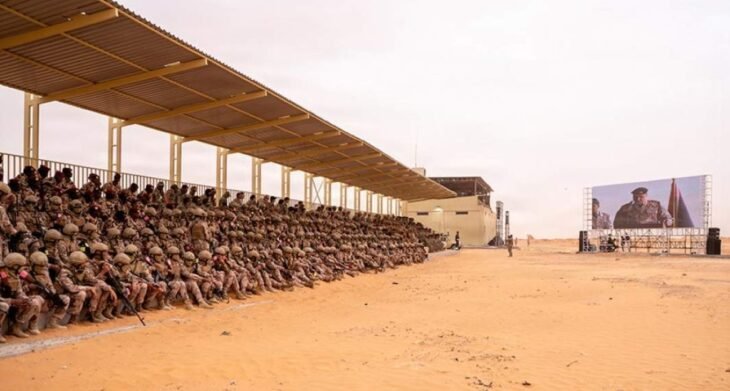
Libya in a vicious circle since the failure of the December 24, 2021 elections

The paths are blocked

Libyan political analyst Hussam Al-Abdali said. Libya’s political scene remains in a vicious cycle. This has been the case since the failure of the scheduled elections on December 24, 2021. All paths are now blocked. There is an absence of real solutions to the crisis. Al-Abdali made these remarks to Sputnik Agency.

Al-Abdali clarified that current political bodies appear satisfied with the status quo. These include the House of Representatives and the High Council of State. The current situation guarantees their continuation in power. It also preserves their privileges. These benefits include high salaries, political immunity, expenses, and other advantages. These benefits extend to them and their children.

He stated that the international community and major powers show no real urgency. They are not pushing to resolve the Libyan crisis. This is because the current situation poses no direct threat to their regional or international interests. This applies to the Mediterranean Sea. It also applies to neighboring countries and major powers.

He pointed out that these countries do not want a strong Libyan state. Such a state might threaten their security. Nor do they want a weak state. A weak state could become a breeding ground for terrorist groups and armed gangs. He believes that the current state of temporary relative stability serves their interests.

Al-Abdali indicated that Libya is not among the international community’s priorities at this stage. The world is preoccupied with several other crises and conflicts. These include the war in Sudan and Middle East tensions over the past year. The Yemeni crisis and other issues also hold greater priority.

Al-Abdali addressed the role of the United Nations mission. He explained that it launched what was known as the “Structured Dialogue” recently. This dialogue took place on December 10. Approximately 124 members participated. The stated goal was to pave the way for a government. This government would lead the country towards elections. However, the UN mission surprised participants. It announced that the dialogue’s outcomes would be non-binding.

Al-Abdali believes this development empties the Structured Dialogue of its content. It makes it similar to the Advisory Committee’s experience, known as the “Committee of Twenty.” That committee submitted proposals and recommendations that were not adhered to. He questioned if this development resulted from a misjudgment by the mission’s leadership. He ruled out that possibility. He suggested that a strong international party intervened. This party obstructed the Structured Dialogue for multiple reasons.

He added that this conclusion is supported by statements from UN envoy Hannah Tetteh. Recent international movements also support it. He suggested that this international party has a different vision for a solution. This might rely on understanding between specific parties. These include military factions in the east and west. It also involves the Government of National Unity led by Abdul Hamid Dbeibeh. The Libyan National Army’s General Command is also involved. The UN envoy indicated in her Security Council briefing that an alternative plan exists. This plan would be used if Libyan political parties fail to reach a solution. This plan is expected to be presented in an upcoming briefing in February.

Al-Abdali believes the UN mission decided to postpone the Structured Dialogue’s outcomes until February. This suggests the next phase might see different voices and approaches. It could result in a new constituent council. This council would replace the House of Representatives and the High Council of State, after their dissolution. A new government would emerge from it. In this context, he suggested America is the most influential international party in this process. He believes the US could push for a solution relatively quickly.

On another note, Al-Abdali discussed the cabinet reshuffles. The Government of National Unity recently announced its intention to carry these out. He considers these attempts to politically extend the government’s lifespan. He referred to previous statements by Minister of State for Communication and Political Affairs, Walid Al-Lafi. Al-Lafi had spoken about announcing new ministers before the end of the last year. This did not happen by year-end.

He explained that the non-announcement of these changes might relate to UN mission statements. The mission stated it was not informed of any cabinet adjustments. He views this as an implicit indicator of the mission’s disapproval. It signals disapproval of the Government of National Unity’s steps at this time. This is especially true given the ongoing Structured Dialogue. He believes these movements are merely political maneuvers. He affirmed that the unity government is sacrificing Libyans’ future. It is doing so to maintain its hold on power.

Al-Abdali added that the country’s economic situation is worsening. The political situation is deteriorating even further. The government is unable to implement real economic reforms. It cannot halt the decline in the Libyan currency’s value. Nor can it achieve political unification for the country. He pointed to unannounced communications and contacts. These are between the Government of National Unity and parties in eastern Libya. They involve files related to oil companies and financial sharing. He accused both parties of corruption. He asserted that their shared interest is prioritizing private gain over public interest.

Al-Abdali believes the continued political stagnation reflects a lack of seriousness from international parties. They are not serious about making real change in Libya. He explained that Libyans are now awaiting the outcomes of February. They are also waiting for the alternative plan mentioned by the UN mission. They await the results of the international party’s intervention. This party has entered the crisis. They want to know if it will succeed in dialogue with what he called “clinically dead political bodies.” Or will the deadlock continue?

_____________________

Escaping the cycle of conflict in Libya (7)

Tim Eaton

The Government of National Unity (GNU) became the first unified government since 2014 when it was appointed in March 2021. Its mandate was almost exclusively focused on taking Libya to elections planned for December that year. In this context, the GNU had no clear mandate to engage on any expansive set of economic objectives, beyond the existing day-to-day priorities pursued by the EWG, such as achieving improvements in the electricity grid.

While the EWG and LEEC continued their work, the GNU did not prioritize implementing their recommendations, viewing economic decision-making as its responsibility.

 Moreover, the limited number of LEEC members who subsequently joined the GNU did not appear to act as advocates for the LEEC’s reforms once in government. Thus, Salamé and Williams’ goals of addressing economic drivers of conflict did not materialize.

Libya’s political process stagnated following the failure to hold elections in December 2021. In February 2022, the split between parallel governments – the GNU in the west, and the Government of National Stability (GNS) in the east – re-emerged. To address the executive division, UNSMIL, with the EWG’s support, pursued three main objectives: ensuring transparent and equitable management of state revenue; safeguarding the NOC’s operations; and advancing the reunification of the CBL.

Overall, these moves indicated a reversion to the pre-2017 agenda of improving day-to-day governance rather than seeking to reform the Libyan state per se. Importantly, the approach was also based on dialogue rather than active mediation, so any progress depended on the willingness of incumbent Libyan policymakers.

A US-developed proposal, the Mechanism for Transparency and Accountability in Public Finance (known as ‘Mustafeed’), was tabled at the EWG in the spring of 2022. This was a departure from previous efforts in that it sought to impose conditions on Libyan authorities.

Specifically, Mustafeed sought to limit state expenditures to essential categories. This was aimed at making it harder for officials associated with vested interests to cling to office, and at incentivizing a move towards elections. Unsurprisingly, the proposal faced stiff resistance from Libyan policymakers, who claimed it was an infringement of Libyan sovereignty. In the face of this resistance, and potential implementation challenges, Mustafeed did not materialize.

A key feature of the political process to date has been the idea that efforts should be ‘Libyan-led’. A genuinely Libyan-led effort on the economic track emerged in the summer of 2023, amid tensions between the rival western and eastern governments over control of state revenues. The Tripoli-based Presidency Council founded the so-called High Financial Committee, designed to mediate in economic disputes between rival powerbrokers.

The committee met several times, but eastern-based officials withdrew from it after a political deal was reached between the CBL’s governor, Sadiq al-Kabir, and the speaker of the House of Representatives (HoR), Agila Saleh, over a nominal ‘reunification’ of the CBL in which the bank’s eastern governor, Marei al-Barassi, became deputy governor.

With the collapse of the High Financial Committee, negotiations on the economic file withered. Real discussions between rival powerbrokers moved behind closed doors and focused on the tacit agreement in the oil sector to divide access to oil revenues between west and east. Subsequently, the HoR formed a technical committee in December 2023 to prepare a draft unified budget, although this budget was ultimately disregarded.

Libya has thus continued to operate without any formal agreement on state spending between west and east, allowing for the uncontrolled increases in expenditure detailed in this paper.

In June 2024, the US re-initiated its own economic dialogue to foster consensus between Libya’s divided state institutions. However, by August 2024 escalating disputes over resource allocation had triggered a leadership crisis within the CBL. Negotiations facilitated by UNSMIL resulted in the appointment of a new CBL governor and the re-establishment of a board of directors in October 2024, after a decade-long absence.

In December 2024, UNSMIL announced the launch of an UNSMIL-facilitated but Libyan-led and -owned ‘multi-track’ political process. The centrepiece of this initiative was the formation of an Advisory Committee of independent Libyan experts who would put forward options for UNSMIL to consider so that the political impasse could be broken.

As part of the process, UNSMIL would formulate an inclusive, structured dialogue among Libyan social constituencies to reach consensus on a collective vision for the country’s future and to address long-term conflict drivers. Notably, the dialogue aimed to build on existing work involving Libyan partners, with the economic consultations focusing on fundamental issues that could ensure a ‘stable, sustainable and prosperous economy’ for the benefit of the Libyan people.

Yet, the necessary parameters to define how the structured dialogue would interact with other lines of effort were never fully finalized and agreed.

In the summer of 2025, the Berlin process resumed, with Germany helping the UN to bring international players together in an attempt to forge consensus behind the UN’s developing plans. These plans were announced at the UN Security Council by the current head of UNSMIL and special representative of the secretary-general, Hannah Tetteh.

Building on the Advisory Committee’s recommendations – delivered in June 2025 – Tetteh’s proposals focused on navigating the political roadblocks to the holding of national elections, seeking the promulgation of an elections law that would have broad acceptance, and facilitating the establishment of an interim government ahead of polls being organized.

Yet, the connection of this process to the previously announced structured dialogue on economic reform remains unclear. As of November 2025, when this paper was being finalized, efforts to reconvene the EWG – which had not met in the previous three years – remained in progress. There is, however, no clear consensus over what the function of a reinstated EWG should be, or how it might interact with the structured dialogue that has already been initiated.

***

Tim Eaton is a senior research fellow in the Middle East and North Africa Programme at Chatham House. His research focuses on the political economy of conflict in the Middle East and North Africa (MENA) region, and on the political economy of the Libyan conflict in particular.

________________

How Pakistan and Libya Just Killed the UN Embargo

Amine Ayoub

A Landmark Arms Deal in Benghazi Signals the End of Meaningful Enforcement and the Emergence of Parallel Global Defense Supply Chains.

Last week, a defining geopolitical event unfolded in Benghazi, Libya, with implications that extend far beyond the immediate Maghreb theater. The visit of Pakistan’s Chief of Army Staff, General Asim Munir, to meet with Major General Saddam Haftar of the Libyan National Army (LNA) resulted in a defense agreement valued between $4 billion and $4.6 billion. While Western attention remains fixed on conflicts in Eastern Europe and the Levant, this procurement represents a fundamental restructuring of the North African security architecture.

It signals the effective collapse of the United Nations arms embargo and the emergence of a “South-South” military-industrial channel that operates independently of Western oversight or conditionality.

For the past half-decade, the operational tempo in Libya has been dictated by the prevalence of Unmanned Aerial Systems (UAS), specifically the Turkish-manufactured Bayraktar TB2, which proved decisive in repelling LNA advances on Tripoli in 2020. The introduction of the JF-17 Thunder (Block III) fundamentally alters this tactical equation.

The JF-17 Block III, a 4.5-generation multirole fighter co-developed by Pakistan and China, introduces capabilities previously absent from the LNA’s arsenal. Equipped with Active Electronically Scanned Array (AESA) radar and compatible with PL-15 beyond-visual-range air-to-air missiles, the platform is technically capable of detecting and engaging tactical drones and legacy aircraft from standoff distances. From a strategic perspective, this acquisition transitions the LNA from a force reliant on irregular mercenaries and asymmetric warfare to one possessing state-level air superiority capabilities.

Furthermore, the inclusion of 12 Super Mushshak trainer aircraft indicates a long-term institutional strategy. Rather than relying solely on external contractors or the Wagner Group (now Africa Corps) for air support, the LNA is investing in indigenous capacity building, establishing a pilot training pipeline that ensures operational sustainability independent of foreign proxies.

The transaction highlights a growing trend in global defense economics: the rise of alternative supply chains that bypass traditional Western and Russian monopolies. This deal is characterized by a “South-South” cooperation model, where a nuclear-armed South Asian power supplies a North African non-state actor (or quasi-state entity) without the political preconditions typically attached to Western arms sales.

For Pakistan, grappling with severe economic headwinds and a need for foreign currency, the sale represents a lucrative export opportunity that leverages its indigenous defense industry. For the LNA, it provides access to advanced military hardware without the diplomatic friction of navigating US or EU export controls. General Munir’s reference to Libya as a “land of lions” during his address to LNA officers serves to legitimize this partnership through a narrative of pan-Islamic solidarity rather than mere transactional commerce. This rhetorical framing seeks to elevate the LNA’s status from a militia to a sovereign partner in the eyes of the region.

Perhaps the most significant outcome of this agreement is the open challenge it presents to the credibility of international law. The United Nations Security Council has maintained an arms embargo on Libya since 2011, a measure theoretically designed to prevent the proliferation of heavy weaponry in the fractured state. However, the scale and publicity of the Pakistan-Libya deal suggest that this mechanism has lost its deterrent value.

Pakistani defense officials, speaking on condition of anonymity, have characterized the UN restrictions as a “paper embargo” that is “virtually non-existent”. This stark assessment underscores a reality where enforcement mechanisms—such as the EU’s Operation Irini—are bypassed via air corridors or direct government-to-government transfers that ignore maritime interdiction protocols. The lack of an immediate, high-level diplomatic censure from Washington or Brussels suggests a tacit acceptance of the new status quo, or perhaps a strategic paralysis born of competing priorities.

The Benghazi Accord marks a critical inflection point. The LNA’s acquisition of fourth-generation fighter aircraft does not merely escalate the potential for renewed conflict; it demonstrates the viability of a parallel international order where sanctions are disregarded and military capability is auctioned to the highest bidder.

As the JF-17 fleet becomes operational, the strategic calculus for the Government of National Unity in Tripoli—and its international backers—must shift from containment to navigating a reality where the LNA possesses qualitative military parity, if not superiority. The era of the embargo is effectively over; a new phase of unbridled militarization in North Africa has begun.

______________________

Escaping the cycle of conflict in Libya (6)

Tim Eaton

IV – Libya’s ‘economic track’ to date

There have been sporadic efforts in recent years to develop the economic dimension of peace negotiations, with UNSMIL in particular playing a prominent role. But instability, political opposition and rivalry between Libya’s parallel governments have impeded progress.

International policymakers have long recognized the need to mitigate economic drivers of conflict in Libya, and have taken a number of concrete steps to engage Libyan stakeholders on these topics. Such steps included the announcement of an ‘economic track’ of negotiations in 2018, and subsequent efforts to make state spending more coherent and rein in the diversion of state funds by officials and their associates.

The UN also expressed its ongoing commitment to governance reforms in a recently unveiled ‘multi-track’ process. There have also been continuing efforts to facilitate dialogue between Libyan stakeholders – such as on agreeing a budget between the Government of National Unity (GNU) and House of Representatives (HoR) – in the search for consensus on economic governance.

But these ad hoc efforts have, until now, remained largely divorced from wider efforts on the political track of negotiations. Critically, too, they have taken the shape of dialogue rather than direct mediation. Thus, the meetings have aimed simply to share views rather than force agreements.

A timeline of economic negotiations

Since 2014, Libya’s economy has been shaped above all by the political and security challenges arising from the emergence of rival governments in the west and east of the country. In response to this split, the international community initially focused on damage limitation: essentially, mitigating the impact of conflict on key economic institutions, and hoping to prevent their division and protect critical sectors like oil.

These efforts had mixed results – for example, they failed to maintain nationally unified governance of the CBL and NOC – but nor were they entirely in vain.

Indeed, coherent international action arguably prevented more serious impacts. For example, universal international recognition of the CBL’s Tripoli-based leadership ensured that only the Tripoli-based entity could access international financial markets and foreign exchange.

In the case of the NOC, the parallel leadership established in the east was prevented by the international community from selling oil directly on the international market. These measures by no means solved all the problems associated with the governance divide – as noted earlier, the east developed its own financing mechanisms entirely separate from those of its counterparts in Tripoli – but they did sustain a useful degree of national economic interdependence.

Broadly, NOC-affiliated entities in the east and south of Libya continued to extract and sell oil and petroleum products, while authorities in the west of the country received the revenues and distributed them nationally.

In 2015, the Libyan Political Agreement (LPA), signed by Libyans invited to a UN-brokered dialogue process, sought to establish a unified government to bring an end to administrative division. While laying a roadmap for elections under a unified government, the LPA simultaneously sought to insulate economic and financial institutions from political instability in what was supposed to be an interim period ahead of elections.

The LPA emphasized transparency, anti-corruption policies and adherence to international standards. Under the UN banner, the LPA also aimed to avoid oil blockades and ensure the continued functioning of vital sectors. Yet the government that was formed by the LPA – which became known as the Government of National Accord – was rejected by Khalifa Haftar and the House of Representatives in the east, leading the east to retain its own government. So, the problems remained unsolved.

In November 2017, Ghassan Salamé, at the time the new UN special representative for Libya and head of UNSMIL, told the UN Security Council that ‘politics in Libya is strongly shaped by economic predation’.

Salamé and his deputy, Stephanie Williams, recognized that capture of resources had become a major driver of ongoing conflict in Libya, and that addressing this problem meant elevating issues surrounding Libya’s economy to the forefront of the UN’s political engagement with the country.

Yet this statement of intent was not matched by actions, in part because of a deterioration of the situation on the ground.

Salamé had hoped to promote a shift from brokering stopgap agreements on specific issues, such as oil blockades, to addressing the underlying causes of conflict in a broader political settlement. His plan was to table economic components of reform at a planned ‘National Conference’ in April 2019; the conference was intended to bring together Libyan constituencies to negotiate an agreement that would end political division and chart a consensus path forward.

The exact shape of what was planned on the economic side has never been disclosed, however, not least because the event was cancelled following the attack by Haftar’s Libyan Arab Armed Forces (LAAF) on Tripoli two weeks before the conference was scheduled to take place.

Despite this setback, UNSMIL remained committed to addressing economic drivers of conflict through the creation of both a new Libyan body and a corresponding new international one. On 7 January 2020, UNSMIL established the Libyan Economic Expert Commission (LEEC), which was made up of Libyan officials, experts and academics and tasked with developing essential reforms.

The LEEC’s establishment had followed UNSMIL-led engagement over several months, culminating in a meeting in Cairo where those selected to join the LEEC convened to discuss how the body should function. The LEEC was subdivided into three working groups:

i) banking and the private sector;

ii) revenue distribution and transparency; and 

iii) reconstruction and development.

Meanwhile, on 9 January 2020 representatives from the international community convened at the first Berlin Conference, where Salamé sought to gather support for UN-led peace efforts. The conference was predicated on a belief that without international consensus on the way forward in Libya, agreement among rival Libyan factions would not be possible. The meeting resulted in the Berlin Declaration, which set out seven components for a peace process, including a ceasefire, security sector reform, and economic and financial reform. The declaration announced the formation of an Economic Working Group (EWG) ‘follow-up committee’ to coordinate international support for Libya’s economic stabilization and institutional unification in pursuit of the declaration’s goals.

UN Security Council Resolution 2510 (2020) endorsed the outcomes of the Berlin Conference, as well as confirming the establishment of the LEEC. Critically, however, the resolution did not clarify the relationship between the economic and political processes. It thus remained unclear what the respective roles of the LEEC and the EWG should be. Was the LEEC to be empowered to make decisions that any governing authority would be required to implement? Or was it there merely to advise the Libyan authorities and their international counterparts at the EWG?

What became clear was that the members of the LEEC expected it to be given the power to do the former – bringing them on a par with their counterparts on the political track – while the international community ended up settling on the latter.58 The LEEC thus effectively became a consultative body that worked with the EWG to put recommendations to the Libyan government. While important, this role was clearly of less significance than the political track.

The EWG was encumbered with a situation where it had four co-chairs – the US, UNSMIL, Egypt and the EU – with their own priorities and interests. Moreover, the priorities set for the EWG were extensive, ranging from pursuit of structural economic reform to supporting the provision of vital public services. To add to the challenge, the EWG had no obvious means of delivering these ambitious goals, beyond the facilitation of dialogue among Libyan officials and institutions.

Simultaneously, UNSMIL’s economic unit formulated a detailed ‘policy reform roadmap’ that would be pursued with support from the EWG and the LEEC. Combined, these developments meant that the economic track centred on agreements among existing holders of office in Libya, targeting measures that would improve economic governance. However, momentum for this agenda faltered as international attention focused on the establishment of a new government via another UN-led selection process, called the Libyan Political Dialogue Forum, in October 2020. Few of the target measures of the policy reform roadmap were achieved.

***

Tim Eaton is a senior research fellow in the Middle East and North Africa Programme at Chatham House. His research focuses on the political economy of conflict in the Middle East and North Africa (MENA) region, and on the political economy of the Libyan conflict in particular.

___________________

U.N. Clash on Libya Maritime Lines Reveals Persistent Tensions Between Egypt and Turkey

Abdullah Bozkurt

Egypt’s UN Counteroffensive Exposes How Ankara’s Influence in Libya Continues to Fuel a Deeper Strategic Rivalry in the Eastern Mediterranean.

Despite a publicly promoted thaw between Ankara and Cairo in recent years, accompanied by high-level diplomatic visits and gestures of normalization, Turkey and Egypt remain deeply at odds over the future of Libya.

That unresolved fault line resurfaced recently when Egypt mounted a forceful counteroffensive at the United Nations, exposing how the Libyan question continues to anchor a lingering and strategically significant tension between two heavyweight powers in the eastern Mediterranean.

Egypt’s latest filing, circulated on September 16, 2025, lays out Cairo’s strongest rejection to date of Libya’s newly submitted claims over extended continental shelf limits and maritime boundaries. According to Egypt, the maps and coordinates submitted by Libya in May and June 2025 do more than stake out new maritime zones: they place swaths of Libyan-claimed areas inside Egyptian waters, encroaching on Egypt’s territorial sea, contiguous zone, exclusive economic zone and parts of its continental shelf.

Cairo’s note asserts that the Libyan outer limits overlap Egypt’s western maritime boundary and that Libya’s declared eastern limit lies entirely within Egyptian jurisdictional waters. In effect Egypt views these filings as an attempt to unilaterally redraw the Mediterranean’s maritime geography at its expense.

Libya’s filing to the United Nations on May 27, 2025, lays out Tripoli’s formal declaration of the outer limits of its continental shelf in the Mediterranean, accompanied by a map and a list of coordinates. The document asserts that Libya’s maritime boundaries, drawn in accordance with the 2019 maritime delimitation memorandum signed with Turkey, constitute an equitable solution under international law and explicitly states that neither Greece nor Egypt holds sovereign rights in the areas delimited between Libya and Turkey.

Tripoli rejects the 2020 EEZ agreement between Greece and Egypt as legally invalid and accuses both governments of issuing offshore hydrocarbon licenses in areas that Libya claims as its own. The note argues that Greek exploration activities south of Crete, including surveys begun in 2022, violate Libya’s sovereign rights and disregard established international maritime norms. Libya further claims that parts of Greece’s 2025 Maritime Spatial Plan and Greece’s newly declared Ionian Sea EEZ encroach upon the Libyan continental shelf.

In its submission Libya outlines a broad maritime boundary extending west toward Tunisia and east toward Egypt, anchored in the 2019 Turkey–Libya memorandum and supported, it argues, by international jurisprudence that limits the effect of islands in maritime delimitation. It provides a full list of coordinates along with a map showing its claimed continental shelf zone, territorial sea and exclusive economic jurisdictions.

It demands that Greece and Egypt suspend all hydrocarbon licensing and exploration activities in contested areas until final maritime boundaries are agreed.

It appears that what heightens Egypt’s alarm is not only the content of the Libyan claims but the political context behind them. The Egyptian filing devotes significant space to Libya’s accelerating offshore cooperation with Turkey.

It singles out a June 25, 2025, memorandum of understanding between Libya’s National Oil Corporation and Turkey’s state-owned national oil and gas company, the Turkish Petroleum Corporation (Türkiye Petrolleri Anonim Ortaklığı, TPAO), which allows seismic surveys across four offshore blocks, one of which — “Area 4” — Egypt says overlaps directly with its maritime boundary.

Cairo rejects the entire agreement, insisting that no legal effects can stem from activities rooted in what it considers an illegitimate claim. The document further reiterates Egypt’s long-standing position that Turkey’s previous deals with Libyan authorities — the 2019 maritime delimitation agreement and the 2022 hydrocarbons agreement — are both invalid and without legal force.

For Cairo these are not isolated technical disagreements but evidence of a coordinated Libyan–Turkish effort to reshape the regional energy and security landscape in ways that undermine Egypt’s strategic interests.

Libya’s June protest against Greece’s international tender for hydrocarbon exploration south of the Peloponnese and Crete deepens the complexity. Tripoli maintains that one of the tender blocks, “south Crete 2,” lies within Libyan jurisdiction. Egypt categorically rejects this claim as well, arguing that it disregards Egypt’s established sovereign rights.

The triangular dynamic that emerges — Egypt and Greece on one side, Libya and Turkey on the other — underscores how interlinked the disputes have become and how the eastern Mediterranean has evolved into a layered geopolitical theatre where every maritime move reverberates across multiple capitals.

To reinforce its position, Egypt grounds its objections in a comprehensive legal and diplomatic framework. It references Presidential Decree No. 595 of 2022 defining its western maritime borders, its 2023 Maritime Zone Notification and earlier notes deposited with the UN in 2019, 2023 and 2024. By locking its boundaries into the UN record, Egypt positions itself as defending an established legal status quo while portraying Libya’s submissions and, by extension, Turkey’s influence as destabilizing revisions that violate international law.

Behind the formal language, the underlying geopolitical narrative is clear. Libya’s persistent fragmentation has created an opening for external actors, with Turkey’s deep military and political engagement with western Libyan factions giving Ankara considerable leverage in shaping Libyan policy.

Cairo has long viewed Turkish influence on its western flank as a strategic threat, and the latest UN filing reflects an enduring suspicion: that Libya’s new maritime claims are less an expression of Libyan national interest and more an extension of Turkish strategic ambitions in the Mediterranean.

Turkey’s activist regional policy, rooted in energy exploration, security partnerships, and political sponsorship of Libyan factions, has become one of Egypt’s most enduring concerns despite public claims of reconciliation.

While Egypt closes its filing by expressing openness to negotiations “in good faith,” the substance of the document underscores the depth of the divide.

Cairo believes the rules of engagement have already been distorted by unilateral Libyan declarations and Turkish-driven agreements. With Libya unstable, Turkey entrenched, Greece directly implicated and lucrative offshore hydrocarbon prospects at stake, tensions in the eastern Mediterranean remain far from resolved.

Libya is unlikely to withdraw its submissions; Turkey is unlikely to reduce its footprint; and Egypt is certain to continue escalating its diplomatic resistance.

The dispute is still confined to the diplomatic and legal arena, but the actors are positioning themselves for a protracted contest, one in which maritime boundaries serve as proxies for a broader strategic rivalry that normalization efforts between Ankara and Cairo have yet to bridge.

***

Abdullah Bozkurt is a Swedish-based investigative journalist and analyst who runs the Nordic Research and Monitoring Network.

___________________

China-Pakistan warplane deal with Libyan faction ‘may help expand Beijing’s influence’

Liu Zhen

The agreement will supply the Libyan National Army with 16 fourth-generation JF-17 fighters.

Pakistan is selling warplanes it jointly developed with China to the Libyan National Army (LNA), a move analysts said could serve as a gateway for Beijing to expand its influence into North Africa.

In one of Pakistan’s largest-ever arms deals, 16 of the JF-17 “Thunder” fighters were listed among the over US$4 billion worth of military equipment sold to the force led by Khalifa Hifter, which controls the east of the country.

The deal included other land, sea and air equipment, such as 12 Super Mushak trainer aircraft for basic pilot training, and would be delivered over 2½ years, Reuters reported.

The plane has previously been sold to Myanmar, Nigeria and Azerbaijan. While most previous sales have been conducted through Pakistan, the latest Pentagon China military power report named the JF-17 as the bestselling Chinese-designed fixed-wing aircraft on the global market.

“The deal is a way of expanding China’s geopolitical influence through defence-industrial partnerships,” said Liselotte Odgaard, non-resident senior fellow at Hudson Institute. “It enables China to establish market presence behind the veneer of Pakistani exports.”

The JF-17 is a fourth-generation single-engine, multi-role aircraft developed jointly by Chengdu Aircraft Corporation and the Pakistan Aeronautical Complex. Its head designer was Yang Wei, from the Chinese firm, who also led the design of China’s fifth-generation stealth fighter, the J-20.

Mass production of the JF-17, known in China as the FC-1, started in 2007. The latest Block III variant, introduced in the 2020s, was equipped with an active electronically scanned array radar and advanced avionics. The plane gave Pakistan a cost-effective alternative to its F-16 fleet, and also represented China’s first major push to export advanced combat systems and compete globally through a joint venture model.

On the international market, the JF-17 is attractive to nations with tight budgets or political friction with the West, according to Odgaard. While significantly better than obsolete Cold War-era aircraft, it was much cheaper than top-tier Western jets such as the upgraded US F-16V or the French Dassault Rafale.

Most importantly, deals through Pakistan avoid the geopolitical scrutiny attracted by arms deals in the US, Russia or the European Union. With Chinese support, Pakistan now offered viable aircraft, training and maintenance that could set a precedent for similar deals in Africa or the Middle East, Odgaard said.

The deal with the Libyan National Army also included agreements on further weapons sales, training and joint manufacturing, according to social media posts by the force. Many critical parts of the plane, such as the radar and long-range PL-15E air-to-air missiles, were made in China, former Chinese rocket force instructor Song Zhongping said.

“The deal is primarily a good thing for China. Increased foreign usage could help validate and demonstrate the capabilities of the Chinese fighters,” he said. Myanmar acquired 16 JF-17s in 2015, Nigeria bought three in 2016, and Azerbaijan ordered 40 earlier this year. Pakistan is also reportedly negotiating a deal with Iraq.

Song added that the JF-17 was not used by the People’s Liberation Army and was not among China’s most advanced platforms, ensuring that the Chinese military retained a technological edge over the export market.

Libya has been under a United Nations Security Council (UNSC) arms embargo since 2011, but this has effectively been ignored by multiple states that have continued to supply various factions in the civil war. Pakistan officials argued there were no direct sanctions targeting individuals including Hifter, and that delivering arms to the LNA was not explicitly prohibited.

Chinese-made Wing Loong II drones, reportedly supplied to the LNA through the United Arab Emirates, have been widely used in the conflict. Odgaard said that if the sale of the warplanes to Hifter’s force was registered as a Pakistani deal, China could mitigate the damage to its image as a permanent member of the UN Security Council and reduce the legal risks from the violation of the arms embargo.

“While the deal raises broader questions about China’s ethical posture and the integrity of UNSC embargoes, China retains sufficient distance to shield itself from immediate diplomatic backlash,” she said. The focus on Pakistan would also help with the fallout with other key players in the region, such as Turkey, she added.

***

Liu Zhen joined the Post in 2015 as a reporter on the China desk. She previously worked with Reuters in Beijing.

___________________
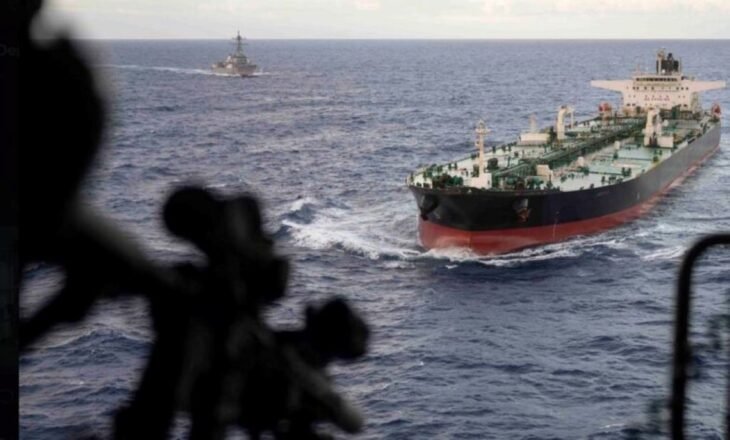
Source: South China Morning Post

Escaping the cycle of conflict in Libya (5)

Tim Eaton

Economic reliance on public sector

Libya’s state has become increasingly bloated. Of the country’s population of around 7 million, approximately 2.6 million people are employed by the state. Expenditure on salaries through the state budget has skyrocketed since fall of the Gaddafi regime.

A curious feature of conflicts in Libya since 2011 is that the opposing sides have almost always both been on the state payroll, meaning that – in a fiscal sense, at least – civil war has essentially consisted of the state fighting against itself.

A key obstacle to progress on economic reform is the strong cultural conviction throughout Libyan society that a state position is the most reliable form of income (people widely see public sector jobs as necessary to safeguard their financial futures).

Indeed, perhaps one of the most economically damaging legacies of the Gaddafi regime was the conflation of employment with welfare. 

The irony is that today public sector employment in reality provides little in the way of a safety net: the broader failures of the state have meant that many Libyans are now unable to even withdraw their (public sector) salaries from their bank accounts; even where employees can still do so, the effects of inflation at ground level in the real economy (where the black-market exchange rate, rather than international statistics on Libyan inflation, is a more accurate indicator) mean those salaries pay for fewer goods.

Governance dysfunction has progressively weakened the Libyan economy to the extent that, by 2025, some experts argued that revenues received by the CBL were insufficient to cover public sector salaries.

The effects of state centralization

There is a degree of consensus among economic experts that – regardless of the contest among elites for control of the state – the hyper-centralized underlying structure of Libya’s system of governance prevents local communities from benefiting from state spending. Local governments such as municipal councils have few powers and depend on central ministries for funding, while almost all procurement decisions run through Tripoli.

Almost all state institutions are headquartered in Tripoli, which means that personal or political connections and access in the Libyan capital are key to securing jobs and contracts. Tripoli’s political and financial dominance over the rest of the country is a source of grievance for those in the east and south.

A rebalancing of state power, involving the devolution of decision-making and institutional control to regions outside Tripoli, is a core demand of many people in the east in particular. (Indeed, national institutions such as the NOC and CBL were originally formed in Benghazi, while the parliament also used to meet there periodically prior to Gaddafi’s rise to power.)

Decentralizing the state would have significant implications for the distribution of power, and could play an important role in conflict mediation.

It can be argued that a de facto rebalancing of the system is already partially under way, as the Haftar family – politically dominant in the east of the country – has tried to ensure that its own networks and associates retain a controlling interest in key state companies in the oil and development sectors.

The Haftar family and its associates also have access to financing through control of locally headquartered state-owned commercial banks. However, these various mechanisms typically rely on personal or improvised connections; what is lacking is institutionalized agreement over how state funds should be managed across the country in a way that would be beyond factional interest.

Future vulnerabilities

There is widespread recognition that the Libyan state cannot continue down its current path. Around 96 per cent of state revenue is believed to come from fossil fuels.48 This leaves the economy highly vulnerable to global oil and gas price fluctuations, and to market changes associated with the green energy transition. Moreover, little has been done to diversify Libya’s economy or prepare it for future challenges.

There is an urgent need to support climate-resilient livelihood diversification. The 2023 Derna disaster – when heavy rain caused two dams to burst, resulting in flooding that devastated the city of Derna and the surrounding areas – underlined Libya’s vulnerability to the impacts of climate change. Exposure to risks from rising temperatures, desertification and water scarcity is a major concern.

Despite signing the Paris Agreement on climate change in 2016 and ratifying it in 2021, Libya has yet to submit a nationally determined contribution (NDC) outlining its plans to reduce emissions and adapt to climate change; nor has the government published a national adaptation plan.

In addition to the direct risks, failure to address these clearly identifiable threats may exacerbate social conflict.

III – The challenges of addressing

structural economic drivers of conflict

The obstacles to improved economic governance are entrenched. They include vested interests, public suspicion of officialdom, and uncertainty about whether incremental or systemic reform is likely to work best.

The need for reform of the Libyan state has been a consensus opinion among experts for over 25 years. Yet given widespread agreement that economic drivers of conflict cannot be addressed without structural change, why have so few reforms taken place?

In reality, efforts to improve economic governance and mitigate conflict face many obstacles – including a lack of incentives, limited public support for a smaller state, and a lack of agreement over how reforms could be implemented.

Of these factors, the absence of incentives for current officials and their international partners is perhaps the most obvious impediment to reform. As noted, Libya’s highly centralized government system, in which the state has a monopoly over the distribution of oil and gas revenues, offers members of the elites and their networks access to vast resources.

Those in control of this system have a natural interest in maintaining the status quo, especially as economic governance discussions are often reduced to questions of ‘power-sharing’ – in effect, how to divide state wealth among conflicting parties.

Consequently, Libyan elites contesting power largely sideline difficult issues relating to structural reform, offering only superficial rhetoric on decentralization and development.

Their primary concern remains control over existing institutional structures and resources rather than creating a fairer or more forward-looking system. This sustains zero-sum calculations, whereby obtaining or remaining in office offers a means to control access to financial or physical resources.

It makes incumbent office-holders reluctant to support reforms that could dilute their power (thereby undermining any reform commitments they may have made in order to obtain office in the first place).

These disincentives are often replicated at the international level, as external states – rather than helping Libya to tackle its structural governance problems – often focus on protecting and developing their own political and/or commercial interests through engagement with Libyan elites.

Just as problematic for reform prospects is a lack of vocal support from the very group that should in theory stand to benefit – the public. While public opinion on these issues is difficult to gauge, and technocratic governance reforms are hardly a common topic of everyday conversation, dissatisfaction with the economy and failing public services is easy to discern.

Beyond this, there seems to be broad support for administrative decentralization, while many Libyans recognize their over-reliance on an ineffective state. Nonetheless, the cultural emphasis on the state is strong and there appears to be a lack of trust that reforms to the state system – such as the removal of costly subsidies for fuel, electricity, medicines and foodstuffs – would benefit the public.

The perspectives and concerns of ordinary citizens are insufficiently included in this debate. Economic reform discussions have remained largely confined to experts, and attempted governance changes have generally been limited to dialogue among ruling elites.

One notable exception was a socio-economic dialogue led by the UN Economic and Social Commission for Western Asia (ESCWA) between 2018 and 2021. This provided a platform for a diverse and inclusive range of Libyan stakeholders to formulate a long-term vision for Libya’s sustainable development.

The initiative’s findings were published in a 2021 report, outlining a common vision centred on prosperity, justice and strong state institutions. Other efforts, such as those by Libyan Peace Makers, a dialogue programme that brings together Libyans from across the country and with different perspectives to inform international mediation efforts, have put forward visions for an equitable distribution of resources as part of a wider political process. Libyan-led discussions on these issues have grown in recent years, but much remains to be done to foster societal pressure for the inclusion of economic reforms in the political process.

Even among those who already advocate and work to facilitate reforms, there is a lack of consensus over the pathways that should be pursued and the optimal sequencing of steps.

Some advocate incremental reforms with international support, while others argue that Libya’s governance system is fundamentally flawed and requires immediate root-and-branch restructuring.

One Libyan expert sees economic reform as part of a wider renegotiation of the social contract, a process that will necessarily entail downsizing the state and decentralizing power.53 Another group suggests that a decentralization law could provide the foundation for lasting peace.

However, the questions remain: how can sweeping reforms be delivered in a structured and effective manner, and what are the risks of such efforts making an already bad situation worse?

***

Tim Eaton is a senior research fellow in the Middle East and North Africa Programme at Chatham House. His research focuses on the political economy of conflict in the Middle East and North Africa (MENA) region, and on the political economy of the Libyan conflict in particular.

____________________

Instability undermines Libya’s strong oil potential

Rich in hydrocarbons and engaged in reforms deemed attractive, Libya is attracting renewed interest from major energy companies, despite political and security instability that continues to weigh down heavily on investment decisions.

The North African country’s vast oil reserves and recent adjustments to its fiscal and contractual framework are beginning to draw the attention of major international energy companies, according to an analysis reported by Bloomberg.

This momentum comes as the country continues to face high political risks and persistent structural weaknesses in its energy sector.

According to a report by the consulting firm Enverus Intelligence Research, the new licensing round launched by Tripoli covers 22 exploration blocks containing approximately 10 billion barrels of
recoverable oil, in addition to nearly 18 billion barrels yet to be discovered.

These considerable volumes place Libya among the most promising territories in North Africa for oil exploration.

For Tom Richards, regional director at Enverus, this licensing round marks a turning point for a sector long paralysed by instability.

Libyan authorities have notably improved tax conditions, simplified cost recovery mechanisms, and clarified production-sharing agreements—reforms designed to reduce legal uncertainty and make projects more bankable for international investors. This opening, however, remains contingent on external factors that are difficult to control.

The National Oil Corporation, a pillar of the sector, aims to increase national production by more than 40% to reach two million barrels per day by 2030.

This objective is considered ambitious, even optimistic, given the state of the infrastructure, investment needs, and dependence on foreign players.

Caution remains all the more necessary as Libya remains politically fragmented. The coexistence of an internationally recognised government in the west and a rival authority in the east, backed by Marshal Khalifa Haftar, continues to intermittently disrupt oil flows.

These tensions have repeatedly led to the closure of fields and terminals, reminding investors of the sector’s vulnerability to internal power struggles.

Despite its exceptional energy potential, Libya thus appears as a high-yield but high-risk market.

Ongoing reforms are improving the formal attractiveness of the investment framework, but they are not dispelling the political and security uncertainties that, for international actors, constitute the main obstacle to a large-scale and sustained commitment to the Libyan oil sector.

___________________