 On Nov. 10, 2017, 28 people were found shot dead southwest of the Libyan capital in Wershafana area. Among the victims were soldiers from the Libyan National Army, one of the main regimes competing for power in the country. Read More
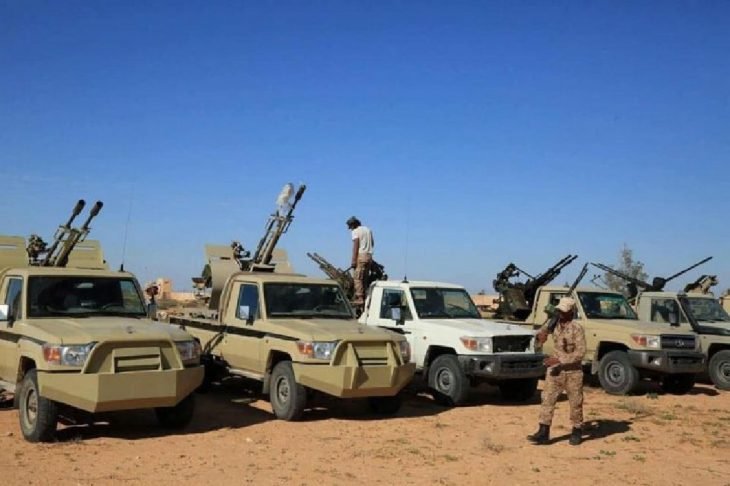
On Nov. 10, 2017, 28 people were found shot dead southwest of the Libyan capital in Wershafana area. Among the victims were soldiers from the Libyan National Army, one of the main regimes competing for power in the country. Read More
By Joseph Tanfani
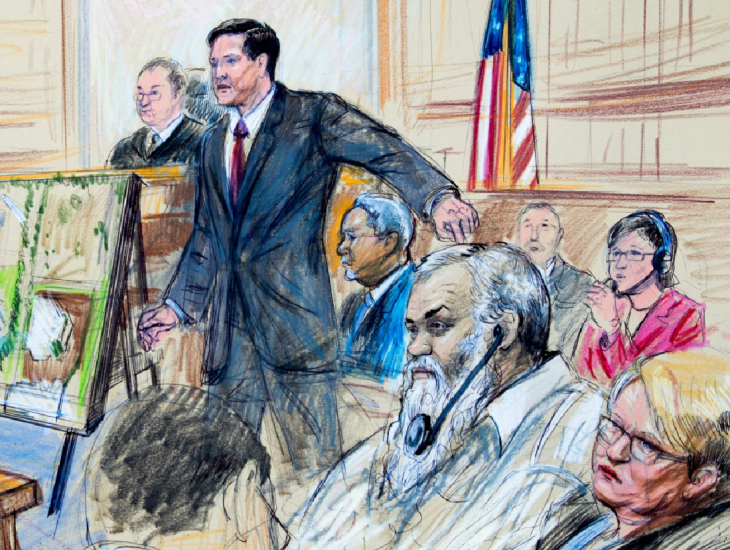
 The terrorism case against a Libyan militia leader accused of plotting the deadly Benghazi attacks concluded in a federal courtroom Thursday, with prosecutors depicting him as a “stone-cold terrorist” driven by a rage against Americans. Read More
By Peter Millett
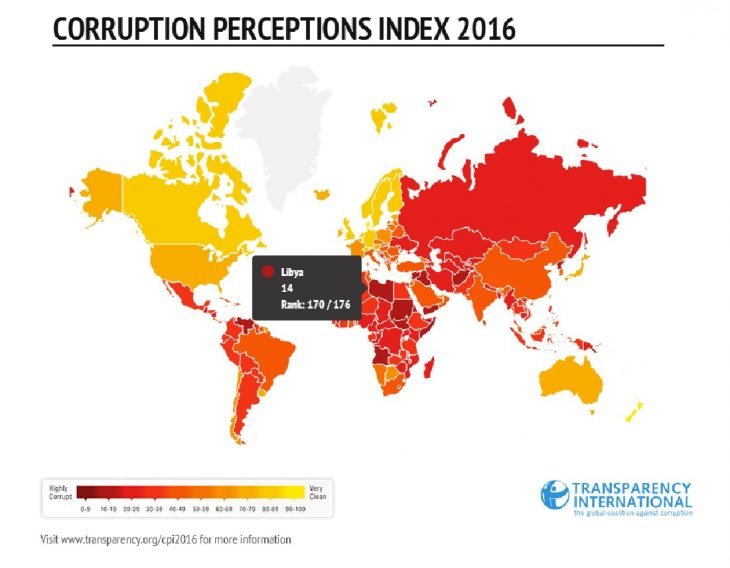
 Corruption is the scourge of countries trying to lift themselves out of poverty. Around the world, politicians and officials are putting their hands in the till and stealing their country’s wealth. Read More
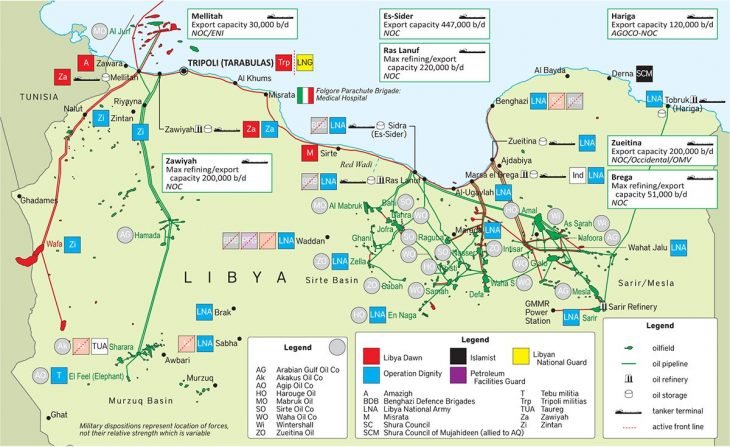
 Violence and political disputes are preventing Libya’s oil production settling back to pre-conflict levels. Read More
By Abdullah Ben Ibrahim
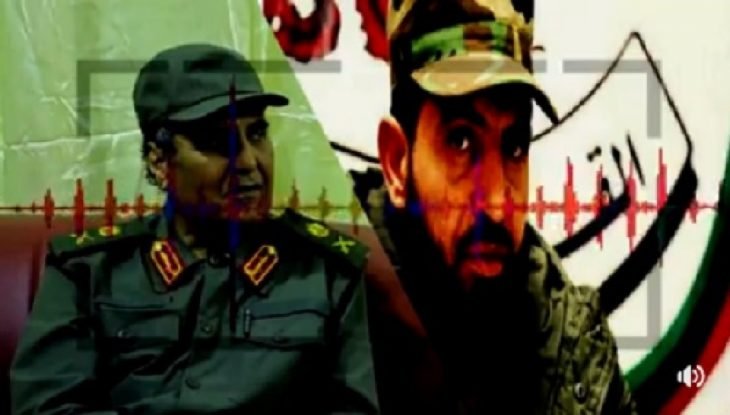
 Notorious killer of Saiqa militia, Mahmud Al-Werrfalli, has launched a foul-mouthed attack on so-called Chief of Control and Judicial Authority, Oun Al-Furjani, a senior tribal aide to warlord Khalifa Haftar, accusing him of failure to provide support to Saiqa militants. Read More
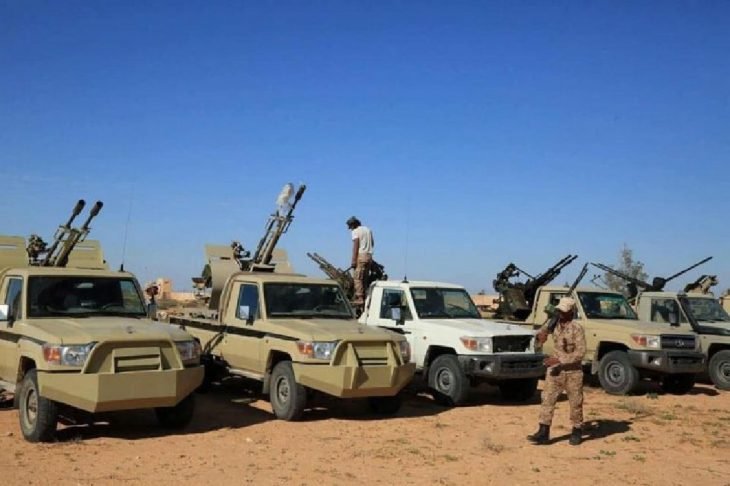
More evidence of mass-killings
By Arnaud Delalande
On Nov. 10, 2017, 28 people were found shot dead southwest of the Libyan capital in Wershafana area. Among the victims were soldiers from the Libyan National Army, one of the main regimes competing for power in the country. Read More
By Amelia Smith
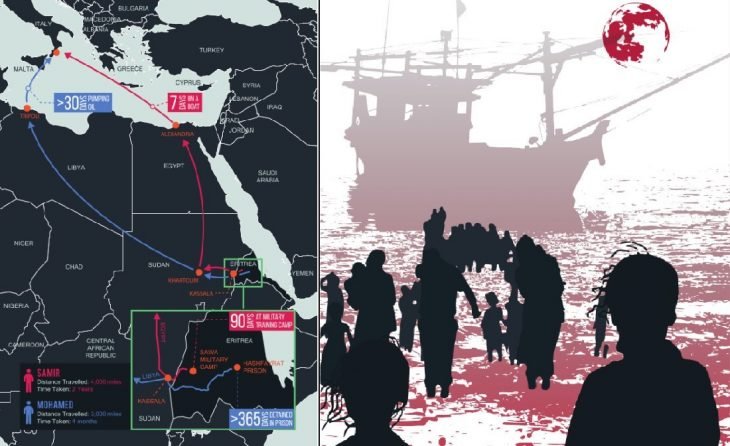
 For so many people they didn’t arrive, they drowned in the Mediterranean; some of them died in the Sahara desert of hunger.” Read More
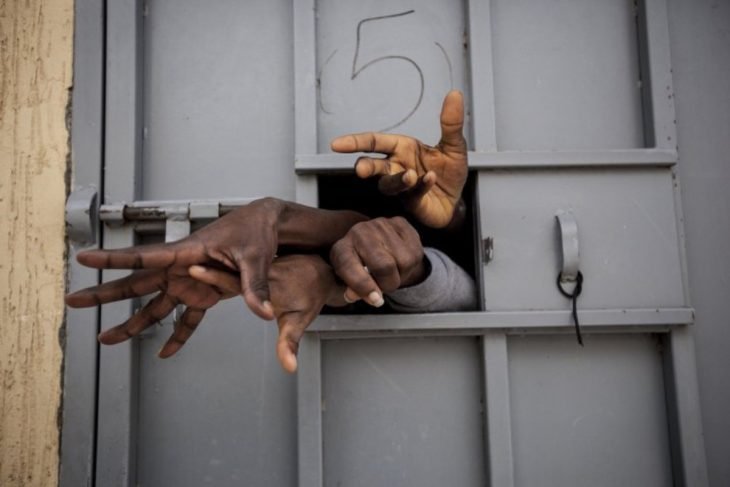
 Libya is awash with tears for the tens of thousands of migrants from across Africa and beyond who have traveled there in search of a better life. Read More
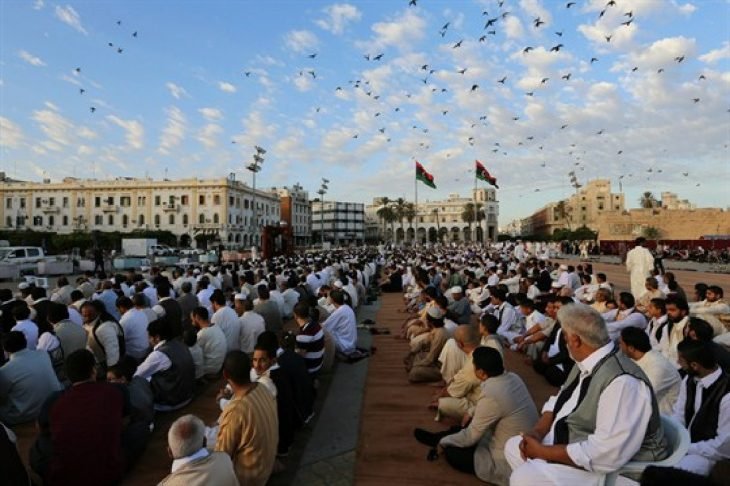
 As a political solution to Libya’s civil war remains elusive, with rival governments operating in Tripoli in the west and Tobruk in the east, running a fully functioning economy has been all but impossible. Read More
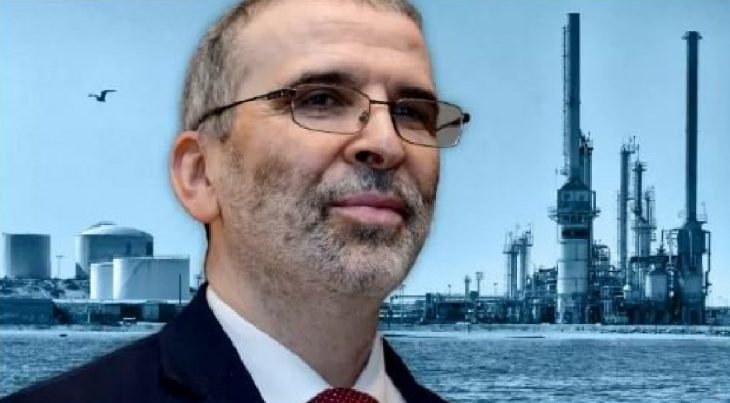
By Anjli Raval
 Technocrat NOC head uses diplomatic skills and willpower to drive output rise as Opec tackles glut. Read More
By Amelia Smith
At 3am, two weeks after he spoke out in a meeting against members of the ruling Popular Front for Democracy Party, security forces entered Mohamed’s house, beat him up in front of his mother and his wife and accused him of trafficking people out of Eritrea. Read More
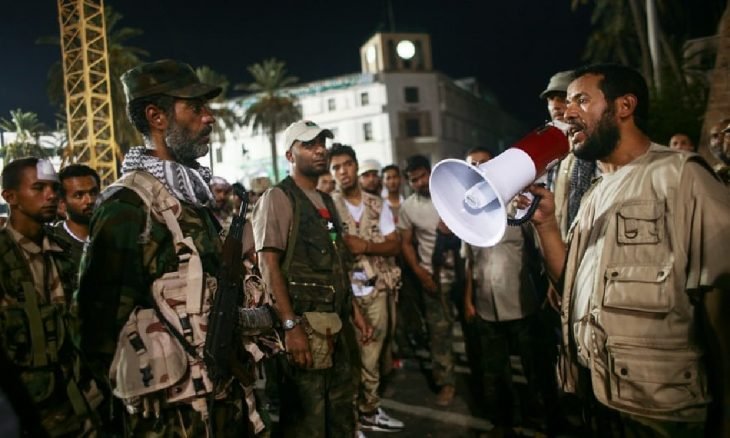
By Ian Cobain
 Secret papers show how far MI6 went to please Libya’s ruthless intelligence agents – including helping to kidnap the dictator’s enemies. Read More
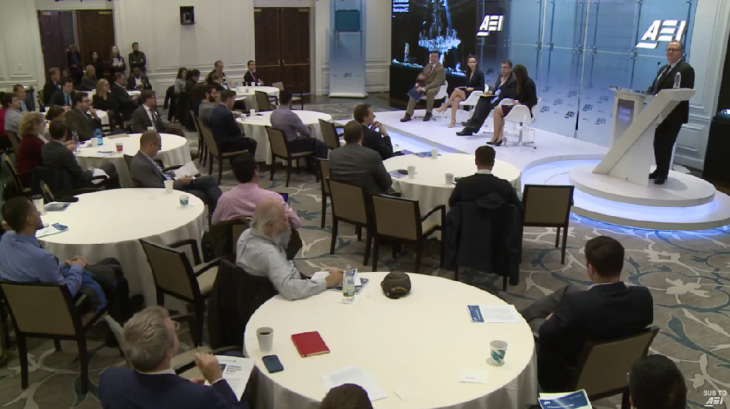
 In December 2016, US-backed forces drove ISIS out of its stronghold in Libya. Less than a year later, the country remains fractured, and the ISIS and al Qaeda threat persists. Read More
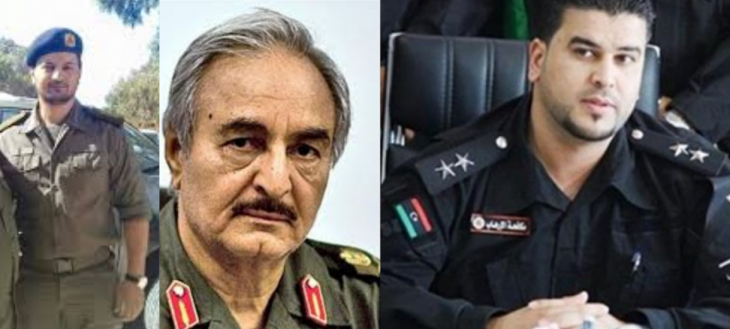
 The Coup Attempt is triggered by a mortar attack on Gaem’s headquarter which lead to a phone call threat to 218 TV by Gaem demanding that Hafter should cede control of the armed forces to Saiqa Special Forces commander Wanis Bukhamada and leave Benghazi with his sons. But, Bukhamada did not wish to be involved in the dispute. Read More
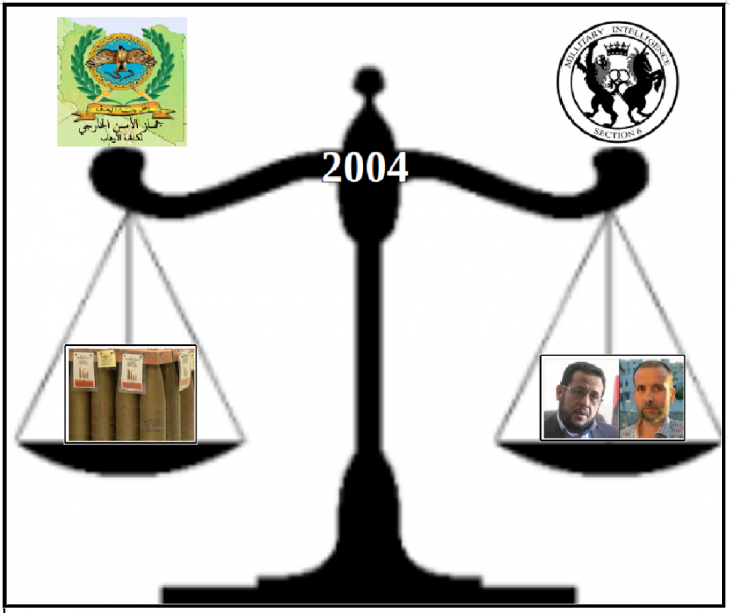
By Ian Cobain
Secret papers show how far MI6 went to please Libya’s ruthless intelligence agents – including helping to kidnap the dictator’s enemies.
***
On 25 November 2002, the Libyans passed MI6 a list of 79 Libyan opposition activists, who they referred to as “heretics”, living in the UK. Most, if not all, were said to be members or supporters of the LIFG.
An underground group formed in 1995 by Libyans who had fought against the Soviet Union in Afghanistan, the LIFG was dedicated to the overthrow of Gaddafi and the establishment of an Islamic government in Tripoli. It had announced its existence through a series of clashes with Gaddafi’s forces in the east of the country. For many years it had two leaders: Belhaj was its military commander, while another man, Sami al-Saadi, was its spiritual leader.
While the LIFG leadership never condoned al-Qaida’s attacks on the west, and insisted it was concerned only with the overthrow of Gaddafi, hundreds of its members joined al-Qaida in Afghanistan following a failed assassination attempt on the dictator in 1996, and after 9/11, the US government listed it as a terrorist organisation. It was not proscribed in the UK at this time, however. Many of its members had fled to Britain, as well as to China and Iran. Al-Saadi, his wife, Karima, and four children were among those who settled in London briefly, before moving to Tehran.

Abdel Hakim Belhaj instructs anti-Gaddafi troops in Triploi in 2011. Photograph: Getty
In the UK, the LIFG was tolerated by the government. They were able to regroup and raise funds. From late 2002, however, as the rapprochement between London and Tripoli warmed up, Libyans resident in the UK were stopped and questioned at airports, and there were police raids on family homes in London and Manchester. When the UK-based Libyan author Hisham Matar – whose father, a noted member of a different dissident group, had been disappeared by the Gaddafi regime in 1990 – dined out in London, he began choosing seats that faced the door of the restaurant. “None of us felt safe,” he later wrote.
In early 2003, as US and UK forces mustered on the borders of Iraq, Gaddafi was afraid they would target Libya. According to one diplomat, he called the Italian prime minister, Silvio Berlusconi, begging him to “tell them I will do whatever they want”.
In March, Blair secured the backing of the Commons for war against Iraq, and two days later the invasion began. Three weeks after that, Baghdad appeared to have fallen to the US and the war was thought to be all but over: on 1 May, on board the aircraft carrier USS Abraham Lincoln, Bush gave an address in front of a large banner declaring: “Mission Accomplished.”
The secret papers show that by then Allen was regularly meeting with a senior CIA officer, Stephen Kappes, to discuss ways they could make sure Gaddafi abandoned his ambitions to develop nuclear, chemical and biological weaponry. During their conversations with Koussa, no sanctions were threatened; there was little need, as all three men knew Gaddafi was terrified of being invaded by the US.
At meetings in Tripoli, MI6 officers discussed not only the WMD programme, but ways of targeting Libyan “heretics” around the world. British intelligence officers told the Libyans they had intercepted Sami al-Saadi’s telephone calls from his home in Tehran.
At one meeting between the ESO, MI6 and MI5, the British passed over a briefing paper that MI5 had prepared. “Greetings from the British Security Service,” it read. “We … wish to share with you information that we have that may be of interest.” It contained details about the whereabouts and movements of Gaddafi’s opponents in London, Brighton, Peshawar and Los Angeles. MI5 also passed on details of “UK-based Libyan extremists”. British intelligence was starting to track the LIFG leadership. ESO asked the British if they could help capture Belhaj, who was in China with his Moroccan wife, Fatima Bouchar. MI6 replied that they must first sound out the Chinese.
British intelligence officers were not unaware of how this activity would be viewed at home. In advance of another meeting, Sadegh Krema, the deputy head of the ESO, passed around an internal note in which he warned that the British were particularly anxious that the meeting should remain “confidential”, because the “domestic political and legal situation [in Britain] is complicated”.
In Iraq, meanwhile, it was dawning on the US and its allies that the mission was very far from being accomplished. On 7 August, a car bomb exploded outside the Jordanian embassy in Baghdad, killing 17 and injuring dozens. Twelve days later, a massive bomb packed into a cement lorry blew apart the United Nations HQ at the Canal Hotel in Baghdad, killing UN special representative Sergio Vieira de Mello and 21 others. A determined insurgency was underway.
Confidence in the case for going to war was evaporating in London and Washington. The head of the Iraq Survey Group, a multinational body set up to find Saddam’s WMDs, announced that there was little evidence he possessed any.
If the US and UK could successfully disarm Gaddafi – and link that success to the war in Iraq – the invasion would not appear to have been such a ruinous miscalculation. Then, on the Mediterranean, north of Libya, the allies got a lucky break.
The BBC China, a German-registered cargo ship, left the Suez Canal on 4 October 2003 and sailed west towards Libya. Italian naval vessels intercepted the ship and forced her into the port at Taranto, where a search established that five shipping containers labelled “used machine parts” were packed with thousands of centrifuge components for Gaddafi’s uranium enrichment programme.
The components had been tracked from Malaysia, where they had been manufactured on behalf of Abdul Qadeer Khan, the Pakistani nuclear scientist who is credited with fathering not only his own country’s nuclear bomb, but also with providing the expertise and equipment that became the seeds for the North Korean and Iranian nuclear programmes. Libya had also turned to Khan’s one-stop proliferation shop.
Allen invited Koussa back to the UK. This time it was for a 90-minute meeting on 20 November at the Bay Tree, a wisteria-clad five-star hotel in the Cotswolds, just 10 minutes’ drive from the RAF base at Brize Norton. The Libyan minutes of the meeting explain that Allen and Kappes passed on personal messages for Gaddafi from both Blair and Bush, before coming to the point: they knew the Libyans were pressing ahead with their nuclear weapons programme, while pretending to dismantle it.

Moussa Koussa (left) arriving at the foreign ministry in Madrid in 2010. Photograph: Pierre-Philippe Marcou/AFP/Getty
Koussa responded by pledging that the Libyan government would now scrap the programme and accepted that at this stage, “there is no room for evasion or dribbling or twisting”.
Eleven days later, a 13-strong US/UK inspection team, led by Kappes and Allen, flew into Mitiga airport in Tripoli. According to subsequent news reports in the US, they discovered evidence of a chemical weapons programme that was rudimentary and untested, and a nuclear weapons project that was at a surprisingly advanced stage.
Work began to dismantle the dictator’s weapons plants and remove blueprints, centrifuges and other equipment from the country. Around 13kg of 80%-enriched uranium were reported to have been taken away with the assistance of Russia. The whole process would be completed in just four months.
It was a coup for Washington and Whitehall, who were determined to make the most of its propaganda value. Back in London, at the Travellers Club in Pall Mall, Allen met Robert Joseph, senior counter-proliferation official at the US National Security Council, to discuss the wording of a statement that Gaddafi was to make, announcing that he had abandoned his WMD ambitions.
It was agreed that Gaddafi would make the announcement on Libyan television on 19 December. Blair and Bush would then make their own statements. Capricious as ever, Gaddafi decided at the last minute that he wasn’t going to do it – he wanted to watch football on TV, apparently – and his foreign minister made the announcement instead.
In their responses, neither Bush nor Blair mentioned Iraq, but they did allude to the invasion. “We have shown resolve,” said Bush. “In word and in deed, we have clarified the choices left to potential adversaries.” Blair added that “recent events and political determination” had, after all, made the world a safer place. Opinion pieces written by supporters of the Iraq war claimed that disarming Gaddafi showed the war was justified.
On Christmas Eve, Allen sent a letter to Koussa, to be carried personally by the ESO courier who had just arrived in London, bearing dates and oranges. “It has been a real privilege working with you,” he wrote. “At this time sacred to peace, I offer you my admiration and every congratulation.”
But the suspension of Gaddafi’s WMD ambitions was not, it turned out, the end of their collaboration.
In February 2004 the LIFG commander Abdel Hakim Belhaj and his wife, Fatima Bouchar, who was four-and-a-half months pregnant, attempted to board a commercial flight from Beijing to London, where he hoped to claim asylum. Instead, the Chinese authorities deported the couple to Malaysia. On arrival in Kuala Lumpur they were detained.
Among the secret papers discovered in Koussa’s own office was a fax from MI6, dated 1 March 2004, which informed the Libyans of the couple’s location, and copies of letters from Koussa to the Malaysian ambassador to Libya, requesting his assistance. There is also a fax from the CIA, dated 6 March 2004, about “the capture and rendition” of Belhaj. “We are planning to take control of the pair in Bangkok and place them on our aircraft for a flight to your country,” it says.
The following evening, the Malaysian authorities put the couple on a commercial flight to London, via Bangkok. In Bangkok, they were taken off the aircraft, hooded, and taken to a CIA detention centre somewhere within Don Mueang international airport.

Sami al-Saadi, an opponent of Gaddafi, in 2011. Photograph: Marco Longari/AFP
Belhaj says he was beaten and hung from hooks, and blasted by loud music. Bouchar told me that when she was dragged away from her husband, she feared he was going to be killed. “They took me into a cell, and they chained my left wrist to the wall and both my ankles to the floor. I could sit down but I couldn’t move.” Bouchar was chained to the wall for five days, and given water but no food. “They knew I was pregnant. It was obvious.” She was forced to lie on a stretcher, and was bound to it, head to foot, with sticky tape. They put a hood and earmuffs on her. She was unable to move, hear or see. “My left eye was closed when the tape was applied. But my right eye was open. It was agony.”
***
To be continued
***
Ian Cobain is a senior reporter for the Guardian and author of Cruel Britannia and The History Thieves.
________________

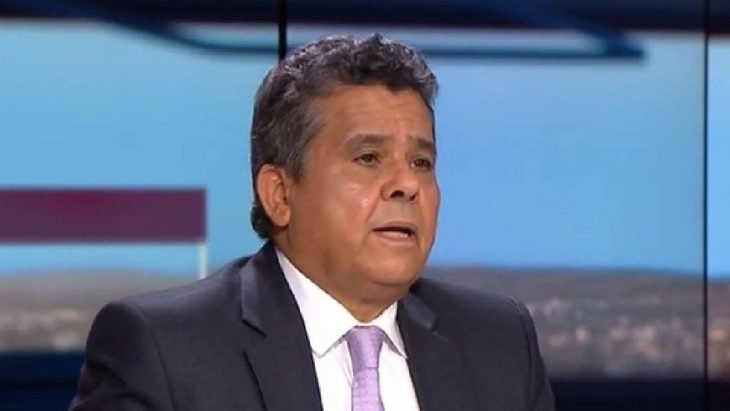
By Maryline Dumas
 The foreign minister of a rival Libyan government to the United Nations-backed administration in Tripoli has told Middle East Eye that he believes a unity deal could be agreed before the end of the year. Read More
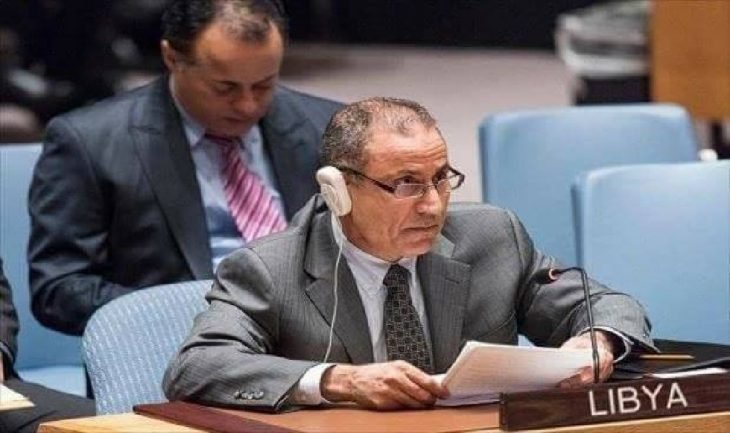
By Abdulkader Assad
The Head of the High Council of State (HCS) Abdelrahman Al-Sweihli protested in a letter to the Foreign Minister Mohammed Sayala the statement delivered by the Libyan ambassador to the United Nations Al-Mahdi Al-Mijrbi, saying it did not speak of the horrible crimes committed in eastern Libya lately. Read More
By Housam Najjair
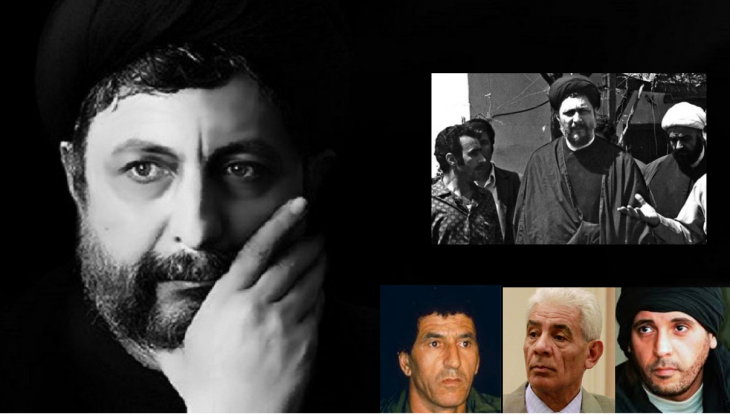
 A Lebanese judicial investigator, Zaher Hamadeh, has issued an arrest warrant in absentia against the head of the external security agency and previous Foreign Minister of the Gaddafi regime, Moussa Kousa in relation to the disappearance of Moussa Sader, at the request of the Attorney General at the Lebanese Courts. Read More
By Ulf Laessing and Aidan Lewis
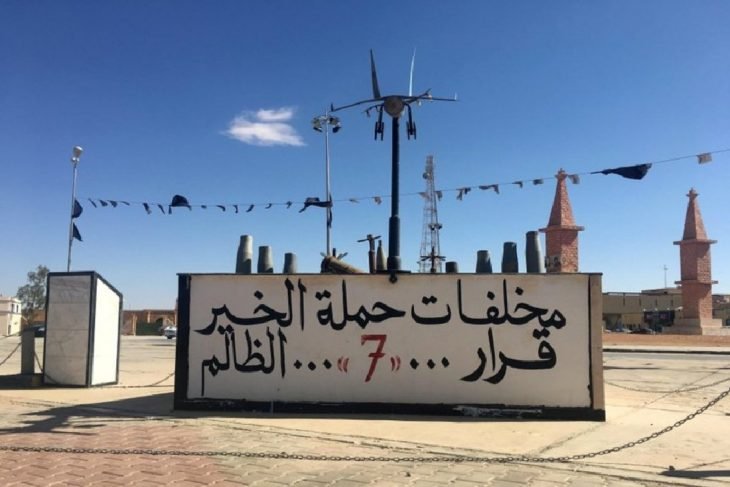
 Elders of a powerful tribe that defended the Gaddafi regime have a message for the United Nations as it tries to broker peace in Libya – talk to us or you will fail. Read More
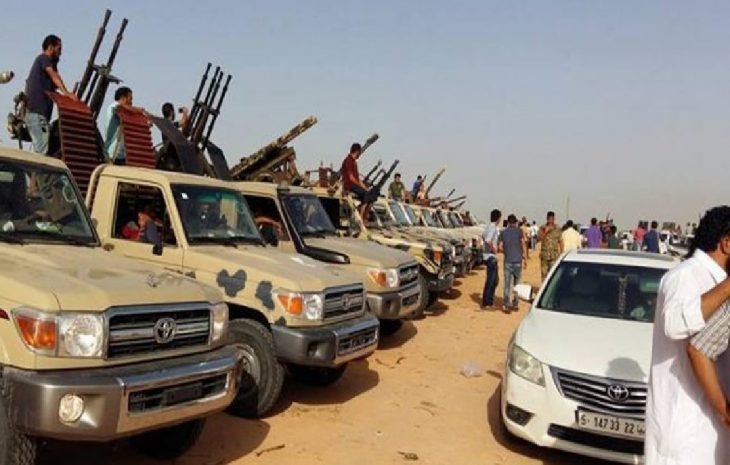
 On 1 November, a new military campaign dubbed the ‘Tidings of Security’ began in Wershefana, south of Tripoli. Read More
By Abdulkader Assad
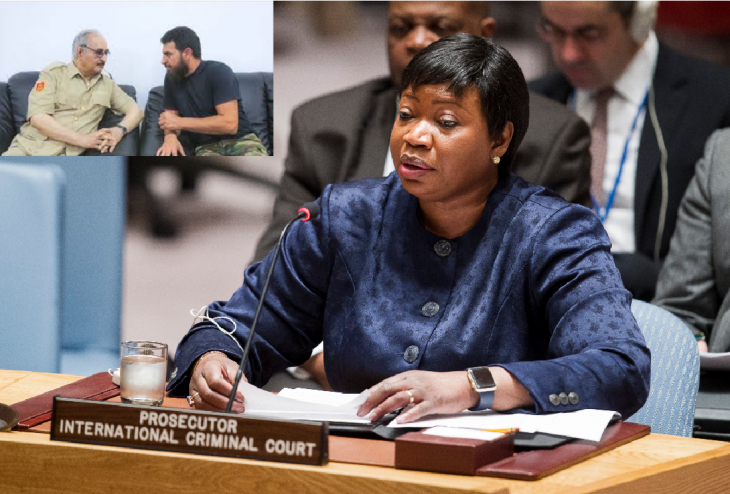
The International Criminal Court’s (ICC) prosecutor Fatou Bensouda has called on the commander of Dignity Operation Khalifa Haftar to surrender Captain Mahmoud Al-Werfalli who works at the Saiqa Force to Libyan judicial authorities who shall later transfer him to The Hague. Read More
By Emily Estelle
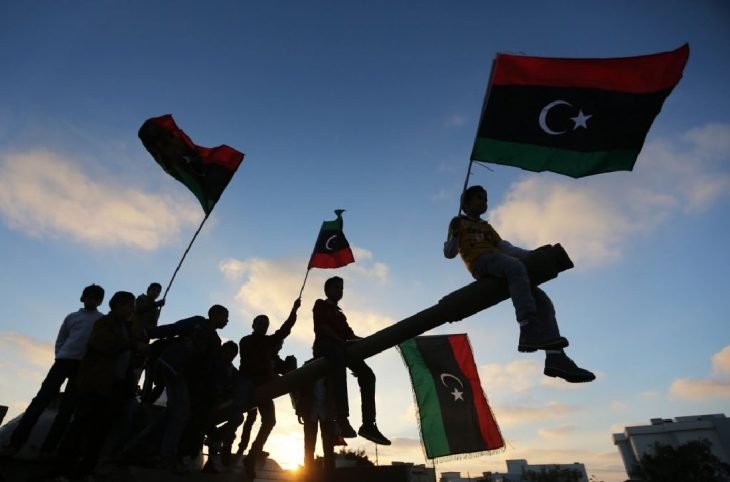
 America needs a new policy in Libya. The current approach is failing and will likely leave a permanent safe haven for ISIS and al Qaeda on Europe’s southern border. Read More
By Spencer S. Hsu
 A Libyan informant who was paid $7 million by U.S. authorities to help capture Ahmed Abu Khattala testified that the accused ringleader of the 2012 attacks on U.S. facilities in Benghazi repeatedlyimplicated himself in the assaults that killed four Americans, including Ambassador J. Christopher Stevens. Read More
By Ian Cobain
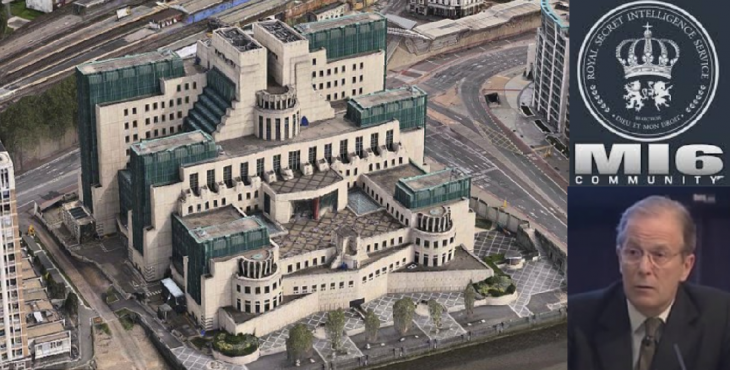
Secret papers show how far MI6 went to please Libya’s ruthless intelligence agents – including helping to kidnap the dictator’s enemies. Read More
By Karim Mezran
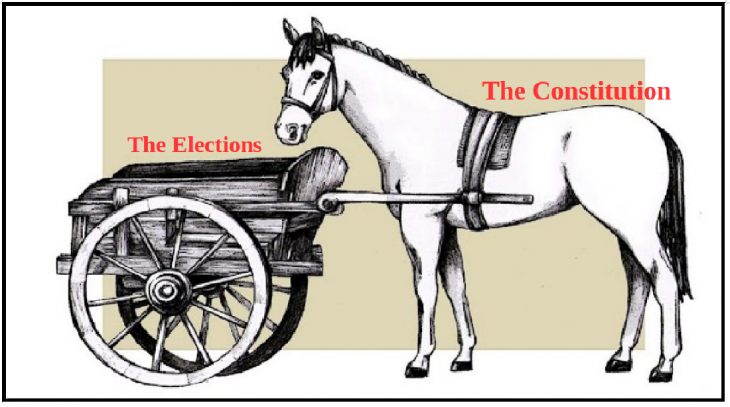
 In the wake of the Security Council’s renewal of the United Nations (UN) mission in Libya (UNSMIL) in September, a sequel to UN-led mediation efforts directed by a new Special Representative of the Secretary General is underway in Libya. Read More
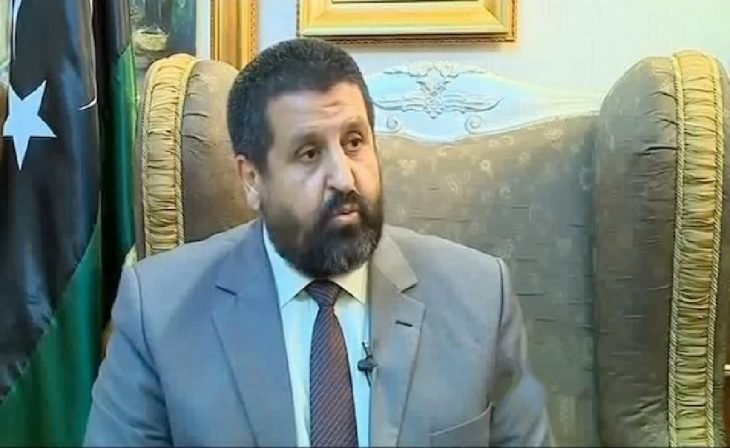
 The member of the State Council in Libya, Mansour Al-Hassadi, talks to “Libya Prospect” (LP) about his point of view on the latest unknown air raids that bombarded the city of Derna on 30th of last month. Read More
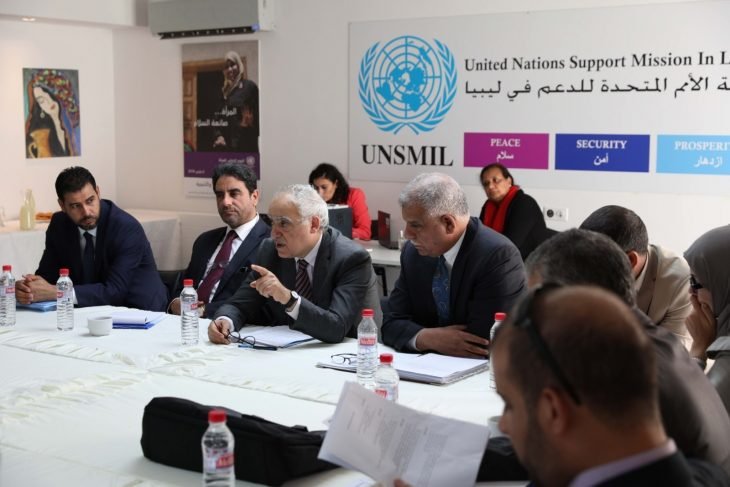
 Libyan factions taking part in UN-backed talks are split over the future role of controversial general Khalifa Haftar, the head of the Tripoli-based parliament has said. Read More
 Several Libyan political groups are preparing to take legal action against the Libyan General Khalifa Haftar, according to Africa Intelligence. Read More
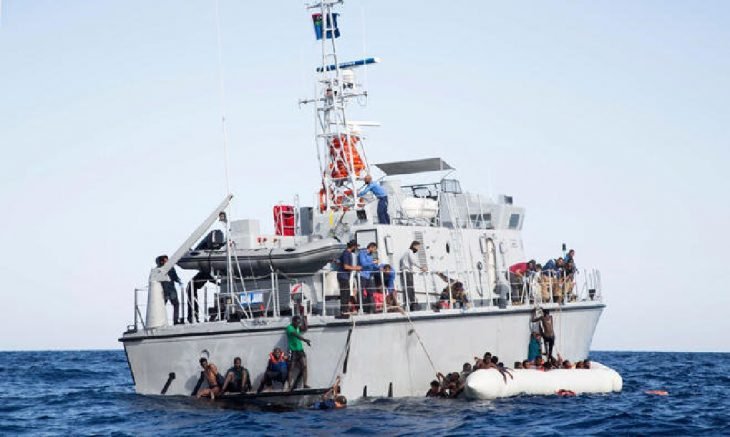
 Five migrants have died as a German nonprofit organization and the Libyan coast guard tried to rescue them from their foundering boat in the Mediterranean, with each side blaming the other for botching the operation. Read More
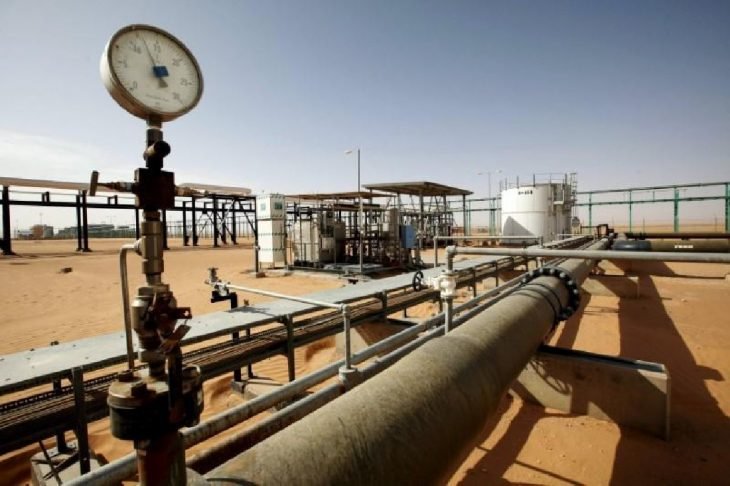
By Ahmed Elumami
Libya’s state oil company said on Monday there had been a “security breach” at its southern El Sharara oilfield on Sunday night. Read More
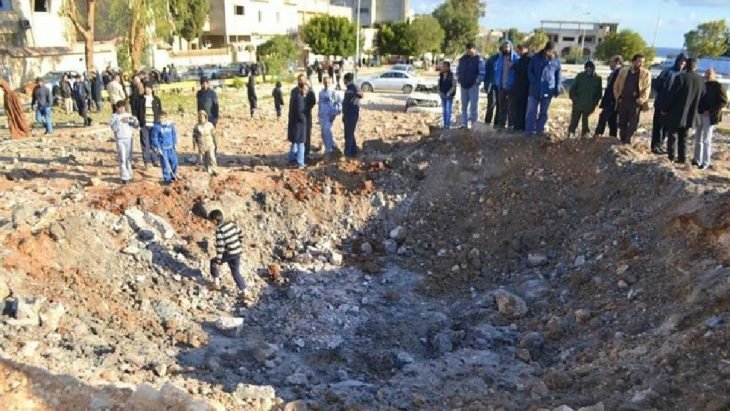
 Human Rights Watch has called for warring factions in Libya to investigate the deaths of civilians after unidentified aircraft attacked the eastern city of Derna, killing 16 people and critically wounding four children. Read More

By Housam Najjair
The former commander in the ranks of Khalifa Haftar`s Dignity Operation and its former spokesman, Mohammed Hijazi, made a televised attack on rogue General Khalifa Haftar on Saturday, accusing him of being the main cause of the crises that is crippling the country, especially in the eastern region. Read More
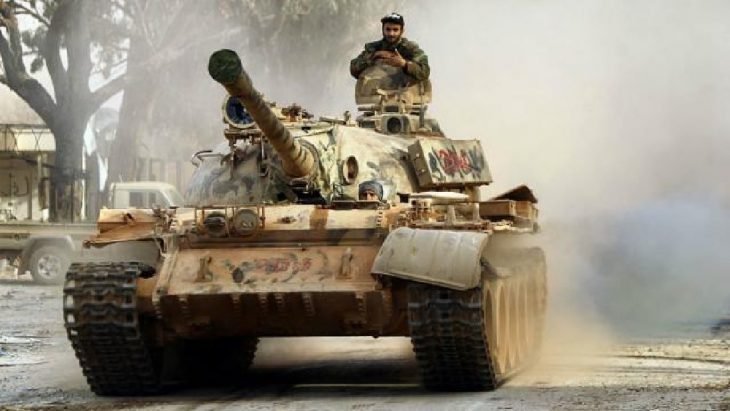
By Emily Estelle
 We now know that the attacker who mowed down cyclists and pedestrians on a bike path in Manhattan, was inspired, if not directly enabled, by ISIS. Read More

 Fugitive Italian businessman Giulio Lolli who is accused of a major yacht sale scam and who fled to Libya in 2010 is reported to have been arrested in Tripoli by the Rad’a Special Deterrence forces of Abdul Raouf Kara. Read More
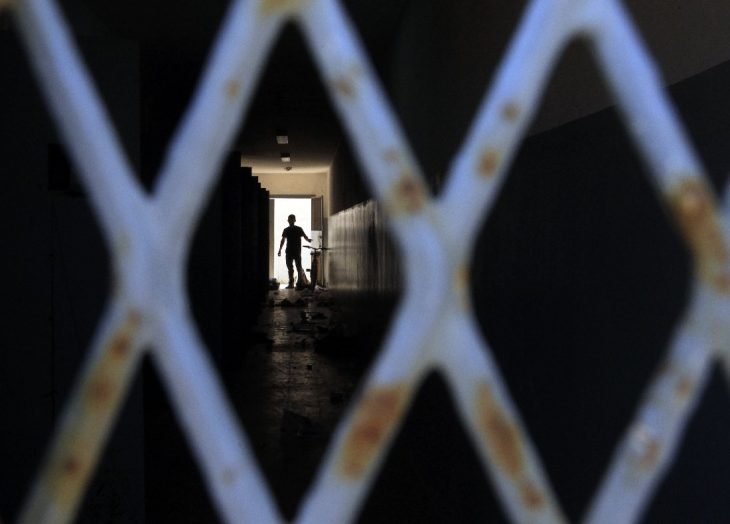
By Patrick Wintour
 Capacity and authority of court as well as evidence already under scrutiny with not one Libyan brought to The Hague for trial. Read More
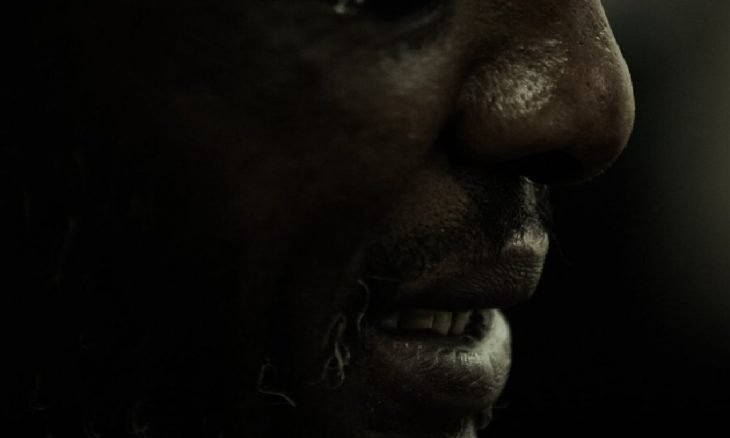
Warning: graphic information in this report may upset some readers
By Cécile Allegra
 Male rape is being used systematically in Libya as an instrument of war and political domination by rival factions, according to multiple testimonies gathered by investigators. Read More