Author - ab_mnbr

Campaigner for migrants in Libya targeted in spyware attack

Angela Giuffrida & Stephanie Kirchgaessner

Italy-based David Yambio, a critic of Meloni government, was told of attempt to compromise his phone

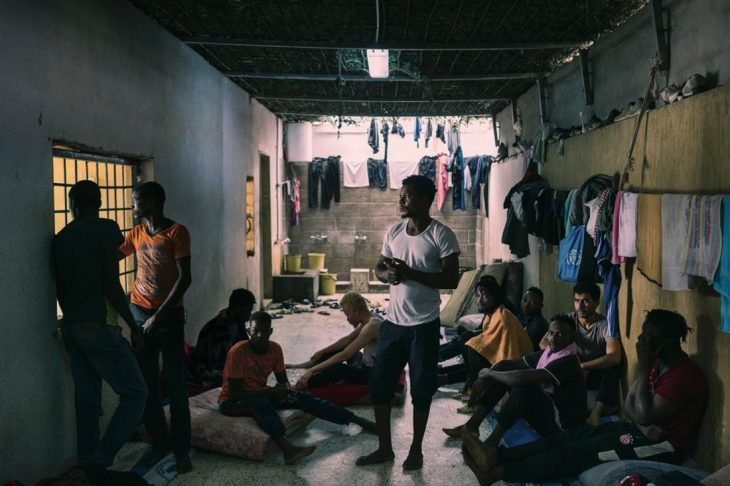
An Italy-based human rights activist whose work supports the international criminal court in providing evidence about cases of abuse suffered by migrants and refugees held in Libyan detention camps and prisons has revealed that Apple informed him his phone was targeted in a spyware attack

David Yambio, the president and co-founder of Refugees in Libya, has been a critic of the Italian government’s migrant pact with the north African country and its recent controversial decision to release Osama Najim, a Libyan police chief wanted by the international criminal court (ICC) for suspected war crimes, including torture, murder, enslavement and rape. Yambio, 27, was an alleged victim of Najim’s abuses during his detention at the notorious Mitiga prison near Tripoli.

‘Why did we give back this alleged criminal?’ Pressure grows on Meloni after Italy releases wanted Libyan police chief

Yambio’s case followed revelations that an Italian investigative journalist and two activists critical of Italy’s dealings with Libya were among 90 people who received notifications from WhatsApp in late January alleging they had been targeted with spyware.

WhatsApp has said the spyware used in that breach – which affected journalists and activists and others in two dozen countries – was made by Paragon Solutions, an Israel-based company that makes cyberweapons. The Guardian reported last week that Paragon terminated its client relationship with Italy for breaking the terms of its contract, citing a person familiar with the matter.

Yambio received an email from Apple on 13 November seen by the Guardian, informing him he was being targeted by “a mercenary spyware attack” that was attempting to “remotely compromise the iPhone associated with your Apple account”. The message said the attack “is likely targeting you specifically because of who you are or what you do”.

It did not specify what kind of spyware was being used against him, and Yambio was not one of the 90 people who received a WhatsApp notification.

Yambio said he contacted a digital security expert at CyberHub-AM in Armenia, who in turn connected him with the Citizen Lab at the University of Toronto, which tracks digital threats against civil society and assisted WhatsApp in tracking hacking attempts made against the 90 people, allegedly using the spyware produced by Paragon. Seven of the alleged targets live in Italy.

In a statement, Citizen Lab said it was continuing to investigate Yambio’s case.

Any evidence that Yambio was targeted by spyware could have political reverberations for whoever was behind the alleged attack. The Rome statute, which established the ICC, is mandated to protect the safety and wellbeing of any witnesses and has the power to prosecute offences that obstruct witnesses.

“I already had suspicions in September when my phone started to behave strangely,” he told the Guardian. “For examples, calls would just hang up, the phone would get warm or the battery would run out really quickly.”

Spyware made by companies such as Paragon and NSO Group generally have access to multiple so-called vectors, or vulnerabilities that enable the spyware they make to infect a mobile phone. WhatsApp has previously been vulnerable to spyware made by both Paragon and NSO Group, but individuals can also be infected via SMS messages or other apps.

Paragon has not commented on the cases that have emerged in Italy but has said it has “zero tolerance” for clients that violate its terms of service, which includes prohibitions on targeting journalists and activists.

The office of the Italian prime minister, Giorgia Meloni, last week denied that domestic intelligence services or the government were behind the alleged Paragon breaches and has not responded to the claims that Paragon cancelled its contract with Italy.

Yambio has described the Italy-Libya migrant pact, which involves Italy funding the Libyan coastguard to capture people in the Mediterranean and bring them back to the north African country, as “a death sentence”.

“For three months, my life has been lived under constant threat: I do not know where it’s coming from, which government [is involved]. I live in Italy, I don’t live in any other country. So who should I hold accountable?”

He added: “The people who have so far come out in public are in Italy, and [some] of these people are in my close circle. We are people working to stop human suffering, to try to make a change, and yet we are being targeted. I am very afraid because the information concerns not only me but the life of people who [have been victims of abuse in Libya] and also the life of my partner and my child.”

Yambio is attending a press conference in the European parliament on Tuesday afternoon about the case involving Najim, also called Almasri, which has roiled Italian politics in recent weeks. The ICC said on Monday that it had officially asked Italy to explain why the country released Najim after his arrest in Turin instead of extraditing him to the Netherlands, where court is based.

Najim was repatriated to Tripoli onboard an Italian military aircraft. Meloni, who is being investigated over the matter by prosecutors in Rome, said Najim was immediately repatriated because he posed a risk to national security.

“We have not received any statement from the EU, from the European Commission, the European parliament or any member state on this case of an internationally wanted criminal who was smuggled away from justice,” said Yambio.

Yambio, from South Sudan, received asylum in Italy in 2022 after escaping from Mitiga prison, a facility under Najim’s watch and condemned by human rights organisations for its arbitrary detention, torture and abuse of political dissidents, migrants and refugees. He later crossed the Mediterranean by boat.

The pact between Italy and Libya, first signed in 2017 and renewed since, has long been condemned by humanitarian groups for pushing people back to detention camps where they face torture and other abuses.

_________________

Libya hit by poverty

A third of the Libyan nation has no access to the national wealth.

Libya suffers from poverty, despite the significant resources it has, such as oil. 

At a time when official figures suggest that Libya is doubling its oil revenues, shocking statistics and figures are emerging about the rising poverty rate and the number of poor people in the country, raising questions about the fate of oil money and how it is spent in light of rivalry between two authorities, one based in the west and the other in the east. 

Abdul Hamid al-Fadhil, a professor of economics at Misrata University, revealed that poverty in Libya now affects 32.5 percent of the population. 

A study in the Journal of Economics and Business Studies, issued by the Faculty of Economics at Misrata University, stated that the percentage of Libyan families below the poverty line reached 32.5 percent, of which  1.9 percent are below the extreme poverty line. 

Fadhil said, “At the urban level, Tripoli recorded the largest percentage of families below the poverty line, at 11.3 percent, while families headed by individuals in the 45-55 age group are the poorest, at 12.6 percent, compared to other age groups.”

This came days after the Tripoli Security Directorate announced the arrest of 878 beggars in the capital Tripoli during the past year, including 461 women and 221 children. While 329 of those arrested were Libyan, including 61 children, the majority of those detained was foreigners, among them 283 women and 106 children. 

Observers believe that the fact that a significant group of Libyans has turned to begging indicates the stark reality of the critical economic situation the country is experiencing, the social repercussions of which cannot be ignored, especially among children. 

Observers point out that Libyans have always denied the existence of its own beggar citizens. The assumption is that any beggar who appears on the streets of cities, especially Tripoli and Benghazi, comes from a neighbouring countries. However, the situation is now different, because  poverty has pushed locals to begging or take up menial work that was once despised. 

Observers believe that a third of the Libyans is deprived of their country’s wealth, while oil and gas revenues go to corruption networks linked to political decision-making centres, warlords, militia leaders who control smuggling routes, monopolies, speculation and major deals. 

The National Institution for Human Rights in Libya has said it is unhappy with the Libyan citizens resorting to begging in the streets and public areas. It blames it on  deteriorating economic, social and living conditions for a large segments of Libyan society, as a result of inflation, rising prices, the collapse of the value of the Libyan dinar and the weakness of purchasing power.

The institution said that the economic crisis affected the poorest and most needy groups; namely the displaced, the sick, those with limited income, the unemployed and those with retirement pensions and basic solidarity pensions. 

The Minister of Economy in the Government of National Unity Mohammed al-Huwaij, has officially acknowledged that about 40 percent of Libyans are below the poverty line. The World Bank also announced that poverty rates in Libya have risen, especially in the eastern region, and attributed this to high inflation, the collapse of the local currency, the rise in the prices of basic commodities and food, in addition to the rise in the cost of health services and the low level of household income. 

The World Bank has found that although Libya is a country that falls within the upper segment of middle-income countries, its development indicators and institutional capabilities are not commensurate with its income level. Despite the growth in oil production, years of conflicts and divisions have led to insufficient public investments and infrastructure maintenance, in addition to a weak presence of the state in the economy, and the restriction of private sector development. 

The bank revealed the results of a field study which showed that the Tazirbu area is the poorest, with a poverty rate of nearly 80 percent, followed by Derna and Jalu, with a rate of 70 percent, while seven percent of the residents of the municipalities included in the study live below the poverty line, 29 percent live on less than $3 a day, and 13 percent cannot provide for their basic daily requirements. 

According to the report, 13 percent of families sell their property to cover their financial needs, and 35 percent of families have run into debt, primarily to buy food.

______________________

All the ways Italy protected Libya

For years now, the Italian authorities have been financing, legitimizing and protecting militiamen and officials: the Almasri case is only the latest in a series of cases.

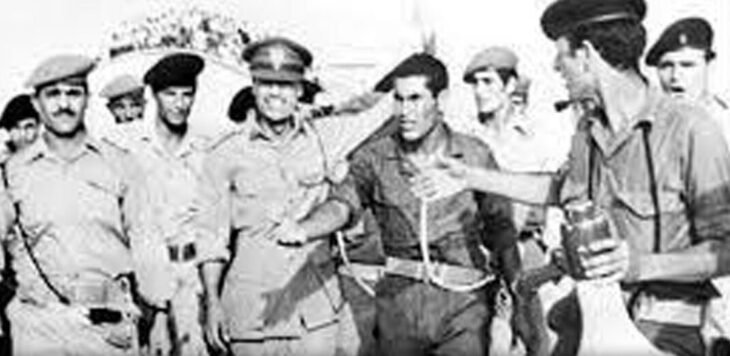
The case of the immediate release of Njeem Osama Elmasry, the head of the Libyan judicial police also known as Almasri, arrested on January 19 in Turin on a warrant from the International Criminal Court and then immediately returned to Libya by the Italian government, is only the latest in a series of political and diplomatic operations with which Italy has legitimized and protected the various leaders who have governed Libya since the fall of Muammar Gaddafi’s regime in 2011.

These operations have often been on the edge of international law and highly controversial, because in the last 15 years Libya has been led de facto by armed militias implicated in potential war crimes, various illicit trafficking, systematic violations of human rights, and not by legitimate governments recognized throughout the national territory.

Since the fall of Gaddafi, successive Italian governments have had relations with these militias essentially for two reasons: to maintain a preferential channel of access to the oil wells and natural gas fields of Libya, which are effectively controlled by the militias, and to entrust them with the task of forcefully blocking the migrants who every year try to reach Italy by sea.

Maintaining a relationship with these militias has meant above all providing them with money, political legitimacy and protection from possible international judicial investigations: all “courtesies” , as defined for example by Luca Gambardella of Il Foglio , one of the journalists who most assiduously follows the evolution of relations between Italy and Libya.

An initial form of “courtesy” involved the allocation of European Union funds for Libya, many of which were approved under pressure from Italian diplomats and officials in European institutional settings. For example, from 2015 to 2022, the so-called European Union Emergency Trust Fund for Africa provided €465 million in projects for Libya, many of which were related to combating migration.

It is difficult to understand what happened to this money once it arrived in Libya.

An investigation by Lorenzo Bagnoli and Fabio Papetti published in 2022 on IrpiMedia managed to trace approximately 20 million, less than half, of the expenditure item “Support to Integrated Border and Migration Management in Libya”, relating to border control and migrant management. «The main expenditure items are 8.3 million for new marine vehicles (20 fast boats of various lengths); 3.4 for land vehicles (30 off-road vehicles, 14 ambulances and ten minibuses); 5.7 for spare parts and maintenance of naval assets; one million in training activities and one million for 14 containers», wrote Bagnoli and Papetti.

In a 2024 report , the European Court of Auditors highlighted the risk that equipment purchased with European money could have “been used by parties other than the intended beneficiaries,” and that the opaque subcontracting procedures with which the money had been managed could have “potentially benefited criminal organizations,” that is, other branches of the same militias.

It is entirely possible, then, that the untraceable portion of these funds had simply been pocketed by the militias to finance their own activities.

The financing of the militias organized in the so-called Libyan Coast Guard has also had international implications. Between 2017 and 2018, first the center-left government of Paolo Gentiloni and then the one supported by the League and the 5 Star Movement led by Giuseppe Conte worked hard to ensure that the International Maritime Organization (IMO), the UN body that governs international maritime navigation, recognized the Libyan government supported by much of the international community, namely the one in Tripoli, as having jurisdiction over a SAR zone.

SAR zones are areas of sea in which the competent coastal states undertake to maintain an active search and rescue service (in English  search and rescue , abbreviated to SAR). Managing an internationally recognized SAR zone is a symbolically important step for a state. At the same time, it is very demanding even for stable states with a Coast Guard included in the regular armed forces. Imagine for a failed state in which the Coast Guard is replaced by the armed militias that govern its territory.

During the process of recognizing Libya’s SAR zone, the IMO itself, through a spokesperson, explained that Italy and the European Commission were “supporting capacity-building efforts to establish SAR services in Libya”. Furthermore, in the first months of activity, the command center of the Libyan SAR zone was positioned on an Italian navy ship docked in the port of Tripoli. Without Italy’s diplomatic and logistical support, in short, Libya would never have obtained a SAR zone and the associated international recognition.

Both the supply of equipment and the establishment of the Libyan SAR, moreover, occurred thanks to a memorandum between Italy and Libya signed in 2017 between the government of Gentiloni and that of Tripoli, then led by Fayez al Serraj. The agreement is automatically renewed every three years and none of the Italian governments that succeeded the first Conte government has deemed it necessary to ask for changes: neither the second Conte government (supported by the PD and the M5S), nor the government of Mario Draghi nor the current one led by Giorgia Meloni.

We have known for years that the militias that make up the so-called Libyan Coast Guard are in cahoots with human traffickers and that interceptions off the coast of Libya are carried out with violent methods that put the lives of migrants at risk . The violence of the so-called Libyan Coast Guard has long been known thanks to journalistic investigations, testimonies of NGOs that rescue migrants at sea and reports from international organizations . No Italian government has ever openly condemned the actions of the so-called Libyan Coast Guard.

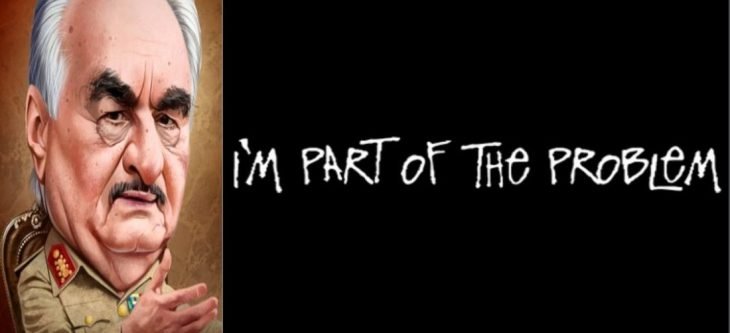
The memorandum also called for promoting the creation of “a civil and democratic state” in Libya. In 2018, the then Prime Minister Giuseppe Conte tried for months to organize a conference on the future of Libya. It was finally organized in Palermo in November. Both al Serraj and the head of the government that controlled and still controls eastern Libya, General Khalifa Haftar, arrived in the city and had themselves photographed shaking hands , along with Conte himself. However, the conference did not have any concrete consequences .

Haftar then, despite his status as a rebel leader with respect to the Libyan state recognized by much of the international community, has often met with the Italian prime ministers, and so have the officials and militiamen close to him: even from the eastern coasts of Libya, that is, those controlled by Haftar, thousands of migrants depart every year, and at various times when the flow of migrants from Benghazi, Tobruk, Bardia and other ports in the east has increased, people have wondered whether some sort of negotiation was underway between Haftar and the Italian government.

It is unclear whether Haftar ever obtained anything tangible from the Italian government, other than a certain political legitimacy.

The Italian government’s good relations with Haftar also extended to his son Saddam Haftar, head of the Tariq Ben Zayed militia and one of the most powerful men in eastern Libya together with his father. In the summer of 2024, Saddam Haftar came to Italy briefly and during a check was held for about an hour at Naples airport: however, he was then released and returned to Libya without problems.

In 2022, Amnesty International published a report accusing his militia of having committed “war crimes and other crimes under international law against thousands of alleged or actual critics and opponents” for years.

According to information gathered by Il Foglio to avoid similar incidents, at the end of January the head of the Italian secret service for foreign countries (AISE), Giovanni Caravelli, went to Tripoli to inform the Libyan officials and militiamen for whom the International Criminal Court has issued an arrest warrant. In theory, this information is confidential to the member countries of the Court, therefore inaccessible to Libya.

During a hearing on Tuesday at the Parliamentary Committee for the Security of the Republic (COPASIR), Caravelli confirmed that he had been in Libya at the end of January but denied having released information on Libyan officials and militiamen wanted by the International Criminal Court.

____________________

How migrant smuggling has fuelled conflict in Libya

Tim Eaton & Lubna Yousef

A systems analysis of key transit hubs

Summary

— Migrant smuggling and trafficking in persons (TIP) have gone through three phases of development in Libya. The first, from 2011 to 2017, saw the rapid expansion of these practices. The second (2017–19) consisted of a clampdown by international and local actors to reduce coastline departures for Europe. The third and current phase, broadly beginning in 2020, has seen an uptick in departures and the de facto regulation of migrant smuggling and TIP by local actors.

— To understand the development of transnational networks of migrant smuggling and TIP via Libya since 2011, this paper utilizes a comparative systems analysis of three key transit hubs: Kufra, Sebha and Zawiya. The findings illustrate how two interconnected feedback loops have driven the expansion of migrant smuggling and TIP.

The first is a dispute over authority in each location, which spurs competition that leads to violent conflict. In turn, this conflict further aggravates the contention over authority. The second is grounded in economics: the structure of the economies in the three locations is reliant on informal and illicit cross-border trade and the movement of people. As state support has diminished and the informal and illicit sectors have expanded, reliance upon the latter to boost economic activity has grown.

— These two feedback loops have contributed to the entrenchment of armed groups and strengthened a pervasive conflict economy. These dynamics continue to frustrate hopes to establish unified and accountable governance in Libya.

— Migrant smuggling and TIP dynamics are often solely viewed through the lens of criminality. However, a closer look at Libya’s trajectory since 2011 illustrates how the development of the country’s illicit marketplace – of which migrant smuggling and trafficking are central – is intimately connected to historical legacies, social dynamics and enduring conflicts over authority at both the local and national level.

— These components are particularly visible in Kufra, where there has been longstanding conflict between the Arab Zway and the Tebu over the right to govern the territory. Likewise, Sebha, a key transit point for trans-Sahelian trade, continues to be contested by a number of community groups, with governance divided into neighbourhood districts. In contrast, while Zawiya is more homogenous, there are ongoing violent conflicts for power and authority inside and outside the city’s borders.

— Framed as rule of law interventions, European attempts to curb migrant smuggling and trafficking have addressed symptoms rather than causes. Migratory flows have fluctuated – but are significantly reduced from their 2016 highs – due to a series of transactional bargains that entrench conflict. However, this has made the issue harder to resolve, as Libyan actors seek to leverage flows of migrants, which are once again on the rise, for financial and political support.

— A more effective strategy to tackle this issue would be to develop a ‘whole-of-route’ approach that contains a wider suite of policy tools than simply enforcement, most notably sustainable local development initiatives and peacebuilding efforts. These have the potential to reduce demand and the perceived need for migrants to move and tackle the enabling environment in which criminal groups and conflict actors operate.

Introduction: Libya since 2011

A pervasive conflict economy has developed in Libya since the overthrow of Muammar Gaddafi. Migrant smuggling and TIP became a key vector of this conflict economy, particularly in parts of the country reliant on cross-border trade. Libya has experienced three nationwide outbreaks of violent conflict and many episodes of localized fighting since 2011. A ceasefire has largely held across the country since 2020, but has been punctuated by sporadic armed confrontations between a range of rival groups.

While the initial violence was related to the popular uprising against the Gaddafi regime, the conflict soon became characterized by a quest for territory, power and resources. Apart from a limited period in 2021, the country has been administratively divided since 2014, with rival governments – based in the capital, Tripoli, and in the east of the country – claiming legitimacy. Amid Libya’s ongoing governance crisis and myriad conflicts, the country’s illicit marketplace has expanded dramatically. The distinction between the formal and the informal sectors, as well as the licit and illicit sectors, has become less clear, as much economic activity traverses these spaces.

Within this context, researchers and policymakers have focused significant attention on the development of migrant smuggling and trafficking in persons (TIP) in post-2011 Libya, primarily as a result of European interests and concerns over irregular migration. To date, two broad approaches have been adopted to analyse migrant smuggling and TIP on Libyan soil. The first focuses on the experiences of those traversing Libya as migrants and refugees, both voluntarily and involuntarily, highlighting the widespread violations of rights that they suffer.

The second focuses on detailed political-economy analysis of migrant smuggling and TIP, and is closely connected to assessments of migrant smuggling and TIP through the lens of organized criminality. Notably, emphasis on organized criminality has been a dominant feature of public discourse in European states. The analysis in this paper adopts a different focus, examining the role that conflict has played in the expansion of migrant smuggling and TIP from a broader, political-economy perspective, rather than through a detailed analysis of the modus operandi of migrant smuggling and TIP.

***

Tim Eaton is a senior research fellow in the Middle East and North Africa Programme at Chatham House and Libya case study lead for the XCEPT research programme. His research focuses on the political economy of conflict in the MENA region and on that of the Libyan conflict, in particular.

Lubna Yousef is an independent researcher from Tripoli, Libya, based in Washington DC. A former activist on immigration issues herself, Lubna’s research focuses on the intersectionality of immigration, securitization, gender, violence and identity in contexts of conflict and cultural diversity.

____________________

Almost an impossible mission!

Abdullah Alkabir

The UN Security Council has approved the appointment of Ghanaian diplomat, Hannah Serwaa Tetteh as the UN Special Envoy to Libya. A long time passed behind the scenes of the Security Council before the dispute over who would succeed the former envoy, Abdoulaye Bathily, was resolved between Russia on the one hand and America and Britain on the other.

After the name of the Ghanaian candidate was put forward to the Council by the UN Secretary-General, the members voted in approval, but the Russian delegate asked for some time to study before announcing his country’s approval of Ms Tetteh.

The UN envoy appointed by the Security Council has broad powers, compared to the limited and narrow powers of the acting envoy, as is the case with Ms Stephanie Koury, who took over the task after Bathily, and did not succeed in mobilizing international support for any political initiative that could yield some results, and break the political stalemate and the blocked horizon towards holding elections>

This prompted her to announce the formation of an advisory committee to review the election laws, and put forward proposals regarding the formation of a new executive authority. However, it does not appear that this committee has any powers other than submitting proposals, with no guarantees that they will be accepted by the de facto authorities.

Ms. Hanna, the new UN envoy, has extensive experience in political and diplomatic work. According to her resume, she has held several tasks and responsibilities both in her country and at the United Nations. However, the task entrusted to her does not only require experience, competence, and diplomatic skills.

The envoys who preceded her did not lack experience, because the Libyan crisis is becoming more complex with the passing of days, and foreign interventions with conflicting interests are increasing, in addition to the absence of national will among the internal parties, who are always ready to undermine any initiative that will inevitably lead to them losing their authority and influence. 

The problem has never been in the personality and nationality of the UN envoy, but rather in the international and regional conflict.

Perhaps the declared differences in the Security Council between the major powers, which sometimes reach the point of verbal abuse and exchange of accusations, are the main dilemma in the Libyan crisis, and there are no indications of the possibility of reaching a minimum level of consensus that translates into clear and binding decisions that put the country on the path to a solution.

Russia continues its penetration into Libya to be its main base in Africa, and a supply center for fighters, weapons and ammunition for the rest of the countries in which Russia has influence, as well as security and military agreements. This prompts America and Britain to move to confront the Russian expansion, and prevent the establishment of long-term military bases in Libya.

In addition to the Russian-Western conflict, there are other less intense conflicts because they are rather competitions than conflicts such as those between France and Italy, and between Egypt and Turkey, but they affect the Libyan situation, and any of these countries can thwart any change that does not serve its interests.

In this situation, the UN envoy finds herself/himself like someone walking on a tightrope suspended in space. S/he must walk carefully and maintain her/his balance so as not to fall into the void. Balance here means taking into account the interests of all countries involved in the conflict.

Can the new envoy, or any envoy, satisfy all these countries, despite their different and sometimes contradictory interests?

Therefore, it is no exaggeration to say that the mission of the UN envoy to facilitate consensus among the various conflicting parties is almost impossible, because the international and regional climate is turbulent and does not lead to calming the conflict zones or resolving the escalating crises on all continents.

_____________________

How Gaddafi’s trust in talks with US turned Libya into ruins

MeherNews

Since Donald Trump assumed the presidency of the United States, discussions and speculations about potential negotiations between Tehran and Washington have intensified. Such negotiations had previously taken place indirectly and led to the reaching of the Joint Comprehensive Plan of Action (JCPOA). However, during his first term, Trump unilaterally withdrew from the agreement despite Iran’s full compliance and imposed the harshest anti-Iranian sanctions under the so-called “maximum pressure” campaign.

In this regard, on Friday, February 7, in a meeting with the Air Force and Air Defense staff, the Leader of the Islamic Revolution emphasized the necessity of learning from two years of negotiations and compromises that led to no results. 

Beyond the JCPOA, a historical review of US commitments and treaties with other countries shows that such negotiations are often futile and even harmful—the 2003 US-Libya agreement being a prime example.

The 2003 US-Libya Agreement:

A Fateful Decision and American Betrayal

During the 1970s and 1980s, Libya’s leader, Muammar Gaddafi, pursued nuclear, chemical, and missile programs to establish Libya as an independent power. However, US support for armed groups and political interventions turned him into the West’s primary adversary. In the 1990s, after facing severe sanctions and international isolation, Libya came under immense pressure and gradually moved toward negotiations with the West.

In 2003, Gaddafi decided to change Libya’s policies, dismantling its weapons programs, especially its nuclear program. For the West—particularly the US—this was a major victory. This agreement was perceived as a turning point, marking the end of Western hostilities against Gaddafi and his government. For the US, it temporarily eliminated Libya as a military threat, leading to the gradual lifting of sanctions.

Gaddafi assumed that cooperating with the US would remove any Western threats, reintegrate Libya into the international community, and even foster economic development. In response, Washington announced the lifting of economic sanctions and resumed trade and diplomatic relations with Libya. At the time, it seemed that Libya was on a path toward modernization and cooperation with the West—a prospect Gaddafi viewed as a success and a resolution to Libya’s crises.

However, over time, shifting geopolitical dynamics and miscalculations about Gaddafi’s stability led the US to gradually abandon its commitments. With evolving crises and internal changes in US  foreign policy, Western nations, particularly the US, broke their promises.

Eventually, in 2011, the US and its NATO allies intervened militarily, toppling Gaddafi and plunging Libya into civil war. Under the pretext of promoting democracy and freedom, NATO and the West provided diplomatic and military support to Gaddafi’s opponents. This intervention dismantled Libya’s central government, turning it into a fragmented nation overrun by armed militias, leading to the destruction of its infrastructure.

Gaddafi’s fate was tragic—after the collapse of his government, Libya became a battleground for various factions and insurgents. Gaddafi, who believed that abandoning his weapons programs would shield him from Western threats, was ultimately left without support. In 2011, he was brutally captured and killed following a massive military assault. His violent and humiliating death is regarded as one of the greatest diplomatic betrayals of modern times.

Ultimately, this agreement and subsequent betrayals not only led to Gaddafi’s downfall but also turned Libya into a failed state, where ongoing civil wars, humanitarian crises, and economic collapse persist to this day.

Post-Gaddafi Libya: A Nation in Ruins

Since Gaddafi’s fall in 2011, Libya has been trapped in chaos, civil war, and fragmentation. With the collapse of central authority, militias, insurgents, and terrorist groups like ISIL and al-Qaeda rapidly gained power. Once one of Africa’s wealthiest nations, Libya has become one of the world’s most unstable and unsafe countries in less than a decade.

A brutal civil war erupted between the UN-recognized Government of National Accord (GNA) and forces loyal to General Khalifa Haftar, who was backed by Egypt, Russia, and the UAE. The war devastated infrastructure, crippled Libya’s oil industry, and triggered an economic crisis. According to UN reports, since 2011, over 20,000 people have been killed, and more than one million displaced.

Before Gaddafi’s fall, Libya produced 1.6 million barrels of oil per day, but after the war, the oil production dropped drastically. The economic collapse led to rampant unemployment, currency devaluation, and a surge in human trafficking. Libya became a major hub for smuggling African migrants to Europe.

Lessons from Gaddafi’s Mistake

One of the key takeaways from Libya’s experience is that trusting major powers without securing real guarantees can lead to irreversible consequences. Gaddafi believed that abandoning his weapons programs would prevent foreign military intervention and foster better relations with the West. Instead, this left Libya vulnerable to external interference, leading to the rapid collapse of his government.

Libya’s downfall illustrates that strategic military programs serve as deterrents. If a country easily surrenders its defensive capabilities, it becomes an easy target for regime change and foreign intervention. Gaddafi negotiated due to economic pressures and sanctions, but once he fulfilled his commitments, he realized that there were no real guarantees for his government’s survival.

This case demonstrates that any nation entering negotiations must maintain its leverage to avoid suffering Libya’s fate if circumstances change.

Furthermore, Libya’s fate serves as a warning about how the West exploits disarmament as a strategic tool to weaken countries. Once Gaddafi dismantled Libya’s defenses, the US and its allies no longer had any reason to uphold their commitments. When circumstances shifted, they easily abandoned Libya.

This shows that the countries that seek to negotiate to reduce international tensions must maintain their defense and deterrence structures to the extent that they have the ability to deal with and manage the crisis even if the other party violates the agreement.

Today, Libya and Gaddafi’s fate stands as a cautioning story for other nations considering security agreements with the West. They must recognize that diplomatic guarantees alone are insufficient, and without military deterrence, any agreement can be a tool leading to deception and weakening.

Had Libya retained its weapons programs, it might have had a different fate.

_____________________

Libya’s culture clampdown silences popular rap music

Jennifer Holleis

Libyan authorities have clamped down on rap music for violating “moral rules.” Artists fear a return to cultural repression as observers see a more general shift to a stricter Islamic way of life.

As bitter as it sounds, 2023 and 2024 were prime years for Libyan rap. The country’s political instability, economic hardship, ongoing conflicts, corruption, the devastating flood in the city of Derna and no real hope for a joint government offered plenty of material for new songs. 

Libyan rap flourished as authorities were fairly easy going. Last August, the Eastern administration under General Khalifa Hiftar gave their okay for the first Benghazi Summer Festival in 15 years. For the Benghazi-born rapper MC Mansour Unknown, it was the first opportunity ever to perform on stage in his hometown. 

Since then, pop up concerts and other rap events have been attracting ever larger audiences.  Last week, MC Mansour Unknown performed together with the Libyan rap star KA7LA in the city of Derna at a sold-out concert. 

Yet, it seems that this could have been the last time. This week, first the Eastern, and then the Western authorities clamped down on the popular music genre. “The spread of rap songs, some of which contain obscene words, violate the moral values of the Libyan Muslim society,” a statement by the Eastern administration said. 

From now on, rap musicians in the East have to obtain permission from the Benghazi-based Interior Ministry, whereas artists in the West have to get this from the Tripoli-based Culture Ministry. Both entities review if the content of the songs encourages crime, sex work, suicide or rebellions against the family or society. Without such permission, performances will be strictly forbidden across the country.

The same rule also applies to “theater shows, acting, musicals, dancing or singing performances in any place or through any means.” According to the Eastern Interior Ministry, the new rule is in line with the country’s constitution which states that freedom of expression ends where public morals are violated and conflicts with religion. 

“The Eastern authorities frame these restrictions as being Islamic societal rules,” Virginie Collombier, professor of practice at Rome’s Luiss Guido Carli University and co-editor of the book “Violence and Social Transformation in Libya,” told DW.

“This is done in a very skillful way as the authorities make sure that the broader society sides with them,” she said, adding that “this however marginalizes those people who would like to express their views in different ways, whether it’s through art, music or even more broadly, politically.” 

Rap as political outlet

In turn, Libyan rappers who address issues in their lyrics that can be understood as “rebellious” now fear a return to previous patterns of repression. 

During the period under dictator Moammar Gadhafi from 1969 to 2011, rap music was officially forbidden. It only existed underground and among the Libyan diaspora. However, in the run-up to Gadhafi’s overthrow in 2011, rappers such as Youssef Ramadan Said, better known as MC Swat, used their rap songs to call on young people to rise up. 

In February 2011, MC Swat released “Hadhee Thowra” (“This is Revolution”), in which he encouraged people to take to the streets and rebel against Gadhafi. The song became somewhat the anthem of the Libyan uprising and kicked off a golden era for Libyan rap. At the time, the then-23-year-old told US broadcaster CNN that his track described the feeling of “touching freedom.”

Return to repression

Only, the uprising turned into the First Libyan Civil War from February to October 2011 between forces loyal to Gadhafi and rebel groups who eventually killed him in December 2011. Libya’s population and Libyan rappers who had called for democracy and freedom found themselves back at square one.  

In December 2011, MC Swat released his song “Freedom of Speech” in which he rapped: “You were made to believe that the revolution has succeeded, but it has failed because of corruption.” After the release of this song, his life took a turn for the worse, he later told  British newspaper The Guardian

Armed militant groups didn’t take it well that he continued to write rap songs in which he rallied against atrocities, violence and corruption among supporters of the head of the Libyan National Army, General Khalifa Hiftar. His track “Benghazistan” (2013) in particular criticized recent assassinations and bombings in Benghazi, much to the dismay of the ruling forces. 

In 2014, the country’s political situation worsened. Since then, Libya has been divided between two rival administrations. The eastern part of the country remains under the rule of General Khalifa and the House of Representatives in Benghazi, while Libya’s west is under the administration of the UN-recognized Government of National Unity (GNU) under President Abdul Hamid Dbeibah in Tripoli. 

For MC Swat, his 2017 track “Exploitation,” in which he highlights the pain of the people who continue to be exploited, was the last we wrote in Libya. He fled to Italy, where he has been living since. “I wish every day that everything ends in Libya and I am able to go back home and stay with my mother and father,” he told the news outlet Middle East Eye at the time.

Influence of Salafist ideology

Human rights watchdogs and observers don’t see MC Swat’s dream come true anytime soon. “The recent ban on rap is no coincidence, it is part of a wider trend across Libya,” Collombier said.  “Both power centers in the east and west have increased their crackdown not only on personal freedoms but on any discourse that could be interpreted as threat to their control,” she added.

In her view, this trend has accelerated as both political authorities are increasingly relying on security bodies that are strongly influenced by a Salafist ideology, which follows a very conservative reading of Islam.

For Libyan rappers, all of this highly likely means that they will not be able to take to the stage and express views openly anymore. Only the technical advance of social media platforms such as Instagram, TikTok and Facebook has made it much easier to share songs with Libyan followers since the Gadhafi era. 

(DW’s Islam Alatrash contributed to this report. )

***

Jennifer Holleis – Editor and political analyst specializing in the Middle East and North Africa.

________________

Survivors of Libyan warlord’s violence ask why he was freed

Survivors of abuse perpetrated and overseen by a Libyan prison director have written a letter to Italian Prime Minister Giorgia Meloni asking the reason for his release in a press conference at the Chamber of Deputies.

Refugees that were allegedly victims of Libyan warlord Osama al-Masri (also referred to as Almasri, ed. note) have written a letter to the Italian prime minister and took part in a January 29 press conference at the Chamber of Deputies, asking for clarification on why the self-proclaimed general was released.

Masri is the commander of the Mitiga prison and Tripoli branch of the Reform and Rehabilitation Institution, a notorious network of detention centers run by the government-backed Special Defense Forces.

“As survivors and victims of Osama al-Masri, we are asking for the immediate cessation of all accords between Italy and Libya enabling abuse of migrants; a public commitment to request the release of all those imprisoned in Mitiga and other detention centers in Libya; and an official explanation of why Masri — who the Italian government and [interior minister] Piantedosi called dangerous — was released instead of being handed over to the International Criminal Court.”

Detainees forced to remove corpses

The letter goes on to request a “legal pathway for migrants trapped inside Libyan detention centers, including the reopening of the Italian embassy in Tripoli for the obtaining of visas for humanitarian reasons.” Speaking on behalf of the refugees was David Yambio, the Sudanese spokesman for Refugees in Libya. Some refugees showed photos of when they tried to flee the Mitiga prison.

“Masri beat us, tortured us for days,” said Lam Magok, originally from South Sudan, in telling how he had been forced to remove the corpses of people who died. “It was something that I will never forget and it is unthinkable that one might be forced to do this. We want justice.”

‘Shocked’ by Masri’s release and

return to Libya

“The shock was enormous when I learned that Masri had been allowed to return to Libya,” continued Magok. “I have heard that Giorgia Meloni is a Christian and a mother, and I ask her how — as a mother — was it possible to release a person who tortures and kills even children every day.”

Taking part in the press conference promoted by Alleanza Verdi e Sinistra were Nicola Fratoianni, Elly Schlein, Riccardo Magi, Maria Elena Boschi, and Vittoria Baldino. “There was information provided on the Masri case. And it was a flood of hard truths — what happens when the stories of real people come onto the scene,” said one opposition leader at the event.

_____________________


Critic of Italy-Libya migration pact told he was target of Israeli spyware

Stephanie Kirchgaessner and Angela Giuffrida

Husam El Gomati, who reports on links between Italian government and Libya’s coastguard, fears for his sources.

A Sweden-based Libyan activist who has been a vocal critic of Italy and its dealings in Libya was alerted by WhatsApp last week that he had been targeted with military-grade spyware, raising new concerns about the possible use of powerful cyberweapons by European governments.

The alleged breach of Husam El Gomati’s mobile phone – as well as the mobile phones of 89 other activists, journalists and members of civil society – was discovered by WhatsApp in late December.

The California-based messaging app, which is owned by Meta, said it was not clear how long El Gomati and other mobile phones were “possibly compromised”. It said it believed the spyware was made by Paragon Solutions, an Israel-based company that was recently taken over by a US private equity company.

Paragon declined to comment. A person close to the company said it had about 35 government clients, which the person described as democratic governments.

In El Gomati’s case, the discovery was made shortly after he said in Facebook posts that he had gained access to documents from Libya about illegal migration networks, their connection to detention centres, and alleged links between militia leaders in Tripoli and Zawia and Italian intelligence officers.

Italy’s support of the Libyan coastguard and militias in Libya to help stop people from crossing the Mediterranean has long been a subject of criticism by activists, who say it has sown chaos in the country.

El Gomati says he is worried for the safety of his confidential sources in Libya. When a phone is successfully penetrated by Paragon’s spyware, which is called Graphite, the user of the spyware has total control of a person’s phone, including being able to read encrypted messages on apps such as Signal and WhatsApp.

“As an activist against corruption in Libya, protecting my sources is of utmost importance. There are individuals risking their lives to expose the deep-rooted corruption in my country and the corruption of the ruling class,” he said. “These matters can mean the difference between life and death.”

He added: “The thought of someone eavesdropping on you all day, reading your messages and having access to pictures of your children is terrifying.”

Like other makers of military-grade spyware, Paragon – which was founded by the former Israeli prime minister Ehud Barak – sells its spyware to government clients for the expressed purpose of targeting possible criminals. The company had reportedly agreed a $2m (£1.6m) contract with US immigration services last year under the Biden administration, but the deal was put on hold and placed under review after questions were raised about whether it complied with a Biden-era executive order limiting the use of spyware by the US government.

El Gomati contacted the Guardian about the alert he had received by WhatsApp just hours after the Guardian published a separate story about an Italian investigative journalist, Francesco Cancellato, who also received an alert from WhatsApp about his phone having possibly been compromised by the same spyware.

Cancellato is the editor-in-chief of Fanpage, an investigative outlet that gained attention last year after it published a report about young fascists within the far-right party of Giorgia Meloni, Italy’s prime minister.

It is not clear what government client was behind the targeting of El Gomati and Cancellato. WhatsApp said the targets it sent alerts to live in more than two dozen countries, including in Europe. Meloni’s office Meloni did not respond to a request for comment.

More recently, El Gomati said he had been playing an active role in reporting on the case of Osama Najim, also known as Almasri. Najim, who is the chief of Libya’s judicial police, is wanted by the international criminal court (ICC) for alleged war crimes and crimes against humanity, as well as alleged rape and murder.

He also presides over Mitiga prison, a facility near Tripoli condemned by human rights organisations for the arbitrary detention, torture and abuse of political dissidents, migrants and refugees.

He was freed last month owing to a procedural technicality and flown on an official state aircraft to Tripoli. The ICC demanded an explanation, saying on Wednesday that he had been released from custody and transported back to Libya by Meloni’s government “without prior notice or consultation with the court”.

___________________

Political Strife Doesn’t Shake Libya’s Position as Africa’s Top Oil Reserves in 2025

Dr. Miral Sabry AlAshry

Libya’s oil reserves remain a key pillar of its economy despite the ongoing political instability that has plagued the country for over a decade. While political strife has led to social unrest, economic challenges, and regional tensions, it has not diminished the strategic importance of Libya’s oil wealth. In fact, despite the turmoil, Libya continues to hold the title of Africa’s top oil reserves heading into 2025, with 48.36 billion barrels of proven oil reserves, according to a Business Insider Africa report.

The connection between political stability and economic growth is undeniable, and Libya’s prolonged political crisis has certainly been detrimental to stability, peace, and human rights. Wars, foreign interventions, and domestic strife have hindered progress, stalling infrastructure projects and leading to the shutdown of key oil fields. The shutdowns have intensified the country’s economic difficulties, making it more reliant than ever on its oil sector.

Nonetheless, Libya’s oil reserves remain its greatest asset, and they continue to drive the country’s economic engine. As of early 2025, the Arabian Gulf Company reported record production levels, reaching 304,000 barrels per day from fields like Sarir, Masla, and Nafoora. Despite an array of political and logistical challenges, the National Oil Corporation and Central Bank of Libya reported an impressive 1.417 million barrels of crude oil produced by the end of 2024, with an additional 1.469 million barrels including condensates.

Yet, Libya’s reliance on oil is both a blessing and a challenge. The oil sector accounts for over 95% of the country’s economy, and the government’s efforts to increase production face significant hurdles. To reach production targets of 1.6 million barrels per day, and eventually 2 million barrels by 2028, Libya requires an estimated $3-4 billion in investments. The 2024 oil sales generated around 90 billion dinars (approximately $18.16 billion), but this figure was down from previous years due to production declines and market fluctuations.

Political disputes and violent clashes, particularly in Zawiya, have delayed efforts to boost production. However, the government remains committed to increasing production. In early 2025, the National Oil Corporation is set to launch a licensing round for 22 areas, hoping to attract new investments and push production to 2 million barrels per day. The return of major international oil companies, such as Spain’s Repsol, Italy’s Eni, and Britain’s BP, signifies a cautiously optimistic outlook for Libya’s oil sector. Repsol, for instance, began drilling its first exploration well in a decade in December 2024, signaling a potential resurgence in exploration activities.

Libya’s oil production is far from free of complications. The country’s energy infrastructure continues to suffer from neglect and underinvestment, and external factors such as the fluctuating price of oil pose a threat to growth. The International Monetary Fund (IMF) has forecasted that Libyan economic growth could reach 13.7% in 2025, the highest growth rate among Arab nations. This growth is largely dependent on the success of the oil sector, but there are concerns that declining oil prices and internal conflicts could slow progress.

In the coming years, Libya’s government plans to ramp up production to 1.6 million barrels per day by the end of 2025, with aspirations to reach 2 million barrels by 2028. The strategy includes the development of existing fields, the rehabilitation of infrastructure, and the attraction of foreign investment. Several local oil companies are already contributing to increased production, underscoring the country’s commitment to meeting these ambitious targets.

However, global market dynamics will also play a significant role in shaping Libya’s future in the oil industry. The International Energy Agency (IEA) has warned of continued overproduction from OPEC Plus members and strong growth in supply from non-OPEC Plus countries. Despite these challenges, global oil consumption is expected to rise, reaching 103.9 million barrels per day in 2025. Libya’s position as the owner of Africa’s largest oil reserves gives it an important role in the global energy market, but maintaining that position will require political stability and substantial investment in both exploration and production.

In conclusion, Libya’s oil industry continues to serve as a foundation for the country’s economy in 2025. Even amid political volatility, Libya’s position as Africa’s largest holder of oil reserves remains unshaken. The road ahead is fraught with challenges, but with strategic investments and ongoing efforts to stabilize the sector, Libya has the potential to capitalize on its vast energy resources, securing its place in the global energy market.

***

Prof. Miral Sabry AlAshry is Co-lead for the Middle East and North Africa (MENA) at the Centre for Freedom of the Media, the Department of Journalism Studies at the University of Sheffield.

____________________

eurasia review

Final report of the Panel of UN Experts concerning Libya

Summary

Armed groups in Libya have achieved an unprecedented level of influence over State institutions. In the west, this influence affected the ability of State institutions to implement their mandates outside the interests of armed groups. In the east, Government of National Stability bodies were used as a cover for the absolute control of the Libyan Arab armed forces (LAAF) over the governance functions in that part of Libya.

Saddam Haftar affirmed his control not only over the LAAF land force but also in relation to the external relations strategy and economic interests of LAAF.

In particular, armed groups considerably increased the amount of revenue that they generated from diesel smuggling by using the General Electric Company of Libya in Tripoli and the facilities in the old harbour in Benghazi to divert a considerable amount of diesel, and by influencing the National Oil Corporation and the Brega Petroleum Marketing Company.

Despite the absence of terrorist attacks in Libya during the reporting period, terrorist elements remained active in southern Libya, using cross-border illicit activities for financing and recruitment. LAAF leveraged the deteriorating security situation along the southern borders with neighbouring countries to strengthen its wider influence as a key regional actor with an oversight of cross-border movements, especially through security cooperation with Chad and the Niger. The armed conflict in the Sudan directly affected the security and stability of Libya.

The joint military force under the 5+5 Joint Military Commission failed to materialize due to political divisions and fragmentation within the country’s security sector. The presence of foreign fighters and private military companies further destabilized the national security landscape.

Five Libyan armed groups were responsible for systematic violations of international humanitarian and human rights law, including arbitrary detention, murder, torture and the destruction of civilian property, which they committed through institutionalized retaliatory systems designed to target civilians perceived as threats to their political and economic interests in Benghazi and Tripoli.

Human rights defenders and journalists were particularly vulnerable to abduction, enforced disappearance and intimidation. International human trafficking and smuggling networks, in collaboration with Libyan armed actors, utilized Libyan territory as a transit hub for operating 17 identified international trafficking routes.

Migrants and asylum-seekers, including children, were regularly subjected to rape and other sexual violence, mistreatment and extortion along these routes.

The Panel uncovered three well-developed Libyan trafficking networks, led by elements of armed groups, that expanded their operations in scale and complexity to increase funding for their illegal activities. The arms embargo did not prevent armed groups from obtaining equipment, both military and what the Panel considers dual-use. Sophisticated military equipment was acquired by armed groups in Misratah.

LAAF displayed its newly acquired equipment and extensive arsenal through its large-scale military exercise and parade. LAAF also grew its maritime assets significantly, by seizing two armed naval vessels and procuring through private companies dual-use vessels that were militarized after transfer.

The number of foreign naval vessels entering Libya more than doubled. Military equipment was transferred to Libya during one such visit.

The arms embargo remained ineffective where Member States controlled the logistical flow and supply chains to armed actors in Libya.

Some Member States became more open about the type of military cooperation they had implemented with western and eastern armed actors. This included an increased number of military training sessions provided by Member States and by a private entity inside and outside of Libya.

The National Oil Corporation underwent internal restructuring that now facilitates the access of armed groups to lucrative service agreements. The first private Libyan oil company, under an agreement approved by the Government of National Unity, has exported crude oil valued at around $460 million since May 2024.

Systemic issues in the estimation of fuel needs and in the supply chain facilitated the import of large surplus amounts of diesel to Libya, which was subsequently illicitly exported by armed groups.

The Panel identified the General Electric Company of Libya as the main source for such surplus diesel used in illicit exports. The Panel identified networks responsible for having exported around 450,000 tons of diesel from the Benghazi old harbour. In total, the Panel identified 185 illicit diesel exports from that location since March 2022, amounting to an estimated export volume of 1.125 million tons of diesel.

Ten Member States and 16 financial institutions were found in repeated non-compliance with the asset freeze. Some of these instances of non-compliance caused the erosion of the frozen assets. Inconsistent practices in charging negative interest and management fees, carrying out active asset management and crediting income on frozen funds persisted, in disregard of the relevant resolutions.

The Panel found the Libyan Investment Authority’s investment plan lacking in comprehensiveness, transparency and data consistency, resulting in inflated uninvested assets and overstated opportunity losses. The Authority’s frozen assets have grown since the imposition of the asset freeze, contrary to its claim of asset depletion due to the freeze.

Given this situation and considering the associated risks of misuse and misappropriation, the Panel provided its recommendations, including possible adjustments to the asset freeze to allow the Authority to reinvest frozen liquid assets with suitable safeguards pursuant to paragraph 15 of resolution 2701 (2023).

_____________________

Turkey and Egypt want better relations. But will Libya doom the rapprochement?

Alia Brahimi

One major effect of the war in Gaza was to accelerate a rapprochement between rival regional hegemons Turkey and Egypt, both Sunni Muslim powerhouses, after more than a decade of hostility triggered by the Arab uprisings in 2011. As the relationship was restored, both parties made clear that a priority area of renewed cooperation would be to stabilize Libya. Beyond the rhetoric, what are the implications of the thaw between Turkey and Egypt for the frozen conflict in Libya?

Transactional impulses

Normalization between the two Mediterranean powers emerged at a depressing milestone for the region. The military regime in Egypt and the Islamist-leaning democracy in Turkey had been on opposite sides during the Arab Spring in late 2010 and 2011.

But by 2019, it became clear that the revolutionary wave had been decisively snuffed out. Mohamed Morsi, the Egyptian Muslim Brotherhood leader deposed by Abdel Fattah al-Sisi, had died in prison in June, while the democratically elected ruler of Tunisia, where it all began, was sworn in as president in October and “used the law” to cement his authoritarian rule.

Ankara and Cairo were also eager for revived trade and investment flows, with both economies battered by high inflation. Talks began, diplomatic relations were reestablished, and confidence-building measures were performed.

But it was not until February 2024 that the entente seemed to culminate, as Sisi met Recep Tayyip Erdoğan at Cairo’s airport—and Turkey’s president set foot on Egyptian soil for the first time since 2012. Just as the visit from the fiercely pro-Palestinian Erdoğan boosted Sisi’s solidarity credentials, it gave Turkey’s president access to the front row of the Gaza war—and a channel for Turkish influence to shape its settlement and to secure reconstruction contracts.

At a joint press conference, the Egyptian president said that the aim was to raise trade volume with Turkey to $15 billion over the coming few years. And only days before the visit, Turkey announced the jewel in the crown of the rejuvenated friendship: It would supply Egypt with its famous Bayraktar drones—the lethality of which have been effectively showcased in Syria, Azerbaijan, Ukraine, and Libya. “Normalization in our relations is important for Egypt to have certain technologies,” Turkish Foreign Minister Hasan Fikan explained, underscoring the transactional impulses driving the reconciliation.

Flashpoints flicker

However, while some flashpoints behind the decade-long rift have burned out, others are still flickering.

The 2021 lifting of the blockade of Qatar—Turkey’s ally—by its Gulf Cooperation Council neighbors, who underwrite Sisi’s regime, led to a full restoration of diplomatic relations. Similarly, differences softened regarding Syria.

While Erdoğan backed a range of anti-Assad rebels for more than a decade, Sisi seemed unmoved by Assad’s massacres and even expressed support for Syria’s military. Despite President Bashar al-Assad’s crimes, Syria was readmitted to the Arab League in 2023. In July 2024, Turkey extended an invitation to Assad for talks to resume ties.   

By contrast, the Eastern Mediterranean maritime border dispute is far from resolution. As Turkey and Greece have made overlapping claims to sea territories, involving controversial energy exploration in contested waters, Egypt has sided with Greece, going so far as to conclude a maritime border deal with Athens in 2020, after Turkey had signed its own provocative delimitation agreement with Libya the year before. For Turkey—and Greece for that matter—the row is as much about questions of identity and national sovereignty as it is about prospecting for oil. As such, compromise will be hard to come by.

Egypt and Turkey are also opposing stakeholders in the Libya conflict; in 2019-2020, they backed competing factions in a bitter war. As the eastern warlord, General Khalifa Haftar, laid siege to the capital, Tripoli, where the internationally recognized government was ensconced, Egypt was one of his main champions, alongside Russia and the United Arab Emirates.

Cairo extended full military, intelligence, and logistics support to Haftar, who tightly rules areas of southern and eastern Libya abutting Egypt’s land border. In its distress, the government in Tripoli mobilized deep historical ties to Turkey, calling upon Erdoğan for military aid.

Grasping the opportunity to project power in North Africa and to pursue contracts with an energy giant, Ankara responded, signing a memorandum of understanding (MoU) on security assistance in November 2019.

Turkey quickly deployed high-ranking military personnel and trainers, combat drones, air defense systems, tactical missiles, electronic warfare systems, and a fighting force of thousands of mercenaries recruited from Syria. No doubt, the Turkish intervention was decisive in beating back Haftar’s forces and in achieving a ceasefire in October 2020—which largely held, as Turkey deepened its military hold over western Libya throughout the subsequent deadlock.

Indeed, Erdoğan’s Cairo visit in early September 2024 was branded a hopeful moment for Libya, with the Turkish foreign minister going on to promise that Ankara and Cairo would work more closely on the file. But Turkey’s sustained, ongoing effort to institutionalize its security relationship with the authorities in Tripoli—essentially, to bed down in Libya—is one among several developments that put pressure on the rapprochement.

Hot summer

On August 12, the clauses of an MoU between Turkey and Prime Minister Abdel Hamid Dbeibeh’s government in Tripoli were made public, as Erdoğan submitted it to the Turkish parliament for approval.

Positioned as the outcome of a request from Libya to restructure its security sector, the MoU confers legal immunity and full autonomy upon Turkish military personnel, provides for sizable logistical and financial support from the Libyan treasury for Turkey’s activities, and allows Turkish forces unrestricted access to Libyan territory, airspace, and territorial waters.

Just as some Libyan analysts describe the agreement as “turn[ing] Libya into a military base for Turkey,” it also can be assumed that eyebrows have been raised in Cairo, which ultimately wants Turkish forces out of Libya.

Only a day before the MoU was publicized, Egypt revealed its own provocative decision in Cairo: Its prime minister received Osama Hamad, the head of the parallel eastern government of Libya, which is under Haftar’s control. This was interpreted as a direct challenge to Dbeibeh’s authority, who promptly ordered the expulsion of two Egyptian diplomats from Tripoli.

This escalation came amid a deterioration of the Libyan security environment throughout the summer. In mid-July, clashes between armed militia in Tajoura, a suburb of Tripoli, left a woman dead, and then on August 9, further clashes killed nine people and wounded sixteen.

Around the same time, Haftar mobilized military reinforcements toward southwest Libya, troubling neighboring Algeria, concerning the United Nations, and prompting military leaders allied with Dbeibeh’s government to order the return of all soldiers to their barracks and to raise their level of readiness.

Haftar’s son, Saddam, who is being groomed to lead his father’s military machinery, also sent his forces southwest to blockade production at Libya’s largest oil field—partially operated by Repsol—as part of a bizarre spat with Spain involving an arrest warrant and a visit to Italy.

These military movements, which represent the most significant risk yet to the 2020 ceasefire, occur alongside a significant institutional power grab. The IT director of the Central Bank of Libya (CBL), which handles Libya’s vast oil revenues, was kidnapped outside his home on August 18; the following day, the powerful governor of the CBL, Sadiq al-Kabir, was sacked by one of the governing bodies in Tripoli.

The legality of the dismissal was unclear, but it underscored Dbeibeh’s determination to oust his former ally, who had begun gravitating toward the eastern camp and accusing Dbeibeh of mismanagement. Kabir and senior bank staff fled the country.

Changed game?

Certainly, while the main fault lines in Libya correspond to an east-west divide, the essence of the conflict is economic. The quarrel between the two authorities has been depicted varyingly as a battle between secularism and rabid Islamism, or between the new Qadhafism and democracy. Yet the fundamental dynamic is around elite capture.

The rivalry between ruling clans—increasingly associated with the Dbeibeh and Haftar families—is for access to the country’s finances and resources, licit and otherwise. In fact, Haftar’s military buildup may well turn out to be a means for increasing his leverage in the backroom deals that divide Libya’s institutions between its key powerbrokers.

This reality changes the equation for Turkey, or at least makes the calculation different than in 2019.

While embedding itself in western Libya’s security sector, Turkey has forged strong economic ties with eastern Libya, which has been awash with cash in recent years and is undergoing a construction bonanza. For example, in July, the Turkish steel producer Tosyali announced it would build the world’s largest iron and steel production plant in the world in Benghazi.

The Turkish foreign minister also met openly with Belkacem Haftar, third son of the general, who heads the newly established Libyan Development and Reconstruction Fund, an opaque but flush vehicle established in the aftermath of the Derna flooding disaster.

Many of the key entities and individuals greasing the wheels of the Haftar family’s corrupt empire, from the money launderers to the upstart energy broker known as “BGN,” are based in or have strong links with Istanbul.

This growing financial partnership means it’s not predestined that Turkey would once more extend carte blanche military support to the government in Tripoli, whose mandate expired in 2021. Egypt, too, has advanced its own relations across the aisle, reopening its embassy in Tripoli in 2021. Crucially, there’s also the Russia factor.

Haftar’s “ride or die” ally is not Sisi—but Putin. Haftar’s assault on Tripoli in 2019 would have been unthinkable without support from the Kremlin and the Wagner Group, in the form of target spotting, sniping, directing artillery fire, disinformation, and flying war planes.

Libya remains central to Putin’s conception of Libya as a bridge with its Mediterranean operations in Syria and as a platform for sanctions busting and supplying the Wagner Group forces fanning out across sub-Saharan Africa.

The parameters of the pact are continually expanding, with the Kremlin planning for a naval base at Tobruk and to supply Haftar with air defence systems, while consolidating its presence across multiple military bases in Libya. Egypt is a significant force in shaping tribal undercurrents in eastern Libya, with which it shares a 1,000 kilometer land border. Ultimately, however, Haftar makes his decisions with Moscow.

Consequently, Turkish relations with Russia become more relevant for Libya than the rapprochement with Egypt, and the cards here have been reshuffled by Putin’s invasion of Ukraine in 2022. A war now between Russia’s Libyan proxy and forces closely aligned with the Turkish military would bear significant implications for NATO and threaten to spread the conflagration in Europe to the shores of the Mediterranean.

It is likely, therefore, that Haftar would only make another move on Tripoli after consultations and accommodations were made with Turkey. However, as the sands in Libya rapidly shift, and a multiplicity of militia mobilize to protect their criminal empires, there is plenty of scope for local actors to upend the best laid plans of regional hegemons and to unleash further disaster.

***

Alia Brahimi is a nonresident senior fellow within the Atlantic Council’s Middle East Programs and the writer and host of the Guns for Hire podcast.

_____________________

As Rome Mutinies, Justice for Libya Fades (2)

Maria Crippa and Matteo Colorio

Consequences

In the Elmasry case, Italy breached its international obligation to cooperate with the ICC. Italy failed to surrender the accused to the Court and has apparently evaded the consultation obligation under Art. 97 Rome St. The ICC’s press release reveals that the Court “is seeking, and is yet to obtain, verification from the authorities on the steps reportedly taken.” The competent Pre-Trial Chamber could bring Italy’s failure to cooperate to the attention of the UN Security Council, which referred the Libyan situation to the ICC in 2011. The Council could issue a binding resolution acting under Chapter VII or even adopt sanctions. However, previous experiences tell us the Council will unlikely act upon the non-cooperation.

Given that Elmasry’s arrest warrant also encompasses the crime of torture, Italy has also breached its obligation to prosecute or extradite Elmasry to a state willing and able to do so under Article 7.1 of the Convention against Torture (CAT). Libya will almost certainly not initiate proceedings against him. The aut dedere aut judicare is an obligation erga omnes partes, and thus – as in Belgium v. Senegal – Italy’s state responsibility could be upheld by the International Court of Justice on the initiative of any other CAT’s State Party.

At the domestic level, Elmasry’s release and expulsion could also trigger the individual responsibility of senior figures in the Italian government. On 28 January, Rome’s Prosecutor Office received a criminal complaint alleging that the Italian Prime Minister, the Undersecretary to the Prime Minister’s office and the Ministers of Justice and Interior are responsible for the crimes of aiding and abetting Elmasry to evade justice (Art. 378 Criminal Code, CC) and of embezzlement of public funds for the use of the Italian intelligence’s plane to repatriate him to Libya (Art. 314 CC).

Prime Minister Giorgia Meloni announced in a video that she has been served with a notice of investigation. Under Italian law, a notice of investigation constitutes a procedural prerequisite not implying any finding of criminal wrongdoing on the part of the recipient but aiming to guarantee his or her right to defence. A different act is the formal communication to members of the government of criminal complaints received against them, required – prior to any investigations – by Art. 6.2 of the Constitutional Law 1/1989.

This latter communication – not the notice of investigation – was received by Prime Minister Meloni and others in connection with the Elmasry case. It should be noted that Art. 96 of the Italian Constitution and Constitutional Law 1/1989 grant the Prime Minister and the other Ministers of the government relative immunity from prosecution for crimes allegedly committed as part of their official functions. The authority to allow the investigation to proceed is vested in the Parliament, unless the individuals concerned voluntarily waive their immunities.

Conclusion

In 2023, the Italian Prime Minister declared the government’s commitment to prosecute high-level migrant smugglers “all over the world.” The Elmasry case stands in sharp contrast with this stance. The Italian handling of this case frustrates the prospects of arresting Elmasry, at least for the foreseeable future. His triumphant return to Libya also reinforced his sense of impunity, along with that of many other perpetrators of heinous crimes around the world.

The Elmasry precedent undermines the mutual trust that underpins the functioning of the Joint Team, as the participating national authorities may question the Italian commitment to the fight against impunity for extreme violence against migrants.

The lack of sound legal justifications for the decision suggests that political considerations influenced the matter, possibly reflecting the complex relationship between Italian and Libyan authorities. The Italian government seemed eager to resolve the matter as quickly as possible, as also the immediate expulsion of Elmasry to Libya for “reasons of state security” suggests. It is questionable how bringing Elmasry back to Libya, the state where he is accused of having committed heinous crimes, can effectively address security concerns that, according to the Italian government, originate in those very crimes.

Overall, the Elmasry case reveals that, due to legal and political shortcomings, Italy failed once again to discharge its share of the burden in the international criminal justice system. Rome mutinied just as the first ICC suspect was apprehended on Italian soil.

***

Maria Crippa is a postdoctoral fellow in international criminal law at the University of Milan and a visiting researcher at the University of Tilburg.

Matteo Colorio is a PhD candidate in international law at Sant’Anna School of Advanced Studies in Pisa and a visiting researcher at the University of Tilburg.]

___________________

Libya’s de facto partition demands a solution designed for it—not for outside contenders

Hani Shennib

While the West continues to fixate on elections in promoting democracy worldwide, many Libyans today have become resentful. They largely perceive the elections touted by the West as part of a strategy to legitimize a government that serves foreign interests rather than fulfilling Libyans’ needs for stability and institution building.

They simply do not trust that elections conducted under current conditions—characterized by a lack of constitutional foundations, profound corruption, forceful arrests, and streets dominated by militias and warlords—can lead to fair outcomes.

Meanwhile, the West and its partners, caught up in defending democracy and human rights, feel guilt over their failure to stabilize Libya following an intervention that bizarrely morphed from a mission to protect a population from Muammar Gaddafi’s wrath into one of regime change.

Consequently, the coalition has yet again turned to an inept United Nations (UN)to push for democratic change through elections. However, this goal has not materialized and is unlikely to do so in the near future.

Historically, other countries have approached resolving the situation in Libya with a mindset of “what’s in it for me?,” highlighting how national and regional interests shape attempts at change—particularly in the context of Libya.

This was similarly true during UN discussions on how to address Italian colonies taken by the Allies post-World War II and the intense negotiations among the United States, European countries, and Russia regarding Libya’s fate in the late 1940s. Notably, strong views were expressed by Azzam Pasha (an Egyptian diplomat who was at the time the secretary general of the Arab League) regarding Egypt’s interests in Libya. Such discussions have an eerie similarity to today’s regional and international negotiations about Libya’s future.

Currently, the motivations for international involvement in Libya are shaped by three main concerns:

1) Europe’s alarm over the massive scale of illegal migration flowing through porous Libyan borders and its significant security and socioeconomic implications;

2) unease about the potential downward spiral of sociopolitical conditions in North African and Sahel states, which could undermine the economic interests of major corporations in the region; and

3) worry that a chaotic and fragile state may allow terrorist entities to thrive and potentially spread, escalating security threats.

In the eyes of the international community, these concerns require dealing with a central authority in Libya, regardless of the authority’s perceived legitimacy or its true value to the Libyan people and their institution building. These factors have, in part, led to a series of poorly devised proposals and roadmaps put forth by the UN and endorsed by international actors, which have resulted in little progress and worsened the divisions currently observed in Libya today.

From my observations during my frequent visits to the country and my conversations with Libyan leaders, politicians, and academics, I have identified five reasons why previous efforts put forth by the international community to shape a modern state in Libya have failed.

First, there are historical roots of division that have not yet been addressed. This is one of the reasons why the numerous attempts by multiple representatives of the UN Support Mission in Libya (UNSMIL) to engage Libyan actors in various stabilizing roadmaps over the last thirteen years have failed miserably.

The last effort, expected to lead to elections in December 2022, went nowhere due to political wrangling between two executive bodies and two legislative ones located—by no coincidence—in the eastern and western parts of the country, reflecting the historical divisions between Cyrenaica and Tripolitania. It is practically impossible to envision effective presidential and parliamentary elections occurring in the near future without acknowledging these historical roots of division.

Second, it is clear that political and security actors on the ground in both regions of Libya have exploited these divisions for their own political and financial benefit through alliances with benefactor militias, corrupt entrepreneurs, members of the nouveau riche, and cross-border smugglers.

This blend of neo-militocracy and kleptocracy heavily influences political and security decisions in the executive, legislative, judicial, and security branches in Libya, ensuring that national and international distractions allow them to remain in power for the foreseeable future.

Third, after forty-two years of oppression and a dismissal of rights and democracy under Gaddafi, as well as additional fourteen years of poverty and insecurity following the collapse of state institutions in 2011, the populace is busy with surviving day by day and lacks the means necessary to express their discontent.

This, along with a sense of defeat regarding their aspirations for a better life following the failed Arab Spring, renders it unlikely that any significant movement will arise from the streets of Libyan cities in the near future, creating grounds for the continuation of the status quo.

Fourth and most importantly, the emergence of more pressing global conflicts and a shift in the international community’s priorities over the past four years, particularly with a focus on Ukraine and Southeast Asia, has diminished the attention and resources devoted to Libya’s situation.

That is the case despite the fact that the West is concerned about the exponential growth of Russian and Chinese influence in Libya and the African continent at large. 

Last, it is clear that the populations of many developing countries, particularly in the Middle East and Africa (including Libya), perceive Western governments to have lost their moral compass and can no longer be trusted as custodians of democratic and humanitarian change.

This perception has been exacerbated by the catastrophe that has befallen the Arab people of Gaza—which countries in the West either failed to prevent or openly supported. Thus, in the eyes of the Libyan people, the West’s ability to recommend, supervise, or contribute to any democratic or nation-building initiatives has become compromised.

This observation reinforces a decade-long sentiment among Arabs that it is not uncommon for Western governments to support and deal with autocracies and militaries throughout the Arab world—from Algeria to Egypt to Saudi Arabia and the Gulf States—contributing to their skepticism about elections and hopes for democratic change.

One of the few successes in Libya since 2020 (the year that marked the end of the civil war that divided the country into territories east and west of the city of Sirte), is that the line dividing the country has become more distinct.

Today, Libya has two governments, effectively two legislative bodies, and two security entities controlling the political, economic, and daily operations in their respective regions. Ironically—despite initial unifying efforts to address the disastrous situation in the aftermath of Storm Daniel in 2023, which claimed nearly twelve thousand lives—grand reconstruction opportunities in the regions have instead led to further segmentation of decision making and project funding.

Such mega-funding and the anticipated engagement of international corporations and governments has only further entrenched Libya’s split.

Thus, Libya is currently a de facto two-state entity. The elusive internationally recognized government based in Tripoli exists primarily to allow the international community and its corporations to advance their own interests, failing to address the complex realities on the ground in Libya.

International players such as China, Russia, and others are moving within Libya with disregard to issues of migration or border security, and are more focused on strategic economic engagement with Africa. This further undermines European and US interests while taking advantage of the West’s inertia and lack of clear strategy and engagement in Libya. 

Furthermore, Libyans have grown disillusioned with the role of the international community and the United Nations, and they no longer trust or see much value in UNSMIL. Libyans are now gradually accepting and adapting to the current de facto demarcation of the country, going along with this in almost every aspect of their daily functions.

An unnatural symbiosis seems to be developing between the aspirations of the people of Cyrenaica for more regional governance—away from the centralist hegemony Tripolitania exercised since 1969—and the military autocracy led by Field Marshal Khalifa Haftar.

At the same time, the internationally recognized government in Libya’s west continues to struggle to maintain power under the leadership of Prime Minister Abdul Hamid Dbeibah who (along with his cousin) was sanctioned for corruption by the Libyan interim government and continues to face allegations of corruption, which he denies. Recent street anger against Dbeibah, stemming from his government’s attempt at rapprochement with Israeli officials as well as an escalation of pressure from dissatisfied militia, could catalyze the collapse of the internationally recognized government.

This, in turn, could prompt Dbeibah to resort to military skirmishes with the east to distract from public discontent and prolong his government’s lifespan.

This week, the UN secretary-general appointed Hanna Serwaa Tetteh, a seasoned Ghanaian diplomat, as the new head of UNSMIL, making her the tenth person to serve that position in thirteen years. The appointment came after much wrangling between the United States and Russia, again suggesting that foreign interests will likely continue to dominate conversations about resolutions for Libya.

Libya needs new ideas and a national and international will to reset a realistic path toward a modern state, premised on a recognition of its history and a mentality of “what’s in it” not just for the international community but, more importantly, for its own people, as well.

***

Hani Shennib is the founding president of the National Council on US-Libya Relations.

_______________________

As Rome Mutinies, Justice for Libya Fades (1)

Maria Crippa and Matteo Colorio

Introduction

Osama Elmasry Njeem, also known as Elmasry, was arrested in Italy on 19 January 2025, pursuant to an arrest warrant issued by the International Criminal Court (ICC). He registered his name at a hotel in Turin and seemed unaware that he was an internationally wanted man. Tipped by Interpol, the Italian authorities showed up at his hotel and took him into custody that morning.

As the news of Elmasry’s arrest spread, enthusiasm grew for the prospect of the first ICC prosecution in the Libyan situation. Elmasry is the head of the Libyan judicial police. The ICC accuses him of crimes against humanity and war crimes – including murder, torture, persecution, rape and sexual violence – perpetrated against migrants and refugees at Tripoli’s Mitiga detention centre from February 2015 onwards.

But hopes lasted only a few hours. In the afternoon of 21 January 2025, only two days after he was apprehended, the Court of Appeals of Rome issued an order to release Elmasry (an unofficial English translation of the order is available here). The Italian government immediately transferred him on a state flight back to Libya, where he was enthusiastically welcomed. The ICC issued a harsh press release in response, stating that the Italian authorities released Elmasry “without prior notice or consultation with the Court.”

The Elmasry case reveals Italy’s difficult relationship with international criminal justice. The Court of Appeals of Rome’s decision to order his release sheds light on controversial issues of interpretation of Italian legislation on cooperation with the ICC, particularly a hidden place for unfettered political discretion.

In 1998, Italy hosted the diplomatic conference that led to the adoption of the Statute of the ICC, therefore called the Rome Statute. Italy was among the first states to ratify it in July 1999. However, only in 2012 did Italy equip itself with the necessary legislation to cooperate with the Court (Law 20 December 2012, n° 237).

The legal framework remains incomplete as Italy has not yet domesticated core international crimes into its legislation. In 2022 a commission of experts appointed by the former Minister of Justice (MoJ) produced a comprehensive draft code of international crimes. The new government then shelved this draft code. Italy remains the only EU Member State that has not yet criminalised core international crimes at the domestic level.

Nonetheless, Italy at times demonstrates a certain willingness to contribute to accountability efforts for atrocity crimes, particularly those perpetrated in Libya. The Italian legislation for cooperating with the ICC was passed precisely in reaction to the outbreak of the Libyan crisis in 2011.

Torture and other crimes perpetrated against migrants in the detention centres in Libya were prosecuted on several occasions before Italian courts. Furthermore, Italy signed a Joint Team Agreement under the framework of Article 19 of the UNTOC in 2022, together with the authorities of the Netherlands, the United Kingdom and Spain, and the Office of the Prosecutor (OTP) of the ICC, with the support of Europol.

The Joint Team focuses on high-level perpetrators of extreme violence against migrants and aims to facilitate intelligence sharing and the execution of arrest warrants (see here and here).

The Elmasry’s Release Decision

The Elmasry case, however, brings back to the foreground the other side of Italy’s relationship with international criminal justice, where political interests prevail. These regressive forces are particularly evident in the Libyan situation, given Italy’s controversial financial support to Libyan authorities to ‘deal’ with migrant management since 2017, which might implicate the responsibility of various members of the current and previous governments.

On 18 January, the ICC Pre-Trial Chamber I issued, by majority, the arrest warrant against Elmasry (the OTP’s application dated back to 2 October 2024). On the same day, the ICC Registry submitted a request for his arrest to six States Parties, including Italy, via designated diplomatic channels. The Court also asked Interpol to issue a Red Notice.

Italy, as a State Party to the Rome Statute, was obliged to cooperate fully with the Court in the execution of the arrest warrant issued against Elmasry pursuant to Art. 86 of the Statute. Art. 89.1 specifically empowers the Court to request the arrest and surrender of a person and requires States Parties to comply with such requests.

Nonetheless, on 21 January 2025, the Court of Appeals of Rome granted the General Prosecutor’s request to dismiss the proceeding on the confirmation of Elmasry’s arrest. In the absence of a legitimate legal basis for his custody, Elmasry was then promptly released.

The court ruled that Elmasry’s arrest did not comply with procedures established by Law 237/2012, rendering it “irrituale” (‘not ritual’, meaning an irregular act that does not strictly comply with procedural rules). Specifically, Elmasry was arrested at the initiative of the Italian police, acting on an Interpol Red Notice.

The court noted that such a police initiative is not explicitly provided for executing ICC arrest warrants (Art. 11 Law 237/2012), whereas it forms part of the extradition procedure (Art. 716 Code of Criminal Procedure, CCP). According to the court, this omission precludes any power of initiative upon the police in the execution of ICC arrest warrants.

Instead, any act of cooperation with the ICC requires prior formal communication between the MoJ – the central authority responsible for receiving, coordinating and following up on ICC’s requests – and the General Prosecutor (Art. 2 Law 237/2012).

This interpretation of Law 237/2012 raises two significant issues. First, the law’s general provisions explicitly state that ICC cooperation should follow extradition norms unless otherwise provided (Art. 3 Law 237/2012). Thus, the lack of reference to the concrete modalities for executing ICC arrest warrants in Law 237/2012 leaves open the applicability of provisions governing the execution of extradition arrest warrants by the police.

Requiring prior communications between the MoJ and the General Prosecutor could compromise the timely execution of Interpol Red Notices or even ICC’s urgent requests for provisional arrests. In urgent cases, the ICC may also request provisional arrest pending the production of documents supporting the request for surrender (Artt. 59.1 and 92 Rome St.).

The approach adopted by the Court of Appeals seems rather inconsistent with the teleological interpretation of Law 237/2012 and risks undermining its concrete applicability.

In any case, according to the ICC, the request for arrest and surrender was transferred to competent Italian authorities already on 18 January 2025, before Elmasry’s arrest. It is legitimate to ask what the Italian police should have done when confronted simultaneously with the MoJ’s inaction and an Interpol Red Notice.

Even if the arrest was deemed “irrituale”, the General Prosecutor retained the option to request the Court of Appeals to confirm custody pending the surrender to the ICC. Under Italian criminal procedure, the confirmation of an arrest warrant and the application of precautionary measures are subject to independent examination (Art. 391 CCP). It is not uncommon for precautionary measures to be applied even when an arrest is not validated.

However, the General Prosecutor did not request the application of precautionary measures in the absence of any instruction by the MoJ. The Minister was informed by the General Prosecutor of Elmasry’s arrest at the latest on 20 January.

Since Law 237/2012 does not prescribe specific time limits for confirming arrest warrants and precautionary measures, the provisions governing extradition apply. The police had 48 hours to submit the arrest report to the Court of Appeals, which, in turn, had another 48 hours to validate the arrest warrant and decide on custody (Article 716 CCP).

On 21 January, the MoJ publicly stated that he was “considering” whether to formally transmit the ICC’s request to the General Prosecutor. However, such a request not being received, the Court of Appeals denied custody of Elmasry, who was immediately put on board an Italian intelligence plane heading for Libya.

It is noteworthy that neither Law 237/2012 nor the Rome Statute grants the MoJ any political discretion in following up on requests for arrest and surrender from the ICC. By contrast, such discretion is explicitly provided for extradition cases that may threaten sovereignty, national security, or the State’s essential interests (Artt. 697.1-bis and 701.3 CCP).

Law 237/2012 only accords the MoJ the power to suspend the transmission of documents or disclosure of evidence if they involve national security information (Art. 5). Art. 13 stipulates that the Court of Appeals can deny the surrender to the ICC only in enumerated cases, none of which can be ascribed to a political decision by the MoJ.

Against this backdrop, the Court of Appeals’ interpretation of Law 237/2012 in the Elmasry release decision appears to assign a key – or even preclusive – role to the MoJ in a cooperation mechanism that instead leaves the Minister without decision-making power on the merits.

Even assuming a legitimate legal issue arose in surrendering Elmasry to the ICC when a requested State identifies any problems which may impede or prevent the execution of a Court’s cooperation request, it is bound to consult with the Court to resolve the matter (Art. 97 Rome St.).

***

Maria Crippa is a postdoctoral fellow in international criminal law at the University of Milan and a visiting researcher at the University of Tilburg.

Matteo Colorio is a PhD candidate in international law at Sant’Anna School of Advanced Studies in Pisa and a visiting researcher at the University of Tilburg.]

_________________

Colombian Mercenaries in Transit to Sudan via Libya – What do we Know? 

Carlos Gonzales

A video of some rocky outcrops in the Libyan desert geolocated by Bellingcat may hold clues about the journey of a missing Colombian who is among several reportedly recruited and sent to Sudan’s civil war, where his fate remains unknown.

According to reports by Colombian media and the Wall Street Journal, more than a hundred Colombian ex-soldiers were recruited to fight with the Rapid Support Forces (RSF) in Sudan.  Colombian President Gustavo Petro has asked the Foreign Ministry to look for options to return those involved in the scheme to Colombia.

Colombian outlet La Silla Vacia spoke to several ex-soldiers who were reportedly recruited by a Colombian security company with links to the UAE, a number of whom said they had been misled about their ultimate destination and transported to Sudan via Libya. 

In videos circulating on November 21, the passport and other identity documents of Christian Lombana Moncayo were exhibited by Sudanese Armed Forces (SAF) in the aftermath of an alleged ambush against an RSF convoy somewhere in the desert along the border between Libya, Chad and Sudan. So far, we have not been able to geolocate this footage.

It is unclear if Lombana Moncayo was killed, wounded or detained in the alleged ambush. It is also not clear how the SAF got hold of his documentation. We reviewed his social media posts and found more details about his journey, including his final TikTok post, which we geolocated to Libya.

Sudan is in the midst of an ongoing civil war, which broke out after a peaceful uprising by civilians against dictator Omar al-Bashir. Following his ousting, two rival factions – the Sudanese Armed Forces (SAF) and the RSF, led by Mohamed Hamdan Dagalo known as General Hemedti and reportedly backed by the UAE among others– have been fiercely fighting over control of large swathes of the country.  Libya is one of the countries identified as a source of mercenaries moving into Sudan.

From Colombia to the United

Arab Emirates 

On November 21, videos circulated on social media allegedly showing SAF in control of pallets of ammunition after an ambush on an RSF convoy at an unknown desert location. 

Soldiers at the scene were filmed sifting through personal documents which included family letters, a passport and ID cards of Colombian nationals. But how did Lombana Moncayo’s documents end up there?

Bellingcat analysed and cross-referenced the ambush footage with social media posts made by Lombana Moncayo on TikTok. We were able to match the Christian Lombana Moncayo seen in the ID documents with the social media handles by comparing key biographical details including his name, date of birth and place of origin along with his travel itinerary with details on the TikTok account. 

Cross-referencing the series of stamps on Lombana Moncayo’s passport, his TikTok videos with details of his travels and FlightRadar data; it appears that he arrived in Abu Dhabi from Bogotá after a stop in Paris in early October, 2024. Also, based on these stamps, it seems he stayed in Abu Dhabi only a short time before departing from the UAE on October 11, 2024.

During his time in the UAE, Lombana Moncayo appears to have stayed at the hotel La Quinta by Wyndham Abu Dhabi Al Wahda in the Emirates’ capital. 

The Journey Continues 

On November 17, just four days before the alleged SAF ambush videos started to circulate online, Lombana Moncayo posted his last TikTok video on the analysed account. The footage was filmed from inside a moving vehicle passing by a series of hills, one very close to the road and the others in the background. The low sun position appears to indicate the video was filmed either in the early morning or late afternoon.

Based on the testimonies given to La Silla Vacia, we worked on the assumption that Lombana Moncayo left the UAE to Benghazi, Libya and then was transported by road to Sudan. There is only one road connecting Benghazi with the southeastern town of Al-Jawf, which is closer to the border with Sudan, as indicated in red below. He only road connecting Benghazi with the town of Al Jawf in Libya’s east highlighted in red. Using this road and Google Earth, we started our hunt for areas featuring terrain features similar to the ones seen in Lombana Moncayo’s video until we found an area of interest just north of Al-Jawf.

A close-up of the Area of Interest on Google Earth Pro. Credit: Google Earth Pro. Maxar Technologies/Landsat-Copernicus/CNES-Airbus. We shortlisted those areas where the hills were close to the road as seen in the video. The shortlisted section of road featuring hills very close to the road. Credit: TikTok.

Further review of satellite imagery allowed us to find a match in the sand pattern on the slope of one of  the hills along this sector of the road, approximately here: 25.099960, 22.955852 about 110km north of Al-Jawf and approximately 300-400km from the border with Sudan.

Further inspection of the hills in the background using PeakVisor helped us to verify the location. The solar path simulation using the same tool appears to suggest the video was filmed at around 18:00 in October-November, which is consistent with Lombana Moncayo leaving the UAE on October 11 and posting the video on November 17.

Bellingcat determined this footage was filmed from a moving vehicle heading towards the town of Al-Jawf in southwestern Libya, approximately 300-400km from the border with Sudan. If the video was indeed filmed by Lombana Moncayo, our findings tally with testimonies reported by La Silla Vacia of the transit of Colombians through Libya into Sudan.

The timing of the video, posted on November 17, would line up with the appearance of his passport and other documents on November 21, exhibited by the SAF in the aftermath of the alleged ambush in the desert along the border between Libya, Chad and Sudan.

***

Carlos Gonzales is a researcher and trainer at Bellingcat. Carlos fuses his engineering background with digital forensics. He specialises in the analysis of photographs, videos, satellite imagery, social media posts, timelines and 3D scene reconstruction. In 2020, he was nominated to the European Press Prize category Innovation.

_____________________

Italy says Libya war crimes suspect was sent home due to ‘social dangerousness’

Tim Dowling

General Osama Najim was released on a technicality and repatriated by Italy without any prior consultation, says international criminal court

Italy’s interior minister said on Thursday a Libyan man detained under an international war crimes arrest warrant and then unexpectedly released had been swiftly repatriated because of his “social dangerousness“.

Osama Najim, also known as Almasri, was detained on Sunday in Turin under an arrest warrant issued by The Hague-based international criminal court (ICC).

Najim, who is chief of Libya’s judicial police, is wanted by the ICC for alleged war crimes and crimes against humanity, as well as alleged rape and murder. He also presides over Mitiga prison, a facility near Tripoli condemned by human rights organisations for the arbitrary detention, torture and abuse of political dissidents, migrants and refugees.

He was freed on Tuesday due to a procedural technicality and flown on an official state aircraft to Tripoli. The ICC demanded an explanation, saying on Wednesday that he had been released from custody and transported back to Libya by prime minister Giorgia Meloni’s rightwing government “without prior notice or consultation with the court”.

“Following the non-validation of the arrest … considering that the Libyan citizen … presented a profile of social dangerousness … I adopted an expulsion order for reasons of state security,” interior minister Matteo Piantedosi said.

Italian foreign minister Antonio Tajani made light of the ICC’s objections, telling reporters the international court “is not the word of God, it’s not the font of all truth”.

“Italy is a sovereign country and we make our own decisions,” he added.

Najim is a brigadier general in Libya’s judicial police who the ICC says is suspected of crimes against humanity and war crimes at Mitiga prison.

Meloni’s government depends heavily on Libyan security forces to prevent would-be migrants from leaving the north African nation and heading to southern Italy.

Piantedosi told lawmakers during a question time session in the Senate that Rome’s appeals court ordered Najim’s release because they considered his arrest non-compliant with procedures.

An interior ministry source told Reuters previously that he was freed because local police had not immediately informed the justice ministry of the arrest, as required.

Opposition parties said Piantedosi’s explanations were inadequate and called on prime minister Meloni to come to parliament to clarify.

“You are plunging our country into utter shame, you talk about technicalities, but you have made a precise political choice,” said senator Giuseppe De Cristofaro, from the Green-Left Alliance party.

These days I only have one rule when it comes to new year resolutions: do not, under any circumstances, write them down. Don’t put them on social media, or on a Post-it note stuck to your bathroom mirror, or in the notes section of your phone. Chances are high you won’t keep your resolutions, but as long as you don’t write them down chances are equally high you’ll have no memory of making them by next December. 

I’ve learned there is simply no point in negotiating with future you – this person who no longer shares your goal to write a play, or to read 50 books in a year. Don’t let their failure be your failure. Besides: if you only manage to read nine books in 2025, you’ll still be nine books less stupid than you were in 2024.

In the meantime here’s something you can do right now to override future-you’s lack of commitment: support the Guardian’s work in 2025. You’ll be supporting independent journalism at a time when it’s more desperately needed than ever, and I promise that we will never send you an email reminding you to practice your Italian.

____________________

Russia Lost Syria. Can Libya Replace It?

Brandon J. Weichert

The Russian Navy is not out of

the Mediterranean Sea.

Momentous, once-in-a-generation geopolitical changes are underway in the Middle East. Since November of last year, with the sweeping away of the Iranian and Russian-backed Syrian dictator, Bashar al-Assad, from power, a new order is rising. Whether this new order will last, or if it will even serve American and allied interests, remains very much in question.

The fact of the matter is, though, the Russo-Iranian alliance in the Middle East has been dealt a serious blow with the loss of Assad’s regime in Syria.

That is now being made all the more evident by the fact that the new Turkish-backed Islamist government in Damascus, Hay’at Tahrir al-Sham (HTS), has officially evicted the Russian Navy from its Eastern Mediterranean redoubt in Tartus.

The Russian naval facility in Tartus had been in Russian hands since the 1970s, when the then-Soviet Union made an alliance with Hafez Assad, the blood-soaked father of Bashar Assad. Over the years, Tartus had fallen into disrepair, notably in the immediate aftermath of the collapse of the Soviet Union at the end of the Cold War. Moscow, however, maintained its foothold there.

Russia’s Quest for Warm Water Ports

After all, Russian leaders have striven to expand Russian access to warm water ports since the age of Peter the Great. Tartus represented one of only a handful of major Russian warm water ports from which their navy could operate unimpeded all year round. 

Other than Tartus, the Russians have only warm water ports in Vladivostok, Sevastopol, and Kaliningrad. From Tartus, Russian forces were able to project power in the Mediterranean Sea. More importantly, however, the Russians were able to use Tartus as a key base to conduct counterterrorism missions as well as to use it as a logistics hub for Moscow’s ongoing operations throughout Africa.

By the time the Syrian Civil War erupted at the tail end of the Arab Spring (or Islamist Winter), Russia’s military had decided to intervene directly against various jihadist elements seeking to overthrow Assad’s regime, with the witting or unwitting support of the West.

As an aside, many of the jihadists who comprised the ranks of ISIS and Al Nusra Front (al Qaeda in Syria), along with a coterie of other, smaller terrorist groups, founded HTS.

Between its Middle East foray and the African mission, the Tartus base, despite its relatively small size, punched well above its weight in terms of importance. Now, it’s gone.

You Break It, You Own It

Western policymakers and propagandists are spiking the football, so to speak, now that the Russians are out of Syria. But this may very well be a case of “if you break it, you own it.” If HTS reverts to its jihadist roots, then it is likely that the Americans and Israelis will have far greater problems on their hands in the long-run in Syria than they ever had before with Assad running things and the Russians maintaining a small warm-water port there. 

The gains that America has made from the exit from Tartus are particularly small because the Russian Navy is not out of the Mediterranean Sea. Indeed, around the same time that HTS was storming across Syria, Russian-backed militants in the war-torn North African nation of Libya under the command of General Khalifa Haftar were intensifying their own offensive against the Turkish-backed groups struggling to control Libya.

Out of that morass, Moscow let it slip that they were interested in building a brand new, sprawling warm-water port in chaotic Libya. Russia already has a few airbases there, and reports have emerged that Moscow has been moving large numbers of aircraft and transport ships to Eastern Syria, which is controlled by Haftar’s pro-Russian Libyan militants. 

Libya is a Greater Prize for Putin

Libya has Africa’s largest proven oil reserves and, just as in Syria, the Russians are competing with Islamist Turkey for control over the country (ostensibly for control over those energy sources). 

The loss of Syria ended the decade-long push by Moscow and Tehran to build a nexus of pipelines to transport Middle East fossil fuels through Syria into Europe. Now, Syria will be controlled by Turkish-backed HTS, meaning the energy will flow through Turkey into Europe, and benefit the powers of both the Middle East and the West that are not aligned with Russia. 

Libya, though, is another matter. 

Having been on the backburner of geopolitics since the fall of Muammar Gaddafi in 2011 (and the devastating events at Benghazi a year later), Libya is set to explode once more on the headlines, as there is no way that Russia can simply ignore the pristine opportunity for their naval power projection in the Mediterranean that a potential base on the Libyan coastline offers. 

What’s more, Libya’s location in Africa positions Russian supply lines much closer to their interests on the continent—all while still allowing the Russian military to project power into the Middle East next door.

While the loss of Syria is unquestionably a short-term humiliation for Moscow, the longer-term strategic benefits may go to the Kremlin. Russia now has the chance to shore up Haftar’s forces in Libya, thereby denying Libya to the oil-hungry Turks and their jihadist proxies there, all while making it possible for Moscow to establish a larger, more modern naval facility. Such a facility would make it far easier for Russia to project power into resource-rich Africa and the Middle East—all as the Americans are on the backfoot in Syria and are almost completely boxed out of Africa.

***

Brandon J. Weichert, a Senior National Security Editor at The National Interest as well as a Senior Fellow at the Center for the National Interest.

______________________

Is Trump about to shake up the MENA region?

Hafed Al-Ghwell

As we enter 2025, the Middle East and North Africa region – MENA – stands at a major turning point shaped by a complex mix of unique internal dynamics and political economies, shifting geopolitical realities, economic dependencies, significant demographic shifts and persistent external influences.

The impending return of Donald Trump to the White House signals a seismic shift for the Arab region, as a rehashed “America First” agenda promises an aggressive decoupling from entanglements in the MENA region. This approach, characterized by a reduced US presence and a reliance on normalization efforts or coalition-building, seeks to empower key regional players as primary stabilizers and collaborators in overseeing the Arab world’s hotspots.

However, today’s geopolitical climate demands a reevaluation of such plans. The blend of autonomy and ambition seen in the actions of key regional players — pursuing independent security and economic agendas — reflects a departure from any reliance on or even expectation of US oversight. This independence complicates any simplistic American exit strategy, tying Washington’s hands as it navigates a myriad of intersecting disputes and alliances.

Meanwhile, Arab countries are progressively asserting themselves, filling vacuums left by US disengagement — challenging the efficacy of a wholesale withdrawal or any reconfiguration mirroring past policies. Thus, the Trump administration will be forced to consider a more integrated and contextually aware strategy, sensitive to the evolved dynamics of power and influence in this strategic part of the world.

After all, despite the region’s shifting dynamics, its strategic importance remains poised to increase even further, driven primarily by an anticipated rise in the region’s share of global oil production. Forecasts suggest that the Arab world’s contribution to global oil output will surge from under 30 percent to more than 40 percent, with Saudi Arabia alone responsible for half of the Gulf’s production. This uptick not only cements the region’s dominant role in energy markets but also underwrites the growing influence of Gulf Cooperation Council states within global economic and political frameworks.

Economically, countries like Algeria, Libya, Saudi Arabia, Iraq and Iran stand to benefit significantly from high revenues linked to the continued global demand for oil and gas. The crucial challenge, however, lies in modernization. Iraq, for instance, must proactively overhaul its production infrastructure to secure vital oil assets and mitigate risks associated with dilapidated pipelines, vulnerable export terminals and contested maritime routes. These vulnerabilities could potentially disrupt the flow of oil, causing dangerous fluctuations in national revenues.

Furthermore, rationalizing domestic consumption is pivotal. Without enhancing energy security and efficiency, the impressive potential economic windfall from oil sales may remain untapped. This predicament echoes the larger narrative of the Middle East’s economic history, where heavy dependence on oil revenues has often led to short-term prosperity but long-term instability. Nations that fail to diversify their economies and reinforce their energy sectors may find themselves unable to sustain economic growth. This year, oil producers must thus determine whether they can modernize and grow or risk regression due to infrastructural and strategic deficiencies.

However, as parts of the Arab region lean on their dependence on hydrocarbons to navigate a changing world, this reliance reveals vulnerabilities that extend beyond economic fluctuations to geopolitical instability. For instance, the presence and potential spread of weapons of mass destruction and their delivery systems, particularly among unaccountable nonstate actors, poses profound threats. For countries heavily invested in petro-economies, any disruption in safety or security could precipitate economic freefall and amplify regional volatility.

Moreover, the growing possibility that regional states might pursue more aggressive nuclear capabilities as a means of deterrence further complicates this security dilemma. In this environment, the risk of an arms race looms large, exacerbated by the interplay between regional adversaries whose hostilities compound the fragile peace and could prompt conflict spillovers that reverberate globally.

As parts of the Arab region lean on their dependence on hydrocarbons to navigate a changing world, this reliance reveals vulnerabilities that extend beyond economic fluctuations to geopolitical instability

Should the situation worsen, it will test and ultimately fracture our fragmented global order, which is already stretched thin trying to address multiple crises in real time. The proliferation of delivery systems for weapons of mass destruction, especially among proxy actors not beholden to any state, adds another layer of complexity, making it increasingly difficult for the international community to engage effectively and promote de-escalation. As global powers grapple with shifting alliances and their own internal challenges, the Arab region risks becoming a theater for proxy confrontations, driven by miscalculation or opportunism.

Further compounding these concerns is the profound impact of demographic trends to the internal dynamics and political economies of the Arab region. Despite a forecasted drop in fertility rates, the region’s population is set to grow significantly, with the working-age population expanding by almost 50 percent. This transformation requires substantial economic opportunities and reforms to integrate the emerging workforce effectively. Some countries are already experiencing how insufficient job creation leads to high youth unemployment rates — now almost double the global average. The consequences are far-reaching.

A failure to provide economic pathways for this swelling demographic risks breeding disillusionment, potentially driving young people toward radical ideologies or mass migration, both of which could destabilize the region’s sociopolitical structures. The previous wave of youth discontent ignited the so-called Arab Spring, upending governments and causing widespread unrest. Today’s scenario, compounded by an already unstable geopolitical context, demands urgent and strategic responses before a regression into turmoil.

Next, a significant force shaping the Arab region over the next decades is the escalating scarcity of resources, particularly when combined with deteriorating infrastructure and environmental degradation. Water scarcity poses the most acute challenge, given its central role in food, energy and human security. The overlapping issues of population growth, climate change and unsustainable resource management amplify these pressures. The further straining of rapidly dwindling water resources and arable land has already-visible consequences, heightening risks of social unrest and interstate water conflicts, especially in river basins like the Nile, Tigris and Euphrates.

Finally, the region’s diminishing governability is a growing concern. Internal cohesion faces threats from myriad directions, including economic mismanagement, corruption and external geopolitical meddling, complicating effective governance. National borders are already porous to these risks, diluting state authority and fostering environments where nonstate actors and extremist groups can flourish, exploiting governance vacuums.

In sum, the year 2025 and those beyond it present a complex array of challenges and opportunities for the Arab world. Economic potential remains limitless, but only when coupled with the imperatives of modernization and security. Demographic shifts necessitate agile political and economic reforms to harness the youth bulge as an asset rather than a liability. Resource management and environmental sustainability require urgent attention to prevent further sociopolitical deterioration. The period over the next half-decade demands both strategic foresight and adaptability from leaders and international actors alike.

***

Hafed Al-Ghwell is a senior fellow and executive director of the North Africa Initiative at the Foreign Policy Institute of the Johns Hopkins University School of Advanced International Studies in Washington, DC.

___________________

Turkey May Invest “Billions” in Libyan Offshore Oil

Irina Slav

Turkish Petroleum is ready to invest billions in developing offshore oil fields in Libya, the director general of the state-owned company said this week.

Speaking at the Libya Energy and Economic Summit in Tripoli, Ahmet Turkoglu said, as quoted by Türkiye Today, that “As TPAO, we also believed in it and invested in the best opportunities in the past, but unfortunately, we had to leave. Now, we plan to rebuild our relationships and are ready to invest billions of dollars in this immense potential.”

“We are ready to invest in this potential—be it through exploring new blocks or enhancing the performance and efficiency of current fields,” Turkoglu also said.

Meanwhile, Libya’s oil minister said over the weekend that the country needed some $3-4 billion to boost its oil production to 1.6 million barrels daily. Speaking to Reuters, Khalifa Abdulsadek also said that the government planned to hold a bidding round for new oil and gas licenses before the end of the month.

“The bidding will be in all the sedimentary basins in Libya, Sirte Basin, Murzuq Basin, Ghadames Basin. Marine areas, pretty much everywhere,” the official said. The last licensing round in Libya was held 17 years ago.

“There is momentum in reconstruction and this can only be achieved by increasing the production,” Abdulsadek also said, noting that the 1.6-million-bpd target is an interim one on the way to 2 million bpd.

Libya has the most abundant oil resources in North Africa but its production has been hampered by the unstable political and security situation. Despite the challenges, Libya late last year hit a new milestone in its oil production, hitting 1.59 million barrels in daily output. To date, the average daily rate is around 1.4 million bpd. Before the civil war that began in 2011, Libya had hit an all-time high of over 1.7 million barrels daily.

***

Irina Slav is a writer for Oilprice.com with over a decade of experience writing on the oil and gas industry.

_______________

OilPrice

Russia Expands Presence in Libya by Reactivating Base on Border with Chad and Sudan

A new phase of Russian expansion on the African continent opens, after the loss of positions in Syria following the fall of the Bashar al Assad regime.

Russia is expanding its military presence in Libya by transferring men and equipment to the Maaten al Sarra base, on the border with Chad and Sudan. This was reported by well-informed Libyan sources to “Agenzia Nova”. Located in a strategic position, this air base, used during the Libyan-Chadian war of the 1980s, is now at the center of a major Russian operation to strengthen control over the Sahel region, an area increasingly at the center of Moscow’s geopolitical interests.

In December 2024, the Russian Federation sent a group of Syrian soldiers fleeing Hay’at Tahrir al Sham to re-establish the base, with the aim of transforming it into a strategic point for military operations in Africa, from which to directly supply Mali, Burkina Faso and, potentially, Sudan. This marks a new phase in Russian expansion on the African continent, after the loss of its positions in Syria following the fall of the Bashar al Assad regime .

Russia is stepping up its involvement in Libya, transferring military equipment via dozens of flights between Benghazi and the Latakia base in Syria. In recent months, Moscow has expanded its presence in the North African country, strengthening its operations at its four main air bases:

(a) al Khadim base, in the east of the country;

(b) al Jufra base, in the center;

(c) al Brak al Shati base, southwest of Sebha, the capital of the Fezzan region; and

(d) Al Qurdabiya base, in Sirte, in the north-central area.

These bases host a variety of military equipment, including air defenses, MiG-29 fighters and drones, and are operated by a mixed contingent of Russian military personnel and Wagner Group mercenaries, far from the supervision of Libyan authorities.

According to Nova sources , Moscow has recently expanded its presence with a new military base, namely Maaten al Sarra, in an area that has historically had strategic importance. The same sources report that, in December 2024, Russia transferred large quantities of military equipment and sent a force of Syrian officers and soldiers to the base, many of whom had previously been deployed in Syria and left the country after the fall of the Assad regime.

The Syrian military, together with Russian technicians, have begun to put the base back into operation, restoring infrastructure such as runways and warehouses. However, the base still needs new facilities, including housing, warehouses, control towers and security fences. However, sources say the work will not take long and that Russia has already begun to take control of a base that has been abandoned for years in the Libyan desert.

The Maaten al Sarra base is set to become a key logistics hub for Russian operations in Africa, and an important hub for the flow of supplies to other areas of the Sahel, particularly Mali and Burkina Faso, where Russia has already consolidated its military presence. In addition, the base is also strategic for protecting supply routes to Sudan, a country experiencing serious internal instability.

According to “Nova” sources , a large military convoy of the Tariq bin Ziyad Brigade – affiliated with the LNA Ground Forces Chief of Staff, Saddam Haftar – recently headed towards Maaten al Sarra to secure the area and protect the routes to Sudan, including the supply of weapons and fuel from the port of Tobruk, in north-eastern Libya, to Sudan.

Despite Russia’s growing military presence in the region, Nova’s sources point out that Moscow has distanced itself from the Rapid Support Forces (RSF), the Sudanese paramilitary group commanded by General Mohamed Hamdan Dagalo , known as Hemeti. Russia has in fact developed closer ties with General Abdel Fattah al Burhan , head of the Sudanese Armed Forces (SAF), while ties with Hemeti have cooled following the death of the Wagner group’s leader, Yevgeny Prigozhin , in 2023. Be that as it may, the sources point out that the Russians do not oppose the flow of supplies from Libyan territory to Hemeti’s forces.

Another significant aspect of the Russian operation in Libya is the growing connection with the tribal communities of Fezzan, a desert region in southern Libya that extends towards Chad and Niger. The Russians have been able to forge alliances with local tribes, especially those who control the border areas, to strengthen their strategic position and access natural wealth, such as the gold mines of the Kalanga mountains. These mines, located in an area controlled by the Tebu tribes, are a valuable asset for Russia, which has intensified its presence in the region.

______________________

Free trade deal in focus as Libya eyes deeper ties with Türkiye

Libya on Monday voiced a strong commitment to renewing previous agreements with Türkiye, seeking to finalize a free trade deal and boost investments with its largest commercial partner.

The North African country is looking to diversify its economy beyond oil and considers Türkiye as a strategic partner in achieving sustainable development, its Economy and Trade Minister Mohamed Al-Hwej said.

Libya has Africa’s most abundant hydrocarbon reserves but is struggling to recover from years of conflict after the 2011 NATO-backed uprising that overthrew longtime dictator Moammar Gadhafi.

It has since been split between a U.N.-supported government in the capital, Tripoli, and rival authorities based in the east. Each side has been backed by different armed groups and foreign governments.

There have been frequent blockades of oil installations, often because of social demands or political disputes. Al-Hwej’s remarks came on the sidelines of the Libya Energy and Economic Summit in the capital city of Tripoli.

“This summit is about energy because we know there is no economy without energy. Whether it’s transportation, industry, agriculture or services, energy forms the backbone of economic activity,” he told Anadolu Agency (AA). Türkiye has been a significant supporter of Libya and its Tripoli-based Government of National Accord (GNA).

The two states saw closer ties in recent years, especially after the signing of security and maritime boundary pacts in late 2019, along with Ankara’s aid to help the legitimate U.N.-backed Libyan government push back putschist Gen. Khalifa Haftar’s forces.

The deal over the Eastern Mediterranean demarcated the countries’ shared maritime borders to prevent any fait accompli by regional states. The two countries also signed an energy exploration agreement in October 2022 to explore hydrocarbons in Libya’s exclusive economic zone and the mainland by Türkiye.

Highlighting Türkiye’s successful economic model, the minister added, “Türkiye’s experience is one of the best in the short term, and we hope to benefit from this expertise.”

The minister described Türkiye as Libya’s top commercial partner, noting that Ankara’s role extends beyond trade. “We now see Türkiye as a strategic partner in every sector, including infrastructure, the petroleum industry, services, energy, health care and economic development,” he said.

FTA talks to resume

The minister revealed that Libya is preparing to renegotiate and renew previous agreements with Türkiye, with the goal of reaching a free trade agreement (FTA) and promoting investment. “We recently met with the Turkish trade minister. We now aim to finalize a free trade agreement, encourage investments and update all prior agreements and memoranda of understanding,” he stated.

Libya and Türkiye, both members of the Organisation of Islamic Cooperation’s Standing Committee for Economic and Commercial Cooperation (COMCEC), are also working to finalize a double taxation avoidance agreement. “We have already presented a comprehensive project on this, and it is close to being signed,” Al-Hwej said, adding that a project for free trade and exemption from double taxation was also proposed.

“We will meet with Türkiye’s trade minister and other relevant ministries to finalize this free trade agreement between Libya and Türkiye, overcoming all challenges between the two countries,” he said.

‘Long-term strategic partner’

The minister stressed the importance of removing barriers to trade and facilitating private-sector partnerships. “Libyan businessmen and the private sector prioritize Türkiye because they see it as a key player in Libya’s next phase of economic development. We consider Türkiye a long-term strategic partner,” he added.

The minister emphasized that Libya’s strategic location as a gateway between North and South, East and West, combined with its vast energy resources, positions energy as a cornerstone of the national economy. “We are prioritizing Türkiye within the framework of previous agreements and memoranda of understanding,” Al-Hwej said.

“Turkish companies are welcome to participate not only in exploration activities but also in the downstream sectors such as refining and petrochemicals. As the Ministry of Economy, we are committed to providing all possible legal facilitations for these partnerships,” he said.

Al-Hwej said Libya prioritizes partnership with Türkiye “because of our long shared history.” The minister expressed confidence in Libya’s economic trajectory. “Libya is undergoing a rapid transition toward sustainable economic growth. In this environment, we expect our growth rate to surpass that of other Mediterranean countries. We will take practical steps toward these goals,” he concluded.

TPAO eyes opportunities in Libya

Separately, Turkish Petroleum Corporation’s (TPAO) top executive said the state energy company is ready to invest in Libya’s energy sector, banking on the country’s vast untapped resources. Speaking on the sidelines of the Libya Energy and Economic Summit (LEES) 2025 in Tripoli, General Manager Ahmet Türkoğlu underscored TPAO’s renewed interest in Libya as part of its global expansion strategy.

“We are here because we see great potential,” Türkoğlu said on Sunday, citing the North African nation’s ambition to boost oil production to 2 million barrels per day. “I am sure Libya will achieve much more.” Oil production in Libya had hovered for a decade at around 1.2 million barrels per day but rose to 1.4 million barrels per day in early December. Pre-uprising output was between 1.5 million and 1.6 million barrels per day.

Türkoğlu reiterated Ankara’s confidence in Libya’s energy prospects, stating that TPAO is ready to commit significant investments. “In the past, we invested but unfortunately had to leave. Now, we plan to rebuild relations and are ready to invest billions of dollars in this great potential,” he said.

He highlighted Libya’s offshore energy sector as a promising area for exploration and development, describing existing fields and brownfields as holding immense opportunities. “We believe in offshore potential. Current fields and brownfields have great opportunities for investment. We are ready to invest in this potential,” he noted.

Türkoğlu ​​also said TPAO is prepared to secure contracts for both new exploration blocks and existing ones to enhance their performance and efficiency.

Transparency in Libya’s energy market

Türkoğlu emphasized the importance of competition and transparency in Libya’s energy market to attract foreign investment. “We need to create a win-win environment where both Libya and investors can thrive,” he said, stressing the need for improved sustainability, predictability, and financial compliance.

He pointed out challenges faced by foreign investors in Libya, calling for straightforward, competitive, and transparent market access to allow for broader participation and contribution to Libya’s economic growth. Despite obstacles, Türkoğlu expressed optimism about Libya’s energy future, provided a balanced environment benefiting both the country and its investors is established.

_________________

The new Lockerbie drama provoking fierce criticism from victims’ families (2)

David Cowan

The single most important piece of evidence from the case was a thumbnail-sized fragment of circuit board, found embedded in the neck band of a shirt from the suitcase that held the bomb.

The trial judges accepted evidence from scientists that it was part of an MST-13 bomb timer sold to Libya by MEBO, a Swiss firm with connections to Megrahi.

Towards the end of the Sky drama, Dr Swire becomes even more convinced of Megrahi’s innocence after learning that tests on the fragment showed it had a different coating from the MST-13 timers obtained by Libya. This evidence was examined by the SCCRC before it sent Megrahi’s conviction back to the appeal court in 2020.

It said it was “not persuaded” that it called into question the judges’ conclusion that the fragment came from an MST-13 timer which triggered the bomb. The drama tells viewers that the British government used public interest immunity certificates to prevent the disclosure of “secret intelligence documents allegedly implicating Iran and the PLFP-GC” and that those documents “remain classified to this day”.

The certificates were imposed in 2008 and again in 2020, when the UK’s foreign secretary said their disclosure would harm the UK’s international relations and damage counter-terrorism liason and intelligence gathering. An independent investigator from the SCCRC was allowed to view the two documents in 2006 and concluded that the prosecution’s failure to disclose one of them to the defence might have resulted in a miscarriage of justice.

The matter wasn’t dealt with in court because Megrahi abandoned his second appeal. In 2019, the SCCRC looked at them again. This time it decided one of the documents involved inadmissable hearsay and the second would not have made any difference to the defence, had it known about it.

The appeal court accepted the SCCRC’s views and the government’s argument that disclosure could harm national security. The Sky drama informs its audience that some names, scenes and characters have been “changed or fictionalised for dramatic purposes”. There are examples of that throughout, including its portrayal of the day of the verdicts at the Lockerbie trial.

Megrahi stood trial alongside another Libyan, Al Amin Khalifa Fhimah, at Camp Zeist – a specially convened Scottish court in the Netherlands. The programme ramps up the tension as the judges announce they have found Fhimah not guilty and Megrahi guilty. This prompts jubilation among almost all of the relatives in the court’s public gallery, with people leaping to their feet and hugging each other.

A distressed young Libyan woman bangs on a glass partition shouting “That’s my dad!” as a bewildered Megrahi is sentenced to life in a Scottish prison. Played by Colin Firth, Dr Swire faints and falls to the floor. In real life, the judges announced the verdict the other way round. There were gasps and tears but no outbursts of emotion; the atmosphere remained sombre; Megrahi was impassive; no-one banged on the glass.

In a shocking and unforgettable moment, Dr Swire did faint and had to be carried from the courtroom. The sentence was announced later that day. A group representing relatives of some of the American victims has criticised the Sky drama. Victims of Pan Am Flight 103 said it “amplifies falsehoods and unsupported theories; ignores the work of hundreds of family members by focusing on one; disregards the work of investigators and prosecutors; and brings to life, in grotesque detail, the events of 21 December 1988”.

The group continued: “Worst of all, the series presents a convicted murderer as an innocent man that should be empathized with.” Sky said it understood that there were “opposing opinions” and that the series did not attempt to tell the definitive version of the Lockerbie disaster or present a conclusion.

“We do not underestimate the responsibility of telling this story sensitively,” it added. “We engaged with victims’ families and support groups throughout production and in the lead up to the series launch.” Dr Swire said he hoped the series would cause people to “have another look at the criminal investigation after Lockerbie. “I would like to know the whole truth about my daughter’s brutal murder along with those of 269 other people.”

The second Lockerbie trial

Scotland’s Crown Office and Procurator Fiscal Service said the trial had found that the bombing was orchestrated by the Libyan government and that multiple individuals were involved. “Megrahi was found guilty and two appeals have upheld that conviction,” a spokesperson said.

“Scottish prosecutors are working with their US counterparts to support the current prosecution. The trial in Washington will bring the facts before the public again and the circumstances of what happened can be fully understood.” In May, a Libyan man in his 70s will stand trial in Washington, accused of the destruction of a civil aircraft resulting in death.

Abu Agila Masud has denied building the bomb which destroyed Pan Am 103 in a Libyan intelligence operation involving Megrahi and Fhimah. Prosecutors in Washington are likely to lead evidence from the first trial along with new information gathered in the years that followed.

The defence will be armed with all the counter arguments from Megrahi’s legal teams and the SCCRC’s doubts over the safety of his conviction. In addition to the Sky series, a BBC/Netflix drama on Lockerbie is also due to be screened later this year, focusing on the joint Scottish/US investigation.

More than 36 years after the tragedy, the controversy surrounding the deadliest terror attack in British history shows no sign of fading away.

_______________________

The Unintended Consequences of US Intervention in Libya

Andrew Byers

As in many cases, the United States would be better off having done nothing than triggering such a calamitous descent into violent chaos.

In 2016, near the conclusion of his second term, President Barack Obama was asked by Chris Wallace about his greatest mistake as president. Obama didn’t hesitate to respond. He said his “worst mistake” was “probably failing to plan for the day after what I think was the right thing to do in intervening in Libya.”

Five years earlier, a coalition of NATO members, led by France, Britain, and the United States, intervened in the Libyan civil war and overthrew the government of Muammar Gaddafi. This resulted in Gaddafi’s death and the transformation of Libya into a failed state, a condition that persists thirteen years later, which has resulted in an ongoing civil war, countless deaths of civilians, and a humanitarian and refugee crisis. The US-led intervention in Libya was strategically misguided and ultimately harmful, providing a cautionary example for future US foreign policy. It would have been a better option for the United States to have done nothing than to trigger such a calamitous descent into chaos.

Today, Libya is essentially split between two rival factions: the Government of National Unity (GNU), based in Tripoli, which controls parts of western Libya, and the Government of National Stability (GNS), backed by the eastern-based House of Representatives (HoR), which operates in the east and south of Libya. 

Efforts to hold national elections have repeatedly failed. Numerous armed groups, militias, and foreign mercenaries regularly clash. In mid-December 2024, a battle between two rival groups led to a major fire and destruction in the country’s second-largest oil refinery, which will lead to further economic turmoil as Libya’s economy depends almost entirely on oil production.

Reports of arbitrary detentions, torture, and extrajudicial killings by various armed factions are widespread. The situation has been exacerbated by the aftermath of natural disasters, notably the floods in Derna in September 2023, which resulted in thousands of deaths and displacements. Libya’s economy, heavily reliant on oil exports, has been disrupted by the conflict and counterfeiting is widespread. Ordinary Libyans face a deteriorating economic situation. Many Libyans have fled to Europe, though severe human rights abuses against migrants, including in detention centers where forced labor, extortion, and sexual assault have been reported, are common. In short, the thirteen years since the United States and NATO invaded Libya have been nothing short of disaster.

The US-led intervention that overthrew Muammar Gaddafi in 2011 is the direct cause of Libya becoming a failed state. If the goal was simply to overthrow a tyrant, it achieved that. If the goal was to put an end to the ongoing Libyan civil war, or to alleviate the suffering of civilians, or to transform a dictatorship into a democracy, or to demonstrate that Western military power could be a force for good in the world — all goals claimed by the Western powers involved — then it failed disastrously.

Libya, post-intervention, remains undemocratic and war-torn, with countless civilian casualties. It can reasonably be argued that the average Libyan’s — those still alive — quality of life is far lower today than it was under Gaddafi. Millions have been displaced, many of whom have flooded into Europe, poverty has increased (more than 800,000 need humanitarian assistance out of a population of under seven million), and food security and the availability of basic services have dramatically decreased. These criticisms collectively paint a picture of an intervention that, while initially justified on humanitarian grounds, led to unintended and severe negative consequences for Libya and the wider region.

It is clear that the United States should never have allowed France or Britain to talk it into intervening in Libya. There was a complete disconnect between the use of military force to overthrow a minor regional power — that was the easy part — and fostering an environment in which violence would cease and an effective and democratic government would emerge. The use of military power could never achieve the desired end goals. No US nor NATO plan existed for the aftermath of Gaddafi’s overthrow. This lack of planning led to a power vacuum that was filled by competing factions and militias rather than a stable, democratic government. (Keep in mind just how poor the US track record of democracy promotion is.) Critics, including Obama himself, have acknowledged that they failed to “plan for the day after” the intervention. Even had the United States and its feckless NATO allies been willing to invade and occupy Libya for years, the cases of Iraq and Afghanistan demonstrate the folly of such an approach.

By no means should this critique be read as a defense of Gaddafi. He was an odious tyrant, a proliferator of weapons of mass destruction, a once-active sponsor of international terrorism, and a perpetual thorn in the side of the United States and Western Europe. But the US and NATO military intervention in Libya has been an unmitigated disaster for the people of Libya. Like Iraq (and many other locales before it), the military intervention in Libya began with positive, humanitarian intentions. To some Europeans and Americans, the prospect of overthrowing a violent tyrant was worth the cost of intervening militarily. But that military intervention has had, predictably, a host of negative unintended consequences.

In Libya, just like in Iraq, ideology — the desire to promote democracy and humanitarianism — trumped realism and American national interests, and has resulted in a series of costly failures for all concerned. The interests of the United States and Western Europe, not to mention those of ordinary Libyans, were in no way served by overthrowing Gaddafi.

The problem is that the US military has been, and continues to be, used to conduct operations that far exceed American national interests. The invasion of Libya not only was unnecessary and cost significant resources and lives, but it also destabilized the country and region, and has opened the door to increased Russian influence in Libya. 

US national interests would have been much better served by simply taking no action in 2011 and beyond. It is also worth noting that the Congress never authorized the use of military force in Libya; the Obama administration did not seek Congressional authorization, and justified the intervention based on the president’s constitutional powers as Commander in Chief and an international mandate from the UN Security Council. The House of Representatives even voted against a resolution (HJRes. 68) that would have authorized continued US involvement, but this did not legally bind the administration to stop the operation.

Libya should be seen as a cautionary tale for future American policymakers and strategists. In deciding whether or not to use US military force to affect some outcome abroad in the future, we should return to first principles. Does taking military action, and expending our precious, finite military resources, meaningfully advance significant US interests? If not, we should take no military action. 

The best arguments mustered by supporters of military intervention, including Bill Kristol, were that Gaddafi was committing humanitarian violations and that he had once sought nuclear weapons and supported terrorism (though we should note that long before 2011, Gaddafi seems to have given up his weapons of mass destruction programs and support for international terrorism). In this neoconservative mindset, such actions justified US military action. Ironically, deposing Gaddafi only seems to have increased the amount of violence and suffering within Libya, which is likely only to exacerbate the terrorist threat. 

We should always follow the advice of past American leaders and strategic thinkers like George Washington and George Kennan: avoid unnecessary wars, defend and maintain our constitutional order, and ensure that every American has the opportunity to achieve economic prosperity. 

We can do that, placing the national interest at the core of everything we do as a nation, and remain perfectly secure, while doing no harm abroad.

___________________

Putin’s Empire-Building Base Hunt Reaches Libya

Chris Stephen

The Russian leader must find a new home in the Mediterranean or risk his gains in Africa.

Vladimir Putin’s search for new military bases in the Mediterranean has ended in Libya, a country as factional and complicated as Syria, from which Russian forces have effectively been expelled. 

Without ports and airports to supply it, Russia’s imperial mission in Africa may become as ill-fated as its failed intervention in Syria. The Kremlin has installed mercenaries in a growing number of mineral-rich countries deep within the African continent. But supplying those units is far from easy.

Hence the need for bases within reach of Russia. The Kremlin’s movement of men and equipment from Syria to Libya since the fall of Bashar Assad in December is not just an evacuation, but also a pivot from the Middle East to Africa, the one continent where Moscow still has leverage.

Flight trackers have logged daily journeys by military transport planes from Russia’s Syrian airbase at Hmeimim to three bases in Libya since mid-December  

Meanwhile, a flotilla of four transports sailing from Russia into the Mediterranean is thought by some analysts to be delivering heavy equipment to Eastern Libya, which is run by the pro-Russian warlord, Khalifa Haftar. The ships, ostensibly heading for Syria in mid-December, hit the headlines when one of their number, cargo vessel Ursa Major, blew up and sank shortly after transiting the Straits of Gibraltar.

Then on December 29, ship tracking site Itamilradar reported another of the transports, Sparta, cut its transponder signal off the east Libyan coast. Four days later the transponder, which all merchant ships carry in international waters, was switched on again, triggering suggestions it had delivered equipment to eastern Libya in the interim.

The prospect of Russia amping up its presence in Libya has set off alarm bells on the other side of the Mediterranean, with Italian Defense Minister Guido Crosetto comparing Moscow’s redeployment from Syria to Libya with the 1962 Cuban Missile crisis.

“Russian ships and submarines in the Mediterranean are always a concern, and even more so if instead of being 1,000km away they are two steps from us,” Crosetto said.

Russian forces have already been in Libya for nearly a decade, their presence dramatically underlined in 2016 when warlord Haftar was invited for a full-dress military visit aboard a Russian aircraft carrier cruising off the coast.

Moscow has provided troops, equipment, and strike planes for Haftar, commander of the forces of Libya’s eastern government. From 2014, it was locked in a civil war with a rival Western government in Tripoli, itself armed by Turkey. A UN-brokered 2020 ceasefire ended the fighting but the two sides remain at loggerheads in a divided country. 

Libya would be a rich prize for either Russia or Turkey, as it contains Africa’s largest oil reserves. Russian oil giant Rosneft already has a hefty deal to buy and re-sell Libyan oil.

More importantly, with the loss of its Syrian bases, Libya remains the only feasible transit hub to supply Russian mercenary units across Africa. The most noted of these groups is Wagner, renamed the Africa Corps after an abortive coup against Putin by its late leader, Yevgeny Prigozhin. 

It operates in Sudan and Central African Republic, and Moscow’s influence is growing. A group of three sub-Saharan states, Burkina Faso, Mali, and Niger, have banded together after the armies of all three seized power, and are looking to Russia for support. Mali recently expelled French forces, while Burkina Faso hired another Russian mercenary group, the Bear Brigade, to provide security for its leaders.

Russia needs not just Libyan airbases, but a port to take heavy lift cargo. Moscow’s deputy defense minister Yunus-bek Bamatgireyevich has been making shuttle visits to Libya for the past two years seeking permission to build a naval base similar to the one it is now evacuating at Tartus in Syria.  

Tobruk, near the eastern border, is the favored option for the Russian navy, although it could also open a base at the eastern capital, Benghazi, already used by Libya’s diminutive navy. There is speculation in Libya that Russia may choose a deep water anchorage midway between the two at Susah, which is already slated for development as a container port. 

Whatever the chosen site, a warm water port is key, not just for Russia’s Africa operations but globally. Its main naval bases are either icebound (Archangel, Murmansk), remote (Vladivostok), or easily blocked. In the event of war, its Baltic Fleet would be bottled up by NATO closing the Kattegat. Turkey has already prevented the Black Sea Fleet from reaching the Mediterranean by closing another choke point, the Bosporus, citing the Montreux Convention preventing its use by belligerent navies.

Haftar has yet to give Russia the green light for a naval base, and that probably reflects US pressure. Washington, like most Western powers, backs Haftar’s rival, the Tripoli government. But that backing is conditional because Tripoli also supports Islamist militias blamed by US investigators for the killing of America’s Libya ambassador Chris Stevens in Benghazi in 2012. 

Additionally, in the highly atomized chaos of Libya, Western powers sometimes find Haftar useful. In 2019 Tripoli allowed rebel groups opposed to Chad’s French-backed government to base themselves in southern Libya. So Paris turned to Haftar. He launched an offensive in southern Libya and the rebels fled back to Chad. By luck or design, French jets were waiting as the rebels crossed the border, inflicting devastating air strikes.

All of this means Western powers would rather charm than threaten Haftar. Even as he courts Russian ministers, he is also being visited by US officials, hoping to convince him that Washington is a better long-term partner than Moscow. 

Haftar, meanwhile, may be entertaining doubts about getting too close to Russia. Its planes and mercenaries are useful, but allowing a naval base may be too high a price if it comes at the expense of antagonizing Washington. 

For one thing, Russia’s prestige is sinking. Putin has been made to look a fool with his Ukraine invasion, an invasion that has seen Russia’s once-mighty tank force wrecked by NATO-supplied weapons. Now Moscow has tasted another humiliating defeat in Syria, its forces there too puny to prevent Assad from being ousted by Turkish-backed rebels. 

The 83-year-old Haftar must also consider his future. He is a US citizen, a reward after he led a CIA-funded Libyan rebel group decades ago. He and his family have extensive and growing property interests in Virginia, which could be frozen, along with his bank accounts, if Washington were to put the general on its sanctions list.

Until now, Haftar was able to keep both Washington and Moscow happy, but Russia’s urgency in finding a naval base may now compel him to make a difficult choice.

***

Chris Stephen is a former Moscow correspondent for The Scotsman and The Irish Times and a former Libya correspondent for The Guardian. His book, The Future of War Crimes Justice, was published last year by Melville House (London and New York).

____________________

The fall of Syria’s Assad regime is bad news for Libya

Peter Fabricius

Russia’s apparent fast-tracking of plans to establish a military hub in Libya could worsen that country’s protracted conflict.

For Russia, as for Iran, last month’s fall of the 54-year-old Assad dynasty in Syria was a major geo-strategic setback. Former Syrian president Bashar al-Assad’s sudden defeat threatened Russia’s important military presence in the eastern Mediterranean.

Now Moscow is believed to be trying to negotiate a continued presence with the new Syrian authorities. But it is also transferring military equipment from Syria to nearby Libya, apparently to establish or strengthen Russia’s presence in that country as a new hub for its African operations. This could seriously damage efforts to resolve Libya’s protracted conflict.

The end of al-Assad’s regime also has repercussions for Russia’s growing presence across Africa. Moscow’s naval and air bases in Syria have been the hubs for supplying Russia’s continental operations – mainly in Libya and also in Mali, Niger, Burkina Faso, Central African Republic and Sudan.

Assad hosted a major Russian military presence in Syria with a warm-water naval base in the port of Tartus, an air base at Khmeimim to the north near the port of Latakia, and a helicopter base at Qamishli in the far northeast. 

‘The rapid collapse of the Assad regime in Syria – a regime that the Kremlin helped prop up since 2015 – is a strategic political defeat for Moscow and has thrown the Kremlin into a crisis as it seeks to retain its strategic military basing in Syria,’ the Institute for the Study of War said on 9 December.

‘Putin … intervened on behalf of Assad in 2015 to secure Russian military bases in Syria, support Russia’s wider efforts to project power in the Mediterranean and Red Seas, increase its global footprint in the Middle East and Africa, and threaten [the North Atlantic Treaty Organization’s] southern flank. 

‘Russia is attempting to secure its bases in Syria as opposition forces come to power, but Russia’s continued military presence in the country is not guaranteed. [This] especially as Russia’s actions in support of Assad over the past nine years have likely undermined Moscow’s ability to form a lasting, positive relationship with ruling Syrian opposition groups,’ the institute said. 

Uncertainty about who might constitute the new government also probably complicates these negotiations. And so perhaps as a precaution, Moscow has begun shifting military resources to Libya, where it had already started reinforcing its military presence in 2023/24.

‘Four weeks ago, Russia experienced a clear setback in Syria – an outcome it had not planned for, since losing Assad undermines a key logistical hub that, for nine years, supported its operations in Libya and beyond into Sub-Saharan Africa,’ an analyst at The Sentry, a US-based investigative and policy organisation, told ISS Today.

‘In a bid to preserve its African operations, Moscow has been bolstering its footprint in Libya to compensate for its deteriorating circumstances in Syria in recent weeks. And so far, it has done so without introducing a naval element – at least not yet.

‘Over the last four weeks, Russia has been moving substantial amounts of military resources by air to Libya, from Syria, from Russia and from Belarus.’

Several other reports in mainstream media as well as intelligence sites confirm several flights of large Russian Air Force cargo aircraft from Khmeimim Air Base in Syria to Russia’s al-Khadim near Benghazi in eastern Libya in the last week of December. They speculate the planes were carrying military equipment.

This week, Ukrainian intelligence sources who asked to remain anonymous and other analysts said several Russian ships were scheduled to dock in Tartus. They said that the roll on-roll off Sparta and Sparta II would be used to transport military equipment to Libya, though some would be transported back to Russia.

The bolstering of Russia’s military presence in Libya threatens to perpetuate, if not aggravate, the conflict in that country. Russia has for years backed the eastern strongman General Khalifa Haftar of the Benghazi-based government in its protracted struggle with the United Nations-backed government in Tripoli.

In December, Abdul Hamid Dabaiba, Prime Minister of the government of national unity in Tripoli, strongly objected to Russia reinforcing its Libyan bases. He said this was turning Libya into a base for major-power rivalries and would complicate the country’s internal crisis.

It should also be noted that in terms of the peace agreements among rival Libyan parties, all foreign militaries should have left Libya long ago.

‘The sudden collapse of the Assad regime also raises questions about Russia’s ability to continue providing military and security support to its allies,’ says Denys Reva, an Institute for Security Studies Researcher. ‘It seems that Russia might currently be overstretched and unable to spare additional resources.’

He says that if Russia were also to lose its access to Libya, that would undermine Moscow’s ability to appropriately support and supply its troops in Mali, Burkina Faso and Niger.

‘The Russians have definitely seen their circumstances degrade in Syria,’ says The Sentry’s analyst. ‘Even if one assumes that they stay in Latakia and Tartus, the environment has become more uncertain, less convenient and riskier.

‘By strengthening its footprint in Libya, Russia may be attempting to compensate for that deterioration in Syria – or at least part of it. If it didn’t do so, Moscow would be risking a fragilisation of its missions in Sub-Saharan Africa.’

For Africa, the net effect of Assad’s demise remains uncertain. A weakening of Russia’s military presence on the continent would arguably be positive, given its performance in the Sahel especially. In Mali, Niger and Burkina Faso, Russia is propping up military regimes that took power via coups, and is accused of gross abuses against civilians, without any visible improvement in curbing terrorism.

For Libya, the likely consequences seem to be more unambiguously negative. By switching the focus of its military operations to Libya, Russia has acquired an even stronger incentive to entrench itself in that country and perpetuate the internal conflict, as Dabaiba warned.

________________

Russia in Libya aims at Africa (and the West)

Emanuele Rossi

For the Luiss professor, Russia’s aim in Libya is both to sow an anti-Western narrative and to deepen its activities in Africa (and the two aims are not divided)

Conversation with Collombier

A State Department official corroborates to Agenzia Nova what the investigative project All Eyes On Wagner (Aeow) published in recent days: Russia is using Libya as a logistical and geopolitical platform to support its presence in Africa, which also includes destabilization operations such as those underway in the Sahel.

The data provided by Aeow in recent days — 1,800 men from the Russian Africa Corps are currently deployed between Cyrenaica and Fezzan — confirm reconstructions that months ago had also been anticipated by Formiche.net . Dynamics that are also the result of what Karim Mezran, director of the North Africa Initiative of the Atlantic Council, called “oversights” by the United States and the European Union.

“Since 2014, Russia has demonstrated its ability to capitalize on emerging opportunities to advance its interests in Libya. This is not because Libya occupies a central place in Russia’s foreign and security policy.

However, by expanding its influence in Libya, Moscow is directly challenging Western powers and NATO on their southern flank, while establishing a strategic foothold for its activities on the African continent,” explains Virginie Collombier , scientific coordinator of the Mediterranean Platform, at the School of Government of Luiss Guido Carli.

“While the specific goals Russia is pursuing in Libya remain ambiguous, insights from the past decade suggest that it will likely seek to exploit the regional chaos and the West’s related apathy and loss of credibility to its advantage,” he adds in a conversation with Formiche.net .

According to the professor, it could be a matter of supporting a new offensive by the Benghazi militia leader Khalifa Haftar , or of increasing military activity in the Sahel, while “despite the ongoing diplomatic vacuum following the resignation of the UN special envoy, Abdoulaye Bathily , it seems unlikely that Russia will seek to lead a new diplomatic process. Instead, Moscow is likely to focus on further consolidating its position in the region and, consequently, increasing its ability to pose challenges to Western powers”.

As for Russian support for Haftar, which has been ongoing — in various more or less explicit forms — for almost a decade: were Western actors wrong to consider him a valid interlocutor? “The approach of Western powers towards Haftar has been problematic for several reasons. In particular, by courting the Eastern general, they have revealed the strong contradictions between the values-based policies they profess and their actual transactional approach to Libyan politics,” replies Collombier.

“This is exemplified by the French,” he continues, “who have officially stated their support for the UN-led political process while simultaneously providing military assistance to the Libyan National Army ( Haftar’s militia, ed. ). More recently, Italy’s efforts to secure Haftar’s cooperation in controlling immigration in exchange for material support have highlighted the duplicity of Western actions (opposing a military solution to the conflict while providing direct support to a major warlord).”

For the Luiss professor, this inconsistency has not gone unnoticed in Libya and elsewhere, significantly damaging the image and reputation of Western nations. “On the contrary, Russia’s policies in Libya since 2014 have been characterized by consistency. Moscow’s strategy has focused on seizing emerging opportunities and using hard power to support Haftar and his armed forces.

During the civil wars of 2014 and 2019, Russia exploited the increased instability, indecision, and ineffectiveness of Western powers. Moscow’s clear decision to support the faction that aligns with its vision of restoring power and order has been key to extending its control over strategic infrastructure, including military bases and oil installations, in the eastern and southern parts of the country.”

To date, however, Russia’s expansion of influence in Libya is not attributable solely to the exercise of hard power. “Yes, Moscow is increasingly mobilizing its narrative against Western powers to influence the ‘ global majority .’

This narrative exposes the West’s duplicity and double standards, shedding light on the disastrous consequences of its policies in Libya, the Middle East, and the Sahel. After more than a decade of violence and instability in the region, and against the backdrop of the wars in Ukraine and Gaza, this narrative appears to resonate more deeply with local societies.

The decline in the credibility of Western powers is further reinforced by the prevailing perception that the United States and European states have remained largely passive in the midst of crises, in stark contrast to Russia’s perceived military and diplomatic assertiveness.”

___________________

The new Lockerbie drama provoking fierce criticism from victims’ families (1)

David Cowan

The first of two TV dramas on the Lockerbie disaster to be broadcast this year will, for many people, be their first glimpse into this labyrinth of a case. Based on a book by the father of one of the victims, Lockerbie: A Search for Truth focuses on longstanding claims that the only man found guilty of bombing Pan Am 103 was innocent. The production – which has provoked fierce criticism from relatives of American victims – does not mention that the conviction of Abdulbasset Al Megrahi for murdering 270 people was upheld twice on appeal.

Each episode of the Sky Atlantic series starts with a declaration that it’s “inspired by the work and research” of Dr Jim Swire, whose daughter Flora was on board Pan Am 103 when it broke apart over Lockerbie in December 1988. Flora Swire was one of 259 passengers and crew who were killed along with 11 residents in Lockerbie when the wreckage destroyed their homes.

In 2001, after an eight-month trial, Scottish judges convicted Megrahi of bombing the plane while acting with other members of the Libyan intelligence service. For more than 20 years, Jim Swire and his supporters have argued that Megrahi and Libya were framed for political expediency. They believe the real culprits were Iran and a Syrian-backed group, the Popular Front for the Liberation of Palestine General Command (PFLP-GC). Relatives of other victims dismiss that as a baseless conspiracy theory.

Later this year, the case will be examined all over again when another Libyan suspect goes on trial in Washington, accused of building the Lockerbie bomb.

The warnings before the bombing

The controversy over Lockerbie began within days of the tragedy on 21 December 1988. As the drama recounts, it soon emerged that there had been warnings that a bomb attack on a Pan Am flight was imminent. Those warnings had not been made public. The passengers, including a CIA agent, boarded Pan Am 103 without knowing anything about them.

The US president Ronald Reagan said afterwards: “Such a public statement with nothing more to go on than an anonymous phone call, you would literally have closed down the air traffic in the world.” In a BBC documentary in 2008, the government official who took that call at the US embassy in Helsinki described it as a hoax and a “horrible coincidence”. But for 36 years, Dr Swire and other UK relatives have called for a public inquiry to examine the warnings and the failures of airline and airport security which allowed the bomb to slip through. As the drama points out, this inquiry has never happened.

Just last week, Scotland’s First Minister John Swinney said he could not consider the request while the judicial process in the US was still going on. The destruction of Pan Am 103 was an attack on the United States. Of the 270 victims, 190 were American. The rest came from 20 other countries, including 43 people from the UK.

Suspicion initially fell on Iran.

Five months before Lockerbie, an American warship shot down an Iranian airliner over the Persian Gulf after mistaking it for a fighter jet. The 290 men, women and children on board were killed. Iran swore revenge. In October that year, West German police raided flats in Frankfurt where members of the PFLP-GC were preparing bombs in radio cassette players. They had timetables for airlines, including Pan Am. Less than two months later, Pan Am 103 was brought down.

A joint Scottish/US investigation established that the bomb had been concealed inside a different model of radio cassette player in a suitcase. The involvement of the PFLP-GC and Iran made sense, but Scottish police and the FBI say they found no evidence to justify charges against anyone from the group or Iranian officials. The defence at the Lockerbie trial blamed the Palestinians for the bombing but the judges said they had heard nothing to prove their involvement or undermine their belief that Libya was responsible.

The prosecution case was that the Libyans smuggled the unaccompanied suitcase onto an Air Malta flight to Frankfurt, where it was loaded on to Pan Am 103a, the feeder flight for Pan Am 103. This assertion was supported by baggage records.

The suitcase was transferred onto Pan Am 103 at Heathrow. Clothes from the suitcase were traced to a shop on Malta. Its owner told the court they were bought by a Libyan who resembled Megrahi, a crucial piece of evidence which has been hotly disputed ever since. The day before the bombing, Megrahi travelled to Malta using a false passport supplied by the Libyan intelligence service.

He was at Malta airport when luggage was being loaded onto the flight to Frankfurt and flew back to Libya shortly afterwards. He never used the passport again and later denied being on Malta. Dr Swire and his supporters remain convinced the US needed to shift the blame from Iran, which was backing groups holding American hostages.

The prosecution did not need to prove a motive at the Lockerbie trial but there was a long history of antagonism between the US and Libya. This culminated in 1986 with the bombing of a Berlin nightclub, which killed two American servicemen, and a retaliatory raid by the US airforce on Tripoli and Benghazi. That attack killed dozens of people including, it was claimed, the adopted daughter of Libyan leader Muanmar Gaddafi.

Megrahi lost his first appeal against his conviction in 2002 but won a second after a four-year investigation by the independent Scottish Criminal Cases Review Commission. The SCCRC found there was no proper basis in allegations that investigators had manipulated, altered or fabricated evidence to make a case against Megrahi. But it did conclude the court had no reasonable basis for finding that Megrahi bought the clothes in Malta, undermining a cornerstone of the prosecution case.

The commission said the verdict had been “unreasonable” and that Megrahi might have suffered a miscarriage of justice. The case was sent back to the courts but Megrahi abandoned the appeal after he was diagnosed with prostate cancer. Terminally ill, he was freed on compassionate grounds by the Scottish government in 2009 and died three years later in Tripoli.

In 2020, after a request from Megrahi’s family, the SCCRC referred the case back to the appeal court a second time. Once again, the commission said the trial court should not have accepted that Megrahi bought the clothes that were beside the bomb. It also said he was denied a fair trial because of non-disclosure; the prosecution didn’t give the defence certain information which could have helped him.

Five of Scotland’s most senior judges upheld the conviction, saying the identification of Megrahi was just one part of the overall picture and the information which was not disclosed to the defence would not have changed the verdict.

_____________________

After abandoning Bashar al-Assad, will the Russians abandon Khalifa Haftar?

Omar Swehli

Since the start of the Libyan conflict in 2014, Khalifa Haftar has played a pivotal role in the political and military scene as he sought to control Libya with the support of regional and international powers, including Russia. Although Russia supported Haftar through weapons, mercenaries, and political cover, regional and international transformations may prompt Moscow to reevaluate its position.

Among the reasons that may prompt Russia to abandon Khalifa Haftar are: (a) Changing international and regional balances and attempts to reach consensus with international powers: (b) Russia, which seeks to strengthen its influence in North Africa, may find its continuing support for Haftar puts it in confrontation with the United States, the European Union, and Britain, who support a comprehensive political process in Libya and reject the presence of Russian military bases under Europe’s feet.

Regional consensus with countries such as Qatar and Turkey, which support the Tripoli government, and are important economic and political partners for Russia.

Abandoning Haftar may be a way to avoid direct confrontation with these forces, which would harm Russian economic interests.

There is economic and military pressure in terms of the burden of support, as Russia supports Haftar through the Wagner Group and other forms of military support, which requires financial and military resources. With Moscow’s preoccupation with other conflicts, such as the war in Ukraine, Libya may become a strategic burden.

This may expose Russia to more international sanctions, as Russia’s involvement in Libya may expose it to more Western sanctions, something Moscow seeks to avoid, especially in light of its worsening economic crisis.

Russia did not reap what it hoped for from supporting Haftar, as he is not internationally recognized and has not and will not achieve his goals of controlling all of Libya. Rather, his campaign on Tripoli faltered in 2019, which weakened his position as a strategic ally, capable of achieving Russian goals.

Russia is aware that internal opposition to Haftar is growing, especially in the areas he controls, which makes his support a political risk. That is why I believe that Russia will accept the search for political alternatives, and may see in abandoning Haftar an opportunity to open up to the internationally recognized Tripoli government or other Libyan figures that would guarantee it a foothold in the country without relying on Haftar alone.

Moscow may seek to adopt a position more compatible with the United Nations and major countries, especially with the push towards elections and a political solution that guarantees power-sharing and acceptance of a foothold for Russia.

There are understandings with Turkey that may encourage Russia to abandon Haftar, as Turkey and Russia have common interests in many files, from Syria to Ukraine. Abandoning Haftar may be part of a broader understanding with Turkey to ensure continued cooperation between the two parties. International pressure against the Wagner Group may force Russia to withdraw Wagner from Libya, and this is enough to bring down Haftar.

With the increasing international demands to withdraw these forces from Libya, Moscow may find itself forced to back down from supporting Haftar.

Is abandoning Haftar possible?

Personally, I think it is not unlikely, especially when his presence becomes an obstacle to achieving Russian interests in Libya and the emergence of alternatives capable of securing Russian influence in Libya, such as supporting a new figure or dealing with multiple parties.

Russia’s abandonment of Khalifa Haftar depends on developments in the Libyan and regional arena. Moscow is not committed to Haftar as a person, and its sudden abandonment of Bashar al-Assad confirms this. Rather, it is committed to what achieves its strategic interests. There is no permanent friend or enemy in politics, but rather permanent interests. When the cost of supporting him becomes higher than the benefits he brings, Russia may tend to change its alliances, just as what happen in other similar files such as Syria.

____________________

Turkey’s Syria and Libya strategies add up to a Mediterranean power play

Emadeddin Badi and Abdullah al-Jabassini 

The Mediterranean has always been a theater of rivalries, shifting alliances, and calculated gambles, and Turkey has once again thrown its dice. Ankara’s announcement of a potential Exclusive Economic Zone (EEZ) agreement with Syria’s new government mirrors Turkey’s 2019 maritime pact with Libya’s Government of National Accord (GNA).

That earlier agreement allowed Turkey to claim a foothold in the Eastern Mediterranean, reshaping regional dynamics to its advantage. Today, Ankara is pursuing a similar strategy in Syria, seeking to create facts on water as it did on land, using the promise of economic and political support to position itself as a dominant player in the country.

These parallel maneuvers underscore Ankara’s broader vision of Libya and Syria as interconnected pillars of its geopolitical strategy in the Mediterranean, where actions in one arena bolster influence in the other.

Central to this strategy is Turkey’s proclivity to leverage military interventions, political agreements, and economic tools to advance its objectives. In Libya, Turkey’s 2019 intervention secured it a critical foothold through the deployment of drones, Syrian mercenaries, and direct military support.

This allowed Ankara to negotiate an EEZ agreement that, from its vantage point, redefined maritime boundaries and challenged the claims of Greece, Cyprus, Egypt, and Israel. The agreement was not merely an economic gambit; it was a strategic move to confront Mediterranean rivals over territorial waters and energy resources.

Five years later, Ankara is seeking to establish an EEZ agreement with Syria’s new government that would extend its maritime claims further into the Eastern Mediterranean. While Turkey frames these actions as legitimate assertions of its rights, regional powers are likely to view them as provocations that deepen tensions in an already volatile environment.

Balancing Russia in Libya 

Libya occupies a central role in Turkey’s Mediterranean strategy, serving as a gateway for Ankara’s regional ambitions and a platform for projecting influence. The 2019 Memorandum of Understanding with the GNA, which established a long-contested maritime boundary, has been criticized for raising unresolved sovereignty issues and its questionable legality under international law.

Beyond these legal challenges, Turkey’s position in Libya is further complicated by Russia’s entrenched involvement. Through the Wagner Group—recently rebranded as the Africa Corps—Moscow has bolstered Libyan National Army Commander Khalifa Haftar’s forces, securing itself its own foothold in Haftar’s areas of control.

Reports of Russian arms transfers over Turkish-controlled airspace from Syria’s Hmeimim airbase to eastern Libya after the fall of Damascus exemplify the paradoxical nature of the Turkey-Russia rivalry.

On the surface, such developments may appear transactional, but they reflect Ankara’s broader strategy: maintaining escalation dominance by setting boundaries on Russian operations while leveraging its role as a regional balancer to extract strategic advantages.

This balancing act underscores Turkey’s calculated pragmatism in Libya, where collaboration with Russia acts as both a counterweight to regional adversaries and a measured gamble.

By permitting Moscow’s logistical transfers, Ankara has transformed a potential liability into a tool of strategic leverage, subtly positioning itself to influence Russian ambitions in Africa while reaffirming its indispensability to NATO and fortifying its regional clout. However, this strategy is not without vulnerabilities.

The delicate balancing required to manage Moscow’s activities leaves Ankara exposed to the risks of miscalculation, overreach, and dependency. Disruptions in its arrangement with Russia—or fractures in its relationships with NATO allies, regional powers, or Libyan factions—could unravel Ankara’s hard-won gains, imperiling its broader Mediterranean ambitions and leaving its geopolitical foothold exposed.

Flexing muscle in Syria

In Syria, Turkey’s intervention was initially driven by the need to address immediate security threats, primarily removing the self-proclaimed Islamic State and containing Kurdish forces seeking to expand territorial control in northern Syria. However, with the fall of dictator Bashar al-Assad, Ankara recalibrated its approach, merging economic and geopolitical ambitions with its security objectives. The prospect of an EEZ agreement with Syria mirrors the dynamics of the 2019 Libya pact. While such a pact could offer maritime gains and deepen Turkey’s influence in the region, it is fraught with risks. 

Greece, Cyprus, and other European powers are likely to view such an agreement as an illegal and destabilizing move, further polarizing regional dynamics and intensifying disputes over energy and sovereignty.

Turkey’s approach in Syria also reflects its broader ambitions to integrate its strategies across theaters, enhancing its influence through interconnected policies. The country’s pursuit of maritime gains in Syria builds on the successes of its Libya agreement while highlighting the risks inherent in replicating this strategy in a different geopolitical context.

The overlapping tensions in Libya and Syria demand constant recalibration, as Ankara navigates volatile rivalries and shifting alliances. The integration of its strategies underscores Turkey’s vision of the Mediterranean as a unified arena for projecting power.

However, significant challenges loom in Syria, the most salient of which stem from Israel. Following the collapse of the Assad regime, Israeli airstrikes have escalated, targeting countless military installations and destroying aircraft, radar systems, and missile sites.

Simultaneously, Israeli forces have conducted incursions and expanded their presence beyond the occupied Golan Heights, particularly in the Quneitra province of southern Syria.

These actions reflect dissatisfaction with Syria’s current trajectory. There is a widespread perception within Israel that Syria risks becoming a Turkish protectorate, a scenario that would severely constrain Israel’s military latitude in the region.

This concern is compounded by the belief that Iran will continue to maneuver for influence, viewing Syria’s strategic assets as too valuable to relinquish. In this context, a Syria rebuilt under the leadership of Arab states is seen as a far more desirable outcome, curbing the influence of both Turkey and Iran while pre-emptively neutralizing their resurgence.

Should this vision prove unattainable, Israel may resort to curbing Turkish influence by undermining Syria’s unity, channeling support to ethnic and religious minorities to fragment the country and weaken Ankara’s position. This could set the stage for a potential collision course between the two.

The interplay of this rivalry highlights the fragile nature of Ankara’s ambitions, with Israel emerging as perhaps its most formidable challenge. Tel Aviv’s ability to operate beyond traditional international norms, as starkly demonstrated in Gaza, and to secure the unwavering support of Ankara’s traditional Western allies—regardless of its methods—exposes the looming asymmetry Turkey faces in this geopolitical contest.

Strengthening influence in the

Mediterranean

Anticipating the challenges to its broader Mediterranean aspirations, Turkey is building synergies between its strategies in Libya and Syria to maximize its leverage, reflecting its broader ambition to reshape the Mediterranean’s geopolitical map and strengthen its negotiating position.

In Libya, Ankara has adapted to the shifting political landscape, engaging with Eastern Libyan factions and the Haftar family to expand its influence. This outreach signals a pragmatic shift from confrontation to cautious diplomacy, as Turkey seeks to transform former adversaries into cooperative stakeholders while navigating the crowded Libyan geopolitical arena.

In Syria, Turkey’s political influence has positioned it as a linchpin for regional engagement with the Syrian government, mediating between Damascus and key external actors, including Arab states, European Union countries, and potentially Russia. Ankara’s subtle gatekeeper role sharpens its leverage, turning regional rivalries into stepping stones for its own ascent.

By aligning its strategies in Libya and Syria, Turkey seeks to consolidate influence and amplify its leverage across both theaters. This calculated approach underscores Ankara’s effort to position itself as an indispensable actor in the Mediterranean, translating tactical maneuvers into broader geopolitical gains while pre-empting challenges that threaten its ambitions.

Yet, this high-stakes strategy leaves Turkey exposed. The overlapping tensions in Libya and Syria demand constant recalibration, as advances in one arena could rapidly unravel in another. 

The return of US President-elect Donald Trump to the White House this month looms as perhaps the most significant determinant shaping the region’s dynamics.

Trump’s transactional approach to foreign policy could offer Ankara opportunities to assert itself more aggressively, particularly as it leverages its strategic position in the Mediterranean. However, this same approach raises the specter of greater US disengagement from regional conflicts, leaving Turkey to face escalating challenges from Moscow, Israel, and other regional powers without the backing of its traditional Western allies.

The uncertainty of this geopolitical environment underscores the precariousness of Turkey’s gains, where advances in one theater could rapidly unravel in another, placing its broader Mediterranean strategy on a knife’s edge.

Ultimately, Turkey’s Mediterranean strategy reflects both ambition and vulnerability, a delicate dance on shifting sands where every advance risks triggering a cascade of challenges.

Much like Ankara views Libya and Syria as interconnected theaters, Western actors should embrace this moment of change to recalibrate their bilateral relations with Turkey, recognizing shared interests in maritime stability and regional development. 

In Libya, this means supporting a political process that moderates a Turko-Russian oligopolistic arrangement while promoting stability and inclusivity to align with shared Turko-Western priorities. 

In Syria, targeted sanctions relief and reconstruction efforts tied to an inclusive political framework can support stabilization efforts and address immediate needs. By anchoring their engagement with Turkey in mutual interests and shared goals, Western actors can transform competition into cooperation.

This recalibration will be pivotal in shaping whether Turkey’s Mediterranean gambit becomes a cornerstone of regional stability or a foundation of enduring fragility.

***

Emadeddin Badi is a nonresident senior fellow with the Middle East Programs at the Atlantic Council.

Abdullah al-Jabassini is an adjunct professor at the Johns Hopkins University, School of Advanced International Studies (SAIS) Europe.

_____________________

Can Haftar give Russia what Assad couldn’t?

Libyan Express 

West watches as Putin seeks new Mediterranean foothold after Assad’s sudden fall

Russia is racing to salvage what it can from a strategic nightmare. With its longstanding ally Bashar al-Assad ousted from power in Syria on 8 December, Moscow is now betting heavily on Libya as its new foothold in the region – but it’s discovering that nothing in the Middle East is ever straightforward.

The stakes couldn’t be higher for Russia. Its prized military bases on Syria’s Mediterranean coast – vital launching pads for operations stretching from the Middle East deep into Africa – are now in the balance. Whilst Syria’s new leader, Ahmed al-Sharaa, is making friendly overtures about wanting Russia to stay, calling it “an important country” and insisting “we do not want Russia to leave Syria in the way that some wish”, the Kremlin isn’t taking any chances.

“Think of it as Russia’s survival instinct kicking in”, says Jalel Harchaoui, who monitors the region closely at London’s Royal United Services Institute (RUSI). “They’re desperately trying to shore up their position in Libya to make up for what they’re losing in Syria.”

A Hurried Build-up

The signs of Russia’s pivot to Libya are everywhere. Russian forces are backing Field Marshal Khalifa Haftar, who controls eastern Libya, in his stand-off against the UN-recognised Government of National Unity (GNU) in Tripoli. The Swiss investigative consortium “All Eyes on Wagner” has tracked Russian activities at about ten locations across Libya, with military equipment deliveries to the port of Tobruk documented in February and April of last year.

The numbers tell the story: Russian troops in Libya jumped from 800 in February 2024 to 1,800 by May. Ukrainian intelligence added to the picture on 3 January, claiming Moscow planned “to use Sparta and Sparta II cargo ships to transport military equipment and weapons” to Libya.

Perhaps most telling was an 18 December Wall Street Journal report, citing Libyan and American officials, that caught Russia moving some of its most advanced air defence systems – including S-300 and S-400 missiles – from Syria to Libya. Since Assad’s fall, according to Harchaoui, “a notable volume of Russian military resources has been shipped to Libya from Belarus and Russia” alongside troop transfers.

Not Like Syria

But Russia is quickly learning that Libya isn’t Syria mark two. “Syria was perfect for them”, explains Ulf Laessing, who runs the Sahel programme at the Konrad Adenauer Foundation from Bamako. “No Western diplomats poking about, no journalists asking questions – they could do whatever they wanted. Libya’s different. Everything happens in the open there.”

The political labyrinth in Libya is also far more complex than what Russia dealt with in Syria. Turkey backs the GNU in Tripoli, whilst Egypt and the United Arab Emirates maintain ties with Haftar. Even Turkey has been warming to Haftar lately, exploring business deals and diplomatic ties.

Washington’s Warning Signs

The Americans aren’t sitting idle either. Multiple sources confirm they’ve been trying to convince Haftar not to let Russia set up a permanent base in Tobruk – something Moscow has coveted since 2023.

“Russia isn’t just swapping one friend for another”, explains Emadeddin Badi at the Atlantic Council. “They’re trying to keep their strategy alive. Just as Assad gave them a platform to challenge NATO and test their military kit, they see Haftar as their ticket to disrupting Western influence and expanding their reach into Africa.”

Learning the Hard Way

Even some Russian voices are calling for a more nuanced approach this time round. “We can’t make the same mistake we made in Syria, putting all our chips on one strongman without a backup plan”, warns Vlad Shlepchenko, who writes for the pro-Kremlin outlet Tsargrad.

Libya has been split in two since NATO helped topple Muammar Gaddafi in February 2011, and the situation remains fraught. The Tripoli government and Italy, Libya’s former colonial power, have expressed serious concerns about Russian movements, which both the European Union and NATO are watching closely.

“Russia’s going to find out there are limits to what they can pull off in Libya”, Laessing notes. It’s a sobering reality check for a power that’s learning the hard way: in today’s Middle East, nothing comes easily – not even for Russia.

_________________

Corruption Threatens Libya’s Derna Again (5)

The Sentry

No Complacency Allowed

Between 2005 and 2010, Libya experienced extensive corruption in its infrastructure projects, and foreign firms were used as conduits to facilitate this wrongdoing. The absence of proper maintenance on Derna’s dams for many years before the September 2023 catastrophe is just one example of these practices.

A small group of high-level Libyan officials likely stole billions of dollars without leaving a clear paper trail, leading to years of impunity and even further entrenchment in the political ruling class, not to mention decrepit national infrastructure. This precedent of infrastructure-related irregularities from the mid-2000s calls for caution and vigilance regarding the ongoing reconstruction push in Libya.

Although the circumstances are different, present reconstruction contracting protocols, including in the city of Derna, should be closely scrutinized, as patterns of worrisome business practices may be repeating themselves. Many projects involve contract funds being split between foreign firms and Libyan private entities informally linked to the Haftar family, opening the door for the possible diversion of funds.

There is also a risk that some of the contracts involving Libyan companies may be used to facilitate fraudulent letters of credit, including for money laundering purposes. Such potential misuse and misappropriation of Libya’s public wealth would jeopardize the adequacy, sustainability, and feasibility of all new infrastructure projects announced by the Haftars.

It therefore is imperative to seek transparency on these publicly funded contracts, especially considering the secretive, unilateral approach imposed by the Haftar family. As for the Dabaiba family, presently in power in Tripoli, its members should also be held accountable for their suspected unlawful practices from the mid-2000s. Furthermore, Dabaiba’s government—as it has operated since 2021—bears at least some, and perhaps significant, responsibility for the Derna catastrophe.

The office of Prime Minister Dabaiba did not respond to a request for comment. The ever-deepening dysfunction in Libya’s economic governance calls for an international and domestic reevaluation of pressure and accountability mechanisms. If systemic gaps remain unaddressed, the ongoing surge in Libyan corruption will continue accelerating, with potential consequences including a relapse into economic turmoil or armed conflict.

Recommendations

The United States and other

like-minded countries

Resist any perpetuation of the current system of dual dynastic kleptocracy in Libya.

Instead, nations committed to reducing corruption in Libya should intensify pressure on both ruling families, as well as their closest business associates. This anti-corruption objective should be pursued even though US partners in the region such as Turkey, Egypt, and the UAE remain indulgent towards Libyan corruption.

Actively engage in discussions with the Central Bank of Libya’s leadership regarding Derna’s reconstruction.

Haftar-sponsored contracts should be appropriately vetted through all existing oversight mechanisms. There is a risk that the CBL may issue letters of credit for those contracts in an opaque manner. To prevent such a scenario, international stakeholders should urge the CBL leadership to increase transparency and accountability for reconstruction expenditures, which might otherwise bypass the ministries in Tripoli and all oversight bodies.

The CBL should refrain from exaggerating its enforcement role. Instead, it should focus on supporting the Audit Bureau, the Administrative Control Authority, and the Anti-Corruption Office in fulfilling their legal mandates. This is critical, given Belqacem Haftar’s relentless efforts to shield his Reconstruction Fund’s expenditures from any form of scrutiny.

Support the Audit Bureau, in exchange for their increased scrutiny of both past and present infrastructure-related corruption schemes.

The US should enhance USAID’s existing cooperation with the Audit Bureau, potentially including funding for its partnerships with international audit firms. US diplomats should advocate for the publication of the Audit Bureau’s annual reports and urge power brokers in both Tripoli and Benghazi to allow the Audit Bureau to operate without intimidation.

The Audit Bureau merits this focus by virtue of its competence and mandate to improve transparency in infrastructure spending.

Promote accountability and transparency in development spending beyond Derna.

For a better management of the so-called Chapter III section of Libya’s national budget, empower the Ministry of Planning and require the CBL to release detailed project lists, fund allocations, and progress reports, potentially through an accessible online portal.

Pair calls for increased transparency from Libyan leaders with targeted sanctions against those leaders’ closest associates and facilitators in the illicit realm.

Such an approach is needed because Derna’s reconstruction relies almost entirely upon Libyan resources, with foreign donations playing an insignificant role.307 Having made no substantial financial contributions, Western democracies lack leverage, making sanctions the primary tool with which they can influence Libyan behavior in the recovery process.

Support credible civil society organizations aspiring to mobilize the skills and efforts of Derna natives who live elsewhere in Libya and beyond.

Currently, the lack of interaction among members of the Derna diaspora results in a significant waste of potential, as many of them are adept at medical, administrative, and technocratic tasks. Initiatives aimed at fostering solidarity among people with roots in the bereaved city are worth backing, with one key goal being to elicit greater inclusiveness and transparency from the Haftar family

Investigate fraud, where possible. Given the Dabaiba family’s involvement in the Derna dam scandal

The United Kingdom should reinvigorate its decade-old investigation into ODAC-related fraud.

The UN Security Council

Maintain existing sanctions on Libyan Investment Authority assets until the sovereign wealth fund complies with the Santiago Principles by providing comprehensive accounts.

Even if Libyan officials cite Derna’s recovery in their request for an exception to the asset freezes imposed in resolutions 1970 and 1973 of 2011, the UN Security Council should remain steadfast.

International banks

Exercise increased vigilance. Given the risk that the Haftar camp may use reconstruction projects to launder proceeds from illicit activities, international financial institutions should exercise caution.

Under the guise of rebuilding Libya, the Haftar camp could use seemingly legitimate infrastructure projects as a means of integrating its illicit financial flows into the global banking system.

To avoid inadvertently facilitating Libyan corruption, foreign banks should scrutinize all transactions related to reconstruction, applying stringent anti-money laundering (AML) measures and focusing not only on members of the Haftar family but also on their enablers.

Libya’s ministries, agencies, and

other public institutions

Digitize the registry of private companies and make it publicly accessible.

This measure would facilitate the exposure of illegitimate firms linked to public officials and, in this way, help curb the misappropriation of government funds.

Launch a national taskforce dedicated to surveying existing infrastructure from a maintenance perspective.

Recent incidents—such as the August 2024 flood in Ghat, the February 2024 flood in Zliten, and the July 2023 collapse of the Great Man-Made River in Ajdabiya—show that the country’s vulnerability is not confined to Derna.

To prevent further instances of inadequate, underfunded, or mismanaged maintenance, the proposed taskforce should assess and publicly disclose the status of the nation’s infrastructure.

This initiative should involve existing bodies, including the National Planning Council, the Economic and Social Development Board, the Public Projects Authority, and the Ministry of Planning. Such a coordinated and comprehensive approach is imperative, given Libya’s heightened susceptibility to the adverse effects of climate change.

________________________

Libya is now the launchpad for Russia’s renewed ambitions

Hafed Al-Ghwell

The aftermath of Syria’s long civil war has sent shockwaves throughout global geopolitics that have seen Moscow redeploy key assets to Libya, signifying a deliberate recalibration of strategic priorities. With this move, Russia is not merely shifting military resources; it is shaping Libya into a central hub for long-term power projection. This development comes amid rising competition among great powers in the Middle East and North Africa region, where Russia seeks to forge new economic and security alliances.
Libya, with its geostrategic proximity to Europe and rich energy reserves, offers Russia the ability to enhance its geopolitical leverage in the Mediterranean. Moscow’s maneuver also reflects an intention to foster ties with key players, including Gen. Khalifa Haftar’s Libyan National Army, positioning itself as a major actor in resolving or perpetuating conflicts depending on its interests.

The decision to refocus efforts on Libya teases Russia’s broader ambitions amid a global rebalancing of alliances in the ash and rubble of the Assad regime’s collapse. The Arab region’s rising geostrategic significance has drawn Russia back to assert influence that echoes Soviet-era ambitions. While Russian trade and arms exports in the region have traditionally lagged behind those of the US and China, its actions in Libya represent an effort to bolster its foothold beyond military priorities.

This repositioning takes place within a complicated mesh of regional politics, involving interplay with nations such as Egypt and Turkiye, impacts on global energy markets, and even disruptions to international commerce. By embedding itself even deeper in Libyan affairs, Moscow is not only addressing immediate strategic needs that were interrupted in Syria, but also seeking to craft a durable foundation for long-term influence in an evolving international order.

Libya, located just 400 miles from Europe’s southern shores, offers Russia a prime geographic position for asserting its influence over both the Mediterranean and the volatile regions of the Sahel. This strategic realignment is not merely about filling the void left by its withdrawal from Syria but also recalibrating its broader geopolitical strategy. Unlike in Syria, where Russia’s military presence was heavily invested in propping up a failing regime amid international isolation, Libya presents an opportunity to anchor its operations more effectively in the African theater.

The presence of the Africa Corps in Libya, formerly known as the Wagner Group, enables Russia to engage in security contracting, arms trades, and direct military interventions without the glaring spotlight of the international community. This approach contrasts with the high-profile, politically costly engagement in Syria.

The sheer scale of Russian military logistics moving to Libya, evidenced by the increasing number of military personnel — now numbering nearly 1,800 — and the delivery of about 6,000 tons of weapons, signifies a deliberate pivot. This investment places Russian forces in a pivotal role to influence conflicts in Mali, Burkina Faso, and the Central African Republic, where control over resources and political allegiances are constantly in flux.

Thus, Libya is a launchpad for Russia’s renewed ambitions across Africa, backed by a robust military and economic strategy that ties its palpable Mediterranean influence with deeper incursions into the African continent.

Moreover, Moscow’s increased presence in Libya fundamentally redefines the strategic equation for NATO’s southern defenses. By cementing control over key installations, such as the Al-Jufra air base and the port of Sirte, Russia gains a formidable capability to monitor and potentially obstruct maritime traffic in the central Mediterranean. This development allows Russia to exert pressure on vital NATO supply chains and military routes, posing a direct challenge to the alliance’s operational security.

Furthermore, Libya’s instability provides a fertile ground for Russia to exploit local conflicts, potentially stoking regional tensions to undermine NATO’s cohesion. With European energy supplies still heavily reliant on Mediterranean channels, Russia’s position in Libya might also threaten critical oil and gas routes, adding an economic dimension to its military strategy.

As NATO contends with an increasingly assertive Russia in eastern Europe, the Mediterranean emerges as a sophisticated secondary theater where Moscow can dilute the alliance’s focus and resources, compelling NATO to adopt a more dispersed and defensive posture. Additionally, what makes Libya particularly fertile ground for Russian exploits is its fractured political environment, with power divided between the UN-recognized government in Tripoli and the eastern forces led by Haftar.

The Libyan National Army leader, benefiting from Russia’s substantial military support, including mercenary deployments and direct involvement from the Russian armed forces under the Africa Corps banner, has allowed Moscow to secure access to major oil fields, key air bases, and significant smuggling networks. This multifaceted involvement grants Russia enhanced influence over Libya’s resources, strategic locations, and vital resources, ensuring a continuous flow of influence and economic gains — at the expense of ordinary Libyans.

By enmeshing itself in the local economic and military infrastructure, Russia enhances its operational capacity and solidifies alliances that could prove indispensable in counterbalancing Western interests in North Africa, the Sahel and sub-Saharan Africa. Moscow’s entrenchment in Libya reflects broader ambitions to bolster its status as a consequential player on the African continent via the Mediterranean region.

In contrast to its earlier efforts in Syria, where the primary goal was to prop up the Assad regime, Russia’s engagement in Libya appears more multidimensional. It is not merely about sustaining a friendly government but about establishing a broad-based strategic presence. This involves integrating military diplomacy with economic initiatives, thereby embedding itself deeply within the Libyan infrastructure, broader regional politics, and the wider African continent’s evolving dynamics.

Thus, Libya emerges as more than just another arena for Moscow’s tactical maneuvers against Western influence; it is the linchpin of Russia’s renewed approach in a restless part of the world. Redeploying assets from Syria to Libya indicates a calculated bet on the long-term strategic dividends that Libya offers.

Such a bet is emblematic of Russia’s broader goal to establish itself as a counterweight to its geopolitical rivals. Furthermore, by maintaining a robust presence in Libya, Russia can pivot more dynamically between diverse theaters of operations, ensuring that its global role continues to adapt in an increasingly fragmented world.

Libya has now transformed from an oil-rich battleground for quarrelsome local factions to a cornerstone of Russia’s ambitions. As Moscow reconfigures its operational posture in this part of the world with Libya at its center, it is quickly redefining the North African country’s geostrategic importance even as its frustrating political gridlock persists.

***

Hafed Al-Ghwell is a senior fellow and executive director of the North Africa Initiative at the Foreign Policy Institute of the Johns Hopkins University School of Advanced International Studies in Washington,DC.

____________________

AN

Will the people unite in 2025?

Omar Swehli

This will not happen while Haftar is among us. So why is it impossible to establish a successful state in Libya under Khalifa Haftar’s control?

***

Libya is now classified as a failed state, and the USA classifies Libya as a threat to its security, as do European countries, which place Libya in level 4 in terms of travel warnings.

Libya faces a state of division and political stalemate, with Khalifa Haftar representing the greatest obstacle to building a stable state, with his military and intelligence control over the eastern and southern regions, and his oppressive rule, Haftar rejects democracy and obstructs any efforts to establish a civil state.

His Control of the House

of Representatives

Haftar uses the House of Representatives to implement his agenda, with the help of its Speaker, Agila Saleh, who is subject to his influence. The repression and assassinations, such as the assassinations of MPs Siham Sergiwa and Ibrahim Al-Drisi, have spread terror among the members, which has thwarted any attempts at change within the House of Representatives.

Rejection of democracy and elections

Khalifa Haftar declares his explicit rejection of democracy and publicly mocks it, stressing his rejection of any laws regulating elections or referendums on the constitution. He seeks to establish a military family rule that keeps him and his sons in power, and he has even gone beyond rejecting democracy to banning it in the areas he controls, he has worked to abolish elected municipal councils, replacing them with people loyal to him. He also ordered his security services and militias to destroy polling stations in areas under his influence, with the aim of preventing any municipal elections from taking place.

In the latest example, the city of Derna witnessed direct security interventions, where independent candidates were threatened and forced to withdraw, confirming his repressive approach to preventing any manifestations of democracy or free local governance.

Tyranny in the Eastern Region

Haftar rules the areas under his control by force, with serious human rights violations and his prisons filled with opponents of opinion with the help of external intelligence support, he carries out a systematic repression against any opposition, with his bloody record extending from the Chad war to internal conflicts. In his attack on Tripoli, he caused the killing of ten thousand of his soldiers, defenders of Tripoli, and innocent civilians, and left behind after his departure mines that claim lives and do not distinguish between children, women, and innocents. Despite being over 85 years old, Haftar has a bloody past and present par excellence, and after this age, no change in his bloody criminal behavior can be expected from him.

His military ambition

Haftar seeks to impose his control over all of Libya, although he currently controls the eastern region and part of the south, while the western region, which includes the majority of the population (60%), remains outside his control. His military ambition and his criminal past undermine any efforts to establish a democratic and civil state.

The presence of Khalifa Haftar constitutes a major obstacle to the stability of Libya and the unification of its institutions, as his practices reflect an authoritarian tendency and an explicit rejection of democratic principles. His military and political control is hampering efforts to form a unified, internationally recognized government and preventing it from extending its sovereignty over the entire country.

Haftar has established a parallel government and almost placed a central bank outside the control of the state. He has also pressured the House of Representatives to enact a law establishing a constitutional court based in Benghazi, with the aim of circumventing the rulings of the High Court in Tripoli, in addition to printing Libyan currency without the approval of the legitimate central bank in Tripoli, which has further complicated the economic and institutional crisis. He is now stealing oil and exporting it through the Hariga port in the far east of Libya, which he exchanges for military purchases that fulfill his ambition to control Libya.

Salvaging Libya requires a new revolution that avoids the mistakes of the past, establishes a just rule that holds criminals against the people accountable, and builds a political system based on respect for human rights and justice, which ensures a unified and stable future for the country.

Perhaps relief will come from Allah prompting Haftar’s disappearance from political life, Allah’s willing, and perhaps the hope is that 2025 will bring us this good news.

____________________

Corruption Threatens Libya’s Derna Again (4)

What Benghazi’s reconstruction reveals

about Derna

The reconstruction process underway in Benghazi—also fully controlled by the Haftar family through the same institutional mechanisms as in Derna—provides a good indication of how Derna’s projects might unfold over the coming months.

Benghazi, a city of 800,000 residents, endured more than three years of intense urban warfare from 2014 to 2017, with reconstruction efforts finally commencing in 2022. Since then, the city has witnessed a surge in projects, and these construction initiatives have shaped the Haftars’ approach to infrastructure. Similar methods, including potential risks of abuse, are likely being applied in Derna.

In Benghazi, the Haftars’ infrastructure strategy often involves securing opaque deals with private companies, foreign and Libyan alike, via a process that lacks any public bidding.

The process typically begins with the allocation of an undisclosed amount of funds for a high-profile agreement with a foreign company that is chosen and publicly announced. Behind the scenes, however, the foreign company is often asked to partner with a private Libyan firm—one with informal ties to the Haftar family or their allies.

From there, roughly half the project’s nominal cost is reportedly paid out to the Libyan company, which contributes almost no value, while the remaining half goes to the foreign company, which performs the majority of the work.

This practice warrants concern: Officials who represent the Libyan state should not covertly control the Libyan contractors they hire for construction projects. Such conflicts of interest heighten the probability of financial misconduct and the likelihood that an enormous chunk of public wealth may be diverted.

When it comes to foreign partners, the Haftars have so far favored Egyptian and Emirati construction companies. Egyptian firms involved in Benghazi’s reconstruction thus far include Neom Real Estate Development, under the ownership of Ibrahim al-Arjani, a friend of President Abdel Fattah al-Sisi; the Arab Contractors Company, linked to the Egyptian Council of Ministers; and the Wadi El Nile Company, known for its affiliation with Egypt’s General Intelligence Services.

In August 2024, Saddam Haftar’s National Development Apparatus awarded the major al-Marisa Free Trade Zone project to the UAE’s Global Contracting. Turkish companies, too, have secured contracts in Benghazi, suggesting they may find similar success in Derna.

Despite Ankara’s strong stance against Haftar during the 2019-2020 Tripoli war, Turkish diplomats—particularly since 2022—have made significant efforts to court the field marshal and his family, aiming to help Turkish firms win economic opportunities in eastern Libya.

Companies from China, France, South Korea, Canada, and other nations have also shown keen interest in contracts from the Haftar family, although their political connections likely rank lower than those of companies from Egypt, the UAE, and Turkey.

Moreover, some Western companies are wary of directly signing contracts with Belqacem Haftar’s Reconstruction Fund, owing to compliance concerns. Among the private Libyan firms most actively participating in construction projects in Benghazi are El Rayan Holding Company and Emaar Libya Holding Company. Both are linked to Haftar’s son Khaled, who serves as chief of staff of the Security Units, headquartered in Benghazi’s Qaryunis neighborhood.

In addition, Eabar al-Alam, with which the UAE’s Global Builders partnered to build a new Benghazi airport, is said to be tacitly controlled by Belqacem Haftar. A representative of Belqacem Haftar at the Libya Reconstruction Fund did not respond to requests for comment. El Rayan Holding Company, Emaar Libya Holding Company, and a spokesperson for the Haftar armed coalition did not respond to requests for comment.

The risks of a flawed recovery

Interviews with Derna natives and eyewitnesses have revealed that ongoing recovery efforts in the disaster-ravaged city appear to be more superficial than what was recommended by the World Bank.

Belqacem Haftar’s Reconstruction Fund never adequately communicated its plan for the city’s recovery, but its actions suggest that it may be prioritizing speed and cosmetics over safety. The World Bank’s “Libya Rapid Damage and Needs Assessment” report, which was issued following the 2023 floods, emphasizes the need for water, sanitation, and road infrastructure.

It also underscores the need to rebuild and upgrade electricity generators and water and sanitation systems, with an eye toward improved resilience against future extreme weather events; it urges the construction of flood-resistant bridges and roads using resilient materials and modern designs for durability and adaptation to climate change.

As for the dams, the World Bank recommends a comprehensive overhaul. After 12 months of outwardly impressive work in Derna, there is still no evidence that authorities have adhered to the World Bank’s recommendations. For instance, the plan for replacing the collapsed dams remains unclear, with no indication as to whether the new structures will meet recommended standards.

Rumors suggest that the Libya Reconstruction Fund may invest in an advanced overhaul that features the introduction of hydraulic systems, but local skepticism abounds. Some residents have also voiced concern over which companies ought to be given the task, highlighting a trust issue.

In the city itself, many Derna residents have welcomed the surface-level progress achieved so far, such as renovated schools, new children’s recreational facilities, and a new polyclinic. But more in-depth interviews with locals reveal that the recovery has been uneven.

Rehabilitation of al-Muzdawaj Darnes Club Street, for instance, has been thorough, covering sewage, drinking water, and electricity. But the effort in other parts of Derna is falling short of addressing issues that have been developing for decades in a city known for its lack of infrastructure.

For instance, two Derna residents told The Sentry that, despite announcements in March 2024 declaring a complete restoration of a key thoroughfare called al-Fanar Street, the actual work proved shallow, consisting of little more than cleaning and repainting.

A local source told The Sentry that the authorities had applied just a single layer of asphalt, and they expressed concerns that it would begin to crack in a few years. Another Derna resident, who lost two neighbors in September 2023, praised Belqacem Haftar’s repairs on a few of the main streets but pointed out that other vital arteries severely damaged by floods remained inhospitable as of October 2024.

Interviewees expressed their discontent with the condition of the alleys and smaller side streets, many of which are still cluttered with debris. Others also emphasized the ongoing lack of essential infrastructure such as electric and sewage systems in entire swathes of Derna.

The way the authorities have treated parts of Derna’s population shows signs of politically motivated neglect. Dozens of families from the flood-ravaged historical center—an area that previously took the brunt of Haftar’s 2018-2019 military campaign—seem to have been marginalized in the post-flood rehabilitation process.

As authorities carry out extensive demolitions in preparation for future reconstruction in those central neighborhoods, they have offered to buy some residents’ homes at prices significantly below fair market value.

In 2023, the Haftar family implemented a more aggressive version of similar policies in downtown Benghazi, and it led to the arbitrary and permanent displacement of numerous families. It is therefore possible that the Haftars are intentionally implementing an approach that would result in the forced dispersal of some families from downtown Derna, the tacit aim being to prevent the resurgence of political opposition there.

Moreover, compensatory money has not been evenly distributed thus far, adding to the risks of unfairness and lack of neutrality. Overall, the haste on display today in Derna’s reconstruction is typical of dysfunctional situations in which political leaders are driven by two misaligned incentives that detract from the population’s well-being.

First, the rulers exhibit a preference for bolstering their image through eye-catching announcements, rather than committing to the slow and meticulous implementation of projects.

Second, these leaders may give precedence to obtaining immediate financial gains via upfront payments, rather than dedicating resources to the high-quality realization of projects.

Such an approach runs counter to the recovery’s long-term success; it leads to the neglect of essential preparatory steps and the use of shortcuts that undermine the integrity of the eventual outcome.

______________________

The Sentry

After Fleeing Syria, Russia Will Try to Take Foothold in Libya Where the 3rd Civil War Can Break Out Any Moment

Following the setback in Syria, russia may decide to place a new bet on Libya in a struggle for control in the region.

Despite the fall of Bashar al-Assad’s regime in Syria, backed by Russia, Moscow isn’t willing to give up on ambitions in the Mediterranean region and is currently trying to find backup options. While the Kremlin still fruitlessly negotiates with the new Syrian authorities — the Hayat Tahrir al-Sham group — it is already gradually relocating military assets to Libya.

The transfer of forces from Syria to Libya is observed by anonymous American officials cited by CNN. The Russians view the seaport of Benghazi as an alternative to the naval base in Tartus, and the Al Khadim airbase to Khmeimim, accordingly. In the meantime, Moscow is pressuring the commander of the Libyan army, Khalifa Haftar to secure Russia’s claim to a port in Benghazi.

Defense Express reminds that in 2011, a civil war began in Libya. It lasted, with interruptions, until 2020 and ended with the de facto division of the country: in the west, including the capital Tripoli, the Government of National Unity rules; in the east, with its center in Tobruk, the Government of National Stability is in power. The latter one is who russia is trying to reach an agreement with. The Kremlin also backed Khalifa Haftar before, in particular by providing weapons and Wagner Group mercenaries.

Noteworthy is also the fact that Khalifa Haftar’s relations with Moscow go back a long time. In the late 1970s, the current Libyan army commander took the famous courses for the command staff titled Vystrel, followed by his studying at the Frunze Military Academy in the early 1980s. On the other hand, in the 1990s he got American citizenship, and in 1996 he allegedly unsuccessfully tried to raise an uprising against Muammar Gaddafi.

Since the beginning of the civil war in 2011, Haftar has taken an active part in fighting. Starting 2017, he received the utmost support from the russian federation and launched an offensive on Tripoli in 2019. Although the campaign failed, it led to a ceasefire, signed between the parties in 2021.

For a better perspective on this war, Defense Express recommends the 2020 article by retired American four-star admiral James Stavridis for Bloomberg, describing the main reasons and nuances of the conflict with much insight, calling it a proxy war between russia and Turkiye.

Now, after the exile from Syria, russian desperately needs new military strongholds in the region, otherwise, it cannot use levers of influence on the southern flank of NATO and sea gates to its African assets. But the only way they can support Khalifa Haftar is with direct military support and weapon supplies. The Libyan commander, in turn, can use these new resources to resume the hostilities and capture the entire country.

As grim as it sounds, the Kremlin is unlikely to have the power to do what was once done for Syria. At this point, russia cannot even organize something similar to the Syrian Express that streamlined the flow of lethal aid and troops to the protege. For once, because the access through Bosphorus is denied by Turkiye, and for twice because of the global shortage of weapons to supply.

___________________